
Chimpanzee Tracking Tips
Essential Chimpanzee Tracking Tips: The Complete Guide for an Unforgettable Uganda Primate Adventure
Chimpanzee tracking is one of Africa’s most exciting wildlife experiences, offering visitors the opportunity to observe our closest living relatives in their natural rainforest habitat. Unlike a traditional game drive where wildlife is often viewed from the comfort of a safari vehicle, chimpanzee tracking involves walking through dense tropical forests, listening for loud pant hoots echoing through the trees, and following experienced rangers as they search for habituated chimpanzee communities. These intelligent primates are incredibly active, social, and unpredictable, making every encounter unique and rewarding. Understanding the right Chimpanzee Tracking Tips before your safari will help you prepare physically, mentally, and practically for one of Uganda’s most memorable adventures.
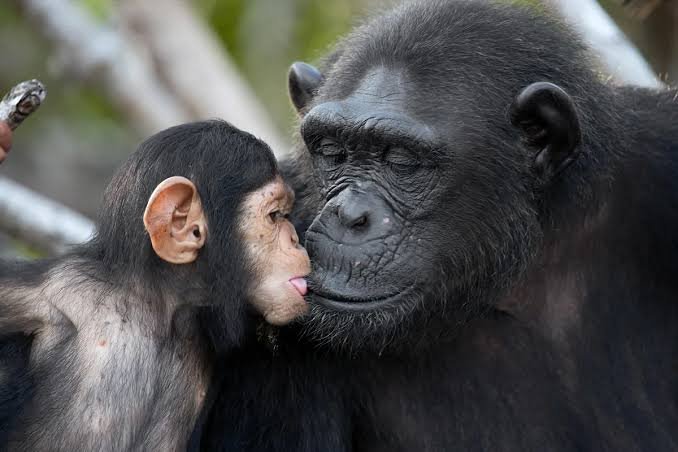
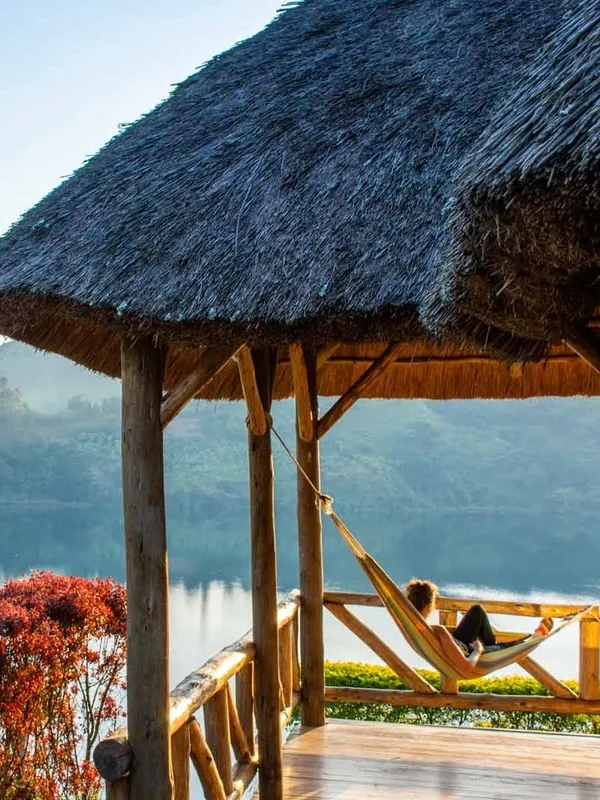
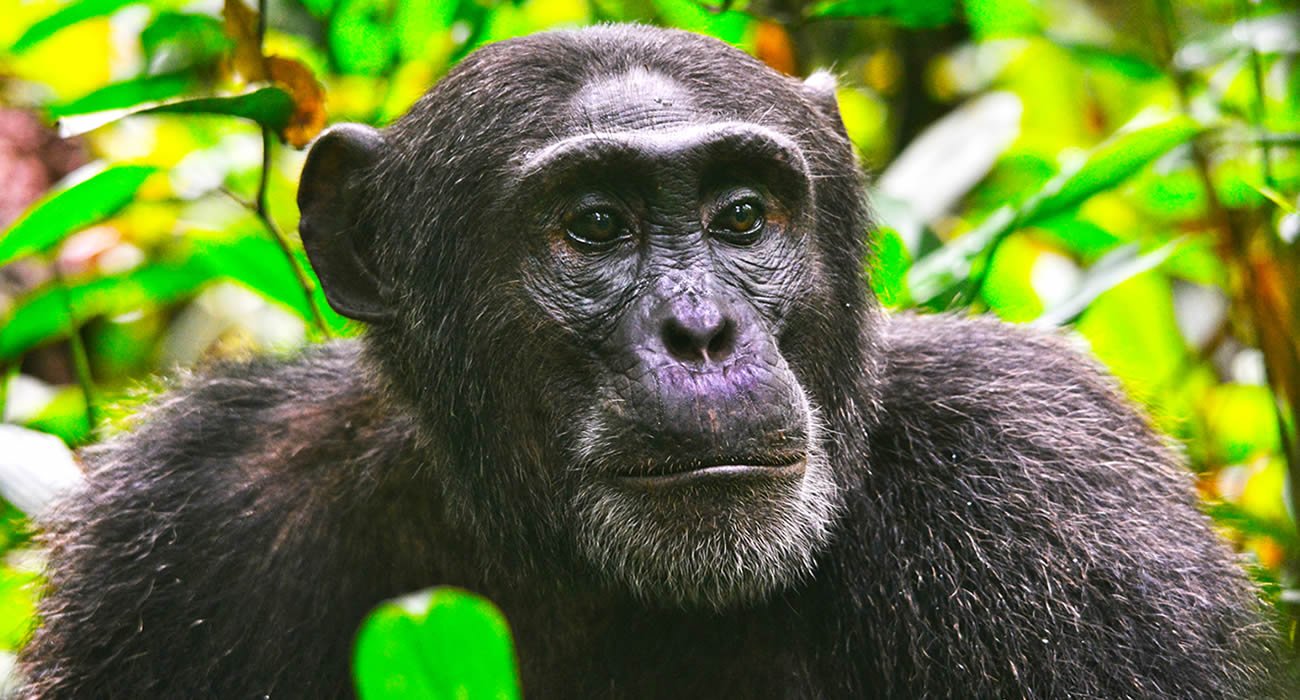
Uganda is considered one of the best chimpanzee tracking destinations in Africa due to its healthy chimpanzee populations, excellent conservation efforts, and well-managed national parks. Kibale Forest National Park is widely recognized as the premier location for chimpanzee tracking, but visitors can also enjoy remarkable experiences in Budongo Forest, Kyambura Gorge, Kalinzu Forest, and Semuliki Wildlife Reserve. Each destination offers slightly different landscapes, chimpanzee behaviors, and forest ecosystems, giving travelers multiple opportunities to appreciate Uganda’s exceptional biodiversity.
These Chimpanzee Tracking Tips are designed for first-time visitors, experienced wildlife enthusiasts, photographers, families, researchers, and anyone planning a primate safari in Uganda. Whether your goal is to capture incredible wildlife photographs, learn about chimpanzee conservation, or simply enjoy an unforgettable rainforest experience, proper preparation significantly improves your comfort and overall safari experience.
Why Preparation Matters for Chimpanzee Tracking
One of the most valuable Chimpanzee Tracking Tips is understanding that chimpanzee tracking differs greatly from gorilla trekking and traditional wildlife safaris. Chimpanzees are constantly moving through the forest, climbing trees, running across the forest floor, and communicating with one another through loud vocalizations. Unlike gorillas, they rarely remain in one place for long, meaning visitors often follow them through different sections of the forest while carefully observing their behavior.
Good preparation allows visitors to fully enjoy these fast-moving encounters rather than becoming distracted by uncomfortable clothing, unsuitable footwear, or inadequate equipment. Rainforest environments can change quickly, with sunshine giving way to tropical rain within minutes, so being properly equipped is essential for both comfort and safety.
Understanding what to expect also reduces anxiety for first-time visitors. Knowing how the tracking process works, what wildlife may be encountered, and how guides communicate throughout the trek allows travelers to focus entirely on the excitement of observing wild chimpanzees rather than worrying about the unknown.
Choose the Right Destination
Among the most important Chimpanzee Tracking Tips is selecting the destination that best matches your interests, available time, and overall safari itinerary. Uganda offers several excellent chimpanzee tracking locations, each providing unique experiences.
Kibale Forest National Park is widely regarded as Africa’s finest chimpanzee tracking destination due to its large habituated chimpanzee population, high success rate, excellent tourism infrastructure, and incredible primate diversity. Visitors often encounter numerous chimpanzees alongside several monkey species, colorful birds, butterflies, and other forest wildlife.
Budongo Forest Reserve is another outstanding location, particularly for travelers combining chimpanzee tracking with Murchison Falls National Park. Kyambura Gorge in Queen Elizabeth National Park offers a dramatic setting where chimpanzees inhabit an isolated forest canyon surrounded by open savannah, while Kalinzu Forest provides a quieter alternative with excellent wildlife viewing opportunities.
Choosing the right destination helps maximize your overall safari experience while fitting seamlessly into your preferred travel route.
Book Your Permit Early
One of the most overlooked Chimpanzee Tracking Tips is booking permits well in advance. Although chimpanzee permits are generally easier to obtain than gorilla permits, demand remains high during peak travel seasons between June and September and December to February.
Booking early allows visitors to secure their preferred dates, avoid disappointment, and coordinate accommodation, transportation, and additional safari activities more effectively. Early reservations also provide greater flexibility when combining chimpanzee tracking with gorilla trekking, game drives, birdwatching, or cultural experiences.
Working with an experienced tour operator like Nextgen Safaris ensures that permit reservations, park logistics, and accommodation bookings are handled professionally, allowing travelers to enjoy a stress-free planning process.
Wear the Right Clothing
Choosing appropriate clothing is one of the most practical Chimpanzee Tracking Tips for ensuring comfort throughout your rainforest adventure. Lightweight long-sleeved shirts and long trousers protect against insects, thorny vegetation, sun exposure, and occasional stinging plants encountered along forest trails.
Neutral-colored clothing such as green, brown, khaki, or grey is recommended because it blends naturally into the environment without attracting unnecessary attention from wildlife. Bright colors should generally be avoided as they may distract both wildlife and fellow visitors.
Layered clothing works particularly well because rainforest temperatures can change throughout the day. Early mornings are often cool, while midday conditions become warmer and more humid, making adjustable clothing especially useful.
Invest in Proper Hiking Boots
Among the most essential Chimpanzee Tracking Tips is wearing sturdy waterproof hiking boots with excellent ankle support. Forest trails may include muddy sections, exposed roots, loose rocks, steep slopes, and slippery terrain, particularly during the rainy seasons.
Quality hiking boots reduce the risk of slipping while providing comfort during several hours of walking. Waterproof footwear also keeps feet dry when crossing streams or hiking after rainfall, greatly improving the overall trekking experience.
Visitors should wear boots that have already been broken in before traveling to Uganda. New boots may cause blisters or discomfort during long hikes, reducing enjoyment of the experience.
Carry Essential Equipment
Packing wisely is another important aspect of successful Chimpanzee Tracking Tips. A lightweight waterproof backpack should contain drinking water, energy snacks, insect repellent, sunscreen, a waterproof jacket, camera equipment, spare batteries, binoculars, and personal medications.
A camera with a fast lens performs particularly well in rainforest conditions where lighting may be limited beneath the forest canopy. Binoculars are useful not only for observing chimpanzees in tall trees but also for identifying birds, butterflies, and other wildlife encountered during the trek.
Gardening gloves are also highly recommended because visitors often hold onto vegetation while navigating uneven terrain.
Maintain a Good Fitness Level
Chimpanzee tracking is generally less physically demanding than gorilla trekking, but maintaining reasonable fitness remains one of the most valuable Chimpanzee Tracking Tips. Visitors may walk for two to four hours while following chimpanzees across varying terrain, sometimes at a brisk pace due to the animals’ constant movement.
Regular walking, light hiking, or cardiovascular exercise before your safari greatly improves comfort during the trek. Being physically prepared allows visitors to focus entirely on observing wildlife rather than becoming fatigued during the experience.
Fortunately, most tracking routes remain manageable for travelers with average fitness levels, making chimpanzee tracking accessible to a wide range of visitors.
Listen Carefully to Your Ranger Guide
One of the most important Chimpanzee Tracking Tips is paying close attention to the instructions provided by your ranger guide. Before entering the forest, visitors receive a detailed briefing covering safety procedures, conservation rules, wildlife behavior, and trekking etiquette.
Throughout the trek, guides communicate with trackers who locate chimpanzee groups ahead of time. Following instructions carefully ensures visitor safety while minimizing disturbance to the animals and their natural environment.
Experienced guides also share fascinating information about chimpanzee behavior, forest ecology, medicinal plants, conservation efforts, and other wildlife encountered during the walk, greatly enriching the overall experience.
Respect Wildlife and Conservation Rules
Responsible behavior forms the foundation of all Chimpanzee Tracking Tips. Visitors should maintain the recommended viewing distance, avoid making loud noises, never feed wildlife, and refrain from using flash photography. These simple practices help protect chimpanzees from unnecessary stress while reducing the risk of disease transmission between humans and primates.
If you feel unwell before your trek, it is important to inform park authorities. Chimpanzees are highly susceptible to many human illnesses, making visitor health an important aspect of conservation.
Respecting these guidelines ensures that future generations will continue enjoying remarkable chimpanzee encounters while protecting Uganda’s fragile ecosystems.
Photography Tips During Chimpanzee Tracking
Capturing memorable photographs is often a major goal of visitors, making photography one of the most valuable Chimpanzee Tracking Tips. Because rainforest lighting can be challenging, cameras with fast lenses and adjustable ISO settings generally produce the best results.
Visitors should avoid flash photography as it may disturb the chimpanzees. Instead, use natural light whenever possible and remain patient while observing chimpanzee behavior. Continuous shooting modes help capture fast-moving animals, while image stabilization improves sharpness in low-light conditions.
Remember that enjoying the wildlife experience itself remains more important than capturing every photograph. Taking time to simply observe chimpanzees often creates the most meaningful memories.
Combine Chimpanzee Tracking with Other Safari Experiences
One of the best Chimpanzee Tracking Tips is combining chimpanzee tracking with other wildlife adventures to create a more complete Ugandan safari. Many travelers pair chimpanzee tracking in Kibale Forest with mountain gorilla trekking in Bwindi Impenetrable National Park, creating one of Africa’s greatest primate experiences.
Additional activities may include game drives in Queen Elizabeth National Park, boat cruises along the Kazinga Channel, golden monkey tracking in Mgahinga Gorilla National Park, crater lake tours, community visits, tea plantation experiences, and birdwatching excursions.
Combining multiple destinations allows travelers to experience Uganda’s incredible diversity while maximizing the value of their safari.
Common Mistakes to Avoid
One of the most practical Chimpanzee Tracking Tips is learning from common mistakes made by first-time visitors. Many travelers underestimate rainforest conditions by wearing unsuitable footwear, carrying insufficient drinking water, or forgetting waterproof clothing. Others bring heavy backpacks that become uncomfortable during long walks.
Arriving with unrealistic expectations can also reduce enjoyment. Chimpanzees are wild animals whose behavior changes daily, meaning every tracking experience is different. Patience and flexibility allow visitors to appreciate natural wildlife behavior rather than expecting a scripted encounter.
Finally, avoiding distractions such as constant phone use helps travelers fully immerse themselves in the remarkable rainforest environment.
Why Book Your Chimpanzee Tracking Safari with Nextgen Safaris?
Choosing Nextgen Safaris ensures your Chimpanzee Tracking Tips are supported by professional planning, experienced guides, carefully selected accommodation, reliable transportation, and personalized safari itineraries designed around your interests.
Our safari specialists help arrange permits, recommend the best tracking destinations, organize comfortable travel routes, and combine chimpanzee tracking with gorilla trekking, wildlife safaris, cultural experiences, and birdwatching adventures throughout Uganda.
With extensive experience organizing primate safaris, Nextgen Safaris remains committed to delivering unforgettable wildlife encounters while supporting responsible tourism and conservation.
Frequently Asked Questions About Chimpanzee Tracking Tips
1. What are the most important Chimpanzee Tracking Tips for first-time visitors?
The most important Chimpanzee Tracking Tips include wearing comfortable hiking boots, dressing in long-sleeved neutral-colored clothing, carrying enough drinking water, listening carefully to your ranger guide, and booking your chimpanzee tracking permit well in advance. It is also helpful to maintain a reasonable level of fitness since chimpanzees move actively through the forest and tracking may involve several hours of walking.
2. Where is the best place to follow these Chimpanzee Tracking Tips in Uganda?
Kibale Forest National Park is considered the best destination to apply these Chimpanzee Tracking Tips because it has one of Africa’s highest success rates for chimpanzee sightings. Other excellent locations include Budongo Forest Reserve, Kyambura Gorge in Queen Elizabeth National Park, Kalinzu Forest, and Semuliki Wildlife Reserve, each offering unique rainforest environments and memorable chimpanzee encounters.
3. What should I wear for chimpanzee tracking?
One of the key Chimpanzee Tracking Tips is to wear lightweight long-sleeved shirts, long trousers, waterproof hiking boots, and a waterproof rain jacket. Neutral-colored clothing such as green, brown, or khaki blends better with the forest environment, while gardening gloves are useful for gripping vegetation on steep or slippery trails.
4. How physically demanding is chimpanzee tracking?
Chimpanzee tracking is generally considered moderately challenging. Following these Chimpanzee Tracking Tips, such as staying physically active before your trip and wearing proper hiking footwear, will make the experience much more comfortable. Most tracking excursions last between two and four hours, although this can vary depending on the location of the chimpanzees.
5. Can I take photographs during chimpanzee tracking?
Yes, photography is encouraged during chimpanzee tracking. One of the most valuable Chimpanzee Tracking Tips is to use a camera that performs well in low-light rainforest conditions and to avoid using flash photography, as flash may disturb the chimpanzees. Patience and quiet observation usually result in the best wildlife photographs.
6. What should I pack for chimpanzee tracking?
According to the best Chimpanzee Tracking Tips, you should pack waterproof hiking boots, long-sleeved clothing, insect repellent, sunscreen, a waterproof jacket, reusable drinking water bottle, binoculars, camera with spare batteries, energy snacks, personal medications, and a small waterproof backpack. Packing light while carrying the essentials makes the trek much more enjoyable
7. Is chimpanzee tracking safe?
Yes. Following professional Chimpanzee Tracking Tips and the instructions of Uganda Wildlife Authority ranger guides makes chimpanzee tracking a safe activity. Visitors are always accompanied by experienced guides who understand chimpanzee behavior and know how to manage encounters responsibly while protecting both visitors and wildlife.
8. Can I combine chimpanzee tracking with gorilla trekking?
Absolutely. Many travelers combine chimpanzee tracking with mountain gorilla trekking to create the ultimate Ugandan primate safari. These Chimpanzee Tracking Tips become even more useful when planning a combined itinerary, allowing visitors to enjoy both Kibale Forest National Park and Bwindi Impenetrable National Park during the same safari while also adding wildlife viewing in Queen Elizabeth National Park.
9. What is the best time of year for chimpanzee tracking?
Chimpanzee tracking is available throughout the year. However, one of the most practical Chimpanzee Tracking Tips is to travel during the dry seasons from June to September or December to February when forest trails are generally drier and easier to navigate. Even during the rainy seasons, chimpanzee sightings remain excellent because experienced trackers locate the habituated groups daily.
10. Why should I book my chimpanzee tracking safari with Nextgen Safaris?
Nextgen Safaris offers professionally organized chimpanzee tracking experiences with guaranteed permit arrangements, experienced safari guides, carefully selected accommodation, reliable transportation, and personalized itineraries. By following our expert Chimpanzee Tracking Tips, travelers enjoy a smooth, safe, and unforgettable rainforest adventure while benefiting from our local knowledge, exceptional customer service, and commitment to responsible tourism and wildlife conservation.
Book Your Chimpanzee Tracking Adventure Today
A successful chimpanzee trekking experience begins long before you enter the rainforest. By following these Chimpanzee Tracking Tips, you will be well prepared to enjoy every stage of your adventure, from selecting the best destination and securing your permits to packing the right gear and understanding chimpanzee behavior in the wild. Good preparation not only makes your trek more comfortable but also allows you to fully appreciate the incredible biodiversity of Uganda’s tropical forests and the fascinating lives of our closest living relatives.]
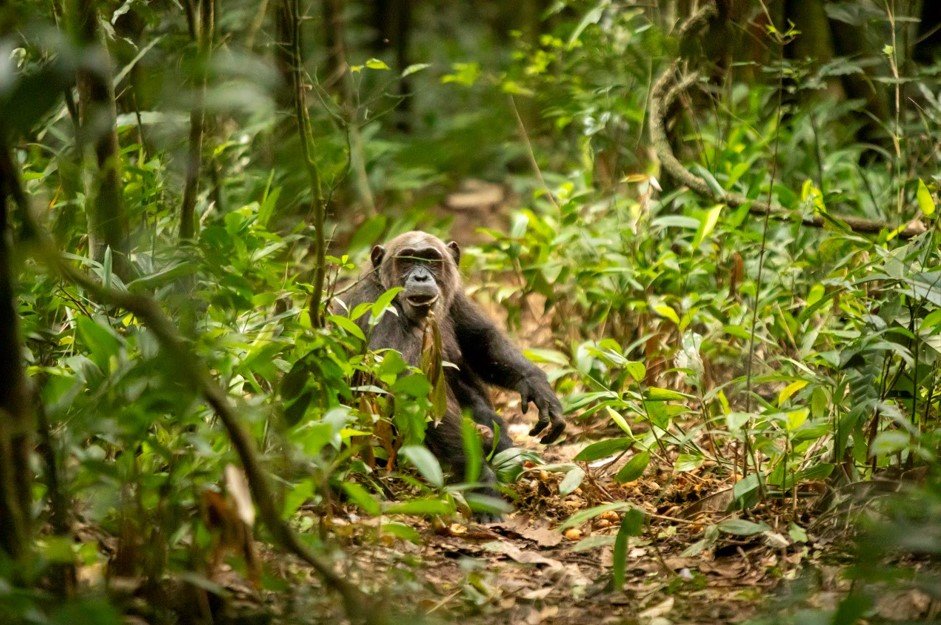
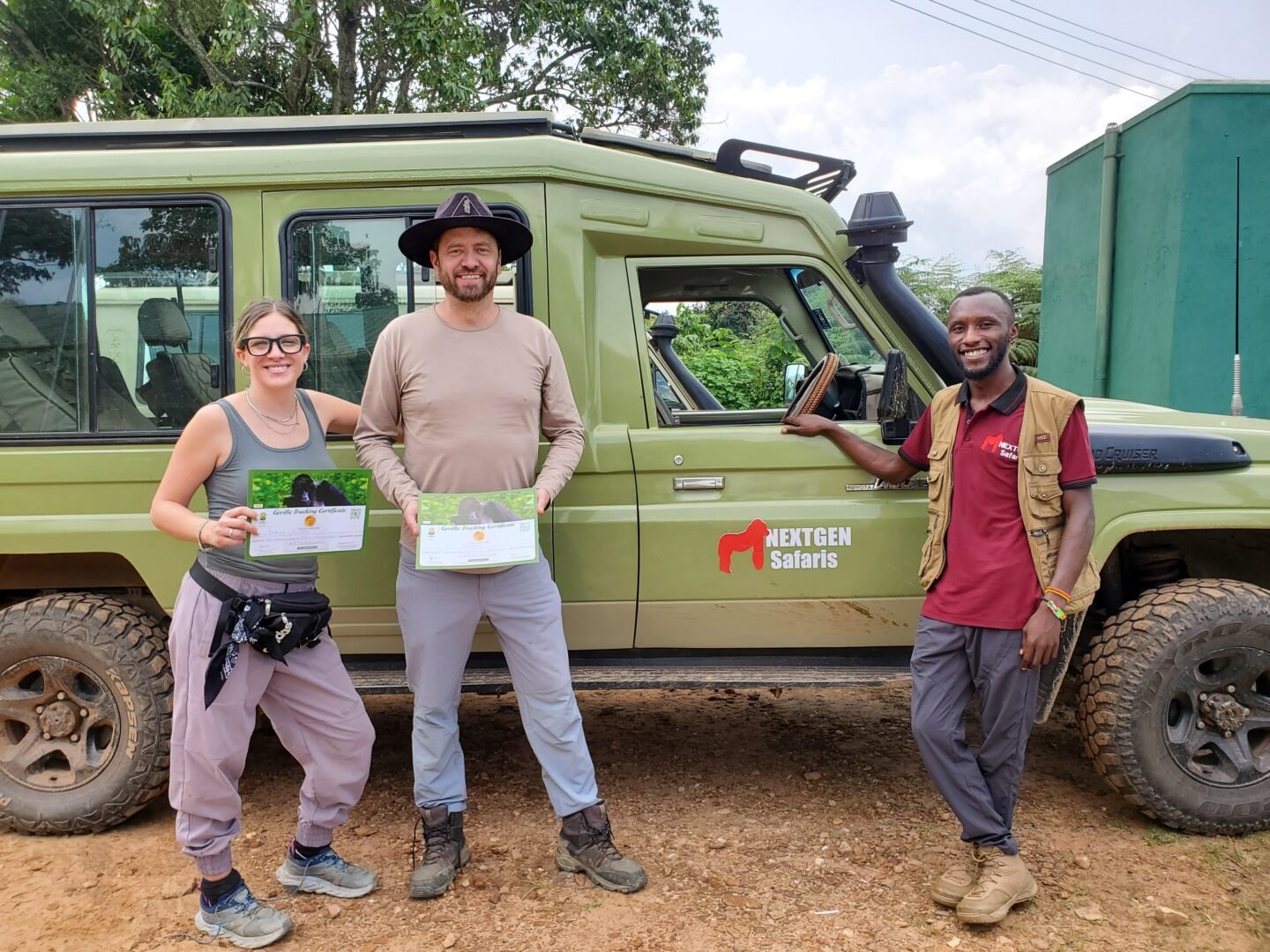
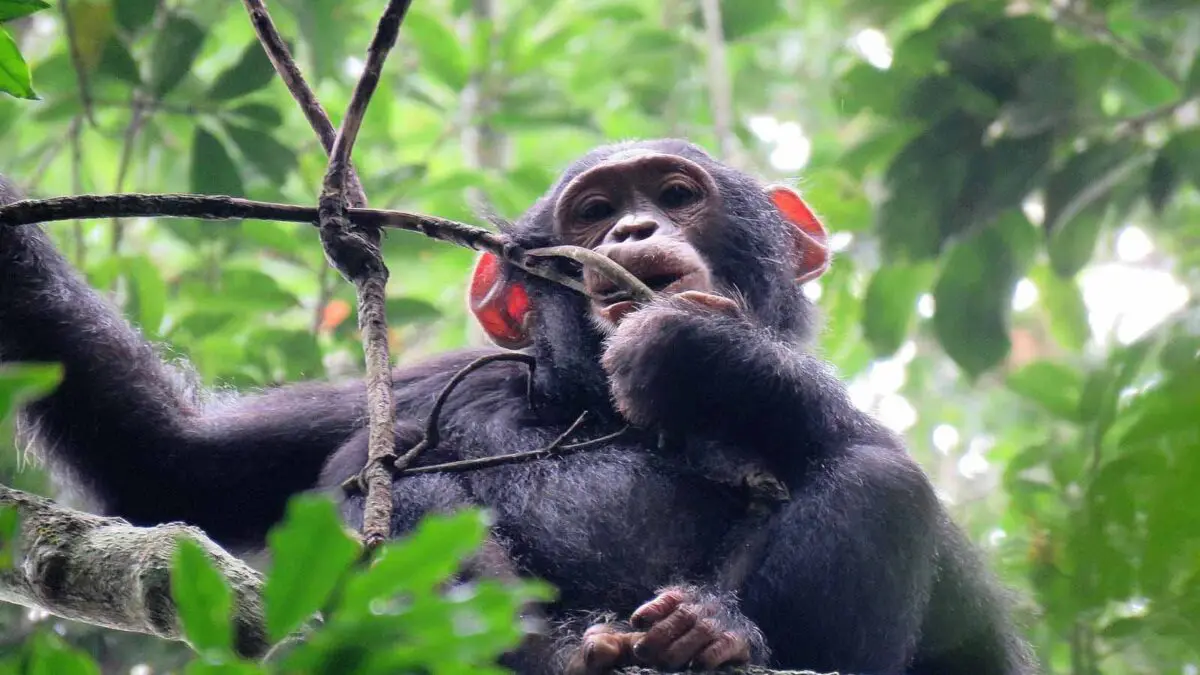
At Nextgen Safaris, we believe every traveler deserves a carefully planned safari that combines unforgettable wildlife encounters with comfort, safety, and exceptional service. Whether you want to track chimpanzees in Kibale Forest National Park, Budongo Forest, Kyambura Gorge, Kalinzu Forest, or combine your experience with mountain gorilla trekking and a classic wildlife safari, our experienced team will design a personalized itinerary that matches your travel dates, interests, fitness level, and budget. We take care of every detail, including chimpanzee permits, accommodation, transportation, professional guides, and additional safari activities, ensuring a seamless and memorable adventure.
Contact Nextgen Safaris today to begin planning your unforgettable chimpanzee trekking experience. Let our local experts turn these Chimpanzee Tracking Tips into an incredible journey through Uganda’s spectacular rainforests, where remarkable wildlife encounters, breathtaking scenery, and lifelong memories await.