
Do You Need Hiking Boots for Gorilla Habituation?
Do You Need Hiking Boots for Gorilla Habituation? The Ultimate Uganda Footwear and Trekking Guide
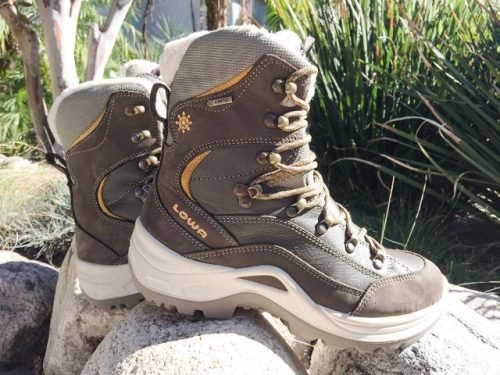
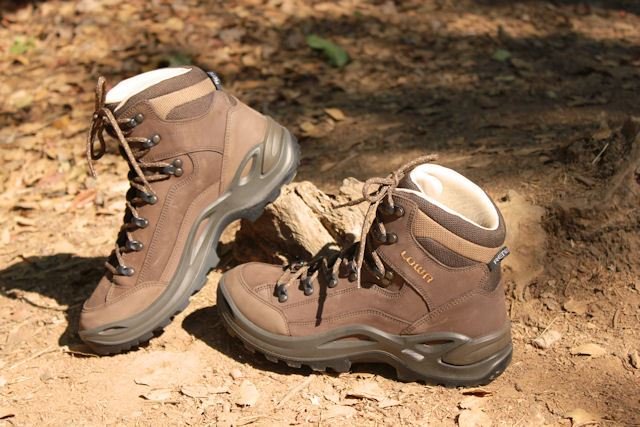
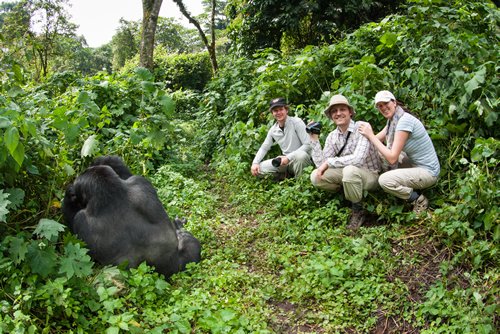
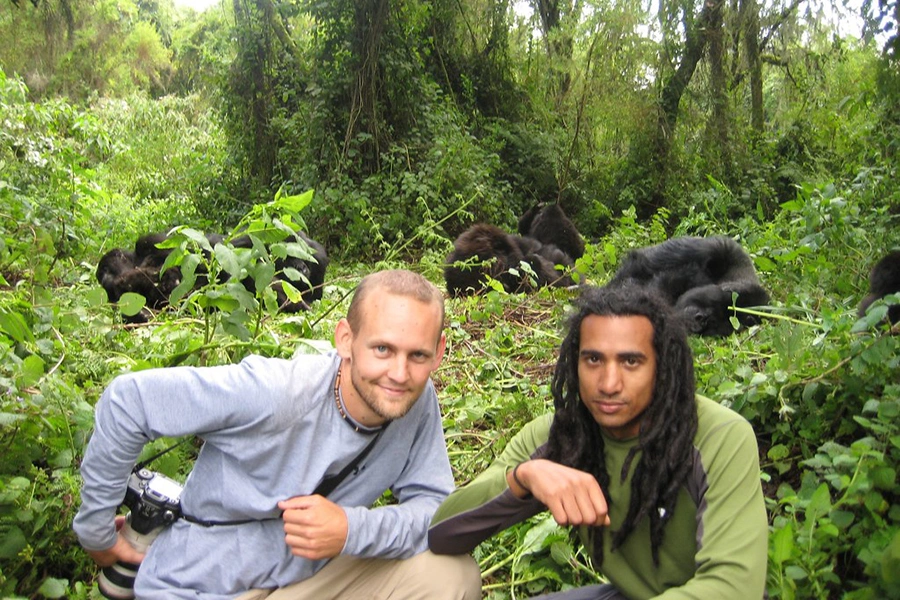
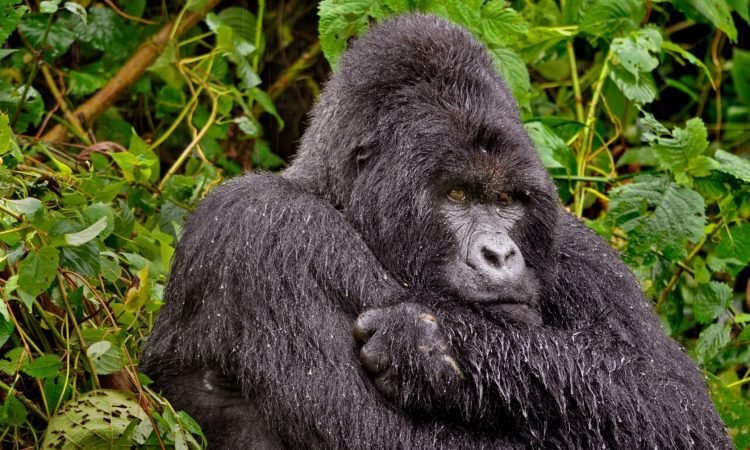
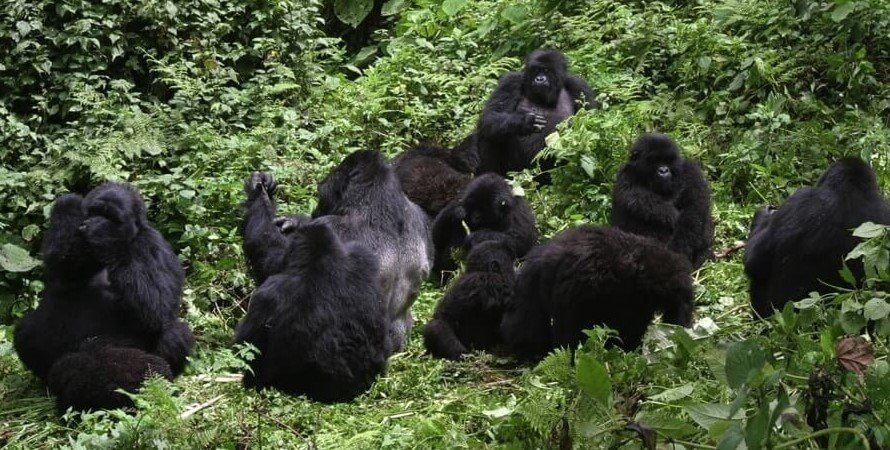
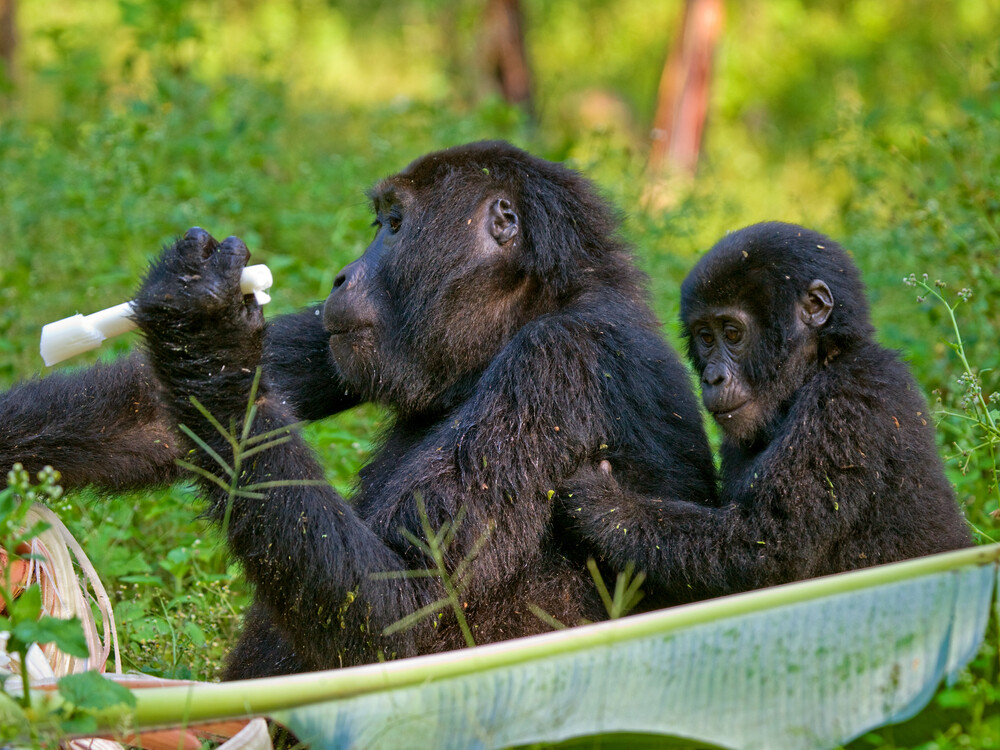
Do You Need Hiking Boots for Gorilla Habituation? Yes, sturdy hiking boots are strongly recommended for the Gorilla Habituation Experience in Uganda because the activity involves walking through steep mountain slopes, slippery rainforest trails, dense vegetation, and potentially muddy terrain. Uganda’s Gorilla Habituation Experience takes place in the Rushaga sector of Bwindi Impenetrable National Park in southwestern Uganda, where visitors can spend up to four hours observing a mountain gorilla family undergoing habituation.
Although hiking boots are a practical recommendation rather than a separately established legal footwear requirement, they provide important advantages in traction, ankle support, foot protection, and comfort. For Ugandan citizens, East African Community citizens, foreign residents, and international travellers visiting Uganda, selecting suitable footwear is one of the most important preparations for a rewarding forest adventure.
For Ugandan citizens and international tourists planning a gorilla habituation safari in Uganda, understanding Do You Need Hiking Boots for Gorilla Habituation? is essential because Bwindi Impenetrable National Park presents hiking conditions that differ considerably from ordinary nature walks. Uganda’s mountainous rainforest contains steep hillsides, exposed tree roots, muddy forest paths, thick vegetation, loose soil, and uneven surfaces that become particularly challenging after rainfall. The Gorilla Habituation Experience is also longer than conventional gorilla trekking because visitors can spend up to four hours with a gorilla family after locating it. The complete activity can occupy much of the day, making comfortable, properly fitted, waterproof hiking boots with reliable grip especially useful for navigating Uganda’s remarkable mountain gorilla habitat.
While some experienced hikers may be comfortable using specialist hiking shoes under appropriate conditions, most visitors are better prepared with supportive hiking boots. The ideal footwear should provide a combination of traction, stability, protection, and comfort without being unnecessarily heavy. Understanding what makes suitable hiking boots, when to wear them, and how to prepare them before visiting Bwindi can significantly improve the overall Gorilla Habituation Experience.
Why Are Hiking Boots Recommended for Gorilla Habituation in Bwindi?
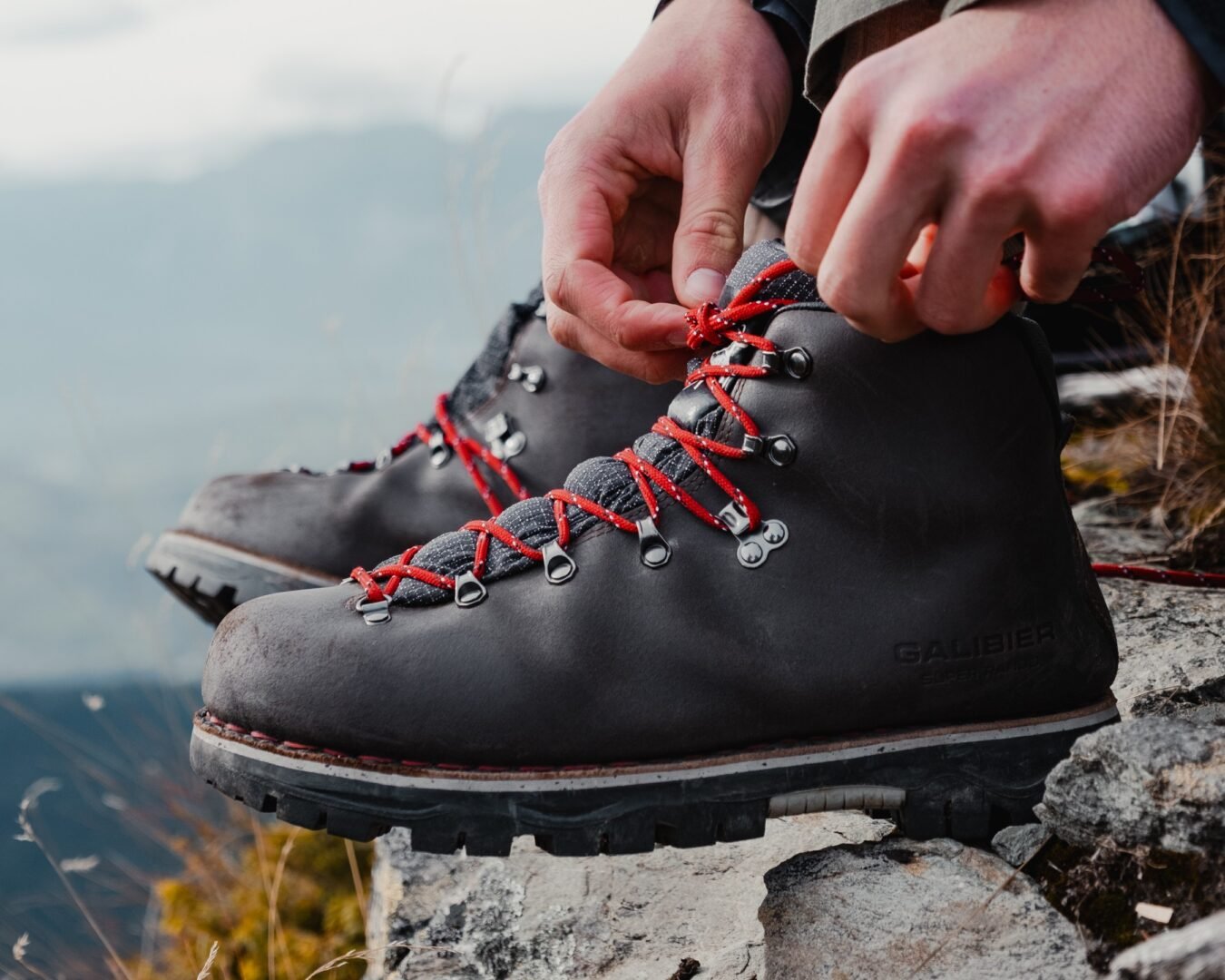
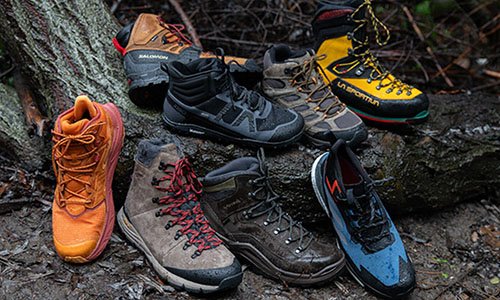
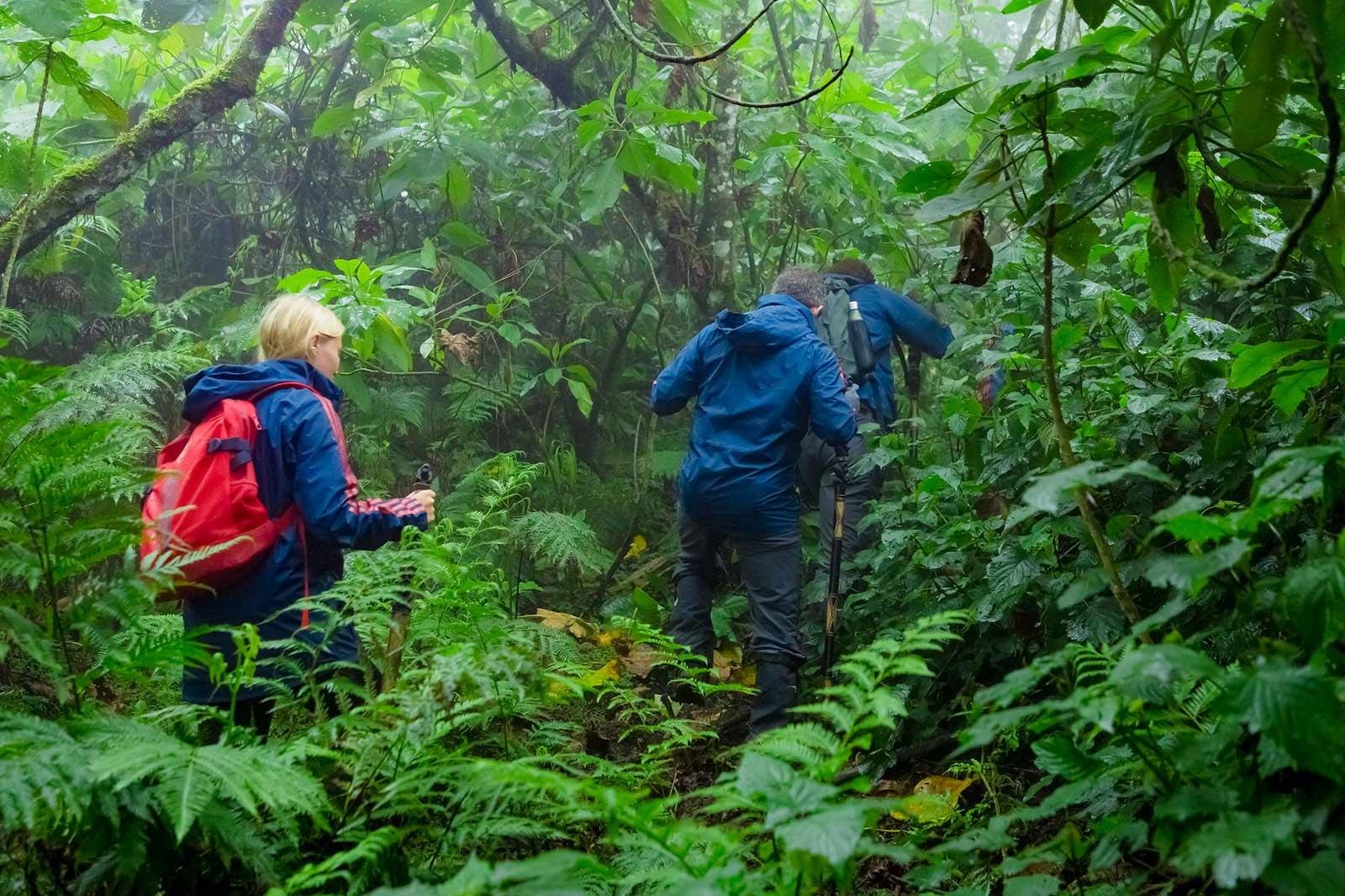
Hiking boots are recommended because gorilla habituation takes place in one of Uganda’s most mountainous and densely forested environments. Bwindi Impenetrable National Park is characterized by steep hills, natural forest trails, thick vegetation, and terrain that can become slippery even during relatively dry months.
During the Gorilla Habituation Experience, visitors follow authorized guides and personnel into the forest to locate a designated gorilla family. The route may include uphill climbs, downhill sections, exposed roots, wet leaves, and narrow paths where maintaining good balance is essential.
Ordinary footwear designed for walking on paved roads may not provide sufficient traction or support in these conditions. Hiking boots are designed to help walkers navigate uneven terrain by providing stronger soles, better grip, and additional protection around the feet.
Another important consideration is the duration of the excursion. Gorilla habituation is not a short walk to a fixed wildlife-viewing location. Visitors may spend several hours hiking before reaching the gorillas and must later complete the return journey.
When considering Do You Need Hiking Boots for Gorilla Habituation?, the main advantage is that appropriate boots can reduce avoidable discomfort and improve stability throughout a potentially demanding day in the forest.
Do You Need Hiking Boots for Gorilla Habituation During the Rainy Season?
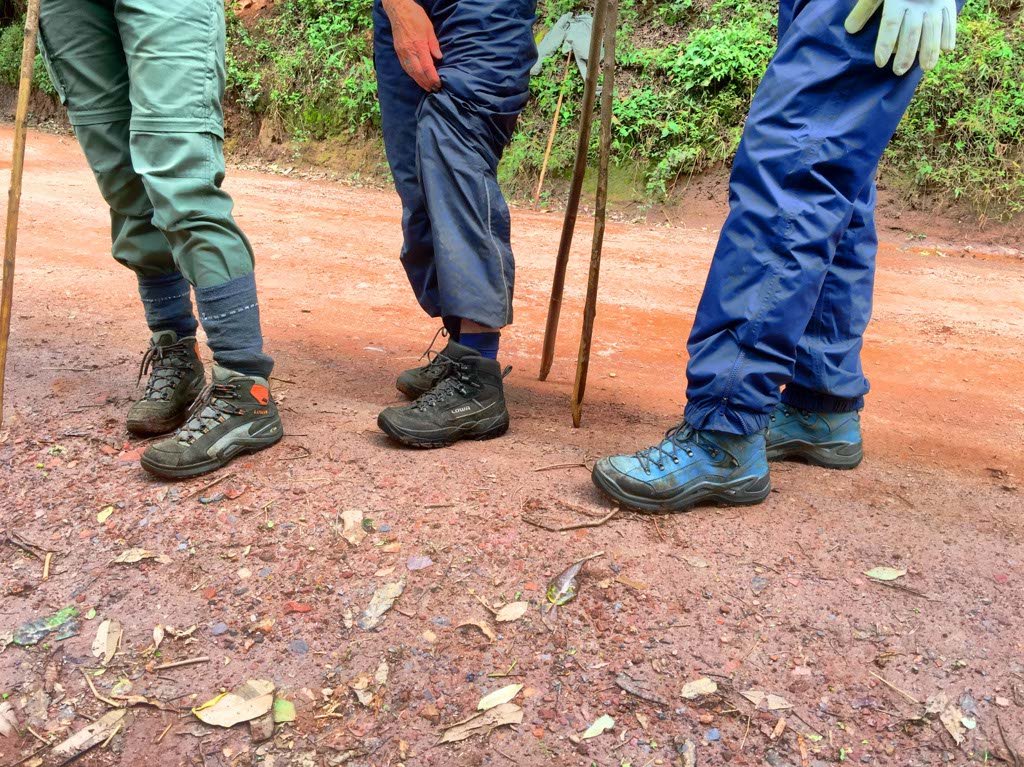
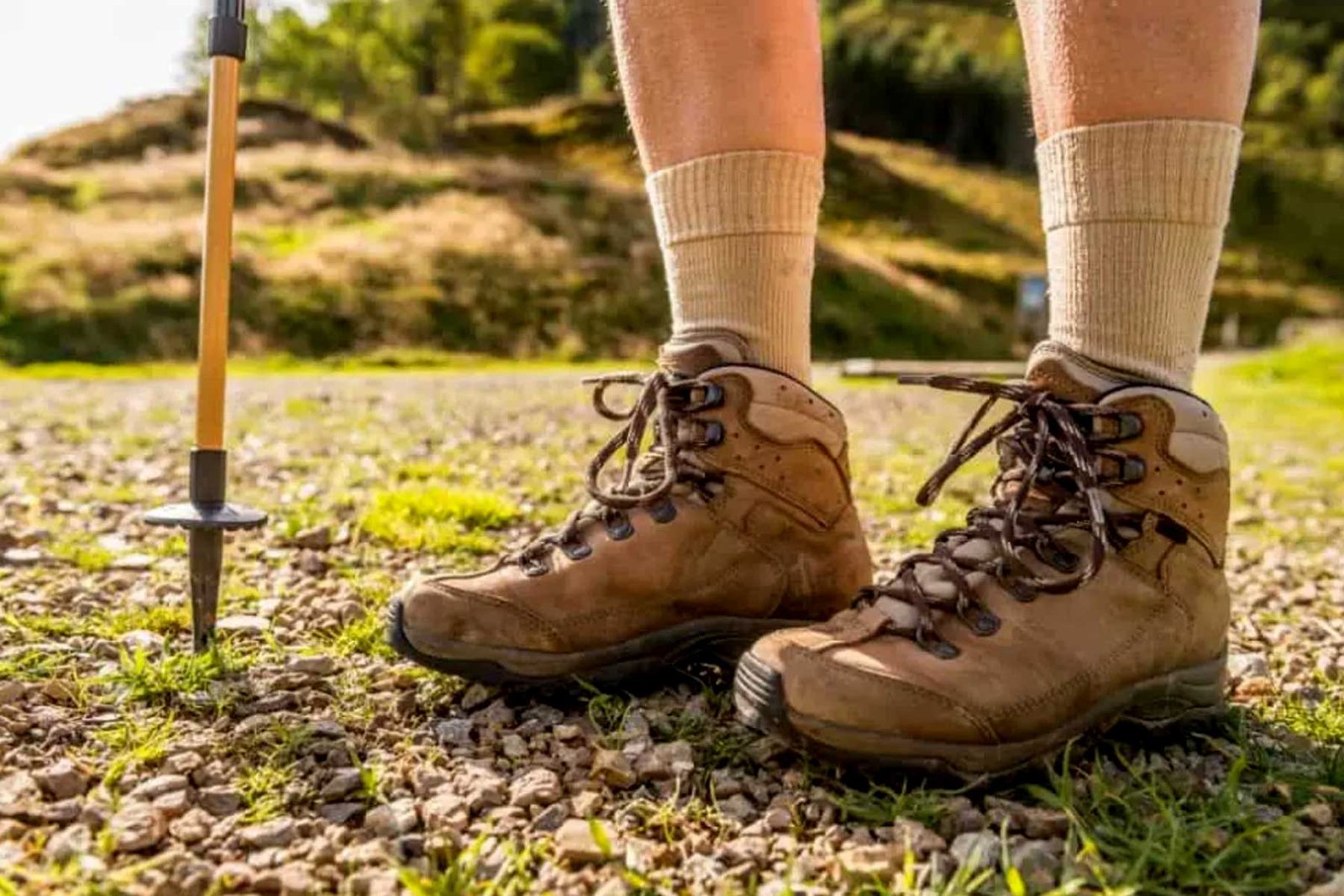
Yes. Proper hiking boots become especially important during the rainy season because Bwindi’s forest trails may become significantly muddier and more slippery.
Uganda generally experiences wetter conditions from March through May and around October through November, although rainfall patterns vary between years.
During these months, visitors may encounter saturated soil, muddy hillsides, wet vegetation, and exposed roots that require careful movement.
Waterproof hiking boots with deep-tread soles can improve traction and help protect the feet from prolonged exposure to moisture.
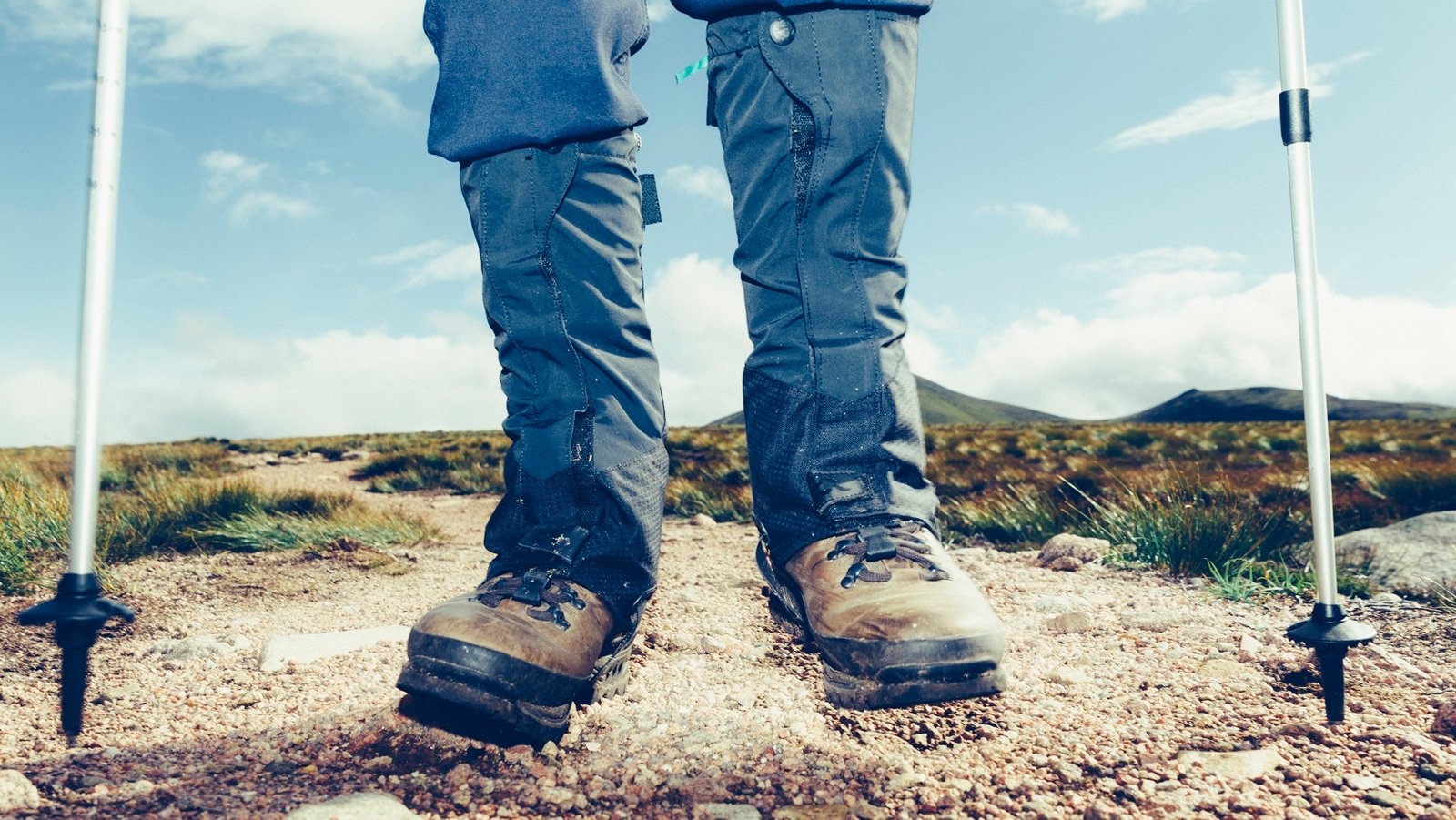
Gaiters may also be useful because they cover the gap between trousers and footwear, helping reduce the amount of mud and vegetation entering the boots.
Visitors should nevertheless remember that hiking boots cannot eliminate the challenges of rainy-season trekking. Adequate fitness, appropriate walking technique, and careful attention to guide instructions remain essential.
Do You Need Hiking Boots for Gorilla Habituation in June, July and August?
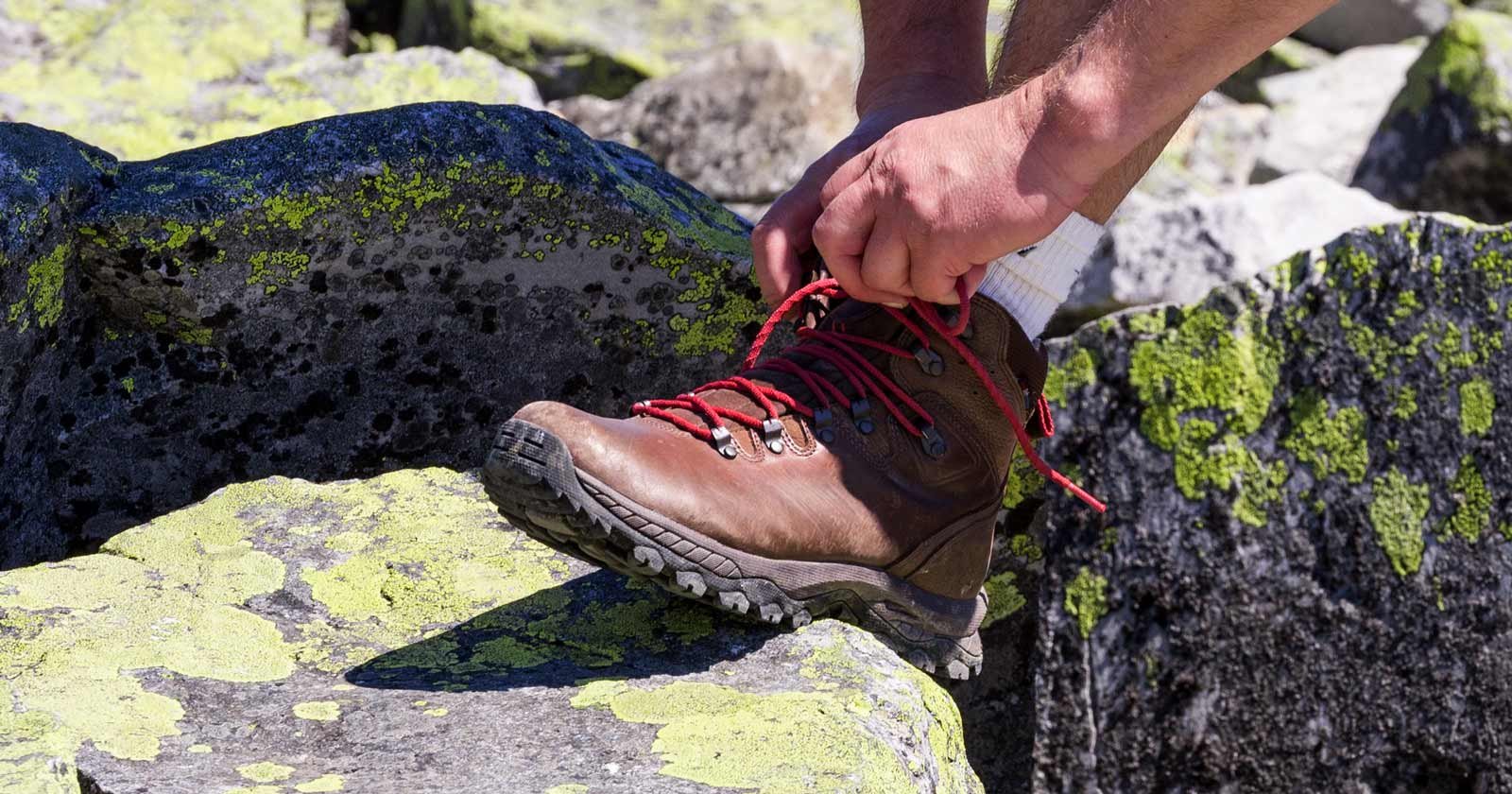
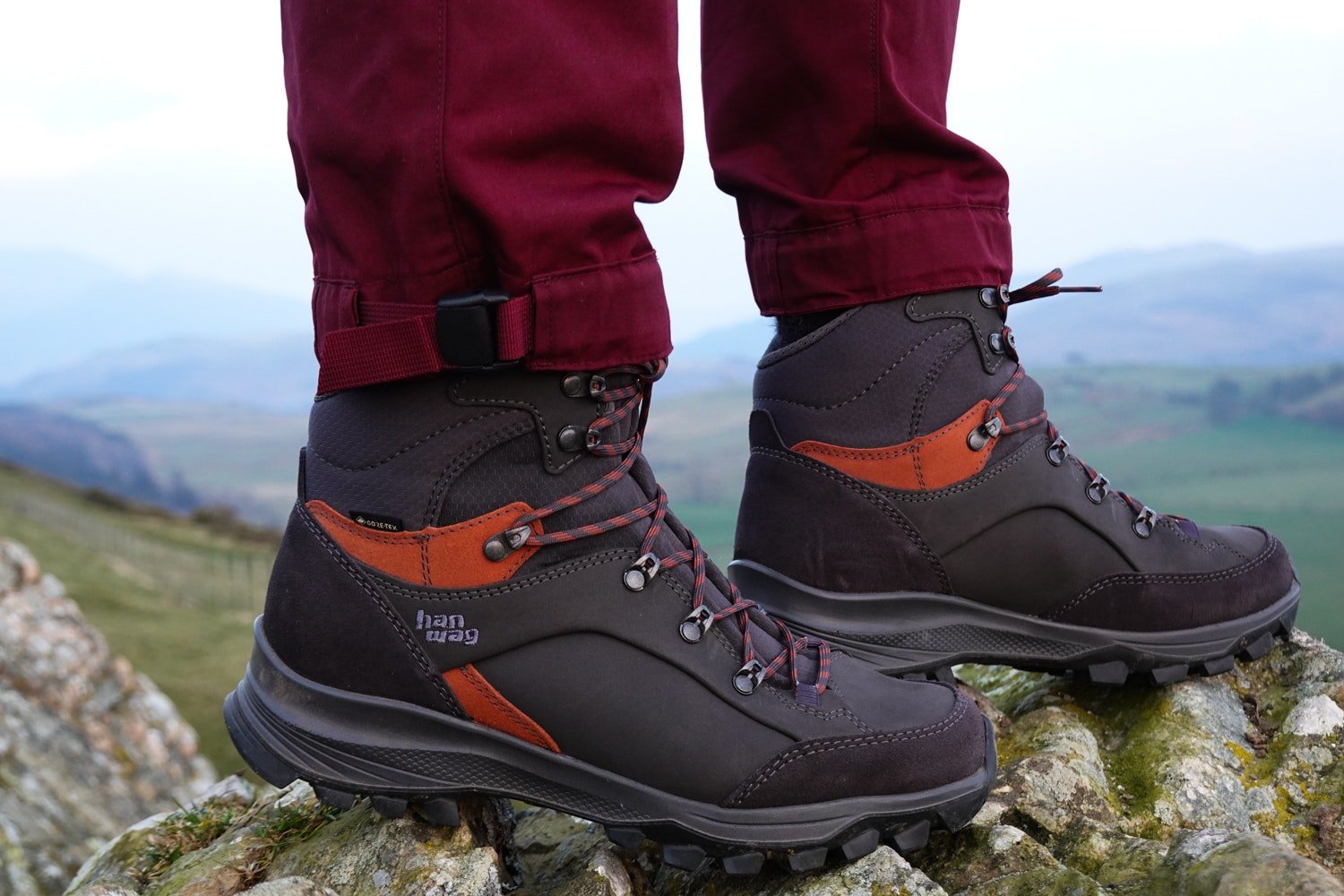
Yes. Hiking boots are recommended even during June, July, and August, which are generally among the relatively dry months in southwestern Uganda.
During this period, rainfall is often lower than during the principal wet seasons, allowing some forest trails to become firmer and more manageable.
However, Bwindi Impenetrable National Park remains a rainforest throughout the year, and showers can occur at any time. Some trails may also remain muddy because of shade, groundwater, and moisture retained beneath the forest canopy.
The mountainous terrain does not become flat simply because the weather is relatively dry. Visitors must still navigate hillsides, roots, loose surfaces, and natural forest pathways.
For travellers considering Do You Need Hiking Boots for Gorilla Habituation? during Uganda’s dry season, sturdy hiking footwear remains one of the most important items to pack.
Are Hiking Boots Necessary for Gorilla Habituation in December and January?
December and January generally fall within the shorter relatively dry period in southwestern Uganda, making them popular months for gorilla-related activities.
However, the need for suitable hiking boots remains unchanged. Bwindi’s terrain continues to feature steep slopes, uneven trails, exposed roots, and areas where moisture can accumulate.
Early December may also experience rainfall associated with the preceding wet season, making waterproof footwear particularly useful.
January often offers relatively favourable trekking conditions, but visitors should not assume that ordinary casual shoes will be appropriate.
Comfortable hiking boots, long socks, protective trousers, and a waterproof jacket remain recommended during both months.
How Should Hiking Boots Fit for Gorilla Habituation?
Proper fit is one of the most important considerations when selecting hiking boots because the Gorilla Habituation Experience may involve prolonged walking and repeated uphill and downhill movement.
Boots should fit securely around the heel and middle of the foot without causing uncomfortable pressure. The toes should have enough room to move naturally, particularly when descending slopes.
Footwear that is too tight may cause discomfort, bruising, or pressure points, while boots that are too loose can allow excessive movement and increase friction.
Visitors should try hiking boots while wearing the type of socks they intend to use during the forest excursion.
It is also useful to test the boots on inclined surfaces where possible. Walking downhill can reveal whether the toes strike the front of the boot, while uphill movement can expose problems with heel slippage.
A comfortable fit should take priority over appearance or brand preference.
Should You Break In Hiking Boots Before Gorilla Habituation?
Yes. Visitors should wear their hiking boots before travelling to Uganda rather than using them for the first time during the Gorilla Habituation Experience.
New hiking boots may feel comfortable during a brief fitting but cause blisters or pressure points after several hours of walking.
Breaking in boots through regular walks allows the materials to adjust where appropriate and helps the wearer identify potential discomfort.
Visitors can begin with shorter walks and gradually increase the duration, including suitable hills and uneven surfaces.
Wearing the same socks intended for the safari makes practice sessions more useful.
However, breaking in should not be used to compensate for fundamentally poor fit. Boots that consistently cause significant pain, numbness, or pressure should be reassessed rather than forced into use.
When planning Do You Need Hiking Boots for Gorilla Habituation?, travellers should consider both purchasing suitable footwear and becoming comfortable wearing it before the safari.
What Socks Should You Wear With Hiking Boots?
Comfortable hiking socks are important because they provide cushioning, help manage moisture, and reduce friction between the feet and boots.
Moisture-wicking synthetic or suitable wool-blend socks are often preferable to ordinary cotton socks, particularly during extended hiking.
Cotton tends to retain moisture and may become uncomfortable when wet, especially during a long forest excursion.
Hiking socks should fit smoothly without bunching inside the boot. Excess material or wrinkles can create pressure points and contribute to blisters.
Long socks are particularly useful when visitors intend to tuck their trousers into them for additional protection against vegetation and insects.
Carrying an extra pair of socks in a waterproof bag can also be helpful, especially during rainy-season gorilla habituation.
Do You Need Gaiters With Hiking Boots?
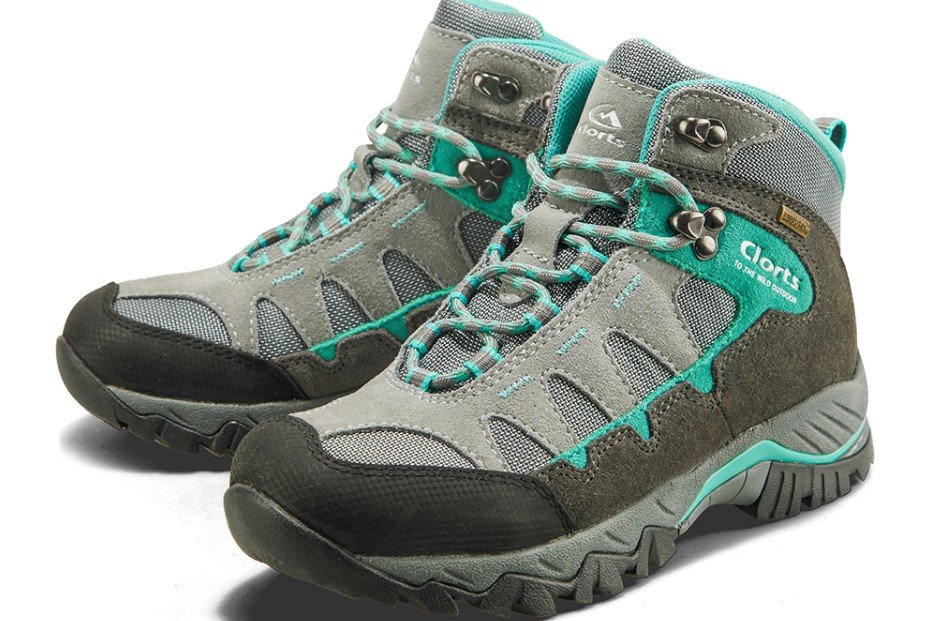
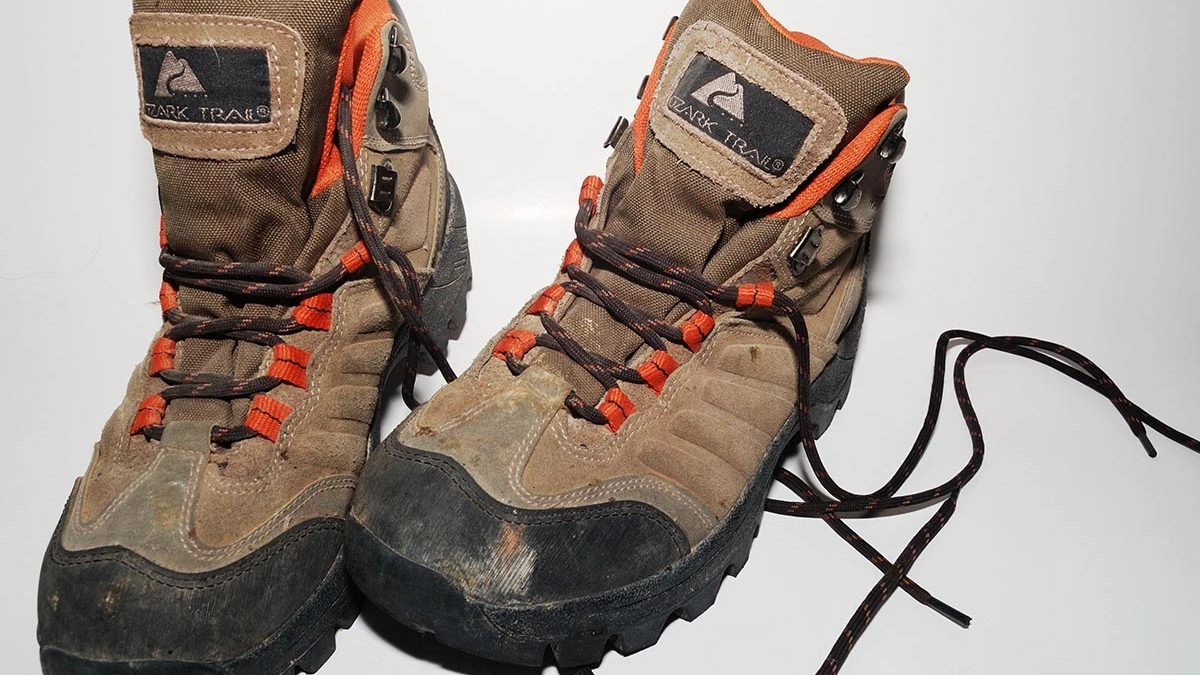
Gaiters are useful accessories for gorilla habituation, particularly during wet weather or when walking through dense vegetation.
They are protective coverings worn around the lower legs and the tops of hiking boots, helping prevent mud, loose vegetation, stones, and some insects from entering footwear.
During rainy months, gaiters can provide additional protection against muddy conditions and wet plants brushing against the lower legs.
Visitors who do not own gaiters can often tuck their trousers into long hiking socks, although this arrangement may provide less protection against mud entering the tops of the boots.
Gaiters are helpful rather than universally mandatory, and their value depends on the conditions and footwear being used.
How Can You Prevent Blisters During Gorilla Habituation?
Blisters are a potential problem during extended forest hiking, particularly when visitors wear poorly fitting footwear or allow their feet to remain wet for prolonged periods.
One of the best preventive measures is choosing hiking boots that fit correctly and wearing them during practice walks before the safari.
Appropriate hiking socks can also reduce friction and help manage moisture. Visitors should avoid socks that bunch, slide down, or create uncomfortable pressure.
During longer hikes, participants should communicate with their guides if footwear begins causing significant discomfort. Addressing a developing pressure point early may prevent a more painful blister.
A small first-aid kit containing appropriate blister dressings can be useful, although visitors should not carry unnecessary medical equipment.
Keeping feet reasonably dry and changing into comfortable footwear after returning to the lodge can also improve recovery.
Can Hiking Boots Make Gorilla Habituation Easier?
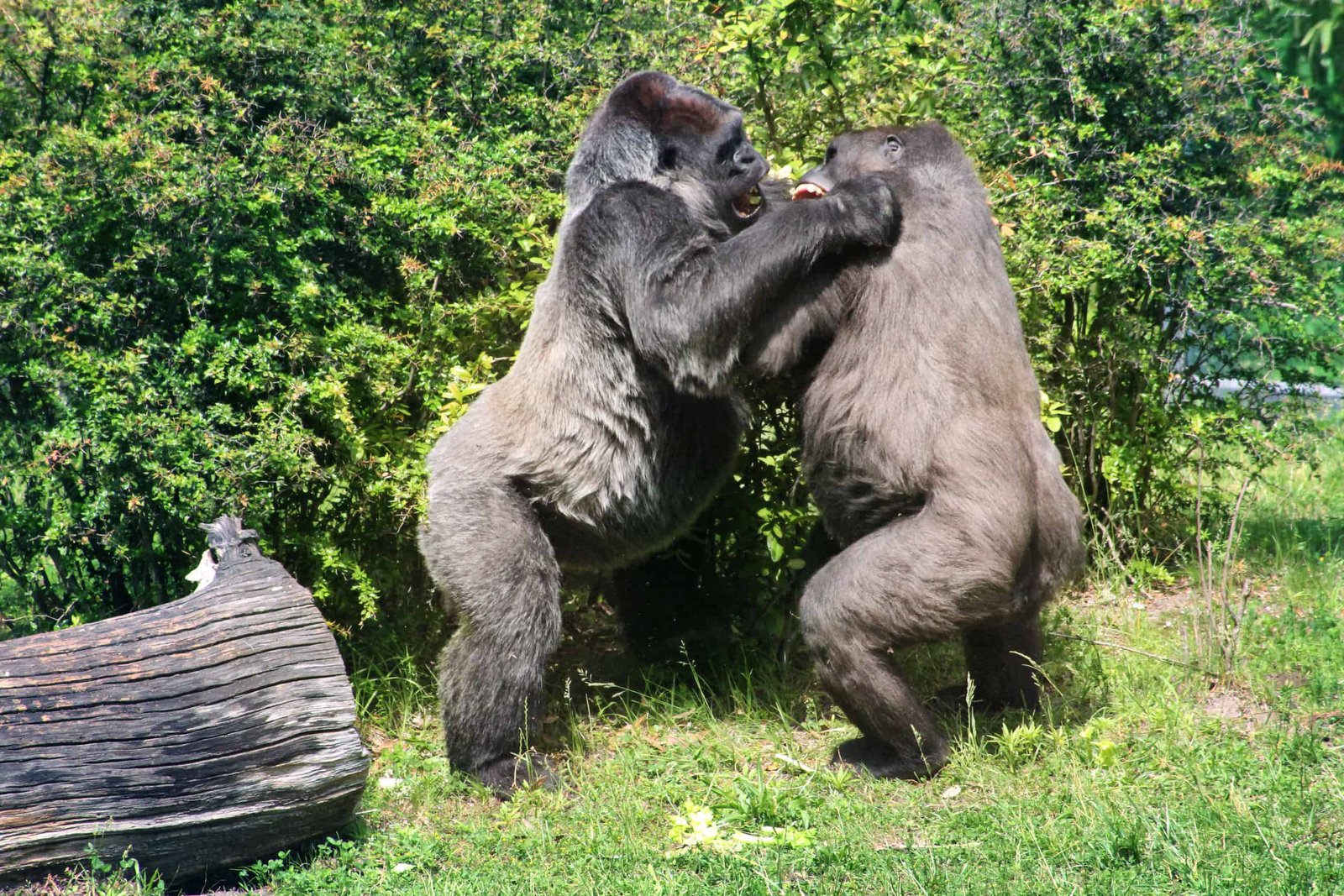
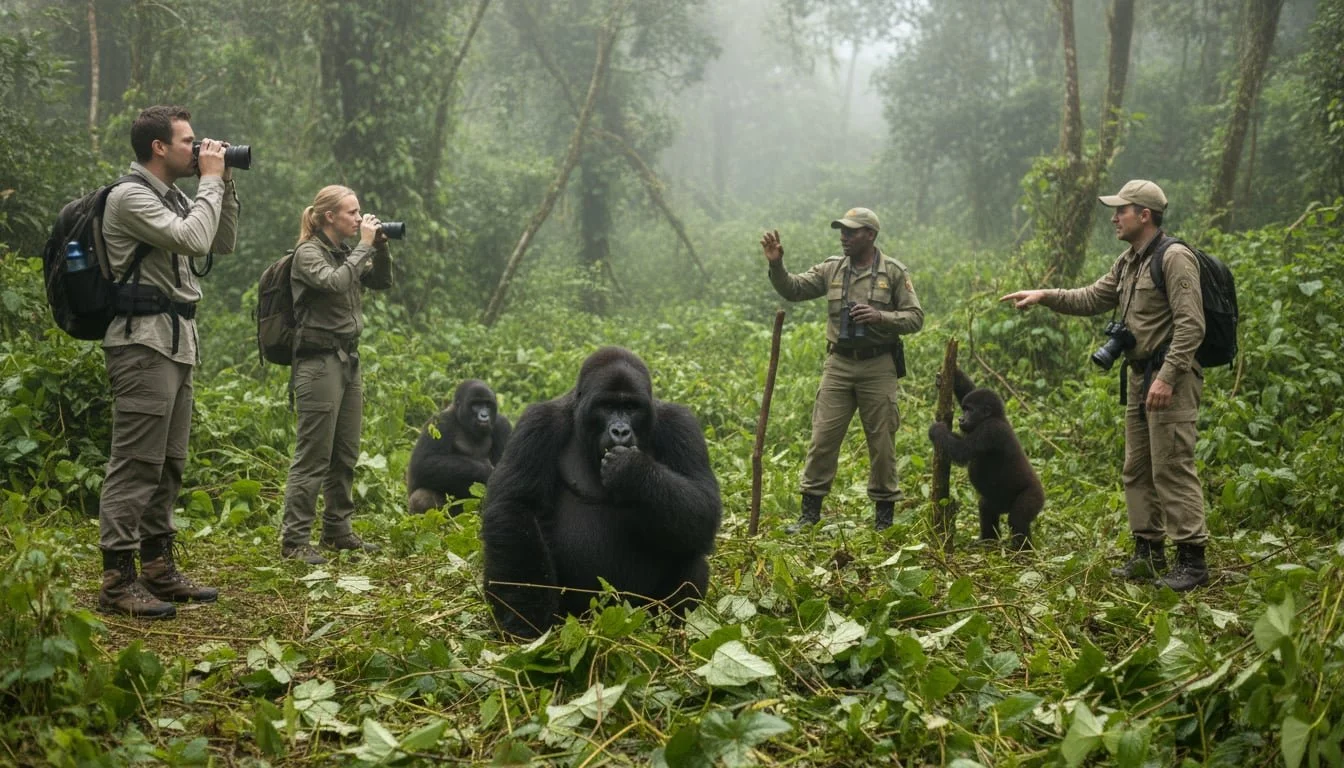
Suitable hiking boots can make gorilla habituation more comfortable by improving traction, stability, and foot protection.
During steep climbs, a secure boot with appropriate grip can provide confidence on loose or muddy surfaces. During downhill sections, supportive footwear can help control foot movement and reduce unnecessary friction.
However, hiking boots do not remove the physical demands of the experience. Visitors still need sufficient endurance, balance, and leg strength to walk through mountainous rainforest.
The location of the gorilla family may require several hours of hiking, regardless of the quality of the footwear.
For travellers wondering Do You Need Hiking Boots for Gorilla Habituation?, the most accurate recommendation is that good boots help visitors manage the terrain but do not guarantee an easy excursion.
How Difficult Is Gorilla Habituation Even With Hiking Boots?
Gorilla habituation can be moderately strenuous to strenuous because it involves walking through Bwindi’s mountainous rainforest.
The difficulty varies according to the location of the designated gorilla family, the condition of forest trails, rainfall, and each visitor’s physical fitness.
Some excursions involve relatively manageable walking, while others may require extended climbing and careful navigation of steep or muddy terrain.
The Gorilla Habituation Experience allows up to four hours with the designated gorilla family, but this observation period does not include the time required to reach the gorillas or return from the forest.
Consequently, visitors should prepare for a potentially lengthy day outdoors.
Hiking boots are an important part of that preparation, alongside suitable clothing, adequate hydration, physical fitness, and realistic expectations.
What Other Equipment Should You Wear With Hiking Boots?
Although suitable footwear is essential, visitors should also prepare the rest of their trekking outfit carefully.
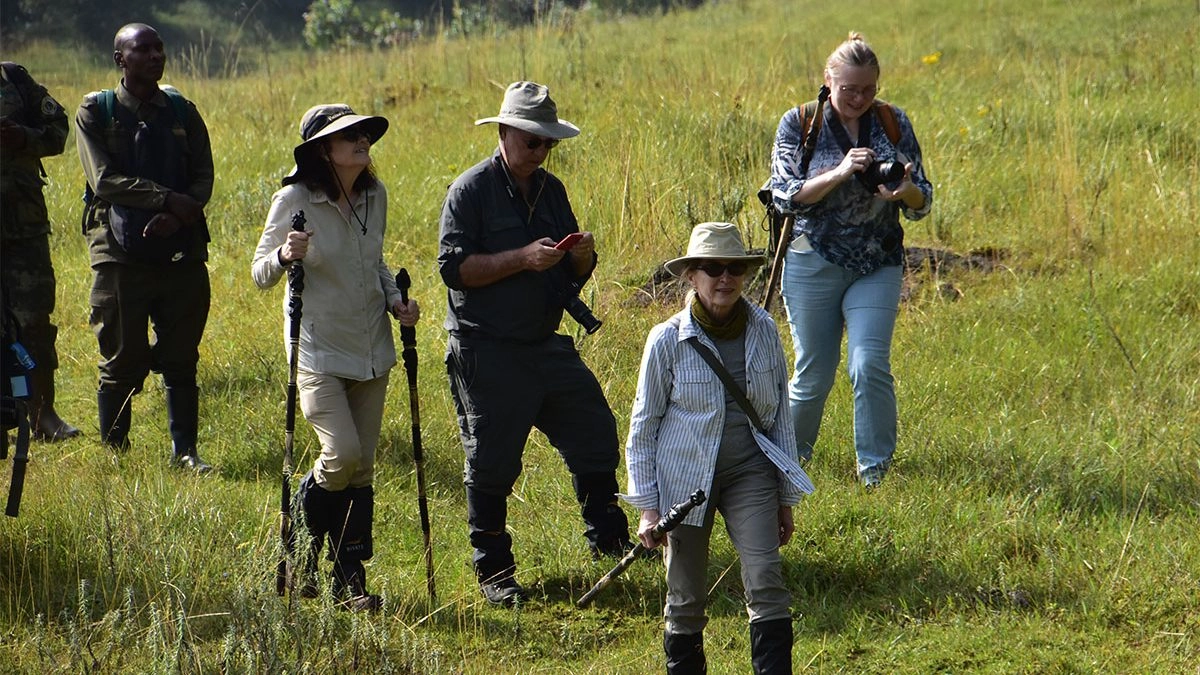
Long hiking trousers provide protection against thick vegetation, scratches, and insects. Lightweight, quick-drying materials are generally preferable to heavy jeans because they remain more comfortable when exposed to rain or perspiration.
Long-sleeved shirts help protect the arms, while gardening-style gloves are useful when visitors need to steady themselves along challenging forest routes.
A waterproof jacket is essential because rainfall can occur throughout the year in Bwindi Impenetrable National Park.
Visitors should also carry a small backpack containing drinking water, packed food, personal medication, and other necessary belongings.
The best equipment works together to improve comfort without creating unnecessary weight.
Can You Hire Hiking Boots in Uganda?
Visitors may be able to arrange hiking boots or other trekking equipment through certain specialist suppliers, accommodation establishments, or safari service providers in Uganda.
However, rental availability should not be assumed, particularly in remote areas around Rushaga.
Finding properly fitted boots can also be difficult when relying on last-minute rentals because available sizes, styles, and footwear conditions may vary.
Visitors are generally better prepared when they bring their own hiking boots and have already worn them during practice walks.
Travellers who cannot bring suitable footwear should discuss their requirements with their safari organizer before arriving in Uganda.
Any rental arrangement should be confirmed in advance, including the size, condition, price, and collection location.
Where Can You Buy Hiking Boots Before Gorilla Habituation?
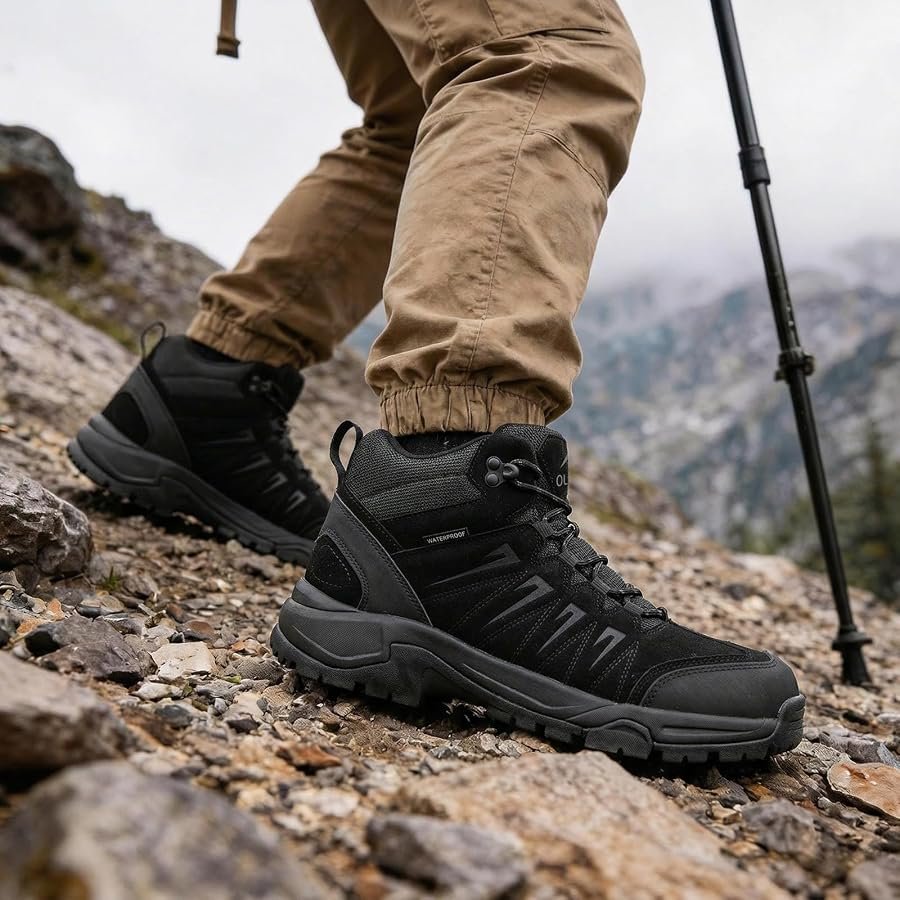
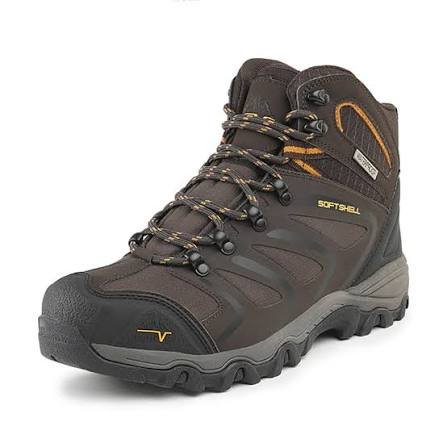
Travellers can obtain suitable hiking boots from outdoor equipment retailers, specialist hiking shops, and other suppliers selling footwear designed for uneven natural terrain.
Visitors travelling internationally may prefer purchasing boots before departing for Uganda because this allows time to test the fit and complete practice walks.
Ugandan citizens travelling from Kampala, Entebbe, or other urban centres should also arrange their footwear in advance rather than assuming appropriate sizes will be available near Bwindi.
When purchasing boots, travellers should prioritize grip, fit, comfort, and suitable weather protection rather than choosing footwear solely because it is marketed as safari equipment.
Proper preparation before travelling can prevent unnecessary inconvenience once visitors reach the Rushaga region.
Should Senior Travellers Wear Different Hiking Boots?
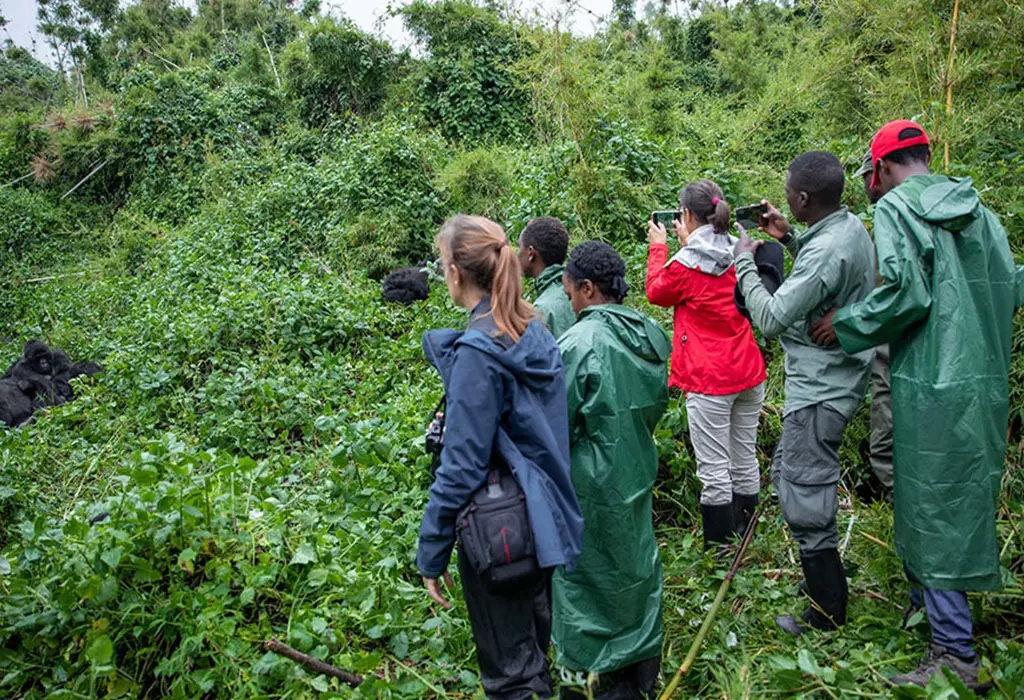
Senior travellers should select hiking boots according to their individual mobility, balance, foot comfort, and walking experience rather than age alone.
Comfortable, supportive footwear with reliable traction is particularly important for people who are concerned about uneven ground or prolonged downhill walking.
However, excessively heavy or restrictive boots may increase fatigue. A lighter, well-fitting hiking boot may be more comfortable for some visitors.
Travellers with existing foot, ankle, knee, or mobility problems should seek appropriate professional advice when necessary.
Walking sticks and porter assistance may also be helpful, although neither replaces the need for suitable footwear or physical preparation.
For senior travellers considering Do You Need Hiking Boots for Gorilla Habituation?, the ideal choice is footwear that supports their individual needs while remaining practical for the terrain.
How Should You Prepare Your Hiking Boots the Night Before Gorilla Habituation?
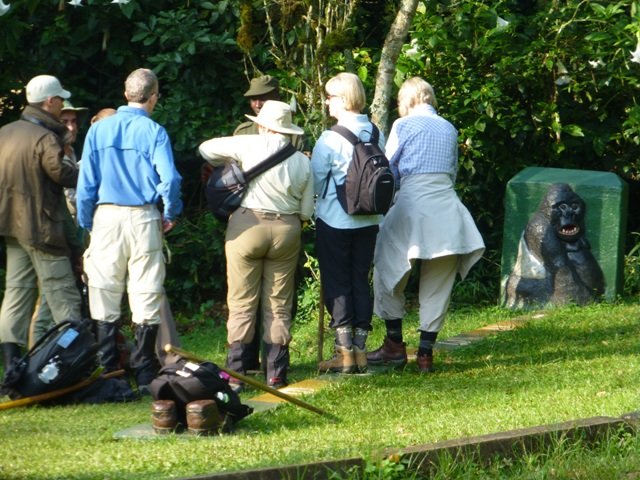
The evening before the Gorilla Habituation Experience, visitors should inspect their boots to ensure they are clean, comfortable, and suitable for the expected forest conditions.
Check that the soles have adequate grip, the laces are secure, and the footwear does not contain stones or other objects that could cause discomfort.
Prepare suitable hiking socks, long trousers, and gaiters where needed.
Visitors should also organize their rain jackets, gloves, drinking water, packed lunches, and other essentials before going to bed.
Gorilla habituation begins early, with Uganda Wildlife Authority’s published guidelines scheduling the activity from approximately 6:30 a.m. Visitors should confirm the precise reporting arrangements and departure time with their safari organizer.
Preparing equipment the previous evening helps prevent unnecessary delays and allows visitors to concentrate on the experience.
Where Should You Stay Before Gorilla Habituation in Bwindi?
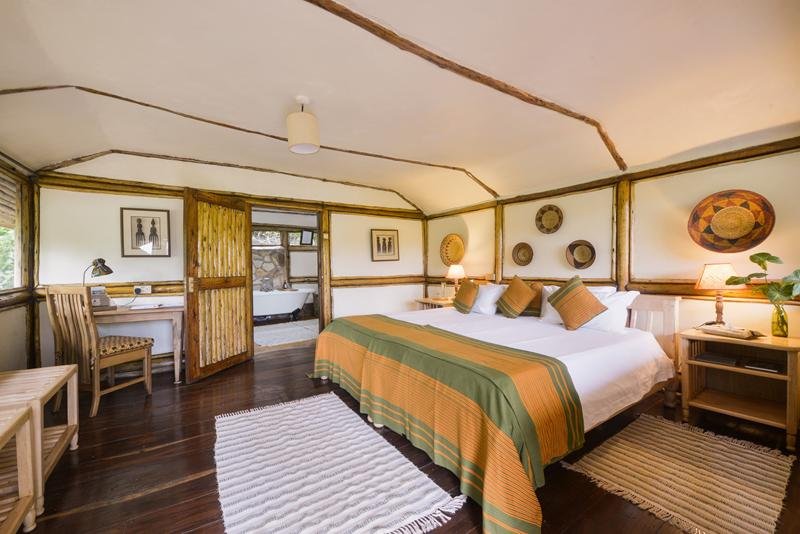
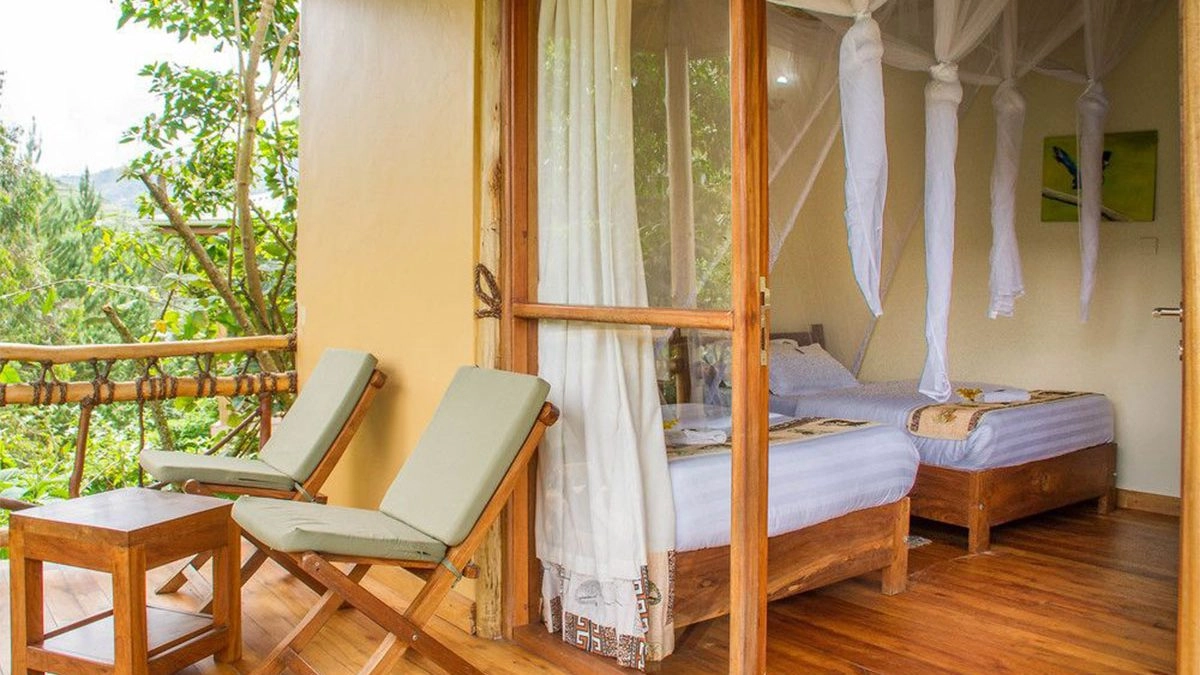
The most convenient accommodation for gorilla habituation is located near the Rushaga sector of Bwindi Impenetrable National Park.
Visitors should ideally arrive in the region at least one day before their scheduled activity, allowing sufficient time to rest, organize equipment, and prepare their hiking boots.
Rushaga offers several accommodation options, including Four Gorillas Lodge, Gorilla Safari Lodge, Gorilla Leisure Lodge, Ichumbi Gorilla Lodge, and Rushaga Gorilla Havens Lodge.
Staying close to the designated briefing location reduces unnecessary driving before the early morning excursion.
Accommodation establishments may also assist with packed lunches, early breakfasts, transportation arrangements, and practical guidance about preparing for the forest.
Visitors should confirm the facilities and actual transfer distance before booking.
Can You Fly From Entebbe to Bwindi With Hiking Boots?
Yes. Visitors can travel with hiking boots when taking domestic flights from Entebbe International Airport to Kisoro Airstrip, followed by a road transfer to Rushaga.
However, domestic safari aircraft commonly have stricter luggage restrictions than international flights. Travellers should confirm the airline’s baggage allowance before departure.
Wearing hiking boots during the journey may help reduce luggage weight for some visitors, although comfort and airport requirements should also be considered.
Alternatively, boots can be packed in suitable luggage, provided the baggage allowance permits the additional weight.
Visitors should avoid leaving essential footwear behind when travelling to remote safari destinations because replacement options may be limited.
Frequently Asked Questions About Hiking Boots for Gorilla Habituation
Do You Need Hiking Boots for Gorilla Habituation?
Yes. Hiking boots are strongly recommended because gorilla habituation takes place in the steep, muddy, and densely forested terrain of Bwindi Impenetrable National Park in Uganda. Although a separate mandatory hiking-boot rule has not been established here, suitable boots provide important traction, support, and protection. Waterproof hiking boots with reliable grip are generally the best choice for most visitors.
What Are the Best Hiking Boots for Gorilla Habituation?
The best hiking boots are comfortable, properly fitted, supportive, and equipped with durable soles that provide good traction on uneven and muddy terrain. Waterproof or water-resistant construction is particularly useful because Bwindi receives rainfall throughout the year. Visitors should choose boots suited to their feet and hiking ability rather than purchasing the most expensive available model.
Can You Wear Sneakers for Gorilla Habituation?
Ordinary sneakers are generally unsuitable because they may lack the traction, protection, and support needed for steep rainforest trails. Specialist trail-running shoes may be suitable for some experienced hikers, but supportive hiking boots remain the more dependable recommendation for most first-time visitors.
Do You Need Waterproof Hiking Boots for Gorilla Habituation?
Waterproof hiking boots are strongly recommended because Bwindi’s trails can be muddy or wet during any month. Waterproof construction helps protect the feet during ordinary wet conditions, although water can still enter over the boot opening. Proper fit, reliable grip, and comfortable support are equally important.
Can You Wear Gumboots for Gorilla Habituation?
Some specialist rubber field boots may be suitable, but ordinary gumboots are not generally the preferred option for extended rainforest hiking. They may provide limited cushioning or a less secure fit on steep terrain. Properly fitted hiking boots usually offer a better combination of comfort, stability, and protection.
Book Your Gorilla Habituation Experience in Bwindi, Uganda
Preparing suitable hiking boots is an important step toward enjoying Uganda’s extraordinary Gorilla Habituation Experience in Bwindi Impenetrable National Park. Whether you are travelling during the relatively dry months of June, July, August, January, and February or visiting during Uganda’s greener rainy periods, appropriate footwear can improve comfort and help you navigate the forest’s challenging terrain.
If you are still wondering Do You Need Hiking Boots for Gorilla Habituation?, our gorilla safari booking team can help you understand the recommended trekking equipment, forest conditions, physical preparation, and practical arrangements required for your visit to the Rushaga sector of Bwindi.
We can assist with Uganda Gorilla Habituation Permits, accommodation near Rushaga, private transfers from Entebbe or Kampala, domestic flights to Kisoro, road transfers from Kigali, and customized Uganda gorilla safari itineraries.
Our booking assistance can also help you plan your preferred travel dates, understand permit requirements, and discuss porter arrangements or other practical considerations before your safari.
Whether you are a Ugandan citizen, East African Community citizen, international traveller, wildlife photographer, honeymooner, senior visitor, or first-time rainforest hiker, preparing the right equipment allows you to approach your mountain gorilla experience with greater confidence.
Book your Gorilla Habituation Experience in Uganda today. Share your preferred travel dates, number of participants, accommodation preferences, and any questions about trekking preparation so that permit availability and suitable arrangements can be checked before you confirm your journey.
For additional safari planning assistance, contact our Uganda gorilla permit booking team and receive guidance on organizing your visit to Bwindi Impenetrable National Park.