
Gorilla Trekking FAQs
Ultimate Gorilla Trekking FAQs: Your Complete Guide to an Unforgettable Safari
Gorilla trekking is one of Africa’s most extraordinary wildlife experiences, attracting travelers from around the world to the lush forests of Uganda, Rwanda, and the Democratic Republic of Congo. For those new to this adventure, having clear guidance can transform a challenging trek into a smooth and memorable journey. This comprehensive guide provides Gorilla Trekking FAQs for first-time and returning visitors alike, covering everything from permits, preparation, and accommodation to safety, wildlife behavior, and practical advice.
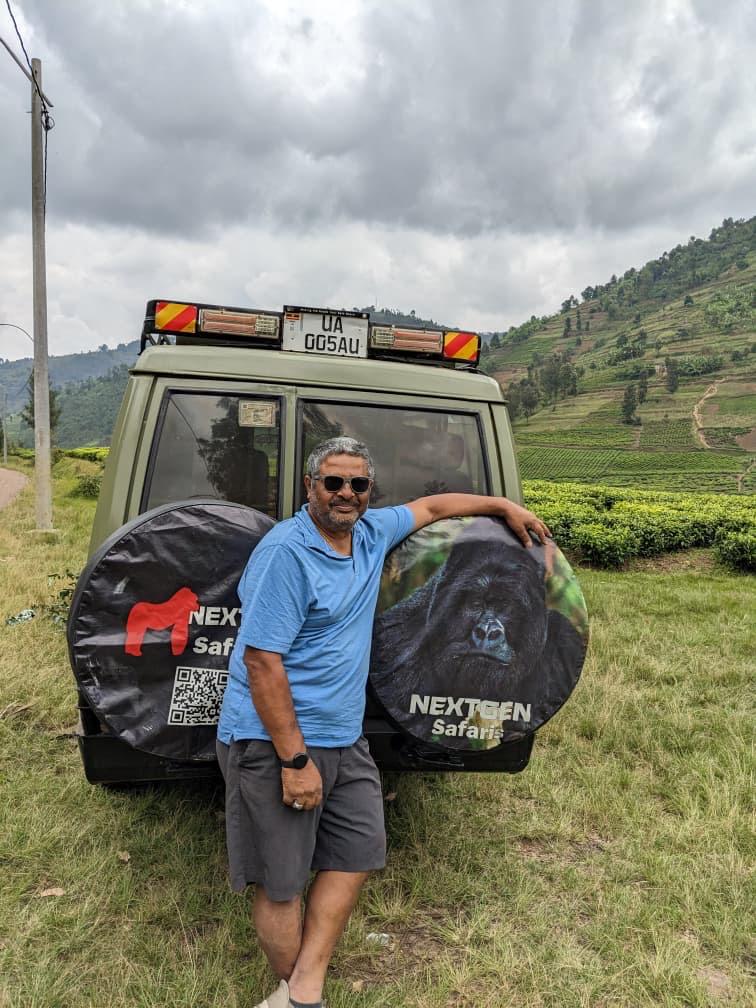
At Nextgen Safaris, we specialize in designing bespoke gorilla trekking experiences that combine adventure, comfort, and local expertise. Our aim is to equip travelers with everything they need to confidently enjoy one of the most awe-inspiring wildlife encounters on Earth.
What is Gorilla Trekking?
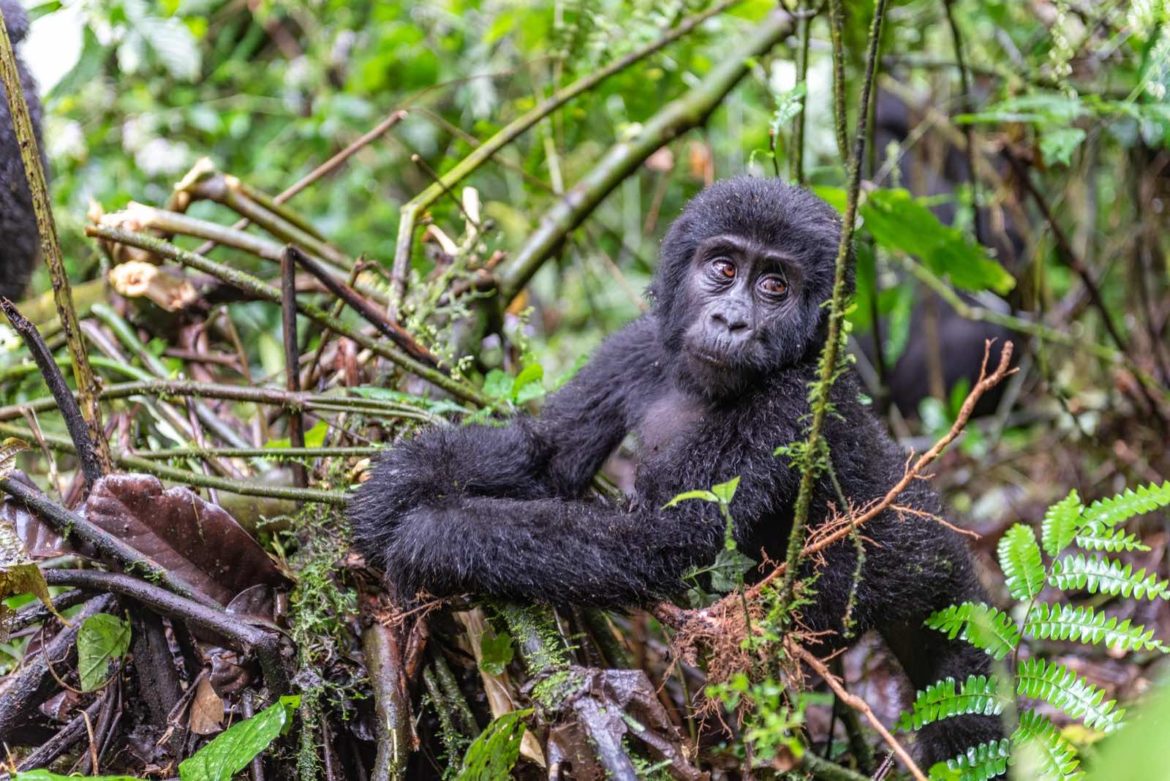
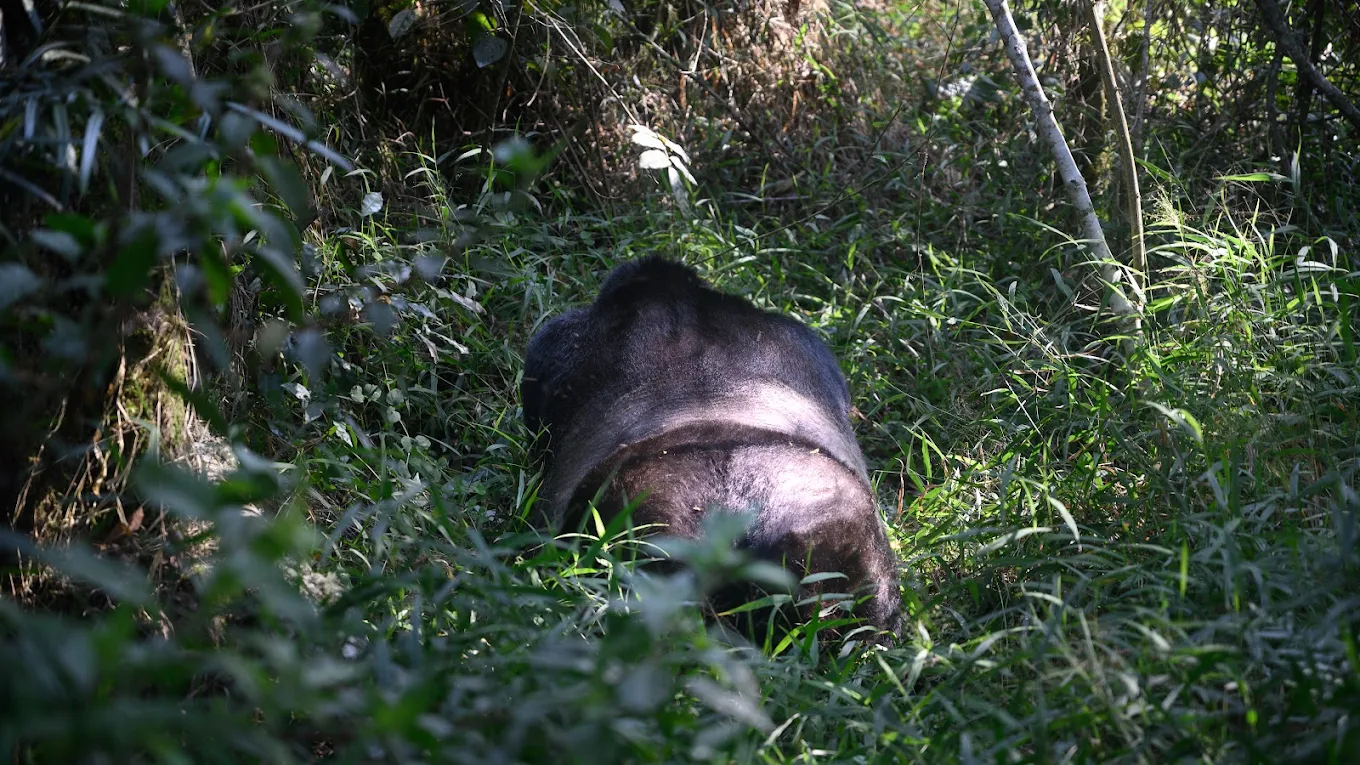
Gorilla trekking is the process of hiking through dense forests to observe mountain gorillas in their natural habitat. Gorilla Trekking FAQs, Unlike visiting a zoo or sanctuary, trekking allows visitors to witness gorilla families interact, play, and forage in the wild. For many, the first glimpse of a silverback or infant gorilla is a once-in-a-lifetime experience that combines excitement, intimacy, and a profound connection to nature.
The trekking experience varies depending on the location and the family being visited. Some treks are shorter and more accessible, while others can be physically demanding and require hours of hiking through steep terrain. Gorilla Trekking FAQs, The ultimate goal is to provide visitors with a safe, respectful, and unforgettable encounter.
Why Choose Gorilla Trekking?
Gorilla trekking is not just a wildlife adventure—it is a conservation experience. Participating in trekking directly contributes to protecting gorillas and their habitats, as a portion of permit fees supports anti-poaching initiatives, forest conservation, and local communities. Gorilla Trekking FAQs, Visitors are not only witnessing incredible wildlife, but they are also playing a crucial role in sustainable tourism and conservation efforts.
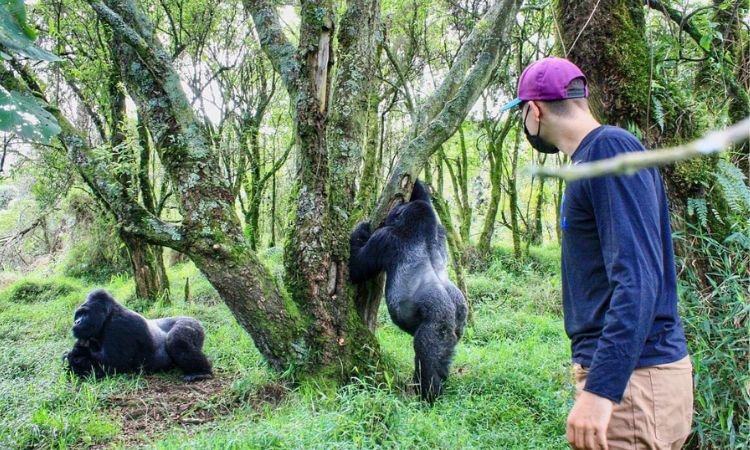
For travelers, gorilla trekking offers an unmatched sense of intimacy with nature.Gorilla Trekking FAQs, Unlike traditional safaris, the close proximity to these primates allows for observation of complex social behaviors, interactions between infants and adults, and even gentle displays of affection. This combination of adventure, education, and ethical tourism is what makes gorilla trekking a bucket-list experience for many.
How Much Does Gorilla Trekking Cost?
One of the most common questions in Gorilla Trekking FAQs is the cost of permits and the overall experience. Prices vary depending on the country and the type of experience chosen.
In Uganda, a standard gorilla trekking permit costs US$800 per person, Gorilla Trekking FAQs, while Rwanda charges US$1,500 per person. The Democratic Republic of Congo’s Virunga National Park offers permits ranging from US$400 to US$450. These fees provide access to gorilla families, cover park conservation initiatives, and support local communities.
Additional costs include accommodation, transport, guide services, and tips. Luxury lodges and private trekking experiences will naturally increase the total expenditure, while mid-range or budget lodges offer more affordable options without compromising safety or quality. It is always recommended to budget for unexpected expenses, including optional porter services or photography equipment protection.
When is the Best Time to Go Gorilla Trekking?
Timing your trek correctly is critical for maximizing your experience. Gorilla Trekking FAQs,The best periods coincide with the dry seasons, which typically run from June to September and December to February. During these months, trails are more navigable, wildlife sightings are easier, and rain is less likely to disrupt trekking plans.
That said, trekking during the wet season has its own advantages. Fewer tourists mean smaller groups, creating a more intimate experience with gorilla families. The forest is lush and vibrant, and the trails, while muddy, offer a unique and immersive environment. First-time visitors should consider both personal comfort and the desire for solitude when selecting their trekking season.
How to Secure Gorilla Permits?
Gorilla permits are limited, and securing them early is essential. Gorilla Trekking FAQs, First-time visitors are advised to book at least 6–12 months in advance, especially during peak tourist months. Permits can be purchased through official park authorities or through trusted safari operators such as Nextgen Safaris, who handle logistics, confirmation, and coordination with local guides.
Having a confirmed permit ahead of time provides peace of mind, allows travelers to plan complementary activities, and ensures access to popular gorilla families. Gorilla Trekking FAQs, First-time trekkers should also confirm the exact sector for trekking, as Uganda’s Bwindi Impenetrable Forest, Rwanda’s Volcanoes National Park, and DRC’s Virunga National Park all offer different experiences and levels of difficulty.
What Should You Pack for Gorilla Trekking?
Packing is a critical component of preparation. First-time visitors should pack light but strategically. Sturdy, waterproof hiking boots are essential, as trails can be slippery or muddy. Clothing should be lightweight, breathable, and in neutral colors to minimize disturbance to wildlife. Long-sleeved shirts and trousers protect against insect bites and scratches from dense foliage.
Other essentials include a rain jacket or poncho, gloves for gripping vegetation, a hat and sunglasses, sunscreen, and sufficient water. A small first aid kit and personal medications are recommended. Gorilla Trekking FAQs, Cameras with extra batteries and protective covers are important for capturing memories while maintaining safety standards around gorillas. Nextgen Safaris provides a detailed packing checklist for first-time trekkers to ensure nothing important is left behind.
How Physically Demanding is Gorilla Trekking?
First-time visitors often ask how physically challenging a trek will be. Trails can include steep inclines, uneven surfaces, and dense undergrowth. Treks can last anywhere from two to eight hours, depending on the gorilla family’s location. Trekking poles and porter services are available to assist travelers, particularly those who may not be accustomed to extended hikes. Preparation through light hiking and fitness training beforehand will improve endurance and overall enjoyment.
What to Expect During the Trek?
The trek begins with a briefing from your guide, detailing rules, expectations, and safety protocols. Visitors then follow designated trails, observing the forest ecosystem along the way. Gorilla Trekking FAQs, Depending on terrain and gorilla movement, the trek may involve navigating muddy paths, crossing small streams, and climbing inclines.
Upon locating a gorilla family, visitors are allowed one hour of observation. Gorilla Trekking FAQs,During this time, maintaining a respectful distance, minimizing noise, and following the guide’s instructions are crucial. The hour spent with gorillas allows for photography, observation of behaviors, and a deep appreciation of their social interactions.
How Close Can You Get to the Gorillas?
Maintaining distance is a core rule for both safety and ethical reasons. Visitors are typically required to stay at least 7 meters (23 feet) away from gorillas unless guided differently. Direct interaction, feeding, or touching is strictly prohibited. Adhering to these rules ensures both visitor safety and the well-being of the gorillas, preserving the integrity of the wildlife encounter for future generations.
Safety Considerations
Safety is a top priority in all gorilla trekking experiences. Visitors should follow all instructions from guides, avoid sudden movements, and wear masks if required to prevent disease transmission. First-time trekkers are also advised to carry personal medications, maintain hydration, and wear appropriate footwear. Gorilla Trekking FAQs.Nextgen Safaris ensures that all trekking experiences are supervised by highly trained guides with extensive knowledge of gorilla behavior and emergency protocols.
How to Photograph Gorillas Safely
Photography is a highlight for many visitors, but safety and respect must come first. Zoom lenses are preferred to maintain distance. Gorilla Trekking FAQs, Flash photography is prohibited as it can stress gorillas and disrupt their natural behavior. Photographers should also protect their equipment from rain and mud, and exercise patience to capture spontaneous and authentic wildlife moments.
What About Accommodation?
Accommodation options vary widely, from luxury lodges with panoramic views and private suites to mid-range lodges offering comfort near trekking points, and budget options that provide essential amenities. Luxury lodges often provide additional experiences such as spa treatments, private meals, and exclusive access to forest trails. Nextgen Safaris assists first-time visitors in selecting accommodations that balance comfort, convenience, and access to trekking starting points.
Is Gorilla Trekking Safe for First-Time Visitors?
Yes, gorilla trekking is generally very safe, especially when conducted with experienced guides and reputable safari operators. Gorilla Trekking FAQs Guides ensure visitors follow park rules, maintain proper distance, and manage group movements to minimize risk. Safety briefings before each trek prepare first-time visitors for what to expect, ensuring an enjoyable and secure adventure.
How Long Does a Trek Last?
Trekking durations depend on gorilla movement and terrain. Some treks take as little as two hours, while others may extend up to eight hours. First-time visitors should be prepared for variability, bringing sufficient water, snacks, and appropriate gear. Patience is key, as the unpredictability of wildlife is part of the authentic experience.
Can You Combine Gorilla Trekking with Other Activities?
Gorilla trekking can be combined with other wildlife and cultural experiences to enrich the visit. In Uganda, trekkers can also experience chimpanzee tracking in Kibale Forest or classic game drives in Queen Elizabeth National Park. Rwanda offers scenic hikes, golden monkey tracking, and visits to local communities. Combining activities allows first-time visitors to gain a comprehensive experience of East Africa’s biodiversity and culture.
How to Prepare Mentally
Mental preparation is as important as physical readiness. First-time visitors should manage expectations, be prepared for variable weather and terrain, and approach the experience with patience and curiosity. Observing wildlife in its natural setting can be unpredictable, and embracing the journey rather than rushing ensures a fulfilling experience.
What to Know About Gorilla Behavior
Understanding gorilla social behavior enhances the trek. Visitors can observe interactions such as dominance displays, grooming, play, and infant care. Guides interpret these behaviors for trekkers, creating deeper engagement and appreciation for these complex primates. First-time visitors benefit from learning about gorilla families and their dynamics before the trek.
How to Minimize Environmental Impact
Responsible trekking involves leaving no trace. Visitors should remain on designated trails, avoid littering, and respect vegetation and wildlife. Every visitor contributes to the preservation of the forest ecosystem and the long-term sustainability of gorilla trekking experiences.