
Gorilla Trekking from Austria to Uganda & Rwanda
Gorilla trekking from Austria represents a growing shift in how Austrian travellers approach long-haul travel. Increasingly, the focus is no longer on ticking destinations off a list, but on choosing journeys that feel meaningful, grounded, and responsibly designed. In this context, gorilla trekking in East Africa stands apart as one of the most profound wildlife experiences available anywhere in the world.
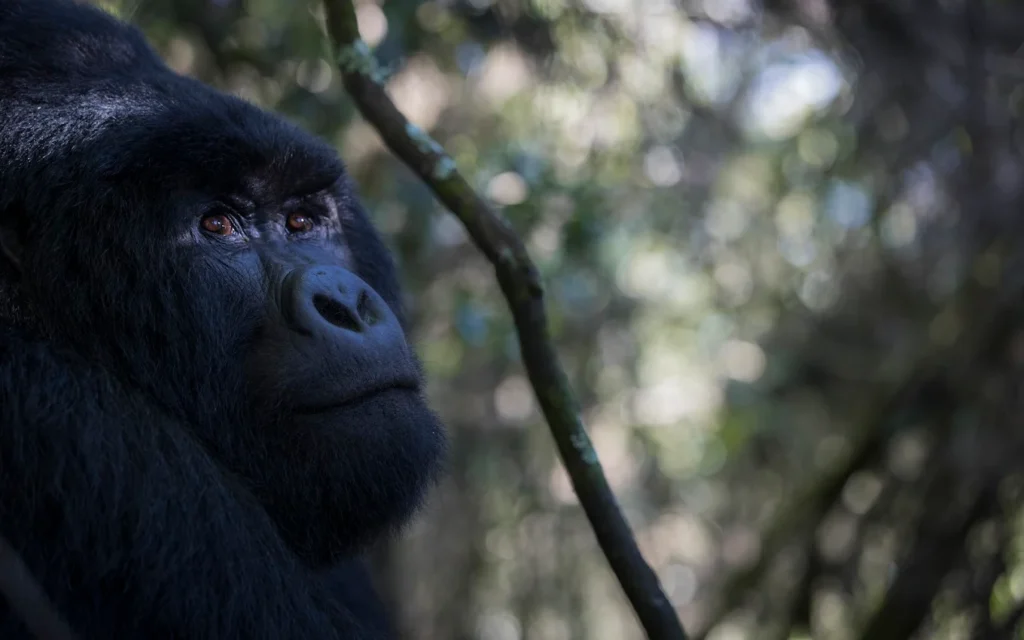
Unlike traditional safaris that revolve around game drives and wide open savannahs, gorilla trekking is intimate, slow, and deeply immersive. It places travellers inside ancient rainforests, walking on foot alongside expert trackers, following the subtle signs left behind by mountain gorilla families. For travellers from Austria, who often value nature, order, and depth over spectacle, this form of travel resonates strongly.
At its core, gorilla trekking from Austria is about connection. Connection to wildlife, to conservation, to landscape, and to a pace of travel that allows space for reflection. Uganda and Rwanda are the only two countries where this experience is possible, and both have developed highly regulated, conservation-first tourism models that align well with the expectations of Austrian travellers.
At Nextgen Safaris, we work directly on the ground in East Africa to design private, carefully paced gorilla trekking journeys for travellers from Austria. Our role is not simply to organise logistics, but to translate expectations into reality, ensuring that every element of the journey feels considered, reliable, and purposeful.
Gorilla Trekking from Austria: Curated Safari Itineraries in Uganda & Rwanda
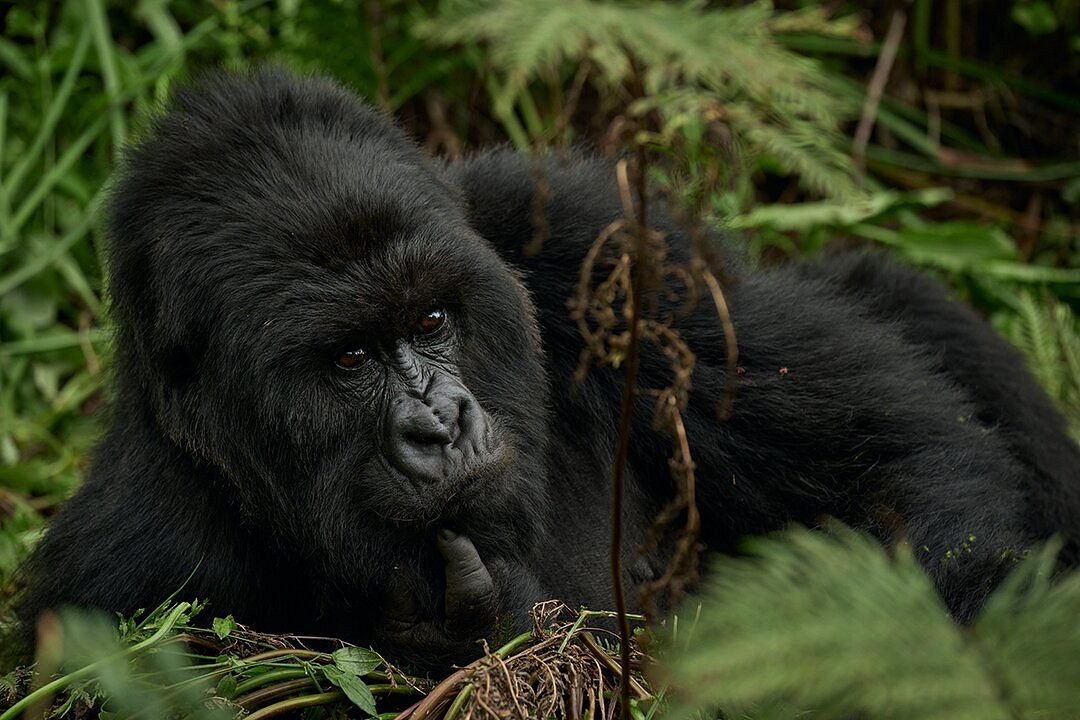
3 Days Gorilla Trekking from Austria – Volcanoes Intro
An iconic first encounter for Austrian travellers focused on one unforgettable trek among the mountain gorillas of East Africa’s forests.
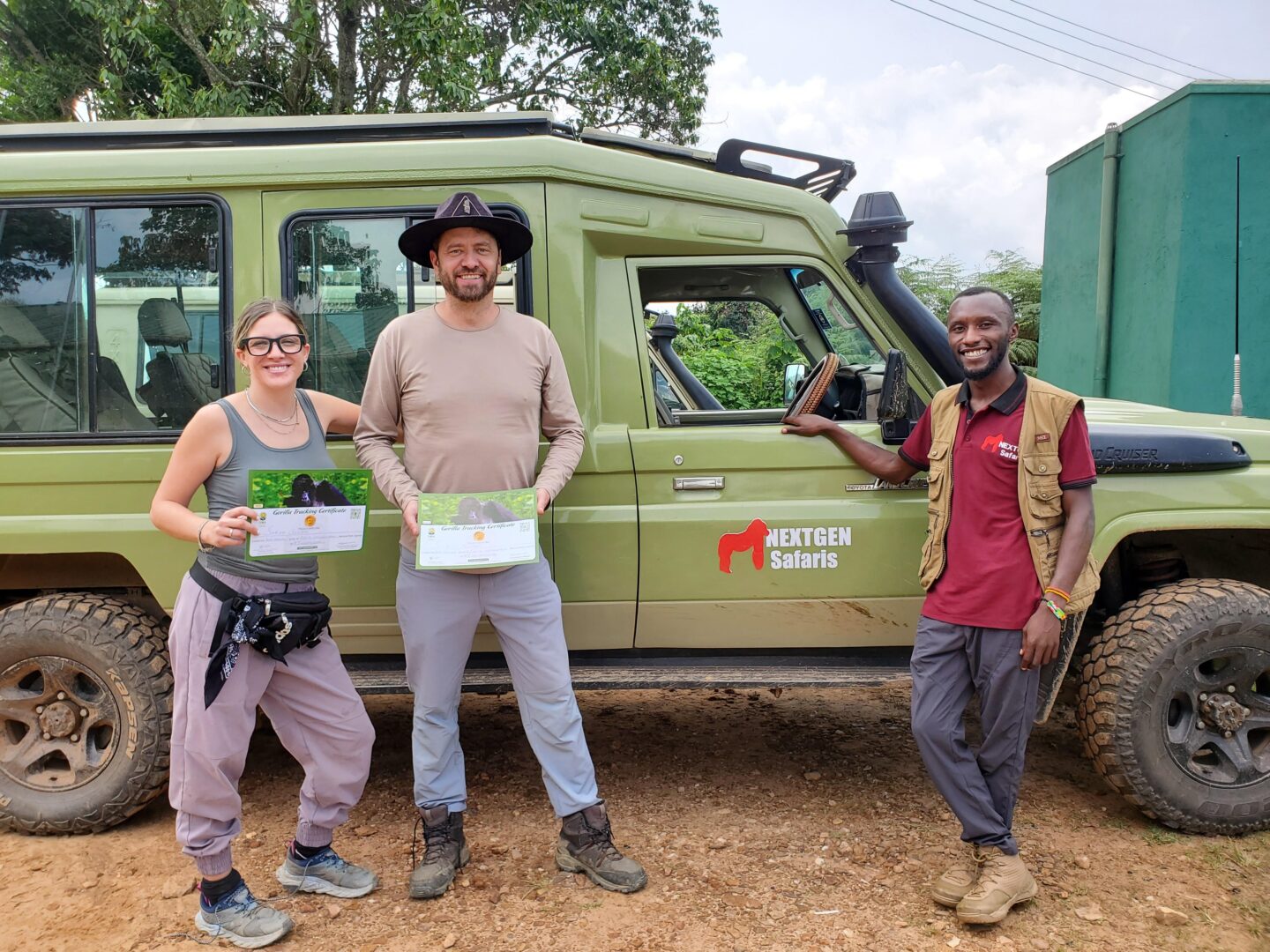
4 Days Gorilla Trekking from Austria – Family & Friends
A well-paced, memorable group journey ideal for Austrian families and friends seeking a meaningful wildlife adventure.
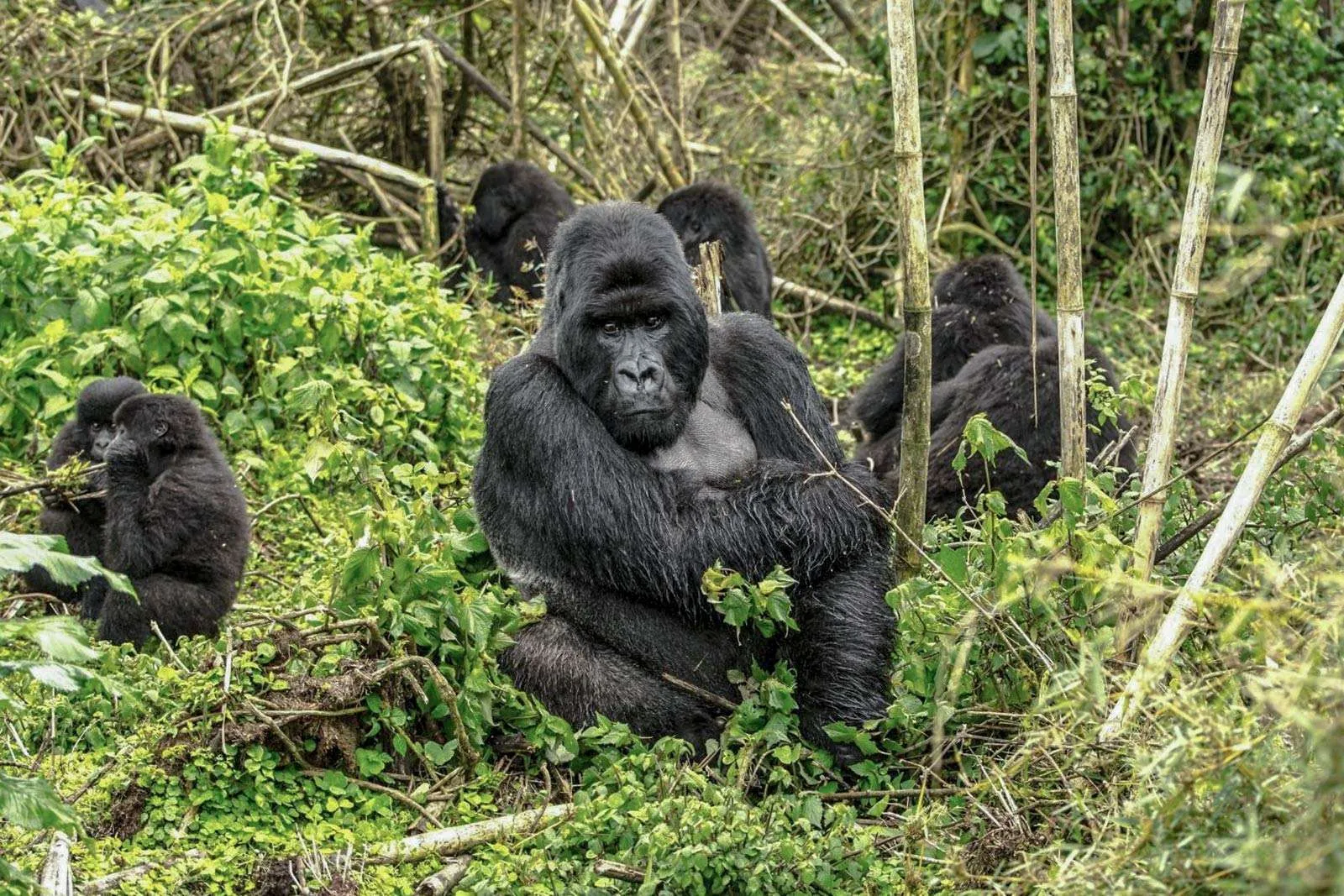
5 Days Gorilla Trekking from Austria – Close Encounter Safari
An intimate journey for Austrian travellers designed to deepen your connection with gorillas and their rainforest world.
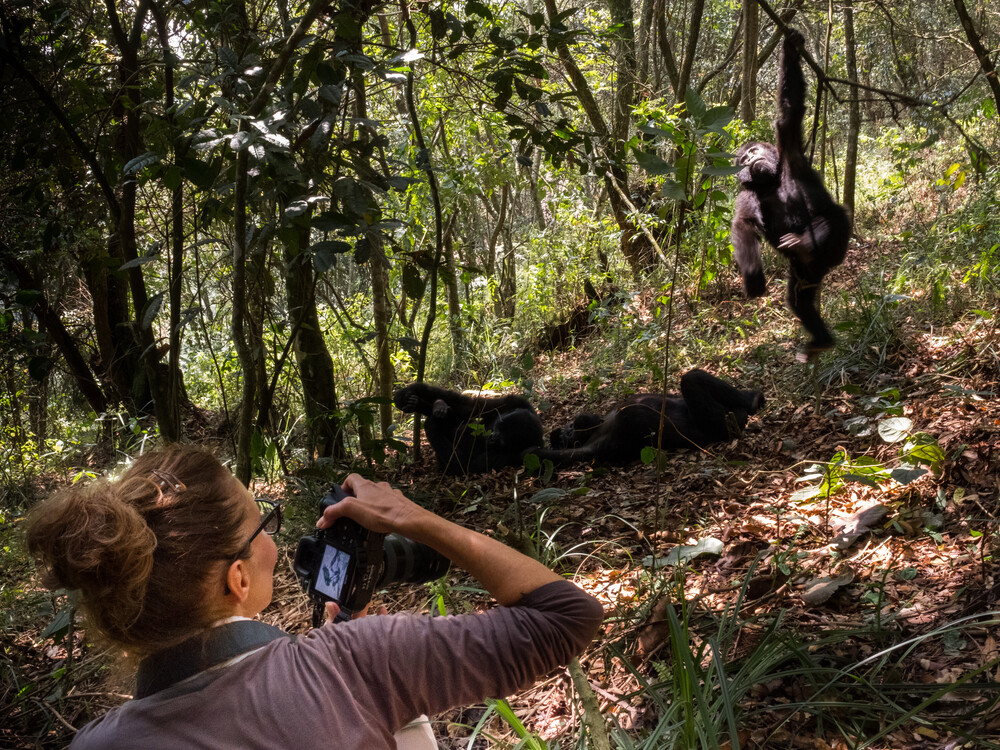
3 Days Gorilla Trekking from Austria – Luxury Escape
A refined gorilla trekking itinerary combining comfort and discovery for Austrian travellers seeking a more polished experience.
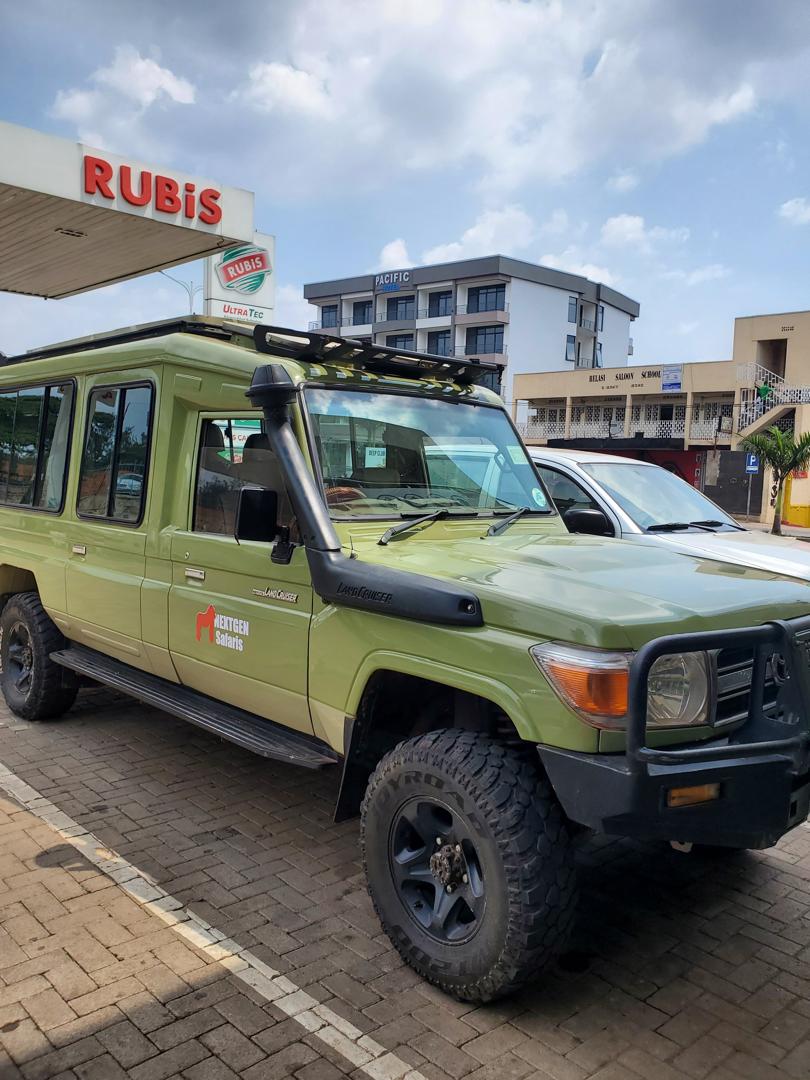
6 Days Gorilla Trekking from Austria – Explorer Safari
A classic explorer journey blending forest treks with scenic drives and rich cultural moments for Austrian adventurers.
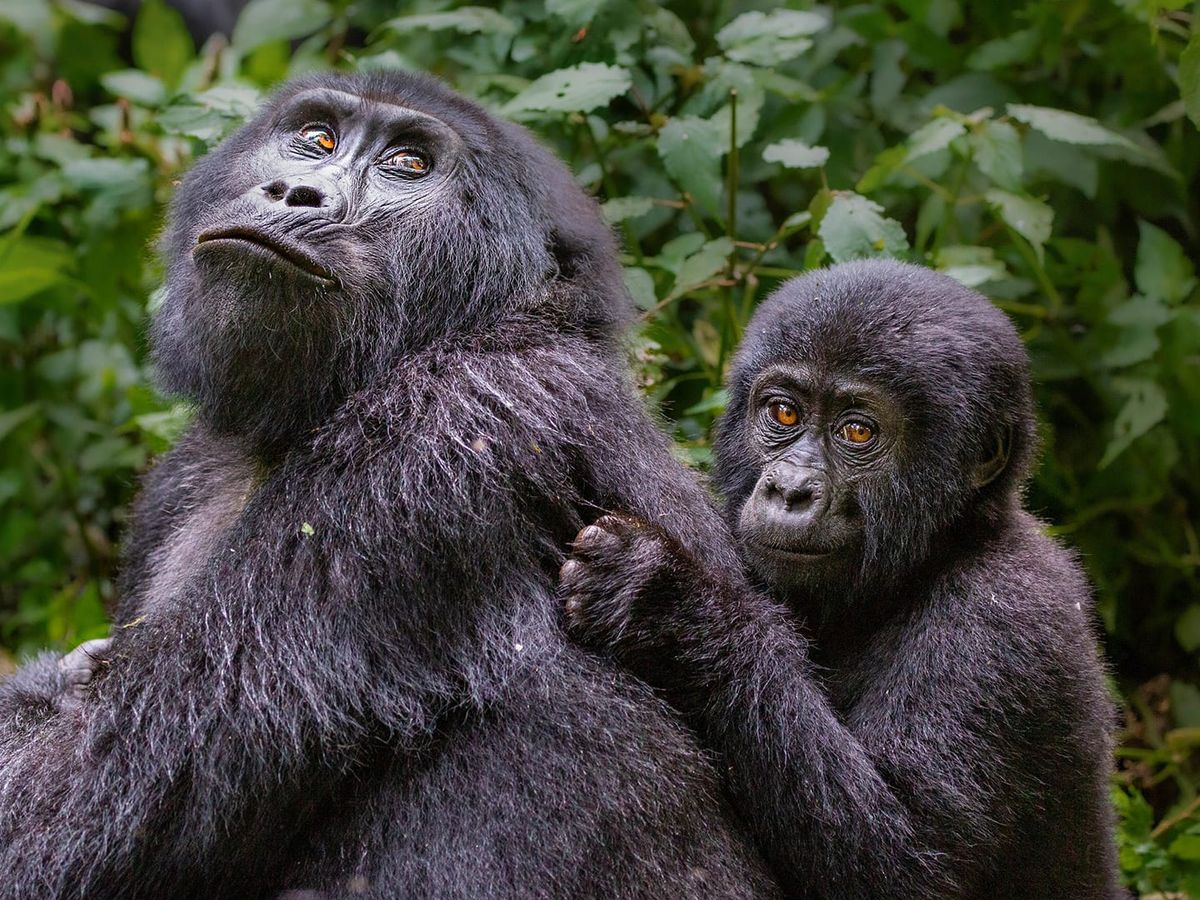
7 Days Gorilla Trekking from Austria – Bwindi & Beyond
An extended itinerary combining gorilla trekking with broader nature experiences in one of East Africa’s richest ecosystems.
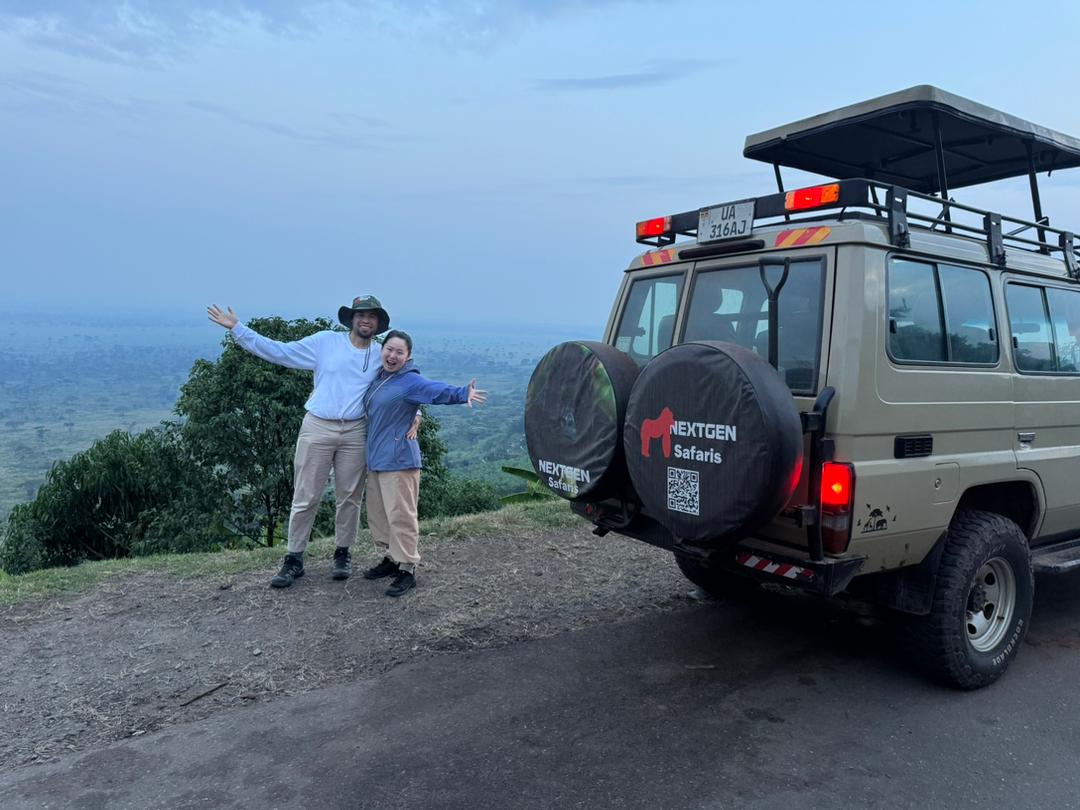
8 Days Gorilla Trekking from Austria – Immersive Nature Safari
A deeply immersive safari combining gorilla trekking with rich forest walks and encounters with other wildlife.
9 Days Gorilla Trekking from Austria – Deep Safari Experience
A comprehensive safari for Austrian travellers who want to explore multiple regions and long forest stays.
10 Days Gorilla Trekking from Austria – Complete Safari
The most expansive gorilla trekking itinerary designed for Austrian travellers seeking a full East Africa exploration.
The Appeal of Gorilla Trekking for Austrian Travellers
Austria has a strong culture of outdoor appreciation, environmental awareness, and structured travel planning. Many Austrian travellers are accustomed to alpine landscapes, hiking, and nature-based experiences, which makes the physical and emotional rhythm of gorilla trekking feel surprisingly familiar, despite the distance from home.
Gorilla trekking does not rely on luxury in the traditional sense. Instead, it offers something quieter and more powerful: the experience of being present in a protected ecosystem, observing one of the world’s most endangered species in its natural habitat. This appeals particularly to Austrian travellers who seek authenticity over excess and prefer experiences that carry long-term meaning.
There is also a strong ethical dimension. Gorilla trekking is one of the most carefully managed wildlife activities in the world. Visitor numbers are strictly limited, encounters are time-controlled, and a significant portion of permit revenue is reinvested into conservation and local communities. For many travellers from Austria, this transparent conservation model is not an added benefit, but a prerequisite.
Uganda and Rwanda as Gorilla Trekking Destinations
All gorilla trekking experiences from Austria take place in either Uganda or Rwanda. While both destinations offer access to mountain gorillas, the overall travel experience differs in ways that matter when designing an itinerary.
Uganda offers a broader, more expansive journey. Gorilla trekking is primarily conducted in Bwindi Impenetrable National Park, a dense rainforest that is home to multiple habituated gorilla families. The park’s terrain is varied and sometimes challenging, but the reward is a sense of immersion that feels raw and deeply natural. Uganda is well suited to Austrian travellers who enjoy longer journeys, scenic drives, and the opportunity to combine gorilla trekking with other experiences such as chimpanzee tracking, boat safaris, and classic wildlife viewing.
Rwanda, by contrast, offers a more compact and streamlined experience. Gorilla trekking takes place in Volcanoes National Park, located within relatively short driving distance of Kigali. The infrastructure is highly organised, and itineraries can be completed in fewer days without sacrificing quality. This appeals to Austrian travellers with limited time or those who prefer a more refined, efficient travel flow.
Neither option is inherently better. The choice depends on travel style, available time, and personal preference. At Nextgen Safaris, we guide Austrian travellers through this decision carefully, ensuring the destination aligns with expectations rather than assumptions.
Travelling from Austria to East Africa
Gorilla trekking from Austria typically begins with international flights departing from Vienna, Salzburg, or Innsbruck, depending on convenience. Most travellers connect through major European or international hubs before continuing to East Africa. While the journey is long, it is predictable and well supported by established airline routes.
Upon arrival in Entebbe or Kigali, travellers are met by professional driver-guides and assisted through immigration and arrival procedures. From this point onward, the journey transitions into a private, guided experience. Road transfers or domestic flights are selected based on comfort, efficiency, and the overall flow of the itinerary.
For Austrian travellers accustomed to punctuality and organisation, this structured transition from international travel to private safari is an important aspect of the experience. Clear timelines, realistic driving times, and well-chosen overnight stops ensure that the journey feels manageable rather than overwhelming.
Understanding Gorilla Permits
A gorilla trekking permit is required for every visitor and every trek. These permits are issued by national wildlife authorities and strictly limit the number of people allowed to visit each gorilla family per day. This system protects the gorillas from stress, disease, and overexposure.
For travellers from Austria, it is important to understand that permits are not simply a ticket, but a contribution to conservation. Permit fees support anti-poaching efforts, veterinary interventions, ranger salaries, and community projects around the parks.
Because permits are limited, advance planning is essential. Popular travel periods can sell out months ahead, particularly for travellers seeking specific dates or lodge locations. At Nextgen Safaris, we secure permits directly and coordinate them with accommodation and transport, removing uncertainty from the planning process.
The Gorilla Trekking Day Experience
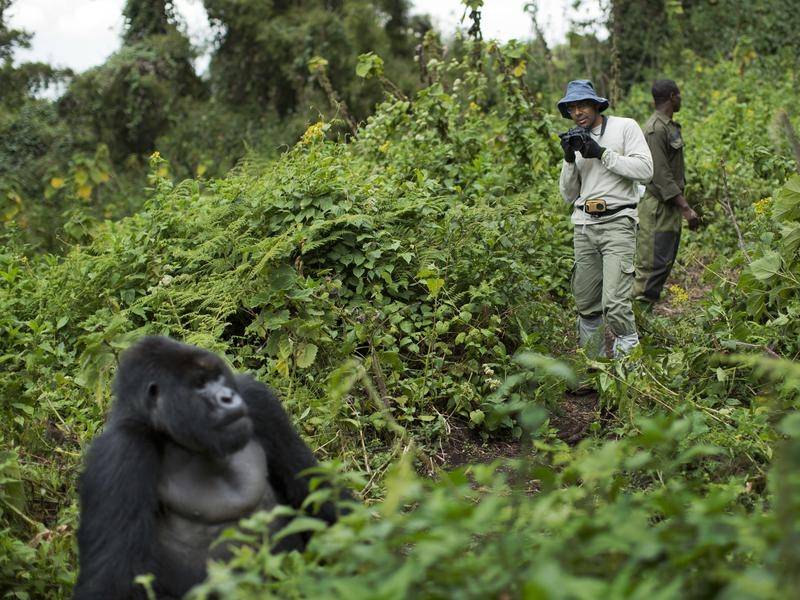
The day of the gorilla trek begins early. Travellers gather at the park headquarters for a briefing led by rangers, where groups are assigned and safety guidelines are explained. Group sizes are small, usually limited to a maximum of eight visitors per gorilla family.
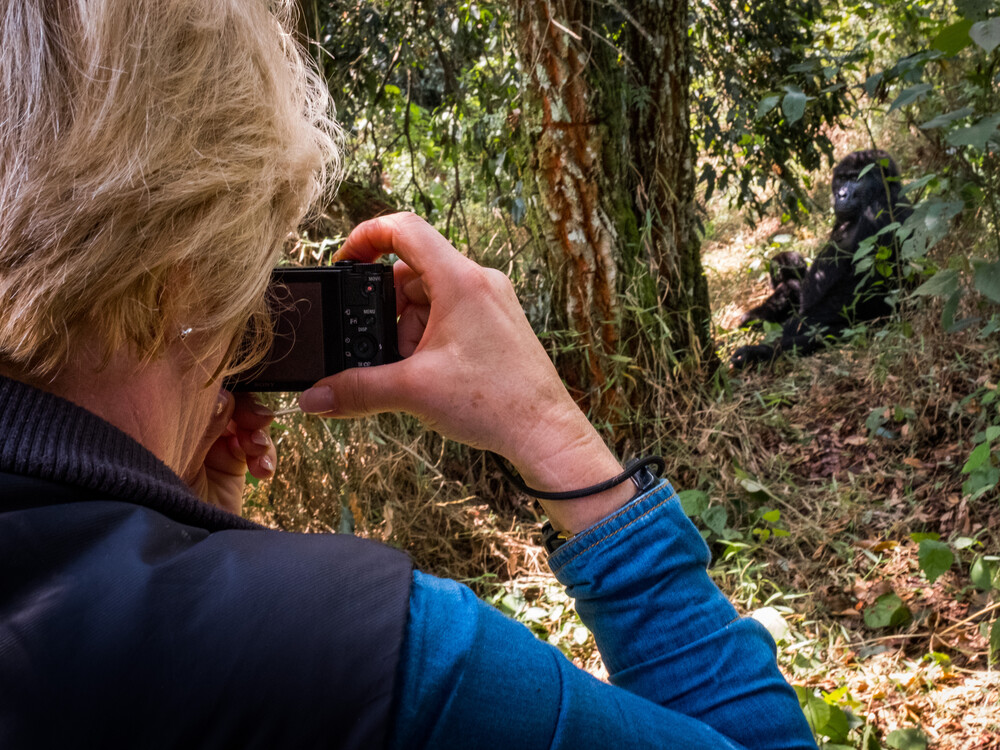
From there, the trek begins on foot. The duration of the trek can vary significantly depending on the location of the gorillas that day. Some treks may last less than an hour, while others can take several hours through dense vegetation and uneven terrain. The pace is adjusted to the group, and there is no pressure to rush.
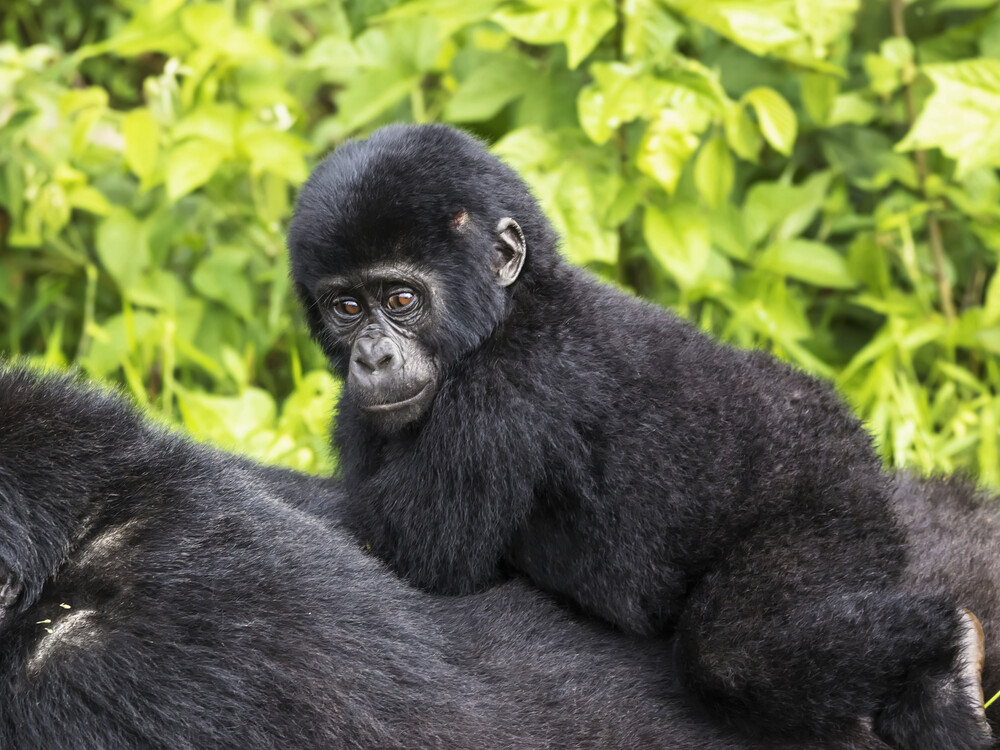
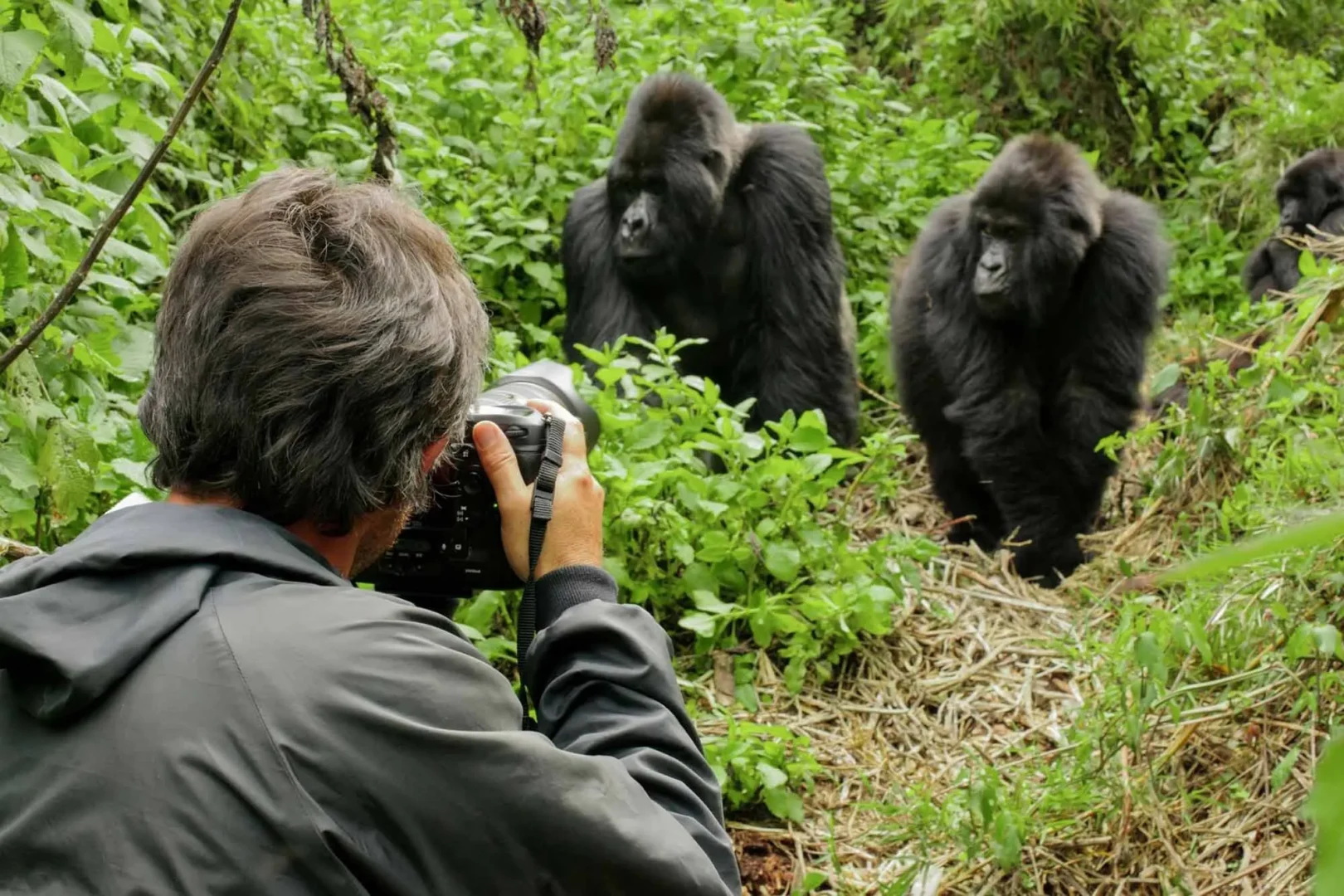
When the gorillas are located, the atmosphere changes. Voices drop, movements slow, and attention becomes focused. Visitors are allowed to spend one hour observing the gorilla family, watching them feed, groom, rest, and interact. The experience is quiet, respectful, and often emotionally powerful.
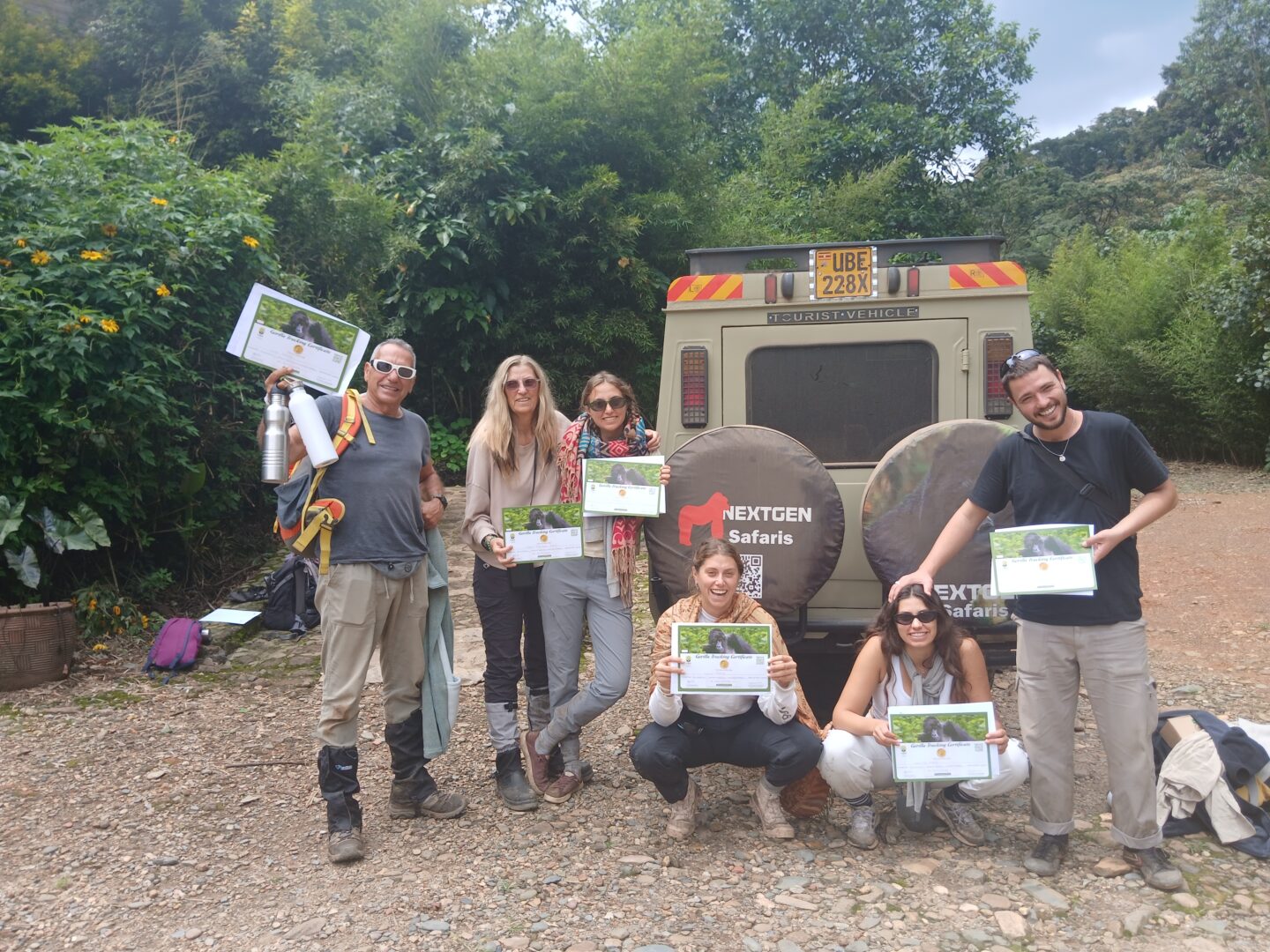
For many Austrian travellers, this hour becomes the defining moment of the journey. It is not uncommon for travellers to describe a sense of calm, perspective, and emotional connection that lingers long after the trek has ended.
Physical Requirements and Accessibility
Gorilla trekking does require a reasonable level of physical fitness, but it is not an extreme activity. The terrain can be steep and muddy, particularly in Bwindi Impenetrable National Park, but rangers assess each group carefully and assign trekking routes accordingly.
Porters are available and highly recommended. They assist with carrying daypacks and provide support on challenging sections of the trail. For Austrian travellers who may be concerned about balance or endurance, this support makes the experience far more comfortable and enjoyable.
There are also options for travellers with reduced mobility, including the use of sedan chairs in certain cases. While not suitable for everyone, these options reflect the inclusive approach of gorilla tourism and allow a wider range of travellers to participate.
Accommodation and Comfort Levels
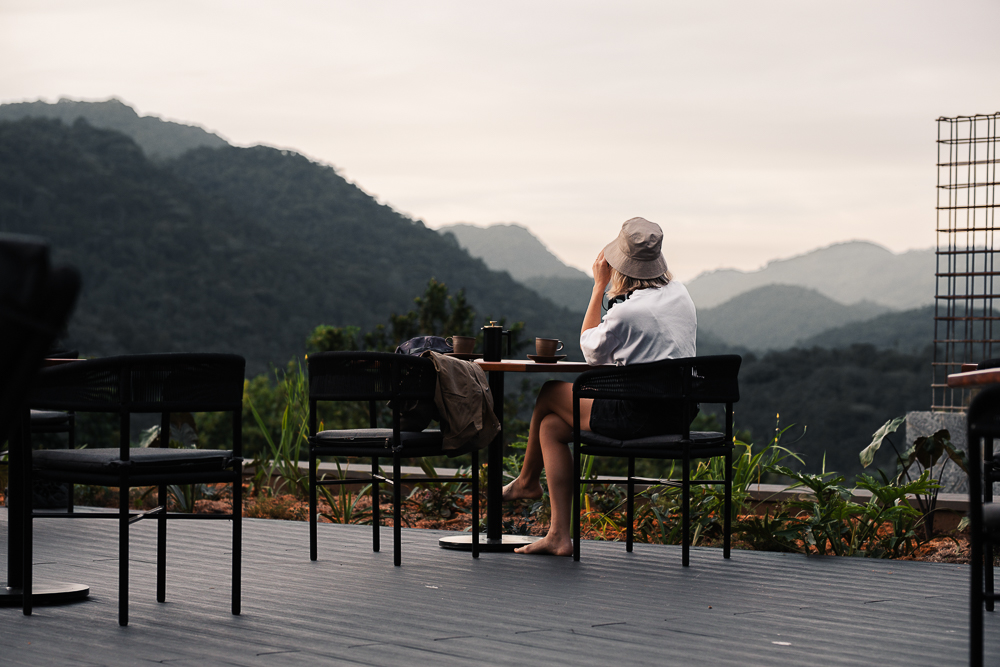
Accommodation during gorilla trekking journeys ranges from comfortable mid-range lodges to high-end forest retreats. In Uganda, lodges are often located close to specific trekking sectors, reducing early-morning driving times. In Rwanda, lodges tend to emphasise refined design, personalised service, and scenic views of the Virunga Mountains.
Austrian travellers often appreciate accommodation that is functional, calm, and well integrated into the landscape. Excessive luxury is not always the priority; rather, cleanliness, quiet, good food, and attentive service are valued. Our lodge selections reflect these preferences, focusing on quality and atmosphere rather than unnecessary extravagance.
Combining Gorilla Trekking with Other Experiences
While gorilla trekking is often the highlight, many Austrian travellers choose to enrich their journey by combining it with other experiences. In Uganda, this might include chimpanzee trekking in Kibale Forest, wildlife safaris in Queen Elizabeth National Park, or scenic boat cruises along the Nile or Kazinga Channel.
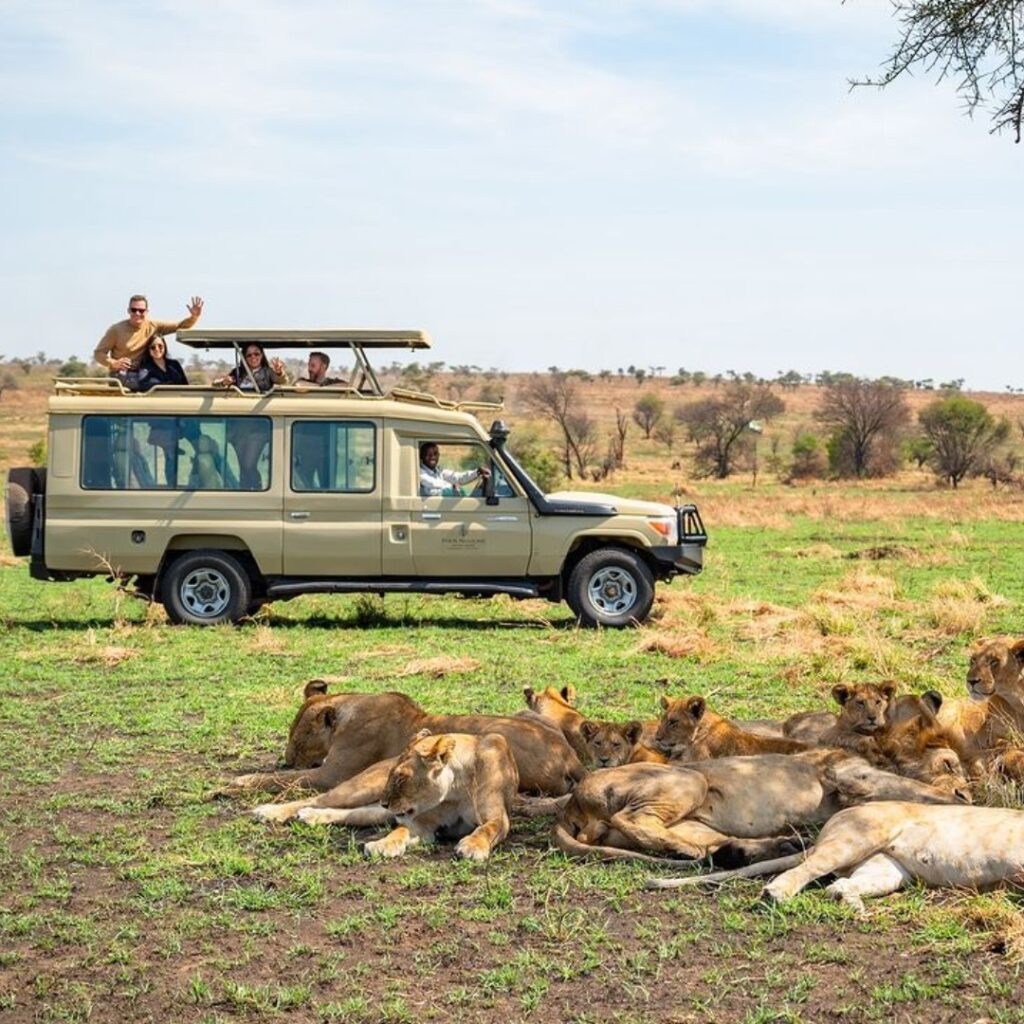
Rwanda offers different extensions, such as visits to Lake Kivu for relaxation or Akagera National Park for savannah wildlife. These additions provide contrast and balance, allowing travellers to experience multiple ecosystems within a single journey.
The key is pacing. Austrian travellers often prefer itineraries that allow time to settle into each location rather than rushing from one highlight to the next. This philosophy underpins our approach to itinerary design.
Responsible Travel and Long-Term Impact
Gorilla trekking is widely recognised as one of the most successful examples of conservation-driven tourism. The survival of mountain gorillas is directly linked to regulated tourism and the revenue it generates.
For travellers from Austria, this creates a sense of participation in something larger than the journey itself. The knowledge that their visit contributes to habitat protection, community development, and wildlife survival adds depth and purpose to the experience.
At Nextgen Safaris, we work closely with local partners, guides, and communities to ensure that tourism benefits are shared responsibly. This commitment aligns strongly with the values of many Austrian travellers and forms a core part of our operational philosophy.
Planning Gorilla Trekking from Austria with Confidence
Planning gorilla trekking from Austria requires more than booking flights and hotels. It requires local knowledge, realistic scheduling, and an understanding of how conditions on the ground can change. Weather, gorilla movement, and park logistics all influence the final experience.
By working directly with a locally based safari company, Austrian travellers benefit from up-to-date information, flexible planning, and immediate on-the-ground support. This reduces risk and enhances overall travel quality.
Every itinerary we design is private and customised. Whether travelling as a couple, a family, a solo traveller, or a small group, the journey is shaped around individual preferences, fitness levels, and time availability.
A Journey That Stays with You
Gorilla trekking from Austria is not a journey that ends when the flight home lands. For many travellers, it becomes a reference point, a reminder of what travel can be when it is done with intention and care.
The images fade, but the feeling remains. The quiet of the forest, the presence of the gorillas, the sense of having stepped briefly into another world. These are the elements that define gorilla trekking, and they are the reasons why so many Austrian travellers choose this experience as one of the most meaningful journeys of their lives.
If you are considering gorilla trekking in Uganda or Rwanda, Nextgen Safaris is ready to design a journey that reflects your values, your pace, and your expectations, ensuring that your experience is as thoughtful as it is unforgettable.
European Gorilla Trekking Guides for Austrian Travellers
Travellers researching Gorilla Trekking from Austria often compare how visitors from other European countries plan similar journeys. Each market brings slightly different travel styles, time frames, and expectations. You may find it useful to explore these related country guides:
Travellers from Germany often prioritise detailed planning, longer itineraries, and multi-park combinations that include gorilla trekking alongside classic wildlife safaris.
Visitors from Switzerland typically value precision, comfort, and efficiency, favouring well-paced journeys with smooth logistics and carefully selected lodges.
Belgian travellers, featured in our guide for Belgium, often seek a balance between value and depth, combining gorilla trekking with cultural and nature-based experiences.
Our Italy guide highlights itineraries that suit travellers who appreciate personal interaction, flexibility, and the option of Italian-speaking driver-guides.
Travellers from Spain frequently favour experience-driven itineraries with a relaxed rhythm and a strong emotional connection to wildlife and landscapes.
The United Kingdom remains one of the largest gorilla trekking markets, with travellers often booking well in advance and combining gorilla trekking with extended East Africa safaris.
Exploring these guides can help Austrian travellers compare approaches while benefiting from the same expert local support in Uganda and Rwanda.
Frequently Asked Questions for Travellers from Austria
Is Gorilla Trekking from Austria suitable for travellers who prefer structured and well-organised journeys?
Yes. Gorilla Trekking from Austria aligns well with travellers who value clarity, planning, and reliability. Both Uganda and Rwanda operate tightly regulated gorilla trekking programmes with fixed daily limits, trained rangers, and clearly defined safety procedures. This structure ensures the experience feels controlled rather than unpredictable.
Which destination suits Austrian travellers better, Uganda or Rwanda?
The choice depends on travel style rather than quality. Uganda is well suited to Austrian travellers who enjoy longer journeys, varied landscapes and combining gorilla trekking with other activities such as chimpanzee tracking or savannah wildlife safaris. Rwanda is better for travellers who prefer shorter transfers, compact itineraries, and a more refined, efficient travel flow. The gorilla encounters themselves are exceptional in both countries.
How demanding is gorilla trekking physically?
Gorilla trekking requires moderate fitness but does not demand athletic ability. Treks can last anywhere from one to several hours depending on terrain and the gorillas’ location on the day. Forest paths may be steep or muddy, particularly in Bwindi Impenetrable National Park. Rangers adjust the pace to the group, and porters are available to assist, which many Austrian travellers find reassuring. Learn about Fitness level Guide
How long does it take to travel from Austria to the gorilla trekking regions?
Most travellers depart from Vienna or Salzburg and connect through major international hubs before continuing to Entebbe or Kigali. Total travel time usually ranges between 10 and 15 hours, depending on routing. From arrival, private transfers or short domestic flights are arranged to reach the trekking areas comfortably.
Do Austrian passport holders need visas for Uganda or Rwanda?
Yes. Austrian citizens require a visa for both destinations. Uganda offers an online e-visa system, while Rwanda provides visas on arrival for Austrian passport holders. The application processes are straightforward and typically completed without difficulty.
How far in advance should Gorilla Trekking from Austria be booked?
Advance booking is strongly recommended. Gorilla permits are limited each day, and popular travel periods such as summer and Christmas can sell out months ahead. Booking early also provides better lodge availability and allows itineraries to be designed around preferred trekking sectors.
How close do visitors get to the gorillas?
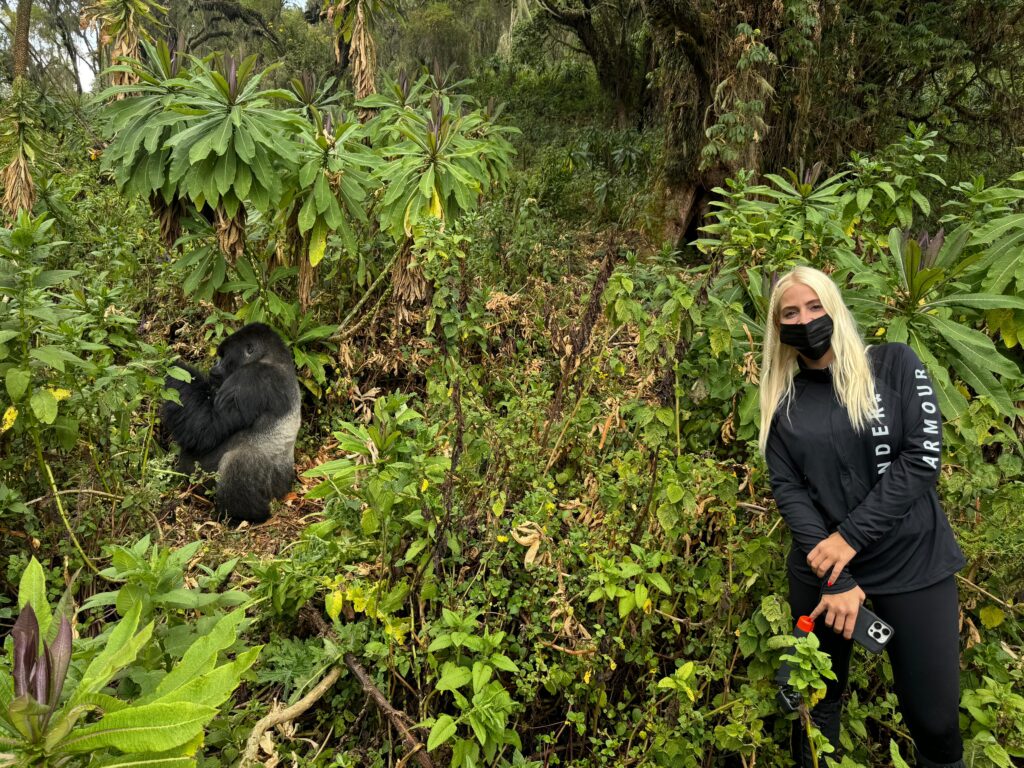
Visitors are required to keep a recommended distance of around seven metres from the gorillas. However, gorillas are wild animals and may sometimes move closer on their own. Guides manage each situation carefully to ensure safety and respect for the animals, while still allowing a powerful and intimate experience.
How much time is spent with the gorillas?
Once a gorilla family is located, visitors are allowed to spend one hour observing them. This rule protects gorilla health and behaviour. Uganda also offers a gorilla habituation experience, allowing longer observation time for travellers seeking deeper insight into gorilla behaviour.
Is Gorilla Trekking from Austria suitable for solo travellers?
Yes. Many solo travellers from Austria choose gorilla trekking. While the trek itself is conducted in small groups, the overall safari can be privately guided. Solo travellers often appreciate the sense of safety, structure, and professional support throughout the journey.
Can gorilla trekking be combined with relaxation or cultural experiences?
Absolutely. Gorilla trekking is often combined with scenic lake stays, cultural visits, or classic wildlife safaris. Uganda offers a wide range of combination options, while Rwanda works well for short extensions such as Lake Kivu or Akagera National Park. These combinations help balance activity with rest.
Is gorilla trekking ethical and responsible?
Yes. Gorilla trekking is widely regarded as one of the most ethical wildlife tourism models in the world. Permit fees directly fund conservation, veterinary care, ranger protection, and community development. Strict regulations minimise stress on the gorillas and ensure long-term sustainability.
Why plan Gorilla Trekking from Austria with a locally based safari company?
Working with a local safari company provides real-time knowledge, direct access to permits, and on-the-ground flexibility. For Austrian travellers, this means realistic itineraries, transparent pricing, and immediate support if conditions change. The result is a smoother, more reliable travel experience.