
Gorilla Trekking from United States | Tours, Costs & Complete Guide
Gorilla Trekking from United States – What American Travelers Need to Know First
If you are researching Gorilla Trekking from United States, you are already looking beyond a typical vacation. This experience is not about sightseeing or ticking off landmarks; it is about traveling across the world to stand face-to-face with one of the rarest and most powerful wildlife species on Earth. For Americans, gorilla trekking requires a different level of planning, clarity, and trust than most international trips and this page is written specifically for that reality.
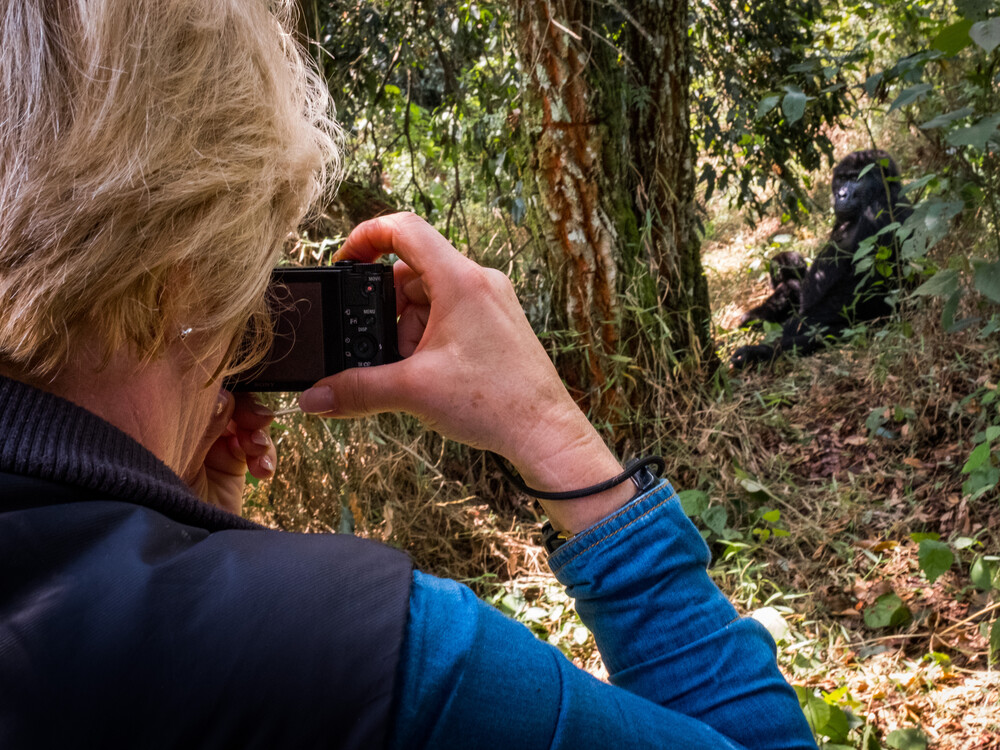
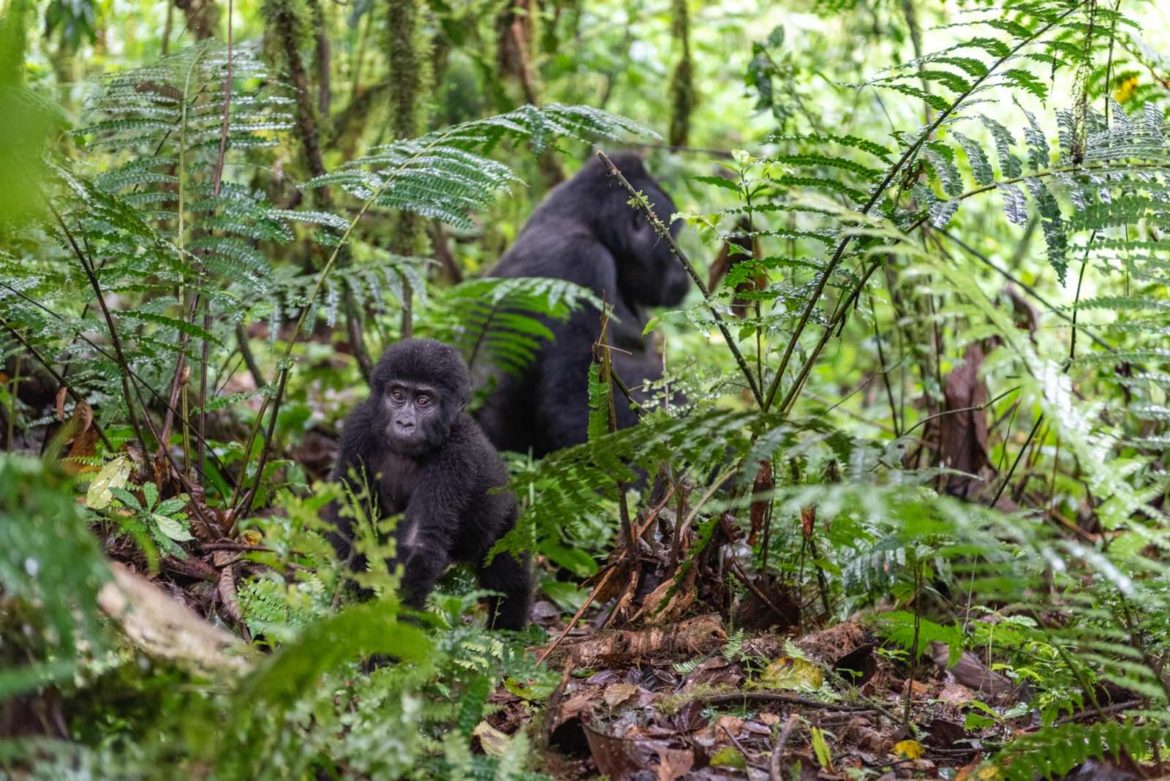
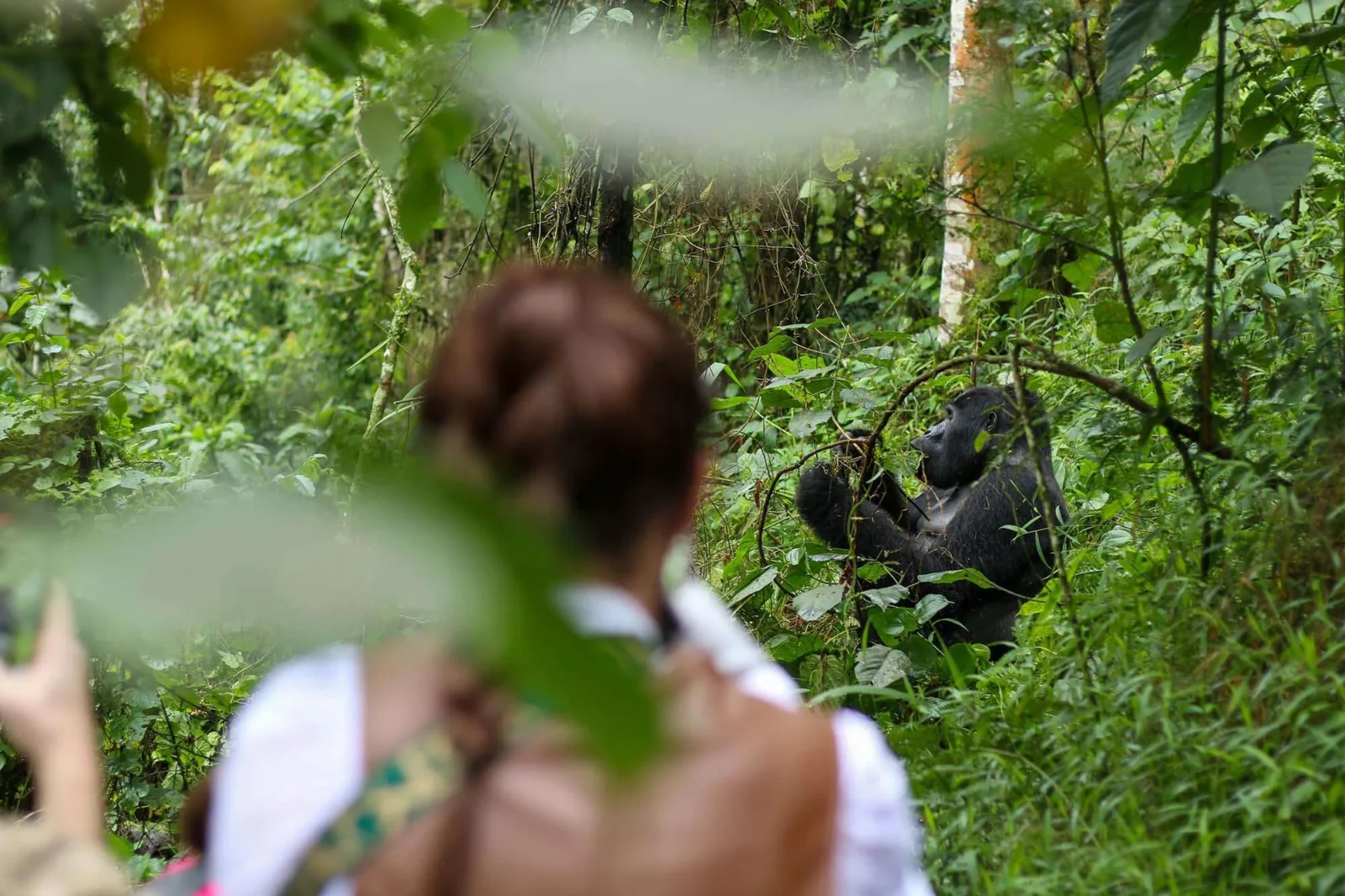
Gorilla Trekking from United States means flying long-haul, crossing multiple time zones, and entering protected rainforest environments where access is strictly regulated. It is not something you book casually or last minute. Permits are limited, trekking rules are enforced, and the overall experience depends heavily on choosing the right country, the right route, and the right pace for travelers coming from the U.S.
This guide is written by people who plan gorilla safaris for Americans every single year. It is designed to answer the exact questions U.S. travelers ask before committing to the journey, without exaggeration, pressure, or vague marketing language.
Gorilla Trekking from United States – Best Itineraries 2026/2027/2028/2029/2030 (Uganda & Rwanda)
Explore 12 high-performing itinerary options for Gorilla Trekking from United States, ranging from short focused treks to full primate-and-wildlife safaris and luxury fly-in journeys. Each itinerary is private, flexible, and tailored to your dates, pace, and comfort level.
3 Days Gorilla Trekking from United States in Uganda – Bwindi Express
A focused, fast itinerary built around one unforgettable gorilla trek with efficient transfers and lodge stays near Bwindi.
Request a Quote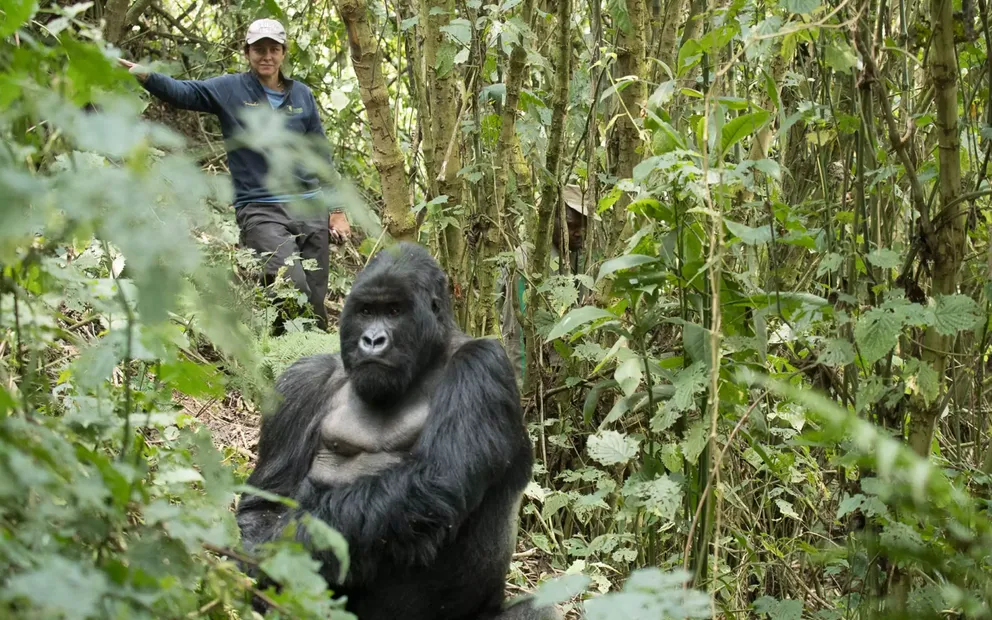
4 Days Gorilla Trekking from United States – Uganda Gorilla Habituation Safari
Ideal for deeper encounters, featuring the habituation experience plus relaxed pacing for USA travelers after long flights.
Request a Quote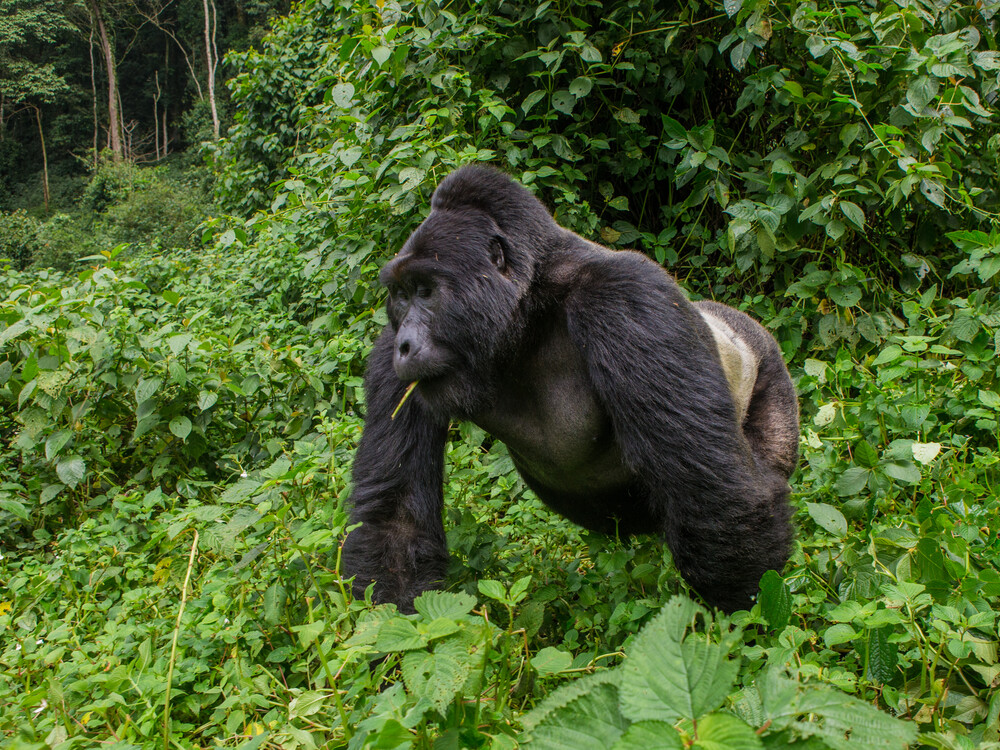
5 Days Gorilla Trekking from United States – Uganda Gorilla Trek + Lake Bunyonyi
A balanced gorilla journey with recovery time by Lake Bunyonyi, perfect for comfort-focused travelers from the USA.
Request a Quote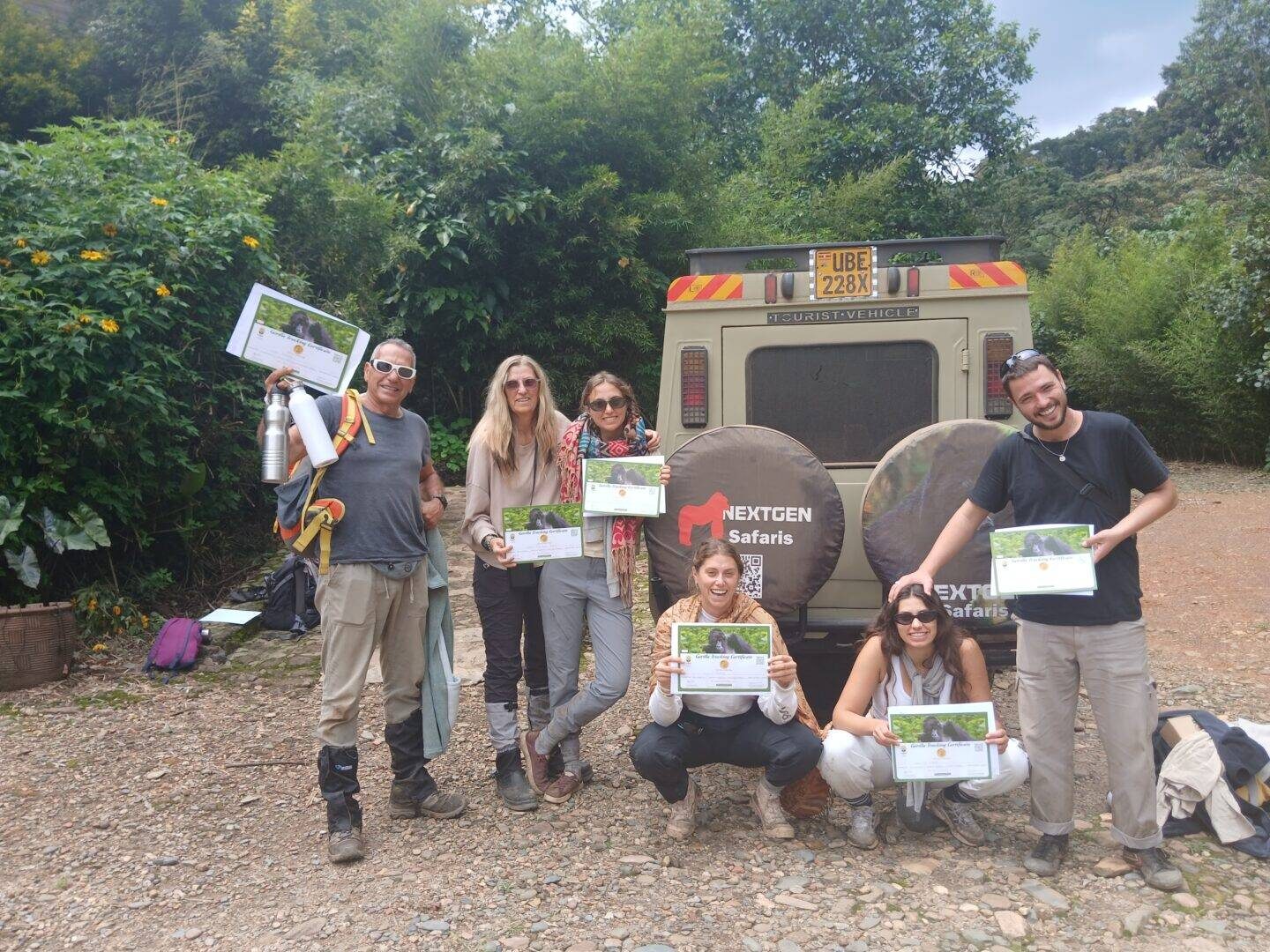
6 Days Gorilla Trekking from United States – Uganda Gorillas + Queen Elizabeth Safari
Combines gorilla trekking with game drives and the Kazinga Channel boat cruise for a classic safari finish.
Request a Quote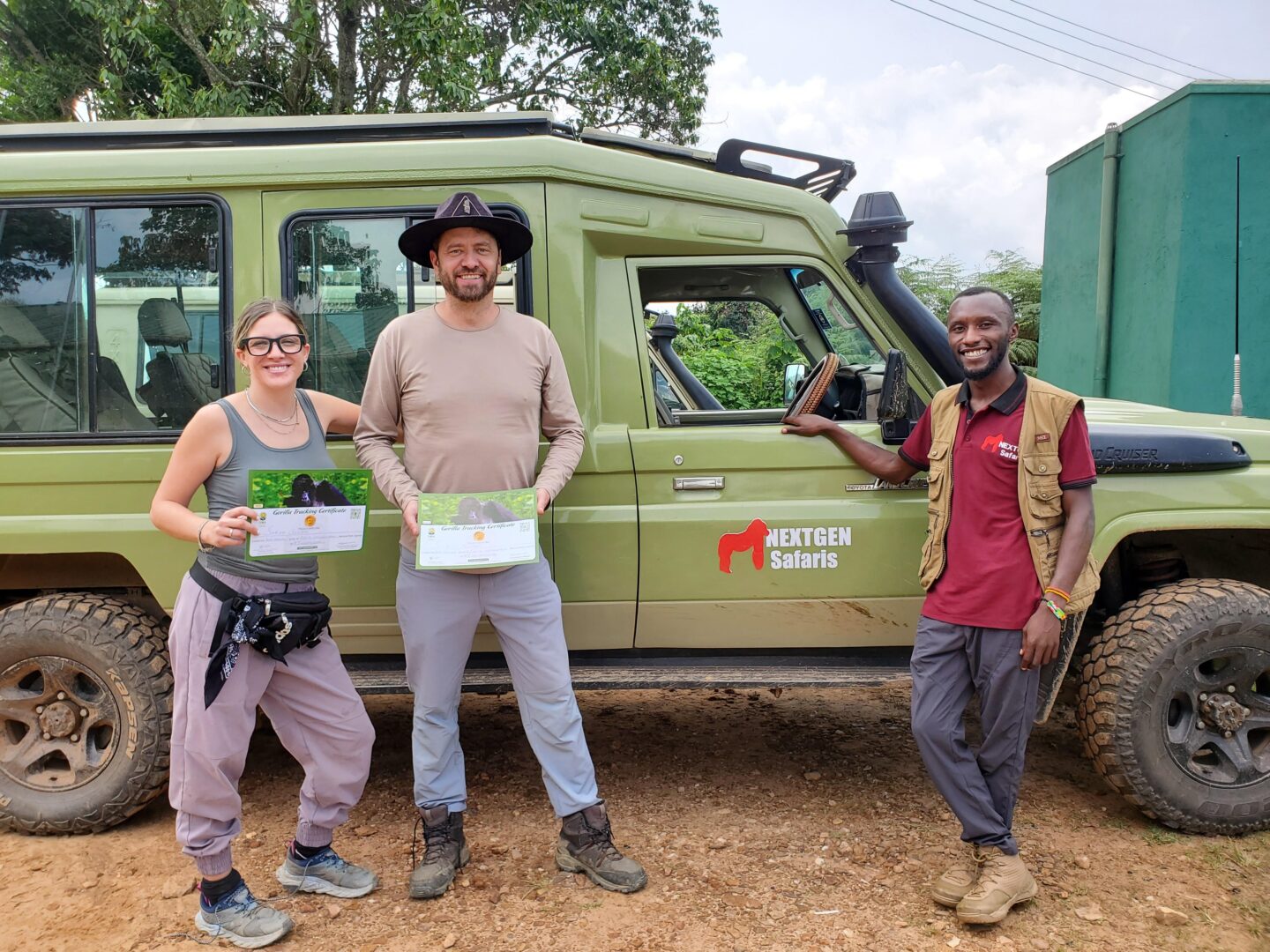
7 Days Gorilla Trekking from United States – Uganda Gorillas + Chimps
A best-seller for USA visitors: gorillas in Bwindi plus chimpanzee trekking in Kibale with smooth routing.
Request a Quote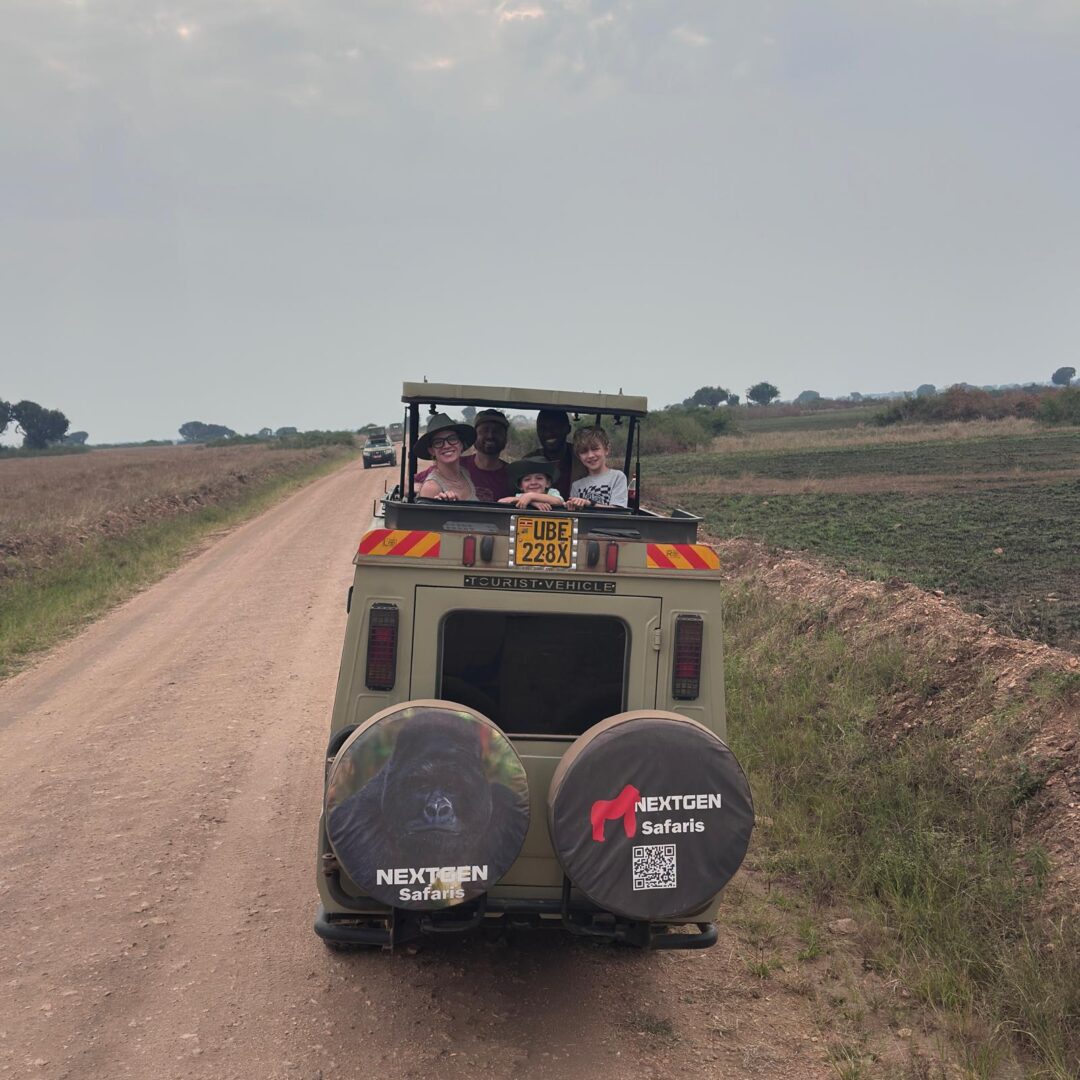
8 Days Gorilla Trekking from United States – Family-Friendly Uganda Safari
Designed for families and multigenerational travel with comfortable lodges, gentle pacing, and primate highlights.
Request a Quote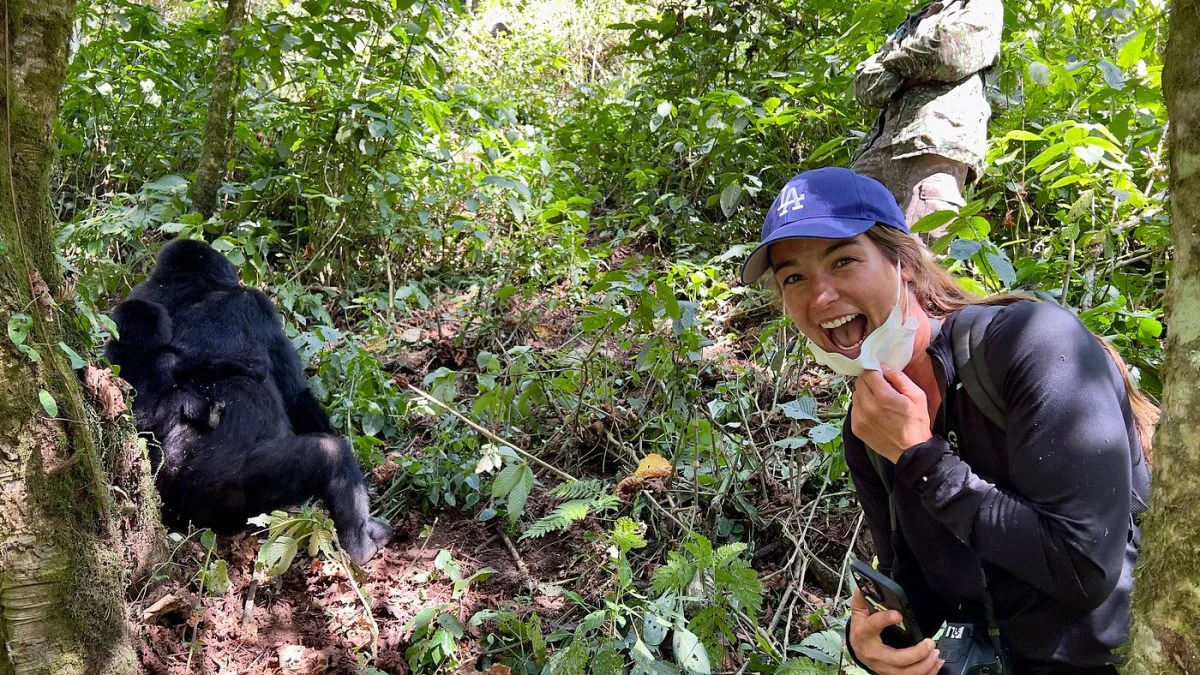
9 Days Gorilla Trekking from United States – Uganda Comfort Safari for Seniors
Extra recovery time, shorter driving days, and porter-friendly trekking plans for older travelers from the USA.
Request a Quote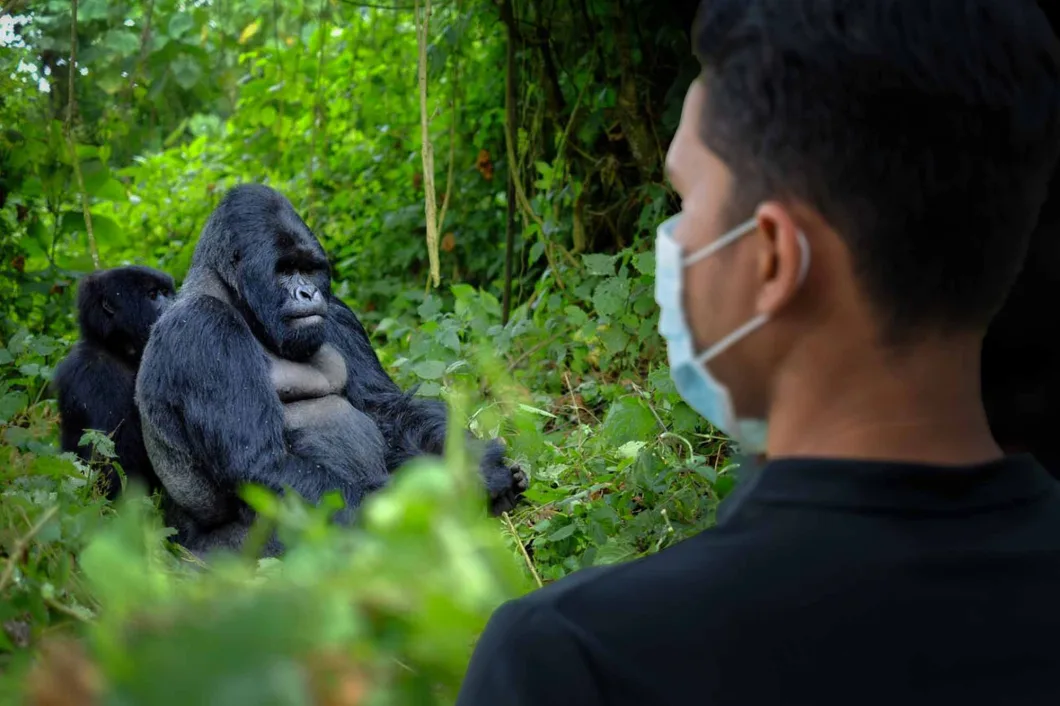
10 Days Gorilla Trekking from United States – Best of Uganda Safari
A complete Uganda journey with gorillas, chimps, and wildlife safaris at the right pace for Americans.
Request a Quote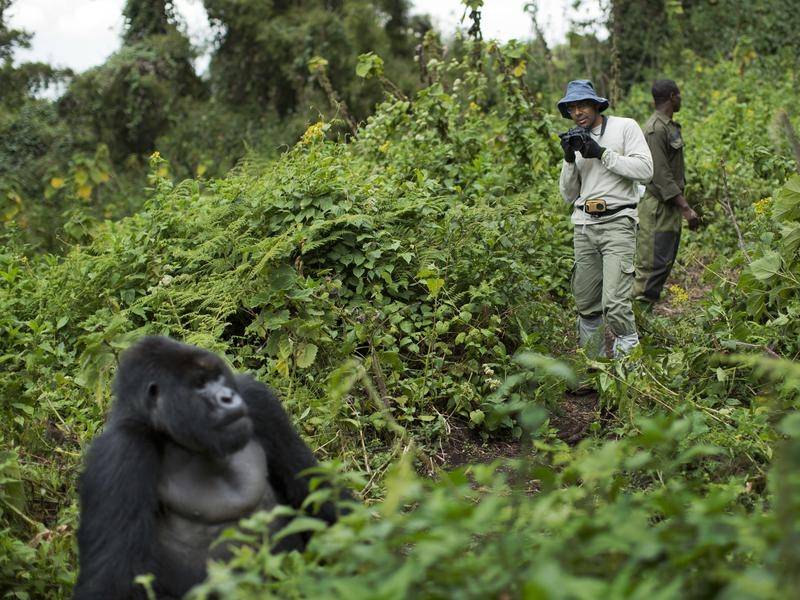
3 Days Gorilla Trekking from United States in Rwanda – Volcanoes National Park
Shortest transfer option from Kigali with a premium gorilla trekking experience designed for time-limited USA travelers.
Request a Quote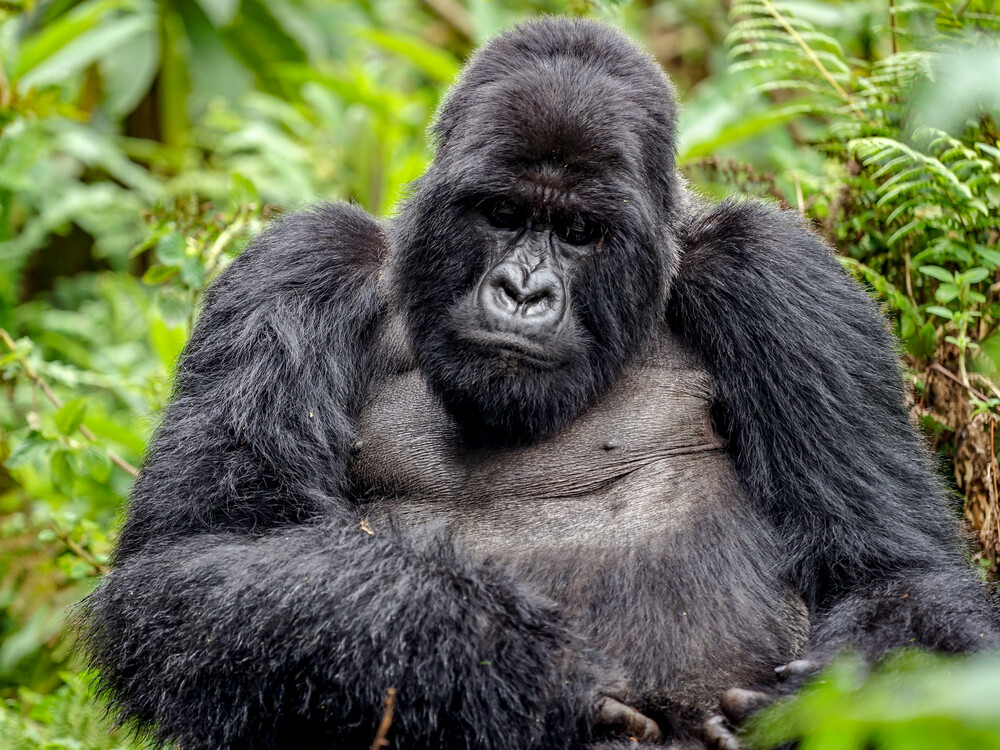
4 Days Gorilla Trekking from United States – Rwanda Luxury Gorilla Escape
A refined, high-comfort Rwanda option with short transfers, premium lodges, and private guiding ideal for USA couples.
Request a Quote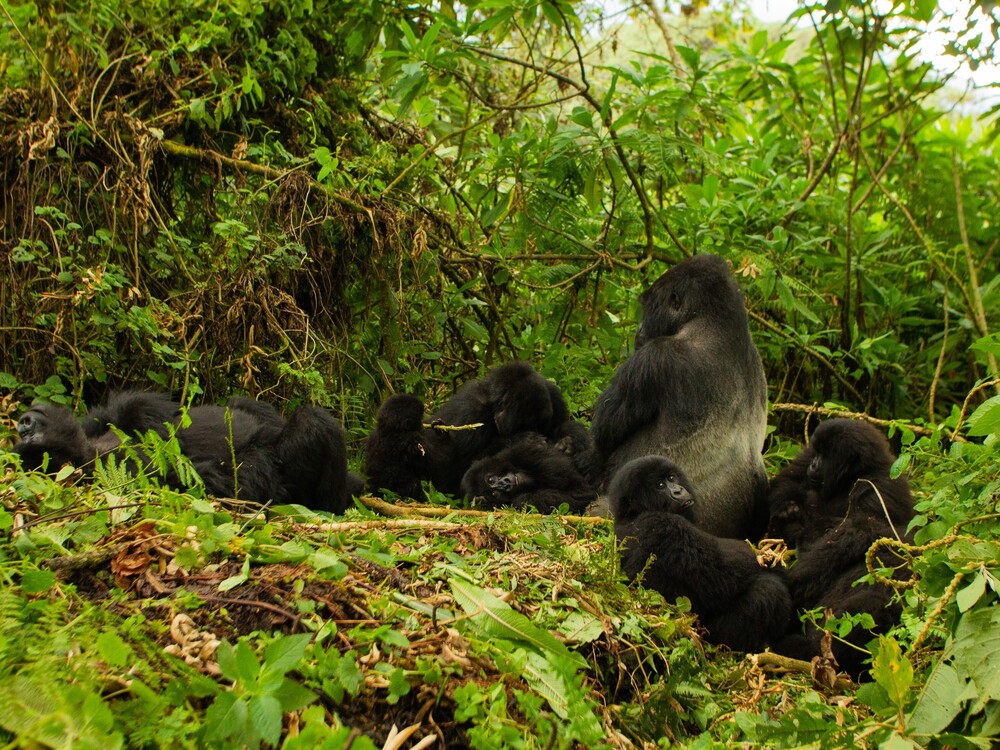
5 Days Gorilla Trekking from United States – Rwanda Honeymoon Gorilla Safari
A romantic private itinerary combining gorilla trekking with relaxed time in Rwanda’s scenic countryside.
Request a Quote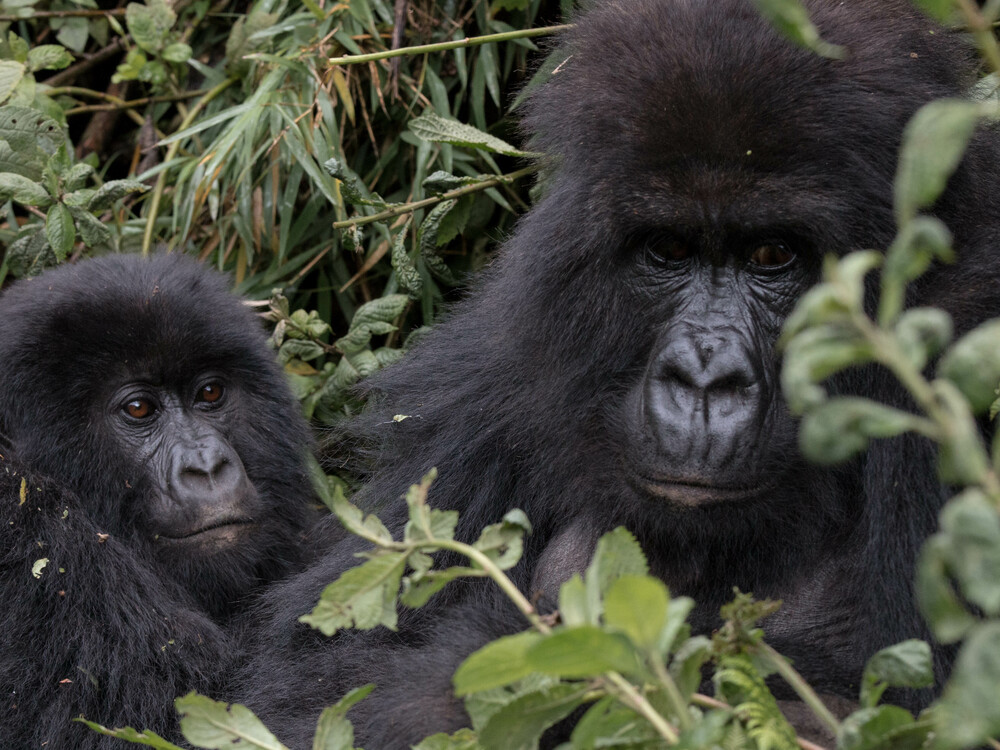
12 Days Gorilla Trekking from United States – Uganda & Rwanda Double Gorilla Trek
A signature cross-border itinerary featuring two gorilla treks across Uganda and Rwanda with premium logistics.
Request a QuoteWhat Gorilla Trekking Really Is (and What It Is Not)
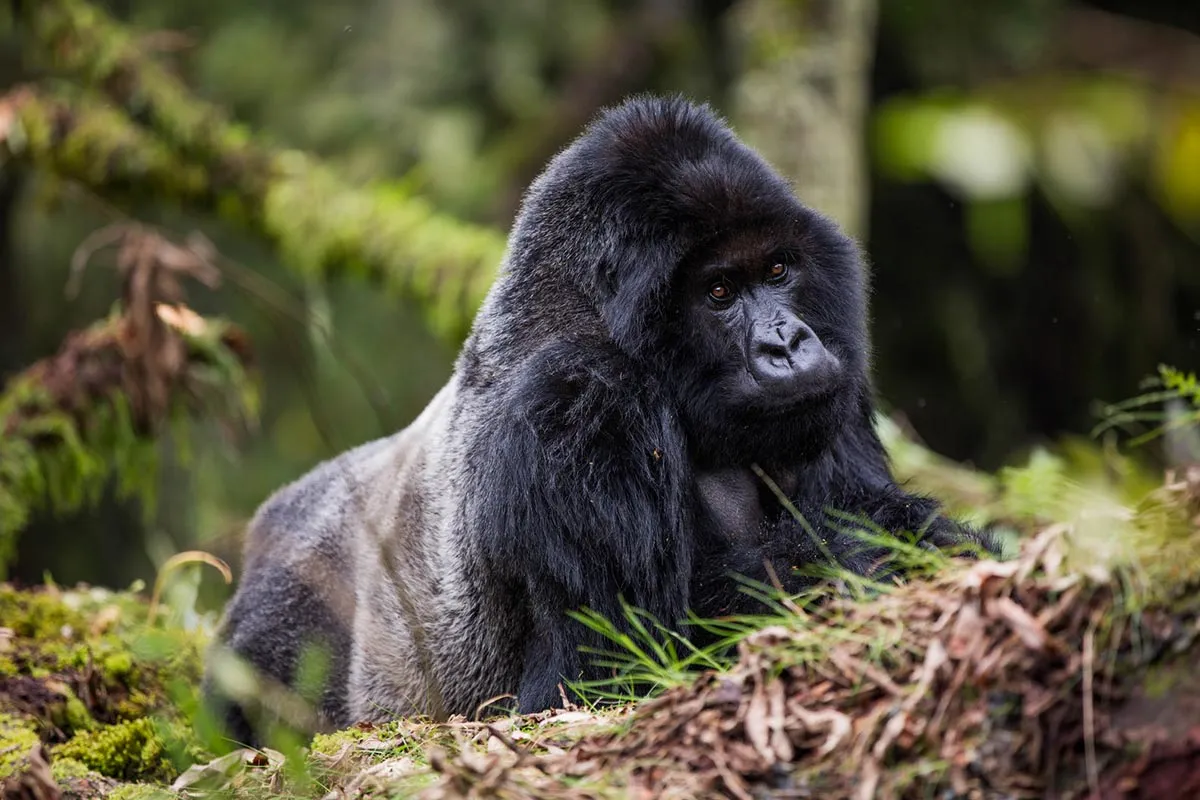
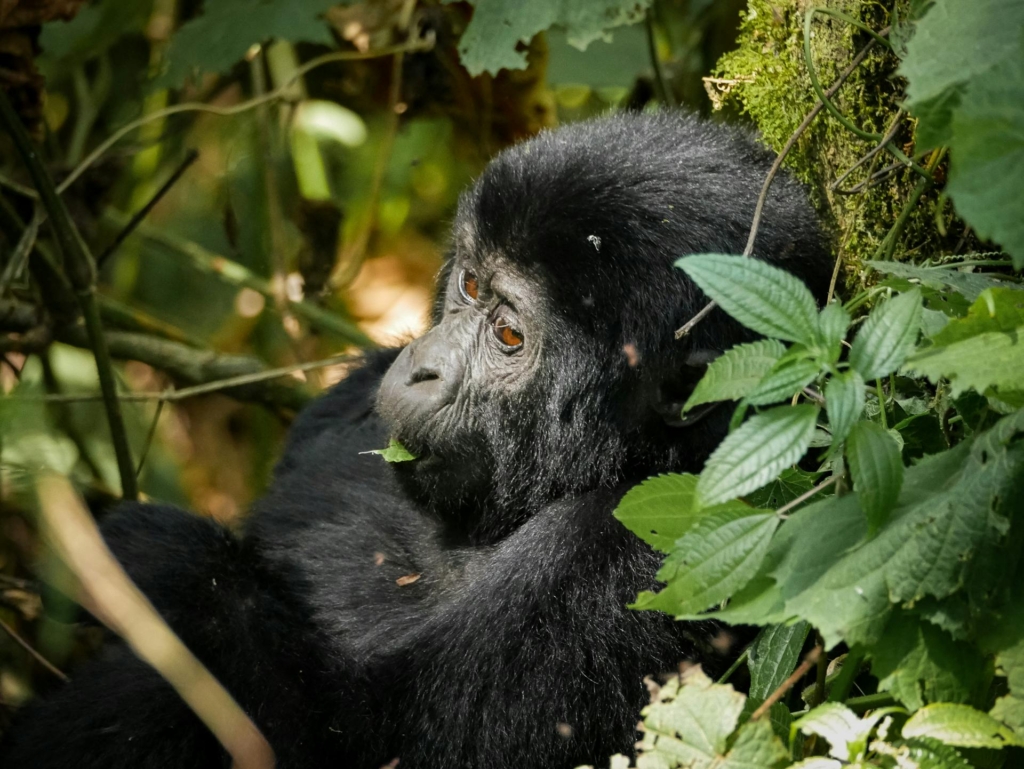
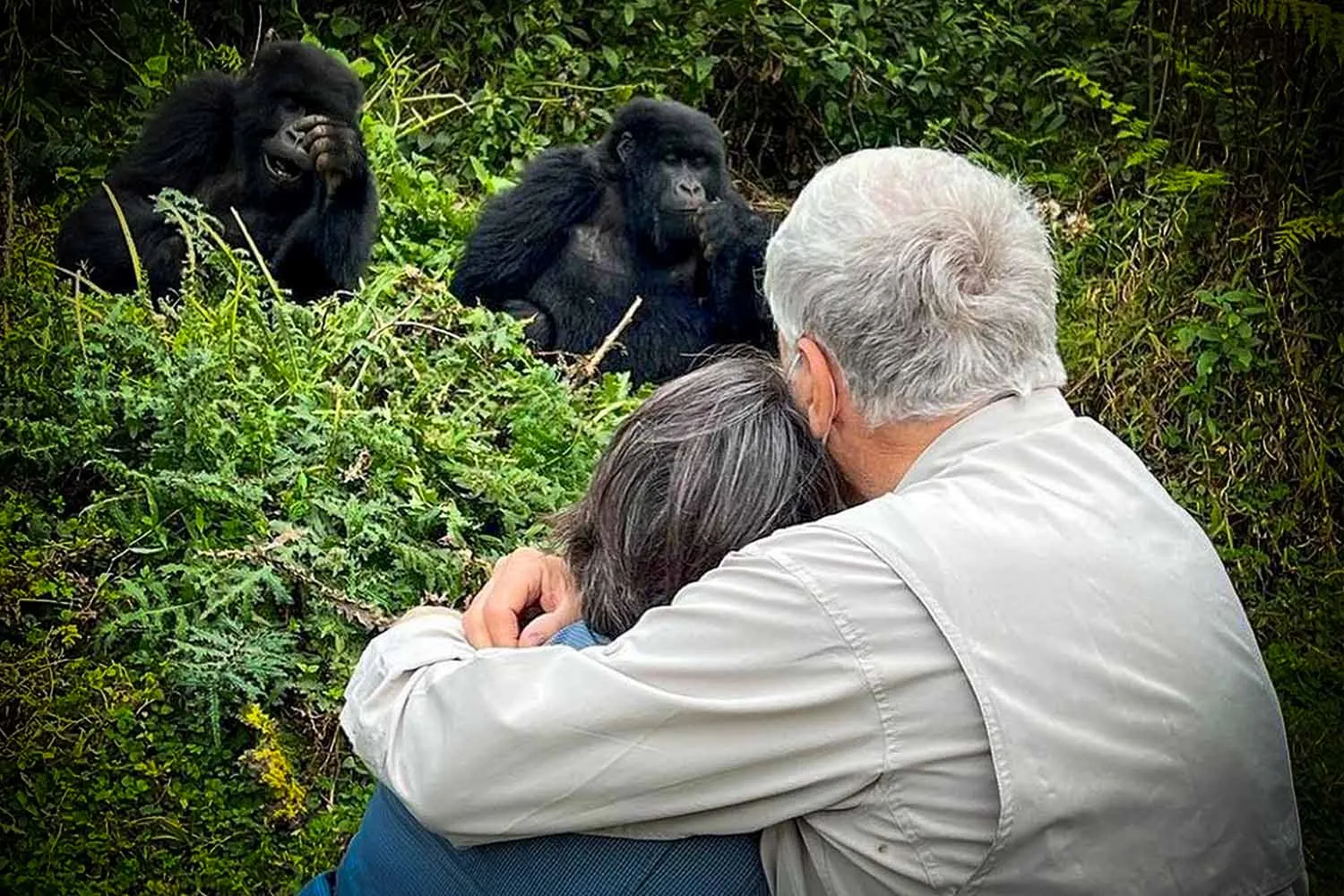
At its core, Gorilla Trekking from United States is a guided wildlife conservation experience that takes place in protected national parks in Central and East Africa. Travelers hike on foot through forest terrain with trained rangers to locate a specific, habituated gorilla family. Once the gorillas are found, visitors spend exactly one hour observing them at close range before returning to base.
This is not a zoo, a drive-by safari, or a guaranteed “easy walk.” It is also not an extreme adventure designed only for elite hikers. Gorilla trekking is controlled, paced, and adapted to the group’s ability. Rangers manage distance, safety, and behavior at all times, ensuring that the experience is ethical for the gorillas and safe for visitors.
For Americans, understanding this balance is essential. Gorilla Trekking from United States is about conservation, patience, and presence not speed, competition, or physical performance.
Why Americans Need a Different Kind of Planning
Traveling for Gorilla Trekking from United States is fundamentally different from planning a European city break or a Caribbean beach holiday. The distance alone changes everything. Flights from the U.S. to Africa are long, jet lag is real, and arriving exhausted can affect how you experience the most important moments of the trip.
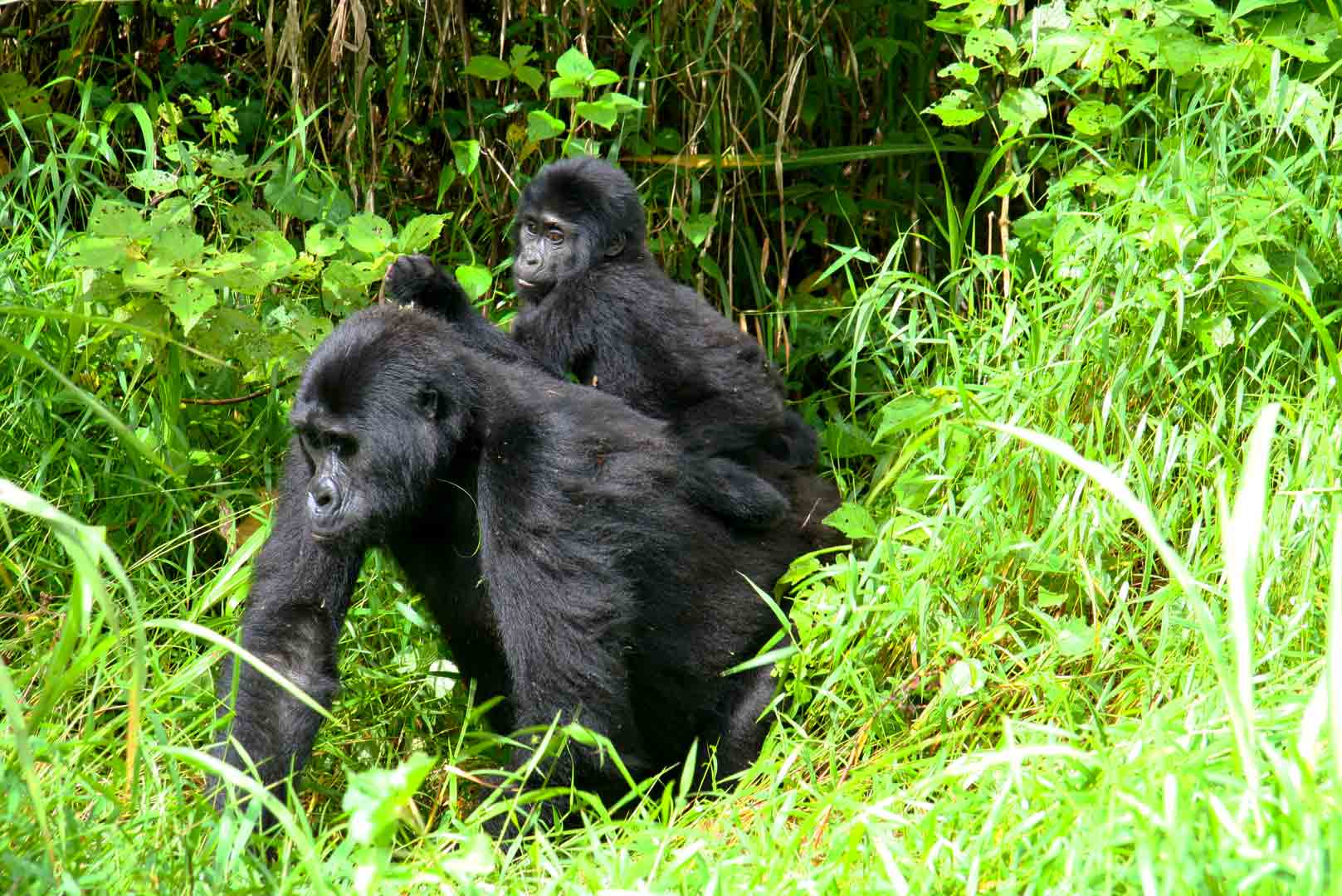
American travelers also tend to have limited vacation windows. This means gorilla trekking itineraries must be structured carefully so that trekking happens after recovery time, not immediately after arrival. Poorly planned trips rush Americans into the forest before they have adjusted, turning what should be a life-changing experience into a physically stressful one.
Another key difference is expectations. U.S. travelers often want clarity: clear costs, clear inclusions, realistic fitness expectations, and honest comparisons between destinations. A strong Gorilla Trekking from United States plan removes guesswork and replaces it with calm, informed decision-making.
Uganda and Rwanda – The Two Countries That Matter
All Gorilla Trekking from United States journeys focus on two countries: Uganda and Rwanda. These are the only destinations where mountain gorilla trekking is accessible, legal, and professionally managed for international travelers.
Uganda is known for its larger gorilla population, multiple trekking regions, and stronger value for travelers who want to combine gorillas with wildlife safaris. Rwanda is known for shorter transfers, a more compact trekking experience, and a premium tourism model.
Neither country is “better” in all cases. The right choice for Gorilla Trekking from United States depends on time, budget, travel style, and expectations. A trustworthy guide explains both options clearly instead of pushing one destination by default.
What This Guide Will Help You Decide
This page exists because Americans searching for Gorilla Trekking from United States are not just looking for inspiration they are looking for certainty. Over the rest of this guide, you will find clear explanations of costs, permits, physical difficulty, safety, best travel times, and how to choose between Uganda and Rwanda based on real priorities, not marketing slogans.
Everything here is written to help you plan gorilla trekking the right way: at the right pace, with the right information, and with realistic expectations from the moment you leave the United States.
If you continue reading, you are already doing what experienced travelers do seeking understanding before commitment. That is exactly how Gorilla Trekking from United States should begin.
What Is Gorilla Trekking and Why Americans Travel for It
For travelers researching Gorilla Trekking from United States, it is important to understand what the experience truly involves, without exaggeration, romantic language, or unrealistic expectations. Gorilla trekking is a highly regulated wildlife conservation activity, not a staged attraction or a passive sightseeing experience. It is designed to protect endangered mountain gorillas while allowing a limited number of visitors to observe them responsibly in their natural habitat.
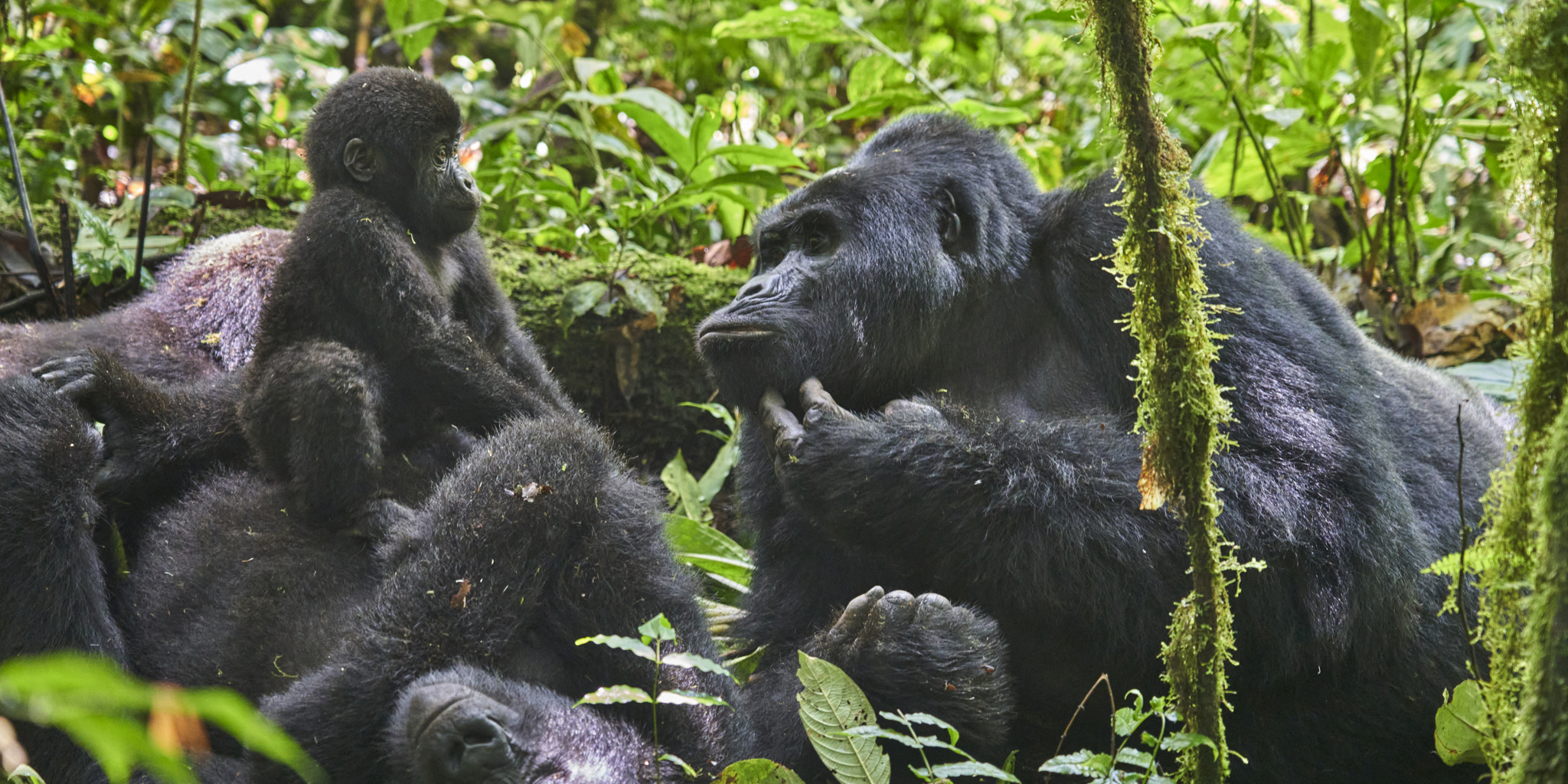
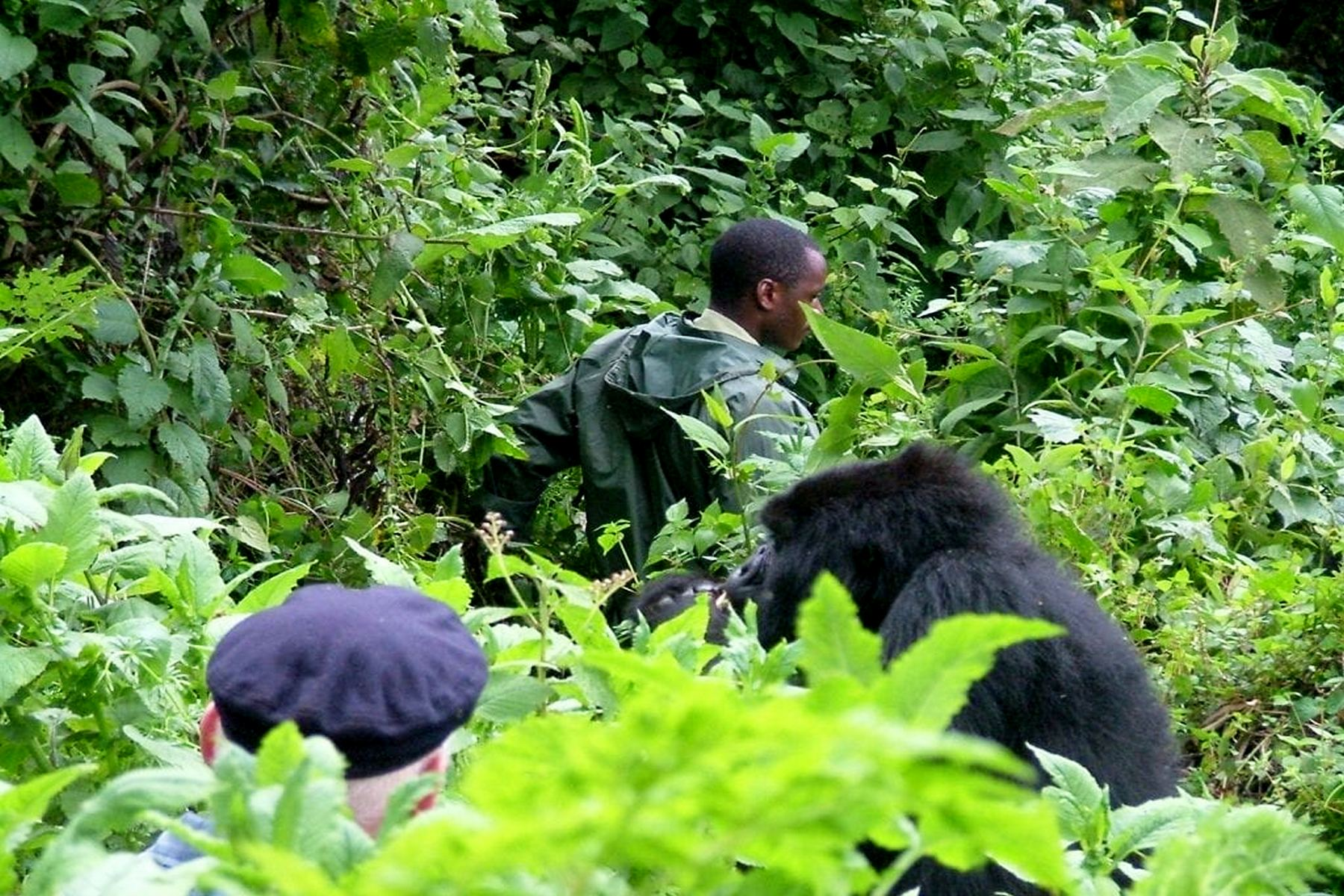

Gorilla trekking takes place on foot in protected rainforest environments. Visitors are accompanied at all times by professional guides and armed park rangers who know the terrain, the gorilla families, and the strict rules that govern each trek. Groups are kept small, and each trek is carefully assigned to a specific gorilla family that has been habituated to human presence over many years. This controlled system is what makes Gorilla Trekking from United States both safe and ethical.
The One-Hour Rule and Why It Matters
One of the most important aspects Americans should understand about Gorilla Trekking from United States is the one-hour rule. Once a gorilla family is located, visitors are allowed to spend exactly one hour in their presence. This time limit is non-negotiable and is enforced by park authorities in both Uganda and Rwanda.
For some first-time travelers from the USA, one hour may sound short. In reality, that hour is intense, immersive, and emotionally powerful. The limit exists to reduce stress on the gorillas, prevent overexposure to humans, and minimize the risk of disease transmission. These rules are not marketing choices; they are conservation necessities.
Understanding the one-hour rule helps Americans appreciate that gorilla trekking is about quality of experience, not duration. The encounter is meant to be meaningful, respectful, and sustainable rather than prolonged or intrusive.
A Guided and Conservation-Based Experience
Gorilla Trekking from United States is always guided, regulated, and conservation-driven. Visitors cannot trek independently, choose their own routes, or approach gorillas freely. Every aspect of the experience is overseen by national park authorities and trained conservation teams.
Rangers track gorilla movements daily, assess conditions, and adjust trekking plans accordingly. Guides brief visitors before each trek, explaining behavior guidelines, photography rules, and how to respond in different situations. This structure ensures safety for both gorillas and travelers while maintaining the integrity of the ecosystem.
For American travelers, this level of organization often comes as a relief. Gorilla trekking is not unpredictable or chaotic; it is carefully managed to deliver a once-in-a-lifetime experience within clear and responsible boundaries.
Why Gorilla Trekking Is Not a Zoo or Wildlife Park
One of the most common misconceptions among first-time visitors is comparing gorilla trekking to a zoo or wildlife park. In reality, Gorilla Trekking from United States could not be more different from those experiences.
There are no enclosures, feeding schedules, or guaranteed sightings based on artificial conditions. Gorillas live freely in their natural habitat, and trekking requires entering their world rather than bringing them into ours. The terrain is real rainforest, the conditions change daily, and the outcome depends on nature rather than human control.
This unpredictability is precisely why Americans travel so far for the experience. Gorilla trekking offers authenticity, an encounter that feels raw, respectful and profoundly human. It is not entertainment; it is participation in conservation.
Why Americans Find Gorilla Trekking Worth the Journey
Many Americans ask whether Gorilla Trekking from United States is truly worth the long flight, cost, and effort. The answer lies in the uniqueness of the experience. Mountain gorillas cannot be seen anywhere else on Earth in this way. The encounter is limited, intimate and deeply emotional, often leaving a lasting impression long after travelers return home.
For USA citizens, gorilla trekking represents more than wildlife viewing. It is an opportunity to engage directly with global conservation efforts, to step into landscapes that few people ever see, and to experience wildlife on terms that prioritize respect over spectacle.
This is why travelers consistently describe Gorilla Trekking from United States as one of the most meaningful journeys they have ever taken not because it is easy, but because it is real.
Gorilla Trekking from United States – Uganda vs Rwanda
For Americans planning Gorilla Trekking from United States, the most important decision is choosing between Uganda and Rwanda. Both countries offer safe, legal, conservation-led gorilla trekking. The differences are not about “better” or “worse,” but about cost structure, travel time, trekking style and overall value factors that matter a lot for USA travelers crossing the Atlantic.
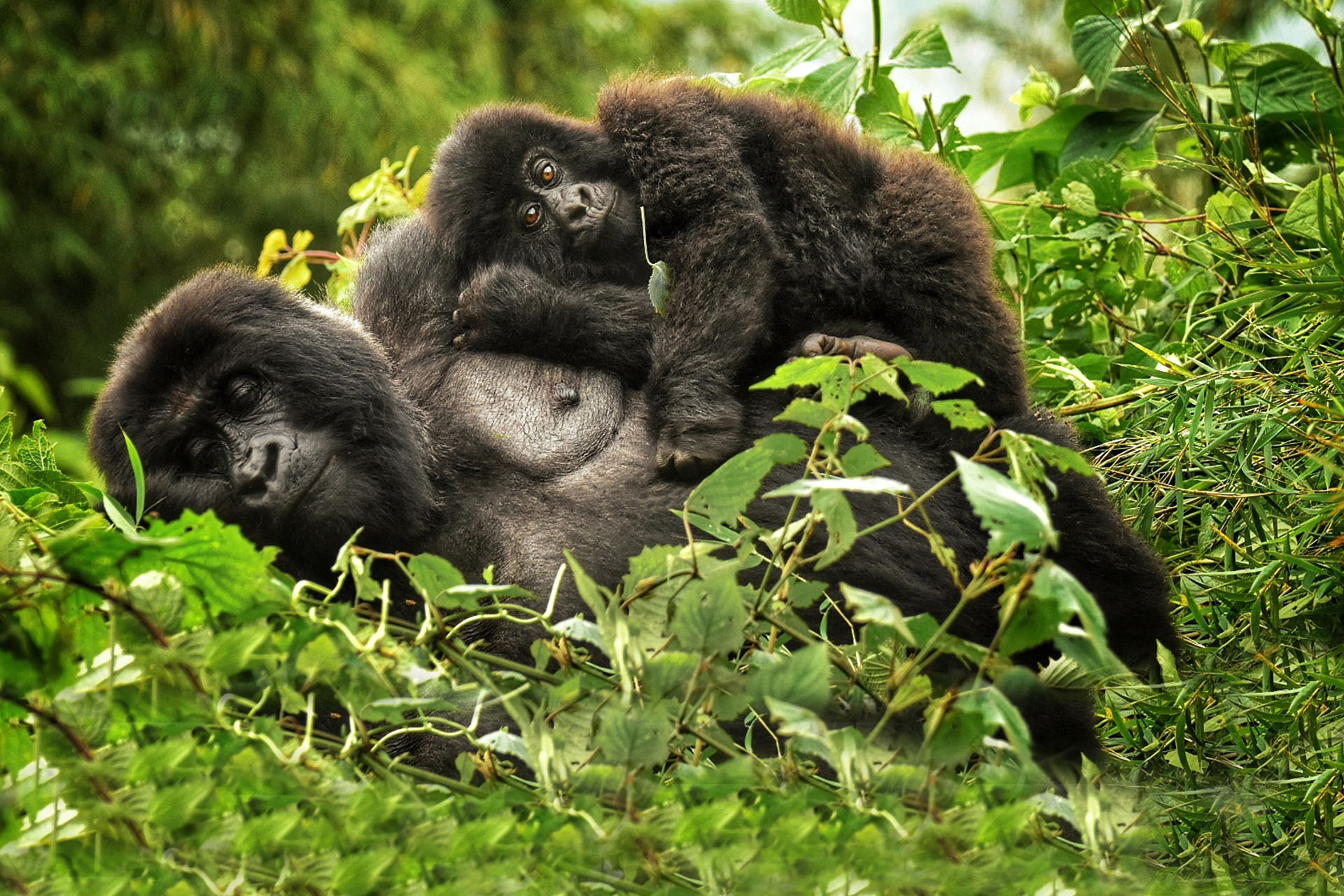

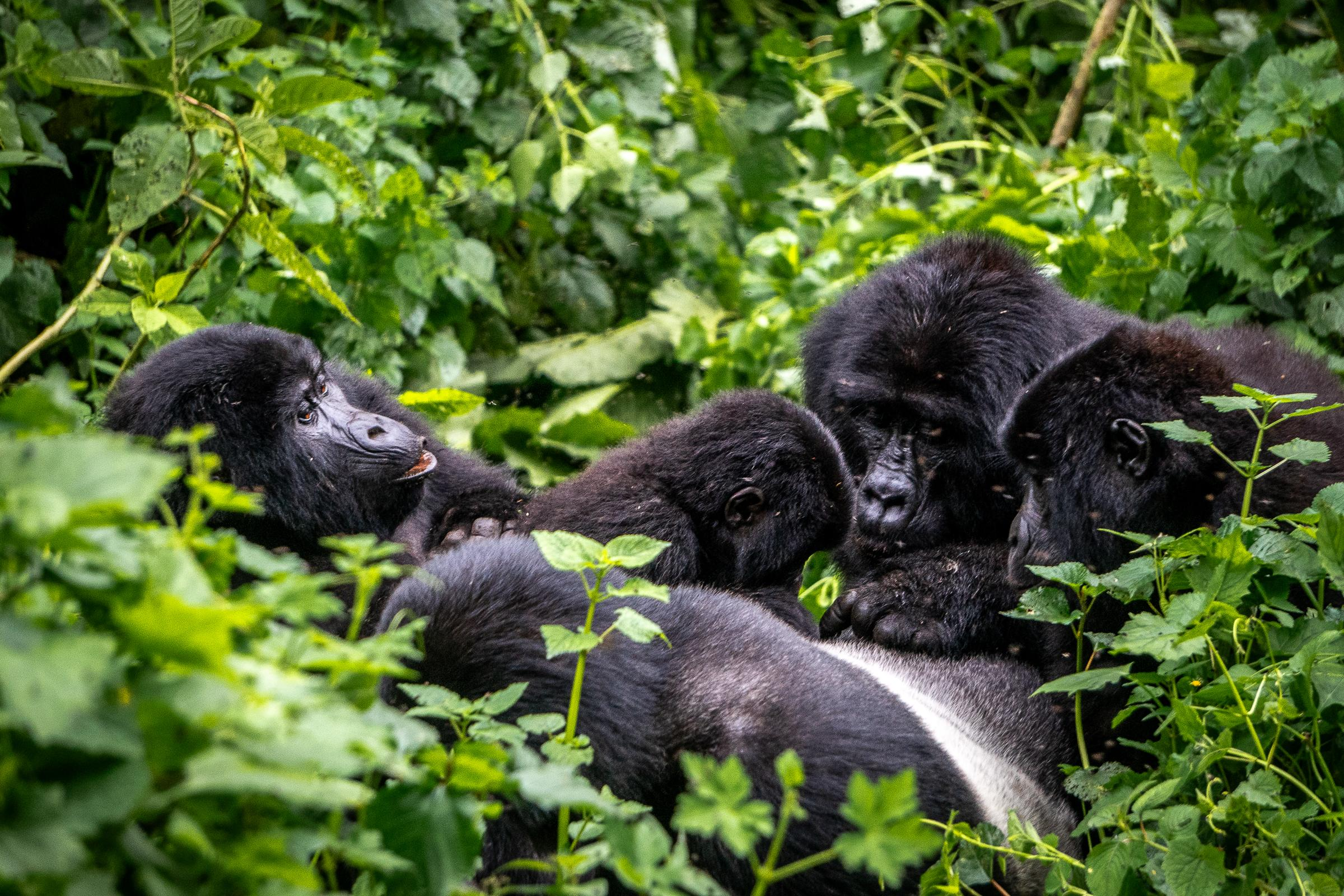
Permit Cost Differences (The Single Biggest Price Driver)
Permit pricing is the clearest distinction for Gorilla Trekking from United States.
Uganda’s standard gorilla trekking permit is significantly lower than Rwanda’s international permit. This difference alone often determines which destination Americans choose, especially when traveling as couples or families. Uganda also offers a unique gorilla habituation experience permit, which allows extended time with a gorilla group under research supervision, an option not available in Rwanda.
Rwanda operates a premium pricing model. Its permit cost is higher, reflecting a strategy focused on low visitor numbers, high-end tourism, and shorter stays. While Rwanda occasionally offers promotional rates for specific markets or periods, the standard international permit remains among the most expensive wildlife permits in the world.
For Americans comparing destinations objectively, permit cost directly affects the total trip budget and the level of accommodation and services achievable within that budget.
Travel Time from the United States
Flight time and onward transfers are another key factor in Gorilla Trekking from United States planning.
Both Uganda and Rwanda require long-haul international flights from the USA, typically with one connection. Once in Africa, the difference becomes more noticeable. Rwanda’s gorilla trekking area, Volcanoes National Park, is located roughly 2.5 to 3 hours by road from Kigali International Airport. This makes Rwanda appealing for travelers with very limited time.
Uganda’s main gorilla trekking areas, Bwindi Impenetrable National Park and Mgahinga Gorilla National Park, are farther from Entebbe International Airport. Road transfers are longer, though domestic flights are available and commonly used by USA travelers seeking comfort and time efficiency.
In practical terms, Rwanda favors shorter overall itineraries, while Uganda rewards travelers willing to invest a bit more travel time with broader experiences and flexibility.
Trek Difficulty and Terrain
Trek difficulty is often misunderstood by Americans researching Gorilla Trekking from United States. In both Uganda and Rwanda, trekking difficulty varies daily depending on the location of the gorilla family, weather, and terrain not the country itself.
That said, general patterns exist. Rwanda’s Volcanoes National Park features higher-altitude bamboo forests and volcanic slopes. Treks there are often shorter in duration but can involve steeper terrain. Uganda’s Bwindi Impenetrable Forest is denser and more varied, with treks that range from gentle to physically demanding.
Importantly for USA travelers, both countries assign gorilla families based on ability whenever possible, and porters are available to assist. Trekking is not a competition or endurance test; it is paced and managed with visitor safety in mind.
Overall Value for USA Travelers
When Americans evaluate Gorilla Trekking from United States, “value” usually means more than just price. It includes how much experience is gained relative to time, cost, and effort.
Uganda generally offers higher overall value for travelers who want to combine gorilla trekking with chimpanzee trekking, wildlife safaris, and cultural experiences within one trip. The lower permit cost allows for longer itineraries, better accommodation choices or additional activities without inflating the budget.
Rwanda offers convenience and simplicity. Short transfers, excellent infrastructure, and a streamlined experience appeal to travelers who prioritize efficiency and are comfortable with higher costs for shorter stays.
Neither approach is right or wrong; they simply serve different travel styles.
Who Uganda Is Best For
Uganda is best suited for Americans who want a deeper, more varied safari experience. Travelers who wish to combine gorilla trekking with wildlife safaris, chimpanzee trekking, or cultural encounters often find Uganda more rewarding. It is also well suited to travelers who value flexibility in itinerary length and want to maximize experience per dollar spent.
For first-time Africa visitors from the USA who want to see more than one ecosystem in a single trip, Uganda is often the more practical choice.
Who Rwanda Is Best For
Rwanda is best suited for Americans with limited time who want to focus almost exclusively on gorilla trekking. Travelers who prefer shorter transfers, polished infrastructure, and a compact itinerary—often as part of a luxury or add-on trip—tend to favor Rwanda.
It is particularly attractive for travelers already visiting East Africa for business or conferences, or those seeking a brief but high-impact gorilla experience.
The Bottom Line for Gorilla Trekking from United States
When comparing Gorilla Trekking from United States in Uganda versus Rwanda, the decision should be based on time, budget, and travel style, not assumptions or marketing narratives. Uganda offers broader value and flexibility, while Rwanda delivers speed and simplicity at a premium.
Understanding these differences clearly is the foundation of planning gorilla trekking the right way—calmly, confidently, and with expectations aligned to reality.
How Much Does Gorilla Trekking from the United States Cost?
For Americans researching Gorilla Trekking from United States, cost is one of the most searched and most misunderstood aspects of the experience. There is no single fixed price because gorilla trekking is not a packaged attraction. It is a regulated conservation activity combined with guided travel in remote regions, and the final cost depends on several clearly defined components.

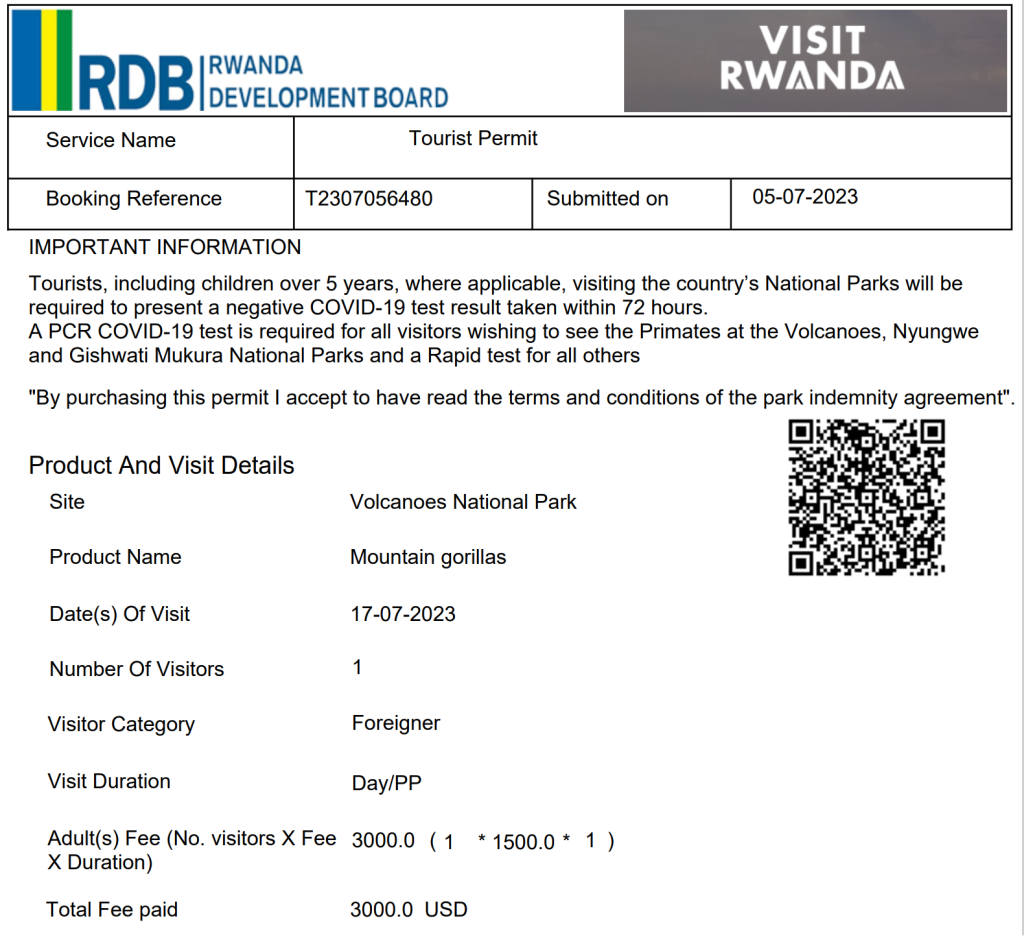
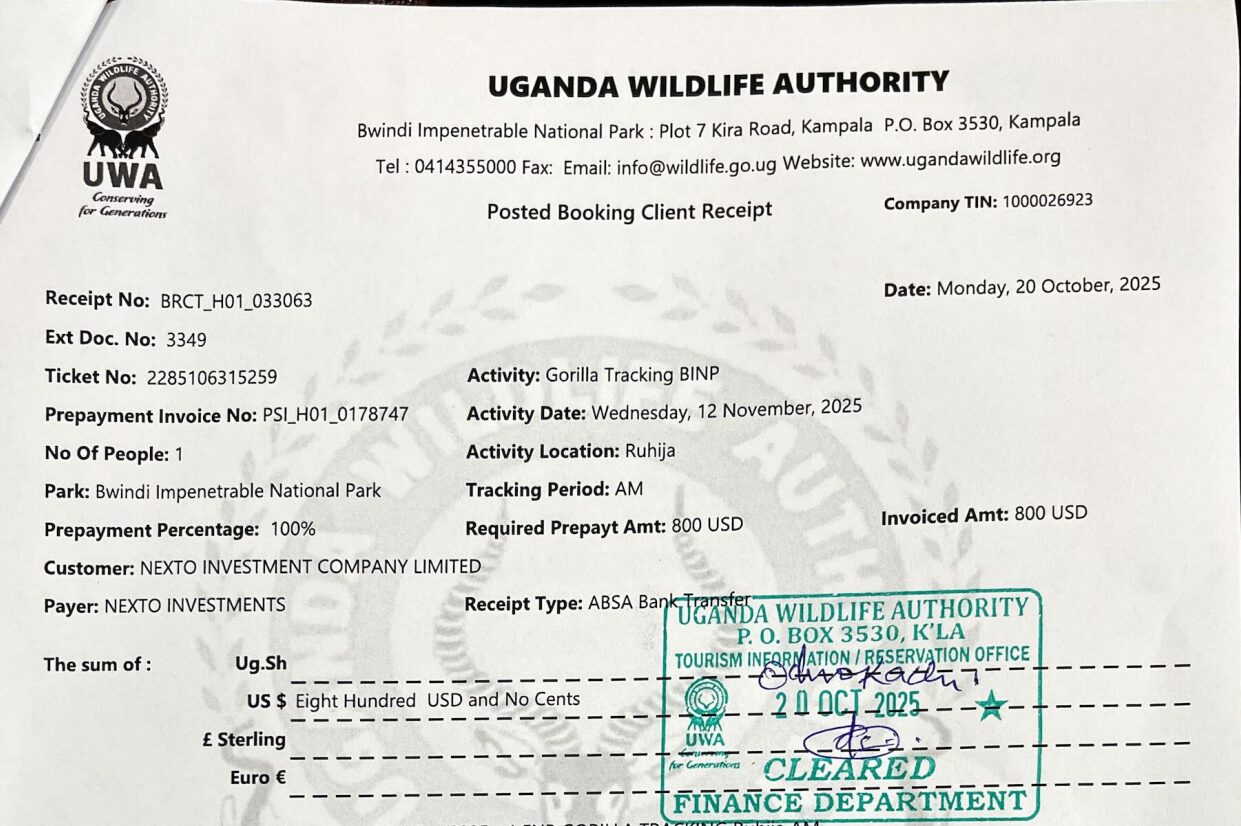
Understanding these components individually is the best way for USA travelers to evaluate value, avoid surprises, and plan realistically.
Gorilla Permit Cost: Uganda vs Rwanda
The gorilla trekking permit is the single most important cost element in Gorilla Trekking from United States. This permit is issued by national park authorities and is mandatory for every trekker. It covers park entry, ranger guides, conservation fees, and the one-hour gorilla encounter.
In Uganda, the international gorilla trekking permit is priced significantly lower than Rwanda’s. Uganda also offers a specialized gorilla habituation permit, which allows extended time with a gorilla group under research supervision. This option costs more than a standard trek but provides a deeper experience that many Americans find compelling.
In Rwanda, gorilla trekking follows a premium pricing model. The international permit cost is higher, reflecting Rwanda’s focus on low visitor numbers and high-end tourism. While Rwanda occasionally introduces promotional rates for specific markets or seasons, most travelers from the United States should plan around the standard international permit price.
For Americans comparing destinations, permit cost alone can create a difference of several thousand dollars for couples or families, making it the first major decision point when planning Gorilla Trekking from United States.
Safari Cost Ranges for USA Travelers
Beyond the permit, the overall safari cost depends on accommodation level, transport style, number of days, and whether gorilla trekking is combined with other experiences such as wildlife safaris or chimpanzee trekking.
For budget-focused Gorilla Trekking from United States, travelers typically stay in clean, well-run lodges and travel by road in private or shared safari vehicles. These trips focus on essentials without unnecessary extras and are often chosen by adventurous travelers or those prioritizing permit access over comfort.
Mid-range safaris are the most popular choice for Americans. They balance comfort and cost, offering good-quality lodges, private vehicles, experienced guides, and well-paced itineraries. Most first-time USA travelers find this category provides the best overall experience relative to price.
Luxury gorilla trekking safaris from the United States focus on premium lodges, fly-in transfers, private guiding, and minimal travel fatigue. These trips cost more but significantly reduce driving time and increase comfort, especially for travelers with limited vacation windows.
The key point for Americans is that Gorilla Trekking from United States is scalable. The experience itself remains the same; what changes is the level of comfort, logistics, and time efficiency around it.
Flights from the United States (High-Level Overview)
International flights are a major component of Gorilla Trekking from United States, but they vary widely based on departure city, airline, routing and season. Flights from the USA to East Africa usually involve one connection and arrive into Entebbe (Uganda) or Kigali (Rwanda).
Rather than focusing on exact prices, it is more useful for Americans to understand that airfare is influenced by travel season, booking window, and flexibility with dates. Gorilla trekking permits are fixed in price, but flights fluctuate significantly.
For planning purposes, flights should be considered a separate variable cost, ideally booked once permits and safari dates are secured.
What Affects the Total Cost of Gorilla Trekking from USA
Several factors directly influence how much Gorilla Trekking from United States will cost in total.
Seasonality plays a role. Peak travel periods often align with USA vacation calendars, increasing demand for permits, lodges, and flights. Gorilla trekking itself is available year-round, but prices around accommodation and logistics can vary.
Trip duration matters. Short trips focused only on gorilla trekking cost less overall but may feel intense after long flights. Longer itineraries that combine gorillas with wildlife safaris or chimpanzee trekking increase total cost but often provide better value per day for Americans traveling far.
Comfort level and transport style also affect pricing. Road transfers are more economical, while domestic flights and luxury lodges increase cost but reduce travel time and fatigue.
Group size is another factor. Private safaris for solo travelers or couples cost more per person than trips shared among small groups, although many Americans prefer private guiding for flexibility and comfort.
The Real Cost Perspective for USA Travelers
When viewed objectively, Gorilla Trekking from United States is not an inexpensive experience and it is not meant to be. The cost reflects conservation funding, limited access, professional guiding, and travel to remote ecosystems that exist nowhere else on Earth.
For most Americans, the question is not whether gorilla trekking is cheap, but whether it is worth the cost. Travelers consistently report that the experience justifies the investment because it delivers something genuinely rare, deeply moving, and impossible to replicate elsewhere.
Understanding how the costs are structured allows USA travelers to plan gorilla trekking with confidence, align expectations with reality, and choose the destination and travel style that fits both budget and priorities.
Best Gorilla Trekking Tours from the United States
When Americans search for the best Gorilla Trekking from United States, they are usually not looking for a single “perfect” itinerary. They are trying to understand which type of tour fits their time, budget, comfort level, and travel style. The strongest gorilla trekking journeys for USA travelers fall into a few clearly defined categories, each designed to solve a different planning need.
Short Gorilla Trekking Trips (3–5 Days)
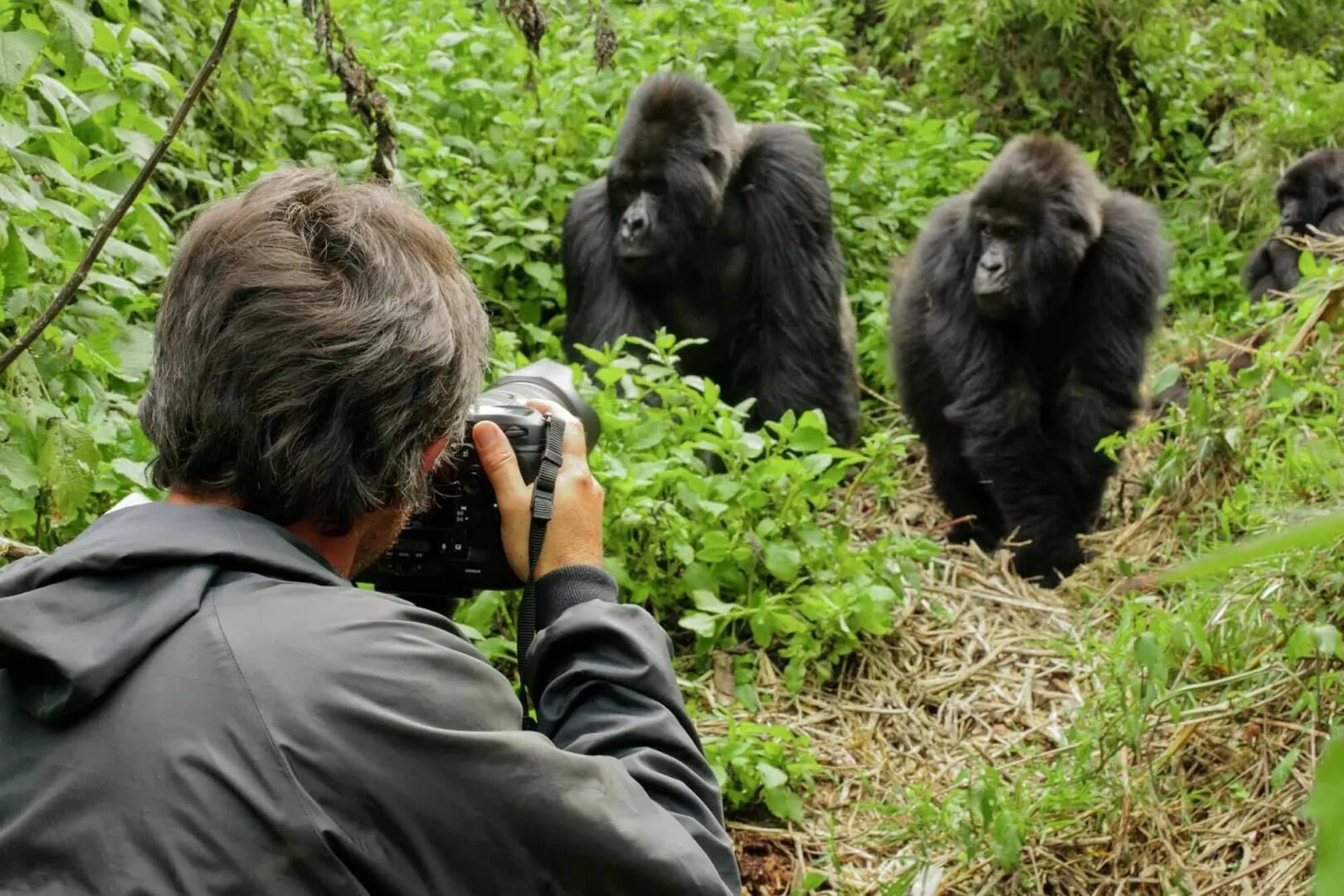
Short gorilla trekking tours are designed for Americans who have very limited time but still want the core experience. These trips focus almost entirely on the gorilla trek itself, with minimal add-ons and efficient routing.
For Gorilla Trekking from United States, short trips work best for travelers who are adding gorilla trekking onto a longer Africa itinerary, or for those who are already in East Africa and want a focused extension. Because of the long travel distance from the USA, these trips are often intense, but they can be effective when planned carefully with proper arrival and recovery timing.
Short trips are typically centered around Bwindi Impenetrable National Park in Uganda or Volcanoes National Park in Rwanda, with accommodation close to the trekking briefing points to reduce fatigue.
Combined Gorilla Trekking and Wildlife Safaris
For most Americans, combining gorilla trekking with classic wildlife safaris offers the best overall value. These tours balance the emotional intensity of gorilla trekking with game drives, boat safaris, and varied landscapes.
Combined itineraries are ideal for Gorilla Trekking from United States because they justify the long journey by delivering multiple iconic African experiences in one trip. Travelers can encounter mountain gorillas, chimpanzees, elephants, lions, and other wildlife without changing countries or rushing through the itinerary.
A strong example of this approach is your 8 days combined safari, which blends gorilla trekking, chimpanzee trekking, and wildlife viewing at a comfortable pace:
8 Days Full Uganda Safari from USA – Gorilla, Chimps & Wildlife
For travelers who want a deeper and more comprehensive experience, longer combined safaris are also popular:
10 Days Best of Uganda Safari for USA Citizens – Gorillas, Chimps & Big Game
These tours are especially well suited to first-time Africa travelers from the United States.
Luxury Fly-In Gorilla Trekking Safaris
Luxury fly-in safaris are designed for Americans who want to minimize travel time and maximize comfort. Instead of long road transfers, travelers use scheduled or charter flights to reach gorilla trekking regions quickly and comfortably.
For Gorilla Trekking from United States, this option is particularly appealing to travelers with limited vacation time, seniors, or those who prefer a seamless, low-effort experience. Luxury fly-in tours typically include high-end lodges, private guiding, personalized service, and flexible pacing.
These safaris cost more, but they significantly reduce fatigue and allow travelers to focus on the experience rather than logistics. They are also popular among travelers celebrating milestone events or seeking exclusivity.
Explore Luxury Gorilla Trekking Safaris
Honeymoon and Private Gorilla Trekking Safaris
Private and honeymoon gorilla trekking safaris are designed for travelers who want privacy, flexibility, and a more personal experience. These tours are fully customized and guided privately, making them ideal for couples, families, or small groups traveling from the USA.
For Gorilla Trekking from United States, private safaris allow complete control over pacing, accommodation level, and additional experiences. Honeymoon-focused itineraries often emphasize secluded lodges, scenic locations, and relaxed schedules while still delivering the full gorilla trekking experience.
Private safaris are also the preferred option for travelers with specific interests, mobility considerations, or special requests.
View Private & Resident Gorilla Trekking Options
How to Choose the Right Gorilla Trekking Tour from the USA
The best Gorilla Trekking from United States tour depends on three main factors: time available, comfort expectations, and overall goals. Short trips work for tight schedules, combined safaris offer maximum value, luxury fly-in tours reduce fatigue, and private safaris provide total flexibility.
What matters most is not choosing the most expensive or longest itinerary, but choosing the one that aligns with how Americans actually travel: limited time, long-distance flights, and a desire for experiences that feel meaningful rather than rushed.
By understanding these tour types and how they fit into your broader travel plans, you can approach gorilla trekking from the United States with clarity and confidence exactly how this experience deserves to be planned.
How Physically Demanding Is Gorilla Trekking for Americans?
For many travelers researching Gorilla Trekking from United States, physical difficulty is the single biggest source of anxiety. Americans often worry that gorilla trekking requires exceptional fitness, advanced hiking skills, or the stamina of an endurance athlete. In reality, these concerns are largely based on misconceptions rather than how gorilla trekking actually works on the ground. Read about fitness Required for Gorilla Trekking Guide
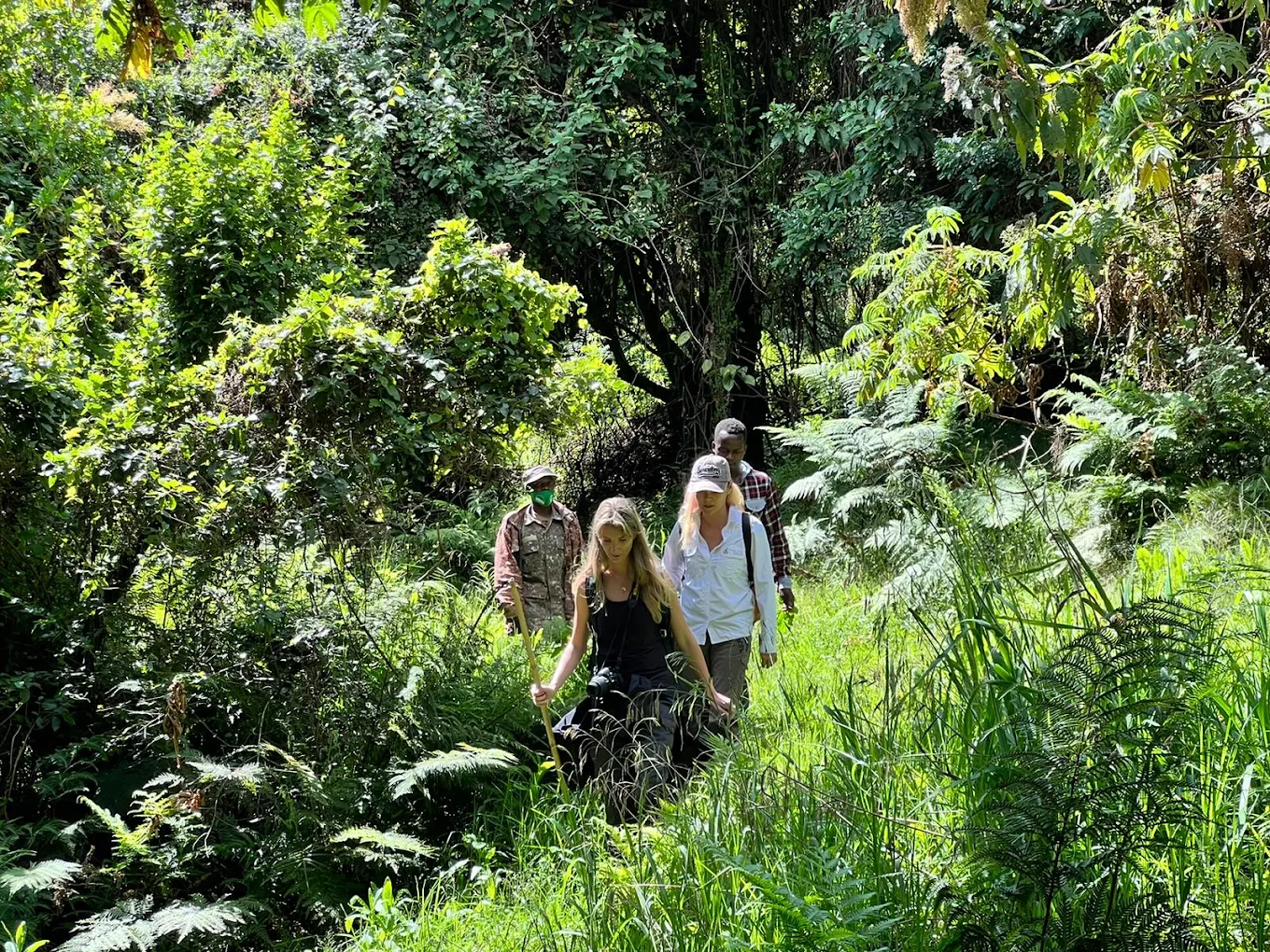
Understanding the physical realities of gorilla trekking is essential, especially for travelers coming from the USA after long flights and time zone changes.
No Athletic Background Is Required
One of the most important truths about Gorilla Trekking from United States is that there is no athletic requirement to participate. Gorilla trekking is not a race, a competition, or a technical mountaineering activity. Every trek is guided, paced, and adapted to the group’s overall ability.
Treks vary from day to day depending on where the gorilla family is located, but visitors are never expected to move faster than they comfortably can. Rangers communicate constantly and adjust the route, speed, and breaks based on the slowest member of the group.
Americans who regularly walk, travel, or maintain basic mobility are typically well within the physical range required for gorilla trekking.
Porters Make a Major Difference
Porters are one of the most underappreciated aspects of Gorilla Trekking from United States, and they dramatically reduce physical strain. Hiring a porter is optional but strongly recommended, especially for travelers concerned about fitness, balance, or fatigue.
Porters assist by carrying daypacks, helping with footing on steep or muddy sections, and providing stability on uneven terrain. For American travelers, this support often transforms what might feel intimidating into a manageable and enjoyable experience.
Using a porter is not a sign of weakness. It is a standard, accepted part of gorilla trekking that also supports local communities through direct employment.
Pace Is Adjusted to the Group
A common misconception is that travelers must “keep up” or risk missing the experience. In reality, gorilla trekking is structured so that the pace is set by the group, not the terrain.
For Gorilla Trekking from United States, guides are accustomed to working with international visitors of all ages and fitness levels. They monitor breathing, fatigue and comfort throughout the trek. Breaks are taken as needed, and alternative routes are used whenever possible.
This adaptive approach ensures that gorilla trekking remains accessible rather than intimidating, even for travelers who may not consider themselves hikers.
Age Limits and Senior Travelers
Another frequent concern is age. There is no maximum age limit for gorilla trekking in Uganda or Rwanda. The minimum age is typically 15, but beyond that, age alone is not a disqualifying factor.
Many seniors successfully participate in Gorilla Trekking from United States, including travelers in their 60s, 70s, and beyond. What matters is not age, but general mobility and comfort walking for extended periods.
For older travelers, planning becomes especially important. Choosing lodges close to trekking points, allowing rest days, and using porters all contribute to a positive experience. When planned properly, gorilla trekking can be just as rewarding for seniors as it is for younger travelers.
Common Misconceptions About Difficulty
Several myths continue to discourage Americans from considering Gorilla Trekking from United States. One is that treks involve extreme climbs or require mountaineering equipment. Another is that poor fitness automatically leads to failure or embarrassment.
In reality, trekking conditions range from gentle forest walks to more challenging hikes, and park authorities do their best to assign gorilla families appropriately. Even when terrain is steeper, assistance and pacing adjustments are standard practice.
The goal of gorilla trekking is not to test physical limits but to facilitate a safe, respectful encounter with wildlife.
Is Gorilla Trekking Hard for Americans?
When asked directly whether gorilla trekking is hard, the most accurate answer for USA travelers is: it can be physically engaging, but it is rarely beyond reach. With realistic expectations, proper planning, and support from guides and porters, most Americans find the experience demanding in a satisfying way rather than overwhelming.
This is why so many travelers who initially doubted their ability later describe gorilla trekking as the highlight of their trip.
Can Seniors Do Gorilla Trekking?
Yes. Seniors can and do participate successfully in Gorilla Trekking from United States every year. The key is honest self-assessment, thoughtful itinerary design, and using available support. When these elements are in place, age becomes far less important than mindset and preparation.
For Americans concerned about fitness or age, gorilla trekking is not about pushing limits, it is about meeting gorillas on their terms, at a pace that works for you.
Is Gorilla Trekking Safe for Travelers from the USA?
Safety is a central concern for Americans planning Gorilla Trekking from United States, and it is one of the reasons gorilla trekking is so tightly regulated. When done properly, gorilla trekking in Uganda and Rwanda is considered one of the safest wildlife experiences in Africa, precisely because of the level of control, oversight, and conservation governance involved.
Park Security and Controlled Access
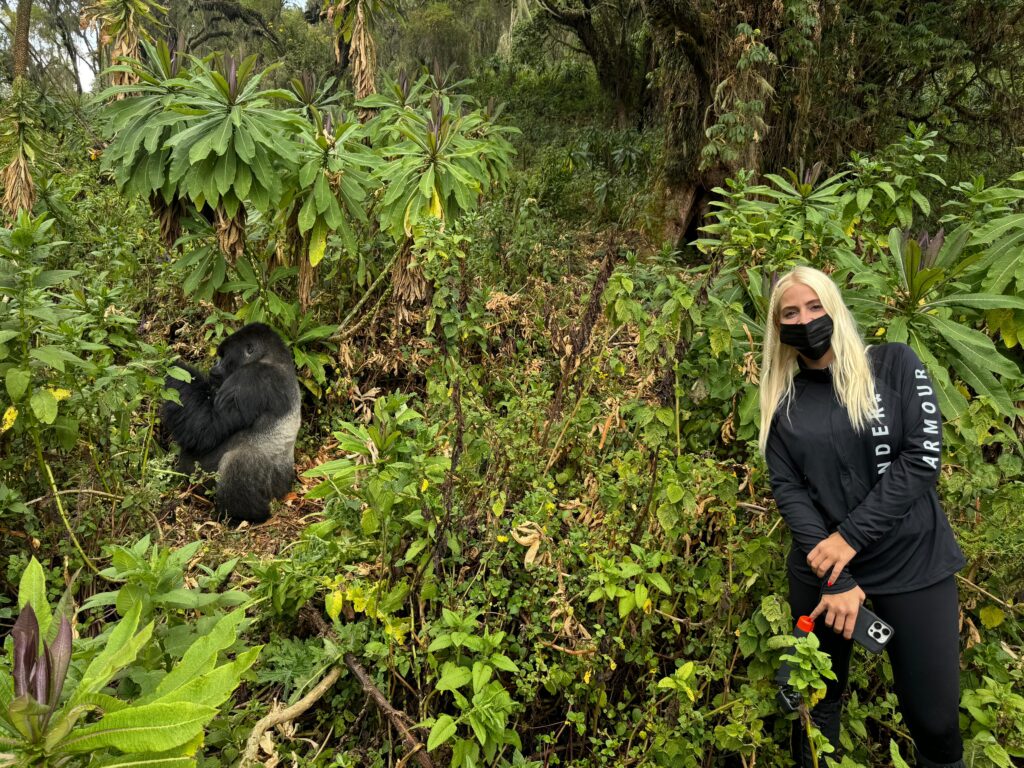
Gorilla trekking takes place only inside protected national parks with restricted access and daily monitoring. Entry is limited by permits, group sizes are small, and movement inside the parks is controlled from the moment visitors arrive at the briefing point.
Both Uganda and Rwanda treat gorilla conservation as a national priority. This means security presence is not incidental it is built into the system. Trekking areas are monitored continuously, and routes are adjusted daily based on conditions, wildlife movement, and security assessments.
For travelers coming from the USA, this structured approach removes the uncertainty that people often associate with remote travel.
Ranger Protection During Every Trek
Every gorilla trekking group is accompanied by trained park rangers, including armed rangers whose role is protection rather than enforcement. Their presence ensures that both visitors and gorillas remain safe throughout the experience.
Rangers are deeply familiar with gorilla behavior, forest terrain, and emergency protocols. They manage distance, control group movement, and intervene calmly if gorillas change position or behavior. For Gorilla Trekking from United States, this professional guidance is one of the strongest safety assurances, particularly for first-time Africa travelers.
Importantly, there has been no history of tourists being harmed by gorillas during regulated trekking. The combination of habituation, ranger supervision, and strict rules makes encounters predictable and controlled.
Disease Prevention and Health Protocols
Mountain gorillas share a high percentage of their DNA with humans, which makes disease prevention a critical component of gorilla trekking safety. Both Uganda and Rwanda enforce strict health protocols to protect gorillas and visitors alike.
Travelers showing signs of illness may be restricted from trekking, group sizes are limited, and minimum distance rules are enforced at all times. Visitors are briefed on hygiene practices before entering the forest, and guides monitor compliance closely.
For Americans, these protocols often feel reassuring rather than restrictive. They reflect a conservation system that prioritizes long-term protection over short-term tourism gains, which is a key reason Gorilla Trekking from United States remains sustainable and respected worldwide.
Medical Evacuation Reality for USA Travelers
One of the most practical questions Americans ask is what happens in the event of a medical issue. While serious incidents during gorilla trekking are rare, professional safari planning always includes contingency planning.
Major gorilla trekking regions are connected to regional medical facilities, and reputable operators ensure access to emergency evacuation services when required. Comprehensive travel insurance, including medical evacuation coverage, is strongly recommended for all travelers from the USA.
When planned properly, Gorilla Trekking from United States does not involve unmanaged risk. It involves calculated, mitigated risk within a professional framework that prioritizes traveler welfare.
Why Uganda and Rwanda Are Safe When Planned Properly
Uganda and Rwanda have decades of experience managing gorilla tourism. Their systems are studied and replicated globally because they work. Safety is not dependent on luck; it is the result of regulation, training, and constant oversight.
For Americans, the key distinction is planning properly. Gorilla trekking should always be arranged through licensed operators who work directly with park authorities, understand permit systems, and follow official guidelines. When this standard is met, gorilla trekking is not only safe, it is exceptionally well managed. Learn about Gorilla Trekking Safety
Best Time for Gorilla Trekking from the United States
One of the most common planning questions is determining the best time for Gorilla Trekking from United States. Unlike many wildlife experiences, gorilla trekking is available year-round, but seasonal differences influence comfort, crowd levels, and overall travel style.
Understanding these patterns allows Americans to align gorilla trekking with vacation schedules rather than avoiding large portions of the year unnecessarily. Understand the Best time of the year to go for gorilla trekking.
Dry Seasons vs Green Seasons
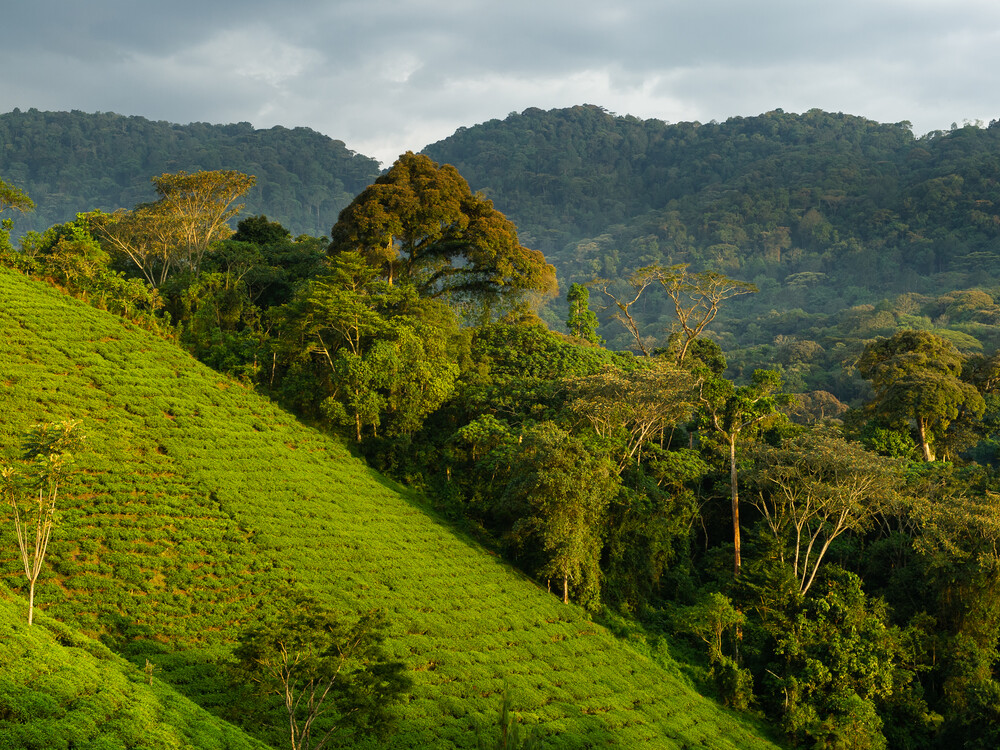
Dry seasons are often described as the “best” time for gorilla trekking, largely because forest trails are less muddy and hiking conditions are easier. These periods typically see higher visitor numbers and increased demand for permits and accommodation.
Green seasons, sometimes called low or shoulder seasons, bring more rainfall but also fewer crowds and lush forest scenery. Gorilla movements do not stop during rainy months, and trekking continues daily. Trails can be more challenging, but the experience itself remains equally rewarding.
For Gorilla Trekking from United States, the choice between dry and green seasons often comes down to comfort preferences rather than wildlife availability.
Crowd Levels and Permit Availability
Because gorilla trekking permits are limited by design, crowd control is built into the experience year-round. Even during peak periods, group sizes remain small, and encounters feel personal rather than crowded.
However, high-demand months aligned with global travel patterns can sell out permits well in advance. Americans planning travel during popular vacation windows should secure permits early to avoid disappointment.
Green season travel often provides more flexibility and availability, which can be appealing for travelers with flexible schedules.
Aligning Gorilla Trekking with USA Vacation Calendars
For Americans, the “best time” is often defined by when travel is possible rather than when conditions are perfect. School holidays, summer vacations, and winter escapes all influence travel timing from the USA.
The advantage of gorilla trekking is that it does not depend on migration patterns or seasonal wildlife movements. Gorillas remain in their home ranges throughout the year, making Gorilla Trekking from United States viable whenever time allows.
This flexibility is one of the reasons gorilla trekking works so well for American travelers compared to more seasonally restricted safaris.
The Year-Round Truth About Gorilla Trekking
The most important fact for USA travelers is that there is no bad time to go gorilla trekking. Each season offers a slightly different experience, but the core encounter remains unchanged: a controlled, respectful hour with mountain gorillas in their natural environment.
Rather than asking when gorilla trekking is possible, Americans should focus on when it fits their life best. With proper planning, any month can deliver a powerful and safe gorilla trekking experience.
Travel Requirements for USA Citizens Trekking Gorillas
Planning Gorilla Trekking from United States involves a few essential travel requirements that every American traveler should understand before booking permits or flights. None of these requirements are complicated, but getting them right early removes stress and prevents last-minute issues that could affect the trekking experience itself.

This section focuses on practical, high-level guidance rather than medical or legal advice, so USA travelers know what to prepare and why it matters.
Visa Requirements for USA Citizens (Uganda and Rwanda)
American passport holders require a visa to enter both Uganda and Rwanda for gorilla trekking.
Uganda offers an electronic visa (e-Visa) system that allows USA citizens to apply online in advance of travel. Most gorilla trekking itineraries use this option because it is straightforward and avoids delays on arrival. Passport validity and a return or onward travel plan are typically required.
Rwanda also offers an online visa system for U.S. citizens and has historically maintained relatively smooth entry procedures. Some travelers choose Rwanda specifically because of its streamlined airport experience, especially when time is limited.
For travelers combining both countries in one trip, a regional East Africa tourist visa may be an option depending on routing and itinerary design. Choosing the correct visa type should always be aligned with the safari route rather than handled independently.
Vaccinations and Health Preparation (High-Level Guidance)
Health preparation is an important part of Gorilla Trekking from United States, but it does not need to be overwhelming. USA travelers are typically advised to consult a travel clinic or healthcare provider well before departure for personalized recommendations.
At a high level, travelers should be aware that proof of certain vaccinations may be required for entry, and others may be recommended based on travel history and routing. These requirements are not specific to gorilla trekking itself but apply to travel in the region generally.
What matters most for gorilla trekking is arriving in good general health. Travelers who feel unwell on the day of trekking may be restricted from entering the forest, not as a punishment, but as a conservation measure to protect gorillas from human-borne illness.
This precaution reflects the seriousness with which Uganda and Rwanda treat conservation and visitor safety.
Travel Insurance and Medical Evacuation Coverage
Travel insurance is not optional for Americans planning Gorilla Trekking from United States. Comprehensive coverage should include medical treatment, emergency evacuation, trip interruption, and coverage for adventure or wildlife activities.
Gorilla trekking takes place in remote forest environments. While serious incidents are rare, medical evacuation planning is a standard part of responsible safari travel. Insurance provides peace of mind and ensures access to appropriate care if needed.
For USA travelers, this is less about anticipating problems and more about ensuring preparedness when traveling far from home.
Packing Essentials for Gorilla Trekking
Packing correctly has a direct impact on comfort during Gorilla Trekking from United States. Gorilla trekking does not require technical mountaineering equipment, but it does require practical clothing and footwear suited to forest conditions.
Sturdy walking shoes or hiking boots with good grip are essential. Lightweight, long-sleeved clothing helps protect against vegetation and insects. Rain protection is important year-round, as forest weather can change quickly regardless of season.
Daypacks should be small and comfortable, carrying water, snacks, and personal items. Cameras are allowed, but flash photography is prohibited. Trekking poles and porters are often available locally, reducing the need to bring specialized gear from the USA.
Packing thoughtfully ensures that the focus stays on the experience rather than discomfort. Use our Free Nextgen Gorilla Trekking Packing List
Why These Practical Details Matter for Gorilla Trekking from United States
For Americans, gorilla trekking is not a spontaneous activity. It is a regulated experience that rewards preparation. Visas, health readiness, insurance, and packing are not administrative obstacles; they are part of what makes gorilla trekking safe, ethical, and well managed.
When these practical elements are handled correctly, Gorilla Trekking from United States becomes a smooth, focused journey rather than a stressful logistical exercise. This level of preparation allows travelers to fully engage with the experience once they arrive, exactly as gorilla trekking is meant to be experienced.
Gorilla Trekking from United States – FAQs
Is gorilla trekking worth flying from the United States?
Yes, for most travelers, Gorilla Trekking from United States is absolutely worth the journey, but not because it is easy or convenient. It is worth it because the experience is genuinely rare. Mountain gorillas cannot be encountered this way anywhere else in the world, and the interaction is limited, regulated, and deeply meaningful.
Americans who travel for gorilla trekking consistently describe it as one of the most powerful wildlife experiences of their lives. The long flight is part of the commitment, but the emotional impact of standing quietly with a gorilla family in the forest far outweighs the effort required to get there.
How many days do Americans need for gorilla trekking?
For Gorilla Trekking from United States, most travelers need a minimum of 7 to 10 days to experience the trip properly. This allows time for international travel, recovery from jet lag, gorilla trekking itself, and at least one or two additional experiences such as wildlife safaris or chimpanzee trekking.
Shorter trips are possible, but they tend to feel rushed after long flights. Americans generally enjoy gorilla trekking more when the itinerary includes proper pacing and recovery time rather than trying to compress everything into a few days.
Is Uganda or Rwanda better for first-time American travelers?
Neither destination is universally better; the right choice for Gorilla Trekking from United States depends on priorities.
Uganda is often better for first-time travelers who want more value, longer itineraries, and the ability to combine gorilla trekking with wildlife safaris and chimpanzee trekking. It offers more flexibility and typically lower permit costs.
Rwanda is better suited to travelers with limited time who want a shorter, more streamlined experience focused almost entirely on gorilla trekking, with shorter transfers from the airport.
For most first-time Americans who want a broader African experience, Uganda is usually the more practical starting point.
Can Americans combine gorilla trekking with a wildlife safari?
Yes, and in fact, many travelers find that combining experiences is the best way to justify Gorilla Trekking from United States. Uganda, in particular, allows travelers to combine gorilla trekking with classic wildlife safaris, boat cruises, and chimpanzee trekking within a single country.
This combination adds variety, balances physical intensity, and provides a more complete understanding of East Africa’s ecosystems. For Americans traveling such a long distance, combining gorillas with wildlife safaris often delivers the strongest overall value.
Is gorilla trekking ethical?
Gorilla trekking is considered one of the most ethical forms of wildlife tourism when done through official park authorities. It is strictly regulated, group sizes are limited, time spent with gorillas is controlled, and a significant portion of permit fees directly funds conservation and local communities.
For Gorilla Trekking from United States, ethical considerations are built into the experience. Visitors do not touch gorillas, feed them, or interfere with their behavior. The rules exist to protect gorillas first, with tourism serving as a tool for long-term conservation rather than exploitation.
Is gorilla trekking safe for Americans?
Yes. Gorilla trekking in Uganda and Rwanda is widely regarded as safe when planned properly. Treks are conducted with professional guides and armed rangers, routes are monitored daily, and strict rules govern behavior around gorillas.
For Americans, the key factor is planning through licensed operators who work directly with park authorities. When this standard is met, gorilla trekking is one of the most controlled and professionally managed wildlife experiences available.
How physically hard is gorilla trekking for USA travelers?
Gorilla trekking can be physically engaging, but it does not require athletic ability. Treks are paced according to the group, porters are available to assist, and rangers adjust routes when needed.
Many Americans in their 50s, 60s, and beyond complete gorilla treks successfully. The experience is demanding enough to feel rewarding, but rarely beyond reach when planned realistically.
Can seniors from the United States do gorilla trekking?
Yes. Seniors regularly participate in Gorilla Trekking from United States. There is no upper age limit, and success depends more on mobility and preparation than age.
Choosing lodges close to trekking points, allowing rest days, and using porters all make a significant difference. With proper planning, gorilla trekking can be just as meaningful for senior travelers as for younger ones. Visit our Gorilla Trekking Page for Seniors and old travelers above 60 years.
How far in advance should Americans book gorilla trekking?
Most Americans should book Gorilla Trekking from United States several months in advance, especially if traveling during popular vacation periods. Gorilla trekking permits are limited and can sell out quickly.
Booking early ensures better permit availability, accommodation choice, and flight flexibility, reducing stress later in the planning process.
What is the biggest mistake Americans make when planning gorilla trekking?
The most common mistake is underestimating how much planning matters. Gorilla trekking is not something to arrange casually after arrival. Permits, pacing, health considerations, and logistics all need to align.
Americans who take time to plan properly almost always describe gorilla trekking as life-changing. Those who rush decisions often feel unnecessary stress around what should be an unforgettable experience.
Plan Gorilla Trekking from the United States with Clarity and Confidence
If you are traveling from the United States and considering Gorilla Trekking from United States, the most important decision is not where to click or what package to choose, it is how the experience is planned.
Gorilla trekking works best when it is paced correctly, permits are secured properly, and expectations are aligned with reality. When those pieces come together, the journey feels calm, meaningful, and deeply rewarding rather than rushed or uncertain. This is especially true for travelers coming from the USA, where long flights, limited vacation time, and high expectations make thoughtful planning essential.
Working with specialists who arrange gorilla trekking every day removes guesswork. It ensures that your itinerary fits your schedule, your comfort level, and your reason for traveling — whether that is a once-in-a-lifetime wildlife encounter, a combined safari experience, or a carefully paced private journey.
If you want Gorilla Trekking from United States planned properly at the right pace, with the right permits, and without unnecessary complexity speak to a specialist who understands both the destination and how Americans travel.