
Gorilla Trekking in Uganda vs Rwanda – Which Is Best?
Gorilla Trekking in Uganda vs Rwanda is one of the most searched and debated questions among travelers planning a once-in-a-lifetime safari in East Africa. Both countries protect endangered mountain gorillas, both offer professionally managed trekking systems, and both deliver deeply emotional wildlife encounters. Yet the experience, cost structure, terrain, accessibility and overall safari style differ in meaningful ways.
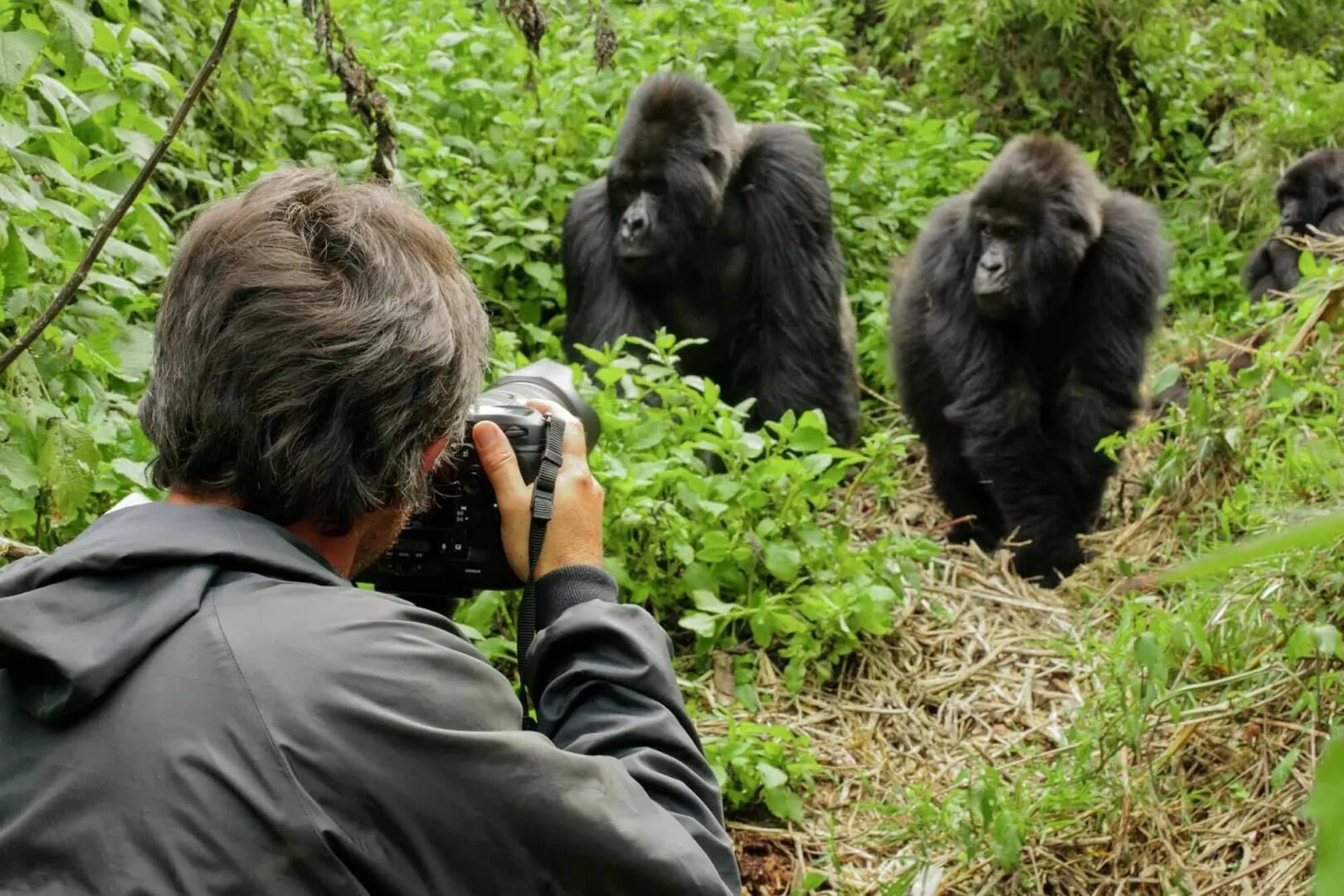
When comparing gorilla trekking in Uganda vs Rwanda, the first difference most travelers notice is permit price. Uganda’s gorilla trekking permit is significantly lower than Rwanda’s, which immediately raises the question of value. Does the higher price in Rwanda mean a better experience? Or does Uganda offer the same quality at a more accessible rate?
Beyond permit cost, the trekking experience itself varies. Uganda’s forests are denser and more rugged in some sectors, while Rwanda’s slopes can feel more open and visually dramatic. Accessibility also differs. Rwanda’s main gorilla park lies a short drive from Kigali, while Uganda’s primary trekking sectors are farther from Entebbe, though domestic flights are available. Lodge styles follow a similar pattern: Rwanda leans toward high-end luxury positioning, while Uganda offers a wider spectrum from budget to ultra-luxury.
This Gorilla Trekking in Uganda vs Rwanda Guide provides a balanced, experience-based comparison of gorilla trekking in Uganda vs Rwanda. We will examine where you can trek, how permits differ, what the terrain feels like, how logistics work, and which destination suits different travel styles. The goal is not to declare a universal winner, but to help you determine which country is best for your specific priorities.
Where Can You Go Gorilla Trekking?
Understanding where to see mountain gorillas is the foundation of comparing gorilla trekking in Uganda vs Rwanda. While both countries protect the same endangered subspecies; mountain gorillas, the structure and geography of their parks are distinct.
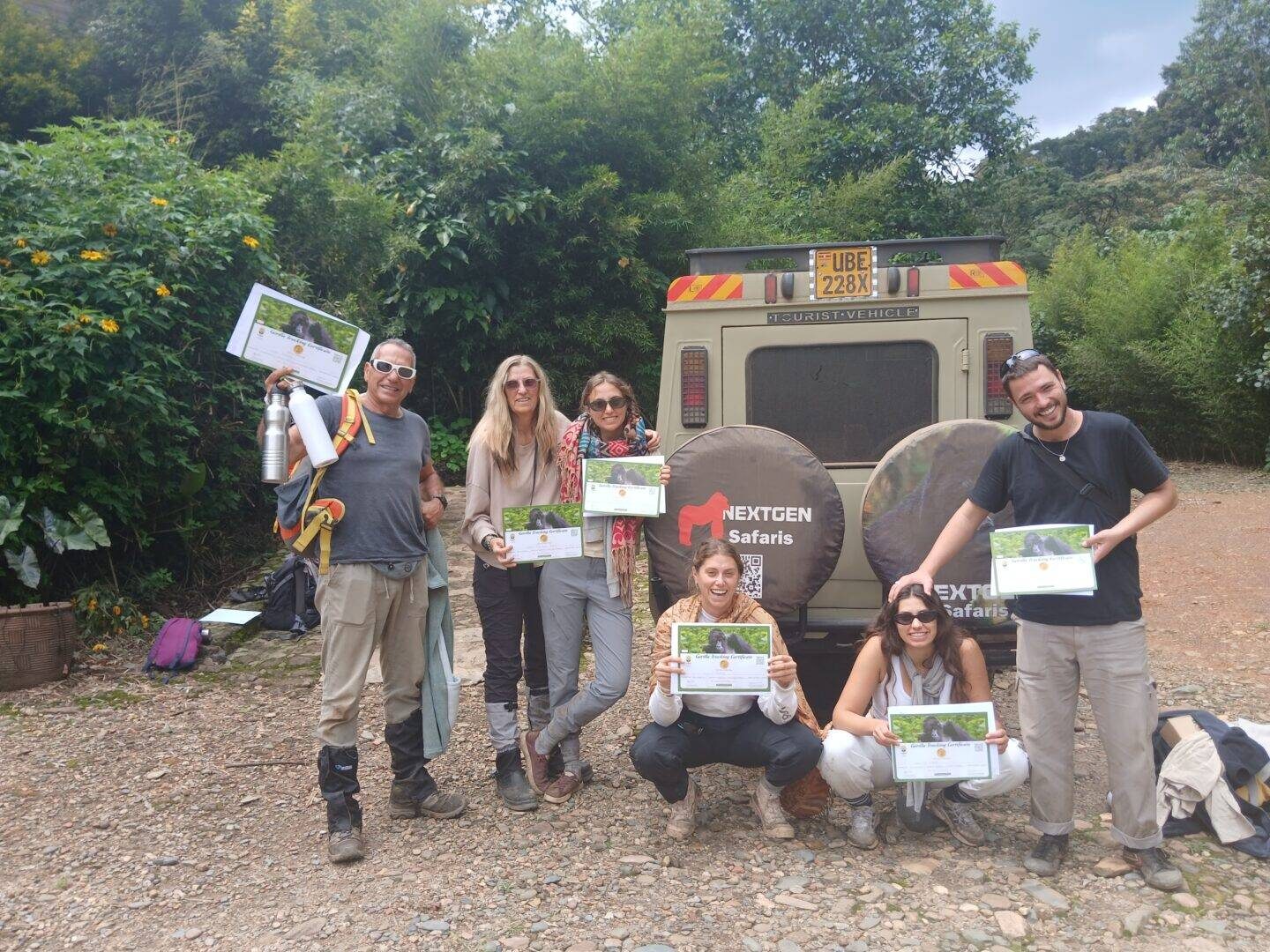
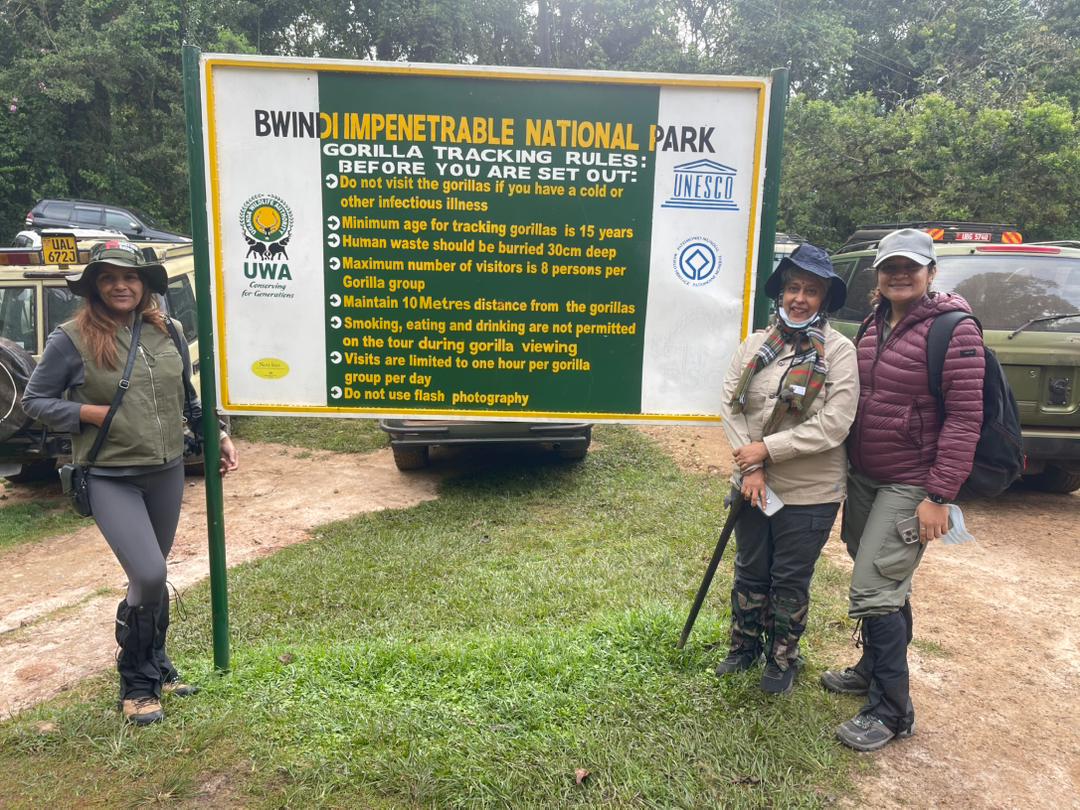
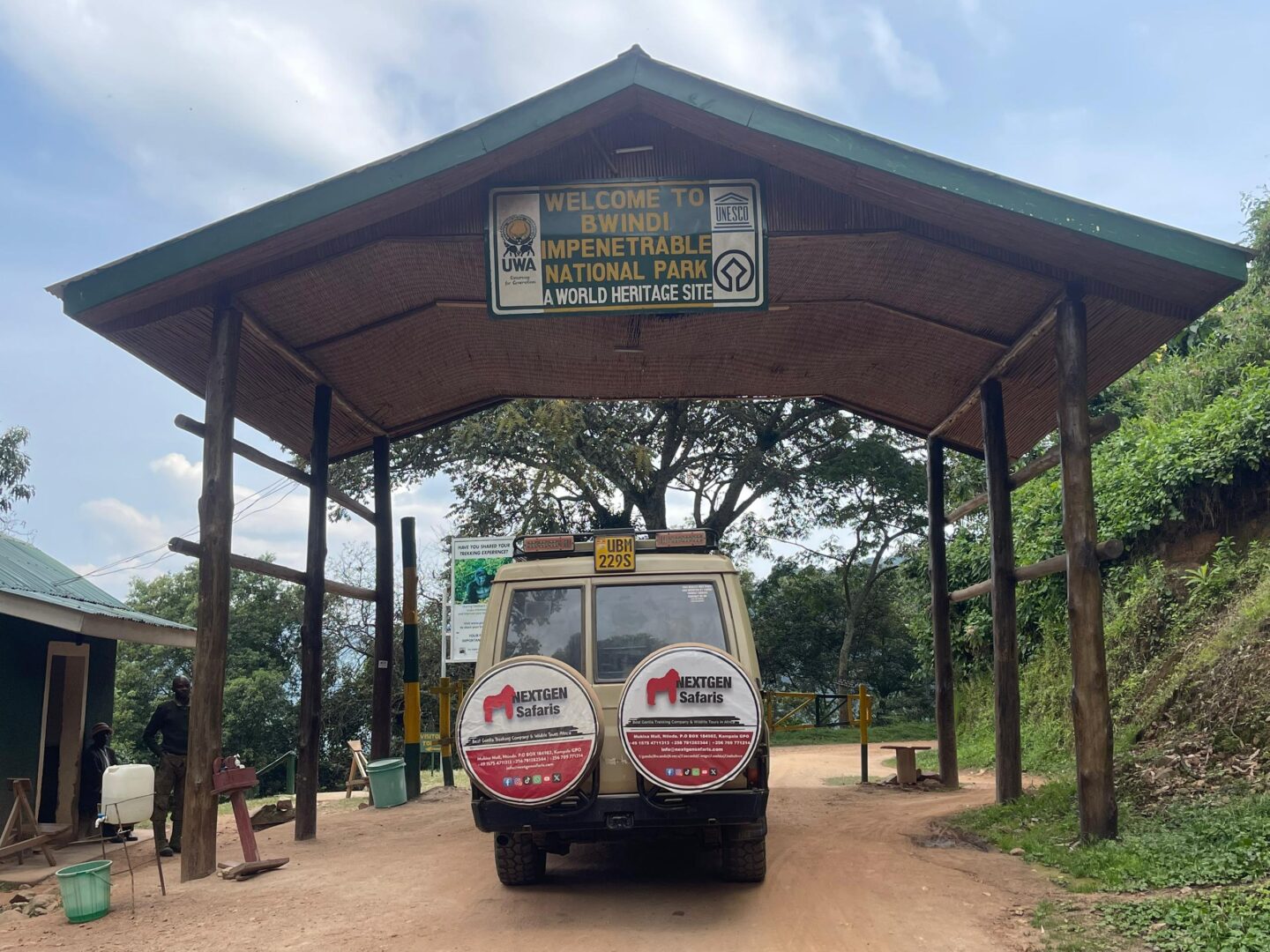
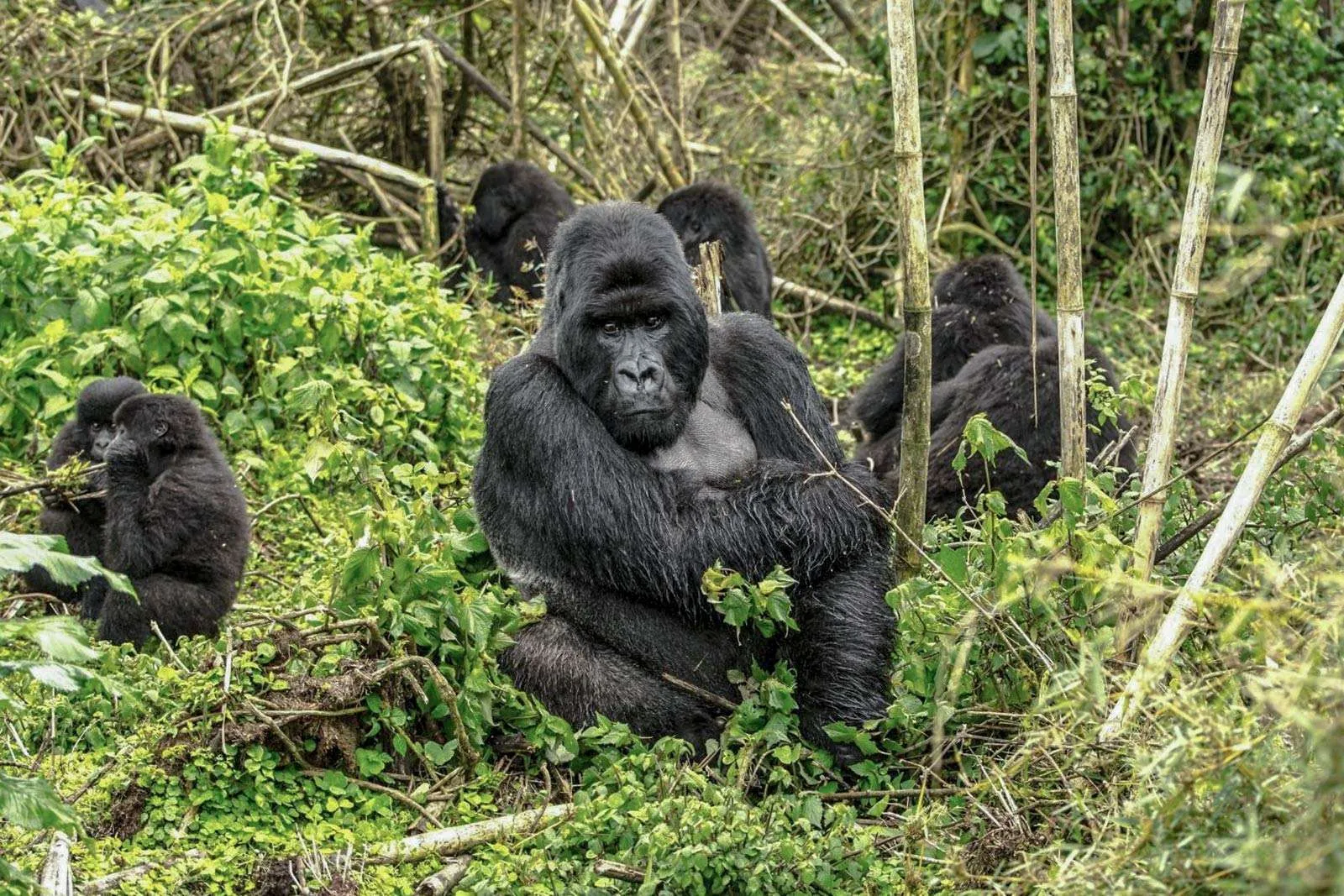
In Uganda, gorilla trekking takes place primarily in Bwindi Impenetrable National Park and Mgahinga Gorilla National Park. Bwindi is a vast, ancient rainforest divided into multiple sectors; Buhoma, Ruhija, Rushaga, and Nkuringo, each hosting different habituated gorilla families. Because Bwindi protects a large portion of the world’s remaining mountain gorilla population, Uganda offers more habituated gorilla families than Rwanda. This provides greater permit availability and more sector options for travelers planning ahead.
Mgahinga Gorilla National Park, Uganda’s smallest gorilla park, lies in the Virunga volcanic range and hosts one habituated gorilla family. Though smaller in scale, Mgahinga offers dramatic scenery and fewer crowds, making it attractive to travelers seeking a quieter experience.
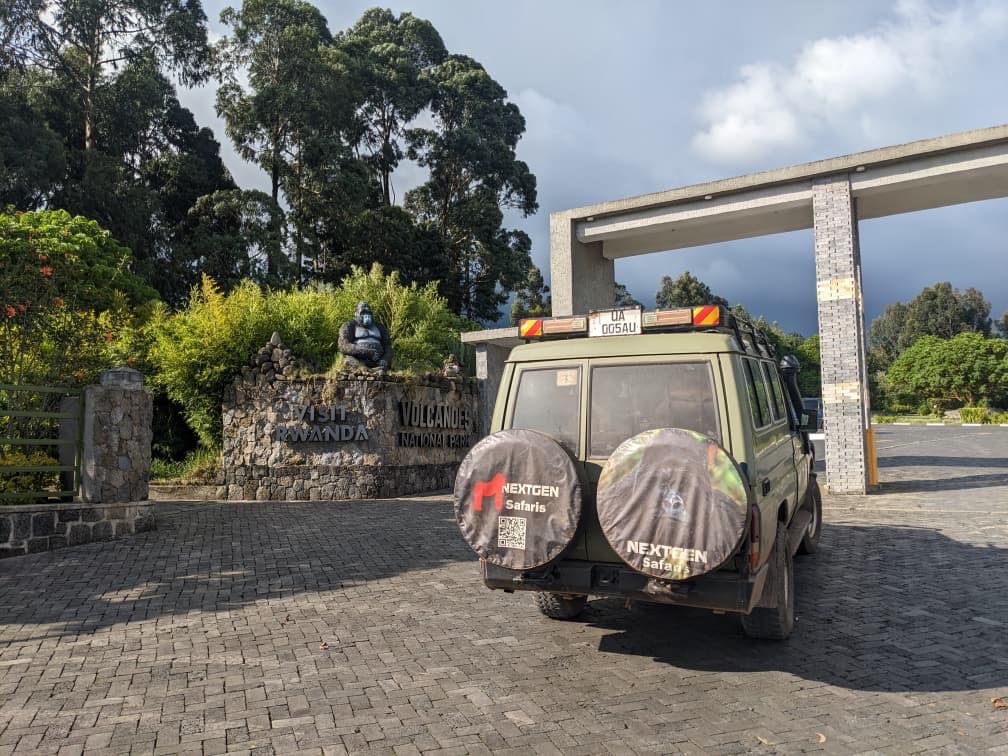
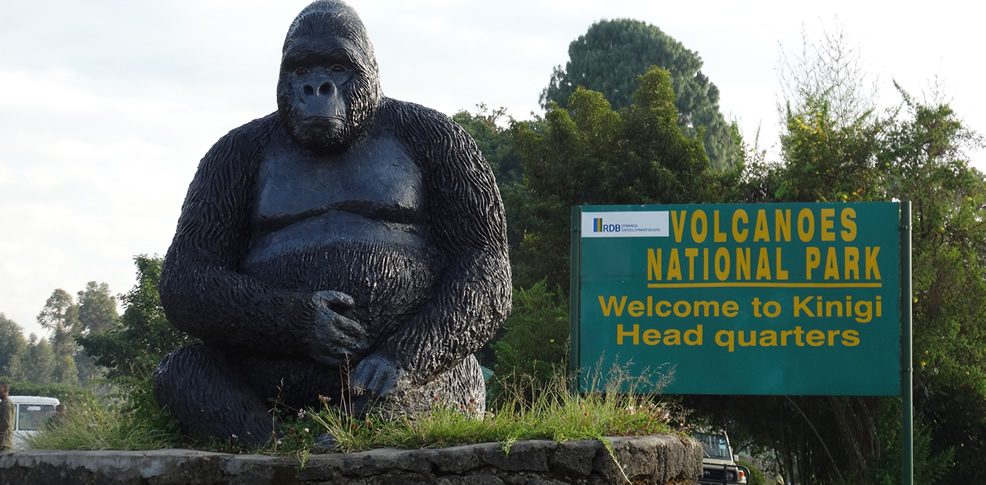
In Rwanda, gorilla trekking is conducted exclusively in Volcanoes National Park. This park forms part of the same Virunga massif ecosystem that extends into Uganda and the Democratic Republic of Congo. Volcanoes National Park is geographically compact and organized from a centralized headquarters near Kinigi. Gorilla families are distributed across the park’s slopes, and daily group allocation takes place each morning based on visitor fitness levels and availability.
When comparing Bwindi Impenetrable National Park vs Volcanoes National Park, the structural difference becomes clear. Uganda spreads trekking across multiple sectors and larger forest coverage, while Rwanda concentrates all trekking within one compact volcanic park. Both countries operate a regulated group allocation system, assigning visitors to specific gorilla families based on logistics and trail conditions. Each habituated group typically hosts a limited number of visitors per day to minimize environmental stress.
For travelers asking about the best place for gorilla trekking, the answer depends on priorities. Uganda offers greater diversity in trekking sectors and gorilla family numbers, increasing flexibility in planning. Rwanda offers a more centralized and often logistically simpler structure due to proximity to Kigali and its concentrated park layout.
If your primary question is where to see mountain gorillas with the highest variety of trekking sectors, Uganda holds the numerical advantage. If your priority is centralized access within a compact park, Rwanda’s Volcanoes National Park delivers efficiency.
Both destinations protect mountain gorillas at exceptionally high conservation standards. The difference lies not in the species you encounter, but in how the journey unfolds from permit allocation to terrain character to travel logistics.
Gorilla Permit Cost: Uganda vs Rwanda (2026–2030)
When comparing gorilla trekking in Uganda vs Rwanda, permit price is often the deciding factor. It is also the most searched part of this debate, with thousands of travelers looking up gorilla trekking Uganda cost, Rwanda gorilla permit price, and Uganda vs Rwanda gorilla permit comparison before booking.
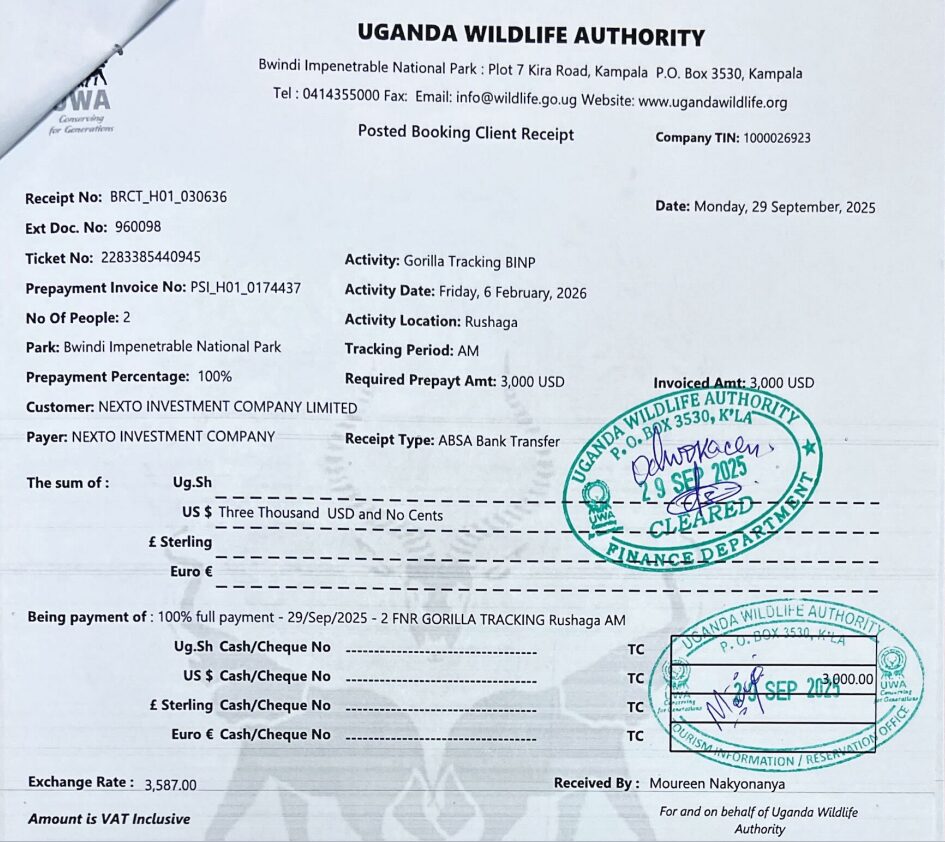
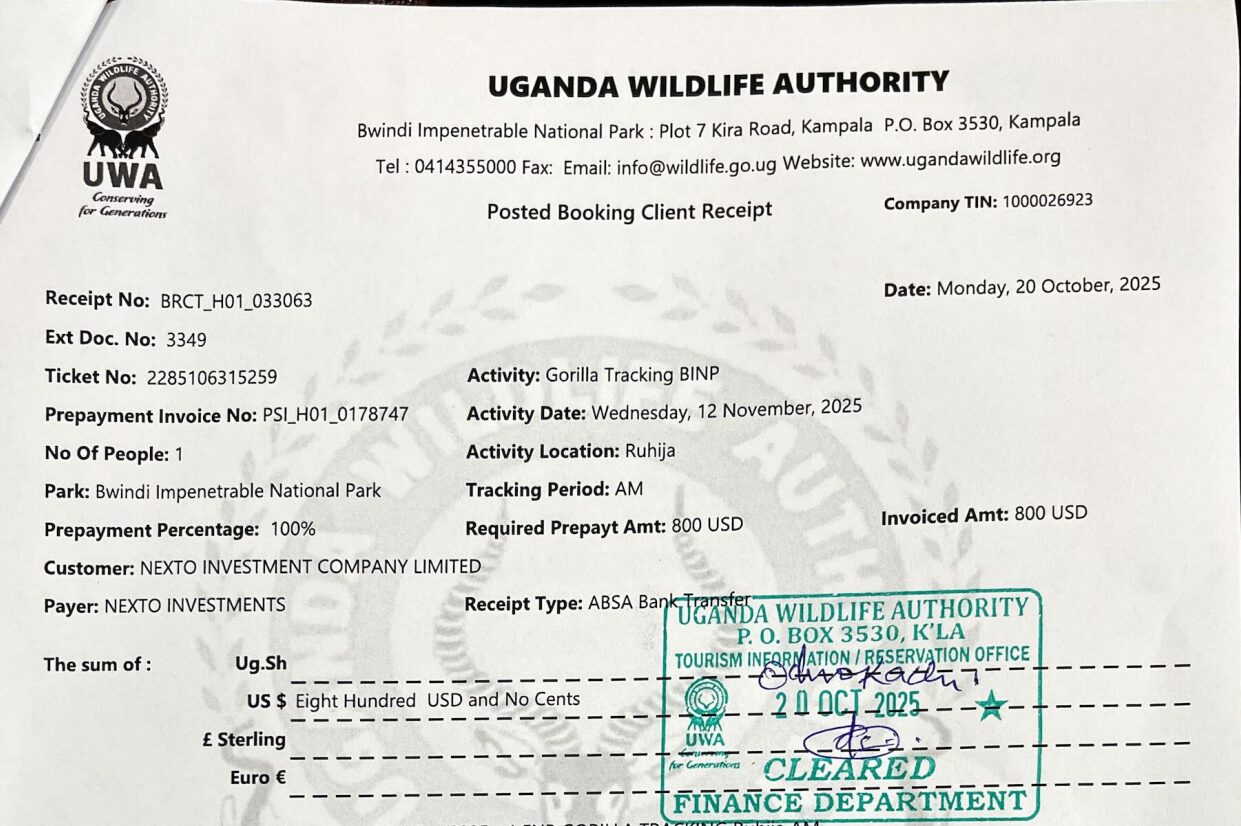
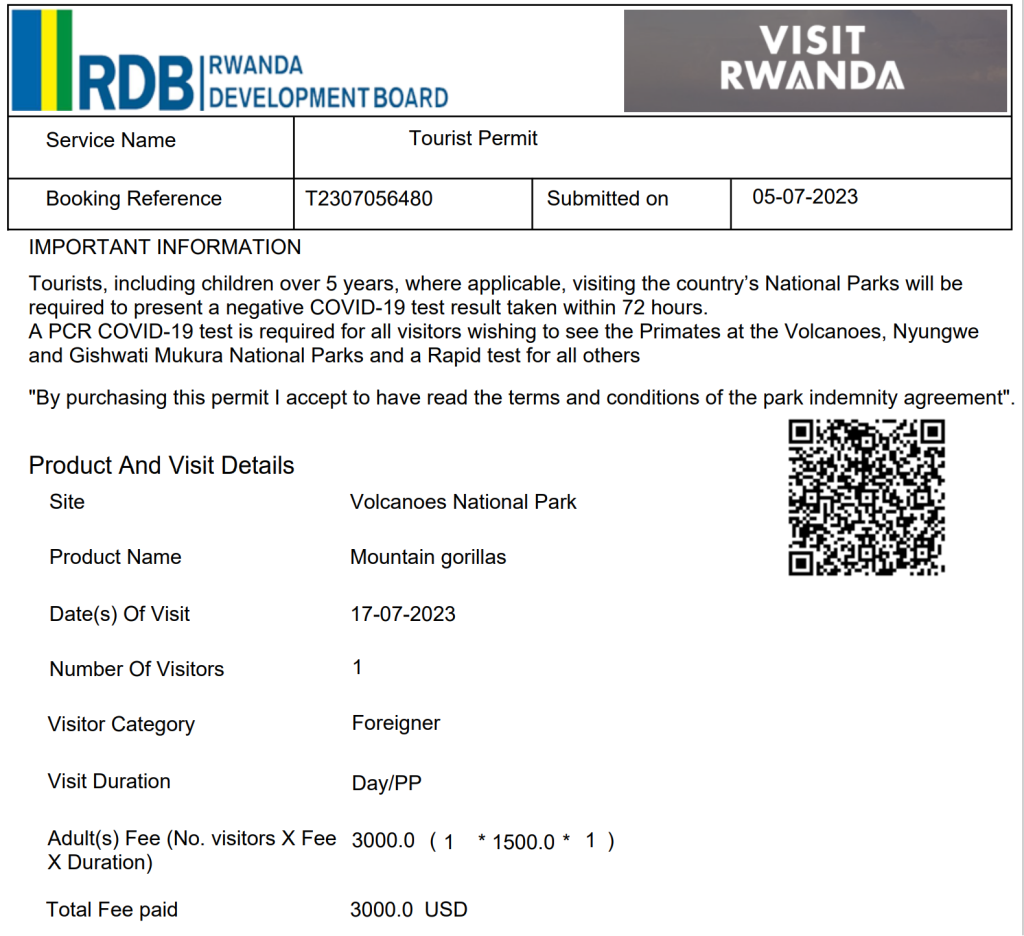
Between 2026 and 2030, the official gorilla trekking permit prices are:
- Uganda permit: USD 800 per person
- Rwanda permit: USD 1,500 per person
This means Rwanda’s permit is nearly double the cost of Uganda’s. The immediate question most travelers ask is simple: why is Rwanda more expensive, and is it worth it?
Why Does Rwanda’s Gorilla Permit Cost More?
Rwanda positions gorilla trekking as a premium conservation experience. The higher permit price is part of a deliberate tourism strategy focused on lower visitor numbers, high-end lodges, and strong revenue reinvestment into conservation and community development. Volcanoes National Park is compact, well-managed, and close to Kigali, which reinforces Rwanda’s premium safari identity.
Rwanda’s higher pricing structure supports:
- Intensive conservation funding
- Community revenue-sharing programs
- Infrastructure and park management
- A luxury-focused tourism model
The permit fee itself includes ranger guidance, security, and one hour with a habituated gorilla family once located. It does not include accommodation or transport.
Why Is Uganda’s Permit Cheaper?
Uganda offers gorilla trekking primarily in Bwindi Impenetrable National Park and Mgahinga Gorilla National Park. With a larger gorilla population spread across multiple trekking sectors, Uganda operates on a broader-access conservation model.
The lower price does not mean lower quality. Uganda’s USD 800 gorilla permit includes the same one-hour regulated encounter with a fully habituated mountain gorilla family. Ranger guides, armed escorts where required, and conservation oversight follow international standards identical to Rwanda’s.
The key difference lies in national tourism strategy rather than the quality of the gorilla encounter itself.
Is Rwanda Worth Double the Price?
For travelers seeking a short, high-end safari with minimal driving, Rwanda can justify its premium. Kigali International Airport lies approximately 2.5 hours from Volcanoes National Park, making it possible to trek gorillas with only a two- or three-night stay. Luxury lodges are concentrated around the park, and the overall experience feels streamlined and exclusive.
However, from a pure wildlife perspective, both countries protect the same species of mountain gorillas within the same Virunga ecosystem and broader Albertine Rift region. The duration of the encounter—one hour—is identical. The conservation protocols are equally strict.
For travelers focused primarily on value, Uganda offers the same gorilla encounter at nearly half the permit cost.
Is Uganda Cheaper but Equal in Quality?
In terms of the gorilla viewing experience itself, yes. Uganda delivers equal conservation standards, professional ranger guidance, and structured group allocation. What differs is terrain character, lodge range, and travel logistics, not the authenticity of the gorilla encounter.
Uganda also offers an additional experience Rwanda does not: the Gorilla Habituation Experience in Bwindi, allowing up to four hours with a gorilla family under research supervision. This further increases Uganda’s value proposition for travelers seeking extended immersion.
From a cost comparison perspective between 2026 and 2030, Uganda consistently ranks as the more budget-friendly option for travelers researching gorilla trekking Uganda cost versus Rwanda gorilla permit price.
Uganda vs Rwanda 2026–2030 Gorilla Permit Comparison Table
Below is a clear breakdown of Uganda vs Rwanda gorilla permit pricing.
| Comparison Factor | Uganda | Rwanda |
|---|---|---|
| Gorilla Permit Price (2026–2030) | $800 | $1,500 |
| Viewing Time | 1 Hour | 1 Hour |
| Primary Park | Bwindi & Mgahinga | Volcanoes National Park |
| Gorilla Habituation Option | Yes (4-hour experience available) | No |
| Accessibility from Capital Airport | 8–10 hrs by road (or domestic flight) | ~2.5 hrs from Kigali |
| Tourism Positioning | Value to luxury range | Premium / luxury-focused |
Final Cost Insight
If your main decision factor is price, Uganda offers the stronger value between 2026 and 2030. If your priority is convenience and a shorter high-end safari with less road travel, Rwanda may justify the higher permit.
From a purely wildlife standpoint, both deliver extraordinary encounters with mountain gorillas. The real difference lies in cost structure, travel logistics, and safari style not the gorillas themselves.
Uganda vs Rwanda Gorilla Trekking Experience: Is It Different?
When comparing gorilla trekking in Uganda vs Rwanda, many travelers ask a practical question before booking: which is easier, Uganda or Rwanda gorilla trekking? The answer depends on terrain, forest density, elevation, and how trekking groups are allocated each morning.
Terrain Difficulty
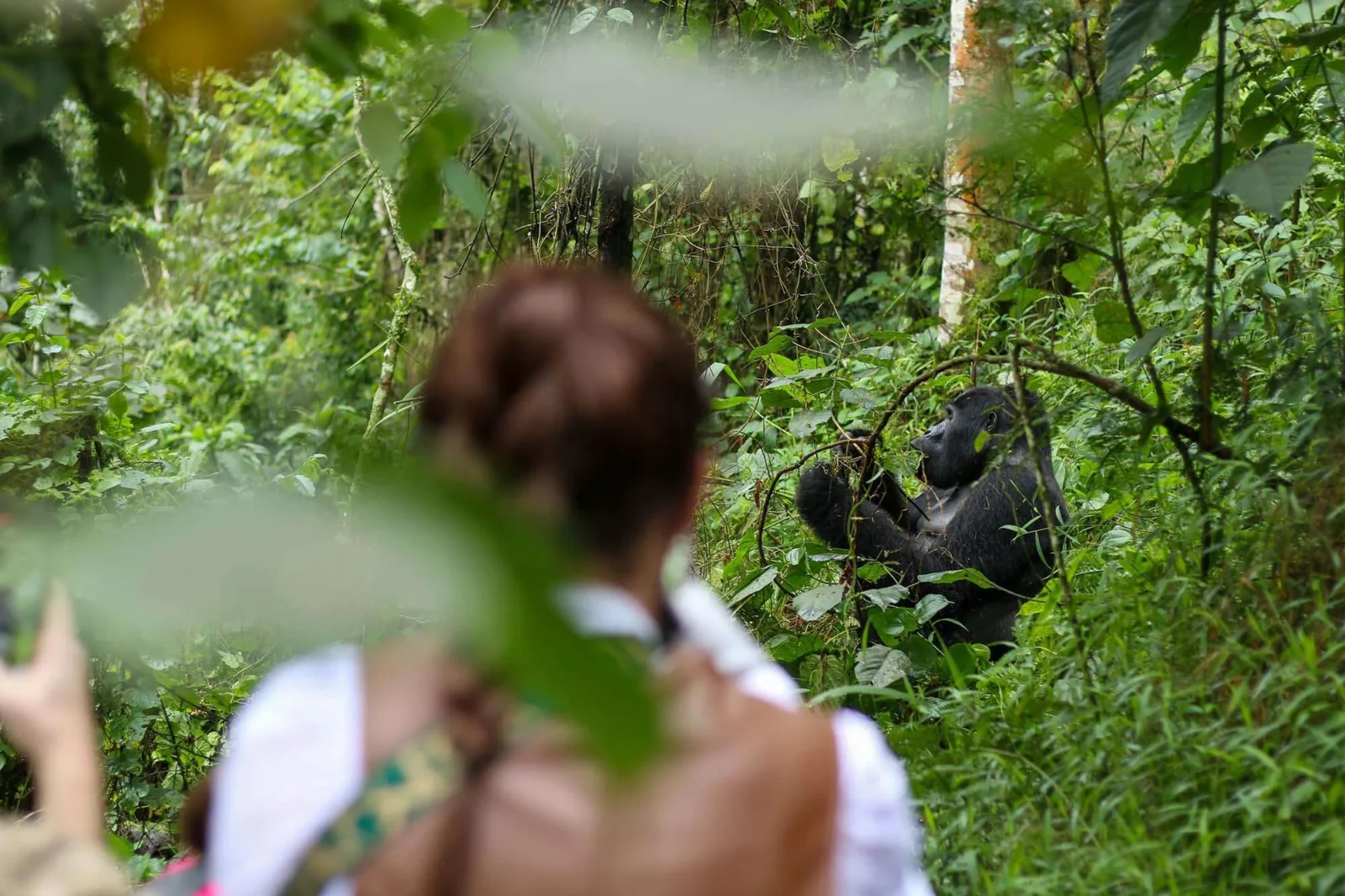
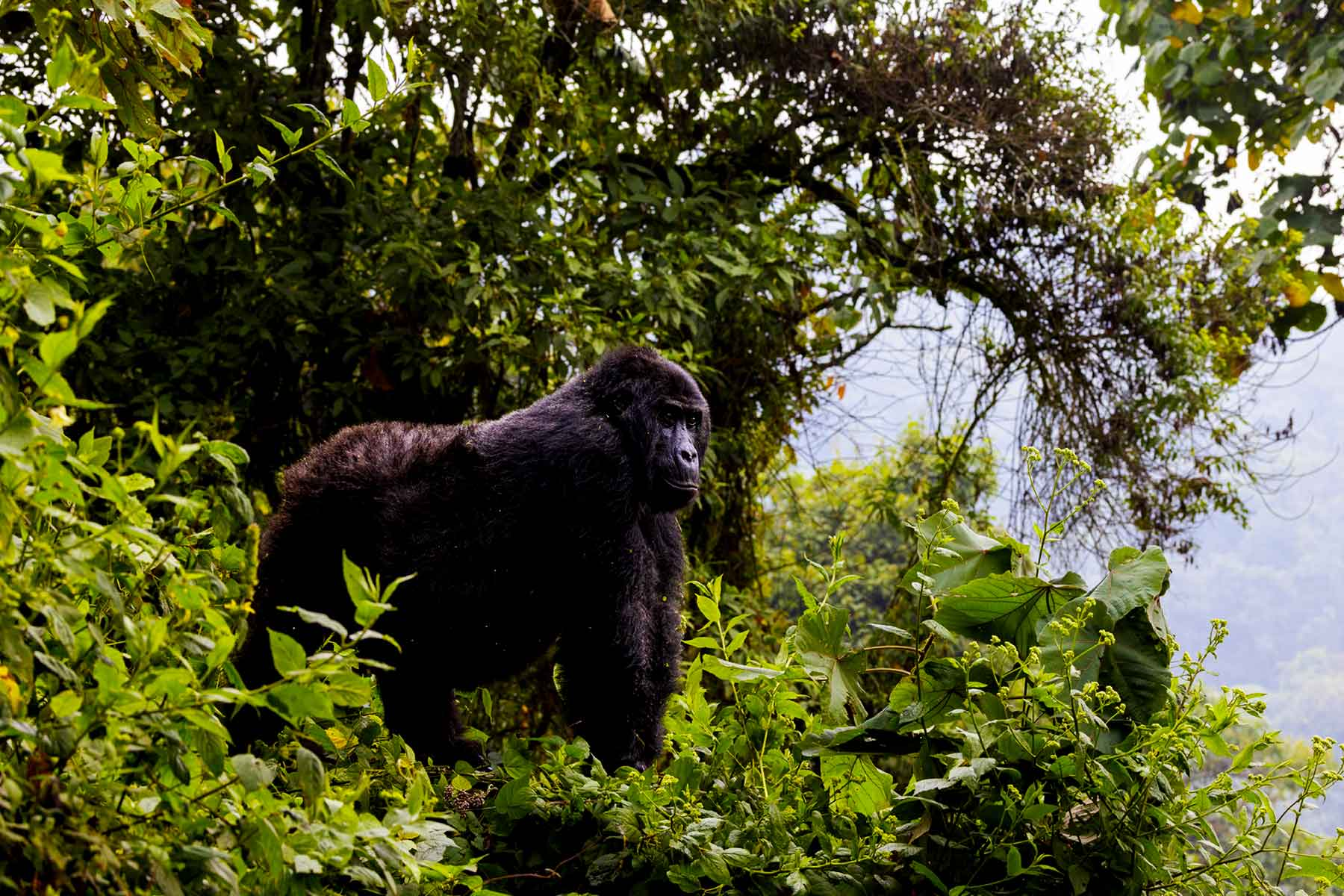
In Bwindi Impenetrable National Park, trekking often takes place in thick, ancient rainforest with steep ridges and uneven trails. The word “impenetrable” is not marketing exaggeration; the forest is dense, layered, and sometimes humid. Some sectors such as Nkuringo and Rushaga can involve longer climbs or descents depending on where the gorilla family is located that day.
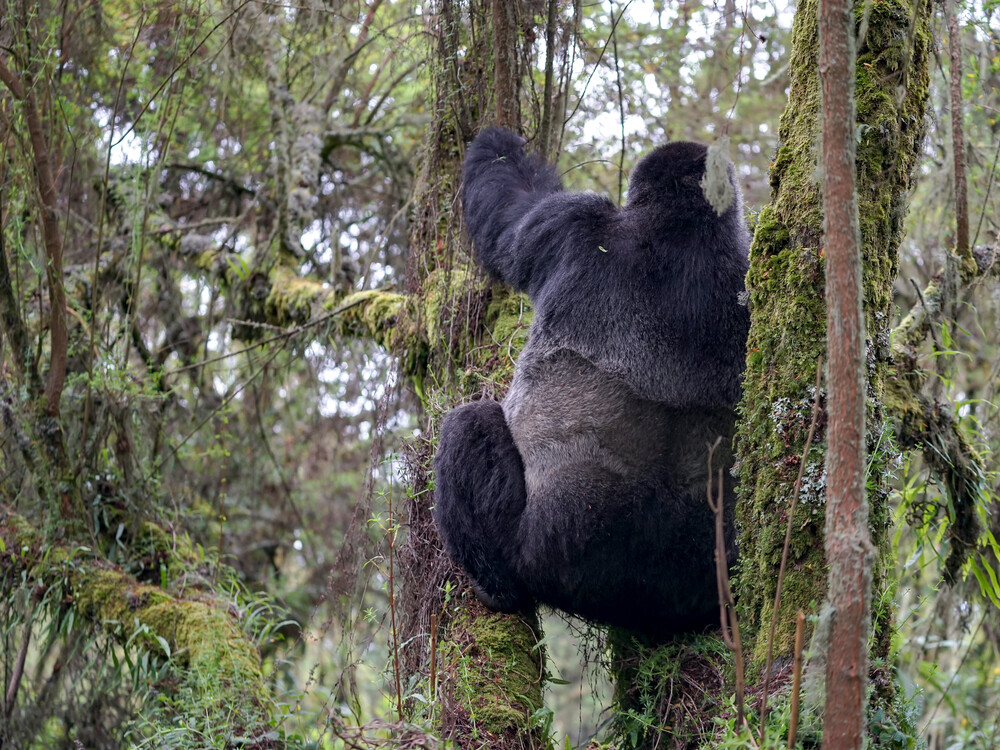
By contrast, Volcanoes National Park consists largely of bamboo forest and open volcanic slopes. While elevation is high and the terrain can still be steep, vegetation is often less tangled compared to Bwindi. Trails can feel more structured and visually open, especially in lower bamboo zones.
That said, difficulty varies daily in both countries. Gorilla families move freely, and trekking routes depend on their previous night’s nesting location. There is no guaranteed “easy trek,” but Rwanda statistically records slightly shorter average trekking durations due to the park’s more compact layout.
Forest Density
Forest density plays a major role in the overall trekking feel. Bwindi’s thick canopy and undergrowth create a more immersive jungle experience. Photographers sometimes need to adjust quickly to filtered light conditions and tighter viewing angles.
Volcanoes National Park offers more varied visibility in certain zones. Bamboo sections can feel brighter and less enclosed, which some travelers perceive as easier walking and clearer photography.
Neither environment is better just different. Uganda offers a raw rainforest immersion, while Rwanda often presents more open slopes against volcanic backdrops.
Trek Duration
The gorilla trekking difficulty comparison between Uganda and Rwanda often centers on duration. In Uganda, treks can range from one to six hours depending on the assigned gorilla group and sector. In Rwanda, average trekking times are often shorter due to park size, though longer hikes are still possible.
Both countries allocate groups based on visitor fitness levels. During the morning briefing, rangers assess physical ability and assign families accordingly. Travelers concerned about difficulty can request shorter trekking groups in both destinations.
Photography Conditions
Photography conditions vary subtly between the two. Bwindi’s dense forest can produce dramatic, intimate frames with lush green backdrops, though lighting may be dimmer in certain sections. Rwanda’s more open bamboo areas can allow slightly clearer sightlines and brighter natural light.
Regardless of destination, once you are with the gorillas, the one-hour viewing rule applies equally. The magic of eye contact and close proximity remains identical.
Hiking Intensity
From a pure hiking intensity standpoint, neither country guarantees an easier experience. Uganda’s terrain is often described as more rugged and variable. Rwanda’s slopes can be steep but sometimes more predictable.
For travelers specifically searching which is easier Uganda or Rwanda gorilla trekking, Rwanda may offer slightly more accessible average trekking times due to park compactness. However, Uganda provides broader sector flexibility, which allows safari planners to match trekkers with suitable gorilla families based on comfort level.
In truth, both countries require moderate fitness and readiness for uneven ground. The reward at the end of the trek makes the physical effort worthwhile in either destination. Learn about gorilla trekking fitness requirement.
Uganda vs Rwanda Gorilla Trekking Accessibility & Travel Logistics
Accessibility is one of the most practical differences in gorilla trekking in Uganda vs Rwanda, and it is often underexplained by competitors. Travel logistics influence total safari cost, time commitment, and itinerary structure.
How to Get to Gorilla Trekking in Uganda
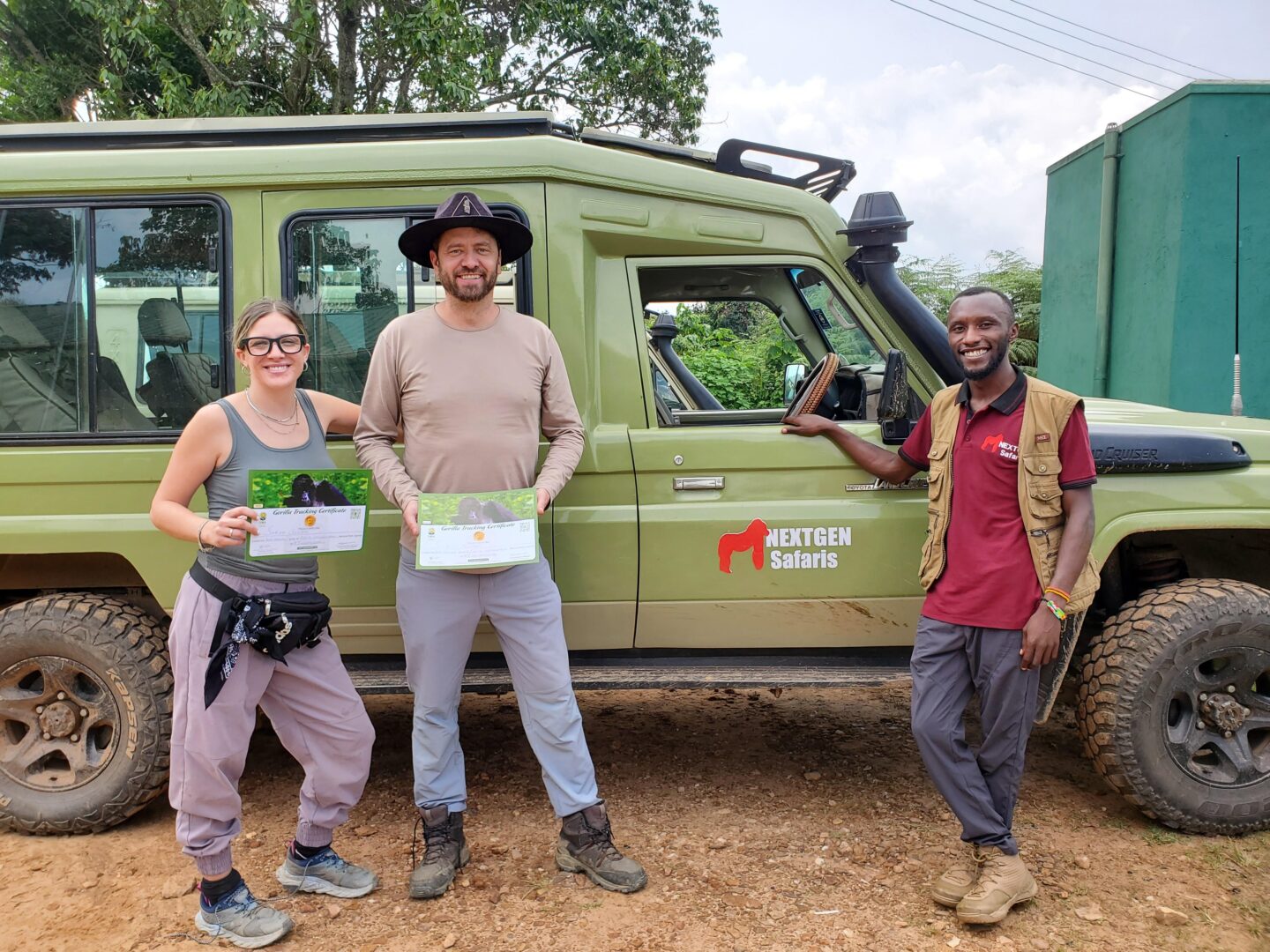
Most international travelers arrive at Entebbe International Airport. From there, reaching Bwindi Impenetrable National Park typically involves an 8–10 hour drive by road, depending on sector and traffic conditions. The journey passes through changing landscapes—tea plantations, rolling hills, and rural villages—offering scenic transitions into southwestern Uganda.
For travelers asking how far is Bwindi from Entebbe, the realistic answer is approximately 8 to 10 hours by road. However, domestic flights operate from Entebbe to airstrips near Bwindi and Mgahinga, reducing travel time to roughly one hour in the air plus a short transfer to the lodge.
This flexibility allows Uganda itineraries to be customized based on time and budget. Road transfers lower overall cost, while fly-in safaris provide efficiency.
Rwanda Gorilla Trekking from Kigali
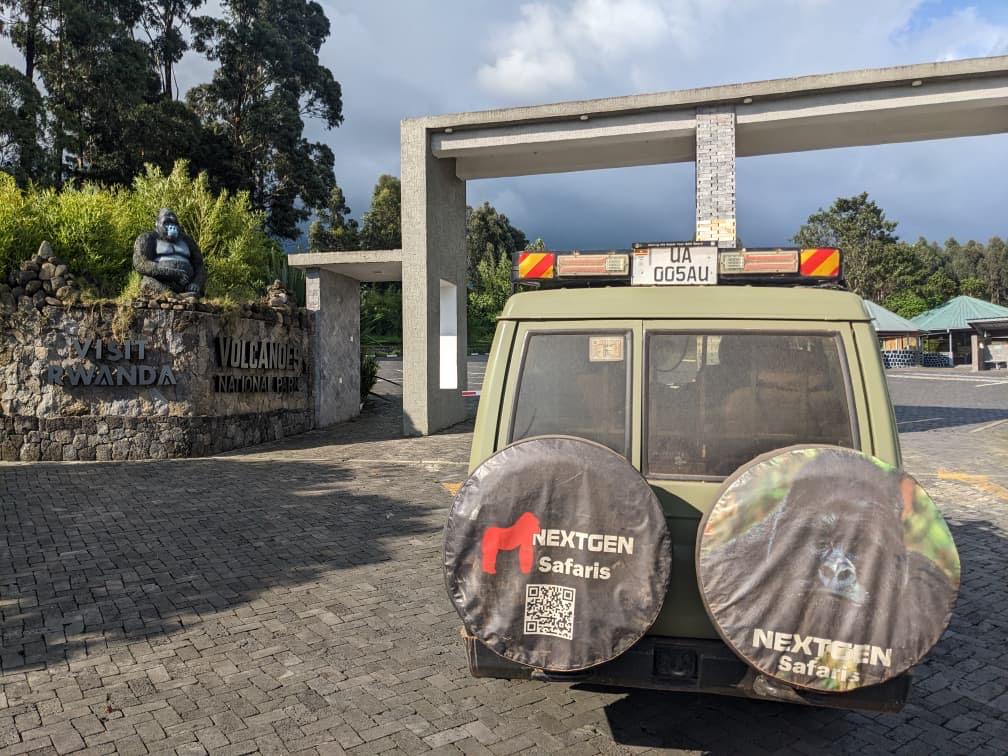
In Rwanda, most visitors land at Kigali International Airport. Volcanoes National Park lies approximately 2.5 hours by road from Kigali, making it one of the most accessible gorilla trekking destinations in Africa.
For travelers researching Rwanda gorilla trekking from Kigali, the short transfer time is a major advantage. It allows for two- or three-night gorilla-only trips without extended road travel. This accessibility contributes to Rwanda’s positioning as a premium, time-efficient safari destination.
Comparing Logistics
Uganda requires more travel time by road but offers greater park diversity and combination safari potential with destinations such as Queen Elizabeth National Park or Murchison Falls. Rwanda offers speed and simplicity, ideal for shorter luxury-focused trips.
From a logistical standpoint, Rwanda wins for convenience and reduced transfer time. Uganda wins for broader itinerary diversity and value flexibility.
In the context of gorilla trekking difficulty comparison, accessibility is not about physical challenge but about how much time you are willing to invest in reaching the forest. Both countries provide structured, safe, and professionally guided systems once you arrive.
Gorilla Lodges & Safari Style Differences: Uganda vs Rwanda
For many travelers, the deciding factor in gorilla trekking in Uganda vs Rwanda is not only the permit price, but the overall safari style that surrounds the trek. Lodges shape the rhythm of the trip, how early you start, how close you are to the briefing point, how comfortable recovery feels after the hike, and whether the experience leans toward rugged forest immersion or polished luxury.
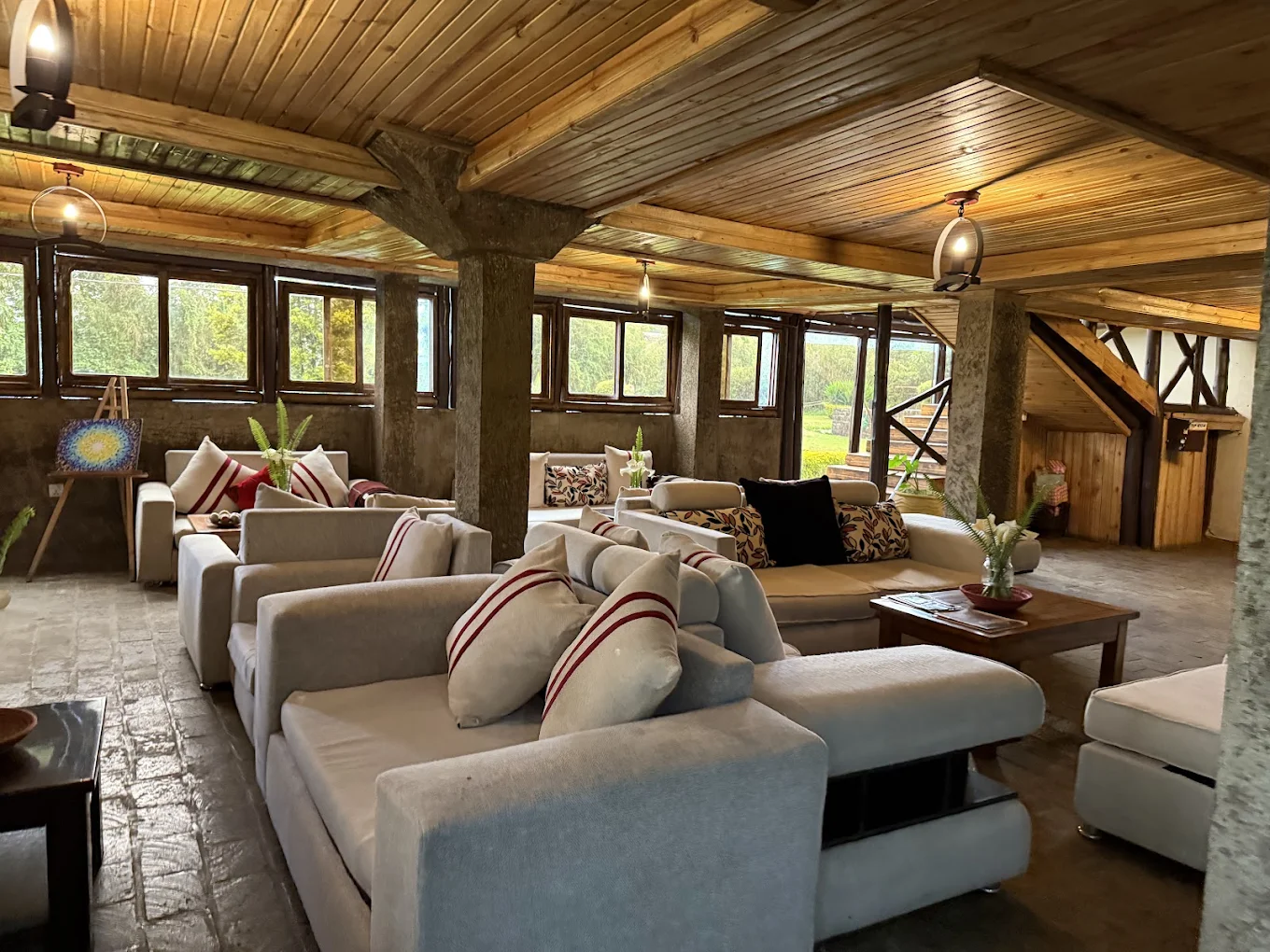
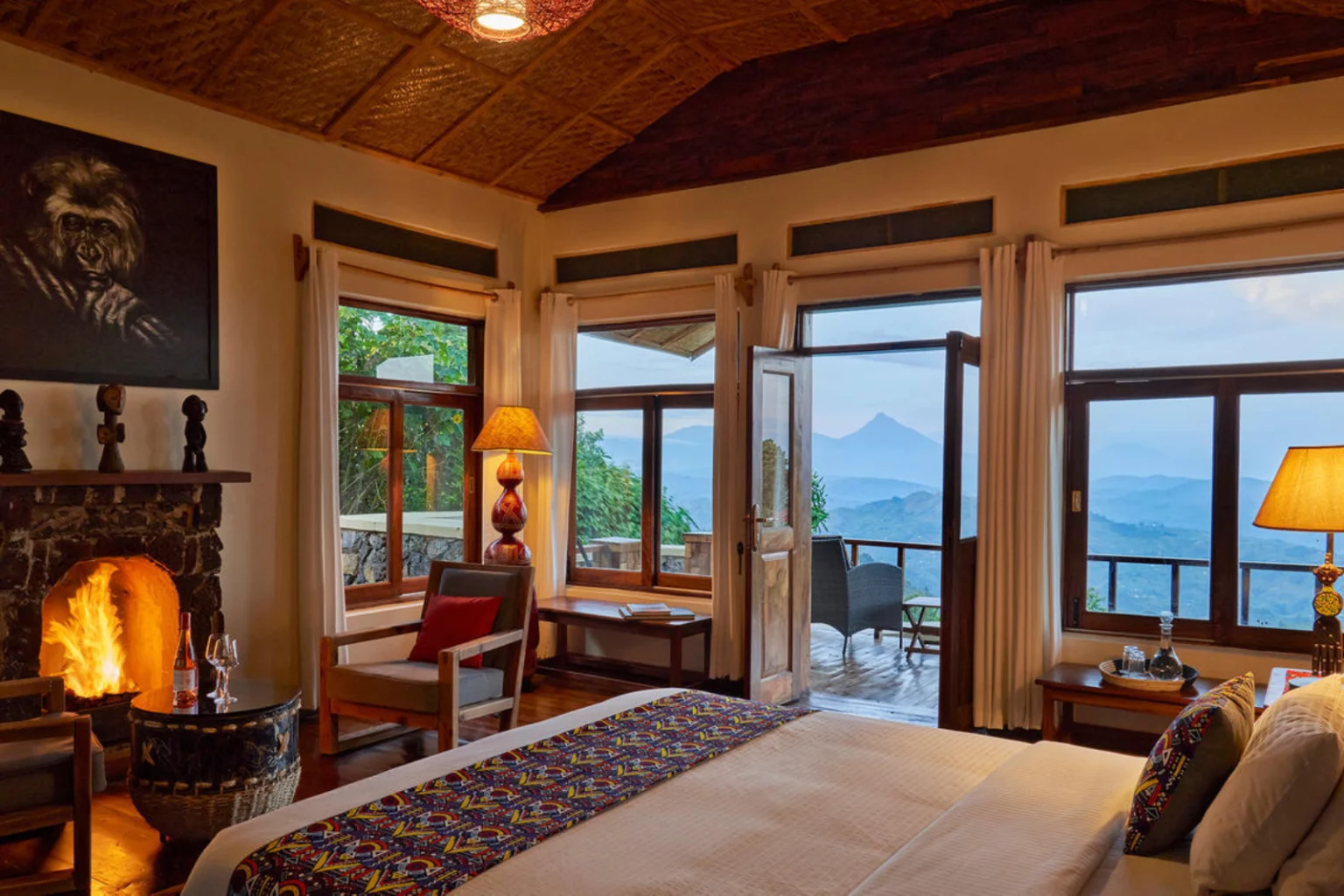
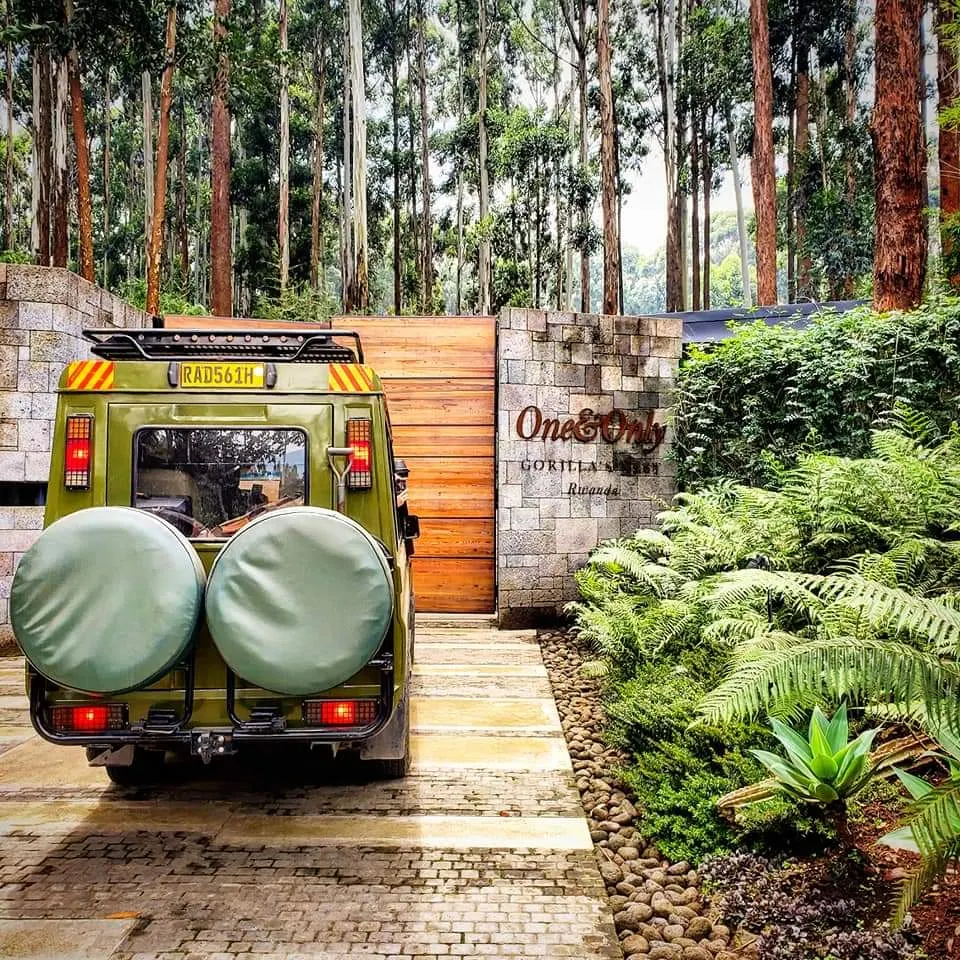
This is also where the biggest practical difference between budget gorilla trekking Uganda and luxury gorilla trekking Rwanda becomes clear. Uganda offers a broader accommodation spectrum and more sector choices. Rwanda is more luxury-heavy, with a stronger emphasis on high-end service, design, and short-stay premium travel.
Uganda: Wider Range From Budget to Ultra-Luxury
Uganda’s gorilla trekking lodges are concentrated around Bwindi Impenetrable National Park and Mgahinga Gorilla National Park. Because Bwindi is divided into multiple trekking sectors, lodge options are spread across Buhoma, Ruhija, Rushaga, and Nkuringo. This creates flexibility: travelers can match their lodge location to their permit sector, reducing early-morning driving and improving overall comfort.
What makes Uganda stand out is the diversity of lodge categories. It is possible to do gorilla trekking in Uganda on a budget, stay in comfortable midrange properties, or book ultra-luxury forest lodges with premium suites, private butler-style service, and elevated dining.
Uganda’s safari style often feels more “inside the forest.” Many lodges are built on steep ridges, surrounded by thick rainforest, with misty mornings, bird calls, and occasional wildlife near camp. The design emphasis is frequently on nature immersion views into the canopy, fireplaces for cool evenings, and a sense of remoteness that matches Bwindi’s wild character.
Common lodge types travelers choose in Uganda include budget camps and bandas for price-sensitive travelers, midrange lodges that balance comfort and value, and high-end properties designed specifically for gorilla trekking recovery and privacy. This broad spectrum is a major reason Uganda is strong for travelers searching budget gorilla trekking Uganda without sacrificing the authenticity of the encounter.
To make the difference clear, Uganda’s lodge landscape can include well-known forest-based options such as Gorilla Forest Camp in Buhoma, midrange choices like Buhoma Lodge, and high-comfort properties such as Mahogany Springs near the same sector. In Rushaga and Nkuringo, travelers find other well-placed lodges designed to keep transfers short. For Mgahinga, lodges around Kisoro and the Virunga foothills offer a very different alpine-volcanic atmosphere.
The key advantage is choice. Uganda allows travelers to shape the safari around budget, comfort level, and trekking sector, something Rwanda offers less of because all trekking is concentrated in one park and the national positioning is more premium.
Rwanda: Luxury-Heavy and High-End by Design
Rwanda has positioned gorilla trekking as a premium conservation experience, and lodging around Volcanoes National Park reflects that strategy. While Rwanda does have a few midrange properties, the strongest market identity is high-end. Lodges are often designed to feel boutique, exclusive, and polished, with architecture, curated service, and short-stay comfort built into the experience.
This is why the keyword luxury gorilla trekking Rwanda performs so strongly. Rwanda’s lodge ecosystem aligns naturally with travelers who want a short, high-end gorilla trip from Kigali with minimal logistics. Many visitors spend two or three nights near Volcanoes National Park, trek once, and return to Kigali, making lodge comfort and efficiency central to the experience.
Rwanda’s leading gorilla trekking lodges often sit in the foothills with sweeping views of the Virunga volcanoes, offering refined interiors, spa-style recovery, and elevated dining. Prominent examples include high-end properties such as Bisate Lodge, Singita Kwitonda Lodge, One&Only Gorilla’s Nest, and Sabyinyo Silverback Lodge. These lodges are designed around premium travelers who want privacy, top-tier service, and seamless transfer coordination.
While Rwanda can still be done at moderate cost compared to ultra-luxury, the baseline is typically higher than Uganda. This is influenced not only by lodge rates, but by the USD 1,500 gorilla permit. In most Rwanda itineraries, the lodge experience is not an add-on; it is part of the core product positioning.
Uganda Lodges vs Rwanda Lodges: The Real Difference
The clearest difference is not that one country has “better” lodges. It is that the lodge market is structured differently.
Uganda offers a wide range of lodge pricing and style, making it ideal for travelers who want flexibility—whether they are building a budget gorilla trek or combining gorillas with longer wildlife itineraries. Uganda’s lodge experience often feels more forest-immersive, remote, and rugged in a positive way, aligned with Bwindi’s terrain and atmosphere.
Rwanda’s lodge ecosystem is more luxury-forward and designed for shorter high-end trips. The lodge and permit pricing structure creates a premium destination feel, where comfort, design, and convenience are central. For travelers who want a fast, high-end gorilla trek with minimal driving, Rwanda’s lodge positioning fits naturally.
If your priority is maximum choice budget, midrange, or ultra-luxury—Uganda offers the broader spectrum. If your priority is a luxury-first experience that pairs with quick Kigali access and high-end hospitality, Rwanda delivers a more premium baseline.
| Factor | Uganda (Bwindi & Mgahinga) | Rwanda (Volcanoes National Park) |
|---|---|---|
| Budget Range | Strong Wide range of budget options around multiple sectors, making budget gorilla trekking more achievable. | Limited Fewer true budget properties; overall trip cost rises due to the higher permit and lodge baseline. |
| Midrange Choice | Very Wide Many comfortable midrange lodges across Buhoma, Ruhija, Rushaga and Nkuringo. | Moderate Some midrange lodges exist, but pricing often trends upward due to destination positioning. |
| Luxury Density | Balanced Strong luxury options, but mixed with midrange and budget across sectors. | High Luxury-heavy market with a premium feel; many itineraries are built around top-tier lodges. |
| Ultra-Luxury Positioning | Available Ultra-luxury exists, but Uganda remains value-flexible overall. | Core Ultra-luxury is central to the destination’s brand and trip style. |
| Sector Flexibility | Very High Multiple trekking sectors allow you to match lodge location to permits and reduce transfer time. | Single Park Treks are concentrated in one park; lodge choices cluster around the same access routes. |
| Scenic Style | Forest Immersion Dense rainforest setting, misty mornings, deep canopy views, and a wilder “inside-the-forest” feel. | Volcanic Views Virunga volcano backdrops, open slopes, and a boutique, curated lodge atmosphere. |
| Ideal Trip Style | Best for longer safaris, value-driven planning, and travelers who want more itinerary diversity beyond gorillas. | Best for short, premium trips with minimal driving and a luxury-first gorilla trekking experience from Kigali. |
Gorilla Habituation: Uganda’s Unique Advantage (Rwanda Does Not Offer This)
One of the biggest differences in gorilla trekking in Uganda vs Rwanda is that Uganda offers a second, deeper gorilla experience that Rwanda does not: the Gorilla Habituation Experience. This is a major reason many experienced safari travelers choose Uganda even when Rwanda feels more convenient.
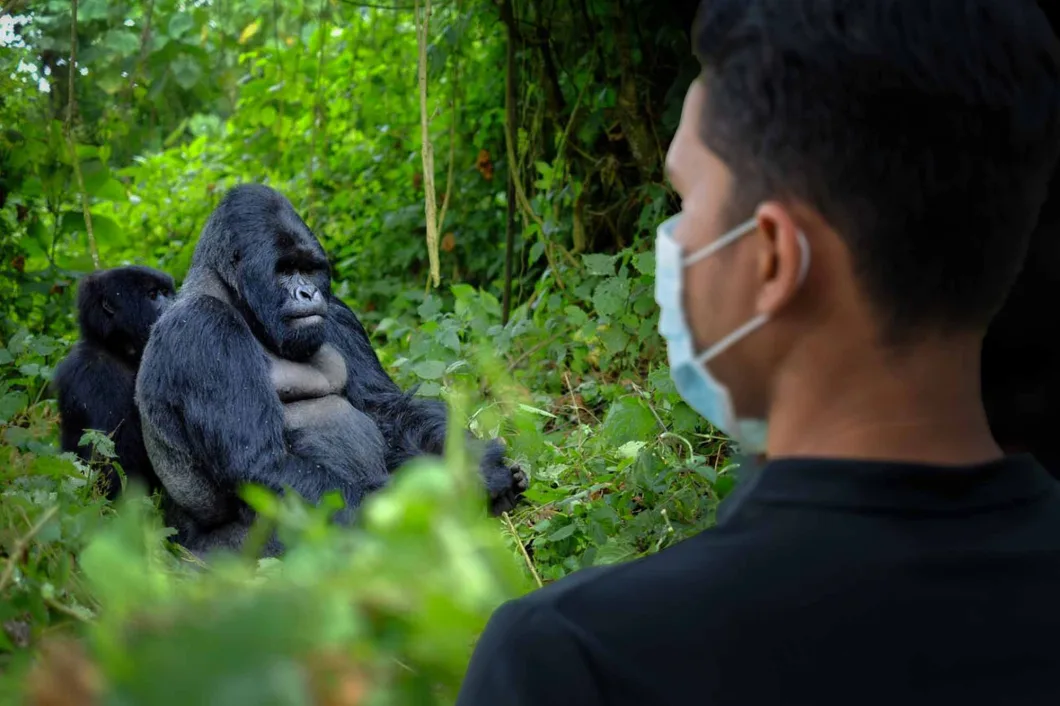
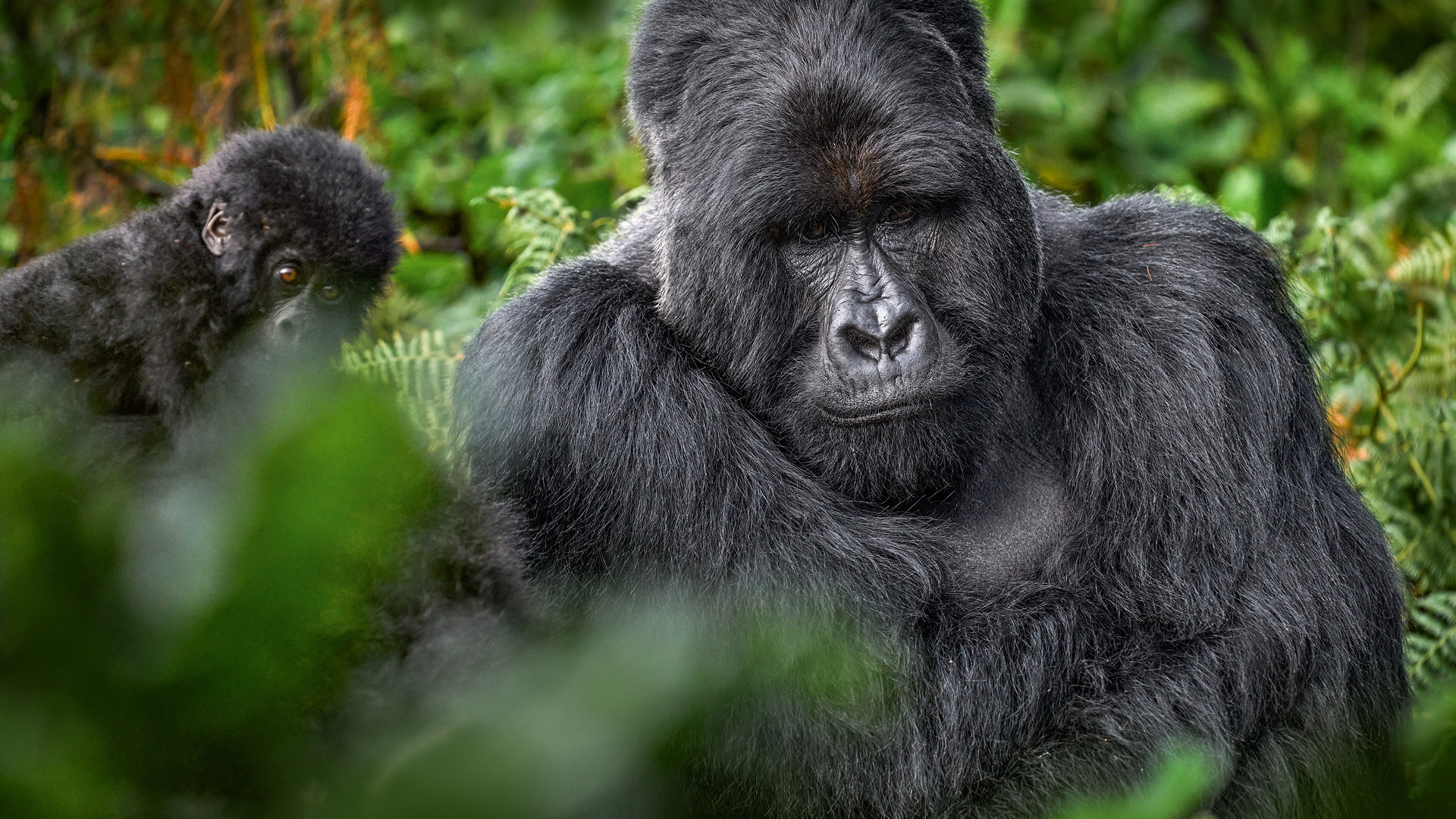
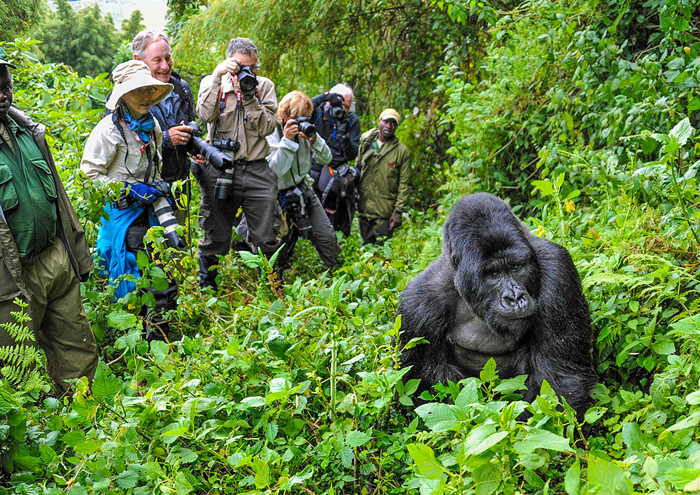
In Uganda, the Gorilla Habituation Experience is conducted in Bwindi and allows visitors significantly more time with a gorilla family than standard trekking. While classic gorilla trekking permits allow one hour with the gorillas after contact, habituation permits allow up to four hours of observation with a gorilla group that is still undergoing the habituation process under research supervision.
This longer time window changes the entire feeling of the encounter. Instead of rushing to capture a few photos and leaving after sixty minutes, habituation creates space to observe family behavior, feeding rhythms, group movement, vocal communication, and social interactions at a slower, more natural pace. For photographers, this is a major advantage because it offers more chances for light changes, composition, and storytelling moments.
The Gorilla Habituation Experience also appeals to travelers who want a more conservation-linked encounter. Participants typically move with researchers and ranger teams who are monitoring the gorillas daily. The experience feels more like joining a field process rather than only visiting a habituated group for tourism.
Rwanda does not offer a comparable habituation product in Volcanoes National Park. Gorilla trekking in Rwanda is strictly the one-hour viewing experience with habituated families. That means if a traveler is specifically searching for more time with gorillas, Uganda is the only choice between the two destinations.
In terms of value, this is one of Uganda’s strongest differentiators. When travelers compare Uganda vs Rwanda gorilla permits, the discussion is often limited to price. However, the habituation option adds a different layer: Uganda can offer not just a cheaper permit, but also a deeper premium experience for travelers willing to invest in extended gorilla time.
For visitors deciding between Uganda and Rwanda based on experience depth rather than only convenience, the Gorilla Habituation Experience is one of the clearest reasons Uganda can be considered the better overall choice.
Wildlife Combination Value: What Else Can You Add to Gorilla Trekking?
When comparing gorilla trekking in Uganda vs Rwanda, one of the most overlooked but important questions is this: what else can you combine with gorilla trekking? The answer significantly affects overall safari value, itinerary depth, and travel time efficiency. For many travelers searching for the best safari combination with gorilla trekking, the decision between Uganda and Rwanda comes down to wildlife diversity beyond the mountain gorilla encounter.
Uganda: Greater Wildlife Diversity in One Itinerary
Uganda offers one of the most diverse safari combinations in Africa within a single country. Because gorilla trekking takes place in southwestern Uganda, it can be seamlessly combined with chimpanzee tracking, classic savannah wildlife, boat safaris, and waterfall landscapes without crossing borders.

A common and highly ranked itinerary combination includes gorilla trekking in Bwindi Impenetrable National Park followed by chimpanzee tracking in Kibale National Park. This pairing allows travelers to see both of Africa’s most intelligent primates in one trip. For wildlife enthusiasts, this creates exceptional value because chimpanzee trekking permits are far more affordable than gorilla permits, adding depth without doubling the cost.
Uganda also allows gorilla trekking to be combined with classic Big Five-style game drives in Queen Elizabeth National Park. Here, travelers can see elephants, lions, buffalo, antelope species, and enjoy boat safaris along the Kazinga Channel. The combination of dense rainforest gorilla trekking followed by open savannah wildlife creates dramatic ecological contrast within the same itinerary.
Further north, Murchison Falls National Park offers waterfall scenery, Nile boat cruises, and additional chimpanzee tracking in Budongo Forest. Though geographically farther, it is still possible to combine this park within longer 7–10 day safari routes.
Because Uganda’s parks are interconnected through well-established road circuits, a 7–12 day itinerary can include gorillas, chimpanzees, waterfalls, savannah wildlife, and scenic highland landscapes. For travelers seeking the best safari combination with gorilla trekking that maximizes biodiversity, Uganda often delivers greater overall wildlife variety per dollar spent.
Rwanda: Focused, Compact, and Refined
Rwanda’s safari combination structure is more compact and more curated. Gorilla trekking takes place in Volcanoes National Park, and additional wildlife experiences are typically added in two other parks.
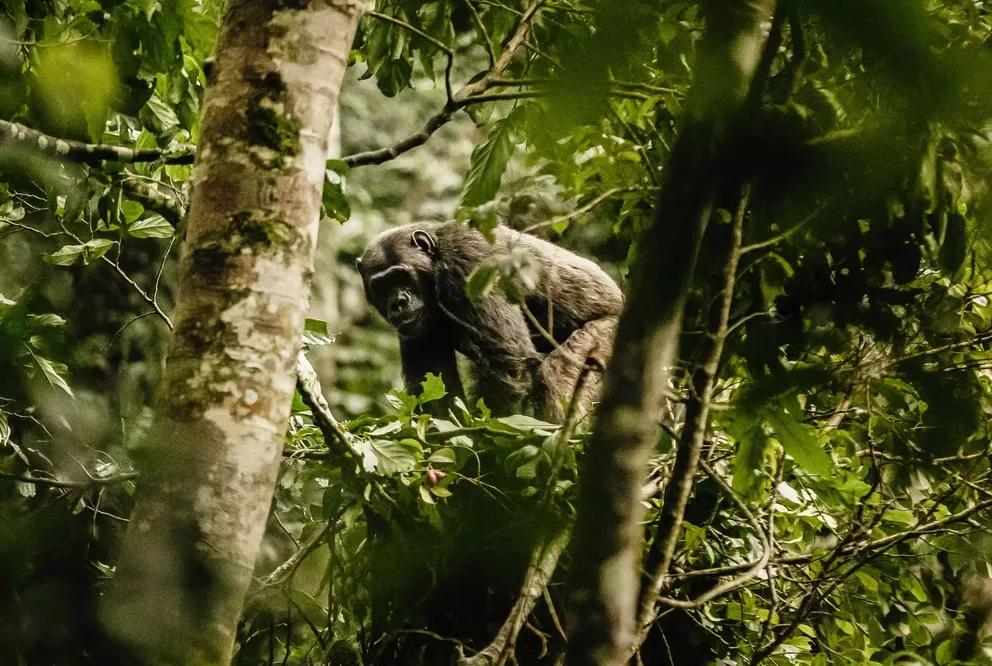
Nyungwe Forest National Park offers chimpanzee trekking, canopy walks, and high-altitude rainforest scenery. For travelers wanting to combine gorillas with chimpanzees inside Rwanda, Nyungwe Forest National Park is the logical pairing. However, distances between parks require additional driving time compared to Uganda’s southwestern circuit.
Akagera National Park provides savannah wildlife including lions, elephants, giraffes, and hippos. Akagera is Rwanda’s Big Five-style destination and can be combined with gorilla trekking in a structured 4–6 day itinerary.
Rwanda’s advantage lies in simplicity and infrastructure quality. Distances are shorter compared to Uganda’s north-south spread, and roads are generally well maintained. For travelers with limited time who want gorillas plus one additional ecosystem, Rwanda offers efficient pairing options.
Which Country Offers the Best Safari Combination with Gorilla Trekking?
The answer depends on travel priorities.
If the goal is maximum biodiversity within one country—gorillas, chimpanzees, savannah wildlife, waterfalls, and boat safaris—Uganda provides greater ecological diversity and more extended safari routing options. Uganda’s pricing structure also allows longer itineraries for the same overall budget that a shorter Rwanda trip might require.
If the goal is a compact, well-curated luxury trip combining gorillas with either rainforest chimpanzees or savannah wildlife in fewer days, Rwanda performs strongly. Its parks are strategically positioned for shorter, high-end circuits.
From a pure wildlife diversity perspective, Uganda generally offers broader combination value. From a logistical efficiency perspective, Rwanda offers simplicity.
For travelers searching for the best safari combination with gorilla trekking, the key question is whether you prefer depth and variety across multiple ecosystems or a more refined, shorter itinerary built around premium positioning.
In either case, both countries allow mountain gorillas to anchor a wider safari narrative. The difference lies in scale, routing flexibility, and how much additional wildlife you want to experience beyond the unforgettable hour with the gorillas.
Who Should Choose Uganda for Gorilla Trekking?
Choosing between gorilla trekking in Uganda vs Rwanda ultimately comes down to travel style, budget priorities, and how much time you want to spend in the region. Uganda is not simply the “cheaper option.” It is the better fit for certain types of travelers who value depth, flexibility, and extended safari experiences.
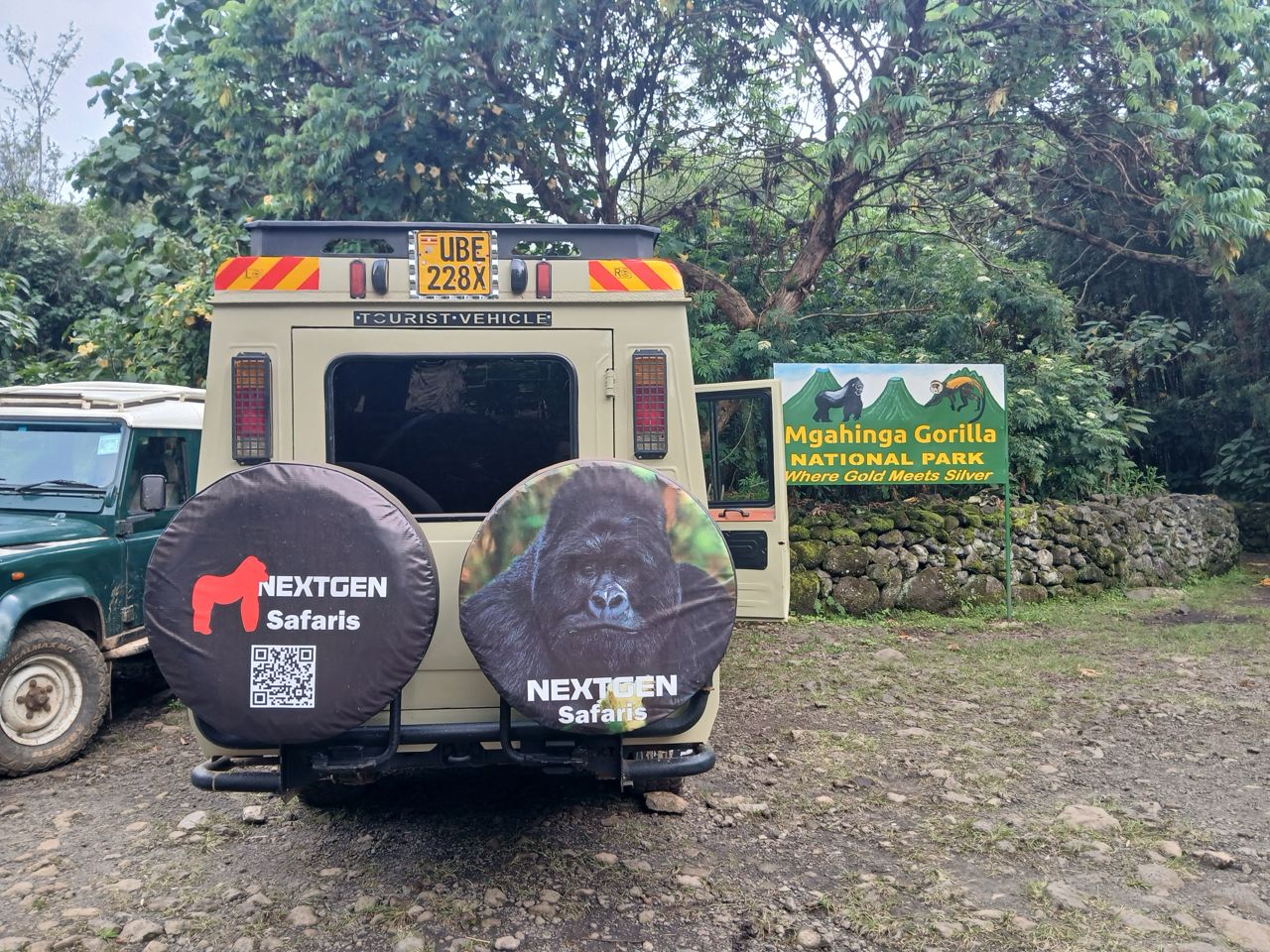
Uganda is particularly well suited for budget-conscious travelers who want to experience mountain gorillas without paying the premium Rwanda permit price. With a gorilla trekking permit priced significantly lower, Uganda allows visitors to allocate more of their safari budget toward additional wildlife experiences, longer stays, or upgraded accommodation. For travelers researching gorilla trekking Uganda cost, the value proposition is clear: the gorilla encounter itself is identical in duration and conservation standards, yet the overall trip can be structured more flexibly.
Adventure-oriented hikers also tend to prefer Uganda. Trekking in Bwindi Impenetrable National Park often feels more rugged and immersive. The thick rainforest, steep ridges, and sector variety create a stronger sense of expedition. For travelers who enjoy hiking as part of the journey rather than viewing it as an obstacle, Uganda offers a more adventurous atmosphere.
Uganda is also ideal for longer safari planners. Because gorilla trekking can be seamlessly combined with chimpanzee tracking in Kibale, wildlife game drives in Queen Elizabeth National Park, or waterfall experiences in Murchison Falls, Uganda supports 7–12 day itineraries that showcase multiple ecosystems. Travelers who want to turn their gorilla trek into a broader East African safari often find Uganda’s diversity more compelling.
Perhaps most importantly, Uganda is the only destination between the two that offers the Gorilla Habituation Experience. For travelers who want more than one hour with a gorilla family, Uganda provides an extended four-hour immersion under research supervision. Those specifically searching for deeper interaction, photography time, or conservation-focused engagement will only find that option in Uganda.
Emotionally, Uganda suits travelers who want a sense of discovery. It feels expansive, varied, and layered. It appeals to explorers who want to experience more than a single highlight and who value biodiversity, flexibility, and immersive landscapes.
Who Should Choose Rwanda for Gorilla Trekking?
Rwanda, by contrast, appeals to a different but equally valid traveler profile. It is especially attractive for those planning a short luxury trip centered almost entirely around gorilla trekking.
Because Volcanoes National Park lies approximately 2.5 hours from Kigali International Airport, Rwanda offers one of the fastest access routes to mountain gorillas anywhere in Africa. For travelers with limited time, this logistical advantage is significant. It is possible to arrive in Kigali, transfer to the lodge the same day, trek the following morning, and return within a three-night itinerary.
Rwanda is also well aligned with travelers seeking higher-end comfort. The lodge landscape around Volcanoes National Park is luxury-heavy, with strong emphasis on design, service, and curated experiences. For those who prioritize spa facilities, architectural design, refined cuisine, and seamless transfer logistics, Rwanda’s positioning as a premium destination feels cohesive.
Travelers who prefer less driving often lean toward Rwanda. In Uganda, reaching Bwindi by road can require a full day’s transfer unless domestic flights are used. Rwanda’s shorter distances simplify planning and reduce transit fatigue, which can be especially important for honeymooners, older travelers, or high-net-worth individuals on tight schedules.
Emotionally, Rwanda appeals to travelers who want efficiency and polish. It suits those who see gorilla trekking as the core highlight and prefer to structure the rest of the trip around comfort and time optimization. It is particularly attractive for luxury-focused travelers who want a concentrated, well-paced experience without extended overland travel.
In the comparison of gorilla trekking in Uganda vs Rwanda, neither country is universally better. Each aligns with different priorities. Uganda rewards travelers who value diversity, flexibility, and deeper immersion. Rwanda serves those who prioritize speed, convenience, and premium positioning.
The right choice is not about which country has better gorillas. It is about which experience fits your travel style, schedule, and expectations.
Common Mistakes When Choosing Between Uganda and Rwanda
When travelers compare gorilla trekking in Uganda vs Rwanda, the decision often feels simple at first glance. One permit costs USD 800, the other USD 1,500. One park is closer to an international airport, the other offers broader wildlife diversity. However, many visitors make avoidable mistakes by focusing on only one variable rather than the full experience.
Choosing Based Only on Permit Price
The most common mistake is selecting a destination purely because of the gorilla permit cost. While Uganda offers a lower permit price, the total safari cost includes accommodation, transport, guide services, and itinerary structure. If a traveler books a high-end lodge and domestic flights in Uganda, the final cost may approach that of a midrange Rwanda trip.
Conversely, some travelers assume Rwanda must offer a superior gorilla encounter simply because it costs more. In reality, the gorilla viewing time—one hour—and conservation standards are identical in both countries. The difference lies in positioning, infrastructure, and travel logistics, not in the quality of the gorilla interaction itself.
Choosing wisely requires evaluating total experience value, not just the permit line item.
Ignoring Transport Time
Another frequent oversight is underestimating transfer logistics. Travelers comparing gorilla trekking in Uganda vs Rwanda often focus on the park but forget about the journey to reach it.
In Uganda, reaching Bwindi Impenetrable National Park from Entebbe typically requires 8–10 hours by road unless a domestic flight is booked. This is manageable for longer safari itineraries but can feel demanding for short trips.
In Rwanda, Volcanoes National Park lies approximately 2.5 hours from Kigali. For time-sensitive travelers, this logistical simplicity can outweigh the higher permit cost.
Failing to factor in travel time can lead to unrealistic scheduling or fatigue before the trek even begins.
Not Checking the Trekking Sector
In Uganda especially, gorilla trekking is divided into multiple sectors. Each sector has different terrain profiles and lodge proximity. Booking accommodation far from your assigned sector can result in early morning drives on rough roads before the trek begins.
Experienced safari planners always align lodge choice with confirmed permit sector. Overlooking this detail can diminish overall comfort, particularly after a physically demanding trek.
Underestimating Terrain and Fitness Requirements
Some travelers assume that gorilla trekking will be a short walk into the forest. In reality, trekking duration and terrain vary daily depending on gorilla movement.
Uganda’s forests can be steep and densely vegetated. Rwanda’s volcanic slopes can also involve significant elevation gain. While ranger teams allocate groups based on fitness levels, underestimating physical readiness can create unnecessary anxiety.
Preparing mentally and physically for uneven trails, humidity, and altitude ensures a smoother experience in either country.
Final Verdict: Which Is Actually Best?
After comparing permit prices, terrain, lodge style, wildlife combination value, and logistics, the question remains: which is actually best?

The honest answer is that both destinations deliver extraordinary mountain gorilla encounters. The difference lies in overall travel philosophy.
Uganda offers better value and greater diversity. It allows travelers to combine gorilla trekking with chimpanzees, waterfalls, and savannah wildlife within a single itinerary. It provides a broader range of accommodation from budget to ultra-luxury and uniquely offers the Gorilla Habituation Experience for extended immersion.
Rwanda offers convenience and luxury. Its proximity to Kigali reduces travel time, making it ideal for shorter high-end trips. Its lodge ecosystem is strongly premium-focused, and the overall experience feels streamlined and polished.
If your priority is maximizing biodiversity, extending your safari, and managing overall cost, Uganda may be the stronger choice. If your priority is efficiency, shorter travel distances, and a luxury-first approach, Rwanda aligns naturally.
Neither country has “better” gorillas. Both protect the same species within the same greater ecosystem. The best destination is the one that fits your schedule, comfort level, and travel expectations.
The right decision is not about price alone. It is about choosing the experience that feels right for you.
Frequently Asked Questions About Gorilla Trekking in Uganda vs Rwanda
Is gorilla trekking better in Uganda or Rwanda?
Gorilla trekking is not inherently “better” in Uganda or Rwanda — the mountain gorillas are the same species and the viewing time is identical at one hour once contact is made. The difference lies in overall travel style.
Uganda offers greater value, more trekking sectors, and broader wildlife combinations. Rwanda offers faster access from Kigali and a more luxury-focused lodge ecosystem. If you want diversity and flexibility, Uganda may feel better. If you want convenience and a shorter premium trip, Rwanda may suit you more.
The gorilla encounter itself, the proximity, conservation standards and ranger professionalism is equally high in both countries.
Why is Rwanda more expensive for gorilla trekking?
Rwanda’s gorilla permit costs USD 1,500 compared to Uganda’s USD 800. The higher Rwanda gorilla permit price reflects a deliberate national tourism strategy focused on premium positioning, controlled visitor numbers, and strong conservation funding.
Rwanda invests heavily in infrastructure, community revenue-sharing, and park management around Volcanoes National Park. The higher price supports this model while maintaining lower visitor density compared to some other destinations.
However, the one-hour gorilla viewing experience is the same duration as in Uganda.
Is Uganda safe for gorilla trekking?
Yes, Uganda is safe for gorilla trekking. Trekking is conducted in Bwindi Impenetrable National Park and Mgahinga Gorilla National Park under strict Uganda Wildlife Authority supervision.
Visitors are accompanied by trained ranger guides and armed escorts where required. Gorilla groups are monitored daily, and strict behavioral guidelines are enforced to protect both visitors and gorillas.
Uganda has decades of experience managing gorilla tourism safely and professionally.
Can you see gorillas closer in Rwanda?
No — viewing distance regulations are the same in both countries. Visitors must maintain a minimum distance of approximately seven meters from the gorillas, though gorillas sometimes move closer naturally.
The idea that you see gorillas closer in Rwanda is a misconception. Both Uganda and Rwanda operate under the same conservation principles. The proximity of the encounter depends on gorilla movement, not on the country.
Which country has more mountain gorillas?
Uganda protects a slightly larger portion of the world’s remaining mountain gorilla population due to the size of Bwindi Impenetrable National Park. Uganda also has more habituated gorilla families available for trekking compared to Rwanda.
Rwanda’s Volcanoes National Park is smaller and more compact, but still protects a significant number of habituated groups within the Virunga ecosystem.
If you are asking which has more gorillas overall, Uganda has the numerical advantage.
Is Rwanda worth double the price?
Whether Rwanda is worth double the price depends on your priorities.
If your goal is quick access, minimal driving, and a luxury-oriented short trip, Rwanda may justify its higher permit cost. The 2.5-hour transfer from Kigali makes it one of the most convenient gorilla trekking destinations in Africa.
If your focus is value, longer safari combinations, or adding chimpanzees and other wildlife experiences, Uganda offers stronger overall return for your investment.
The gorilla encounter itself is equally powerful in both countries. The difference lies in logistics and positioning.
Which is easier: gorilla trekking in Uganda or Rwanda?
On average, treks in Rwanda may feel slightly shorter due to the compact layout of Volcanoes National Park. However, terrain difficulty varies daily in both destinations.
Uganda’s Bwindi forest can be denser and more rugged in certain sectors. Rwanda’s volcanic slopes can be steep but sometimes more open.
Both countries assign trekking groups based on visitor fitness levels during the morning briefing. Neither destination guarantees an “easy” hike, but both accommodate varying abilities.
How far is Bwindi from Entebbe?
Bwindi Impenetrable National Park is approximately 8–10 hours by road from Entebbe. Domestic flights are available and reduce travel time significantly.
By comparison, Volcanoes National Park in Rwanda is about 2.5 hours from Kigali by road.
Travel time is one of the biggest practical differences between gorilla trekking in Uganda vs Rwanda.
Can you combine gorilla trekking with other safaris?
Yes. Uganda allows easy combination with chimpanzee trekking in Kibale, wildlife safaris in Queen Elizabeth National Park, and waterfall experiences in Murchison Falls.
Rwanda allows combinations with chimpanzee trekking in Nyungwe Forest National Park and wildlife viewing in Akagera National Park.
Uganda generally offers greater wildlife diversity in one itinerary, while Rwanda offers more compact routing.
Is the gorilla experience more crowded in one country?
Both countries limit the number of visitors per gorilla family per day. Group sizes are small and strictly regulated.
Rwanda’s higher permit price often results in slightly lower overall visitor numbers, but Uganda also controls daily allocations across multiple sectors.
In practical terms, neither destination feels crowded at the gorilla viewing site.
Still Deciding Between Uganda and Rwanda?
Gorilla trekking in Uganda vs Rwanda is not about choosing a better country — it’s about choosing the right experience for your time, budget, and travel style. Speak with a local safari specialist who understands both destinations deeply and can design a tailored itinerary that fits you perfectly.