
How Is Gorilla Habituation Different From Gorilla Trekking?
How Is Gorilla Habituation Different From Gorilla Trekking? 7 Amazing Differences in Uganda
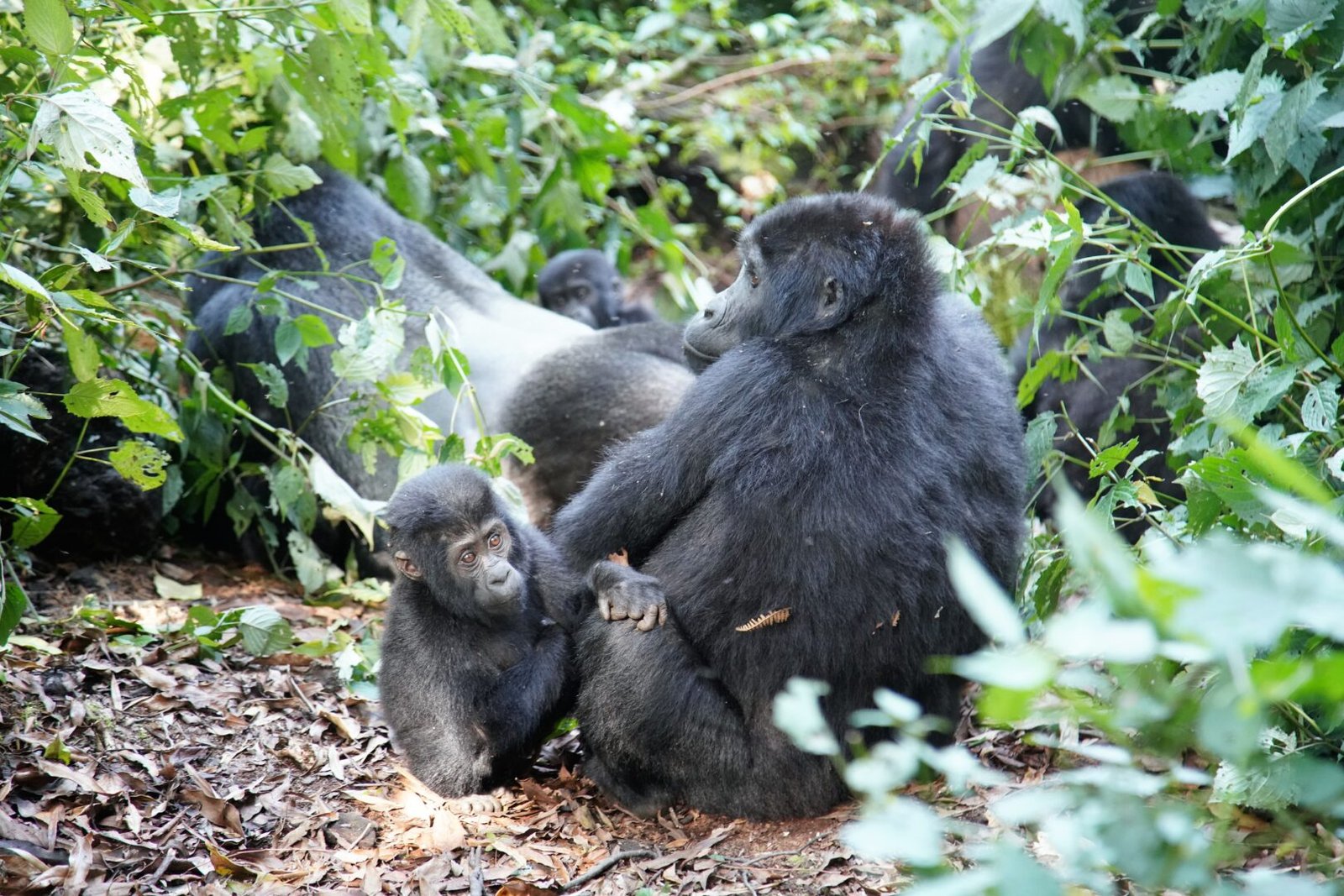
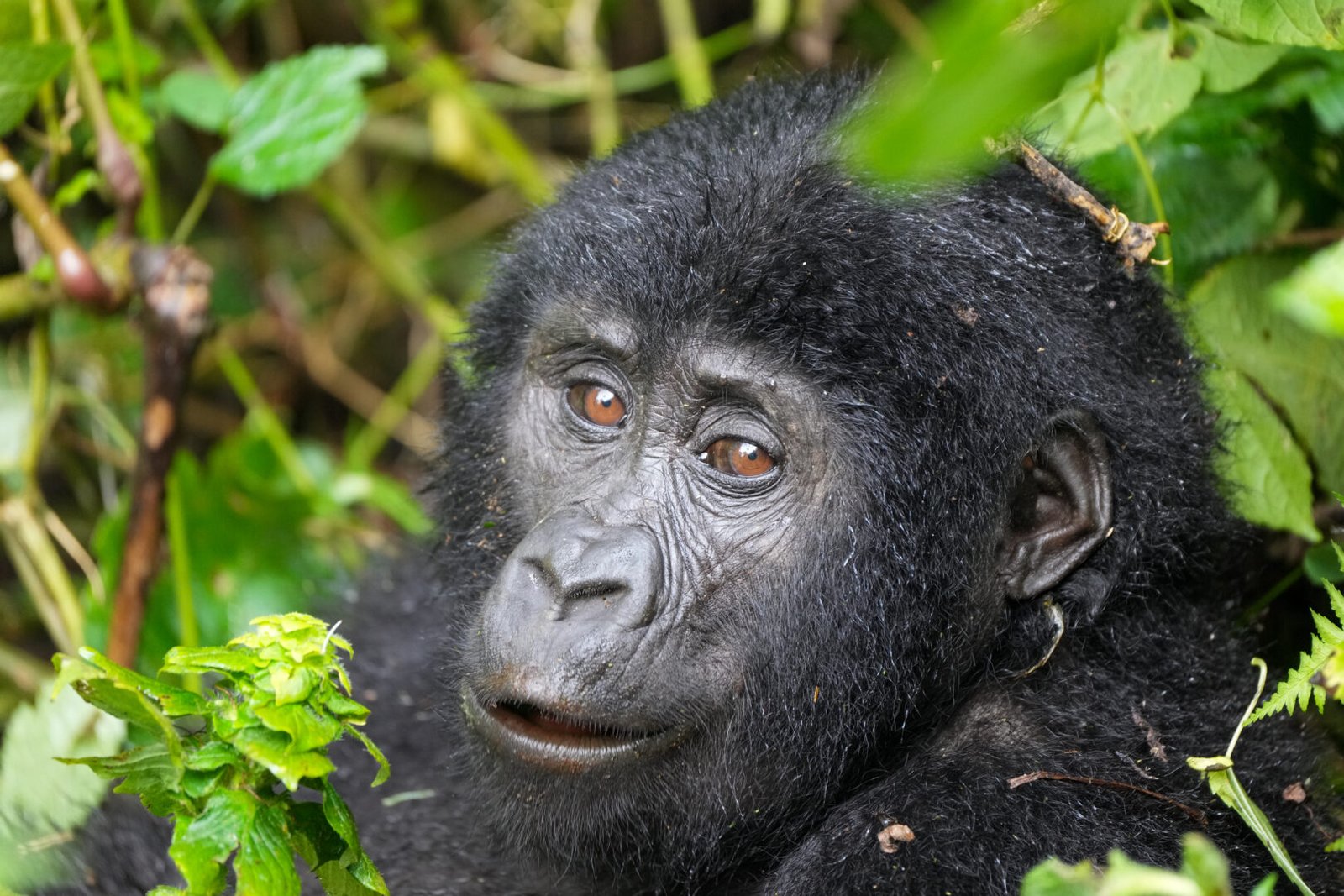
How Is Gorilla Habituation Different From Gorilla Trekking? The main difference between gorilla habituation and gorilla trekking in Uganda is the amount of time visitors spend observing mountain gorillas, the habituation status of the gorilla family, and the type of conservation experience involved. Uganda’s standard gorilla trekking experience allows tourists to spend up to one hour observing a fully habituated mountain gorilla family, while the gorilla habituation experience offers up to four hours with a family still undergoing the gradual process of becoming accustomed to human presence. Both activities take place in Uganda’s magnificent mountain gorilla habitats, offering extraordinary opportunities to encounter these endangered primates in their natural rainforest environment. However, they differ significantly in permit prices, visitor group sizes, available locations, trekking arrangements, wildlife behavior, and overall visitor expectations.
For international travelers planning a gorilla safari in Uganda, understanding How Is Gorilla Habituation Different From Gorilla Trekking? is essential when deciding which experience best matches their interests, travel budget, physical fitness, and available time. Uganda offers standard mountain gorilla trekking in Bwindi Impenetrable National Park and Mgahinga Gorilla National Park, while the established visitor-accessible gorilla habituation experience is conducted in the Rushaga sector of Bwindi Impenetrable National Park. Standard trekking is particularly popular among first-time visitors hoping to encounter mountain gorillas, while habituation attracts wildlife photographers, researchers, conservation enthusiasts, and travelers seeking longer observation periods. Although both experiences are carefully regulated by the Uganda Wildlife Authority, choosing the right activity requires understanding the differences before purchasing permits and confirming safari arrangements.
How Is Gorilla Habituation Different From Gorilla Trekking in Uganda?
How Is Gorilla Habituation Different From Gorilla Trekking? Gorilla trekking involves visiting a mountain gorilla family that has already completed the habituation process and become accustomed to carefully controlled human observation. Gorilla habituation, on the other hand, involves accompanying authorized conservation personnel to observe a family that is still gradually becoming accustomed to human presence. This distinction influences the length of the encounter, the behavior visitors may observe, the number of participants permitted, and the overall purpose of the activity.
During ordinary gorilla trekking, visitors join professional wildlife rangers and trackers who guide them through the rainforest to locate an assigned habituated family. After reaching the gorillas, tourists are normally allowed a maximum of one hour to observe them. The experience is designed to provide a carefully managed wildlife encounter while protecting the animals from excessive human disturbance.
During gorilla habituation, visitors accompany authorized researchers, habituators, trackers, and rangers who are involved in monitoring a family undergoing habituation. The observation period can last up to four hours after the gorillas have been located. This extended period creates opportunities to learn more about natural gorilla behavior and the conservation activities involved in gradually familiarizing wild gorillas with controlled human presence.
Both experiences require valid Uganda Wildlife Authority permits, compliance with conservation regulations, and advance booking. Neither activity allows tourists to touch, feed, or deliberately interact with the animals.
Understanding these differences helps visitors choose an experience based on genuine interests rather than assuming that a higher permit price automatically guarantees a better encounter.
Gorilla Habituation Allows Four Hours, While Gorilla Trekking Allows One Hour
The most important difference between the two experiences is the maximum observation period permitted by the Uganda Wildlife Authority.
Gorilla Trekking: One Hour With Mountain Gorillas
During standard gorilla trekking, visitors are allowed a maximum of one hour observing the designated mountain gorilla family after locating the animals.
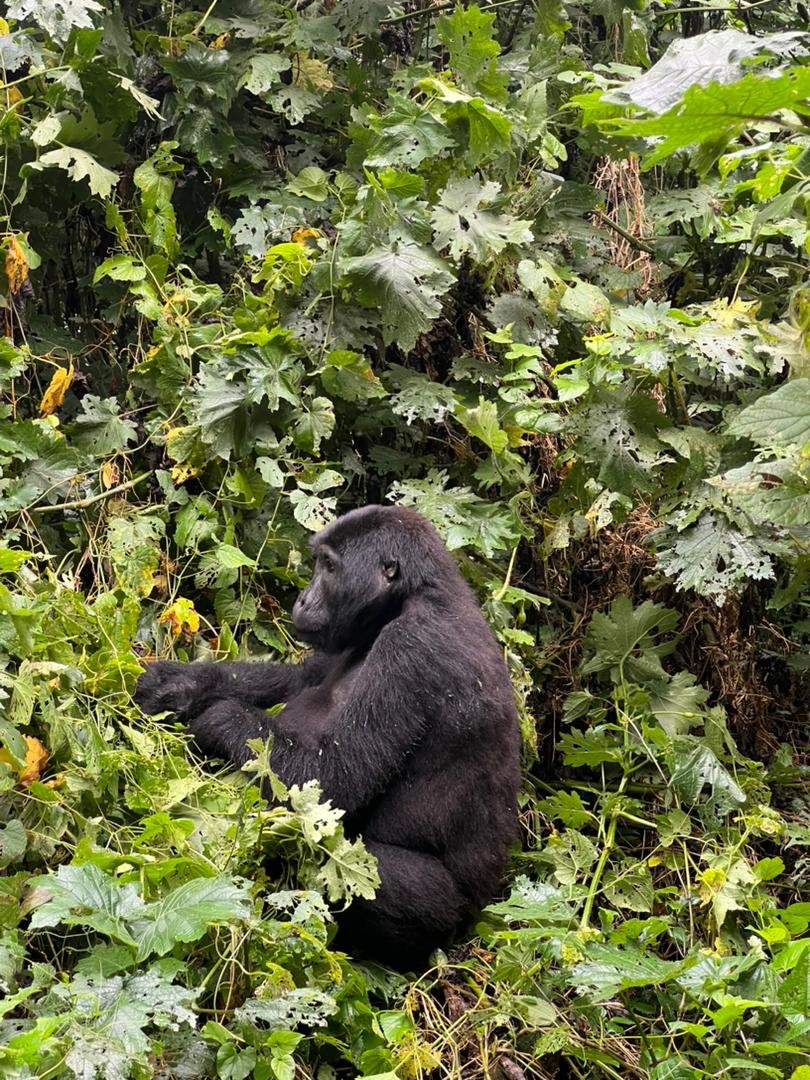
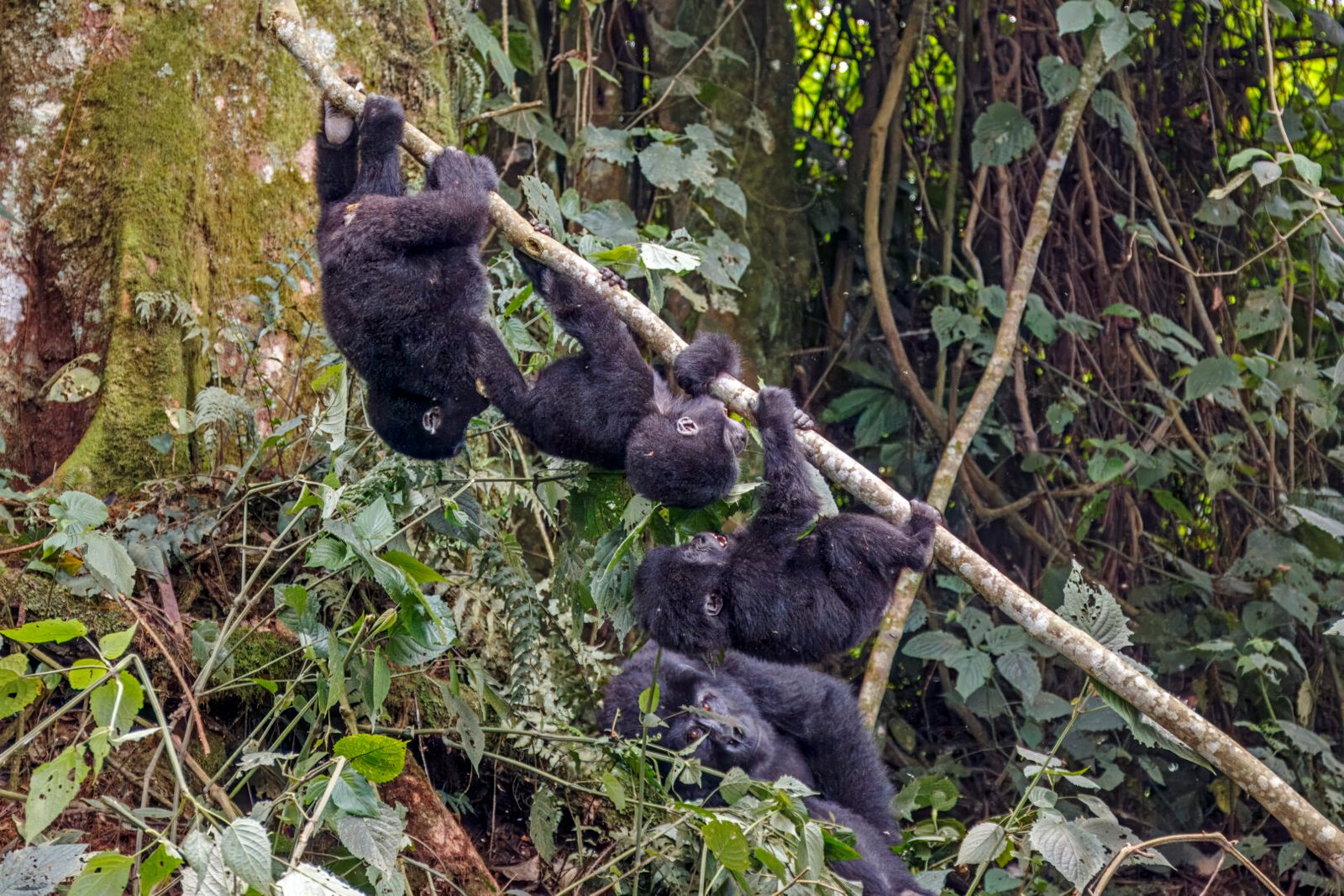
This hour offers opportunities to watch gorillas feeding, resting, grooming, interacting with their young, and moving through the rainforest.
For many travelers, sixty minutes in the presence of wild mountain gorillas is an extraordinary experience. The encounter can provide a powerful connection with wildlife and introduce visitors to the remarkable social behavior of these endangered primates.
However, the time passes quickly, particularly for photographers who must manage changing light, thick vegetation, and animal movements.
The gorilla habituation experience permits a maximum of four hours observing a designated family undergoing habituation.
This longer period may provide additional opportunities to observe feeding patterns, communication, resting behavior, family interactions, and movement between different forest locations.
Visitors may also learn about the monitoring and conservation work conducted by the habituation team.
How Is Gorilla Habituation Different From Gorilla Trekking when comparing the time spent with gorillas? Habituation offers a maximum viewing period four times longer than standard trekking, although the actual encounter remains subject to wildlife behavior and conservation requirements.
Importantly, the observation allowance does not include the time spent hiking through the forest. Both activities require visitors to locate the designated gorilla family before their viewing period begins.
Gorilla Habituation Involves Families Still Becoming Accustomed to Humans
Another significant difference concerns the habituation status of the gorilla families visited.
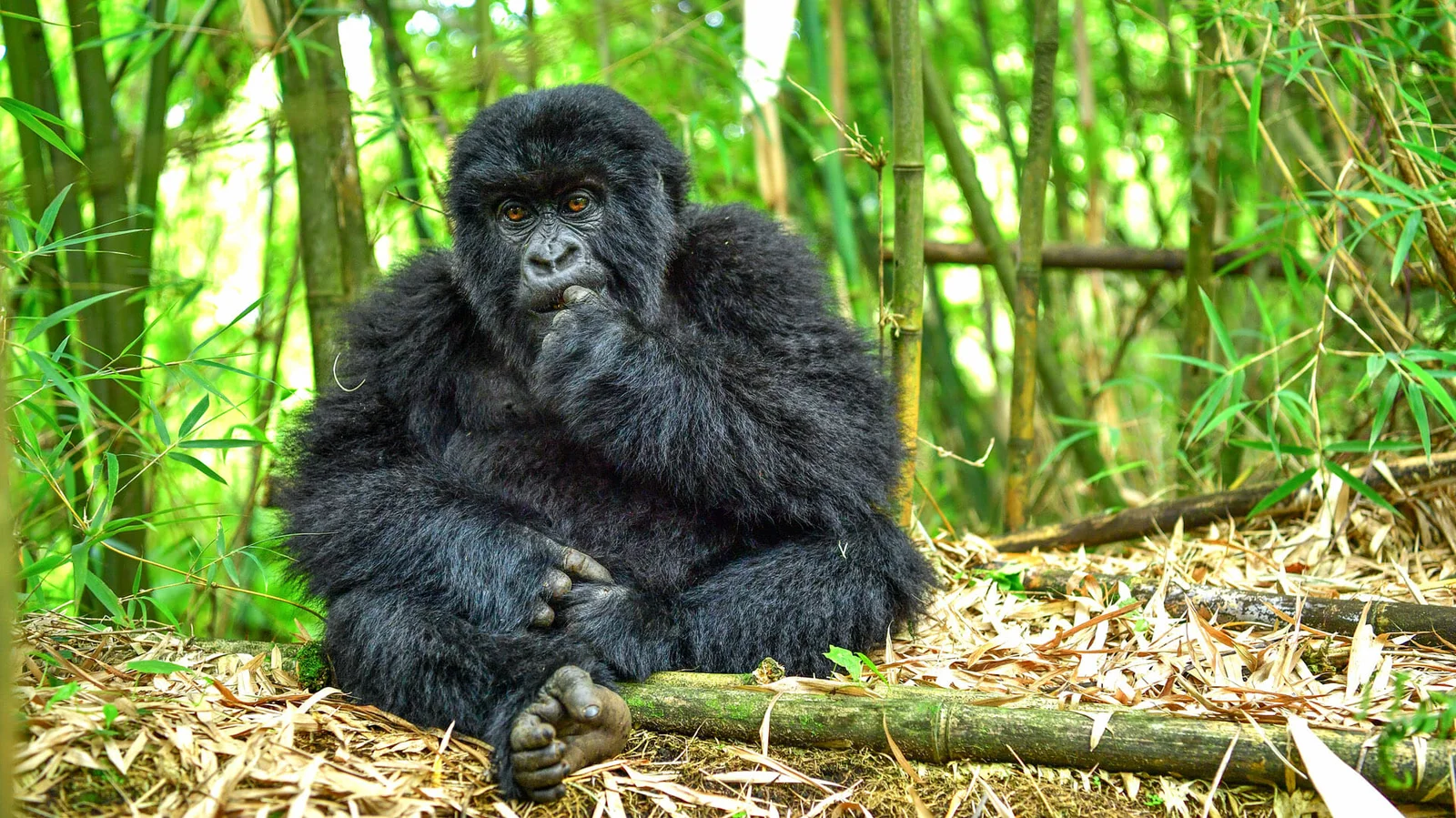
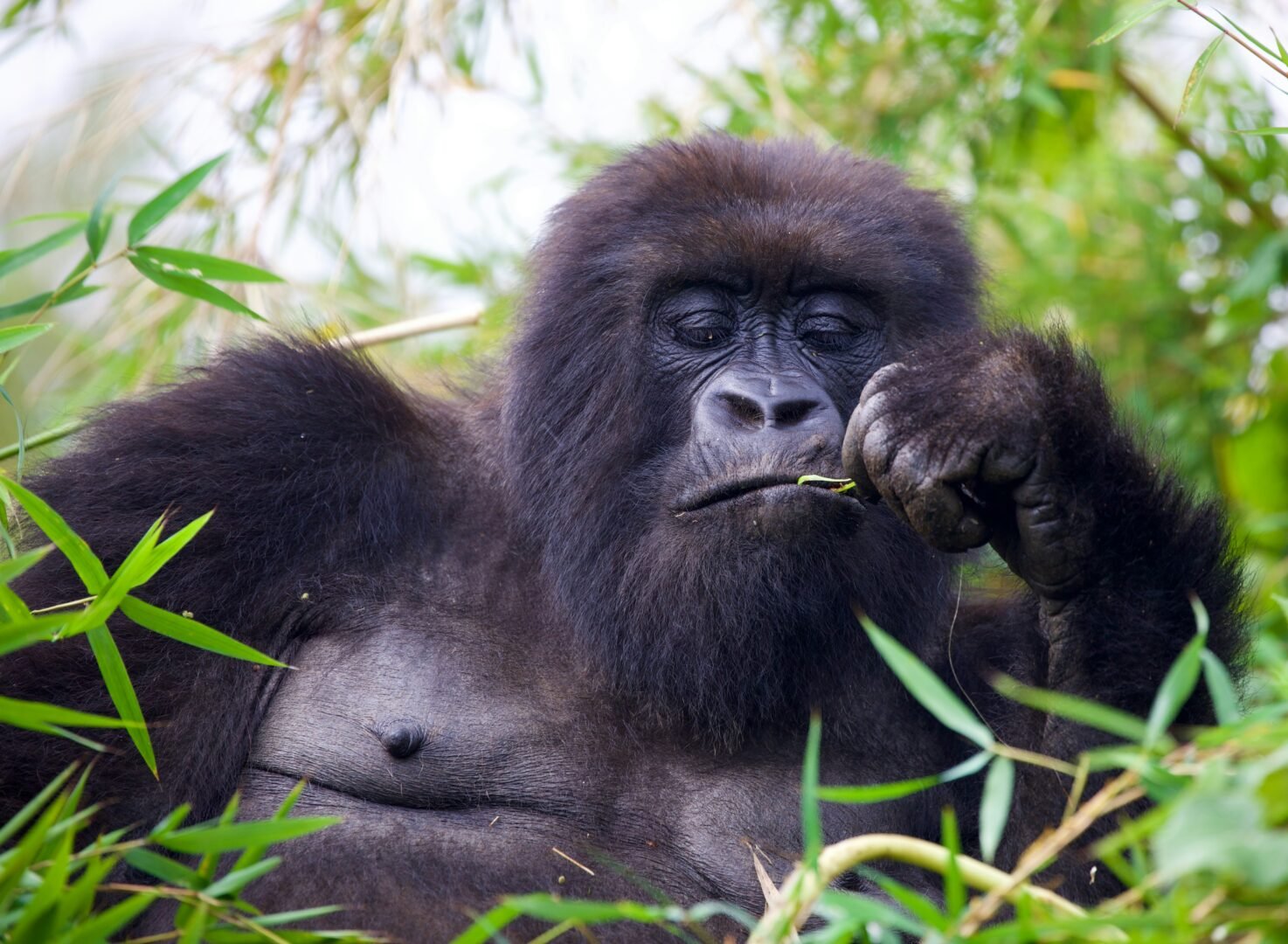
Fully Habituated Families During Gorilla Trekking
Ordinary gorilla trekking involves gorilla families that have already become accustomed to carefully managed human presence.
Habituation is a gradual process through which wild gorillas become more tolerant of encounters with authorized conservation personnel.
A fully habituated family has undergone this process sufficiently to allow regulated tourist visits under established wildlife management procedures.
However, habituated gorillas remain wild animals. They are not domesticated, trained for entertainment, or controlled by their human visitors.
Their movements and behavior remain unpredictable, and tourists must follow ranger instructions throughout the encounter.
Gorilla habituation involves a family still undergoing the process of becoming accustomed to human presence.
Professional conservation personnel repeatedly monitor the animals, carefully observing their responses while gradually establishing a controlled level of tolerance.
This process can take years, depending on the family’s behavior, individual gorillas, and conservation circumstances.
Visitors participating in the habituation experience may observe gorillas displaying different levels of comfort around people compared with fully habituated families.
Some individuals may continue feeding or resting, while others may move away or require visitors to maintain a more cautious position.
How Is Gorilla Habituation Different From Gorilla Trekking in terms of gorilla behavior? Habituation involves observing animals that may be less accustomed to humans, while standard trekking involves families already familiar with regulated tourist encounters.
Visitors should not interpret habituation as permission to approach gorillas more closely. The same fundamental responsibility to protect the animals remains essential.
Gorilla Habituation Has Smaller Visitor Groups Than Gorilla Trekking
Visitor group size is another major consideration when comparing the experiences.
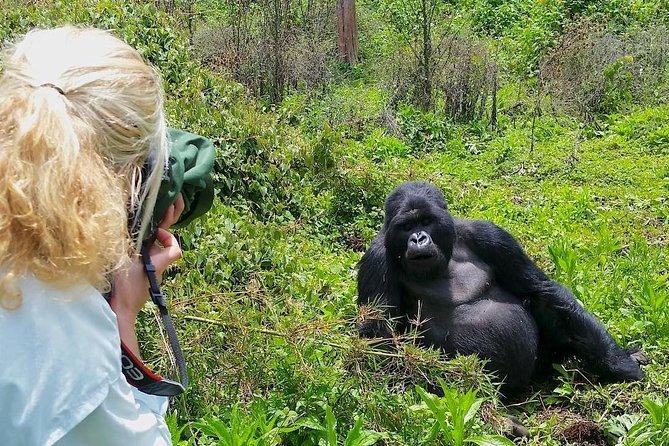
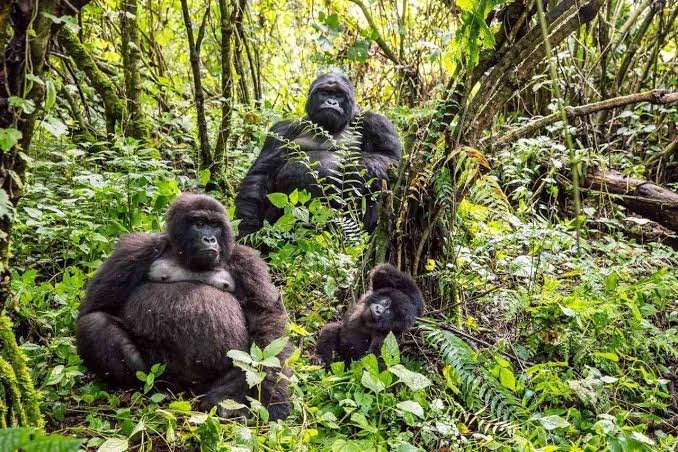
Ordinary gorilla trekking generally allows a maximum of eight paying tourists to visit a designated habituated gorilla family during an authorized encounter.
These visitors are accompanied by the relevant Uganda Wildlife Authority personnel responsible for guiding and managing the activity.
The group size helps regulate human contact while providing access to mountain gorilla tourism for visitors from different backgrounds.
Travelers may share the experience with people from other countries unless they have made separate arrangements that are permitted and available.
Gorilla habituation generally permits a maximum of four paying visitors per authorized gorilla family.
This smaller allocation is designed to support a carefully managed environment during the habituation process.
A reduced visitor group may create a quieter atmosphere and make it easier for participants to hear conservation explanations and follow instructions.
However, a smaller group does not guarantee uninterrupted viewing, private access, or favorable photographic conditions.
How Is Gorilla Habituation Different From Gorilla Trekking for travelers seeking a more exclusive wildlife experience? Habituation offers a smaller visitor allocation and longer observation period, making it particularly attractive to conservation enthusiasts and photographers who prefer fewer fellow tourists.
Because fewer places are available, habituation permits can also be more difficult to secure on popular travel dates.
Gorilla Trekking Offers More Locations Than Gorilla Habituation
The places where visitors can participate in the activities are another important difference.
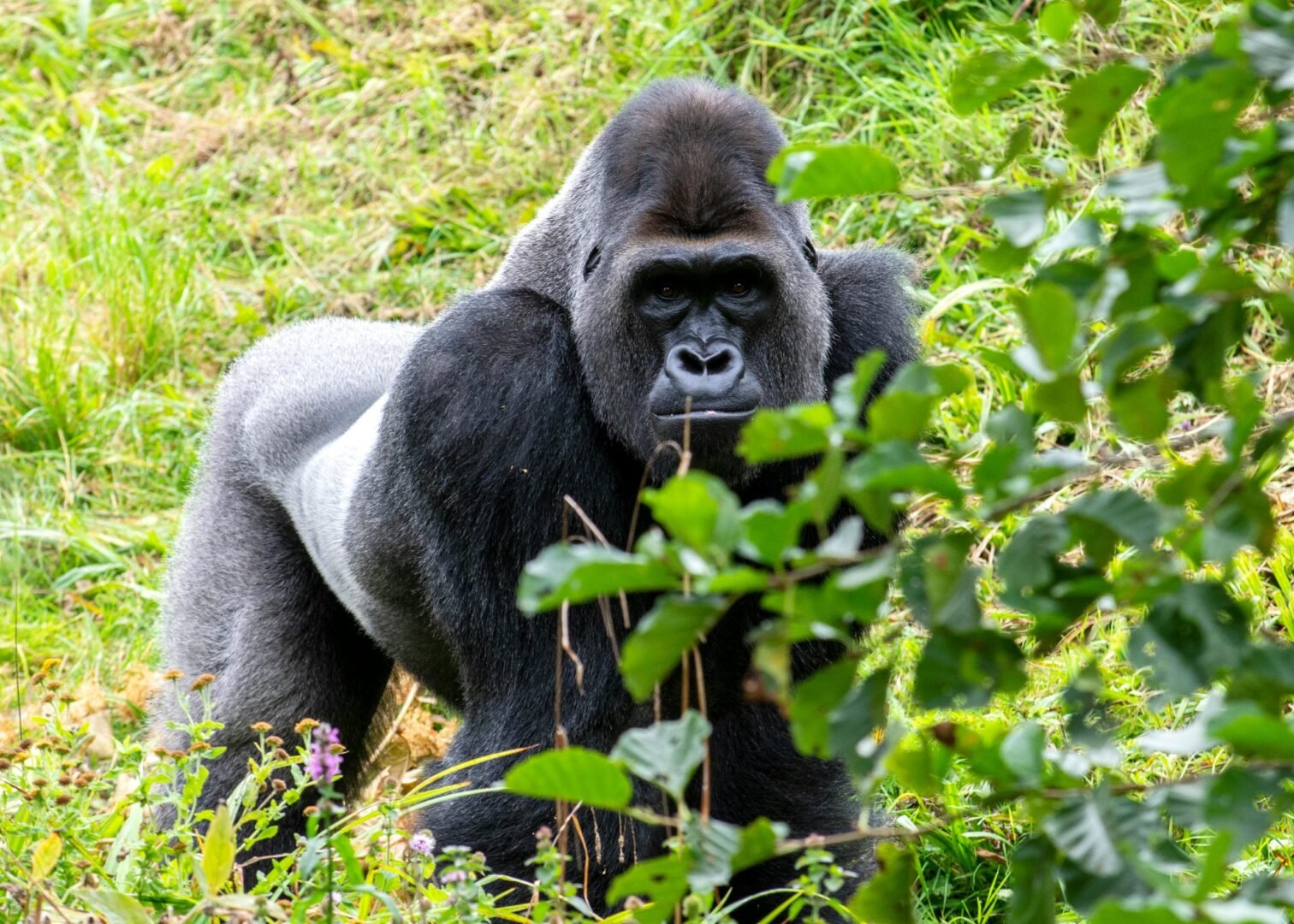
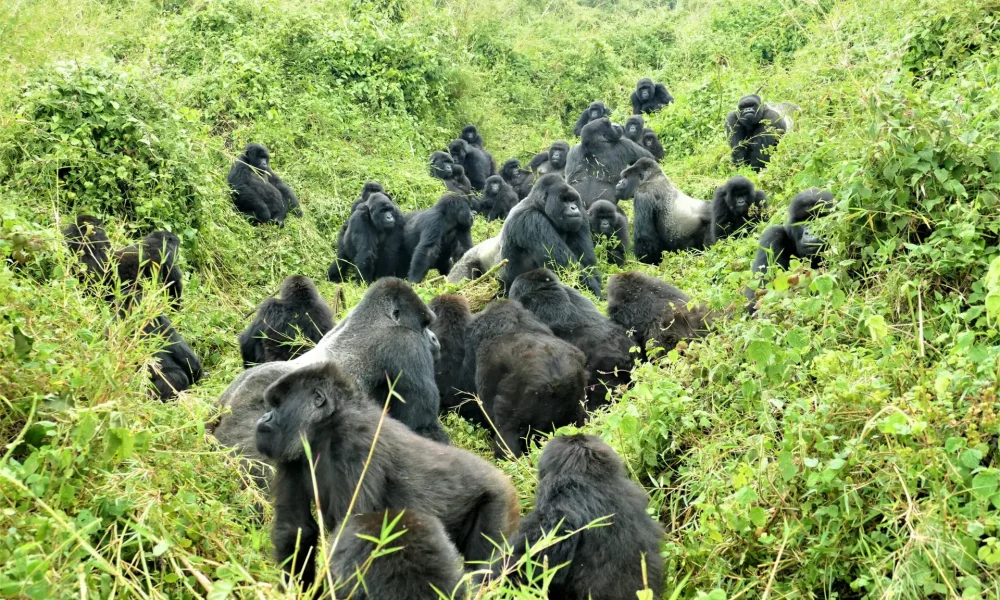
Gorilla Trekking in Bwindi Impenetrable National Park
Standard gorilla trekking is available in several sectors of Bwindi Impenetrable National Park.
These include Buhoma, Ruhija, Rushaga, and Nkuringo.
Each sector offers access to designated habituated gorilla families, subject to the applicable permit allocation and wildlife management arrangements.
The different sectors also offer a variety of landscapes, accommodation options, and practical travel routes.
Visitors should select accommodation according to their confirmed permit sector because the distances between some areas of Bwindi can be substantial.
Visitors can also experience standard gorilla trekking in Mgahinga Gorilla National Park, situated in southwestern Uganda near the borders with Rwanda and the Democratic Republic of Congo.
Mgahinga forms part of the wider Virunga mountain ecosystem and offers a distinctive volcanic landscape.
The park is particularly appealing to travelers interested in combining mountain gorilla trekking with other available nature and wildlife experiences in the region.
The established visitor-accessible gorilla habituation experience takes place in the Rushaga sector of Bwindi Impenetrable National Park.
Travelers cannot automatically use an ordinary gorilla trekking permit for Buhoma, Ruhija, Nkuringo, or Mgahinga to participate in habituation.
How Is Gorilla Habituation Different From Gorilla Trekking in terms of location? Standard trekking offers more choices across two national parks, while the habituation experience is concentrated in Rushaga.
This difference makes location planning especially important for habituation travelers, who should organize their accommodation and transportation around the correct meeting point.
Gorilla Habituation and Gorilla Trekking Have Different Permit Prices
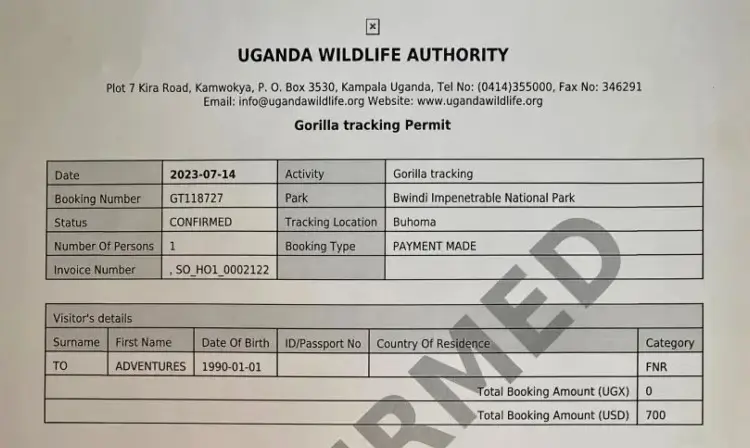
Permit prices are among the most important considerations when choosing between gorilla habituation and gorilla trekking in Uganda.
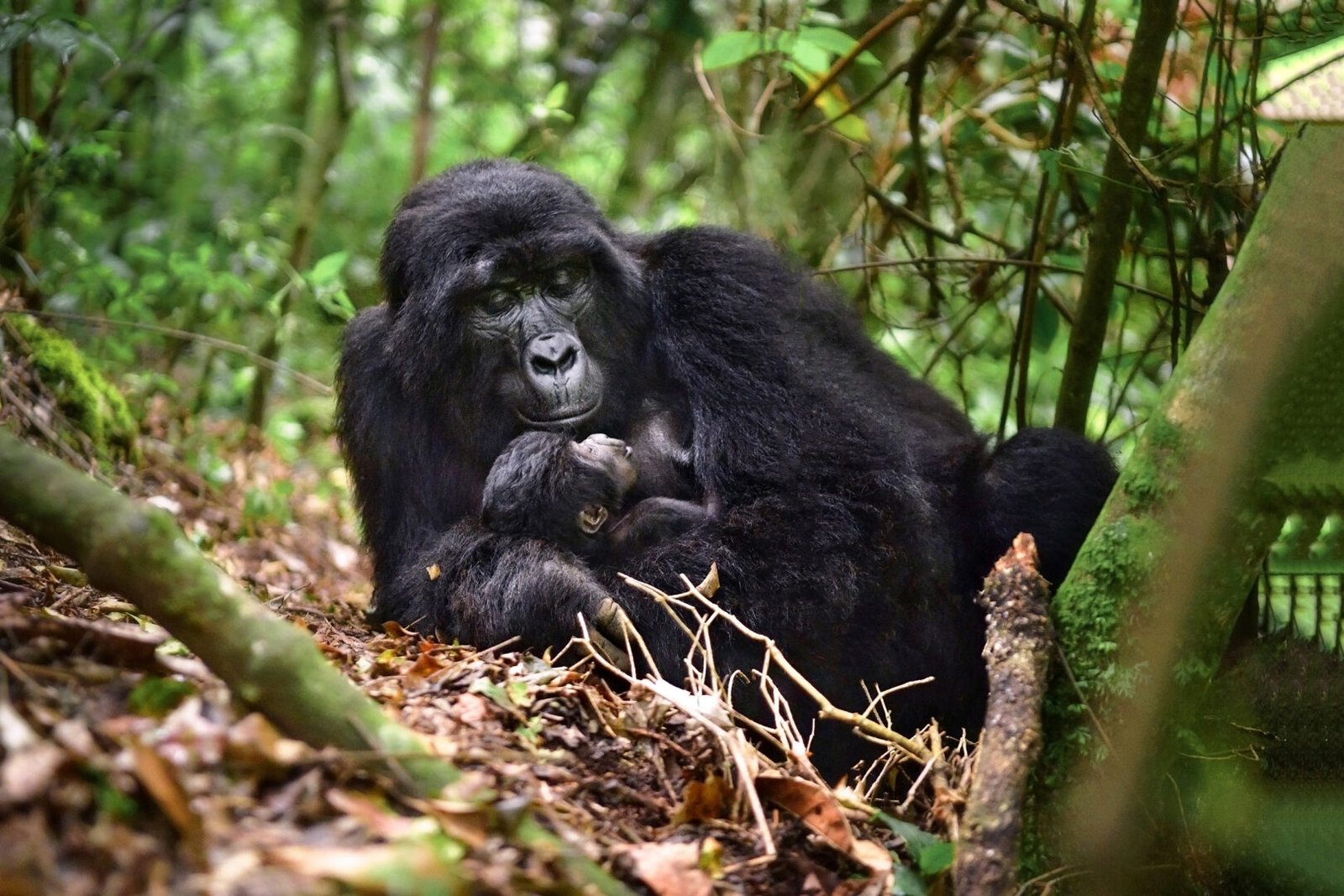
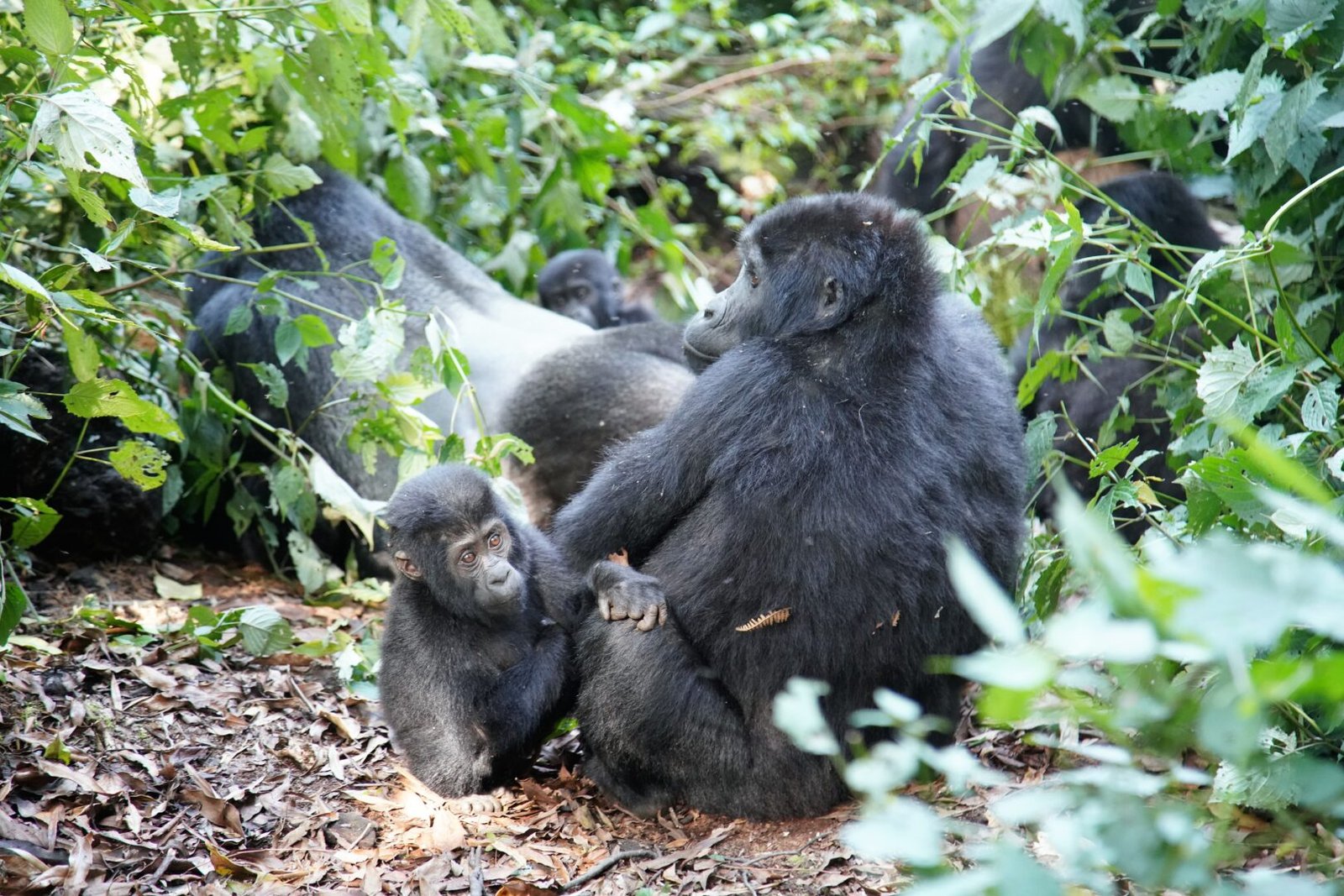
The Uganda Wildlife Authority establishes the official conservation tariffs, which vary according to the activity, visitor category, and effective travel period.
Standard Gorilla Trekking Permit Prices in Uganda
Under the published Uganda Wildlife Authority conservation tariff for January 2027 to June 2028, standard gorilla trekking permits are priced as follows:
- Foreign non-residents: US$800 per person.
- Foreign residents: US$700 per person.
- Rest of Africa category: US$500 per person.
- East African Community citizens: UGX 300,000 per person.
These are the regular published rates for standard gorilla trekking. Any separately authorized promotional or seasonal rates must be confirmed according to the applicable booking conditions.
Gorilla Habituation Permit Prices in Uganda
Under the same published January 2027 to June 2028 tariff, gorilla habituation permits cost:
- Foreign non-residents: US$1,800 per person.
- Foreign residents: US$1,500 per person.
- Rest of Africa category: US$1,000 per person.
- East African Community citizens: UGX 750,000 per person.
Before January 2027, the established foreign non-resident gorilla habituation permit price was US$1,500 per person.
Official tariffs remain subject to change, and visitors must meet the relevant identification and residency requirements to qualify for a particular category.
Gorilla habituation is a separate conservation experience that offers longer authorized observation and smaller visitor allocations.
Its higher price reflects the distinct activity and permit category established by the Uganda Wildlife Authority.
How Is Gorilla Habituation Different From Gorilla Trekking when comparing costs? For a foreign non-resident traveling under the regular 2027 tariff, gorilla habituation costs US$1,000 more than standard gorilla trekking.
The additional fee does not guarantee closer contact with gorillas, better photography, or easier trekking conditions.
Both permit types include the applicable guiding services, activity-day park entrance, and community development contribution under the official tariff.
For more information, explore Uganda gorilla trekking permit and gorilla habituation permits.
Gorilla Habituation and Gorilla Trekking Have Different Daily Schedules
The beginning of the experience is another practical difference that travelers should understand.
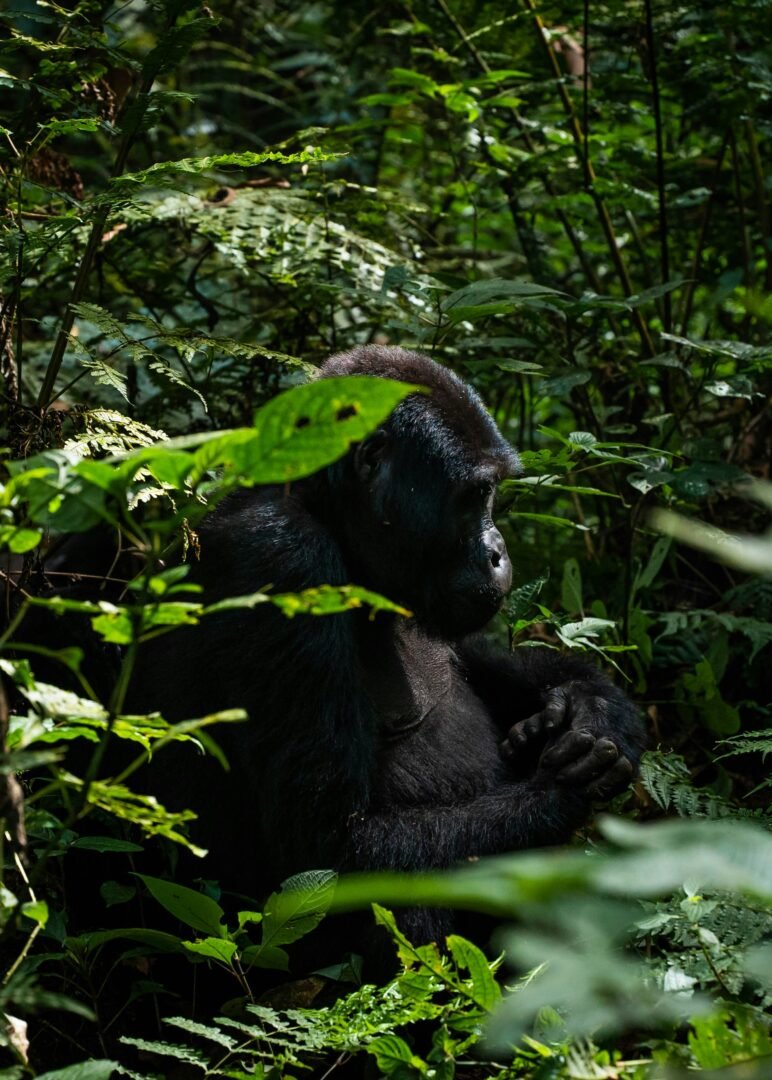
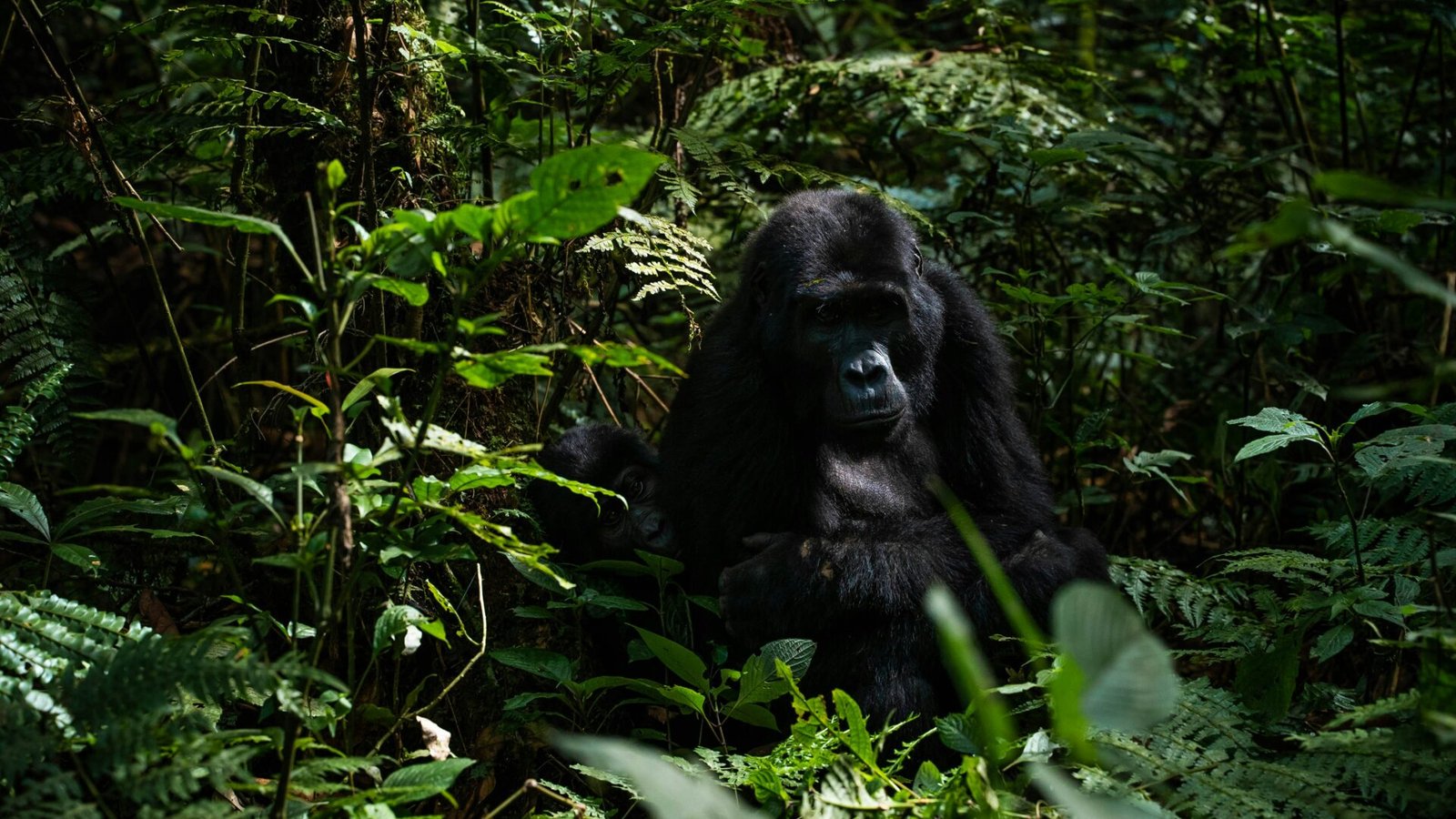
The Uganda Wildlife Authority’s published tracking guidelines specify an 8:00 a.m. start for standard gorilla trekking.
Visitors attend the relevant briefing, receive safety instructions, and follow the authorized team into the forest to locate their designated gorilla family.
The time required to find the animals depends on their movements, terrain, and environmental conditions.
After the one-hour viewing period, visitors return from the forest with their guides.
The published guidelines specify a 6:30 a.m. activity start for gorilla habituation.
This earlier schedule allows more time for the extended conservation activity, including tracking the designated family, observing the gorillas, and returning for debriefing.
Because the viewing period can last up to four hours, habituation may occupy a substantial portion of the day.
How Is Gorilla Habituation Different From Gorilla Trekking in terms of scheduling? Habituation begins earlier and offers a longer maximum observation period, making it especially important to avoid scheduling tightly timed transfers or other major activities immediately afterward.
Travelers should follow the reporting time communicated for their confirmed permit and arrange accommodation within practical reach of the designated meeting location.
Gorilla Habituation Offers More Conservation-Focused Observation
The final major difference concerns the overall nature of the experience.
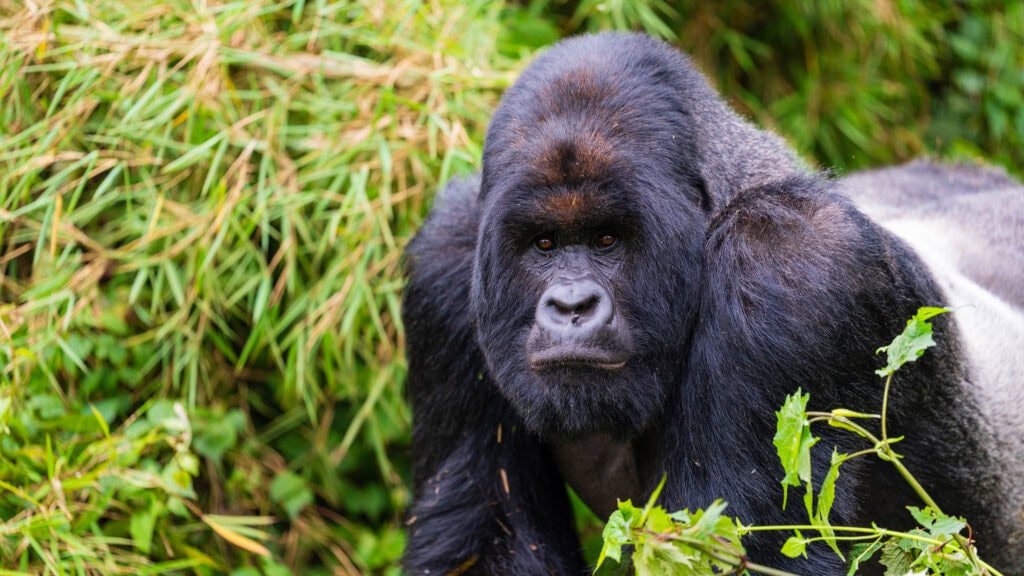
Gorilla Trekking Focuses on Observing a Habituated Family
Standard gorilla trekking introduces visitors to mountain gorillas living freely within their natural habitat.
Travelers learn about the animals, observe their behavior, and experience the rainforest environment under professional supervision.
The activity can be particularly rewarding for first-time visitors who want a memorable encounter without committing to the longer habituation experience.
Gorilla Habituation Focuses on an Ongoing Conservation Process
Gorilla habituation offers visitors an opportunity to accompany personnel involved in gradually familiarizing a gorilla family with human presence.
The process involves monitoring the animals’ behavior, observing their responses, and managing encounters carefully to avoid unnecessary disturbance.
Participants may learn about the importance of patience, controlled observation, and the protection of wild animal behavior.
How Is Gorilla Habituation Different From Gorilla Trekking for conservation enthusiasts? Habituation offers a closer educational perspective on the work involved in familiarizing a wild gorilla family with human presence, while trekking focuses on visiting a family already approved for ordinary tourism encounters.
Both experiences contribute through Uganda’s regulated conservation tourism system, and both require responsible visitor behavior.
Is Gorilla Habituation More Difficult Than Gorilla Trekking?
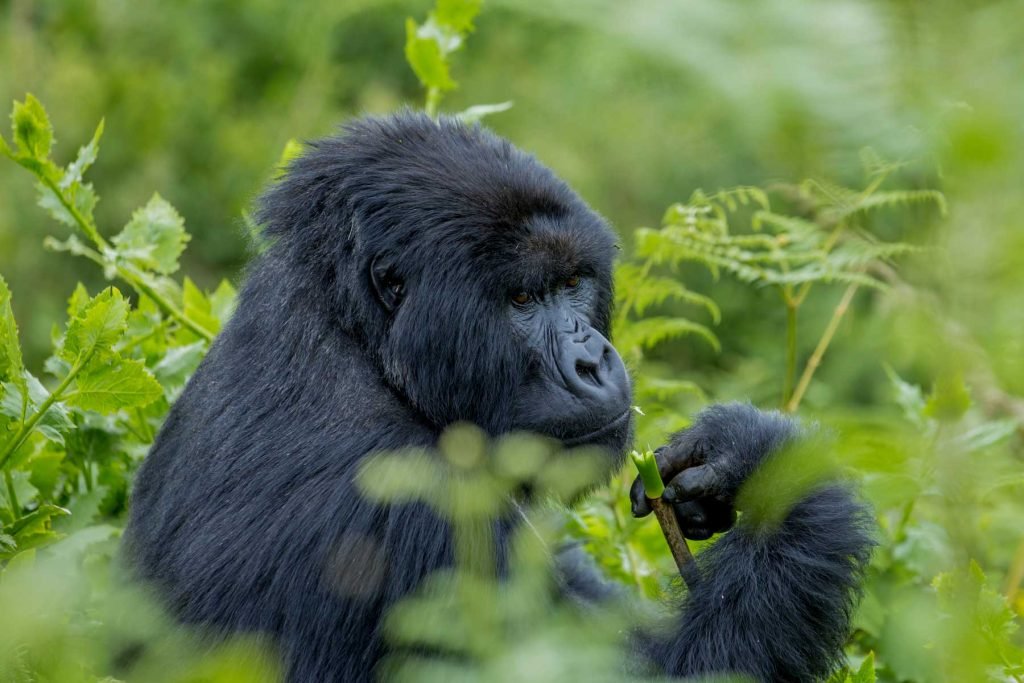
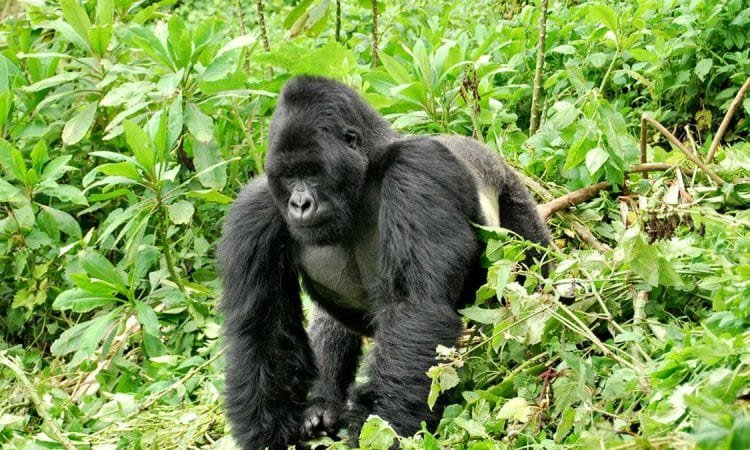
The physical difficulty of each experience depends on the gorilla family’s location, terrain, prevailing weather conditions, and the route selected by the wildlife personnel.
Bwindi Impenetrable National Park features mountainous landscapes, steep forest slopes, dense vegetation, and trails that may become slippery after rainfall.
During standard gorilla trekking, visitors may encounter a family relatively close to the designated meeting point or may need to walk for several hours before reaching the animals.
Gorilla habituation can involve a longer day because participants have an extended observation allowance and may need to follow the designated family through more demanding forest conditions.
However, the habituation experience is not automatically more difficult in every case.
A standard trek involving a distant gorilla family can sometimes be physically challenging, while a habituation encounter may require less walking under favorable circumstances.
How Is Gorilla Habituation Different From Gorilla Trekking for travelers concerned about physical fitness? The longer potential duration of habituation requires additional consideration, but neither activity offers a guaranteed easy route.
Travelers should prepare with regular walking, suitable hiking footwear, and realistic expectations about the rainforest environment.
Senior visitors and travelers with mobility concerns should discuss their needs before purchasing permits.
Which Experience Is Better for First-Time Gorilla Visitors?
For many travelers visiting Uganda for their first mountain gorilla encounter, standard gorilla trekking provides an excellent introduction.
The experience offers an opportunity to observe a fully habituated family for up to one hour while enjoying the guidance of professional wildlife personnel.
Because standard trekking is available in several sectors of Bwindi and in Mgahinga, visitors may also have more flexibility when choosing travel routes and accommodation.
The lower permit cost can make standard trekking attractive to travelers who want to combine gorillas with other Uganda safari activities.
However, first-time visitors who are especially interested in wildlife photography, conservation, or prolonged observation may prefer gorilla habituation.
How Is Gorilla Habituation Different From Gorilla Trekking for someone visiting Uganda for the first time? Trekking provides a shorter and generally more affordable introduction, while habituation offers a longer and more specialized experience.
The most suitable choice depends on whether the visitor values simplicity, cost, extended observation, or learning about the habituation process.
Which Experience Is Better for Wildlife Photographers?
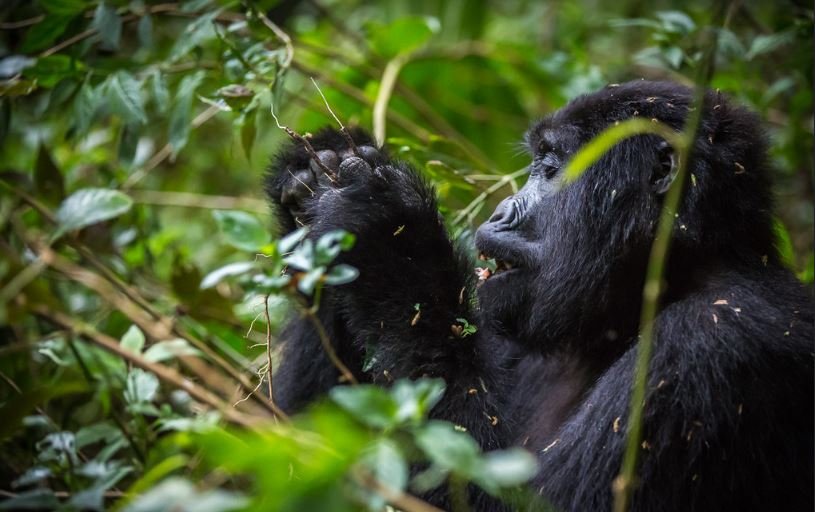
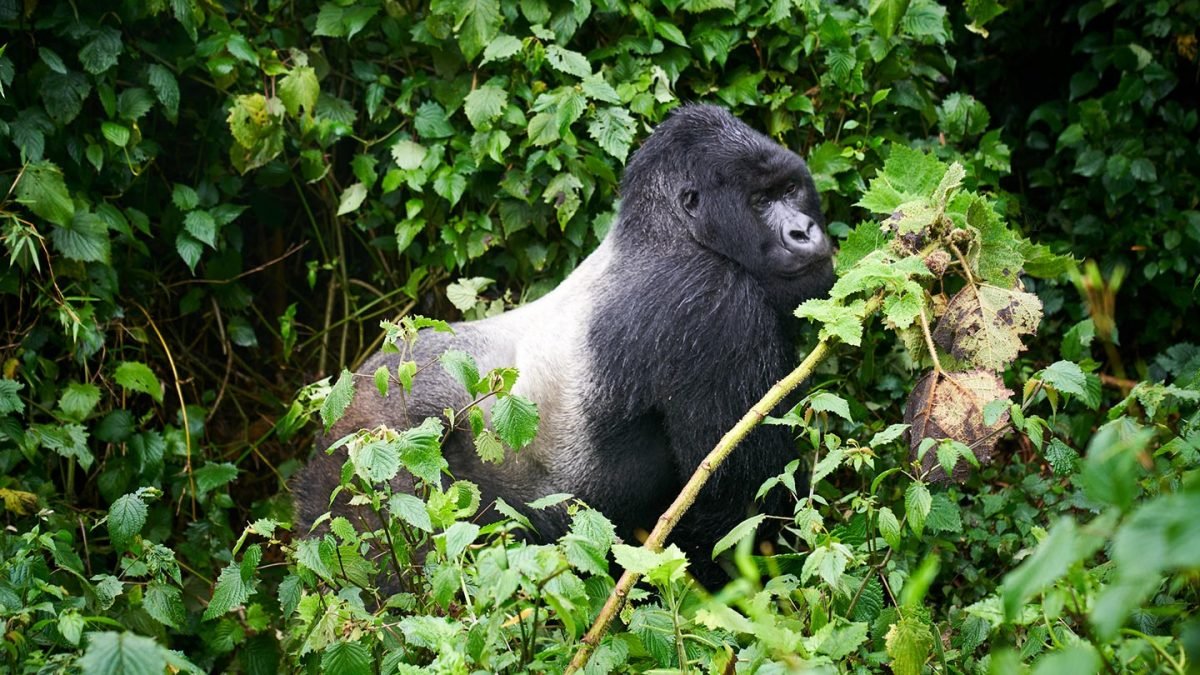
Wildlife photographers often consider gorilla habituation because of the longer authorized observation period.
Rainforest photography can be challenging due to dense vegetation, low light, changing weather, and the unpredictable movements of wild animals.
During ordinary gorilla trekking, photographers have a maximum of one hour to capture images after reaching the designated family.
Gorilla habituation allows up to four hours, potentially creating more opportunities to observe different positions, interactions, and natural behaviors.
The smaller visitor allocation may also appeal to photographers who prefer a quieter group environment.
However, habituation does not guarantee better photographs. Gorillas undergoing habituation may move away, remain hidden by vegetation, or respond cautiously to human presence.
How Is Gorilla Habituation Different From Gorilla Trekking for professional photography? The extended viewing allowance provides more opportunities for observation, but the animals’ behavior and conservation restrictions remain outside the photographer’s control.
Visitors must not use flash photography or attempt to influence gorillas to obtain particular images.
Which Experience Is Better for Senior Travelers?
Both gorilla trekking and habituation may be suitable for eligible senior travelers who are physically prepared and capable of following safety instructions.
However, the two experiences can involve different levels of time commitment.
Standard trekking offers a shorter observation period, which may be preferable for travelers who want to reduce the total duration of their encounter after locating the gorillas.
Habituation involves a potentially longer day in the forest, and participants should be comfortable with the possibility of additional walking and observation time.
Porters may be available to assist with carrying personal belongings, and travelers with mobility concerns should discuss available support before booking.
How Is Gorilla Habituation Different From Gorilla Trekking for older visitors? The main consideration is not age alone, but individual fitness, mobility, stamina, and willingness to undertake the longer habituation activity.
Neither experience guarantees a short or easy walk, so honest preparation remains essential.
Book Gorilla Habituation or Gorilla Trekking Permits in Uganda
Uganda offers two remarkable ways to encounter mountain gorillas in their natural rainforest environment.
Ordinary gorilla trekking provides up to one hour with a fully habituated gorilla family, while the gorilla habituation experience offers up to four hours with a family still undergoing habituation.
Both activities provide opportunities to appreciate mountain gorilla behavior, understand conservation efforts, and experience the extraordinary rainforest landscapes of southwestern Uganda.
How Is Gorilla Habituation Different From Gorilla Trekking when planning your safari? The choice affects your permit price, available locations, visitor group size, experience duration, and the type of gorilla family you will observe.
At Uganda Gorilla Permit, travelers can request assistance with understanding the differences, checking official availability, selecting suitable dates, and arranging the necessary permits for either activity.
Our team can help explain the official visitor categories, permit prices, reservation requirements, and practical considerations when choosing between Bwindi Impenetrable National Park and Mgahinga Gorilla National Park.
To begin, provide your preferred travel dates, alternative dates, number of participants, and the type of gorilla experience you would like to book.
Because daily permits are limited, it is advisable to begin planning before confirming non-refundable accommodation or international flights.
Frequently Asked Questions About Gorilla Habituation and Gorilla Trekking
How Is Gorilla Habituation Different From Gorilla Trekking?
Gorilla habituation allows visitors to spend up to four hours observing a gorilla family undergoing habituation, while standard gorilla trekking allows a maximum of one hour with a fully habituated family. Habituation also generally has smaller visitor groups, fewer available permits, and a higher price.
How Is Gorilla Habituation Different From Gorilla Trekking in Uganda?
In Uganda, ordinary gorilla trekking takes place in Bwindi Impenetrable National Park and Mgahinga Gorilla National Park. The established visitor-accessible gorilla habituation experience is conducted in Rushaga, Bwindi, with an extended observation period and different permit requirements.
How Is Gorilla Habituation Different From Gorilla Trekking in Terms of Cost?
Under the regular 2027 tariff, foreign non-residents pay US$800 for standard gorilla trekking and US$1,800 for gorilla habituation. The price difference reflects separate permit categories and the extended habituation experience.
How Is Gorilla Habituation Different From Gorilla Trekking for Photography?
Gorilla habituation provides a maximum of four hours with the designated family instead of one hour, creating additional opportunities for observing and photographing natural behavior. However, gorilla movements, vegetation, weather, and conservation restrictions influence photographic results.
How Is Gorilla Habituation Different From Gorilla Trekking for First-Time Visitors?
Standard gorilla trekking is often a suitable introduction because it is shorter, more affordable, and available in more locations. Gorilla habituation may suit first-time visitors who particularly want longer observation and conservation education.
Final Thoughts: How Is Gorilla Habituation Different From Gorilla Trekking?
How Is Gorilla Habituation Different From Gorilla Trekking? The most important differences are the maximum observation period, the habituation status of the gorilla family, visitor group size, available locations, permit prices, and overall nature of the experience.
Ordinary gorilla trekking allows visitors to spend up to one hour with a fully habituated mountain gorilla family, while gorilla habituation offers up to four hours observing a family undergoing habituation.
Standard trekking is available in several sectors of Bwindi Impenetrable National Park and Mgahinga Gorilla National Park, while the established visitor-accessible habituation experience takes place in Rushaga.
Both experiences provide extraordinary opportunities to observe endangered mountain gorillas in their natural environment, and both contribute through Uganda’s regulated conservation tourism system.
Understanding How Is Gorilla Habituation Different From Gorilla Trekking helps visitors choose an experience that matches their interests, travel budget, physical abilities, and expectations.
For first-time travelers, standard gorilla trekking may provide an excellent introduction. For photographers, conservation enthusiasts, and returning visitors seeking extended observation, gorilla habituation may offer additional value.
Whichever experience you choose, advance permit booking, appropriate preparation, and respect for wildlife regulations are essential.