
Is Gorilla Habituation Better Than Normal Gorilla Trekking?
Is Gorilla Habituation Better Than Normal Gorilla Trekking? 7 Powerful Reasons in Uganda
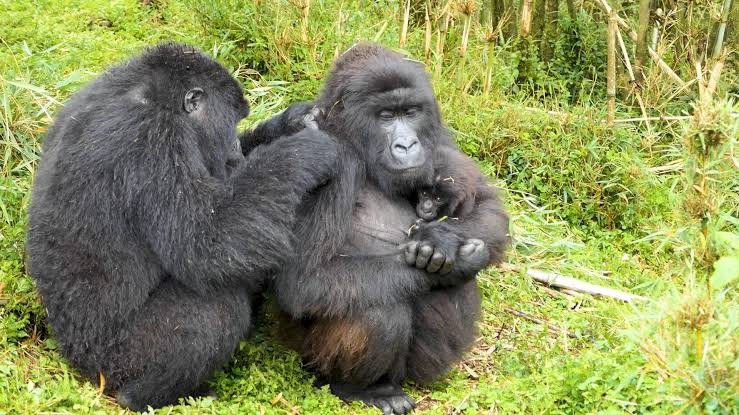
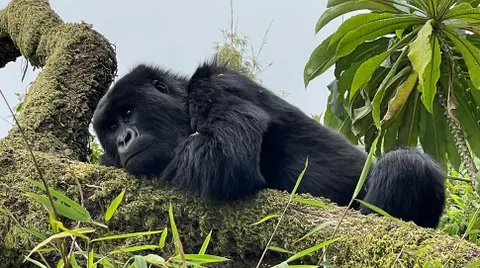
Is Gorilla Habituation Better Than Normal Gorilla Trekking? For travelers planning an unforgettable mountain gorilla safari in Uganda, gorilla habituation can offer a more immersive wildlife experience than ordinary gorilla trekking because visitors are permitted to spend up to four hours observing mountain gorillas instead of the usual one hour. Uganda is one of Africa’s most remarkable destinations for encountering endangered mountain gorillas, attracting wildlife photographers, conservation enthusiasts, honeymooners, adventure travelers, and international tourists seeking extraordinary encounters in the rainforest. Although both gorilla habituation and normal gorilla trekking provide exceptional opportunities to observe mountain gorillas in their natural habitat, the experiences differ in viewing duration, visitor group sizes, permit prices, gorilla behavior, conservation activities, and physical demands. Understanding these differences is essential before deciding which Uganda gorilla safari experience offers the best value.
For visitors traveling to Uganda from the United States, United Kingdom, Germany, Canada, Australia, France, and other countries, the question Is Gorilla Habituation Better Than Normal Gorilla Trekking? often arises when comparing Uganda’s premium mountain gorilla experiences. Uganda offers normal gorilla trekking in Bwindi Impenetrable National Park and Mgahinga Gorilla National Park, while the established visitor-accessible gorilla habituation experience takes place in the Rushaga sector of Bwindi. Gorilla habituation involves accompanying authorized researchers, trackers, and wildlife rangers to observe a family gradually becoming accustomed to controlled human presence. Normal gorilla trekking involves visiting a family that has already completed the habituation process. Although habituation offers more observation time and smaller visitor groups, ordinary trekking remains an extraordinary wildlife experience and may be more suitable for visitors with limited budgets, shorter holidays, or different physical preferences.
Is Gorilla Habituation Better Than Normal Gorilla Trekking in Uganda?
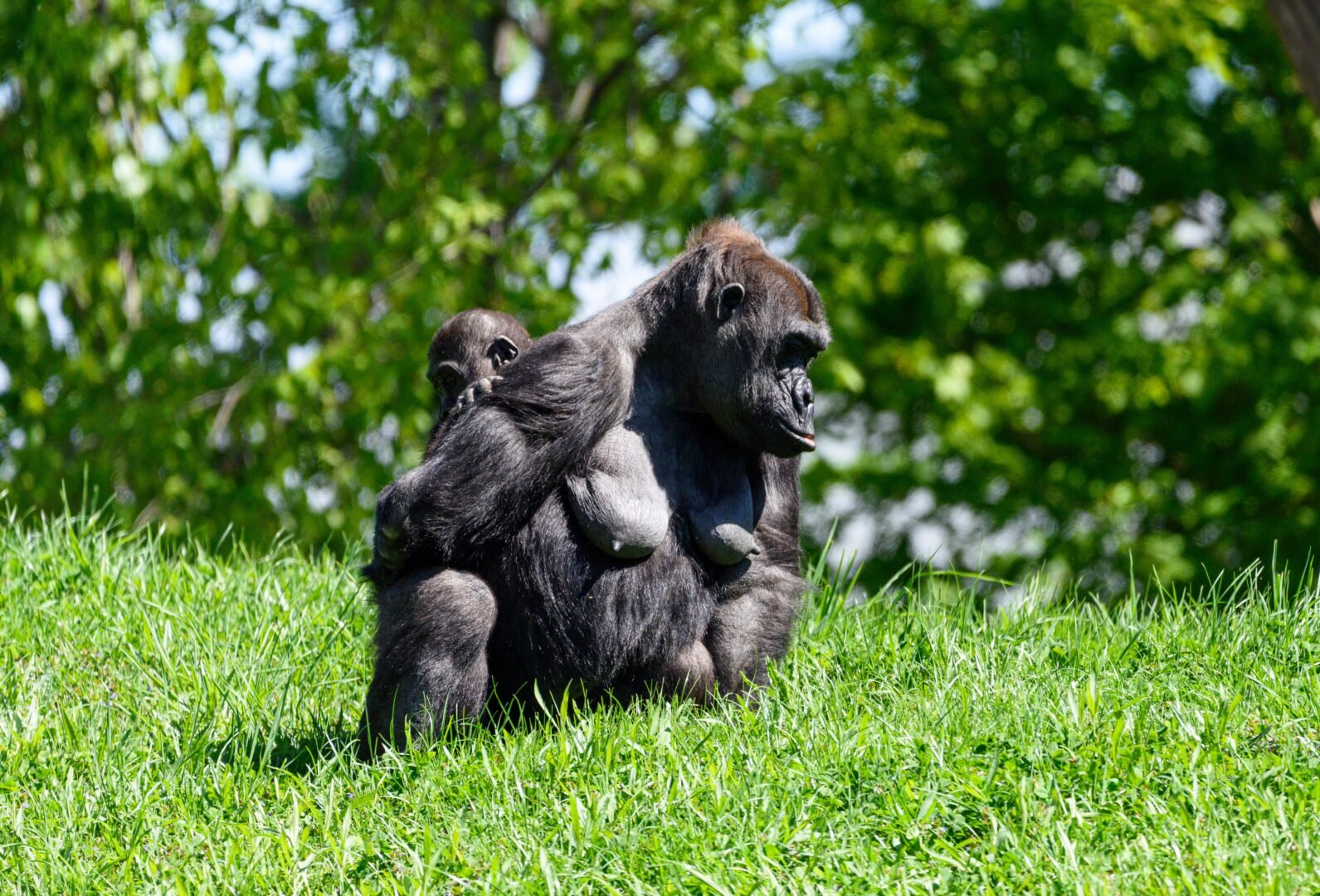
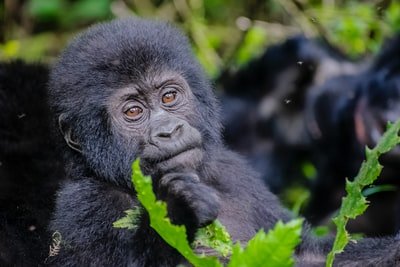
Is Gorilla Habituation Better Than Normal Gorilla Trekking? The answer depends on what a traveler wants to experience. Gorilla habituation is often preferable for visitors who want extended observation, a smaller visitor group, opportunities to learn about conservation work, and more time watching natural mountain gorilla behavior. However, ordinary gorilla trekking can be the better choice for travelers who primarily want to encounter mountain gorillas without committing to the additional cost and longer duration associated with habituation.
The most important distinction is the maximum authorized viewing time. Standard gorilla trekking allows visitors to spend up to one hour observing a fully habituated family after the gorillas have been located. Gorilla habituation allows a maximum of four hours with a family undergoing habituation, creating additional opportunities to observe feeding, grooming, resting, communication, and social interactions.
Nevertheless, a longer encounter does not automatically mean a better sighting. Mountain gorillas are wild animals, and their behavior, location, visibility, and movements remain unpredictable. A visitor completing ordinary trekking may experience exceptional interactions during one hour, while someone participating in habituation may spend a considerable amount of time observing gorillas resting quietly or moving through dense vegetation.
When deciding whether gorilla habituation is better than normal gorilla trekking, visitors should evaluate the quality of the experience they want rather than assuming that paying a higher permit fee guarantees more exciting wildlife behavior.
Gorilla Habituation Offers Four Hours Instead of One Hour
The most significant advantage of gorilla habituation is the longer period permitted for observing mountain gorillas.
Normal Gorilla Trekking Allows One Hour
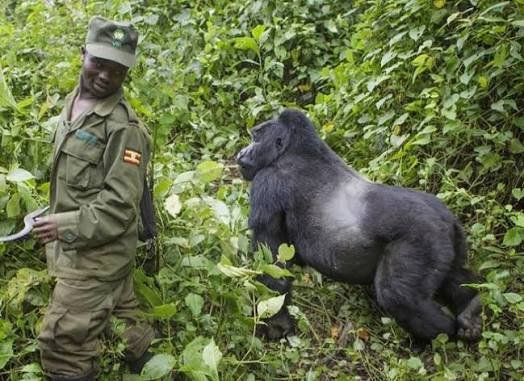
During standard gorilla trekking in Uganda, visitors accompany professional wildlife rangers and trackers into the forest to locate a designated habituated family. Once the gorillas have been found, the authorized observation period normally lasts a maximum of one hour.
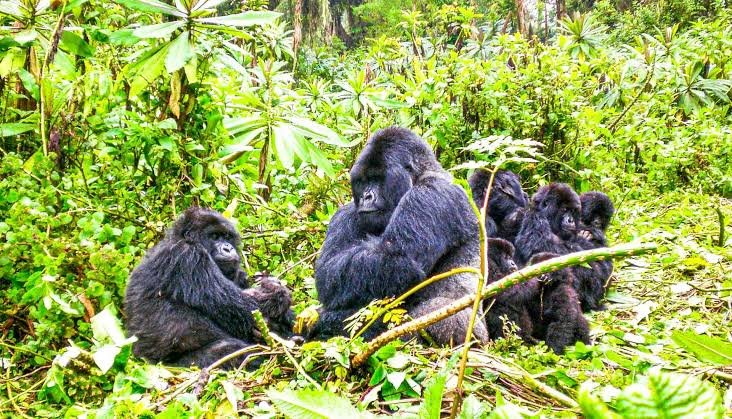
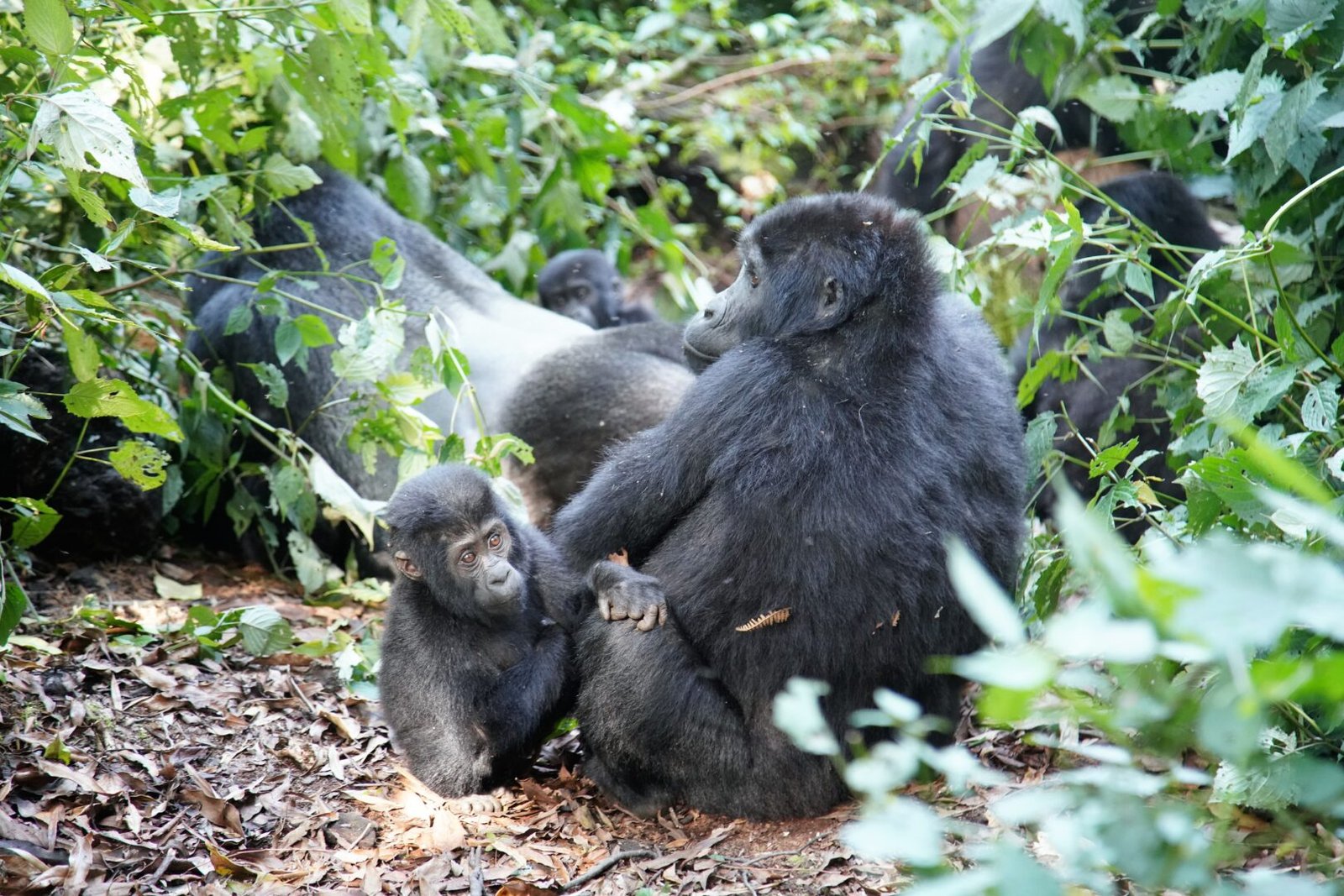
This hour allows visitors to watch mountain gorillas feeding, resting, grooming one another, moving through vegetation, and interacting within their family group.
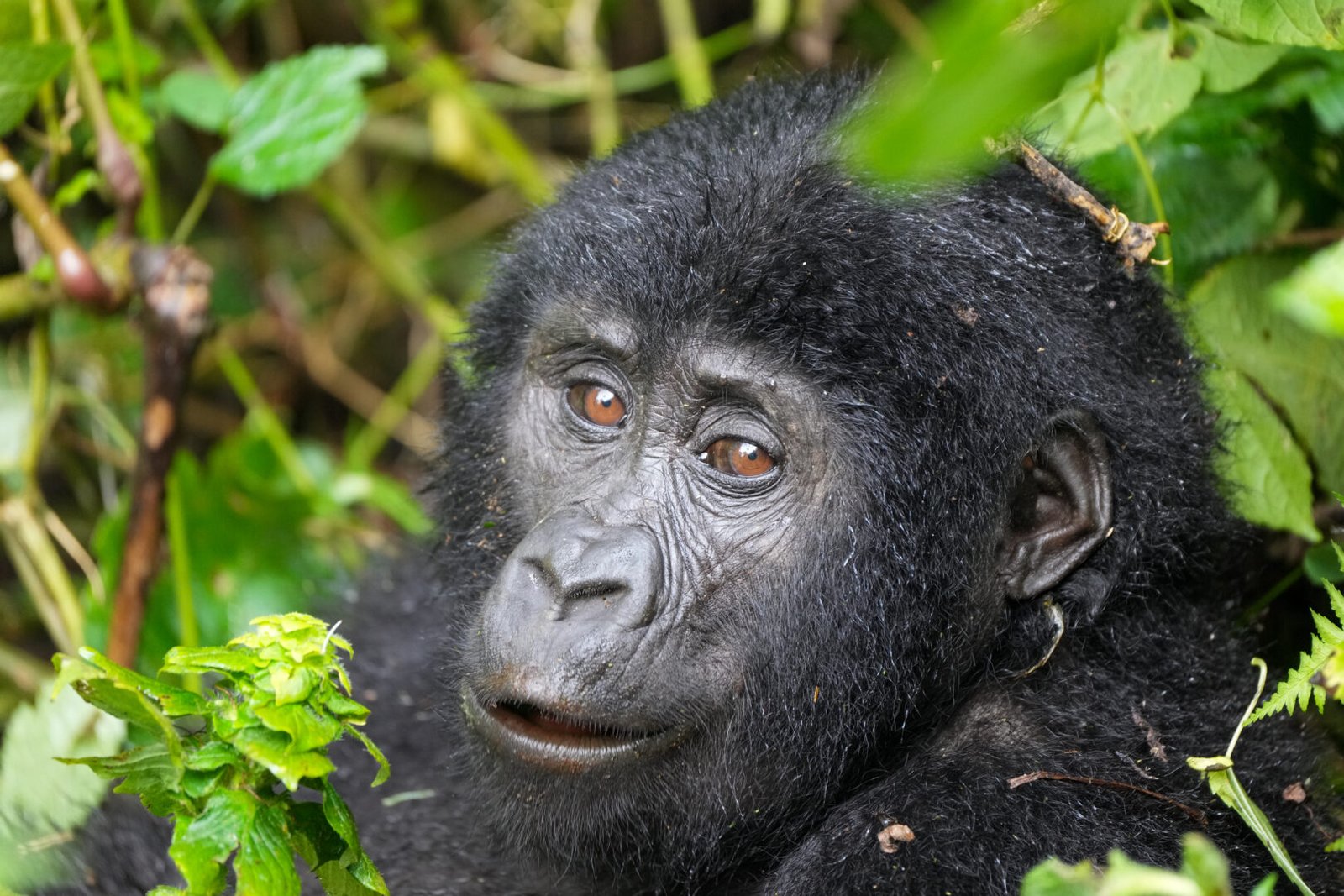
For first-time travelers, the experience can be remarkable. Encountering a mountain gorilla silverback in the wild, observing a mother caring for an infant, or watching younger gorillas playing can create lasting memories even within a relatively short observation period.
However, one hour can pass quickly, especially when the gorillas are partially concealed by vegetation or when visitors are adjusting to the excitement of the encounter.
During gorilla habituation, participants may spend a maximum of four hours observing the designated gorilla family after it has been located.
The longer viewing period provides more opportunities to appreciate the animals’ daily routines and observe changes in behavior over time.
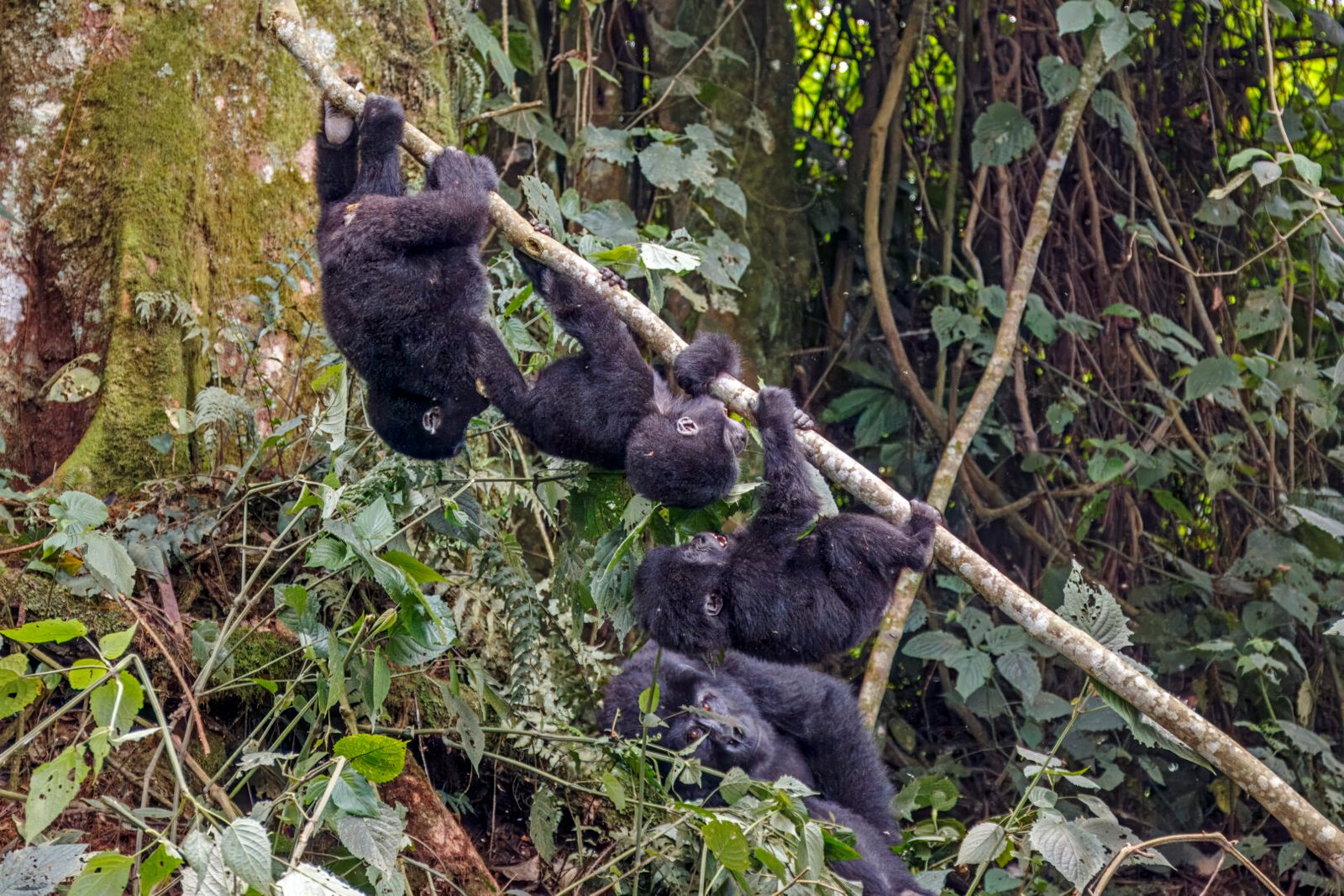
Visitors may watch a family feeding before settling down to rest, observe younger gorillas interacting with one another, or see members moving between different forest locations.
Is Gorilla Habituation Better Than Normal Gorilla Trekking for travelers who want longer wildlife encounters? Yes, the four-hour observation allowance provides substantially more time to appreciate mountain gorilla behavior, making habituation particularly appealing to photographers, conservation enthusiasts, and experienced wildlife travelers.
However, the four-hour allowance represents the maximum authorized viewing period, not a guarantee of uninterrupted observation. Rangers may modify or conclude the encounter when necessary to protect the animals and visitors.
Gorilla Habituation Involves Families Still Becoming Accustomed to Humans
Another important difference concerns the habituation status of the gorilla family being visited.
Fully Habituated Families During Normal Trekking
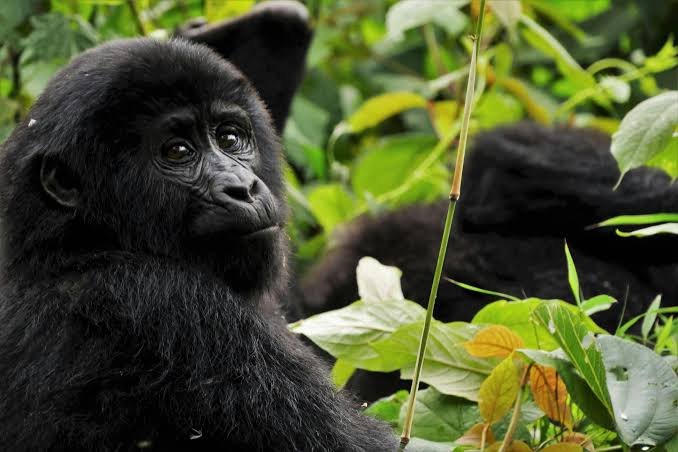
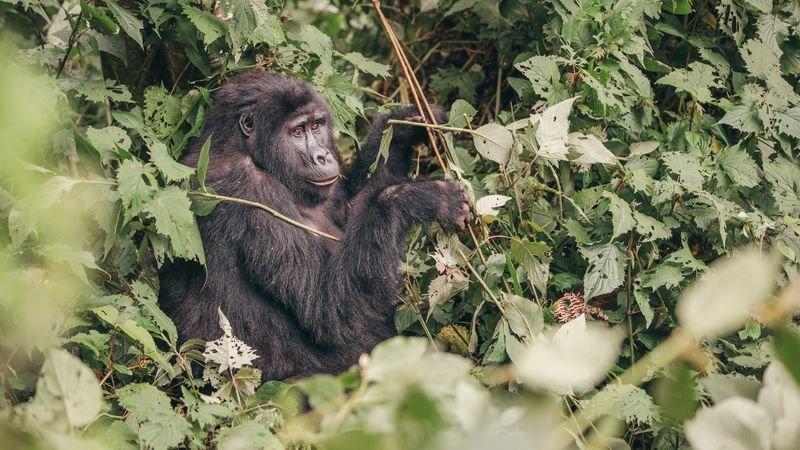
Ordinary gorilla trekking involves visiting mountain gorilla families that have already undergone a gradual process of becoming accustomed to carefully controlled human presence.
Researchers and trackers spend considerable time monitoring wild gorillas before families are approved for regular tourism encounters.
Fully habituated gorillas have become sufficiently accustomed to authorized human visits that they can generally continue their natural activities while tourists observe from the required distance.
However, these gorillas remain completely wild. They are not domesticated, trained to perform, or controlled by visitors.
Their movements and behavior remain unpredictable, and professional rangers must supervise every encounter.
Gorilla habituation involves observing a family that is still gradually becoming accustomed to human presence.
Researchers and experienced trackers repeatedly visit the designated family while monitoring how individual gorillas respond.
The process requires patience because gorillas may initially avoid people or behave cautiously when unfamiliar human activity occurs nearby.
Over time, some animals become increasingly tolerant of controlled observation.
Visitors joining the habituation experience accompany authorized personnel during this conservation process, allowing them to understand how gorilla families gradually become familiar with human presence.
Is Gorilla Habituation Better Than Normal Gorilla Trekking for travelers interested in conservation research? It can be especially rewarding because visitors are introduced to an ongoing habituation process rather than simply observing an already habituated family.
However, a family undergoing habituation may sometimes behave less predictably around people. Visitors must therefore respect the conservation team’s instructions and avoid expecting the gorillas to remain visible throughout the encounter.
Gorilla Habituation Provides Smaller Visitor Groups
Visitor group size is another important difference between the two experiences.
Eight Visitors During Normal Gorilla Trekking
Standard gorilla trekking generally allows a maximum of eight paying tourists per designated habituated gorilla family.
The visitors are accompanied by authorized wildlife personnel who manage the encounter and ensure that conservation regulations are followed.
A group of eight can provide an enjoyable shared wildlife experience, particularly for travelers who appreciate meeting other safari visitors.
However, the number of participants may influence how visitors organize themselves within the permitted observation area.
Four Visitors During Gorilla Habituation
Gorilla habituation generally permits a maximum of four paying visitors per authorized gorilla family.
This smaller visitor allocation supports a carefully controlled environment during the sensitive habituation process.
Having fewer tourists may make it easier to follow conservation explanations, observe the surroundings, and appreciate natural gorilla behavior without the presence of a larger visitor group.
However, the experience is not automatically private. Individual travelers and couples may share the encounter with other confirmed permit holders.
Is Gorilla Habituation Better Than Normal Gorilla Trekking for travelers seeking exclusivity? The smaller visitor group can create a more intimate experience, particularly for couples, photographers, and conservation enthusiasts who prefer fewer fellow tourists.
Because habituation places are limited, visitors should check permit availability well before their preferred travel dates.
Gorilla Habituation Is More Expensive Than Normal Gorilla Trekking
Permit prices are among the most important factors influencing whether travelers choose habituation or ordinary trekking.
The Uganda Wildlife Authority determines official permit fees, and the applicable charges depend on the activity, travel date, and visitor category.
Normal Gorilla Trekking Permit Prices in Uganda
Under the published tariff effective January 1, 2027, standard gorilla trekking permits cost US$800 for foreign non-residents, US$700 for foreign residents, US$500 for the Rest of Africa category, and UGX 300,000 for eligible East African Community citizens.
These are the regular official rates, while any applicable low-season or promotional rates have separate eligibility and booking conditions.
The standard gorilla trekking permit provides access to an authorized one-hour encounter with a fully habituated gorilla family.
Gorilla Habituation Permit Prices in Uganda
The revised tariff effective January 1, 2027, lists gorilla habituation permits at US$1,800 for foreign non-residents, US$1,600 for foreign residents, US$1,000 for the Rest of Africa category, and UGX 750,000 for eligible East African Community citizens.
Under the earlier tariff applicable before January 2027, foreign non-resident gorilla habituation permits cost US$1,500.
The official permit rate must be confirmed for the actual travel date, and visitors must provide the identification or residency documents required for their chosen category.
Is the Additional Cost Justified?
For a foreign non-resident traveling under the regular 2027 tariff, gorilla habituation costs US$1,000 more than standard gorilla trekking.
For two travelers, this represents an additional US$2,000 in permit expenses before accommodation, transportation, or other safari services are considered.
Is Gorilla Habituation Better Than Normal Gorilla Trekking when comparing prices? It offers more observation time and a specialized conservation experience, but the additional cost is worthwhile only when these benefits match the visitor’s interests and budget.
Travelers primarily interested in seeing mountain gorillas may find standard Uganda gorilla trekking permits more economical, while those seeking longer observation can explore Uganda gorilla habituation permits.
Gorilla Trekking Offers More Locations Than Gorilla Habituation
The geographical availability of the two activities is another important consideration.
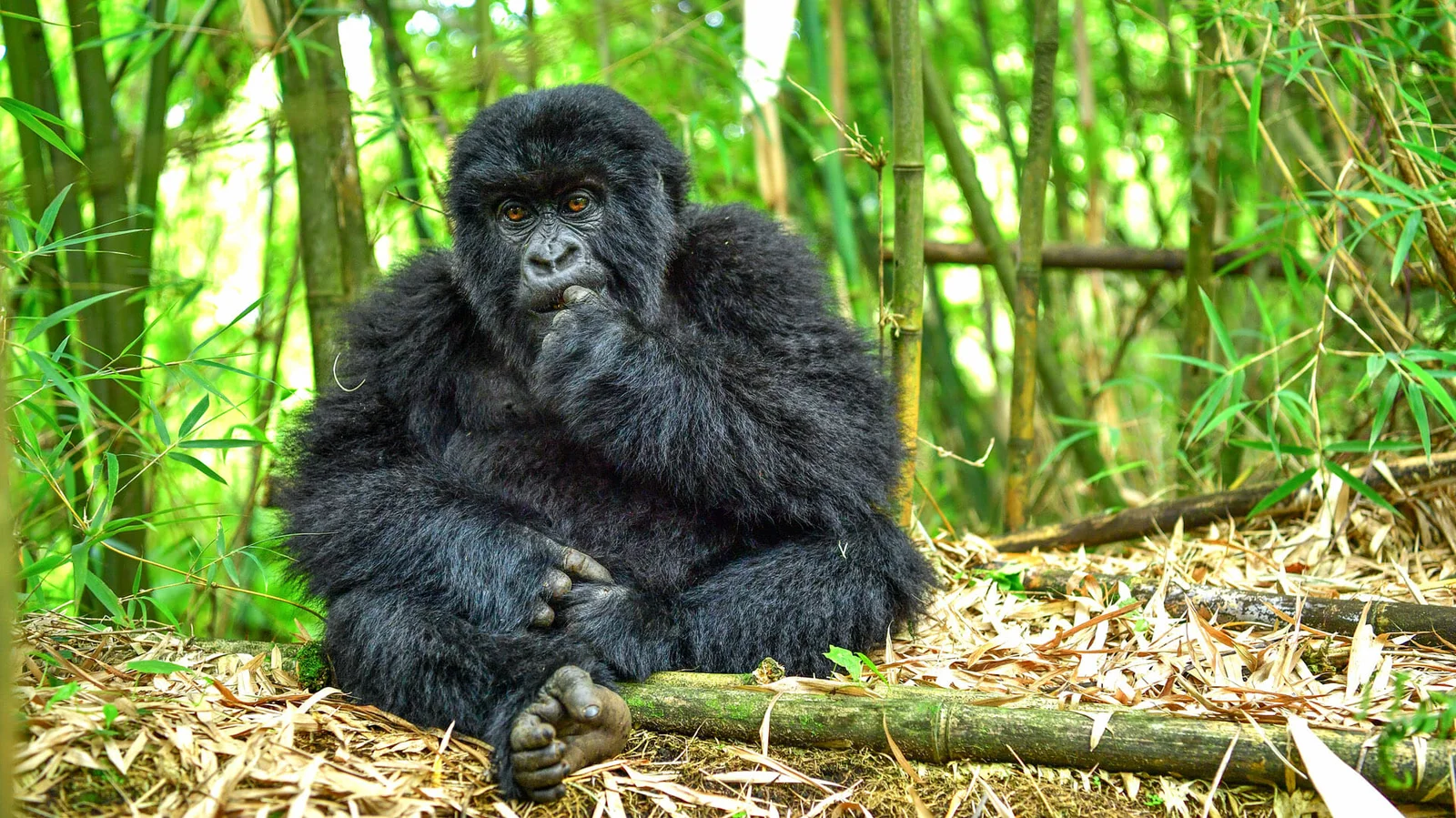
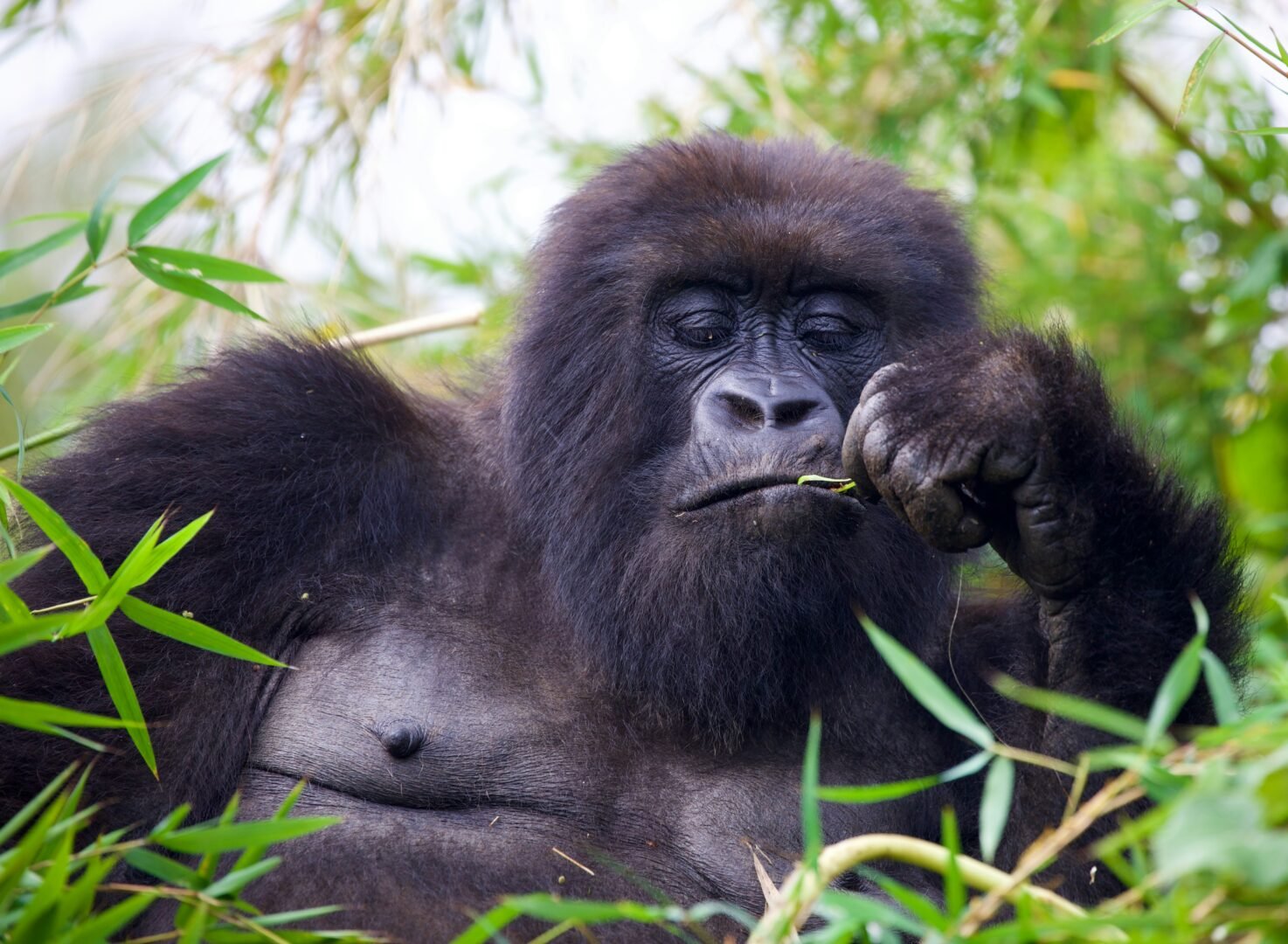
Gorilla Trekking in Bwindi Impenetrable National Park
Normal gorilla trekking is available in several sectors of Bwindi Impenetrable National Park, including Buhoma, Ruhija, Rushaga, and Nkuringo.
Each sector provides access to designated habituated mountain gorilla families, subject to the relevant permit allocations and conservation arrangements.
The different sectors offer varied accommodation options, landscapes, and access routes.
Visitors should select their accommodation according to the confirmed permit sector because some areas of Bwindi are separated by substantial driving distances.
Gorilla Trekking in Mgahinga Gorilla National Park
Standard gorilla trekking is also available in Mgahinga Gorilla National Park, situated in southwestern Uganda near the borders with Rwanda and the Democratic Republic of Congo.
Mgahinga is part of the wider Virunga mountain ecosystem and offers attractive volcanic scenery.
Travelers may combine gorilla trekking with other authorized activities in the park, depending on their interests and available time.
Gorilla Habituation in Rushaga
The established visitor-accessible gorilla habituation experience is conducted in the Rushaga sector of Bwindi Impenetrable National Park.
Visitors must obtain a specific habituation permit for the authorized activity rather than assuming that an ordinary trekking permit can be used for the extended experience.
Is Gorilla Habituation Better Than Normal Gorilla Trekking when comparing destination flexibility? Normal trekking offers more choices across Bwindi and Mgahinga, while habituation is more geographically restricted.
Travelers planning a habituation safari should therefore organize accommodation and transportation around Rushaga.
The return walk takes place afterward, meaning the activity may occupy a substantial part of the day.
Is Gorilla Habituation Better Than Normal Gorilla Trekking for travelers who enjoy long wildlife adventures? Habituation may be particularly appealing because of the extended observation period and opportunities to spend more time in the rainforest.
However, travelers with tight schedules should consider that the overall duration is unpredictable and that transportation or other activities should not be arranged too close to the expected return time.
Is Gorilla Habituation Better Than Normal Gorilla Trekking for First-Time Visitors?
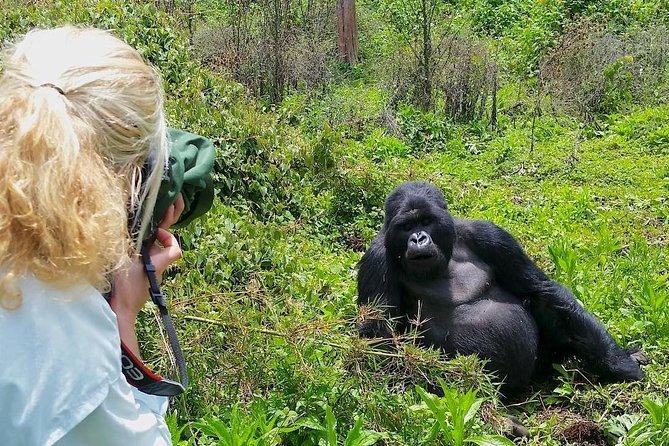
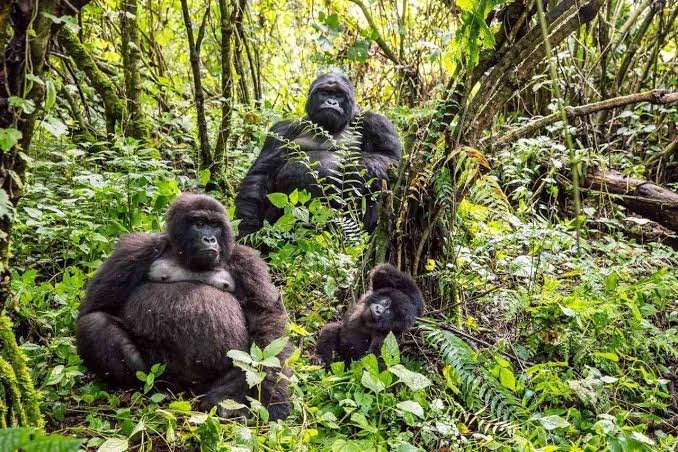
For many first-time visitors to Uganda, ordinary gorilla trekking provides an exceptional introduction to mountain gorilla tourism.
The one-hour encounter allows travelers to observe fully habituated gorillas in their natural environment while receiving guidance from experienced wildlife personnel.
The lower permit cost may also allow visitors to include additional wildlife experiences during their safari.
Travelers who want to explore several destinations in Uganda may find ordinary trekking particularly attractive because the money saved can be allocated toward accommodation, transportation, chimpanzee trekking, or other safari activities.
However, first-time visitors who have a strong interest in primate behavior, conservation, or wildlife photography may prefer habituation from the beginning.
Is Gorilla Habituation Better Than Normal Gorilla Trekking for someone seeing mountain gorillas for the first time? Not necessarily. Standard trekking is often an excellent starting point, while habituation is especially suitable for visitors who already know they want a longer, conservation-focused encounter.
The best decision depends on the experience the traveler values most.
Is Gorilla Habituation Better Than Normal Gorilla Trekking for Wildlife Photographers?
Wildlife photography enthusiasts frequently prefer gorilla habituation because the four-hour viewing allowance provides additional time to observe natural behavior.
Photographing mountain gorillas in Bwindi can be challenging because rainforest vegetation creates uneven lighting conditions and can obstruct visibility.
Mountain gorillas may also move unexpectedly, making it difficult to predict photographic opportunities.
During ordinary trekking, photographers must work within the maximum one-hour viewing period.
The longer habituation encounter may create more opportunities to adjust camera settings, observe different gorilla positions, and capture interactions between family members.
However, photographers should understand that the gorillas are undergoing habituation and may sometimes be less accustomed to people.
Is Gorilla Habituation Better Than Normal Gorilla Trekking for professional photographers? It may be the preferred option when extended observation is a priority, but it does not guarantee better photographs.
Professional and amateur photographers must always respect viewing-distance requirements and avoid disturbing the animals.
The longer viewing period increases the potential opportunities for observing different behaviors, but it does not guarantee that the encounter will be more dramatic or photographically rewarding.
Is Gorilla Habituation Better Than Normal Gorilla Trekking when considering the certainty of sightings? Neither experience guarantees a particular viewing outcome, and travelers should avoid assuming that the more expensive permit provides greater certainty.
The value of the encounter comes from observing mountain gorillas in their natural habitat while respecting the animals’ behavior.
Can You Combine Gorilla Habituation and Normal Gorilla Trekking?
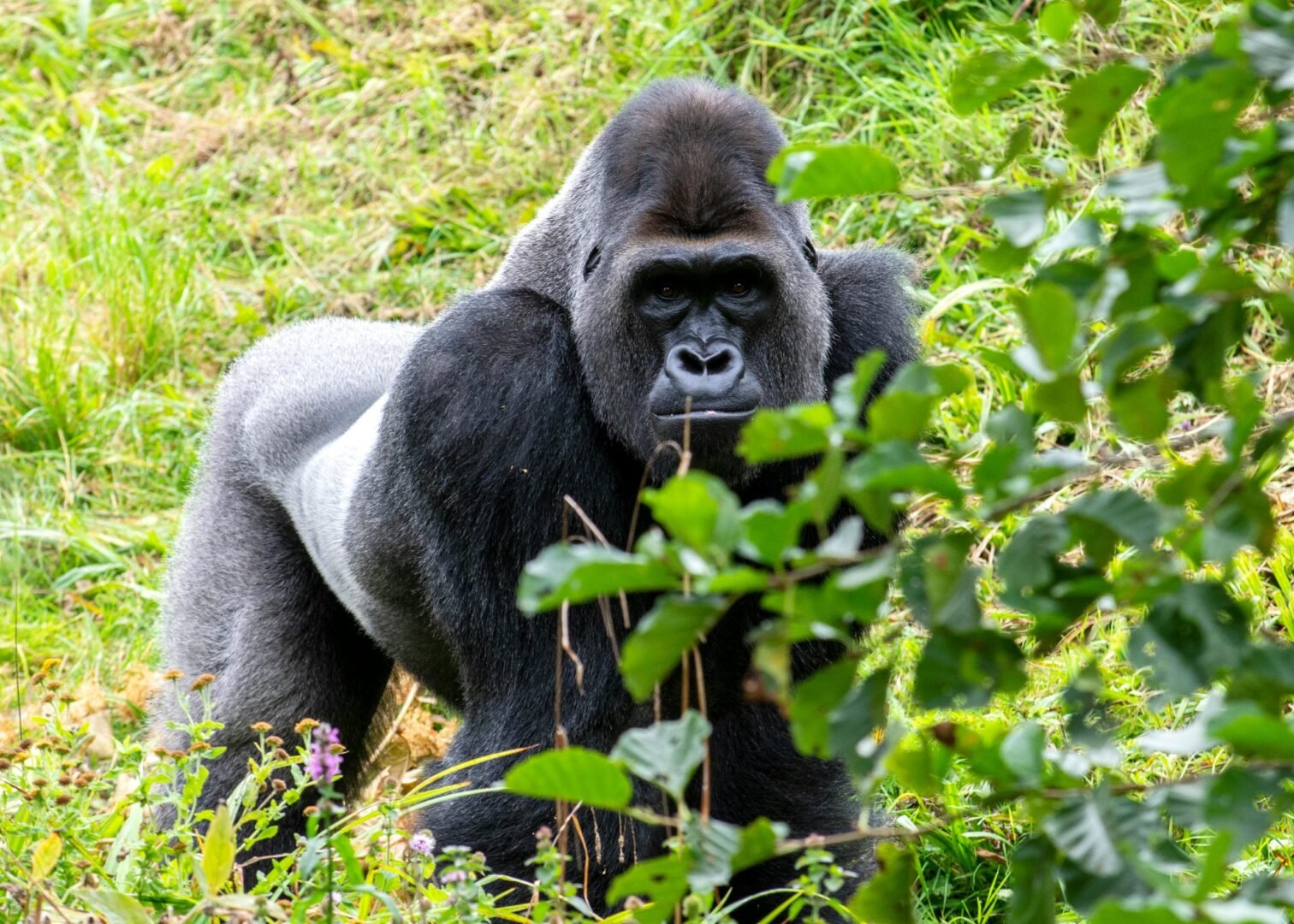
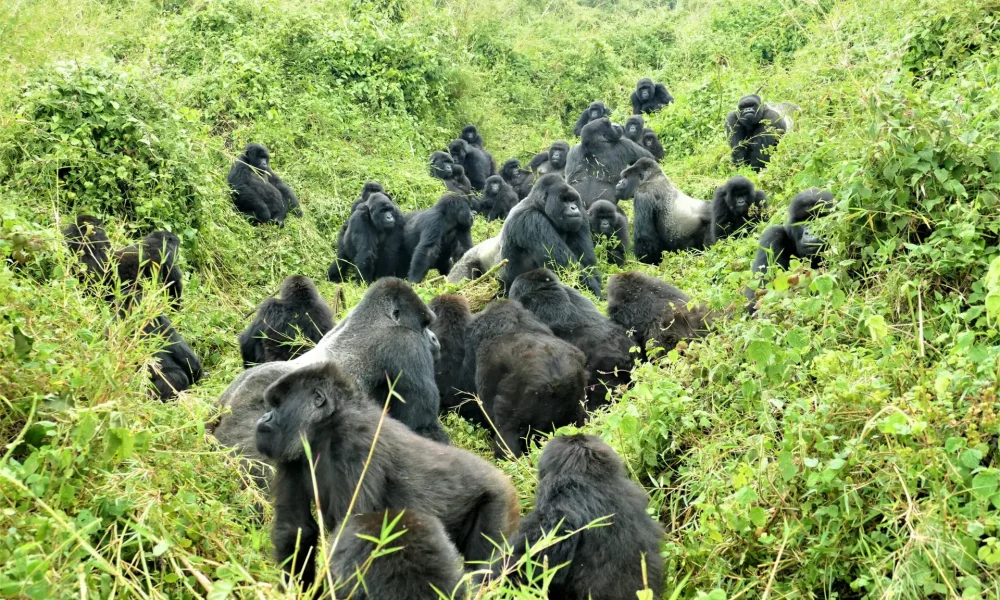
Yes. Travelers who want to experience both forms of mountain gorilla tourism may arrange separate gorilla habituation and standard trekking activities on different dates.
This combination can be particularly rewarding for visitors interested in comparing fully habituated families with those still undergoing habituation.
A traveler may complete ordinary gorilla trekking on one day and participate in the extended habituation experience on another.
Each activity requires a separate valid permit, and availability must be confirmed independently.
The Rushaga sector can be a practical base for this combination when the appropriate permits are available, because the area supports both ordinary trekking and habituation activities.
Is Gorilla Habituation Better Than Normal Gorilla Trekking when travelers can afford both experiences? Participating in both can provide a broader understanding of mountain gorilla tourism, allowing visitors to appreciate the distinct observation periods and conservation arrangements.
Travelers should allow sufficient time for rest and avoid treating the two physically demanding activities as ordinary sightseeing excursions.
Book Gorilla Habituation or Normal Gorilla Trekking in Uganda
Uganda offers two extraordinary opportunities to observe endangered mountain gorillas in their natural rainforest habitat.
Normal gorilla trekking provides up to one hour with a fully habituated family, while gorilla habituation offers up to four hours with a family still undergoing habituation.
Both experiences provide remarkable opportunities to appreciate mountain gorilla behavior, learn about wildlife conservation, and explore the rainforest landscapes of southwestern Uganda.
Is Gorilla Habituation Better Than Normal Gorilla Trekking? For travelers who prioritize extended observation, smaller visitor groups, and a deeper understanding of gorilla conservation, habituation can be the preferred experience. However, standard trekking remains an excellent alternative for first-time visitors, budget-conscious travelers, and those seeking a shorter encounter.
At Uganda Gorilla Permit, travelers can request assistance with comparing the two experiences, understanding official permit requirements, checking available dates, and planning suitable safari arrangements.
Our team can help explain the differences in permit prices, visitor categories, available locations, viewing durations, and booking conditions.
To begin planning, provide your preferred travel dates, alternative dates, number of participants, and the type of gorilla experience you would like to enjoy.
Because permits are limited, requesting availability early is advisable.
Frequently Asked Questions About Gorilla Habituation and Normal Gorilla Trekking
Does Gorilla Habituation Guarantee Better Gorilla Sightings?
No. Gorilla habituation allows a longer observation period, but mountain gorillas remain wild animals. The additional time does not guarantee a particular sighting, behavior, or photographic result.
Is Gorilla Habituation More Difficult Than Normal Gorilla Trekking?
Habituation can involve a longer day in the forest, but actual trekking difficulty depends on terrain, weather, and the gorilla family’s location. Both activities can be physically demanding.
Where Can I Do Gorilla Habituation in Uganda?
The established visitor-accessible habituation experience is conducted in the Rushaga sector of Bwindi Impenetrable National Park in southwestern Uganda.
Where Can I Do Normal Gorilla Trekking in Uganda?
Normal gorilla trekking is available in Bwindi Impenetrable National Park, including Buhoma, Ruhija, Rushaga, and Nkuringo, and in Mgahinga Gorilla National Park.
What Is the Minimum Age for Gorilla Habituation and Trekking?
The minimum participation age is 15 years for both activities under Uganda Wildlife Authority guidelines.
Can I Do Gorilla Habituation and Normal Trekking on the Same Safari?
Yes. Travelers may arrange both experiences on separate dates when the appropriate permits are available. Each activity requires its own valid permit.
Can Gorilla Habituation Permits Sell Out?
Yes. Gorilla habituation has a limited daily visitor allocation, meaning permits may become unavailable well before popular travel dates. Advance booking is recommended.
Is Gorilla Habituation Better Than Normal Gorilla Trekking During the Rainy Season?
The longer observation allowance remains attractive, but wet weather can make forest trekking more physically demanding. Eligible low-season discounts on standard trekking may also make normal trekking more economical.
Does Gorilla Habituation Include Accommodation?
No. The official permit does not normally include accommodation, private transportation, international flights, travel insurance, porter services, or other personal expenses.
Can I Change From Normal Gorilla Trekking to Habituation?
The two activities require different permits. A normal gorilla trekking permit cannot automatically be converted into a habituation permit, and any changes must follow the applicable Uganda Wildlife Authority procedures.
Is Gorilla Habituation Better Than Normal Gorilla Trekking if I Have Already Trekked Before?
For returning visitors, habituation may offer a different and more immersive experience because it involves extended observation and learning about a family undergoing habituation. However, another normal trek can also be rewarding.
How Do I Book Gorilla Habituation or Normal Gorilla Trekking in Uganda?
Travelers can request assistance through Uganda Gorilla Permit’s booking page. Provide your preferred dates, number of participants, and desired activity so that permit availability and the relevant booking requirements can be checked.
Final Thoughts: Is Gorilla Habituation Better Than Normal Gorilla Trekking?
Is Gorilla Habituation Better Than Normal Gorilla Trekking? Gorilla habituation can provide a more immersive experience for travelers who want extended observation, smaller groups, wildlife photography opportunities, and deeper insight into mountain gorilla conservation. The four-hour viewing allowance distinguishes the experience from ordinary gorilla trekking, where visitors normally spend a maximum of one hour with a fully habituated family.
However, normal gorilla trekking remains an extraordinary experience that offers excellent value, particularly for first-time visitors, travelers with limited safari budgets, families, and tourists planning to explore several destinations in Uganda.
Ultimately, understanding Is Gorilla Habituation Better Than Normal Gorilla Trekking? requires considering your priorities, available time, physical fitness, and the type of wildlife encounter you want.
If your main objective is spending as much authorized time as possible observing mountain gorillas and learning about their habituation, the extended experience may be the better choice.
If you simply want an unforgettable encounter with mountain gorillas in their natural habitat, ordinary gorilla trekking can be equally meaningful.
Both experiences support responsible mountain gorilla tourism and offer opportunities to appreciate Uganda’s extraordinary natural heritage.