Is Gorilla Habituation Good for Photographers?
Is Gorilla Habituation Good for Photographers? The Ultimate Uganda Gorilla Photography Safari Guide
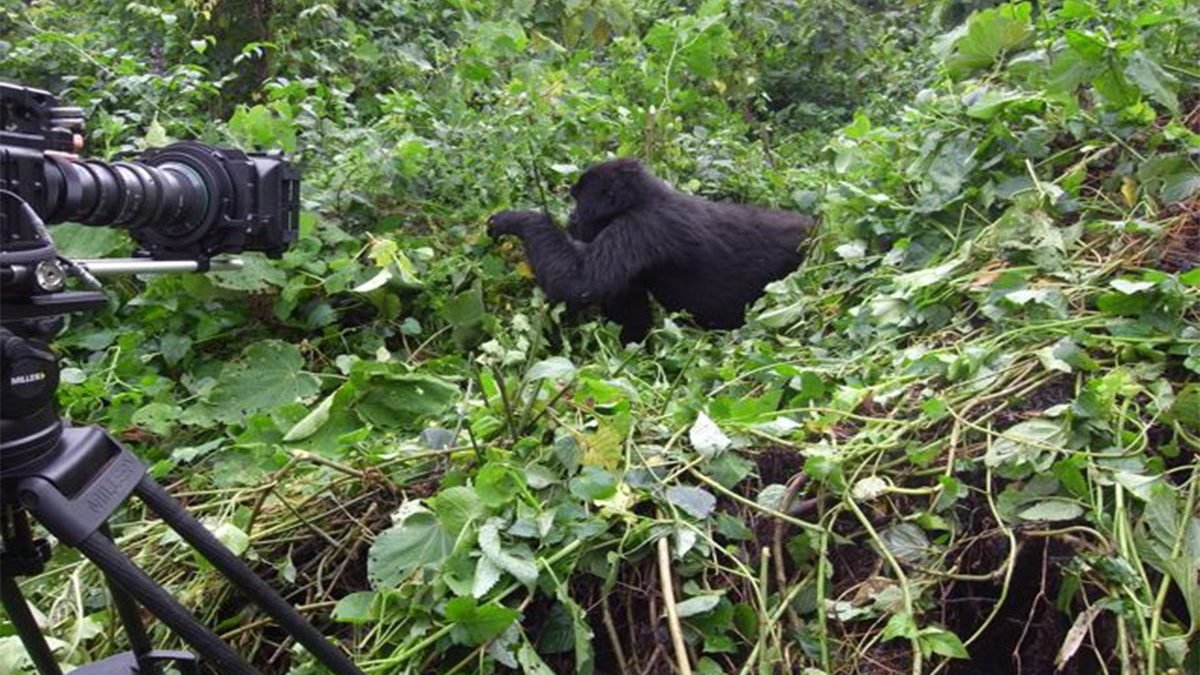
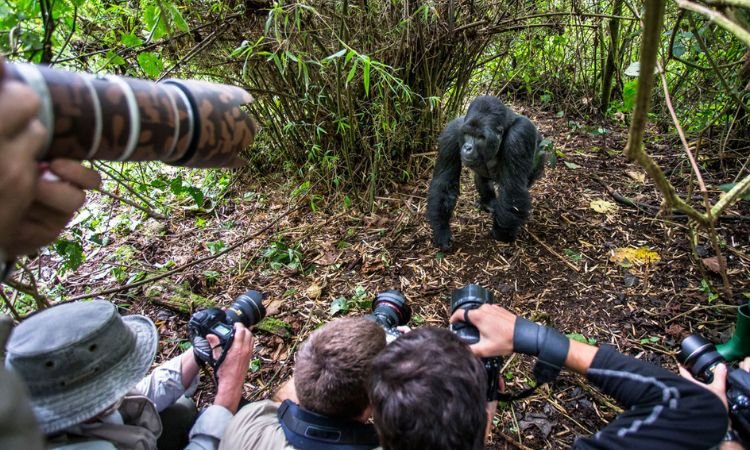
Is Gorilla Habituation Good for Photographers? Yes, the Gorilla Habituation Experience in Uganda is one of the most rewarding mountain gorilla photography opportunities in Africa because it allows visitors to spend up to four hours observing a designated gorilla family undergoing habituation. Uganda’s Gorilla Habituation Experience takes place in the Rushaga sector of Bwindi Impenetrable National Park in southwestern Uganda, where wildlife photographers can capture extraordinary moments of mountain gorilla behaviour, family interactions, feeding, grooming, resting, and natural movement through the rainforest.
Unlike ordinary gorilla trekking, which permits a maximum of one hour with an already habituated family, gorilla habituation provides an extended observation period that can be particularly valuable for photographers who want more time to study their subjects, adjust camera settings, and document natural wildlife behaviour.
For Ugandan citizens, East African Community citizens, foreign residents, and international wildlife photographers visiting Uganda, understanding Is Gorilla Habituation Good for Photographers? is essential when planning a successful mountain gorilla photography safari. Uganda’s Bwindi Impenetrable National Park is a UNESCO World Heritage Site known for its extraordinary biodiversity, mountainous rainforest landscapes, and endangered mountain gorillas. The forest provides opportunities to photograph gorillas against natural backgrounds of dense vegetation, filtered sunlight, moss-covered trees, and misty mountain scenery. However, Uganda’s Gorilla Habituation Experience also presents challenges, including low forest light, moving animals, steep terrain, unpredictable weather, and strict conservation regulations. Photographers must therefore prepare suitable equipment and follow all Uganda Wildlife Authority instructions to enjoy the encounter responsibly.
The greatest advantage of gorilla habituation photography is the additional observation time. Rather than rushing to capture as many photographs as possible during a one-hour encounter, photographers can observe the animals more patiently, identify meaningful behaviour, and wait for natural photographic opportunities. However, four hours with the gorillas does not guarantee four hours of unobstructed photography. Mountain gorillas remain wild animals, and a family undergoing habituation may move away, remain hidden behind vegetation, or respond cautiously to human presence. Successful photography depends on patience, appropriate equipment, changing rainforest conditions, and respect for the animals.
Why Is Gorilla Habituation Good for Wildlife Photographers?
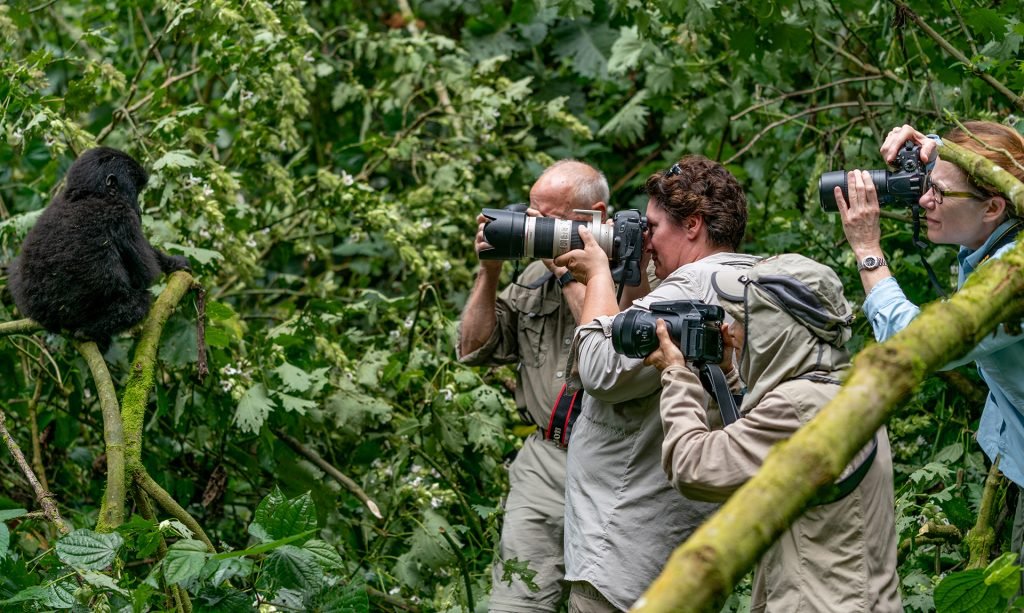
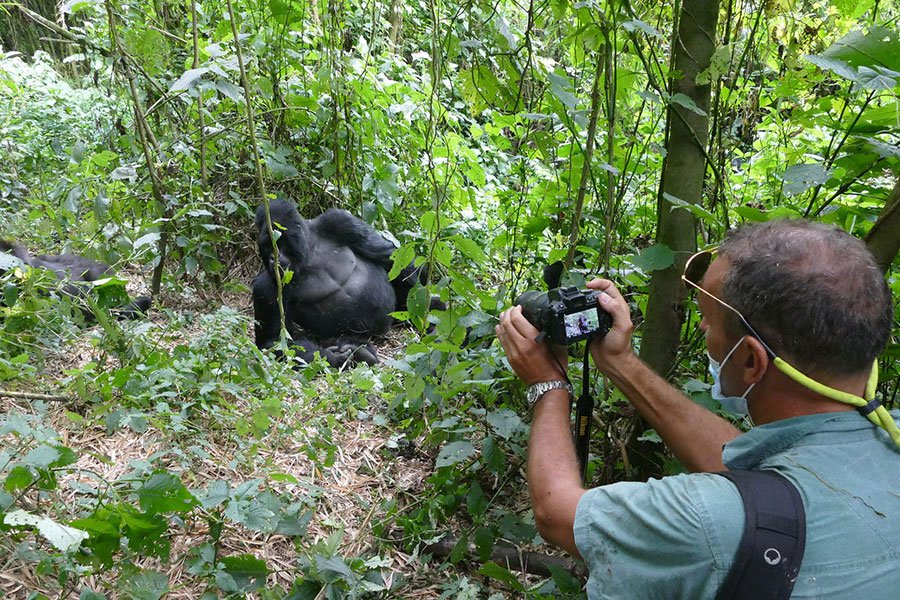
Gorilla habituation is particularly attractive to wildlife photographers because it combines an extended observation period with the opportunity to document mountain gorillas in their natural rainforest environment.
During ordinary gorilla trekking, photographers have a maximum of one hour with an already habituated family. Although this provides remarkable opportunities, the limited observation period can feel short when the gorillas are resting behind vegetation or when lighting conditions are challenging.
The Gorilla Habituation Experience provides up to four hours with a designated family undergoing habituation. This additional time may allow photographers to observe different behaviours, adjust compositions, and become more familiar with the family’s movements.
For example, a photographer might initially encounter gorillas feeding quietly before witnessing grooming, resting, or movement through the surrounding forest. These behaviours cannot be guaranteed, but a longer permitted observation period creates more opportunities for naturally occurring moments.
Another advantage is the limited number of tourist participants. Gorilla habituation generally allows a maximum of four visitors with a designated family, subject to official arrangements.
For travellers asking Is Gorilla Habituation Good for Photographers?, the combination of extended observation and small visitor groups is one of the strongest reasons to consider this specialized Uganda wildlife experience.
What Makes Gorilla Habituation Photography Different From Ordinary Gorilla Trekking?
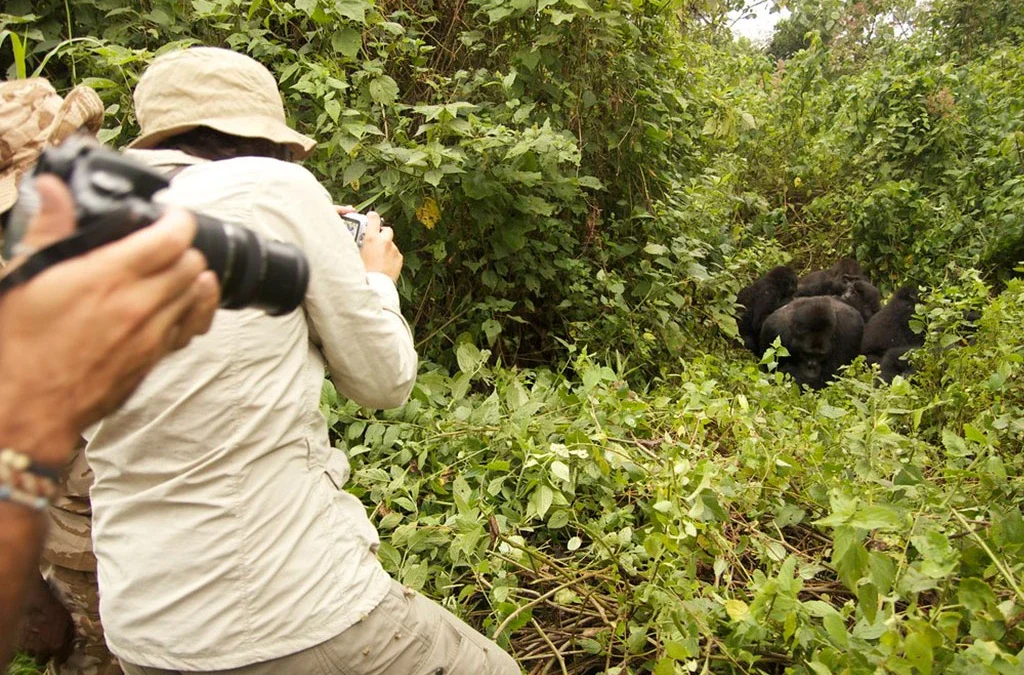
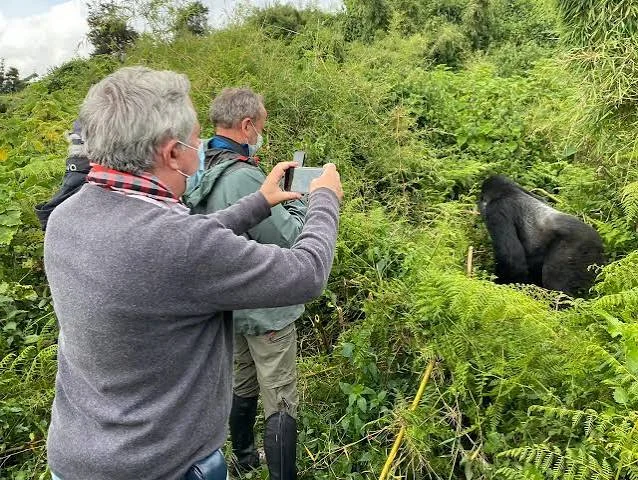
The main difference between gorilla habituation photography and conventional gorilla trekking photography is the amount of time visitors are permitted to spend observing the gorillas.
Ordinary gorilla trekking allows a maximum of one hour with an already habituated family. Visitors hike through the forest, locate the designated gorillas, enjoy the permitted encounter, and return to the departure point.
Gorilla habituation allows up to four hours with a family that is still becoming accustomed to controlled human presence. Visitors accompany authorized personnel involved in the habituation process.
The additional observation time can be especially useful for photographers who prefer to document animal behaviour rather than concentrate exclusively on individual portraits.
However, habituation families may be more cautious around visitors than fully habituated families. They may move through dense vegetation, change position frequently, or remain at a distance.
Consequently, ordinary gorilla trekking may sometimes offer easier photographic opportunities, while habituation offers the possibility of a longer and more varied observational experience.
The best choice depends on the photographer’s priorities, physical fitness, budget, and expectations.
How Much Photography Time Do You Get During Gorilla Habituation?
The Gorilla Habituation Experience allows a maximum of four hours observing the designated gorilla family once it has been located.
This is separate from the time required to hike through the forest and return to the departure point.
Uganda Wildlife Authority’s published guidelines schedule the Gorilla Habituation Experience from approximately 6:30 a.m. until visitors return to the briefing location for debriefing.
The total excursion may therefore occupy much of the day.
For photographers, the four-hour allowance represents an opportunity for extended observation rather than a guarantee of uninterrupted camera use.
Some periods may offer excellent views of the animals, while others may involve waiting for gorillas to emerge from vegetation or repositioning under ranger instructions.
Photographers should remain patient and remember that animal welfare and official conservation rules take priority over obtaining a particular photograph.
Can You Photograph Mountain Gorillas During Habituation?
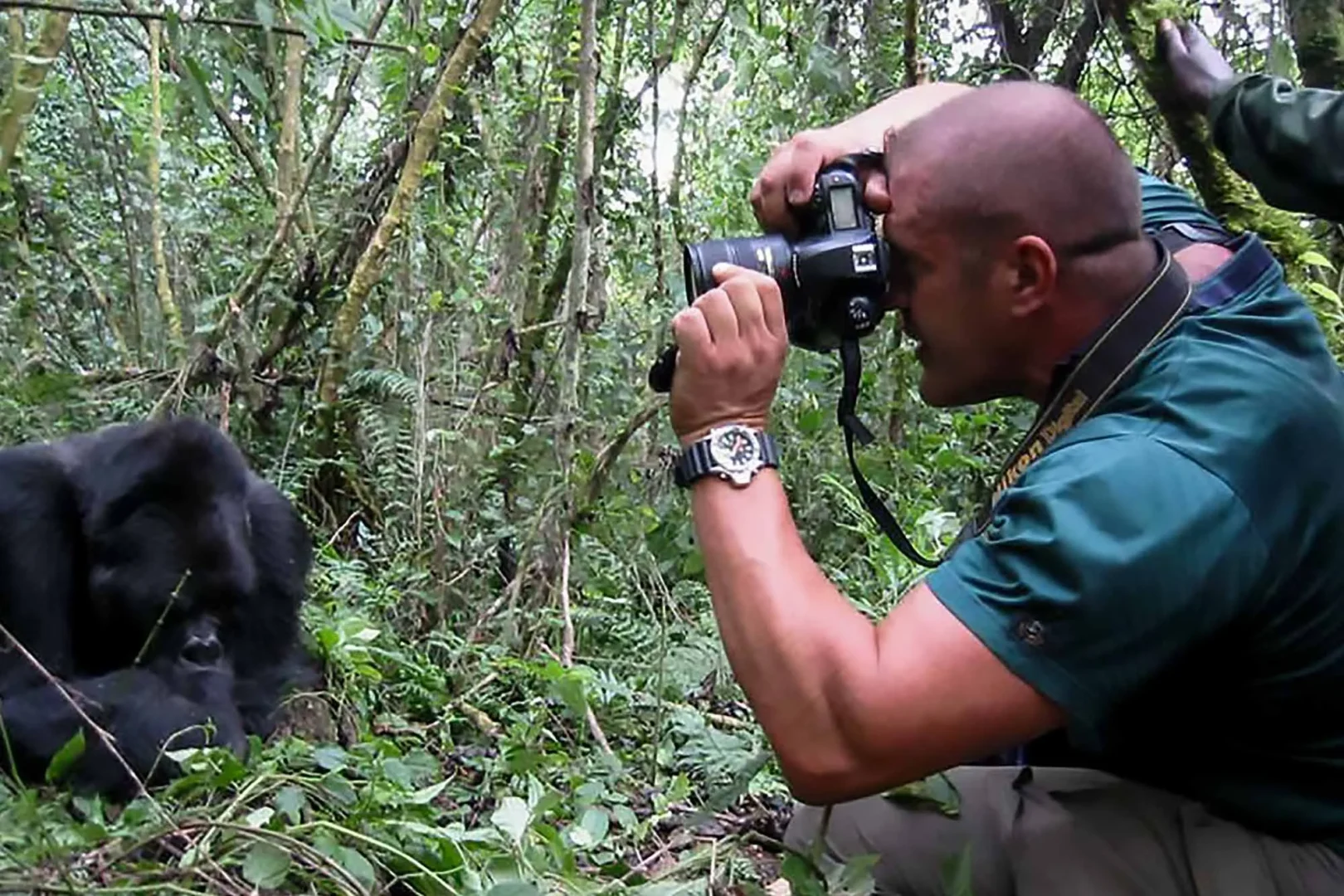
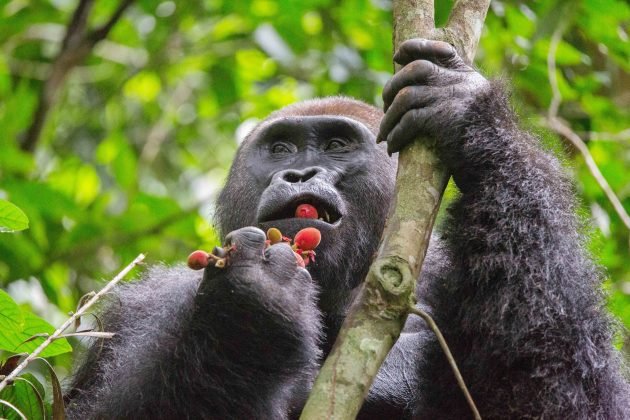
Yes. Photography is permitted during the Gorilla Habituation Experience in Uganda, provided visitors follow the regulations established by Uganda Wildlife Authority.
Photographers may use suitable personal cameras and lenses to document mountain gorillas in their natural habitat.
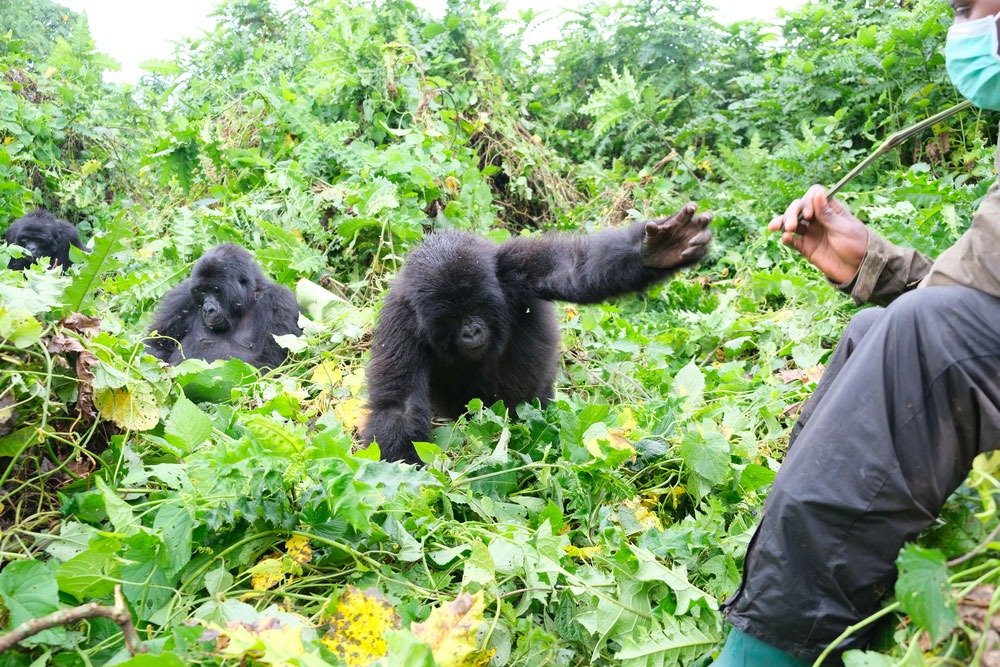
However, flash photography is prohibited, and visitors must maintain the applicable minimum distance from the animals.
Uganda Wildlife Authority’s published gorilla tourism rules specify a minimum distance of 10 metres, approximately 33 feet.
Photographers must also follow ranger instructions concerning positioning, movement, noise, and the behaviour of the designated gorilla family.
Commercial photography and filming may require additional authorization, fees, or arrangements beyond an ordinary tourism permit.
Before travelling, professional photographers should confirm the rules applicable to their intended project rather than assuming that every commercial activity is covered by a standard habituation permit.
Why Are Four Hours Better Than One Hour for Gorilla Photography?
The four-hour viewing allowance provides photographers with additional opportunities to observe natural behaviour and respond to changing conditions.
During a one-hour gorilla trek, visitors may find that the family is resting or partially hidden behind thick vegetation. Although the encounter remains valuable, there may be limited time to wait for alternative compositions.
A longer observation period can provide greater flexibility.
Photographers may have more opportunities to capture portraits, social interactions, environmental photographs, and behavioural sequences without feeling that every moment must immediately produce a successful image.
The additional time can also be useful when changing light conditions affect the appearance of the rainforest.
However, gorilla habituation does not guarantee that the animals will remain in one location or that visitors will receive uninterrupted views.
The greatest photographic benefit is the potential for patient observation, not the promise of particular wildlife behaviour.
Can You Use Drones for Gorilla Photography in Bwindi?
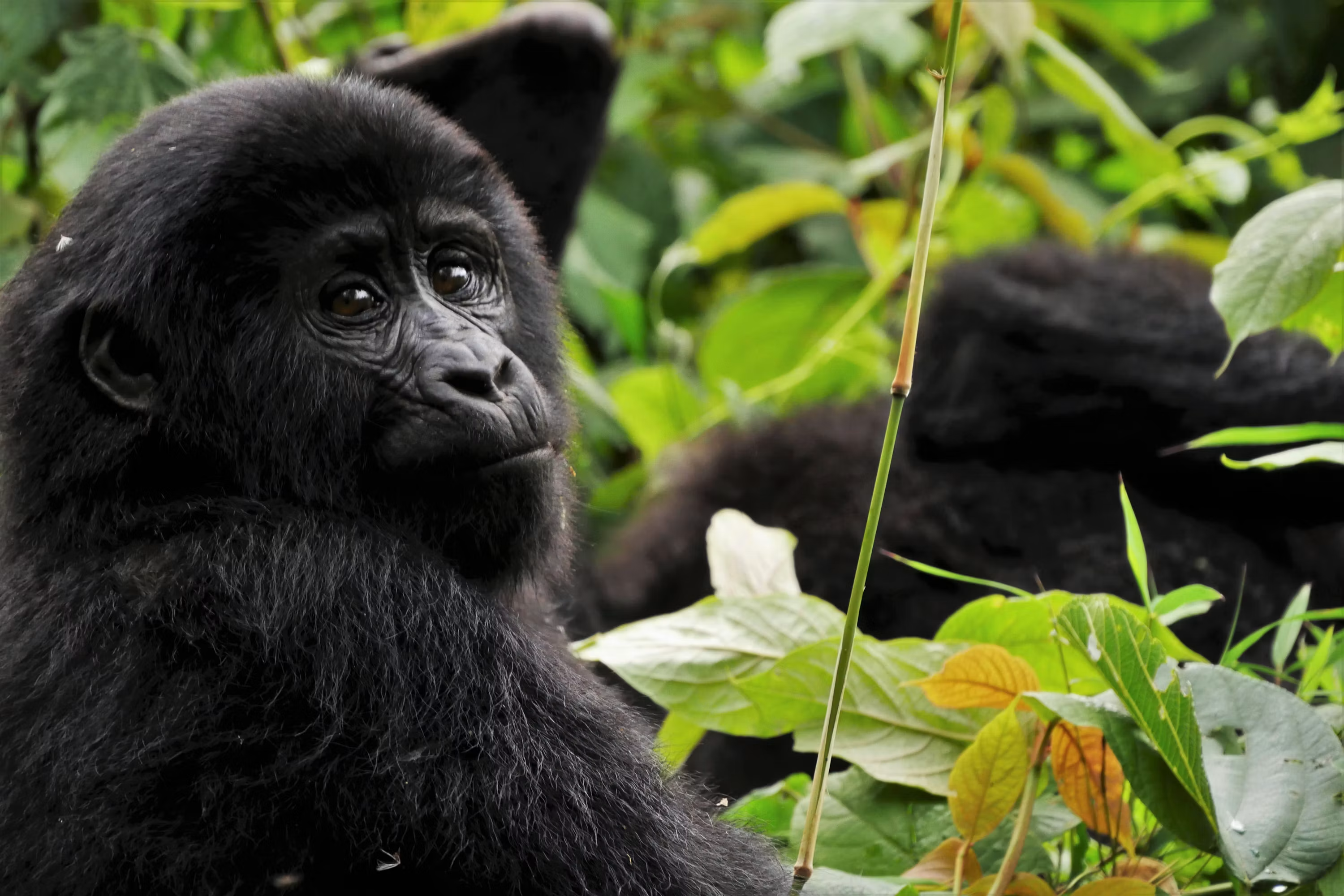
Drone photography should not be assumed to be permitted during gorilla habituation.
Drones can disturb wildlife, and their operation in protected areas is subject to authorization and relevant aviation and wildlife regulations.
Uganda Wildlife Authority’s published conservation tariff includes separate arrangements for filming involving drones, but this does not constitute automatic permission to fly a drone near mountain gorillas.
Any proposed drone project would require advance confirmation of the applicable approvals, permitted locations, and operating restrictions.
Visitors should not bring a drone expecting to launch it during the habituation encounter.
For ordinary gorilla photography, suitable handheld cameras and telephoto lenses are the appropriate practical choice.
Can Professional Photographers Use Gorilla Habituation Images Commercially?
The distinction between personal photography and commercial production is important.
Visitors taking photographs for personal memories may operate under the ordinary tourism arrangements, provided all conservation rules are followed.
However, organized commercial filming or photography projects may require additional approvals or fees.
The applicable requirements can depend on the nature of the production, the intended use, the equipment involved, and the permissions issued by the relevant authorities.
A photographer planning advertising material, a documentary, a commercial production, or another professional project should explain the intended activity before purchasing permits.
Uganda Wildlife Authority’s published tariff includes specific commercial filming and photography provisions, but the final requirements should be confirmed for the proposed project.
The extended observation allowance can improve the opportunity to encounter different behaviours, but it cannot guarantee clear photographic access.
For travellers wondering Is Gorilla Habituation Good for Photographers?, the experience rewards patience and flexibility rather than expectations of predictable wildlife poses.
What Is the Best Time of Year for Gorilla Habituation Photography?
Gorilla habituation is generally available throughout the year, subject to Uganda Wildlife Authority operations and permit availability.
The best season depends on whether the photographer prioritizes relatively manageable hiking conditions, atmospheric rainforest scenery, or particular lighting preferences.
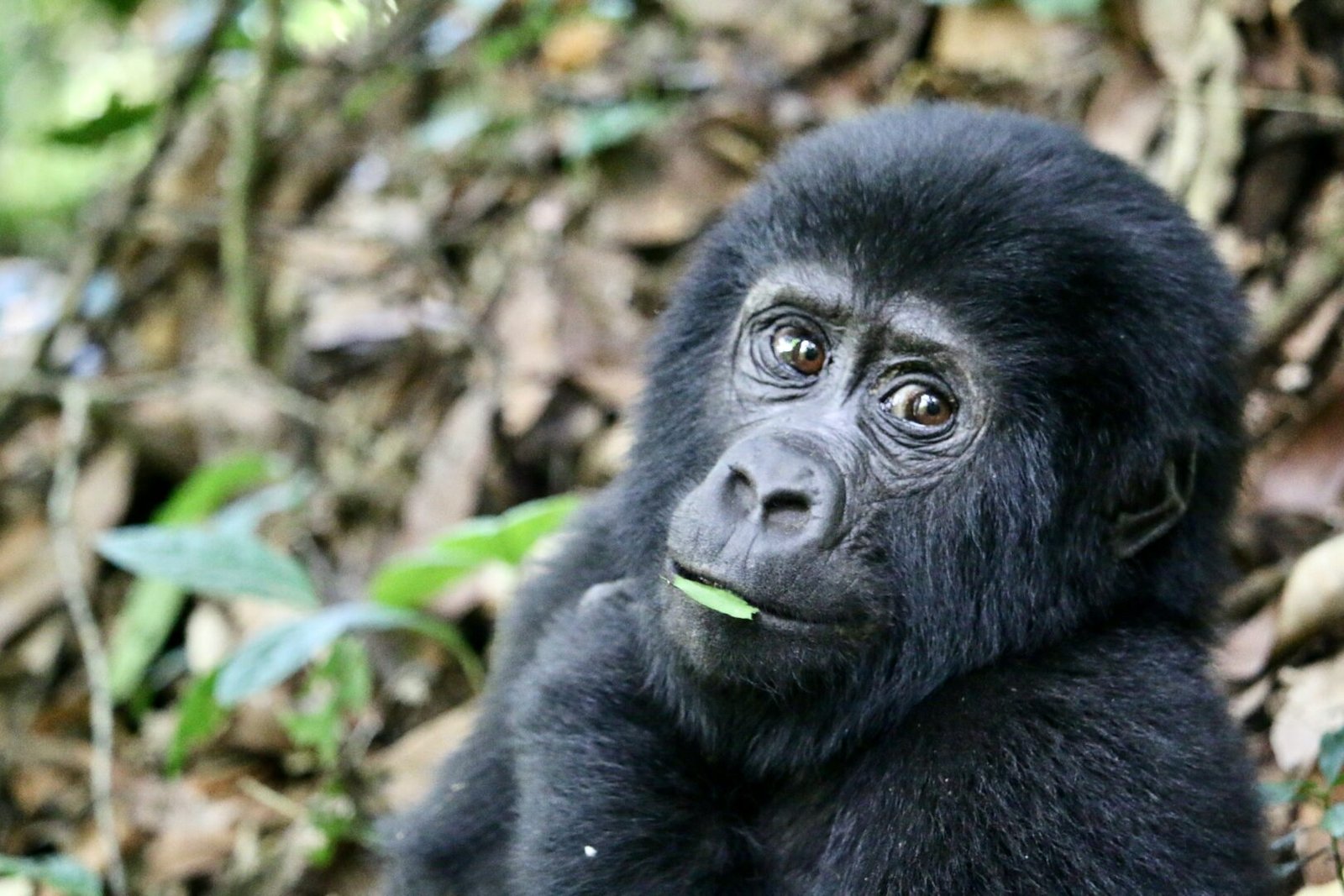
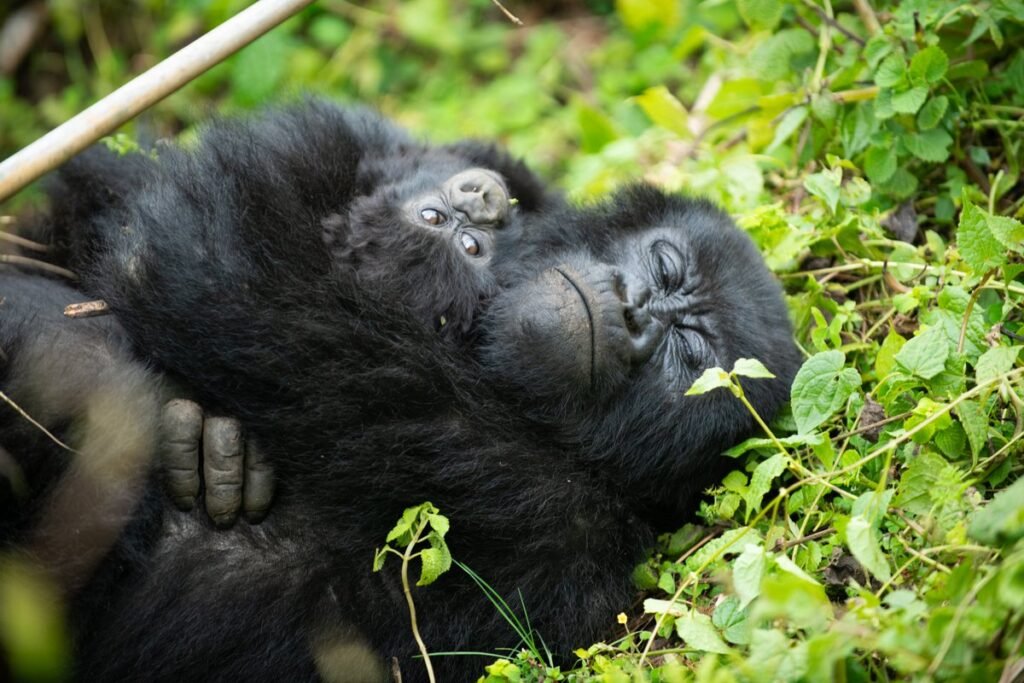
Gorilla Photography in June, July and August
June, July, and August are generally among the relatively dry months in southwestern Uganda.
During these months, forest trails may be less muddy, making it easier to carry camera equipment and navigate steep terrain.
Relatively dry conditions can also reduce some of the practical difficulties associated with protecting cameras from rainfall.
However, the forest remains humid, and showers can occur at any time.
Photographers should continue carrying suitable equipment protection regardless of the season.
Gorilla Photography in December, January and February
December through February often provides relatively favourable conditions for visiting Bwindi.
Some photographers appreciate this period because it can offer more manageable walking conditions compared with the principal rainy seasons.
However, sunlight beneath the forest canopy remains variable, and gorillas may still be located in deeply shaded areas.
Visitors should not assume that travelling during a relatively dry month guarantees better photographs.
Gorilla Photography During the Rainy Season
The wetter months, generally March through May and around October through November, can produce atmospheric rainforest conditions.
Mist, wet foliage, rich green vegetation, and subdued natural light may create distinctive photographic backgrounds.
However, rain can also make hiking more difficult, increase equipment-management challenges, and reduce visibility.
Photographers considering these months should be comfortable working in wet conditions and carrying suitable protective equipment.
The rainy season can offer beautiful scenery, but it also requires additional preparation.
Should Wildlife Photographers Hire a Porter for Gorilla Habituation?
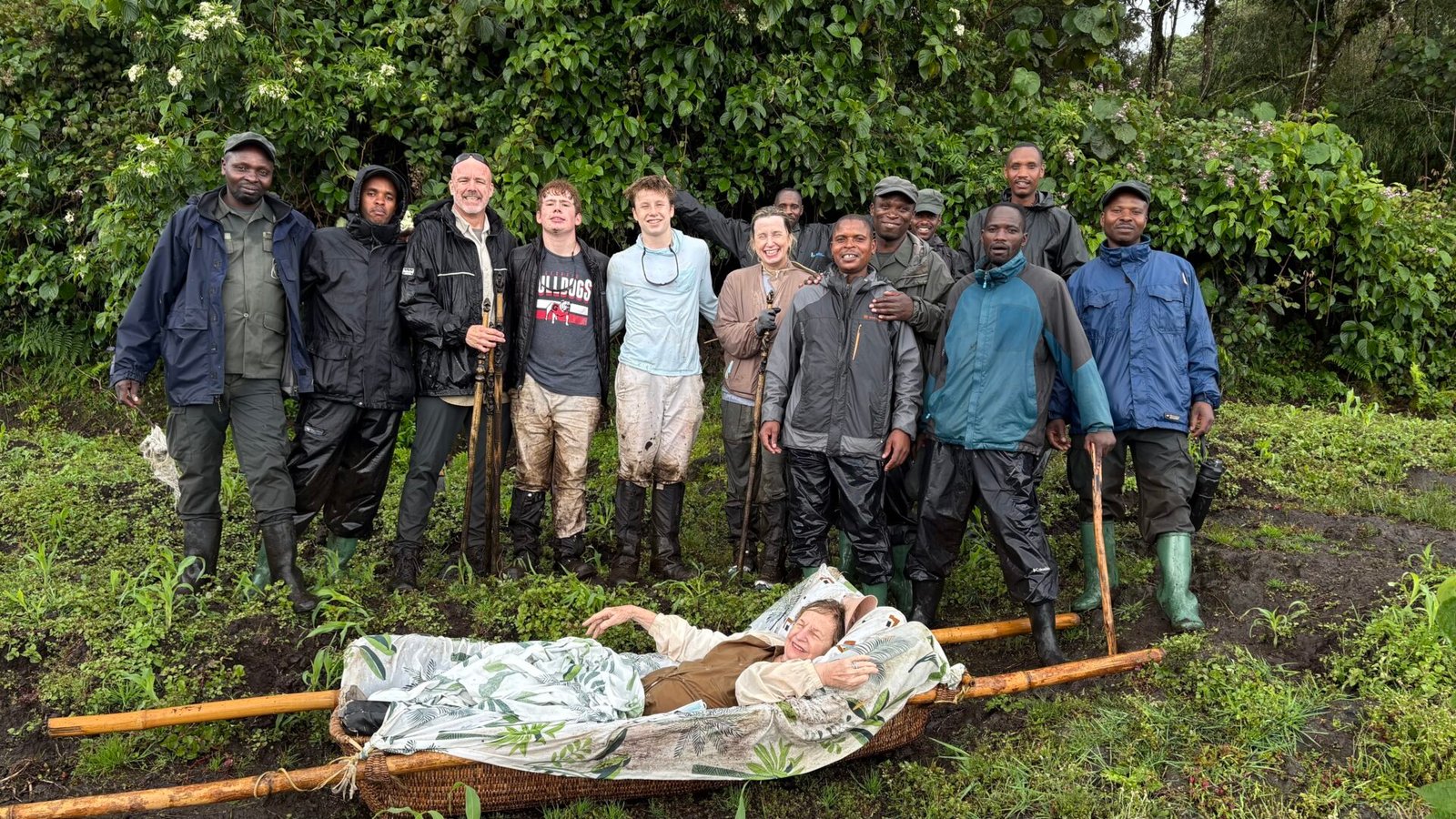
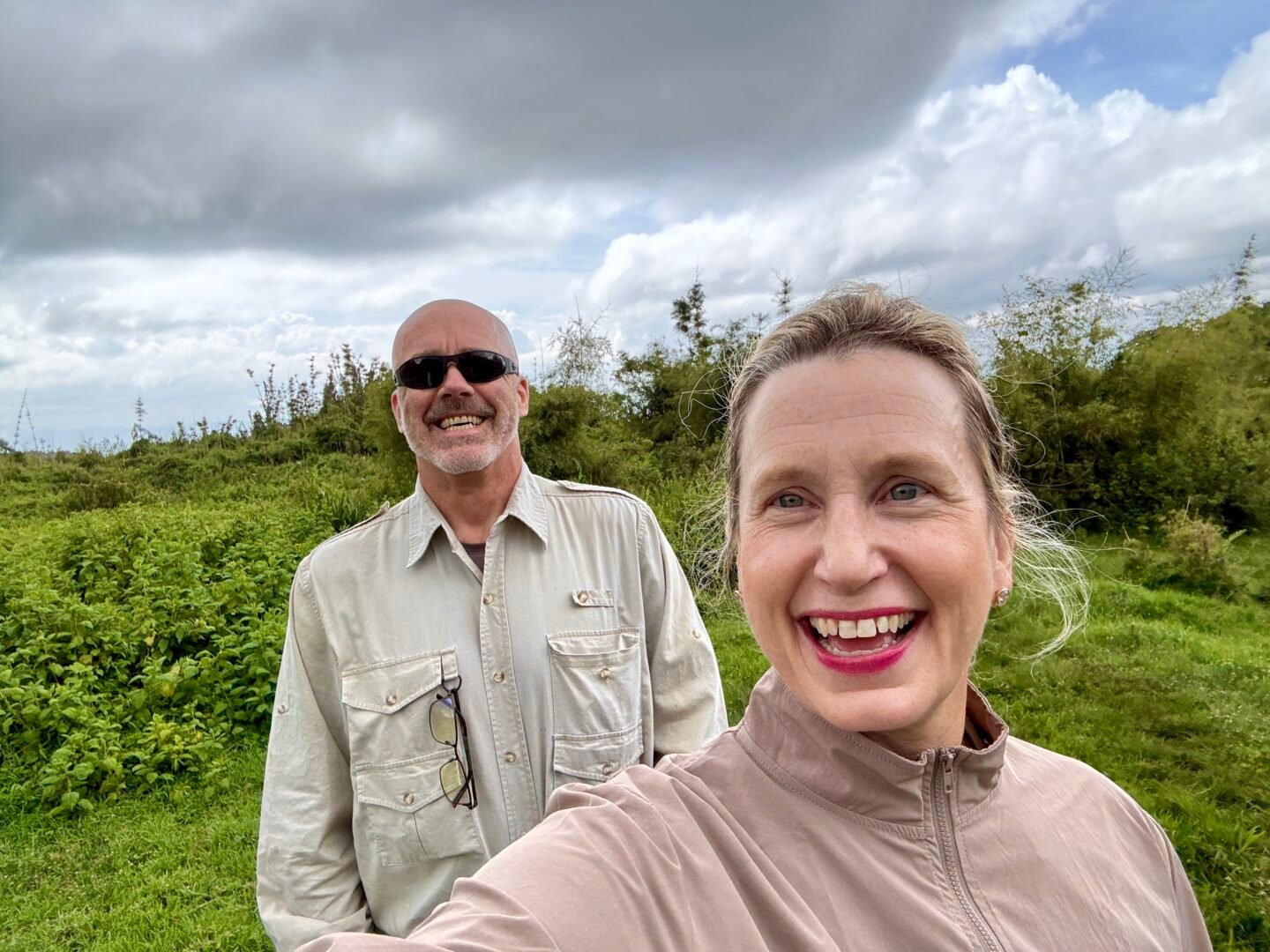
Hiring a porter can be particularly worthwhile for wildlife photographers because camera equipment adds weight to an already demanding forest excursion.
A professional or enthusiast photographer may carry camera bodies, lenses, protective cases, spare batteries, drinking water, packed food, and rain protection.
Carrying this equipment through steep mountainous terrain can increase fatigue and make balancing on muddy paths more difficult.
A local porter may carry an agreed equipment bag during appropriate sections of the hike, allowing the photographer to conserve energy.
However, porters do not replace official rangers, and their positioning during the gorilla encounter remains subject to authorized instructions.
Photographers should explain any fragile-equipment handling requirements before the excursion begins.
How Much Does Gorilla Habituation Cost for Photographers?
The official Gorilla Habituation Experience permit is charged per eligible participant, and ordinary personal photography does not automatically create a different tourist permit category.
For foreign non-residents, the standard habituation permit is USD 1,500 for the applicable remaining 2026 period.
Under Uganda Wildlife Authority’s published January 2027–June 2028 conservation tariff, the Gorilla Habituation Experience permit costs:
- USD 1,800 for foreign non-residents.
- USD 1,500 for qualifying foreign residents.
- USD 1,000 for eligible Rest of Africa visitors.
- UGX 750,000 for qualifying East African Community citizens.
These figures are official permit tariffs rather than complete photography safari prices.
Additional expenses may include accommodation, transportation, porter assistance, meals, domestic flights, and other services.
Commercial photography or filming projects may require separate authorization and fees, which should be confirmed according to the proposed activity.
Because official tariffs and permit availability can change, photographers should request the applicable rate and written confirmation for their exact travel dates before payment.
Is Gorilla Habituation Good for Professional Wildlife Photographers?
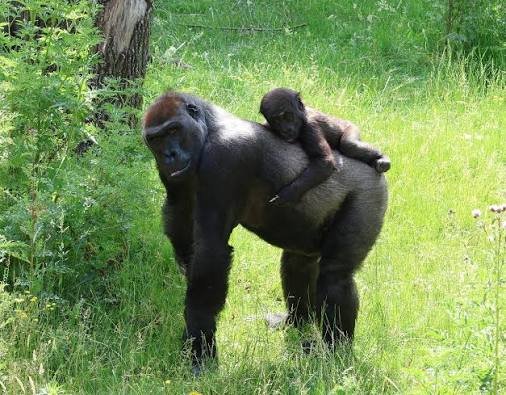
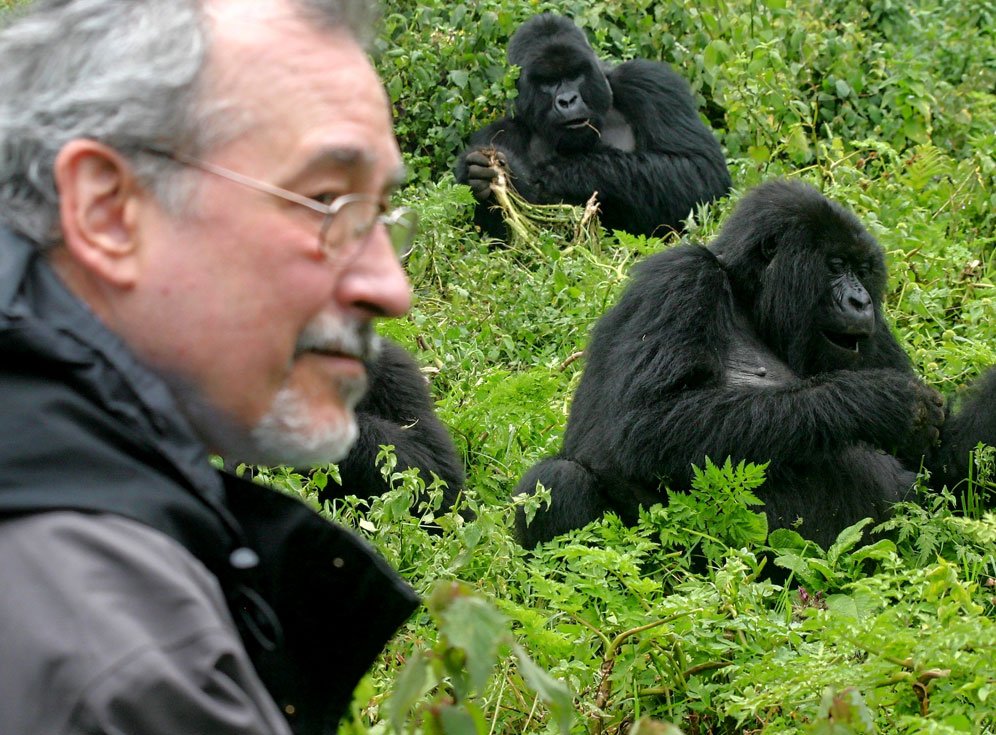
Gorilla habituation can be particularly rewarding for professional photographers who value extended observation, natural behaviour, and detailed conservation storytelling.
The four-hour allowance can provide opportunities to work on a range of compositions, including portraits, wider environmental scenes, and sequences documenting family interactions.
However, the encounter is not a controlled photography session.
The gorillas may remain hidden, move frequently, or respond cautiously to human presence. Photographers cannot choose the animals’ behaviour or direct rangers to alter the encounter to suit a photographic brief.
Professional photographers must also consider whether their intended commercial use requires additional authorization.
The best results come from a combination of technical preparation, ethical wildlife practice, and realistic expectations.
Can You Combine Gorilla Habituation With Ordinary Gorilla Trekking for Photography?
Yes. Photographers can combine the Gorilla Habituation Experience with conventional gorilla trekking when separate valid permits are available.
The two activities offer different opportunities.
Gorilla habituation provides an extended encounter with a designated family undergoing habituation.
Ordinary gorilla trekking provides a shorter encounter with an already habituated family.
Combining both activities can provide variety in photographic conditions and behavioural observations.
However, each encounter remains subject to natural wildlife movements, official regulations, and permit availability.
Visitors should also allow sufficient rest between strenuous forest excursions, particularly when carrying heavy photography equipment.
Can Gorilla Photography Be Combined With Other Uganda Wildlife Photography?
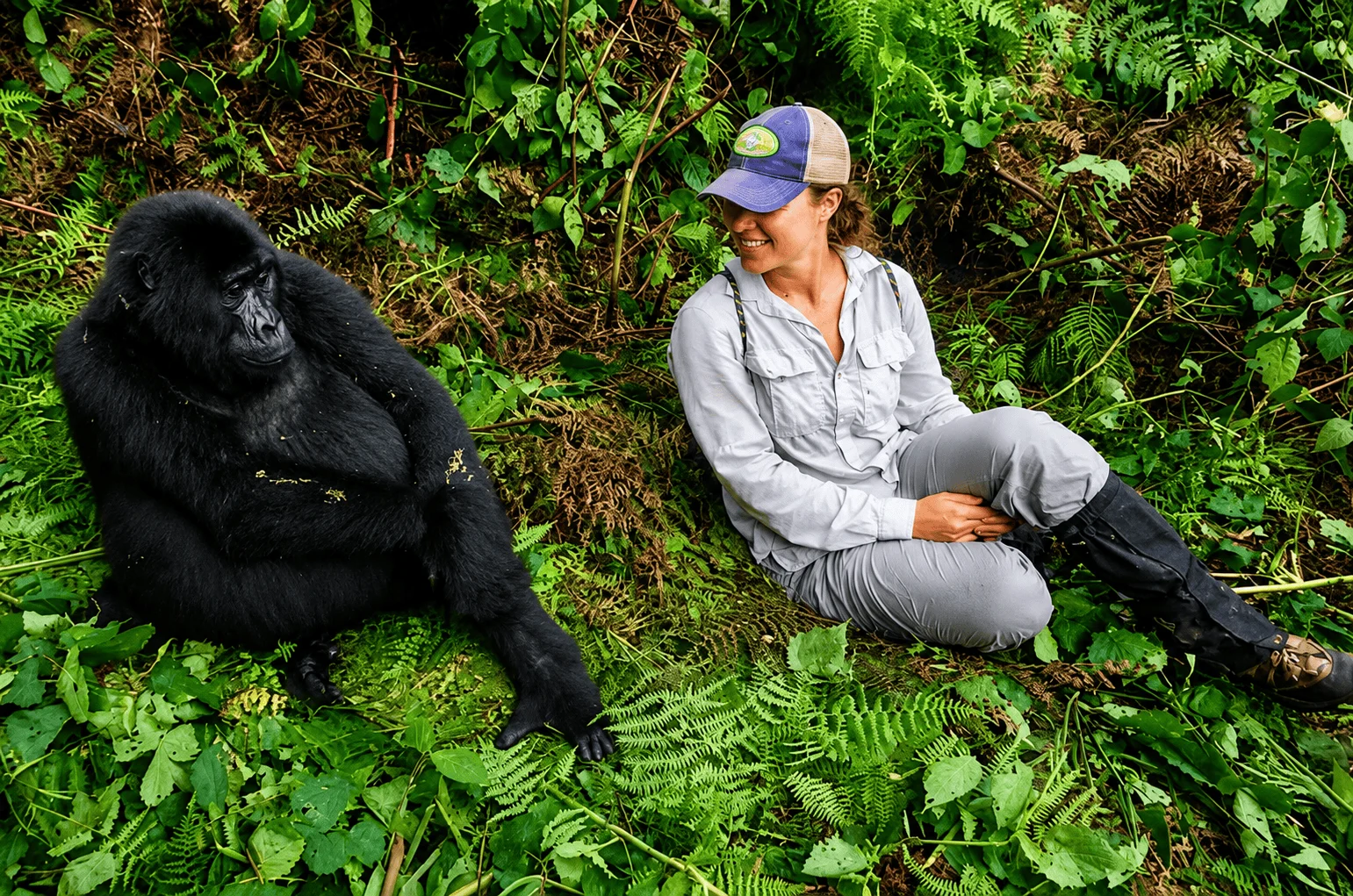
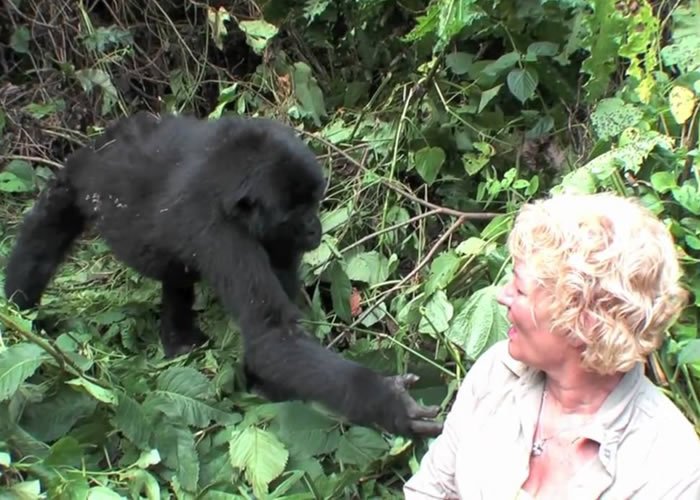
Yes. A longer Uganda photography safari can combine gorilla habituation with other wildlife destinations.
Queen Elizabeth National Park offers opportunities to photograph elephants, buffaloes, antelopes, hippos, birds, and, when sightings allow, predators and other wildlife.
Kibale National Park provides opportunities for chimpanzee photography under the applicable tracking regulations.
Lake Bunyonyi offers scenic landscape photography, while the southwestern highlands provide additional opportunities to capture rural landscapes and atmospheric mountain scenery.
Photographers with more time may also include Murchison Falls National Park or other suitable destinations.
Combining different habitats can create a diverse photography itinerary that includes rainforest primates, savannah wildlife, birds, and landscapes.
Frequently Asked Questions About Gorilla Habituation Photography
Is Gorilla Habituation Good for Photographers?
Yes. Gorilla habituation in Uganda is particularly attractive to wildlife photographers because it allows up to four hours observing a designated mountain gorilla family undergoing habituation. The longer observation period can provide additional opportunities to photograph portraits, feeding, grooming, social interactions, and natural rainforest behaviour. However, wildlife movements and clear photographic views cannot be guaranteed.
Is Gorilla Habituation Better Than Gorilla Trekking for Photography?
Gorilla habituation offers more observation time than ordinary gorilla trekking, making it attractive to photographers who value patience and behavioural documentation. However, families undergoing habituation may be more cautious and difficult to photograph. Ordinary gorilla trekking may sometimes provide more accessible encounters, so the best option depends on photographic priorities.
How Many Hours Can You Photograph Gorillas During Habituation?
The permitted observation period is a maximum of four hours once the designated gorilla family has been located. The hiking time required to reach the animals and return from the forest is additional. Not every minute of the observation period will necessarily provide clear photographic opportunities.
Can You Use a Professional Camera During Gorilla Habituation?
Yes. Photographers can use suitable professional cameras for ordinary photography, provided they follow the applicable conservation rules. However, organized commercial productions may require separate authorization and fees. Professional equipment does not permit visitors to move closer to the gorillas or ignore ranger instructions.
What Is the Best Lens for Gorilla Habituation?
A versatile telephoto zoom such as a 70–200mm lens can be useful for many gorilla photography situations. A 100–400mm lens may provide additional reach when animals are farther away, while a 24–70mm lens can be useful for broader rainforest compositions. The best choice depends on available light, camera format, equipment weight, and preferred image style.
Book Your Gorilla Habituation Photography Safari in Uganda
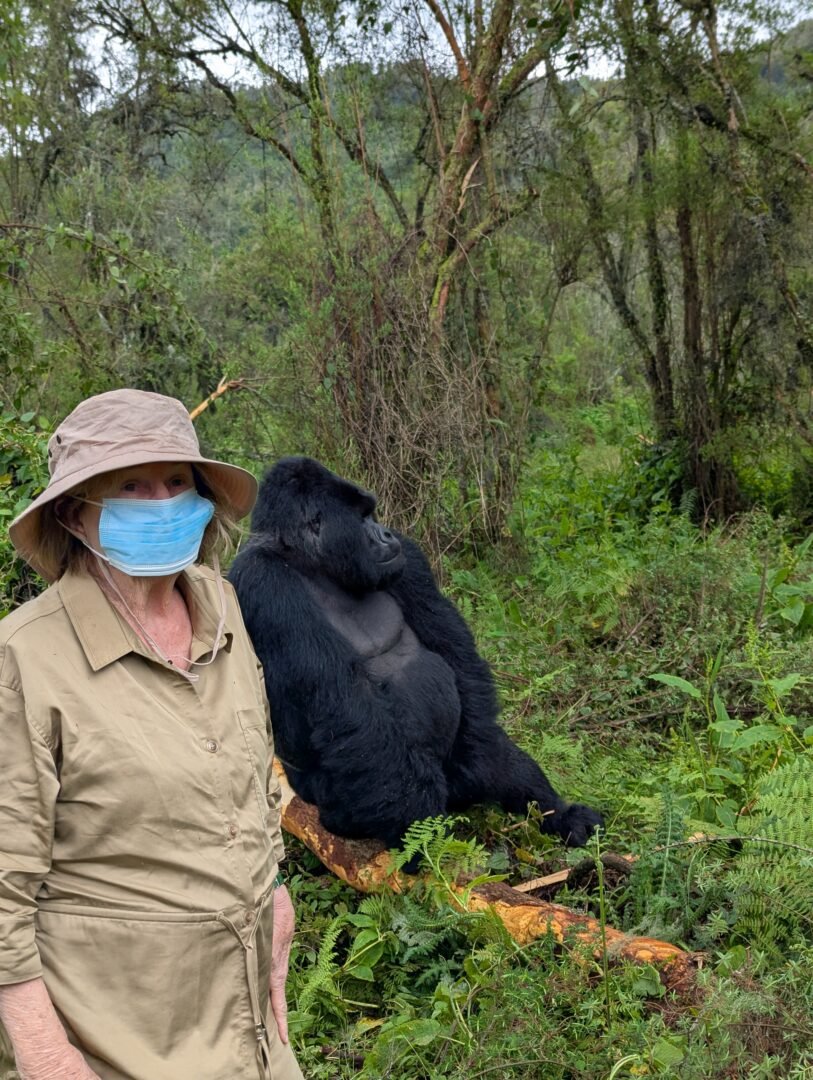
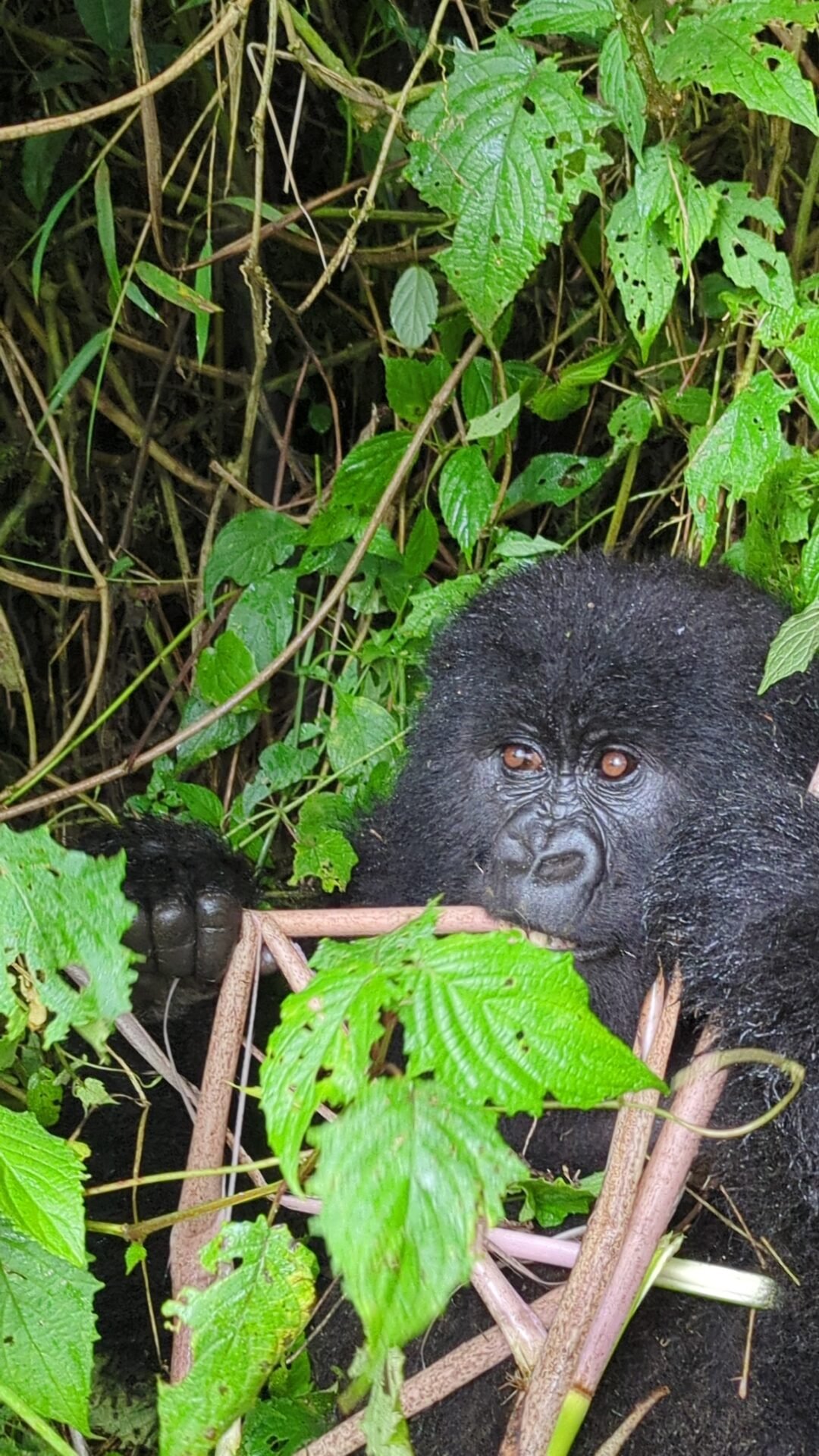
The Gorilla Habituation Experience in Uganda provides an extraordinary opportunity for wildlife photographers to spend extended time observing endangered mountain gorillas in their natural rainforest habitat. Whether you are an amateur photographer hoping to capture your first mountain gorilla portraits or an experienced wildlife photographer seeking opportunities to document social behaviour, the Rushaga sector of Bwindi Impenetrable National Park offers a remarkable setting for responsible rainforest photography.
If you are still wondering Is Gorilla Habituation Good for Photographers?, our Uganda Gorilla Permits Booking team can help you understand the benefits of the four-hour observation period, applicable photography regulations, permit requirements, and practical arrangements for visiting Bwindi.
We can assist with individual and small-group Gorilla Habituation Experience permit enquiries, suitable accommodation near Rushaga, private safari transportation from Entebbe or Kampala, domestic flights to Kisoro, road transfers from Kigali, and customized Uganda wildlife photography itineraries.
For photographers carrying substantial equipment, we can also help discuss porter arrangements, lodge facilities, transportation options, and the practical considerations of working in Bwindi’s mountainous rainforest.
Professional photographers planning commercial productions should explain their project requirements before booking so that the applicable Uganda Wildlife Authority authorization procedures can be identified and confirmed.
Whether you want to photograph silverbacks, gorilla family interactions, mothers with infants, or the extraordinary rainforest environment, proper preparation and respect for conservation regulations are essential.
Book your Gorilla Habituation Photography Experience in Uganda today. Share your preferred travel dates, number of photographers, starting location, accommodation preferences, and whether your photography is personal or commercial. Our team can then check the appropriate permit availability and help you plan suitable safari arrangements.