
Is Gorilla Habituation Good in June, July and August?
Is Gorilla Habituation Good in June, July and August? The Ultimate Uganda Dry-Season Safari Guide
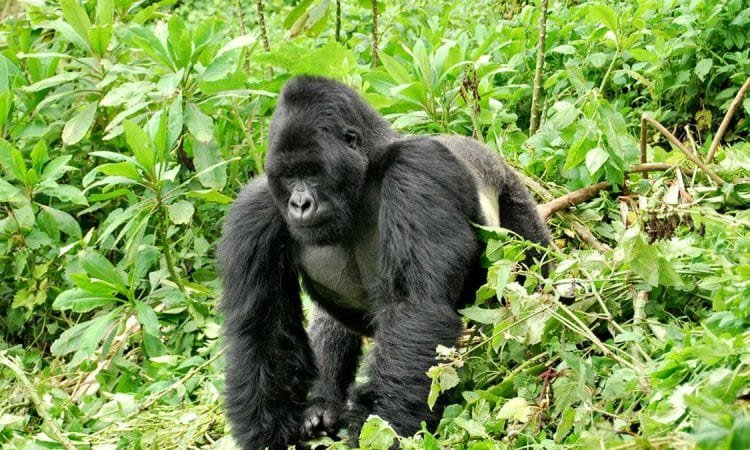
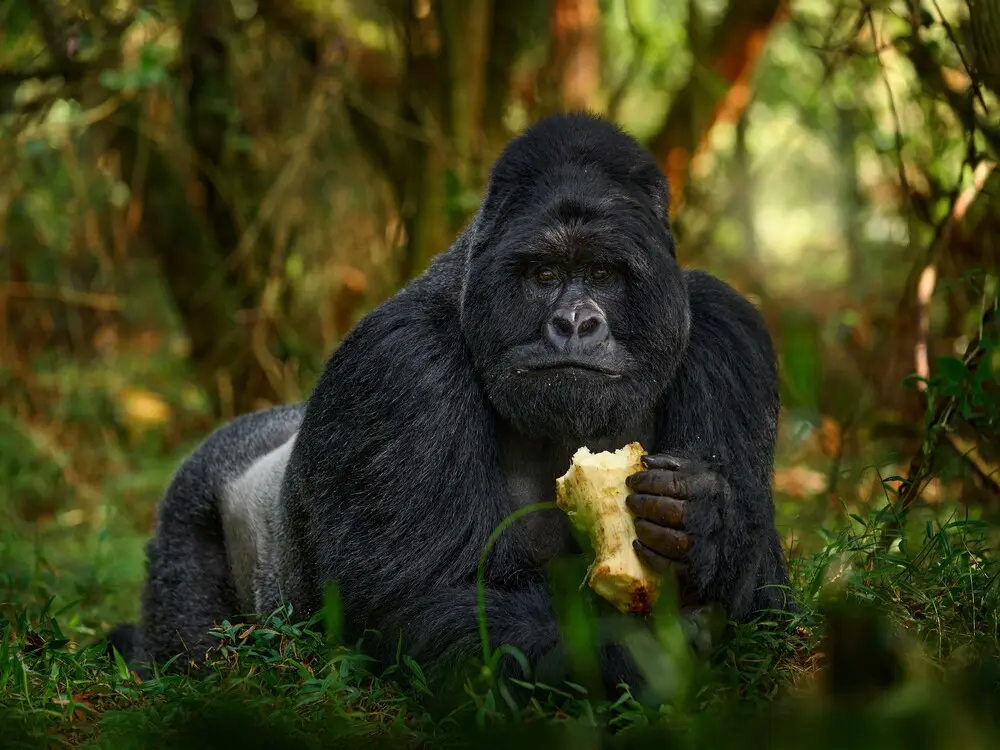
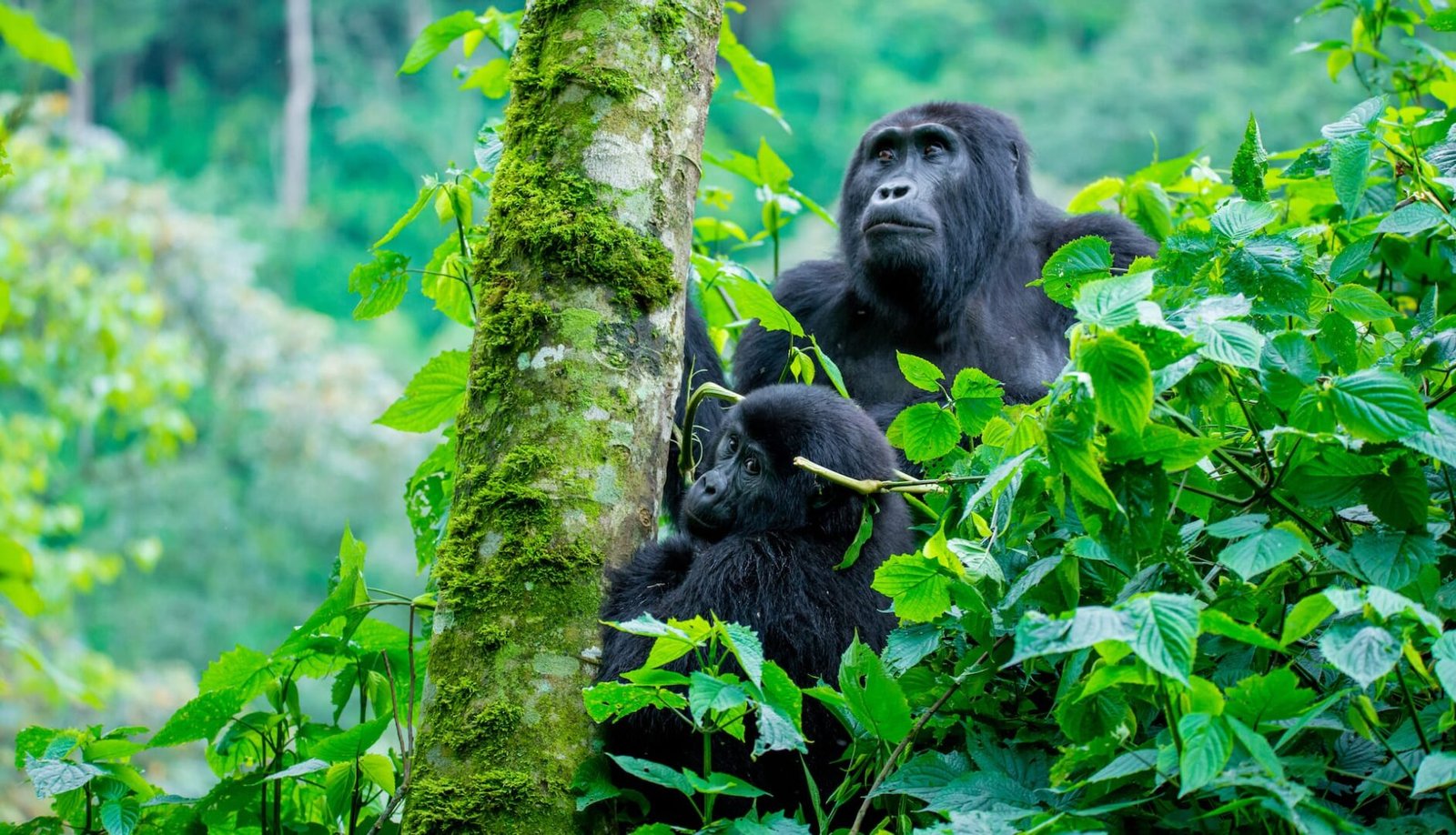
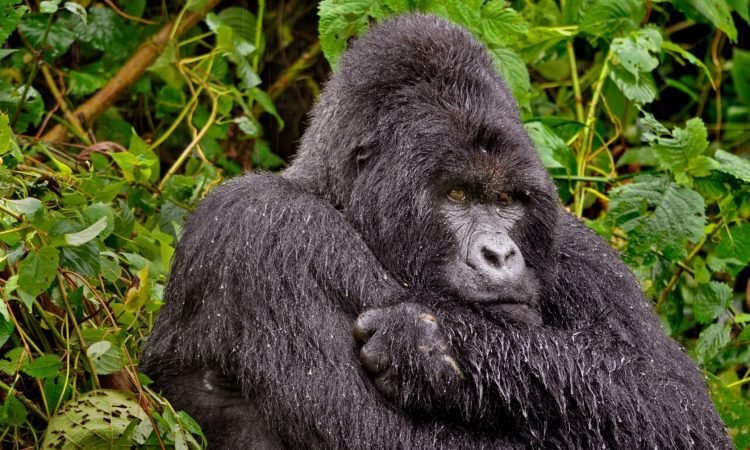
Is Gorilla Habituation Good in June, July and August? Yes, June, July, and August are among the best months for gorilla habituation in Uganda because they fall within one of the country’s main dry seasons, offering generally favourable weather conditions, more manageable forest trails, and excellent opportunities to experience mountain gorillas in their natural habitat. Uganda’s Gorilla Habituation Experience takes place in the Rushaga sector of Bwindi Impenetrable National Park, located in southwestern Uganda near Kisoro District. This extraordinary wildlife activity allows visitors to spend up to four hours observing a mountain gorilla family undergoing habituation while accompanied by authorized guides and conservation personnel. For Ugandan citizens, East African Community citizens, foreign residents, and international visitors exploring Uganda, June, July, and August provide particularly attractive conditions for experiencing one of the country’s most remarkable wildlife adventures.
For Ugandan citizens and international tourists planning a gorilla habituation safari in Uganda, understanding Is Gorilla Habituation Good in June, July and August? is important because these three months combine favourable seasonal conditions with high demand for wildlife tourism. Uganda generally experiences a longer relatively dry period from June through August or early September, when rainfall is often lower across southwestern Uganda. During this period, Bwindi’s mountainous rainforest trails may be less muddy, making it easier to navigate steep slopes, dense vegetation, and uneven terrain. However, Uganda’s Bwindi Impenetrable National Park remains a tropical rainforest throughout the year, meaning rainfall can occur even during the driest months. Visitors should therefore expect a genuine rainforest environment while enjoying the advantages of travelling during one of Uganda’s most popular safari seasons.
June, July, and August are particularly suitable for visitors interested in combining gorilla habituation with other wildlife experiences, including chimpanzee tracking in Kibale National Park, game drives in Queen Elizabeth National Park, and scenic visits to Lake Bunyonyi or Lake Mutanda. However, because these months coincide with international summer holidays and peak safari demand, visitors should arrange gorilla habituation permits, accommodation near Rushaga, and transportation well in advance.
Why Are June, July and August Excellent Months for Gorilla Habituation in Uganda?
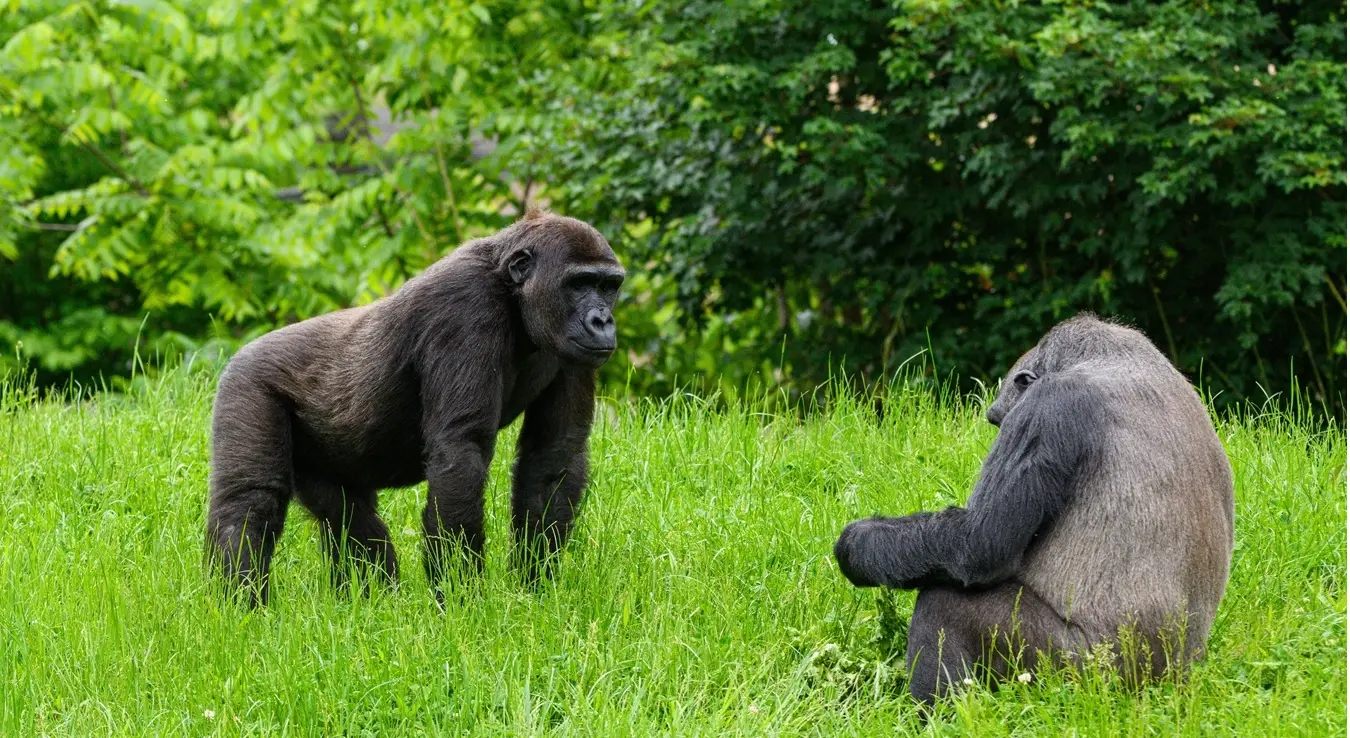
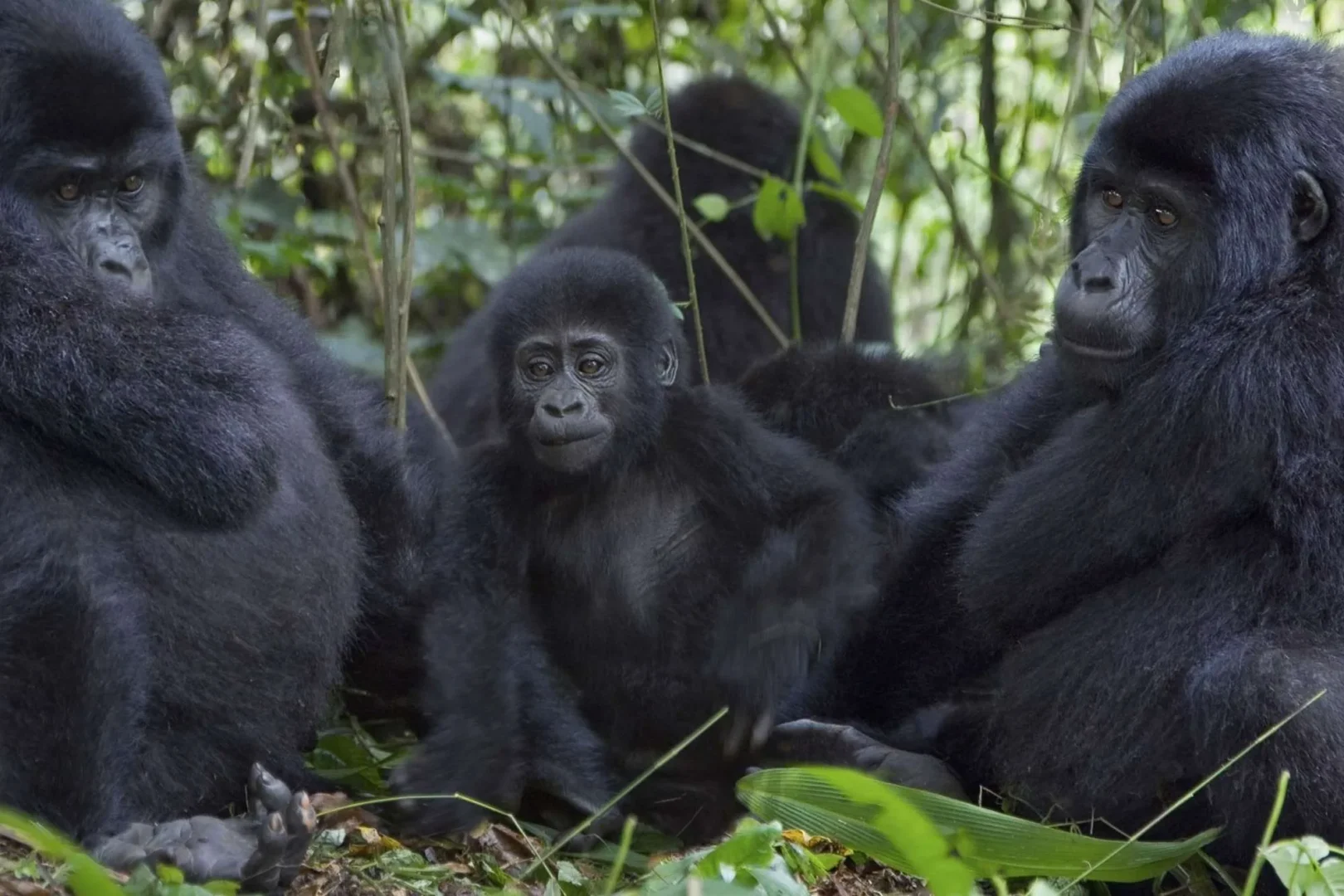
June, July, and August are generally recommended for gorilla habituation because they provide some of the most favourable seasonal conditions for extended rainforest hiking in Bwindi Impenetrable National Park. During these months, rainfall often decreases compared with the wetter periods of March through May and October through November, allowing some forest paths to become firmer and less slippery.
This is particularly important for the Gorilla Habituation Experience because the activity can involve several hours of walking through mountainous terrain before visitors locate their designated gorilla family. Unlike ordinary sightseeing, gorilla habituation requires physical effort, patience, and the ability to navigate natural forest conditions. Relatively dry weather can make the journey more manageable, especially for visitors who are unfamiliar with tropical rainforest hiking.
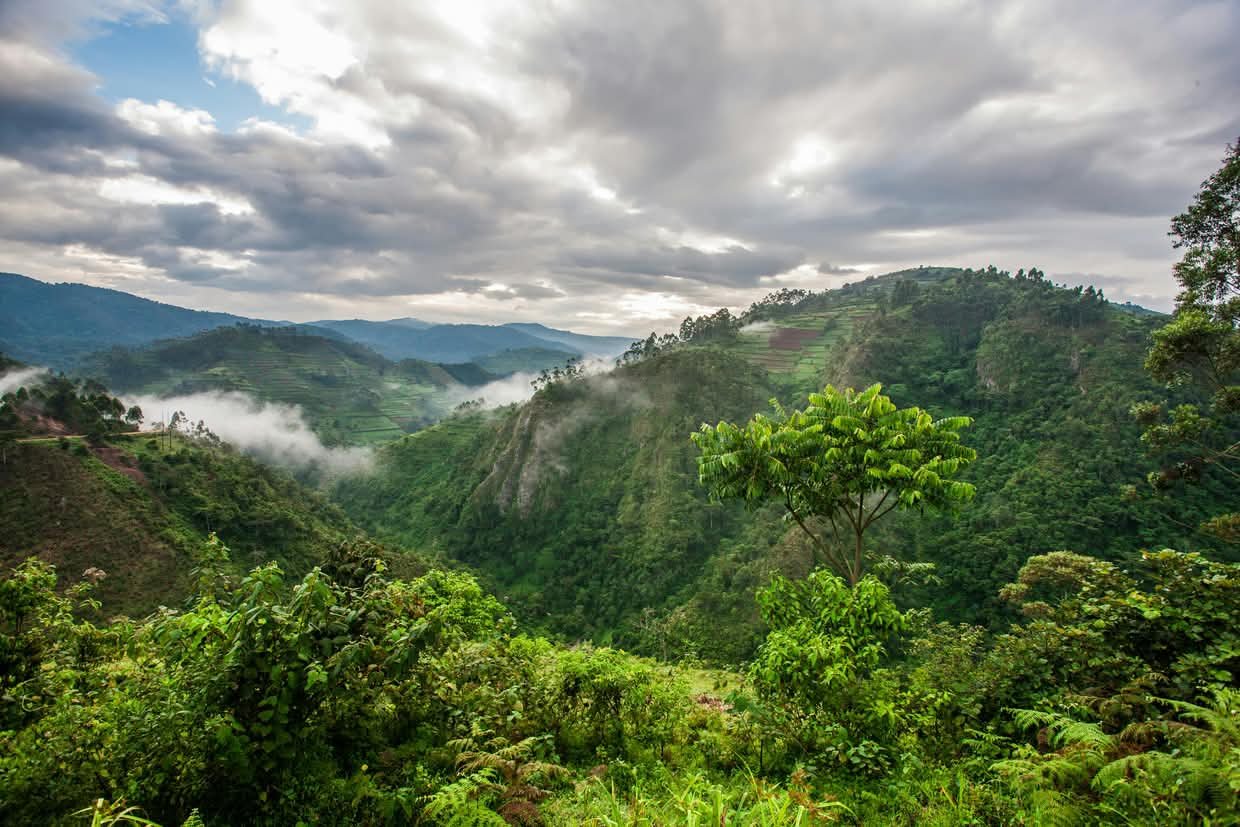
Another advantage is the opportunity to enjoy southwestern Uganda’s beautiful landscapes. The Rushaga region features forest-covered hills, agricultural terraces, rural communities, and impressive mountain scenery. Although the dry season can reduce rainfall, the forest remains green and vibrant because Bwindi receives moisture throughout the year.
For travellers asking Is Gorilla Habituation Good in June, July and August?, the combination of comparatively favourable trekking conditions, beautiful scenery, and opportunities for broader Uganda safari experiences makes these months an excellent choice.
What Is the Weather Like in Bwindi During June, July and August?
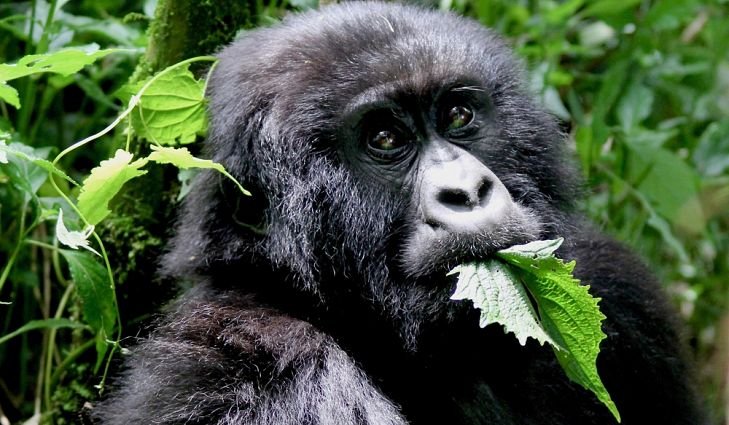
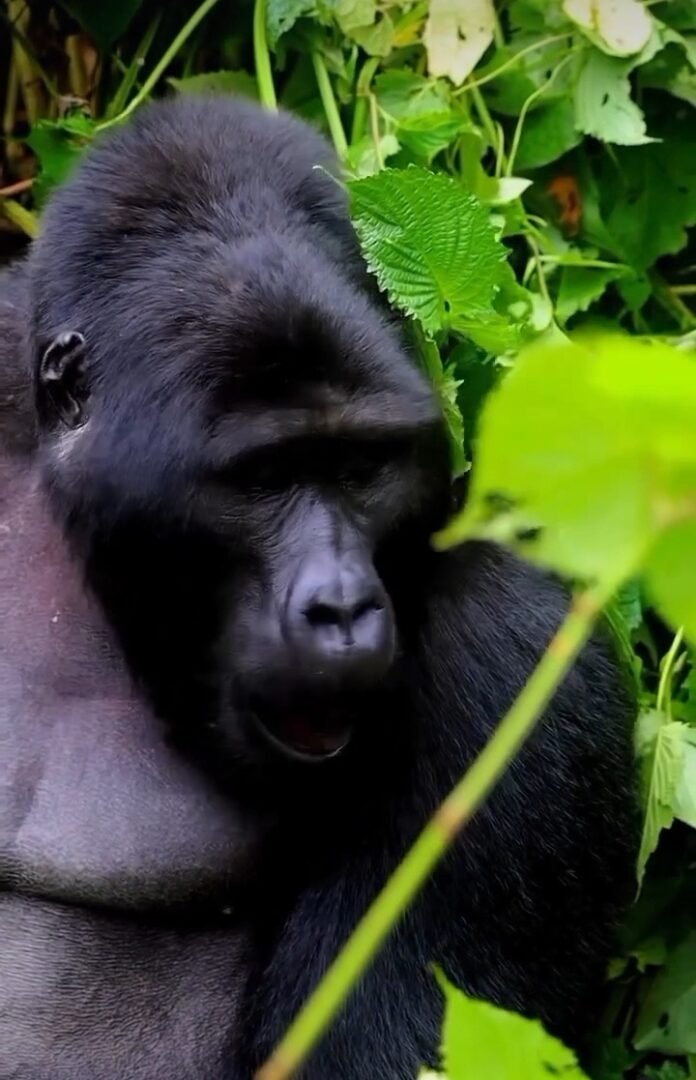
Bwindi Impenetrable National Park experiences a tropical highland climate influenced by its elevation, mountainous landscape, and dense rainforest vegetation. Conditions can vary considerably between different elevations and even between nearby forest locations.
June generally marks the transition from the longer rainy season toward relatively drier conditions. Visitors may experience fewer prolonged rain showers, although the forest can remain wet following rainfall during April and May.
July is commonly one of the relatively drier months in southwestern Uganda. Trails may become more manageable, and visitors often experience a combination of cool mornings, moderate daytime temperatures, and occasional sunshine filtering through the forest canopy.
August generally continues the favourable dry-season conditions, although rainfall may begin increasing toward the end of the month in some years. Visitors should still prepare for misty mornings, changing weather, and occasional rain during their forest excursion.
Temperatures in Bwindi are usually moderate because of the park’s altitude. Early mornings and evenings can feel cool, while hiking through the forest may become warm and humid as visitors climb hillsides and move through dense vegetation.
The important consideration is that June, July, and August are relatively dry months rather than completely rain-free months. Waterproof clothing and suitable hiking equipment remain essential.
Gorilla Habituation in June – An Excellent Beginning to Uganda’s Dry Season
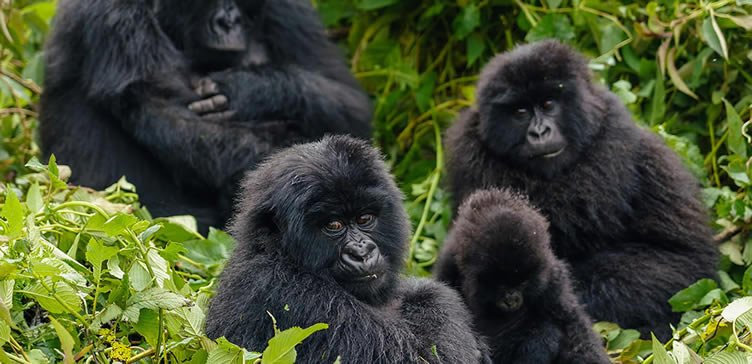
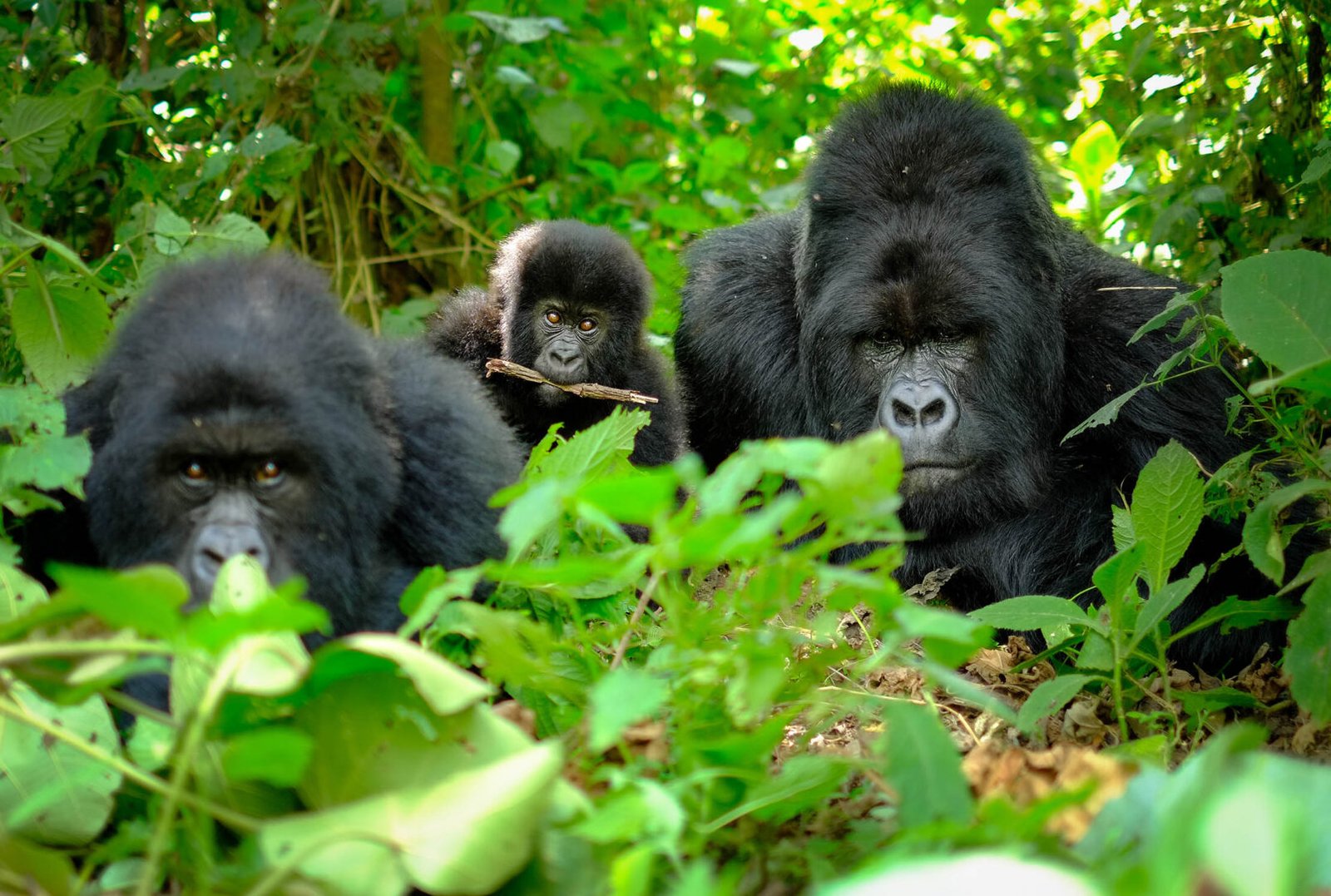
June is one of the most attractive months for gorilla habituation in Uganda because it generally marks the beginning of the country’s longer relatively dry season. After the wetter months of March, April, and May, rainfall often decreases, allowing forest trails around Rushaga to become more manageable.
The transition into drier weather is particularly appealing for visitors planning the four-hour Gorilla Habituation Experience. Because the activity may involve several hours of hiking through Bwindi’s mountainous rainforest, comparatively firmer trails can make the journey more comfortable.
June also offers beautiful natural scenery. The vegetation remains particularly green following the rainy season, while reduced rainfall may provide opportunities to appreciate the surrounding hills and valleys in clearer conditions. Photographers often enjoy this combination of fresh vegetation, atmospheric forest scenery, and potentially more convenient hiking conditions.
Another advantage of travelling in June is the opportunity to combine gorilla habituation with other destinations in Uganda. Visitors can explore Queen Elizabeth National Park, Kibale National Park, Lake Bunyonyi, or Lake Mutanda as part of a longer itinerary.
However, June is also the beginning of a popular international safari period. Travellers should check gorilla habituation permit availability early and arrange accommodation near Rushaga before making nonrefundable travel commitments.
Early June can still experience some rainfall associated with the preceding wet season, although conditions often begin improving as the month progresses. Visitors travelling during the first weeks of June should prepare for occasional muddy sections and changing weather.
Late June may offer relatively firmer forest trails in years when rainfall decreases consistently. However, weather conditions cannot be guaranteed, and an individual early-June day may be drier than a particular date later in the month.
Both periods are suitable for gorilla habituation. Travellers should prioritize confirmed permit availability, practical accommodation arrangements, and realistic preparation rather than relying entirely on the expected difference between early and late June.
Gorilla Habituation in July – One of the Best Months for Comfortable Trekking
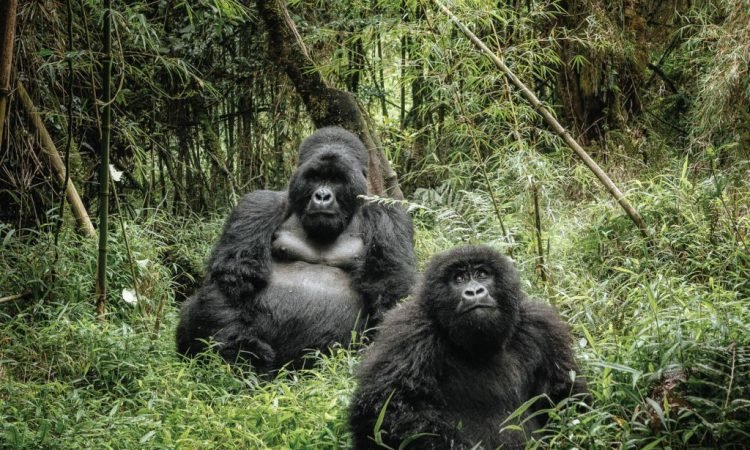
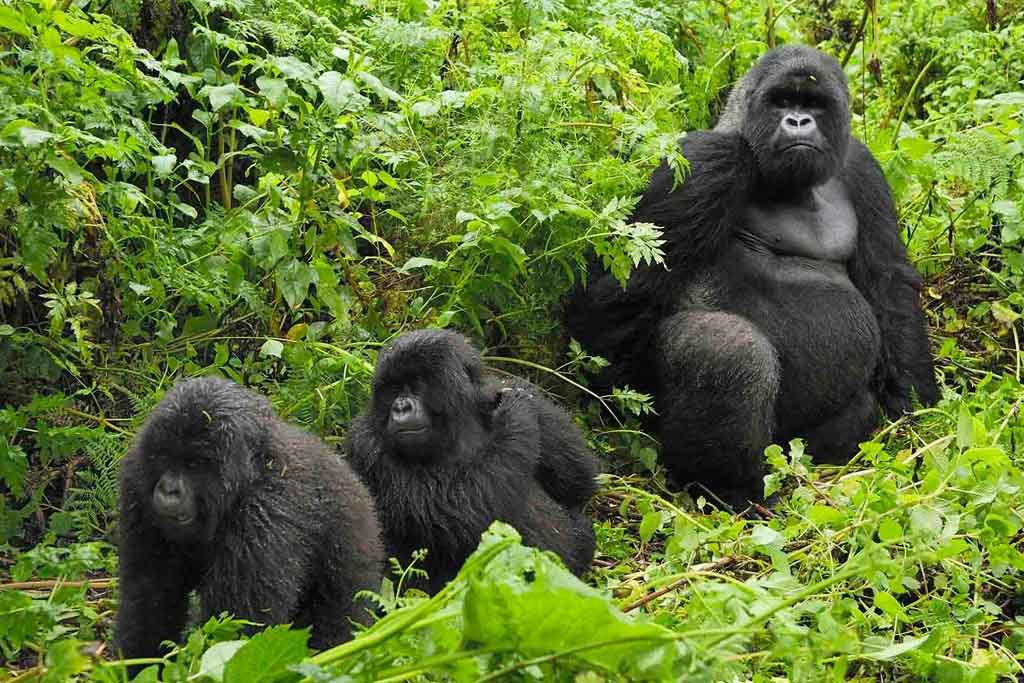
July is frequently considered one of the best months for gorilla-related tourism in Uganda because it generally experiences relatively low rainfall in southwestern Uganda. This can make July especially attractive for visitors seeking comfortable hiking conditions in Bwindi Impenetrable National Park.
During July, forest trails may be less saturated than during the principal rainy months, reducing some of the difficulties associated with steep muddy paths. Although the terrain remains physically demanding, visitors may find it easier to navigate certain sections when the ground is comparatively firm.
July is particularly suitable for first-time gorilla habituation visitors who want to minimize the likelihood of prolonged rainfall during their excursion. It is also attractive for photographers carrying equipment, couples planning wildlife holidays, and travellers combining several Uganda national parks.
However, July is one of the busiest months for international safari travel. European summer holidays and other international vacation periods contribute to strong demand for gorilla permits, safari accommodation, and domestic flights.
Because the Gorilla Habituation Experience has limited daily participation, visitors should organize permits well ahead of their preferred July travel dates.
July is certainly among the strongest months for gorilla habituation, particularly when weather and trekking comfort are the main priorities. Nevertheless, it is not automatically better than June or August for every visitor.
Mountain gorillas move naturally through their forest habitat, and no particular month guarantees shorter hiking distances, better visibility, or more active gorilla behaviour.
July is most advantageous because of its generally favourable seasonal conditions. The actual experience remains influenced by the movements of the assigned gorilla family, prevailing weather, terrain, and visitor fitness.
Gorilla Habituation in August – Excellent Weather and Peak Safari Experiences
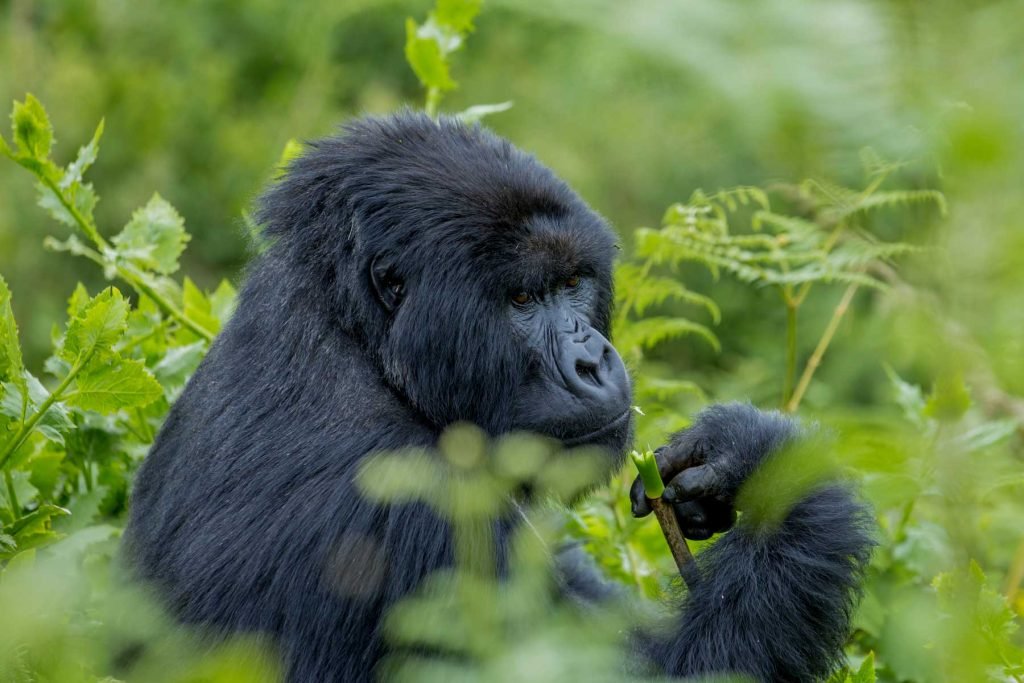
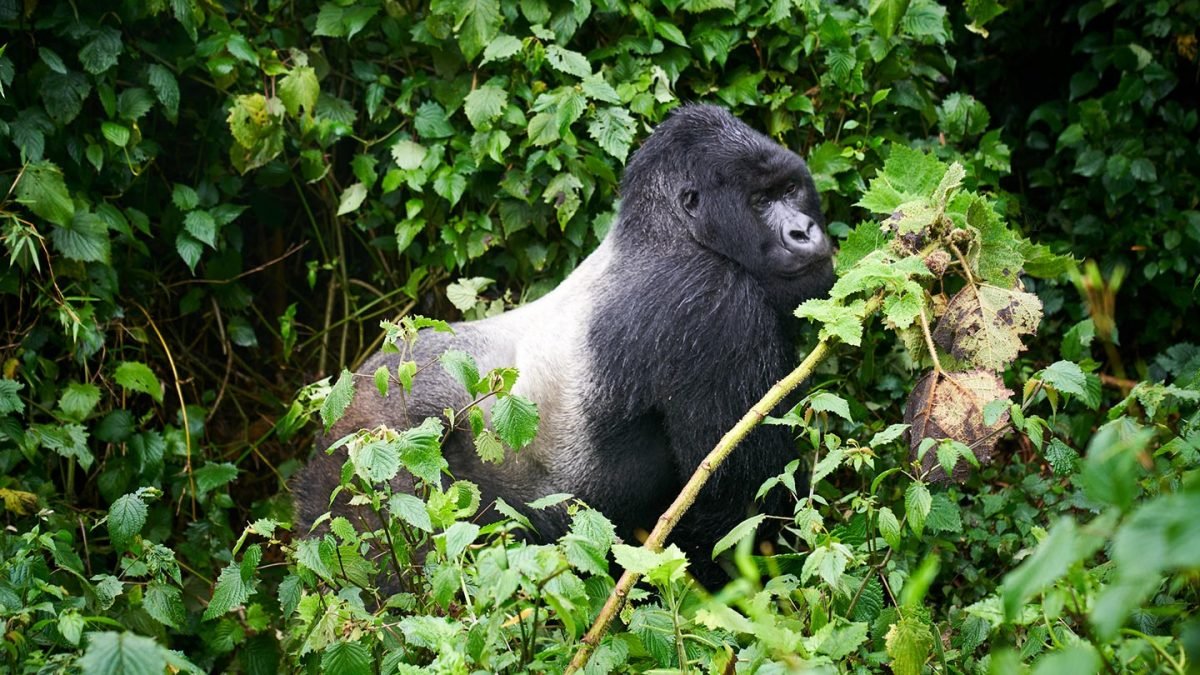
August is another excellent month for gorilla habituation in Uganda because it generally continues the relatively dry conditions experienced during July. Forest trails may remain more manageable than during the wetter months, making August suitable for visitors preparing for extended hiking activities.
The landscape surrounding Rushaga remains beautiful throughout August. Bwindi’s dense vegetation, forested hills, and mist-covered valleys provide a distinctive setting for observing endangered mountain gorillas.
August is especially attractive for international travellers taking advantage of summer holidays. Visitors from Europe, North America, Asia, Australia, and other regions frequently organize African wildlife holidays during this period, making Uganda an appealing destination for extended primate experiences.
However, increased tourism demand can affect accommodation availability around Rushaga. Popular luxury and midrange lodges may receive advance reservations, while suitable domestic flight seats and private safari vehicles may also become limited.
For visitors considering Is Gorilla Habituation Good in June, July and August?, August remains a highly recommended month, provided permits and travel arrangements are organized early.
Early August generally continues the relatively dry conditions associated with July. This can provide favourable forest hiking conditions, although occasional rainfall remains possible.
Late August may experience increasing rainfall in some years as southwestern Uganda approaches the following wetter period. Nevertheless, weather patterns vary, and the transition does not occur on a fixed date.
Visitors should not assume that late August is unsuitable for gorilla habituation. The experience continues throughout the month, and both early and late August can provide rewarding opportunities to observe mountain gorillas.
Is Gorilla Habituation Good in June, July and August for Photography?
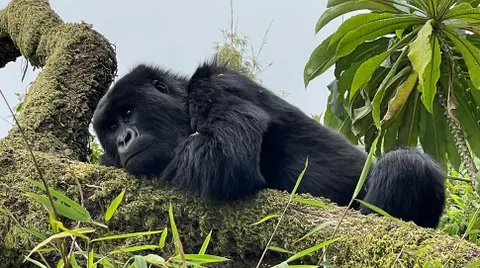
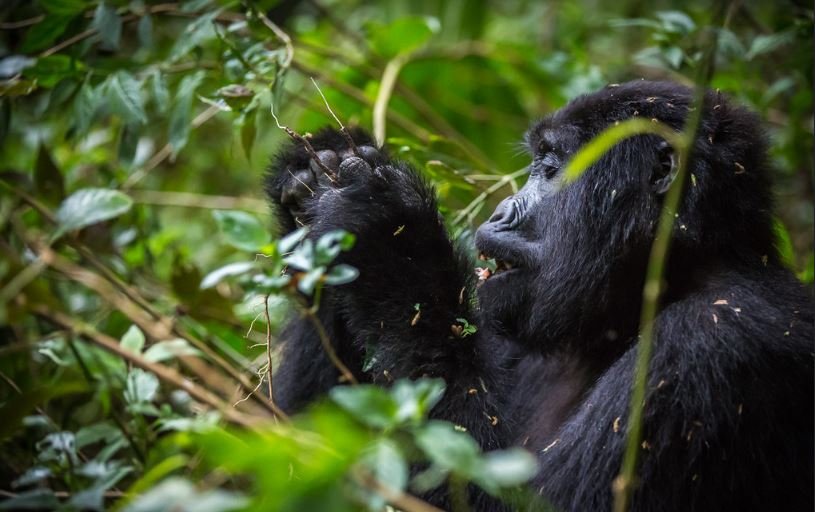
Yes. June, July, and August are particularly attractive months for mountain gorilla photography because relatively favourable weather can make it easier to carry and protect photographic equipment during extended forest excursions.
The Gorilla Habituation Experience provides up to four hours of observation with a designated gorilla family, offering additional time to capture natural behaviour compared with conventional gorilla trekking.
Photographers may have opportunities to document feeding, grooming, resting, communication, and interactions between adult gorillas and younger family members. However, animal behaviour remains unpredictable, and visitors must follow all instructions given by authorized personnel.
Bwindi’s forest canopy can create challenging lighting conditions even during relatively dry weather. Photographers should prepare for limited natural light, changing exposure requirements, and areas where vegetation partially obstructs views.
Flash photography is prohibited, and visitors should never attempt to influence gorilla behaviour or approach more closely than permitted.
For photographers researching Is Gorilla Habituation Good in June, July and August?, these months provide a strong combination of comparatively favourable trekking conditions and extended opportunities for responsible wildlife observation.
How Much Does Gorilla Habituation Cost in June, July and August?
The cost of gorilla habituation in Uganda depends on the official Uganda Wildlife Authority permit tariff, the visitor’s nationality or residency classification, accommodation category, transportation arrangements, and other safari services.
June, July, and August are generally peak travel months, but the official gorilla habituation permit does not automatically become more expensive because of seasonal demand.
For visits during June, July, and August 2026, the published Gorilla Habituation Experience permit costs USD 1,500 for foreign non-residents, USD 1,000 for foreign residents, USD 1,000 for visitors in the Rest of Africa category, and UGX 750,000 for eligible East African Community citizens.
Under Uganda Wildlife Authority’s published 2027–2028 conservation tariff, the rates beginning January 1, 2027, are USD 1,800 for foreign non-residents, USD 1,500 for foreign residents, USD 1,000 for visitors in the Rest of Africa category, and UGX 750,000 for eligible East African Community citizens.
The permit fee includes the applicable guided forest activity and park access under the official tariff conditions. However, accommodation, private safari transportation, domestic flights, porter assistance, and other personal expenses are generally charged separately unless included in an organized safari quotation.
For visitors considering Is Gorilla Habituation Good in June, July and August?, it is important to budget for the complete safari rather than focusing only on the habituation permit.
When Should You Book Gorilla Habituation Permits for June, July and August?
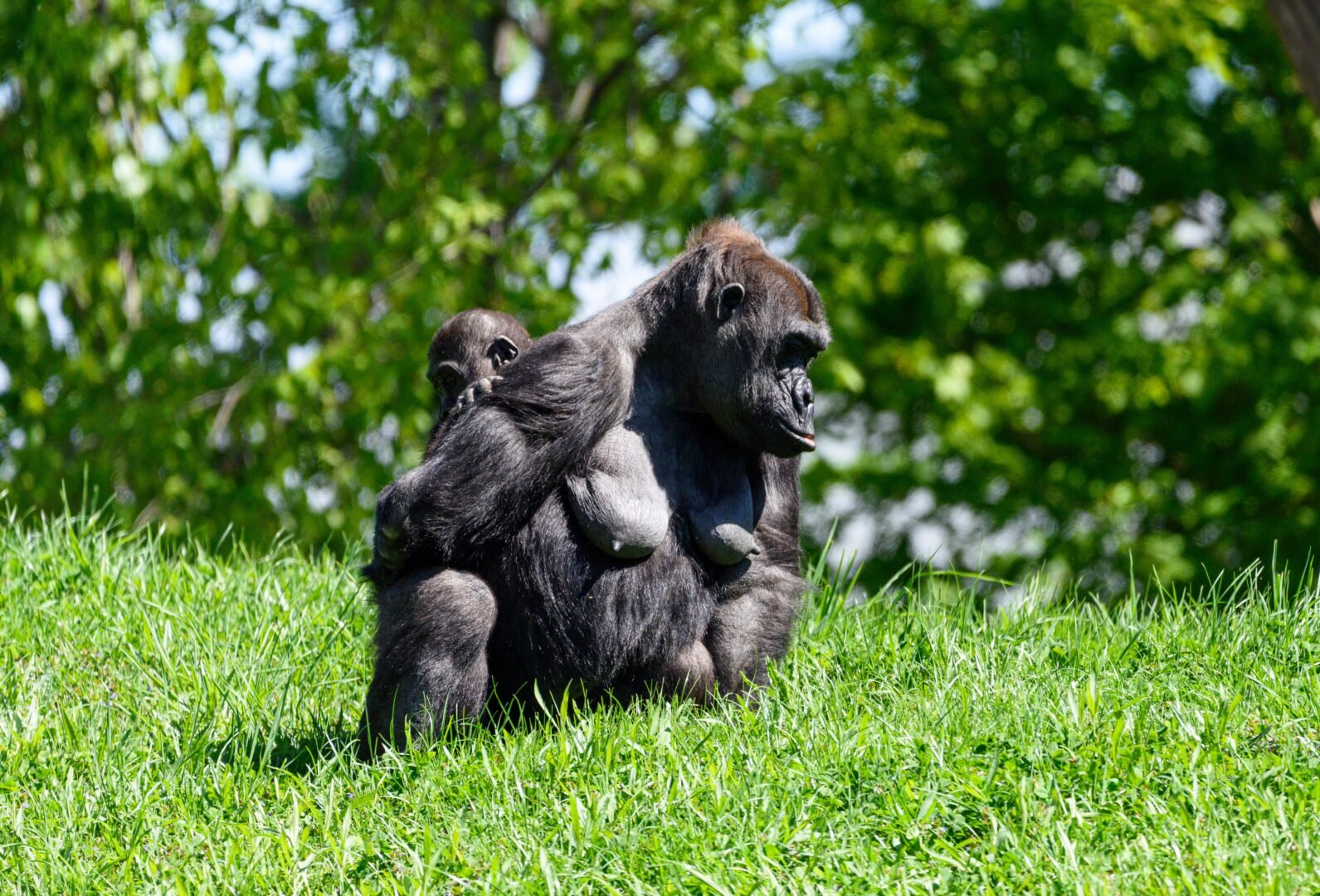
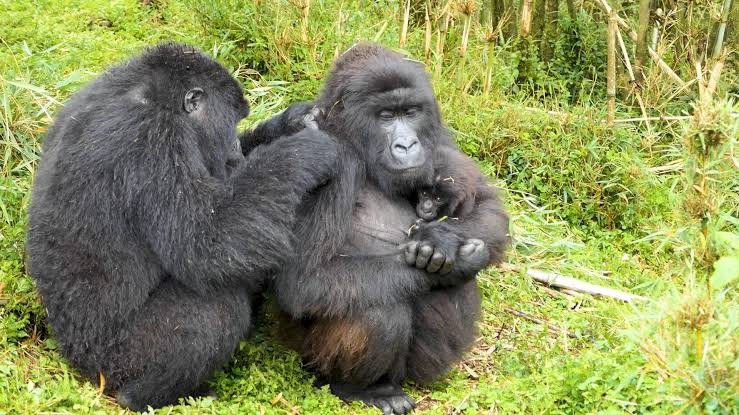
Gorilla habituation permits should be booked as early as practical because the activity operates with limited visitor capacity, and June, July, and August are among the most popular months for wildlife tourism in Uganda.
Travellers should ideally begin checking availability several months before their preferred travel dates. Those with fixed schedules, larger groups, or special accommodation requirements may benefit from planning even earlier.
The most important step is to confirm the permit before purchasing nonrefundable flights or making accommodation reservations that cannot be changed.
Visitors should also ensure that the permit is issued for the correct activity and location. Ordinary gorilla trekking permits are different from Gorilla Habituation Experience permits, and a standard trekking permit does not authorize participation in the four-hour habituation activity.
When planning Is Gorilla Habituation Good in June, July and August?, securing the correct Rushaga Gorilla Habituation Experience permit is one of the most important booking considerations.
Where Should You Stay for Gorilla Habituation in June, July and August?
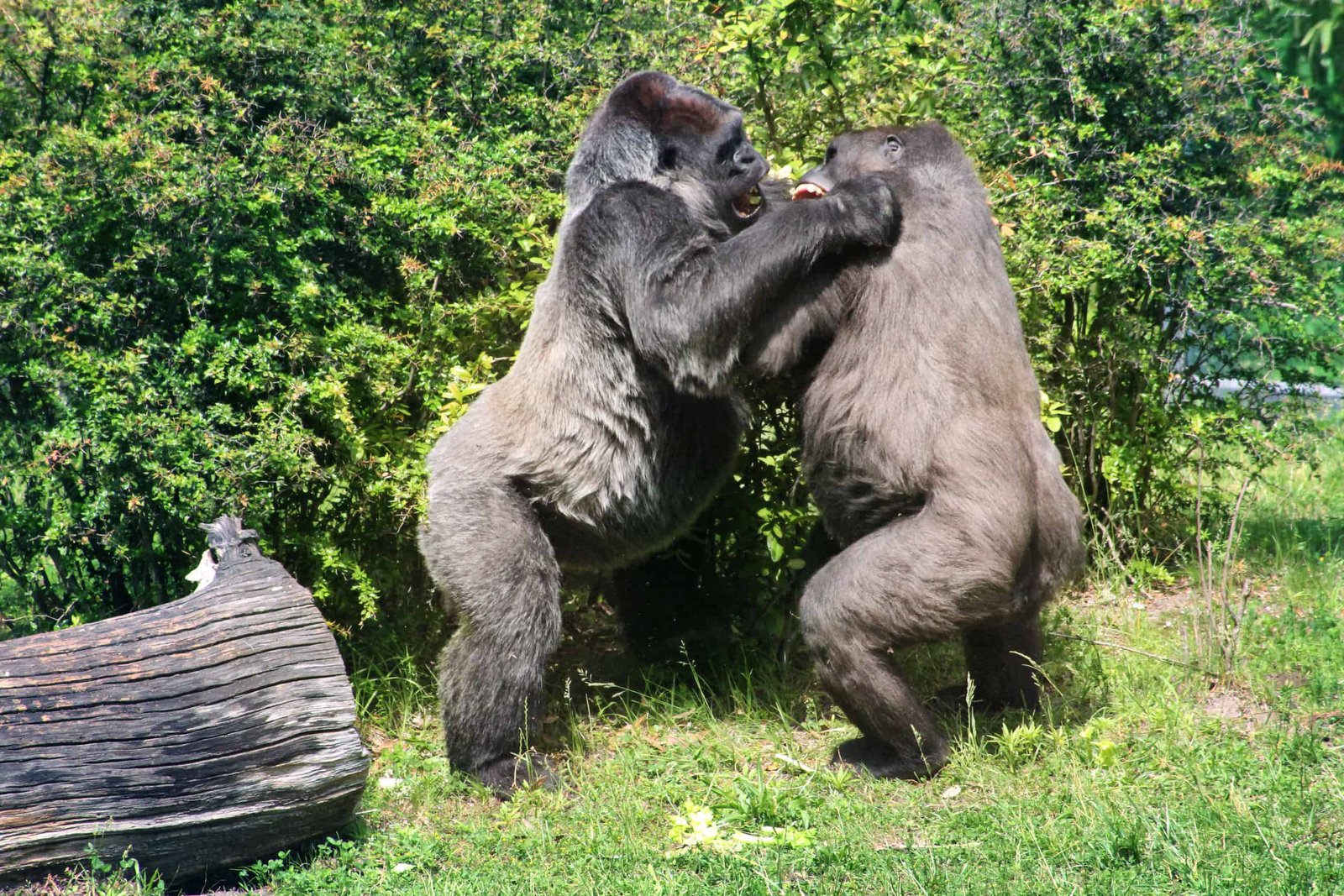
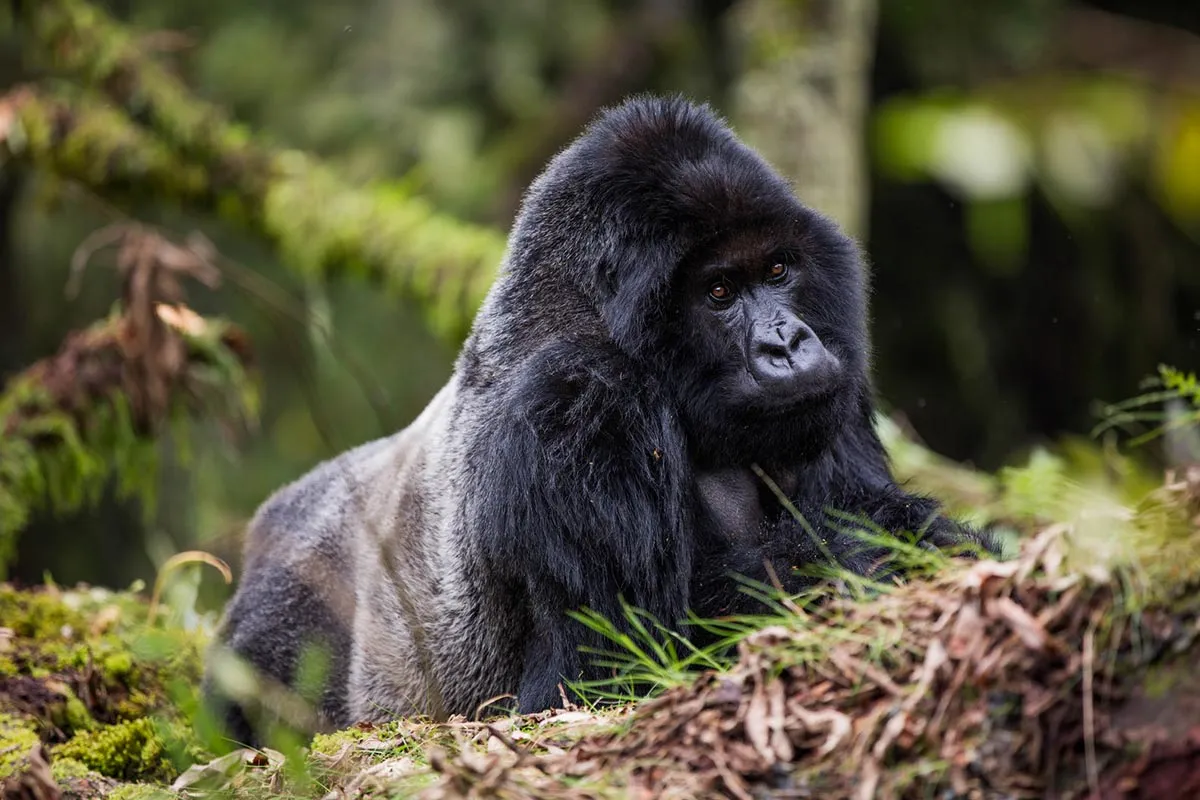
The most convenient place to stay for gorilla habituation is near the Rushaga sector of Bwindi Impenetrable National Park. The activity begins early, making accommodation location particularly important for visitors who want to avoid long road transfers before entering the forest.
Rushaga offers luxury, midrange, and budget accommodation options suitable for different travel preferences.
Luxury Accommodation Near Rushaga
Four Gorillas Lodge, Gorilla Safari Lodge, Gorilla Leisure Lodge, and Bweza Gorilla Lodge are among the accommodation options visitors may consider when seeking an upscale gorilla habituation safari.
These properties offer different combinations of forest scenery, comfortable accommodation, personalized hospitality, and access to the southern Bwindi tourism area.
Luxury accommodation can be particularly appealing after a demanding forest excursion because visitors can relax in comfortable surroundings while enjoying the beautiful highland landscape.
Midrange Accommodation Near Rushaga
Rushaga Gorilla Havens Lodge, Ichumbi Gorilla Lodge, and Rushaga Gorilla Lodge are practical options for travellers seeking comfortable accommodation at a more moderate budget.
Midrange properties can provide convenient access to the Rushaga briefing area while allowing visitors to allocate more of their safari expenses toward permits and additional wildlife experiences.
Budget Accommodation Near Rushaga
Budget-conscious travellers may consider Nshongi Camp or other available affordable accommodation options around the Rushaga sector.
These properties are suitable for visitors who prioritize the gorilla habituation activity over luxury facilities. However, guests should still confirm meal arrangements, room facilities, transport to the briefing point, and access-road conditions.
Because June, July, and August are popular safari months, accommodation should be reserved early to secure the preferred category and location.
Can You Travel From Kigali to Rushaga in June, July and August?
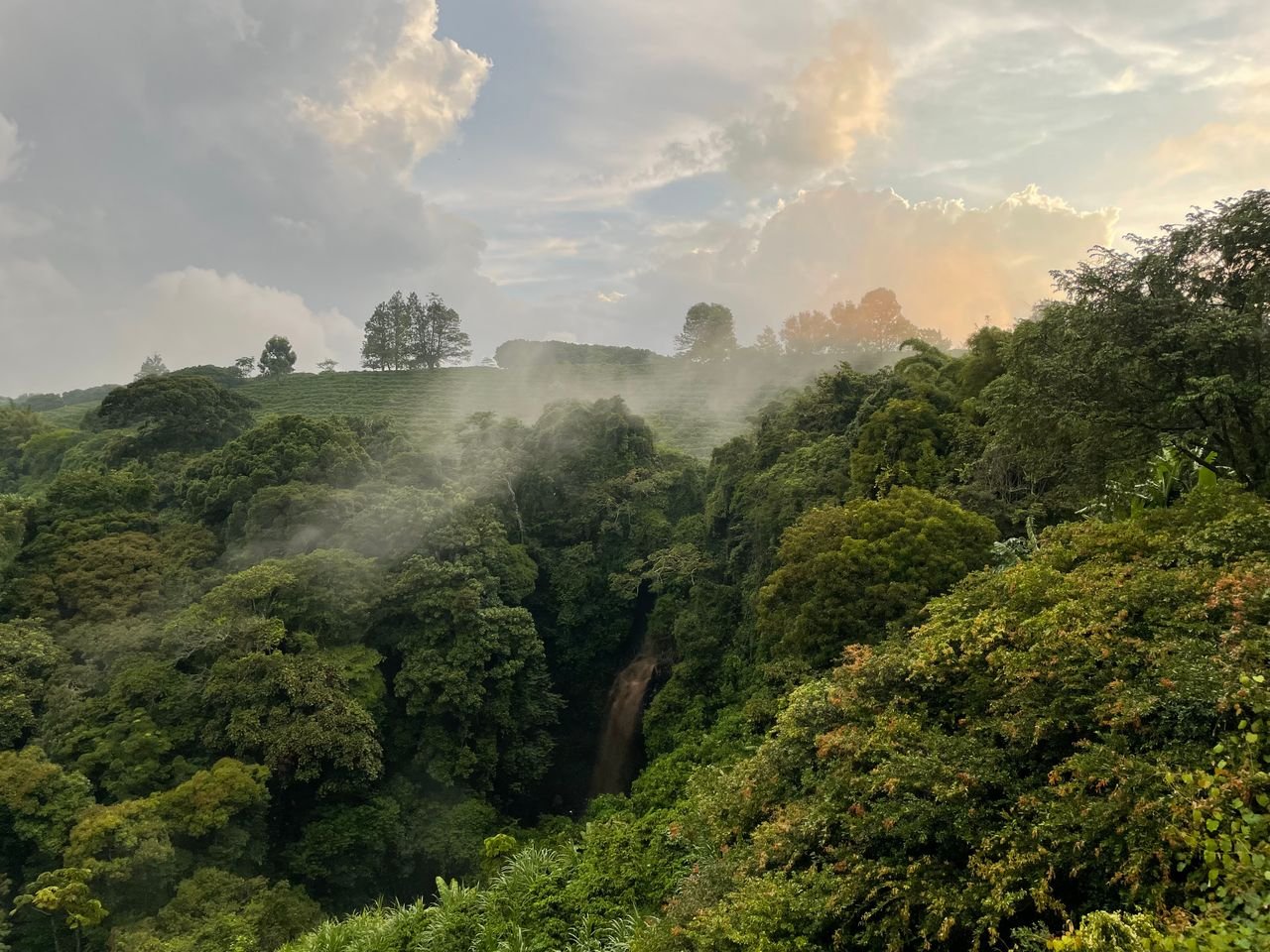
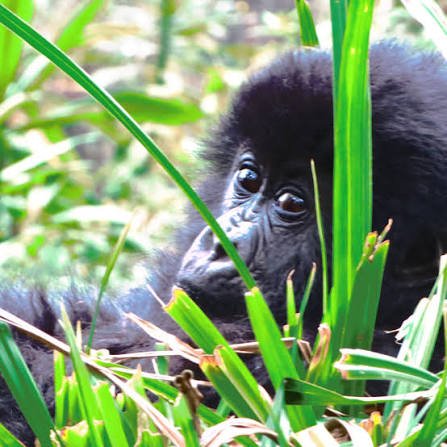
Yes. Visitors arriving through Kigali International Airport in Rwanda can travel by road to the Rushaga sector of Bwindi Impenetrable National Park.
The journey commonly requires approximately four to five hours, although actual travel time depends on the selected border crossing, immigration procedures, road conditions, and accommodation location.
June, July, and August can provide comparatively favourable conditions for cross-border road travel, although rainfall and unexpected delays remain possible.
This route is particularly attractive for travellers combining Rwanda and Uganda in one safari. Visitors should ensure that they meet the immigration requirements applicable to their nationality and carry the documents required for entry into Uganda.
For visitors asking Is Gorilla Habituation Good in June, July and August?, the Kigali route provides another practical way to access Rushaga during the popular dry-season months.
How Many Days Do You Need for Gorilla Habituation in June, July and August?
A three-day Gorilla Habituation Experience is generally suitable for visitors who want a short safari focused on Bwindi Impenetrable National Park.
Day 1 – Travel to Rushaga in Bwindi Impenetrable National Park
Visitors begin their journey from Entebbe, Kampala, Kigali, or another agreed starting point and travel to the Rushaga sector of Bwindi Impenetrable National Park.
Upon arrival, travellers check into their selected accommodation and prepare for the following morning’s activity. The afternoon may be spent relaxing, enjoying the beautiful mountain scenery, and confirming the briefing arrangements.
Day 2 – Gorilla Habituation Experience in Rushaga
After an early breakfast, visitors proceed to the designated Rushaga briefing location for their Gorilla Habituation Experience.
Authorized Uganda Wildlife Authority personnel explain the activity before participants enter the forest in search of the designated gorilla family.
Once the family is located, visitors may spend up to four hours observing the gorillas under ranger supervision.
After the forest excursion, participants return to their accommodation for relaxation and overnight rest.
Day 3 – Return to Entebbe, Kampala, or Kigali
Following breakfast, visitors begin their return journey to their preferred destination.
Travellers using domestic flights are transferred to Kisoro Airstrip, while those travelling by road continue toward Entebbe, Kampala, Kigali, or another destination.
Visitors with additional time may extend the safari to four or five days to incorporate conventional gorilla trekking, Lake Bunyonyi, Lake Mutanda, or other activities around southwestern Uganda.
Frequently Asked Questions About Gorilla Habituation in June, July and August
Is Gorilla Habituation Good in June, July and August?
Yes. June, July, and August are among the best months for gorilla habituation in Uganda because they generally experience relatively dry conditions, making forest trails more manageable than during the main rainy seasons. However, Bwindi remains a tropical rainforest, and rainfall can occur throughout the year. Visitors should prepare with suitable hiking equipment and arrange permits early because these months are popular for Uganda safaris.
Is June a Good Month for Gorilla Habituation in Uganda?
Yes. June is an excellent month because it generally marks the beginning of the longer relatively dry season. Rainfall often decreases following the wetter months of March through May, improving forest hiking conditions. The surrounding vegetation remains beautifully green, making June particularly attractive for nature enthusiasts and photographers.
Is July the Best Month for Gorilla Habituation in Uganda?
July is one of the strongest months for gorilla habituation because it is commonly among the relatively driest periods in southwestern Uganda. Forest trails may be firmer, making hiking somewhat more comfortable. However, July is also a popular travel month, so visitors should secure permits and accommodation well ahead of their intended safari.
Is August Good for Gorilla Habituation in Bwindi?
Yes. August generally offers favourable dry-season conditions for gorilla habituation in Bwindi Impenetrable National Park. It is especially suitable for visitors who want to combine gorilla habituation with other Uganda wildlife activities. However, August is a popular international holiday period, and permit availability may be limited.
Which Is Better for Gorilla Habituation, June or July?
Both June and July are excellent months. June often combines improving weather with particularly lush vegetation following the longer rainy season. July is commonly relatively drier, potentially providing more comfortable hiking conditions. The preferred month depends on permit availability, accommodation arrangements, and the visitor’s personal travel preferences.
Book Your Gorilla Habituation Experience in June, July and August in Uganda
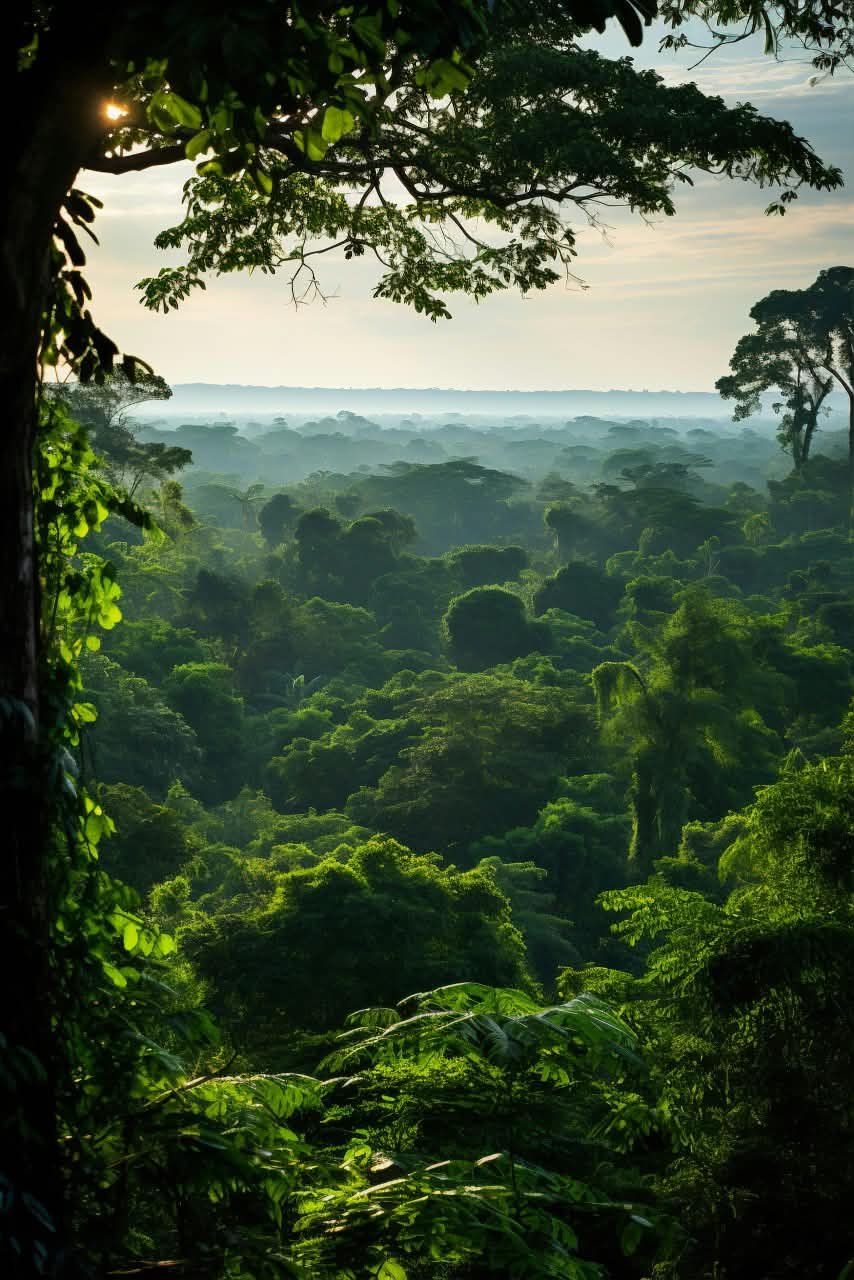
June, July, and August offer some of the most favourable seasonal conditions for experiencing mountain gorilla habituation in Bwindi Impenetrable National Park. With generally reduced rainfall, potentially more manageable forest trails, beautiful mountain scenery, and excellent opportunities for wildlife photography, these months are particularly appealing for visitors planning an unforgettable Uganda safari.
If you are still wondering Is Gorilla Habituation Good in June, July and August?, the answer is yes. These months provide an excellent opportunity to participate in Uganda’s extended Gorilla Habituation Experience while enjoying the advantages of travelling during one of the country’s main dry seasons.
Our gorilla safari booking team can help you select suitable dates, check Uganda Wildlife Authority permit availability, arrange accommodation near Rushaga, and organize reliable transportation to Bwindi Impenetrable National Park.
We can assist with gorilla habituation permits, luxury and midrange accommodation, budget-friendly safari arrangements, domestic flights from Entebbe to Kisoro, private road transfers from Kampala, and customized gorilla habituation safaris starting from Kigali in Rwanda.
We can also help you combine the Gorilla Habituation Experience with other Uganda safari activities, including chimpanzee tracking in Kibale National Park, wildlife game drives in Queen Elizabeth National Park, golden monkey tracking in Mgahinga Gorilla National Park, and scenic relaxation around Lake Bunyonyi or Lake Mutanda.
Whether you are a Ugandan citizen, international visitor, photographer, honeymooner, or wildlife enthusiast, a well-organized safari during June, July, or August can provide an extraordinary opportunity to explore Uganda’s spectacular mountain gorilla habitat.
Book your June, July, or August Gorilla Habituation Experience in Uganda today. Contact our team with your preferred travel dates, number of participants, accommodation preferences, and travel requirements so that available permits and suitable safari arrangements can be checked before confirming your journey.