
Is Gorilla Habituation Safe?
Is Gorilla Habituation Safe? 15 Essential Safety Tips for an Unforgettable Uganda Gorilla Safari
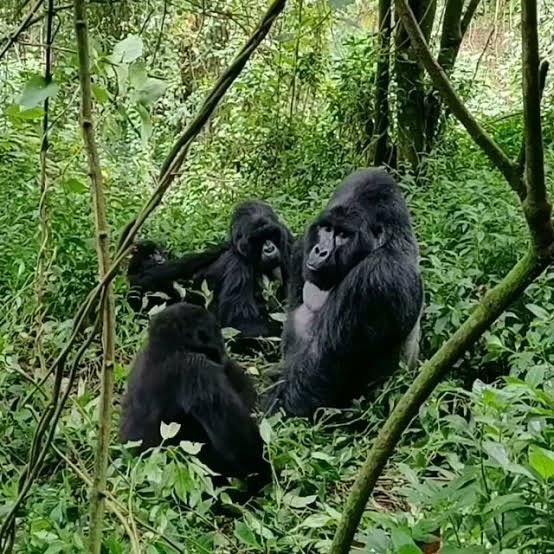
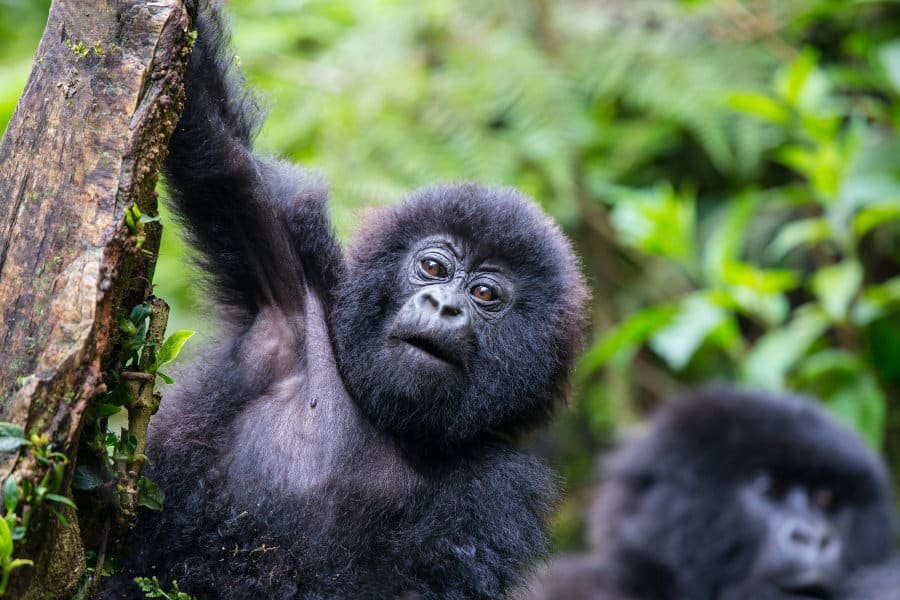
Is Gorilla Habituation Safe? Yes, gorilla habituation in Uganda is generally considered a well-managed wildlife activity when visitors participate under the supervision of authorized Uganda Wildlife Authority rangers, experienced trackers, and habituation personnel while following established conservation and safety regulations. Uganda’s Gorilla Habituation Experience takes place in the Rushaga sector of Bwindi Impenetrable National Park in southwestern Uganda, where visitors can spend up to four hours observing a mountain gorilla family undergoing habituation. Although mountain gorillas are powerful wild animals and the forest environment presents natural risks, Uganda has established structured gorilla tourism procedures designed to protect visitors, minimize disturbance to the animals, and promote responsible wildlife encounters.
For Ugandan citizens, East African Community citizens, foreign residents, and international travellers planning a safari in Uganda, understanding Is Gorilla Habituation Safe? is an essential part of preparing for the country’s extraordinary four-hour mountain gorilla experience. Uganda’s Bwindi Impenetrable National Park is a protected tropical rainforest characterized by mountainous landscapes, thick vegetation, steep forest trails, and endangered mountain gorillas living in their natural habitat.
Unlike conventional gorilla trekking, which involves visiting gorilla families already accustomed to controlled human presence, Uganda’s Gorilla Habituation Experience allows visitors to accompany authorized personnel observing gorilla families still undergoing habituation. This means the animals may be more cautious or less predictable around humans, making professional supervision, appropriate visitor behaviour, and adherence to safety instructions particularly important.
The Gorilla Habituation Experience is carefully regulated, but it should never be described as completely risk-free. Mountain gorillas are not domesticated animals, and visitors must respect their space, natural behaviour, and social relationships. By understanding the safety procedures, preparing for the forest conditions, and following the instructions of authorized personnel, travellers can approach the experience with confidence and realistic expectations.
Why Is Gorilla Habituation Considered Safe in Uganda?
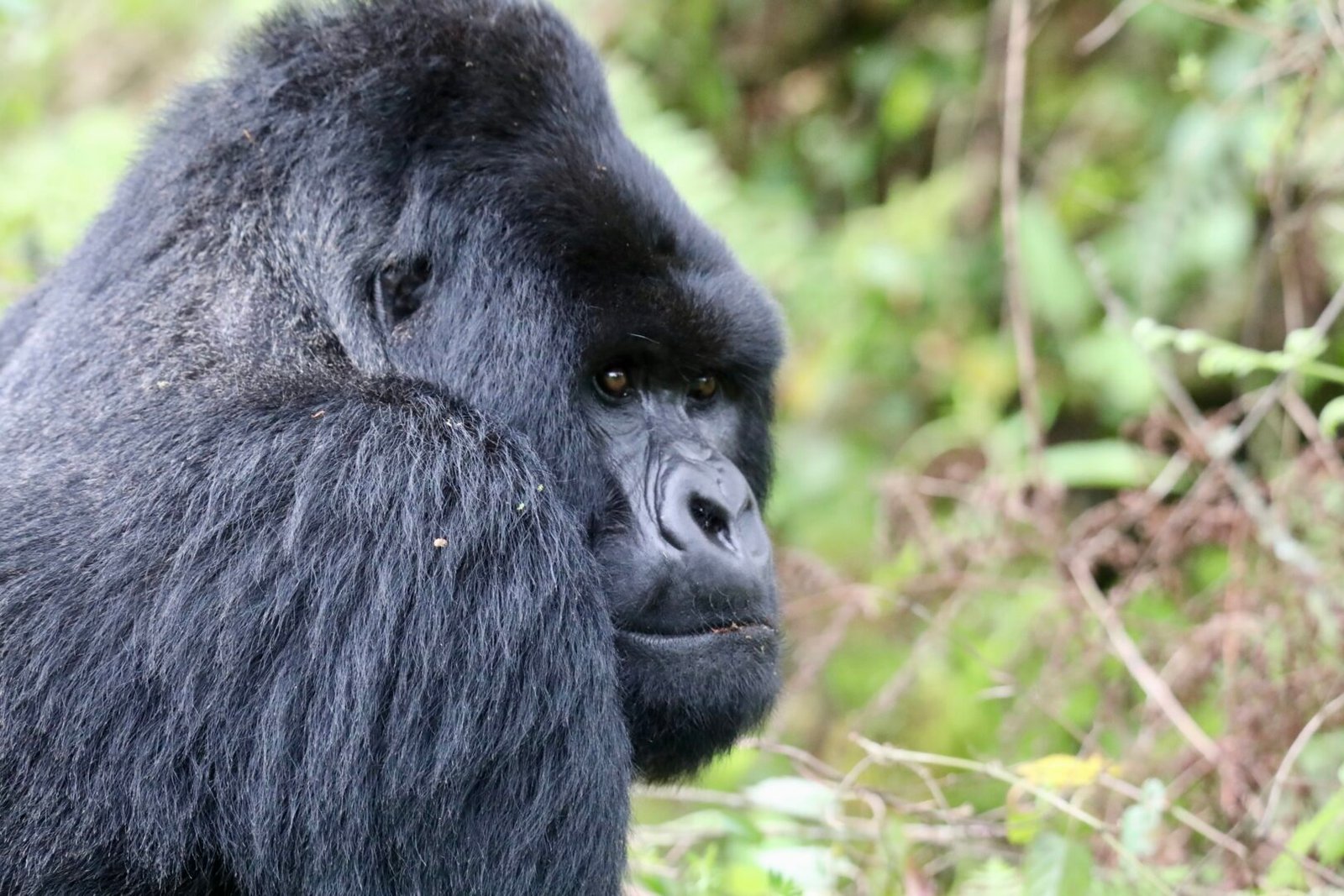
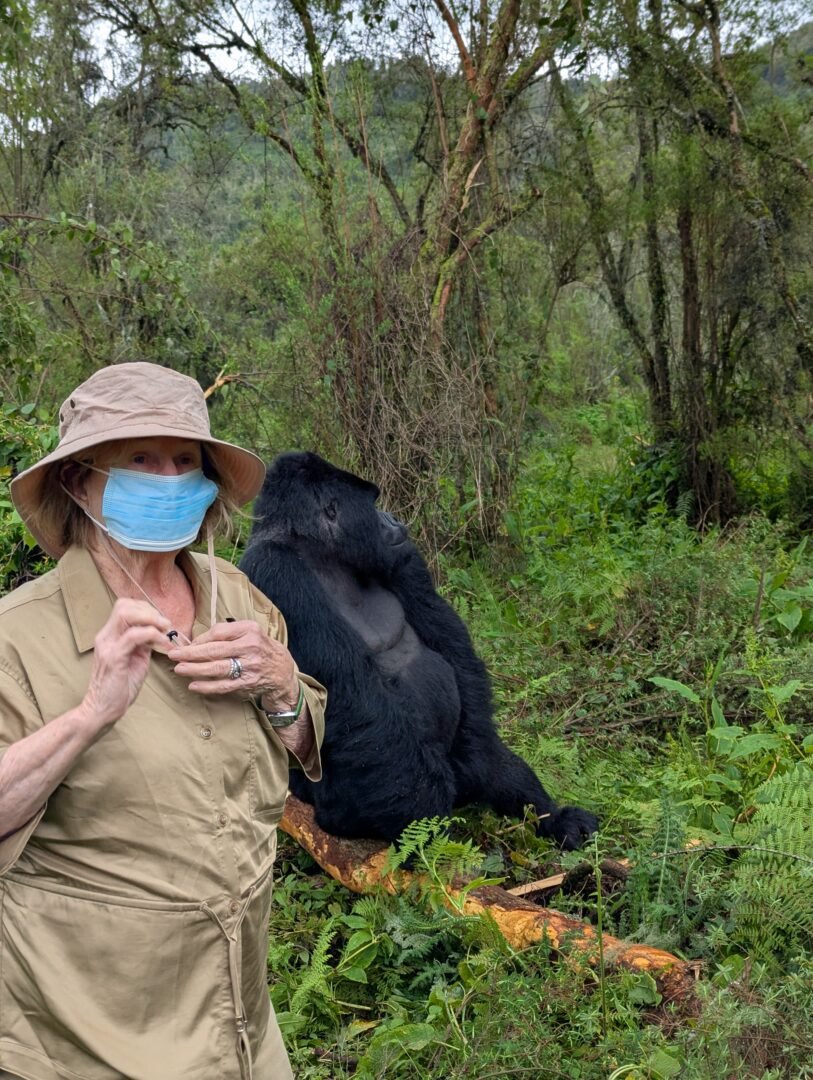
Gorilla habituation is considered a managed wildlife experience because it takes place under the supervision of professionals familiar with mountain gorilla behaviour, forest conditions, and wildlife conservation procedures. The activity is regulated by Uganda Wildlife Authority, which manages protected areas, permits, visitor requirements, and the procedures governing gorilla tourism.
Visitors do not enter Bwindi Impenetrable National Park independently to search for mountain gorillas. Instead, they participate in an organized activity with authorized personnel who coordinate tracking, assess conditions, and provide instructions before and during the encounter. These arrangements help reduce the likelihood of visitors approaching gorillas inappropriately or becoming separated from the authorized group.
Another important safety measure is the restriction on visitor numbers. Gorilla habituation operates with a maximum of four participating tourists per designated group, allowing encounters to remain relatively small and controlled. This limited capacity is intended to reduce pressure on the animals while supporting close supervision of visitor behaviour.
When evaluating Is Gorilla Habituation Safe?, the main consideration is that safety depends on a combination of professional supervision, controlled visitor access, responsible behaviour, suitable preparation, and respect for the natural environment.
Are Mountain Gorillas Dangerous During Habituation?
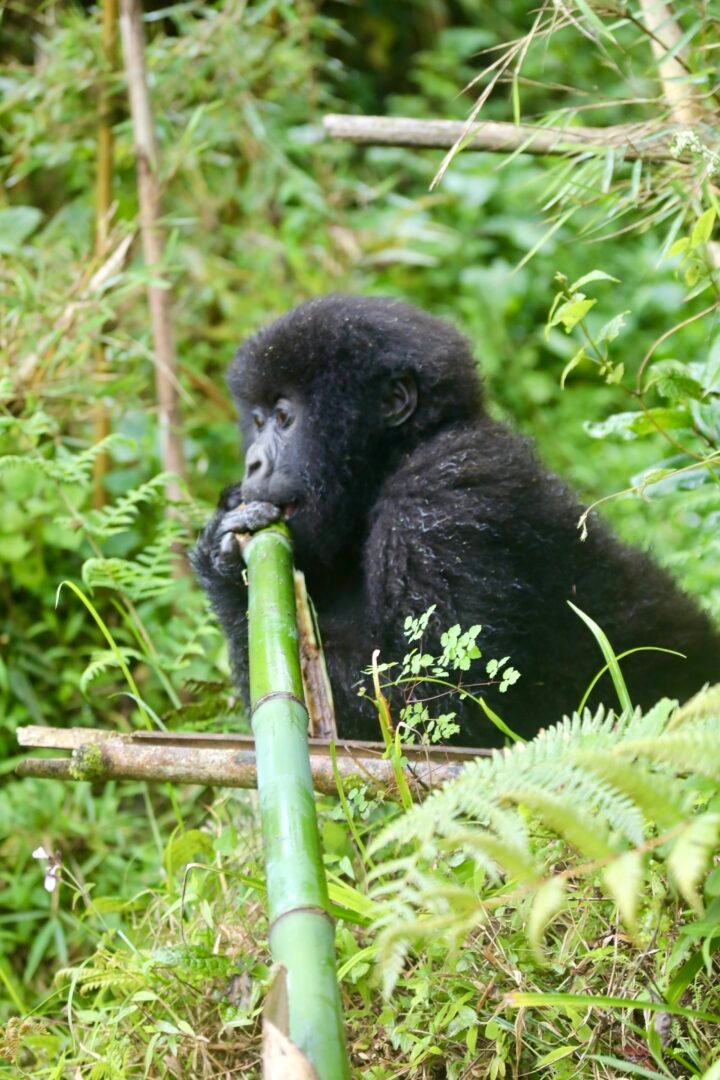
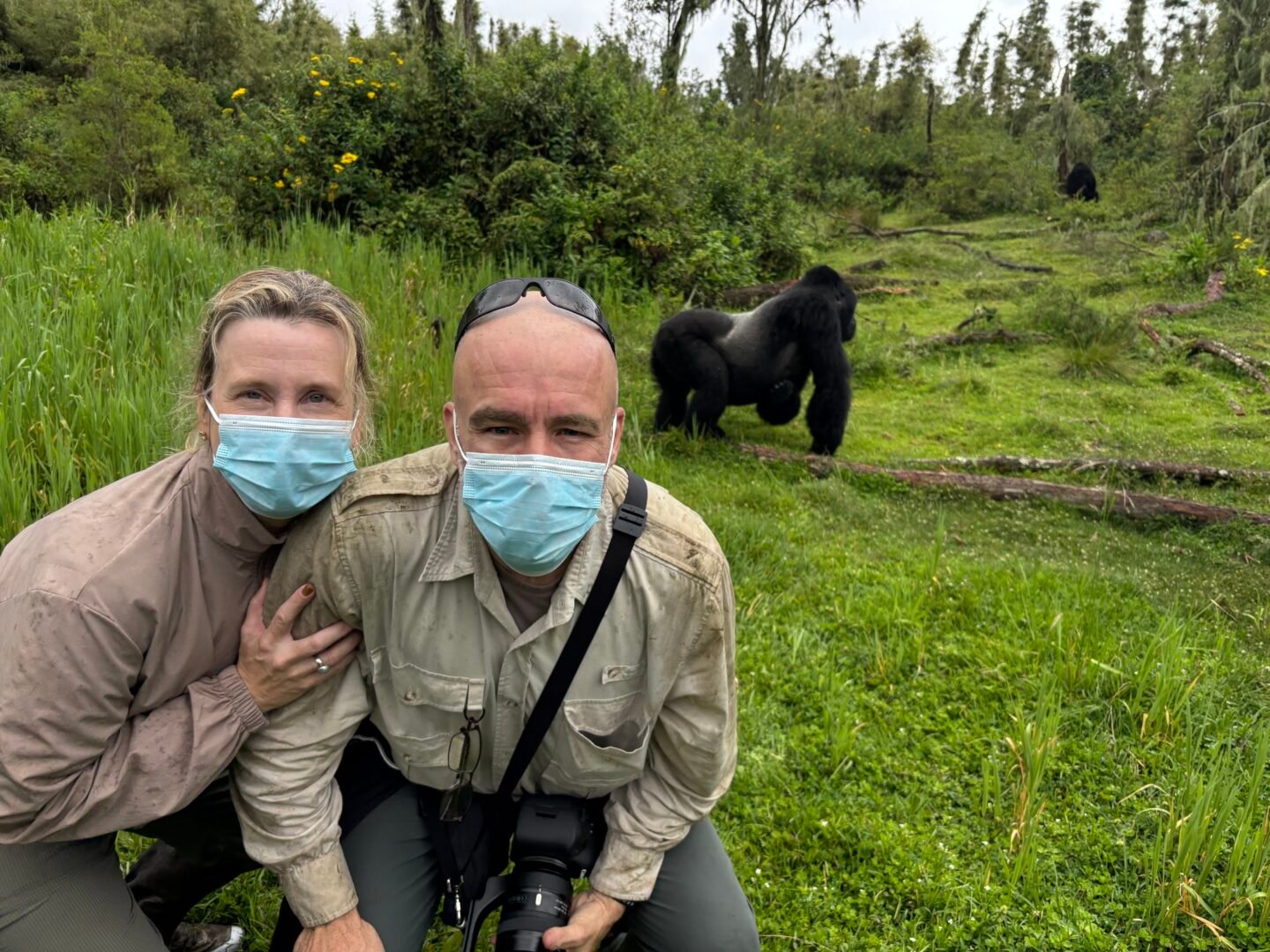
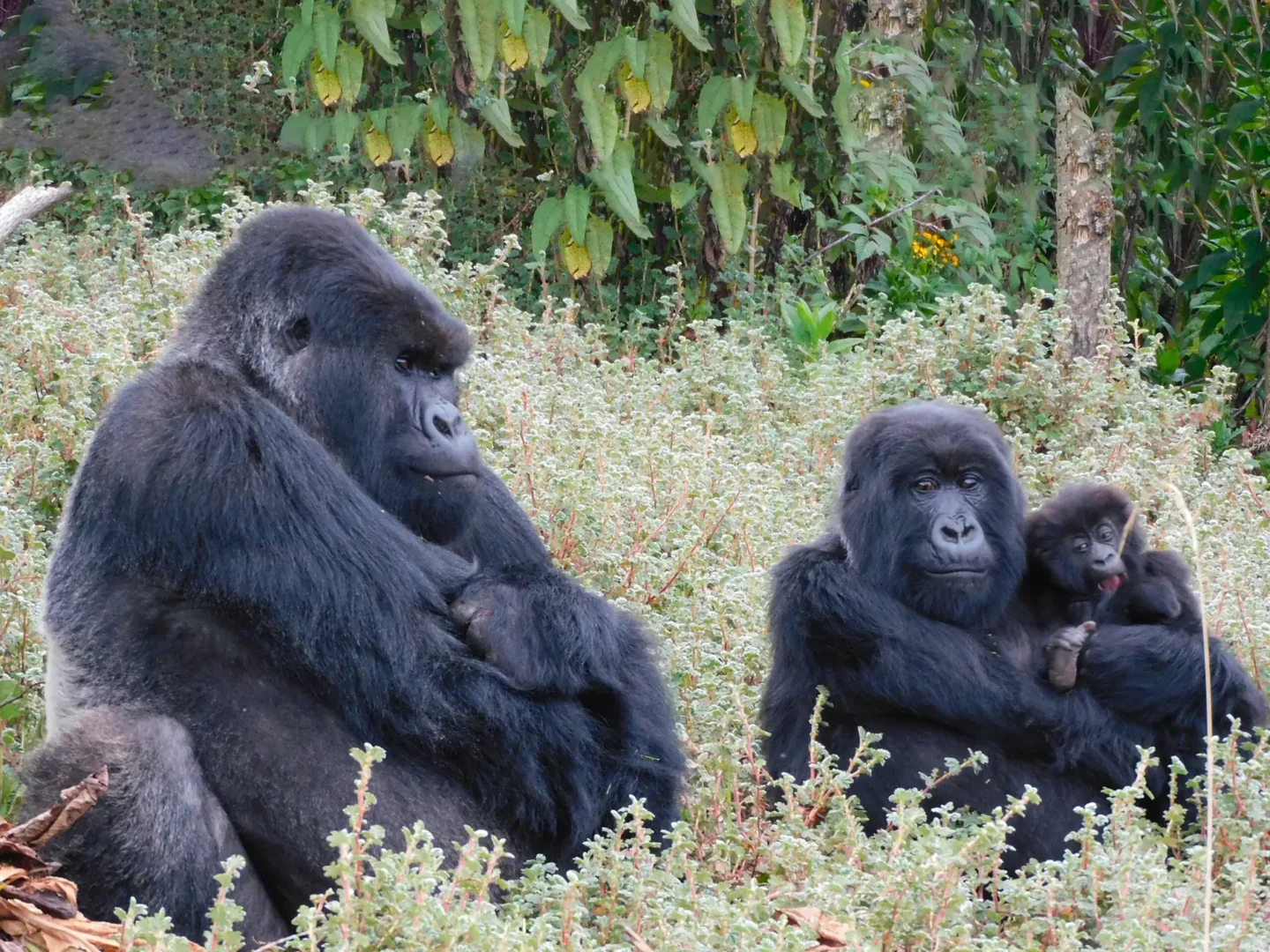
Mountain gorillas are extremely powerful wild primates capable of causing serious injury if threatened or provoked. However, they are generally not aggressive toward people without a reason, and their normal social behaviour involves feeding, resting, grooming, moving through vegetation, and interacting with other members of their family.
Gorillas undergoing habituation may react more cautiously to human presence than fully habituated families. Some individuals may move away, become alert, make vocalizations, or display behaviour indicating discomfort. These responses are important signals that authorized personnel must interpret carefully.
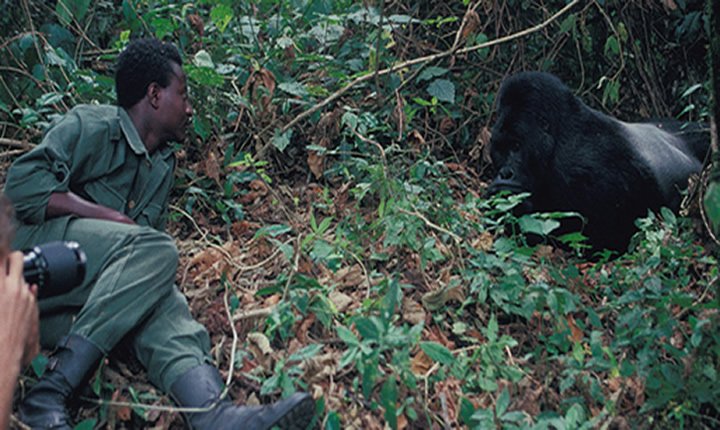
A silverback, the dominant adult male in many gorilla families, plays an important role in protecting the group. If he perceives a threat, he may display defensive behaviour, including vocalizations, chest-beating, or other warning signals. Such displays should be taken seriously rather than treated as entertainment.
Visitors should never attempt to provoke a reaction, approach a young gorilla, interfere with family interactions, or move toward a silverback without authorization.
For travellers wondering Is Gorilla Habituation Safe?, it is important to recognize that mountain gorillas are not inherently hostile to humans, but their strength and natural defensive behaviour require visitors to maintain a respectful distance and follow professional instructions.
Can a Gorilla Attack During the Habituation Experience?
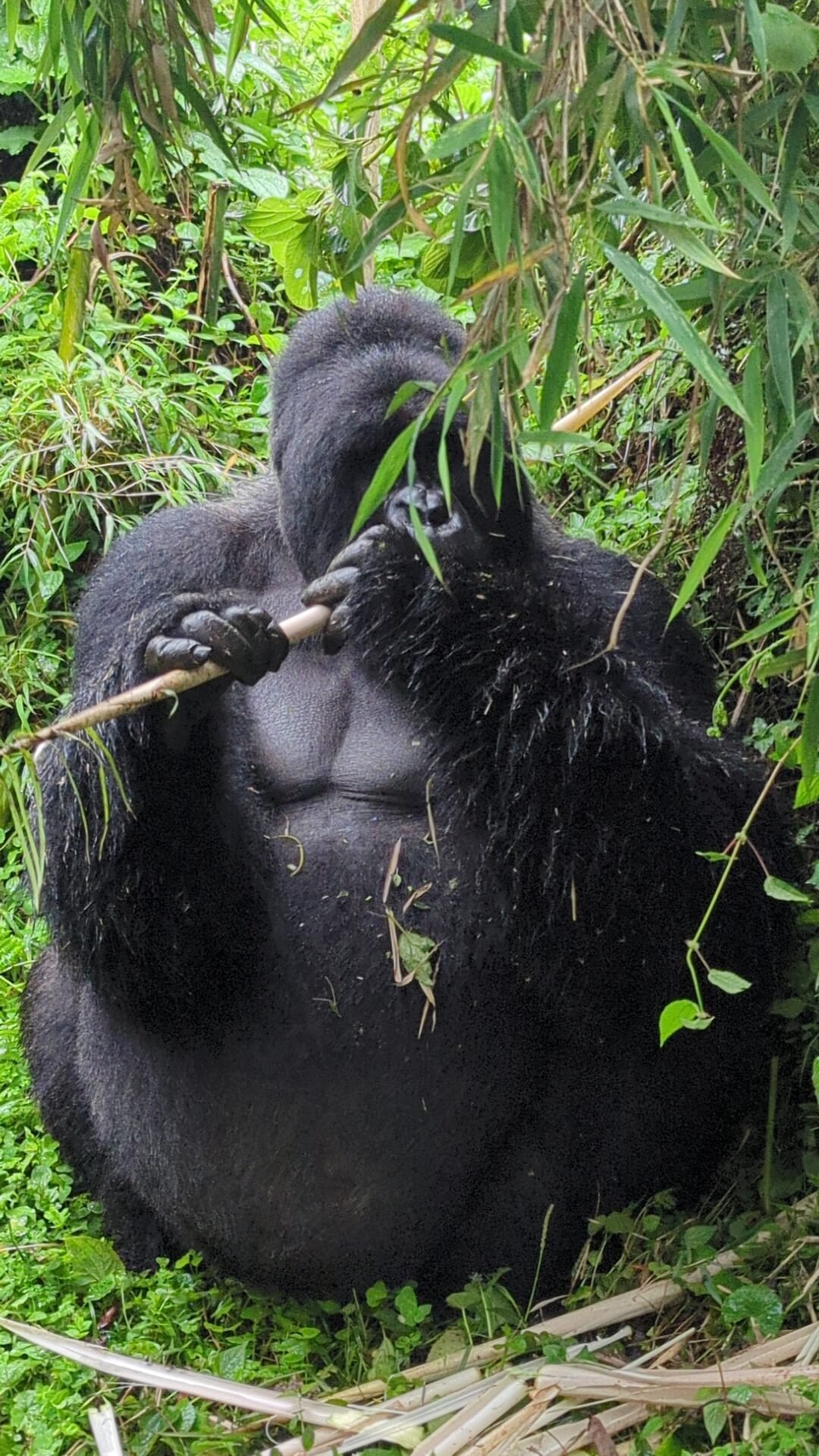
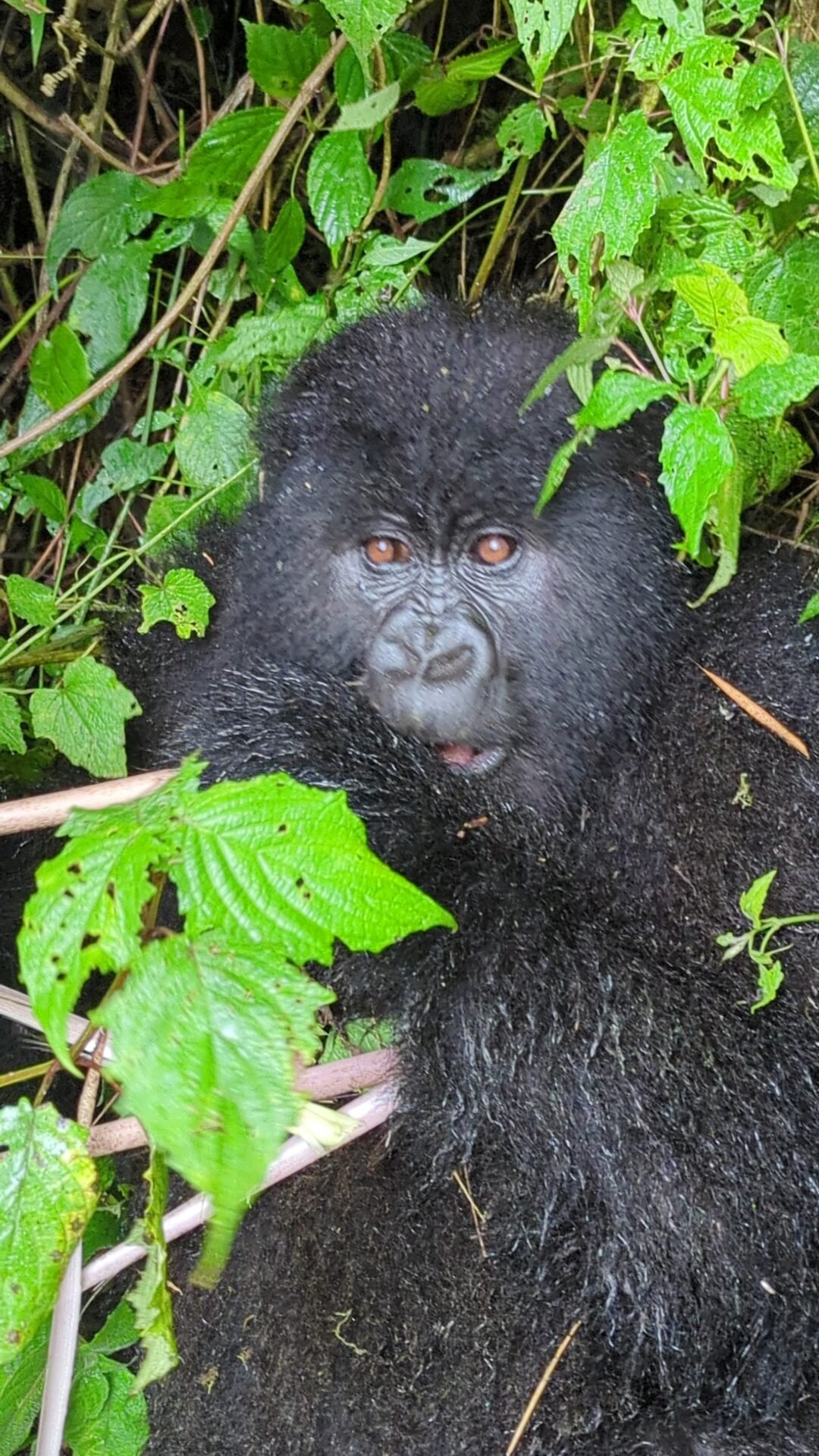
A defensive encounter is possible because mountain gorillas are wild animals, but attacks are not an expected part of properly supervised gorilla tourism. The presence of authorized guides, regulated visitor conduct, and careful monitoring of animal behaviour is intended to reduce the risk of dangerous encounters.
Gorillas may display warning behaviour when they feel threatened, disturbed, or protective of their family members. A silverback may use vocalizations, chest-beating, or other displays to communicate that he wants more space.
Visitors should never interpret these signals as an invitation to approach or photograph the animal at closer range.
If a gorilla appears agitated or makes a sudden movement toward the group, participants must follow the instructions of the authorized personnel immediately. Running, making sudden gestures, shouting, or trying to interact with the animal can make an already sensitive situation more difficult.
Visitors should not rely on simplified internet advice about responding to gorilla charges because circumstances differ. The ranger present at the encounter is best positioned to interpret the behaviour and direct the group.
The most effective way to reduce risk is to remain calm, avoid provoking the animals, maintain the required distance, and follow professional guidance throughout the experience.
Is Gorilla Habituation Safe During the Rainy Season?
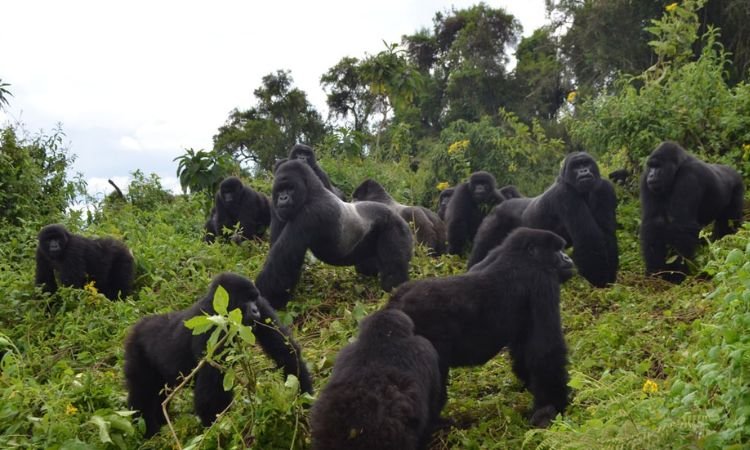
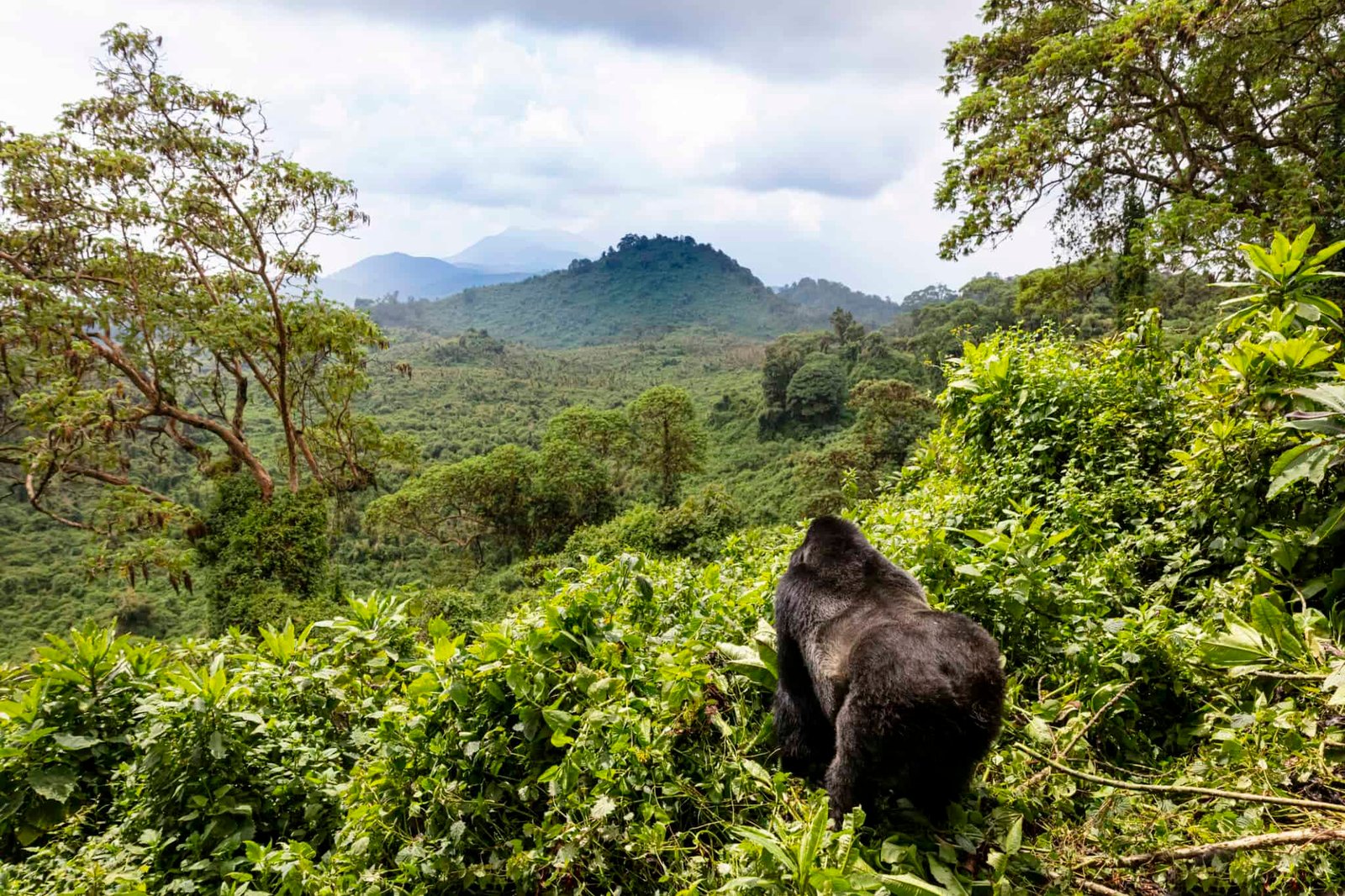
Gorilla habituation remains available during Uganda’s rainy seasons, subject to permit availability, park operations, and safety conditions. However, heavy rainfall can make the forest excursion more physically demanding.
Bwindi Impenetrable National Park generally experiences wetter periods from March through May and around October through November. During these months, forest trails may become muddy, steep slopes can become slippery, and vegetation may remain wet throughout the day.
The principal safety concerns during rainy-season habituation often involve hiking conditions rather than aggression from mountain gorillas.
Visitors should wear waterproof hiking boots with reliable grip, long trousers, protective gloves, and appropriate rain protection. Walking sticks and porter assistance may also be useful, depending on the terrain and individual requirements.
Exceptionally heavy rainfall or hazardous conditions may require authorized personnel to modify or suspend an excursion. Travellers should follow official decisions rather than attempting to continue through conditions considered unsafe.
Is It Safe to Wear a Face Mask During Gorilla Habituation?
Face masks are an important precaution in great ape tourism because they can help reduce respiratory droplets reaching the animals.
Visitors should carry clean, suitable face masks and follow the requirements communicated by Uganda Wildlife Authority personnel during the activity. Mask policies and specific procedures may be updated, so travellers should confirm the instructions applicable to their travel date.
Face masks do not replace maintaining the required distance or avoiding participation when ill.
Visitors should also avoid touching their mask unnecessarily during the encounter and follow appropriate hygiene practices.
The objective is to minimize preventable disease exposure while allowing responsible wildlife observation.
What Happens if You Get Injured During Gorilla Habituation?
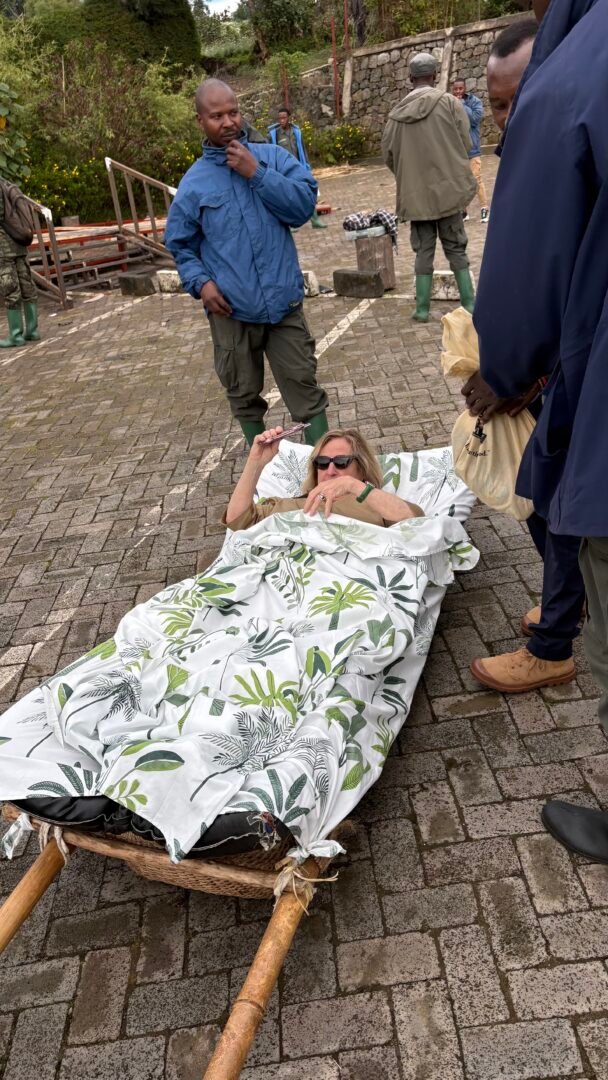
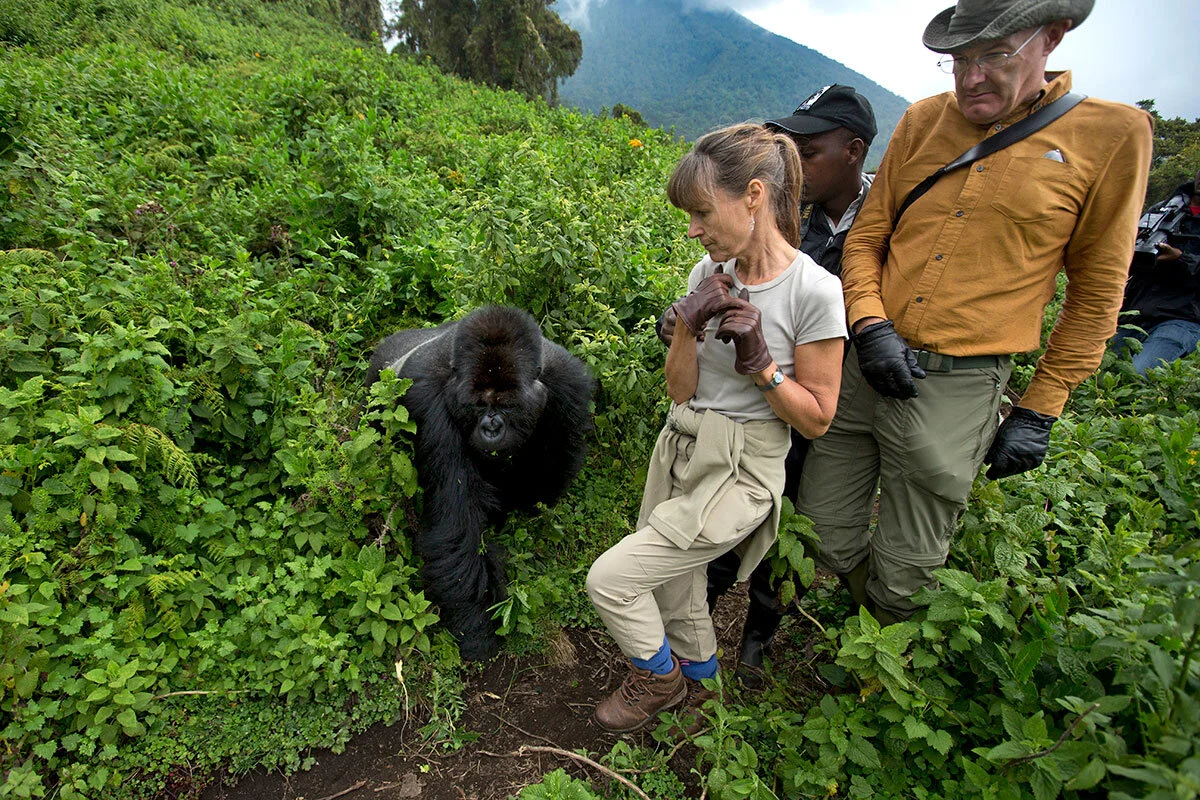
Minor injuries such as blisters, scratches, or slips can occur during rainforest hiking, while more serious injuries are possible in challenging terrain.
Visitors who experience an injury or sudden illness should inform their guide immediately. Authorized personnel can assess the situation and coordinate an appropriate response according to available procedures and circumstances.
However, Bwindi is a remote mountainous national park, and visitors should not assume that a fully equipped medical facility or immediate evacuation service will be available inside the forest.
Access to professional medical care may require transportation out of the park, and evacuation can be complicated by terrain, weather, and the visitor’s location.
Travellers should consider appropriate travel insurance that covers hiking, wildlife tourism activities, emergency medical treatment, and evacuation where applicable.
Anyone with a significant medical condition should seek professional advice before booking and discuss emergency arrangements with their safari organizer.
15 Essential Safety Tips for Gorilla Habituation in Uganda
1. Always Follow Uganda Wildlife Authority Ranger Instructions
The most important safety rule is to follow the instructions of the authorized personnel supervising the Gorilla Habituation Experience.
Rangers and habituation personnel assess wildlife behaviour, determine appropriate visitor positioning, and provide instructions during the encounter.
Visitors should respond promptly when asked to stop, move, remain quiet, or increase their distance from the animals.
2. Maintain the Required Distance From Mountain Gorillas
Visitors must respect the minimum separation distance specified in Uganda Wildlife Authority’s current instructions. The published conservation rules specify 10 metres.
Maintaining distance helps protect the gorillas from disease exposure and reduces the likelihood of disturbing their normal behaviour.
Visitors should never move closer simply to take a photograph.
3. Never Touch a Mountain Gorilla
Touching mountain gorillas is prohibited because direct contact can create safety concerns and increase the risk of disease transmission.
Even when a gorilla approaches or passes near visitors, participants should avoid reaching toward the animal.
Any unexpected movement by the gorillas should be managed according to the ranger’s instructions.
4. Remain Calm When Gorillas Move Unexpectedly
Mountain gorillas can move suddenly through vegetation or display behaviour that visitors do not immediately understand.
Participants should avoid shouting, running, or making unnecessary movements when a gorilla approaches or changes position.
The authorized guides are responsible for interpreting the circumstances and directing the group’s response.
5. Avoid Directly Approaching Silverbacks or Young Gorillas
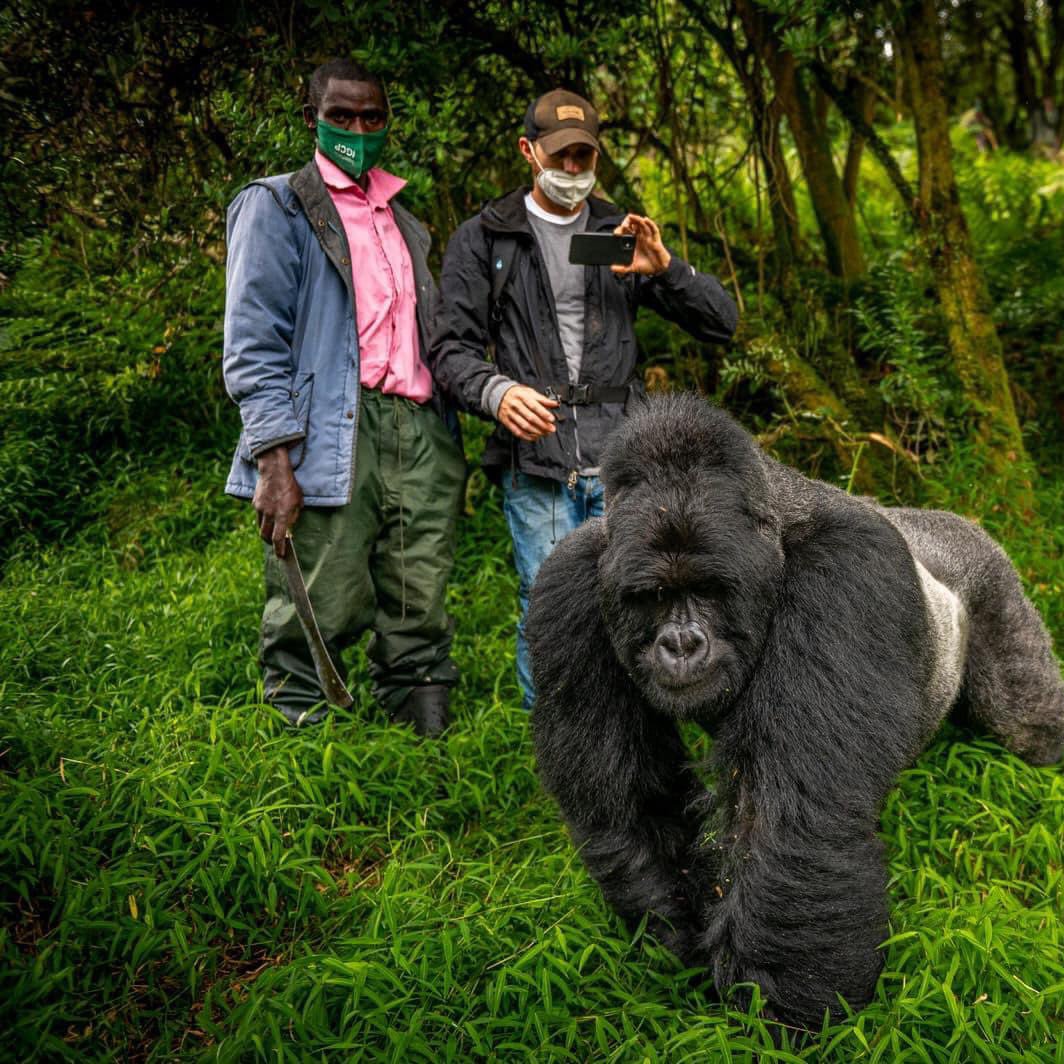
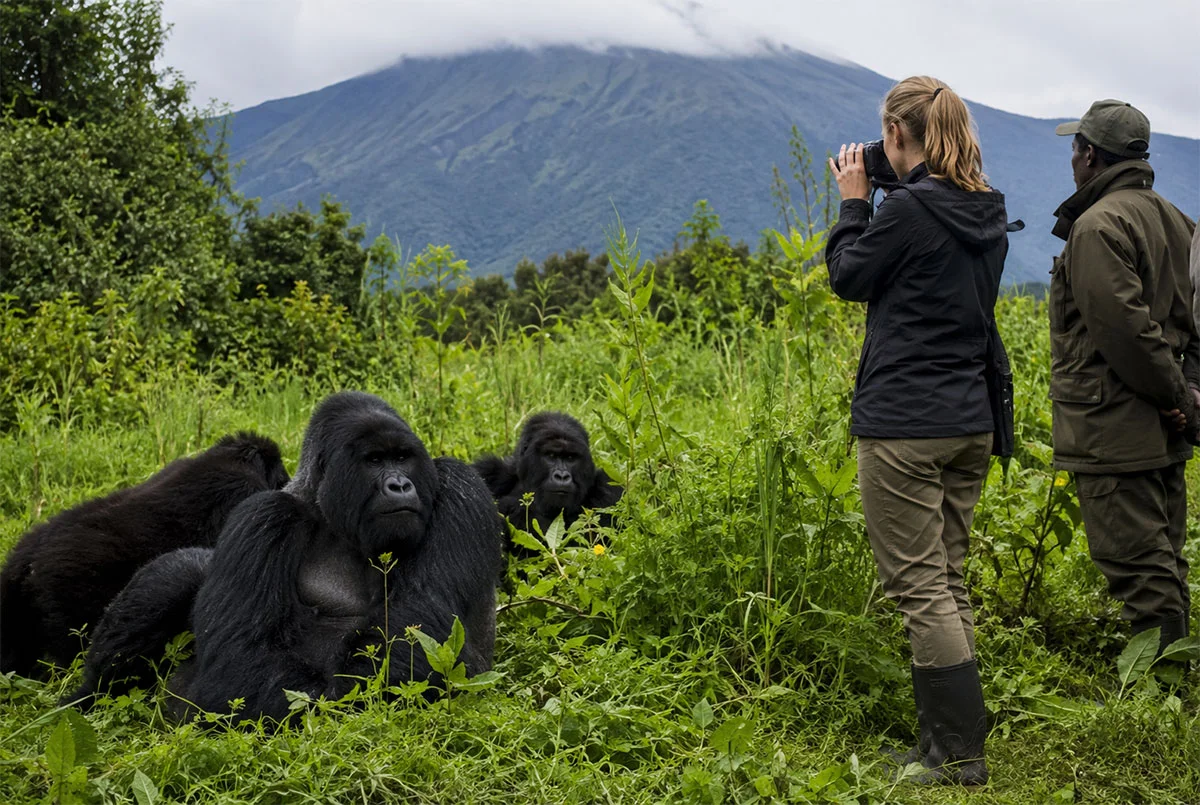
Silverbacks play an important protective role within gorilla families, while females and other adults may also respond defensively to perceived threats.
Visitors should never approach young gorillas, attempt to attract their attention, or interfere with family interactions.
Respecting the animals’ natural space is essential for reducing the potential for defensive behaviour.
6. Do Not Use Flash Photography
Flash photography is prohibited during mountain gorilla encounters because sudden bright light may disturb the animals.
Visitors should prepare their cameras for the low-light conditions commonly encountered beneath Bwindi’s rainforest canopy.
Photography must remain secondary to the safety and welfare of the gorillas.
7. Avoid Participating When You Are Sick
Visitors experiencing a cold or another potentially infectious illness must disclose their condition and follow Uganda Wildlife Authority’s health requirements.
Mountain gorillas can be vulnerable to certain human infections, particularly respiratory diseases.
Travellers should not conceal symptoms to avoid missing their scheduled activity.
8. Wear Suitable Hiking Boots
Sturdy hiking boots with reliable grip are strongly recommended because Bwindi contains steep slopes, muddy trails, and uneven forest surfaces.
Appropriate footwear improves traction and comfort during the approach hike and return journey.
Visitors should break in their boots before travelling to Uganda.
9. Carry Sufficient Drinking Water
The Gorilla Habituation Experience can involve several hours in the forest, making adequate hydration important.
Visitors should carry enough drinking water for their expected physical activity and individual requirements.
The amount needed varies with weather, exertion, personal health, and the duration of the excursion.
10. Hire a Porter When Appropriate
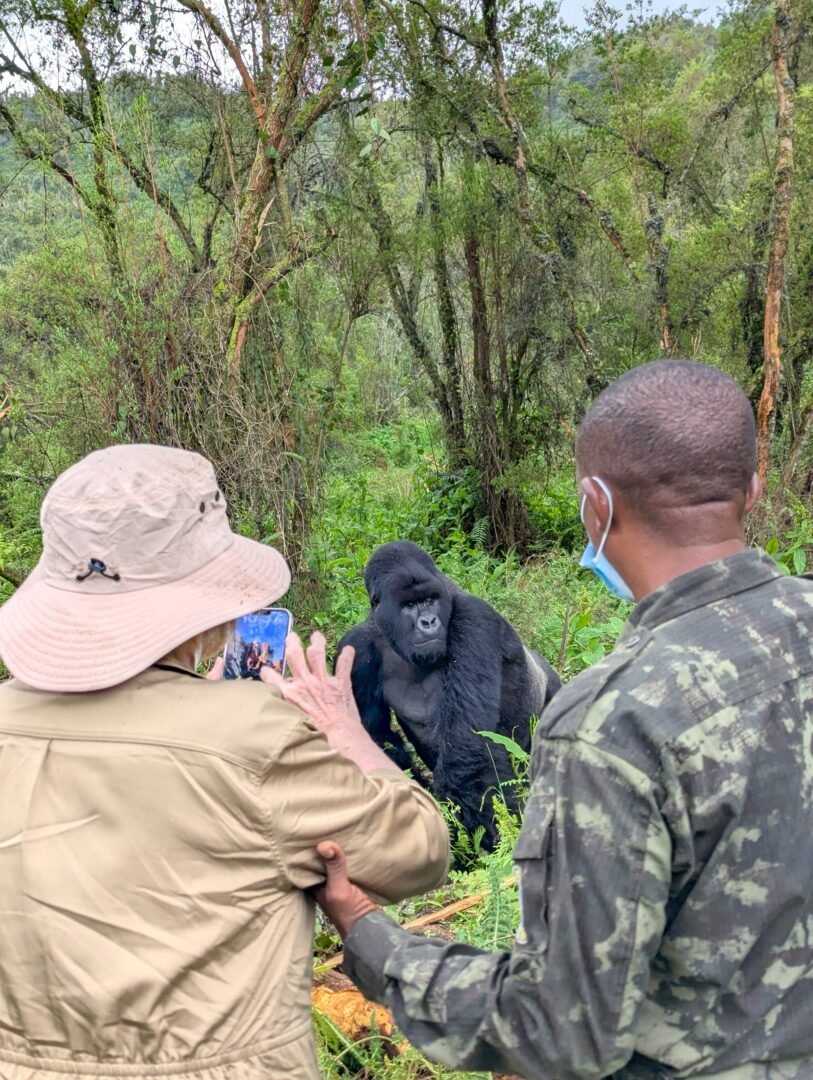
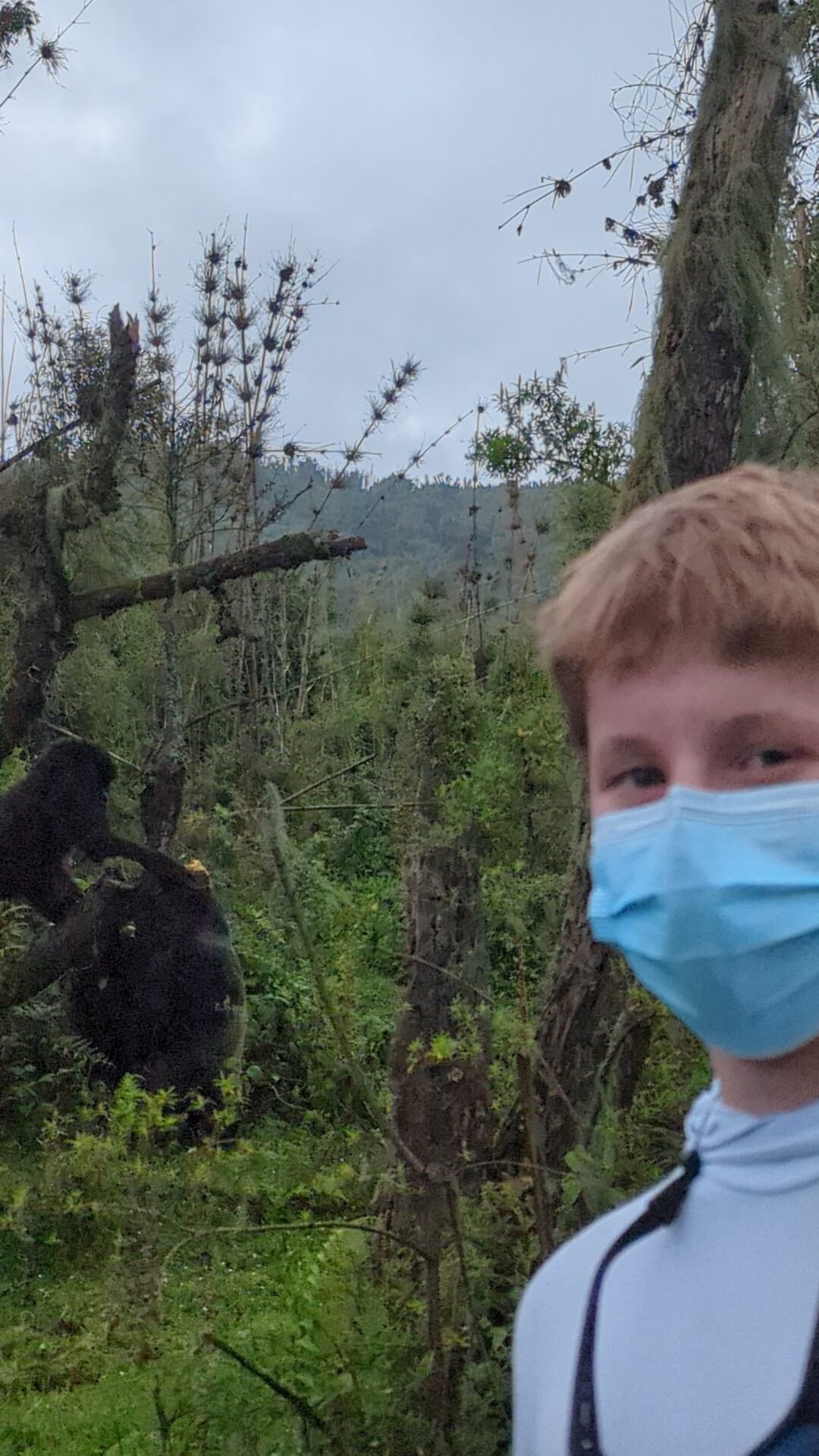
Local porters may assist with carrying backpacks, drinking water, photographic equipment, and other agreed belongings.
Reducing the weight carried during steep forest hiking can improve comfort and help some visitors manage fatigue.
Porter assistance is optional and does not replace appropriate physical preparation.
11. Stay With Your Authorized Group
Visitors should never separate from their assigned group or attempt to locate mountain gorillas independently.
Bwindi is a dense rainforest with complex terrain, and unauthorized movement can create unnecessary risks.
Participants must remain under the supervision of the designated personnel throughout the activity.
12. Avoid Eating or Drinking Near Gorillas
Eating and drinking are not permitted during the gorilla encounter under the applicable tracking rules.
Food should be consumed only when and where authorized guides allow it, away from the animals.
Visitors must never feed gorillas or leave food waste inside the forest.
13. Prepare for Changing Weather Conditions
Bwindi receives rainfall throughout the year, including during relatively dry months.
Visitors should carry a waterproof jacket, wear appropriate clothing, and protect essential belongings from moisture.
Weather conditions can influence trail safety and the duration of the excursion.
14. Avoid Making Loud Noises or Provoking Wildlife
Visitors should speak quietly, avoid sudden gestures, and refrain from imitating gorilla vocalizations or displaying behaviour intended to attract attention.
The purpose of habituation is to observe natural behaviour rather than influence it.
Quiet, respectful conduct helps reduce unnecessary disturbance.
15. Respect All Conservation and Emergency Procedures
Participants should follow instructions about photography, waste disposal, health precautions, wildlife distance, and emergency responses.
If authorized personnel determine that an encounter should be shortened or ended, visitors must comply.
The welfare of the gorillas and the safety of the group take priority over completing the maximum permitted observation time.
Is Gorilla Habituation Safer Than Ordinary Gorilla Trekking?
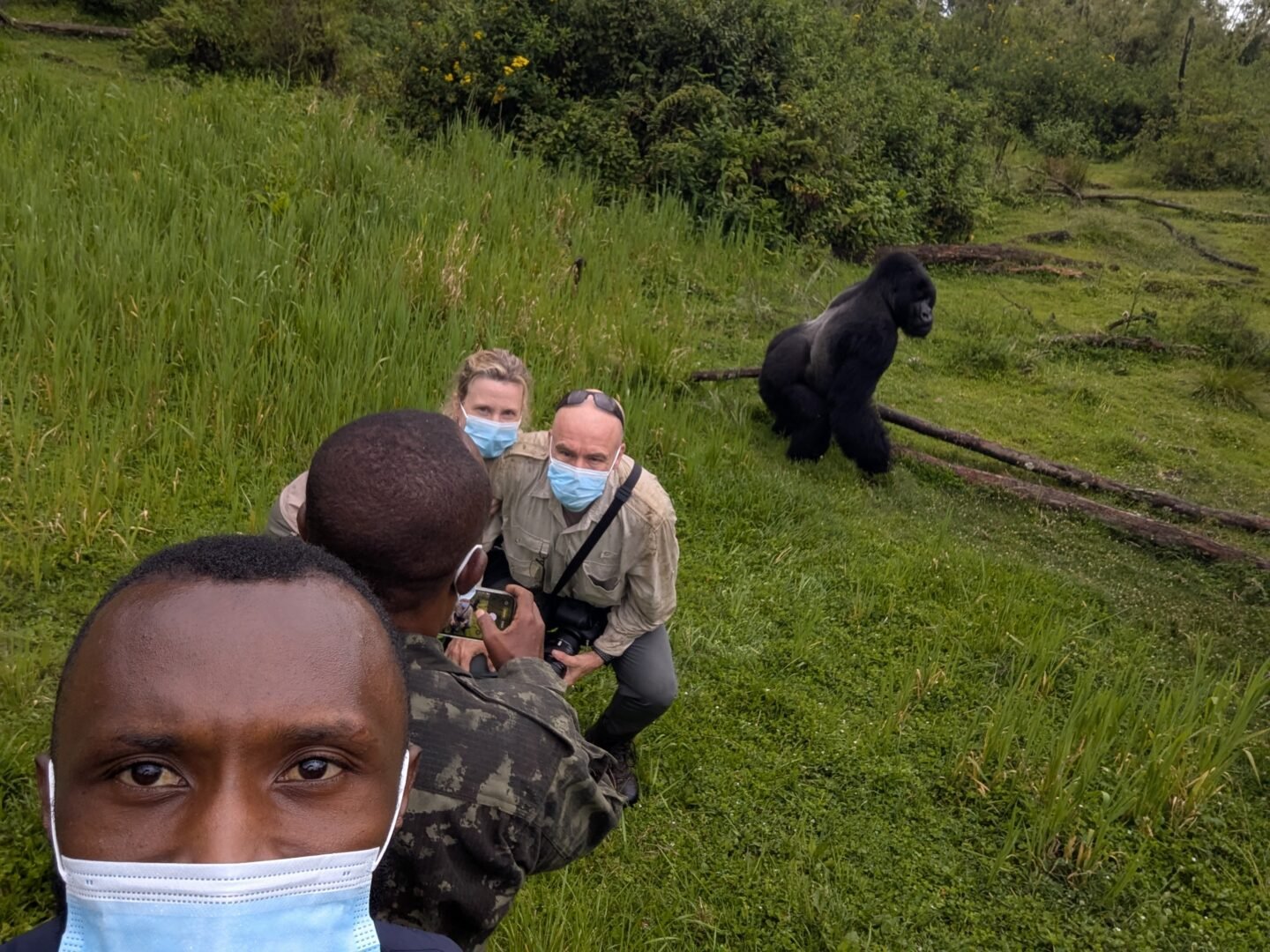
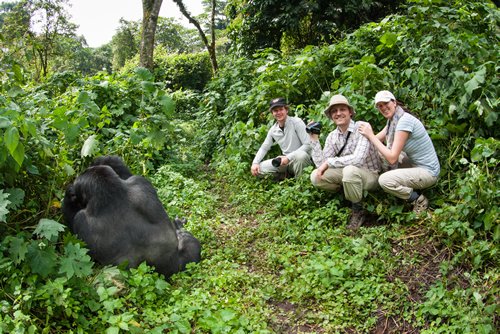
Gorilla habituation and ordinary gorilla trekking are both regulated wildlife tourism activities, but they involve different levels of familiarity between the gorillas and humans.
Ordinary gorilla trekking generally involves visiting a family that has completed habituation and is accustomed to carefully controlled human presence. The visitor observation period is limited to one hour.
Gorilla habituation involves observing a family that is still undergoing habituation. Visitors may spend up to four hours with the family under authorized supervision.
Because habituation families are still becoming accustomed to people, their behaviour may be less predictable. The longer duration of the experience can also increase exposure to challenging terrain and outdoor conditions.
However, it would be misleading to claim that one activity is automatically safer in every circumstance. Risk depends on the animals’ behaviour, forest conditions, visitor conduct, professional supervision, and individual fitness.
For travellers asking Is Gorilla Habituation Safe?, both activities should be approached as supervised encounters with wild animals rather than guaranteed risk-free experiences.
How Fit Should You Be for Safe Gorilla Habituation?
Moderate to good physical fitness is recommended because gorilla habituation may involve several hours of hiking through steep and uneven rainforest terrain.
Visitors should ideally be comfortable walking for extended periods, climbing hills, descending slopes, and maintaining balance on muddy or irregular ground.
The exact hiking distance cannot be predicted because mountain gorillas move naturally through the forest. Some excursions may be relatively manageable, while others require more strenuous walking.
Travellers who rarely exercise should consider gradual preparation before their safari, including regular walking, hill practice, and suitable strengthening activities.
People with significant medical concerns should seek individualized professional advice before participating.
Appropriate fitness preparation improves comfort but does not guarantee a short or easy hike.
Frequently Asked Questions About Gorilla Habituation Safety
Is Gorilla Habituation Safe?
Yes. Gorilla habituation in Uganda is generally a well-managed wildlife experience when visitors follow Uganda Wildlife Authority instructions and participate with authorized guides and habituation personnel. However, mountain gorillas remain wild animals, and forest hiking involves natural risks. Respecting the required distance, maintaining appropriate behaviour, and preparing physically are essential for a responsible experience.
Are Mountain Gorillas Dangerous During Habituation?
Mountain gorillas are powerful wild animals capable of defensive behaviour if threatened or provoked. However, they are not generally aggressive toward people without a reason. Authorized personnel monitor the gorillas’ behaviour and provide instructions to reduce the risk of disturbing them. Visitors should never approach, touch, or provoke the animals.
Can a Silverback Gorilla Attack a Tourist?
A silverback can respond defensively when he perceives a threat to himself or his family. Warning behaviour may include vocalizations, chest-beating, or other displays. Visitors should remain calm and follow ranger instructions rather than running, shouting, or approaching the gorilla. No wildlife encounter can be guaranteed completely risk-free.
Is Gorilla Habituation Safe for Beginners?
Yes, many first-time visitors can participate when they have suitable fitness and follow authorized instructions. Previous gorilla trekking experience is not compulsory. However, beginners should understand the physical demands of Bwindi’s mountainous rainforest and prepare with appropriate footwear, clothing, hydration, and realistic expectations.
Is Gorilla Habituation Safe for Senior Travellers?
Senior travellers can participate when they are physically capable of managing an extended forest excursion. Age alone does not determine suitability. Visitors with mobility limitations or significant medical concerns should seek professional advice and discuss their requirements before booking. Porter assistance may be useful but cannot eliminate the physical demands of the activity.
Book Your Safe and Well-Organized Gorilla Habituation Experience in Uganda
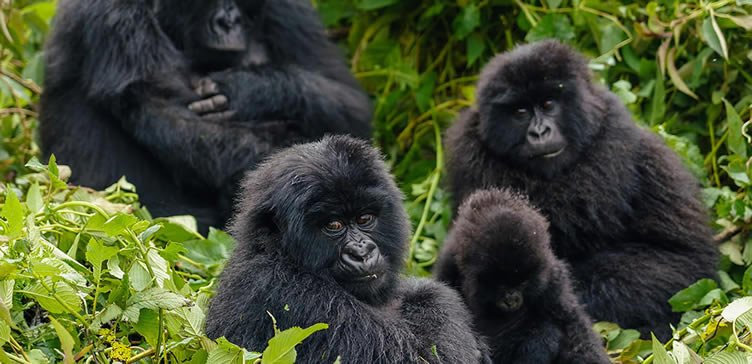
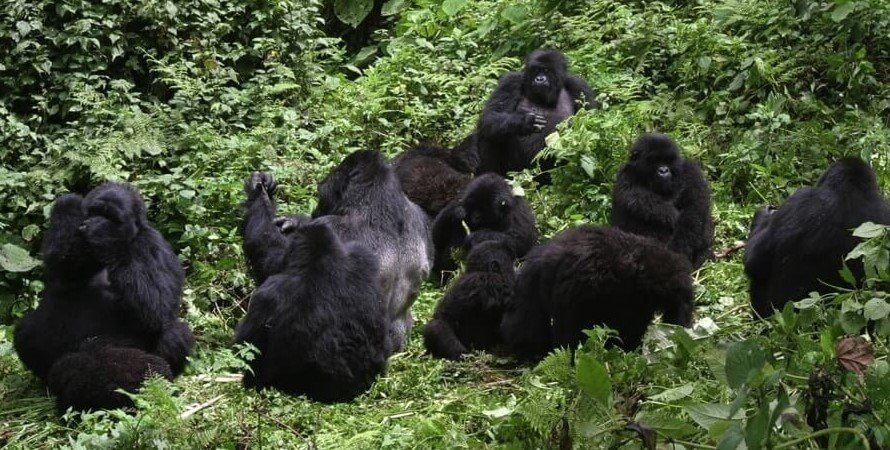
The Gorilla Habituation Experience in Bwindi Impenetrable National Park offers an extraordinary opportunity to observe endangered mountain gorillas in their natural rainforest habitat. Although the activity involves wild animals and challenging forest conditions, professional supervision, established conservation procedures, and responsible visitor behaviour help manage the risks associated with the experience.
If you are still wondering Is Gorilla Habituation Safe?, our Uganda gorilla permit booking team can help you understand the relevant safety procedures, physical requirements, recommended trekking equipment, and practical arrangements involved in visiting the Rushaga sector of Bwindi Impenetrable National Park.
We can assist with Uganda Gorilla Habituation Experience permits, accommodation near Rushaga, private transportation from Entebbe or Kampala, domestic flights to Kisoro, road transfers from Kigali, and customized gorilla habituation safari packages.
For visitors concerned about the physical demands of the forest, we can also discuss porter assistance, suitable travel periods, accommodation locations, and alternative conventional gorilla trekking arrangements where appropriate. Specialized accessibility or mobility assistance must be confirmed separately with the responsible providers.
Whether you are a Ugandan citizen, international traveller, wildlife photographer, honeymooner, senior visitor, or first-time rainforest hiker, proper planning allows you to approach the Gorilla Habituation Experience with greater confidence.
Our booking team can help coordinate your preferred travel dates, check permit availability, arrange reliable transportation, and select comfortable accommodation near the designated briefing point.
Book your Gorilla Habituation Experience in Uganda today. Contact our team with your preferred travel dates, number of participants, accommodation requirements, and any concerns about trekking difficulty or safety so that suitable permits and safari arrangements can be checked before confirming your journey.