
Is Gorilla Habituation Suitable for Seniors?
Is Gorilla Habituation Suitable for Seniors? The Ultimate Uganda Safari Guide for Travellers Over 50, 60 and 70
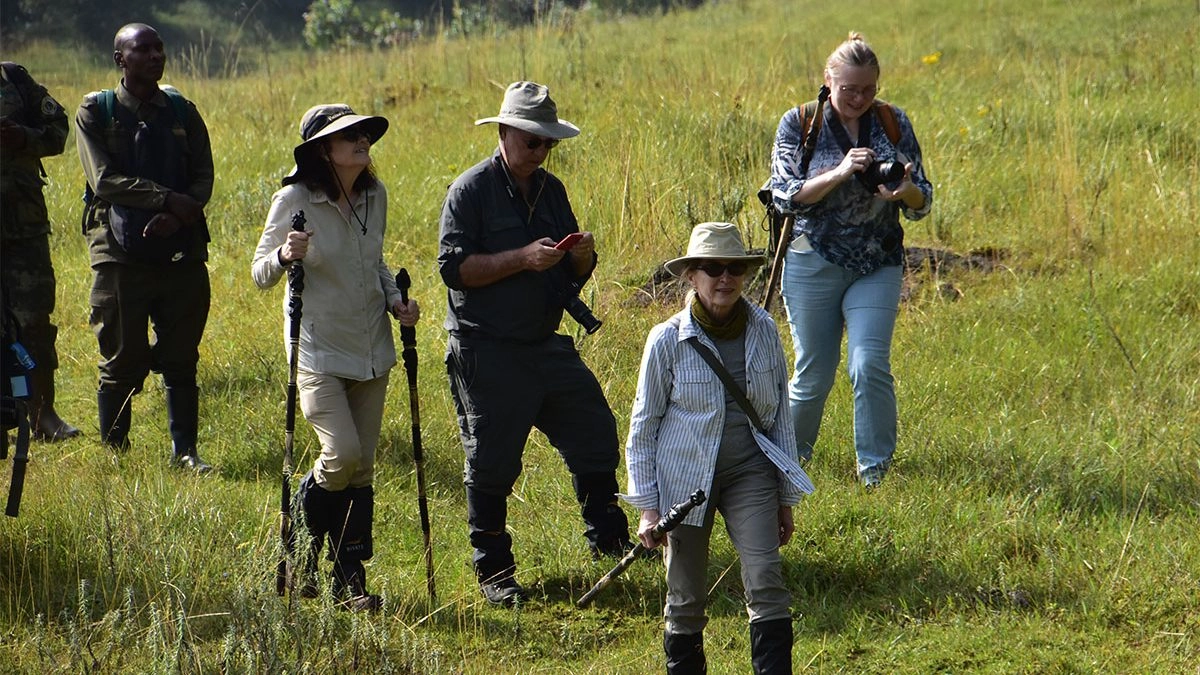
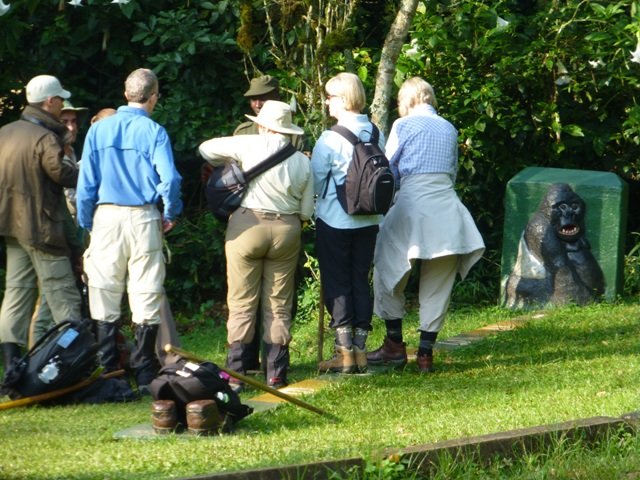
Is Gorilla Habituation Suitable for Seniors? Yes, gorilla habituation in Uganda can be suitable for physically active senior travellers aged 50, 60, 70, and beyond, provided they have sufficient walking endurance, mobility, balance, and overall fitness to manage an extended rainforest excursion. Uganda’s Gorilla Habituation Experience takes place in the Rushaga sector of Bwindi Impenetrable National Park in southwestern Uganda, where visitors can spend up to four hours observing a mountain gorilla family undergoing habituation.
There is no published upper age limit for this activity, meaning older visitors are not automatically excluded because of their age. However, Uganda’s mountainous rainforest contains steep slopes, muddy trails, dense vegetation, and uneven terrain that can make the experience physically demanding. Seniors should therefore assess their individual abilities carefully before booking.
For Ugandan citizens, East African Community citizens, foreign residents, and international senior travellers planning a gorilla safari in Uganda, understanding Is Gorilla Habituation Suitable for Seniors? is essential for choosing the right wildlife experience. Uganda is one of Africa’s most remarkable mountain gorilla destinations, and Bwindi Impenetrable National Park offers an exceptional opportunity to observe endangered mountain gorillas in their natural habitat.
Unlike ordinary gorilla trekking, which allows up to one hour with an already habituated gorilla family, Uganda’s Gorilla Habituation Experience permits up to four hours observing a designated family still undergoing habituation. The approach hike and return journey are additional to this observation period, making the complete activity potentially demanding for older visitors who have limited walking endurance, joint problems, or mobility restrictions.
Nevertheless, senior travellers should not assume that gorilla habituation is beyond their capabilities simply because they are older. A physically active person in their seventies who regularly walks or hikes may be better prepared than a younger visitor who rarely exercises. The most important considerations are individual fitness, health, comfort on uneven ground, and the ability to tolerate a lengthy day outdoors. With appropriate planning, suitable trekking equipment, porter assistance where available, and realistic expectations, many seniors can enjoy one of Uganda’s most extraordinary primate experiences.
Is There an Upper Age Limit for Gorilla Habituation in Uganda?
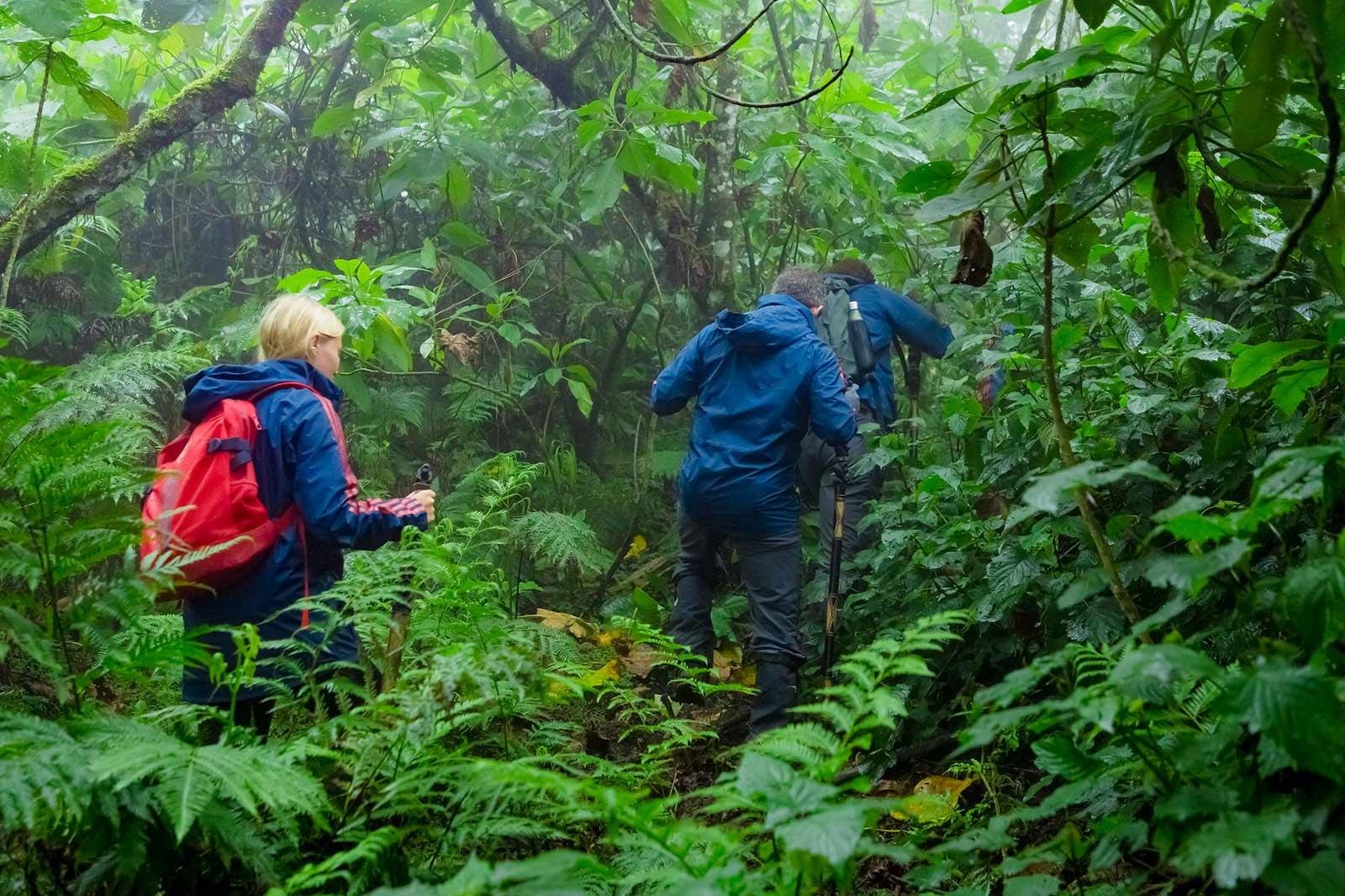
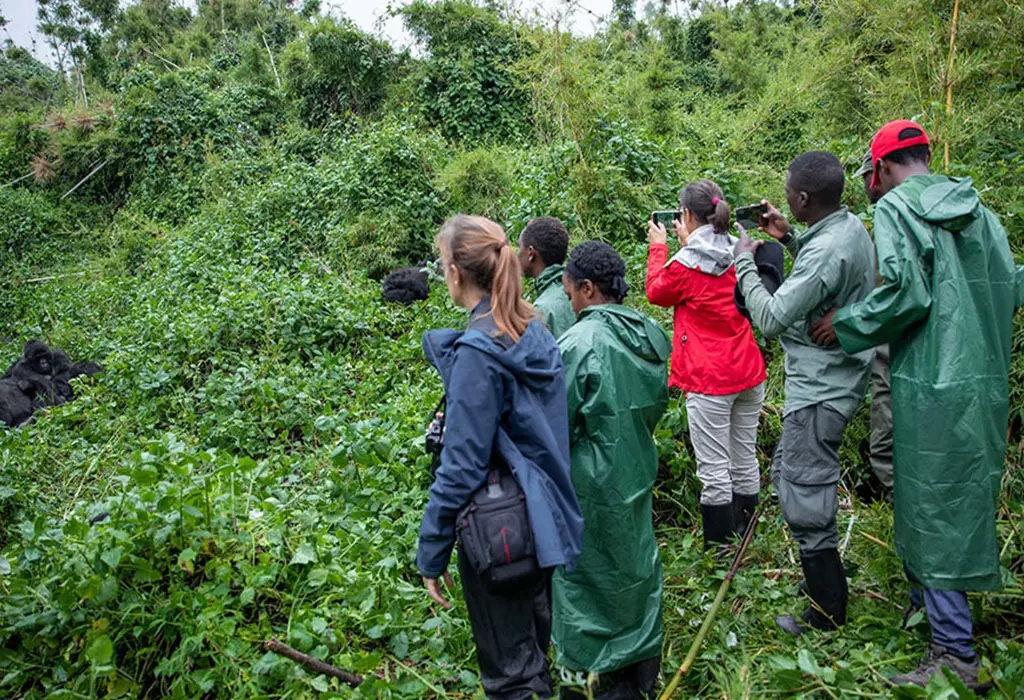
Uganda Wildlife Authority establishes a minimum age of 15 years for gorilla tracking and viewing, but its published gorilla-management guidelines do not specify a maximum age.
This means a visitor does not automatically become ineligible for gorilla habituation upon reaching 60, 65, 70, or 80 years of age. However, the absence of an upper age limit should not be interpreted as a guarantee that the activity is suitable for every older traveller.
The Gorilla Habituation Experience takes place in a remote mountainous rainforest where physical demands and environmental conditions can change unexpectedly. Participants may need to climb steep hills, descend slippery pathways, and remain outdoors for several hours.
Senior travellers should consider whether they can safely manage these conditions and whether they have any medical or mobility concerns requiring professional assessment.
For visitors researching Is Gorilla Habituation Suitable for Seniors?, the key distinction is that age eligibility and physical suitability are not the same thing. Uganda’s regulations do not establish a general retirement age for gorilla habituation, but individual readiness remains essential.
How Physically Demanding Is Gorilla Habituation for Seniors?
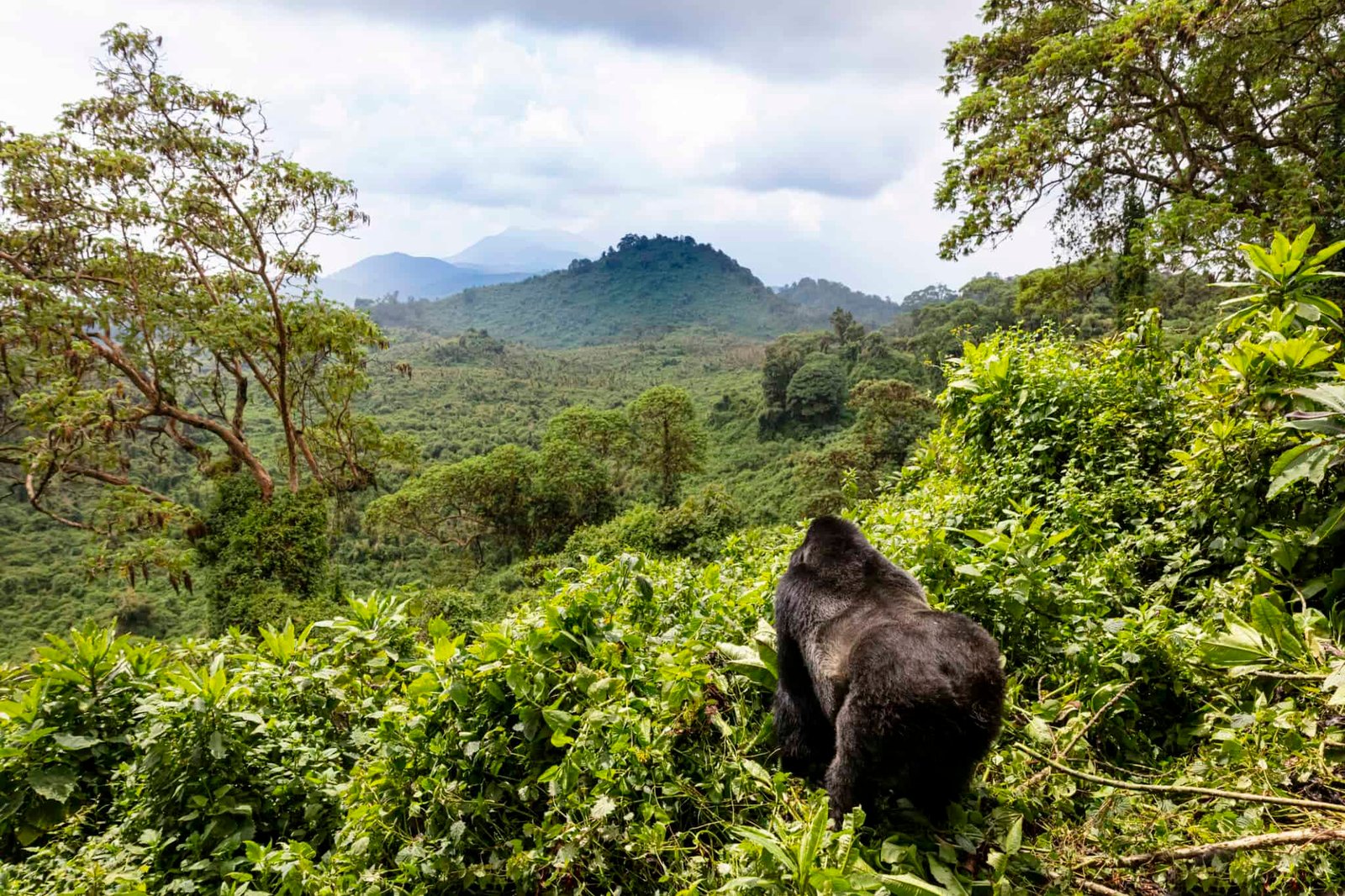
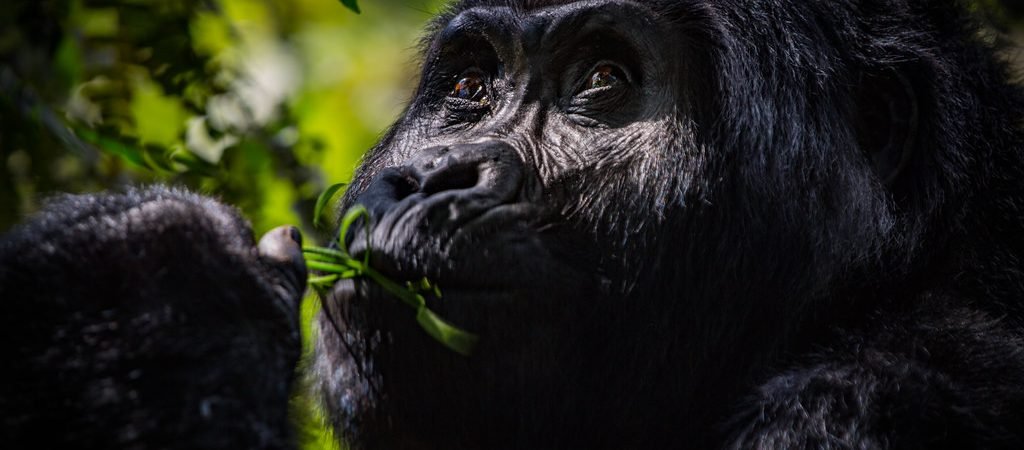
Gorilla habituation can be moderately strenuous to strenuous because it involves walking through Bwindi Impenetrable National Park’s mountainous rainforest.
The Rushaga sector contains steep forested hillsides, valleys, natural trails, exposed tree roots, dense vegetation, and sections that become muddy after rainfall. Visitors may need to walk uphill for extended periods before reaching the designated gorilla family.
Downhill walking can be equally challenging for some senior travellers, especially those who experience knee discomfort, reduced balance, or difficulty controlling their movements on slippery ground.
The actual distance and duration of the hike cannot be guaranteed because mountain gorillas move naturally through their habitat. A family may be relatively accessible on one day and located farther from the departure point on another.
Once the gorillas are located, visitors may spend up to four hours observing them. Participants must also complete the return journey, making it important to conserve sufficient energy throughout the day.
Senior travellers should therefore prepare for a potentially lengthy forest excursion rather than expecting a short and predictable nature walk.
Is Gorilla Habituation Suitable for Seniors Over 50?
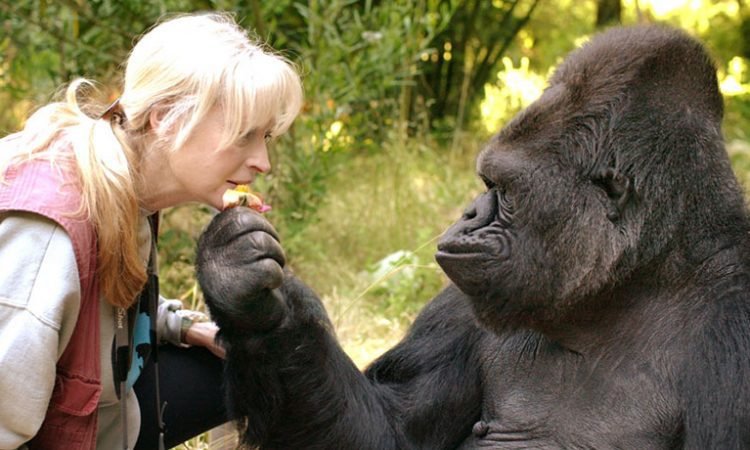
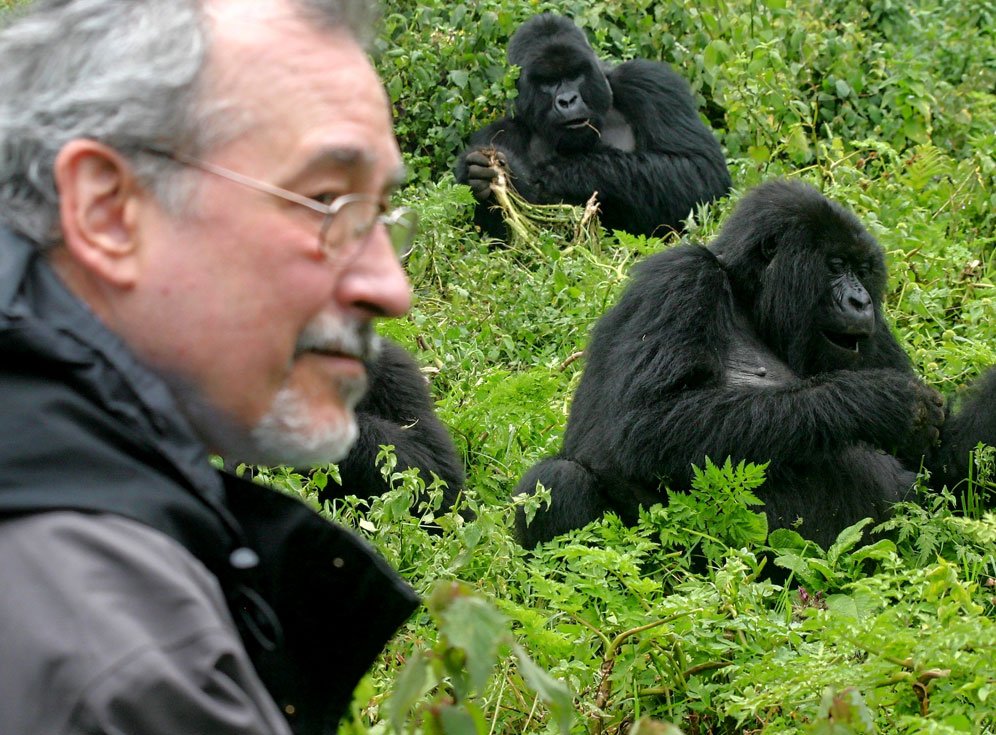
Many travellers over 50 are physically capable of participating in gorilla habituation, particularly when they maintain an active lifestyle.
People in their fifties who regularly walk, hike, cycle, swim, or participate in other physical activities may already possess useful cardiovascular endurance and leg strength.
However, physical ability varies considerably between individuals. Some visitors over 50 may experience joint discomfort, reduced mobility, or medical conditions that affect their ability to manage prolonged hiking.
Senior travellers in this age group should consider incorporating hill walking and longer practice hikes into their preparations, especially if they have limited experience with mountainous terrain.
For active travellers over 50, the Gorilla Habituation Experience may provide an excellent opportunity to combine wildlife observation, rainforest exploration, and conservation-related learning.
Is Gorilla Habituation Suitable for Seniors Over 60?
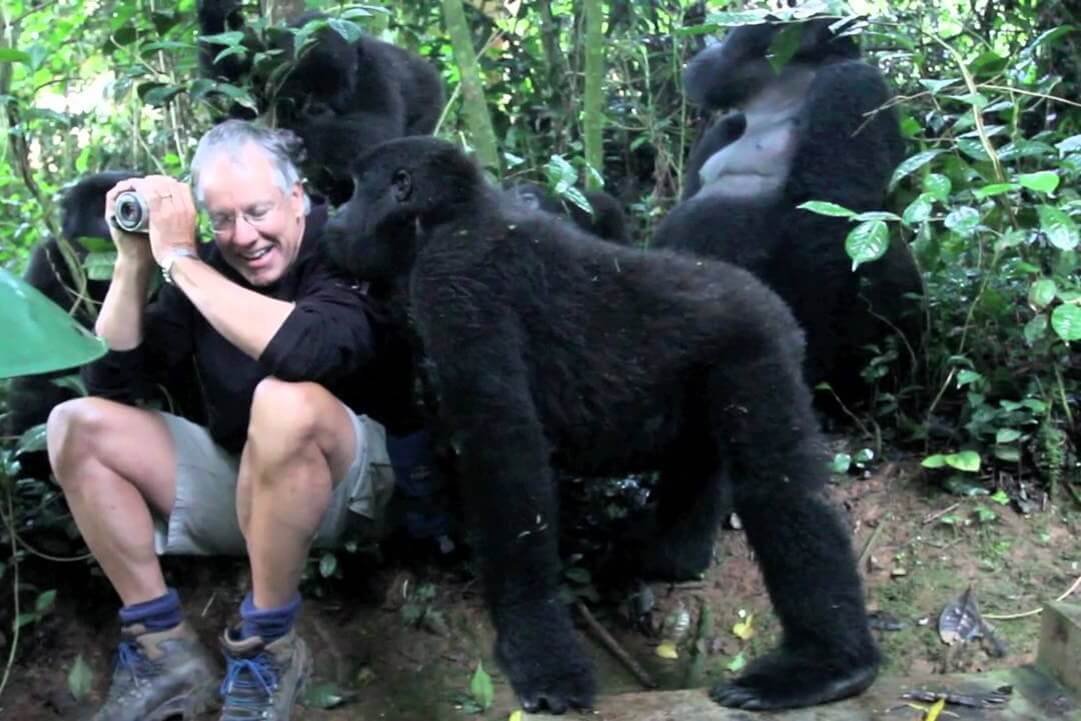
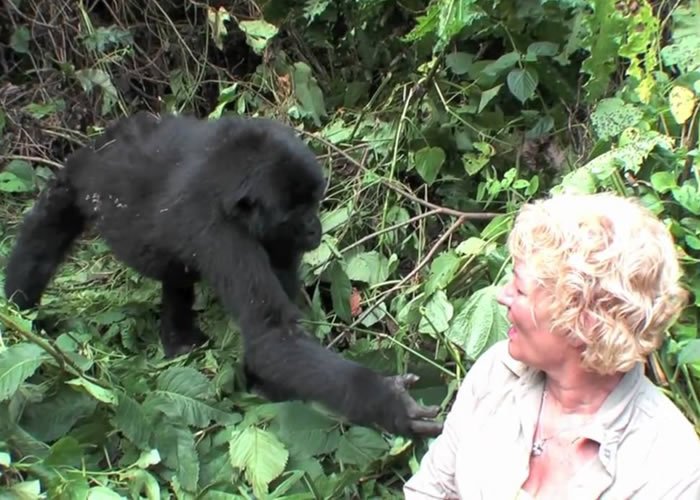
Is Gorilla Habituation Suitable for Seniors? For many people over 60, the answer is yes, provided their fitness and mobility are appropriate for the excursion.
An active 60-year-old who regularly walks several times each week may be comfortable with the demands of a rainforest hike. However, someone who experiences significant difficulty climbing stairs or walking on uneven surfaces may find the activity challenging.
Visitors over 60 should assess their cardiovascular endurance, balance, joint comfort, and previous hiking experience before purchasing a permit.
If they have relevant medical conditions, consulting a healthcare professional before travelling is advisable. This is particularly important for individuals managing heart or respiratory conditions, significant joint disorders, or other health concerns affected by strenuous exercise.
Hiring a porter can help reduce the weight carried during the hike, although it does not remove the need for visitors to walk through the forest.
The most suitable approach is to choose an experience that matches individual physical ability rather than assuming that all travellers over 60 face the same limitations.
Is Gorilla Habituation Suitable for Seniors Over 70?
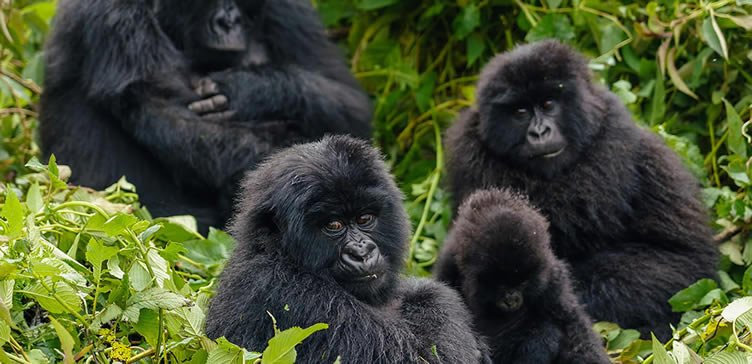
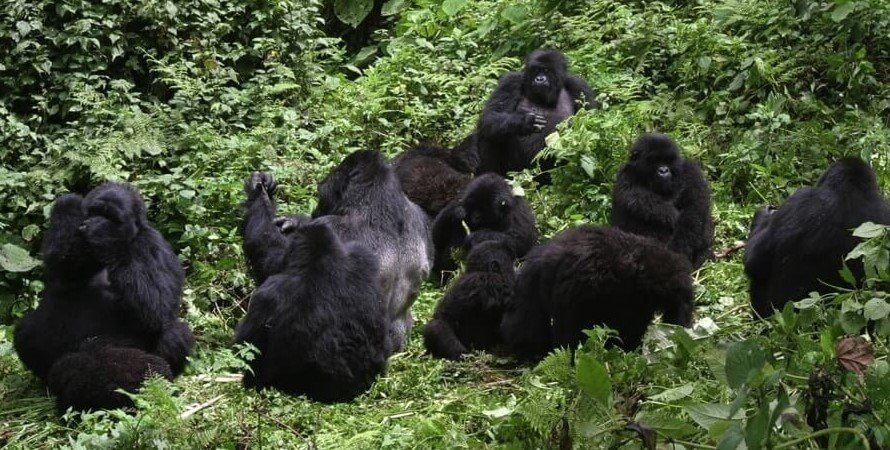
Visitors over 70 are not automatically excluded from gorilla habituation in Uganda. Some people in their seventies maintain excellent hiking fitness and remain comfortable participating in demanding outdoor activities.
However, the decision requires careful consideration because the Gorilla Habituation Experience can involve prolonged walking through steep and uneven terrain.
Senior visitors over 70 should evaluate whether they can manage sustained uphill climbing, careful downhill walking, changing weather conditions, and several hours of outdoor activity.
Those with existing medical conditions should obtain individualized professional guidance before committing to the experience.
A porter can help carry equipment and may provide practical assistance on difficult sections, but an easy route cannot be guaranteed.
Travellers who require extensive mobility assistance should investigate the availability of suitable arrangements before booking, rather than assuming that assistance offered for ordinary gorilla trekking automatically applies to habituation.
For some travellers over 70, conventional gorilla trekking may be the more manageable option because the permitted observation period is shorter.
Can Travellers Over 80 Participate in Gorilla Habituation?
There is no published general upper age limit excluding travellers over 80 from Uganda’s gorilla habituation activity.
Nevertheless, participation should depend on an individualized assessment of fitness, mobility, health, and the support that can realistically be arranged.
Some older adults remain physically active well into their eighties, while others may experience limitations that make prolonged rainforest hiking unsuitable.
Visitors requiring significant assistance with walking, standing, or navigating steep slopes should not assume they can complete the Gorilla Habituation Experience safely.
The availability of specialized support must be discussed with the responsible safari organizer and park authorities before permits are purchased.
For travellers with substantial mobility limitations, alternative gorilla experiences or other Uganda wildlife activities may be more appropriate.
Why Can Gorilla Habituation Be Challenging for Older Travellers?
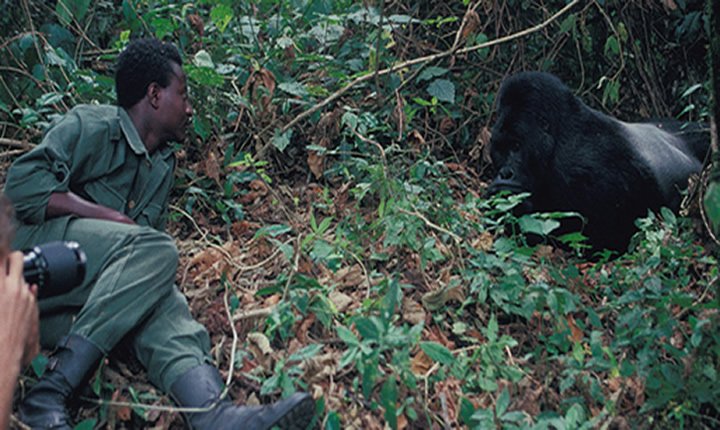
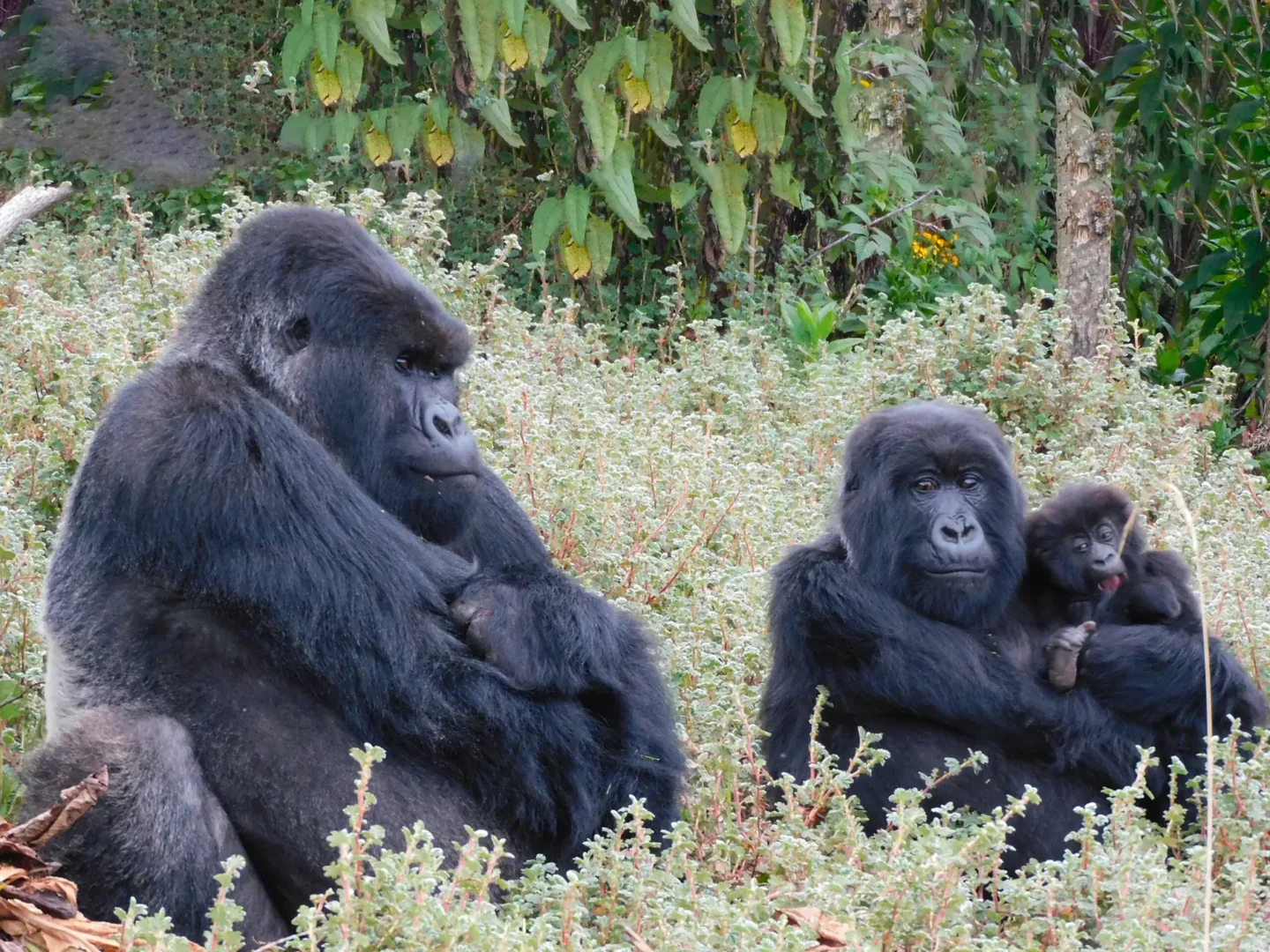
The principal challenge is the combination of mountainous terrain and the extended nature of the activity.
Unlike a conventional wildlife game drive, gorilla habituation requires visitors to enter Bwindi Impenetrable National Park on foot. The designated gorilla family may be located several hours from the starting point, and the route can include steep climbs, muddy slopes, and thick vegetation.
Some senior travellers may find these conditions challenging because of reduced leg strength, limited cardiovascular endurance, balance difficulties, or existing joint problems.
The observation period can also require extended standing, careful changes in position, and concentration while following the instructions of authorized guides.
Another important consideration is the return hike. Visitors must still walk back through the forest after spending considerable time locating and observing the gorillas.
For seniors wondering Is Gorilla Habituation Suitable for Seniors?, the most important preparation is understanding the entire excursion rather than focusing only on the opportunity to observe mountain gorillas.
How Many Hours Does Gorilla Habituation Take for Seniors?
The Gorilla Habituation Experience allows visitors up to four hours observing a designated mountain gorilla family once it has been located.
However, this does not mean the entire forest excursion lasts only four hours.
Uganda Wildlife Authority’s published guidelines schedule the activity from approximately 6:30 a.m. until participants return to the designated briefing location for debriefing.
The time required to locate the gorillas varies according to their natural movements, weather conditions, forest terrain, and the route followed by authorized personnel.
Senior travellers may therefore spend much of the day outdoors, including the approach hike, gorilla observation period, and return journey.
Participants should arrange sufficient rest before and after the activity and avoid scheduling demanding excursions immediately afterward.
Is Gorilla Habituation Harder Than Ordinary Gorilla Trekking for Seniors?
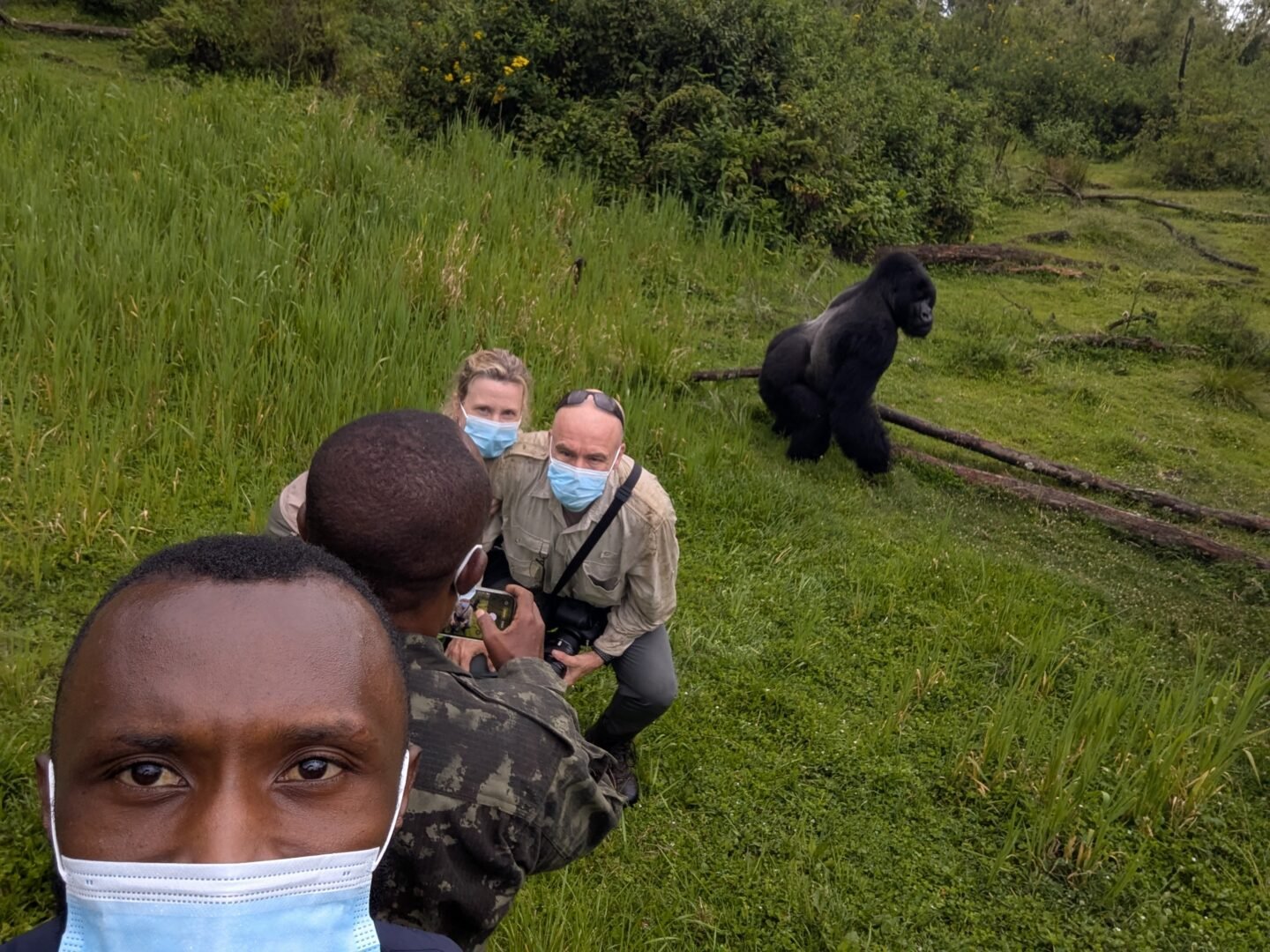
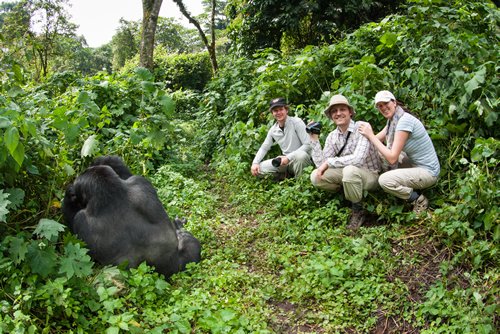
Gorilla habituation can be more demanding overall than conventional gorilla trekking because visitors are allowed a longer period with the designated gorilla family.
Ordinary gorilla trekking provides a maximum of one hour observing an already habituated mountain gorilla family after locating it.
The Gorilla Habituation Experience permits up to four hours with a family still undergoing habituation.
This additional observation time can extend the overall activity and increase the need for stamina, patience, and comfortable trekking equipment.
However, ordinary gorilla trekking is not automatically easy. Some standard trekking excursions also involve challenging forest conditions and unpredictable hiking distances.
For senior travellers with limited endurance, the shorter observation period of conventional gorilla trekking may be preferable, although the approach and return hikes can still be strenuous.
Families should compare the two activities according to the traveller’s actual ability rather than assuming that one experience guarantees a shorter or easier walk.
What Should Seniors Wear for Gorilla Habituation in Bwindi?
Appropriate trekking clothing is particularly important for senior travellers because comfort and stability can affect the overall experience.
Waterproof hiking boots with reliable grip are strongly recommended. The boots should fit properly and should already have been worn during practice walks.
Long lightweight trousers provide protection against forest vegetation, while breathable long-sleeved shirts help protect the arms.
Gardening gloves can be useful when visitors need to steady themselves against suitable vegetation or other natural surfaces under their guide’s instructions.
A lightweight waterproof jacket is essential because rainforest weather can change unexpectedly.
Visitors should avoid heavy jeans, slippery casual footwear, and clothing that restricts comfortable movement.
Where Should Seniors Stay for Gorilla Habituation in Rushaga?


Choosing suitable accommodation is an important part of planning a comfortable senior gorilla habituation safari.
Visitors should ideally stay near the Rushaga sector of Bwindi Impenetrable National Park to reduce unnecessary driving before the early morning activity.
Accommodation options in the wider Rushaga area include Four Gorillas Lodge, Gorilla Safari Lodge, Gorilla Leisure Lodge, Rushaga Gorilla Havens Lodge, and other suitable properties.
Senior travellers should consider more than accommodation category alone. Accessibility, walking distances between rooms and dining areas, bathroom arrangements, stairways, road access, and proximity to the briefing point may all affect comfort.
Visitors with mobility concerns should confirm room accessibility directly rather than assuming that a luxury lodge is automatically suitable.
A comfortable two-night stay near Rushaga can allow time to rest before the activity and recover afterward.
Recommended Four-Day Gorilla Habituation Safari for Seniors
Day 1 – Arrival and Comfortable Transfer to Bwindi
The safari begins with arrival in Entebbe or Kigali, depending on the selected itinerary.
Travellers continue toward Bwindi Impenetrable National Park using suitable transport arrangements. Visitors arriving through Entebbe may choose a domestic flight to Kisoro when available, followed by a private road transfer.
After reaching accommodation near Rushaga, guests can relax and prepare for the forest excursion.
The evening is an appropriate time to confirm trekking equipment, porter arrangements, and any practical requirements with the safari organizer.
Day 2 – Gorilla Habituation Experience in Rushaga
After an early breakfast, visitors travel to the designated briefing point for the Gorilla Habituation Experience.
Authorized personnel explain the activity procedures, conservation rules, and expectations before participants enter the forest.
The group then begins the excursion to locate the designated gorilla family.
Once the gorillas are found, visitors may spend up to four hours observing their natural behaviour under authorized supervision.
After returning from the forest, guests travel back to their lodge for rest and relaxation.
Day 3 – Relaxation Around Bwindi or a Scenic Excursion
The third day can be reserved for recovery after the forest excursion.
Senior travellers may choose to relax at their lodge, enjoy the surrounding scenery, or participate in a suitable low-intensity activity.
Depending on the itinerary, a scenic excursion or a visit toward Lake Bunyonyi may be arranged, subject to travel time and individual preferences.
The purpose of the additional day is to maintain a comfortable pace rather than filling every hour with activities.
Day 4 – Return to Kigali or Entebbe
After breakfast, travellers begin their onward journey according to their selected route.
Visitors travelling through Kigali continue by private road transfer, while those using Entebbe may return via a suitable domestic flight from Kisoro.
The itinerary can also be extended to include other Uganda wildlife destinations when the traveller has sufficient time and interest.
Can Senior Travellers Combine Gorilla Habituation With a Wildlife Safari?
Yes. A longer Uganda itinerary can combine gorilla habituation with wildlife experiences that do not require similarly demanding hiking.
Queen Elizabeth National Park is an attractive option because visitors can enjoy wildlife game drives from a suitable safari vehicle.
The Kazinga Channel boat experience may also provide opportunities to observe hippos, birds, crocodiles, elephants, and other animals, subject to wildlife movements.
Lake Bunyonyi can offer a relaxing lakeside stay, while other destinations may be included according to the traveller’s preferences.
For senior travellers, the most successful safari itineraries often balance physically demanding activities with adequate rest.
Frequently Asked Questions About Gorilla Habituation for Seniors
Is Gorilla Habituation Suitable for Seniors?
Yes. Gorilla habituation in Uganda can be suitable for senior travellers who have sufficient physical fitness, mobility, balance, and walking endurance. The activity takes place in the Rushaga sector of Bwindi Impenetrable National Park and allows up to four hours with a designated mountain gorilla family. The total excursion can take longer because it includes hiking to and from the gorillas.
Is There a Maximum Age for Gorilla Habituation in Uganda?
Uganda Wildlife Authority’s published guidelines specify a minimum gorilla-viewing age of 15 years but do not establish a general upper age limit. Visitors over 60, 70, or 80 are not automatically excluded. However, participation should depend on individual health, fitness, mobility, and the ability to manage the demands of the activity.
Can a 60-Year-Old Do Gorilla Habituation?
Yes. Many physically active travellers aged 60 can participate successfully. The most important considerations are walking endurance, balance, leg strength, and overall health. Visitors with significant medical conditions should seek professional advice before booking.
Can a 70-Year-Old Do Gorilla Habituation?
A 70-year-old may participate when they have suitable physical ability and are comfortable with prolonged hiking. Age alone does not determine eligibility, but the excursion can be demanding. Travellers should assess their fitness carefully and discuss any mobility limitations before purchasing permits.
Can an 80-Year-Old Participate in Gorilla Habituation?
There is no published general upper age restriction excluding visitors aged 80. However, a traveller’s ability to participate safely depends on individual health, mobility, fitness, and the assistance that can actually be arranged. Specialized support must be confirmed in advance.
Book Your Senior-Friendly Gorilla Habituation Experience in Uganda
Gorilla habituation in Uganda provides an extraordinary opportunity for physically prepared senior travellers to observe endangered mountain gorillas in their natural rainforest habitat. Although the experience can be demanding, careful planning, suitable accommodation, appropriate trekking equipment, and practical assistance can help make the safari more comfortable.
If you are still wondering Is Gorilla Habituation Suitable for Seniors?, our Uganda Gorilla Permits Booking team can help you understand the physical requirements, expected hiking conditions, permit arrangements, and available travel options for visiting the Rushaga sector of Bwindi Impenetrable National Park.
We can assist with Gorilla Habituation Experience permits, accommodation near Rushaga, porter arrangements where available, private transport from Entebbe or Kampala, domestic flights to Kisoro, road transfers from Kigali, and customized Uganda gorilla safari itineraries.
For senior travellers with mobility concerns, we can help discuss the difference between ordinary gorilla trekking and habituation, as well as investigate whether suitable assistance can be arranged. Specialized carrying-chair services and other accessibility arrangements must be confirmed with the responsible providers and park authorities before booking.
Whether you are planning a safari after retirement, celebrating a special anniversary, travelling as a senior couple, or organizing a multigenerational Uganda holiday, our team can help develop an itinerary that considers your preferred travel pace, accommodation requirements, and wildlife interests.
Book your Gorilla Habituation Experience in Uganda today. Share your preferred travel dates, number of participants, accommodation preferences, and any practical mobility concerns so that permit availability and suitable arrangements can be checked before you confirm your journey.
For personalized assistance with senior-friendly gorilla safari planning, contact our Uganda Gorilla Permits Booking team and begin organizing your visit to Bwindi Impenetrable National Park.