
Is Gorilla Habituation Worth the Extra Cost?
Is Gorilla Habituation Worth the Extra Cost? 7 Powerful Reasons to Choose the Experience in Uganda
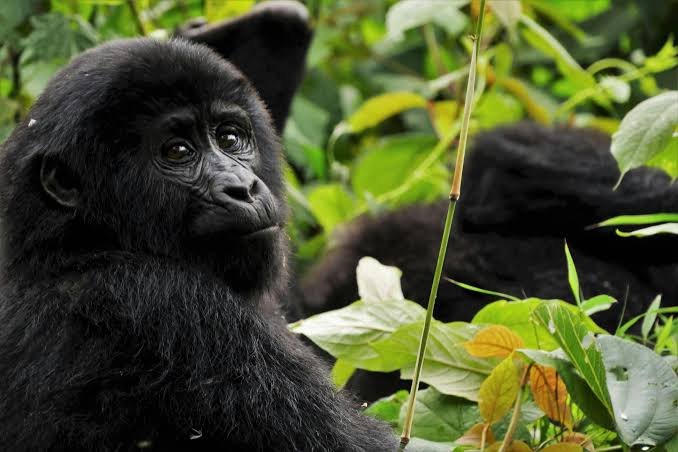
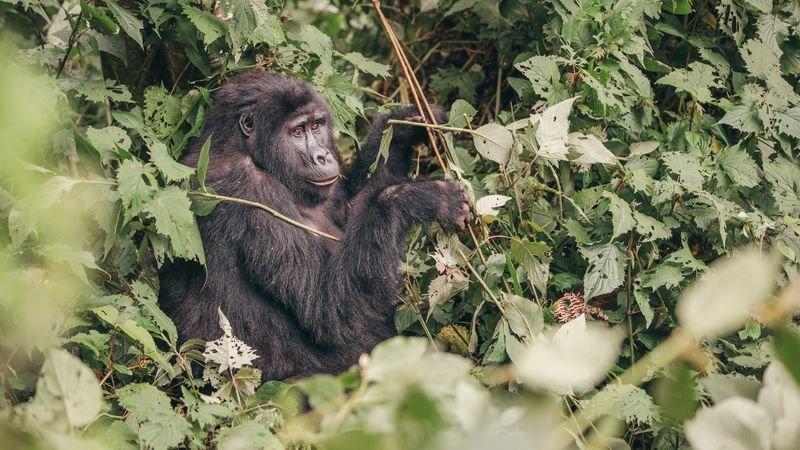
Is Gorilla Habituation Worth the Extra Cost? For travelers planning an unforgettable mountain gorilla safari in Uganda, the gorilla habituation experience can be worth the additional investment, particularly for wildlife photographers, conservation enthusiasts, and visitors who want to spend extended time observing mountain gorillas in their natural habitat. Uganda offers two remarkable mountain gorilla encounters: standard gorilla trekking, which generally allows a maximum of one hour with a fully habituated gorilla family, and gorilla habituation, which permits up to four hours observing a family undergoing the gradual process of becoming accustomed to human presence.
Although the habituation permit is considerably more expensive, the longer observation period, smaller visitor group, and opportunity to accompany conservation personnel can provide a different experience from ordinary trekking. However, whether the additional cost represents good value depends on each traveler’s interests, expectations, budget, and physical readiness.
For international tourists visiting Uganda, understanding Is Gorilla Habituation Worth the Extra Cost? is particularly important when organizing safari budgets and deciding which mountain gorilla experience to book. Uganda’s gorilla habituation experience takes place in the Rushaga sector of Bwindi Impenetrable National Park in southwestern Uganda, where a limited number of visitors accompany authorized researchers, trackers, and wildlife rangers into the rainforest. Unlike standard gorilla trekking, which is available in several sectors of Bwindi and Mgahinga Gorilla National Park, the established visitor-accessible habituation experience is concentrated in Rushaga. Travelers from the United States, United Kingdom, Germany, Canada, Australia, and other countries frequently compare the two experiences before making their reservations.
Understanding what the additional permit fee actually provides helps visitors make informed decisions without expecting guaranteed wildlife behavior, easier trekking, or unrestricted access to endangered mountain gorillas.
Is Gorilla Habituation Worth the Extra Cost in Uganda?
Is Gorilla Habituation Worth the Extra Cost? The answer is yes for travelers who place significant value on extended wildlife observation, smaller groups, conservation education, and opportunities to appreciate mountain gorilla behavior over a longer period. However, standard gorilla trekking remains an outstanding alternative for visitors who primarily want to encounter mountain gorillas without paying for the extended habituation experience.
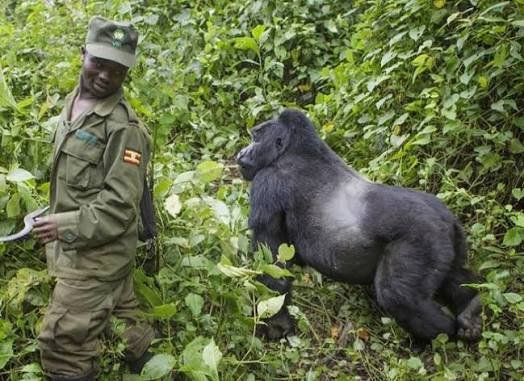
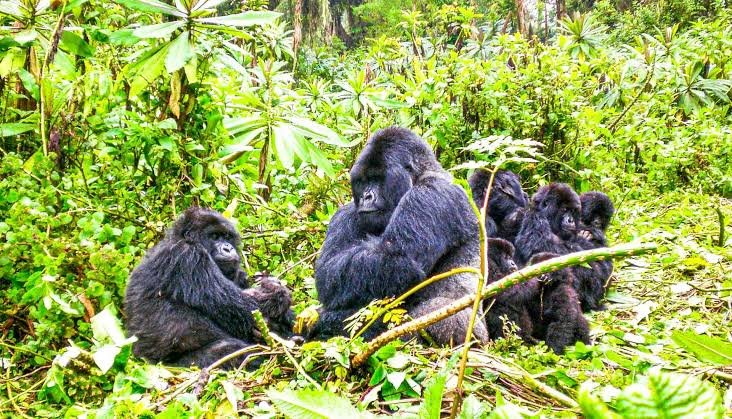
The most important difference is the maximum time permitted with the gorillas. Standard trekking allows up to one hour after locating a fully habituated gorilla family, while habituation offers up to four hours with a family that is still undergoing habituation. This additional time may create more opportunities to observe feeding, resting, movement, communication, and family interactions.
However, a longer observation allowance does not automatically guarantee a more exciting encounter. Mountain gorillas are wild animals, and their movements, behavior, visibility, and responses to visitors remain unpredictable. A visitor participating in ordinary trekking may witness extraordinary family interactions during a single hour, while someone completing habituation may spend extended periods observing gorillas resting or feeding quietly.
For this reason, the value of gorilla habituation should be assessed according to the quality of the overall experience rather than the number of dramatic wildlife moments expected.
Travelers should also remember that the four-hour viewing period begins after the gorillas have been located. Time spent trekking into and out of the rainforest is additional, meaning habituation can involve a considerably longer day than the observation allowance alone suggests.
Gorilla Habituation Provides Up to Four Hours With Mountain Gorillas
The most compelling reason travelers consider gorilla habituation worth the extra cost is the extended observation time.
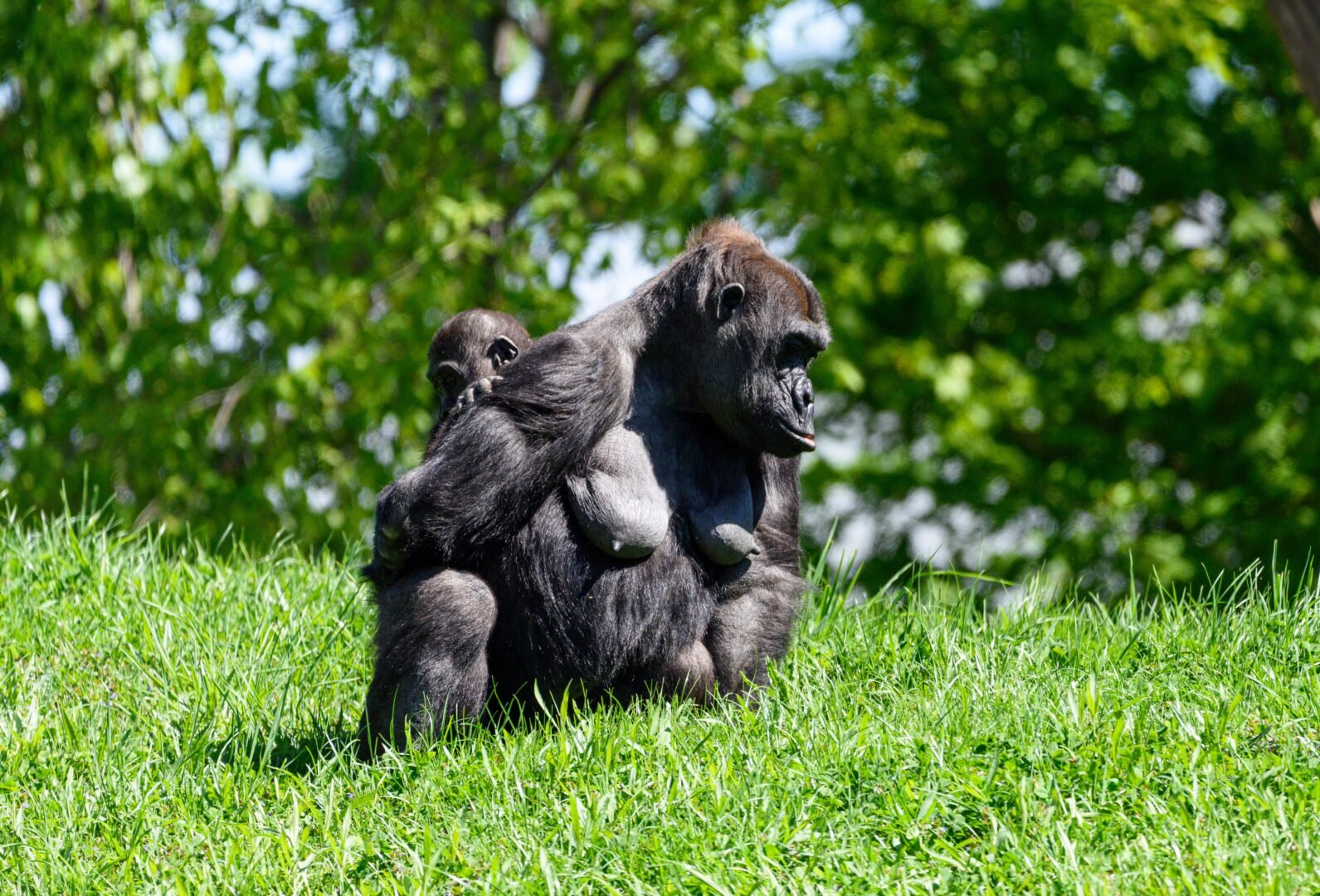
During ordinary gorilla trekking, visitors spend a maximum of one hour with their designated gorilla family after locating the animals. Although this hour can provide a remarkable wildlife encounter, it may pass quickly, especially when the gorillas are moving or resting behind dense vegetation.
Gorilla habituation permits up to four hours with a family undergoing habituation, offering additional opportunities to observe natural behavior and appreciate the animals’ environment.
Mountain gorillas spend significant portions of their day feeding, resting, grooming, moving through the forest, and interacting with family members. These activities are not scheduled for tourists, meaning the timing of particular behaviors depends entirely on the animals.
During a one-hour standard trek, visitors may observe only a short part of the family’s daily routine. With an extended habituation encounter, participants have a greater opportunity to observe how behavior changes over time.
For example, a gorilla family may initially be feeding before settling down to rest. Younger members may interact with one another, while adults continue their routine activities. The extended observation period gives visitors more time to appreciate these changes without attempting to influence the animals.
Is Gorilla Habituation Worth the Extra Cost for travelers interested in animal behavior? Yes, particularly when their primary objective is to spend more time observing rather than simply obtaining a photograph or completing a wildlife checklist.
Visitors should understand that four hours refers to the maximum authorized viewing period, not the total time spent in Bwindi Impenetrable National Park.
The complete experience includes the morning briefing, entering the rainforest, tracking the designated gorilla family, observing the animals, and returning from the forest.
Gorillas may be located relatively close to the meeting point or far away in challenging terrain. Consequently, the total duration of the activity can vary significantly.
This makes habituation particularly suitable for travelers who are comfortable dedicating an entire day to one major wildlife experience.
Gorilla Habituation Offers a Smaller and More Exclusive Visitor Group
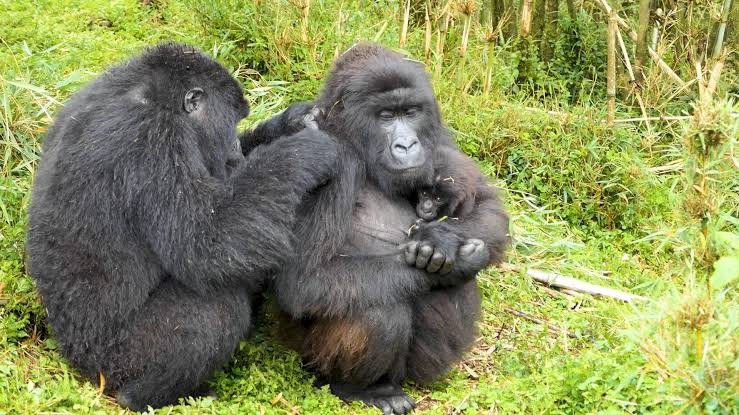
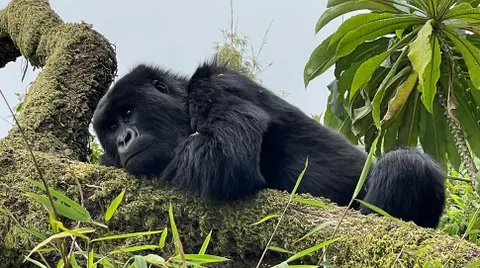
Another important advantage of gorilla habituation is the limited number of paying visitors permitted to accompany each authorized gorilla family.
Standard gorilla trekking generally allows up to eight visitors per designated habituated family, while gorilla habituation generally accommodates a maximum of four paying participants per authorized family.
The smaller group size helps maintain a carefully managed environment during the habituation process and may create a quieter experience for visitors.
A smaller visitor group may make it easier for participants to follow the conservation team’s instructions, listen to explanations, and observe the surrounding environment without the presence of a larger number of tourists.
Wildlife photographers may also appreciate having fewer fellow visitors competing for suitable observation positions, although all positioning remains subject to ranger instructions and conservation restrictions.
Couples and small groups may find the experience especially appealing because of the limited visitor allocation.
However, purchasing a habituation permit does not automatically guarantee a private excursion. Travelers may share the experience with other permit holders, depending on the confirmed bookings for that date.
Is Gorilla Habituation Worth the Extra Cost for travelers seeking exclusivity? It can be, because the smaller authorized group is a meaningful difference, but visitors should not expect private access or complete freedom to choose where they stand.
The exclusive nature of gorilla habituation also means permits are extremely limited.
Because the number of authorized families undergoing habituation can vary, the total allocation for a particular date must be confirmed through the relevant booking system.
A group of four travelers may occupy the full visitor allocation for one authorized gorilla family.
This makes early reservations particularly important for travelers who require specific dates or want to participate together.
Visitors can review the Uganda gorilla habituation permits guide to understand permit requirements and how to request availability.
Gorilla Habituation Is Particularly Valuable for Wildlife Photographers
Wildlife photography is one of the main reasons visitors choose gorilla habituation instead of standard trekking.
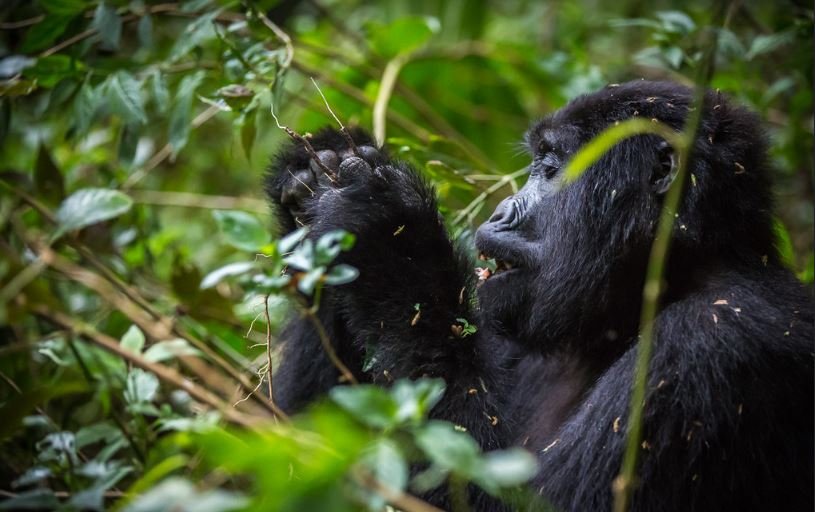
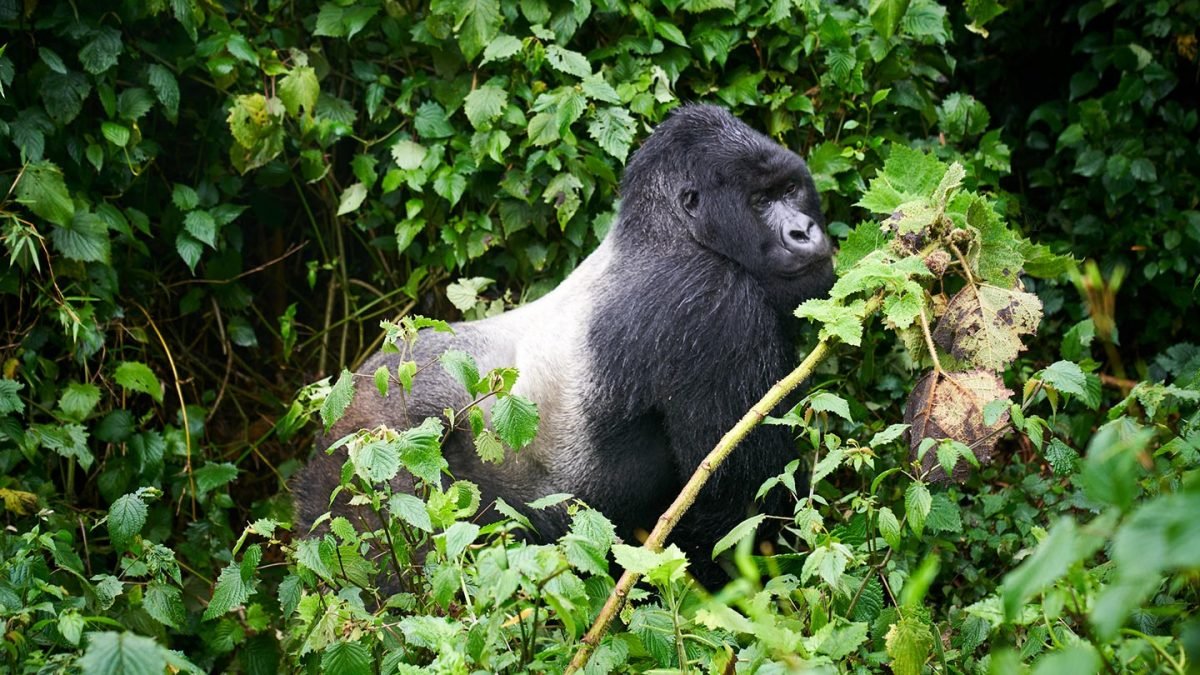
Bwindi Impenetrable National Park is characterized by dense forest vegetation, steep terrain, and changing natural light. Photographing mountain gorillas in this environment can be challenging, particularly when animals are partially concealed by leaves or moving through the forest.
During ordinary trekking, photographers have a maximum of one hour to observe and photograph the designated family.
The extended habituation experience provides more time to understand the animals’ movements, observe family interactions, and adapt camera settings to changing conditions.
Is Gorilla Habituation Worth the Extra Cost for professional photographers? For photographers who prioritize observing and documenting mountain gorillas, the additional viewing period can justify the higher permit price. Nevertheless, gorilla behavior, weather, visibility, and conservation rules remain outside the photographer’s control.
Visitors should never attempt to influence gorilla behavior or move closer than permitted to obtain a particular photograph.
Gorilla Habituation Provides Deeper Conservation Education
Gorilla habituation differs from ordinary trekking because participants accompany conservation personnel involved in gradually familiarizing a gorilla family with controlled human presence.
Mountain gorillas are naturally wild animals that may react cautiously to people they do not recognize.
Before a family can receive ordinary tourist visits, authorized conservation teams gradually introduce their presence while monitoring the animals’ responses.
This process requires patience and careful management because the objective is not to domesticate gorillas or change their natural behavior for entertainment.
Researchers and trackers repeatedly observe designated gorilla families, becoming familiar with their movements, feeding patterns, social relationships, and reactions to human presence.
Over time, some families become sufficiently accustomed to controlled human encounters to support regulated tourism activities.
During the visitor-accessible habituation experience, participants accompany authorized personnel and may learn about the challenges involved in monitoring wild gorillas.
Conservation personnel may provide explanations when appropriate, helping visitors appreciate how individuals interact within the family.
Is Gorilla Habituation Worth the Extra Cost for travelers fascinated by gorilla family life? The extended encounter can be especially rewarding because it provides more time to observe natural relationships and learn about mountain gorilla social behavior.
Nevertheless, each encounter is different, and no particular interaction can be guaranteed.
Gorilla Habituation Offers a More Specialized Rainforest Experience

Both gorilla trekking and habituation take place in remarkable natural environments.
However, habituation may appeal to travelers seeking a more specialized wildlife experience involving prolonged observation and a deeper appreciation of the forest ecosystem.
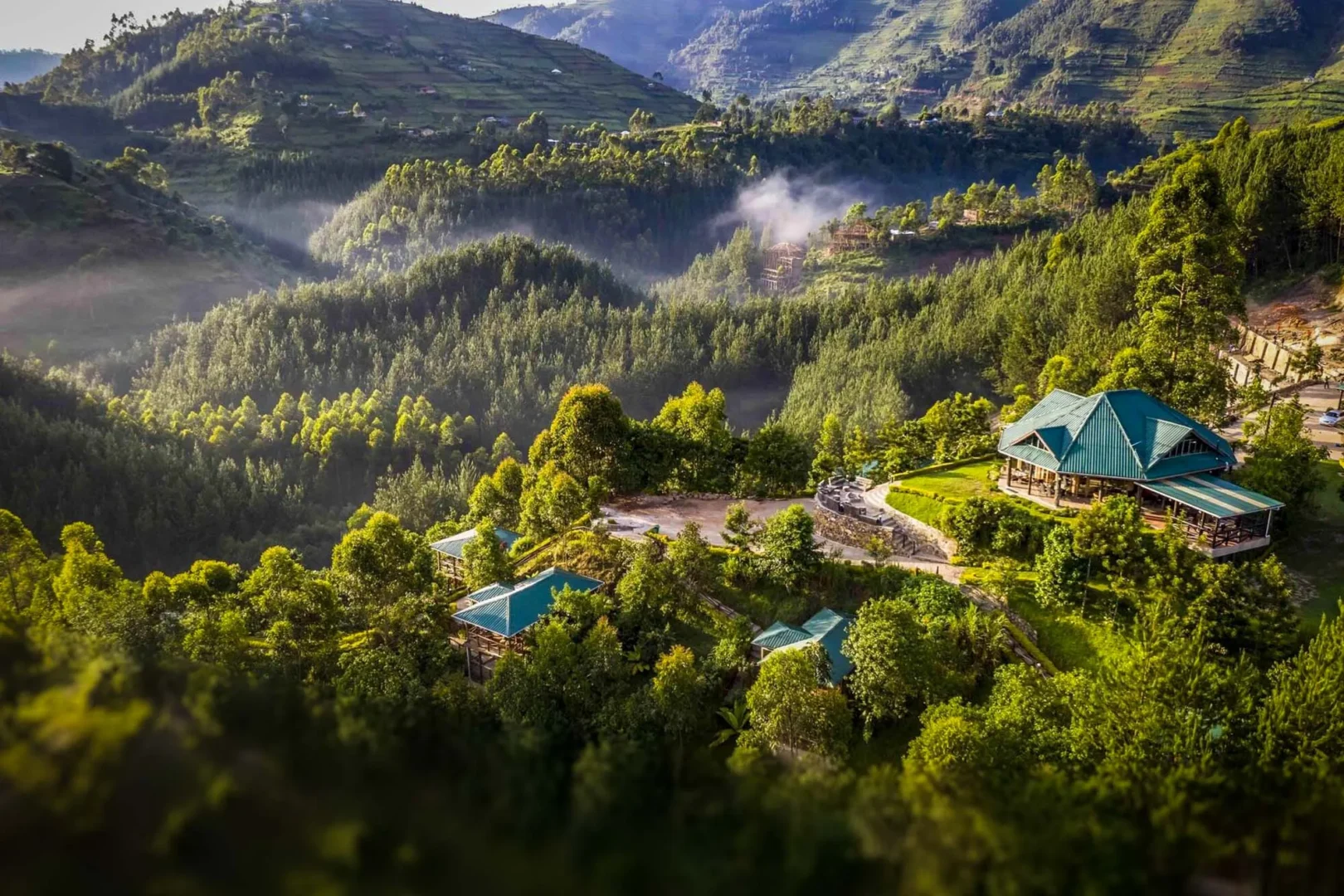
The established visitor-accessible habituation experience takes place in the Rushaga sector of Bwindi Impenetrable National Park in southwestern Uganda.
Bwindi contains dense montane rainforest, steep hillsides, forested valleys, and a remarkable variety of plant and animal species.
Gorilla habituation requires patience, physical preparation, and realistic expectations.
The animals may move through difficult terrain, remain partially hidden, or display behavior that requires visitors to adjust their position.
Rather than expecting a controlled encounter, participants must follow the animals’ natural routines under professional supervision.
Is Gorilla Habituation Worth the Extra Cost for experienced adventure travelers? It may be particularly appealing to visitors who enjoy immersive wildlife activities and are comfortable spending a substantial part of the day in a mountainous rainforest environment.
However, the longer duration can be a disadvantage for travelers with limited mobility, restricted time, or a preference for shorter activities.
Gorilla Habituation Creates a Different Wildlife Experience From Standard Trekking
One of the strongest reasons to choose habituation is that it offers a genuinely different form of mountain gorilla encounter.
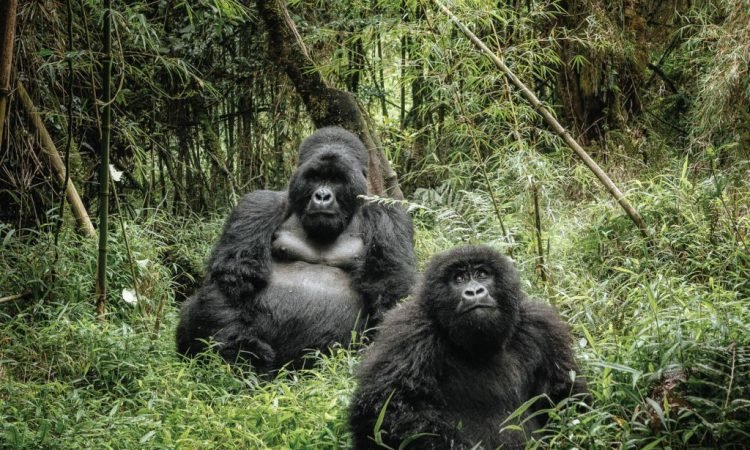
Ordinary gorilla trekking focuses on visiting a family that is already accustomed to carefully regulated tourist presence.
Gorilla habituation involves observing a family that is still undergoing this gradual adjustment.
Rather than repeating the same type of encounter, they can experience a longer observation period and learn about a different stage of gorilla conservation.
This may be especially rewarding for visitors who have developed a strong interest in mountain gorillas after their first encounter.
Conservation enthusiasts, wildlife photographers, naturalists, and experienced safari travelers may place greater value on the specialized nature of habituation than someone visiting mountain gorillas for the first time.
Is Gorilla Habituation Worth the Extra Cost for repeat visitors? It can offer a different perspective on mountain gorilla tourism, particularly when the visitor values conservation learning and extended time in the forest.
However, first-time travelers should not assume that ordinary trekking is an inferior experience. Both activities can provide extraordinary opportunities to observe mountain gorillas.
Gorilla Habituation Permit Prices in Uganda: Is the Extra Cost Justified?
Understanding the official permit prices is essential when evaluating whether gorilla habituation represents good value.
The Uganda Wildlife Authority determines the applicable conservation tariffs, and permit costs vary according to the activity, visitor category, and travel period.
Gorilla Habituation and Trekking Permit Prices in 2026
Under the established tariff applicable before January 2027, the foreign non-resident gorilla habituation permit costs US$1,500 per person, while the standard gorilla trekking permit costs US$800.
This creates a difference of US$700 per person.
For travelers planning a safari before the revised tariff takes effect, the additional investment provides access to the four-hour habituation experience rather than the one-hour standard trekking encounter.
Gorilla Habituation and Trekking Permit Prices in 2027 and 2028
The Uganda Wildlife Authority’s published conservation tariff for January 2027 through June 2028 establishes the following rates.
Foreign non-residents: Gorilla habituation costs US$1,800, compared with US$800 for ordinary gorilla trekking.
Foreign residents: Gorilla habituation costs US$1,500, compared with US$700 for ordinary gorilla trekking.
Rest of Africa category: Gorilla habituation costs US$1,000, compared with US$500 for ordinary gorilla trekking.
East African Community citizens: The published main tariff lists gorilla habituation at UGX 750,000 and standard gorilla trekking at UGX 300,000. Eligible travelers should confirm the precise applicable rate for their park and booking date.
These rates are subject to official changes, and visitors must provide appropriate documentation to establish eligibility for their permit category.
However, habituation begins earlier, and the overall activity can be longer. Travelers should avoid scheduling tightly timed transfers or other major activities immediately afterward.
Is Gorilla Habituation Worth the Extra Cost when comparing complete safari packages? The comparison should include the permit difference together with any changes in accommodation, transportation, travel time, and itinerary arrangements.
Visitors should request itemized quotations that clearly separate official permit fees from other safari services.
Is Gorilla Habituation Worth the Extra Cost for First-Time Visitors?
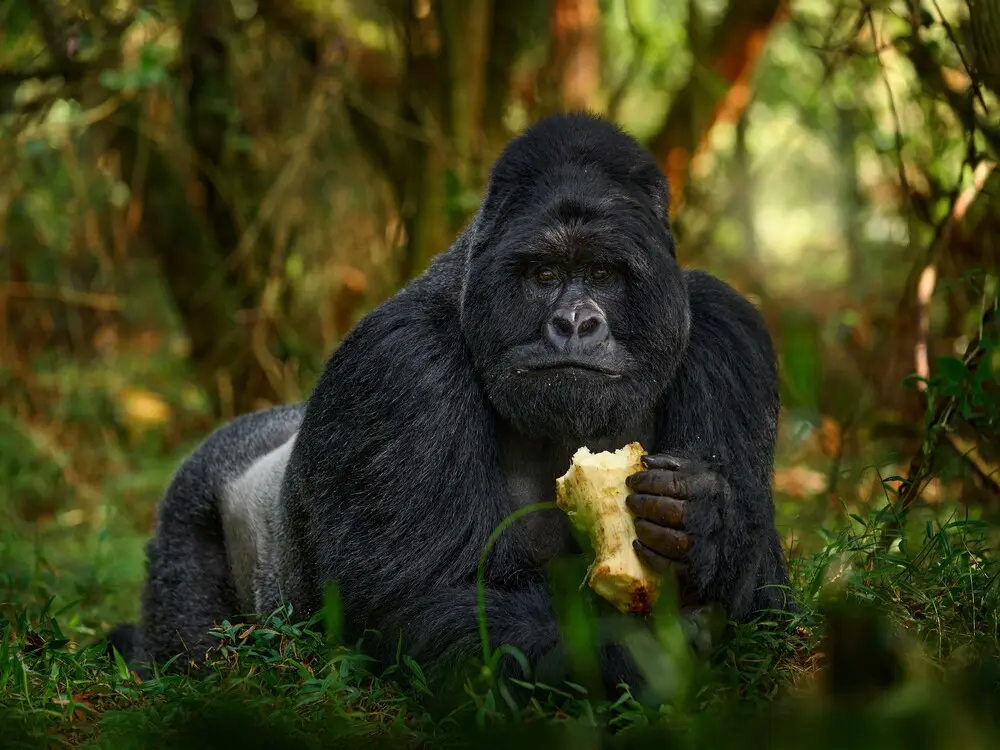
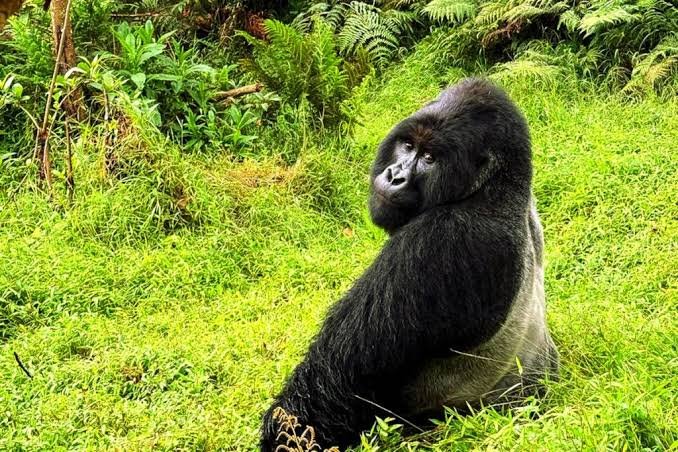
First-time mountain gorilla travelers often face the difficult decision of choosing between standard trekking and the more expensive habituation experience.
Standard gorilla trekking can be an excellent introduction because it offers a one-hour encounter with a fully habituated family at a lower permit price.
The experience is available in several sectors of Bwindi Impenetrable National Park and in Mgahinga Gorilla National Park, giving visitors greater flexibility when planning routes and accommodation.
For travelers with limited safari budgets, the money saved by choosing standard trekking may be used for additional wildlife activities, extra accommodation nights, or a longer Uganda holiday.
However, first-time visitors who have a particular interest in primate behavior or wildlife photography may find habituation worthwhile.
Is Gorilla Habituation Worth the Extra Cost for someone visiting Uganda for the first time? It depends on whether the traveler prioritizes simply encountering mountain gorillas or spending substantially longer observing them.
A first-time visitor does not need to book habituation to enjoy an extraordinary gorilla experience.
Is Gorilla Habituation Worth the Extra Cost for Honeymooners and Couples?
Couples planning a romantic Uganda safari may find gorilla habituation particularly appealing because of the small visitor allocation and extended wildlife observation period.
For honeymooners who love nature, photography, and extraordinary wildlife experiences, spending additional time observing mountain gorillas can become a memorable highlight of their African holiday.
However, couples should understand that habituation is not automatically a private excursion.
The group may include other visitors, and the experience follows the same conservation regulations as other authorized gorilla activities.
The physical demands should also be considered when designing a honeymoon itinerary.
Some couples may prefer a one-hour gorilla encounter followed by relaxation at a luxury lodge or Lake Bunyonyi.
Others may choose the longer habituation experience as the central activity of their holiday.
Is Gorilla Habituation Worth the Extra Cost for honeymooners? It can be worthwhile when both travelers enjoy immersive wildlife activities and are comfortable dedicating a substantial part of their safari budget to mountain gorilla observation.
Book Your Gorilla Habituation Experience in Uganda
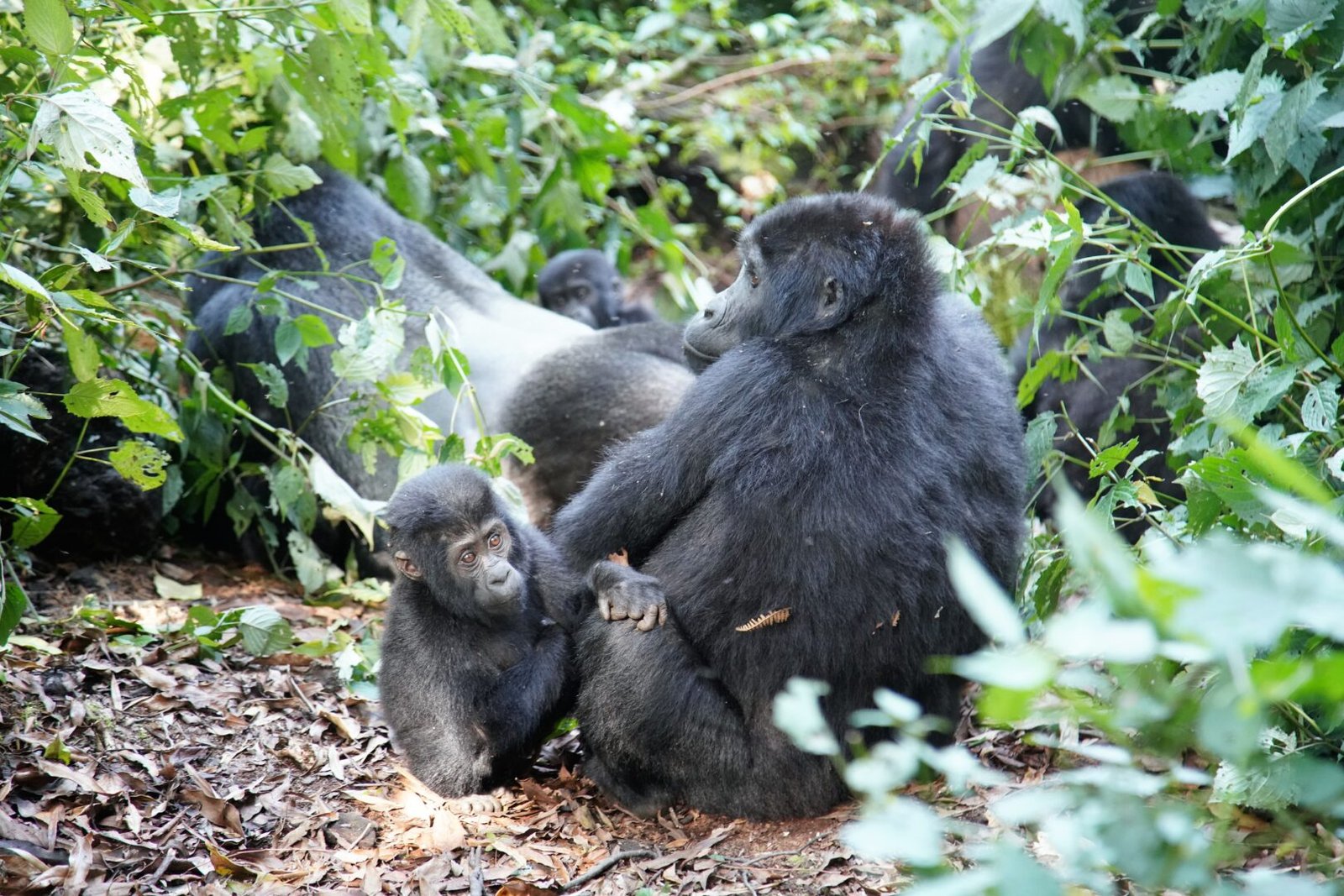
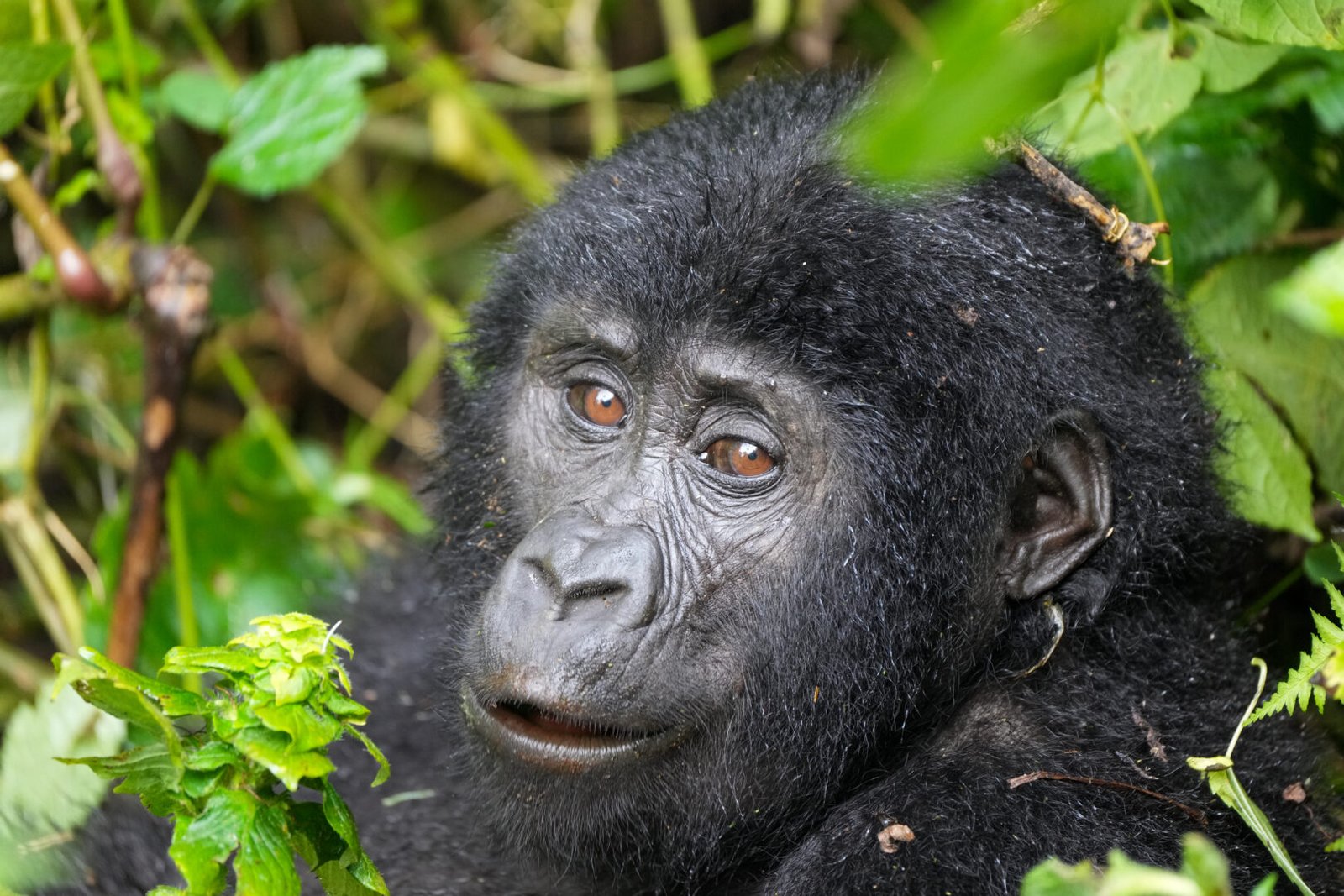
Gorilla habituation provides one of Uganda’s most exclusive opportunities to observe mountain gorillas while learning about the conservation work involved in gradually familiarizing wild gorilla families with controlled human presence.
Whether you are planning a luxury wildlife holiday, professional photography expedition, honeymoon, or extended Uganda safari, choosing the right gorilla experience is an important part of organizing your journey.
Is Gorilla Habituation Worth the Extra Cost? For travelers who value extended observation, smaller visitor groups, and learning about mountain gorilla conservation, the four-hour experience can justify the additional investment.
At Uganda Gorilla Permit, travelers can request assistance with comparing gorilla habituation and ordinary trekking, checking available permits, understanding official prices, and coordinating their safari arrangements in Bwindi Impenetrable National Park.
Our team can help explain the differences between the activities and assist you in selecting an option that matches your travel interests, preferred dates, and budget.
To begin, provide your preferred travel dates, alternative dates, number of participants, and nationality or residency information relevant to the permit category.
Because gorilla habituation permits are strictly limited, requesting availability early is advisable.
Frequently Asked Questions About Whether Gorilla Habituation Is Worth the Extra Cost
Is Gorilla Habituation Worth the Extra Cost?
Yes, gorilla habituation can be worth the additional expense for travelers who value up to four hours of gorilla observation, smaller groups, wildlife photography opportunities, and learning about the habituation process. However, standard gorilla trekking remains an excellent and more affordable alternative.
Is Gorilla Habituation Worth the Extra Cost for First-Time Visitors?
It depends on the visitor’s interests and budget. First-time travelers who primarily want to see mountain gorillas may find standard trekking sufficient, while those seeking longer observation and conservation learning may prefer habituation.
Is Gorilla Habituation Worth the Extra Cost for Wildlife Photographers?
The extended viewing period may provide more opportunities to photograph natural gorilla behavior and adjust to changing rainforest conditions. However, better photographs are not guaranteed because the animals’ movements and the surrounding environment remain unpredictable.
Is Gorilla Habituation Worth the Extra Cost in Uganda in 2027?
For foreign non-residents, the regular published 2027 permit price is US$1,800 for habituation compared with US$800 for standard trekking. The additional US$1,000 may be worthwhile for travelers who place significant value on the extended four-hour observation period.
Is Gorilla Habituation Worth the Extra Cost for Couples?
Couples who enjoy immersive wildlife experiences and conservation-focused activities may find habituation rewarding. However, the additional permit expense should be considered alongside the total honeymoon or safari budget.
Final Thoughts: Is Gorilla Habituation Worth the Extra Cost?
Is Gorilla Habituation Worth the Extra Cost? For travelers seeking an extended, conservation-focused encounter with mountain gorillas in Uganda, the additional investment can provide exceptional value. The opportunity to spend up to four hours observing a gorilla family undergoing habituation offers substantially more viewing time than ordinary gorilla trekking, along with a smaller visitor allocation and opportunities to learn about mountain gorilla behavior and conservation.
However, the higher price does not guarantee closer encounters, easier trekking, better photographs, or more dramatic wildlife behavior.
Standard gorilla trekking remains an extraordinary experience and may be the better choice for first-time visitors, budget-conscious travelers, families managing substantial permit expenses, or those hoping to explore several destinations during their Uganda safari.
Understanding Is Gorilla Habituation Worth the Extra Cost? ultimately requires considering what matters most to you as a traveler. If your priority is spending as much authorized time as possible observing mountain gorillas, learning about the habituation process, and enjoying an extended rainforest encounter, habituation may be worth the premium.
If your main objective is simply to encounter mountain gorillas in their natural habitat, standard trekking can provide an unforgettable experience at a lower cost.
Whichever option you choose, careful planning, responsible wildlife behavior, and advance permit reservations are essential for a successful Uganda gorilla safari.