
Rwanda Safari in July
Rwanda Safari in July – Amazing Gorilla & Wildlife Adventure Guide
A Rwanda Safari in July is one of the most rewarding ways to experience the Land of a Thousand Hills, combining mountain gorilla trekking, Big Five game viewing, chimpanzee tracking, beautiful highland scenery and relaxing time beside Lake Kivu. July falls within Rwanda’s main dry season, which normally runs from June to mid-September, when roads and hiking trails are generally easier to navigate and rainfall is usually lighter, although occasional showers can still occur. These conditions make July particularly attractive for travelers who want to combine several of Rwanda’s national parks within one journey.
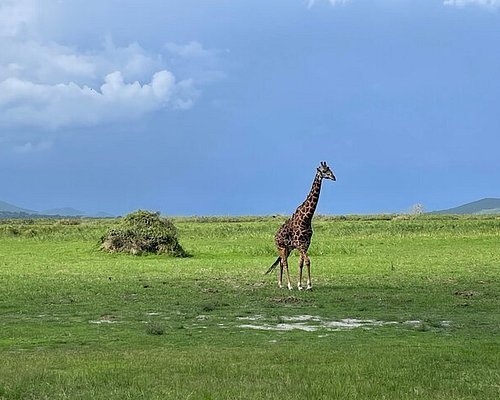
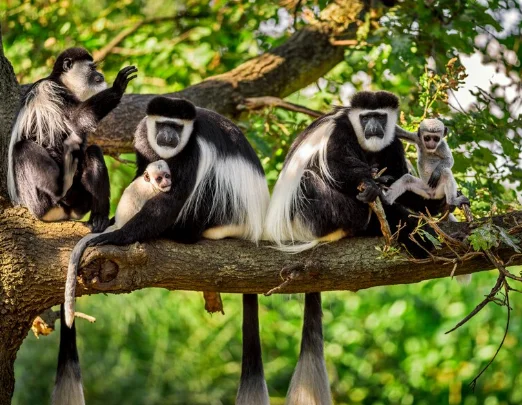
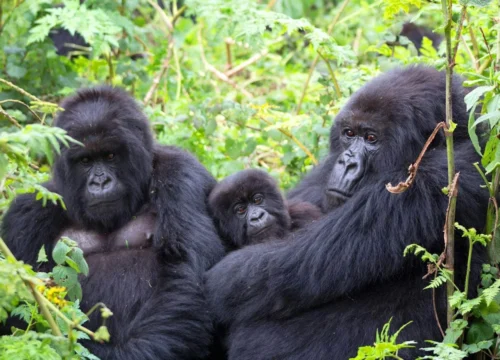
The month is especially popular for gorilla trekking in Volcanoes National Park, where visitors hike through the Virunga landscape in search of habituated mountain gorilla families. Rwanda’s official tourism platform currently lists the international gorilla trekking permit at US$1,500 per person, with a minimum trekking age of 15 years. July is also an excellent time to explore Akagera National Park for savannah wildlife, Nyungwe for chimpanzees and forest adventures, and Lake Kivu for relaxation between active safari experiences.
For travelers exploring Rwanda with Nextgen Safaris, July works particularly well for journeys ranging from short three- or four-day gorilla trips to complete seven-, ten- or twelve-day Rwanda safaris. The country’s relatively compact size allows visitors to experience volcanoes, rainforest, savannah and lakeside scenery without the very long transfers often required in larger safari destinations. Rwanda’s official tourism itineraries themselves combine Akagera, Nyungwe, Volcanoes National Park and Lake Kivu into multi-destination journeys.
Is July a Good Time for a Rwanda Safari?
Yes, July is one of the best months for a Rwanda safari, particularly for travelers prioritizing gorilla trekking, hiking and traditional wildlife viewing. Rwanda’s main dry season extends from June until around mid-September, bringing lighter cloud cover, occasional rather than persistent rainfall, and generally easier conditions on roads and walking trails. July sits near the center of this period and is therefore one of the most popular months for outdoor travel.
The advantage of July is not that Rwanda becomes completely dry. Volcanoes National Park and Nyungwe remain forest environments, and rain is possible at any time. Instead, travelers generally benefit from more manageable trekking conditions than during the wetter months. Trails can still be steep and muddy in places, particularly inside montane rainforest, so proper hiking boots and rain protection remain essential even during July.
July is also well suited to travelers combining primates with savannah wildlife. Akagera National Park contains open plains, woodland, wetlands and lakes, providing a completely different environment from Rwanda’s mountainous forests. The park is once again home to lions and rhinos, meaning visitors can hope to encounter the Big Five during safari drives.
Rwanda Weather in July
Weather is one of the main reasons travelers choose a Rwanda Safari in July. Rwanda’s official tourism information identifies June to mid-September as the long dry season, when roads and paths tend to be easier to navigate. This is particularly useful when planning activities involving hiking, long game drives or road transfers between national parks.
Conditions vary considerably with altitude. Kigali and the eastern savannah around Akagera generally feel warmer than the high-elevation areas around Volcanoes National Park. In the Virunga highlands, mornings can feel cool, especially before an early gorilla trekking briefing, while rainforest conditions may become humid as the day progresses. Travelers should therefore pack layers rather than preparing only for hot African weather.
Rain protection should still be included. Rwanda’s dry season does not mean there is no rain, and the official weather guidance notes that occasional light rainfall can occur. A lightweight waterproof jacket can therefore be useful during gorilla trekking, chimpanzee tracking and forest walks without adding excessive weight to a daypack.
Gorilla Trekking in Rwanda in July
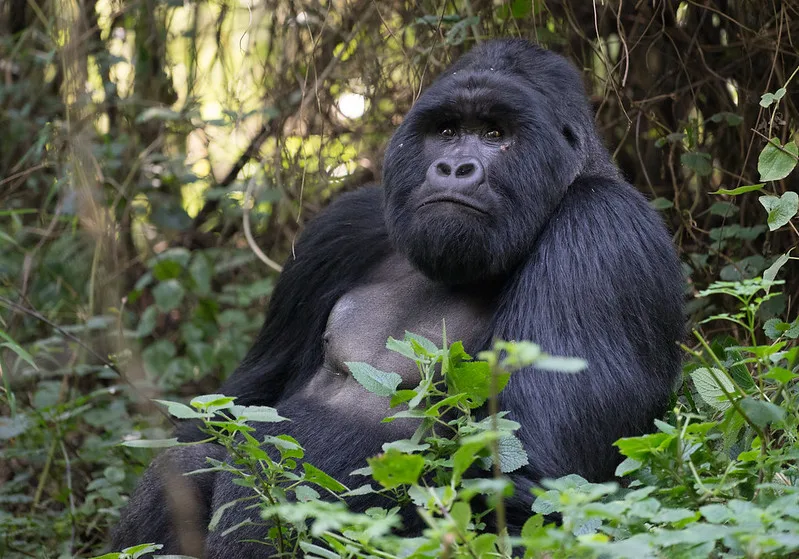
For many travelers, gorilla trekking is the centerpiece of a Rwanda Safari in July. Volcanoes National Park lies within the Virunga Massif and protects mountain gorillas alongside golden monkeys and a rich montane forest ecosystem. Rwanda’s official tourism platform identifies gorilla tracking as one of the country’s defining wildlife experiences.
July’s generally drier conditions can make forest trails easier than during periods of persistent heavy rainfall, although gorilla trekking remains a genuine physical adventure. The trek may involve steep slopes, bamboo vegetation, uneven terrain and sections of mud depending on the location of the gorilla family that day. Visitors should arrive with appropriate footwear, long trousers, gardening-style gloves if desired, rain protection and enough water.
The current standard international gorilla trekking permit is US$1,500 per person, and participants must be at least 15 years old. July is a popular travel period, so anyone planning a fixed-date safari should arrange gorilla permits early rather than waiting until accommodation and flights have already been confirmed.
A Rwanda gorilla safari can also include more than one trek for travelers who want deeper exposure to the experience. Each trek can be completely different because gorilla families, trekking routes, terrain and behavior vary. However, the additional permit cost should be considered carefully when designing the overall safari budget.
Golden Monkey Tracking in July
Travelers staying an additional day near Volcanoes National Park can add golden monkey tracking. These energetic primates inhabit the Virunga highlands and provide a faster-paced experience than gorilla trekking. Rwanda’s official booking system currently lists golden monkey permits for international visitors at US$100 per adult.
Golden monkeys often move quickly through bamboo and forest vegetation, making photography challenging but exciting. Their activity level creates a very different atmosphere from quietly observing a gorilla family. For travelers spending two or three nights around Musanze, combining one gorilla trek with golden monkey tracking creates a more complete Volcanoes National Park experience.
July is particularly suitable because visitors can combine both treks during Rwanda’s primary dry travel season. However, mountain weather remains changeable, so rain gear and suitable hiking footwear should still be carried for both activities.
Akagera National Park Safari in July
A Rwanda Safari in July should not necessarily focus only on primates. Akagera National Park in eastern Rwanda provides the country’s classic savannah wildlife experience, with open plains, woodland, wetlands and numerous lakes. Visit Rwanda describes Akagera as a scenic safari destination where lions and rhinos have been reintroduced and visitors can once again hope to see the Big Five.
Game drives provide opportunities to search for elephants, buffaloes, lions, giraffes, zebras, antelopes and other wildlife across contrasting habitats. The generally drier July conditions can be advantageous for vehicle safaris because vegetation may become less dense in some areas and wildlife remains dependent on permanent water sources.
A full-day drive through Akagera is often preferable to rushing through the park on a short excursion. The protected area covers roughly 1,000 square kilometers and contains open savannah, lakes, wetlands and rolling highlands. Allowing one or preferably two nights gives travelers more opportunity to explore different habitats during productive early morning and late-afternoon periods.
Big Five Safari in Rwanda in July
Akagera gives visitors the opportunity to add a Big Five-style wildlife safari to a Rwanda journey dominated by primates and highland scenery. Lions and rhinos have been successfully returned to the protected landscape, joining elephants, buffaloes and leopards within the wider ecosystem.
Travelers should remember that Big Five sightings are never guaranteed. Akagera is a natural ecosystem rather than a wildlife collection, and animals move according to water, food, weather and other ecological conditions. A successful safari should therefore appreciate giraffes, zebras, antelopes, birds, wetlands and landscapes rather than measuring the day only according to whether all five famous mammals appear.
The combination of Akagera and Volcanoes National Park is particularly powerful for first-time visitors. Within the same Rwanda journey, travelers can spend one day searching the savannah for lions and elephants and another trekking through mountainous rainforest in search of gorillas. Visit Rwanda actively promotes itineraries combining Akagera safari experiences with gorilla tracking.
Nyungwe National Park in July
Nyungwe adds another completely different ecosystem to a Rwanda Safari in July. Located in southwestern Rwanda, the park protects a vast Afromontane rainforest and is one of the country’s principal destinations for primate trekking. Visit Rwanda confirms that chimpanzees occur in Nyungwe, where they live in social communities and move through the forest while foraging.
Chimpanzee tracking usually begins early, requiring travelers to be prepared for an active forest experience. Chimps often move more quickly and over greater distances than gorillas, which can make following them physically demanding. July’s generally drier seasonal conditions can make trails more manageable, but rainforest terrain remains unpredictable and waterproof hiking equipment remains important.
Nyungwe is also much more than chimpanzees. Rwanda’s tourism itineraries combine chimpanzee trekking with the forest canopy walkway, allowing visitors to experience the rainforest from above. Spending two or three nights in the region allows sufficient time for primate tracking and an additional forest experience without turning every day into a long transfer.
Lake Kivu in July
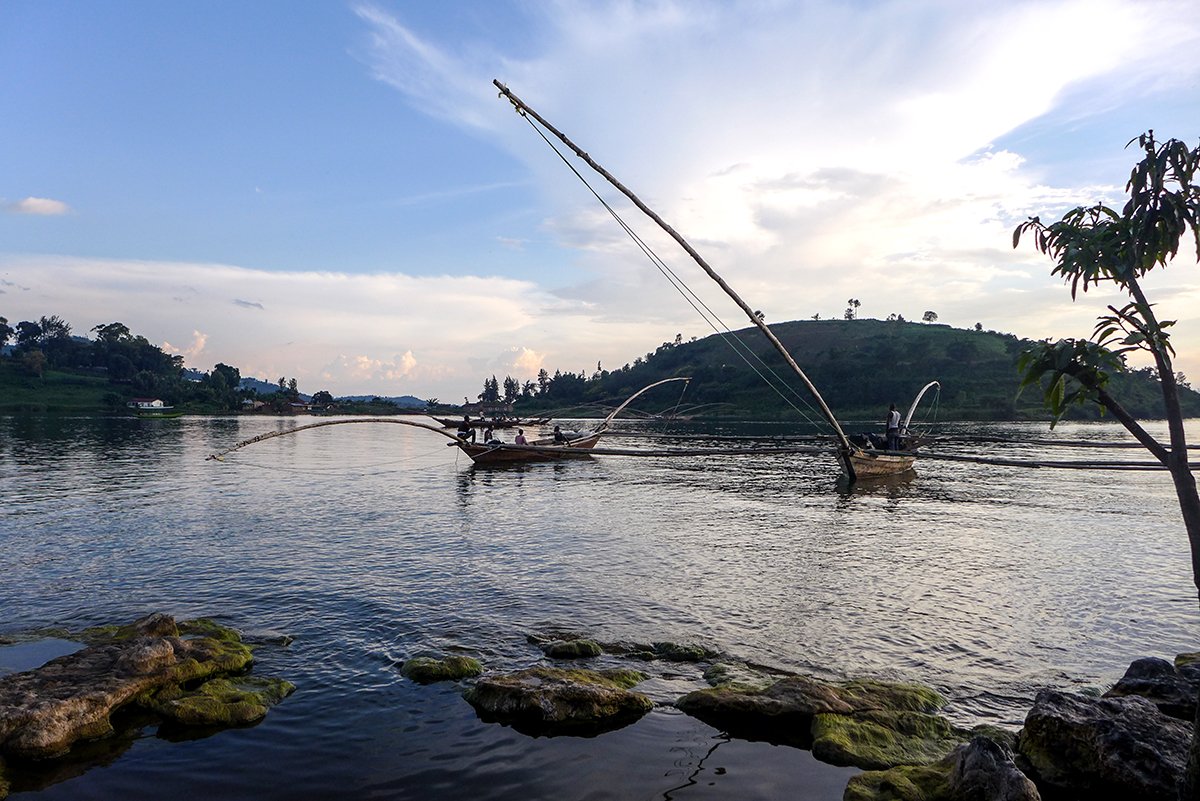
Lake Kivu provides an ideal place to slow down during a longer Rwanda itinerary. Instead of moving directly between national parks, travelers can spend one or two nights along the lake enjoying scenery, boat activities and a more relaxed pace. Visit Rwanda includes Lake Kivu within official multi-destination itineraries connecting Rwanda’s national parks.
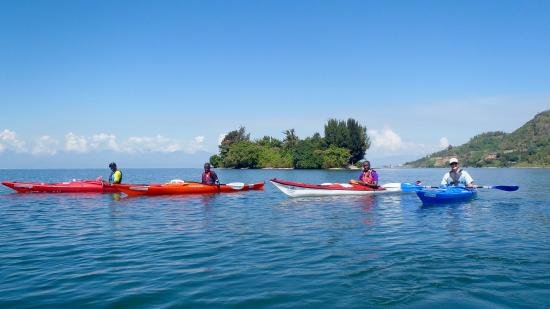
July’s drier conditions can be particularly pleasant for travelers interested in spending time outdoors around the lake. Depending on the chosen destination and itinerary, activities may include boat trips, kayaking, lakeside relaxation or simply enjoying views across the water after several physically demanding trekking days.
Lake Kivu works especially well between Nyungwe and Volcanoes National Park. Instead of completing one long overland journey, travelers can break the route with a lakeside stay and create a more relaxed itinerary. This becomes particularly valuable for honeymooners, families and luxury travelers who do not want every day filled with early starts and physically intensive activities.
Kigali During a Rwanda Safari in July
Most Rwanda safaris begin or end in Kigali, and travelers should avoid treating the capital only as an airport stop. Depending on arrival time, one full or partial day can be used to explore the city, visit cultural attractions and better understand Rwanda before traveling into the national parks.
Kigali also provides a convenient logistical starting point because Rwanda’s safari regions extend in different directions: Akagera lies toward the east, Volcanoes National Park toward the northwest, and Nyungwe toward the southwest. Visit Rwanda’s published itineraries regularly use Kigali as the starting or finishing point for multi-park journeys.
Travelers arriving after a long international flight should consider staying one night before immediately beginning a major road transfer. Starting slowly can make the rest of the Rwanda Safari in July more enjoyable, particularly when gorilla trekking or chimpanzee tracking is scheduled soon afterward.
Is July Peak Season in Rwanda?
July falls within Rwanda’s main dry travel season, so demand for gorilla trekking, popular lodges and professional safari services can be stronger than during wetter months. The official tourism authority identifies June through September as a key period to visit Rwanda.
This means travelers with fixed July dates benefit from planning well ahead, especially when gorilla trekking is a non-negotiable part of the journey. The limited nature of primate tracking permits means accommodation flexibility does not automatically solve permit availability.
Early planning also provides a better choice of lodges. This is especially important for luxury travelers interested in premium properties around Volcanoes National Park, Nyungwe or Akagera, where room inventories are naturally smaller than in a large city hotel market.
How Many Days Are Best for a Rwanda Safari in July?
A three- or four-day Rwanda safari can work for travelers primarily interested in gorilla trekking.Rwanda Safari in July, A typical short journey may include Kigali, Volcanoes National Park, one gorilla trek and perhaps golden monkey tracking before returning to Kigali.
Around seven days provides a much better introduction to Rwanda because travelers can combine gorillas with Akagera or Nyungwe. A week can include savannah wildlife, mountain gorillas and selected cultural or scenic experiences without attempting to visit every corner of the country.
Travelers with nine to twelve days can create a more complete Rwanda circuit covering Akagera National Park, Nyungwe, Lake Kivu, Volcanoes National Park and Kigali. Rwanda’s official tourism platform itself promotes itineraries combining all three principal national parks with Lake Kivu, confirming how naturally these destinations work together.
The best itinerary should not simply maximize the number of destinations. Allowing two-night stays where possible creates time to enjoy lodges, landscapes and wildlife without constantly unpacking and returning to the road.
Suggested 7-Day Rwanda Safari in July
 Day 1
Day 1Arrival in Kigali
Meet your Nextgen Safaris guide at Kigali International Airport and transfer to your hotel for a relaxed beginning to your Rwanda adventure.
Book Now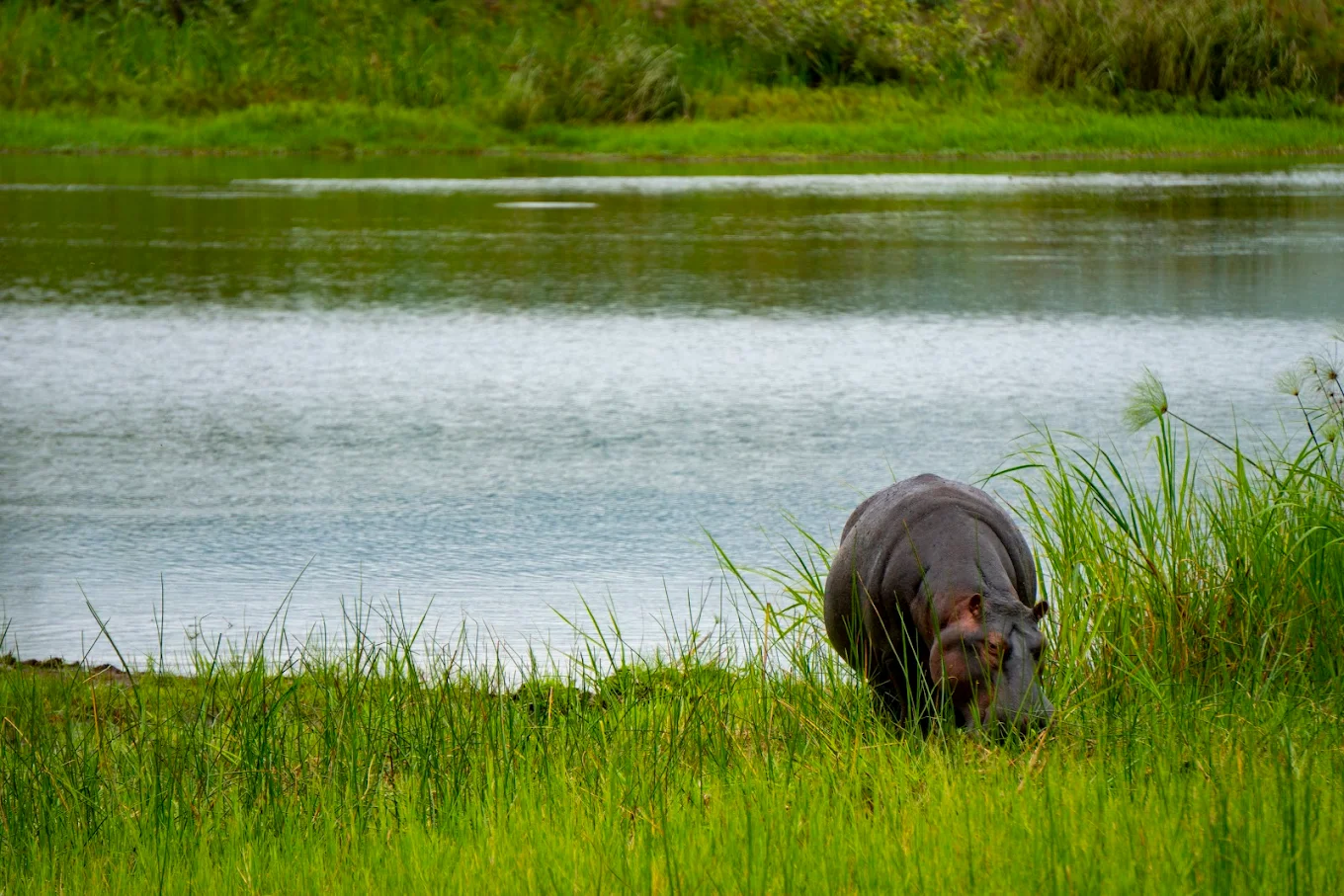 Day 2
Day 2Kigali to Akagera National Park
Travel east toward Akagera and enjoy your first introduction to Rwanda’s savannah landscapes and wildlife.
Book Now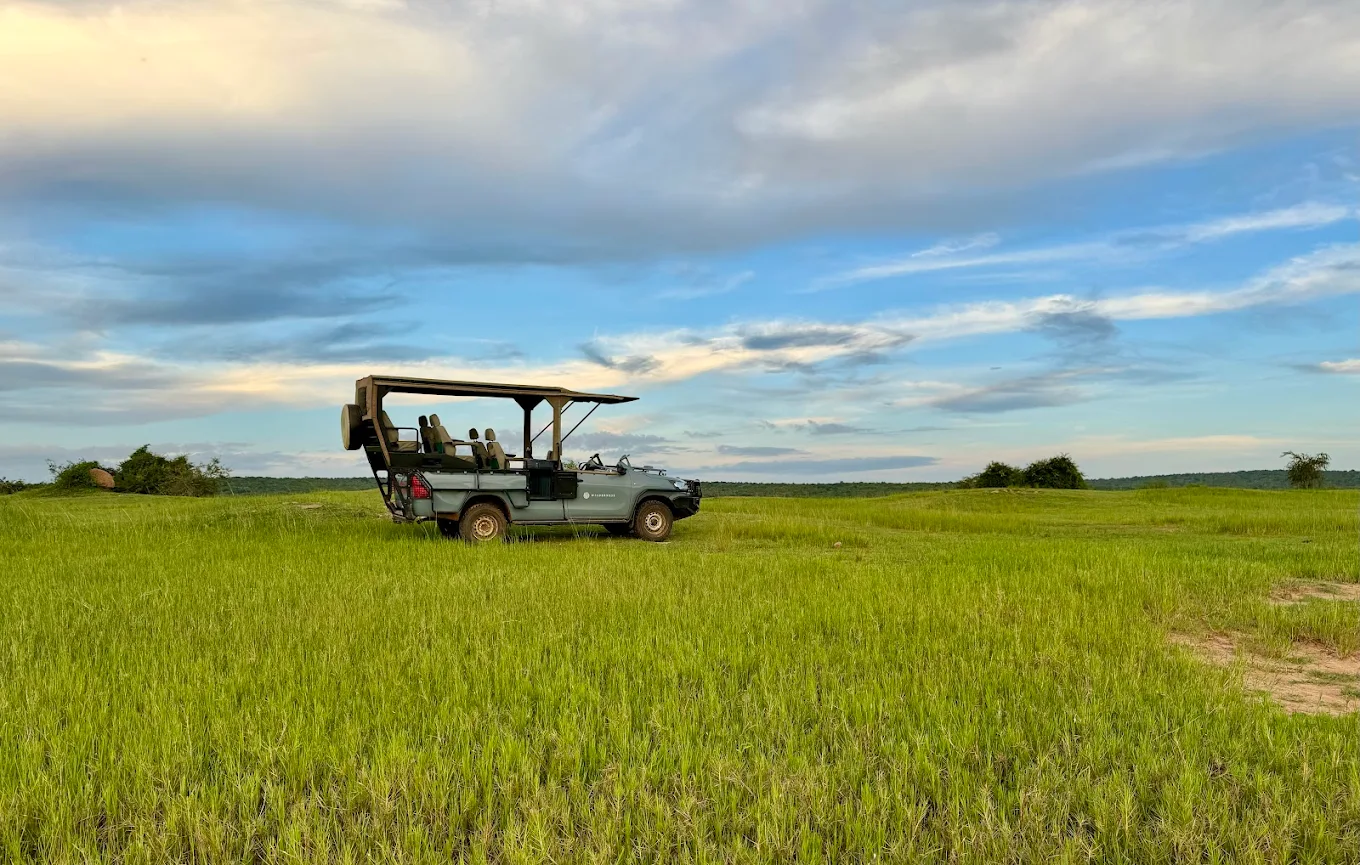 Day 3
Day 3Full-Day Akagera Game Drive
Explore Akagera’s plains, lakes and woodland while searching for elephants, giraffes, zebras, buffaloes, lions and other wildlife.
Book Now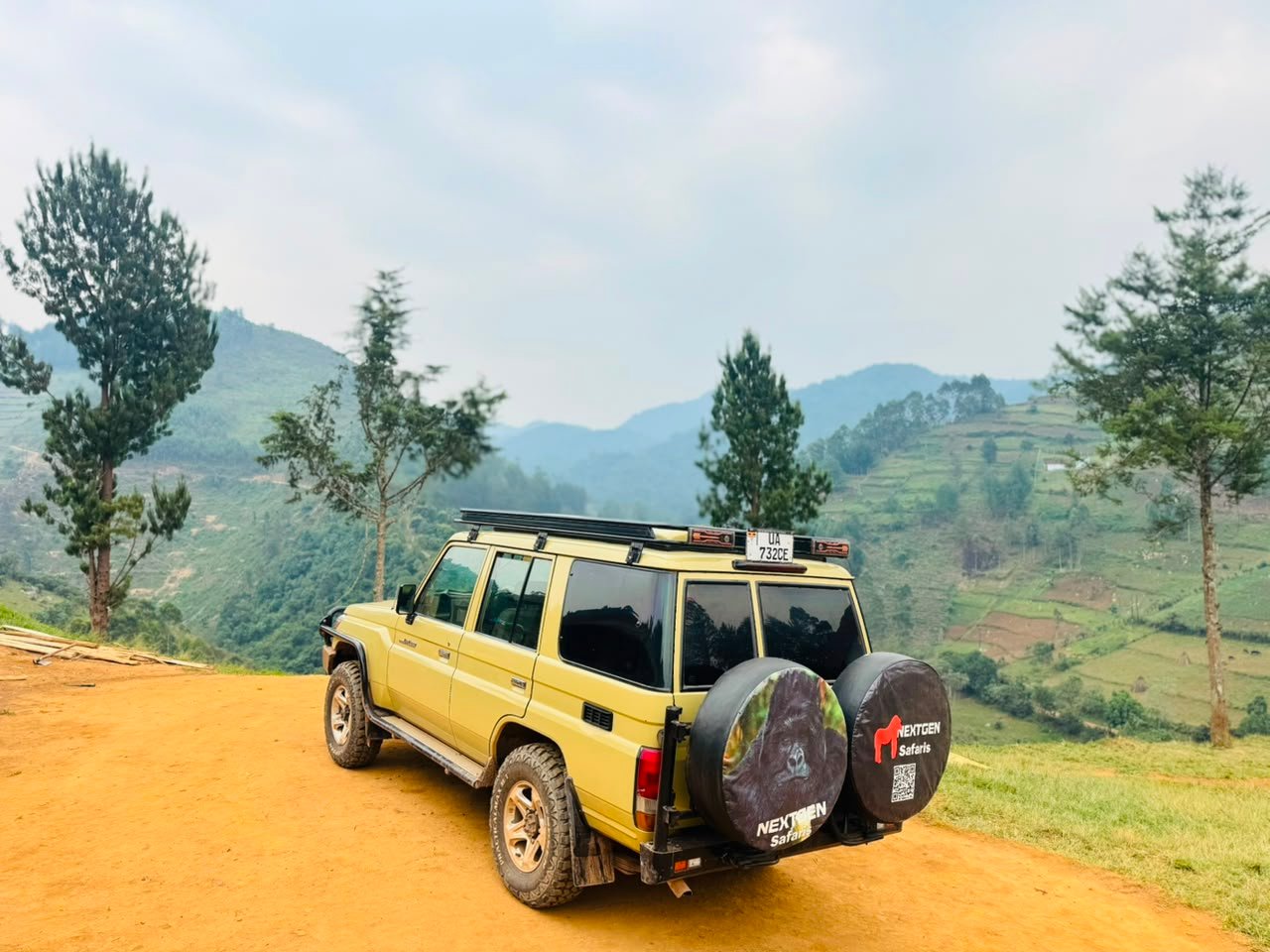 Day 4
Day 4Akagera to Volcanoes National Park
Journey across Rwanda toward the dramatic Virunga Mountains and settle into your lodge before the gorilla trekking experience.
Book Now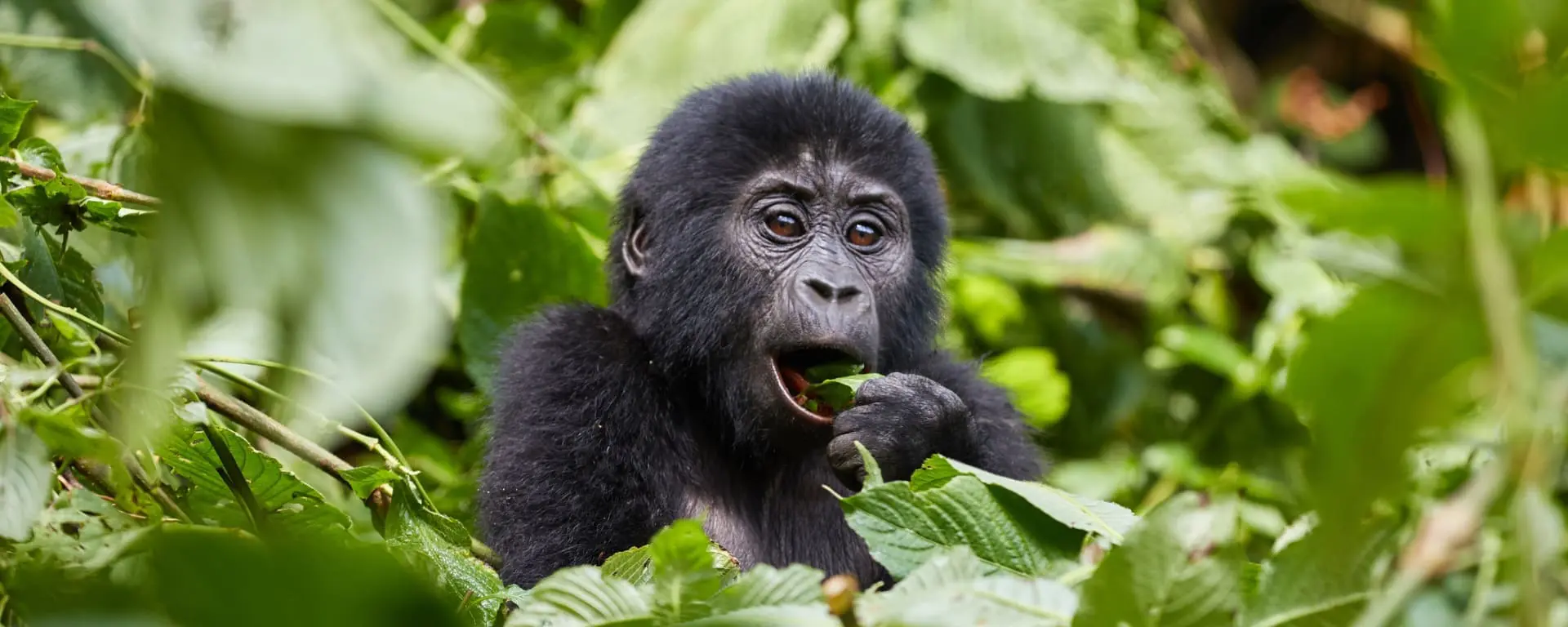 Day 5
Day 5Mountain Gorilla Trekking
Enter Volcanoes National Park with professional trackers for an unforgettable encounter with a habituated mountain gorilla family.
Book Now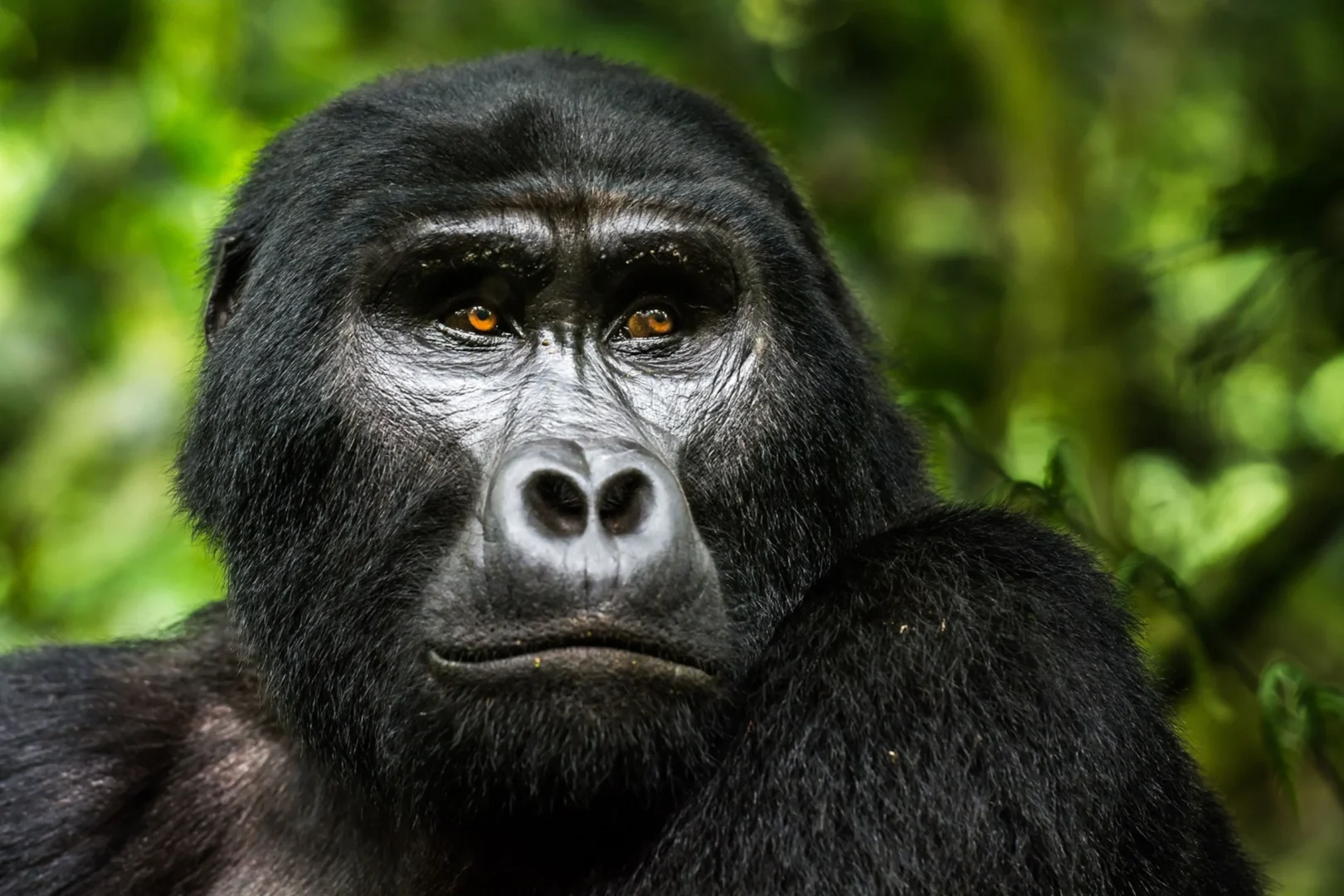 Day 6
Day 6Golden Monkey Tracking
Explore the bamboo forests of Volcanoes National Park in search of energetic golden monkeys before enjoying a relaxed afternoon.
Book Now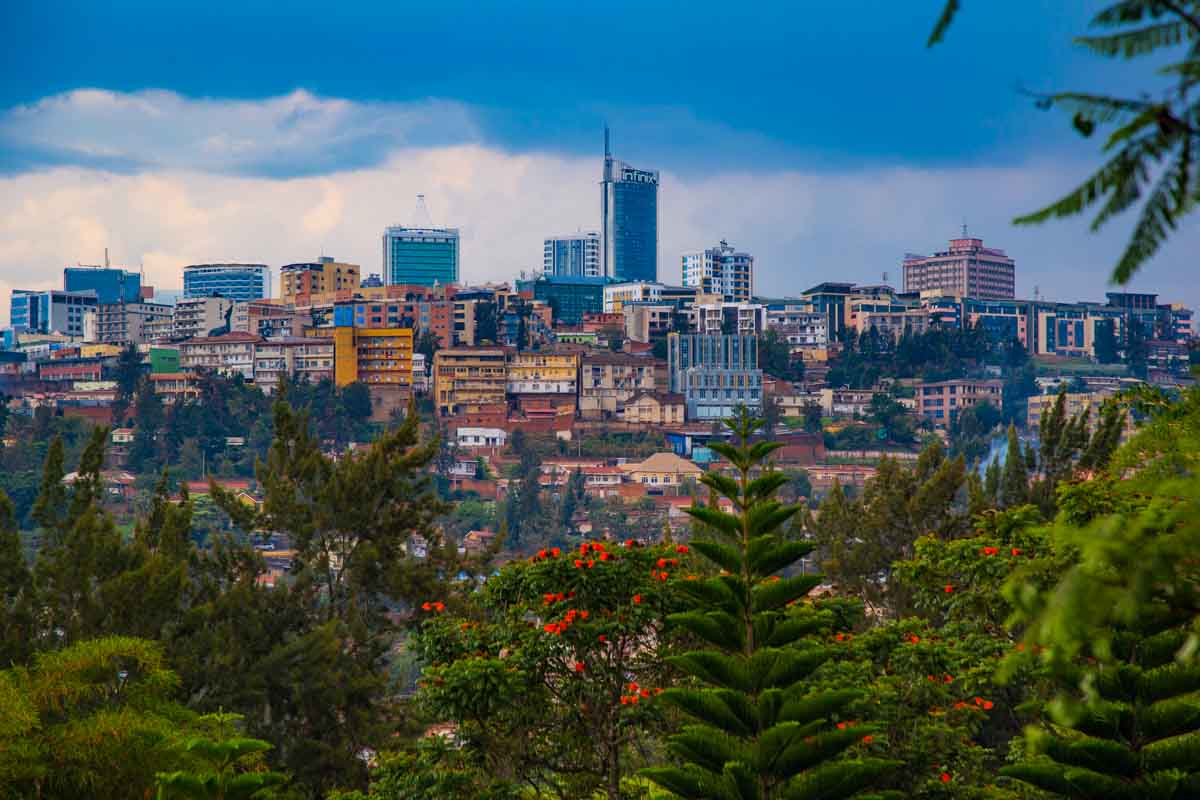 Day 7
Day 7Return to Kigali – Departure
Travel back to Kigali for optional sightseeing, lunch and your transfer to Kigali International Airport for departure.
Book NowDay 1: Arrival in Kigali – Welcome to Rwanda
Your Rwanda Safari in July begins at Kigali International Airport, where you will meet your Nextgen Safaris driver-guide and transfer to your hotel. Depending on your arrival time, the afternoon can remain relaxed or include a short Kigali city experience. Overnight in Kigali provides time to recover from your international journey before beginning the wildlife safari the following morning.
Day 2: Kigali – Transfer to Akagera National Park
After breakfast, depart Kigali and travel east toward Akagera National Park. Rwanda Safari in July, The scenery gradually changes from Rwanda’s rolling hills to warmer savannah landscapes dotted with lakes, woodland and open plains. After arriving at your lodge, enjoy an afternoon game drive or optional boat safari before settling in for your first night inside Rwanda’s main savannah wildlife destination.
Day 3: Full-Day Game Drive in Akagera National Park
Begin early for a full-day wildlife safari through Akagera National Park. Search for elephants, buffaloes, giraffes, zebras, antelopes, lions and other wildlife while exploring the park’s varied landscapes. July’s generally drier conditions make this an excellent period for game viewing. Return to your lodge later in the afternoon for dinner and relaxation surrounded by the wilderness.
Day 4: Akagera National Park – Transfer to Volcanoes National Park
After breakfast, leave Akagera and travel west across Rwanda toward Volcanoes National Park. The journey reveals the dramatic transformation from eastern savannah to the mountainous landscapes of northern Rwanda. Arrive near Musanze later in the afternoon, check into your lodge and relax while enjoying views of the Virunga volcanoes as you prepare for the following morning’s gorilla trekking adventure.
Day 5: Mountain Gorilla Trekking in Volcanoes National Park
Today is the highlight of your Rwanda Safari in July. After an early breakfast, transfer to the park headquarters for registration and a gorilla trekking briefing before entering the forest with experienced guides and trackers. Once your assigned gorilla family is located, enjoy the permitted viewing period observing these remarkable primates in their natural habitat. Return to the lodge afterward for lunch and a relaxed afternoon.
Day 6: Golden Monkey Tracking – Optional Cultural Experience
Return to Volcanoes National Park for golden monkey tracking through the bamboo-covered slopes of the Virunga Mountains. These energetic primates provide a lively contrast to the previous day’s gorilla encounter. After the trek, return for lunch and spend the afternoon relaxing or add a cultural experience around Musanze before enjoying your final evening in northern Rwanda.
Day 7: Volcanoes National Park – Kigali City Experience – Departure
After breakfast, begin the journey back to Kigali. Depending on your international flight time, enjoy selected Kigali sightseeing, local craft shopping or a guided visit to the Kigali Genocide Memorial before lunch. Your Nextgen Safaris guide will later transfer you to Kigali International Airport, bringing your seven-day Rwanda wildlife and gorilla adventure to an end.
Best 10-Day Rwanda Safari in July – Gorillas, Chimps & Big Five
Day 1Arrival in Kigali – Welcome to Rwanda
Arrive at Kigali International Airport where your Nextgen Safaris driver-guide will welcome you and transfer you to your hotel. Relax after your international flight and prepare for your Rwanda wildlife adventure.
Day 2Kigali – Transfer to Akagera National Park
Travel east from Kigali toward Akagera National Park and enter Rwanda’s beautiful savannah region. Check into your safari lodge before enjoying your first wildlife experience.
Day 3Full-Day Akagera Wildlife Safari
Spend the day exploring Akagera in a private safari vehicle, searching the plains, woodland and wetlands for Rwanda’s remarkable wildlife.
 Day 4
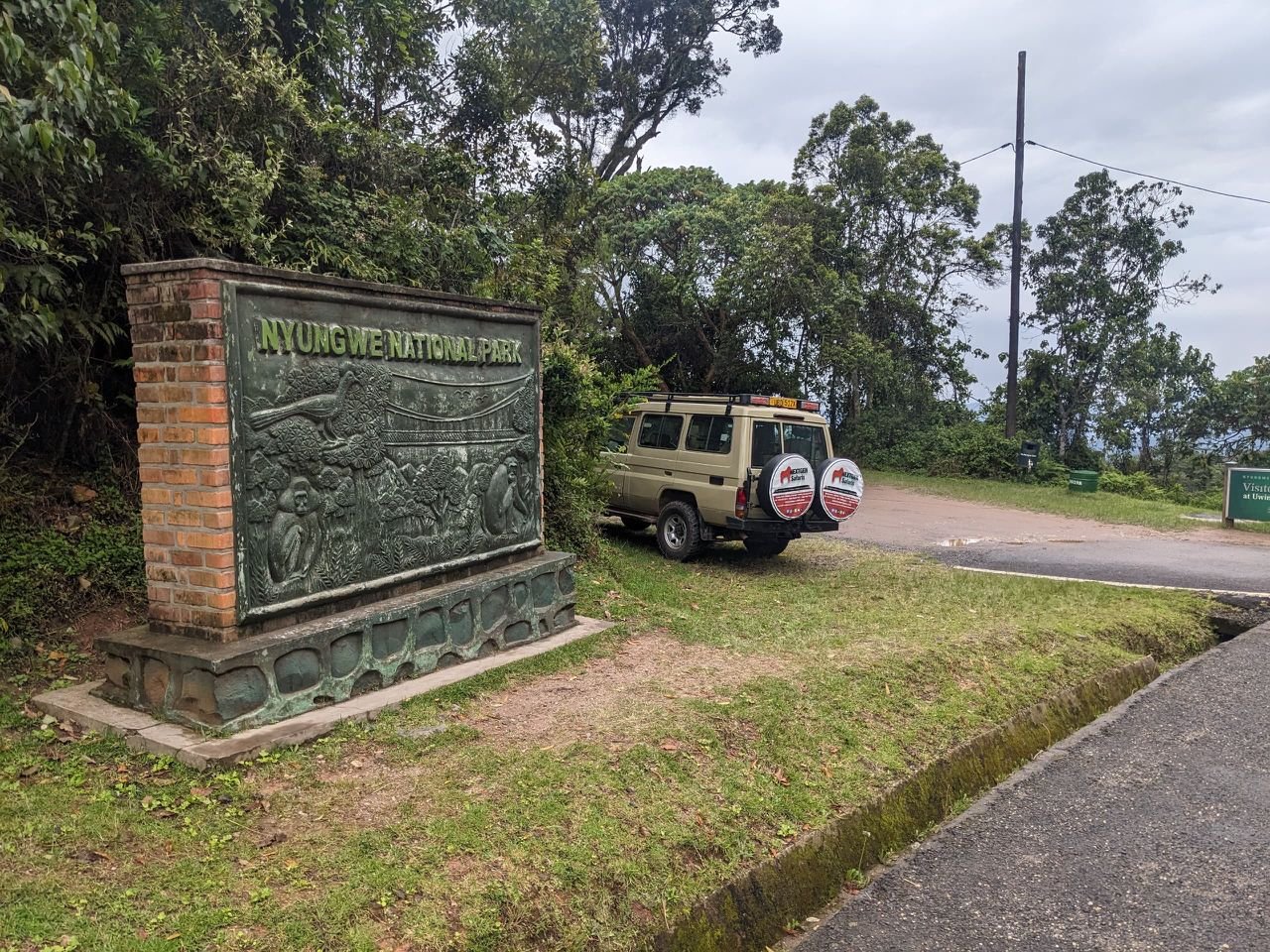
Day 4Akagera – Transfer to Nyungwe
Leave eastern Rwanda and journey across the country’s spectacular countryside toward the forested southwest and Nyungwe National Park.
 Day 5
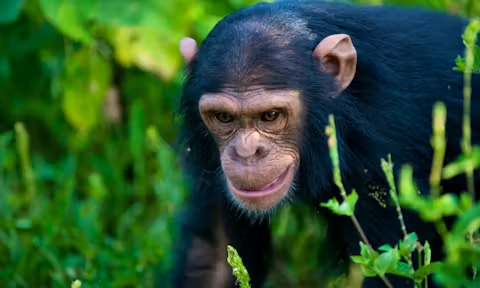
Day 5Chimpanzee Tracking & Nyungwe Forest
Begin early for an exciting chimpanzee trek through Nyungwe Forest and enjoy the extraordinary biodiversity of Rwanda’s ancient rainforest.
 Day 6
Day 6Nyungwe – Transfer to Lake Kivu
Leave the rainforest and continue toward Lake Kivu for a relaxing afternoon surrounded by mountains, beautiful scenery and peaceful lakeside views.
Day 7Lake Kivu – Volcanoes National Park
Continue through Rwanda’s dramatic northwest landscapes toward Volcanoes National Park, home of the famous mountain gorillas of the Virunga Mountains.
Day 8Mountain Gorilla Trekking
Enter Volcanoes National Park with experienced trackers and guides for an unforgettable encounter with a habituated mountain gorilla family in the Virunga landscape.
Day 9Golden Monkey Tracking
Return to the bamboo forests of Volcanoes National Park for a lively golden monkey tracking experience before enjoying a relaxed afternoon around the park.
Day 10Volcanoes National Park – Kigali – Departure
After breakfast, return to Kigali with time for sightseeing, shopping or lunch before transferring to Kigali International Airport for your departure flight.
Day 1: Arrival in Kigali – Welcome to Rwanda
Your Rwanda Safari in July begins at Kigali International Airport, where your Nextgen Safaris driver-guide will welcome you and transfer you to your hotel. Rwanda Safari in July, Depending on your arrival time, spend the remainder of the day relaxing or enjoy a gentle introduction to Kigali. This first night allows you to recover from the international journey before beginning the wildlife circuit the following morning.
Overnight: Kigali
Day 2: Kigali – Transfer to Akagera National Park
After breakfast, travel east toward Akagera National Park, Rwanda’s principal savannah safari destination. After arriving and checking into your lodge, spend the afternoon exploring the park or enjoying a boat excursion depending on the final itinerary. Akagera combines savannah, woodland, wetlands and lakes and supports wildlife including lions, rhinos, elephants, buffaloes, giraffes and zebras.
Overnight: Akagera National Park
Day 3: Full-Day Game Drive in Akagera National Park
Begin early for a full day exploring Akagera in a private 4×4 safari vehicle. Search the plains and woodland for elephants, buffaloes, giraffes, zebras, antelopes and predators while traveling through the park’s changing landscapes. Lions and rhinos have been reintroduced to Akagera, restoring the possibility of seeing Rwanda’s Big Five in one protected area.
Overnight: Akagera National Park
Day 4: Akagera – Kigali – Nyungwe Region
Enjoy breakfast before beginning the journey toward southwestern Rwanda and the Nyungwe region. Rwanda Safari in July, The transfer reveals Rwanda’s famous rolling countryside, changing gradually from the warmer eastern landscapes toward the cooler forested highlands. Arrive later in the day, check into your lodge and prepare for the following morning’s chimpanzee adventure.
Overnight: Nyungwe National Park area
Day 5: Chimpanzee Tracking & Nyungwe Forest Experience
Start early for chimpanzee tracking in the Nyungwe ecosystem. Rwanda Safari in July, Tracking can take from around an hour to several hours depending on where the chimpanzees have moved, with visitors spending up to one hour observing them once located. After the trek, return for lunch and later enjoy another selected Nyungwe forest experience, such as the canopy walkway where available within the itinerary.
Overnight: Nyungwe National Park area
Day 6: Nyungwe – Transfer to Lake Kivu
After breakfast, leave the rainforest and travel toward the shores of Lake Kivu. This slower day is deliberately included to balance the physically active chimpanzee and gorilla sections of the safari. Lake Kivu lies along western Rwanda and is surrounded by magnificent mountainous scenery, providing an excellent setting for relaxation between Rwanda’s national parks.
Overnight: Lake Kivu
Day 7: Lake Kivu Experience – Transfer to Volcanoes National Park
Enjoy a relaxed morning beside Lake Kivu before continuing north toward Volcanoes National Park. Depending on the final itinerary, the morning can include a boat outing, kayaking or quiet lakeside relaxation before departure. Rwanda Safari in July, Visit Rwanda highlights kayaking among the recreational experiences available around Lake Kivu. Arrive near Volcanoes National Park later in the day and prepare for the safari’s most anticipated experience.
Overnight: Volcanoes National Park
Day 8: Mountain Gorilla Trekking in Volcanoes National Park
Today is the emotional centerpiece of your Rwanda Safari in July. After an early breakfast, transfer to the Volcanoes National Park headquarters in Kinigi for registration, briefing and allocation of a gorilla family. The trek may last from roughly 90 minutes to much of the morning depending on the gorillas’ location, with one hour spent observing the gorillas once they are found.
After trekking, return to the lodge for lunch and a relaxed afternoon. July is a popular trekking period, so permits should be secured well in advance; Rwanda currently limits the number of gorilla permits available each day.
Overnight: Volcanoes National Park
Day 9: Golden Monkey Tracking & Volcanoes National Park
Return to the forest for a contrasting primate experience with Rwanda’s energetic golden monkeys. The activity gives travelers another opportunity to explore the bamboo and montane ecosystems of the Virunga Massif without repeating the gorilla trek. Rwanda Safari in July, Volcanoes National Park protects mountain gorillas and a rich mosaic of montane habitats while offering several additional nature and cultural experiences.
Spend the remainder of the afternoon relaxing at the lodge or add a cultural or scenic activity depending on your interests.
Overnight: Volcanoes National Park
Day 10: Volcanoes National Park – Kigali – Departure
After breakfast, travel back toward Kigali. Depending on your international flight time, there may be an opportunity for lunch, shopping or selected Kigali sightseeing before transferring to Kigali International Airport. This completes a 10-Day Rwanda Safari in July combining savannah wildlife, chimpanzees, Lake Kivu and the mountain gorillas of Volcanoes National Park.
What to Pack for Rwanda in July
Travelers should pack for several environments rather than assuming Rwanda will be uniformly hot. Gorilla and chimpanzee trekking require sturdy waterproof hiking shoes, long trousers, long sleeves and a lightweight waterproof jacket. Rwanda Safari in July, Gloves can help protect hands when moving through thick vegetation, while a small backpack is useful for water, cameras and personal items.
For Akagera, lightweight safari clothing in neutral tones works well during daytime game drives. A sun hat, sunglasses and sunscreen are useful, while a warmer layer may be needed during early departures or evenings in higher-altitude regions.
Rain protection should remain in the luggage even in July because Rwanda’s official weather guidance notes that occasional light rainfall still occurs during the dry season. Packing intelligently for both sun and rain is far more practical than treating July as completely dry.
Rwanda Safari in July for Families
A Rwanda Safari in July can work exceptionally well for families, particularly when the itinerary combines Akagera wildlife viewing with Lake Kivu and manageable travel days. July often overlaps with international school holidays, making it a practical period for longer family journeys.
Families considering gorilla trekking must pay close attention to age requirements. Rwanda currently sets the minimum age for gorilla tracking at 15 years, meaning younger children need an alternative activity while parents or older siblings trek. This should be considered before designing accommodation and transfer arrangements around Volcanoes National Park.
Akagera is particularly straightforward for family wildlife viewing because activities can be enjoyed from a safari vehicle. A well-designed family trip should also include relaxed afternoons rather than scheduling long drives and early starts every day.
Luxury Rwanda Safari in July
July is an excellent month for a luxury Rwanda safari because the country combines high-end accommodation with extraordinary wildlife experiences across relatively compact distances. Luxury travelers can combine private 4×4 transfers, premium lodges, gorilla trekking, chimpanzee tracking, Akagera game drives and relaxing stays around Lake Kivu.
The strongest luxury itineraries avoid rushing. Spending two or three nights in important regions provides time to appreciate the accommodation as well as the activity itself. A luxury gorilla lodge becomes far more worthwhile when guests are able to enjoy the property before and after trekking rather than arriving late and departing immediately the following morning.
Travelers should plan premium July accommodation early because the dry season is an attractive travel period and the most sought-after lodges have limited inventory. The same principle applies to gorilla permits, which remain fixed-date activities once booked.
Rwanda Safari in July Cost
The cost of a Rwanda Safari in July depends primarily on accommodation level, itinerary length, number of travelers, private transport, park activities and whether gorilla trekking is included. The gorilla permit alone currently costs US$1,500 for a standard international visitor, making it one of the largest fixed costs in a gorilla-focused itinerary.
A safari combining Akagera, Nyungwe and Volcanoes naturally costs more than a short Kigali-to-Volcanoes journey because it adds accommodation nights, park activities, transport and guiding. Luxury lodges can increase the total substantially, while comfortable mid-range properties provide opportunities to manage the overall budget without removing the major wildlife experiences.
Travelers should compare quotations according to what is actually included rather than simply selecting the lowest headline price. Gorilla permits, chimpanzee activities, park fees, meals, private transport and accommodation standards can create major differences between seemingly similar itineraries.
Why Book Rwanda Early for July?
July’s position within the June-to-mid-September dry season makes it one of Rwanda’s attractive safari periods. Travelers with fixed dates should therefore prioritize the elements that have limited availability, especially gorilla permits and preferred accommodation.
Booking early also makes itinerary design easier. If the desired gorilla trekking date is available, the rest of the journey can be structured around it rather than attempting to fit a permit into an itinerary that has already been booked.
This is particularly valuable when combining several regions. Akagera, Nyungwe, Lake Kivu and Volcanoes work best when routing, lodge availability and activity timings are considered together rather than booked separately.
Is a Rwanda Safari in July Worth It?
Yes. A Rwanda Safari in July is an excellent choice for travelers looking for favorable trekking conditions, gorilla encounters, savannah wildlife and diverse landscapes within one journey. Rwanda Safari in July, The main dry season generally provides easier trails and roads, while all of Rwanda’s major wildlife regions remain accessible.
The greatest strength of Rwanda is the contrast between experiences. Visitors can search for lions and elephants in Akagera, track chimpanzees through Nyungwe, relax beside Lake Kivu and then enter the Virunga forest for an encounter with mountain gorillas. Rwanda’s official tourism offerings actively combine these destinations into complete multi-park journeys.
July does bring stronger demand, but travelers who plan early can use the month to experience Rwanda at one of the most attractive times of year for outdoor wildlife adventures.
Frequently Asked Questions About Rwanda Safari in July
1. Is July a good time for a Rwanda Safari?
Yes, a Rwanda Safari in July is an excellent choice because July falls within Rwanda’s main dry season. Conditions are generally favorable for gorilla trekking, game drives, chimpanzee tracking and road travel between national parks. Trails can still be muddy in forest areas, but rainfall is usually lighter than during the main wet seasons.
2. What is the weather like on a Rwanda Safari in July?
Weather during a Rwanda Safari in July is generally dry and mild, although temperatures vary by altitude. Kigali and Akagera are usually warmer, while Volcanoes National Park and Nyungwe can feel cool, especially early in the morning. Travelers should still carry a light rain jacket because showers can occur even during the dry season.
3. Can I go gorilla trekking on a Rwanda Safari in July?
Yes. Gorilla trekking is one of the main highlights of a Rwanda Safari in July. Volcanoes National Park remains open throughout the year, and July is popular because trekking conditions are often more manageable. Travelers should book gorilla permits early because July is a busy travel period and permit availability is limited.
4. What wildlife can I see on a Rwanda Safari in July?
A Rwanda Safari in July can include mountain gorillas, chimpanzees, golden monkeys, elephants, buffaloes, giraffes, zebras, lions, rhinos, antelopes and many bird species. Akagera National Park is the best destination for classic savannah wildlife, while Volcanoes and Nyungwe are ideal for primate experiences.
5. How many days are best for a Rwanda Safari in July?
A Rwanda Safari in July can range from three days to two weeks, depending on the experiences you want. Three to four days work well for a gorilla-focused trip, while seven days can combine Akagera and Volcanoes National Park. A nine- to ten-day itinerary is better for travelers who want Akagera, Nyungwe, Lake Kivu and gorilla trekking.
6. Is Rwanda Safari in July expensive?
A Rwanda Safari in July can be more expensive than travel during quieter months because July falls within the main dry-season travel period. Gorilla permits, accommodation level, private transport, park activities and safari length all influence the total cost. Luxury lodges increase the budget significantly, while mid-range accommodation can help keep the trip more affordable.
7. What should I pack for a Rwanda Safari in July?
For a Rwanda Safari in July, pack sturdy hiking shoes, long trousers, long-sleeved shirts, a lightweight waterproof jacket, insect repellent, sunscreen, a hat and comfortable safari clothing. A warmer layer is useful for early mornings around Volcanoes National Park. Binoculars and a camera are also recommended for wildlife viewing.
8. Can I combine Akagera and gorilla trekking in July?
Yes. Combining Akagera National Park with Volcanoes National Park is one of the best ways to experience a Rwanda Safari in July. Travelers can enjoy game drives in Akagera before continuing west for mountain gorilla trekking. This creates an excellent combination of Big Five-style wildlife viewing and primate adventure.
9. Can I visit Nyungwe during a Rwanda Safari in July?
Yes. Nyungwe National Park is a strong addition to a Rwanda Safari in July, especially for travelers interested in chimpanzee tracking and rainforest experiences. July’s generally drier conditions can make forest trails easier to manage, although visitors should still prepare for wet and uneven terrain.
10. How can I book a Rwanda Safari in July?
You can book a Rwanda Safari in July with Nextgen Safaris as a private three-day gorilla trip, seven-day wildlife and gorilla safari, or longer complete Rwanda circuit. The journey can include Kigali, Akagera National Park, Nyungwe, Lake Kivu and Volcanoes National Park, with accommodation and activities customized according to your budget and travel style.
Book Your Rwanda Safari in July with Nextgen Safaris
A Rwanda Safari in July can be designed around your available time, preferred accommodation level and the wildlife experiences that matter most to you. Nextgen Safaris can arrange private Rwanda journeys covering Kigali, Akagera National Park, Nyungwe National Park, Lake Kivu and Volcanoes National Park.
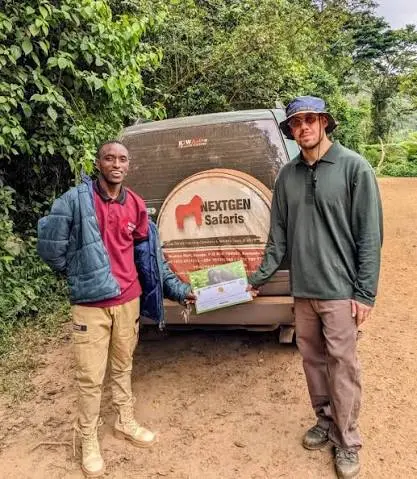
Your safari can include a private 4×4 vehicle, professional safari guide, carefully selected accommodation, game drives, chimpanzee tracking, golden monkey tracking and mountain gorilla trekking. Rwanda Safari in July, Rwanda’s current international gorilla permit remains US$1,500 per person, and because July falls within the principal dry-season travel period, securing permits early is particularly important.
Short gorilla safaris, seven-day highlights, ten-day complete Rwanda journeys, family trips, honeymoon safaris and luxury itineraries can all be customized around July travel dates. Rather than forcing every traveler into the same route, the itinerary should balance wildlife experiences with realistic transfers and enough time to enjoy each destination.
Contact Nextgen Safaris to book your Rwanda Safari in July and let us create a personalized journey combining mountain gorillas, chimpanzees, Big Five wildlife, spectacular scenery and the unforgettable landscapes of the Land of a Thousand Hills.