
Uganda Big Five Safari
Epic Uganda Big Five Safari: Lions, Leopards, Elephants, Buffaloes & Rhinos
A Uganda Big Five Safari takes you into some of the country’s most exciting wildlife landscapes in search of the African lion, leopard, elephant, Cape buffalo and rhinoceros. Uganda offers an unusual way of completing the Big Five because the journey can combine traditional game drives through savannah national parks with guided rhino tracking, Nile boat safaris, predator searches and optional gorilla or chimpanzee trekking. Instead of concentrating only on ticking animals off a checklist, the experience introduces travellers to the remarkably varied ecosystems that make Uganda one of East Africa’s most rewarding safari destinations.
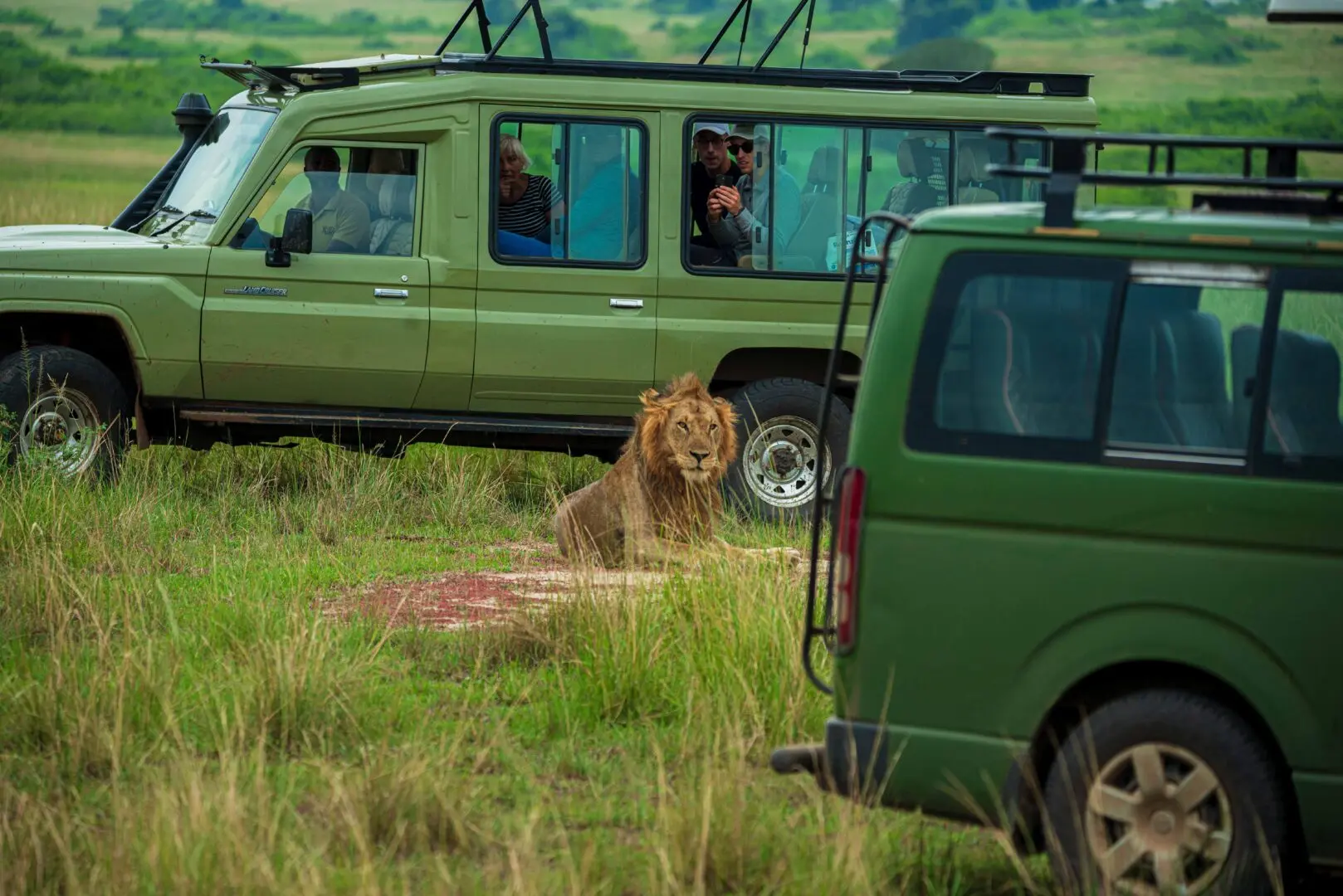
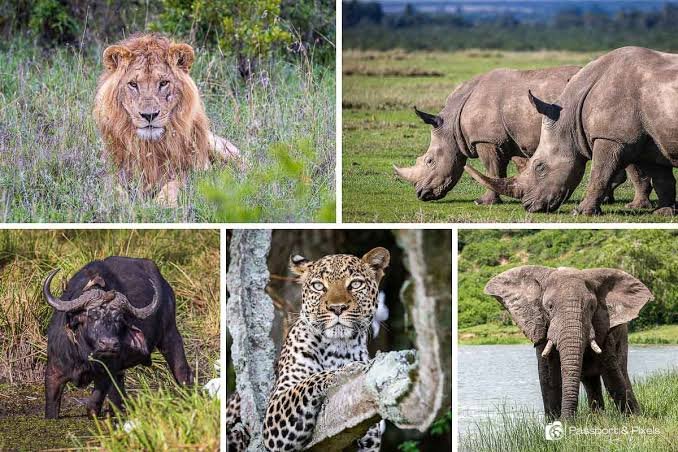
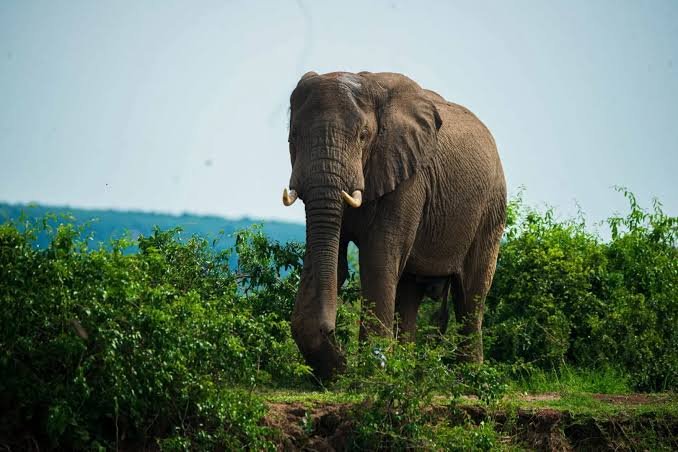
The classic route usually combines Ziwa Rhino Sanctuary with Murchison Falls National Park, while longer safaris can continue to Queen Elizabeth National Park, the Ishasha Sector, Kibale National Park and Bwindi Impenetrable National Park. Murchison Falls is particularly important because elephants, buffaloes, lions and leopards occur within its extensive savannah landscape, while Ziwa provides an established rhino-tracking experience. Queen Elizabeth National Park adds another strong opportunity for lions, leopards, elephants and buffaloes, including the famous tree-climbing lions of Ishasha.
Uganda’s rhino story is also changing. For many years, travellers completed the Big Five by visiting Ziwa because rhinos had disappeared from Uganda’s national parks. During 2026, however, Uganda Wildlife Authority began restoring southern white rhinos to additional protected landscapes, including Ajai Wildlife Reserve and Kidepo Valley National Park. The programme represents an important new stage in Uganda’s rhino conservation story.
Nextgen Safaris designs private Uganda Big Five Safari packages ranging from short Murchison Falls and Ziwa journeys to extensive wildlife, gorilla and chimpanzee circuits. We organise the route according to the number of days available, accommodation preference, wildlife interests and international flight schedule so that travellers spend more time experiencing Uganda and less time making unnecessary transfers.
What Are the Big Five Animals in Uganda?
The Big Five are the lion, leopard, African elephant, African buffalo and rhinoceros. Although the expression has historical origins, modern safari travellers generally use it to describe five of Africa’s most iconic large mammals. Seeing all five in Uganda requires thoughtful itinerary planning because they are not equally easy to find and are not concentrated in one traditional safari area.
Elephants and buffaloes can frequently be searched for in Murchison Falls and Queen Elizabeth National Parks. Lions occur in both parks, while Queen Elizabeth is particularly well known for lions in the Kasenyi Plains and the tree-climbing lions associated with Ishasha. Leopards are naturally secretive and therefore generally represent the most challenging member of the Big Five to observe, although both Murchison Falls and Queen Elizabeth support leopard populations.
Rhinos require a different experience. Uganda’s indigenous black and northern white rhinos had disappeared from the country by the early 1980s after decades of poaching and insecurity. Ziwa Rhino Sanctuary was established in 2005 as part of efforts to restore rhinos to Uganda, eventually becoming the principal location for organised rhino tracking. Uganda’s 2026 conservation programme has now begun returning southern white rhinos to other protected landscapes.
A successful Uganda Big Five Safari therefore combines different habitats and wildlife activities. The result is far more interesting than simply driving through one park hoping to encounter every species.
Rhino Tracking at Ziwa Rhino Sanctuary
Ziwa Rhino Sanctuary has played a central role in rebuilding Uganda’s rhino population and remains one of the most important destinations on the classic Big Five circuit. The sanctuary lies conveniently along the road between Kampala or Entebbe and Murchison Falls National Park, making it easy to combine rhino tracking with a longer savannah safari.
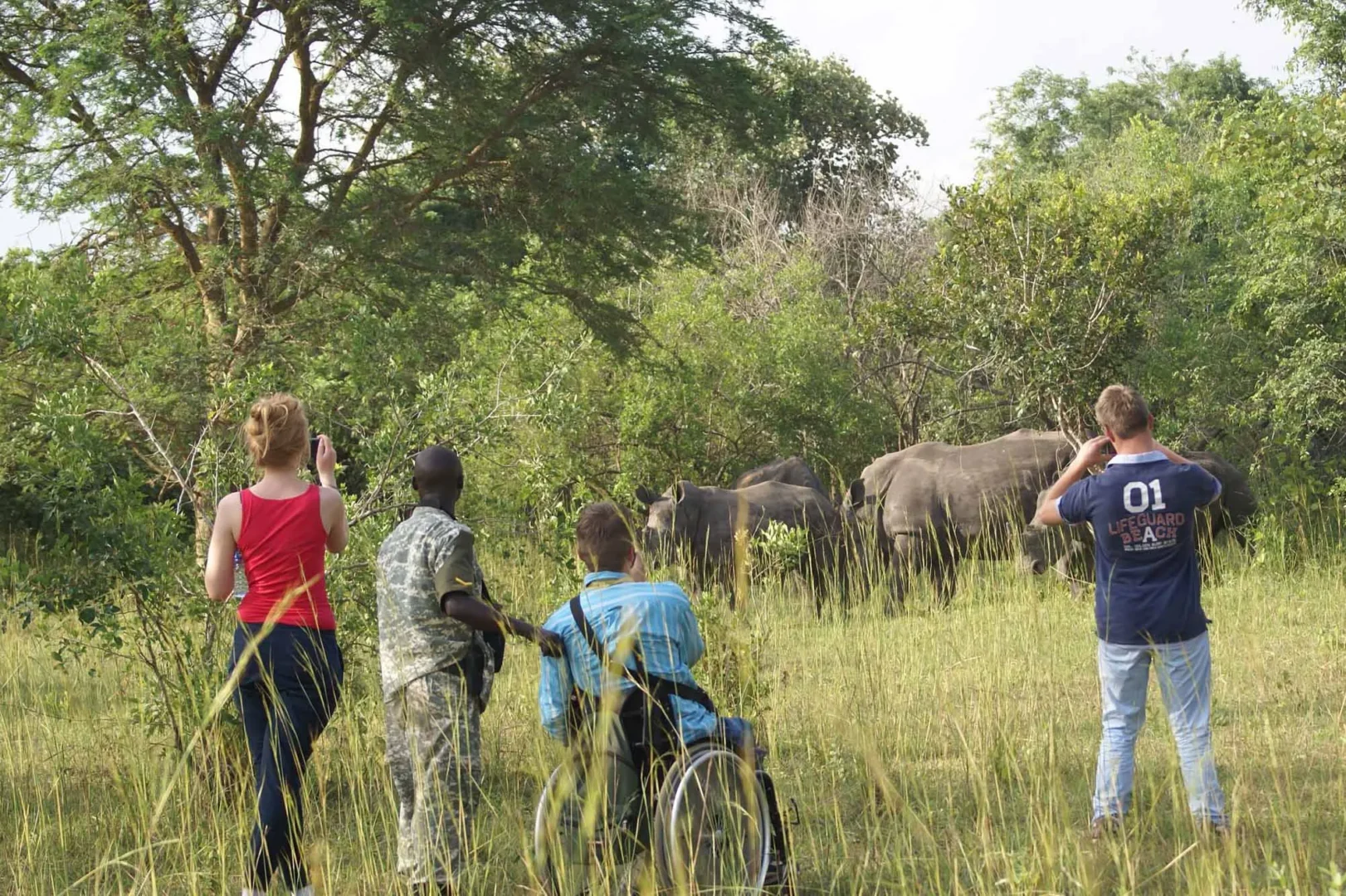
Unlike traditional game viewing from a vehicle, rhino tracking at Ziwa is generally undertaken on foot under the guidance of trained personnel. Visitors move through suitable habitat while following instructions regarding distance, positioning and behaviour around the animals. Observing a southern white rhino while standing in the same natural landscape produces a completely different feeling from viewing wildlife through a safari vehicle window.
Uganda Wildlife Authority lists rhino tracking among the principal visitor activities at Ziwa, alongside bird watching, nature walks and shoebill-related experiences. The sanctuary has also functioned as the source population for Uganda’s continuing rhino reintroduction programme.
For most travellers, Nextgen Safaris schedules the Ziwa experience while travelling towards Murchison Falls. This avoids creating a separate journey simply for rhinos and makes excellent use of the safari day.
Uganda’s Historic Rhino Return in 2026
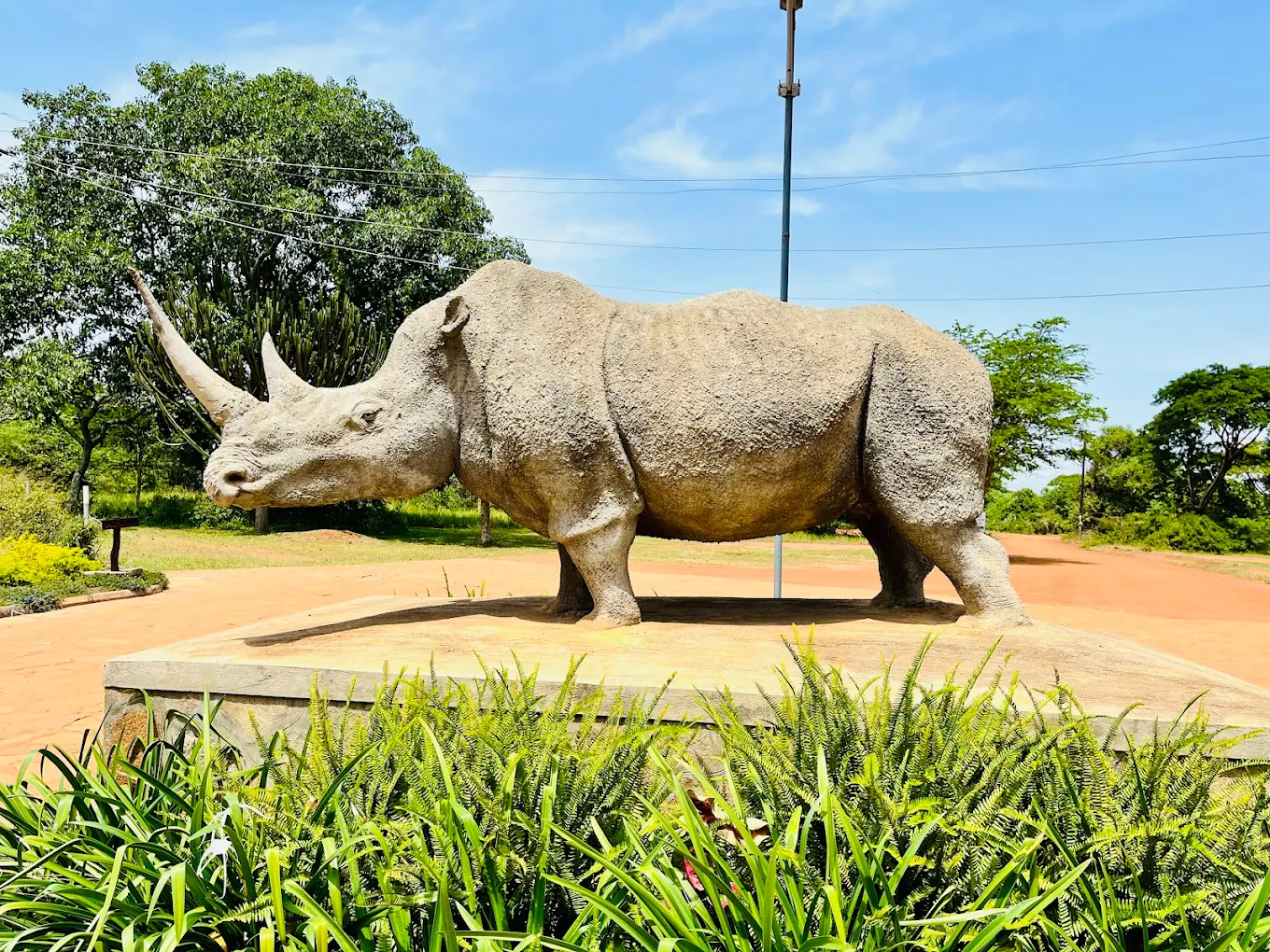
The story of an Uganda Big Five Safari became even more important in 2026 when Uganda began returning rhinos to landscapes from which they had disappeared decades earlier. In January 2026, Uganda Wildlife Authority moved four southern white rhinos from Ziwa to Ajai Wildlife Reserve as the first phase of a programme intended to restore a larger population there.
On 17 March 2026, UWA also commenced the reintroduction of rhinos to Kidepo Valley National Park, beginning with two southern white rhinos moved from Ziwa. UWA announced that the programme would ultimately move eight rhinos to Kidepo, marking their return to the park after more than four decades.
These developments mean older travel information claiming that rhinos exist only at Ziwa is no longer completely accurate. However, Ziwa remains the established rhino-tracking stop used on many visitor itineraries, while access and tourism experiences connected to newly restored rhino populations should be confirmed according to current UWA arrangements.
This conservation development makes Uganda increasingly interesting for repeat safari travellers because the country’s Big Five experience is continuing to evolve rather than remaining static.
Murchison Falls National Park: Heart of a Uganda Big Five Safari
Murchison Falls National Park is one of the strongest destinations for a Uganda Big Five Safari. Uganda Wildlife Authority currently records an extraordinary diversity of wildlife within the park, including 144 mammal species and more than 550 bird species. Its northern savannah, woodland, Nile Delta and river environments provide habitat for elephants, buffaloes, giraffes, lions, leopards, hippos, crocodiles and numerous antelope species.
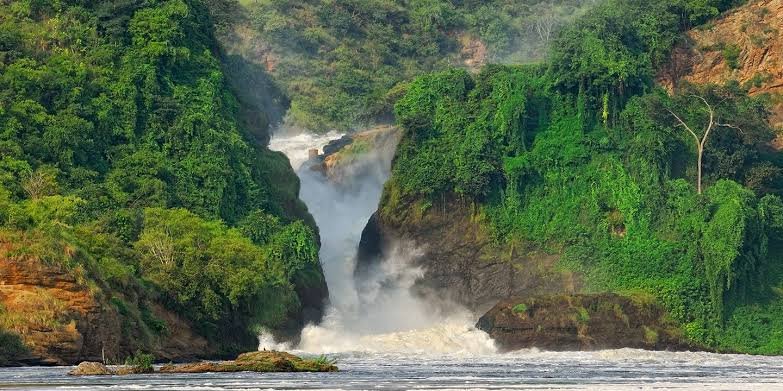
Early morning game drives across the northern sector provide opportunities to search for lions before temperatures rise, while large herds of buffaloes and groups of elephants may be encountered across the plains or towards the Nile. Giraffes are another major highlight and give Murchison Falls a distinctly East African safari character.
Leopards require patience. They are naturally secretive and may remain concealed in woodland, tall vegetation or shaded areas during much of the day. Uganda’s national carnivore research has nevertheless documented an important leopard population in the Murchison Falls landscape, including individuals recorded in the Nile Delta and Buligi areas.
Spending at least two or three nights in Murchison Falls significantly improves the safari. A rushed one-night visit provides limited game-viewing time, while a properly paced itinerary can combine several drives with the Nile and Murchison Falls themselves.
Nile Boat Safari at Murchison Falls
The Nile adds another dimension to a Uganda Big Five Safari. After passing through the powerful Murchison Falls, the river becomes calmer as it moves towards Lake Albert, creating one of Uganda’s richest wildlife-viewing corridors.
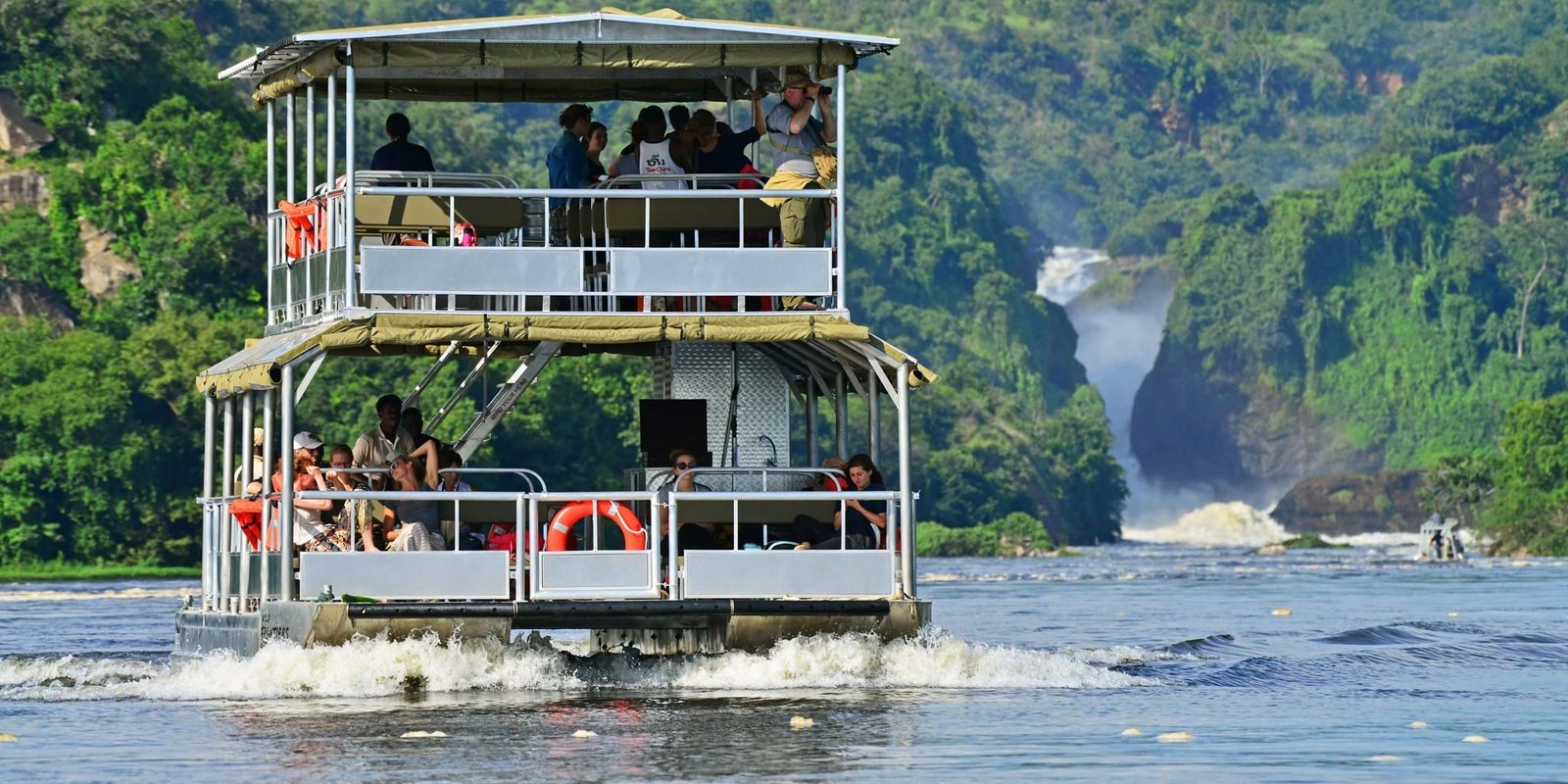
A boat safari allows visitors to observe animals from water level rather than from the traditional game-drive perspective. Elephants and buffaloes may approach the riverbanks, while hippos occupy the water and Nile crocodiles rest along exposed sections of shoreline. Uganda Wildlife Authority describes this stretch of the Nile as one of the country’s major wildlife-viewing areas.
Birdlife adds considerable value to the journey, especially for travellers interested in African fish eagles, kingfishers, herons, bee-eaters and other river-associated species. The boat journey also provides impressive views towards the base of Murchison Falls. Combining morning game viewing with an afternoon boat journey creates one of the most complete safari days available in Uganda.
Queen Elizabeth National Park Big Five Experience
Queen Elizabeth National Park is another excellent extension to a Uganda Big Five Safari. Its landscapes range from open savannah and crater areas to wetlands, lakes, forested gorges and the Kazinga Channel. The park supports elephants, buffaloes, lions and leopards alongside hippos, Uganda kobs, waterbucks, hyenas and numerous other mammals.
The Kasenyi Plains are particularly important for predator searches because large populations of Uganda kobs attract lions. Early morning game drives provide some of the best opportunities for observing carnivore activity before daytime temperatures increase.
Leopards also occur within Queen Elizabeth National Park, although sightings can never be guaranteed. Finding one depends on luck, good guiding, patience and being in productive areas at suitable times of day.
Queen Elizabeth works especially well on longer itineraries because it connects naturally with Kibale National Park to the north and Bwindi to the south, allowing travellers to extend a Big Five journey into a complete primate and wildlife safari.
Tree-Climbing Lions of Ishasha
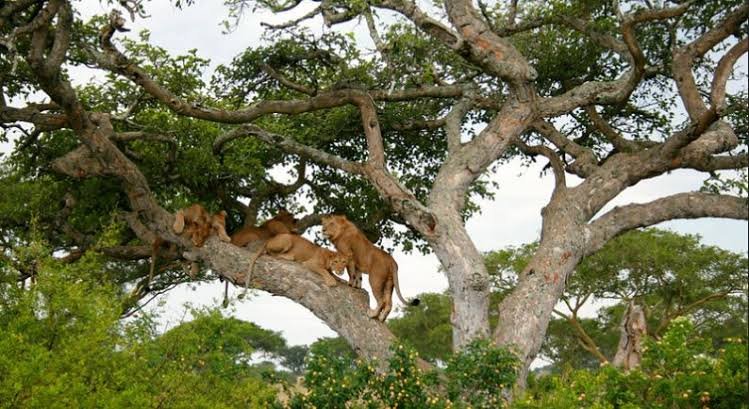
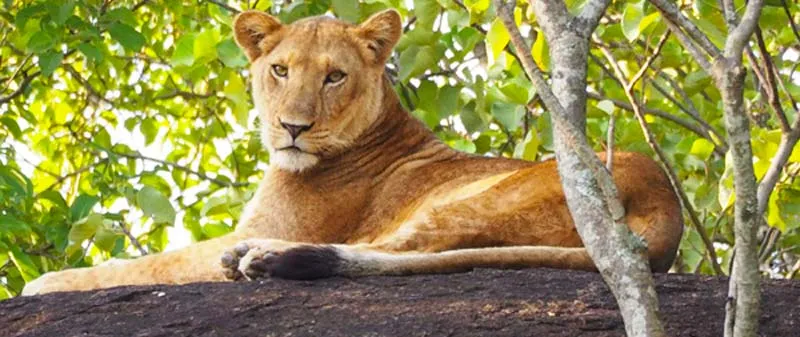
The Ishasha Sector in southern Queen Elizabeth National Park is famous for lions that sometimes rest in large fig trees. These animals have become one of Uganda’s most recognisable safari attractions and provide an additional reason to extend the journey beyond Murchison Falls.
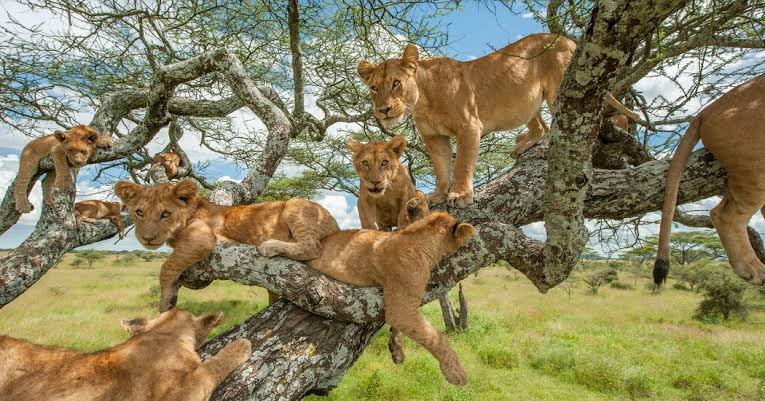
Tree-climbing behaviour cannot be guaranteed on every visit. Lions may remain on the ground, move through grassland or disappear into vegetation depending on temperature, prey movement and other conditions. Nevertheless, the possibility of watching a lion stretched across the branches of a fig tree creates a memorable wildlife experience. Uganda Wildlife Authority specifically identifies Ishasha’s tree-climbing lions among Queen Elizabeth National Park’s major attractions.
Ishasha is conveniently located between the main Queen Elizabeth safari areas and Bwindi Impenetrable National Park. This makes it ideal for travellers combining a Uganda Big Five Safari with gorilla trekking.
Rather than simply driving through Ishasha on a transfer day, Nextgen Safaris can allocate enough time for a dedicated game drive, increasing the possibility of meaningful wildlife encounters.
Leopards on a Uganda Big Five Safari
The leopard is usually the most difficult Big Five animal to find. Unlike buffaloes and elephants, which may gather in visible groups, leopards are solitary, secretive and exceptionally well camouflaged.
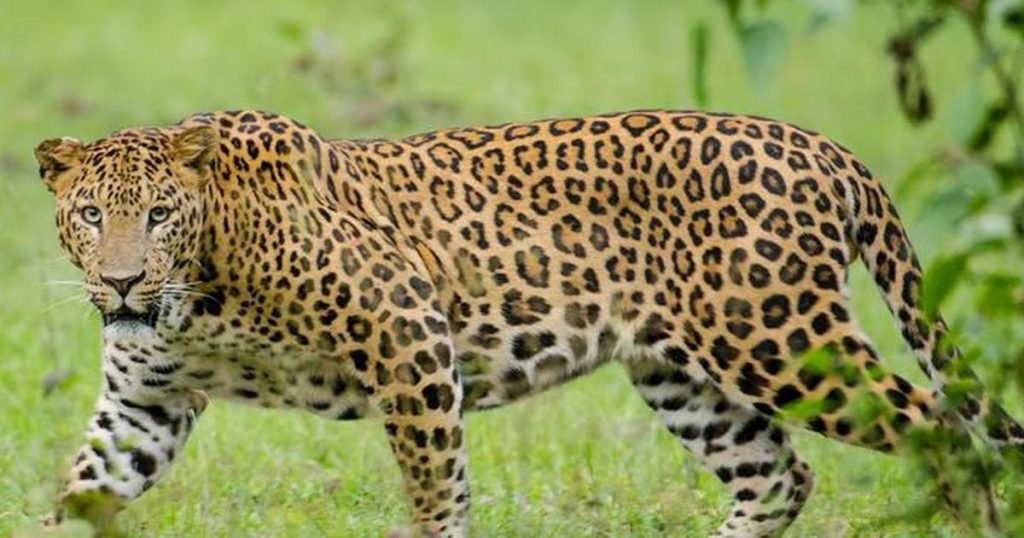
Murchison Falls and Queen Elizabeth National Parks are among the strongest areas to search for them. Wildlife research in the Nile Delta region of Murchison Falls documented numerous individual leopards through camera-trap surveys, confirming the importance of the landscape for the species.
Successful leopard searching often requires early mornings, late afternoons and careful observation of trees, drainage lines, woodland edges and areas where prey is concentrated. Alarm calls from baboons, monkeys or antelopes may also alert experienced guides to the presence of a predator.
No ethical safari company should guarantee a wild leopard sighting. Nextgen Safaris instead maximises the opportunity by providing sufficient game-drive time and knowledgeable local guiding.
Elephants and Buffaloes in Uganda
Elephants and buffaloes are among the Big Five animals most frequently encountered during Ugandan savannah safaris. Murchison Falls provides extensive open areas where elephants may be observed crossing grassland or approaching the Nile, while buffalo herds can gather around water and grazing areas.
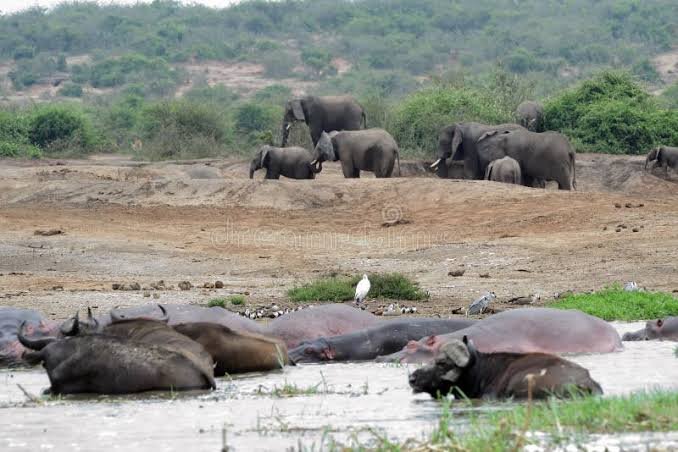
Queen Elizabeth National Park also supports important populations of both species. The Kazinga Channel is particularly rewarding because elephants and buffaloes may approach the shoreline to drink or cool themselves while visitors watch from a boat.
Observing these animals at close but respectful distances reveals details that can easily be missed when the safari is focused only on collecting sightings. Elephant family relationships, calf protection and feeding behaviour can be fascinating, while large buffalo herds demonstrate the social structure of one of Africa’s most formidable herbivores.
A private safari vehicle allows guests enough time to observe these behaviours rather than immediately driving away after photographing the animal.
Kidepo Valley National Park and the Future of Big Five Safaris
Kidepo Valley National Park has long been one of Uganda’s finest remote wildlife destinations, particularly for travellers seeking dramatic landscapes, lions, elephants, buffaloes and fewer safari vehicles. Its isolation in northeastern Uganda creates a very different experience from the western safari circuit.
The reintroduction of rhinos beginning in March 2026 adds a major new dimension to Kidepo’s conservation importance. Uganda Wildlife Authority began the process with two southern white rhinos and announced plans for a total of eight to be moved into the park.
This could make Kidepo increasingly significant within Uganda’s evolving Big Five safari story. However, visitors should distinguish between the presence of reintroduced rhinos and the availability of a formal rhino-viewing tourism programme. Nextgen Safaris confirms current access and UWA regulations before including any specialised rhino activity.
Kidepo is best added to a longer safari using either a domestic flight or a dedicated overland extension because of its distance from Uganda’s central and western tourism circuits.
Combining the Big Five with Gorilla Trekking
One of Uganda’s greatest advantages is the ability to combine a Uganda Big Five Safari with mountain gorilla trekking. After searching for lions, leopards, elephants and buffaloes across the savannah, travellers can continue south towards Bwindi Impenetrable National Park.
The transition from open grassland into dense rainforest changes the character of the safari completely. Instead of watching wildlife from a vehicle, visitors enter the forest on foot with trackers and rangers in search of a habituated mountain gorilla family.
A strong itinerary can therefore include rhino tracking at Ziwa, game drives and a Nile boat safari in Murchison Falls, chimpanzee trekking in Kibale, lions and elephants in Queen Elizabeth National Park and mountain gorillas in Bwindi.
This combination is particularly suitable for travellers visiting Uganda for the first time because it brings together the country’s most celebrated primate and savannah experiences in one journey.
Best Time for a Uganda Big Five Safari
A Uganda Big Five Safari can be organised throughout the year. The generally drier periods around June to September and December to February are popular because vegetation can be less dense in some savannah areas and road conditions are often more manageable.
Rainy periods bring greener scenery and dramatic skies, and wildlife remains present throughout the year. Animals may simply change their movements according to water, food availability and temperature.
Travellers planning to combine Big Five game viewing with gorilla or chimpanzee trekking should consider both savannah conditions and rainforest trekking conditions when selecting dates.
Peak-season accommodation can fill early, especially in well-positioned lodges around Murchison Falls, Queen Elizabeth and Bwindi, so advance planning is recommended.
4-Day Uganda Big Five Safari
A four-day itinerary provides one of the shortest realistic ways to pursue the Big Five. The journey can begin from Entebbe or Kampala with rhino tracking at Ziwa before continuing to Murchison Falls National Park.
The following days include game drives in the northern sector and a Nile boat safari. Travellers search for lions, leopards, elephants and buffaloes while the Ziwa visit provides the rhino component.
This itinerary is excellent for visitors with limited time, although leopard sightings remain unpredictable. Additional game-drive time improves the opportunity.
7-Day Uganda Big Five Safari
A seven-day Uganda Big Five Safari can combine Ziwa Rhino Sanctuary, Murchison Falls and Queen Elizabeth National Park.
After rhino tracking and Murchison’s game drives, travellers continue south through western Uganda towards Queen Elizabeth. The itinerary provides additional opportunities for lions, leopards, elephants and buffaloes while adding the Kazinga Channel and Ishasha.
Seven days provide a more complete wildlife journey and reduce the pressure of trying to find every species within only one national park.
10-Day Big Five and Gorilla Safari
Ten days allow travellers to combine the Big Five with Uganda’s mountain gorillas. A typical route can include Ziwa Rhino Sanctuary, Murchison Falls, Kibale National Park, Queen Elizabeth National Park and Bwindi Impenetrable National Park.
This journey combines rhinos, lions, leopards, elephants and buffaloes with chimpanzees and mountain gorillas, creating one of Uganda’s most varied wildlife itineraries.
The journey can end in Entebbe or, depending on the selected Bwindi sector and international travel plans, continue towards Kigali in Rwanda.
Luxury Uganda Big Five Safari
A luxury Big Five itinerary can include premium lodges, private Land Cruiser transportation, specialist guiding, private or carefully scheduled boat activities and domestic flights where they improve the route.
Luxury does not change the unpredictability of wildlife. Instead, it improves comfort, location, privacy and the amount of time available for meaningful game viewing.
Guests can stay in carefully positioned lodges overlooking the Nile, savannah, Kazinga Channel or remote wilderness while enjoying personalised service between wildlife activities.
Budget Uganda Big Five Safari
A Uganda Big Five Safari can also be organised for travellers working with a controlled budget. Affordable lodges, road transportation and efficient routing significantly reduce the total cost.
The most practical budget combination is often Ziwa and Murchison Falls because both can be visited along the same northern route. Travellers with additional days can add Queen Elizabeth for more predator opportunities.
Budget travel should never mean compromising vehicle reliability, legal park entry, professional guiding or wildlife regulations. Nextgen Safaris reduces unnecessary luxury costs while protecting the quality of the safari.
Uganda Big Five Safari Cost
The cost depends on the number of safari days, accommodation level, group size, vehicle type, park entrance fees and included activities. A four-day itinerary using comfortable budget or mid-range accommodation costs substantially less than a two-week private luxury circuit.
Rhino tracking, game drives, boat safaris, park fees and accommodation should all be clearly identified in the quotation. Travellers adding gorilla or chimpanzee trekking must also account for the relevant primate permit costs.
Sharing a private vehicle between two or more travellers usually reduces the per-person cost because transportation and guide expenses are divided across the group.
Nextgen Safaris provides a complete quotation based on actual dates and preferred travel style instead of relying on one general price for every traveller.
Photography on a Uganda Big Five Safari
Uganda provides exceptional opportunities for wildlife photography because each Big Five species is encountered differently. Rhinos may be photographed during guided tracking, lions across open savannah, elephants along the Nile and Kazinga Channel, while leopards require patience and fast reactions.
A camera with a telephoto lens is useful for predators and distant wildlife, while a wider lens helps capture elephants within the landscape. Binoculars remain extremely useful even for travellers carrying professional camera equipment.
Private vehicles provide greater flexibility because photographers can spend longer at a sighting and adjust their position according to light without following the schedule of unrelated guests.
Wildlife welfare must always come first. Drivers should never chase animals, block their movement or leave designated areas simply to obtain a photograph.
Frequently Asked Questions About Uganda Big Five Safari
What is a Uganda Big Five Safari?
A Uganda Big Five Safari is a wildlife journey designed around seeing lions, leopards, elephants, buffaloes and rhinos. The experience normally combines major savannah destinations such as Murchison Falls National Park and Queen Elizabeth National Park with rhino tracking at Ziwa Rhino Sanctuary. Longer itineraries can also include gorilla trekking, chimpanzee tracking and other wildlife experiences.
Where can I see the Big Five in Uganda?
A complete Uganda Big Five Safari usually involves more than one destination. Lions, leopards, elephants and buffaloes can be searched for in Murchison Falls and Queen Elizabeth National Parks, while rhino tracking is traditionally included at Ziwa Rhino Sanctuary. Uganda’s ongoing rhino reintroduction programme is also expanding the country’s future Big Five possibilities.
How many days do I need for a Uganda Big Five Safari?
Four days can provide a short Uganda Big Five Safari combining Ziwa Rhino Sanctuary and Murchison Falls National Park. Seven days allow travellers to add Queen Elizabeth National Park, while ten days or more can combine the Big Five with chimpanzees in Kibale and mountain gorillas in Bwindi.
Can I see all the Big Five on one Uganda safari?
Yes, it is possible to search for all five species during a carefully planned Uganda Big Five Safari. However, wildlife sightings are never guaranteed because the animals live freely in natural habitats. Elephants and buffaloes are generally easier to encounter, while leopards can be considerably more difficult to find.
What is the best place for a Uganda Big Five Safari?
Murchison Falls National Park is one of the strongest destinations for a Uganda Big Five Safari because it offers opportunities to see lions, leopards, elephants and buffaloes alongside Nile boat safaris. Combining Murchison Falls with Ziwa Rhino Sanctuary provides one of the most practical short Big Five routes in Uganda.
Can a Uganda Big Five Safari include gorilla trekking?
Yes. A Uganda Big Five Safari can easily be combined with gorilla trekking in Bwindi Impenetrable National Park or Mgahinga Gorilla National Park. A longer itinerary can travel from Murchison Falls through Kibale and Queen Elizabeth National Park before continuing to Bwindi, creating a complete wildlife and primate safari.
What is the best time for a Uganda Big Five Safari?
A Uganda Big Five Safari can be enjoyed throughout the year. June to September and December to February are popular because conditions are generally drier and some park roads are easier to navigate. The wetter months offer greener landscapes, fewer visitors in some areas and excellent photographic scenery.
How much does a Uganda Big Five Safari cost?
The cost of a Uganda Big Five Safari depends on the number of days, accommodation category, group size, private vehicle, park fees and included activities. Budget safaris using affordable lodges and road transport cost less, while luxury safaris with premium properties, private experiences and domestic flights are more expensive.
Is a Uganda Big Five Safari suitable for families?
Yes. A Uganda Big Five Safari is suitable for families because many of the main activities are completed by safari vehicle or boat. Children can enjoy elephants, giraffes, buffaloes, lions, hippos and other wildlife while travelling with a private guide. Family itineraries can also be adjusted to include shorter game drives and suitable accommodation.
Why book a Uganda Big Five Safari with Nextgen Safaris?
Booking a Uganda Big Five Safari with Nextgen Safaris gives travellers a carefully planned itinerary that combines the best wildlife areas with efficient transfers, suitable accommodation and experienced local guides. We organise rhino tracking, game drives, boat safaris, park fees, private transport and optional gorilla or chimpanzee trekking according to your travel dates, budget and preferred safari style.
Book a Uganda Big Five Safari with Nextgen Safaris
Nextgen Safaris designs each Uganda Big Five Safari around realistic wildlife opportunities rather than promising sightings that nature cannot guarantee. We carefully combine destinations so that travellers have strong chances of encountering lions, leopards, elephants, buffaloes and rhinos while also experiencing Uganda’s landscapes, rivers and other wildlife.
Our team can organise rhino tracking, park permits, private safari vehicles, professional driver-guides, accommodation, boat safaris, airport transfers and optional domestic flights. Longer journeys can also include chimpanzee trekking in Kibale and gorilla trekking in Bwindi or Mgahinga.
We plan private safaris for couples, solo travellers, families, photographers, honeymooners and groups, with budget, mid-range and luxury accommodation options available. Every itinerary can begin from Entebbe, Kampala or another practical arrival point and can be adjusted according to international flights.
A Uganda Big Five Safari with Nextgen Safaris is not simply about finding five animals. It is about following rhinos on foot, watching elephants beside the Nile, searching the grasslands for lions, scanning woodland for an elusive leopard and observing buffalo herds against some of Uganda’s most beautiful landscapes. Contact Nextgen Safaris and let us design a personalised Big Five adventure through the Pearl of Africa.