
Uganda Birding Safari
Uganda Birding Safari – Spectacular Birdwatching & Rare Species Adventure
Uganda Birding Safari experiences rank among the most rewarding birdwatching journeys in Africa because Uganda brings together an extraordinary concentration of forest, wetland, savannah, mountain and Albertine Rift habitats within a relatively compact country. Uganda Wildlife Authority records more than 1,073 bird species, giving visiting birders opportunities to search for everything from the iconic Shoebill and Great Blue Turaco to colorful bee-eaters, sunbirds, kingfishers, forest specialists and highly localized Albertine Rift species.
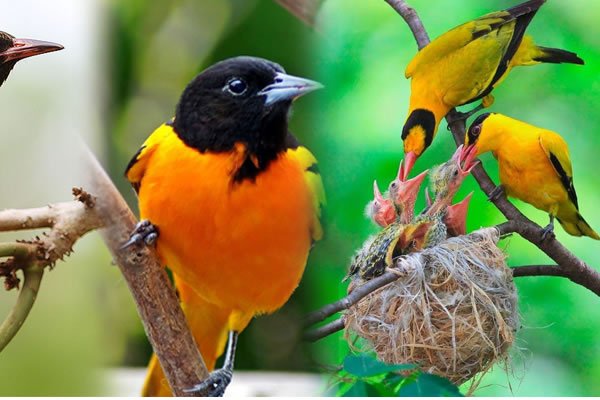
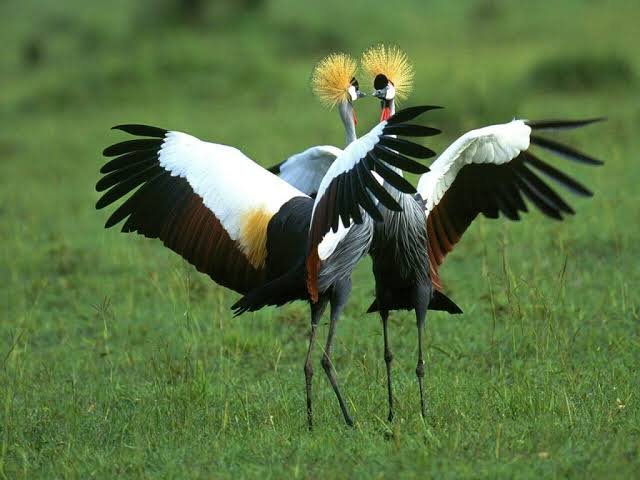
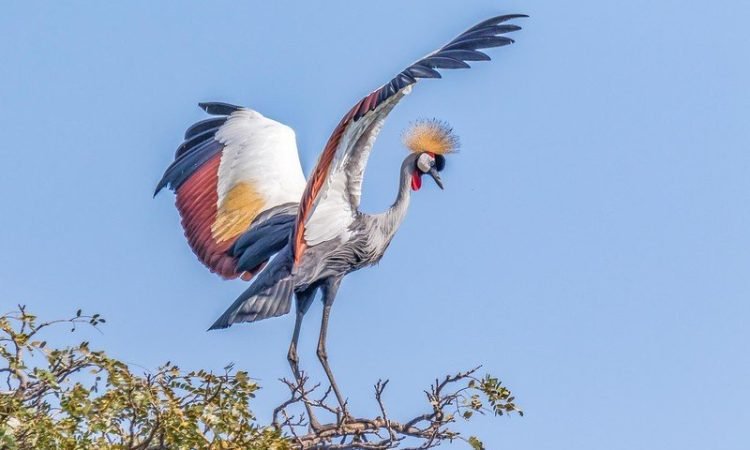
A successful Uganda Birding Safari is very different from an ordinary wildlife tour on which birds are simply identified whenever they happen to appear. Serious birdwatching requires patient observation, early starts, specialist guides who recognize both calls and plumage, enough time in productive habitats and an itinerary designed around target species. Uganda is especially well suited to this approach because birders can move between Lake Victoria wetlands, tropical forests, high-altitude habitats, open savannah and the semi-arid landscapes of northeastern Uganda while continuing to add completely different species to their lists.
The country is equally suitable for experienced birders pursuing difficult specialties and travelers discovering African birding for the first time. A first-time visitor may be fascinated by African fish eagles, kingfishers, hornbills and turacos, while experienced birders can concentrate on Albertine Rift endemics, Guinea-Congo forest species and highly localized Ugandan specialties. Uganda Wildlife Authority specifically identifies Murchison Falls, Bwindi, Mgahinga and Semuliki among the country’s important birding destinations.
Nextgen Safaris can design a private Uganda Birding Safari around the species you hope to see, the regions you want to explore and the intensity of birding you prefer. A dedicated birding journey can also incorporate gorilla trekking, chimpanzee tracking, conventional game drives, boat safaris and photography without allowing these experiences to overwhelm the principal birdwatching objective.
Why Choose Uganda for a Birding Safari?
Uganda’s exceptional bird diversity is closely connected to its geographic position and range of habitats. Forests associated with the Albertine Rift, Lake Victoria wetlands, papyrus swamps, savannah, lowland rainforest and high-altitude ecosystems all contribute different groups of species. This means a Uganda Birding Safari can change dramatically within a few days as birders move from wetland species around Entebbe to forest birds in western Uganda and dry-country specialties farther northeast. UWA’s national bird list exceeds 1,073 recorded species.
For travelers accustomed to conventional African wildlife safaris, birding also changes how the landscape is experienced. A patch of papyrus that may appear unremarkable to another traveler can become extremely important when searching for papyrus specialists. A quiet forest trail can become productive when an experienced guide recognizes an unfamiliar call, while roadside wetlands, woodland edges and agricultural areas may produce species that would easily be missed when concentrating exclusively on large mammals.
Uganda is therefore a destination where birders should resist the temptation to rush. A productive forest may deserve an entire morning, and finding a difficult target species may require returning to the same habitat more than once. The value of a private birding safari comes from allowing these decisions to be made according to birds rather than a rigid sightseeing schedule.
Best Birding Destinations in Uganda
Uganda has numerous productive birding regions, but several locations are particularly important when designing a comprehensive Uganda Birding Safari. Mabamba Bay near Lake Victoria is famous for the Shoebill, Bwindi and Mgahinga are critical for Albertine Rift specialties, Semuliki introduces Guinea-Congo forest species, Queen Elizabeth combines an exceptional bird list with traditional wildlife, Murchison Falls adds savannah and Nile habitats, and Kidepo offers northeastern dry-country species. Kibale, Lake Mburo and the Rwenzori Mountains further increase the variety.
The best combination depends heavily on the birder. Travelers pursuing a large Uganda list need a broader route through multiple ecological zones, while photographers or first-time birdwatchers may prefer fewer destinations with longer stays. Nextgen Safaris can build the journey according to target birds instead of simply including every famous national park.
Mabamba Bay – Shoebill Birding Near Entebbe
Mabamba Bay Wetland is one of the most important places to include on an Uganda Birding Safari, especially for travelers whose target list begins with the Shoebill. Located along the Lake Victoria wetland system, Mabamba contains extensive papyrus and freshwater marsh habitat. NatureUganda identifies Mabamba as both a Ramsar Site and an Important Bird Area and reports more than 300 bird species within the wetland.
The Shoebill is the headline attraction, but treating Mabamba as a one-bird destination would overlook much of its value. NatureUganda also highlights species associated with the wetland such as Papyrus Gonolek and Greater Swamp Warbler, while migratory birds can add further variety at appropriate times of year.
Birding is commonly conducted from small boats moving through channels in the papyrus. This slower style of exploration gives visitors time to scan floating vegetation and wetland edges while listening for calls from species hidden deeper within the reeds. For photographers, the low position from the boat can also provide excellent perspectives when birds appear in open areas.
Because Mabamba is convenient to the Entebbe region, it can work especially well near the beginning or end of a Uganda birding journey. Rather than treating arrival or departure days as completely lost birding time, the wetland can introduce visitors immediately to Uganda’s remarkable avifauna.
Shoebill Watching on an Uganda Birding Safari
The Shoebill is one of Africa’s most sought-after birds and frequently becomes a priority species on an Uganda Birding Safari. Its huge bill, prehistoric appearance and preference for wetlands make an encounter unforgettable even for travelers who do not normally consider themselves serious birders. NatureUganda describes Mabamba as important habitat for the species, while UWA also identifies the Murchison Falls–Albert Delta region as another important Shoebill area.
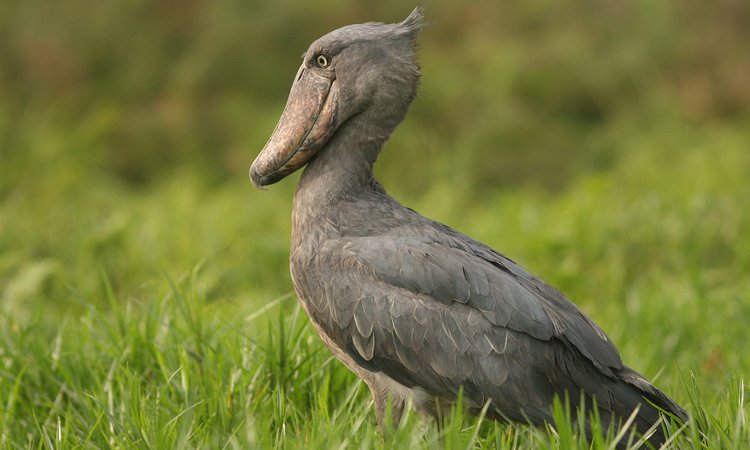
No ethical birding operator should guarantee a wild bird sighting. Shoebills move naturally within extensive wetland habitats, and observation depends on water conditions, feeding behavior, weather and luck. The correct approach is to use experienced local guides who understand the wetland and can search efficiently without disturbing birds.
Birders particularly focused on Shoebill photography may benefit from allowing more than one opportunity during their Ugandan journey. Mabamba and suitable areas around the Nile-Albert system provide different settings, increasing the diversity of photographs and birding experiences even when the same flagship species is involved.
Bwindi Impenetrable National Park Birding
Bwindi is internationally famous for mountain gorillas, but for dedicated birders it is equally important as one of Uganda’s premier forest birding destinations. UWA documentation reports approximately 350 bird species in Bwindi, including 23 Albertine Rift endemics, making the forest critically important for visitors targeting restricted-range birds.
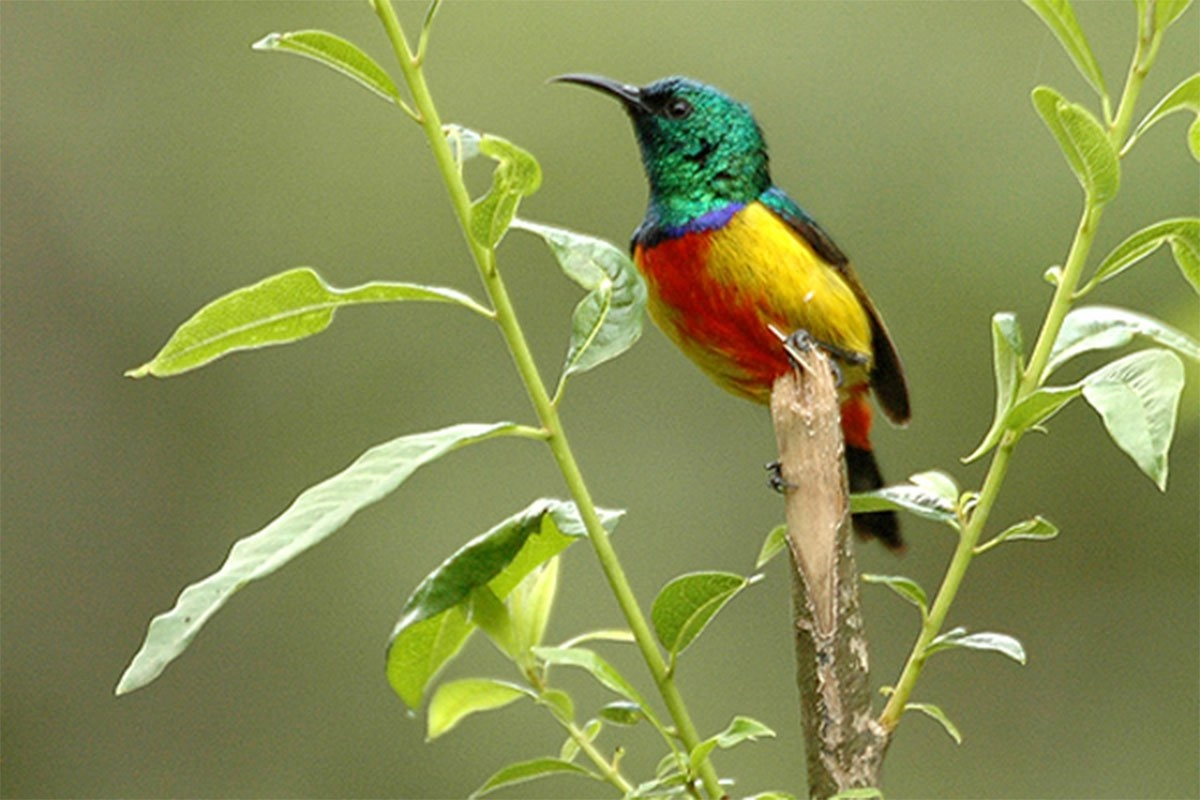
A Uganda Birding Safari in Bwindi requires patience because forest birding is fundamentally different from scanning open savannah. Birds may remain high in the canopy, move quickly through mixed feeding flocks or reveal their presence primarily by calls. Experienced bird guides therefore become especially valuable because identification by sound can provide the first indication that an important species is nearby.
Ruhija is particularly well known among serious birders, although productive birding also occurs in other sections of Bwindi. Species associated with the Albertine Rift make the forest especially important to international visitors whose target lists include birds that cannot simply be found in Uganda’s savannah parks.
Bwindi also creates an exceptional opportunity to combine two specialist interests. Travelers can devote one day to mountain gorilla trekking while maintaining several separate birding sessions around the forest, creating one of Africa’s most distinctive combinations of primate and birdwatching experiences.
Albertine Rift Endemics in Uganda
The Albertine Rift is one of the major reasons experienced international birders choose Uganda. This biologically rich region runs through western Uganda and supports numerous restricted-range species associated with montane forests and high-altitude habitats. Bwindi and Mgahinga are among the most accessible Ugandan locations for pursuing these specialties, according to Uganda Wildlife Authority.
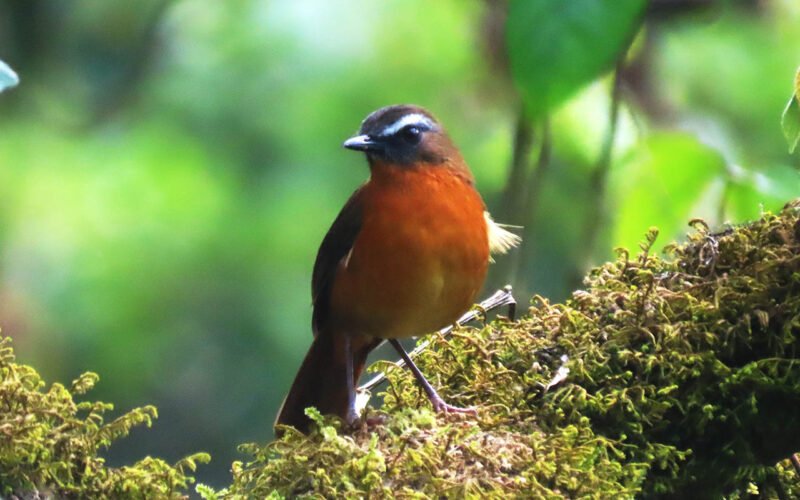
Birders traveling specifically for Albertine Rift species need a different strategy from casual safari visitors. Several birds can be elusive, weather can influence activity, and some habitats require walking along forest trails. Spending sufficient time in productive areas is therefore more important than trying to accumulate national parks rapidly.
Bwindi’s birding documentation lists specialties such as the Short-tailed Warbler, Shelley’s Crimsonwing and African Green Broadbill among its Albertine Rift-associated highlights.
An Uganda Birding Safari targeting these species should use a guide experienced with local calls, seasonal movements and specific habitats. A general wildlife guide may be excellent at finding lions and elephants but not necessarily have the specialist knowledge required to locate difficult forest birds.
Mgahinga Gorilla National Park Birding
Mgahinga Gorilla National Park provides another important component of an Albertine Rift-focused birding safari. Uganda Wildlife Authority reports a checklist of more than 180 bird species, including 14 Albertine Rift endemics, within the park’s volcanic and montane environments.
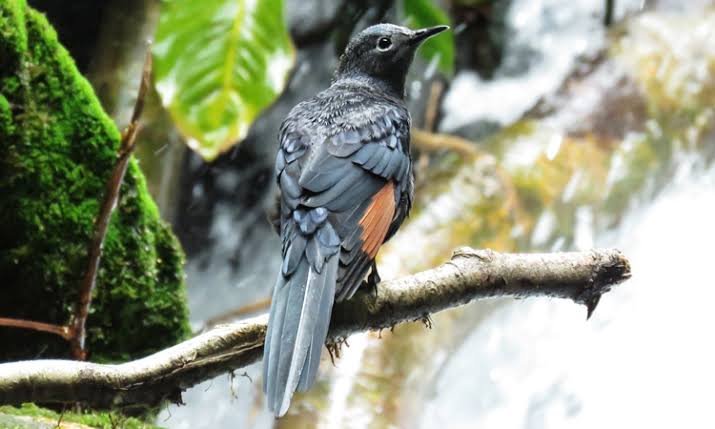
The park differs visually and ecologically from Bwindi. Its position around the Virunga volcanoes introduces bamboo, montane forest and higher-elevation habitats, creating opportunities to search for species associated with these environments while enjoying some of Uganda’s most dramatic mountain scenery.
Birding here can also be combined with golden monkey tracking or mountain gorilla trekking for travelers who want a wider natural-history experience. However, dedicated birders should reserve specific time for birding rather than assuming significant target species will automatically be encountered while following primates.
For photographers, Mgahinga can be especially rewarding because colorful forest birds can sometimes be framed against bamboo and montane vegetation, while volcanic landscapes provide a completely different photographic dimension.
Semuliki National Park – Guinea-Congo Forest Birding
Semuliki National Park is one of the most important specialist destinations on a serious Uganda Birding Safari. UWA records more than 435 bird species in the park, including 35 Guinea-Congo forest-biome species, and identifies Semuliki as the East African destination where birders can encounter numerous species more strongly associated with Central African forests.
This gives Semuliki an entirely different character from Bwindi. Whereas Bwindi is particularly important for Albertine Rift endemics, Semuliki’s lowland tropical forest creates access to a suite of western and Central African-influenced species. UWA highlights birds such as the Spot-breasted Ibis, Hartlaub’s Duck and several rare raptors among the park’s birding attractions.
Forest birding in Semuliki can be demanding. Visibility may be limited, birds can remain high in the canopy and warm, humid conditions require patience. For serious listers, however, these difficulties are precisely what makes the park important: the species composition cannot simply be duplicated in Uganda’s more accessible savannah parks. Semuliki therefore deserves dedicated time rather than being inserted briefly between unrelated safari activities.
Queen Elizabeth National Park Birding
Queen Elizabeth National Park is an outstanding destination for an Uganda Birding Safari because UWA records more than 600 bird species within the wider park ecosystem. Its exceptional diversity is associated with a mixture of savannah, wetlands, lakes, channels, woodland and crater environments.
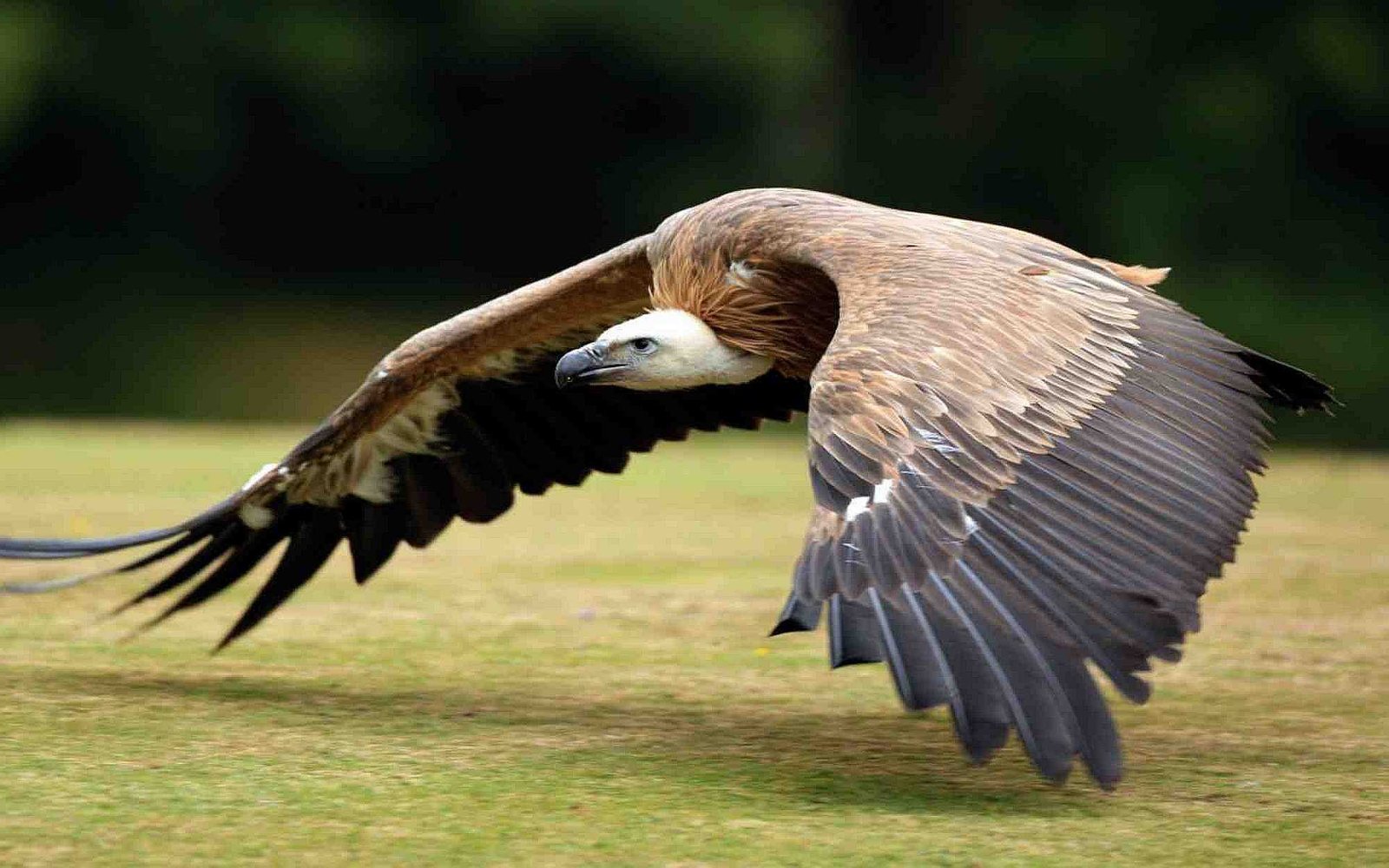
For birders, the advantage is that many species can be observed while simultaneously enjoying conventional wildlife viewing. African fish eagles, storks, pelicans, kingfishers and numerous other water-associated birds can complement sightings of elephants, buffaloes, hippos and antelopes.
The park is also useful for photographers because many birds occur in relatively open habitats where backgrounds and light can be easier to manage than inside dense tropical forest. Early game drives provide opportunities to photograph raptors and savannah species, while waterways create a completely different range of subjects later in the day. Queen Elizabeth consequently works very well for mixed-interest groups in which one traveler is a serious birder and another is primarily interested in large mammals.
Birding Along the Kazinga Channel
The Kazinga Channel is one of Uganda’s most productive places for relaxed bird observation. Connecting Lake George and Lake Edward, the channel attracts large numbers of waterbirds and other wildlife along its banks. UWA highlights pink-backed pelicans, saddle-billed storks and numerous other waterbirds among species encountered around the channel.
For an Uganda Birding Safari, the advantage of a boat trip is that birders can approach wetland habitats from the water rather than trying to scan them from distant roads. Kingfishers, herons, cormorants, storks, pelicans and other species can often be observed while hippos, crocodiles, elephants and buffaloes provide additional wildlife interest.
Photography can also be productive because the boat may provide lower viewing angles and unobstructed backgrounds. A telephoto zoom is useful because distances change continuously as the boat moves along the channel.
The Kazinga Channel therefore demonstrates why Uganda is so rewarding for mixed bird-and-wildlife safaris: birders do not need to abandon mammal viewing in order to have a productive birding day.
Murchison Falls National Park Birding
Murchison Falls National Park provides another major component of a comprehensive Uganda Birding Safari. Uganda Wildlife Authority currently records more than 556 bird species within the park and highlights the Shoebill, White-crested Turaco, African Fish Eagle, Goliath Heron and Saddle-billed Stork among notable species.
The park’s scale and habitat variety are major advantages. Open savannah provides opportunities for raptors, ground birds and woodland species, while the Nile introduces kingfishers, herons, storks and other water-associated birds. The Albert Delta provides another important wetland environment where Shoebills may be sought.
Murchison also allows birders to combine an extensive bird list with Uganda’s traditional large-mammal safari experience. Giraffes, elephants, buffaloes and antelopes can be encountered during birding drives, making the park particularly rewarding for couples or groups with mixed interests.
Several days are considerably more useful than a hurried visit because different habitats deserve separate attention. Serious birders may spend the morning scanning woodland and savannah before using a boat excursion for river-associated species.
Kidepo Valley National Park Birding
Kidepo Valley National Park brings an entirely different group of birds into an Uganda Birding Safari. UWA lists more than 476 bird species and notes that the park supports species not found in Uganda’s more southerly protected areas. Notable examples include ostriches, Secretary Birds, Northern Carmine Bee-eaters and Abyssinian Scimitarbills.
The northeastern landscape is drier and more open than the forests of western Uganda, meaning birding techniques change dramatically. Large birds can be observed across open plains, raptors can be scanned against wide skies and colorful bee-eaters may be particularly photogenic.
Kidepo is remote, so including it requires more time or carefully planned flight connections. For serious birders, however, the ecological difference can justify the additional logistics because it adds species unlikely to appear during a conventional western Uganda circuit.
The park also provides outstanding scenery and large mammals, making the journey worthwhile beyond birding alone.
Kibale National Park Birding
Kibale National Park is famous for chimpanzees, but it also deserves significant attention on an Uganda Birding Safari. Uganda Wildlife Authority currently lists approximately 370 bird species in Kibale and highlights forest birds including Nahan’s Francolin, Cassin’s Spinetail, Blue-headed Bee-eater and Lowland Masked Apalis.
Birders should ideally dedicate separate time to birding instead of relying solely on a chimpanzee trek. Primates and birds require different search strategies, and a chimpanzee group can move rapidly through the forest while valuable birding areas may require slow observation.
Forest-edge habitats can also be productive, particularly when birds move between dense vegetation and more open areas. Guides familiar with calls become extremely valuable because many forest birds may be heard before they are seen.
Kibale fits naturally into western Uganda birding routes linking Semuliki, Queen Elizabeth and Bwindi, making it possible to combine several extremely different habitats without repeatedly returning toward Kampala or Entebbe.
Lake Mburo National Park Birding
Lake Mburo National Park offers another important birding environment. UWA records more than 315 bird species and describes the park as particularly valuable for acacia-associated birds. Notable species listed by UWA include Mosque Swallow, Black-bellied Bustard, Bare-faced Go-away-bird, Rüppell’s Starling, Southern Ground Hornbill and Black-throated Barbet.
Birding can be conducted through game drives, guided walks and boat excursions, allowing several habitats to be explored using different techniques. Savannah and woodland produce species that may not appear in the country’s major forest destinations, while the lake and papyrus environments introduce aquatic birds.
Lake Mburo is also geographically convenient for travelers moving between southwestern Uganda and Entebbe. Instead of treating the park merely as an overnight break, birders can dedicate meaningful time to its acacia woodland and wetland species.
The presence of zebras, impalas and other mammals provides additional photographic and safari interest without distracting from the birding objective.
Rwenzori Mountains Birding
The Rwenzori Mountains add high-altitude birding to Uganda’s already remarkable ecological diversity. Uganda Wildlife Authority reports 217 bird species, including 19 Albertine Rift endemics, within the protected mountain environment.
Birders exploring the Rwenzoris encounter montane forest, bamboo and higher-altitude vegetation rather than the lowland and savannah habitats found elsewhere. This change in elevation creates opportunities for species associated with cooler mountain environments and strengthens a specialist Albertine Rift itinerary.
The Rwenzoris do require greater physical preparation than many vehicle-based birding destinations. Travelers do not necessarily need to attempt the highest summits, but some birding experiences involve walking through uneven mountain terrain.
For dedicated naturalists, combining Rwenzori birding with Bwindi and Mgahinga can create an exceptionally strong western Uganda mountain and Albertine Rift journey.
Searching for Uganda’s Endemic Fox’s Weaver
One particularly fascinating species for serious birders is Fox’s Weaver, which NatureUganda describes as a bird found only in Uganda. The species is poorly known and has historically been associated with seasonally flooded wetlands in the Teso region of northeastern Uganda.
Fox’s Weaver should never be presented as an easy or guaranteed target. Its status and highly localized occurrence make it much more challenging than common safari birds, and searching for it requires specialist planning based on recent local information.
This illustrates an important principle when designing an Uganda Birding Safari: target lists should be discussed before travel. Travelers seeking difficult specialties may require different destinations, more days and more specialized guides than visitors simply hoping to experience Uganda’s overall bird diversity. For serious listers, these challenging targets can become some of the most memorable aspects of the entire journey.
Forest Birding Versus Savannah Birding in Uganda
One of the great advantages of an Uganda Birding Safari is the contrast between forest and savannah birding. In forests such as Bwindi, Kibale and Semuliki, birders often depend heavily on calls, patient scanning and identifying movement through dense vegetation. Mixed-species feeding flocks can suddenly create intense periods of activity before disappearing again into the forest.
Savannah birding in Queen Elizabeth, Murchison Falls, Lake Mburo and Kidepo can feel completely different. Visibility is generally broader, raptors can be scanned from considerable distances and larger species may be observed from safari vehicles across open landscapes. Wetlands and waterways introduce yet another style of observation.
A balanced journey combines these environments. Forest birding provides some of Uganda’s most specialized targets, while savannah and wetland birding can rapidly increase the overall trip list and provide easier photographic opportunities.
This habitat diversity is one of Uganda’s strongest competitive advantages as an international birdwatching destination.
Best Time for an Uganda Birding Safari
Uganda Wildlife Authority describes the country as a year-round birding destination, largely because resident birds form such an important part of the birding experience. UWA nevertheless identifies late May through September as generally favorable because rainfall is often lower, while December and January can also provide good conditions.
Seasonal decisions become more complex for serious birders. UWA notes that the main nesting period around Bwindi and Mgahinga occurs during May and June, although heavier rains can affect forest conditions around parts of April and May. The authority also notes that weather and road conditions should be considered because Uganda’s wetter periods can reduce available birding time.
The best month therefore depends on the target list and destinations rather than simply choosing a generic dry season. Travelers particularly interested in migrants, breeding plumage or specific habitats should discuss those priorities during safari planning.
For most visitors, Uganda’s resident diversity means there is no need to postpone an otherwise suitable journey merely because it does not fall within one narrow birding season.
Migratory Birds on a Uganda Birding Safari
Uganda’s wetlands and diverse habitats can support migratory species alongside its extensive resident bird population. Mabamba, for example, supports congregations of migratory birds and functions as an internationally important wetland habitat.
For international birders, migrants can substantially expand the total number of species recorded during a trip, while resident specialties usually remain the main reason for designing a Uganda-specific itinerary.
Birders pursuing particular migrants should plan around seasonal movements rather than assuming that every species is present throughout the year. Recent local observations can also influence where guides concentrate their search effort.
This is another reason why using knowledgeable local birding guides is so valuable: a static checklist cannot replace current knowledge of where birds are being observed.
Uganda Birding Safari and Gorilla Trekking
Combining birdwatching with mountain gorilla trekking is one of Uganda’s most distinctive safari possibilities. Bwindi and Mgahinga are both important birding areas as well as gorilla destinations, allowing travelers to pursue Albertine Rift specialties and experience mountain gorillas without designing two completely separate journeys.
The important consideration is scheduling. Gorilla trekking can occupy a substantial part of the day, and visitors should not expect to conduct a serious morning birding session simultaneously. A well-designed Uganda Birding Safari therefore allocates separate birding days or half-days around the trekking experience.
For couples with different interests, this combination can work exceptionally well. One traveler may prioritize birds while another dreams primarily of gorillas, yet both can share the same forests, lodges and wider safari journey. Nextgen Safaris can coordinate gorilla permits with the birding route so that primate activities complement rather than disrupt the birding objective.
Uganda Birding Safari and Chimpanzee Tracking
Kibale provides a similar opportunity to combine birding with chimpanzees. The forest contains around 370 recorded bird species according to UWA while simultaneously supporting Uganda’s best-known chimpanzee tourism experience.
Dedicated birders should still reserve separate birding time because chimpanzee tracking is focused on locating and following primates rather than stopping repeatedly for difficult birds. A birding morning followed by a separate primate experience can often produce a much more satisfying result.
The combination is especially attractive for natural-history travelers who are interested in ecosystems rather than one wildlife category. Monkeys, butterflies, forest vegetation and birds all contribute to understanding Kibale as a complete tropical forest.
This broader approach can make an Uganda Birding Safari particularly appealing to couples, photographers and families whose interests extend beyond maintaining a species checklist.
Bird Photography in Uganda
Bird photographers can find exceptional opportunities throughout Uganda, but photography requires a slightly different approach from listing. Birders may accept a distant view sufficient for identification, while photographers often need better light, closer positioning and uncluttered backgrounds.
Mabamba can provide dramatic Shoebill photography, Queen Elizabeth and Murchison are productive for waterbirds and raptors, Kidepo offers open backgrounds, and forest destinations create opportunities for colorful but technically demanding species.
Long telephoto lenses are especially valuable for small birds, although a versatile zoom can be more convenient from boats and safari vehicles. Fast autofocus and sufficiently high shutter speeds are important when photographing birds in flight, while forest birds may require higher ISO settings because available light can be limited.
A private Uganda Birding Safari is particularly useful for photographers because the guide can remain longer at productive sightings instead of immediately moving on once the bird has been identified.
What to Pack for an Uganda Birding Safari
Good binoculars are among the most important pieces of equipment for an Uganda Birding Safari. Birders should also consider a field guide or reliable birding application, notebook or digital checklist, comfortable walking shoes, lightweight long trousers, rain protection, a sun hat and clothing suitable for both warm savannah and cooler high-altitude forest environments.
Photographers need additional batteries, memory cards and protection against rain and dust. Forest environments can be wet even when the broader weather pattern appears favorable, so camera bags and optics should be protected appropriately.
Packing should remain manageable because birding often involves walking. Carrying a huge amount of unnecessary equipment can become exhausting in Bwindi, Semuliki or mountainous areas.
Most importantly, birders should prepare their target list before arrival. Sharing priority birds with Nextgen Safaris in advance allows destinations, guides and available time to be selected more intelligently.
Why a Specialist Bird Guide Matters
The quality of the guide can determine the success of an Uganda Birding Safari more than almost any other factor. Specialist bird guides recognize calls, understand habitat preferences, know where difficult species have recently been encountered and can distinguish similar birds quickly in challenging conditions.
This skill becomes particularly important in forests. A visitor may hear dozens of calls without seeing the birds responsible, while an experienced guide can identify which calls deserve immediate attention and where to search.
A strong bird guide should also understand the traveler’s level of experience. Beginners may want explanations of bird families and behavior, while advanced birders often prefer rapid identification, target-focused searching and careful attention to difficult species. Nextgen Safaris can plan private birding journeys where the guide and pacing are selected around birdwatching rather than relying solely on a conventional wildlife safari structure.
How Long Should an Uganda Birding Safari Be?
The ideal length depends on whether the traveler wants enjoyable birdwatching or a serious attempt at Uganda’s regional specialties. A shorter safari can concentrate on Mabamba and one or two western destinations, while a comprehensive Uganda Birding Safari requires considerably more time because Uganda’s most important birds occur across very different ecosystems.
Forest birders may prioritize Semuliki, Kibale, Bwindi and Mgahinga. Travelers interested in overall diversity can add Queen Elizabeth, Lake Mburo and Murchison Falls, while serious northeastern targets make Kidepo or Teso relevant as well.
The goal should not simply be covering the greatest distance. Birding improves when enough time is available to revisit productive locations, wait through quiet periods and follow up on birds that were heard but not seen.
For this reason, a slower journey through carefully selected habitats can produce a better list and a much more enjoyable experience than rushing through every major park.
Uganda Birding Safari for Beginners
A traveler does not need to be an ornithologist to enjoy an Uganda Birding Safari. Uganda can actually be an excellent destination for beginners because many African birds are large, colorful and visually distinctive. Kingfishers, bee-eaters, turacos, hornbills, fish eagles, storks and cranes can quickly make birdwatching exciting for someone who has never maintained a formal bird list.
A patient guide can introduce identification gradually by explaining shape, habitat, calls and behavior instead of simply announcing species names. Over several days, travelers often become noticeably better at spotting birds independently.
Beginners can also combine birdwatching with more familiar safari activities. Game drives and boat cruises provide wildlife encounters while creating regular birding opportunities, making the transition into serious birdwatching feel natural rather than overly technical. The experience can therefore be customized according to interest level rather than assuming every guest wants an intensive dawn-to-dusk listing expedition.
Uganda Birding Safari for Experienced Birders
Experienced birders will generally want a much more targeted journey. Albertine Rift endemics, Guinea-Congo forest species, Uganda’s localized specialties and difficult wetland birds may become more important than common species that can be observed elsewhere in East Africa.
This type of Uganda Birding Safari should begin with a target list. Once the priority species are known, destinations and number of nights can be selected according to habitat rather than tourist popularity.
Experienced birders may also prefer early departures, packed breakfasts, longer forest sessions and fewer conventional sightseeing stops. They are often willing to spend considerable time searching for one difficult species instead of moving onward simply to maintain the itinerary.
Private planning allows Nextgen Safaris to accommodate this approach while still incorporating comfortable lodges, suitable transportation and occasional wildlife or primate experiences.
Responsible Birdwatching in Uganda
Responsible birdwatching should prioritize the welfare of birds and their habitats. Visitors should avoid approaching nests too closely, disturbing feeding birds or placing excessive pressure on guides to force difficult sightings. Playback, where used, should be carefully controlled because excessive use can alter natural behavior and create unnecessary stress.
Wetland environments such as Mabamba are particularly important conservation areas. NatureUganda’s work at Mabamba specifically connects bird tourism with wetland conservation and community wellbeing, demonstrating how appropriately managed birdwatching can support both biodiversity and local livelihoods.
Birders should also respect park regulations and remain on permitted routes. A rare sighting never justifies damaging habitat or ignoring instructions from rangers and guides.
The most meaningful Uganda Birding Safari is one that allows visitors to enjoy remarkable species while contributing positively to the landscapes on which those birds depend.
Is an Uganda Birding Safari Worth It?
An Uganda Birding Safari is exceptionally worthwhile for anyone interested in birds, wildlife or natural history. The country’s national bird list exceeds 1,073 recorded species, while individual destinations offer extraordinary diversity: Queen Elizabeth has more than 600 species, Murchison Falls more than 556, Kidepo more than 476, Semuliki more than 435, Kibale around 370 and Lake Mburo more than 315 according to current UWA destination information.
Numbers alone, however, do not explain Uganda’s appeal. The real strength lies in habitat diversity. A journey can move from a Shoebill among Lake Victoria’s papyrus to Albertine Rift birds beneath Bwindi’s canopy, Guinea-Congo specialties in Semuliki, waterbirds along the Kazinga Channel and dry-country species beneath the enormous skies of Kidepo.
Birders can simultaneously encounter mountain gorillas, chimpanzees, elephants, lions, giraffes, hippos and Uganda’s striking landscapes, producing a safari that remains rewarding even between target-bird sightings.
For serious listers, bird photographers, first-time birders and natural-history travelers, Uganda deserves consideration as one of Africa’s most complete birdwatching destinations.
Frequently Asked Questions About Uganda Birding Safari
What makes an Uganda Birding Safari special?
An Uganda Birding Safari is special because Uganda combines forests, wetlands, savannah, mountains, rivers and Albertine Rift habitats within one destination. This habitat diversity supports more than a thousand recorded bird species and gives birders opportunities to search for Shoebills, turacos, bee-eaters, kingfishers, raptors, forest specialists and localized Albertine Rift species. A Uganda Birding Safari can also be combined with gorilla trekking, chimpanzee tracking and traditional wildlife viewing.
Where are the best places for an Uganda Birding Safari?
The best destinations for an Uganda Birding Safari include Mabamba Bay, Bwindi Impenetrable National Park, Mgahinga Gorilla National Park, Semuliki National Park, Kibale National Park, Queen Elizabeth National Park, Murchison Falls National Park, Lake Mburo National Park and Kidepo Valley National Park. Each destination offers a different birding environment, so a strong itinerary should combine several habitats rather than focusing on one park alone.
Can I see the Shoebill on an Uganda Birding Safari?
Yes, the Shoebill is one of the most sought-after birds on an Uganda Birding Safari. Mabamba Bay Wetland near Entebbe is one of the best-known locations for searching for this remarkable species, while parts of the Nile and Albert Delta region around Murchison Falls can also provide opportunities. Sightings can never be guaranteed because Shoebills are wild birds, but experienced local guides can greatly improve the chances of locating them in suitable wetland habitat.
Which Uganda Birding Safari destinations are best for Albertine Rift endemics?
Bwindi Impenetrable National Park and Mgahinga Gorilla National Park are among the most important destinations for an Uganda Birding Safari focused on Albertine Rift species. These montane forests support several restricted-range birds that are major targets for experienced international birders. Bwindi is particularly important for forest birding, while Mgahinga adds volcanic and high-altitude habitats. Serious birders should allow enough time in these areas because some specialty species can be difficult to locate.
What is the best time for an Uganda Birding Safari?
An Uganda Birding Safari can be enjoyed throughout the year because Uganda has a very large resident bird population. Drier periods can make road travel and forest walking easier, while wetter months may offer greener landscapes, breeding activity and excellent photography conditions. Migratory species can also influence the best travel period for particular target lists. The ideal timing therefore depends on the birds, habitats and regions a traveler wants to prioritize.
Can I combine gorilla trekking with an Uganda Birding Safari?
Yes, combining gorilla trekking with an Uganda Birding Safari is one of the best ways to experience Uganda. Bwindi and Mgahinga are both important mountain gorilla destinations and exceptional birding areas, particularly for Albertine Rift specialties. A well-designed itinerary should allocate separate time for dedicated birding because gorilla trekking can occupy much of the day. Nextgen Safaris can coordinate gorilla permits with birding activities so the two experiences complement each other.
Is an Uganda Birding Safari suitable for beginner birdwatchers?
Yes, an Uganda Birding Safari can be excellent for beginners because many African birds are large, colorful and relatively easy to appreciate. Species such as kingfishers, bee-eaters, hornbills, turacos, cranes, storks and fish eagles can make birdwatching immediately exciting. A specialist guide can gradually explain identification techniques, calls, habitats and behavior. Beginners can also combine birding with game drives, boat safaris and wildlife experiences rather than following an intensive specialist schedule.
Is an Uganda Birding Safari suitable for experienced birders?
Absolutely. An Uganda Birding Safari is especially rewarding for experienced birders seeking difficult forest species, Albertine Rift endemics, Guinea-Congo specialists and localized Ugandan birds. Experienced birders often benefit from a target-list approach, specialist guides and longer stays in key habitats such as Bwindi, Semuliki and Mgahinga. Private itineraries also allow early starts, packed breakfasts and enough time to remain in productive birding areas rather than following a standard wildlife schedule.
What should I pack for an Uganda Birding Safari?
For an Uganda Birding Safari, travelers should bring quality binoculars, comfortable walking shoes, lightweight long trousers, rain protection, a sun hat, a bird field guide or reliable birding application and a notebook or digital checklist. Bird photographers should also carry appropriate telephoto lenses, spare batteries, memory cards and protection against rain and dust. Packing should remain manageable because birding in forests such as Bwindi and Semuliki can involve extended walking.
How can I book an Uganda Birding Safari with Nextgen Safaris?
You can book an Uganda Birding Safari with Nextgen Safaris as a private journey designed around your target species, travel dates, preferred accommodation and level of birding intensity. The safari can include Shoebill searches at Mabamba, Albertine Rift birding in Bwindi and Mgahinga, forest specialties in Semuliki and Kibale, wetland and savannah birds in Queen Elizabeth and Murchison Falls, and dry-country species in Kidepo. Nextgen Safaris can also combine birding with gorilla trekking, chimpanzees and wildlife photography.
Book Your Uganda Birding Safari with Nextgen Safaris
An Uganda Birding Safari with Nextgen Safaris can be privately designed around the birds and habitats you most want to experience. Your journey can concentrate on the Shoebill at Mabamba, Albertine Rift endemics around Bwindi and Mgahinga, Guinea-Congo forest species in Semuliki, chimpanzees and forest birds in Kibale, the extraordinary diversity of Queen Elizabeth, Nile birding in Murchison Falls or the dry-country specialties of Kidepo.
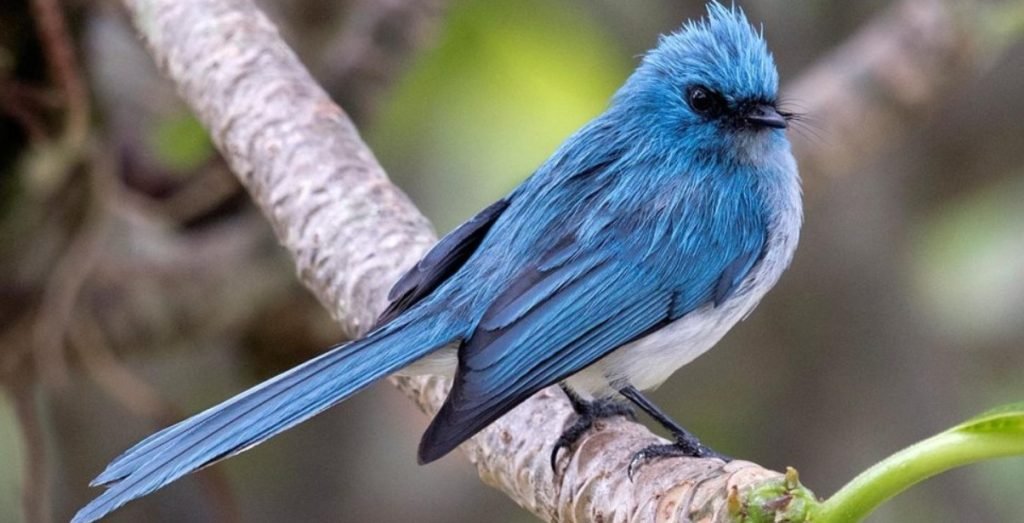
Nextgen Safaris can arrange a private 4×4 safari vehicle, specialist birding guidance, carefully selected accommodation, boat-based birdwatching and a pace that allows enough time to identify, observe and photograph birds rather than rushing continuously between destinations.
Birding can also be combined with mountain gorilla trekking, chimpanzee tracking, game drives, wildlife photography and other safari experiences, creating a journey that appeals both to dedicated birders and accompanying travelers with broader interests.
Book your Uganda Birding Safari with Nextgen Safaris and discover Shoebills, Albertine Rift endemics, forest specialists, spectacular waterbirds, colorful savannah species and more than a thousand recorded bird species across one of Africa’s most diverse birdwatching destinations.