
Uganda Safari Checklist
Uganda Safari Checklist – Essential Guide for an Unforgettable African Adventure
Uganda Safari Checklist planning should begin well before you arrive at Entebbe International Airport. A safari in Uganda can combine mountain gorilla trekking, chimpanzee tracking, savannah game drives, boat cruises, birdwatching, forest walks and long scenic journeys between national parks, meaning travelers need to prepare for very different environments during one holiday. Uganda Wildlife Authority manages ten national parks, including Bwindi Impenetrable, Mgahinga Gorilla, Kibale, Queen Elizabeth, Murchison Falls, Lake Mburo and Kidepo Valley, so packing and preparation should reflect the specific destinations included in your safari rather than following a generic African holiday list.
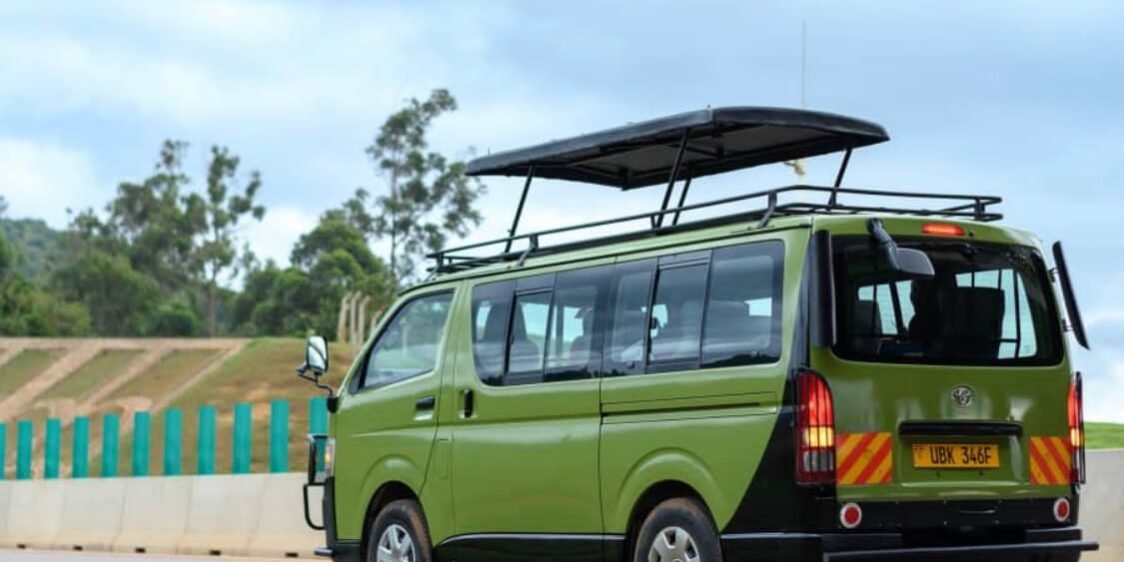
A useful Uganda Safari Checklist should cover much more than shirts, trousers and hiking boots. Travelers need to consider passports, visas, travel insurance, health preparation, gorilla and chimpanzee permits, money, luggage restrictions, camera equipment, electrical devices, medication, rain protection and suitable footwear. Families have additional requirements, photographers need to manage equipment carefully, senior travelers may need specific comfort items, and guests using domestic safari flights must pay particular attention to luggage weight.
The objective is not to pack everything you own. Good safari preparation means bringing the items that will genuinely improve comfort, safety and convenience while leaving unnecessary luggage at home. With careful planning and support from Nextgen Safaris, your Uganda Safari Checklist can be adapted to your exact itinerary, whether you are visiting Uganda primarily for mountain gorillas, wildlife, photography, birding, family travel or a longer combination safari.
Uganda Safari Checklist for Travel Documents
The first section of any Uganda Safari Checklist should contain the documents without which the journey cannot operate smoothly. Your passport is the most important item, and travelers who require a Uganda tourist visa should check the passport-validity and application requirements well before departure. Uganda’s Directorate of Citizenship and Immigration Control currently states that tourist-visa applicants need a passport bio-data page with at least six months of validity, along with a tour plan, travel itinerary or booking, recent passport photograph and accommodation information. The current single-entry tourist visa fee listed by the authority is US$50.
Keep both digital and easily accessible copies of essential documents. Your passport, visa approval letter where applicable, international flight details, safari confirmation, travel-insurance information and important emergency contacts should not exist only in one email inbox. Save copies on your phone and consider keeping another secure backup that can be accessed if your phone is lost or damaged.
Travelers combining Uganda with Kenya and Rwanda may also investigate the East African Tourist Visa where appropriate. Uganda’s immigration authority currently describes it as a 90-day joint tourism visa covering Uganda, Kenya and Rwanda, with the issuing country required to be the traveler’s first entry point. The current listed fee is US$100.
Because immigration rules can change, verify your requirements according to your nationality and actual route shortly before travel rather than relying on an old safari article.
Passport and Visa Checklist for Uganda
Check the expiry date of your passport before paying for major safari arrangements. A passport that technically remains valid during the holiday may still fail the immigration authority’s required remaining-validity period. Uganda currently asks tourist-visa applicants for a passport with at least six months of validity.
Travelers who require visas should complete the official process before departure. Uganda Immigration states that visa-prone travelers use the online application system and should travel with the approval documentation required for entry processing.
Your Uganda Safari Checklist should therefore include checking the passport, completing any required visa application, saving the approval document, confirming that names match the passport exactly and keeping the relevant itinerary or accommodation information accessible. This part of safari preparation is much less exciting than deciding which camera lens to carry, but it is considerably more important.
Travel Insurance on Your Uganda Safari Checklist
Comprehensive travel insurance deserves a prominent position on your Uganda Safari Checklist. A Uganda journey may involve expensive international flights, prepaid gorilla permits, remote safari lodges, domestic flights and physically active experiences. Travelers should therefore choose insurance based on the actual activities planned rather than simply purchasing the cheapest policy available.
Read the policy carefully to understand medical coverage, trip cancellation, interruption, baggage loss and emergency evacuation provisions. If your safari includes gorilla trekking, chimpanzee tracking, hiking or other active experiences, confirm that the policy is appropriate for those activities.
Travelers with existing medical conditions should also check how the insurer treats pre-existing conditions and whether additional documentation is required. Keep your insurance provider’s emergency contact details available offline so that they can be reached even when internet access is limited.
Health Preparation for Your Uganda Safari Checklist
Health preparation should be completed with a qualified travel-health professional rather than relying solely on safari blogs. Uganda is a yellow-fever-risk country, and WHO information states that Uganda’s national authorities require yellow fever vaccination for international travelers over one year of age entering the country. WHO also recognizes yellow fever vaccination as providing long-lasting protection, while Uganda continues national yellow fever vaccination programs.
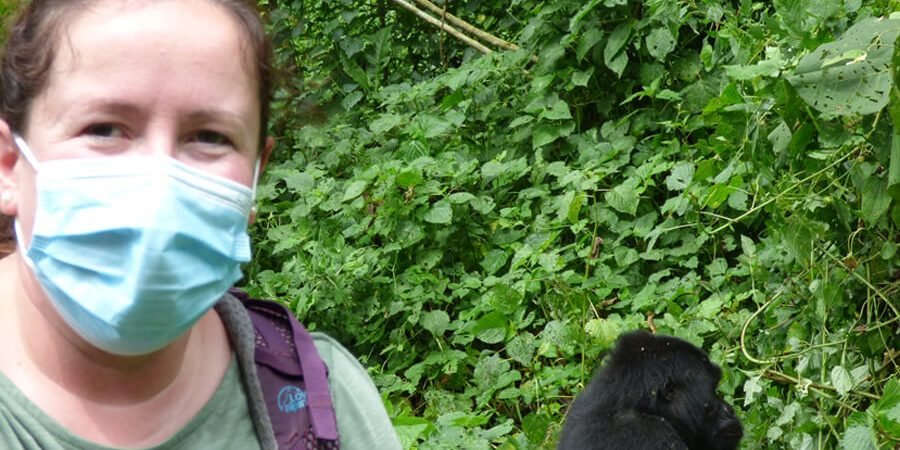
Malaria prevention also deserves advance discussion with a healthcare professional. The CDC’s current Uganda traveler guidance recommends prescription malaria-prevention medicine for travelers to Uganda and advises discussing the appropriate medication with a doctor because the timing and suitability differ by medicine and traveler.
Bring enough prescribed medication for the full journey, ideally with additional supply for unexpected travel disruption. Medication that is essential to your health should remain in hand luggage rather than being placed entirely in checked baggage. Travelers should check current official health advisories shortly before departure because disease-control measures and entry requirements can change.
Uganda Safari First-Aid and Personal Medication Checklist
A small personal medical kit can make safari travel much more comfortable. The purpose is not to replace professional medical care but to ensure that familiar everyday products are available when you are staying far from a major city.
Bring your regular prescriptions, any doctor-recommended malaria prevention, basic personal first-aid items and the medications you normally use for common minor conditions. Travelers with allergies or specific medical needs should carry the medication prescribed for those conditions and inform their travel companions or safari leader where appropriate.
Do not assume that your preferred brand or specialist prescription can be purchased easily near Bwindi, Kidepo or another remote park. Your Uganda Safari Checklist should also include copies of prescriptions or relevant medical documentation when traveling with medication that may require explanation.
Gorilla Permit Checklist
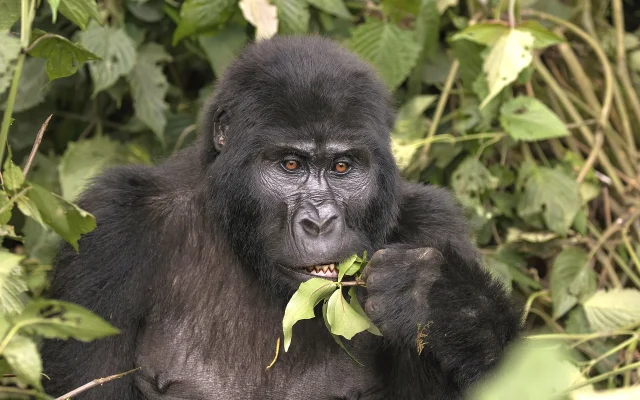
If mountain gorilla trekking is the highlight of your journey, your gorilla arrangements belong near the top of the Uganda Safari Checklist. Gorilla trekking in Uganda takes place in Bwindi Impenetrable National Park and Mgahinga Gorilla National Park, and visitors participate through controlled permit-based tracking experiences. UWA currently describes gorilla treks as potentially lasting approximately two to seven hours, followed by one hour with a habituated gorilla family.
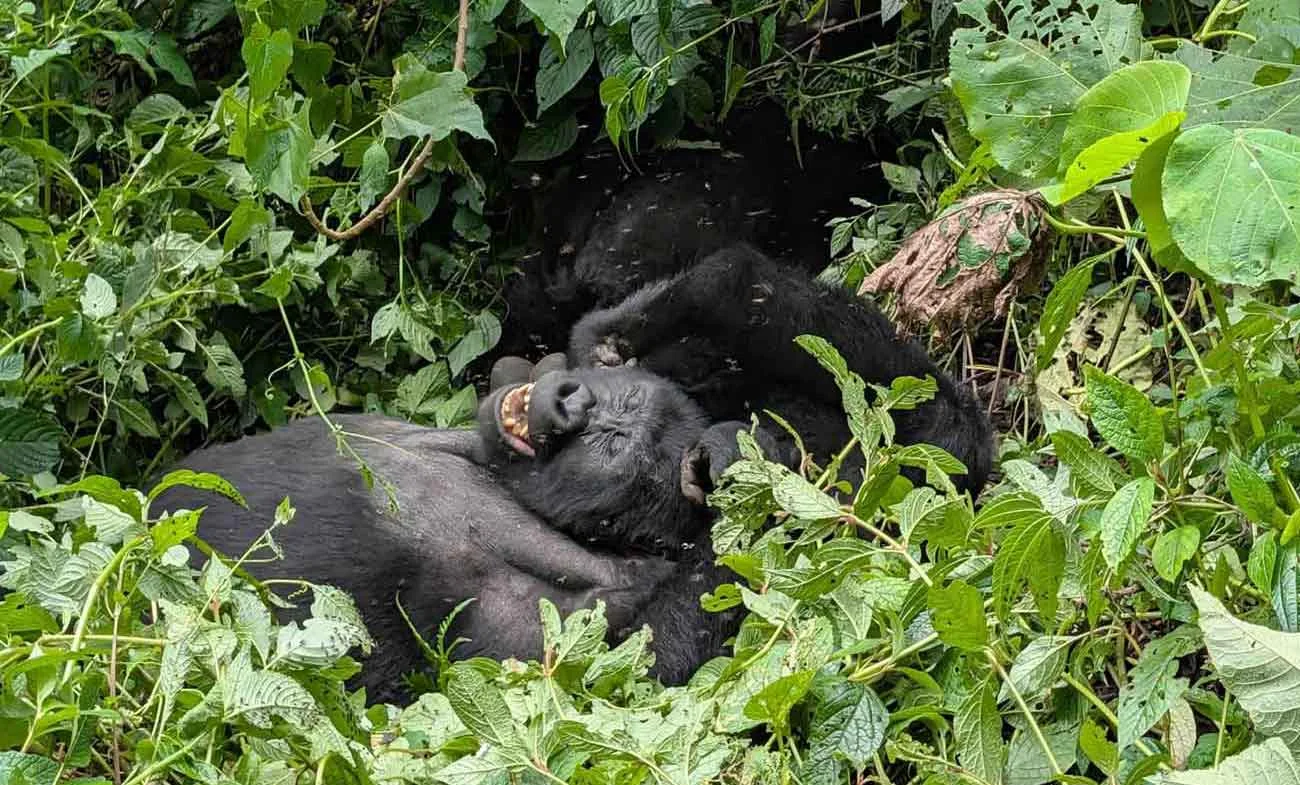
Do not think only about whether a gorilla permit has been booked. Confirm the trekking destination and, for Bwindi, ensure your accommodation has been planned around the appropriate trekking area. A beautifully priced lodge can become inconvenient if it requires a lengthy transfer before the morning briefing.
Your tour operator should keep the formal permit arrangements organized, but travelers should know the date and location of their trek. Nextgen Safaris can coordinate the permit, accommodation and road transfers together so that gorilla trekking fits logically into the wider journey.
Chimpanzee Permit Checklist
Chimpanzee tracking should receive the same level of advance attention if it is an important part of your safari. Permits and activity timing should be integrated with accommodation and transportation rather than added casually after the itinerary has been completed.
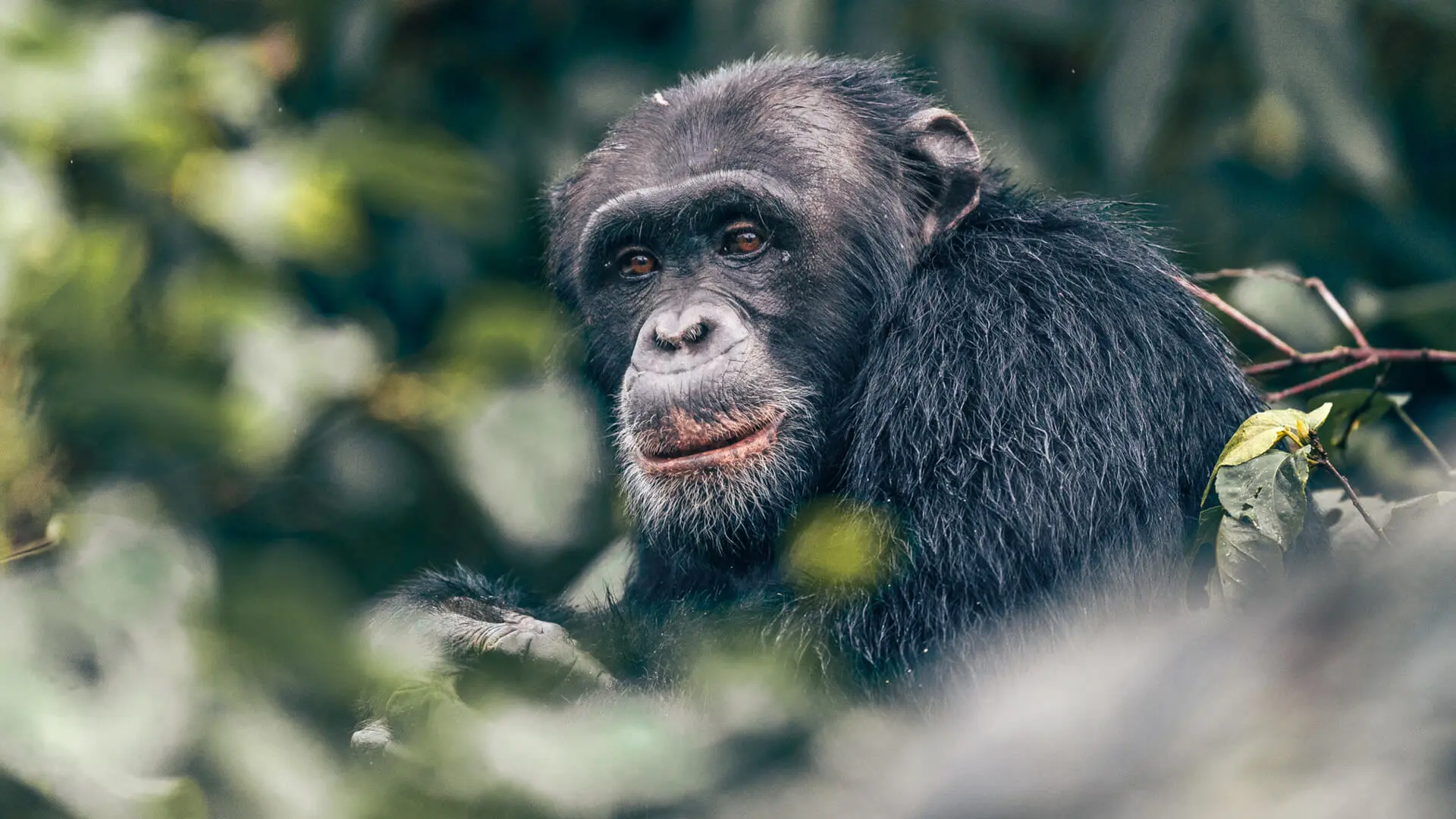
Forest experiences differ from conventional game drives. Travelers need suitable walking footwear, lightweight long trousers, rain protection and a small daypack that can comfortably carry water and personal items.
Camera preparation also matters because chimpanzees can move much faster than gorillas. Having your camera ready before the sighting is far easier than changing lenses repeatedly while attempting to follow active primates through the forest.
Travelers should follow all official ranger instructions during primate activities, as Uganda Wildlife Authority maintains formal operating guidelines for both gorilla and chimpanzee tracking.
Uganda Safari Clothing Checklist
Safari clothing should be practical, comfortable and adaptable. Uganda’s destinations range from warm savannah environments to cool highland mornings and damp tropical forests, meaning one type of clothing will not work perfectly for every day.
Your Uganda Safari Checklist should include lightweight breathable shirts, comfortable trousers, long-sleeved options, a warm layer for cool mornings and a lightweight waterproof jacket. Neutral and earthy shades work well for safari travel, particularly when walking in natural environments, but there is no need to buy an entirely new wardrobe simply because you are going on safari.
Avoid taking too many clothes. Safari lodges commonly cater to travelers staying several nights, and laundry arrangements may be available depending on the property. Your operator can advise which lodges provide laundry during the confirmed itinerary. Comfort should always take priority over fashion, particularly during long game drives and trekking days.
What to Wear for Gorilla Trekking
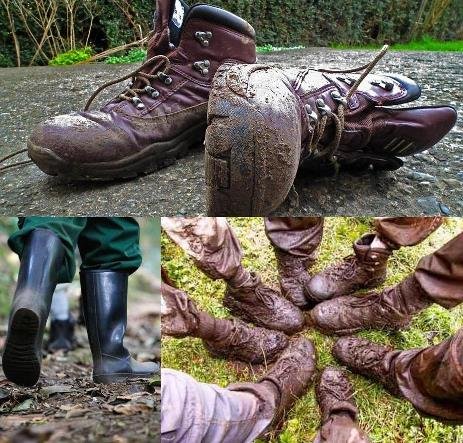
Gorilla trekking requires more deliberate clothing than a standard game drive. Long trousers help protect your legs from vegetation, while a long-sleeved shirt provides additional protection in dense forest. A lightweight waterproof layer should remain accessible because conditions can change during a forest trek. Your walking shoes should have reliable grip and should already be broken in before the safari. Trekking day is not the time to discover that brand-new boots create blisters.
Comfortable socks are equally important, and some trekkers prefer gaiters for muddy forest conditions. Gloves can be useful when vegetation is dense, but they should be lightweight enough that they do not become another uncomfortable item to carry. Because UWA notes that gorilla trekking can last from roughly two to seven hours depending on the location of the gorillas, travelers should prepare for a genuine forest walk rather than assuming the gorillas will always be found near the trailhead.
Uganda Safari Footwear Checklist
Shoes deserve more attention than many travelers give them. For conventional game drives, comfortable closed shoes or trainers may be perfectly suitable because much of the day is spent in the safari vehicle. Forest trekking requires more supportive footwear with good grip.
Bring a second lighter pair of shoes or sandals for evenings at the lodge so your trekking footwear has time to dry when necessary. Do not overload your luggage with several heavy pairs of boots. One reliable trekking option and one comfortable lighter option are sufficient for most conventional Uganda safari itineraries. The best safari shoe is not necessarily the most expensive. It is the pair that fits correctly, has already been worn and remains comfortable after several hours.
Rain Gear on Your Uganda Safari Checklist
Rain protection should remain on the Uganda Safari Checklist regardless of the month of travel. Tropical and mountain environments can produce changing conditions, and forest regions such as Bwindi and Kibale naturally require greater preparedness for moisture.
A lightweight waterproof jacket is usually much more useful than an enormous heavy coat. It should be small enough to remain in your trekking daypack instead of being left at the lodge because carrying it seemed inconvenient.
Photographers should also consider simple waterproof protection for cameras and lenses. A small dry bag, waterproof pouch or well-sealed section of your backpack can protect passports, phones, batteries and other sensitive equipment during outdoor activities.
Safari Daypack Checklist
A small daypack is one of the most useful items you can bring. It should be large enough for water, rain protection, camera accessories, sunscreen and personal essentials without becoming uncomfortable. For gorilla trekking, the ideal bag is usually compact and easy to carry through vegetation. Avoid filling it simply because additional space exists.
If you prefer not to carry your equipment during the trek, ask about porter arrangements locally. Hiring a porter can reduce the physical burden and allows travelers to concentrate more comfortably on the forest experience. Keep high-value items such as passports and significant cash secured appropriately rather than unnecessarily taking them into every outdoor activity.
Camera Equipment Checklist for a Uganda Safari
Uganda offers excellent photographic variety, from mountain gorillas and chimpanzees to lions, elephants, birds, crater landscapes and the Nile. Your Uganda Safari Checklist should therefore consider the types of photographs you want to create rather than simply bringing the longest lens available.
A telephoto lens is valuable for game drives and birds, while a medium focal length can be extremely useful for primates. A wider lens helps capture landscapes, lodges, vehicles and environmental photographs.
Bring spare camera batteries, sufficient memory cards, battery chargers and a simple cleaning kit. Savannah drives can be dusty, while forest activities can expose equipment to moisture. Photographers using domestic flights should also check equipment and baggage restrictions before departure because smaller safari aircraft have more limited luggage capacity than international jets.
Binoculars Belong on Every Uganda Safari Checklist
Binoculars are useful even when birdwatching is not the primary purpose of the safari. Wildlife is not always beside the road, and binoculars allow travelers to observe distant lions, elephants, antelopes and birds without relying constantly on the guide’s equipment.They are particularly useful in open savannah areas such as Queen Elizabeth, Murchison Falls and Kidepo.
Families traveling with older children may find that binoculars transform the game drive into an interactive wildlife search rather than a passive journey. Choose binoculars that are comfortable enough that you will actually carry them rather than an oversized pair that remains inside your suitcase.
Phone, Charger and Power Checklist
Most travelers now use phones for photography, communication, documents, maps and banking, making power management an important part of the Uganda Safari Checklist. Bring the charging cables required for your devices and a suitable travel adapter. A power bank is also valuable, particularly during long road transfers or activities where charging is unavailable.
Download essential travel information before leaving reliable internet access. Saved flight details, visa documents, accommodation names and important contact numbers can be accessed even if mobile data temporarily becomes unavailable. Photographers carrying several devices should organize charging requirements before the safari so that important batteries are not competing for limited charging time each evening.
Money and Payment Checklist
Travelers should arrive understanding which safari expenses have already been paid and which remain personal expenses. This prevents unnecessarily carrying large amounts of cash.
Keep some accessible cash for tips and smaller purchases, particularly when traveling outside major towns where electronic payments may not always be the most practical option. At the same time, avoid keeping all cash, cards and identification in one place.
Confirm with Nextgen Safaris whether accommodation, meals, park activities, permits and transportation are included in your quotation.Knowing the inclusions before departure is one of the simplest ways to prevent confusion during the safari.
Tipping Preparation
Tipping is a common area of uncertainty, so include it in the Uganda Safari Checklist before leaving home. Your safari may involve a driver-guide, trekking porters, ranger guides, activity staff and lodge teams, each serving a different role.
Rather than carrying random denominations and trying to decide during every activity, request current tipping guidance from your safari planner before arrival.
Tipping should reflect service and the specific circumstances of the trip rather than functioning as a hidden compulsory fee.Keeping some appropriately sized cash denominations can make voluntary tipping much easier in remote areas.
Toiletries and Personal-Care Checklist
Pack essential toiletries in travel-friendly quantities rather than carrying oversized containers. Sunscreen, lip protection, insect repellent, toothbrush, personal hygiene items and any specialized skin-care products you rely on should be included.
If a particular brand is essential to you, bring it from home. Remote safari lodges may provide basic toiletries but are not supermarkets with every international brand available.
A compact pack of tissues or personal wipes can also be useful during long road journeys, although disposable products should always be discarded responsibly. Remember that luggage space is valuable, particularly if domestic flights are included.
Uganda Safari Checklist for Insect Protection
Mosquito and insect protection should combine sensible clothing, accommodation precautions and appropriate repellent. Long sleeves and trousers can provide additional coverage during certain times of day.
Because malaria is a travel-health consideration in Uganda, medical prevention should be discussed with a qualified healthcare professional before the journey. Current CDC guidance recommends prescription malaria prevention for travelers to Uganda.
Repellent is therefore a practical safari item, but it should not be treated as a substitute for professional medical advice.Travelers who react strongly to insect bites may also wish to discuss suitable personal treatment options with their healthcare provider.
Uganda Fly-In Safari Luggage Checklist
Travelers using domestic safari flights need to pack more carefully than those completing the entire safari by road. Small aircraft have tighter baggage restrictions because luggage holds and aircraft weight limitations are very different from those of international airliners.
AeroLink’s currently published baggage policy allows 15 kg per passenger in soft-sided bags, including hand baggage. Its policy states that excess baggage carriage depends on aircraft safety limits, and photography or specialist equipment should be discussed with reservations when necessary.
For this reason, soft-sided luggage is preferable for many fly-in safari arrangements. Large rigid suitcases that worked perfectly on the international flight may be impractical for smaller aircraft. Always verify the baggage policy for the specific airline operating your confirmed domestic sector because allowances can differ and may change.
Uganda Safari Checklist for Families
Families need a safari checklist built around the children’s ages rather than simply adding smaller clothes to an adult packing list. Bring familiar snacks where appropriate, entertainment for long transfers, essential children’s medication, sun protection and the comfort items that make travel easier.
Parents should also verify activity eligibility before departure. UWA’s formal gorilla and chimpanzee guidelines include age requirements for primate tracking, so family itineraries should be designed around who can participate rather than discovering restrictions after arrival.
A private safari vehicle can make family travel easier because rest stops and game-drive length can be adjusted when necessary. The most successful family checklist combines practical packing with realistic itinerary planning.
Uganda Safari Checklist for Senior Travelers
Senior travelers should focus on comfort and personal medical preparation. Bring prescription medication, comfortable shoes, lightweight layers, sun protection and any small mobility or comfort aids that make longer journeys easier.
If domestic flights are included, check baggage and mobility arrangements with the airline before departure. AeroLink’s published policy notes that qualifying assistive devices such as collapsible wheelchairs, canes, walkers and crutches are carried outside its standard baggage allowance, though arrangements should still be confirmed for the specific journey.
Travelers considering gorilla trekking should realistically assess fitness because trek duration and terrain vary. UWA advises moderate fitness and states that the activity may take approximately two to seven hours. Comfortable safari pacing is just as important as what goes into the suitcase.
Uganda Safari Checklist for Couples and Honeymooners
Couples and honeymoon travelers usually need the same practical equipment as other safari guests, but a few additional details can make the journey more enjoyable.

Bring at least one comfortable outfit suitable for relaxed dinners or a special lodge evening, particularly if the journey includes luxury properties. There is no need for formal clothing, but having something different from trekking clothes can be welcome after several active days.
Photographers traveling as a couple should divide important camera equipment and chargers carefully rather than placing everything in one checked suitcase. Also make sure that both travelers have access to important travel documents instead of one person holding every confirmation.
What Not to Pack for a Uganda Safari
An effective Uganda Safari Checklist is partly about knowing what to leave behind. Excessive formal clothing, multiple heavy pairs of shoes, oversized suitcases and unnecessary electronics add weight without improving the experience.
Travelers should also avoid carrying valuables they have no intention of using. Expensive jewelry and unrelated electronics simply create more items to secure throughout the trip. Large quantities of clothing are rarely necessary when the safari has been designed intelligently and laundry opportunities have been considered. Pack for the activities on your confirmed itinerary rather than every activity that theoretically exists somewhere in Uganda.
Final Uganda Safari Checklist Before Leaving Home
In the final days before departure, confirm your passport validity, visa or immigration documentation where required, yellow fever documentation, travel insurance, international flights, airport transfer arrangements, gorilla and chimpanzee bookings, accommodation, medication, appropriate clothing, trekking footwear, rain jacket, binoculars, camera equipment, chargers, power bank, insect protection and accessible payment methods. Travelers using domestic flights should confirm luggage limits again, while families and guests with medical or mobility needs should ensure any special arrangements have been communicated in advance. Uganda’s visa, health, wildlife and airline requirements can change, so the final check should use current official information rather than an old packing article.
Frequently Asked Questions About Uganda Safari Checklist
1. What should be included in a Uganda Safari Checklist?
A complete Uganda Safari Checklist should include your passport, visa documents where required, travel insurance, vaccination records, prescribed medication, suitable safari clothing, trekking shoes, rain protection, insect repellent, sunscreen, binoculars, camera equipment, chargers, power bank and some accessible cash. Travelers should also confirm gorilla or chimpanzee permits, lodge reservations, airport transfers and domestic-flight baggage restrictions before departure.
2. What clothes should I include in my Uganda Safari Checklist?
Your Uganda Safari Checklist should include lightweight breathable shirts, comfortable safari trousers, long-sleeved tops, a warm layer for cool mornings and a lightweight waterproof jacket. Neutral-colored clothing works particularly well for wildlife and forest activities. Travelers visiting Bwindi or Kibale should bring long trousers and long sleeves for trekking, while a lighter pair of clothes can be useful around safari lodges during warmer afternoons.
3. What should a Uganda Safari Checklist include for gorilla trekking?
A Uganda Safari Checklist for gorilla trekking should include broken-in hiking boots with good grip, long trousers, long sleeves, comfortable socks, rain protection, gardening or lightweight trekking gloves, a small backpack, water and camera equipment. A porter can also be useful for carrying your daypack during the trek. Travelers should additionally confirm their gorilla permit date, trekking sector and accommodation location before arriving in Bwindi or Mgahinga.
4. What travel documents belong on a Uganda Safari Checklist?
Important documents on your Uganda Safari Checklist include a valid passport, applicable Uganda visa or entry approval, international flight details, travel-insurance information, safari confirmation and any health documentation required for your journey. It is advisable to keep both digital and secure backup copies. Travelers combining Uganda with neighboring countries should also confirm separate border and visa requirements before beginning their safari.
5. What health items should I add to my Uganda Safari Checklist?
Your Uganda Safari Checklist should include all prescribed medication, appropriate travel-health documentation, insect repellent, sunscreen and a small personal first-aid kit. Travelers should discuss malaria prevention, vaccinations and other destination-specific health considerations with a qualified medical professional before departure. Any medication that is essential should be carried in hand luggage rather than placed entirely in checked baggage, especially when traveling through several airports.
6. What camera equipment should be included in a Uganda Safari Checklist?
A photography-focused Uganda Safari Checklist should include a camera body, suitable wildlife lens, additional lens where needed, spare batteries, battery charger, enough memory cards and basic rain and dust protection. A telephoto lens is useful for game drives and birds, while medium focal lengths can work well for gorilla and chimpanzee photography. Photographers using domestic flights should carefully check luggage limits before traveling with heavy equipment.
7. What should families add to a Uganda Safari Checklist?
A family Uganda Safari Checklist should include children’s medication, sun protection, insect repellent, comfortable clothing, familiar snacks where appropriate and entertainment for longer road transfers. Parents should also check age restrictions for gorilla trekking, chimpanzee tracking and other activities before confirming the itinerary. A private safari vehicle can make family travel more comfortable by allowing additional stops and flexible game-drive times when children become tired.
8. What should senior travelers include in a Uganda Safari Checklist?
A senior travel Uganda Safari Checklist should emphasize comfortable footwear, prescribed medication, lightweight layers, sun protection, travel insurance and any personal mobility or comfort items required during longer journeys. Senior travelers planning gorilla trekking should also consider their fitness and discuss significant health concerns with a medical professional. A carefully paced itinerary with fewer long transfer days can be just as important as the items packed in the suitcase.
9. What should I leave out of my Uganda Safari Checklist?
Your Uganda Safari Checklist should avoid unnecessary formal clothing, several heavy pairs of shoes, oversized rigid luggage and electronics you are unlikely to use. Packing too much can become particularly inconvenient when domestic safari flights are included. Instead, concentrate on versatile clothing, essential medication, practical trekking equipment and important electronics. Choosing a smaller number of useful items generally makes moving between safari lodges much easier.
10. How can Nextgen Safaris help with my Uganda Safari Checklist?
Nextgen Safaris can help personalize your Uganda Safari Checklist according to your actual itinerary rather than giving you a generic packing list. Preparation can be adjusted depending on whether your safari includes gorilla trekking in Bwindi or Mgahinga, chimpanzees, game drives, boat safaris, photography, family travel, senior travel or domestic flights. Nextgen Safaris can also coordinate permits, accommodation, private 4×4 transportation and safari activities so you know exactly what to prepare before traveling.
Plan Your Uganda Safari with Nextgen Safaris
A complete Uganda Safari Checklist becomes much easier when the safari itself has been planned correctly. Nextgen Safaris can coordinate your private Uganda journey around your travel dates, budget, accommodation preference, fitness, age, photography interests and must-see wildlife while also helping you understand what you genuinely need to prepare before arrival.
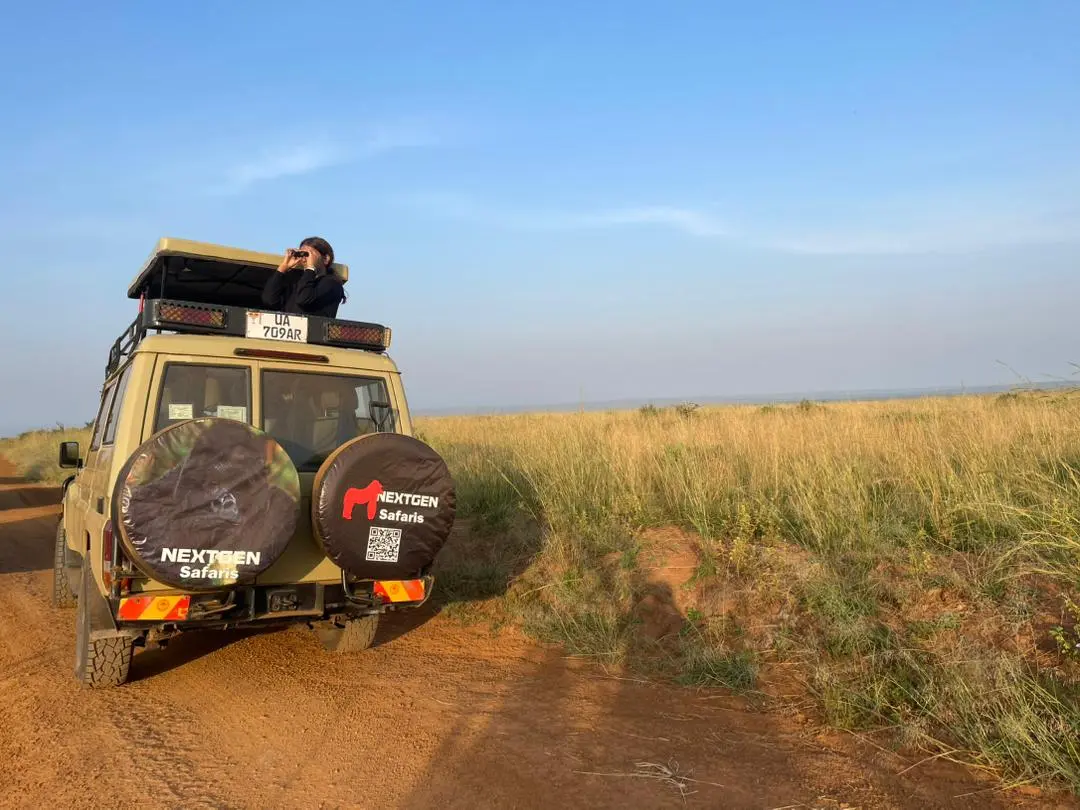
Your journey can include mountain gorilla trekking in Bwindi Impenetrable National Park or Mgahinga Gorilla National Park, chimpanzee tracking, wildlife and boat safaris in Queen Elizabeth National Park, the Nile and game viewing in Murchison Falls, Lake Mburo, Kidepo Valley and other destinations. Uganda Wildlife Authority currently manages ten national parks, allowing itineraries to combine primate forests, savannahs, wetlands and mountain environments within one country.
Nextgen Safaris can assist with private 4×4 transportation, professional driver-guides, accommodation, relevant permits, activity planning and domestic safari-flight connections where required. Before departure, travelers can also receive packing guidance based specifically on whether the journey includes gorilla trekking, photography, family travel, senior travel, luxury lodges or fly-in transportation.
That personalized preparation is important because no single packing list is perfect for every Uganda journey. A four-day gorilla safari requires different preparation from a two-week wildlife circuit, and a photographer carrying specialist equipment needs different baggage planning from a traveler using only a smartphone.