
Uganda Safari Tips
Uganda Safari Tips – Incredible Guide to a Safe & Unforgettable Wildlife Adventure
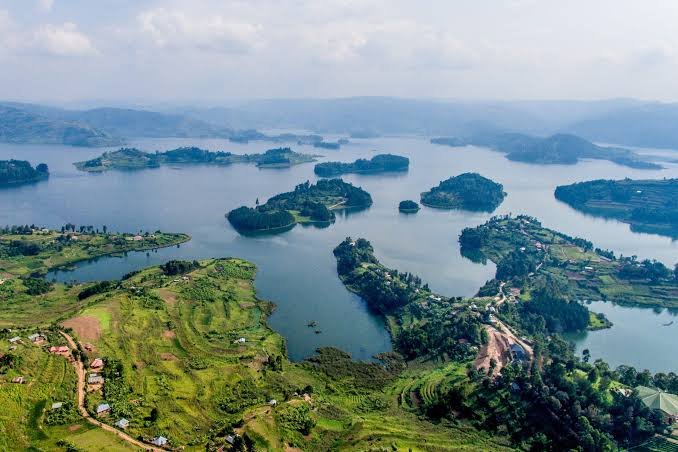
Uganda Safari Tips can make the difference between simply visiting Uganda and experiencing the country in a comfortable, well-organized and genuinely memorable way. Uganda combines mountain gorilla trekking, chimpanzee tracking, classic savannah game drives, boat safaris, birdwatching, walking experiences, mountains, tropical forests and some of East Africa’s most beautiful landscapes. Uganda Wildlife Authority manages ten national parks, including Bwindi Impenetrable, Mgahinga Gorilla, Kibale, Queen Elizabeth, Murchison Falls, Kidepo Valley and Lake Mburo, giving travelers an unusually broad range of experiences within one country.
Good safari planning begins long before the vehicle leaves Entebbe. Travelers need to think about the number of days available, which parks genuinely matter to them, how much road travel they are comfortable with, accommodation level, gorilla and chimpanzee permits, seasonal conditions, luggage, footwear, health preparation and how much flexibility should be built into the itinerary. Trying to see everything in one short holiday is one of the most common mistakes. Uganda rewards travelers who slow down enough to enjoy each destination rather than spending every afternoon checking into another lodge.
These Uganda Safari Tips are designed for first-time visitors, returning safari travelers, families, couples, senior travelers, photographers and anyone combining Uganda’s primates with traditional wildlife. With thoughtful planning and the support of Nextgen Safaris, a Uganda safari can balance adventure with comfort while avoiding many of the logistical mistakes that make otherwise excellent trips unnecessarily tiring.
Decide What You Want From Your Uganda Safari First
One of the most important Uganda Safari Tips is to decide what your absolute priorities are before choosing the number of days or the route. Uganda offers so much that it is tempting to include gorillas, chimpanzees, Murchison Falls, Queen Elizabeth, Lake Mburo, Kidepo, birding and several cultural activities in the same short holiday. That can quickly produce an itinerary dominated by driving rather than wildlife.
If mountain gorillas are the principal reason for traveling, Bwindi or Mgahinga should form the foundation of the safari. Bwindi is divided into the main trekking sectors of Buhoma, Ruhija, Rushaga and Nkuringo, while Mgahinga provides another Uganda mountain gorilla experience in the Virunga landscape. If chimpanzees are equally important, Kibale can be incorporated naturally into a western Uganda route. Travelers primarily interested in classic wildlife should place greater emphasis on Queen Elizabeth, Murchison Falls or Kidepo.
Once the priorities are clear, secondary experiences can be added only when the route remains comfortable. This produces a much stronger safari than starting with a long list of attractions and trying to squeeze every one of them into a fixed number of days.
Allow Enough Days for Your Uganda Safari
Uganda looks relatively compact on a map, but safari travel is better measured in hours rather than kilometres. Road journeys between national parks can involve towns, mountain roads, unsurfaced sections, wildlife areas and scenic stops. A route that appears simple geographically may still require a substantial transfer.
For many first-time visitors, approximately seven to ten days provides enough time to experience several major destinations without changing accommodation every night. Travelers interested in a broader combination of gorillas, chimpanzees, Queen Elizabeth, Murchison Falls and perhaps Lake Mburo should consider a longer journey. Kidepo requires additional consideration because it lies in remote northeastern Uganda and works better when enough time is available or selected flight arrangements are used. UWA describes Kidepo as a remote wilderness destination with lions, buffaloes, elephants and Uganda’s wild ostrich population. One of the most valuable Uganda Safari Tips is therefore to use extra days to slow the journey rather than simply adding more national parks.
Book Gorilla and Chimpanzee Experiences Early
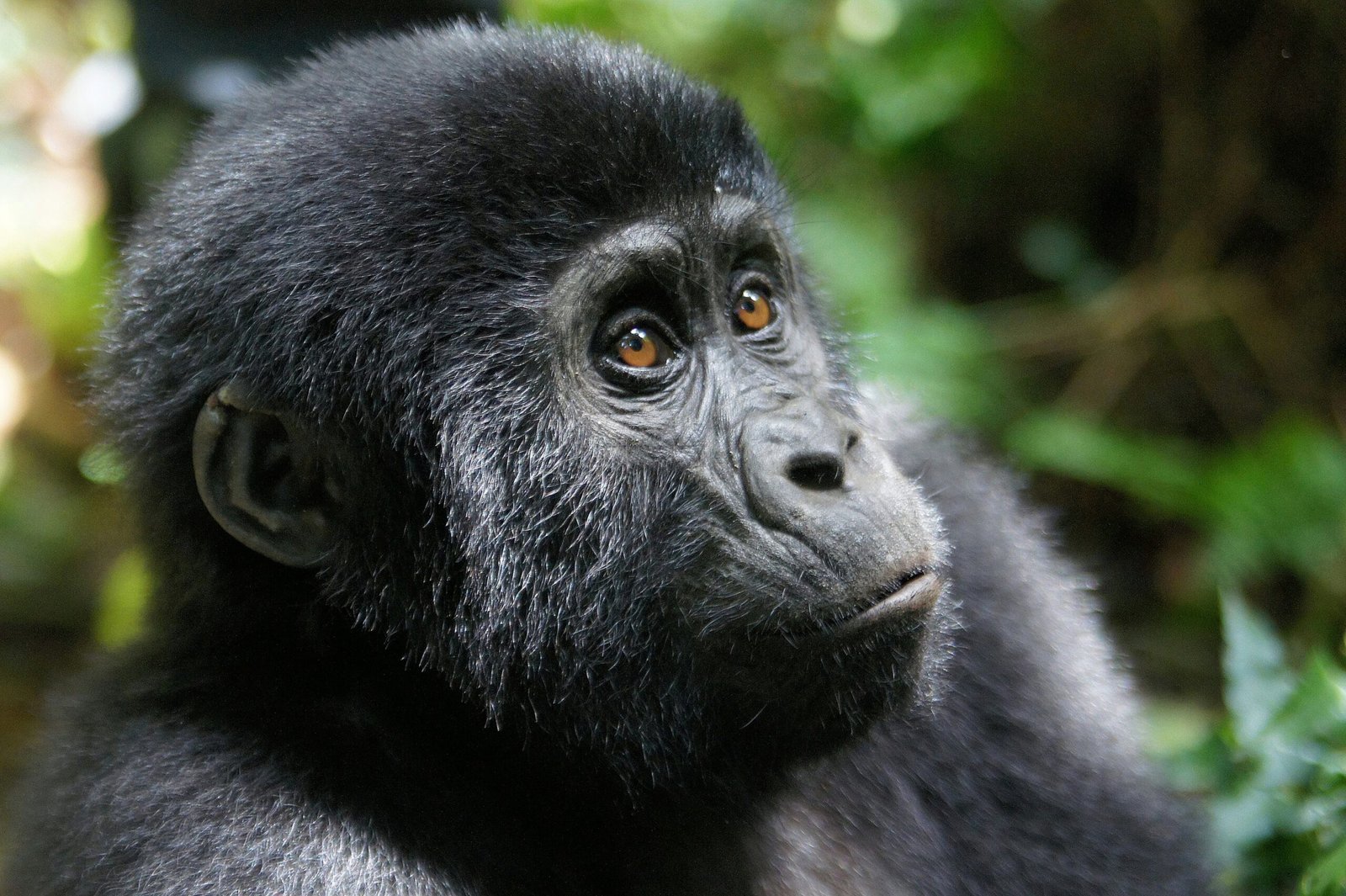
Travelers hoping to see mountain gorillas should treat the permit as one of the first elements to secure. Gorilla trekking in Uganda takes place in Bwindi Impenetrable National Park and Mgahinga Gorilla National Park, and access is managed through permits rather than unrestricted visitor entry.
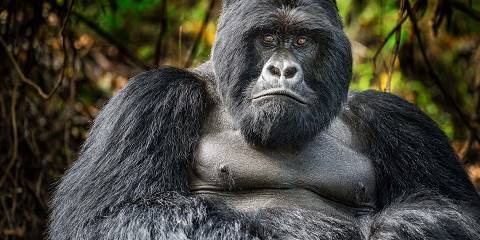
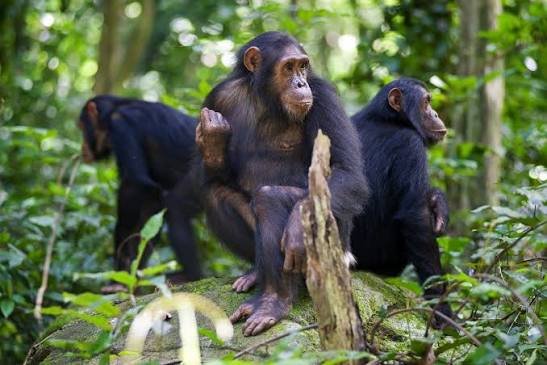
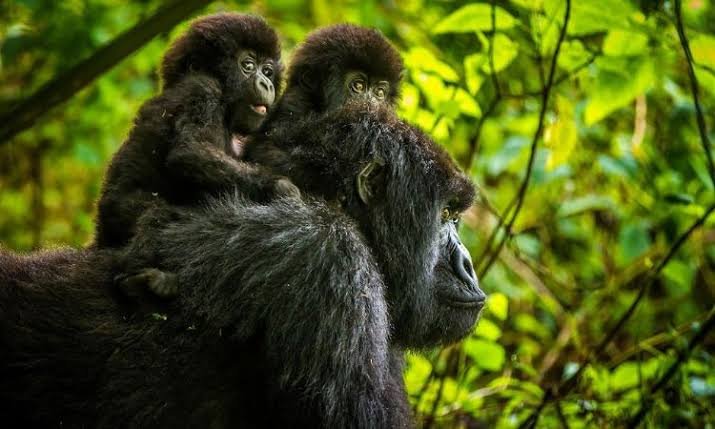
Early confirmation is particularly useful because the trekking location affects accommodation. Bwindi is not a single entrance where every permit holder reports to the same point. A permit assigned to one sector should be matched with accommodation in or near that area whenever possible. Booking a lodge first and discovering later that the confirmed trek is in a distant sector can create an uncomfortable early-morning transfer.
Chimpanzee tracking should also be coordinated before finalizing the itinerary when it is a major priority. Kibale is Uganda’s best-known chimpanzee destination, and UWA identifies it as the country’s most popular park for chimp tracking. Nextgen Safaris can coordinate the permit and accommodation together instead of treating them as unrelated reservations.
Check Uganda Visa Requirements Before Travel
Visa requirements depend on nationality, so travelers should not rely on information written for another passport holder. Uganda’s official immigration authority provides an electronic visa system for travelers who require visas, and its tourist-visa requirements include a passport bio-data page with at least six months’ validity, a recent photograph, travel information and accommodation details.
The safest approach is to check the official Uganda immigration requirements well before departure and complete any required online application using the government system rather than unofficial third-party websites.
Travelers combining Uganda with Kenya or Rwanda may also want to examine whether the East African Tourist Visa suits their route and nationality. Uganda’s immigration authority currently lists the regional visa among its services and states a US$100 fee, along with documentation requirements. Because immigration rules can change, one of the most important Uganda Safari Tips is to verify them again shortly before international travel.
Complete Health Preparation Before Your Safari
Health preparation should begin well before departure rather than during the final week. Uganda’s immigration material lists a yellow fever vaccination certificate among documentation requested within relevant visa procedures, and official Ministry of Health information continues to emphasize yellow fever vaccination.
Travelers should consult a qualified travel-health professional about vaccinations, malaria prevention and personal medical considerations based on their age, health history and complete itinerary. This is especially important for families with children, pregnant travelers, senior travelers and anyone with an existing health condition.
Prescription medication should be carried in sufficient quantity for the entire journey, preferably with additional supply for unexpected delays. Do not assume specialist medication will be easy to replace near Bwindi, Kidepo or another remote safari destination. Health conditions and entry measures can also change, so check official Uganda Ministry of Health information and the relevant health authority in your home country shortly before departure.
Buy Comprehensive Travel Insurance
Travel insurance is particularly important for a Uganda safari because the trip may involve expensive primate permits, remote lodges, long-distance transportation and physically demanding activities.
A useful policy should be appropriate for the actual safari activities rather than merely covering conventional city tourism. Travelers planning gorilla trekking, chimpanzee tracking, mountain hiking or domestic flights should ensure the chosen policy covers those activities and any relevant medical evacuation requirements.
Cancellation protection can also be valuable when significant non-refundable expenses have already been paid. Travelers should understand the policy rather than simply purchasing the cheapest insurance certificate. Limits, exclusions, pre-existing-condition clauses and activity restrictions may differ considerably between insurers.
Choose a Proper Safari Vehicle
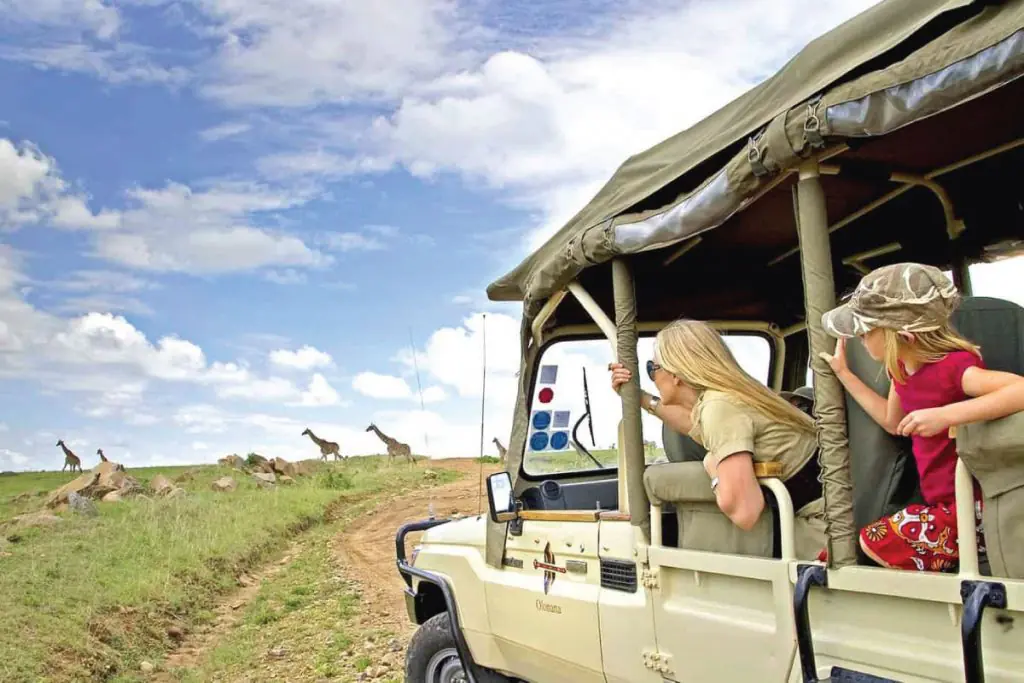
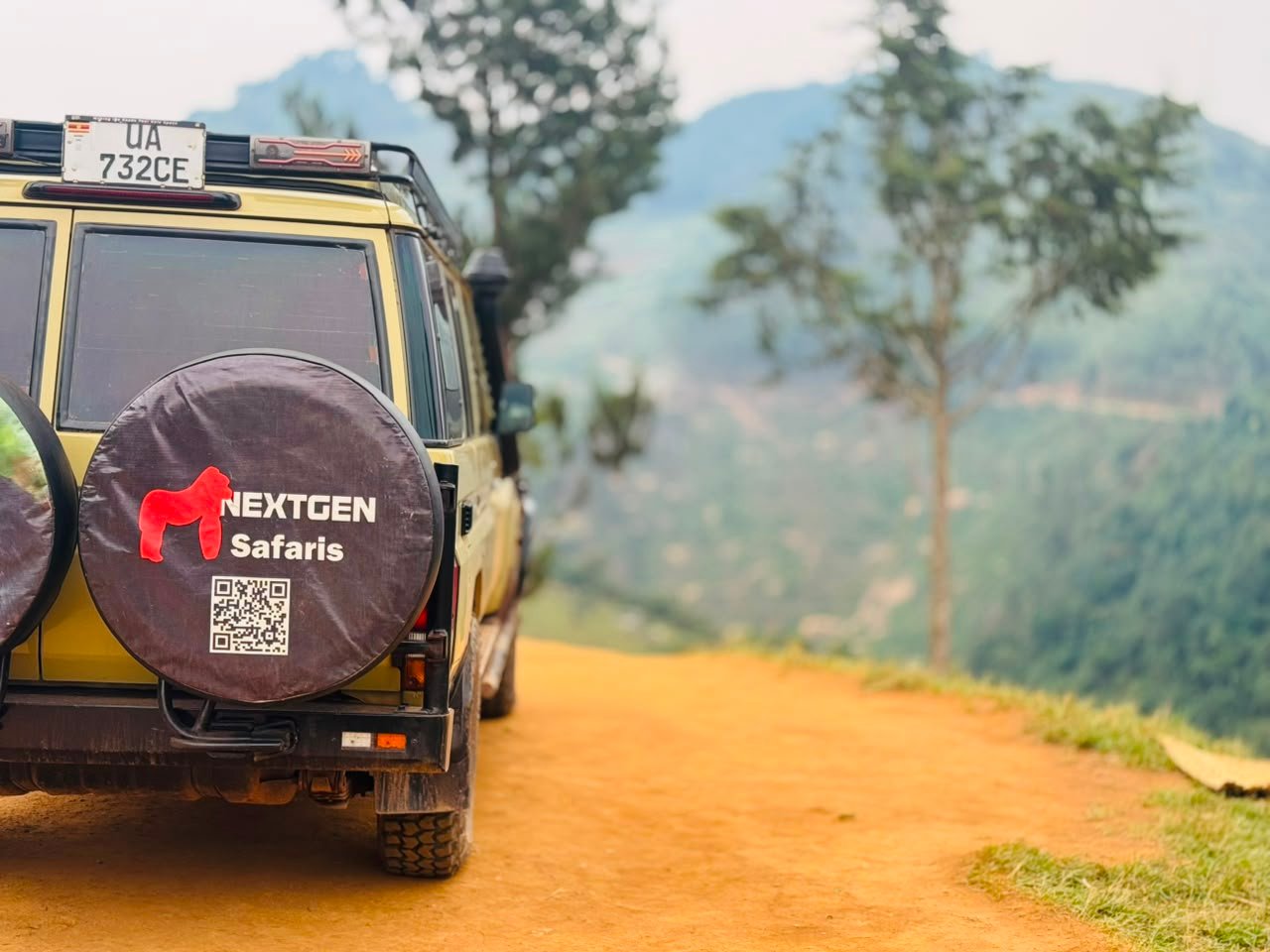
Another essential Uganda Safari Tip is to treat transportation as a major part of the safari rather than merely a way of moving from one lodge to another. Travelers may spend several hours in their vehicle on transfer and wildlife-viewing days, so comfort, reliability and visibility matter.
A proper private 4×4 can provide more useful space for passengers, luggage, binoculars and photography equipment while handling national-park tracks and less predictable road surfaces. In southwestern Uganda, road conditions around mountain and forest regions can vary substantially from major highways.
A private vehicle also gives the itinerary flexibility. Travelers can stop for photographs, stretch their legs or adjust game-drive duration without negotiating with unrelated passengers. Trying to save a relatively small amount by using an uncomfortable or unsuitable vehicle can negatively affect almost every day of the trip.
Understand the Value of a Professional Driver-Guide
A skilled safari guide does much more than drive. Guides help identify wildlife, interpret behavior, understand park layouts, communicate with other guides and determine when it makes sense to remain at a wildlife sighting instead of immediately moving on.
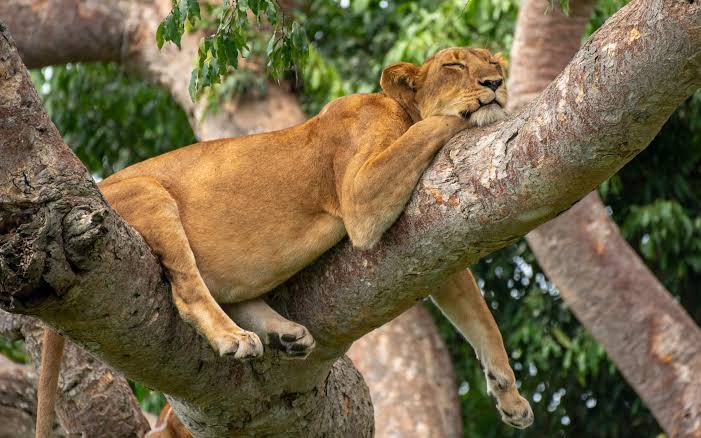
This becomes particularly valuable in parks such as Queen Elizabeth, where the safari can involve Kasenyi wildlife areas, the Kazinga Channel and the Ishasha Sector. UWA highlights Queen Elizabeth for its game viewing, more than 600 bird species and tree-climbing lions in Ishasha.
A good guide should also understand the traveler’s interests. Birdwatchers, photographers, families with children and first-time safari visitors need different styles of interpretation. For many travelers, choosing the right guide has a greater influence on safari quality than upgrading to a more expensive lodge.
Do Not Underestimate Uganda’s Driving Distances
One of the most practical Uganda Safari Tips is to avoid planning consecutive long driving days. Uganda’s western circuit is beautiful, but travelers should have enough time to stop, eat properly and reach lodges before becoming exhausted.
Instead of thinking only about the fastest possible transfer, consider how the trip will actually feel. Arriving at Bwindi late after a long drive and immediately preparing for an early gorilla trek can make the experience much more tiring than spending an additional night in the region.
Lake Mburo is particularly useful for breaking the southwestern route because UWA describes it as Uganda’s most accessible savannah park and highlights game drives, boat safaris and guided walking activities. Thoughtful route design improves both comfort and safari value.
Choose Lodges According to Location, Not Only Price
A safari lodge that appears inexpensive may not represent good value if it is poorly positioned for the next day’s activity. This is particularly important around Bwindi, where accommodation should correspond closely with the confirmed trekking sector.
The same principle applies to wildlife parks. A lodge that requires a lengthy drive before every game drive adds fuel, time and fatigue. Sometimes paying slightly more for a better-located property saves substantial logistical effort.
Families should additionally consider room configurations, while senior travelers may want rooms with easier access and fewer steps. Photographers may value views and proximity to wildlife areas, while honeymooners may prioritize privacy. The best accommodation is therefore not automatically the most luxurious or cheapest—it is the one that works best within the entire safari.
Prepare Properly for Gorilla Trekking
Among all Uganda Safari Tips, gorilla trekking preparation deserves special attention because the experience is both extraordinary and physically unpredictable. Trekking takes place in natural mountain forest, and the gorillas’ location determines how far the group may need to walk.
Wear proper hiking shoes with good grip rather than fashionable trainers that have never been tested on muddy slopes. Long trousers and long sleeves help protect the skin from vegetation, while lightweight rain protection should remain accessible because mountain weather can change quickly.
Carry only what you need. Water, a light snack where permitted, camera equipment and rain gear are generally more useful than an unnecessarily heavy backpack. Hiring a porter can be worthwhile even for fit travelers because it allows more attention to be placed on the forest and trekking experience. Most importantly, listen carefully during the ranger briefing and follow instructions throughout the encounter.
Prepare Differently for Chimpanzee Tracking
Chimpanzee tracking and gorilla trekking should not be treated as identical activities. Chimpanzees can move rapidly through the forest, and the experience can involve following calls and movement across uneven terrain.
Comfortable footwear, long trousers and lightweight clothing remain useful, but travelers should be prepared for a more dynamic encounter. Kibale supports rich primate diversity in addition to its well-known chimpanzee population.
Photographers should prepare camera settings before chimpanzees appear because animals may move quickly between shade, open forest and tree canopy. A common mistake is carrying too much equipment. A versatile camera setup that can be handled rapidly is usually more practical than several heavy lenses that are difficult to access during the trek.
Start Game Drives Early
Wildlife watching is often rewarding during the cooler periods of morning and later afternoon, so early starts are usually worth the temporary sacrifice of sleeping longer.
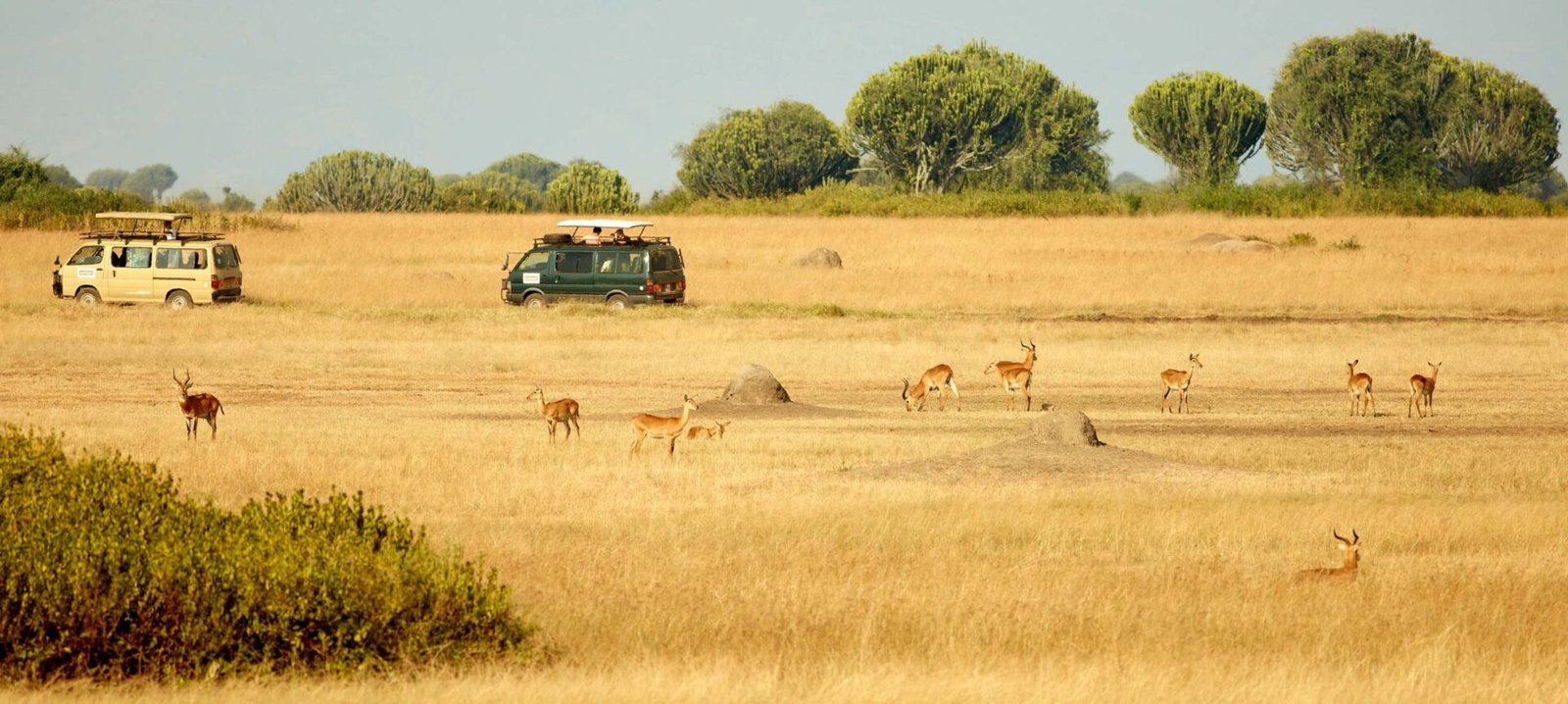
Morning light can also be excellent for photography, and the park feels completely different before the strongest daytime heat develops. Your guide can advise how early to depart according to the destination and intended wildlife targets.
However, do not turn every day into an exhausting pre-dawn schedule. An excellent Uganda safari needs balance.Uganda Safari Tips, If the previous day included a long gorilla trek or major transfer, sleeping slightly later may produce a happier overall journey than forcing another intense morning. Good safari planning considers the entire trip, not only each activity in isolation.
Include Boat Safaris Where They Add Variety
One of the strongest Uganda Safari Tips is to vary the way wildlife is experienced. Uganda is particularly good for this because several major destinations combine vehicle-based wildlife viewing with water activities.
Queen Elizabeth’s Kazinga Channel allows travelers to view water-associated wildlife and birds from a completely different perspective than a game drive. UWA highlights the channel among the park’s principal attractions. Murchison Falls similarly combines savannah wildlife with the Nile, making the river an essential part of the destination rather than merely scenery beside the park. Boat activities can also provide a welcome physical break after several hours inside a safari vehicle. Combining game drives, forest experiences and boat safaris prevents a longer Uganda safari from becoming repetitive.
Pack for Several Environments, Not One Climate
Uganda safari packing requires versatility. Uganda Safari Tips, Travelers may experience warm savannah during the day, cooler mornings, rainy forest conditions and noticeably cooler temperatures in highland gorilla regions.Uganda Safari Tips, Lightweight, breathable clothing works well for game drives, while a fleece or other warm layer is useful for early mornings and elevated destinations. Long trousers are valuable for forest trekking, and a compact rain jacket should remain accessible.
Avoid packing excessive formal clothing. Most safari lodges have a relaxed atmosphere, and practicality is much more important than fashion. Laundry may be available at many lodges, making it possible to travel with a smaller selection of comfortable clothes rather than carrying a very large suitcase.
Bring Proper Footwear
Footwear is one area where saving luggage space can create problems. Uganda Safari Tips, Travelers undertaking gorilla trekking, chimpanzee tracking or guided walking experiences should bring comfortable, already broken-in walking shoes. New hiking boots purchased immediately before the flight can create blisters during the activity that matters most.
For ordinary game-drive days, lighter shoes or comfortable trainers can be sufficient. A pair of sandals may also be useful around the lodge.The goal is not to bring many pairs of shoes but to ensure the one used for trekking is genuinely suitable for natural terrain.
Bring Binoculars Even If You Are Not a Birder
Many travelers assume binoculars are necessary only for serious birdwatchers. In reality, they can transform an ordinary game drive. A lion resting far from the road, an elephant moving through vegetation or a colorful bird high in a tree becomes much more interesting when travelers can observe details independently instead of constantly sharing the guide’s binoculars.
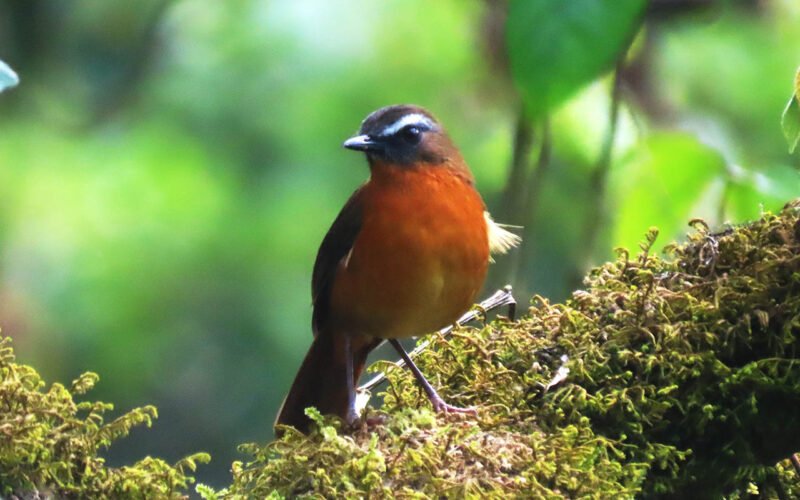
Uganda has exceptional bird diversity across its national parks, so even travelers who arrive with little interest in birds often find themselves photographing kingfishers, hornbills, eagles and other striking species. For families, giving older children binoculars can also make them active participants in wildlife spotting.
Use Practical Safari Photography Equipment
One of the best Uganda Safari Tips for photographers is to prioritize versatility. A long telephoto lens is valuable for wildlife, but a medium telephoto range is often more practical for gorillas and chimpanzees, while a wider lens is important for landscapes and environmental photographs.
Bring spare batteries and enough memory-card capacity. Charging opportunities normally exist at safari lodges, but relying on a single battery is unnecessary risk.Dust protection matters on savannah drives, while rain protection is more important in forest regions. Most importantly, do not spend the entire safari looking through a camera. Some of the strongest wildlife memories occur when the camera is briefly lowered and the encounter is simply experienced.
Carry Some Cash but Do Not Travel With Excessive Amounts
Travelers should have access to some cash for smaller expenses, tips and situations where electronic payment is impractical, particularly outside major urban areas.At the same time, carrying a large amount of visible cash is unnecessary. Uganda Safari Tips, Divide travel funds sensibly, keep important documents secure and confirm in advance which safari expenses have already been included in the package.
For optional lodge purchases or additional activities, payment arrangements can be confirmed directly with the lodge or safari company before departure. Nextgen Safaris can explain which expenses remain outside the main safari quotation so travelers arrive prepared without carrying more money than necessary.
Discuss Tipping Before the Safari
Tipping can be confusing when travelers move between driver-guides, lodge staff, porters, rangers and activity guides. Instead of searching for answers during every activity, ask your safari planner for current tipping guidance before arrival. Tips should generally reflect service quality rather than being treated as an undeclared mandatory safari fee.
Carry suitable small-denomination cash if you intend to tip directly, especially during trekking or remote activities. Clear guidance in advance allows travelers to budget realistically and avoids an awkward situation at the end of an otherwise excellent trip.
Use Safe Drinking Water and Communicate Dietary Needs
Safari vehicles and lodges can provide safe drinking-water arrangements, and travelers should remain well hydrated, particularly during trekking and long driving days. Dietary requirements should be communicated before arrival rather than at the first remote lodge. Uganda Safari Tips, Vegetarian diets, allergies, intolerances and other important requirements are easier to accommodate when properties receive advance notice.
Travelers with serious allergies should carry any medically prescribed emergency medication and clearly communicate the condition to both Nextgen Safaris and accommodation providers. Food is part of the safari experience, and thoughtful preparation prevents dietary concerns from becoming a daily source of stress.
Uganda Safari Tips for Families With Children
A family safari should not simply reproduce an adult itinerary with children sitting in the same vehicle. Young travelers generally need shorter activity periods, greater variety and more free time. Combine game drives with boat safaris and suitable lodge downtime instead of scheduling every available hour. Children may remember zebras, hippos or watching monkeys around the lodge more vividly than another four-hour game drive.
Primate activities have age rules, so children’s ages should be discussed before an itinerary dominated by gorilla or chimpanzee trekking is created. UWA publishes specific gorilla and chimpanzee tracking guidelines, making advance age-based planning essential. A private safari vehicle is particularly valuable for families because daily schedules can be adapted when a child becomes tired or needs an additional stop.
Uganda Safari Tips for Senior Travelers
Senior travelers should prioritize comfort, pacing and realistic activity selection. There is no advantage in squeezing five parks into eight days if the result is a sequence of exhausting road journeys. Two- and three-night stays allow more recovery time and can make the safari feel considerably more luxurious even when mid-range accommodation is used.
Travelers considering gorilla or chimpanzee trekking should evaluate their own mobility and fitness honestly and discuss significant medical concerns with a qualified professional before departure. Selected fly-in arrangements may also reduce particularly long road transfers, but road travel remains enjoyable on routes where the scenery and distance make sense.
Respect Wildlife and Follow Guide Instructions
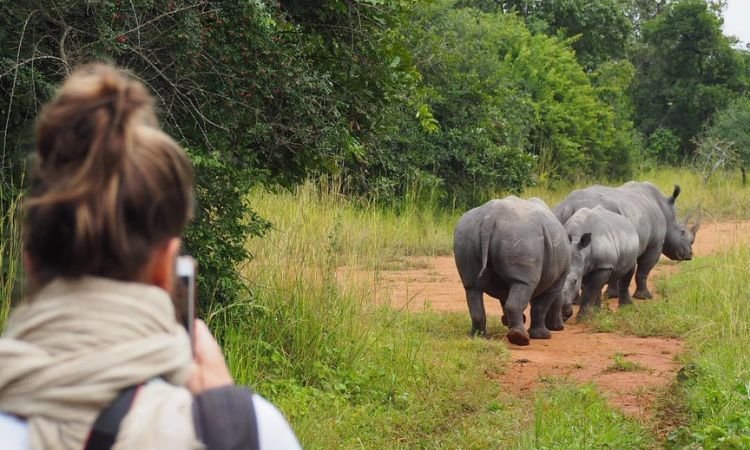
An essential part of Uganda Safari Tips is remembering that national parks are natural wildlife environments, not controlled zoos. Do not pressure a guide to move illegally off-track simply to obtain a closer photograph. Never attempt to feed wildlife, attract animals with food or block an animal’s movement with the vehicle.
Elephants, buffaloes, hippos and predators deserve considerable space. An experienced guide should determine when a vehicle needs to remain stationary, move away or allow wildlife to pass. The best wildlife encounters happen when animals are allowed to behave naturally.
Respect Gorilla and Chimpanzee Rules
Primate tourism is closely managed because human behavior can affect both visitor safety and animal welfare. Uganda Wildlife Authority maintains formal gorilla and chimpanzee tracking guidelines and permit systems. Follow ranger instructions about positioning, movement, photography and behavior throughout the activity. Do not move toward an animal simply because it appears to offer a better camera angle.
If a visitor is unwell, especially with symptoms that could pose a health risk to great apes, the situation should be reported honestly rather than hidden because the permit was expensive. Responsible primate tourism protects the very wildlife travelers have crossed the world to experience.
Keep Your Safari Schedule Flexible
Wildlife does not operate according to an itinerary. A planned two-hour drive may suddenly produce an exceptional elephant encounter, while a day expected to deliver lions might instead become memorable because of birds, buffaloes or an unexpected landscape. Weather can also affect trekking, roads and photography conditions.
A good guide adapts where practical rather than treating the printed itinerary as something that cannot change by ten minutes.Flexibility is especially useful on private safaris because the experience can respond to what is actually happening instead of rigidly following a group-tour timetable.
Do Not Make Wildlife a Checklist
Seeing lions, elephants, gorillas and chimpanzees is exciting, but one of the most valuable Uganda Safari Tips is to avoid measuring every day by the number of famous animals seen. Spend time observing behavior. An elephant family interacting at the water’s edge may become more memorable than briefly seeing five different species through the vehicle window.
Birds, landscapes, trees, insects and local communities are also part of the Uganda experience. Slower observation frequently produces a deeper safari than continuously driving away from one sighting to search for the next.
Consider Responsible Community Experiences
Uganda’s national parks exist alongside communities whose lives are connected closely with conservation and tourism. Travelers can add community or cultural experiences where they are genuinely respectful and locally managed rather than treating people as attractions.
UWA operates revenue-sharing mechanisms in areas around protected parks, linking tourism revenue with communities living near conservation areas.
Responsible tourism also means respecting photography preferences, buying locally where appropriate and listening rather than approaching every community encounter as a staged photo opportunity. A well-designed safari can therefore connect wildlife conservation with a deeper understanding of the places surrounding the parks.
Avoid These Common Uganda Safari Mistakes
Several mistakes repeatedly weaken Uganda safari experiences. The first is trying to visit too many destinations in too few days. The second is booking a Bwindi lodge before knowing the gorilla trekking sector. The third is assuming all road transfers will take exactly the amount of time suggested by a navigation application.
Other mistakes include bringing unsuitable trekking shoes, packing too much luggage, failing to confirm visa requirements early, leaving permit booking until the last minute, scheduling an international flight too close to an important domestic connection and choosing accommodation solely according to price.
Travelers should also avoid reading one old blog post and assuming every permit price, entry rule or park procedure remains unchanged. The strongest Uganda Safari Tips are ultimately based on current information and a route designed specifically for the actual travel dates.
Should You Choose Road, Fly-In or a Combination?
Road safaris provide the richest sense of traveling through Uganda because visitors see towns, agricultural landscapes, crater regions and highlands between national parks. Fly-in safaris can dramatically reduce travel time when reaching distant areas or when the holiday is short. They can be especially useful for travelers focusing principally on gorilla trekking or remote destinations.
For many visitors, the strongest approach is a combination. Fly where a flight removes an exhausting transfer and drive where the overland route connects naturally. The objective is not to use the most luxurious transportation possible. It is to choose transportation that makes the overall safari better.
Frequently Asked Questions About Uganda Safari Tips
1. What are the most important Uganda Safari Tips for first-time visitors?
The most important Uganda Safari Tips are to plan enough days, book gorilla and chimpanzee permits early, choose accommodation according to location, use a reliable safari vehicle and avoid trying to visit too many parks in one short trip. Travelers should also check visa and health requirements before departure, pack proper trekking shoes and keep some flexibility in the daily schedule. A well-paced safari is usually more enjoyable than an itinerary filled with constant long-distance transfers.
2. What should I pack for a Uganda safari?
One of the most useful Uganda Safari Tips is to pack light but prepare for several environments. Bring lightweight safari clothing, long trousers, comfortable walking shoes, a warm layer for early mornings, rain protection, sunscreen, insect repellent and a hat. Gorilla and chimpanzee travelers should prioritize proper hiking footwear and long sleeves. Binoculars, camera equipment, spare batteries, medications and essential travel documents should also be packed carefully.
3. How many days are best for a Uganda safari?
A good rule among practical Uganda Safari Tips is to allow at least 7 to 10 days if you want to combine several major destinations comfortably. A shorter safari can focus on gorilla trekking or one wildlife region, while 10 to 14 days gives travelers more time for Kibale, Queen Elizabeth, Bwindi, Lake Mburo and possibly Murchison Falls. The goal should be to reduce rushed one-night stays and allow enough time to enjoy each park properly.
4. When should I book gorilla trekking in Uganda?
One of the most important Uganda Safari Tips for gorilla travelers is to book the permit before finalizing the lodge and route. Gorilla trekking takes place in different sectors of Bwindi and in Mgahinga, so the confirmed permit location affects where you should stay. Booking early also gives travelers a wider choice of accommodation and trekking dates. Waiting until the last minute can lead to limited permit availability or inconvenient lodge locations.
5. Is Uganda safe for safari travel?
Uganda is widely visited for gorilla trekking, wildlife safaris and other tourism experiences, but travelers should still follow normal travel precautions and current official advice. Useful Uganda Safari Tips include traveling with a reputable operator, following guide and ranger instructions, avoiding unnecessary night driving, keeping valuables secure and respecting national-park rules. Wildlife areas also require extra care because animals are wild and should never be approached or disturbed outside the guide’s instructions.
6. What is the best time to visit Uganda for safari?
An important point among Uganda Safari Tips is that Uganda can be visited throughout the year, but the best period depends on the activities you want to include. Drier months generally provide easier road and trekking conditions, while wetter periods can offer greener scenery, fewer visitors and excellent photography. Travelers interested in official low-season primate rates should also check whether their dates fall within applicable discounted months before booking.
7. Should I choose a road safari or fly-in safari in Uganda?
One of the most practical Uganda Safari Tips is to choose transport according to the route rather than assuming one option is always better. Road safaris provide more scenery and usually lower costs, while fly-in safaris can reduce long transfers to destinations such as Bwindi or Kidepo. A combination of domestic flights and private road transfers can work particularly well for travelers with limited time or those who want greater comfort.
8. Do I need a private safari guide in Uganda?
A private guide is highly recommended for travelers who want wildlife interpretation, easier logistics and greater flexibility. Among the most valuable Uganda Safari Tips is choosing an experienced driver-guide who understands park routes, wildlife behavior and local travel conditions. A private safari also allows longer photography stops, flexible meal breaks and adjustments for families or senior travelers. Self-drive can work for experienced independent travelers, but guiding often adds substantial value.
9. How should I prepare for gorilla trekking in Uganda?
Good Uganda Safari Tips for gorilla trekking include wearing broken-in hiking shoes, long trousers and long sleeves, carrying lightweight rain protection and bringing enough water. Travelers should avoid carrying unnecessary heavy equipment and may find a porter useful. Fitness helps because trekking length varies depending on the gorillas’ location and terrain. Most importantly, participants should follow all ranger instructions during the trek and the gorilla encounter.
10. How can I plan my trip using Uganda Safari Tips with Nextgen Safaris?
You can use these Uganda Safari Tips with Nextgen Safaris to design a private journey around your travel dates, budget, fitness and preferred experiences. Nextgen Safaris can coordinate gorilla and chimpanzee activities, private 4×4 transport, accommodation, game drives, boat safaris and selected domestic flights. The route can be adjusted for couples, families, seniors, photographers or first-time visitors so the safari remains comfortable, realistic and focused on the experiences that matter most.
Book Your Uganda Safari with Nextgen Safaris
These Uganda Safari Tips become most useful when they are incorporated into the safari before accommodation, permits and transportation are confirmed. Nextgen Safaris can design a private journey around your travel dates, budget, fitness, interests and preferred level of comfort while ensuring that each destination fits logically into the route.
Your safari can include mountain gorilla trekking in Bwindi Impenetrable National Park or Mgahinga Gorilla National Park, chimpanzee tracking in Kibale, game drives and the Kazinga Channel in Queen Elizabeth National Park, the River Nile and wildlife of Murchison Falls, zebras and guided experiences in Lake Mburo, or remote wilderness in Kidepo Valley. Uganda Safari Tips, Uganda Wildlife Authority currently manages ten national parks covering this remarkable diversity of forest, savannah, wetland and mountain environments.
Nextgen Safaris can coordinate private 4×4 transportation, professional driver-guiding, accommodation, relevant permits, boat safaris and selected domestic flights while keeping driving distances realistic. Uganda Safari Tips, Families can have child-appropriate pacing, senior travelers can reduce unnecessary long road days, photographers can spend longer at wildlife sightings and couples can combine adventure with comfortable lodge stays.Most importantly, every safari should be built around the people actually traveling. There is no reason for a honeymoon couple, a family with young children, a photographer and a senior traveler to follow exactly the same Uganda itinerary.
Plan your journey with Nextgen Safaris and use these Uganda Safari Tips to experience mountain gorillas, chimpanzees, lions, elephants, the River Nile and Uganda’s spectacular national parks through a safari that is comfortable, responsible and genuinely unforgettable.