
Uganda Self-Drive Safari
Uganda Self-Drive Safari – Unforgettable Wildlife & Road Trip Adventure
A Uganda Self-Drive Safari gives independent travelers the freedom to explore Uganda’s national parks, mountain landscapes, crater lakes, forests and rural countryside at their own pace. Instead of traveling every day with a permanent safari driver-guide, visitors take control of their own 4×4 vehicle, choose when to start the day, decide where to stop and enjoy the adventure of navigating between some of East Africa’s most remarkable wildlife destinations. Uganda Wildlife Authority manages ten national parks, including Murchison Falls, Queen Elizabeth, Kidepo Valley, Lake Mburo, Kibale, Bwindi Impenetrable and Mgahinga Gorilla National Parks, giving self-drive travelers an impressive range of environments to explore.
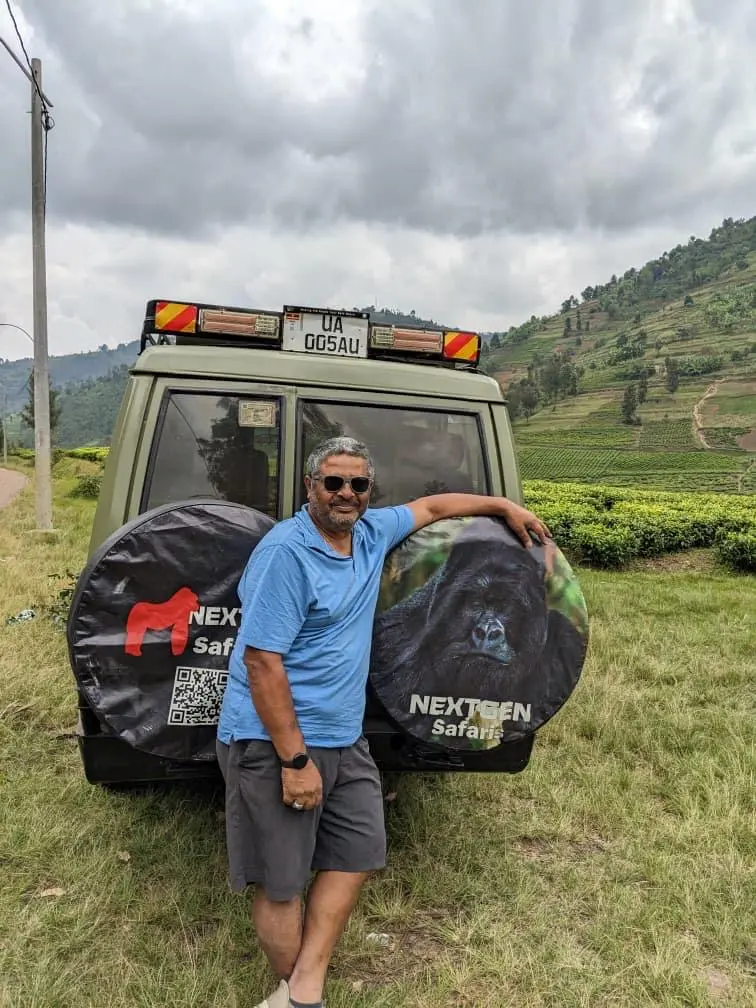
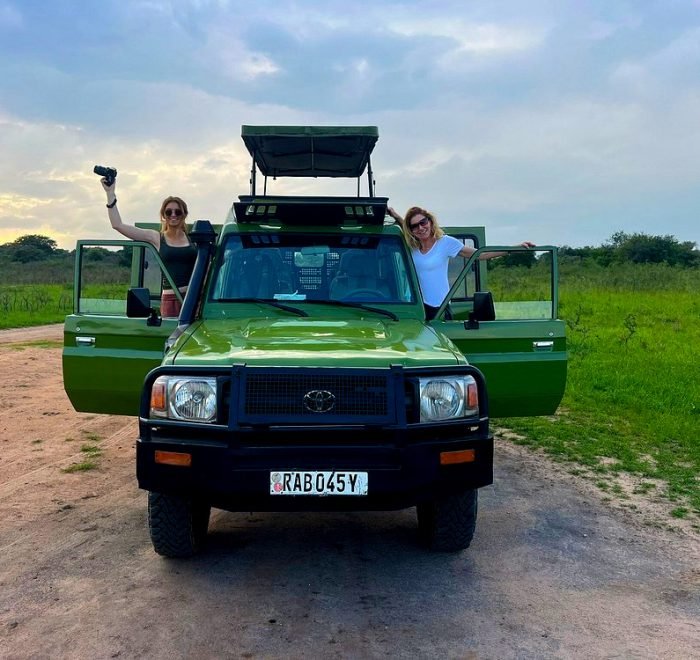
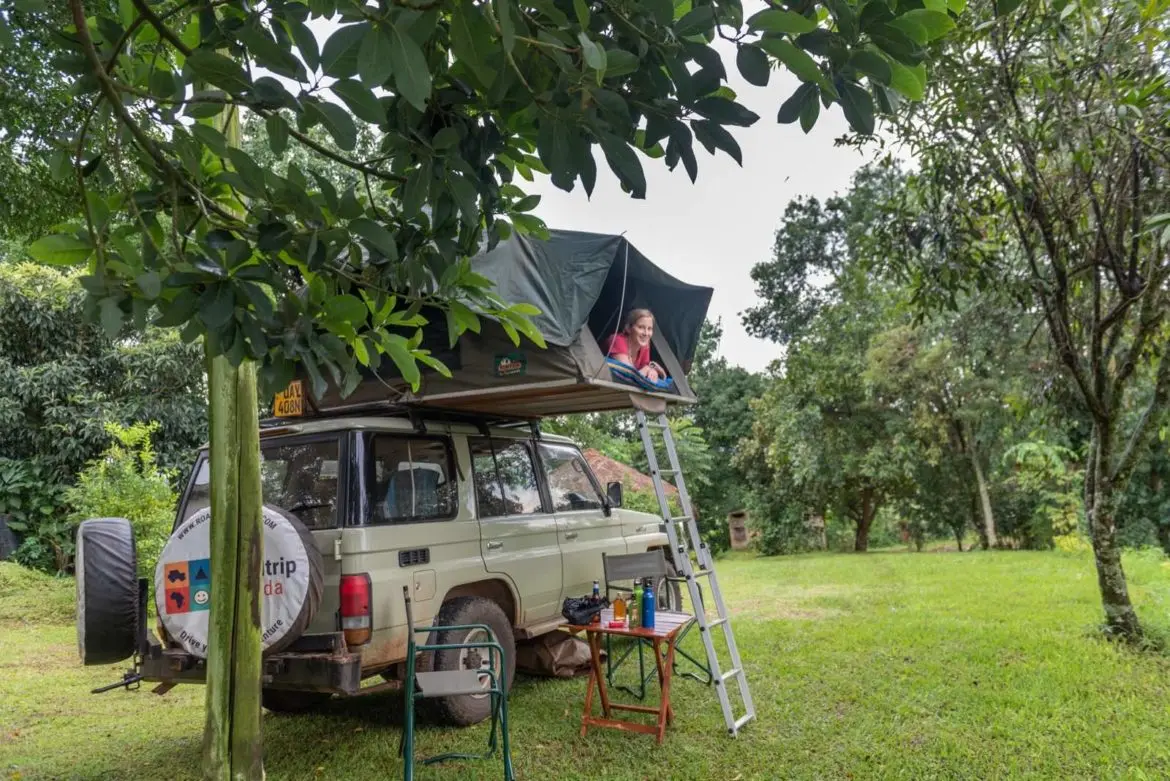
The attraction of an Uganda Self-Drive Safari is independence. Travelers can stop for photographs along the road, spend additional time overlooking a crater landscape, enjoy a relaxed lunch without worrying about a fixed group schedule and stay in everything from comfortable safari lodges to simpler camps. For experienced African road-trippers, driving through Uganda also reveals parts of the country that are easily missed when flying directly between national parks. Tea plantations, small towns, highland farms, roadside markets and dramatic escarpments become part of the journey rather than merely scenery between attractions.
Self-driving, however, requires considerably more preparation than joining a professionally guided safari. Uganda contains excellent paved highways, but national-park tracks and many roads around remote attractions remain unsurfaced. Conditions can change after heavy rain, navigation may become more complicated in rural areas and travelers need to understand wildlife-area driving rules before entering protected areas. Uganda Wildlife Authority recommends four-wheel-drive vehicles for destinations such as Bwindi and Mgahinga because parts of the approach include dirt roads, mountainous terrain and potentially difficult conditions.
Nextgen Safaris can help travelers plan an Uganda Self-Drive Safari around suitable vehicles, national-park logistics, gorilla permits, chimpanzee activities, accommodation and realistic driving distances. Self-driving works best when independence is supported by excellent preparation, reliable equipment and a route designed according to actual road conditions rather than simply what appears close together on a map.
What Is a Uganda Self-Drive Safari?
A Uganda Self-Drive Safari is a journey where travelers drive their own hired or appropriately registered vehicle between safari destinations and may also conduct permitted daytime game drives independently within selected wildlife areas. Uganda Wildlife Authority has formally recognized “self game drive” as a tourism category in its published conservation tariff system, distinguishing it from a game drive conducted with a private-sector safari guide or UWA ranger guide. The tariff available online covers July 2024 through June 2026, so travelers planning after that period should confirm the current rate and conditions directly rather than relying on the expired fee schedule.
Self-drive does not mean every safari activity can be undertaken without guides. Gorilla trekking, chimpanzee tracking, guided nature walks and certain specialized wildlife experiences continue to operate under their own rules and require authorized guides, permits or ranger supervision. Independent driving mainly gives travelers control over transportation and eligible daytime game-viewing activities.
This distinction is important. A traveler can drive independently to Bwindi, stay at a lodge near the appropriate trekking sector and then join the officially managed gorilla trekking experience the following morning. In Queen Elizabeth or Lake Mburo, the same traveler may conduct an independent daytime game drive where permitted, but choose to hire a ranger guide when specialist knowledge would make wildlife viewing easier.
An Uganda Self-Drive Safari can therefore range from almost completely independent travel to a hybrid journey in which travelers drive themselves between destinations but occasionally use professional guides for particularly important wildlife experiences.
Is Self-Driving Allowed in Uganda’s National Parks?
Self-driving has been an officially recognized option in Uganda’s protected-area tourism system. UWA’s 2024–2026 conservation tariff listed a specific Self Game Drive category for travelers driving without either a private-sector tour guide or a UWA ranger guide. It also listed separate vehicle-entry charges and penalties for offenses such as driving off designated tracks and speeding.
Because that published tariff period ended in June 2026, current entrance charges, self-drive fees and operational conditions should be reconfirmed with Uganda Wildlife Authority before travel. Park-specific rules can also vary, and temporary restrictions may be introduced because of road maintenance, weather, wildlife management or security operations.
Self-driving therefore does not mean unrestricted exploration. National parks contain wild animals and sensitive habitats. Drivers must respect established tracks, signs, gate instructions and ranger directions rather than following animals away from roads or creating their own routes. This controlled approach makes an Uganda Self-Drive Safari adventurous without turning protected areas into unregulated off-road driving environments.
Why Choose an Uganda Self-Drive Safari?
Freedom is the main reason travelers choose an Uganda Self-Drive Safari. With your own vehicle, you determine when to leave the lodge, where to stop and how slowly to travel between destinations. Photographers can pause at landscapes that would ordinarily receive only a quick glance, while couples can spend more time enjoying scenic locations without worrying about the priorities of a larger group.
Self-driving can also appeal to travelers who enjoy road trips as much as wildlife. Western Uganda in particular offers rewarding scenery between major safari destinations. The journey toward Kibale passes through the Fort Portal region, Queen Elizabeth introduces escarpment and crater landscapes, and the approaches to Bwindi and Mgahinga lead into some of Uganda’s most dramatic highlands.
There can also be financial advantages, particularly for travelers comfortable managing their own driving and navigation. However, self-drive should not automatically be viewed as the cheapest possible Uganda safari. A reliable 4×4, fuel, insurance, park vehicle fees, permits, accommodation and potential recovery arrangements still need to be budgeted properly. The greatest value is therefore independence rather than simply reducing costs.
Is Uganda Good for a Self-Drive Safari?
Uganda can be an excellent self-drive destination for travelers with previous experience driving abroad and a realistic understanding of African road conditions. Several major routes connecting Kampala or Entebbe with western Uganda are paved. Uganda Wildlife Authority, for example, describes the Kampala–Fort Portal route toward Kibale as fully tarmacked for approximately 326 kilometres, with the journey taking around six hours under normal planning assumptions.
Conditions become more variable as travelers approach national parks, remote lodges and mountainous areas. UWA notes that the road between the Queen Elizabeth region and Bwindi is mainly dirt and recommends a four-wheel-drive vehicle. It similarly recommends 4WD for the approximately nine-hour Kampala–Kisoro journey toward Mgahinga.
This mixture actually makes Uganda interesting for experienced self-drivers. The journey is not an extreme expedition requiring specialized off-road training throughout, but it is also not simply a sequence of motorway drives.
Travelers uncomfortable with mud, steep rural roads, changing weather or navigating unfamiliar environments may obtain more enjoyment from a private driver-guided safari.
Best Places for an Uganda Self-Drive Safari
Some of the most practical destinations for an Uganda Self-Drive Safari are Lake Mburo National Park, Queen Elizabeth National Park, Murchison Falls National Park and Kidepo Valley National Park, where savannah wildlife and established game-drive networks form major parts of the visitor experience. Bwindi, Kibale and Mgahinga are also highly relevant to a self-drive journey, although visitors primarily drive themselves to these destinations and then participate in guided primate or forest activities.
The ideal combination depends on available time. Trying to include every national park creates exhausting driving days and reduces the freedom that makes self-drive travel appealing. A carefully planned western Uganda circuit is normally easier to manage than combining western Uganda and remote Kidepo within a short holiday.
Lake Mburo National Park Self-Drive Safari
Lake Mburo is one of the most natural places to begin or finish an Uganda Self-Drive Safari. The park lies conveniently along the broader route between central Uganda and the southwestern safari circuit, making it easier to incorporate without significant geographical backtracking.
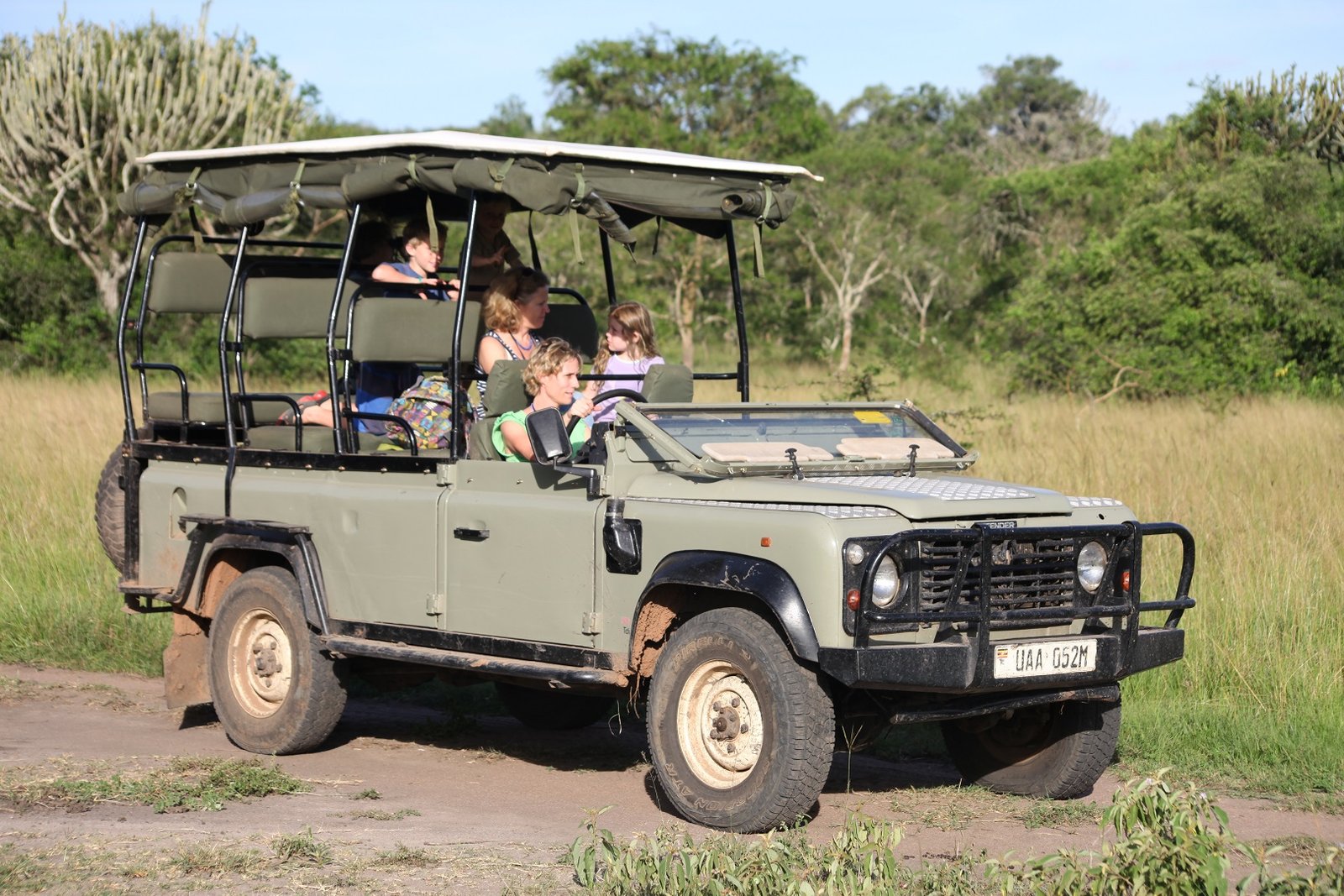
The park is particularly associated with zebras, impalas, acacia woodland, wetlands and birdlife. Travelers can combine daytime wildlife viewing with guided walking and boat activities, creating variety beyond driving. UWA currently promotes game drives alongside boat safaris and guided walking experiences in Lake Mburo.
For first-time self-drivers, Lake Mburo can provide a useful introduction to navigating park tracks before progressing toward larger wildlife areas. Drivers can begin understanding how slowly wildlife should be approached, how park junctions work and why seemingly short distances can take considerably longer when stopping frequently for animals. It is also a particularly attractive final stop after gorilla trekking because it breaks the longer road journey from southwestern Uganda toward Entebbe.
Queen Elizabeth National Park Self-Drive Safari
Queen Elizabeth National Park is one of Uganda’s most rewarding destinations for independent wildlife exploration. The park lies approximately 410 kilometres west of Kampala, and UWA estimates the direct drive at roughly seven to eight hours, although most safari travelers include other destinations along the western circuit rather than driving straight through.
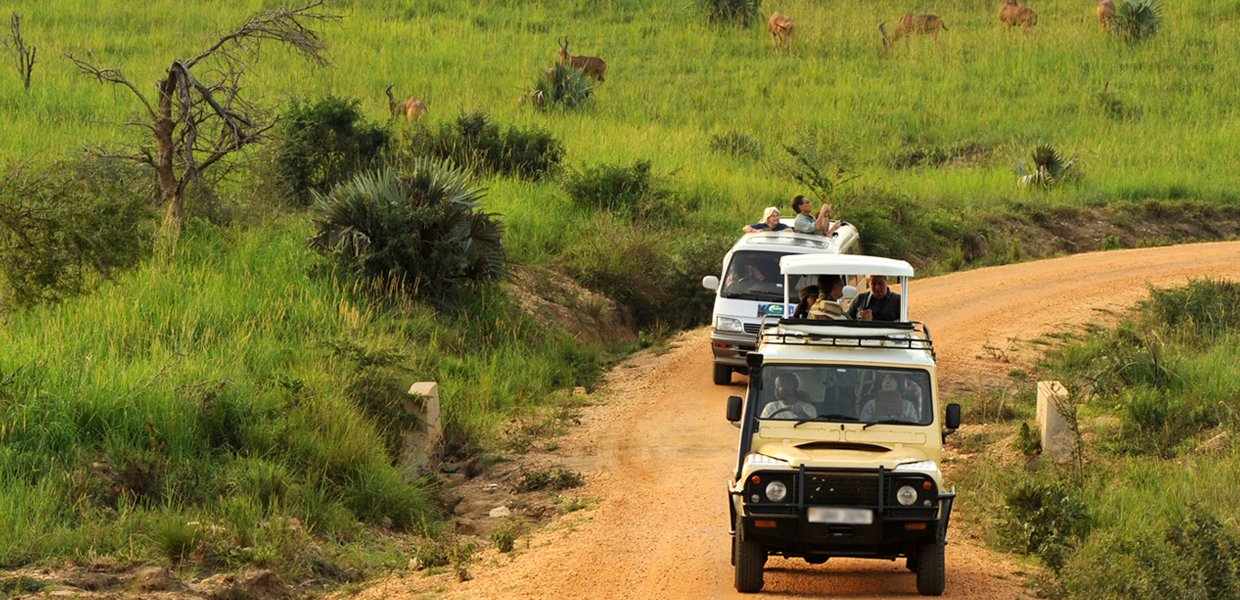
An Uganda Self-Drive Safari in Queen Elizabeth National Park can focus on established game-viewing areas, crater landscapes and the wider Kasenyi region. The Kazinga Channel provides an excellent break from driving because travelers can leave the vehicle and experience wildlife from the water, where hippos, crocodiles, elephants, buffaloes and numerous birds occur around the channel.
The Ishasha Sector farther south is also relevant to travelers continuing toward Bwindi. This can turn the transfer between Queen Elizabeth and gorilla country into another wildlife experience rather than a simple road day.
Hiring a local ranger guide for selected drives can still be worthwhile. Independent travelers retain their own vehicle and flexibility while gaining local knowledge about tracks and recent wildlife movements.
Murchison Falls Self-Drive Safari
Murchison Falls National Park combines savannah game viewing with the Nile and one of Uganda’s most dramatic natural landmarks. It can be explored as part of an Uganda Self-Drive Safari, but drivers should pay particular attention to park operating rules and current access conditions.
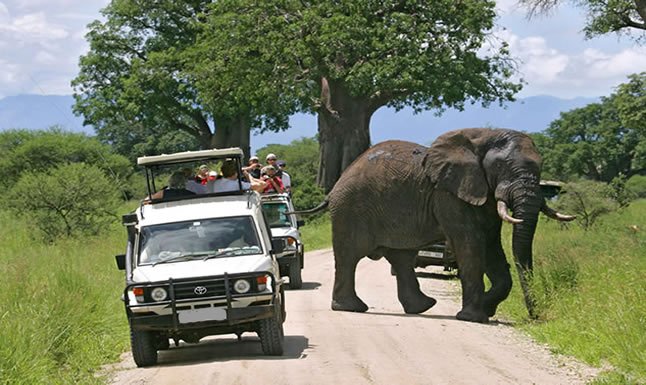
UWA has published specific Murchison guidance stating that the park operates from 7:00 AM to 7:00 PM for the circumstances covered by its transit rules and has emphasized that motorists must plan their travel around permitted park hours. Travelers should confirm the current visitor rules at entry because road and transit arrangements can change.
Inside the park, independent travelers can combine daytime wildlife exploration with an organized Nile boat safari. The latter adds hippos, crocodiles, aquatic birds and riverside wildlife to the experience while giving the driver a valuable break from the vehicle. Murchison is a large protected landscape, so navigation and fuel planning deserve more attention than in smaller Lake Mburo.
Kidepo Valley National Park Self-Drive Safari
Kidepo Valley provides the greatest road-trip adventure for experienced independent travelers. Its remote northeastern location means reaching the park requires considerably more planning than following the mainstream western Uganda circuit.
The attraction is extraordinary wilderness. Kidepo contains expansive savannah, mountains and wildlife including elephants, buffaloes, lions, giraffes and zebras. The remote setting can create precisely the sense of independence many travelers hope to find on an Uganda Self-Drive Safari.
That remoteness is also the challenge. Travelers should ensure the vehicle is mechanically sound, carry appropriate spare equipment and avoid arriving without enough fuel or daylight. Mobile coverage and immediate roadside assistance should never be assumed to be as readily available as around major cities. Kidepo is therefore better suited to confident self-drivers with enough time than travelers attempting their first African road trip on a rushed itinerary.
Self-Driving to Bwindi Impenetrable National Park
Bwindi is highly relevant to a self-drive holiday even though gorilla trekking itself is guided. Travelers can independently drive to their lodge, park the vehicle and then participate in the official trekking experience according to their confirmed gorilla permit.
The most important issue is sector planning. Bwindi has different trekking areas, and accommodation should correspond with the location assigned on the permit. Driving to a lodge in the wrong region can create a difficult early-morning transfer across steep and sometimes unsurfaced roads.
UWA notes that the approach between Queen Elizabeth, Kihihi and Buhoma includes significant dirt-road sections and specifically recommends four-wheel drive. A self-drive gorilla safari should therefore be designed around the permit before finalizing the lodge and driving route—not the other way around.
Uganda Self-Drive Safari and Gorilla Trekking
Mountain gorilla trekking fits extremely well into an Uganda Self-Drive Safari because travelers retain independence during the road journey while still benefiting from professionally managed wildlife encounters where specialist guidance is essential.
The vehicle takes travelers to Bwindi or Mgahinga, but the gorilla trekking day operates according to UWA arrangements. Self-driving does not remove the requirement for a valid gorilla permit or allow travelers to search independently for gorillas.
The advantage is what happens before and after the trek. Travelers can spend additional nights in southwestern Uganda, stop around Lake Bunyonyi or Lake Mutanda, continue toward Queen Elizabeth or finish through Lake Mburo without being tied to a group departure. This creates a strong combination of independent travel and controlled wildlife tourism.
Uganda Self-Drive Safari and Chimpanzee Tracking
Kibale National Park can also be incorporated easily. The main road route from Kampala toward Fort Portal is paved, making this section more straightforward than many travelers expect. UWA gives an approximate road distance of 326 kilometres and around six hours from Kampala toward Kibale under normal conditions. Once travelers reach Kibale, chimpanzee tracking remains a guided park activity rather than something that can be done independently.
This creates another useful hybrid. Travelers manage their own vehicle and accommodation while relying on experienced trackers for the forest experience. Kibale also connects geographically with Queen Elizabeth, making the two destinations particularly suitable for an independent western Uganda road trip.
What Is the Best Vehicle for an Uganda Self-Drive Safari?
A reliable 4×4 vehicle is the strongest choice for an Uganda Self-Drive Safari. A Toyota Land Cruiser, Land Cruiser Prado or another proven four-wheel-drive vehicle provides additional ground clearance, stronger suspension and better traction when roads become muddy or uneven. Four-wheel drive may not be necessary every minute of the journey. Many national highways are paved and comfortable in good conditions. Its value becomes apparent on national-park tracks, mountainous approaches and rural lodge roads, especially after heavy rainfall.
UWA explicitly recommends 4WD on approaches to Bwindi and Mgahinga, reinforcing why choosing the vehicle according to the hardest section of the journey is more sensible than choosing it according to the easiest highway section. A self-drive vehicle should also have a properly inflated spare wheel, jack, wheel spanner and basic recovery equipment. Travelers should understand how to use this equipment before leaving Entebbe or Kampala.
4×4 Versus 2WD for Uganda Self-Drive
A standard two-wheel-drive car may cope with some paved routes during dry conditions, but it is usually a poor choice for a serious multi-park Uganda Self-Drive Safari. The problem is not the Kampala highway. It is the final twenty, fifty or one hundred kilometres where road surfaces may change completely. Rain can turn a manageable dirt road into mud, while deeply rutted park tracks can require additional clearance.
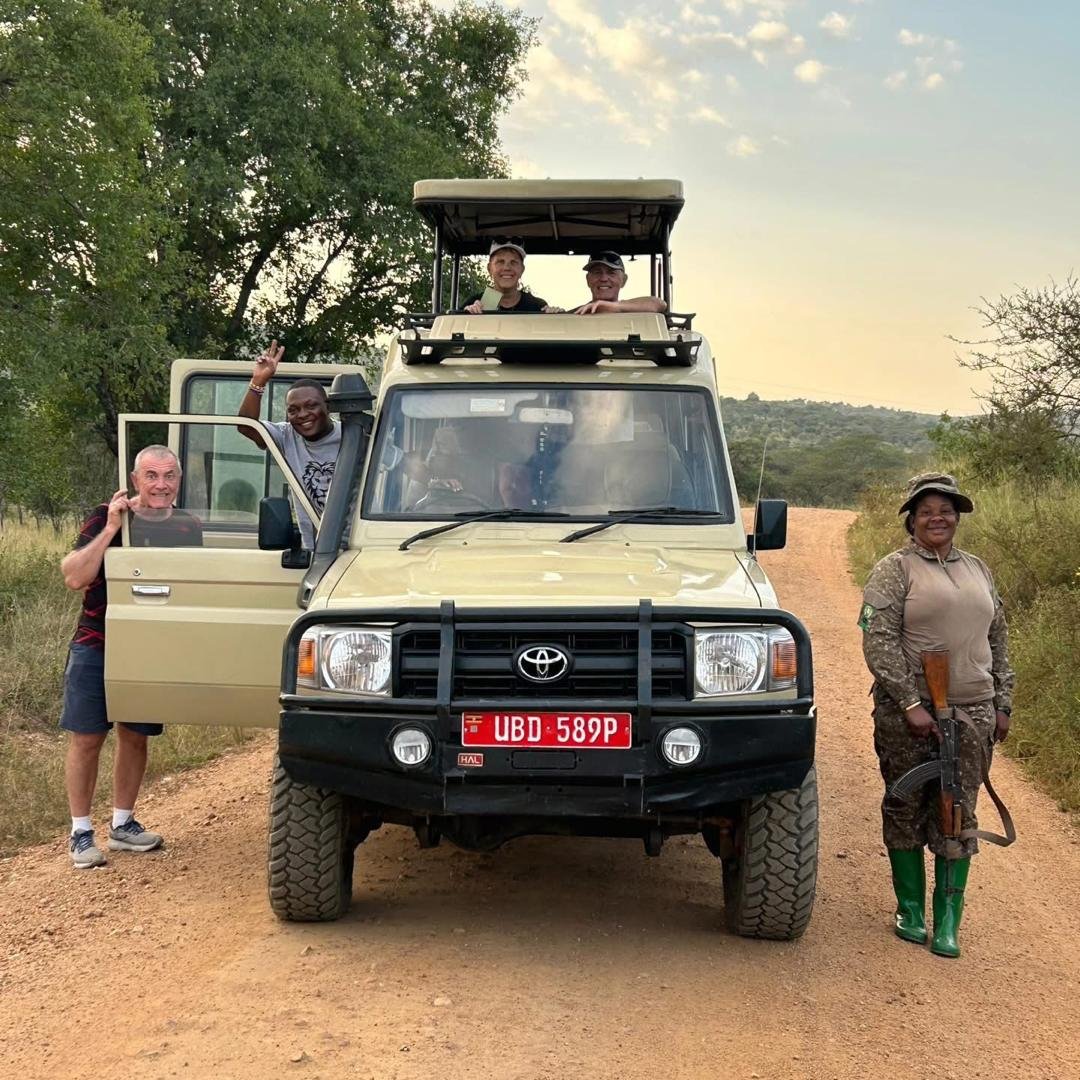
A 4×4 therefore provides both practical capability and a larger margin for changing conditions.Travelers who intend only to move between urban areas have different requirements from travelers entering wildlife parks and mountain regions. A safari vehicle should be selected for the latter.
Driving Licence Requirements for Uganda Self-Drive Safari
Travelers must ensure they are legally entitled to drive in Uganda and also satisfy the requirements of the vehicle-rental company and insurer. Uganda’s Driver Licensing System recognizes foreign driving licences within its regulatory framework and provides a process for converting foreign licences for qualifying longer-term residents. Its current guidance also makes clear that tourist visas are not accepted for a normal foreign-licence conversion application, which reinforces that short-term visitors and residents fall under different licensing procedures.
Because recognition rules can depend on the licence, country of issue, length of stay and rental company, international travelers should confirm before travel whether their original licence is sufficient or whether an International Driving Permit is also required or recommended. The safest practice is to travel with the original valid driving licence, passport and any additional driving documentation required by the rental provider. Drivers should also be at least the legally required age and meet any higher minimum age imposed by the rental company.
Driving Rules in Uganda
Uganda follows a left-side road system, reflected throughout its road-traffic legislation and traffic-positioning rules. Visitors accustomed to driving on the right should give themselves time to adapt, particularly at roundabouts and junctions. Speed limits and road signs must be followed even when local traffic appears to move differently. Uganda’s road regulations establish speed controls, including a 50 km/h maximum in urban areas under the applicable speed regulations, although posted restrictions always need to be observed.
Inside protected areas, wildlife requires even slower driving. UWA documentation associated with park-road management reinforces a recommended 40 km/h maximum in wildlife areas because speeding creates a risk of animal collisions. A self-drive safari should never be treated as an opportunity to test an off-road vehicle’s performance. Slow driving is safer and produces better wildlife viewing.
National Park Driving Rules
Protected-area rules deserve particular attention on an Uganda Self-Drive Safari. UWA’s most recently accessible complete tariff publication lists penalties for off-track driving, speeding, littering, hooting and even sitting on top of the vehicle.
Although that tariff covered the period ending June 2026 and current fines should therefore be checked, the underlying principle remains clear: independent travelers are expected to drive responsibly and protect wildlife habitats.
Do not follow lions across grassland, block elephants, surround animals with vehicles or leave designated roads because a navigation application appears to show another track. Park rules and ranger directions take priority over digital maps. Wild animals always have right of way.
Road Conditions on an Uganda Self-Drive Safari
Road conditions vary considerably across Uganda. Major routes may be paved for hundreds of kilometres before the final approach changes to gravel, murram or mountain roads. Weather adds another variable. A dry track that is straightforward in the morning may become slippery after intense rain, while steep roads around southwestern Uganda require greater concentration than flat highway driving.
Drivers should therefore plan using time rather than distance alone. A 100-kilometre section through rural or wildlife areas can take far longer than the same distance on a paved highway. Avoid filling the itinerary with long-distance transfers followed immediately by fixed activities. Self-driving is much more enjoyable when each day includes a realistic margin for stops, road conditions and unexpected delays.
Navigation During an Uganda Self-Drive Safari
Digital mapping has made self-drive travel far easier, but it should not be treated as infallible. Offline maps are particularly useful because data connections can weaken in remote regions. Travelers should save important lodges, park gates and fuel stops before leaving larger towns. Lodge staff can also provide valuable route information because they know which access roads are currently in better condition.
Do not automatically take a “shorter” route suggested by an application without checking whether it is appropriate for vehicles. A locally recommended longer road may be substantially faster and safer than a direct rural shortcut. Navigation becomes especially important around Bwindi, where different trekking sectors should not be treated as one single destination.
Fuel Planning on an Uganda Self-Drive Safari
Fuel planning is straightforward around major towns but becomes increasingly important in remote safari regions. Fill the tank before entering areas where reliable fuel availability may be limited. Travelers should not routinely allow the fuel gauge to fall near empty before searching for a station. Long game drives, detours and changing road conditions can consume more fuel than expected.
Kidepo deserves particularly careful preparation because of its remote location. Southwestern mountain roads can also increase consumption compared with steady highway driving. A good self-drive plan identifies major refueling towns in advance instead of hoping a convenient station appears at exactly the right time.
Driving at Night in Uganda
Long-distance night driving is best avoided on an Uganda Self-Drive Safari. Visibility is reduced, pedestrians and animals may be difficult to see, and unfamiliar road features become harder to anticipate. Inside wildlife areas, park opening and driving rules impose additional restrictions. Murchison Falls, for example, has published operating guidance using a 7:00 AM–7:00 PM window.
Travelers should therefore aim to reach their destination comfortably before dark rather than constructing schedules that depend on perfect driving times. Starting earlier is almost always preferable to arriving later.
Uganda Self-Drive Safari During the Rainy Season
Self-driving remains possible during wetter periods, but vehicle selection becomes considerably more important. Rain can soften dirt roads, deepen ruts and make steep sections slippery.A capable 4×4 provides greater reassurance, although even the best vehicle cannot compensate for poor judgment. Drivers should not attempt flooded crossings or continue along badly damaged tracks simply because four-wheel drive is available.
The greener landscape can make wet-season travel extremely beautiful, particularly for photography and birding. Lower visitor numbers may also create a quieter atmosphere in some destinations. The trade-off is that driving requires more flexibility and additional time.
Wildlife Safety on a Uganda Self-Drive Safari
Wildlife encounters are one of the most exciting aspects of self-driving, but visitors must remember they are responsible for managing their own vehicle position. Elephants deserve particular respect. Never crowd an elephant, block its preferred direction or attempt to force your way through a herd. If an animal appears uncomfortable, increase distance rather than pursuing a photograph.
The same principle applies to buffaloes, lions, hippos and other large wildlife. Remaining inside the vehicle does not make reckless positioning safe. When uncertain, stop at a safe distance and allow the animals to decide what happens next.
Self-Drive Safari with Lodges or Camping?
An Uganda Self-Drive Safari can be designed around permanent lodges, camps or a combination of both. Lodge-based travel is generally easier because accommodation, meals and showers are waiting at the end of each driving day.
Camping can create greater independence and potentially lower accommodation costs, but it adds equipment, food, campsite and setup requirements. Travelers should use recognized campsites and follow all wildlife rules rather than attempting informal wilderness camping.
A lodge-based self-drive journey offers an attractive middle ground: travelers enjoy complete driving freedom but finish each day with comfortable accommodation. This approach is especially practical for first-time Uganda self-drivers.
Uganda Self-Drive Safari for Families
Families can enjoy self-drive travel because the private vehicle provides complete control over breaks, meal stops and departure times. However, parents should consider the additional responsibility of simultaneously navigating unfamiliar roads and managing children during long transfers. Enough time should be allocated between destinations so children are not spending entire days continuously inside the vehicle.
Vehicle seating and seatbelts are also important. Uganda has formal regulations governing seat-belt use and child positioning in vehicles. Suitable child restraints should be arranged in advance rather than assumed to be automatically available with every rental. For families uncertain about long-distance driving, a private driver-guide may ultimately provide a more relaxing experience.
Uganda Self-Drive Safari for Seniors
Active senior travelers who enjoy independent road trips may find an Uganda Self-Drive Safari highly rewarding. The ability to choose stops and travel at a personal pace can be a significant advantage.
At the same time, driving several hundred kilometres on unfamiliar roads can be tiring. Alternating drivers where legally and contractually permitted can reduce fatigue, while two-night stays help avoid constant packing and driving.
Seniors whose main interest is wildlife rather than the driving adventure itself may obtain greater value from a private driver-guided safari. The choice should therefore be based on travel style rather than age alone.
Uganda Self-Drive Safari for Photographers
Photographers often appreciate self-drive because they can decide how long to remain at landscapes and permitted wildlife sightings. However, driving and serious wildlife photography do not always combine perfectly. The driver must remain responsible for vehicle positioning, traffic and wildlife safety while other occupants may concentrate entirely on cameras.
Hiring a ranger guide for important game-drive sessions can provide excellent value because local wildlife knowledge allows photographers to focus more heavily on images. A hybrid approach can therefore be stronger than insisting on complete independence every day.
Uganda Self-Drive Safari Versus Private Driver-Guide Safari
An Uganda Self-Drive Safari provides maximum independence, while a private driver-guided safari provides maximum convenience and local knowledge. Self-driving means taking responsibility for navigation, vehicle condition, route selection, refueling, timing and park tracks. For some travelers, these responsibilities are exactly what make the trip exciting.
A professional driver-guide removes much of that workload and can devote attention to wildlife identification, local culture and route management. A driver-guide may also know productive wildlife areas that an independent visitor could easily miss. Neither approach is universally better. The correct choice depends on whether driving itself is part of the holiday experience.
The Hybrid Self-Drive Safari Option
One of the most practical options is a hybrid Uganda Self-Drive Safari. Travelers drive themselves between destinations and through selected daytime game-drive areas but hire local guides or rangers for specific experiences.
A ranger can be added for a productive Queen Elizabeth game drive. Gorilla and chimpanzee experiences naturally remain professionally guided. Boat safaris can break up driving days, while specialist birding guides can be incorporated when needed.
This preserves the freedom of self-drive travel while reducing one of its main disadvantages—the lack of local wildlife expertise.For many independent travelers, it is the strongest balance.
How Much Does an Uganda Self-Drive Safari Cost?
The cost of an Uganda Self-Drive Safari depends on vehicle type, rental duration, insurance arrangements, fuel, accommodation, park entrance, vehicle fees and activities such as gorilla or chimpanzee trekking.
A strong 4×4 costs more than a basic road vehicle, but selecting an unsuitable cheap vehicle can create much greater costs if it becomes stuck or damaged in remote terrain.
National-park fees should also be budgeted separately. UWA historically charged both visitor entrance and vehicle-related fees and recognized a separate self-game-drive category; because the published comprehensive tariff ended in June 2026, travelers should obtain the current rate before publishing or confirming final trip costs. Insurance conditions, excess amounts, breakdown recovery and excluded damage are equally important when comparing vehicle prices.
What to Check Before Renting a Self-Drive Vehicle
Before beginning an Uganda Self-Drive Safari, inspect the vehicle carefully. Check tires, spare wheel, jack, lights, indicators, brakes and basic fluids. Confirm how roadside assistance works and who should be contacted after a breakdown or accident. The rental agreement should clearly explain geographical restrictions, insurance, damage liability and whether the vehicle can cross international borders.
Travelers should also understand whether the vehicle is manual or automatic before booking. An unfamiliar manual gearbox combined with left-side driving and difficult park tracks is unnecessary stress for someone accustomed only to automatic vehicles. A proper vehicle handover should be treated as part of safari preparation, not as paperwork to rush through.
Frequently Asked Questions About Uganda Self-Drive Safari
1. Is an Uganda Self-Drive Safari possible?
Yes, an Uganda Self-Drive Safari is possible for travelers who prefer exploring independently and are comfortable driving on a mixture of paved highways, gravel roads and national-park tracks. Self-driving allows you to control departure times, photography stops and the overall pace of the journey. However, activities such as gorilla trekking and chimpanzee tracking remain professionally guided experiences, even when you drive yourself between destinations.
2. What are the best destinations for an Uganda Self-Drive Safari?
Some of the best destinations for an Uganda Self-Drive Safari include Lake Mburo National Park, Queen Elizabeth National Park, Murchison Falls National Park, Kibale National Park and Bwindi Impenetrable National Park. Experienced road-trip travelers with more time can also consider remote Kidepo Valley National Park. A western Uganda circuit combining Lake Mburo, Queen Elizabeth, Kibale and Bwindi is particularly practical because these destinations can be connected without excessive backtracking.
3. Do I need a 4×4 vehicle for an Uganda Self-Drive Safari?
A reliable 4×4 is strongly recommended for an Uganda Self-Drive Safari. Although several major highways are paved, roads approaching national parks, lodges and mountain areas can be unsurfaced, muddy or uneven, particularly after rainfall. Higher ground clearance and four-wheel-drive capability provide greater confidence on park tracks and southwestern mountain roads. Choosing the vehicle according to the most difficult section of your route is much safer than choosing it based only on the main highways.
4. Can I do gorilla trekking on an Uganda Self-Drive Safari?
Yes. An Uganda Self-Drive Safari can easily include mountain gorilla trekking in Bwindi Impenetrable National Park or Mgahinga Gorilla National Park. You drive yourself to the appropriate gorilla region and stay near your confirmed trekking sector, but the actual gorilla experience is conducted with authorized guides and trackers. It is important to secure the gorilla permit before finalizing accommodation because your trekking sector affects where you should stay and which roads you will need to use.
5. Can I drive myself inside Uganda’s national parks?
Independent game driving can be part of an Uganda Self-Drive Safari in appropriate savannah parks, subject to current Uganda Wildlife Authority rules and park instructions. Drivers must remain on authorized tracks, obey speed restrictions and follow ranger directions. Self-driving does not mean unrestricted off-road exploration. Hiring a ranger guide for selected game drives can still be extremely useful because local guides know productive wildlife areas and recent animal movements.
6. Is an Uganda Self-Drive Safari safe?
An Uganda Self-Drive Safari can be enjoyable and well managed when travelers prepare carefully, use a reliable vehicle and follow road and national-park regulations. Avoid unnecessary long-distance driving after dark, keep enough fuel for remote regions and never approach wildlife aggressively. Inside national parks, animals always have priority. Travelers should maintain safe distances from elephants, buffaloes, hippos and predators and follow instructions from park staff whenever provided.
7. What driving documents do I need for an Uganda Self-Drive Safari?
Travelers planning an Uganda Self-Drive Safari should carry their valid original driving licence, passport and all documentation required by the vehicle-rental and insurance companies. Depending on the traveller’s licence and country of issue, an International Driving Permit may also be required or recommended. Because rental and licence-recognition requirements can vary, these should be confirmed before arrival rather than assumed once the vehicle has already been booked.
8. How many days are best for an Uganda Self-Drive Safari?
Around 7 to 14 days works well for many travelers planning an Uganda Self-Drive Safari. Seven days can concentrate on two or three destinations, while ten days provides a more comfortable western Uganda circuit involving Kibale, Queen Elizabeth, Bwindi and Lake Mburo. Travelers wanting Murchison Falls or remote Kidepo should allow additional time. Self-drive travel is much more enjoyable when driving days remain realistic instead of trying to cover several hundred kilometres every day.
9. Is an Uganda Self-Drive Safari cheaper than a guided safari?
An Uganda Self-Drive Safari can sometimes cost less than hiring a private driver-guide, but it should not automatically be considered a budget safari. Travelers still need to pay for a reliable 4×4 rental, fuel, insurance, accommodation, park entry, vehicle fees and activities such as gorilla or chimpanzee trekking. The strongest reason to choose self-drive is independence and flexibility rather than price alone. A poorly maintained cheap vehicle can quickly eliminate any expected savings.
10. How can I book an Uganda Self-Drive Safari with Nextgen Safaris?
You can plan an Uganda Self-Drive Safari with Nextgen Safaris around your travel dates, driving experience, preferred national parks, accommodation level and wildlife interests. The journey can combine independent 4×4 travel with gorilla trekking, chimpanzee tracking, boat safaris, wildlife viewing and selected ranger-guided experiences. Nextgen Safaris can help structure realistic driving routes, match accommodation with safari activities and create a flexible Uganda road-trip adventure without unnecessary long transfer days.
Book Your Uganda Self-Drive Safari with Nextgen Safaris
An Uganda Self-Drive Safari with Nextgen Safaris can be planned around your travel dates, driving experience, preferred accommodation, wildlife priorities and level of independence. Rather than simply handing travelers a map and sending them onto unfamiliar roads, the journey can be structured around realistic distances, appropriate 4×4 transport, national-park access and confirmed safari activities.
Nextgen Safaris can help coordinate suitable self-drive arrangements, accommodation, gorilla permits, chimpanzee experiences, boat safaris and other specialist activities according to availability. Travelers who want additional support can also incorporate ranger guides or professional guides for selected sections while maintaining independent driving for the wider journey.

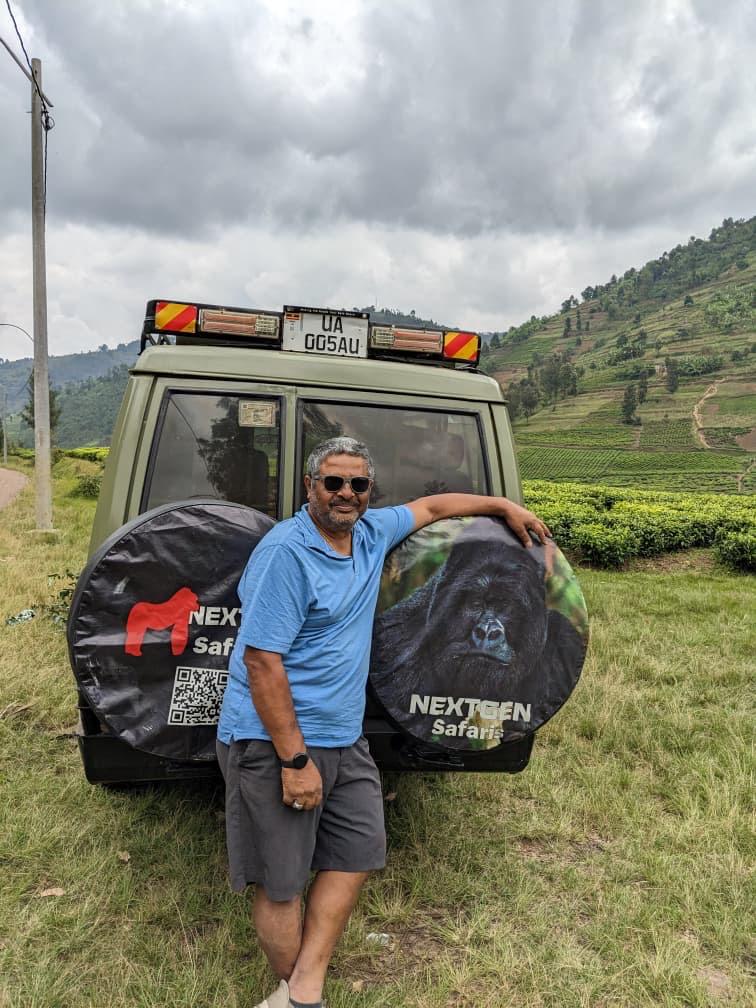
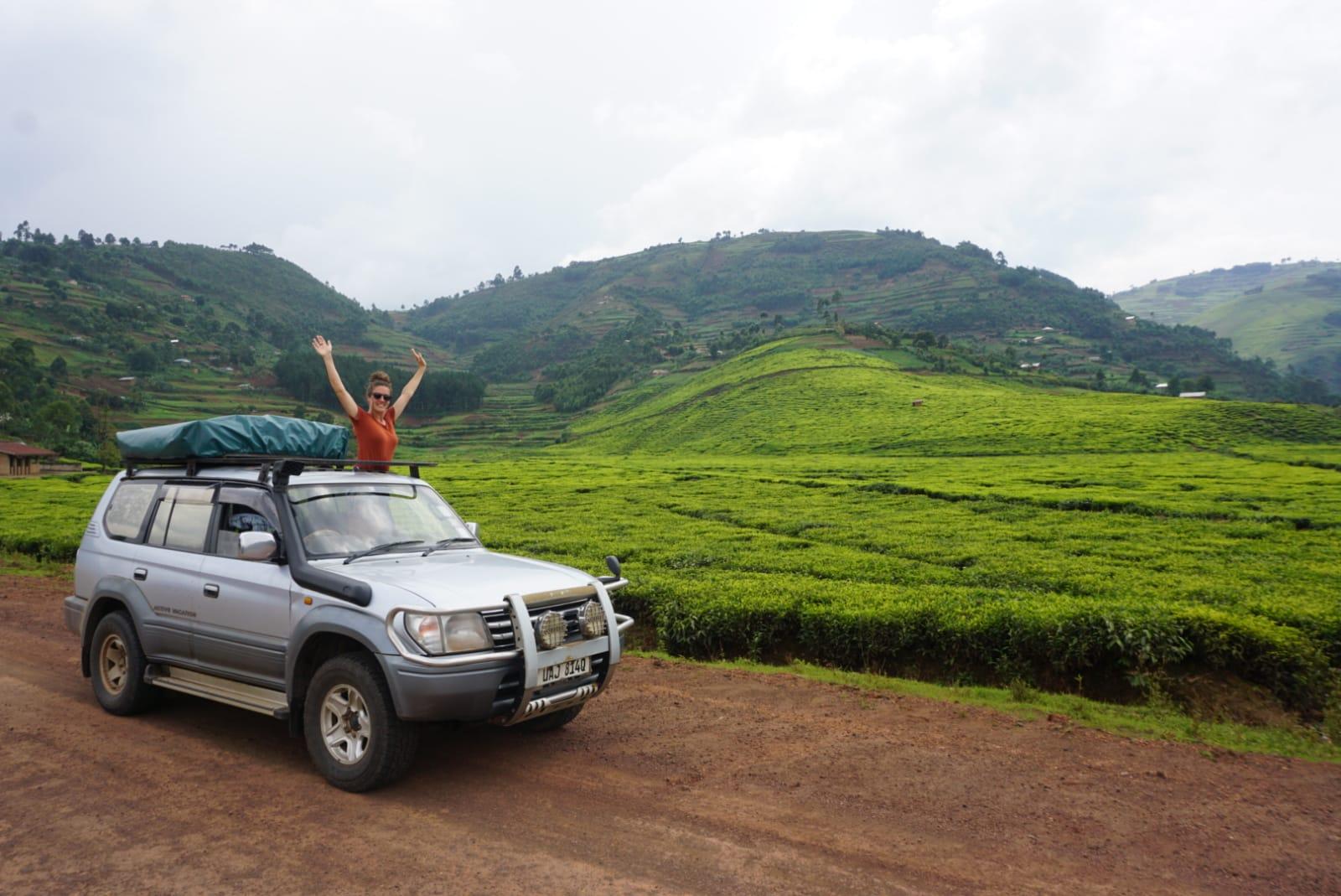
Your Uganda Self-Drive Safari can explore Lake Mburo’s zebra country, Queen Elizabeth’s wildlife and Kazinga Channel, Kibale’s chimpanzee forests, Bwindi’s mountain gorillas, Murchison Falls and, for experienced adventurers with enough time, the remote wilderness of Kidepo Valley.
For travelers who decide that driving every section themselves is too demanding, Nextgen Safaris can also structure the same journey with a private professional driver-guide, allowing the route to be adapted without changing the fundamental safari experience.
Choose an Uganda Self-Drive Safari with Nextgen Safaris and experience the freedom of Uganda’s open roads, national parks, mountain forests and wildlife destinations with a journey designed for independence, flexibility and adventure.