
Uganda Travel Tips
Ultimate Uganda Travel Tips Guide: Essential Advice for a Safe, Smooth & Unforgettable Safari
Planning a journey to the Pearl of Africa becomes much easier when you understand the most important Uganda Travel Tips before leaving home. Uganda is an extraordinary destination where tropical forests, open savannahs, enormous lakes, the River Nile, mountain landscapes, welcoming communities, and remarkable wildlife experiences can all be enjoyed within one country. Travellers come for mountain gorilla trekking, chimpanzee tracking, classic wildlife safaris, birdwatching, cultural encounters, hiking, photography, and adventure activities. Preparing properly allows you to spend less time worrying about logistics and more time enjoying these experiences.
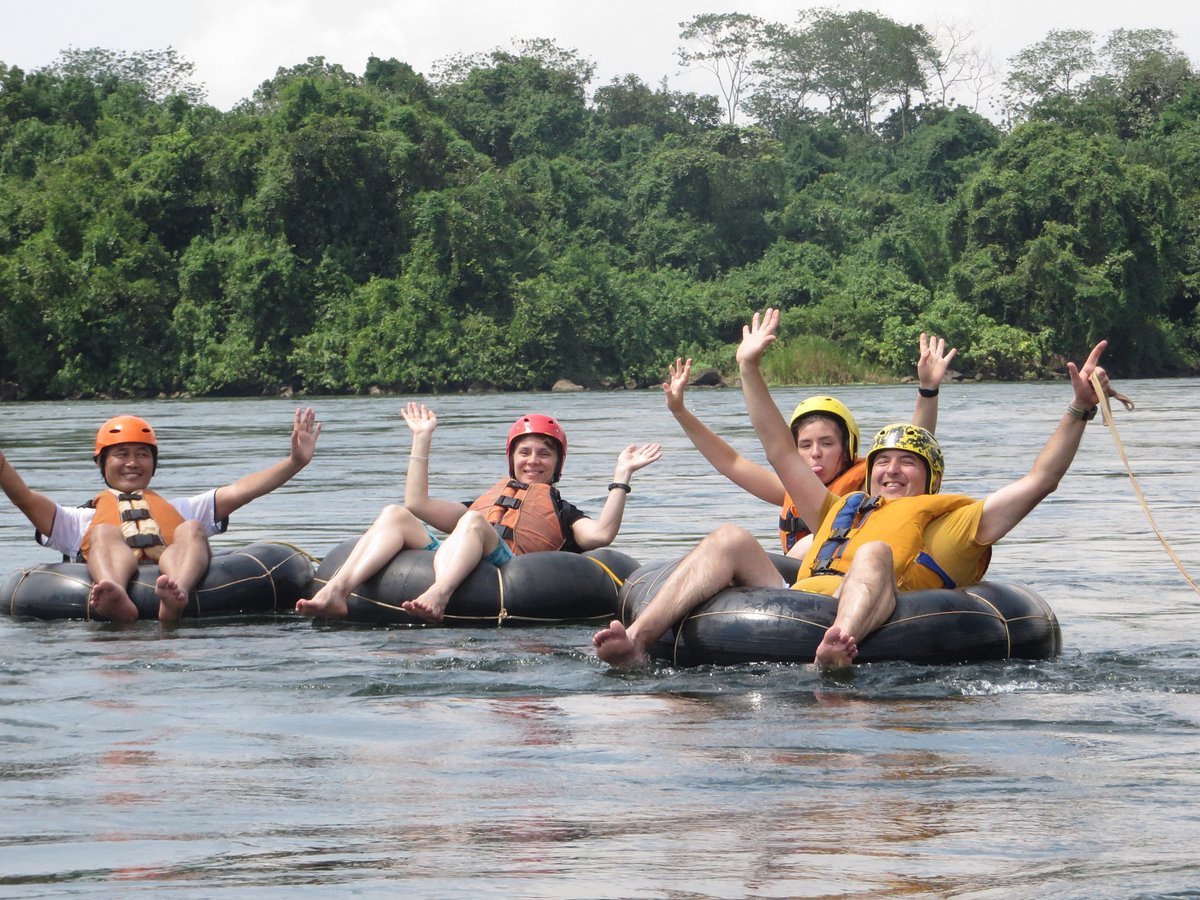
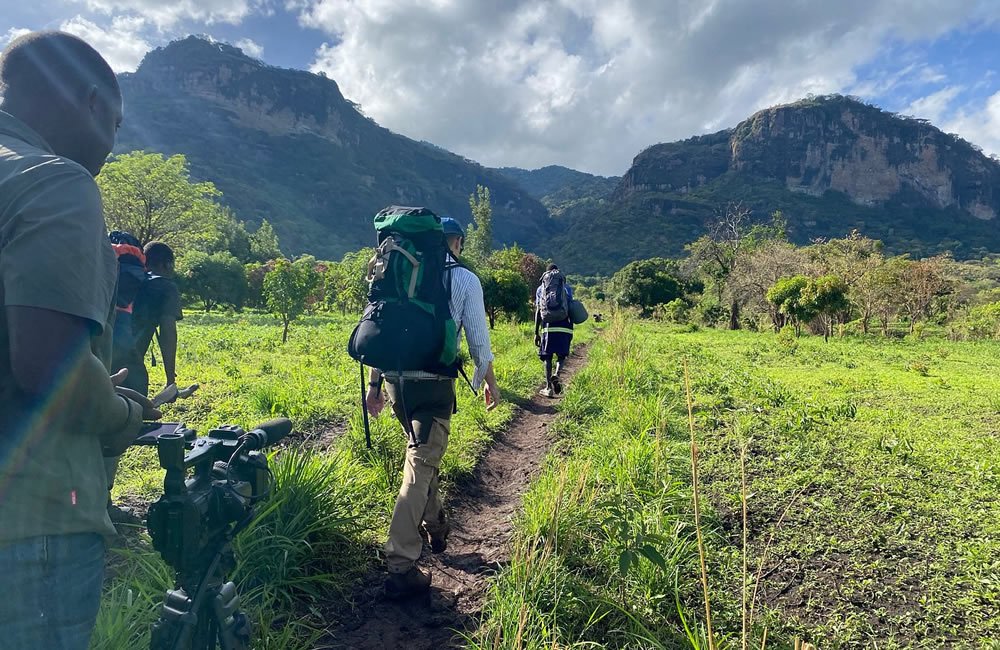
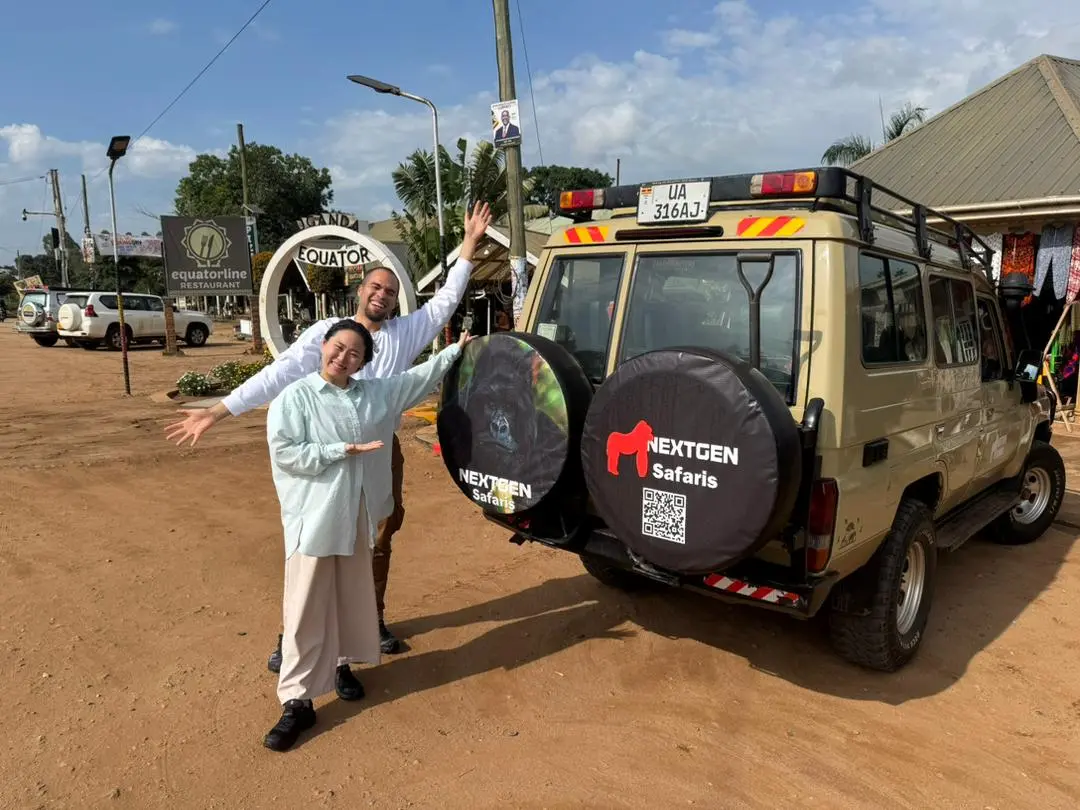
Good travel preparation is especially important because a Uganda safari can involve very different environments within the same itinerary. You might begin in Entebbe, travel through warm savannah landscapes, spend several days in humid tropical forests, and later reach the cooler highlands surrounding Bwindi Impenetrable National Park. Road conditions, temperatures, rainfall, mobile connectivity, accommodation styles, and activity requirements can therefore change considerably as you travel. Understanding what to pack, how to manage money, what documents to carry, and what to expect on safari makes the journey significantly more comfortable.
This detailed Uganda Travel Tips guide from Nextgen Safaris covers the practical information travellers should consider when planning a Uganda holiday. It includes entry preparation, health considerations, packing, transportation, money, communication, gorilla trekking, safari etiquette, photography, cultural respect, accommodation, food, weather, tipping, and responsible travel. Whether you are visiting Uganda for the first time or returning for another adventure, thoughtful preparation can transform a good safari into an unforgettable African journey.
Why Uganda Is an Incredible Destination to Visit
Uganda offers one of Africa’s most diverse travel experiences because visitors can combine primate encounters with traditional wildlife safaris without travelling enormous distances between countries. The forests of southwestern Uganda protect mountain gorillas and chimpanzees, while national parks such as Queen Elizabeth, Murchison Falls and Kidepo Valley offer opportunities to encounter elephants, buffaloes, lions, giraffes, hippos, antelopes and many other species. This combination makes Uganda particularly attractive to travellers wanting more than a conventional game-drive holiday.
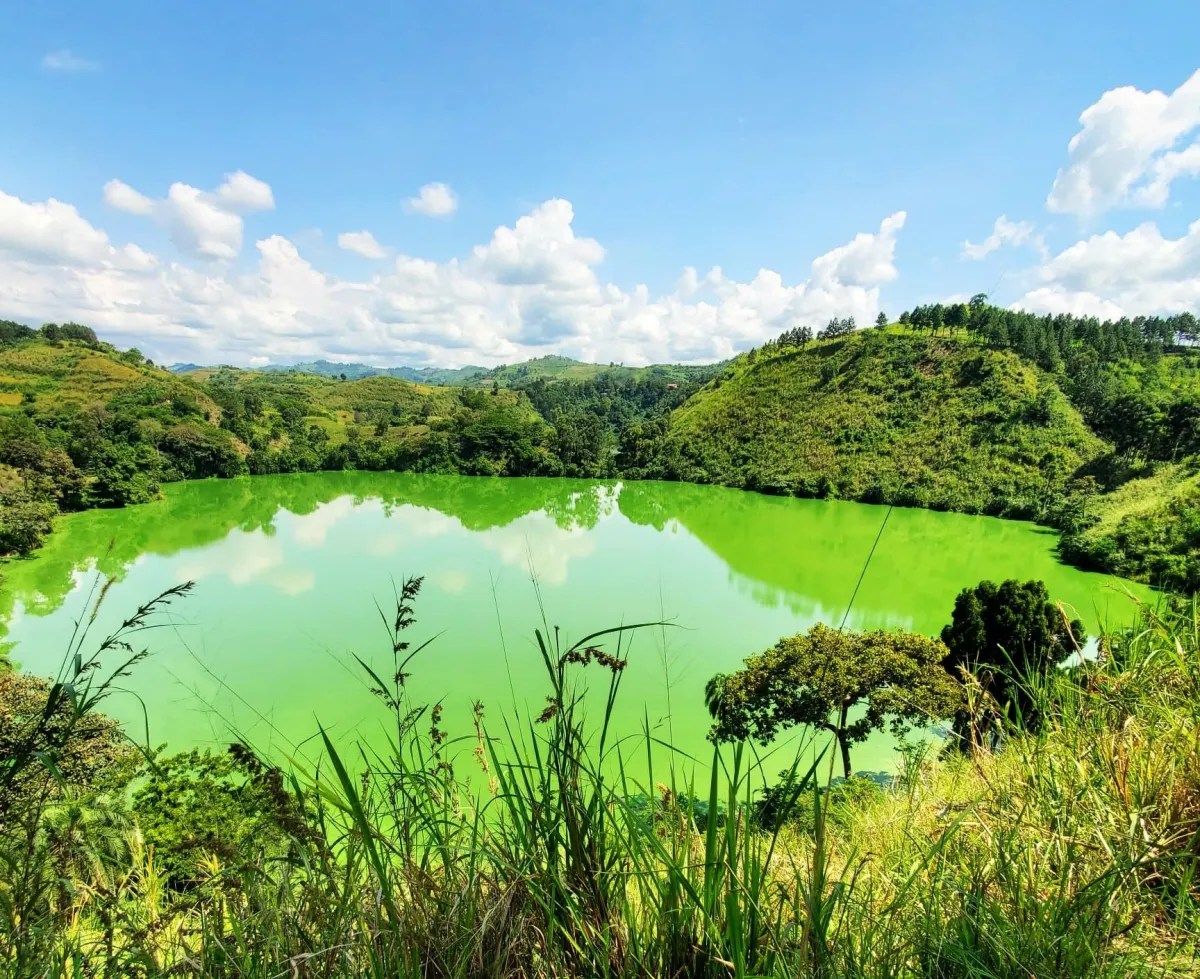
The landscapes are equally diverse. Travellers can explore the mist-covered forests of Bwindi, cruise beneath the powerful Murchison Falls, admire the Rwenzori Mountains, relax beside Lake Bunyonyi, explore crater lakes around western Uganda and experience the open wilderness of northeastern Uganda. Uganda also offers outstanding birdwatching, with habitats ranging from wetlands and forests to savannah and mountains. Every region introduces visitors to a different side of the country.
One of the most valuable Uganda Travel Tips is therefore to avoid trying to rush through too many destinations. Distances that appear relatively short on a map can involve several hours of driving, and a safari should leave enough time to appreciate each destination. A carefully designed itinerary with sensible overnight stops can make the journey more enjoyable while providing opportunities to experience rural scenery and local communities along the way.
Uganda Visa and Entry Requirements
Checking entry requirements should be one of the first steps when planning your journey because visa rules depend on nationality and can change. Travellers who require a Ugandan tourist visa should use Uganda’s official electronic immigration system rather than relying on unofficial visa websites. Uganda’s Directorate of Citizenship and Immigration Control states that visa applications for visa-prone travellers are completed online and that an approval letter serves as travel authorisation. Tourist-visa applicants should also have a passport with at least six months’ validity.
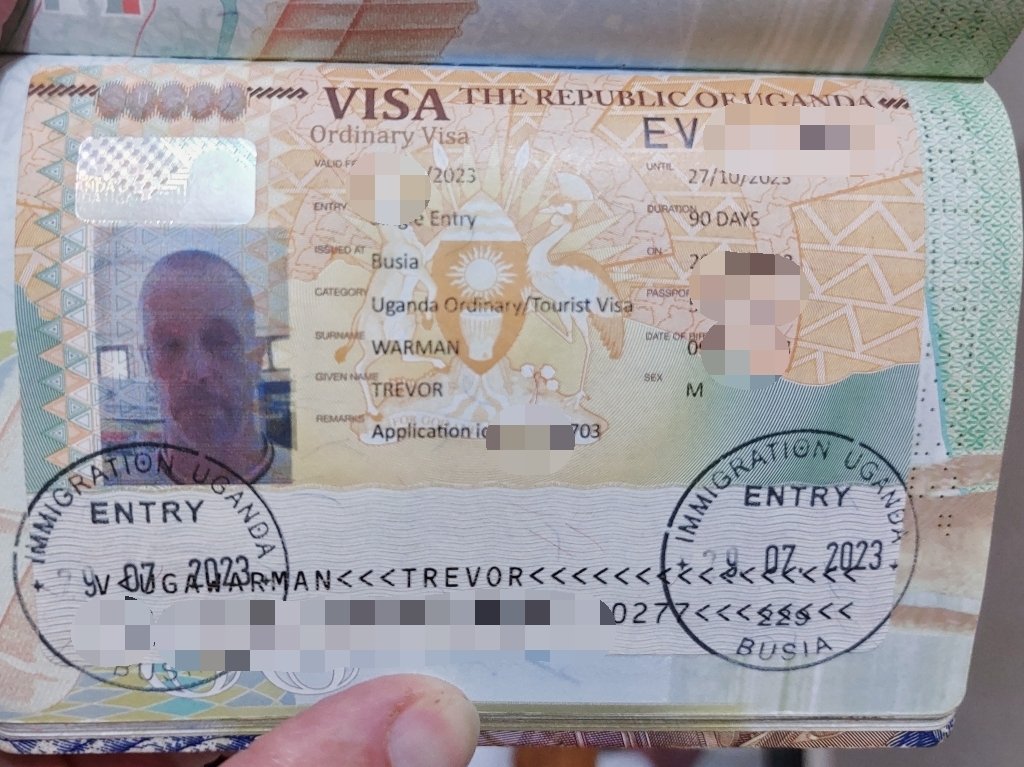
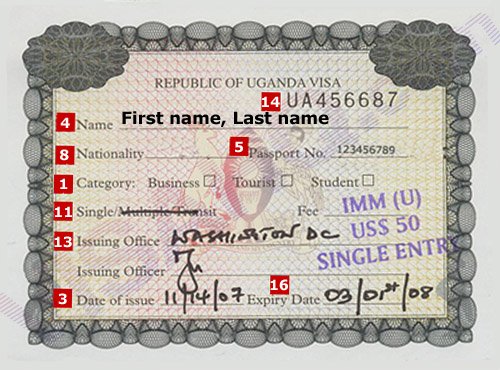
Some nationalities are visa-exempt, so travellers should check their individual status before applying or paying any visa fee. Uganda Immigration maintains an official list of nationalities covered by visa-exemption arrangements. Travellers planning a wider East African holiday should also investigate the East African Tourist Visa, which covers tourism travel within Uganda, Kenya and Rwanda under its applicable conditions and is currently valid for 90 days. The issuing country should be the traveller’s first entry point.
Among the most important Uganda Travel Tips is to keep both printed and electronic copies of essential documents. Your passport, visa approval where applicable, travel insurance information, flight details, accommodation information and safari itinerary should be easily accessible. Uganda Immigration advises travellers requiring visas to have their approval before travelling, rather than expecting a visa to be issued on arrival.
Health, Vaccinations and Malaria Preparation
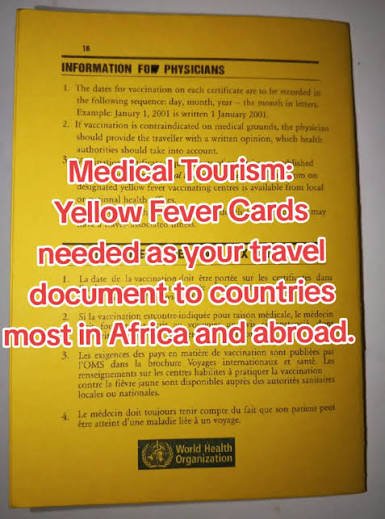
Health preparation deserves careful attention before travelling to Uganda. Travellers should consult a qualified doctor or travel-health professional well before departure because recommended vaccinations and medication depend on age, medical history, itinerary and activities. The CDC currently recommends yellow fever vaccination for travellers aged nine months and older and reports that Uganda requires proof of yellow fever vaccination for arriving travellers aged one year and older. It also recommends that travellers to Uganda take prescription medicine to prevent malaria.

Mosquito protection remains important even when taking malaria-prevention medication. Long trousers and long-sleeved clothing during evenings, suitable insect repellent, mosquito nets where provided, and keeping accommodation doors or screens closed can reduce exposure to mosquito bites. Travellers should follow the instructions provided by their doctor regarding when malaria medication should begin and how long it should continue after leaving the malaria-risk area. The right medication is an individual medical decision rather than something a safari company should prescribe.
Another useful Uganda Travel Tips recommendation is to carry a small personal medical kit containing regular prescription medication, basic first-aid supplies and items you normally rely upon when travelling. Keep prescription medication in appropriate packaging and bring enough for the entire journey, allowing additional supplies for unexpected delays. Travel insurance that covers your planned safari activities and appropriate medical care is also strongly recommended, particularly when visiting remote national parks or participating in demanding activities.
Best Time to Travel to Uganda
Uganda is a year-round destination, although weather conditions influence different safari experiences. Many travellers prefer the relatively drier periods, commonly around December to February and June to September, because forest trails and unpaved roads may be easier to navigate. These periods are particularly popular for gorilla trekking, wildlife safaris, hiking and multi-destination journeys, so popular lodges and permits can require earlier planning.
The wetter months should not automatically be avoided. Uganda’s tropical climate means rain can occur during different periods of the year, and showers do not necessarily continue throughout the entire day. Wetter periods can produce beautifully green landscapes, atmospheric forests and attractive conditions for photographers. Birdwatchers may also find particular seasons rewarding depending on the species they hope to observe.
One of our practical Uganda Travel Tips is to pack for changing conditions regardless of the month you travel. A sunny morning can be followed by an afternoon shower, particularly around forests and mountainous areas. Lightweight layers, waterproof protection, sun protection and suitable walking footwear allow travellers to adapt comfortably rather than depending entirely on seasonal expectations.
What to Pack for a Uganda Safari
Packing carefully can make an enormous difference to your safari experience. Lightweight, breathable clothing in neutral colours works well for most game drives and outdoor activities. Long trousers and long-sleeved shirts provide additional protection from vegetation, insects and strong sunshine. A lightweight waterproof jacket, comfortable closed shoes, hat, sunglasses and sunscreen are useful across many itineraries, while warmer layers can be valuable during cool mornings, evenings and stays in higher-altitude destinations.
Your luggage should also include practical safari accessories. Consider carrying binoculars, a reusable water bottle, small daypack, charging cables, power bank, camera equipment and personal toiletries. Travellers visiting remote safari areas should avoid assuming that every specialised item can easily be purchased nearby. Packing essential medication, prescription glasses, contact-lens supplies and personal necessities before departure provides additional peace of mind.
For internal flights, travellers should check the baggage allowance specified by the airline operating their particular flight because smaller safari aircraft can have different restrictions from international airlines. Soft-sided luggage is often more practical on safari because it fits more easily into vehicles and smaller aircraft. Avoid bringing unnecessary heavy clothing or oversized suitcases when your journey includes several national parks.
What to Wear for Gorilla Trekking in Uganda
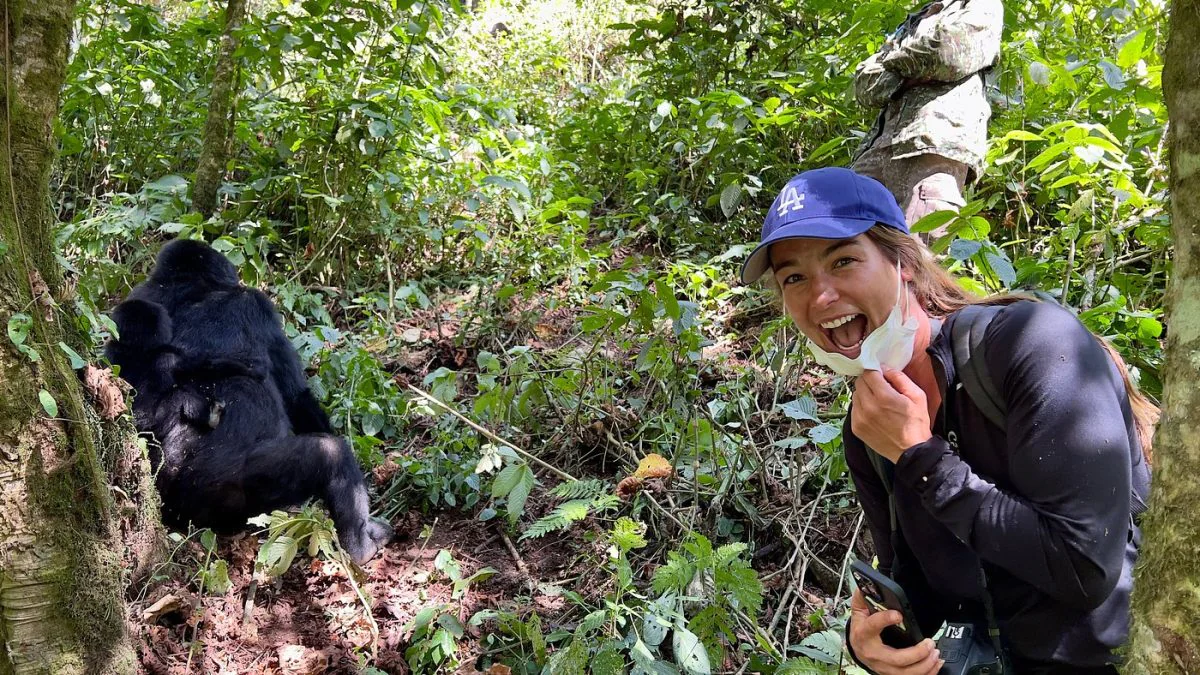
Gorilla trekking requires more specialised clothing than a normal game drive because visitors walk through dense tropical vegetation and potentially wet or muddy terrain. Strong, comfortable hiking boots with good grip are highly recommended. Long trousers and long-sleeved shirts help protect the skin from vegetation and insects, while a lightweight waterproof jacket provides protection from sudden forest rain.
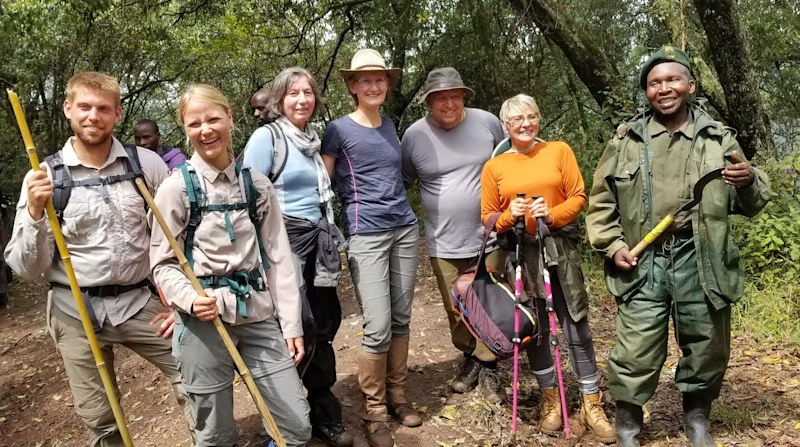
Many trekkers also find gardening-style gloves useful because they can protect the hands when holding vegetation for balance. Gaiters can help prevent mud, insects and plant material from entering footwear, particularly during wet conditions. A small backpack is useful for carrying drinking water, a packed lunch where provided, camera equipment and rain protection. The objective is not to dress fashionably but to remain comfortable and protected throughout the trek.
Among the most practical Uganda Travel Tips for gorilla trekking is to prepare for the possibility of a physically demanding hike. Gorilla locations change naturally, meaning the duration and terrain cannot be guaranteed in advance. Travellers should communicate relevant mobility considerations during safari planning and listen carefully to the park briefing and instructions provided by rangers on trekking day.
Getting Around Uganda
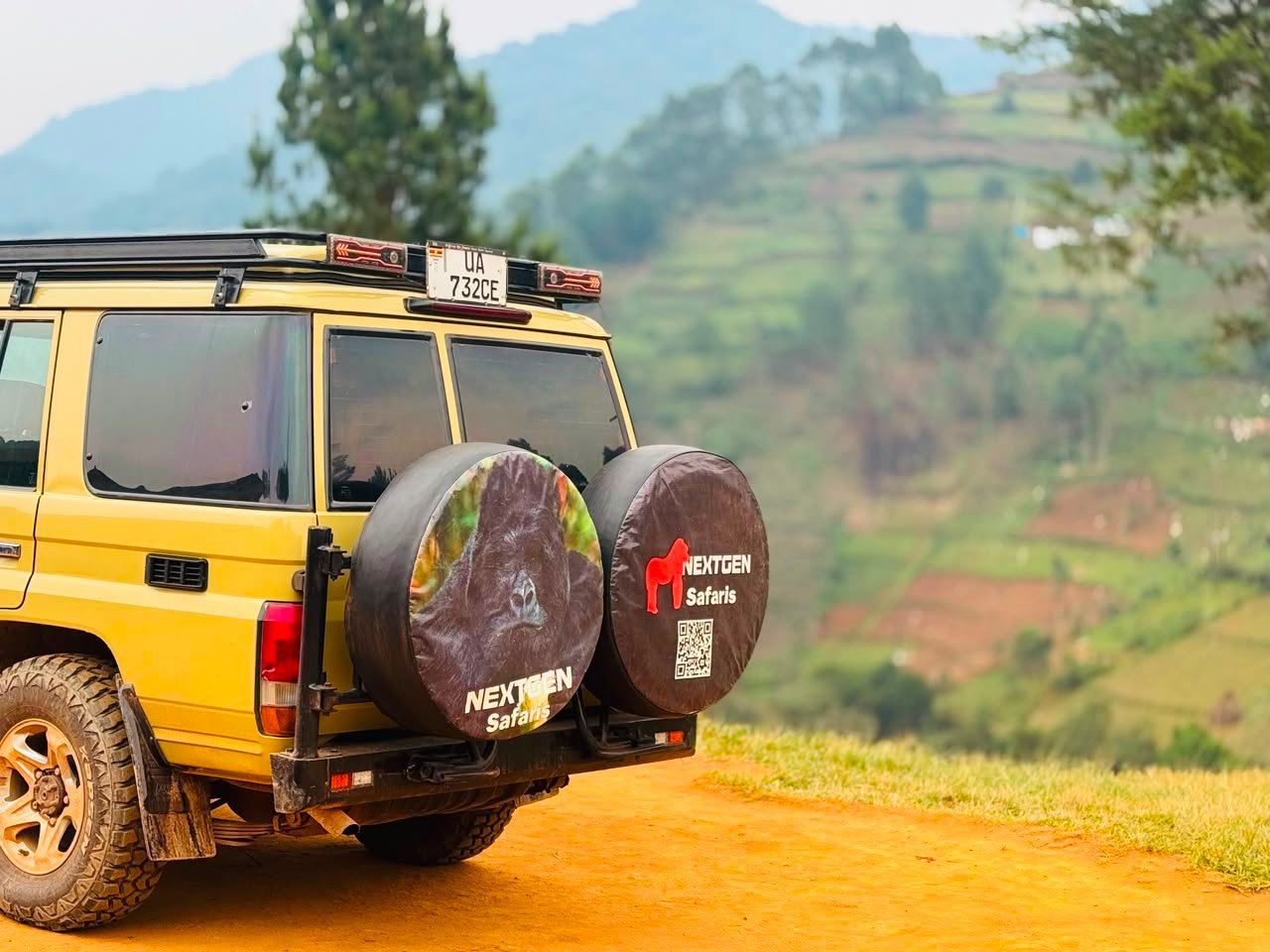
Road travel is an important part of most Uganda safaris because many national parks are spread across different regions. Travelling by road also provides opportunities to experience changing landscapes, towns, villages, farms and roadside communities. A professionally organised safari vehicle with an experienced driver-guide can make longer journeys considerably more comfortable while removing the difficulty of navigating unfamiliar routes.
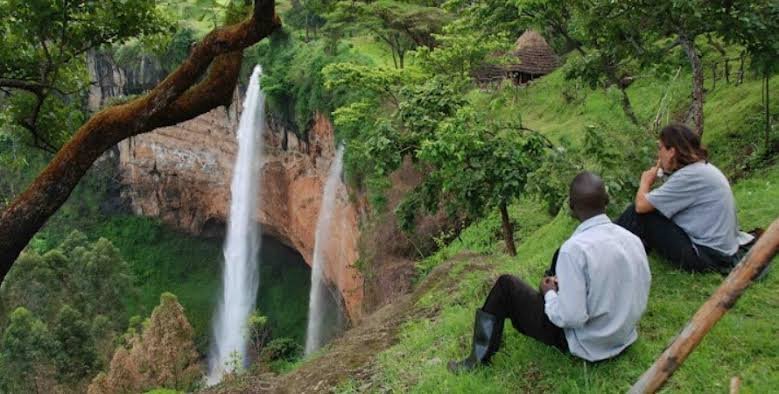
Driving times should be considered carefully when creating an itinerary. Uganda’s road network includes good paved highways as well as unpaved roads within national parks and rural areas. Traffic around Kampala and other busy centres can also affect travel times. For this reason, safari schedules should include realistic transfer times rather than assuming that distance alone determines journey duration.
Domestic flights can be useful for travellers with limited time or those seeking a more comfortable luxury safari. Flights can reduce lengthy road transfers between Entebbe and certain safari regions, after which road transfers connect travellers with their lodges and activities. Nextgen Safaris can design itineraries using road transfers, scheduled domestic flights or a combination of both depending on time, budget and travel preferences
Money, Currency and Payments in Uganda
Uganda’s official currency is the Uganda shilling, and cash remains useful for smaller purchases, tips, local markets and places where card facilities may not be available. Travellers can exchange major foreign currencies at authorised exchange facilities, while ATMs are available in Kampala, Entebbe and many larger towns. Access becomes more limited in remote safari destinations, so it is wise to organise cash requirements before travelling deep into national parks.
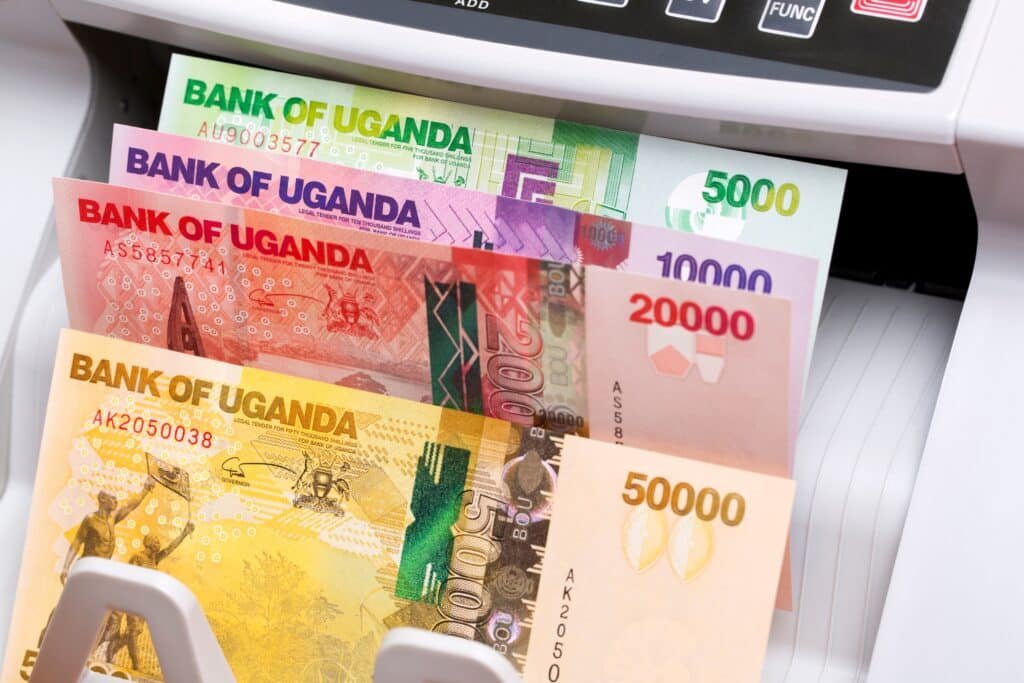

Cards are accepted at many larger hotels, lodges and established businesses, but travellers should not depend entirely on card payments. Network interruptions, payment-system problems or limited card facilities can occur, particularly in remote areas. It is therefore sensible to carry a combination of payment methods and inform your bank about international travel where necessary.
A useful Uganda Travel Tips habit is to keep money divided between secure locations rather than carrying all cash and cards together. Small denominations of Ugandan shillings are particularly convenient for minor purchases. Before paying for optional activities, accommodation upgrades or additional services, confirm which currency and payment methods are accepted.
Internet, SIM Cards and Communication
Mobile internet coverage is available across many parts of Uganda, although the quality of the connection varies considerably by location. Kampala, Entebbe and larger towns generally have better connectivity than remote forests, national parks and mountainous areas. Many hotels and safari lodges offer Wi-Fi, but speeds may be slower than travellers are accustomed to at home.
Travellers who need regular internet access can consider purchasing a local SIM or eSIM option where compatible and available. Your passport or identification may be required for registration depending on the service and applicable rules. Having mobile data can be useful for communication, navigation, checking flight information and staying connected with family.
However, one of the most enjoyable Uganda Travel Tips is sometimes to accept periods without strong connectivity. Remote safari destinations provide a rare opportunity to disconnect from everyday routines and concentrate on wildlife, landscapes and conversations around the campfire. Download important documents, maps and entertainment before travelling into isolated regions.
Food and Drinking Water in Uganda
Uganda offers a mixture of local and international cuisine, particularly at established safari lodges and hotels. Traditional foods can include matooke, rice, beans, groundnut sauces, vegetables, sweet potatoes, cassava, meat dishes and fresh tropical fruits. Trying local food can become a memorable part of the journey and provides another way to understand Ugandan culture.
Travellers should drink safe treated or bottled water and follow sensible food-hygiene practices. Established lodges generally provide drinking water or advise guests about safe options. A reusable bottle is useful where lodges or safari operators provide filtered drinking water, helping reduce dependence on disposable plastic bottles.
Dietary requirements should ideally be communicated before the safari begins. Vegetarian, vegan, gluten-free and other dietary preferences can often be accommodated by established properties when they receive sufficient notice. Travellers with serious allergies should provide clear details so that lodges and the safari team can prepare appropriately.
Safari Etiquette and Wildlife Safety
Wild animals should always be treated with respect. Never leave the safari vehicle unless your guide confirms that it is safe and permitted, and never attempt to approach or feed wildlife. Animals may appear calm but remain completely wild and can react unpredictably when they feel threatened or disturbed.
Keep noise levels low during wildlife encounters and avoid actions that interfere with natural animal behaviour. Your guide understands the environment and should determine safe viewing distances and appropriate positioning. Following these instructions protects travellers while also helping minimise disturbance to wildlife.
These Uganda Travel Tips are particularly important around elephants, buffaloes, primates and predators. A memorable photograph is never worth creating a dangerous situation. Responsible wildlife viewing is based on patience: allow animals to behave naturally and enjoy the privilege of observing them in their own environment.
Photography Tips for Uganda
Uganda offers exceptional photographic opportunities, from mountain gorillas and tree-climbing lions to birds, waterfalls, mountains and cultural scenes. Wildlife photographers may appreciate a telephoto lens, while a wider lens is useful for landscapes, lodge photography and environmental portraits. Spare batteries, memory cards and protective equipment are particularly useful when travelling through remote regions.
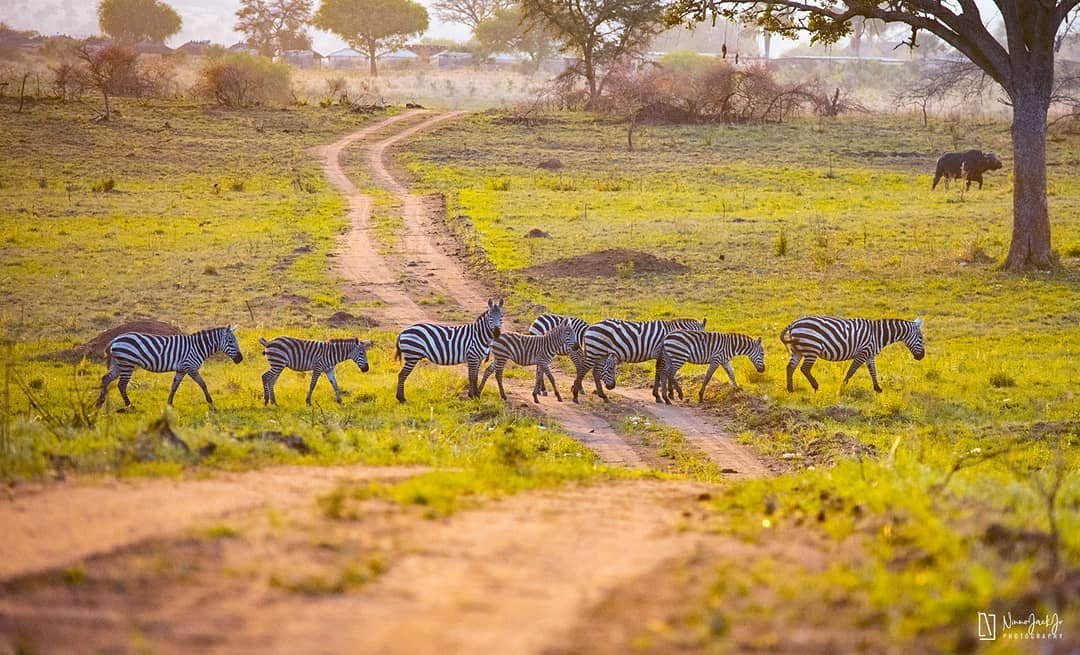

Forest photography presents different challenges from savannah photography. Bwindi and Kibale can have lower light levels beneath dense vegetation, while open savannah areas can produce strong sunlight. Understanding your camera before travelling is more useful than bringing complicated equipment you have never used.
Always ask permission before taking close photographs of local people. Photography should be based on respect rather than treating communities as attractions. Certain locations may also restrict photography, so follow guidance from your guide, ranger or host.
Respecting Ugandan Culture and Local Communities
Ugandans are widely known for warm hospitality, and respectful interaction can become one of the most rewarding parts of a journey. Greetings are valued in many communities, and taking a moment to acknowledge people before asking questions or taking photographs creates more positive interactions.
Dress and behaviour should remain considerate when visiting villages, religious sites and community projects. Listen to local guidance because customs vary between Uganda’s many ethnic communities. Travellers should avoid making assumptions based on practices from their home countries.
One of the most meaningful Uganda Travel Tips is to approach cultural encounters with curiosity and humility. Buy locally made crafts where appropriate, use community guides, learn a few local greetings and allow conversations to develop naturally. Responsible cultural tourism should create mutual respect rather than turning community life into a performance.
Tipping on a Uganda Safari
Tipping is generally appreciated in Uganda’s tourism industry but should reflect the service received. Safari guides, lodge staff, trackers, porters and other tourism workers may receive gratuities from satisfied travellers. The appropriate amount can vary according to the service, group size, safari duration and traveller preference.
Rather than worrying constantly about tipping during the journey, travellers can discuss general tipping guidance with their safari planner before departure. Some lodges provide communal staff tipping boxes, while guides and specialist staff may be tipped separately. Carrying suitable cash denominations makes the process easier.
Remember that tipping should complement respectful treatment rather than replace it. Thanking guides, learning staff members’ names and acknowledging excellent service contribute to a positive safari experience alongside any financial gratuity.
Responsible and Sustainable Travel in Uganda
Responsible travel helps protect the natural environments that make Uganda such an extraordinary destination. Visitors should avoid littering, minimise single-use plastics where practical, follow national park regulations and remain on approved trails. Never remove plants, rocks or other natural objects from protected environments.
Gorilla and chimpanzee tourism demonstrates why responsible behaviour is especially important. Uganda Travel Tips, Visitors must follow ranger instructions and applicable primate-viewing rules designed to reduce disturbance and health risks. These wildlife encounters depend on long-term conservation efforts, research and cooperation with communities surrounding protected areas.
Travellers can also support sustainability by staying at responsible properties, purchasing locally produced crafts and participating in carefully managed community experiences. A thoughtfully planned Uganda safari can contribute economically to conservation areas and local communities while providing travellers with meaningful experiences.
Travel Insurance for Uganda
Comprehensive travel insurance is strongly recommended when visiting Uganda. A good policy should be appropriate for your planned activities and may need to cover medical treatment, emergency assistance, trip interruption, lost luggage and other unexpected circumstances. Travellers participating in hiking, rafting or other adventure activities should confirm whether those activities are covered.
Insurance becomes particularly important because safari itineraries often involve substantial advance arrangements such as accommodation and wildlife permits. Cancellation conditions vary among service providers, and some safari components may have strict or non-refundable terms. Travellers should therefore understand both their booking conditions and insurance coverage before committing to a journey.
Keep your insurance details accessible throughout the safari and consider providing emergency contact information to a trusted person at home. Preparation may seem unnecessary when everything is running smoothly, but having the correct coverage can make a major difference when unexpected circumstances arise.
Uganda Travel Tips for Solo Travellers
Uganda can offer rewarding experiences for solo travellers, particularly when arrangements are carefully organised. Uganda Travel Tips, Travelling with a professional safari guide provides companionship, local knowledge and logistical support while still allowing considerable independence. Private itineraries can also be designed around specific interests such as photography, birdwatching, primates or culture.
Solo travellers should apply the same sensible precautions they would use in other international destinations. Keep valuables secure, avoid displaying large amounts of cash, use reliable transportation and ask your guide or accommodation staff for advice when exploring unfamiliar areas independently.
One advantage of a tailor-made safari is that solo travellers do not have to organise every transfer, lodge and activity themselves. Nextgen Safaris can coordinate the journey from arrival through the safari and departure, creating a more seamless experience.
Uganda Travel Tips for Families
Uganda can provide an unforgettable family safari when the itinerary is designed around the ages, interests and energy levels of everyone travelling. Wildlife drives, boat cruises, cultural experiences and nature activities can introduce children and teenagers to conservation, geography and African wildlife in an exciting environment.
Families should avoid itineraries containing excessively long drives on consecutive days. Longer stays in carefully selected destinations create time for relaxation and allow younger travellers to enjoy lodge facilities between activities. Parents should also check age restrictions for particular wildlife experiences when planning the safari.
Private safari vehicles are particularly useful for families because they provide greater flexibility with departure times, rest stops and daily pacing. Choosing suitable accommodation with family rooms, appropriate meals and comfortable facilities can further improve the journey.
Important Tips for Your First Uganda Safari
First-time visitors sometimes underestimate how varied Uganda is. The country rewards travellers who allow enough time to experience each region rather than attempting to see everything in a few days. A combination of primates, wildlife, scenery and culture usually creates a more balanced first safari.
Expect some early mornings. Wildlife is often active during cooler periods, gorilla trekking begins according to park schedules, and longer transfer days may require timely departures. Packing the previous evening and keeping essential items in a daypack makes early starts much easier.
Perhaps the most useful of all Uganda Travel Tips is to remain flexible. Wildlife does not follow a timetable, tropical weather can change quickly and road journeys sometimes take longer than expected. Some of the best safari memories emerge from unexpected moments rather than a perfectly controlled schedule.
Why Plan Your Uganda Safari With Nextgen Safaris?
Planning a Uganda safari involves coordinating accommodation, transportation, wildlife activities, permits and realistic travel times across several destinations. At Nextgen Safaris, we use local knowledge to create personalised itineraries that match each traveller’s interests, preferred comfort level, available time and budget. This allows travellers to focus on enjoying Uganda rather than managing complicated arrangements throughout the journey.
Our Uganda journeys can combine mountain gorilla trekking, chimpanzee tracking, game drives, boat safaris, birdwatching, cultural encounters, adventure activities and relaxation. We can also design itineraries ranging from comfortable budget and mid-range journeys to luxury safaris, family holidays, honeymoons and private photographic adventures. The goal is to create a logical route rather than simply adding as many destinations as possible.
These Uganda Travel Tips provide a strong starting point, but every safari is different. A traveller planning a short gorilla journey requires different preparation from someone spending several weeks exploring national parks across the country. Personalised planning helps turn general advice into a practical itinerary built around your individual journey.
Frequently Asked Questions About Uganda Travel Tips
1. What are the most important Uganda Travel Tips for first-time visitors?
The most important Uganda Travel Tips for first-time visitors include checking visa and entry requirements before travelling, arranging suitable travel insurance, consulting a travel-health professional, packing for changing weather conditions, carrying some local currency, and planning realistic travel times between destinations. Travellers should also follow their safari guide’s instructions, respect wildlife and local communities, and avoid trying to include too many destinations within a short itinerary.
2. What should I pack for a safari in Uganda?
One of the most useful Uganda Travel Tips is to pack lightweight and comfortable clothing, long trousers, long-sleeved shirts, a waterproof jacket, comfortable walking shoes, a sun hat, sunglasses and sunscreen. Travellers planning gorilla or chimpanzee trekking should bring strong hiking footwear and suitable rain protection. A small daypack, binoculars, camera equipment, reusable water bottle, personal medication, insect repellent, charging cables and a power bank can also be useful.
3. What is the best time to travel to Uganda?
Uganda can be visited throughout the year, although the relatively drier periods are popular for gorilla trekking, wildlife safaris and outdoor adventures. One of the most practical Uganda Travel Tips is to choose your travel dates according to the activities you want to experience rather than weather alone. Uganda’s wetter periods can provide beautifully green scenery and rewarding photography, while rain can occur at any time, especially in forest and mountain environments.
4. Is Uganda safe for tourists and safari travellers?
Uganda welcomes international visitors for gorilla trekking, wildlife safaris, cultural experiences and adventure holidays, but travellers should take normal travel precautions and check current official travel advice before departure. Important Uganda Travel Tips include using reputable transportation, keeping valuables secure, avoiding unnecessary displays of cash, following national park regulations and listening to your professional safari guide when travelling through unfamiliar areas.
5. What Uganda Travel Tips should I know about money and payments?
Useful Uganda Travel Tips for managing money include carrying a combination of payment methods rather than depending entirely on cash or cards. Uganda shillings are useful for small purchases, local markets and other everyday expenses, while card facilities may be available at many established hotels and lodges. Travellers should organise sufficient cash before entering remote safari areas, where ATMs and reliable electronic payment facilities may be limited.
6. What should I know before gorilla trekking in Uganda?
Essential Uganda Travel Tips for gorilla trekking include preparing for uneven and potentially muddy forest terrain, wearing sturdy hiking boots, long trousers and long sleeves, and carrying waterproof protection and drinking water. Travellers should attend the official pre-trek briefing and follow ranger instructions throughout the experience. Gorilla locations vary naturally, so trekking duration and difficulty cannot be guaranteed, making reasonable physical preparation particularly helpful.
7. Do I need travel insurance when visiting Uganda?
Comprehensive travel insurance is strongly recommended for a Uganda holiday, particularly when the itinerary includes gorilla trekking, hiking, rafting or visits to remote national parks. One of the most valuable Uganda Travel Tips is to confirm that your policy provides appropriate coverage for your planned activities, medical needs, emergency assistance and relevant travel disruptions. Travellers should understand their insurance terms and safari booking conditions before departure.
8. Can I use my phone and internet while travelling around Uganda?
Mobile networks and internet services are available throughout many parts of Uganda, particularly in Kampala, Entebbe and larger towns, while connections may be weaker in remote national parks, forests and mountainous regions. Practical Uganda Travel Tips include checking international roaming charges, considering a suitable local connectivity option, downloading important documents before travelling to remote areas and carrying a power bank for longer safari days.
9. What cultural Uganda Travel Tips should visitors follow?
Important cultural Uganda Travel Tips include greeting people respectfully, asking permission before photographing individuals, dressing appropriately when visiting communities or religious places and listening to guidance from local hosts. Uganda has many ethnic groups, languages and cultural traditions, so customs can vary between regions. Travellers who approach cultural experiences with respect, curiosity and an open mind often discover that interactions with local communities become some of the most memorable parts of their journey.
10. Why book a Uganda safari with Nextgen Safaris?
Booking with Nextgen Safaris gives travellers local support when turning general Uganda Travel Tips into a carefully planned safari itinerary. We can organise suitable accommodation, safari transportation, professional guides, wildlife activities, primate experiences and other essential arrangements according to your travel style, available time and budget. Whether you are planning gorilla trekking, chimpanzee tracking, wildlife safaris, cultural experiences or a multi-destination Uganda adventure, Nextgen Safaris can create a personalised journey designed around your interests.
Plan Your Uganda Safari With Confidence
Following the right Uganda Travel Tips can make your journey safer, smoother and far more enjoyable. Uganda Travel Tips, Preparing your travel documents, packing appropriate clothing, considering your health requirements, choosing a realistic itinerary and understanding local customs will allow you to arrive in Uganda ready to experience the country rather than worrying about avoidable travel problems.
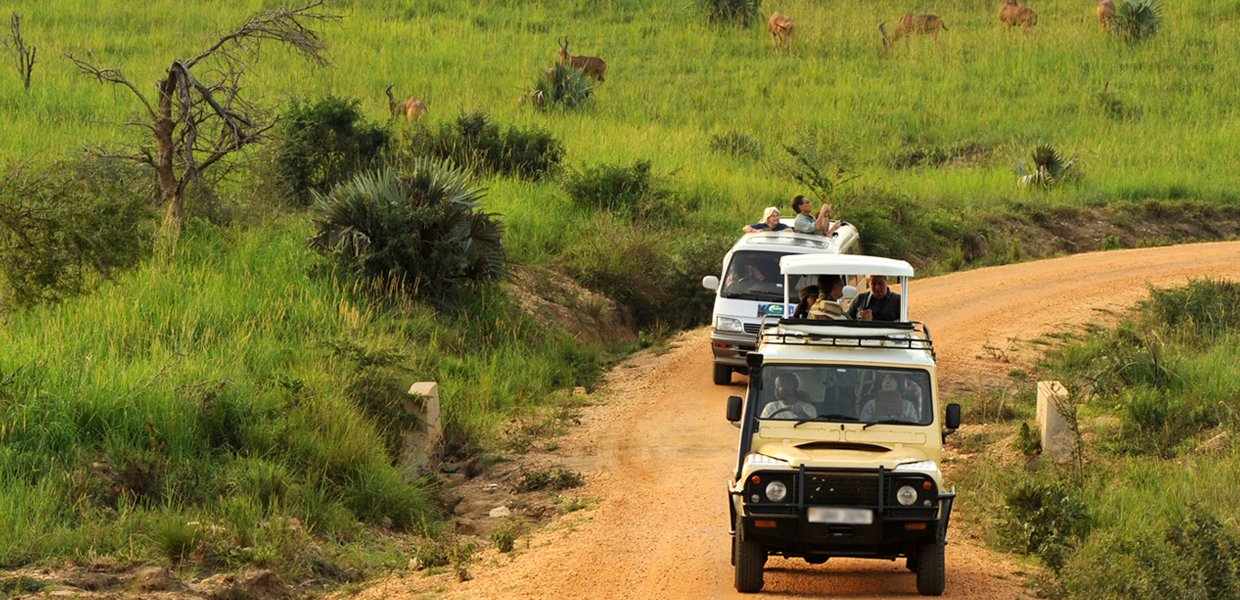
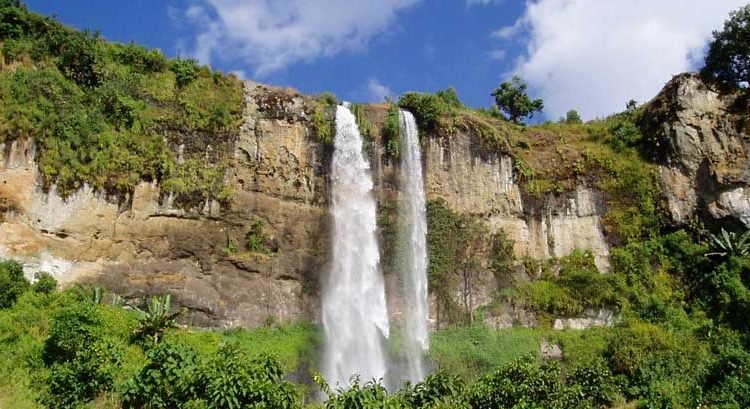
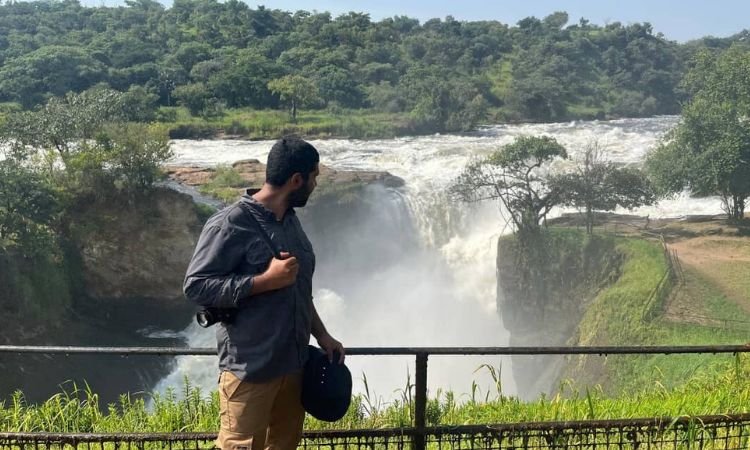
Uganda rewards travellers with extraordinary variety. One journey can include trekking through an ancient rainforest in search of mountain gorillas, watching elephants cross a savannah, cruising past hippos on the Kazinga Channel, listening to chimpanzees calling through Kibale Forest, standing beside the powerful Nile at Murchison Falls and sharing conversations with Ugandans along the way. These contrasting experiences are what make a Uganda safari so memorable.
At Nextgen Safaris, we create tailor-made journeys designed around the experiences you want to have and the way you prefer to travel. Uganda Travel Tips, From airport transfers and safari transportation to accommodation, permits, guides and carefully planned activities, we help bring every part of your Uganda adventure together. Start planning your journey with Nextgen Safaris and discover the Pearl of Africa with the preparation, local knowledge and confidence needed for an unforgettable safari.