Using Drones on a Safari in Uganda and Rwanda
Ultimate Guide to Using Drones on a Safari in Uganda and Rwanda – Rules, Permits, Best Locations & Expert Tips
Using Drones on a Safari in Uganda and Rwanda has become increasingly popular among photographers, filmmakers, content creators, conservation organizations, and adventure travelers seeking breathtaking aerial footage of East Africa’s incredible landscapes. From the dense rainforests of Bwindi Impenetrable National Park and Volcanoes National Park to the vast savannahs of Queen Elizabeth National Park, Murchison Falls National Park, Akagera National Park, and the shores of Lake Kivu, drones can capture spectacular perspectives that traditional photography simply cannot.
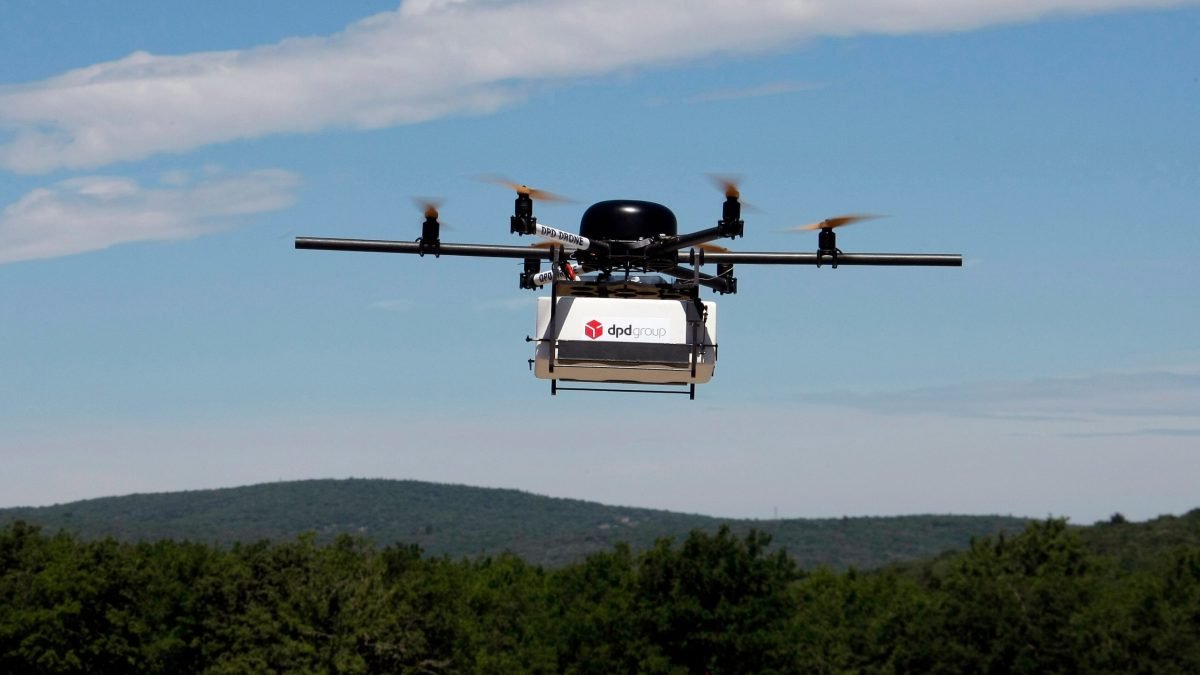
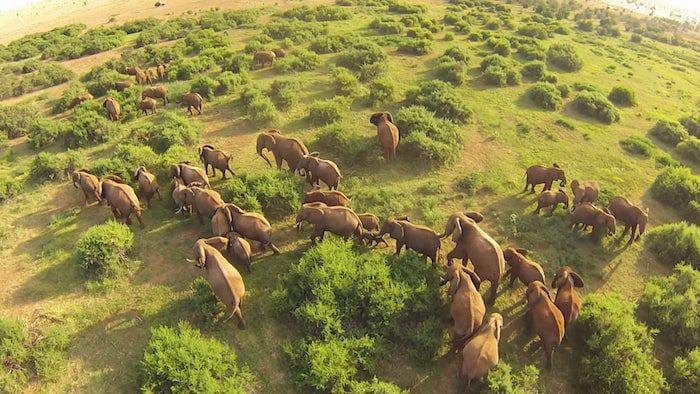
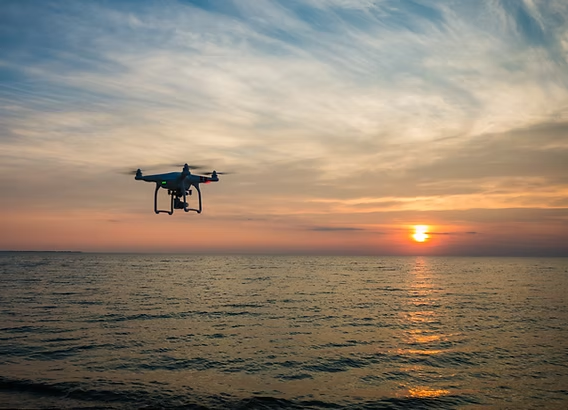
However, Using Drones on a Safari in Uganda and Rwanda is heavily regulated. Both countries have strict aviation laws designed to protect wildlife, visitor safety, national security, and conservation efforts. Flying a drone without proper authorization may result in confiscation of equipment, fines, denial of park access, or even legal prosecution.
At Nextgen Safaris, we help photographers, documentary teams, filmmakers, travel influencers, researchers, and safari guests understand every requirement before arriving. Our experienced team assists with planning drone-friendly itineraries, obtaining guidance on permits, coordinating with wildlife authorities, and ensuring your safari complies fully with local regulations.
This comprehensive guide explains everything you need to know about Using Drones on a Safari in Uganda and Rwanda, including drone laws, permit requirements, restricted areas, conservation rules, recommended filming locations, practical advice, and how to organize a legally compliant aerial photography safari.
Why Travelers Want to Use Drones on Safari
Modern drones have transformed wildlife photography and travel storytelling. High-resolution cameras, intelligent flight modes, and stabilized video systems allow visitors to create cinematic footage of landscapes that were previously only possible using helicopters or aircraft.
For many travelers, Using Drones on a Safari in Uganda and Rwanda offers opportunities to capture sweeping aerial views of crater lakes, winding rivers, volcanic mountains, expansive savannahs, tropical forests, and luxury safari lodges. Professional photographers often use drones to showcase destination landscapes, while documentary filmmakers rely on aerial perspectives to complement ground-level wildlife footage.
Although drones provide unique creative possibilities, their use must always balance innovation with environmental responsibility. Wildlife parks prioritize animal welfare above photography, meaning drone operations are carefully controlled to avoid disturbing natural behavior.
Understanding Drone Regulations Before Traveling
Anyone considering Using Drones on a Safari in Uganda and Rwanda should understand that drones are classified as aircraft. This means they fall under national aviation authorities rather than only tourism authorities.
Obtaining permission from one organization does not automatically grant permission from another. Depending on where you intend to fly, approvals may be required from aviation authorities, wildlife authorities, park management, local government agencies, or security organizations.
Regulations exist because drones may interfere with aircraft, disturb wildlife, invade visitor privacy, or create security concerns near government facilities and international borders.Planning ahead is therefore essential. Many approvals require applications several weeks before arrival.
Using Drones on a Safari in Uganda
Uganda is one of Africa’s most rewarding destinations for nature photography and wildlife filmmaking, making Using Drones on a Safari in Uganda and Rwanda an appealing option for professional photographers, travel content creators, and documentary production teams. The country’s remarkable landscapes range from the mist-covered mountains of Bwindi Impenetrable National Park and the volcanic scenery of Mgahinga Gorilla National Park to the sweeping savannahs of Queen Elizabeth National Park, the dramatic Murchison Falls, vast wetlands, crater lakes, and the source of the River Nile. These diverse environments provide spectacular opportunities for aerial photography, but they also require visitors to operate responsibly and within the country’s legal framework.
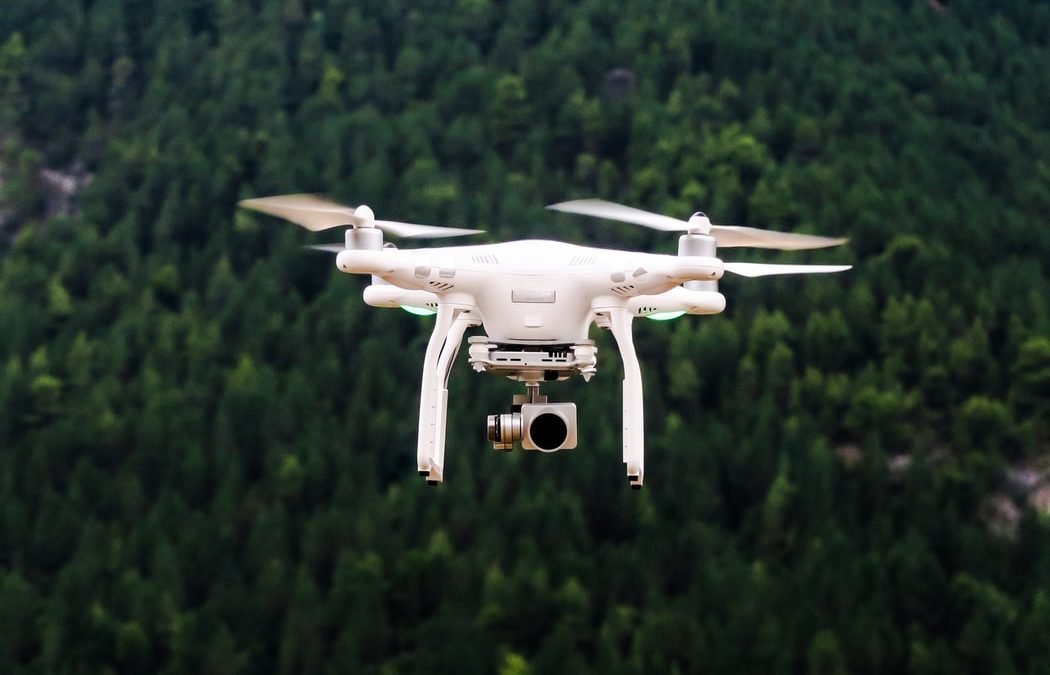
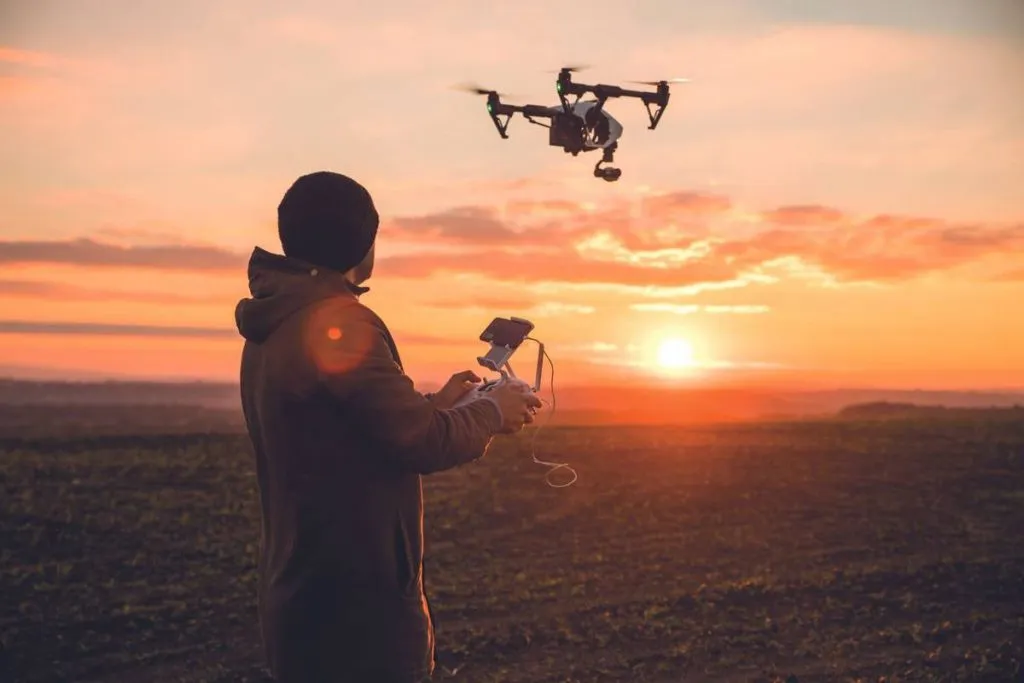
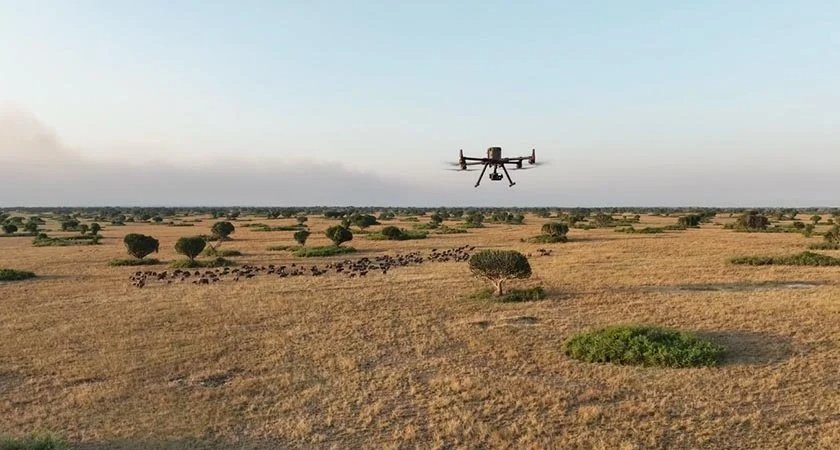
Anyone planning Using Drones on a Safari in Uganda and Rwanda should understand that drone operations in Uganda are governed by aviation and wildlife regulations designed to protect public safety, national security, and the country’s unique biodiversity. The Uganda Civil Aviation Authority (UCAA) oversees the operation of unmanned aircraft, while the Uganda Wildlife Authority (UWA) regulates drone activities within national parks and protected conservation areas. Depending on the purpose of the flight and the location, additional approvals from other government agencies may also be required before a drone can be legally operated.
Travelers should also note that bringing a drone into Uganda does not automatically grant permission to fly it during their safari. Customs clearance, import regulations, and operational approval are separate processes, and visitors are expected to comply with all applicable requirements before launching their equipment. Working with an experienced safari operator such as Nextgen Safaris allows travelers to receive up-to-date guidance on Using Drones on a Safari in Uganda and Rwanda, helping them understand the latest regulations, prepare the necessary documentation where required, and plan a photography safari that respects both Uganda’s laws and its world-renowned wildlife conservation efforts.
Drone Use Inside Uganda’s National Parks
Uganda’s national parks are protected conservation areas where wildlife conservation, visitor safety, and environmental protection take priority over recreational drone photography. When Using Drones on a Safari in Uganda and Rwanda, visitors should understand that paying park entrance fees or obtaining wildlife permits does not automatically grant permission to operate a drone. Drone flights within protected areas are regulated separately because unmanned aircraft can disturb wildlife, interfere with visitor experiences, and pose risks to sensitive ecosystems. Every proposed drone operation is assessed based on its purpose, location, and potential impact on conservation efforts.
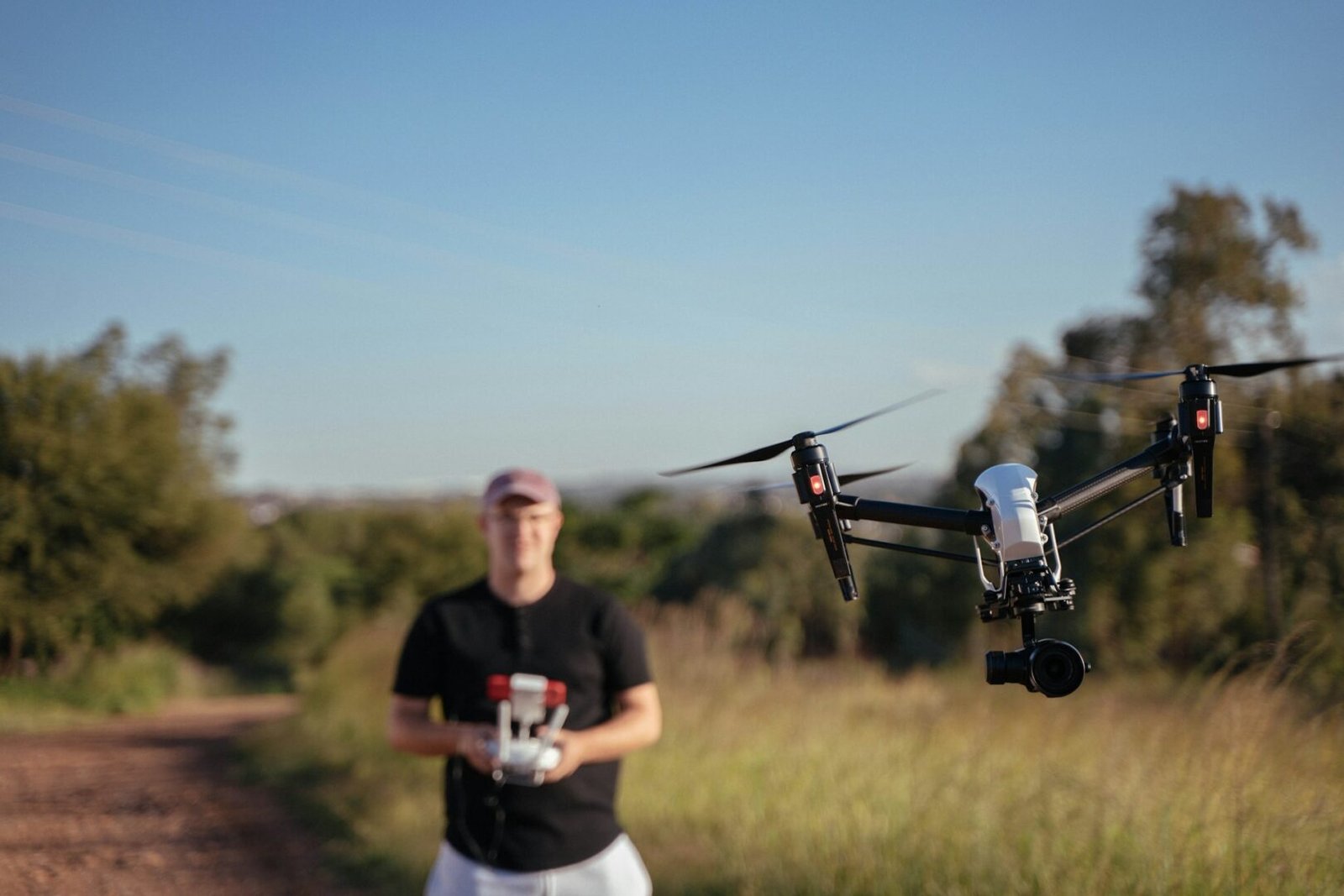
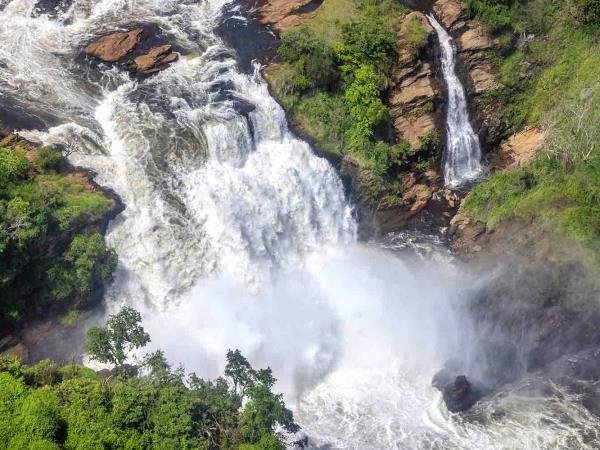
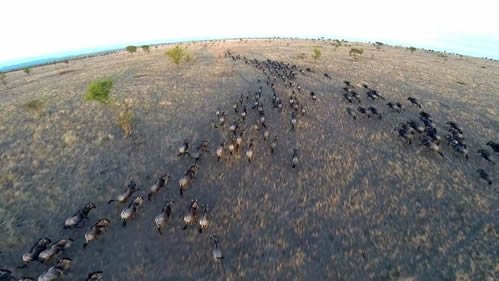
Across Uganda’s most visited safari destinations, including Bwindi Impenetrable National Park, Queen Elizabeth National Park, Murchison Falls National Park, Kibale National Park, Kidepo Valley National Park, Lake Mburo National Park, Mgahinga Gorilla National Park, and Semuliki National Park, drone operations generally require prior authorization from the relevant authorities. These parks protect endangered species, fragile habitats, and important breeding grounds, making careful regulation essential. Professional filmmakers, documentary producers, researchers, conservation organizations, and approved tourism promotion teams may be considered for permission where their activities contribute to conservation, education, or responsible destination marketing, but each application is reviewed individually before approval is granted.
For most visitors, unauthorized recreational drone flights are not permitted within Uganda’s national parks, and attempting to launch a drone without official approval may lead to confiscation of equipment, fines, removal from the park, or other legal consequences. Travelers planning Using Drones on a Safari in Uganda and Rwanda should therefore begin the permission process well before their trip and work with experienced safari operators such as Nextgen Safaris, who can provide guidance on current regulations, coordinate with the relevant authorities where appropriate, and help ensure that every photography or filming activity complies with Uganda’s conservation and aviation requirements.
Gorilla Trekking and Drone Restrictions in Uganda
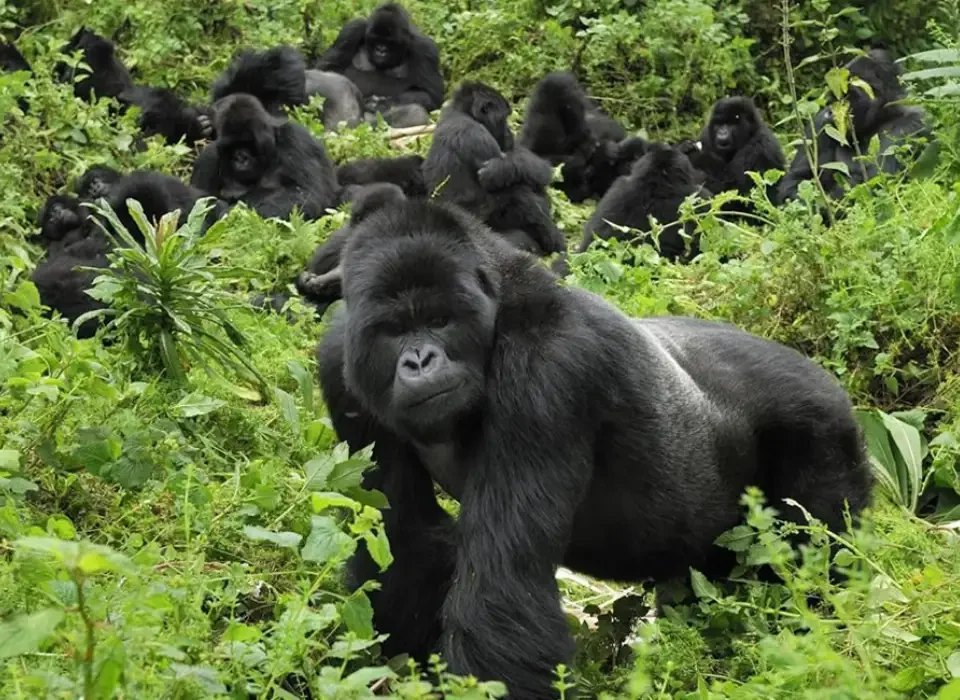
One of the most important aspects of Using Drones on a Safari in Uganda and Rwanda involves understanding the strict regulations surrounding gorilla trekking. Uganda is home to nearly half of the world’s remaining mountain gorillas, making their protection a national and global conservation priority. These endangered primates are highly sensitive to unfamiliar sounds, movement, and disturbances within their natural habitat. Even small recreational drones can alter their natural behavior, interrupt feeding or resting patterns, and create unnecessary stress for gorilla families that are carefully monitored by conservation authorities.
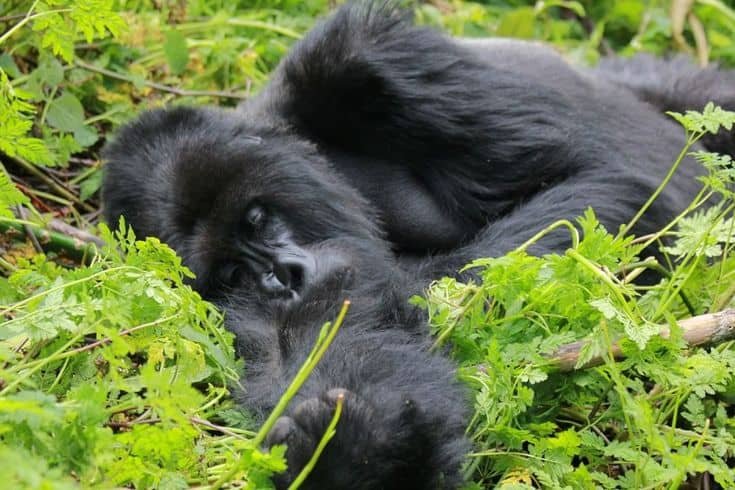
For this reason, drones are generally prohibited during gorilla trekking experiences in Bwindi Impenetrable National Park and Mgahinga Gorilla National Park. Visitors participating in a gorilla trek are not permitted to launch or operate drones along trekking trails, at gorilla viewing sites, or anywhere within designated trekking sectors unless they have received specific written authorization from the relevant authorities. Such permissions are rarely granted and are usually reserved for scientific research, conservation projects, internationally recognized documentary productions, or other official activities that directly support wildlife management and education.
Anyone planning Using Drones on a Safari in Uganda and Rwanda should always prioritize the welfare of the mountain gorillas over capturing aerial footage. Respecting park regulations not only helps preserve the natural behavior of these remarkable animals but also contributes to the long-term success of gorilla conservation and sustainable tourism in Uganda. At Nextgen Safaris, we encourage responsible wildlife photography and help visitors understand the regulations governing protected areas so they can enjoy an unforgettable gorilla trekking experience while supporting the conservation efforts that make these encounters possible.
Wildlife Photography Rules in Uganda
When Using Drones on a Safari in Uganda and Rwanda, every visitor has a responsibility to ensure that wildlife is never disturbed by drone operations. Uganda’s national parks protect an extraordinary variety of mammals, birds, reptiles, and other wildlife that depend on peaceful natural habitats to feed, breed, and interact normally. Any drone activity that causes animals to flee, changes their natural behavior, disrupts nesting sites, or creates unnecessary stress is considered unacceptable and may result in the immediate suspension of filming activities. Conservation always takes precedence over photography, regardless of the purpose of the flight.
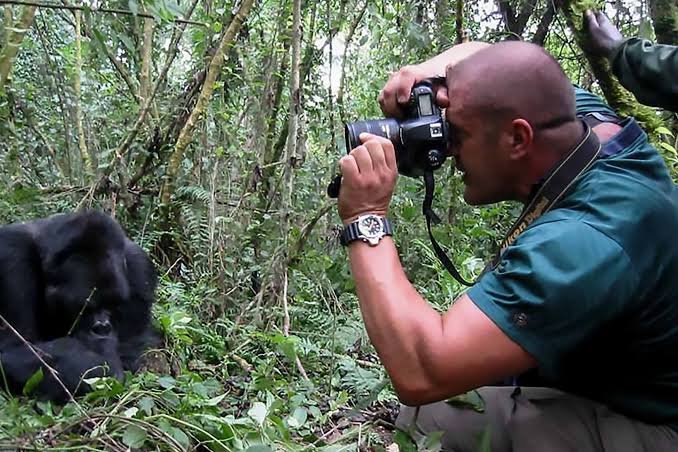
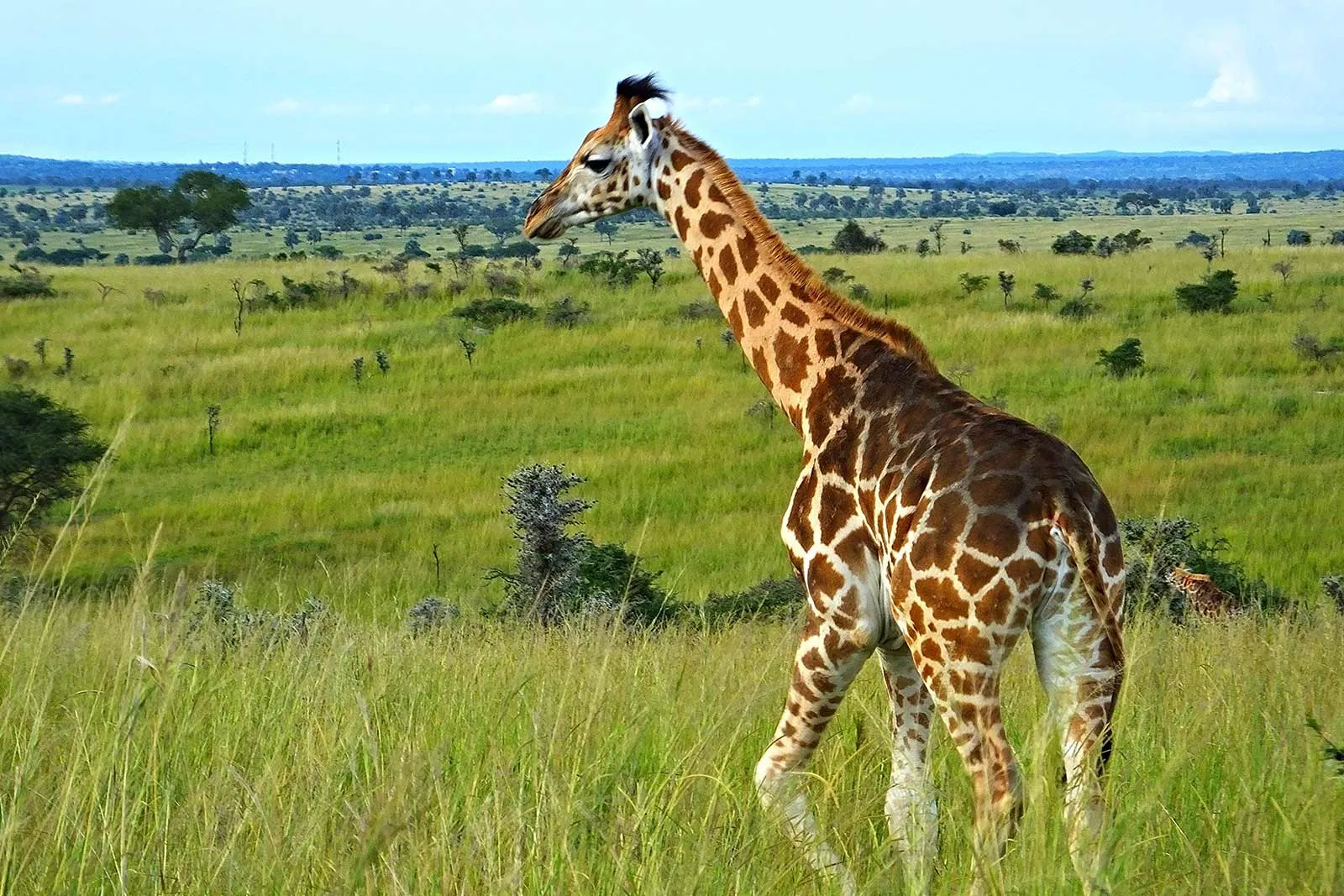
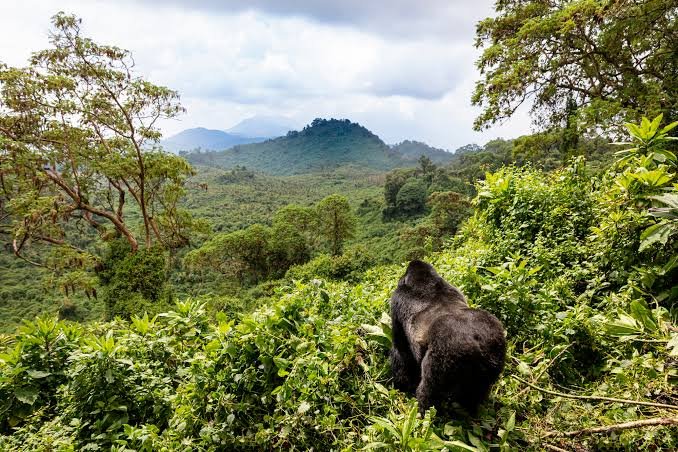
Responsible wildlife photography requires patience, respect, and strict compliance with park regulations. Visitors should always follow the guidance provided by park rangers and safari guides, maintain appropriate distances from animals, and avoid operating drones near sensitive wildlife habitats or during important animal activities such as feeding, breeding, or caring for young. Understanding and respecting these rules helps preserve Uganda’s rich biodiversity while ensuring that future visitors can continue to enjoy authentic wildlife encounters in their natural environment.
Professional filmmakers and production teams that receive authorization for Using Drones on a Safari in Uganda and Rwanda are typically required to work under the supervision of park authorities or designated rangers. Their drone operations are carefully planned, with approved flight paths, operating times, and filming locations designed to minimize environmental impact and protect both wildlife and visitors. By following these strict conservation standards, Uganda continues to promote responsible tourism while safeguarding the remarkable ecosystems that make its national parks among Africa’s most treasured safari destinations.
Using Drones on a Safari in Rwanda
Rwanda has embraced modern technology while maintaining strict regulations that govern the operation of drones throughout the country. Anyone considering Using Drones on a Safari in Uganda and Rwanda should understand that Rwanda treats unmanned aircraft as regulated aviation equipment, with operations overseen by national aviation and security authorities. These regulations are designed to protect public safety, wildlife, national security, and visitor experiences while encouraging responsible use of modern technology. Whether you are visiting for photography, filmmaking, or commercial content creation, it is essential to understand the legal requirements before arriving with your equipment.
Travelers should never assume they can fly a drone immediately after entering Rwanda. Commercial filming, tourism promotions, scientific research, documentary production, and other professional projects often require advance authorization from the relevant authorities before any flight takes place. Nextgen Safaris advises all guests planning Using Drones on a Safari in Uganda and Rwanda to begin preparations well before their trip so that any required approvals, travel arrangements, and filming logistics can be properly organized in accordance with Rwanda’s current regulations.
Drone Rules in Volcanoes National Park
Volcanoes National Park is Rwanda’s premier gorilla trekking destination and one of Africa’s most important conservation areas. Home to endangered mountain gorillas and part of the greater Virunga ecosystem, the park maintains strict rules that prioritize wildlife protection above recreational aerial photography. Because gorillas and other wildlife are highly sensitive to noise and movement, drone operations are carefully controlled to prevent unnecessary disturbance within their natural habitat.
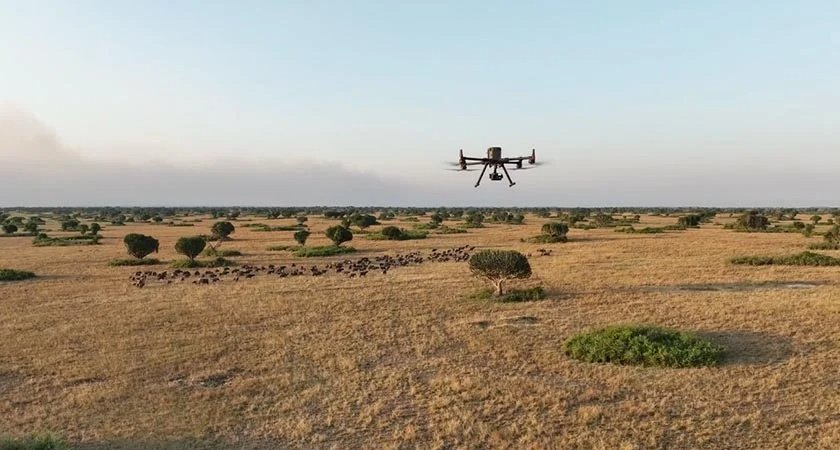
For anyone planning Using Drones on a Safari in Uganda and Rwanda, it is important to understand that recreational drone flights are generally not permitted during gorilla trekking activities in Volcanoes National Park. Professional film productions and conservation projects may only operate drones after obtaining the necessary approvals from the relevant authorities, and even then, flights are conducted under carefully managed conditions designed to protect wildlife, visitors, and the fragile mountain ecosystem.
Drone Use in Akagera National Park
Akagera National Park offers some of Rwanda’s most breathtaking landscapes for aerial photography, featuring rolling savannahs, expansive wetlands, scenic lakes, woodlands, and diverse wildlife including the Big Five. These spectacular surroundings make the park an attractive destination for filmmakers and photographers seeking dramatic aerial footage. However, Using Drones on a Safari in Uganda and Rwanda within Akagera National Park remains subject to strict regulations that protect wildlife and preserve the visitor experience.
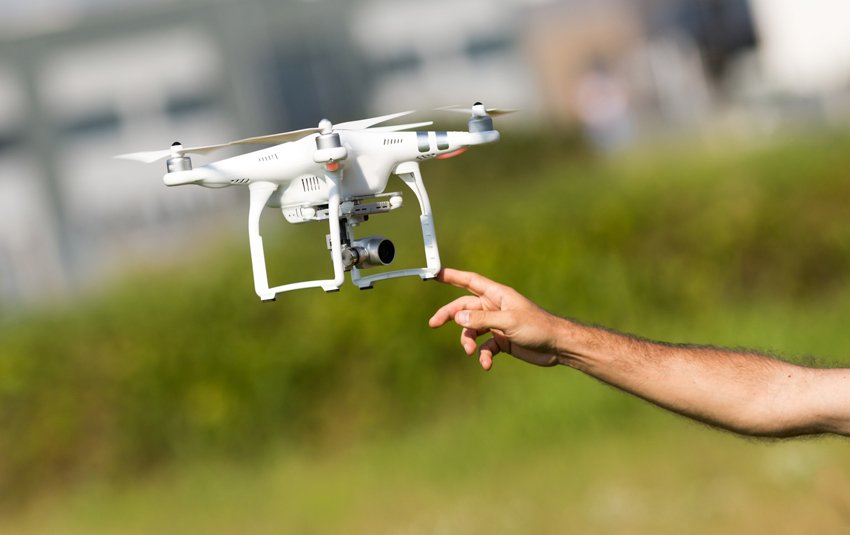
Although professional filming projects may receive permission under carefully controlled circumstances, recreational drone flights are generally restricted unless officially authorized. Any approved drone operation must comply with park regulations and conservation guidelines to ensure that animals are not disturbed and that visitors continue to enjoy a peaceful safari experience. Working with an experienced operator such as Nextgen Safaris helps ensure that photography projects are planned responsibly and in accordance with Rwanda’s conservation policies.
Drone Use Around Nyungwe Forest National Park
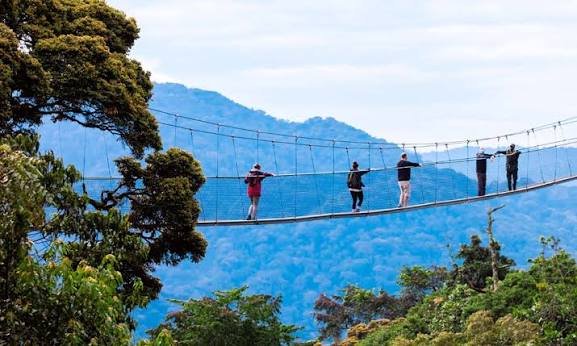
Nyungwe Forest National Park is one of Africa’s oldest tropical rainforests and is renowned for its rich biodiversity, canopy walkway, waterfalls, chimpanzees, and numerous primate species. The dense forest ecosystem provides exceptional opportunities for nature photography, but it also requires careful protection from activities that could disrupt wildlife or damage sensitive habitats. As a result, drone operations within and around the park are closely regulated by the relevant authorities.
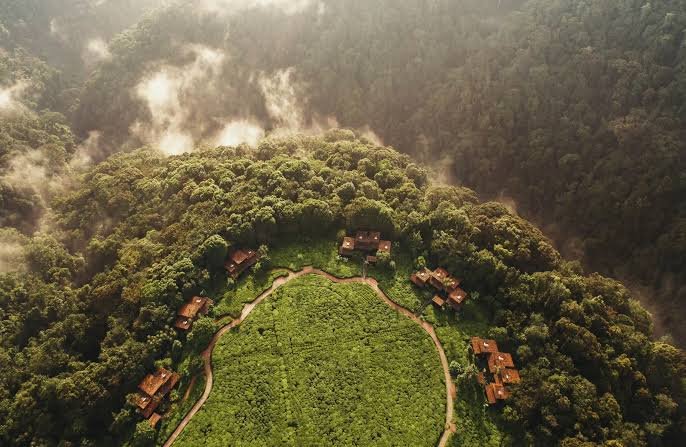
Anyone considering Using Drones on a Safari in Uganda and Rwanda for professional photography or filmmaking in Nyungwe should coordinate their plans well in advance. Any proposed drone activity must comply with conservation regulations and may require official authorization depending on the purpose of the filming and the intended location. Proper planning helps ensure that photography objectives are achieved while preserving the integrity of one of Rwanda’s most valuable natural ecosystems.
Border Areas and Security Restrictions
Both Uganda and Rwanda maintain strict security measures in areas considered strategically important, including international borders, airports, military installations, government facilities, and other protected locations. Because drones are classified as aircraft, operating them near these areas may raise security concerns regardless of whether the intention is recreational or commercial photography. Travelers should therefore remain aware that certain locations may be designated as no-fly zones under national regulations.
When Using Drones on a Safari in Uganda and Rwanda, visitors should always verify whether their planned filming locations fall within restricted airspace before launching any equipment. Seeking guidance from the relevant authorities and working with experienced safari operators such as Nextgen Safaris helps ensure compliance with local regulations while avoiding unnecessary delays, legal issues, or interruptions to an otherwise enjoyable safari experience.
Can Tourists Bring Drones Into Uganda and Rwanda?
Many international visitors travel with drones as part of their photography equipment, but bringing a drone into Uganda or Rwanda does not automatically grant permission to operate it during a safari. Customs procedures, aviation regulations, and national security requirements may differ between the two countries, making it essential for travelers to understand the applicable rules before departure. Preparing the necessary documentation in advance can help simplify arrival procedures and reduce the likelihood of delays.
Anyone planning Using Drones on a Safari in Uganda and Rwanda should ensure that their equipment complies with airline regulations for transporting lithium batteries, carry proof of ownership where appropriate, and declare equipment if required by customs authorities. Nextgen Safaris encourages guests to confirm the latest import and operational requirements before traveling so that their photography adventure begins smoothly while remaining fully compliant with local laws and conservation regulations.
Wildlife Conservation Comes First
The growing popularity of Using Drones on a Safari in Uganda and Rwanda has highlighted the importance of balancing technology with conservation.Animals depend on predictable natural environments. Loud sounds, unexpected movement, or repeated aerial disturbance can alter feeding, breeding, migration, and resting behavior.
Responsible drone operators understand that the best wildlife photography respects the wellbeing of the animals above all else.Conservation authorities continue refining regulations to ensure tourism supports wildlife protection rather than disrupting it.
Professional Filming Safaris with Nextgen Safaris
Nextgen Safaris specializes in organizing professional filming expeditions throughout Uganda and Rwanda. Whether you are producing documentaries, promotional tourism campaigns, wildlife research projects, conservation films, television programs, or commercial photography assignments, our experienced team provides comprehensive logistical support.
We assist clients with itinerary planning, coordination with relevant authorities, vehicle arrangements, experienced guides, accommodation selection, filming schedules, and practical advice on drone operations where legally permitted.Every project is carefully designed to comply with aviation laws, wildlife regulations, and conservation standards while maximizing opportunities for exceptional photography.
Frequently Asked Questions About Using Drones on a Safari in Uganda and Rwanda
1. Can tourists use drones during a safari in Uganda and Rwanda?
Yes, tourists can travel with drones, but Using Drones on a Safari in Uganda and Rwanda is subject to strict regulations. Bringing a drone into either country does not automatically give you permission to fly it. Depending on where and why you intend to operate the drone, you may need approvals from aviation authorities, wildlife authorities, or other government agencies before any flight is permitted.
2. Are drones allowed during gorilla trekking in Uganda or Rwanda?
No. Drones are generally not permitted during gorilla trekking in Bwindi Impenetrable National Park, Mgahinga Gorilla National Park, or Volcanoes National Park. Mountain gorillas are highly protected, and drone noise or movement can disturb their natural behavior. Exceptions are extremely rare and are usually limited to authorized conservation research or professional documentary productions.
3. Do I need a permit for Using Drones on a Safari in Uganda and Rwanda?
In most cases, yes. Using Drones on a Safari in Uganda and Rwanda often requires advance authorization, especially inside national parks and protected areas. The approval process depends on the purpose of the flight, the location, and the applicable aviation and wildlife regulations. It is advisable to begin the application process well before your travel dates.
4. Can I fly a drone in Uganda’s or Rwanda’s national parks?
Drone flights inside national parks are highly restricted. Parks such as Bwindi, Queen Elizabeth, Murchison Falls, Kibale, Akagera, Nyungwe, and Volcanoes National Park require special authorization for drone operations. Recreational drone flights are generally not allowed, while professional filming projects may be considered after obtaining the necessary approvals.
5. Can Nextgen Safaris help me plan a drone photography safari?
Absolutely. Nextgen Safaris can assist travelers planning Using Drones on a Safari in Uganda and Rwanda by providing guidance on current regulations, helping you understand permit requirements, recommending suitable filming locations where drone use may be authorized, and designing a customized photography safari that complies with local aviation and conservation laws.
Book Your Drone Photography Safari with Nextgen Safaris
If you are planning Using Drones on a Safari in Uganda and Rwanda, let Nextgen Safaris help you prepare every detail before your journey begins. Our experienced safari specialists provide expert guidance on current regulations, recommended filming locations, travel logistics, photography-friendly itineraries, and the permissions that may be required for professional projects.
Contact Nextgen Safaris today to begin planning a fully customized Uganda and Rwanda photography safari where creativity, adventure, and conservation work together to deliver extraordinary experiences while respecting the remarkable wildlife and protected landscapes of East Africa.