
Visiting Uganda in March
Discover What It’s Like Visiting Uganda in March
Visiting Uganda in March offers a unique and rewarding safari experience, especially for travelers looking for fewer crowds, lush landscapes, and a more relaxed atmosphere. March marks the beginning of the transition from the dry season into the first rainy season, creating a different but equally beautiful side of Uganda.
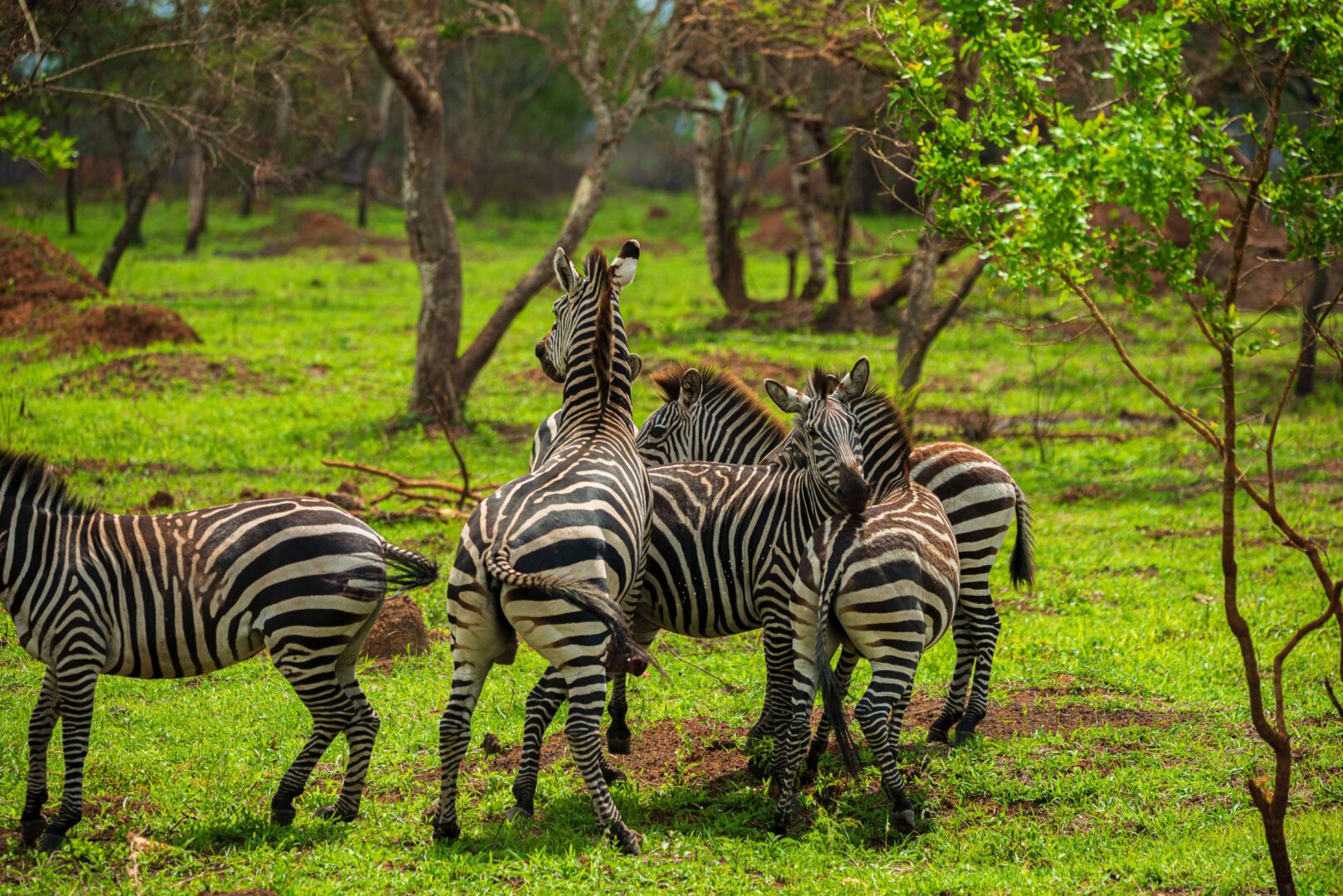
For those searching Uganda in March, Is March a good time to visit Uganda or Uganda March safari experience, this month presents a balance between accessibility and exclusivity.
While it is not considered peak season, visiting Uganda in March can be an excellent choice for travelers who want a quieter safari with vibrant scenery and good wildlife opportunities.
Weather When Visiting Uganda in March
Understanding the weather is key when planning your trip.
March is a transitional month where rainfall begins to increase, but it is not yet at peak levels. Showers are often short and occur in the afternoon or evening, leaving much of the day available for safari activities.
Temperatures remain warm, typically between 24°C and 29°C, with cooler conditions in higher altitude areas such as Bwindi Impenetrable National Park.
The landscape becomes greener and more vibrant, making it one of the most scenic times to visit Uganda.
Wildlife Viewing When Visiting Uganda in March
Wildlife viewing during March is still good, although slightly different from the dry season.
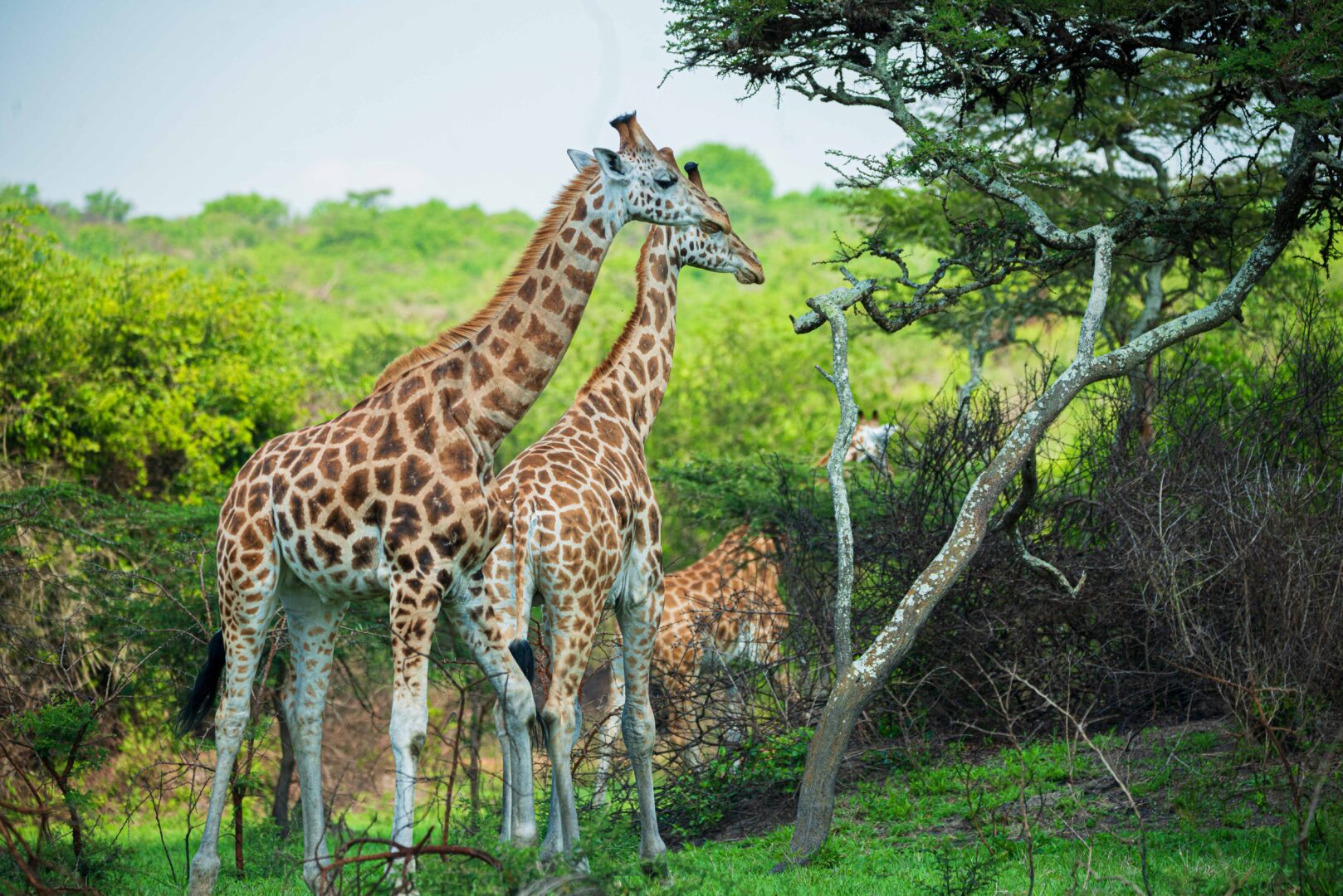
Animals are more spread out due to the availability of water and vegetation. While this can make spotting them slightly more challenging, the overall experience remains rewarding.
Game drives in parks like Murchison Falls and Queen Elizabeth National Park still offer opportunities to see elephants, lions, buffaloes, giraffes, and antelopes.
The greener environment also enhances photography, making landscapes and wildlife scenes more dramatic.
Gorilla Trekking When Visiting Uganda in March
Gorilla trekking remains a major highlight when visiting Uganda in March.
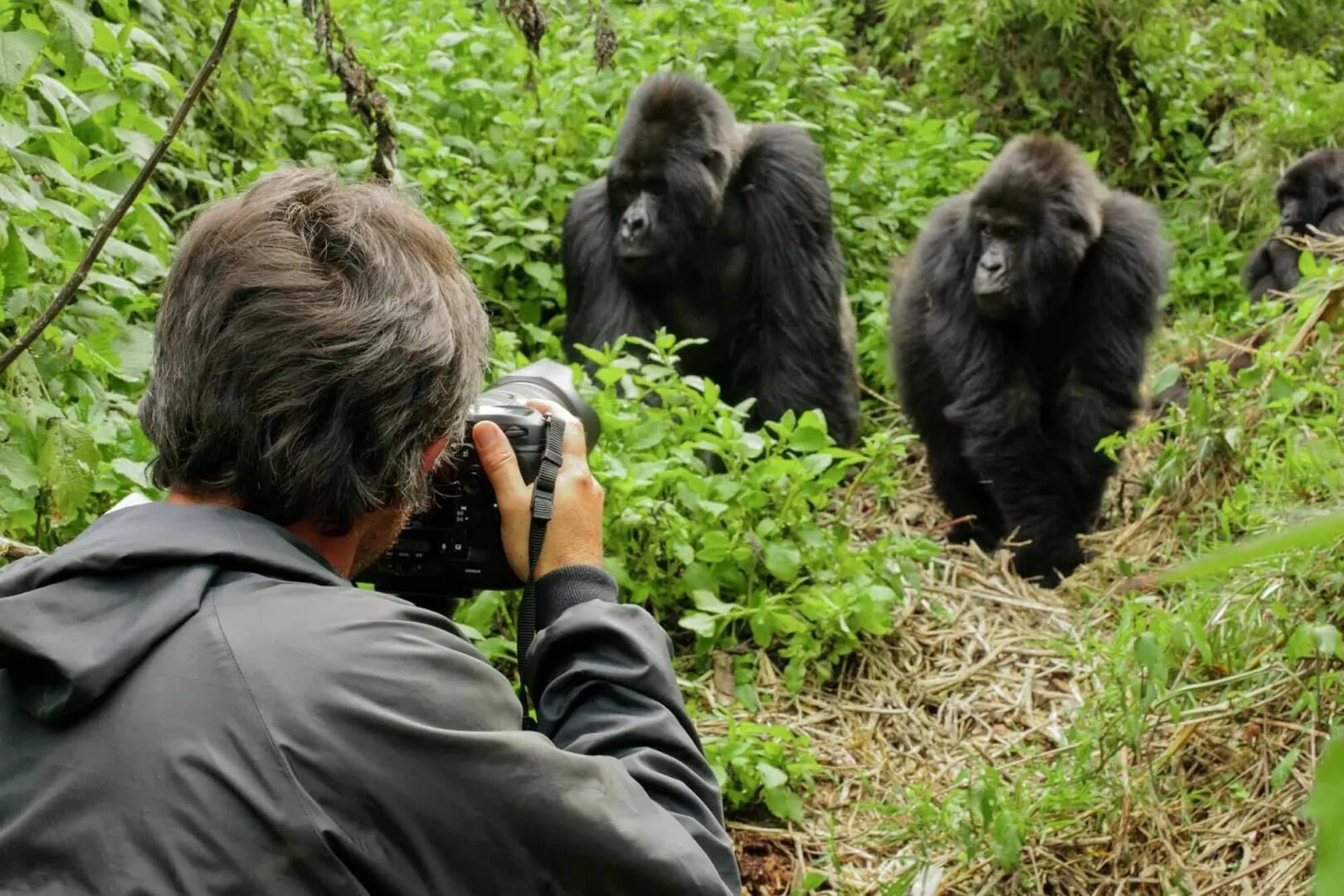
The forest becomes lush and vibrant, creating a beautiful setting for trekking. However, trails may begin to get muddy, making the trek slightly more physically demanding.
Despite this, gorilla trekking is still very much possible and rewarding.
Fewer tourists during March also mean a more intimate and less crowded trekking experience.
Chimpanzee Tracking in March
Chimpanzee tracking in Kibale Forest National Park is still excellent during March.
The forest is lush, and chimpanzees remain active, although sightings may require a bit more effort compared to the dry season.
The experience is often more immersive due to the rich greenery and fewer visitors.
Birdwatching in March
March is one of the best months for birdwatching in Uganda.
Migratory birds are still present, and the increasing vegetation attracts a wide variety of species. Wetlands, forests, and savannah areas all provide excellent birding opportunities.
For bird lovers, visiting Uganda in March can be particularly rewarding.
Crowds and Travel Experience in March
One of the biggest advantages of visiting Uganda in March is the reduced number of tourists.
National parks are quieter, and lodges are less crowded. This creates a more relaxed and exclusive safari experience.
For travelers who prefer privacy and a slower pace, March is an excellent choice.
Discover What It’s Like Visiting Uganda in March
Visiting Uganda in March offers a unique and rewarding safari experience that blends the tail end of the dry season with the beginning of the first rains. For travelers researching Uganda in March, Is March a good time to visit Uganda, or what to expect on a Uganda safari in March, this month provides a balance between accessibility, scenic beauty, and lower tourist traffic.
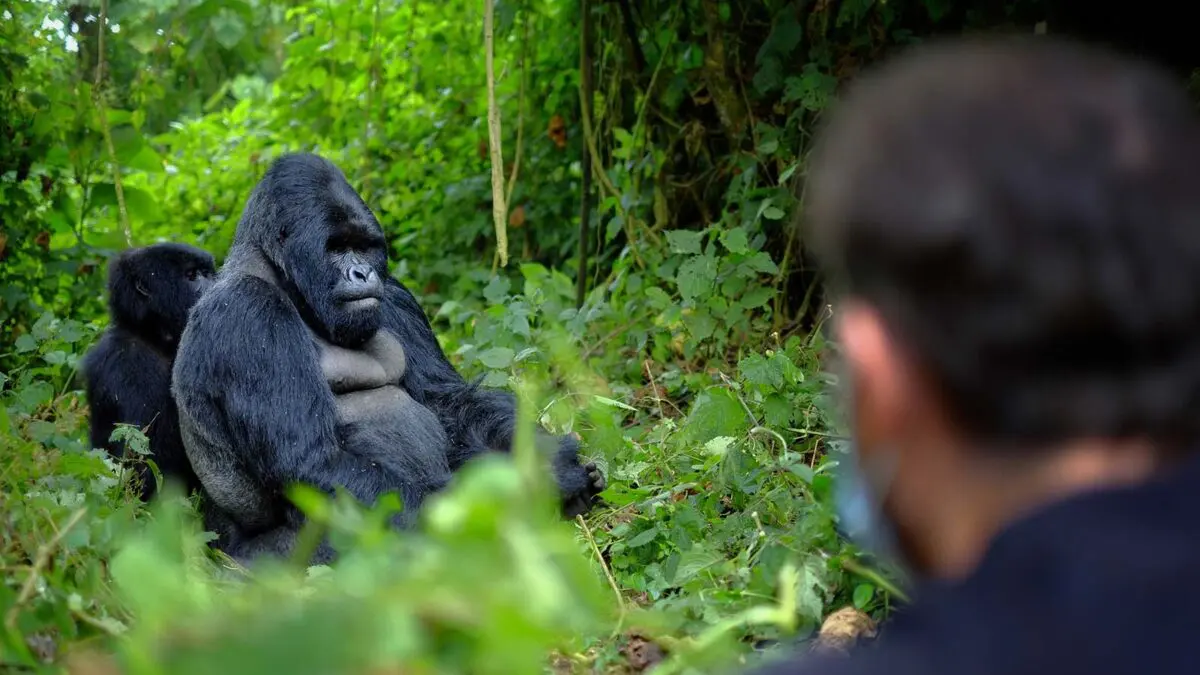
March is often referred to as a transition or shoulder month, meaning it sits between peak dry-season travel and the wetter months that follow. This creates an opportunity for travelers to experience Uganda in a quieter, greener, and more relaxed setting while still enjoying most safari activities.
Unlike peak months such as June, July, and August, visiting Uganda in March allows for a more personal connection with nature. National parks feel less crowded, wildlife encounters are more intimate, and the landscapes begin to transform into vibrant shades of green.
For travelers seeking a safari that feels authentic, peaceful, and visually stunning, Uganda in March is an excellent choice.
Weather When Visiting Uganda in March
Understanding the weather is essential when planning a safari in Uganda in March.
March marks the gradual return of rainfall, but it is important to note that this is not yet the peak rainy season. Rainfall is usually moderate and occurs in short bursts, often in the late afternoon or evening, leaving most of the daytime hours open for safari activities.
Temperatures remain warm and comfortable, typically ranging between 24°C and 29°C, while higher altitude areas such as Bwindi Impenetrable National Park and Mgahinga can feel cooler, especially in the early morning.
One of the defining features of visiting Uganda in March is the transformation of the landscape. The dry, dusty savannah begins to turn green, forests become denser, and the overall scenery becomes more photogenic.
This makes March particularly attractive for travelers interested in nature, photography, and scenic beauty.
Wildlife Viewing When Visiting Uganda in March
Wildlife viewing when visiting Uganda in March remains good, though slightly different from the peak dry season experience.

As water becomes more widely available across the parks, animals are less concentrated around specific water sources. This means they may be more spread out, requiring a bit more time and patience during game drives.
However, experienced safari guides know how to track wildlife effectively, and sightings of elephants, lions, buffaloes, giraffes, and antelopes are still very common in parks such as Murchison Falls National Park and Queen Elizabeth National Park.
An advantage of visiting Uganda in March is the enhanced visual experience. The greener landscape creates stunning contrasts for photography, and wildlife appears more vibrant against the lush background.
Boat safaris along the Nile River and Kazinga Channel continue to offer excellent wildlife viewing, often with closer and more reliable sightings than land-based game drives.
Gorilla Trekking When Visiting Uganda in March
Gorilla trekking remains one of the most powerful experiences when visiting Uganda in March.
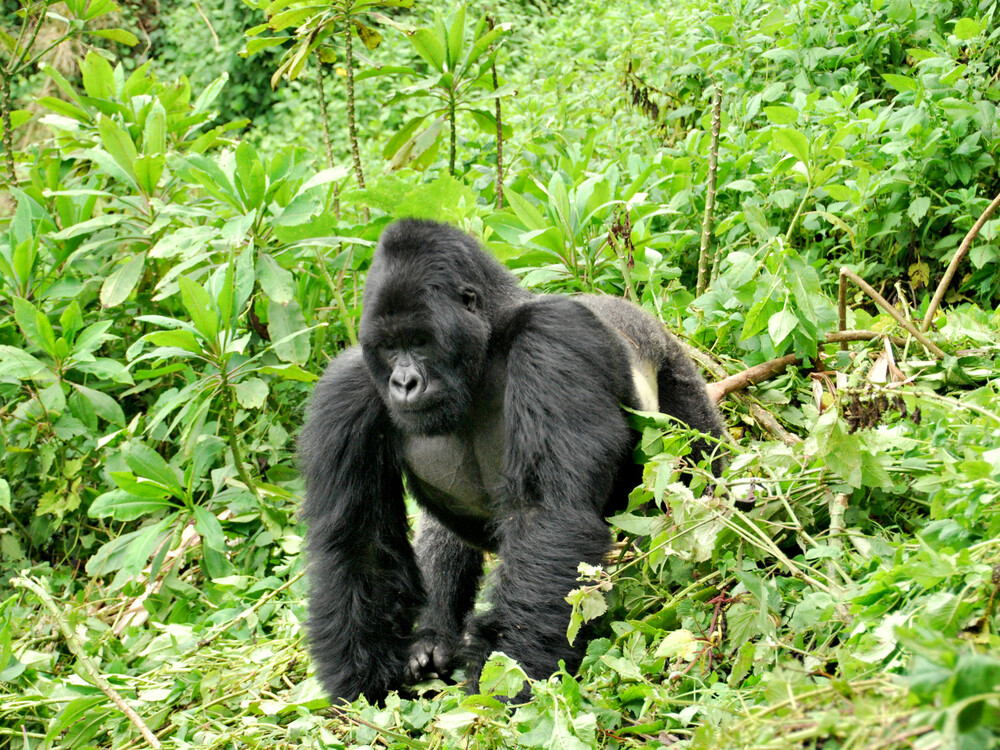
The forests of Bwindi Impenetrable National Park and Mgahinga Gorilla National Park become incredibly lush during this time, creating a misty, atmospheric environment that enhances the entire trekking experience.
However, there are some important considerations:
Trails can become muddy and slippery
Trekking may require more physical effort
Proper gear (waterproof boots, gloves, rain jacket) is essential
Despite these challenges, March offers a major advantage—fewer tourists. This results in a more intimate and less crowded gorilla encounter, which many travelers consider even more special than peak-season treks.
Chimpanzee Tracking in March
Chimpanzee tracking in Kibale Forest National Park is still excellent during March.

The forest becomes dense and vibrant, creating a more immersive jungle experience. Chimpanzees remain active, although tracking them may take slightly longer due to increased vegetation.
The reward, however, is a more authentic and engaging experience, with fewer groups and a deeper connection to the natural environment.
Birdwatching in March
March is one of the most rewarding months for birdwatching in Uganda.
Migratory birds are still present, and the increase in vegetation and insect activity attracts a wide range of species. Uganda’s wetlands, forests, and savannah ecosystems become highly active with birdlife.
For bird enthusiasts, visiting Uganda in March offers a rare opportunity to see both resident and migratory species in a thriving environment.
Crowds and Travel Experience in March
One of the strongest advantages of visiting Uganda in March is the reduced number of tourists.
Unlike peak months, national parks are quieter, lodges are less crowded, and safari vehicles are fewer. This creates a more exclusive and relaxed safari atmosphere.
Travelers can enjoy wildlife sightings without competing with multiple vehicles, and lodges often provide more personalized service.
For those seeking a peaceful and authentic safari, March is one of the best months to visit Uganda.
Cost of Visiting Uganda in March
March falls within the shoulder season, making it a great time for value-conscious travelers.
Compared to peak months, you can expect:
More competitive accommodation rates
Better availability of lodges and permits
Greater flexibility in itinerary planning
This makes visiting Uganda in March ideal for travelers who want a high-quality safari experience at a more reasonable cost.
Advantages of Visiting Uganda in March
Visiting Uganda in March offers a unique combination of benefits.
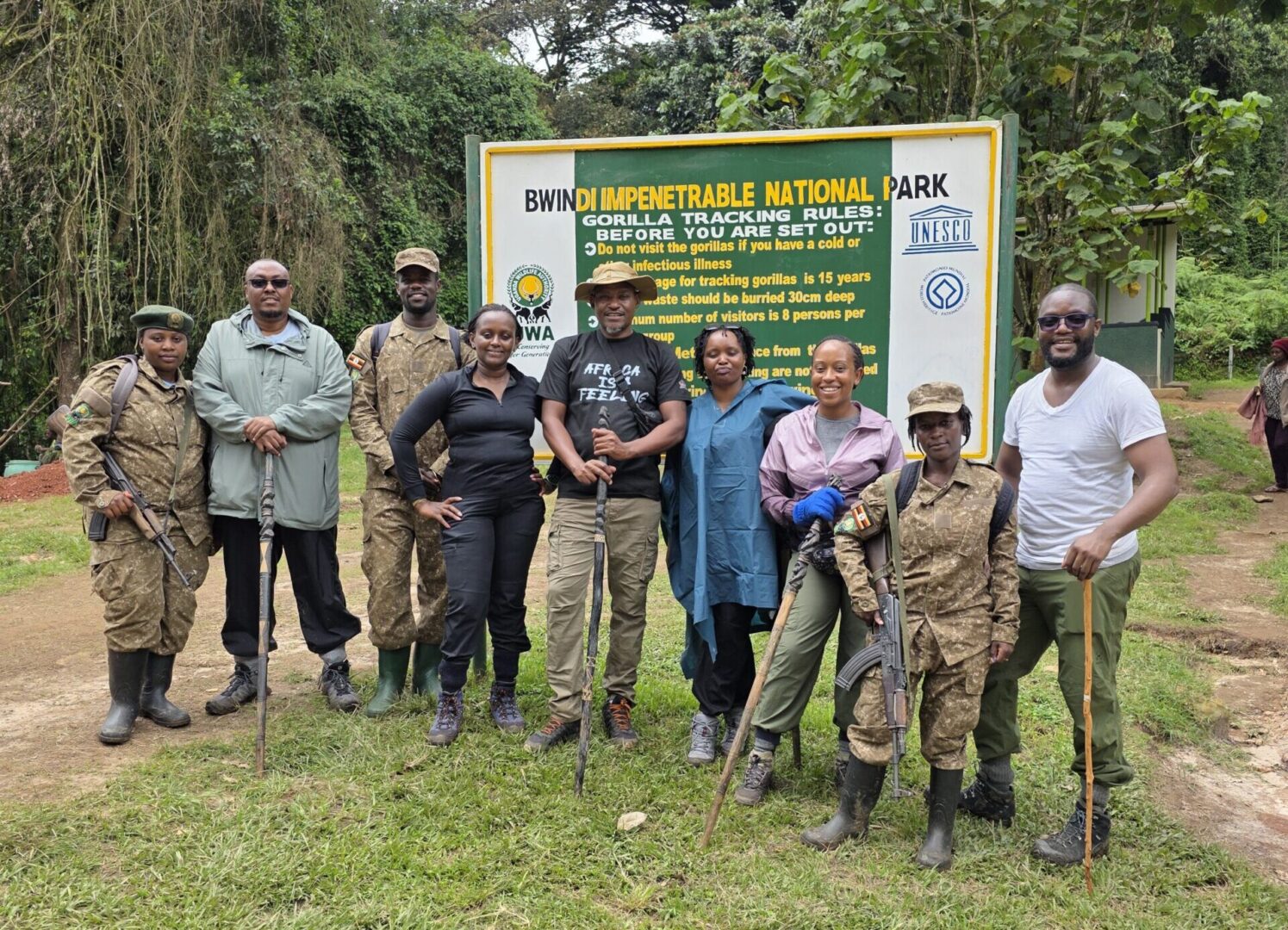
The landscapes are lush and vibrant, wildlife experiences remain rewarding, and the overall atmosphere is quieter and more personal. Travelers also benefit from lower costs and greater availability.
For those who prioritize scenery, value, and exclusivity, March stands out as an excellent time to visit Uganda.
Things to Consider
While visiting Uganda in March is highly rewarding, there are a few factors to keep in mind.
Rainfall begins to increase, which can affect trail conditions and occasionally slow down travel in certain areas. Wildlife may be slightly more dispersed, and trekking can be more physically demanding.
However, with proper planning, good gear, and experienced guides, these challenges are easily manageable.
Is March a Good Time to Visit Uganda?
Yes, March is a very good time to visit Uganda, particularly for travelers who prefer fewer crowds, beautiful landscapes, and a more relaxed safari experience.
While it may not offer the same dry conditions as peak season, it provides a different and equally valuable perspective of Uganda’s natural beauty.
Plan Your Uganda Safari in March
Visiting Uganda in March allows you to experience the country in a calm, scenic, and immersive way.
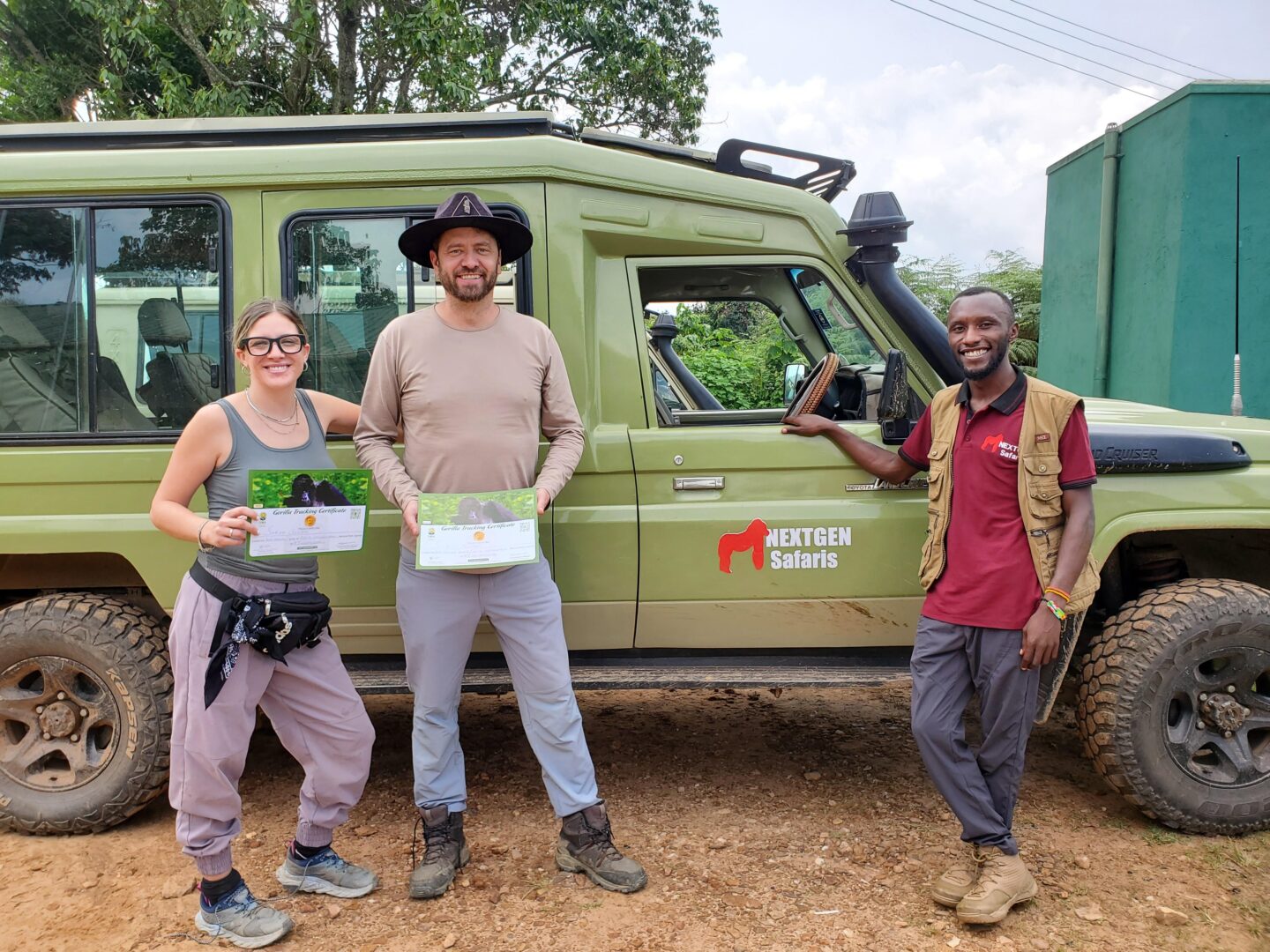
From gorilla trekking in Bwindi’s misty forests to wildlife safaris in green savannahs and rich birdlife across the country, March offers a complete and rewarding adventure.
At Nextgen Safaris, we help you plan every detail from permits to lodges and routes ensuring your Uganda safari is seamless and unforgettable.
Plan Your Uganda Safari in March with Experts
Check Gorilla Permit Availability
Request a Tailor-Made March Safari Itinerary
Speak to a Uganda Safari Specialist Today
Let Nextgen Safaris create a personalized Uganda safari experience designed around your travel style and expectations.