What Happens During a Gorilla Habituation Experience?
What Happens During a Gorilla Habituation Experience? 7 Amazing Stages in Uganda
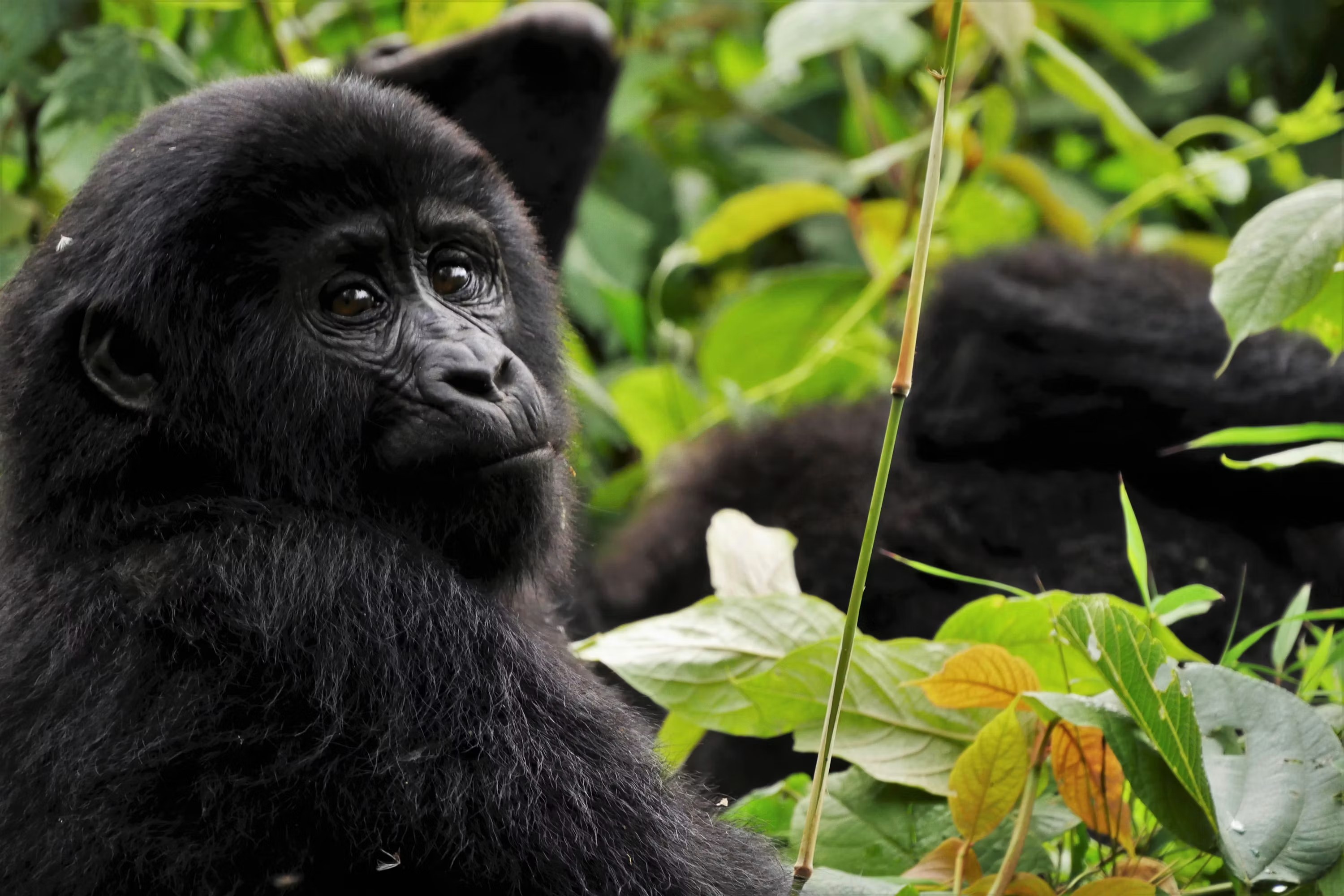
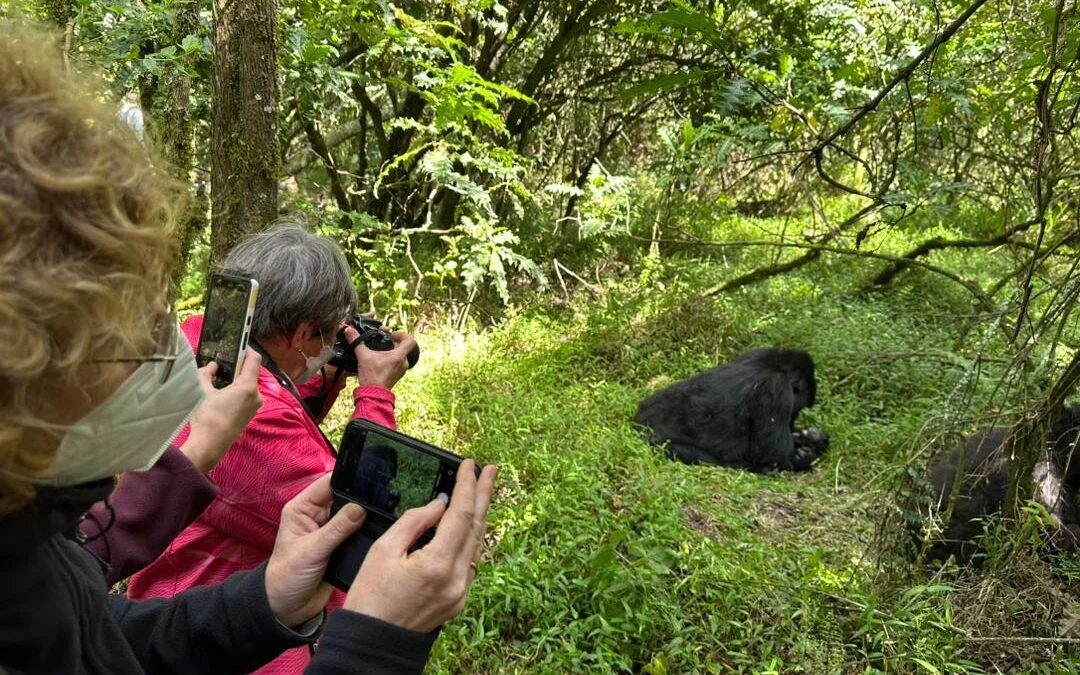
What Happens During a Gorilla Habituation Experience? A gorilla habituation experience in Uganda is an extraordinary wildlife adventure that allows visitors to accompany professional researchers, experienced trackers, and wildlife rangers into the rainforest to observe mountain gorillas undergoing the gradual process of becoming accustomed to human presence. Unlike ordinary gorilla trekking, where visitors normally spend a maximum of one hour with a fully habituated gorilla family, Uganda’s gorilla habituation experience permits up to four hours of observation with a designated family still undergoing habituation. The experience takes place in the magnificent Bwindi Impenetrable National Park in southwestern Uganda, where travelers enter dense tropical rainforest, follow the movements of mountain gorillas, learn about their behavior, and discover the conservation work required to protect these endangered primates.
For international travelers planning a safari in Uganda, understanding What Happens During a Gorilla Habituation Experience? is essential for preparing for the adventure and choosing the right wildlife activity. Uganda is among Africa’s most remarkable destinations for mountain gorilla tourism, attracting photographers, wildlife enthusiasts, conservation supporters, honeymooners, and travelers interested in meaningful encounters with endangered animals. The experience is conducted in the Rushaga sector of Bwindi Impenetrable National Park, where visitors join authorized conservation personnel for an early morning departure into the mountainous forest. Throughout the activity, participants may observe gorilla feeding habits, family interactions, communication, movement, and responses to controlled human presence. Because gorilla habituation involves physically demanding trekking, strict wildlife regulations, limited permits, and unpredictable animal movements, understanding each stage helps visitors prepare for a rewarding and responsible encounter.
What Happens During a Gorilla Habituation Experience in Uganda?
What Happens During a Gorilla Habituation Experience? The activity involves seven main stages: arriving at the designated meeting point, attending a conservation briefing, entering the rainforest, tracking the designated gorilla family, approaching the animals under ranger supervision, observing the gorillas for up to four hours, and returning from the forest for debriefing.

Although these stages generally form the structure of a gorilla habituation day, the experience is not a fixed wildlife performance. Mountain gorillas are free-ranging animals that determine their own movements, feeding locations, resting periods, and interactions. The conservation team must adapt to the animals’ behavior and ensure that tourism participation does not interfere with the habituation process.
Visitors should understand that the activity begins well before the gorillas are located. The rainforest trek is part of the adventure, and the time spent searching for the animals can vary significantly from one day to another.
The four-hour observation allowance begins when the designated gorilla family is reached. Trekking time before the encounter and the return journey are additional, making it advisable to reserve the entire day for the activity.
The gorilla habituation experience differs from ordinary gorilla trekking because visitors are accompanying the conservation team during a sensitive stage of familiarizing a gorilla family with people. The purpose is not to train or domesticate gorillas but to allow controlled observation while the animals gradually become more accustomed to human presence.
Stage One: Arrival at the Gorilla Habituation Briefing Point in Rushaga
The first stage begins early in the morning when visitors travel from their accommodation to the designated meeting point in the Rushaga area of Bwindi Impenetrable National Park.
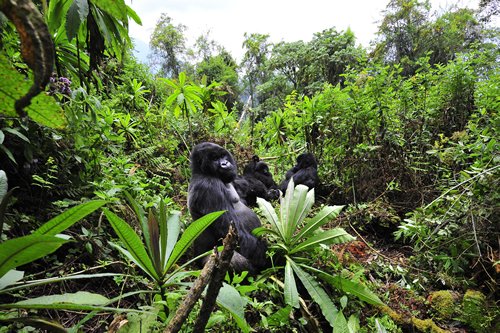

Uganda Wildlife Authority’s published operating guidelines specify a 6:30 a.m. start for the gorilla habituation activity. Travelers should follow the precise reporting instructions provided with their confirmed reservation because the required arrival time and meeting arrangements may be communicated separately.
The early departure is an important feature of gorilla habituation because locating mountain gorillas involves following animals that move freely through a mountainous rainforest environment.
Visitors should prepare their equipment, identification documents, permit confirmations, drinking water, and packed food before leaving their lodge.
When participants reach the designated meeting point, authorized personnel may check their booking confirmation, identification documents, and applicable participant information.
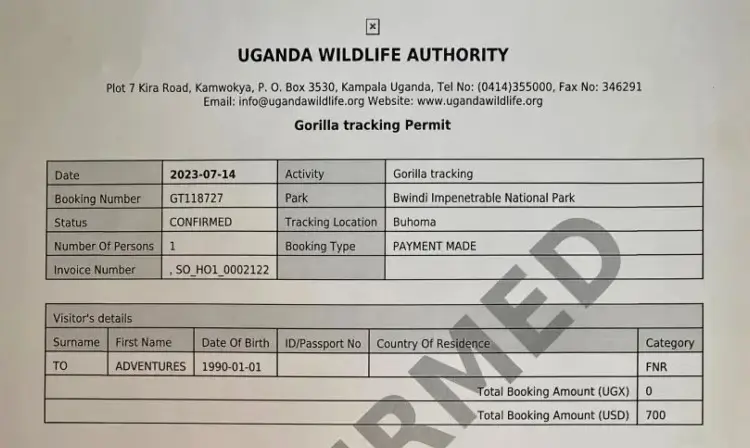
Every visitor must hold a valid permit for the authorized gorilla habituation activity and date. Ordinary gorilla trekking permits cannot automatically be used to join the four-hour habituation experience.
Permit verification helps ensure that only eligible participants enter the forest and that the daily visitor allocation remains within the approved limits.
Visitors are introduced to the responsible wildlife personnel, who may include rangers, trackers, guides, researchers, and habituators involved in managing the encounter.
These professionals have experience working in Bwindi’s forest environment and monitoring mountain gorilla families.
They help visitors understand the purpose of the experience and the importance of responsible behavior around wild animals.
What Happens During a Gorilla Habituation Experience? It begins with organized preparations and professional guidance rather than immediately walking up to a group of gorillas. This preparation is essential because the activity must balance visitor safety with mountain gorilla conservation.
Stage Two: The Gorilla Habituation Briefing and Conservation Instructions
Before entering Bwindi Impenetrable Forest, participants attend a briefing conducted by authorized wildlife personnel.
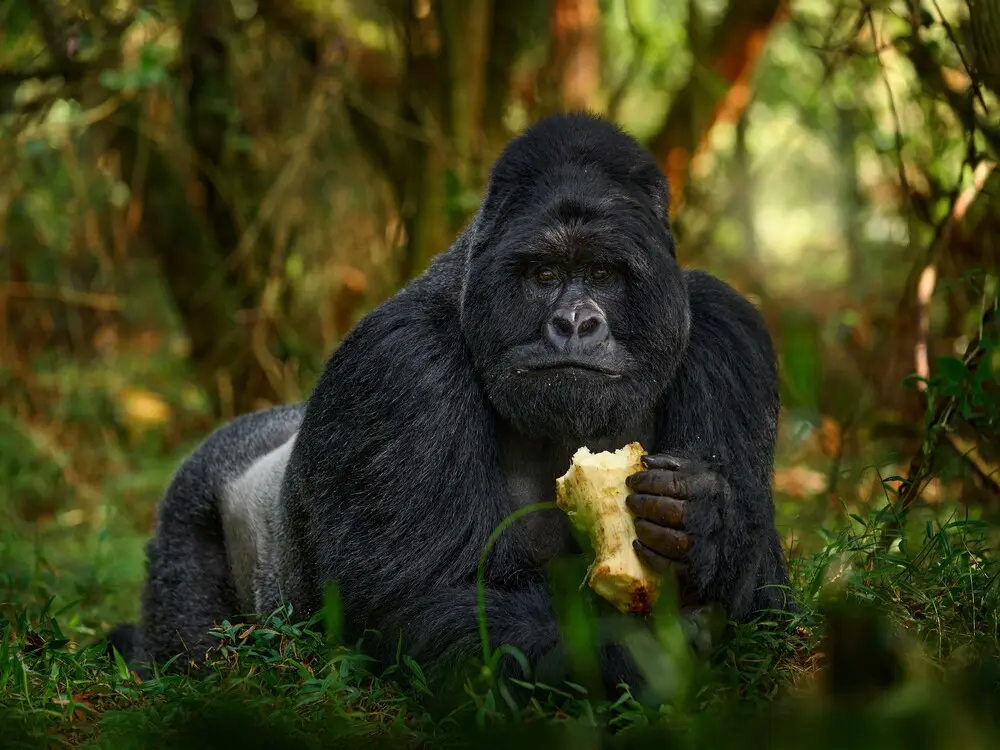
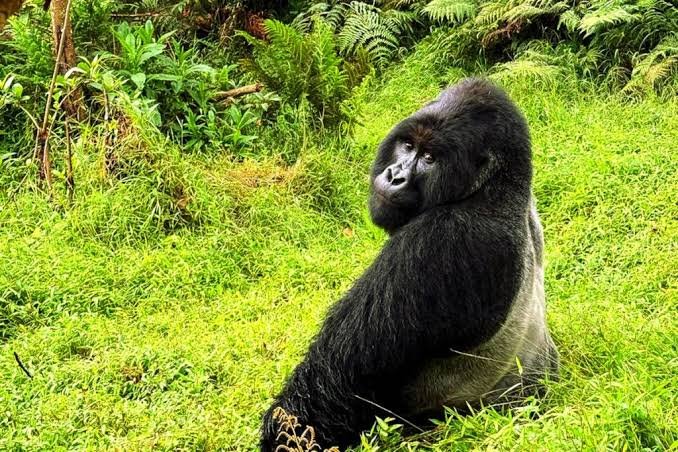
The briefing introduces the gorilla habituation process, explains the expected conditions, and outlines the rules visitors must follow while tracking and observing gorillas.
Travelers learn that the animals are still undergoing habituation and may react differently to people compared with fully habituated gorilla families.
The conservation personnel explain why quiet behavior, controlled movements, and maintaining the required viewing distance are important.
Learning the Gorilla Habituation Rules
Visitors receive instructions about avoiding sudden movements, speaking quietly, refraining from touching gorillas, and respecting the directions of the conservation team.
The applicable minimum viewing distance must be maintained, with the Uganda Wildlife Authority’s published gorilla tracking rules specifying ten metres.
Flash photography is prohibited, and visitors must not eat, drink, or smoke while observing gorillas.
Participants are also instructed to avoid actions that could disturb the family or create unnecessary risks.
Understanding Health and Disease Prevention
Mountain gorillas are vulnerable to infectious diseases transmitted by humans, especially respiratory infections.
For this reason, participants must follow the health precautions communicated by park personnel.
Travelers experiencing symptoms of contagious illness should disclose their condition rather than attempting to participate without informing the responsible team.
Park personnel may prohibit participation when necessary to protect the animals.
Preparing for Trekking Conditions
The briefing also helps visitors understand that Bwindi is a mountainous rainforest where walking conditions can vary.
Participants may encounter steep slopes, thick vegetation, wet ground, narrow trails, and potentially slippery surfaces.
The conservation team may provide practical instructions about moving safely through the forest and following the designated route.
What Happens During a Gorilla Habituation Experience after the briefing? Visitors accompany the authorized team into the rainforest to begin locating the designated gorilla family. From this point onward, patience, physical preparation, and cooperation become essential.
Stage Three: Entering Bwindi Impenetrable Forest With Rangers and Researchers
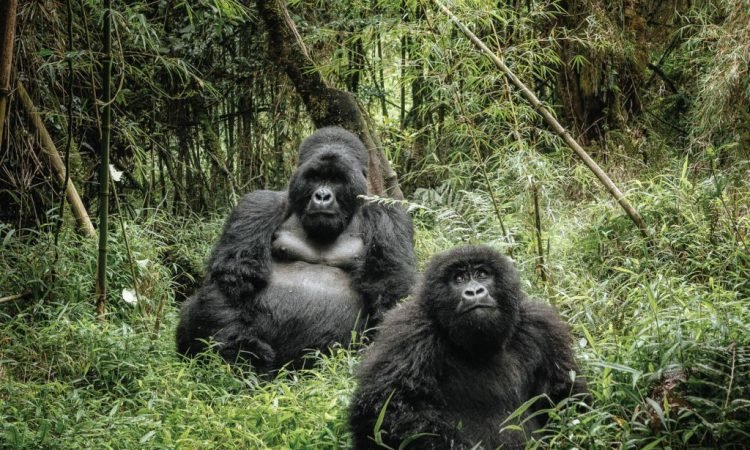
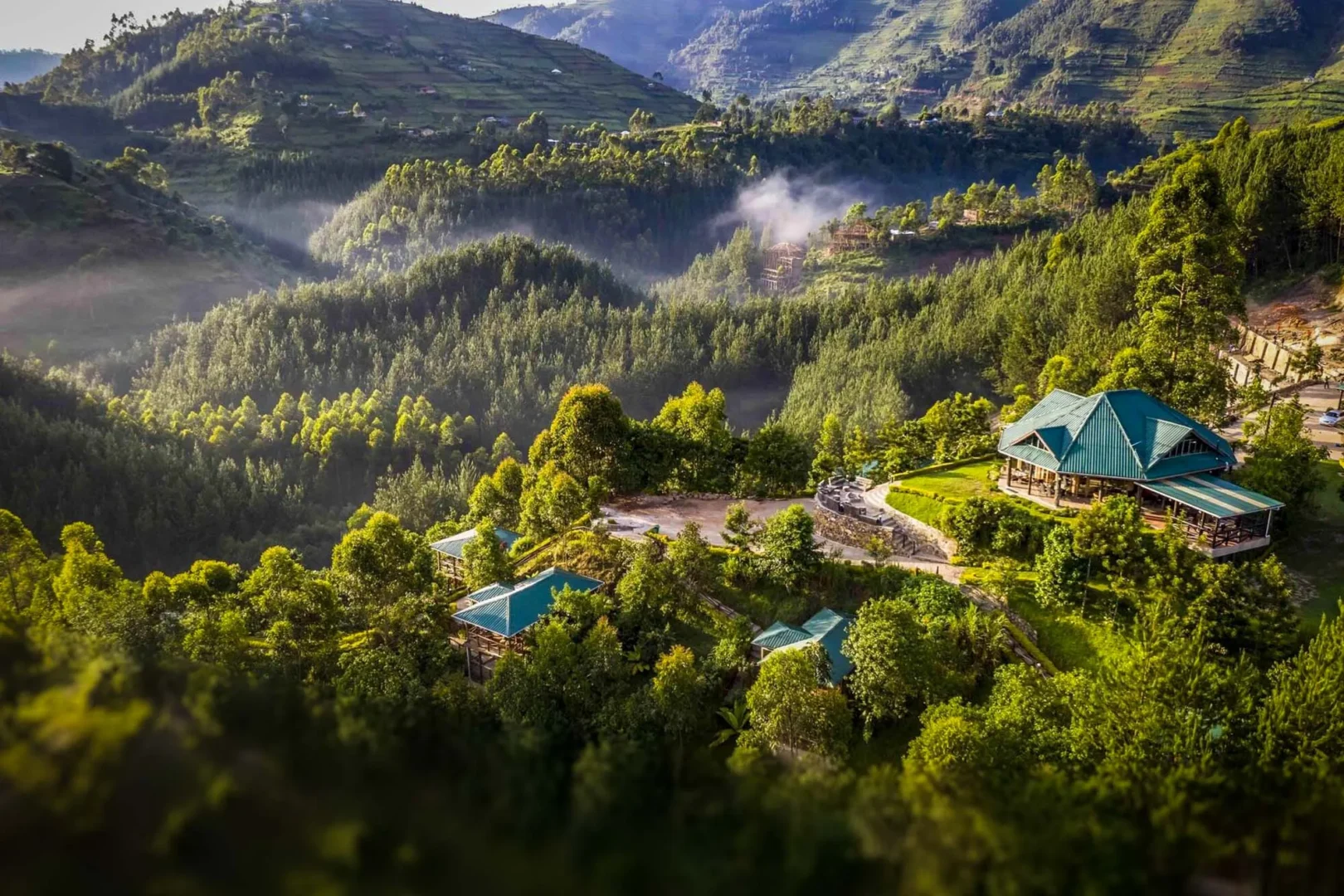
The third stage involves entering the rainforest and beginning the search for the designated mountain gorilla family.
Bwindi Impenetrable National Park is internationally recognized for its rich biodiversity, thick forest vegetation, steep hillsides, and importance in protecting mountain gorillas.
Visitors experience the rainforest environment while walking alongside the conservation personnel responsible for the activity.
Depending on the assigned route, the group may travel along existing forest paths or move through more challenging vegetation under the guidance of experienced trackers.
Walking Through Mountain Gorilla Habitat
The journey introduces participants to the natural environment in which mountain gorillas live.
Large trees, climbing plants, ferns, moss-covered vegetation, and dense undergrowth characterize parts of Bwindi’s forest landscape.
The terrain can change rapidly, with some sections requiring uphill walking and others descending into forested valleys.
Rainfall may make the ground slippery, while thick vegetation can sometimes restrict visibility.
The amount of walking required cannot be guaranteed because the designated gorilla family may be located at different distances on different days.
Discovering Other Forest Wildlife
Although mountain gorillas are the main attraction, visitors may also observe forest birds, insects, interesting plants, and signs of other wildlife.
Bwindi supports a remarkable variety of species, making the forest walk an educational experience in its own right.
However, sightings of other wildlife are incidental and cannot be guaranteed.
Visitors should remain focused on following their guides and avoiding unnecessary disturbance to the surrounding environment.
Understanding the Role of Rangers
The ranger and tracking team provides guidance throughout the forest experience.
They assess the route, communicate instructions, interpret signs of gorilla activity, and help visitors move safely through the terrain.
Participants should remain with the authorized group and avoid leaving the designated route independently.
What Happens During a Gorilla Habituation Experience while walking through the forest? Visitors experience the mountain gorillas‘ natural habitat while the conservation team works to locate the designated family. The walking portion can be physically demanding, but it forms an important part of understanding the animals’ environment.
Stage Four: Tracking and Locating the Gorilla Family
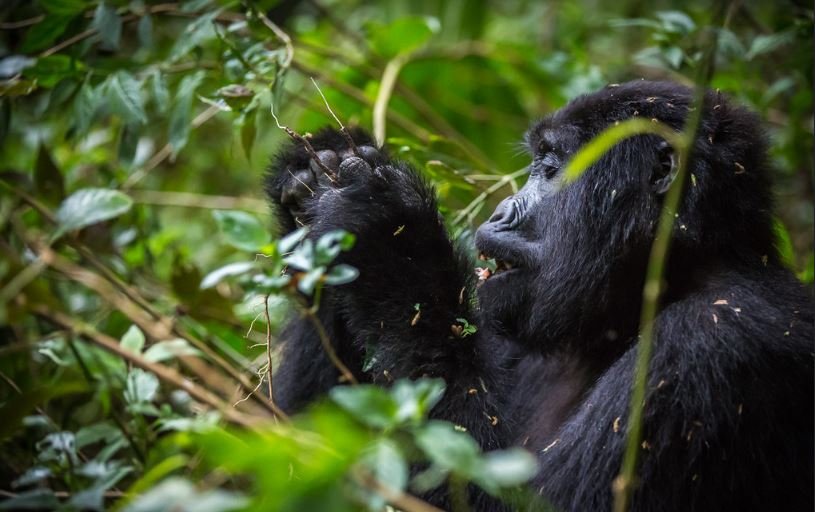
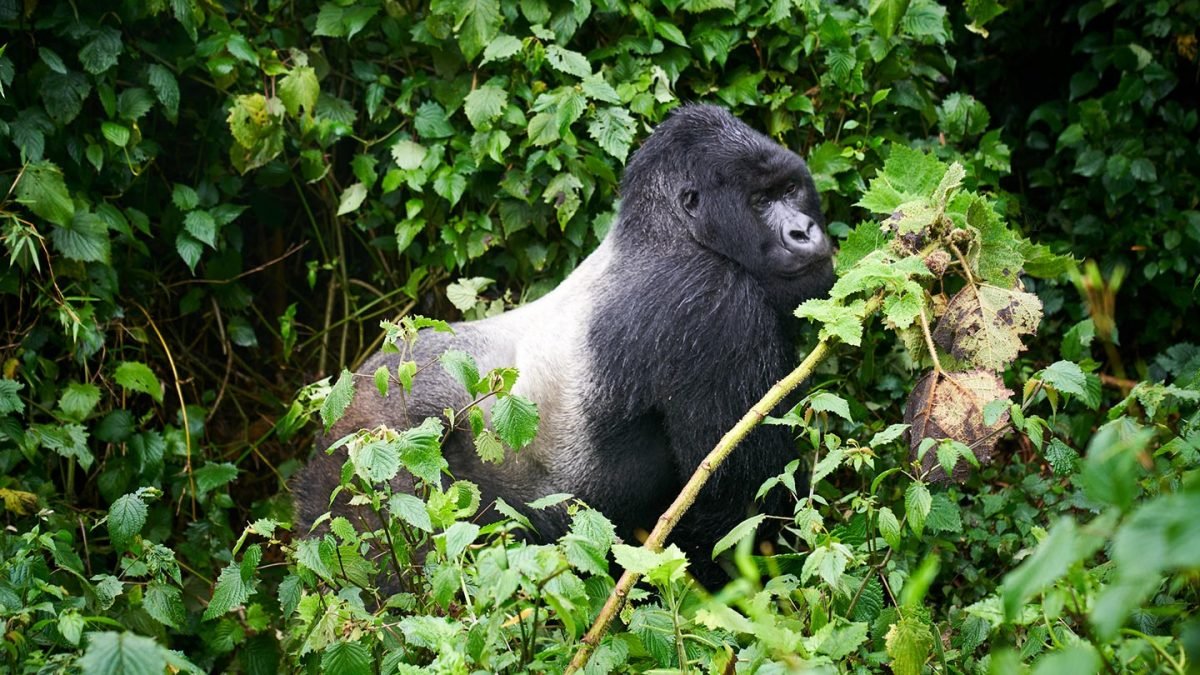
Locating mountain gorillas is one of the most important stages of the habituation experience.
Mountain gorillas move through the forest in search of food, suitable resting areas, and other resources. Their movements are influenced by the availability of vegetation, family behavior, environmental conditions, and other natural factors.
Professional trackers use their knowledge of gorilla behavior and previous observations to help determine the family’s likely location.
Following Gorilla Movement and Feeding Signs
Trackers may examine signs of gorilla activity, including disturbed vegetation, feeding remains, nesting areas, and movement patterns.
Mountain gorillas normally construct nests for resting, and evidence of previous nesting locations can provide useful information about their movements.
Conservation personnel also draw on their familiarity with the particular family and its recent activity.
This process demonstrates that gorilla habituation is not a visit to a controlled wildlife enclosure. The gorillas remain wild animals moving freely within their natural environment.
Why Finding Gorillas Can Take Time
The time required to locate a gorilla family depends on its movements and the accessibility of the surrounding terrain.
Some groups may encounter the animals after a relatively manageable walk, while others may need to spend much longer moving through the forest.
Weather conditions, steep slopes, and vegetation can also influence the pace of the trek.
Visitors should therefore avoid expecting the same walking duration experienced by another traveler.
Learning About Gorilla Families
Different gorilla families have distinct social structures, movements, and behavior patterns.
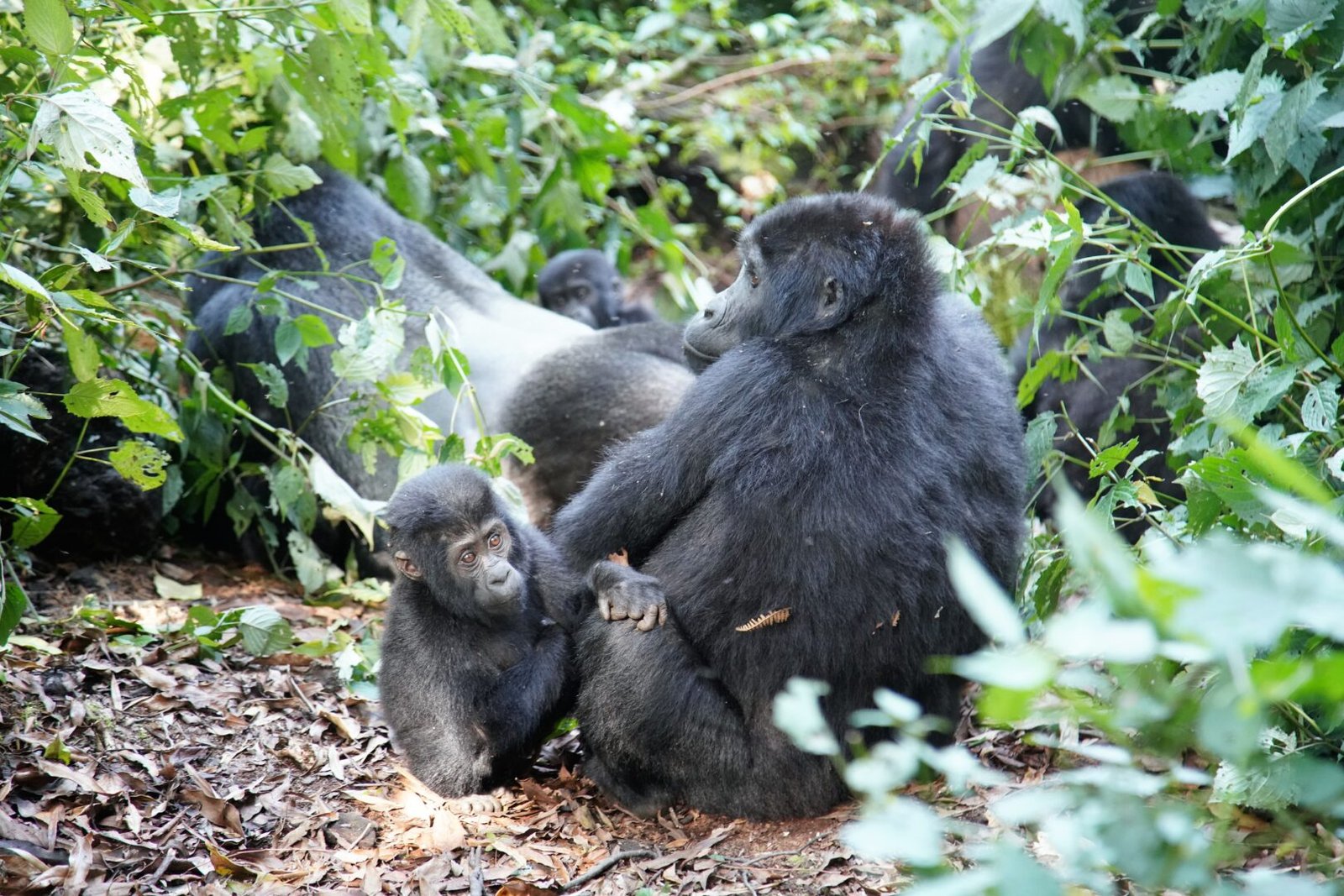
A family may include a dominant silverback, adult females, younger males, juveniles, and infants, although the exact composition varies.
The researchers and trackers may help visitors understand the family they are following and explain the importance of long-term conservation monitoring.
What Happens During a Gorilla Habituation Experience when the family is finally located? The team evaluates the situation, provides instructions about approaching the gorillas, and determines how visitors can begin observing without disrupting the animals.
Stage Five: Approaching the Gorilla Family Under Ranger Supervision
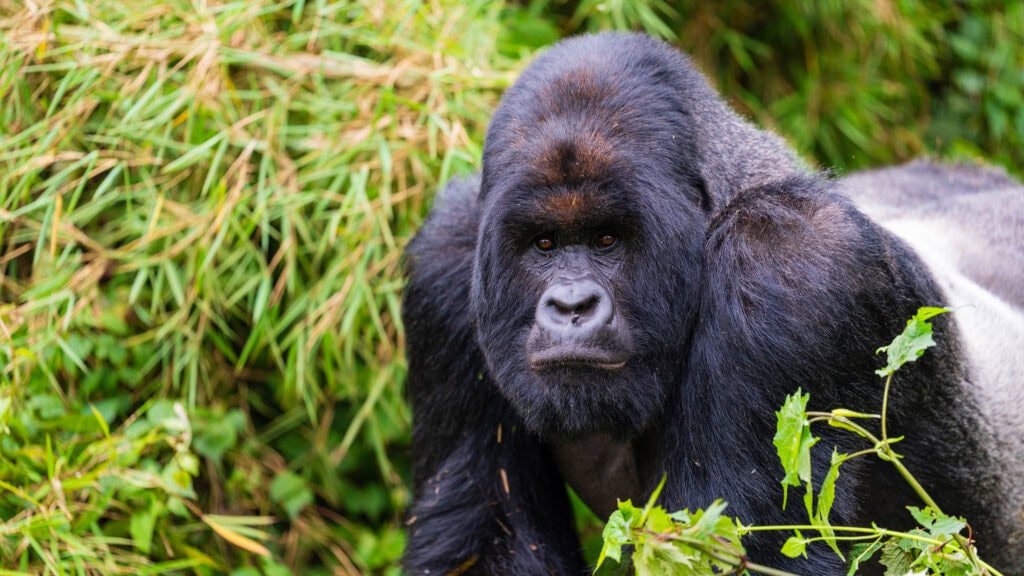
The moment the designated gorilla family is located can be one of the most memorable parts of the experience.
However, visitors must remain calm and follow the instructions of the conservation team.
Gorillas undergoing habituation may respond differently to human presence compared with families already accustomed to regular tourism visits.
Some animals may remain relatively calm, while others may move away, watch the visitors, or display behaviors that require the team to adjust its position.
Approaching Slowly and Carefully
The conservation personnel determine the appropriate observation position.
Visitors should avoid sudden movements, loud conversations, unnecessary gestures, or attempts to attract the gorillas’ attention.
Maintaining the required distance is essential, even when vegetation or photographic conditions make viewing difficult.
If a gorilla moves toward visitors, participants should follow the rangers’ instructions rather than attempting to approach or touch the animal.
Respecting Gorilla Behavior
Mountain gorillas communicate through posture, facial expressions, vocalizations, and movement.
Researchers and trackers understand many of the behaviors that indicate how the animals are responding to their surroundings.
Visitors may be instructed to remain still, lower their posture, move away carefully, or adjust their position when necessary.
The experience is designed around the animals’ welfare rather than the visitor’s desire for close photographs.
Beginning the Four-Hour Observation Period
Once visitors reach the gorillas and the authorized encounter begins, the maximum four-hour observation period applies.
The Uganda Wildlife Authority distinguishes between tracking time and viewing time.
Tracking includes the broader activity, while viewing refers to the period visitors spend observing the gorillas after encountering them.
What Happens During a Gorilla Habituation Experience at the first encounter? Visitors begin observing the gorilla family under the supervision of authorized wildlife personnel while following the rules that protect the animals and participants.
Stage Six: Spending Up to Four Hours Observing Mountain Gorillas
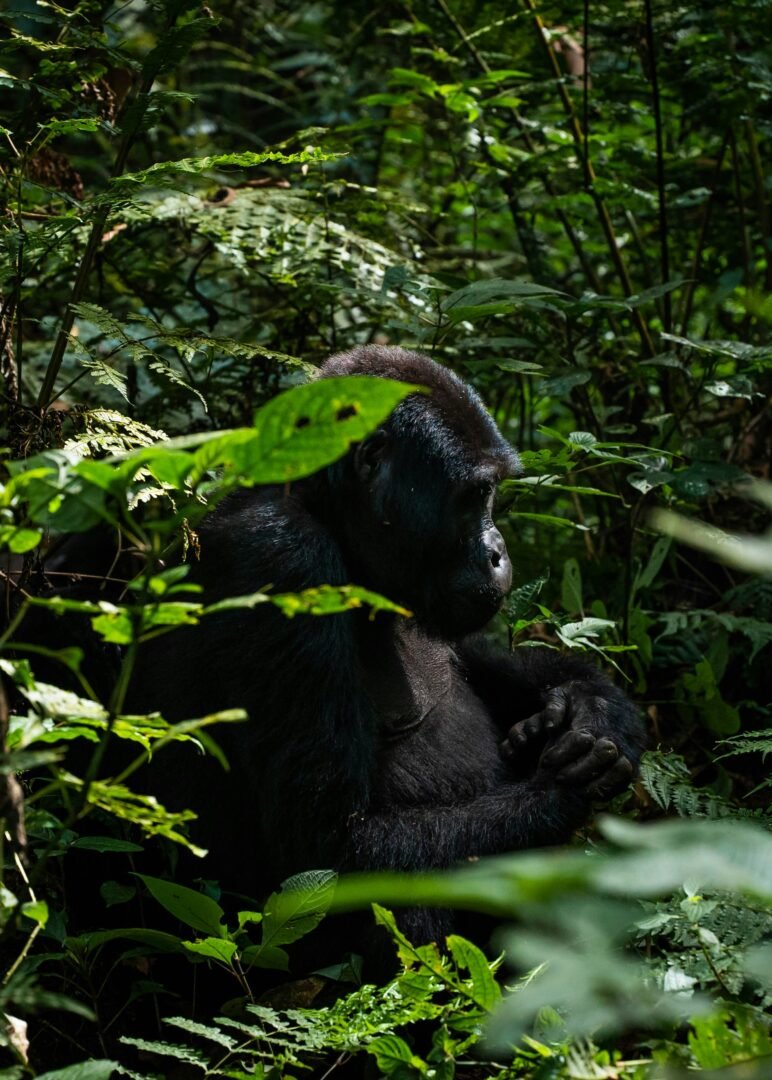
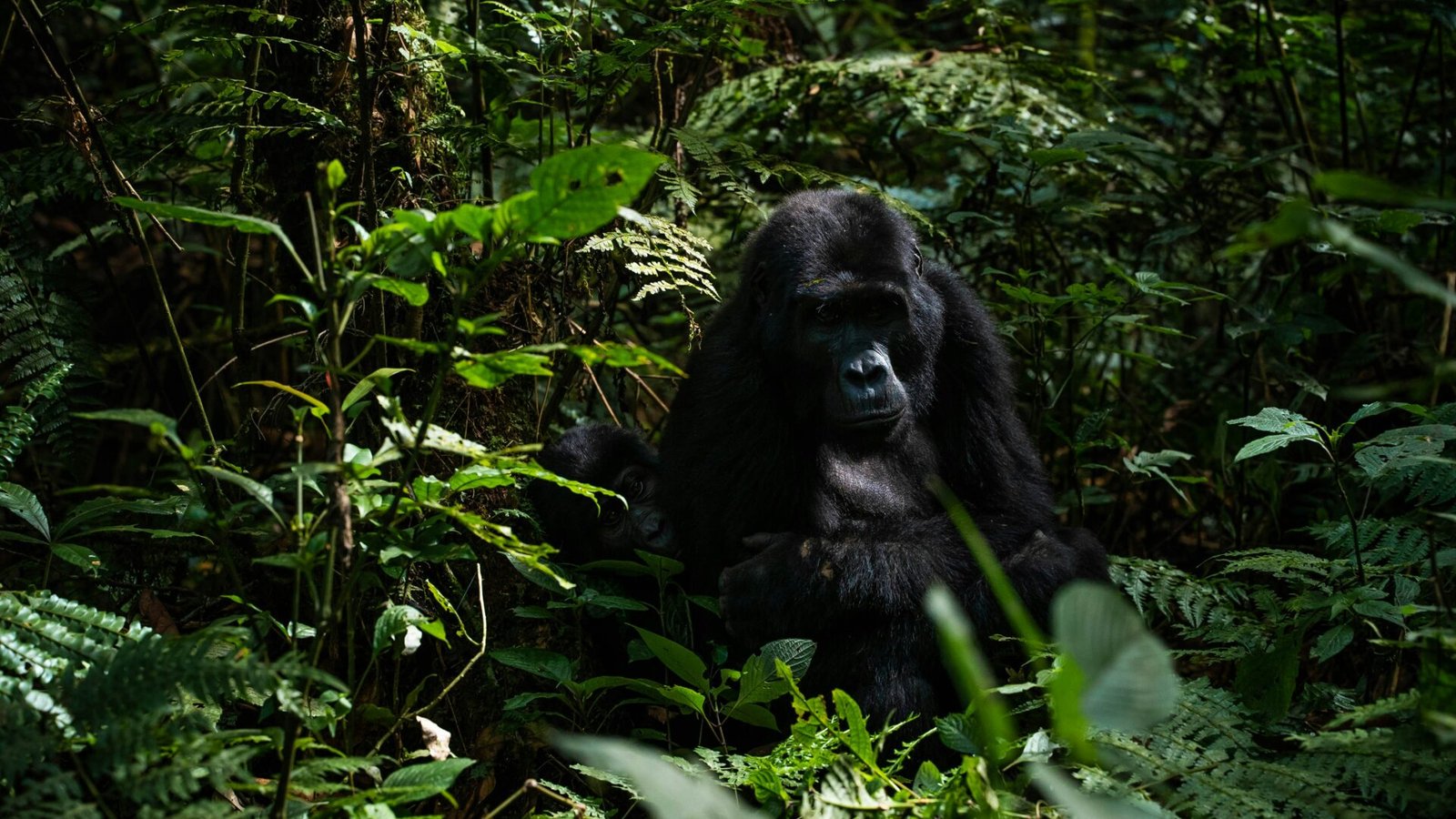
The sixth stage is the central attraction of the entire gorilla habituation experience.
Visitors may spend a maximum of four hours observing the designated gorilla family after the encounter begins, subject to conservation requirements and the animals’ behavior.
This is substantially longer than ordinary gorilla trekking, which generally permits one hour of observation.
The extended period provides opportunities to appreciate mountain gorilla social behavior, family relationships, feeding patterns, resting activities, and communication.
Watching Silverback Gorilla Behavior
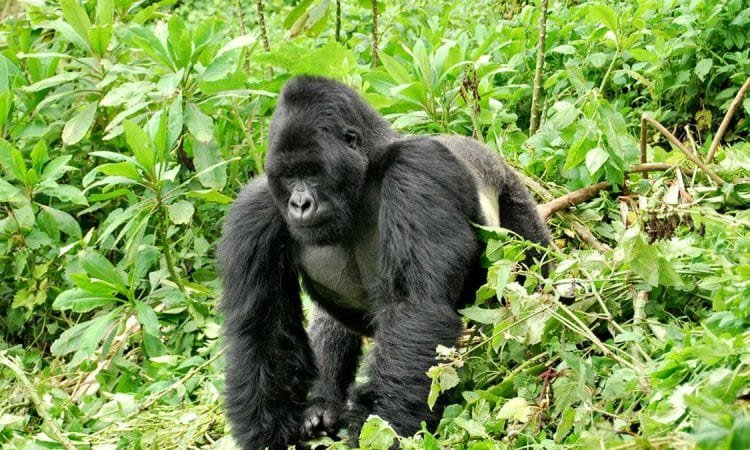
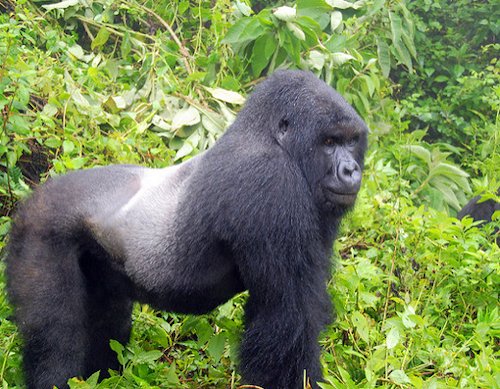
Silverbacks are mature male gorillas that often play important roles in the organization and protection of their families.
During a habituation encounter, visitors may observe a silverback resting, feeding, monitoring other family members, or responding to activity around the group.
Silverbacks are powerful animals, but much of their daily behavior can be calm and routine.
Witnessing these ordinary activities helps visitors understand that mountain gorilla life is not defined only by dramatic displays of strength.
The gorilla family may change position during the encounter.
Visitors might observe individuals moving through vegetation, climbing over fallen trees, resting in shaded areas, or traveling between feeding locations.
The conservation team may adjust the visitors’ observation position when necessary and appropriate.
What Happens During a Gorilla Habituation Experience during the four-hour viewing period? Participants observe the gorillas’ natural routines while learning about their behavior and the careful conservation work involved in habituation. Every encounter is different, making patience and realistic expectations essential.
Any certificate or other documentation provided should be treated as subject to the specific arrangements in place rather than automatically guaranteed.
What Happens During a Gorilla Habituation Experience after leaving the gorillas? Travelers complete the forest return, conclude the activity with the conservation team, and return to their accommodation or continue their safari itinerary when practical.
How Long Does the Entire Gorilla Habituation Experience Take?
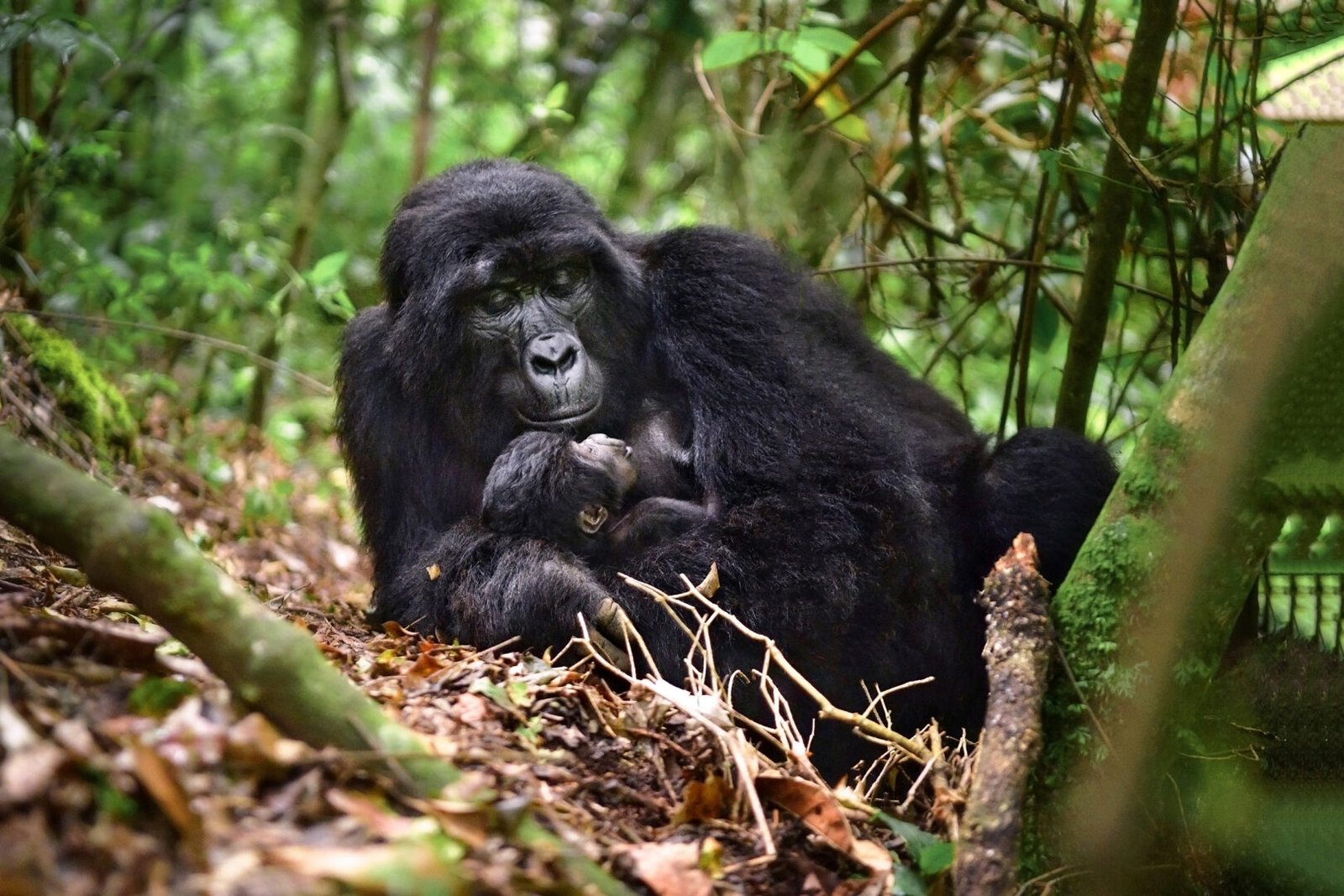
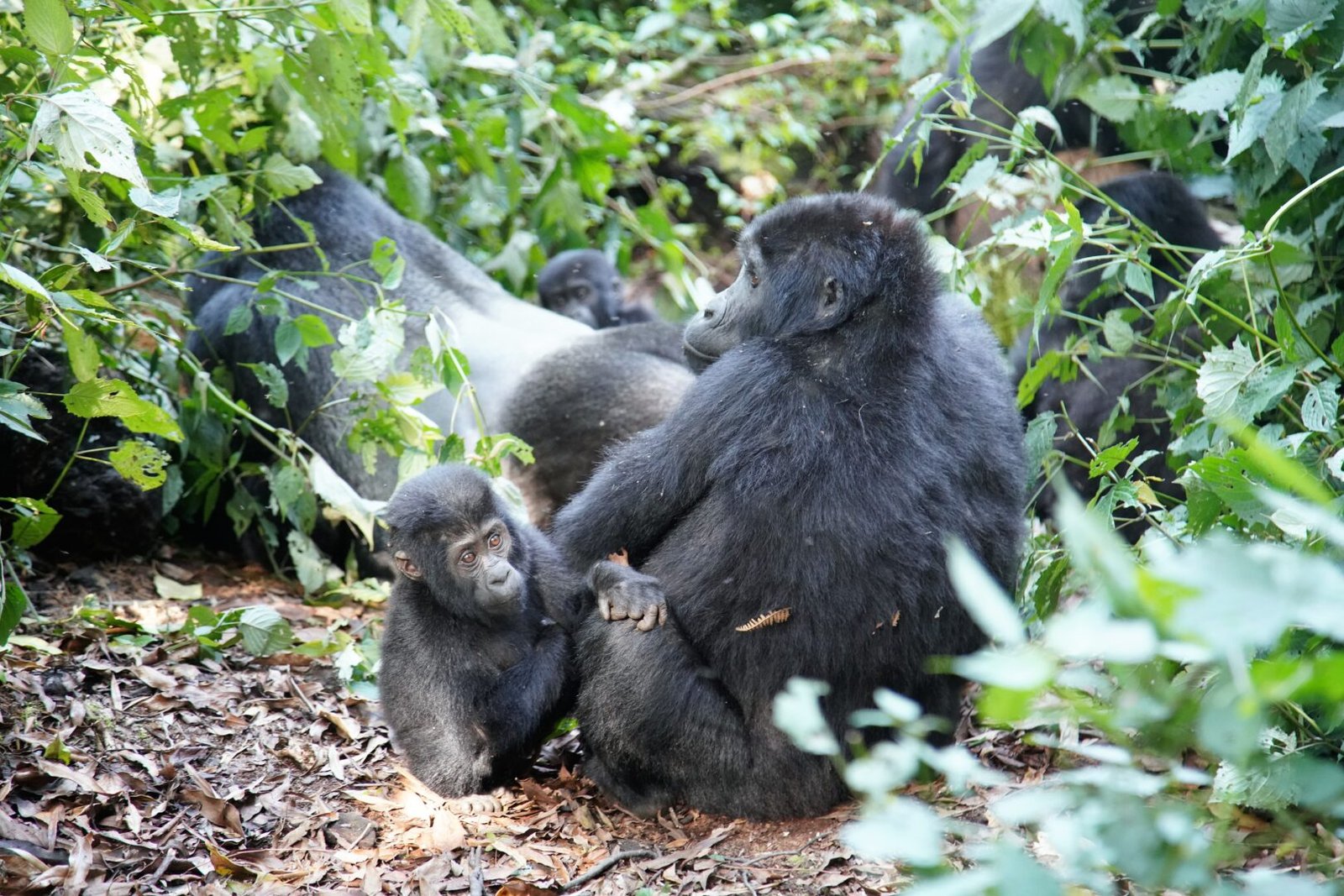
The overall duration of gorilla habituation varies because the four-hour observation period is separate from the time spent locating the gorillas and returning through the forest.
The activity begins early, with published Uganda Wildlife Authority guidelines specifying a 6:30 a.m. start.
After the briefing, participants follow the authorized team into the rainforest to search for the designated family.
The time needed to locate the animals may vary significantly depending on their movements and the surrounding terrain.
Once the family is reached, the maximum four-hour viewing period begins.
Afterward, the group must still return from the forest.
What Happens During a Gorilla Habituation Experience if the gorillas are far from the meeting point? Participants may spend considerably more time walking before and after the viewing period, making the experience a potentially full-day activity.
Travelers should therefore avoid scheduling closely timed domestic flights, lengthy road transfers, or additional major wildlife activities immediately afterward.
Gorilla Habituation vs Ordinary Gorilla Trekking in Uganda
One of the most important distinctions between gorilla habituation and standard gorilla trekking is the purpose and length of the encounter.
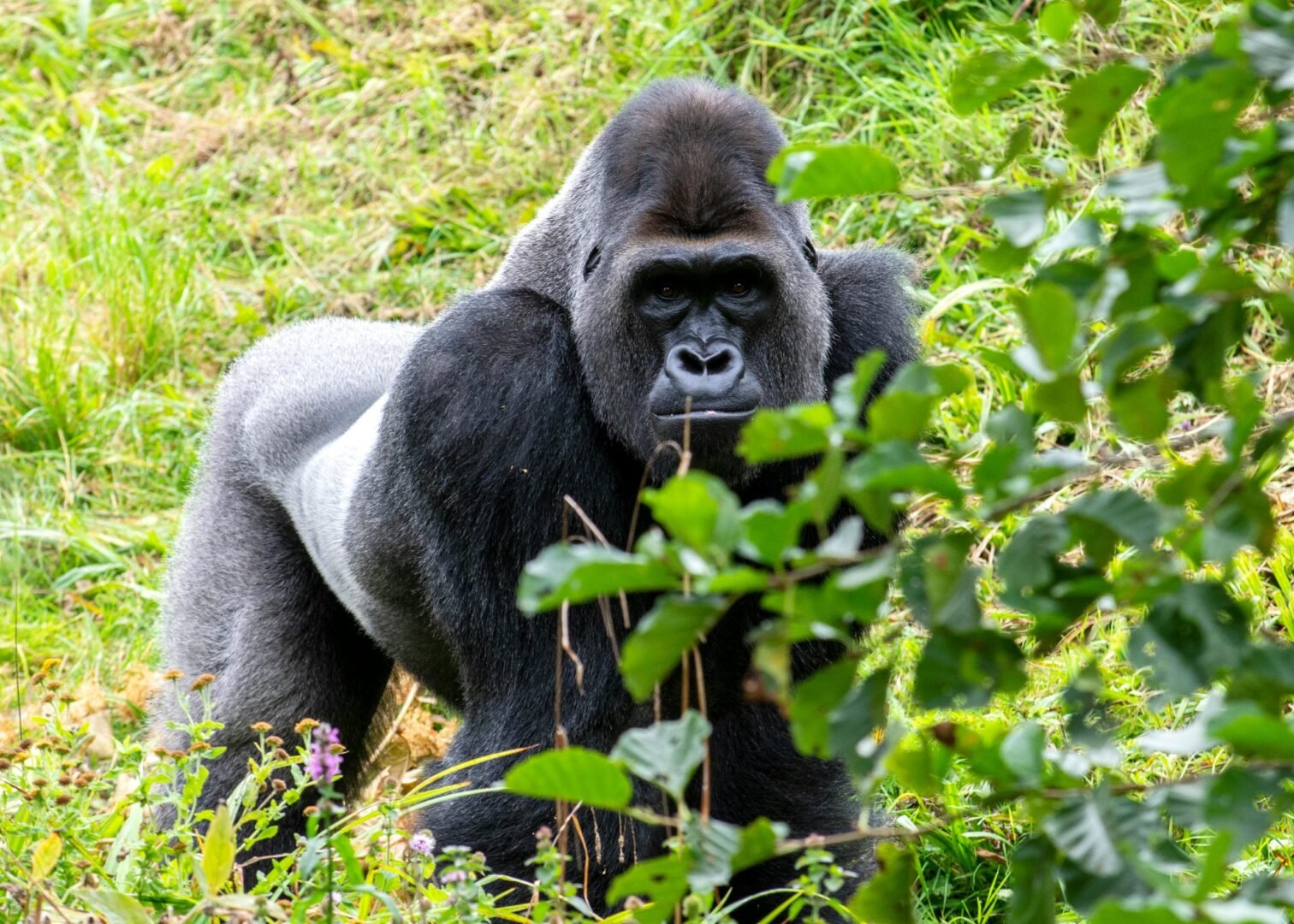
Standard Gorilla Trekking
Ordinary gorilla trekking involves visiting a mountain gorilla family that has already become accustomed to carefully managed tourist visits.
Visitors generally spend a maximum of one hour observing the designated family after locating it.
The experience is available in several sectors of Bwindi Impenetrable National Park and in Mgahinga Gorilla National Park.
Standard gorilla trekking normally permits up to eight visitors per habituated family.
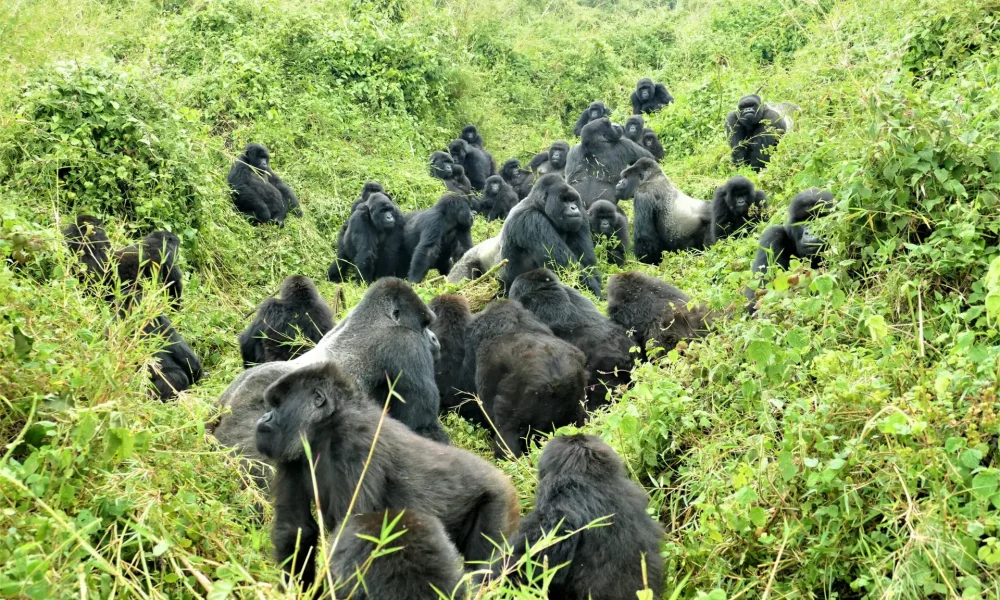
Gorilla Habituation
Gorilla habituation involves visiting a family that is still undergoing the gradual process of becoming accustomed to human presence.
Participants accompany authorized conservation personnel and may spend up to four hours observing the animals.
The experience generally allows a maximum of four paying visitors per authorized family, creating a smaller visitor group.
What Happens During a Gorilla Habituation Experience that makes it different from ordinary trekking? The extended observation period and opportunity to accompany researchers and habituators provide insight into a different stage of mountain gorilla conservation.
Travelers who are primarily interested in seeing mountain gorillas may find standard trekking suitable, while visitors seeking longer observation and conservation education may prefer habituation.
For more information about the alternative experience, review gorilla trekking permits in Uganda.
Where Does the Gorilla Habituation Experience Take Place?
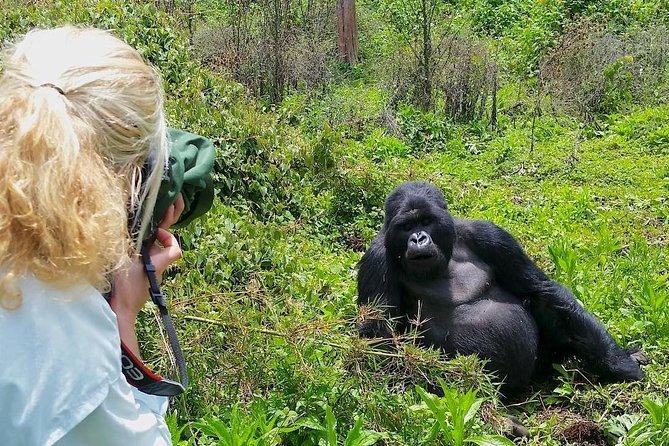
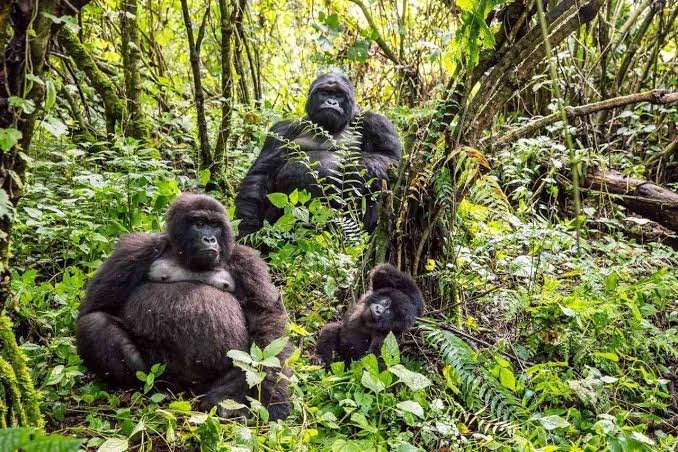
The established visitor-accessible gorilla habituation experience in Uganda takes place in the Rushaga sector of Bwindi Impenetrable National Park.
Rushaga is located in southwestern Uganda and is known for its dense rainforest, mountainous landscapes, and important mountain gorilla conservation activities.
The sector is accessible by road from several locations in Uganda, including the Kabale and Kisoro areas.
International travelers may reach southwestern Uganda through Entebbe International Airport, followed by road transportation or a suitable domestic flight to Kisoro.
Another possible route is through Kigali in Rwanda, subject to applicable immigration, visa, and border-crossing requirements.
Travelers should confirm the designated meeting point before reserving accommodation because different areas around Bwindi can be separated by substantial driving distances.
What Happens During a Gorilla Habituation Experience when travelers stay near Rushaga? A convenient lodge location helps reduce early-morning transfer time and allows participants to arrive at the meeting point properly prepared.
Visitors should ideally spend the night before the activity within practical reach of their confirmed meeting location.
How Much Does a Gorilla Habituation Experience Cost in Uganda?
The Uganda Wildlife Authority determines official permit prices according to the applicable conservation tariff and visitor category.
For foreign non-residents, the established 2026 gorilla habituation permit price is US$1,500 per person.
From January 2027, the published Uganda Wildlife Authority conservation tariff introduces revised habituation rates.
Gorilla Habituation Permit Prices for 2027–2028
The official tariff for January 2027 through June 2028 lists the following prices:
- Foreign non-residents: US$1,800 per person.
- Foreign residents: US$1,500 per person.
- Rest of Africa category: US$1,000 per person.
- East African Community citizens: UGX 750,000 per person.
These rates are subject to official changes, and visitors must provide the documentation required to qualify for their appropriate category.
The official permit includes access to the authorized gorilla habituation activity, applicable activity-day park entrance, guiding services, and a community development contribution.
It does not normally include accommodation, private transportation, international flights, visa fees, travel insurance, porter services, or personal expenses.
What Happens During a Gorilla Habituation Experience after purchasing the permit? The traveler participates in the confirmed activity on the authorized date, subject to the applicable rules, rather than receiving unrestricted access to the gorilla family.
Visitors should obtain official confirmation before finalizing other non-refundable safari arrangements.
How Physically Difficult Is the Gorilla Habituation Experience?
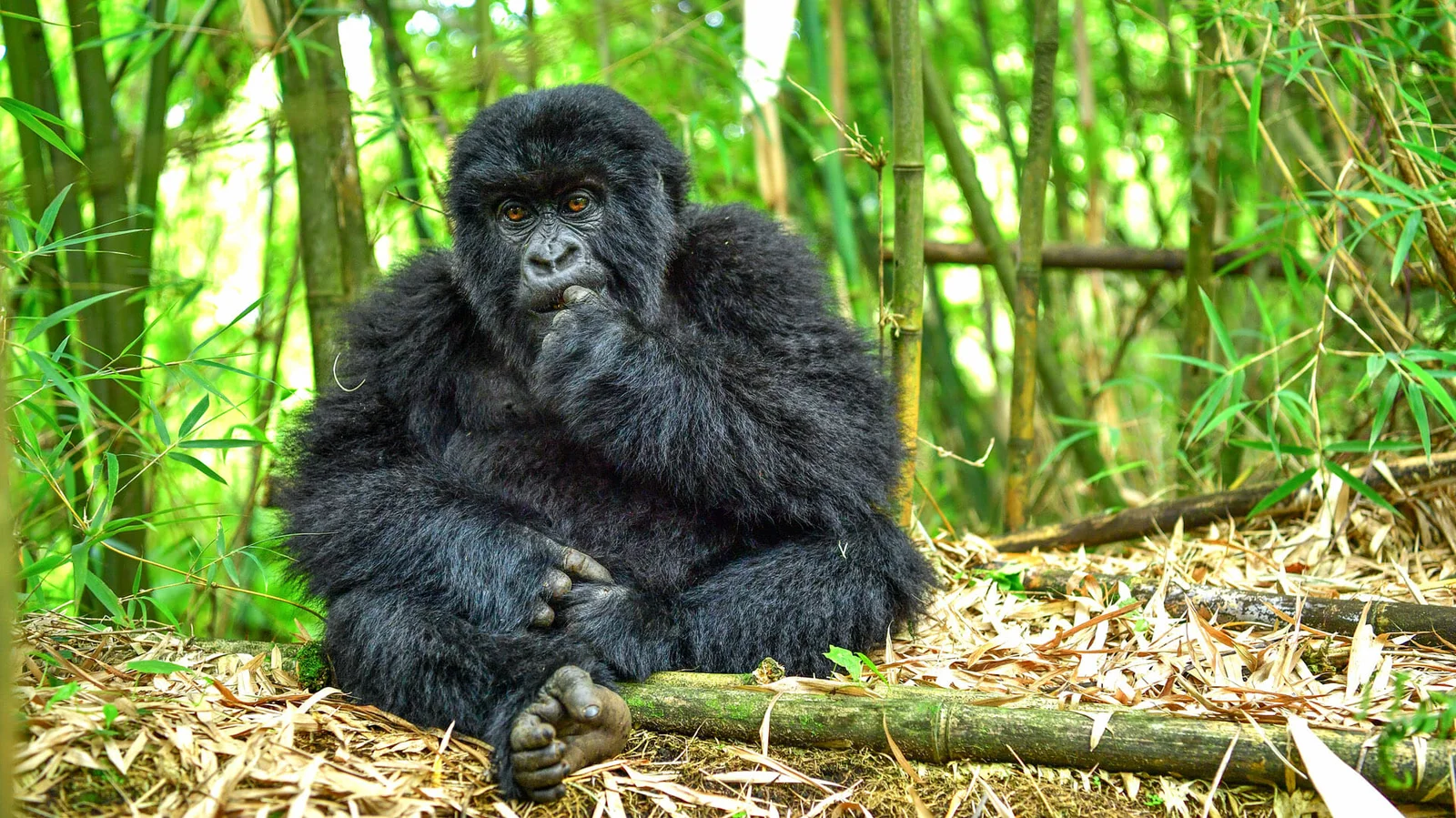
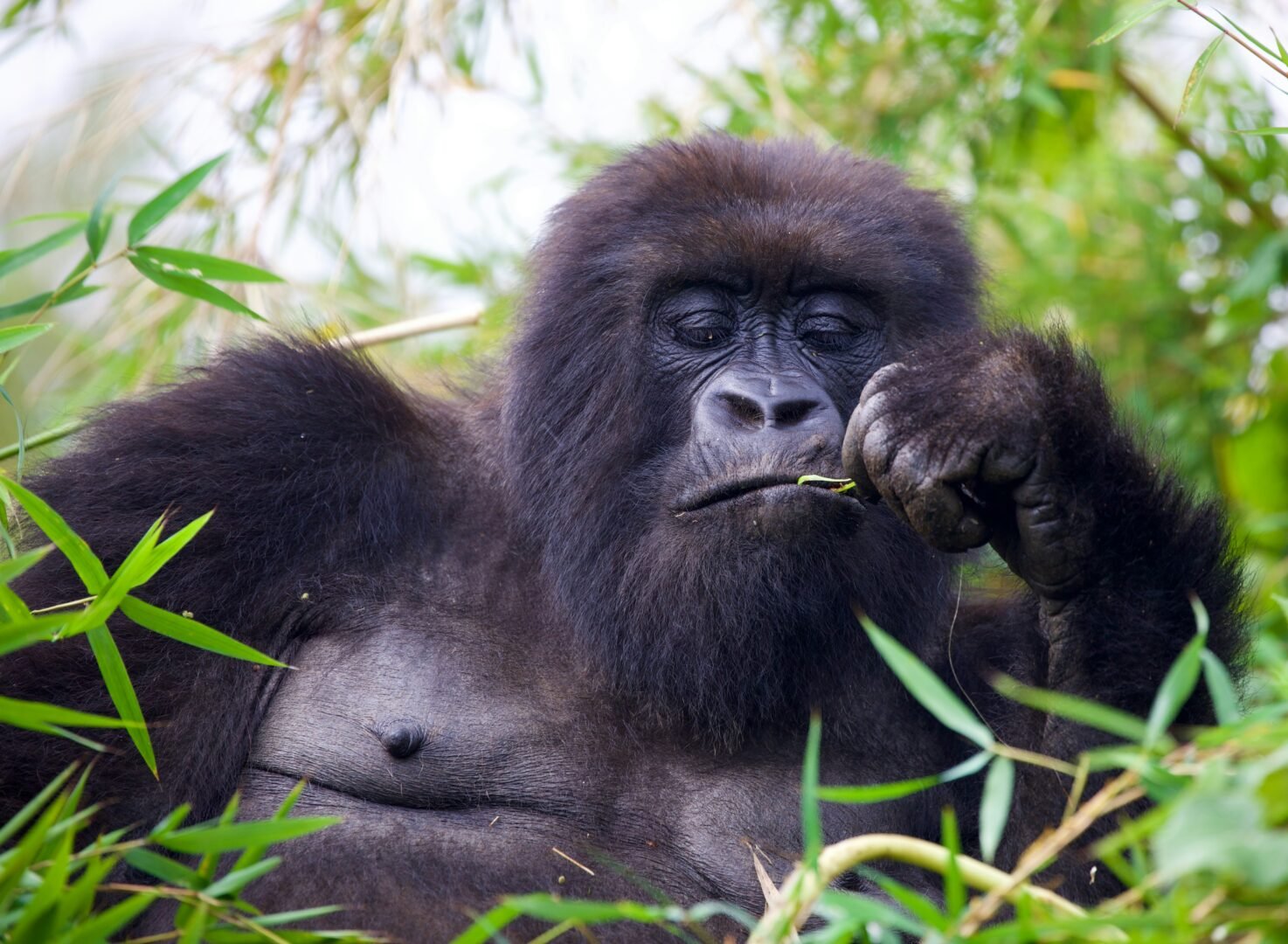
Gorilla habituation can be physically demanding because it involves walking through mountainous rainforest terrain.
Bwindi Impenetrable National Park contains steep slopes, thick vegetation, uneven trails, and areas that can become slippery after rainfall.
The difficulty of the experience depends partly on the location of the designated gorilla family and the route selected by the conservation team.
Some visitors may complete a relatively manageable trek, while others may encounter challenging climbs and longer walking distances.
Travelers should prepare with regular walking and moderate hiking where possible.
Comfortable, sturdy footwear and appropriate clothing can improve the experience.
Visitors do not need to be professional mountaineers, but they should have a realistic understanding of the physical demands.
Eligible senior travelers may participate when they can safely undertake the activity.
Porters may be available to help carry personal belongings, and visitors with mobility concerns should discuss their needs before purchasing permits.
However, assistance does not eliminate the possibility of steep terrain or lengthy walking.
What Happens During a Gorilla Habituation Experience for travelers with limited mobility? The same forest conditions apply, and individual suitability should be assessed carefully before confirming the booking.
What Happens During a Gorilla Habituation Experience in the Rainy Season?
Gorilla habituation can generally be arranged throughout the year, subject to permit availability and operational conditions.
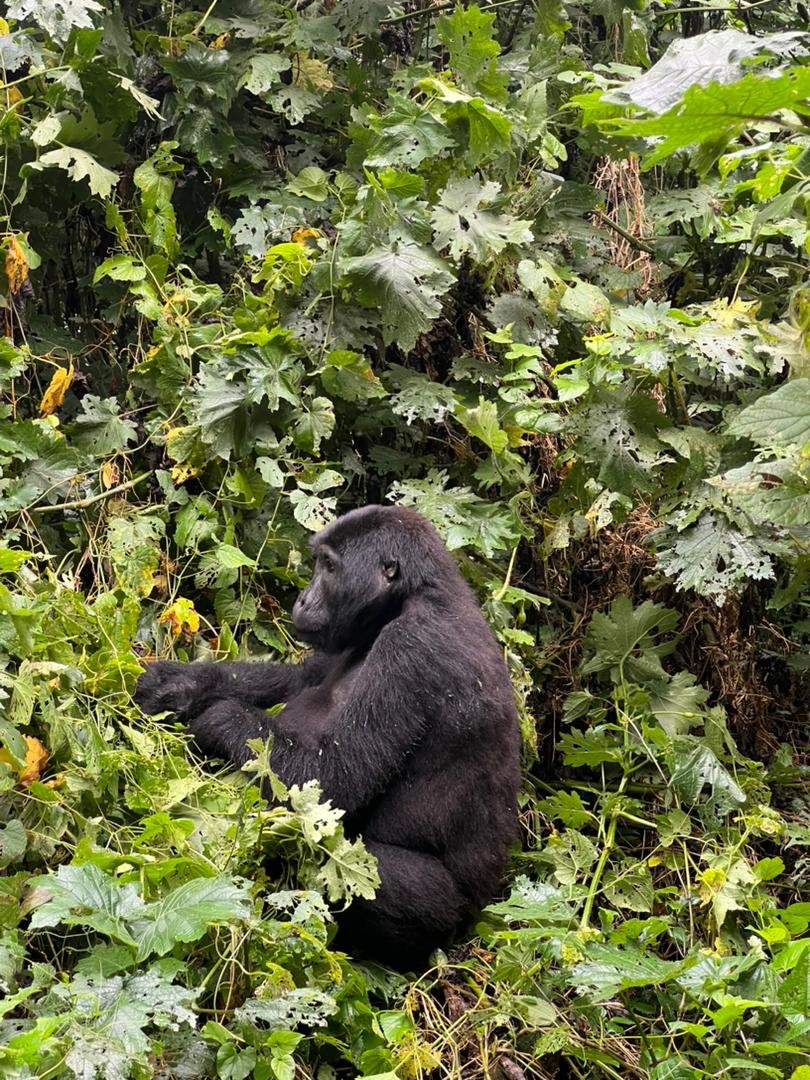
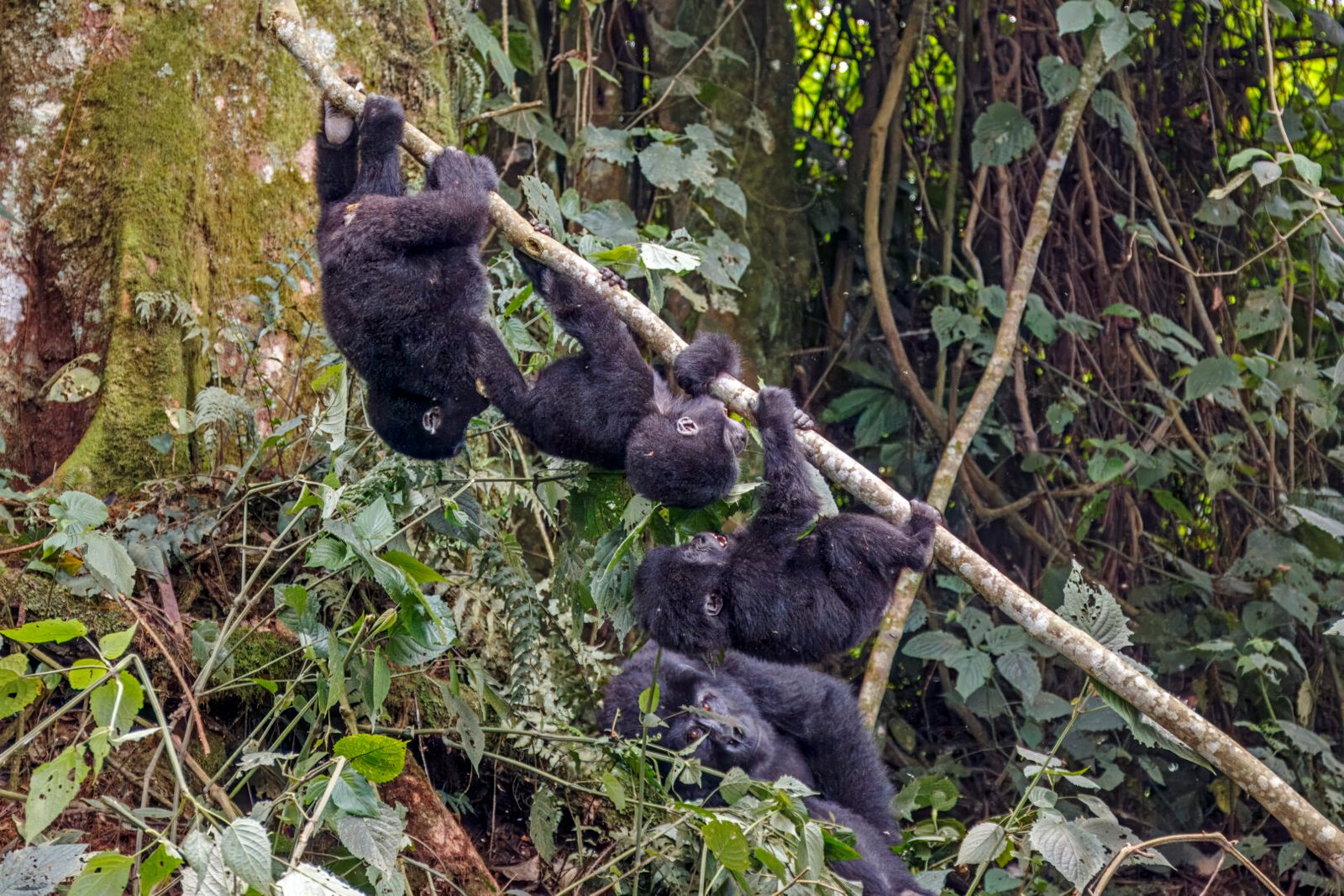
However, rainfall affects the rainforest environment and can influence the physical demands of the trek.
The wetter periods in Uganda commonly include parts of March, April, May, October, and November.
During these months, Bwindi’s vegetation may appear especially lush, but trails can become muddy and slippery.
Rainfall may also affect photographic conditions and the pace at which visitors move through the forest.
What Happens During a Gorilla Habituation Experience during heavy rain? The conservation team assesses conditions and provides instructions, while participants must prepare for challenging walking surfaces and changing weather.
Ordinary rainfall does not automatically mean the activity will be canceled.
Travelers should wear appropriate rain protection, carry suitable equipment, and follow guidance from the responsible personnel.
Book Your Gorilla Habituation Experience in Uganda
Gorilla habituation is one of Uganda’s most exclusive wildlife activities, offering travelers an opportunity to spend up to four hours observing mountain gorillas undergoing habituation in Bwindi Impenetrable National Park.
Whether you are planning a luxury wildlife holiday, a photography expedition, a honeymoon, an educational conservation journey, or an extended Uganda safari, understanding the activity and securing the appropriate permit are essential.
What Happens During a Gorilla Habituation Experience? Visitors participate in an early morning conservation briefing, accompany experienced wildlife personnel into the rainforest, track the designated gorilla family, observe the animals under strict rules, and return from the forest after the encounter.
At Uganda Gorilla Permit, travelers can request assistance with checking available dates, understanding official permit requirements, and organizing the arrangements necessary for visiting Rushaga.
Our booking assistance can help explain permit categories, reservation procedures, accommodation considerations, and practical transportation arrangements.
To begin planning, provide your preferred travel dates, alternative dates, number of participants, and nationality or residency details relevant to the permit category.
Because gorilla habituation permits are limited, advance booking is strongly recommended.
Frequently Asked Questions About What Happens During a Gorilla Habituation Experience
What Happens During a Gorilla Habituation Experience?
Visitors join authorized conservation personnel in Bwindi Impenetrable National Park, attend an early morning briefing, trek through the rainforest, locate a gorilla family undergoing habituation, and spend up to four hours observing the animals before returning from the forest.
What Happens During a Gorilla Habituation Experience in Uganda?
The activity takes place in the Rushaga sector of Bwindi Impenetrable National Park. Participants accompany trackers, researchers, and rangers while learning about gorilla behavior and the gradual process of habituation.
What Happens During a Gorilla Habituation Experience When You Find the Gorillas?
The conservation team assesses the gorillas’ behavior and guides visitors to an appropriate observation position. Participants then observe the family under strict conservation rules, with a maximum authorized viewing period of four hours.
What Happens During a Gorilla Habituation Experience If Gorillas Move Away?
The authorized conservation personnel determine how to respond. Visitors may be instructed to adjust their position, remain still, or withdraw when necessary. The animals’ welfare takes priority over visitor expectations.
What Happens During a Gorilla Habituation Experience During Bad Weather?
Rainfall may make the terrain slippery and affect walking conditions. Visitors must follow the conservation team’s instructions and prepare with suitable waterproof clothing and sturdy footwear.
Final Thoughts: What Happens During a Gorilla Habituation Experience?
What Happens During a Gorilla Habituation Experience? Visitors participate in a carefully regulated wildlife activity that begins with an early morning briefing, continues through the mountainous rainforest of Bwindi Impenetrable National Park, and offers up to four hours observing a mountain gorilla family undergoing habituation.
The experience involves accompanying authorized researchers, trackers, and wildlife rangers while learning about mountain gorilla behavior, family relationships, feeding habits, communication, and conservation management.
Unlike ordinary gorilla trekking, gorilla habituation provides an extended observation period and a smaller visitor allocation, making it particularly appealing to conservation enthusiasts, photographers, and travelers who want more time observing wild gorillas.
Understanding What Happens During a Gorilla Habituation Experience? helps visitors prepare for the physical demands of trekking, appreciate the importance of strict conservation rules, and develop realistic expectations about the encounter.
Whether visiting Uganda for the first time or returning for a more immersive mountain gorilla adventure, careful planning and respect for the animals are essential to a successful experience.