
What Is the Best Way to Pay for an African Safari: Credit Card, Debit Card, Cash, or Bank Transfer?
What Is the Best Way to Pay for an African Safari: Credit Card, Debit Card, Cash, or Bank Transfer? The Ultimate Payment Guide
Planning an African safari is an exciting journey filled with remarkable wildlife experiences, spectacular landscapes, and opportunities to explore some of the world’s most extraordinary natural destinations. Whether you dream of tracking mountain gorillas in Uganda, discovering Rwanda’s beautiful national parks, witnessing the Great Migration in Kenya and Tanzania, or enjoying an exclusive luxury safari, understanding how to pay for your holiday is an important part of travel preparation. One of the most common questions among international travelers is: What Is the Best Way to Pay for an African Safari: Credit Card, Debit Card, Cash, or Bank Transfer?
The answer depends on several factors, including your country of residence, the safari operator’s accepted payment methods, the value of your booking, currency exchange rates, banking charges, and the type of expenses you expect during your trip. Credit cards provide convenient electronic payments and may offer useful dispute protections. Debit cards can be practical for accessing local currency and settling smaller expenses. Bank transfers are often used for substantial safari deposits and final balances, while cash remains useful for gratuities, souvenirs, and activities offered by smaller local providers.
For most international travelers, the most practical approach is to combine secure advance payments with a suitable travel credit card, an international debit card, and a reasonable amount of cash. Rather than relying exclusively on one payment method, this arrangement helps you manage different types of safari expenses while reducing the risk of payment difficulties in remote destinations.
African safaris often involve several substantial costs, including accommodation, private safari vehicles, professional guides, national park entrance fees, gorilla trekking permits, chimpanzee tracking permits, domestic flights, and additional wildlife activities. Understanding how these services are charged and which payment methods are appropriate allows you to budget more accurately.
This comprehensive guide compares credit cards, debit cards, cash, and international bank transfers, explaining their advantages, limitations, costs, and security considerations. It also provides practical advice for travelers visiting Uganda, Rwanda, Kenya, Tanzania, and other African safari destinations.
What Is the Best Way to Pay for an African Safari: Credit Card, Debit Card, Cash, or Bank Transfer?
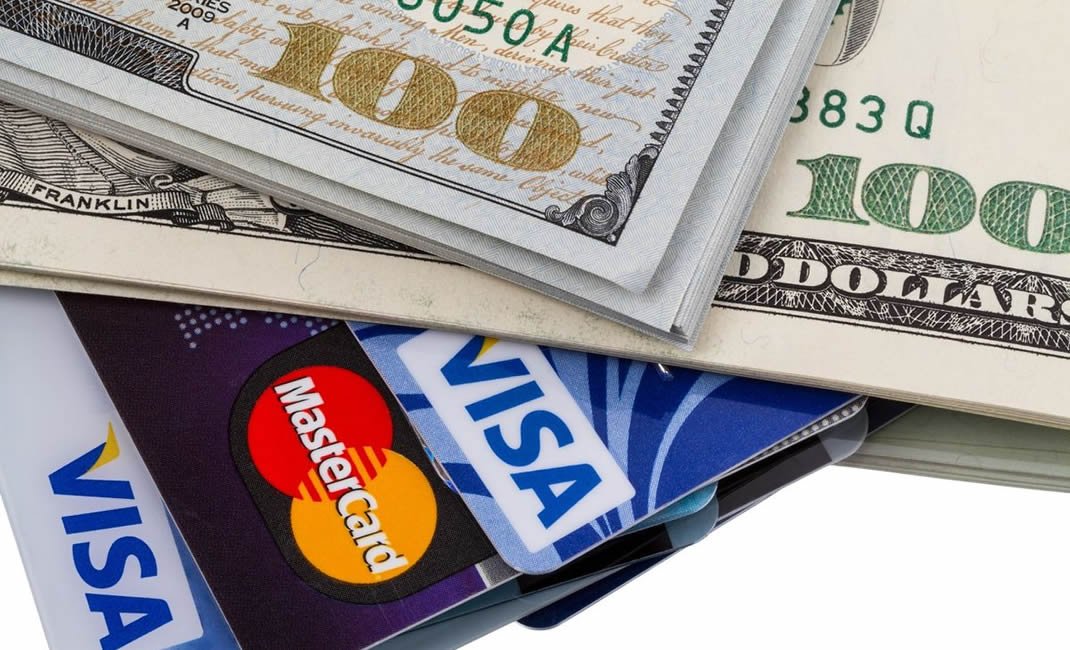
The best way to pay for an African safari depends on whether you are paying for the complete holiday before departure or covering expenses while already traveling. For major advance bookings, a credit card with favorable international transaction terms or a verified international bank transfer may be appropriate. During the safari, debit cards and cash can provide additional flexibility, particularly when purchasing small items or accessing local currency.
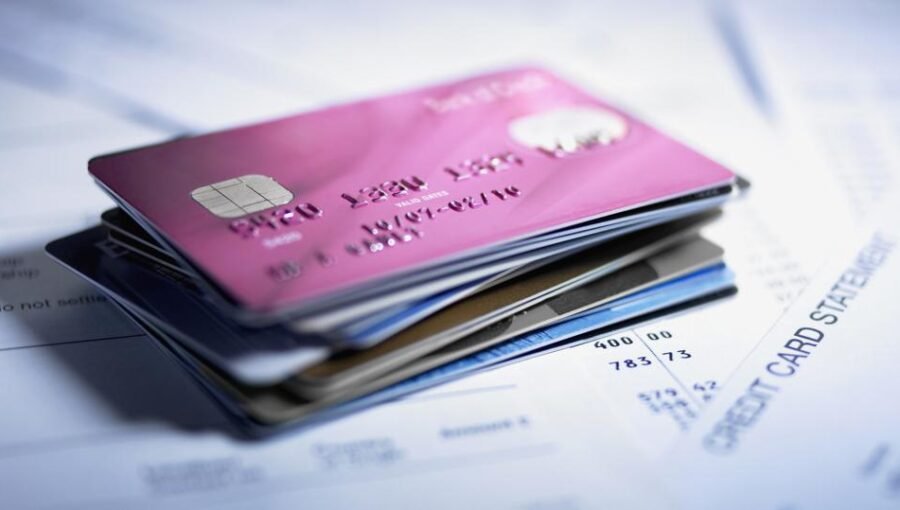
Credit cards are attractive because they can provide convenient online payments, electronic transaction records, and certain dispute procedures that may apply when services are not delivered as agreed. However, they can also attract foreign transaction fees, merchant processing charges, or interest when balances are not repaid according to the account conditions.
Bank transfers may be suitable for larger safari invoices, particularly when the operator accepts payments directly into an established business bank account. Nevertheless, travelers must consider sending fees, receiving-bank charges, intermediary costs, exchange-rate spreads, and the practical difficulty of recovering money sent to an incorrect recipient.
Debit cards are useful for travelers who prefer spending from existing bank funds rather than using credit. They can also provide access to local currency through compatible ATMs. However, debit cards may have daily withdrawal limits, international transaction charges, and different protections from credit cards.
Cash remains valuable for personal gratuities, local markets, small purchases, and situations where electronic payment facilities are unavailable. However, carrying large quantities of cash creates security concerns and may be impractical for expensive safari bookings.
The most effective decision is therefore based on the complete cost, security, convenience, and suitability of each method rather than assuming one option is always superior.
1. Paying for an African Safari With a Credit Card

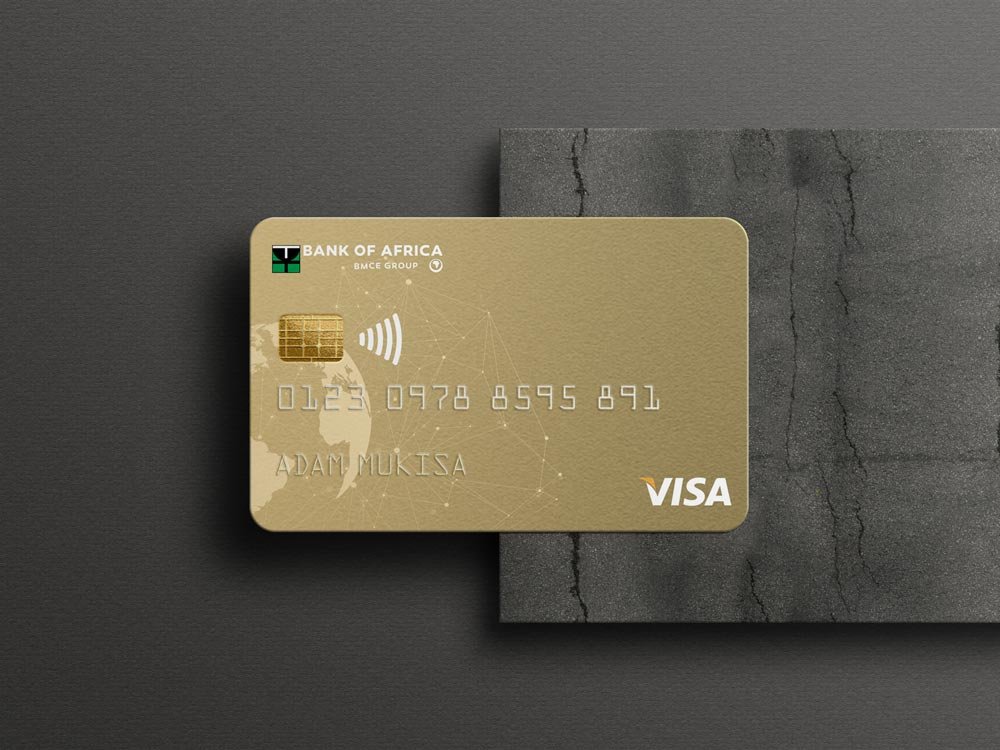
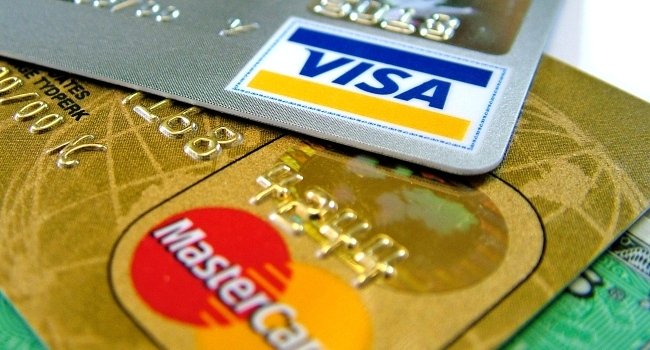
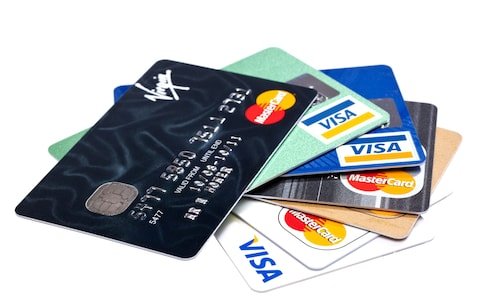
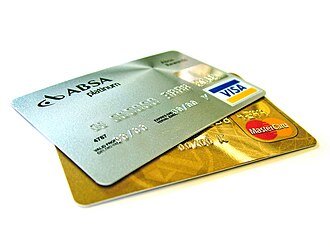
Credit cards are among the most convenient payment options for travelers booking African safaris online. Many established safari operators, international hotels, luxury lodges, and tourism businesses accept Visa and Mastercard payments through secure websites, approved payment gateways, or electronic invoices.
When you book a safari using a credit card, your issuing bank authorizes the transaction and the merchant’s payment provider processes it according to its arrangements. This can make deposits and final balance payments easier, particularly when you are organizing a safari from another country.
For example, you may receive a quotation for a seven-day Uganda safari that includes gorilla trekking in Bwindi Impenetrable National Park, chimpanzee tracking in Kibale National Park, wildlife game drives in Queen Elizabeth National Park, and accommodation at selected lodges. If the safari operator accepts online cards, you may be able to make the agreed deposit without arranging a traditional international wire transfer.
Another advantage is that credit card payments produce transaction records that can help you reconcile payments against your invoices. Depending on the issuing bank, applicable laws, and card-network rules, dispute procedures may also be available if an unauthorized charge occurs or a merchant fails to deliver agreed services.
However, these protections should not be interpreted as an automatic refund guarantee. Cancellation terms, evidence of the transaction, and the circumstances of a dispute may affect the outcome.
For expensive safaris, it is important to review the card’s available credit, transaction limits, international usage restrictions, and fees before making a payment.
Advantages of Using a Credit Card for African Safari Payments

One of the greatest benefits of credit cards is their convenience. International travelers can often complete payments remotely, eliminating the need to visit a bank branch or arrange physical cash transfers. This can be particularly useful when booking specialist activities with limited availability or paying deposits for luxury accommodation.
Credit cards may also provide additional travel-related benefits depending on the issuer and the product. Some offer reward points, travel-related insurance benefits, transaction alerts, or dedicated international customer support. However, these benefits vary, and travelers should read their account terms before relying on them.
Using a credit card can also simplify expense tracking. Payments for accommodation, restaurants, additional activities, and other services generally appear on an electronic statement, allowing you to review your travel spending in one place.
For travelers visiting several countries, a suitable international credit card may reduce the need to exchange large amounts of money at every destination.
Visa recommends reviewing travel card features such as international acceptance, transaction fees, exchange rates, and security protections before departure
A credit card can therefore serve as an effective primary payment method, provided it is accepted by your safari operator and offers suitable financial terms.
Disadvantages of Using a Credit Card on an African Safari
Although credit cards offer convenience, they can involve additional costs. Some banks impose foreign transaction fees when purchases are processed internationally, while certain safari operators or payment processors may apply separate merchant-side charges.
For example, a credit card with a 3% foreign transaction fee would add USD 180 to a USD 6,000 transaction. If the operator also applies an additional card processing charge, the total amount could increase further.
Credit cards can also be declined because of automated security restrictions, insufficient available credit, spending limits, or unsuccessful authentication. This can be inconvenient when settling a hotel bill or paying for an optional activity in a remote location.
Another limitation is that smaller tourism businesses and local markets may not accept credit cards at all.
Travelers should also avoid using credit cards for ordinary cash withdrawals unless necessary. Cash advances commonly attract additional fees and can begin accruing interest immediately.
These limitations do not make credit cards unsuitable for African safaris. Instead, they demonstrate why travelers should understand card conditions and retain an alternative payment method.
2. Paying for an African Safari With a Debit Card
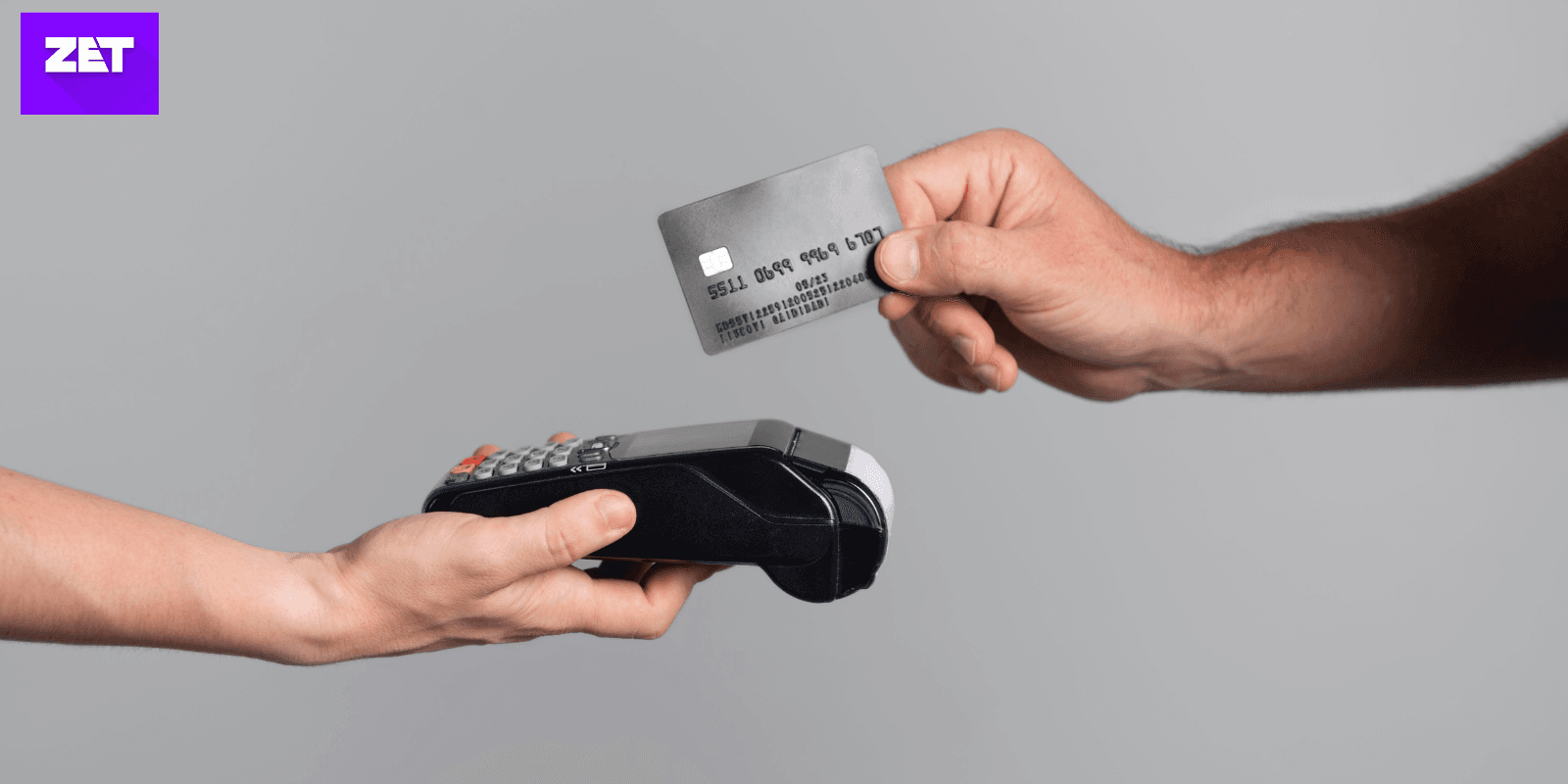
Debit cards can be practical for travelers who prefer to make purchases using funds already available in their bank accounts. Unlike credit cards, which generally provide access to an approved credit facility, debit card transactions typically draw money directly from a linked account.
International debit cards may be accepted by many hotels, restaurants, safari lodges, and tourism businesses, provided the card network is supported and the issuing bank authorizes international transactions.
Debit cards can be particularly useful for obtaining local currency from compatible ATMs in major cities and towns. For example, travelers may withdraw Ugandan shillings in Entebbe, Rwandan francs in Kigali, Kenyan shillings in Nairobi, or Tanzanian shillings in Arusha.
However, international debit card payments can still attract fees. These may include foreign transaction charges, currency conversion costs, ATM operator fees, or international withdrawal charges.
Some banks also impose daily withdrawal limits that may make debit cards inconvenient for substantial safari payments.
Before traveling, confirm whether your debit card supports international purchases and withdrawals, review its limits, and ensure that you can access your account through approved mobile banking services.
What Is the Best Way to Pay for Gorilla Trekking Permits?

Gorilla trekking permits are among the most important advance arrangements for safaris in Uganda and Rwanda. These permits authorize participation in regulated wildlife encounters and must be obtained through recognized reservation procedures.
In Uganda, the Uganda Wildlife Authority provides approved payment arrangements for its services, including designated card payment facilities, bank transfers, and specified mobile money options. Its published guidelines distinguish the payment procedures for gorilla and chimpanzee permits from those applicable to some other park services.
Travelers should therefore not assume that they can arrive at Bwindi Impenetrable National Park and purchase a gorilla trekking permit using an ordinary credit card at the entrance gate.
For a privately organized safari, a straightforward solution is to arrange the permit through your verified safari operator as part of your itinerary. You can make the agreed payment to the operator using its accepted method, while the company handles the permit reservation through the appropriate authorized procedures.
However, paying an operator does not automatically establish that a permit has been issued. Request confirmation of the reservation, trekking date, and relevant visitor information.
The same general principle applies to gorilla trekking in Rwanda: use recognized booking channels, confirm the reservation, and avoid paying individuals who cannot demonstrate their authority to arrange the permit.
How Should You Pay for Safari Lodges and Accommodation?


Accommodation payments depend on the type of property, the booking channel, and your safari arrangement.
Established luxury lodges and hotels often support international credit card payments, particularly for advance reservations and additional expenses. Certain remote lodges, however, may prefer that accommodation charges be settled through a central reservations office before arrival.
If you book a complete safari package, accommodation is generally paid for through your tour operator according to the agreed itinerary and booking conditions. This can reduce the number of separate payments required during your journey.
For example, a luxury itinerary combining Kigali, Volcanoes National Park, Bwindi, and Queen Elizabeth National Park might include accommodation at several premium lodges. Rather than paying each property separately, the operator can coordinate reservations under one agreed safari quotation.
Travelers should still confirm which expenses are excluded from the package. Laundry, premium drinks, spa treatments, and optional services may be billed separately depending on the property.
When checking into a hotel, ask whether a temporary authorization hold will be placed on your card and how any additional expenses will be settled.
A credit card is often convenient for accommodation purchases, but advance settlement through a verified operator may be more practical for an organized safari involving multiple properties.
Best Way to Pay for an African Safari in Uganda
Uganda offers a remarkable combination of mountain gorillas, chimpanzees, savannah wildlife, waterfalls, and beautiful natural landscapes. Popular destinations include Bwindi Impenetrable National Park, Kibale National Park, Queen Elizabeth National Park, Murchison Falls National Park, and Lake Mburo National Park.
For international travelers booking a complete Uganda safari, a secure credit card payment or verified bank transfer can be suitable for the main package cost. The preferred option depends on the operator’s accepted methods, transaction charges, and your banking arrangements.
Many safari packages are quoted in US dollars and may include accommodation, transportation, professional guiding services, national park fees, gorilla trekking permits, and other scheduled activities.
During your journey, a suitable debit card can help you access Ugandan shillings from compatible ATMs in major towns and cities. Cash remains useful for tips, souvenirs, and smaller expenses.
However, you should not rely on finding an ATM or functioning card terminal at every remote lodge or national park.
For wildlife permits, follow approved Uganda Wildlife Authority procedures or arrange the necessary reservations through a verified safari operator.
A combination of advance payments, a suitable credit card, a backup debit card, and limited cash is generally practical for a Uganda wildlife holiday.
Best Way to Pay for an African Safari in Rwanda
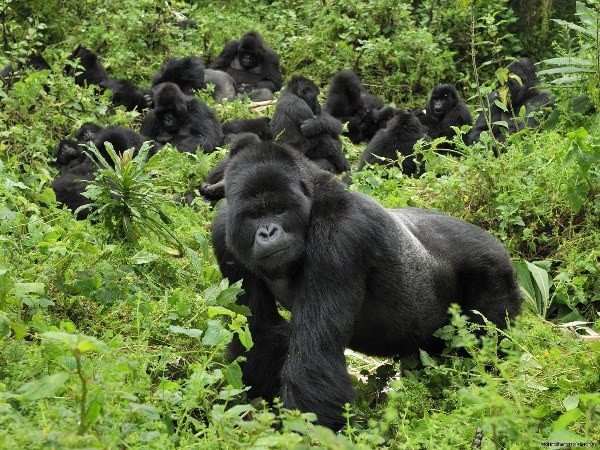
Rwanda is particularly popular for luxury gorilla trekking, golden monkey tracking, chimpanzee experiences, and wildlife safaris. Travelers frequently explore Kigali, Volcanoes National Park, Akagera National Park, and Nyungwe National Park.
Many established hotels and tourism businesses accept international credit cards, but travelers should confirm the specific payment facilities available at their selected properties.
For expensive wildlife holidays, major services can be arranged before departure through a verified tour operator. This may include accommodation, transfers, gorilla trekking permits, and agreed activities.
Rwandan francs are useful for many local purchases, while some international tourism services may be quoted in US dollars.
A debit card may provide access to local currency through compatible ATMs, although withdrawal limits and charges should be reviewed beforehand.
Travelers should also carry a reasonable cash reserve for gratuities and smaller expenses that may not be payable electronically.
For most organized Rwanda safaris, the preferred arrangement is to settle major bookings securely in advance and carry appropriate payment alternatives during the journey.
Best Way to Pay for an African Safari in Kenya
Kenya attracts international travelers to the Maasai Mara, Amboseli National Park, Samburu National Reserve, Lake Nakuru National Park, and other wildlife destinations.
Credit cards are convenient for many established hotels, safari operators, and tourism businesses. Kenya also has a well-developed mobile money ecosystem, although eligibility and access vary between providers and individual travelers.
For organized safari packages, travelers may use an accepted credit card or verified bank transfer to settle deposits and final balances before arrival.
Kenya Wildlife Service’s electronic payment arrangements can be useful for independent park visitors, while privately managed conservancies and other reserves may follow different procedures.
A debit card can help travelers obtain Kenyan shillings, and local currency is practical for many smaller purchases.
For safari tips, cultural activities, and local markets, carrying a suitable amount of cash provides additional convenience.
The most appropriate arrangement depends on the specific itinerary, whether the traveler is booking independently, and the services included in the package.
Best Way to Pay for an African Safari in Tanzania
Tanzania is home to internationally recognized safari destinations, including Serengeti National Park, Ngorongoro Conservation Area, Tarangire National Park, and Lake Manyara National Park.
Travelers booking organized itineraries can often arrange deposits and remaining balances through accepted credit card payments or international bank transfers.
The safari quotation may include luxury accommodation, private transportation, game drives, conservation fees, and selected activities. Additional experiences, such as hot-air balloon safaris, may require separate reservations.
For personal expenses, Tanzanian shillings are useful for many local transactions. Debit cards may provide access to cash through compatible ATMs in established urban areas, subject to bank restrictions and withdrawal charges.
Remote safari camps may not offer the same payment facilities as major hotels in Arusha, Dar es Salaam, or Zanzibar.
As a result, paying major expenses before traveling to isolated destinations can reduce inconvenience.
Travelers should also confirm whether optional activities and lodge services can be charged to their accommodation account or require separate payment.
How to Avoid Payment Scams When Booking an African Safari
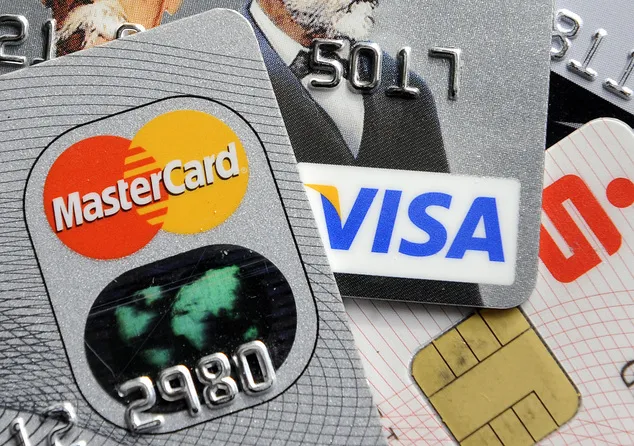
Payment security should remain a priority regardless of whether you choose a credit card, debit card, cash, or bank transfer.
Before making a substantial payment, verify the safari company’s identity and request a formal quotation showing the travel services, payment currency, deposit amount, and relevant booking conditions.
When paying by credit card, use a recognized payment gateway and avoid sending confidential card information through ordinary messaging applications.
For bank transfers, independently verify the recipient’s account details, especially if the company unexpectedly announces that its banking instructions have changed.
Be cautious about requests to send money to unfamiliar personal accounts or payment services that do not clearly match the agreed booking arrangements.
The Uganda Wildlife Authority has specifically warned against unauthorized payment channels for its tourism services and advises visitors to verify official payment instructions.
After payment, retain your receipt and request written confirmation from the safari operator.
A secure payment should form part of a transparent reservation process, supported by a clear itinerary, agreed terms, and reliable communication.
What Should You Do If Your Safari Payment Is Declined?
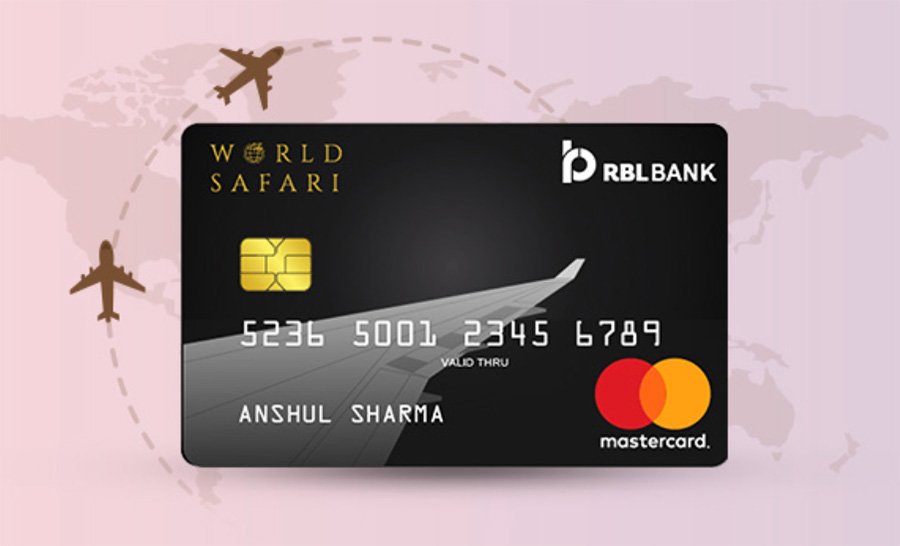
A declined payment does not necessarily mean that your card is invalid or that your bank account has insufficient funds.
International transactions can be rejected because of fraud-prevention restrictions, daily transaction limits, authentication problems, unsupported payment networks, or temporary technical difficulties.
If your credit or debit card is declined, check your banking application for alerts and confirm whether the transaction appears as pending.
Contact your issuing bank through its official support channel if the reason remains unclear.
Before repeating the payment, ask the merchant whether the original transaction was processed. This helps reduce the risk of duplicate charges.
If the problem cannot be resolved immediately, ask your safari operator whether a verified alternative payment method is available.
Avoid sending funds through an unfamiliar account simply because an original card transaction was unsuccessful.
For important bookings involving limited wildlife permits or accommodation, resolve payment issues well before the reservation deadline whenever possible.
Frequently Asked Questions About Paying for an African Safari
What Is the Best Way to Pay for an African Safari: Credit Card, Debit Card, Cash, or Bank Transfer?
A secure credit card payment or verified bank transfer is often practical for major safari bookings. Debit cards and cash are useful for personal expenses and smaller payments during the journey.
Is It Better to Pay for an African Safari by Credit Card or Bank Transfer?
Both can be suitable. Credit cards offer convenient electronic payments and possible dispute protections, while bank transfers may provide competitive costs for large invoices.
Can I Pay for a Uganda Safari in US Dollars?
Many international Uganda safari quotations are issued in US dollars. Confirm the accepted currency and payment method with your operator.
Can I Pay for a Rwanda Gorilla Safari With a Credit Card?
Many operators support international electronic payments, but gorilla permits must be secured through authorized booking procedures.
Do African Safari Companies Accept Visa and Mastercard?
Many established safari operators and hotels accept Visa and Mastercard, although acceptance varies between businesses and payment providers.
What Is the Cheapest Way to Pay for an African Safari?
The cheapest method depends on the complete transaction cost, including processing charges, foreign transaction fees, and exchange-rate differences.
Are Bank Transfers Safe for African Safari Bookings?
They can be appropriate when the recipient and bank details are independently verified. Transfers sent to fraudulent recipients may be difficult to recover.
Can I Pay for an African Safari in Installments?
Some operators offer deposit and final balance schedules. The arrangement depends on the booking terms and supplier requirements.
Should I Carry Cash During an African Safari?
Yes. A reasonable cash reserve is useful for tips, souvenirs, and small expenses where card payments are unavailable.
Book Your African Safari With Nextgen Safaris
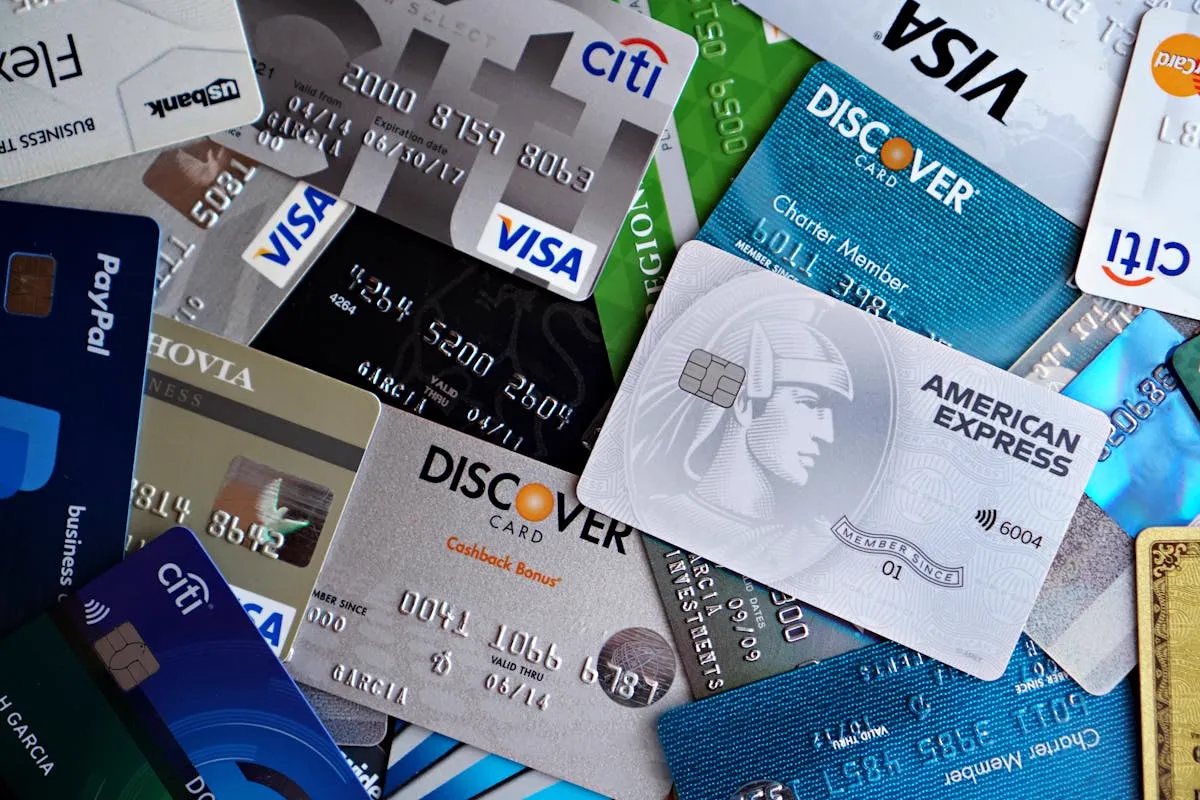
An unforgettable African safari begins with a carefully planned itinerary, comfortable accommodation, extraordinary wildlife experiences, and reliable travel arrangements. Understanding your payment options before departure helps you concentrate on your adventure rather than unexpected banking concerns.
Nextgen Safaris organizes personalized wildlife holidays across Uganda, Rwanda, Kenya, Tanzania, and other African destinations. Whether you dream of mountain gorilla trekking in Bwindi Impenetrable National Park, luxury gorilla experiences in Rwanda, spectacular wildlife encounters in Kenya, or the vast savannah landscapes of Tanzania, your safari can be tailored to your preferred dates, accommodation standards, and interests.
When requesting a quotation, you can discuss the services included in your safari, the required deposit, remaining balance, payment currency, and currently accepted payment methods. You can also ask about any operator-side processing charges before deciding how to settle your booking.
Understanding What Is the Best Way to Pay for an African Safari: Credit Card, Debit Card, Cash, or Bank Transfer? is an important part of planning a secure, comfortable, and financially organized wildlife holiday.
Each payment method has advantages. Credit cards offer convenience for online bookings and established tourism businesses, debit cards can provide access to local currency, cash remains practical for smaller personal expenses, and bank transfers can be suitable for substantial verified invoices.
For most international travelers, combining these methods is more practical than depending exclusively on one. Major safari expenses can be arranged before departure through a secure payment channel, while backup cards and a modest cash reserve provide flexibility throughout the journey.
Before confirming your booking, compare transaction fees, verify the recipient, understand the currency conversion arrangements, and retain payment documentation. It is equally important to review your safari inclusions so that you know which expenses have already been covered.
Whether you are planning a short gorilla trekking holiday in Uganda, a luxury Rwanda safari, a wildlife adventure in Kenya, or an extended journey through Tanzania, thoughtful financial preparation helps make the experience more enjoyable.
The best safari payment strategy is one that balances security, reasonable costs, convenience, and reliable access to your money throughout your African adventure.