
What to Pack for Kibale
Ultimate What to Pack for Kibale Guide: Essential Items for a Comfortable Chimpanzee Safari
What to Pack for Kibale is one of the most important questions to answer before travelling to Kibale National Park for chimpanzee trekking, birdwatching, forest walks and wildlife photography. Kibale is a tropical rainforest destination where the weather can change quickly, trails may become muddy, humidity can be high and temperatures often feel cooler beneath the forest canopy than they do in the surrounding countryside. Packing correctly helps you remain comfortable, protect your belongings and concentrate fully on the remarkable experience of following wild chimpanzees through one of Uganda’s richest forest ecosystems.
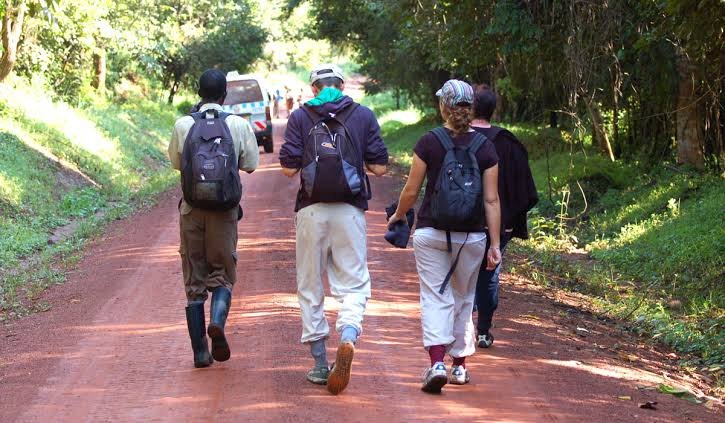
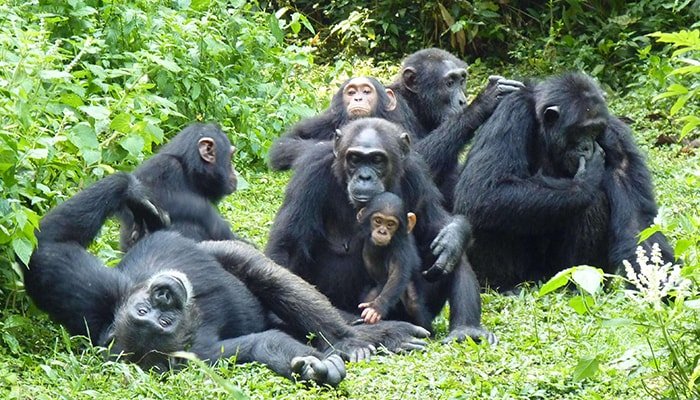
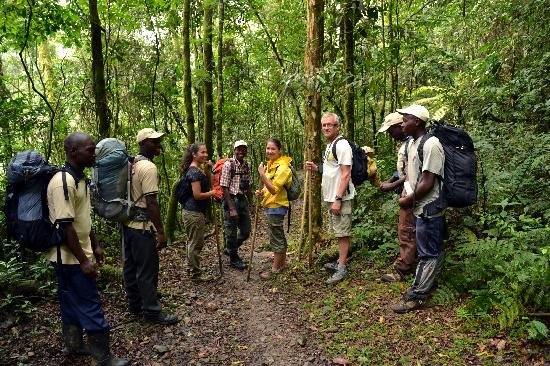
A Kibale safari is different from a traditional game drive in an open savannah park. During chimpanzee trekking, visitors leave the vehicle and walk through natural forest terrain that may include exposed roots, wet leaves, shallow streams, fallen branches and uneven slopes. The trek can be short when chimpanzees are feeding near the trail network, but it may also involve several hours of walking when the community has travelled deeper into the forest. Your clothing, footwear and daypack should therefore be selected for active movement rather than simply for appearance.
The correct packing list also depends on the season, the duration of your Uganda safari and the other destinations included in the itinerary. A traveller combining Kibale with Queen Elizabeth National Park, Bwindi Impenetrable National Park or the Rwenzori Mountains will need a slightly broader range of clothing than someone visiting Kibale for only two nights. This comprehensive guide explains what to wear, what to carry during chimpanzee trekking, how to protect cameras from rain and how to pack lightly without leaving behind essential safari items.
Understanding Kibale’s Rainforest Conditions Before Packing
Before deciding What to Pack for Kibale, it is helpful to understand the conditions that shape the experience. Kibale National Park lies in western Uganda near Fort Portal and contains tropical forest, woodland, wetlands and grassland. Its elevation creates moderate temperatures, while the dense vegetation keeps many forest areas shaded and damp. Even when the sun is shining outside the park, the ground beneath the canopy may remain moist from earlier rainfall.
Kibale generally experiences two wetter periods, commonly from March to May and from September to November. January, February, June and July are usually relatively drier, although rain can occur during any month. A dry season in Kibale does not mean that every day will be completely dry. Visitors should always carry some form of rain protection because a clear morning can quickly develop into an afternoon shower.
Humidity can also affect comfort and clothing choices. Heavy cotton garments absorb moisture and may take a long time to dry, while lightweight synthetic or technical fabrics are more practical. The best clothing allows air to circulate, protects the skin and dries quickly after rain or perspiration. Preparing for both sunshine and sudden showers is more sensible than packing for only one type of weather.
Best Clothing for Chimpanzee Trekking in Kibale
Long trousers are among the most important items to pack for Kibale. They protect the legs from scratches, stinging plants, insects and contact with wet vegetation. Lightweight hiking trousers made from quick-drying material are preferable to jeans because denim becomes heavy, uncomfortable and slow to dry when wet. Trousers should allow easy movement when stepping over roots, climbing gentle slopes or crouching for photographs.
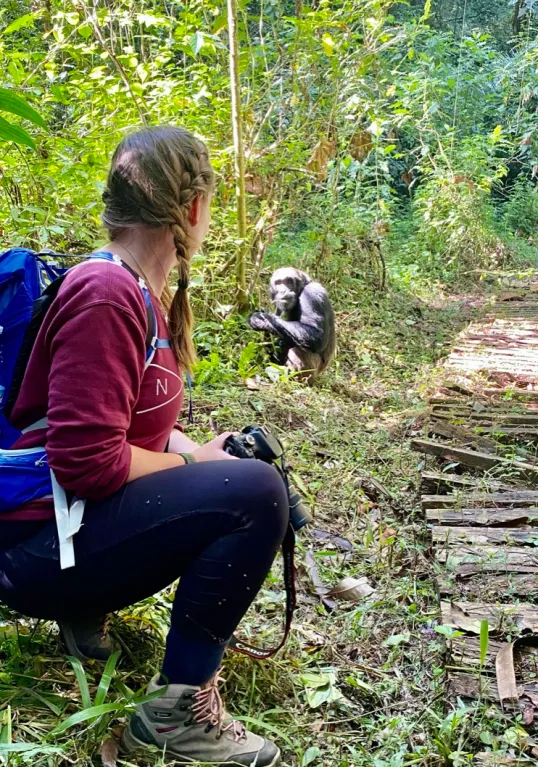
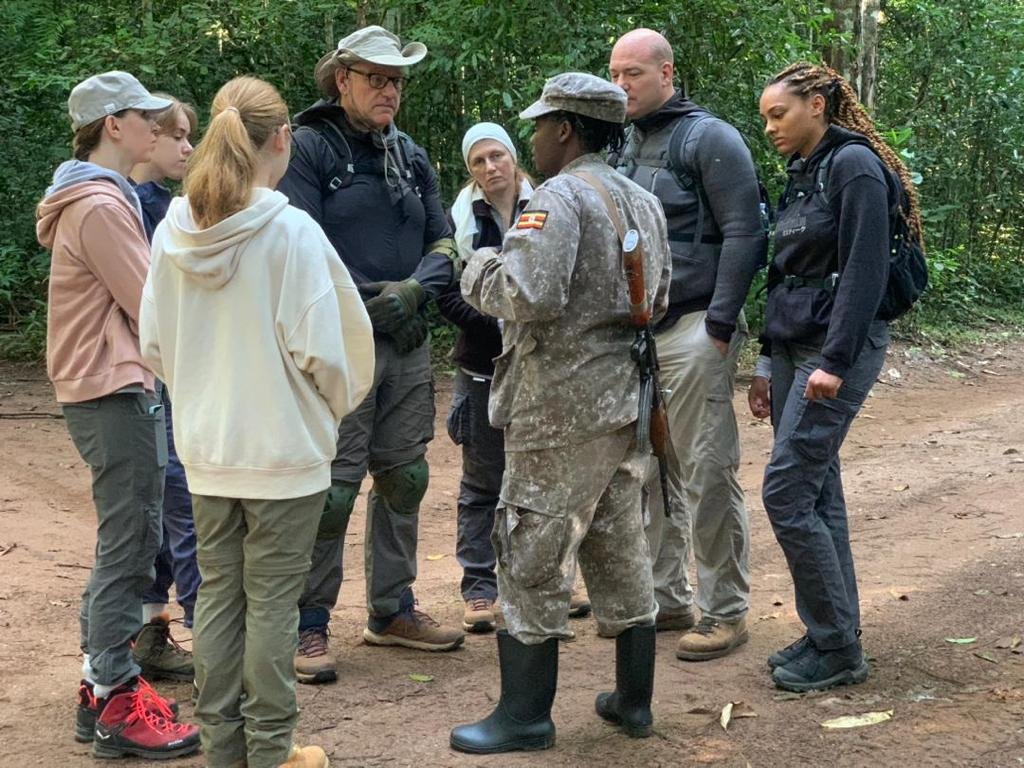
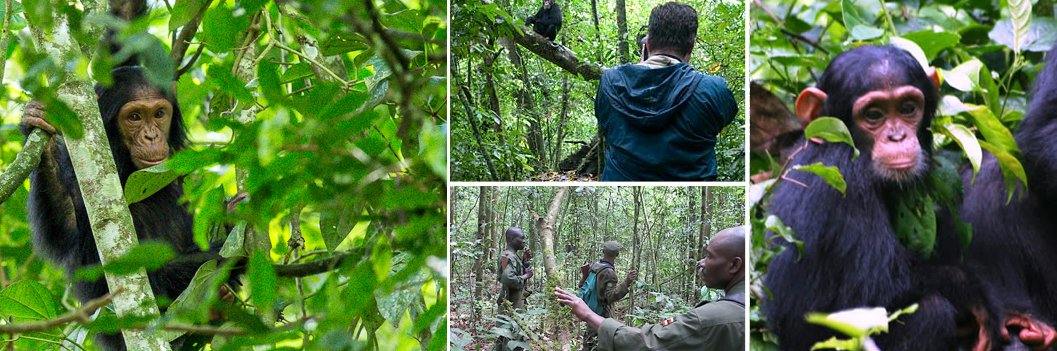
A lightweight long-sleeved shirt is equally important. Long sleeves protect the arms from vegetation, sun exposure and insects while remaining comfortable in humid conditions. Breathable fabrics are ideal because chimpanzee trekking can become physically demanding once the body warms up. Travellers may begin the morning feeling cool but quickly become warm after walking through the forest.
Neutral colours such as olive, khaki, brown, grey and dark green work well in a forest environment. Bright colours are not usually prohibited, but subdued shades are less distracting and tend to hide mud and dust more effectively. White clothing is especially impractical because it becomes visibly stained after contact with wet vegetation or forest soil.
A light T-shirt can be worn beneath the long-sleeved shirt and removed or added depending on temperature. Dressing in layers is more useful than wearing one heavy garment. Early mornings around Kibale can feel cool, while midday conditions may become warm and humid. Layers allow visitors to adjust easily without carrying excessive clothing.
The Right Footwear for Kibale National Park
Footwear can determine whether chimpanzee trekking feels enjoyable or unnecessarily difficult. Strong hiking shoes or lightweight hiking boots with reliable grip are highly recommended. Forest trails may become slippery after rain, and smooth-soled trainers provide limited traction on mud, exposed roots and wet leaves.
Boots with ankle support are particularly useful for visitors who are not accustomed to uneven terrain. They help stabilise the feet when walking across slippery surfaces and reduce the likelihood of minor strains. Waterproof or water-resistant footwear is valuable throughout the year, not only during the wettest months, because shaded sections of the forest may remain damp long after rainfall has stopped.
Travellers should wear their hiking shoes several times before the safari. New boots can cause painful blisters, especially when combined with humidity and long periods of walking. The most expensive footwear is not necessarily the best choice if it has not been properly broken in before the trip.
Several pairs of comfortable hiking socks should also be included. Moisture-wicking socks are better than ordinary cotton socks because they help keep the feet dry and reduce friction. Carrying an extra pair in the daypack can be useful during the rainy season, especially if water enters the footwear during the trek.
Why Gaiters Are Useful in Kibale
Gaiters are simple protective covers worn over the lower legs and the tops of hiking boots. They help prevent mud, water, small stones and insects from entering the footwear. Although gaiters are not compulsory, they can make a significant difference during wet-season chimpanzee trekking.
In muddy conditions, gaiters protect the lower part of the trousers and reduce the amount of cleaning required after the trek. They are especially useful during March, April, May, September, October and November, when trails are more likely to be wet. Travellers visiting during drier months may still find them helpful in marshy or heavily shaded sections of the forest.
Lightweight waterproof gaiters are normally sufficient for Kibale. Heavy mountaineering models may feel unnecessarily warm. The gaiters should fit securely over the boots without restricting movement or causing discomfort around the ankles.
Rain Protection for a Kibale Safari
A lightweight waterproof jacket should be carried during every chimpanzee trek. The jacket should be breathable, easy to fold and large enough to fit comfortably over the clothing. Heavy raincoats may offer excellent protection but often become uncomfortable in humid conditions because they trap heat and perspiration.
A compact rain poncho is another option, especially for travellers who want to protect both themselves and a small backpack. However, ponchos can catch on branches and may make movement less convenient in dense vegetation. A fitted waterproof jacket combined with a separate backpack cover often provides better control.
Umbrellas are generally not practical during chimpanzee trekking. They occupy one hand, catch on branches and can make it difficult to move through narrow trails. An umbrella may still be useful around the lodge, but it should not replace a proper waterproof jacket during forest activities.
Visitors should also pack quick-drying clothing for the lodge. Even with good rain protection, trousers and shirts may become damp from vegetation, humidity or perspiration. Having a dry change of clothing available after the trek greatly improves comfort.
What to Carry in Your Kibale Daypack
A small, comfortable daypack is essential for carrying water, rain protection, a camera and personal items during chimpanzee trekking. The backpack should be large enough for the necessary equipment but not so large that it becomes difficult to carry through the forest. A capacity of approximately twenty to thirty litres is usually sufficient for most visitors.
The bag should have adjustable shoulder straps and preferably a waist or chest strap to prevent it from moving while walking. A waterproof backpack is ideal, but a separate rain cover can provide effective protection. Valuable items should also be placed inside waterproof pouches or sealed bags because rain may enter through zips and seams.
The daypack should remain organised so that important items can be reached quickly. A rain jacket buried beneath camera equipment becomes difficult to access when a sudden shower begins. Water, rain protection and camera covers should therefore be kept near the top or in easily accessible compartments.
Travellers who do not want to carry the bag themselves can hire a porter. Porters provide valuable assistance by carrying the daypack and helping visitors negotiate slippery sections. Hiring a porter also supports local livelihoods around the national park and allows the traveller to focus more fully on the forest experience.
Drinking Water and Light Snacks
Chimpanzee trekking can involve several hours of walking, so carrying enough drinking water is important. A reusable bottle or hydration bladder is a practical choice because it reduces disposable plastic waste and can be refilled at the lodge. Travellers should begin drinking water before the trek rather than waiting until they feel thirsty.
The amount of water required depends on the individual, temperature and expected trekking duration. Most visitors should carry at least one litre, while those who drink frequently or expect a longer walk may prefer more. The water should be packed in a way that does not leak onto cameras, phones or documents.
A light snack may also be useful, particularly for visitors with dietary requirements or those who become hungry during physical activity. Lodges often prepare packed items when requested, but food should be eaten only where and when the ranger permits. Visitors should never eat close to chimpanzees, and all packaging must be carried out of the forest.
Gloves and Walking Support
Lightweight gardening gloves are frequently recommended when considering What to Pack for Kibale. They protect the hands when visitors need to hold branches, vines or a walking stick for balance. Gloves are particularly useful on muddy slopes where the hands may come into contact with vegetation.
The gloves do not need to be expensive or heavily insulated. A flexible pair with a textured palm provides enough protection while allowing the traveller to operate a camera or adjust clothing. Waterproof gloves may be useful during wet months, although they can feel warm in humid weather.
A walking stick can provide additional stability on slippery or uneven ground. Some trekking points may provide simple wooden sticks, while collapsible hiking poles can be carried from home. Travellers using poles should ensure that they are permitted and should follow ranger guidance to avoid damaging vegetation.
Camera Equipment for Kibale
Kibale offers exceptional opportunities for chimpanzee photography, but the forest presents difficult lighting conditions. The canopy creates deep shade, and chimpanzees may move quickly between dark and brighter areas. Travellers using an interchangeable-lens camera may find a medium telephoto lens useful for capturing close portraits while maintaining the required distance.
A lens with a wide maximum aperture performs better in low light, although modern cameras and smartphones can also produce excellent results when used carefully. Extra batteries are important because continuous focusing, high ISO settings and repeated image review can drain power quickly. Electricity may not always be available throughout the day at smaller lodges, so travellers should charge all batteries before leaving for the trek.
A protective rain cover should be fitted quickly when showers begin. Even weather-sealed cameras should not be exposed unnecessarily to heavy rainfall. Lens cloths are essential because moisture, fingerprints and fine droplets can affect image quality. Silica-gel packets placed inside the camera bag can help absorb moisture in humid conditions.
Visitors should avoid carrying too many lenses. Changing lenses inside a damp forest increases the risk of moisture and dust entering the camera. A versatile lens that covers the expected shooting range is often more practical than several specialised lenses.
Binoculars for Birdwatching and Forest Wildlife
Binoculars are valuable even for travellers whose main objective is chimpanzee trekking. Kibale contains rich birdlife, monkeys and other forest animals that may be difficult to see clearly with the naked eye. A compact pair of binoculars allows visitors to observe birds in the canopy and primates resting at a distance.
Models that perform well in low light are particularly useful because the forest can remain dark even during the middle of the day. Binoculars should be carried with a comfortable strap and protected from rain. A lens cloth should also be included to remove moisture and condensation.
Travellers planning serious birdwatching around Kibale and Bigodi Wetland Sanctuary may prefer binoculars with a wider field of view. However, compact models are often easier to carry during active trekking. The best choice balances image quality with weight and comfort.
Insect Protection and Sun Protection
Insect repellent should be included in every Kibale packing list. The forest contains mosquitoes and other insects, although their presence varies depending on rainfall, vegetation and time of day. Repellent can be applied to exposed skin and, where suitable, to clothing.
Long sleeves and long trousers provide an additional layer of protection. Travellers should avoid heavily perfumed products because strong scents may attract insects and can feel unpleasant during active walking. Any medication recommended by a qualified health professional should be carried according to personal medical advice.
Sunscreen remains important even though much of the trek takes place under the forest canopy. Visitors may spend time in open areas during the briefing, transfers, crater-lake walks or community activities. A hat with a brim also provides protection from sun and light rain.
Lip balm and moisturiser can be useful because travel, air conditioning and changing weather conditions may dry the skin. These items should be packed in small containers to avoid adding unnecessary weight to the daypack.
Personal Medication and Basic First Aid
Travellers should carry enough prescribed medication for the entire safari, together with a small extra supply in case of delays. Medication should remain in its original packaging, particularly when travelling through airports or international borders. Important medicine should be packed in hand luggage rather than checked baggage.
A small personal first-aid kit can include blister treatment, adhesive dressings, pain relief, antiseptic wipes and any medication normally used by the traveller. Blister plasters are especially useful because even familiar footwear may cause irritation during a long forest walk.
Visitors should consult a qualified travel-health professional before travelling to Uganda. Medical recommendations depend on nationality, previous vaccinations, health history and the wider safari route. Online packing guides should support rather than replace professional medical advice.
Travel Documents and Money
A passport, visa documentation where required, travel insurance details and copies of important reservations should be organised before departure. Digital copies can be stored securely on a phone or email account, but printed copies are helpful when internet access is limited.
Chimpanzee permits are usually arranged through the tour operator, but travellers should keep confirmation details available. Nextgen Safaris coordinates permit reservations and includes the activity within the final itinerary, reducing the need for visitors to manage separate bookings.
Cash in small denominations can be useful for tips, local purchases and services that may not accept cards. Uganda shillings are convenient for smaller local expenses, while some tourism services may accept major foreign currencies. Notes should be clean and in good condition where foreign currency is being used.
A waterproof document pouch protects passports, cash and permits from rain. These items should remain inside the daypack rather than loose in pockets where they may become wet or lost.
Packing for the Kibale Rainy Season
Travellers visiting during the rainy season should prioritise waterproof protection and quick-drying clothing. Two pairs of suitable trekking trousers are preferable because one may remain wet after the previous day’s activity. Additional socks are also useful because damp feet quickly become uncomfortable.
Waterproof bags or dry sacks should be used for electronics, documents and spare clothing. A backpack rain cover alone may not provide complete protection during a heavy shower. Sealed inner bags create an additional barrier and help keep equipment organised.
Rainy-season travellers should also allow space for wet clothing after the trek. A separate bag prevents muddy boots and damp garments from affecting the rest of the luggage. Many lodges offer laundry services, but drying may take longer during periods of persistent rain.
The rainy season does not require heavy winter clothing. The main objective is to remain dry while avoiding overheating. Lightweight layers provide better flexibility than one thick waterproof garment.
Packing for the Kibale Dry Season
During relatively dry months, visitors should still carry a rain jacket because tropical showers remain possible. The principal difference is that trails are usually firmer and clothing may dry more quickly. Lightweight hiking shoes may be sufficient for some travellers, although boots with good grip remain the safer choice.
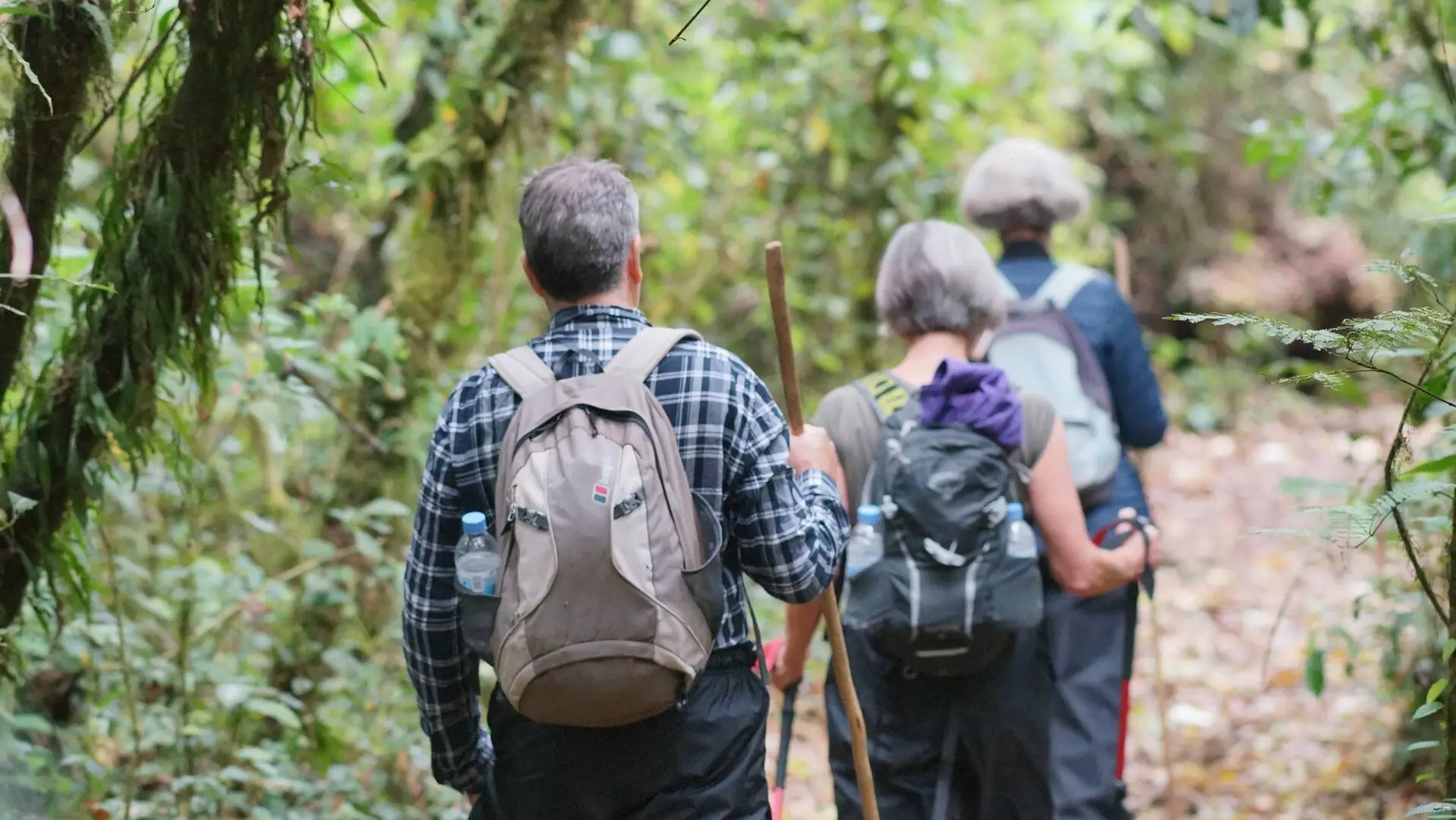
Dry-season days can feel warmer, particularly outside the forest. Sunscreen, a hat and additional drinking water may therefore become more important. Dust may also be more noticeable on some roads, so a light scarf can be useful during open-air transfers.
Evenings and early mornings can remain cool. A light sweater should therefore stay in the luggage regardless of the season. Travellers should avoid assuming that dry-season conditions will feel hot at every hour of the day.
Packing for Families Visiting Kibale
Families should prepare each child’s clothing and equipment according to age, size and planned activities. Comfortable footwear is especially important because poorly fitting shoes can quickly reduce a child’s enjoyment. Clothing should be simple, durable and easy to clean.
Parents should pack familiar snacks, any necessary medication and a change of clothes for younger travellers. Children participating in forest activities should understand that clothing may become muddy and wet. Expensive or delicate outfits are rarely practical.
Families should also consider entertainment for lodge time, particularly during rainy afternoons. Books, small games and downloaded films can be useful without adding excessive weight. Nextgen Safaris can recommend family-friendly lodges and activities based on the age of each traveller.
What Not to Pack for Kibale
Heavy suitcases filled with unnecessary clothing make safari travel more difficult, especially when domestic flights are included. Soft-sided bags are generally more practical than rigid luggage because they fit more easily into safari vehicles and aircraft storage spaces.
Formal clothing is rarely required in Kibale. Most lodges have a relaxed atmosphere, and clean casual clothing is suitable for dinner. One smart-casual outfit is usually enough for travellers who prefer to dress differently in the evening.
High heels, open sandals and smooth-soled fashion shoes are unsuitable for forest trekking. Sandals may be useful around the lodge, but they should not replace hiking footwear. Valuable jewellery and unnecessary electronics can also be left at home to reduce the risk of loss or damage.
Strong perfume should be avoided during wildlife activities. Travellers should also avoid disposable plastic items where reusable alternatives are available. Responsible packing reduces waste and helps protect the natural environment that makes Kibale special.
Packing Light for a Multi-Destination Uganda Safari
A safari combining Kibale, Queen Elizabeth National Park and Bwindi requires clothing suitable for both forest trekking and game drives. The same neutral long trousers, long-sleeved shirts and light layers can be used across several destinations, reducing the need for separate outfits.
Laundry services are available at many lodges, although they may require one or two days. Planning to wash clothing during the safari allows travellers to pack fewer items. Quick-drying garments are particularly useful because they can be washed and reused more easily.
Domestic flights may impose luggage restrictions, so travellers should check the allowance before departure. Soft-sided bags are usually preferable, and unnecessary items should be left in Entebbe where luggage storage is available through certain hotels or arrangements.
A well-organised safari bag should contain versatile clothing rather than a large number of specialised items. The goal is to remain comfortable during each activity without carrying equipment that will never be used.
Final Advice on What to Pack for Kibale
The most important principle when deciding What to Pack for Kibale is preparation for changeable rainforest conditions. Visitors should expect moderate temperatures, humidity, possible rain and uneven trails regardless of the month. Long trousers, a long-sleeved shirt, reliable hiking footwear, a waterproof jacket and a comfortable daypack form the foundation of an effective Kibale packing list.
Rain protection should extend beyond personal clothing to include cameras, documents and spare garments. Quick-drying fabrics, waterproof inner bags and additional socks help visitors recover quickly after wet conditions. Packing in layers also makes it easy to adjust between cool early mornings, warm trekking conditions and relaxed evenings at the lodge.
Travellers should test footwear, charge electronic equipment, organise medication and review luggage restrictions before leaving home. These simple preparations reduce avoidable problems and allow more attention to be given to chimpanzee calls, forest scenery and the excitement of encountering one of humanity’s closest living relatives.
Frequently Asked Questions About What to Pack for Kibale
What should I pack for chimpanzee trekking in Kibale National Park?
When deciding What to Pack for Kibale, begin with practical trekking clothing, dependable footwear and protection from rain. Long trousers, a lightweight long-sleeved shirt, a waterproof jacket and hiking boots with good grip are the most important items. Kibale’s forest trails can be damp, muddy and uneven, even during months that are considered relatively dry.
You should also carry a small daypack containing drinking water, insect repellent, sunscreen, a camera, spare batteries and waterproof protection for valuable items. A light sweater is useful for cool mornings, while quick-drying clothes are better than heavy cotton or denim. The goal is to remain comfortable during changing rainforest conditions without carrying an unnecessarily heavy bag.
What are the best clothes to wear in Kibale National Park?
The best clothes for Kibale are lightweight, breathable and quick drying. Long trousers protect the legs from insects, wet vegetation and scratches, while a long-sleeved shirt protects the arms from plants and sun exposure. Neutral colours such as khaki, brown, olive, grey and dark green are practical because they blend into the natural surroundings and do not show mud as easily as white clothing.
Clothing should allow free movement because chimpanzee trekking may involve stepping over roots, walking through vegetation and climbing gentle slopes. Heavy jeans should generally be avoided because they absorb water, become uncomfortable when wet and take a long time to dry. Dressing in layers is the best approach because mornings may feel cool while trekking conditions become warm and humid later.
Do I need hiking boots for Kibale?
Hiking boots or strong hiking shoes are highly recommended for Kibale. The trails can include mud, wet leaves, roots, uneven ground and occasionally shallow water. Footwear with strong grip reduces the risk of slipping and makes the trek more comfortable, especially during the rainy season.
Boots with ankle support are particularly helpful for visitors who are not accustomed to forest terrain. Waterproof or water-resistant footwear is useful throughout the year because the ground beneath the canopy can remain wet after rainfall. Travellers should wear their boots before the safari to make sure they are comfortable and do not cause blisters.
Can I wear ordinary trainers for chimpanzee trekking?
Ordinary trainers may be acceptable only when the weather has been dry and the trails are firm, but they are not the most reliable option. Many trainers have smooth soles that provide limited grip on mud, wet roots and slippery leaves. They may also absorb water quickly and offer little protection around the ankles.
A proper hiking shoe or lightweight hiking boot is a safer and more comfortable choice. Travellers who choose trainers should make sure they have deep tread, a secure fit and some resistance to water. Open shoes, sandals and fashion footwear should never be used for chimpanzee trekking.
Do I need a rain jacket for Kibale during the dry season?
A rain jacket should be packed for Kibale during every season, including January, February, June and July. Kibale protects a tropical rainforest, so showers can occur even during the relatively dry months. Weather can change quickly, and a sunny morning does not guarantee a rain-free afternoon.
The jacket should be lightweight, breathable and easy to fold into a daypack. A heavy coat may become uncomfortable in humid conditions. Travellers should also protect cameras, phones and documents because a rain jacket protects the body but not the equipment carried inside the bag.
Are gaiters necessary for chimpanzee trekking in Kibale?
Gaiters are not compulsory, but they are highly useful, particularly during the rainy season. They cover the lower legs and the tops of the boots, helping to keep out mud, water, small stones and insects. They also prevent the lower part of the trousers from becoming excessively dirty.
Travellers visiting in March, April, May, September, October or November are especially likely to benefit from gaiters. Lightweight waterproof models are usually sufficient. Even during drier months, gaiters may still be useful in shaded or marshy sections of the forest.
Should I wear gloves during chimpanzee trekking?
Lightweight gardening gloves can be very useful during chimpanzee trekking. They protect the hands when holding branches, vines or a walking stick for balance. Gloves are especially helpful when the trail is muddy and visitors need additional support while climbing or descending slippery sections.
The gloves should be flexible enough to allow easy camera use and should not be heavily insulated. A textured palm improves grip, while a breathable design prevents the hands from becoming too warm. Gloves are optional, but many travellers find them more useful than expected.
What size daypack should I carry in Kibale?
A daypack of approximately twenty to thirty litres is normally sufficient for chimpanzee trekking in Kibale. It should be large enough to carry water, a rain jacket, a camera, insect repellent, a snack, personal medication and waterproof protection for valuable items.
The bag should have comfortable shoulder straps and preferably a chest or waist strap. A large backpack becomes tiring and difficult to move through narrow forest trails. A compact, organised daypack is easier to manage and allows important items to be accessed quickly when the weather changes.
How much drinking water should I carry for chimpanzee trekking?
Most visitors should carry at least one litre of drinking water, although some may prefer more depending on the expected trekking duration, temperature and personal needs. Chimpanzee trekking can last several hours, and the humid forest environment may cause visitors to lose more fluid than they realise.
A reusable bottle or hydration bladder is practical and reduces disposable plastic waste. Travellers should begin drinking before the trek and continue taking small amounts throughout the activity. The bottle should be packed securely so that it does not leak onto cameras, documents or spare clothing.
Can I carry food during chimpanzee trekking?
A light snack may be carried, particularly for visitors who have dietary requirements or expect a long trek. However, food should only be eaten in areas and at times approved by the ranger. Visitors must never eat close to chimpanzees because food can attract animals and increase the risk of disease transmission.
Any packaging must be carried out of the forest. Lodges may prepare a packed snack when requested, but travellers should confirm this in advance. Small, simple items are more practical than food that creates strong smells or unnecessary waste.
What camera equipment should I pack for Kibale?
A camera that performs well in low light is ideal because the forest canopy often creates dark conditions. A medium telephoto or versatile zoom lens can be useful for photographing chimpanzees without changing lenses repeatedly. Extra batteries and memory cards should also be packed.
A waterproof camera cover, lens cloth and dry bag are essential because showers can begin unexpectedly. Silica-gel packets can help reduce moisture inside the camera bag. Travellers using smartphones should carry a waterproof pouch and a portable power bank.
Do I need binoculars in Kibale National Park?
Binoculars are highly recommended because Kibale is rich in birdlife and other primates. Many animals remain high in the canopy or at a distance, making them difficult to observe clearly with the naked eye. Binoculars greatly improve the experience during birdwatching, forest walks and visits to Bigodi Wetland Sanctuary.
A lightweight pair is usually more practical than a large model because chimpanzee trekking involves active walking. Binoculars should have a comfortable strap and be protected from rain. A lens cloth should also be carried to remove moisture and condensation.
What insect repellent should I pack for Kibale?
Travellers should pack an effective insect repellent suitable for tropical travel. It should be applied according to the manufacturer’s instructions and used together with long trousers and long sleeves. The presence of mosquitoes and other insects varies depending on rainfall, time of day and location.
Repellent should be kept in an easily accessible part of the daypack. Strong perfumes and heavily scented lotions are best avoided during wildlife activities. Travellers should also follow personal medical advice regarding malaria prevention and other health precautions.
Do I need sunscreen in a rainforest destination?
Sunscreen is still necessary even though much of the chimpanzee trek takes place beneath the forest canopy. Visitors may spend time in open areas during briefings, road transfers, crater-lake walks and community activities. Sun exposure can also occur when breaks are taken in forest clearings.
A lightweight, non-greasy sunscreen is generally more comfortable in humid conditions. A hat with a brim provides additional protection. Sunscreen, insect repellent and lip balm should all be included in the daypack rather than left at the lodge.
What medical items should I carry in Kibale?
Travellers should carry all prescribed medication, together with a small additional supply in case of delays. Medication should remain in its original packaging, and important medicine should be packed in hand luggage. A small first-aid kit can include blister plasters, adhesive dressings, antiseptic wipes and pain relief normally used by the traveller.
Personal medical needs vary, so travellers should consult a qualified travel-health professional before departure. The advice may depend on vaccination history, nationality, the wider itinerary and individual health conditions. A packing guide should never replace professional medical guidance.
What should I pack for Kibale during the rainy season?
During the rainy season, travellers should prioritise waterproof protection, additional socks and quick-drying clothing. Two pairs of trekking trousers are useful because one pair may remain wet after the previous day. Waterproof inner bags should be used for electronics, documents and spare clothes.
A separate bag for muddy boots and damp clothing is also helpful. Rainy-season visitors should not pack heavy winter coats, because the main challenge is moisture rather than extreme cold. Lightweight layers provide better comfort and flexibility.
What should I pack for Kibale during the dry season?
Dry-season packing should still include a rain jacket because showers remain possible. Visitors should carry sunscreen, a hat and sufficient drinking water because open areas can feel warm. Hiking boots with good grip remain necessary because shaded forest sections may stay damp.
A light sweater is useful for cool mornings and evenings. Dust can be noticeable on some roads, so a light scarf may also be useful during transfers. The dry season requires slightly less rain protection, but the basic trekking equipment remains the same.
Can I hire a porter in Kibale?
Porters are available and can be extremely helpful during chimpanzee trekking. A porter can carry the daypack, camera equipment and water while also assisting visitors on muddy or uneven sections. This support allows travellers to conserve energy and concentrate more fully on the experience.
Hiring a porter also provides direct economic support to people living around the park. Visitors should not assume that porters are only for elderly or unfit travellers. Even experienced hikers may appreciate the assistance when carrying valuable equipment through a humid forest.
Should I carry a walking stick for chimpanzee trekking?
A walking stick can improve balance on wet slopes, muddy ground and uneven trails. Some trekking locations may provide simple wooden sticks, while travellers may also carry a lightweight collapsible hiking pole. The pole should be easy to store when it is not required.
Visitors should follow ranger instructions when using walking support to avoid damaging plants or disturbing wildlife. A walking stick is particularly useful during the rainy season and for travellers who are less confident on slippery terrain.
What luggage is best for a Uganda safari including Kibale?
Soft-sided luggage is generally more practical than a rigid suitcase, especially when the safari includes domestic flights or limited vehicle storage. A medium-sized duffel bag can be fitted more easily into a safari vehicle and is simpler to handle between lodges.
Travellers should also pack a separate daypack for activities. Domestic flights may have strict luggage limits, so the final baggage allowance should be confirmed before departure. Packing versatile clothing and using lodge laundry services helps reduce unnecessary weight.
Do I need formal clothing at Kibale lodges?
Formal clothing is not normally required at lodges around Kibale National Park. Clean casual clothing is suitable for dinner, drinks and relaxation after the trek. A simple smart-casual outfit may be included for personal preference, but heavy formal wear is unnecessary.
Comfort is more important than appearance in a forest destination. Travellers should prioritise dry clothes, comfortable shoes and a light sweater for the evening. High heels and delicate footwear are generally impractical.
What should children pack for a family safari in Kibale?
Children should have comfortable walking shoes, long trousers, long-sleeved shirts, rain protection and a warm layer for cool mornings. Their clothing should be durable and easy to wash because it may become muddy or wet during outdoor activities.
Parents should also carry familiar snacks, personal medication and a complete change of clothing. Books, games or downloaded entertainment can be useful during rainy lodge afternoons. The child’s age should also be considered because chimpanzee trekking is subject to a minimum age requirement.
What should I avoid packing for Kibale?
Travellers should avoid heavy jeans, smooth-soled shoes, open sandals for trekking, excessive jewellery and unnecessary electronic equipment. White clothing is also impractical because it becomes stained quickly by mud and wet vegetation.
Strong perfume should be avoided during wildlife activities. Large rigid suitcases and excessive formal clothing add unnecessary weight, particularly when domestic flights are involved. Packing light, versatile and practical items creates a more comfortable safari experience.
How can Nextgen Safaris help with my Kibale packing preparations?
Nextgen Safaris provides practical pre-departure guidance based on the travel season, itinerary and activities included in the safari. Our team advises guests on appropriate footwear, clothing, rain protection, luggage limits and equipment needed for chimpanzee trekking.
We also arrange permits, accommodation, transport and experienced driver-guides. By planning the journey carefully, Nextgen Safaris helps travellers arrive prepared for Kibale’s rainforest conditions and enjoy the experience with greater comfort and confidence.
Book Your Kibale Chimpanzee Safari With Nextgen Safaris
Knowing What to Pack for Kibale is only one part of planning a successful chimpanzee safari. Travel dates, permit availability, lodge location, transport and the wider Uganda itinerary must also be carefully coordinated. Nextgen Safaris designs personalised journeys that combine practical planning with local knowledge and reliable safari services.
Our team advises travellers on clothing, footwear, seasonal weather and the equipment required for each activity. We arrange chimpanzee permits, suitable accommodation, experienced driver-guides and dependable safari vehicles. Whether you are travelling during the dry season or the greener rainy season, your itinerary will be planned around realistic road conditions and comfortable travel times.
A Kibale safari can be combined with game viewing in Queen Elizabeth National Park, gorilla trekking in Bwindi Impenetrable National Park, crater-lake exploration near Fort Portal or a complete primate journey through western Uganda. Each safari can be tailored for solo travellers, couples, families, private groups and photographers.
Contact Nextgen Safaris today and let our Uganda safari experts create a carefully organised Kibale experience. With the correct equipment, a well-designed itinerary and professional local support, you will be prepared to enjoy one of Africa’s most extraordinary chimpanzee destinations.