
Why Is Gorilla Habituation Done in Bwindi Impenetrable National Park?
Why Is Gorilla Habituation Done in Bwindi Impenetrable National Park? 7 Powerful Conservation Reasons
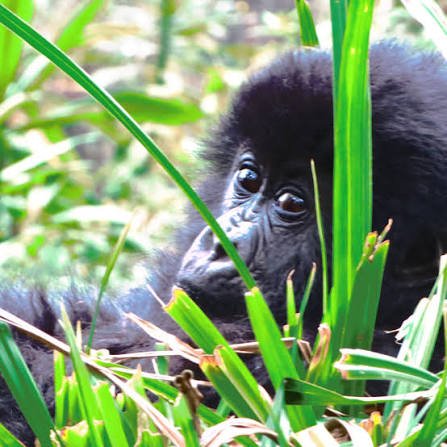
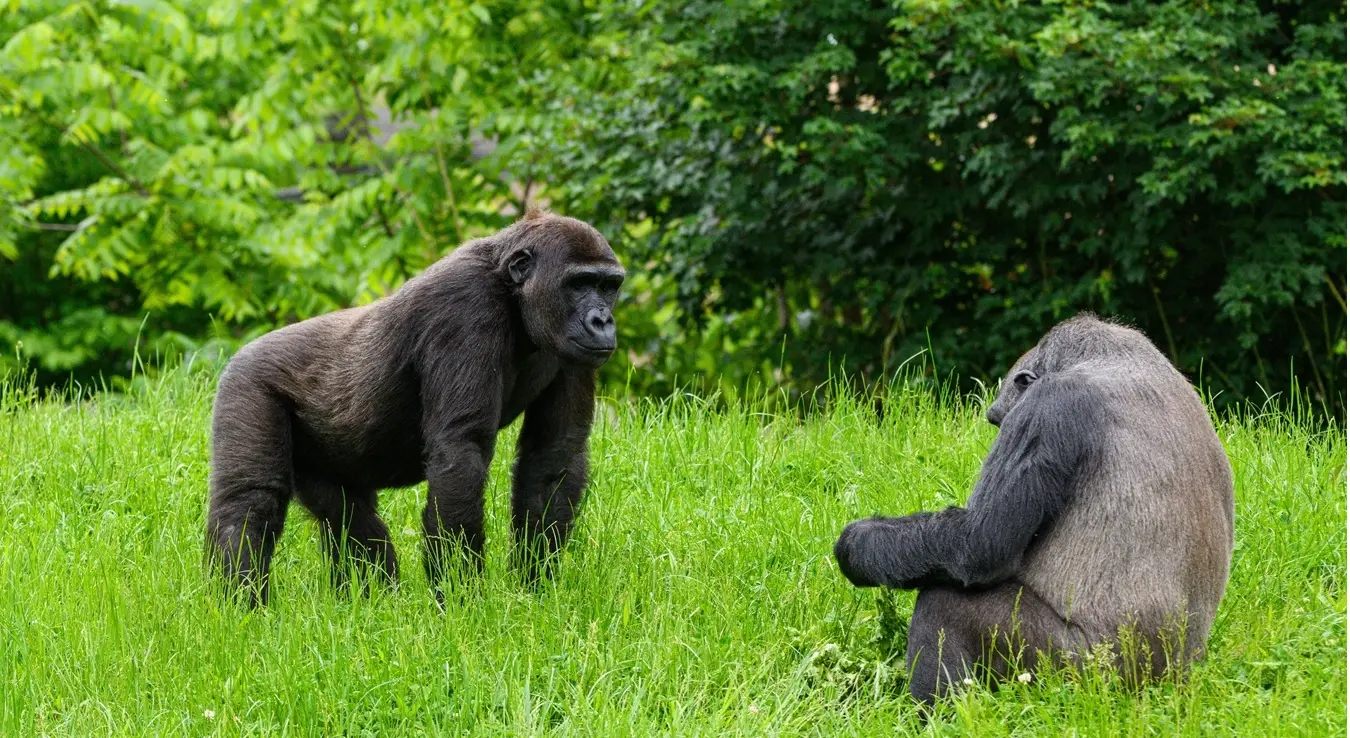
Why Is Gorilla Habituation Done in Bwindi Impenetrable National Park? Gorilla habituation is conducted in Uganda’s Bwindi Impenetrable National Park because the protected rainforest provides a natural habitat for endangered mountain gorillas, supports long-established conservation and research programs, and offers suitable conditions for carefully managed habituation activities. Located in southwestern Uganda, Bwindi is one of Africa’s most important mountain gorilla conservation areas, where researchers, trackers, and wildlife rangers work to protect wild gorilla families and monitor their behavior.
Uganda has developed a specialized gorilla habituation experience that allows eligible visitors to spend up to four hours observing designated mountain gorilla families undergoing the gradual process of becoming accustomed to controlled human presence. Unlike ordinary gorilla trekking, which involves visiting fully habituated families, this experience introduces travelers to an important stage of mountain gorilla conservation.
For international tourists planning a mountain gorilla safari in Uganda, understanding Why Is Gorilla Habituation Done in Bwindi Impenetrable National Park? provides valuable insight into the country’s conservation achievements and the importance of responsible wildlife tourism. Uganda’s visitor-accessible gorilla habituation experience is associated with the Rushaga sector in the southern part of Bwindi Impenetrable National Park, where authorized conservation personnel accompany small groups of tourists into the rainforest. Visitors from the United States, United Kingdom, Germany, Australia, Canada, and other countries travel to Uganda specifically for this extended wildlife encounter.
However, the location was not selected simply to attract tourists. Bwindi’s mountain gorilla population, protected forest habitat, established tracking expertise, conservation infrastructure, and carefully managed tourism system all contribute to its suitability for habituation. Understanding these factors helps travelers appreciate why Bwindi holds such an important position in Uganda’s efforts to protect mountain gorillas for future generations.
Why Is Gorilla Habituation Done in Bwindi Impenetrable National Park in Uganda?
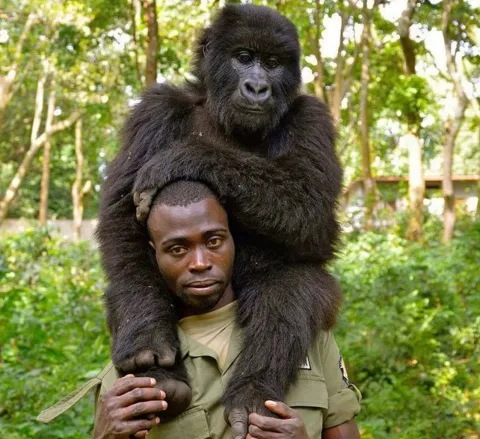
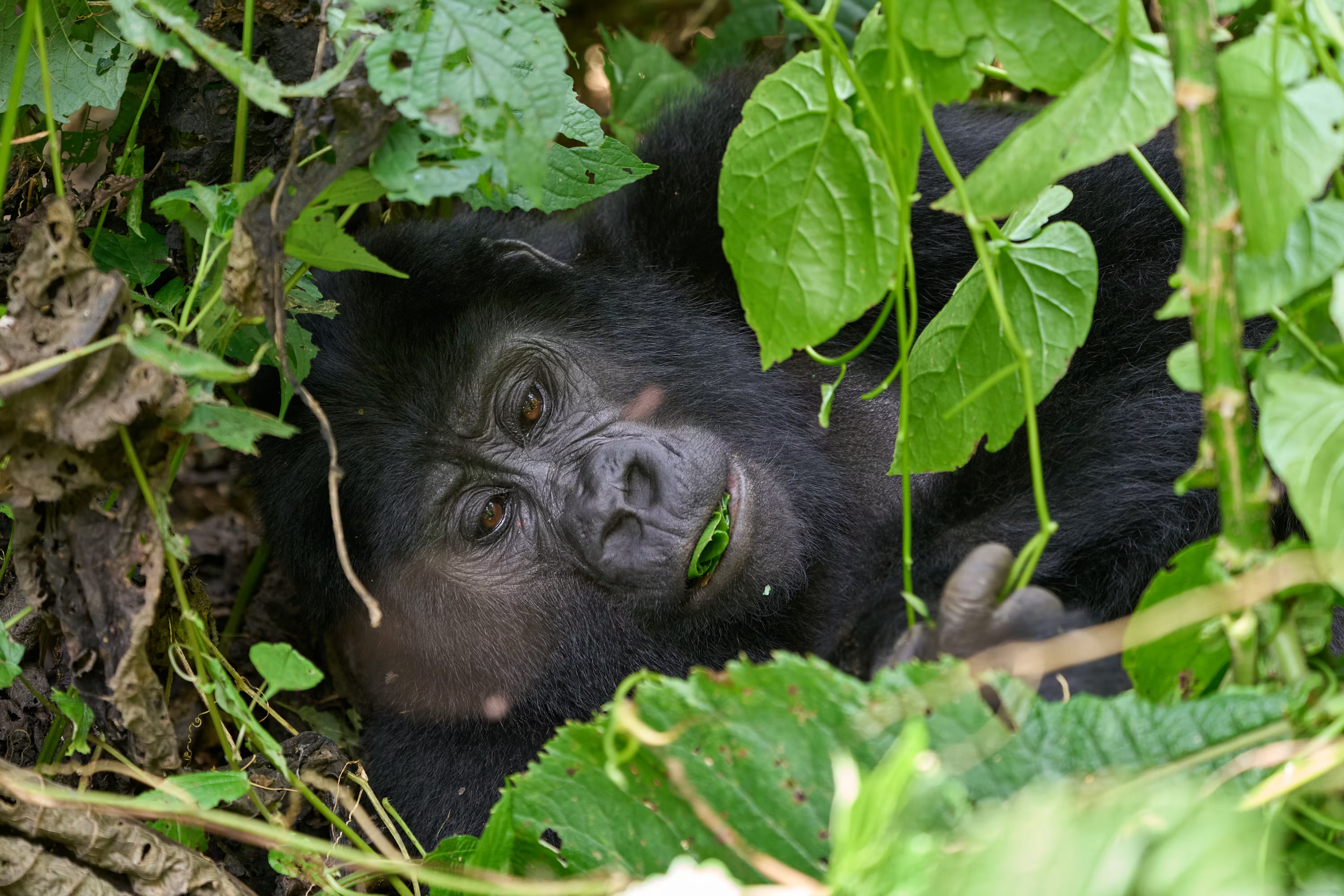
Why Is Gorilla Habituation Done in Bwindi Impenetrable National Park? The primary reason is that Bwindi protects a significant population of wild mountain gorillas within a legally protected rainforest where conservation personnel can monitor designated families over extended periods. Gorilla habituation requires repeated observations, knowledge of individual gorillas, careful assessment of family behavior, and consistent management of human encounters. These activities depend on a protected environment, trained personnel, and established wildlife monitoring systems.
Bwindi Impenetrable National Park provides these essential conditions through Uganda’s regulated conservation framework. The park is managed by the Uganda Wildlife Authority, which oversees wildlife protection, visitor permits, ranger operations, conservation regulations, and authorized gorilla tourism activities. Research organizations and other conservation partners have also contributed to the understanding and protection of mountain gorillas in Bwindi.
The habituation process involves gradually familiarizing selected wild gorilla families with the presence of authorized people without domesticating the animals or attempting to change their natural behavior for entertainment. Researchers and trackers monitor how the animals respond to repeated encounters, while management decisions determine whether visitor participation is appropriate.
Bwindi is therefore important not only because mountain gorillas live there but also because Uganda has developed the conservation expertise and regulated tourism arrangements necessary to manage these encounters responsibly.
Bwindi Protects One of the World’s Most Important Mountain Gorilla Populations
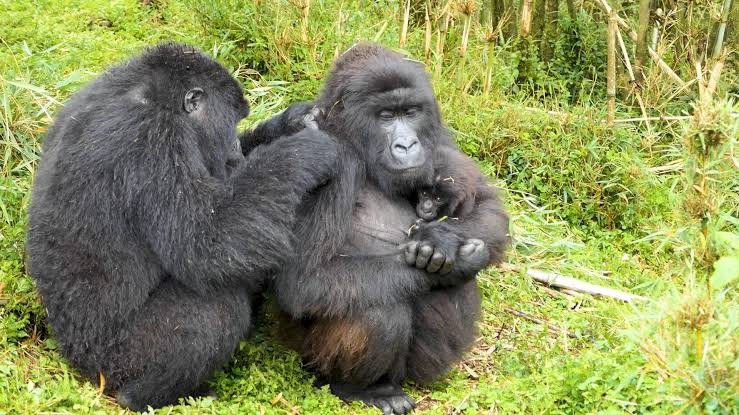
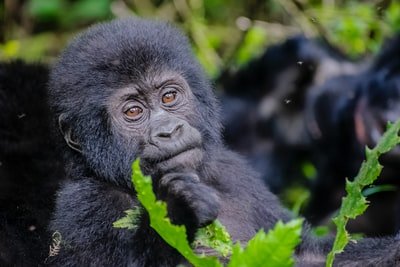
The first major reason gorilla habituation takes place in Bwindi is the park’s importance as a natural home for endangered mountain gorillas.
Mountain gorillas live in a limited geographical range in East and Central Africa. Their natural populations occur in the Bwindi-Sarambwe landscape and the wider Virunga mountain ecosystem shared by Uganda, Rwanda, and the Democratic Republic of Congo.
Bwindi is internationally recognized as a major stronghold for mountain gorilla conservation. Its forest provides suitable feeding grounds, resting areas, and natural territories where gorilla families live and move freely.
Gorilla habituation can only be undertaken where wild mountain gorillas naturally occur and where appropriate conservation arrangements are in place.
The process involves repeated observations of designated families living in their normal habitat.
Researchers and trackers must understand family movements, feeding patterns, nesting locations, social relationships, and responses to human presence.
Bwindi’s established mountain gorilla population provides opportunities for long-term monitoring of selected families, subject to wildlife management decisions.
However, not every mountain gorilla family is suitable for habituation, and the presence of gorillas alone does not mean that tourism can automatically be introduced.
Mountain gorillas live in complex social groups that may contain silverbacks, adult females, juveniles, and infants.
Their daily lives involve feeding, resting, grooming, communicating, and moving through different forest areas.
Conservation personnel must observe these behaviors without unnecessarily interfering with the animals.
Why Is Gorilla Habituation Done in Bwindi Impenetrable National Park rather than an artificial wildlife facility? Bwindi provides the gorillas’ natural forest environment, allowing carefully managed observation of wild animals living within their established ecological and social systems.
The purpose of habituation is controlled familiarity with human presence, not domestication or physical interaction with tourists.
Bwindi’s Dense Rainforest Provides a Suitable Natural Gorilla Habitat
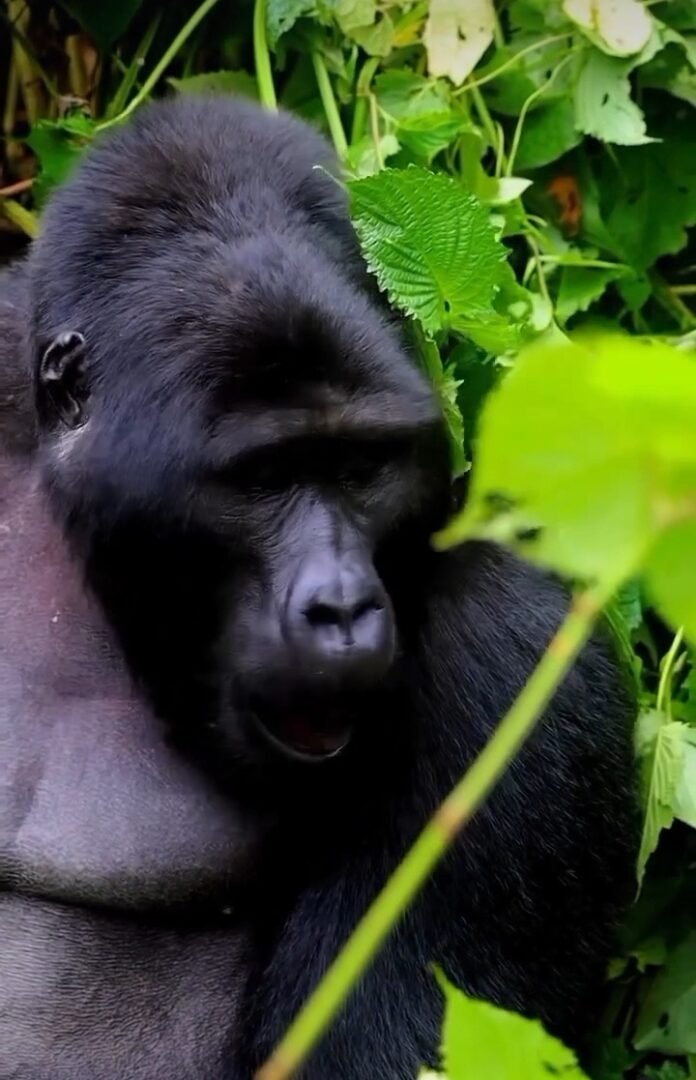
Bwindi Impenetrable National Park is known for its exceptionally rich rainforest environment, which supports numerous plant and animal species.
The park covers approximately 32,000 hectares and contains a mixture of forest habitats at different elevations. Its mountainous terrain, dense vegetation, and ecological diversity create important conditions for wildlife conservation.
UNESCO recognizes Bwindi as a World Heritage Site because of its exceptional biodiversity and importance for threatened species, including mountain gorillas.
Mountain gorillas depend heavily on vegetation for their diet.
They feed on various leaves, stems, shoots, and other available plant materials within their habitat.
Bwindi’s diverse forest environment provides the vegetation and natural spaces needed to support different gorilla families.
The animals move between feeding and resting locations according to seasonal conditions, food availability, and their normal social behavior.
Researchers must therefore observe gorillas across changing forest conditions rather than at a fixed tourist viewing site.
Bwindi contains steep hillsides, valleys, ridges, and dense vegetation that influence the movements of mountain gorillas.
These natural features also affect conservation work because trackers must follow gorilla movements through challenging terrain.
The difficult landscape is one reason habituation requires experienced personnel familiar with the forest and the behavior of individual families.
Visitors participating in gorilla habituation experience these environmental conditions firsthand while following the authorized conservation team.
Gorilla habituation is not about capturing wild gorillas or bringing them into specially constructed enclosures.
The animals remain free to move, feed, rest, and interact naturally within their forest habitat.
Why Is Gorilla Habituation Done in Bwindi Impenetrable National Park when considering the environment? The park supports the ecological conditions in which mountain gorillas naturally live, making it possible to monitor designated families without removing them from the wild.
This natural setting is essential to the conservation purpose of the experience.
Bwindi Has Established Mountain Gorilla Research and Monitoring Programs
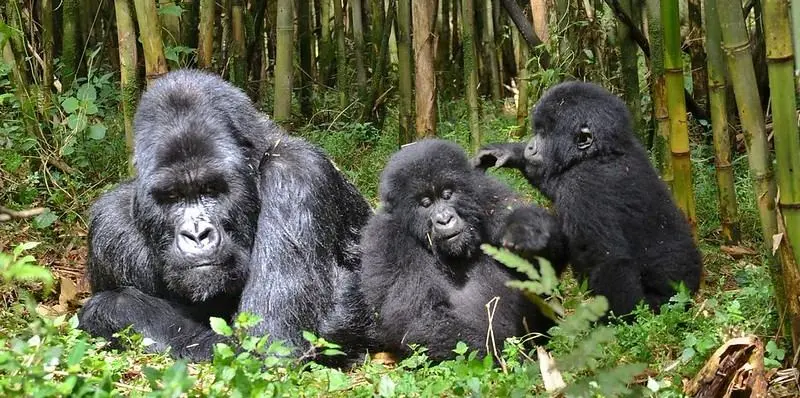
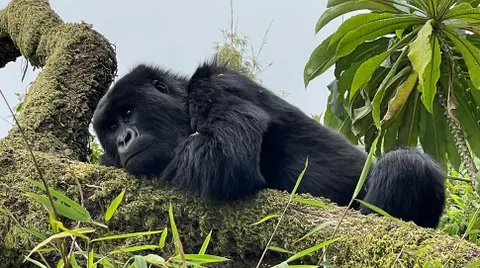
Another important reason Bwindi supports gorilla habituation is its history of conservation research and long-term wildlife monitoring.
Mountain gorilla habituation requires more than occasional visits by tourists. It involves a structured process in which authorized personnel repeatedly observe a designated family, document its movements, and assess how individual gorillas respond to controlled human presence.
Bwindi has benefited from decades of mountain gorilla conservation activities involving the Uganda Wildlife Authority, researchers, veterinary specialists, and conservation partners.
Researchers and trained trackers gather information about gorilla behavior, family composition, feeding patterns, movements, births, and other important ecological characteristics.
Repeated monitoring helps conservation personnel recognize individual gorillas and understand changes within the family.
These observations can also contribute to broader wildlife management decisions.
However, visitors joining the habituation experience are not automatically conducting independent scientific research. They accompany authorized conservation personnel who remain responsible for the animals and the activity.
Wild mountain gorillas may initially respond cautiously to unfamiliar humans.
Some individuals may move away, remain alert, or behave differently from members of fully habituated families.
Researchers must evaluate these responses carefully over time.
The process requires patience because different individuals and families may become accustomed to human presence at different rates.
Habituation cannot be completed through one or two brief visits.
Conservation personnel need repeated opportunities to observe the animals and assess whether encounters remain appropriate.
Why Is Gorilla Habituation Done in Bwindi Impenetrable National Park from a research perspective? The park has an established conservation and monitoring system that supports the careful management of selected mountain gorilla families over extended periods.
The availability of experienced personnel and structured research activities makes the location especially important for controlled habituation.
Rushaga Has an Established Visitor-Accessible Gorilla Habituation Program
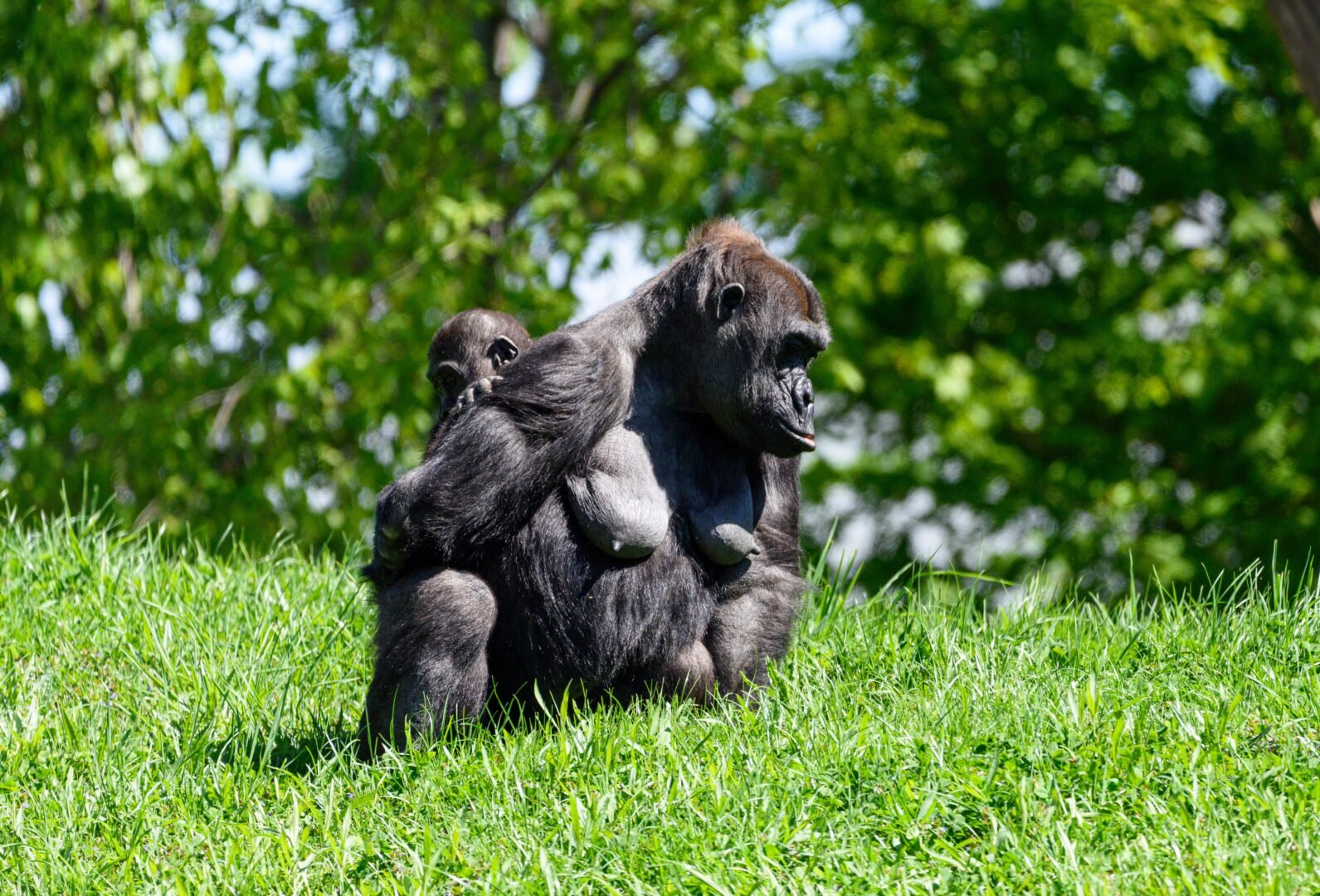
The fourth major reason concerns the development of authorized habituation tourism in the Rushaga sector of southern Bwindi.
Although Bwindi contains several gorilla trekking sectors, the established four-hour visitor-accessible gorilla habituation experience is associated with Rushaga.
Rushaga provides a regulated setting where eligible tourists can accompany authorized conservation personnel and observe designated gorilla families undergoing habituation.
Rushaga is one of Bwindi’s principal mountain gorilla tourism areas.
The sector supports ordinary gorilla trekking as well as the specialized habituation experience, subject to official permits and approved family allocations.
The conservation arrangements in Rushaga allow eligible visitors to participate in controlled observation without treating all wild gorilla families as tourism attractions.
Researchers and wildlife personnel determine which families are appropriate for particular activities.
Bwindi has four principal gorilla trekking sectors: Buhoma, Ruhija, Rushaga, and Nkuringo.
These sectors serve different geographical areas and have separate visitor arrangements.
Standard gorilla trekking is available across the designated sectors, subject to permit allocation.
However, the established visitor-accessible habituation activity is concentrated in Rushaga rather than being automatically available wherever habituated gorilla families exist.
Gorilla families move naturally, and conservation management arrangements can evolve.
The Uganda Wildlife Authority determines authorized tourism activities, designated entry points, and applicable procedures.
Why Is Gorilla Habituation Done in Bwindi Impenetrable National Park specifically through Rushaga? The sector has an established authorized habituation tourism program that allows visitors to observe selected families under professional conservation supervision.
Travelers must confirm the correct entry point and should not assume that a normal gorilla trekking permit from another sector can be used for habituation.
Bwindi Provides Opportunities for Extended Gorilla Behavior Observation
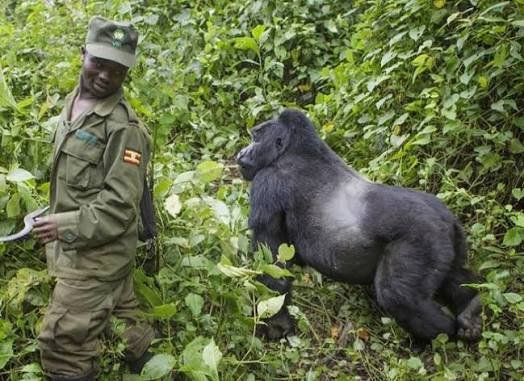
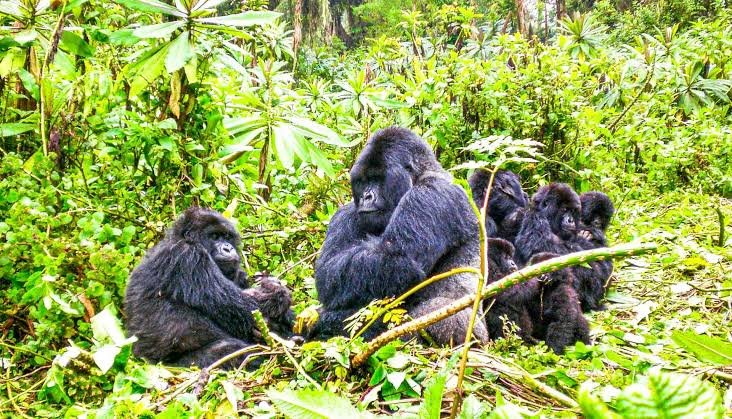
The final major reason is the opportunity to observe mountain gorillas for a longer period within their natural habitat.
Mountain gorillas have complex family relationships, communication patterns, and daily routines that cannot always be appreciated during a short encounter.
The visitor-accessible habituation experience offers up to four hours of observation, creating opportunities to learn about natural behavior as it develops over time.
Mountain gorillas spend significant portions of their day searching for and consuming vegetation.
During habituation, visitors may observe different individuals selecting food, feeding in nearby areas, and moving through the forest.
These activities provide insight into how gorillas use their habitat.
Mountain gorilla families often include individuals of different ages and social roles.
Silverbacks may provide leadership and protection, while adult females care for infants and maintain important relationships within the group.
Younger gorillas may play, climb vegetation, or interact with other family members.
Tourists must not feed gorillas, attempt to attract their attention, or move closer than permitted.
Why Is Gorilla Habituation Done in Bwindi Impenetrable National Park for travelers interested in natural behavior? The protected rainforest allows visitors to observe wild gorillas in the environment where their family relationships and daily activities naturally occur.
The extended observation period can be particularly rewarding for wildlife photographers, naturalists, and conservation enthusiasts.
Why Is Gorilla Habituation Not Done in Every Ugandan National Park?
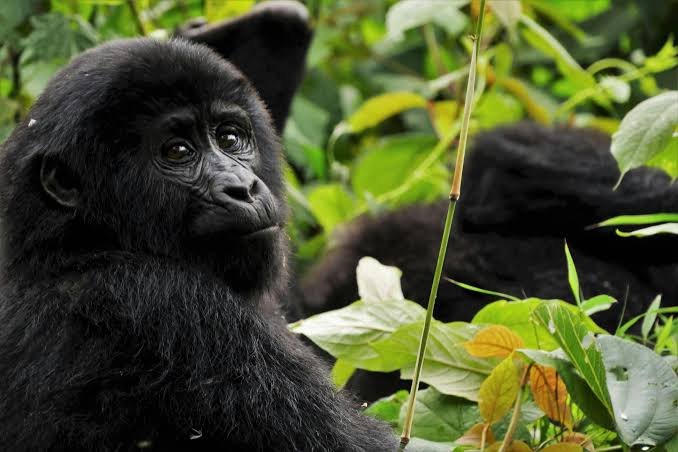
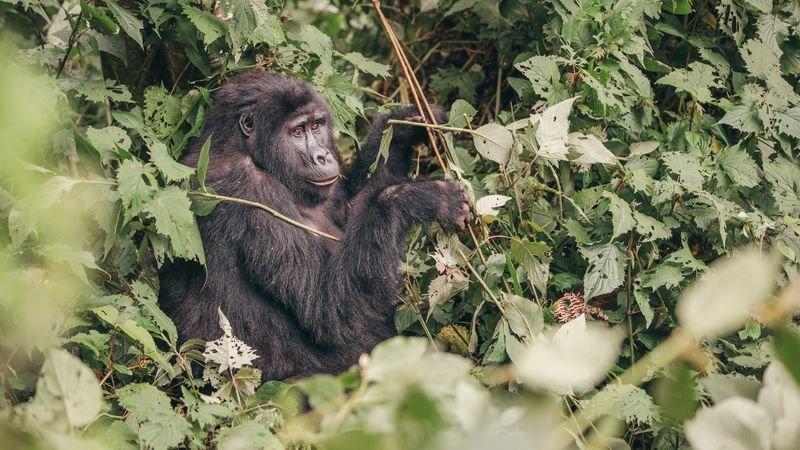
Although Uganda has numerous national parks, mountain gorillas are naturally found only in specific protected habitats.
The Uganda Wildlife Authority identifies Bwindi Impenetrable National Park and Mgahinga Gorilla National Park as Uganda’s mountain gorilla destinations.
Other major wildlife destinations, including Queen Elizabeth National Park, Murchison Falls National Park, and Kibale National Park, support different ecosystems and wildlife experiences.
The activity depends on the presence of wild mountain gorilla families living within their natural habitat.
Conservation personnel cannot simply transfer the experience to a national park where mountain gorillas do not naturally occur.
Mgahinga Gorilla National Park provides opportunities for standard mountain gorilla trekking within Uganda’s part of the Virunga mountain ecosystem.
However, the established visitor-accessible four-hour mountain gorilla habituation experience is based in Rushaga, Bwindi.
Mgahinga’s separate golden monkey tourism activities should not be confused with mountain gorilla habituation.
Kibale is especially known for chimpanzee tracking and habituation experiences.
Queen Elizabeth National Park offers savannah wildlife experiences and opportunities for chimpanzee tracking in designated areas.
These activities involve different species and authorized visitor arrangements.
Why Is Gorilla Habituation Done in Bwindi Impenetrable National Park instead of Uganda’s other wildlife destinations? Bwindi combines a suitable mountain gorilla population, protected natural habitat, and an established authorized habituation program.
The experience cannot be replicated simply by choosing another national park.
Frequently Asked Questions About Why Gorilla Habituation Is Done in Bwindi
Why Is Gorilla Habituation Done in Bwindi Impenetrable National Park?
Gorilla habituation is carried out in Bwindi because the park protects an important population of wild mountain gorillas, provides suitable natural habitat, and supports established conservation and research activities. The visitor-accessible experience takes place in Rushaga under authorized wildlife management arrangements.
Why Is Gorilla Habituation Done in Bwindi Impenetrable National Park in Uganda?
Uganda’s Bwindi forest provides the natural mountain gorilla habitat and conservation infrastructure required for carefully managed habituation. Authorized personnel monitor designated gorilla families while visitors participate under strict wildlife protection regulations.
Why Is Gorilla Habituation Done in Bwindi Impenetrable National Park Instead of Mgahinga?
Both parks protect mountain gorillas, but the established visitor-accessible four-hour gorilla habituation experience operates in Rushaga, Bwindi. Mgahinga offers standard mountain gorilla trekking and separate golden monkey activities.
Why Is Gorilla Habituation Done in Bwindi Impenetrable National Park’s Rushaga Sector?
Rushaga has an established authorized habituation program that allows small groups of eligible visitors to accompany conservation personnel and observe selected gorilla families undergoing habituation.
Why Is Gorilla Habituation Done in Bwindi Impenetrable National Park for Conservation?
The process helps authorized personnel gradually familiarize selected wild gorilla families with controlled human presence while monitoring their behavior. It supports regulated research and tourism access, although careful management is necessary to minimize disease and disturbance risks.
Book Your Gorilla Habituation Experience in Bwindi Impenetrable National Park, Uganda
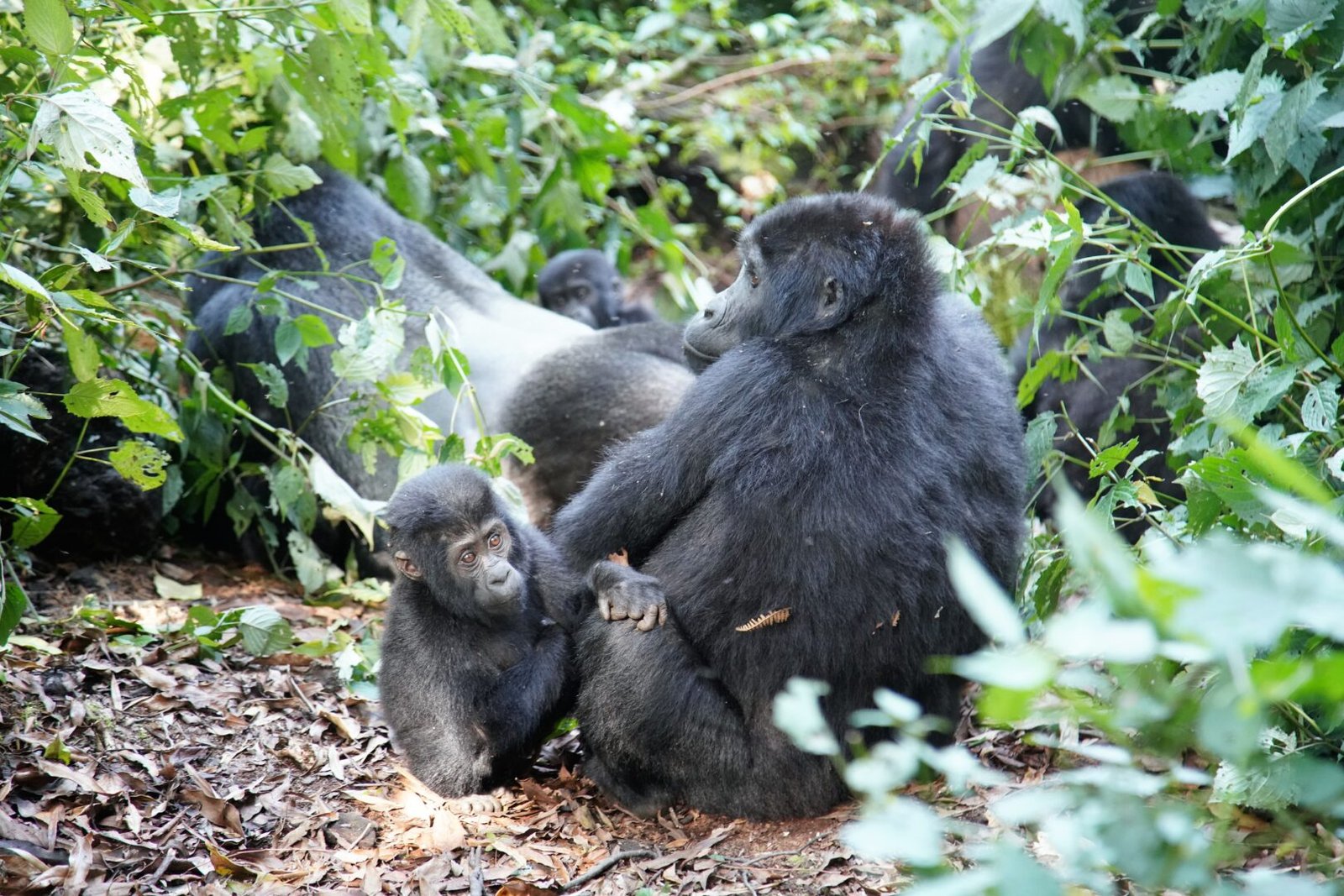
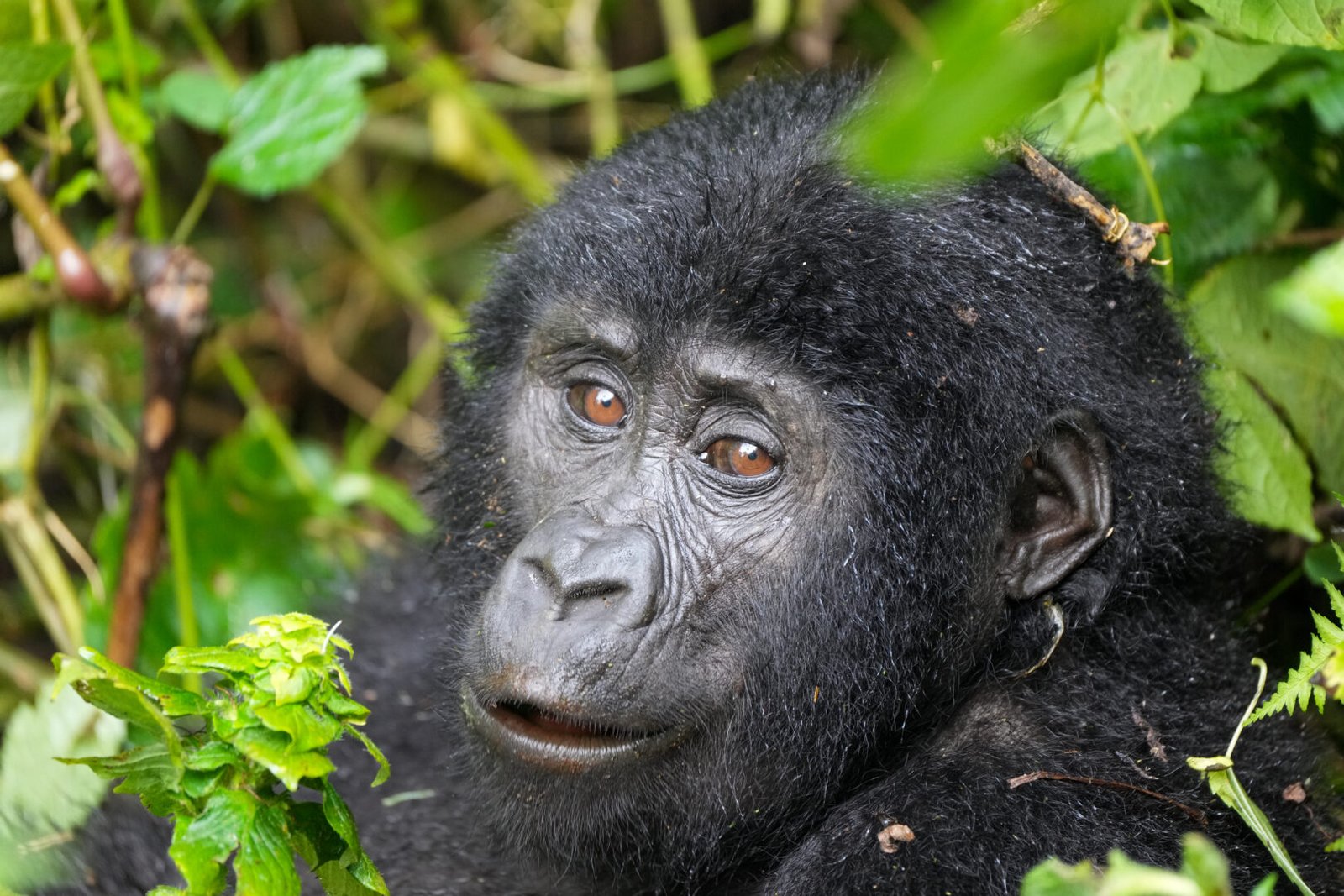
Bwindi Impenetrable National Park offers one of Uganda’s most remarkable opportunities to observe endangered mountain gorillas while learning about the conservation work involved in gradually familiarizing wild gorilla families with controlled human presence.
Whether you are planning a luxury safari, wildlife photography expedition, honeymoon, conservation-focused holiday, or extended Uganda adventure, the gorilla habituation experience provides an opportunity to appreciate mountain gorillas in their protected natural environment.
Why Is Gorilla Habituation Done in Bwindi Impenetrable National Park? The park combines an important mountain gorilla population, a biodiverse rainforest ecosystem, established wildlife research, professional conservation management, and a regulated visitor-accessible habituation program in Rushaga.
The experience allows eligible travelers to accompany authorized wildlife personnel and spend up to four hours observing designated mountain gorilla families undergoing habituation.
At Uganda Gorilla Permit, travelers can request assistance with checking available permits, understanding official booking requirements, selecting suitable travel dates, and organizing their gorilla habituation safari in the Rushaga sector of Bwindi.
Our team can help explain the differences between ordinary gorilla trekking and habituation, provide information about permit categories, and assist with coordinating accommodation and transportation around the correct activity location.
Gorilla habituation has a strictly limited paying visitor allocation, and places may become unavailable during popular safari months.
To begin your booking inquiry, provide your preferred travel dates, possible alternative dates, number of participants, and nationality or residency information relevant to the applicable permit category.
Explore the magnificent rainforest of Bwindi Impenetrable National Park, accompany professional conservation personnel, and enjoy extended opportunities to observe mountain gorillas while respecting the rules that protect these endangered animals.
For additional information about permit requirements and booking arrangements, visit our Uganda Gorilla Habituation Permits page.