
Ziwa Rhino Sanctuary Guide
Ziwa Rhino Sanctuary Guide – Amazing Rhino Tracking & Uganda Safari Experience
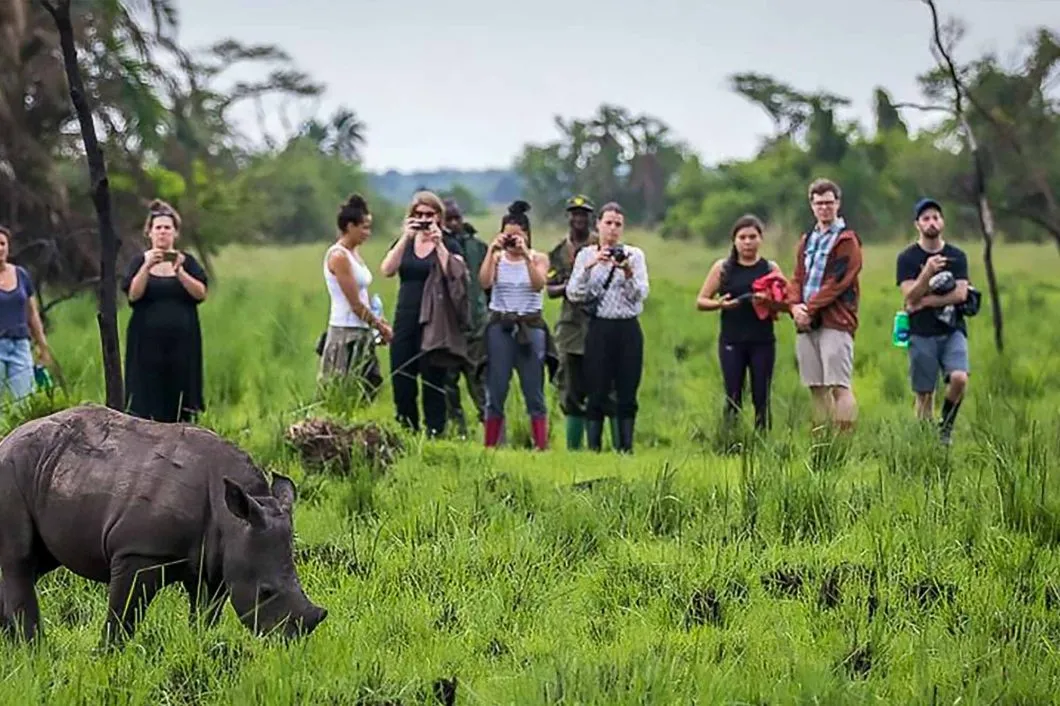
A Ziwa Rhino Sanctuary Guide is essential for travelers who want to experience one of Uganda’s most successful wildlife conservation stories while enjoying the rare opportunity to track southern white rhinos on foot. Located in Nakasongola District along the main road toward northern Uganda, Ziwa Rhino and Wildlife Ranch has become one of the most distinctive stops on a Uganda safari. Unlike a conventional game drive where wildlife is viewed entirely from a safari vehicle, rhino tracking at Ziwa allows visitors to enter the rhinos’ habitat on foot with trained rangers and observe these enormous animals from carefully controlled distances.
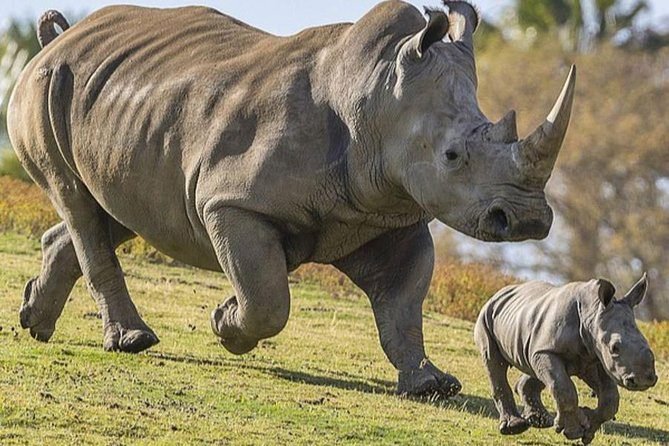
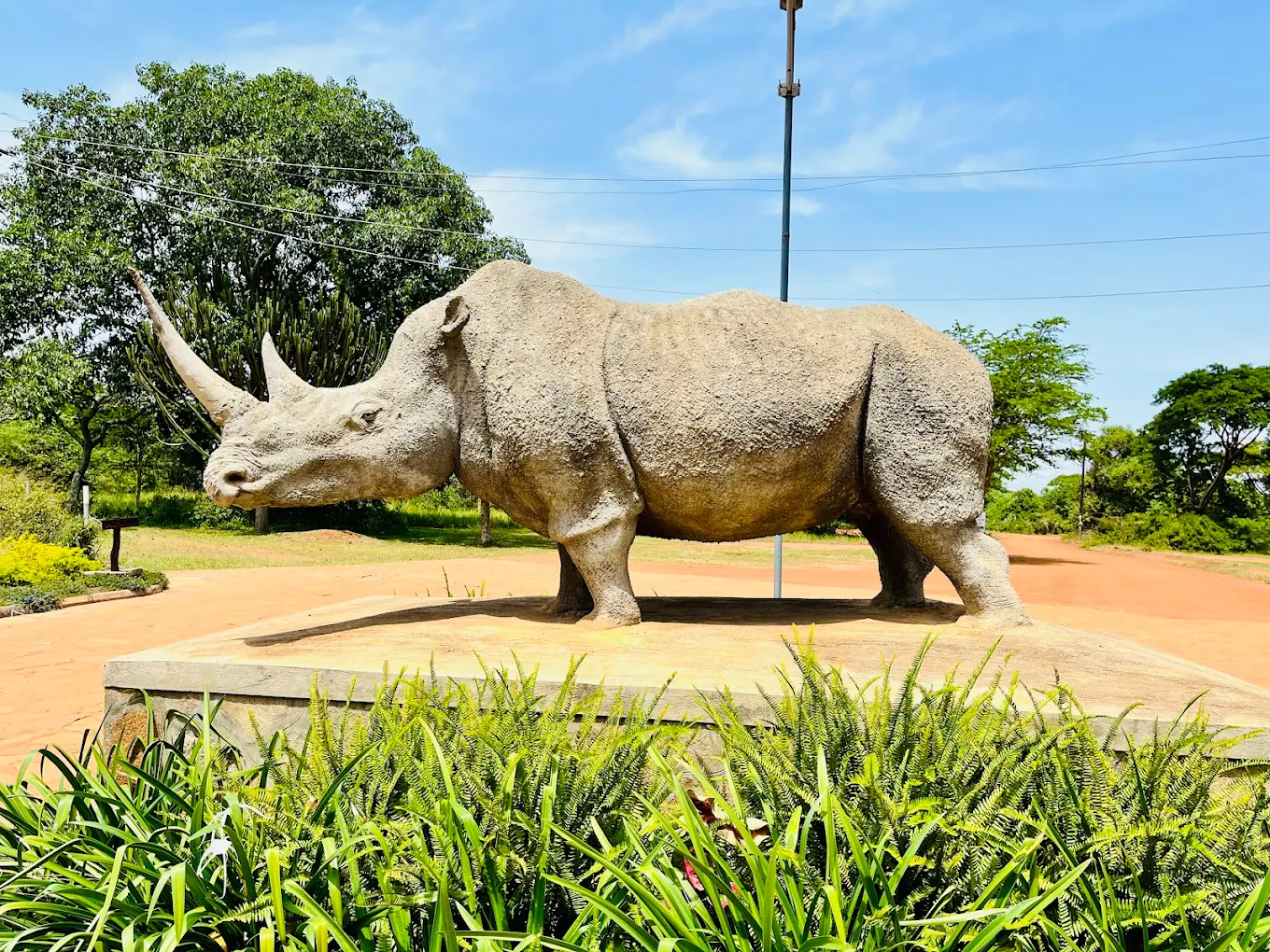
Ziwa was established as part of Uganda’s effort to restore rhinos after the country lost its native rhino populations during decades of poaching, insecurity and habitat pressure. The breeding program that began at Ziwa in 2005–2006 proved remarkably successful and has since become the foundation for Uganda’s wider rhino recovery strategy. In 2026, that conservation story entered a new stage as rhinos began being moved from Ziwa into protected areas including Ajai Wildlife Reserve and Kidepo Valley National Park.
For travelers with Nextgen Safaris, Ziwa can be visited as a day excursion or, more commonly, incorporated into a safari continuing toward Murchison Falls National Park. The sanctuary is particularly rewarding for wildlife enthusiasts, photographers, families and first-time visitors who want to understand Uganda’s conservation story while encountering one of Africa’s most iconic mammals at remarkably close but professionally managed range.
About Ziwa Rhino Sanctuary
Ziwa Rhino Sanctuary was created to provide a secure breeding environment for southern white rhinos as Uganda began rebuilding a rhino population after the species disappeared from the country’s wild landscapes. Uganda historically supported both eastern black rhinos and northern white rhinos, but intense poaching and periods of political instability led to their disappearance by the early 1980s. Uganda Wildlife Authority identifies the establishment of Ziwa in 2005 as the foundation of the modern rhino reintroduction program.
Six southern white rhinos formed the original breeding population at Ziwa during 2005 and 2006, with animals sourced from Kenya and the United States. Over the following years, successful breeding significantly increased Uganda’s rhino population and demonstrated that a carefully protected population could recover. UWA reported that the Ziwa founder population had grown to 49 animals before Uganda began its newer phase of relocating rhinos into additional protected landscapes.
Today, Ziwa remains especially important because it is the established destination for guided rhino trekking in Uganda. The animals range freely over approximately 27 square miles within the ranch rather than being confined to small viewing pens. Rangers continually monitor their locations, and visitors may first travel by vehicle before continuing on foot if the rhinos are some distance from the visitor facilities.
Where Is Ziwa Rhino Sanctuary?
Ziwa Rhino and Wildlife Ranch is located in Nakasongola District in central Uganda along the highway leading north toward Murchison Falls. The sanctuary’s official website places it approximately 176 kilometers from Kampala, with access from around Nakitoma Trading Centre. This strategic location is one of the reasons Ziwa has become such a popular addition to northern Uganda safari itineraries.
Rather than driving directly toward Murchison Falls, travelers can stop at Ziwa for rhino tracking before continuing their journey. This breaks the road transfer into two meaningful sections while adding an entirely different wildlife activity to the safari. For many travelers, seeing rhinos on foot becomes as memorable as the later game drives and Nile boat safari in Murchison Falls National Park.
Ziwa can also be visited independently by travelers who have limited time and cannot complete a longer national park safari. Its relative accessibility from Kampala makes it possible to organize a focused rhino-tracking excursion without committing several days to a full wildlife circuit.
Rhino Tracking at Ziwa Rhino Sanctuary
Rhino tracking is the main experience covered by any serious Ziwa Rhino Sanctuary Guide. Visitors begin with a safety briefing before heading into the sanctuary with trained rangers who know the current location and behavior of the rhinos. Depending on where the animals have moved, guests may drive part of the way and then continue on foot through grassland and woodland.
The official Ziwa information currently estimates the complete rhino trekking experience at approximately 1½ to 2½ hours, although the exact duration depends on where the rhinos are located. Rhino tracking is currently offered between 7:00 AM and 5:00 PM. Because the animals move naturally within a large ranch, no two tracking experiences are exactly the same.
Once the rhinos are located, the ranger determines the safest observation position. Visitors must follow all instructions regarding distance, movement, noise and photography. White rhinos can appear calm while grazing, but they are enormous, powerful wild animals capable of moving quickly when disturbed. The experience should therefore never be treated as an unrestricted walk toward wildlife.
The excitement comes from approaching quietly through natural habitat and gradually seeing the enormous shape of a rhino emerge through grass or woodland. Visitors may observe feeding, resting, interactions between individuals or, depending on the group located, mothers moving with younger animals. These are natural encounters, so behavior and viewing conditions vary from day to day.
What Makes Rhino Tracking at Ziwa Special?
Most African wildlife safaris involve observing rhinos from inside a vehicle. Ziwa is different because the established experience is conducted largely on foot under professional supervision. This changes the perspective completely. Standing on the ground in the same landscape as a southern white rhino gives travelers a much stronger understanding of the animal’s size and presence than viewing one through a vehicle window.
The experience also has a conservation dimension that goes beyond simply photographing wildlife. Every rhino encountered represents a population that was rebuilt after rhinos had disappeared from Uganda’s wild ecosystems. Ziwa’s breeding success eventually made it possible for Uganda to begin transferring animals to other protected areas as part of a national restoration strategy.
This makes a Ziwa visit particularly meaningful when combined with a longer safari. Travelers are not simply seeing another animal species; they are witnessing one stage of a conservation program that is gradually returning rhinos to landscapes from which they vanished decades ago.
Uganda’s Rhino Conservation Success Story
Uganda once had native populations of both eastern black rhinos and northern white rhinos. UWA reports that poaching, insecurity and habitat pressures eventually eliminated both populations, with the last rhino in Kidepo Valley killed in 1983. The modern recovery effort developed through Rhino Fund Uganda and the establishment of the breeding program at Ziwa.
The success of Ziwa has now allowed Uganda to move beyond a single breeding sanctuary. In January 2026, UWA transferred four southern white rhinos from Ziwa to Ajai Wildlife Reserve as the opening stage of a wider reintroduction program. UWA explained that this forms part of Uganda’s National Rhino Conservation Strategy and aims to restore rhinos to suitable sections of their former range.
In March 2026, rhinos were also reintroduced into Kidepo Valley National Park after an absence of approximately 43 years. UWA stated that these animals were initially placed inside a secure sanctuary within Kidepo for monitoring and adaptation. By that stage, Uganda’s national rhino population had reached 61 animals.
This development is important when planning current website content. Older safari guides often describe Ziwa as the only place in Uganda containing rhinos, but that statement is no longer fully accurate in 2026. Ziwa remains the country’s established rhino trekking destination, while rhino restoration is now expanding into other protected areas.
Southern White Rhinos at Ziwa
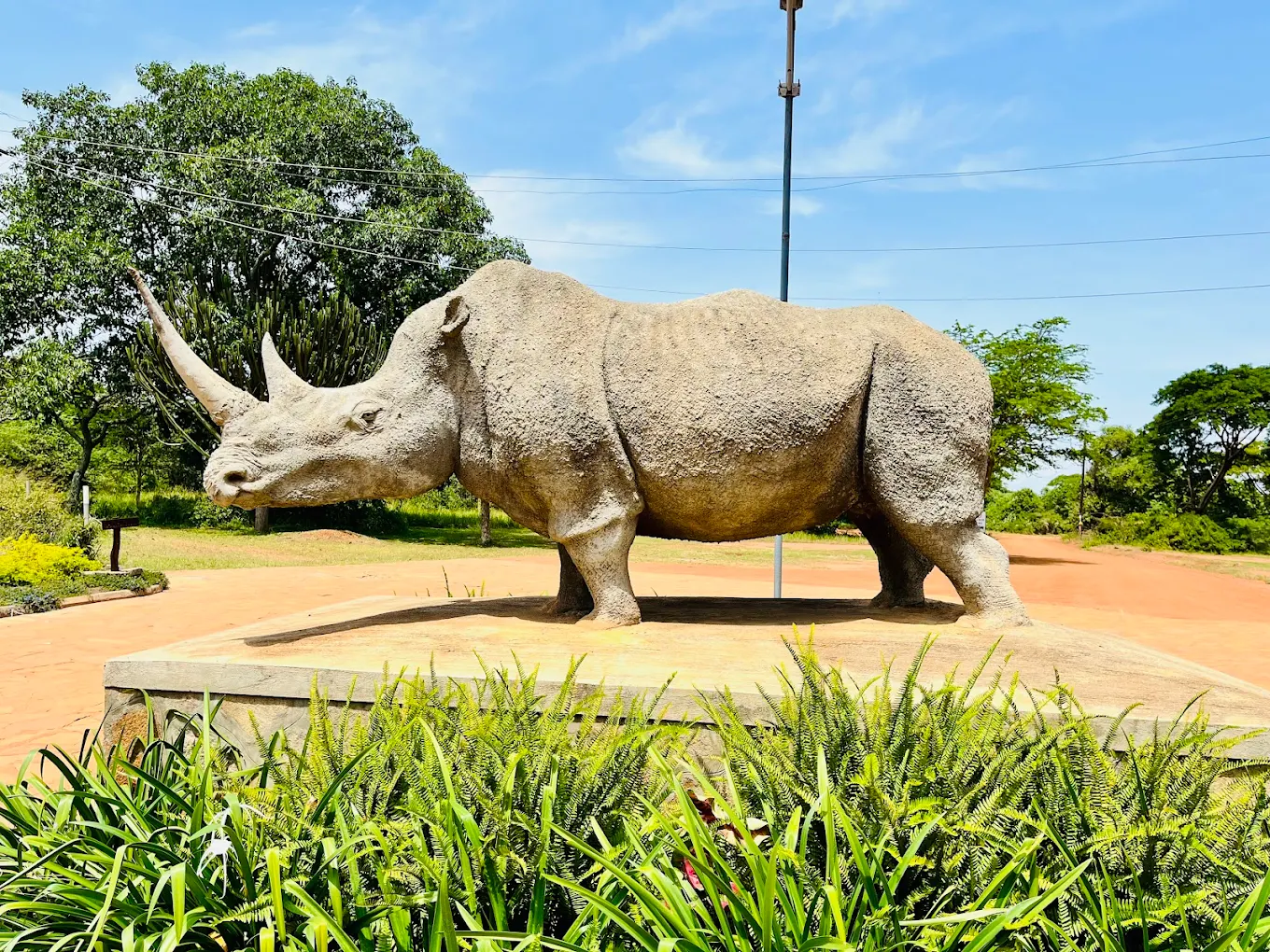
The rhinos visitors currently track at Ziwa are southern white rhinos. Despite the name, white rhinos are not actually white. They are generally gray in appearance and are distinguished from black rhinos by characteristics including their broad, square-shaped mouths, which are adapted for grazing.
At Ziwa, the rhinos are free to move through the ranch’s grasslands and woodland rather than being kept in small enclosures. Rangers monitor them closely for both conservation and security reasons, but visitors observe the animals behaving naturally within the protected environment.
Watching a white rhino feeding can be surprisingly peaceful. The animal may spend long periods lowering its enormous head to graze before slowly moving through the grass. However, visitors should never mistake calm behavior for domestication. These remain powerful wild animals, and ranger instructions are essential throughout the encounter.
Other Wildlife at Ziwa Rhino and Wildlife Ranch
Rhinos are the main attraction, but Ziwa supports a broader variety of wildlife. The ranch currently highlights Uganda kobs, oribis, bushbucks and waterbucks among animals that visitors may encounter while exploring the property. The sanctuary has also introduced additional wildlife including Rothschild’s giraffes, Jackson’s hartebeests and plains zebras as part of its expanding wildlife conservation activities.
Warthogs and smaller mammals may also appear around the ranch, while nocturnal wildlife includes species that are rarely seen during normal daytime visits. Ziwa reports that its night cameras have recorded animals such as porcupines and aardvarks.
Travelers should nevertheless approach Ziwa primarily as a rhino conservation and nature destination rather than expecting the density of large wildlife associated with major national parks such as Murchison Falls. The additional animals complement the rhino experience rather than replacing a traditional Uganda game drive.
Birdwatching at Ziwa Rhino Sanctuary
Birding is another major reason to spend more time at Ziwa. The ranch reports more than 300 bird species across habitats that include savannah, woodland and wetlands, and currently operates four birding trails.
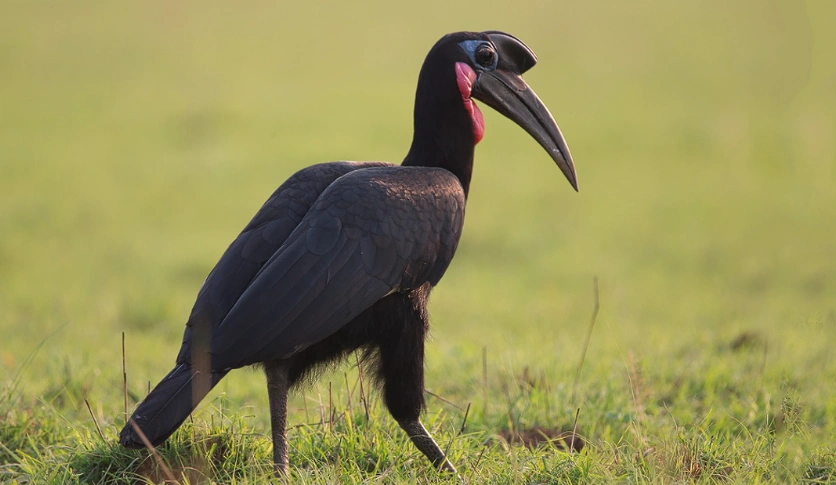
The variety of habitats means birdwatchers can encounter very different species during a relatively compact visit. Woodland birds, open-country species and wetland birds all occur within the wider ranch. A dedicated birding excursion can therefore add considerably more depth than simply watching birds encountered incidentally during rhino tracking.
Travelers with a strong interest in birds may choose to stay overnight, allowing an early morning start when bird activity is usually high. Ziwa currently offers dedicated birding tours between 7:00 AM and 5:00 PM.
Shoebill Trek and Canoe Experience
One of Ziwa’s most interesting additional activities is the shoebill trek and canoe ride. The sanctuary offers an early morning excursion through the Lugogo wetland, where visitors travel by canoe while searching for the remarkable shoebill and other wetland birds.
The official operating period is currently approximately 6:00 AM to 9:00 AM, meaning visitors interested in this activity normally benefit from staying overnight close to the sanctuary rather than arriving from Kampala on the same morning.
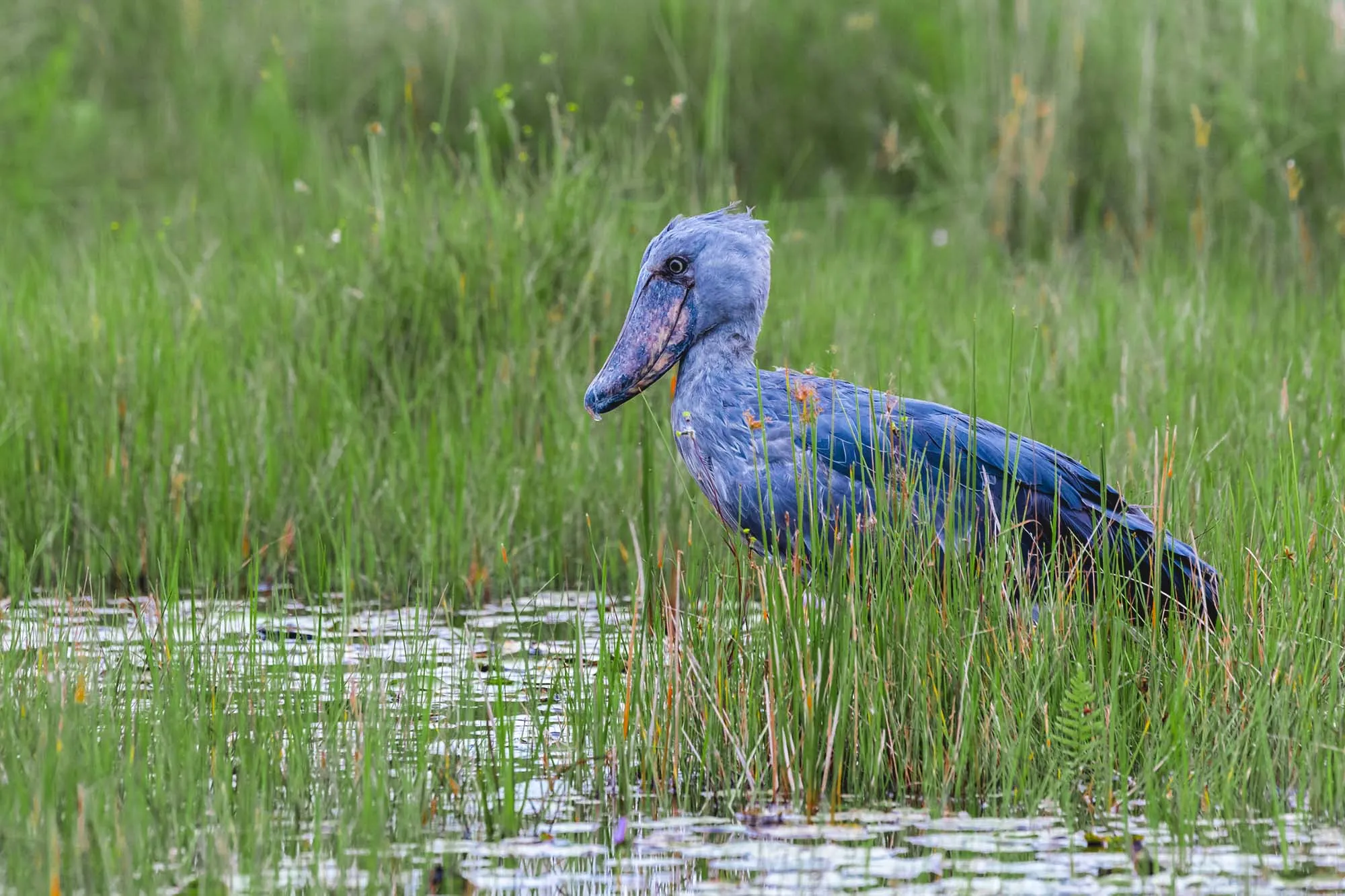
Shoebill sightings should never be treated as guaranteed because the birds live and move naturally within the wetland. However, the canoe experience itself can be rewarding, particularly during the quiet early morning when mist, wetland vegetation and bird calls create a very different atmosphere from the rhino-tracking area.
For birdwatchers, combining the shoebill excursion with rhino trekking creates one of the strongest reasons to spend a full day or overnight at Ziwa rather than treating the sanctuary as only a quick stop.
Nature Walks at Ziwa
Ziwa also offers guided nature walks through different sections of the ranch. These walks focus less specifically on rhinos and more broadly on wildlife, vegetation, tracks, birds and the overall ecosystem. The official ranch website currently lists nature walks among its principal visitor activities.
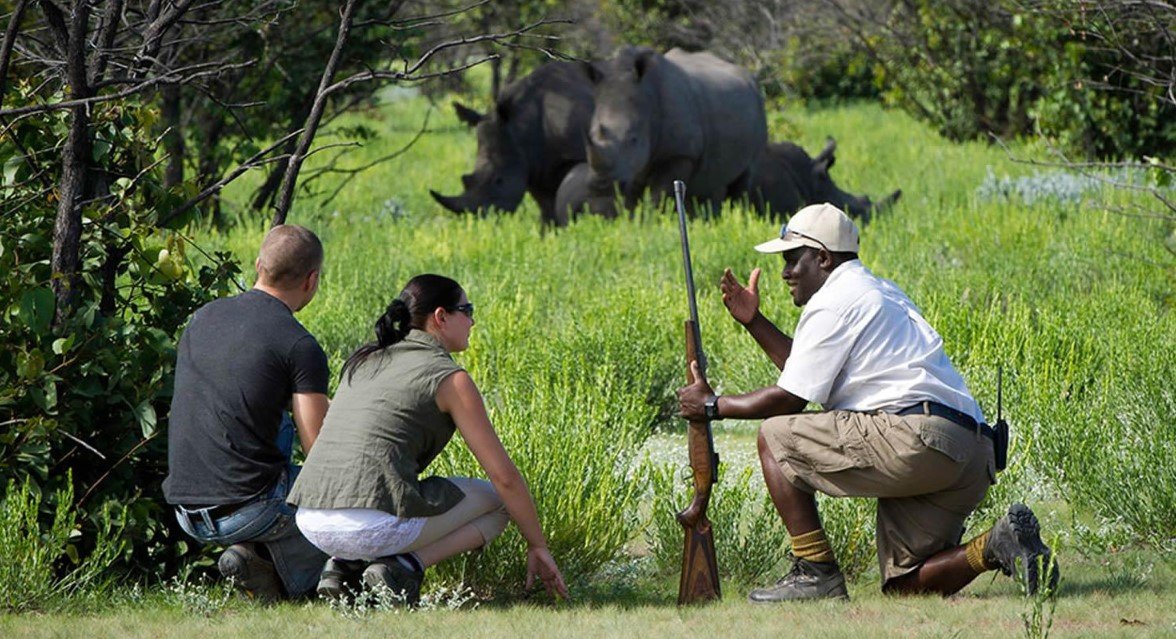
Walking through the landscape with an experienced guide allows travelers to notice details that would normally be missed from a vehicle. Tracks can reveal which animals moved through an area earlier, while smaller mammals, insects and birds become more noticeable.
Nature walks are particularly suitable for travelers staying overnight and wanting a slower experience after completing the main rhino trek. They can also appeal to families with older children, photographers and visitors who enjoy learning about ecosystems rather than focusing exclusively on major wildlife sightings.
Nighttime Nature Walks
Travelers staying overnight can experience an entirely different side of Ziwa during a nighttime nature walk. According to the current sanctuary schedule, night walks operate approximately between 8:00 PM and 10:00 PM.
The objective is to search for nocturnal wildlife that becomes active once daytime temperatures fall. Smaller mammals, insects and other nighttime species may appear, while the sounds of the bush create an atmosphere completely different from daytime rhino tracking.
Night walks should always be undertaken with authorized guides and according to current sanctuary regulations. They work particularly well for guests who want to make Ziwa a genuine overnight wildlife experience rather than only a stop during the drive north.
Best Time to Visit Ziwa Rhino Sanctuary
Ziwa can be visited throughout the year because rhinos remain within the protected ranch in every season. Drier periods can make walking conditions easier because trails may be firmer and vegetation can be less wet, but the sanctuary remains operational during wetter months as well.
Early morning is often particularly comfortable for rhino tracking because temperatures are cooler. Late afternoon can also provide pleasant conditions and attractive light for photography. The official rhino trekking schedule currently runs from 7:00 AM until 5:00 PM.
Travelers combining Ziwa with Murchison Falls should consider the wider day’s driving schedule. Spending several hours tracking rhinos and then continuing north should be planned carefully so that arrival at the next lodge does not become unnecessarily late.
Ziwa Rhino Sanctuary Entrance Fees and Rhino Tracking Cost
As of the sanctuary’s currently published rates, international visitors to Uganda pay USD 60 per adult and USD 30 per child up to 12 years for park entry, with rhino trekking included in the entrance fee. Foreign residents of East Africa currently pay USD 50 per adult and USD 25 per child, while East African residents have separate rates in Uganda shillings.
Additional activities such as the shoebill trek, birding tours and nighttime nature walks carry separate charges. The sanctuary currently lists the shoebill excursion at USD 30 per international adult and dedicated birding tours at USD 30, while the nighttime nature walk is USD 25 per international adult.
These rates can change, so travelers should confirm the current price when booking. Ziwa also states that it operates on a cashless payment system, accepting options such as cards or bank transfer rather than cash.
Accommodation at Ziwa Rhino Sanctuary
Travelers who want more than a short rhino stop can stay overnight at the ranch. Ziwa currently offers a mixture of accommodation including luxury chalets, luxury tents, guest rooms and camping facilities.
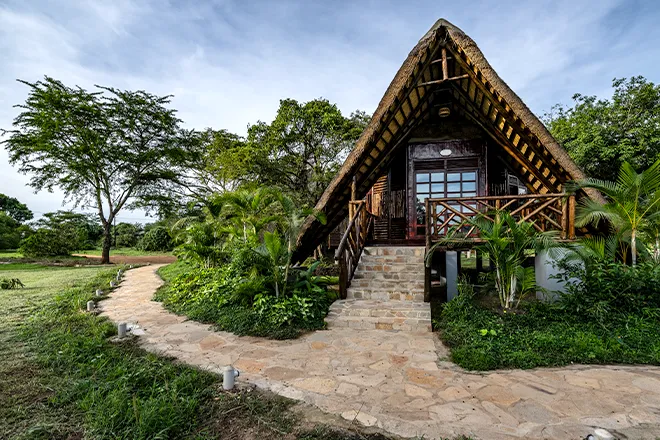
An overnight stay is particularly useful for visitors planning the early morning shoebill canoe excursion, dedicated birding or nighttime nature walks. It also allows the rhino experience to feel more relaxed because guests do not need to combine several hours of wildlife activity with a long road transfer on the same day.
For most traditional Murchison Falls itineraries, however, travelers can complete rhino tracking during the journey north and continue to their lodge around the national park. Whether to stay overnight therefore depends on the activities desired and the overall safari schedule.
Combining Ziwa Rhino Sanctuary with Murchison Falls
Combining Ziwa with Murchison Falls National Park is one of the most practical wildlife combinations in Uganda. Ziwa is conveniently located along the road leading toward the Murchison Falls region, allowing visitors to track rhinos before continuing north.
The two destinations complement each other exceptionally well. Ziwa provides the specialized experience of tracking southern white rhinos on foot, while Murchison Falls offers traditional savannah game drives where travelers can search for elephants, buffaloes, giraffes, lions and other wildlife. A Nile boat safari adds hippos, crocodiles and abundant water birds to the journey.
For travelers interested in seeing Uganda’s iconic large mammals, combining these experiences creates a much richer wildlife itinerary than visiting either destination alone.
Combining Ziwa with Gorilla Trekking
A longer Uganda safari can continue from Ziwa and Murchison Falls through the country toward southwestern Uganda for gorilla trekking. This creates an extraordinary progression of wildlife experiences, beginning with rhinos on foot and eventually reaching the mountain gorillas of Bwindi Impenetrable National Park.
The contrast is one of Uganda’s greatest strengths as a safari destination. Rhino tracking takes place through relatively open savannah and woodland, while gorilla trekking involves walking through dense tropical rainforest in search of a habituated mountain gorilla family.
Travelers with enough time can build a comprehensive itinerary that combines Ziwa’s conservation experience with classic wildlife viewing, chimpanzee trekking and mountain gorillas. This variety makes Uganda particularly attractive to visitors who want more than a conventional vehicle-based African safari.
Is Ziwa Rhino Sanctuary Worth Visiting?
Yes. Ziwa Rhino Sanctuary is worth visiting, particularly for travelers who want to experience rhinos on foot and understand one of Uganda’s most important wildlife restoration programs.
The experience does not require several days. Travelers heading toward Murchison Falls can incorporate rhino tracking within their transfer day, making Ziwa one of the easiest major wildlife experiences to add to a northern Uganda safari.
Visitors with more time can stay overnight and expand the experience through birdwatching, nature walks, nighttime wildlife activities and the shoebill canoe excursion. Whichever option is chosen, the strongest reason to visit remains the opportunity to observe southern white rhinos within the landscape that helped rebuild Uganda’s national rhino population
Frequently Asked Questions About Ziwa Rhino Sanctuary Guide
1. What is the Ziwa Rhino Sanctuary Guide?
The Ziwa Rhino Sanctuary Guide provides practical information for travelers planning to visit Ziwa Rhino and Wildlife Ranch in Uganda. It covers rhino tracking, conservation, wildlife, birdwatching, accommodation, the best time to visit, what to wear, safety and how to combine Ziwa with Murchison Falls National Park. It is especially useful for travelers who want to include rhino tracking within a longer Uganda safari.
2. Where is Ziwa Rhino Sanctuary located?
Ziwa Rhino Sanctuary is located in Nakasongola District in central Uganda, along the main route between Kampala and Murchison Falls National Park. Its location makes it easy to include within a northern Uganda safari. As highlighted in this Ziwa Rhino Sanctuary Guide, many travelers stop for rhino tracking before continuing to Murchison Falls for game drives and a Nile boat safari.
3. Can you see rhinos at Ziwa Rhino Sanctuary?
Yes. Ziwa is Uganda’s best-established destination for guided rhino tracking. Visitors can search for southern white rhinos on foot with trained rangers who monitor their movements and guide guests through the sanctuary. The rhinos live within a large protected landscape rather than small zoo-style enclosures, making the experience an important wildlife and conservation activity.
4. How long does rhino tracking at Ziwa take?
Rhino tracking usually takes around one and a half to two and a half hours, although the exact duration depends on where the rhinos are located. Visitors may travel part of the way by vehicle before continuing on foot. This Ziwa Rhino Sanctuary Guide recommends allowing sufficient time for the experience rather than planning a very tight transfer schedule afterward.
5. What should I wear for rhino tracking at Ziwa?
Visitors should wear comfortable closed walking shoes, long trousers and lightweight outdoor clothing suitable for walking through grass and natural terrain. A hat, sunscreen, insect repellent and drinking water are also useful. Neutral safari colors are recommended, while very bright clothing is best avoided when approaching wildlife.
6. Is rhino tracking at Ziwa Rhino Sanctuary safe?
Yes, rhino tracking is conducted with trained guides and rangers who understand rhino behavior and monitor the animals closely. Visitors receive safety instructions before approaching the rhinos and must remain with their guide throughout the experience. Rhinos are powerful wild animals, so following ranger instructions and maintaining the recommended viewing distance is essential.
7. What other activities can I do at Ziwa Rhino Sanctuary?
Besides rhino tracking, visitors can enjoy birdwatching, guided nature walks, nighttime nature walks and selected wetland activities such as shoebill searching. Travelers staying overnight have more time to experience these additional activities. Birdwatchers may particularly enjoy Ziwa because the sanctuary supports a wide variety of woodland, savannah and wetland bird species.
8. What is the best time to visit Ziwa Rhino Sanctuary?
Ziwa can be visited throughout the year. Early morning and late afternoon are generally comfortable for rhino tracking because temperatures tend to be cooler. Drier periods may provide easier walking conditions, while greener months offer attractive scenery and good birdwatching. The best time should also be considered alongside the rest of your Uganda safari itinerary.
9. Can I combine Ziwa Rhino Sanctuary with Murchison Falls?
Yes. Combining Ziwa Rhino Sanctuary with Murchison Falls National Park is one of the most popular Uganda safari routes. Travelers can track rhinos at Ziwa before continuing north for game drives, a Nile boat cruise and a visit to Murchison Falls. This combination provides opportunities to see rhinos, elephants, giraffes, buffaloes, lions, hippos, crocodiles and many other wildlife species.
10. How can I book a Ziwa Rhino Sanctuary safari?
You can book a Ziwa Rhino Sanctuary safari with Nextgen Safaris as a standalone rhino-tracking experience or as part of a longer Uganda wildlife itinerary. The trip can include private transportation, professional safari guiding, rhino tracking, accommodation and onward travel to Murchison Falls, Kibale, Queen Elizabeth National Park or Bwindi for gorilla trekking.
Book Your Ziwa Rhino Sanctuary Safari with Nextgen Safaris
A Ziwa Rhino Sanctuary Guide becomes most useful when the experience is incorporated into a well-planned Uganda safari. Nextgen Safaris can arrange Ziwa rhino tracking as a dedicated excursion or combine it with a longer journey toward Murchison Falls National Park and other Uganda wildlife destinations.
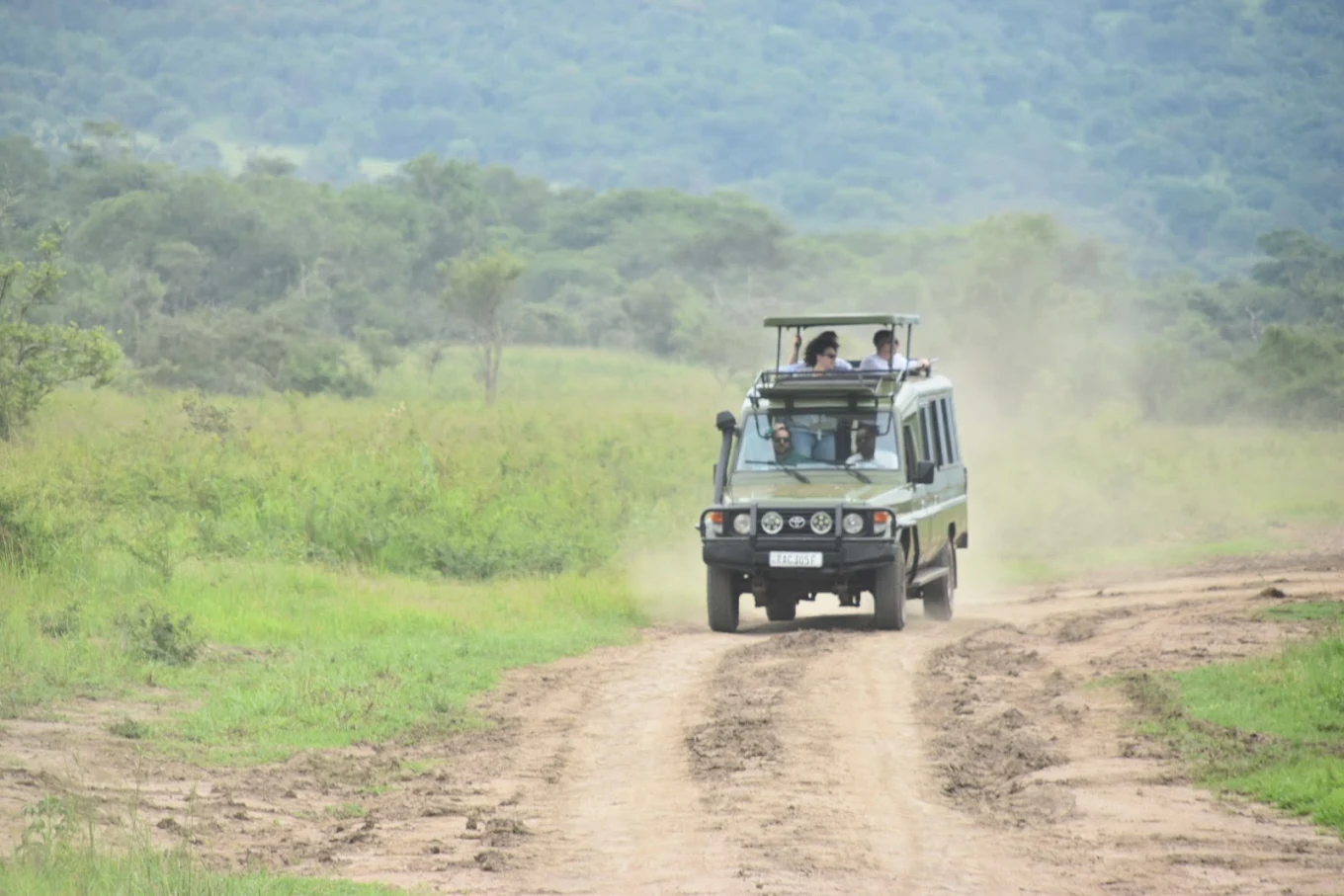
Your safari can include private transportation, an experienced driver-guide, rhino tracking arrangements, accommodation where required and additional activities such as birding or the shoebill canoe experience. For longer trips, Ziwa can also form part of an itinerary combining savannah wildlife, chimpanzee trekking and mountain gorilla trekking.
Whether you are planning your first Uganda safari, a family wildlife holiday, photographic journey, private tour or a longer primate and wildlife adventure, Nextgen Safaris can customize the experience around your dates, budget and preferred pace. Contact Nextgen Safaris to book your Ziwa Rhino Sanctuary safari and experience Uganda’s remarkable rhino conservation story up close.