
Can Gorilla Habituation Be Combined With Chimpanzee Trekking in Uganda?
Can Gorilla Habituation Be Combined With Chimpanzee Trekking in Uganda? The Ultimate Primate Safari Guide
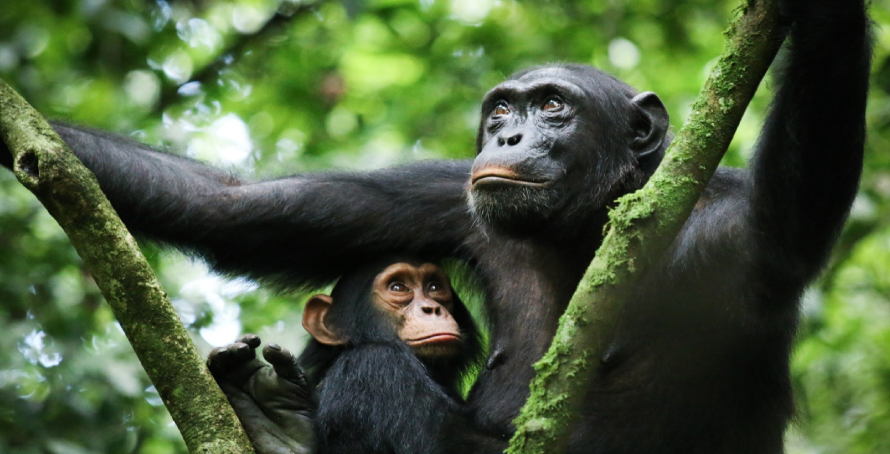
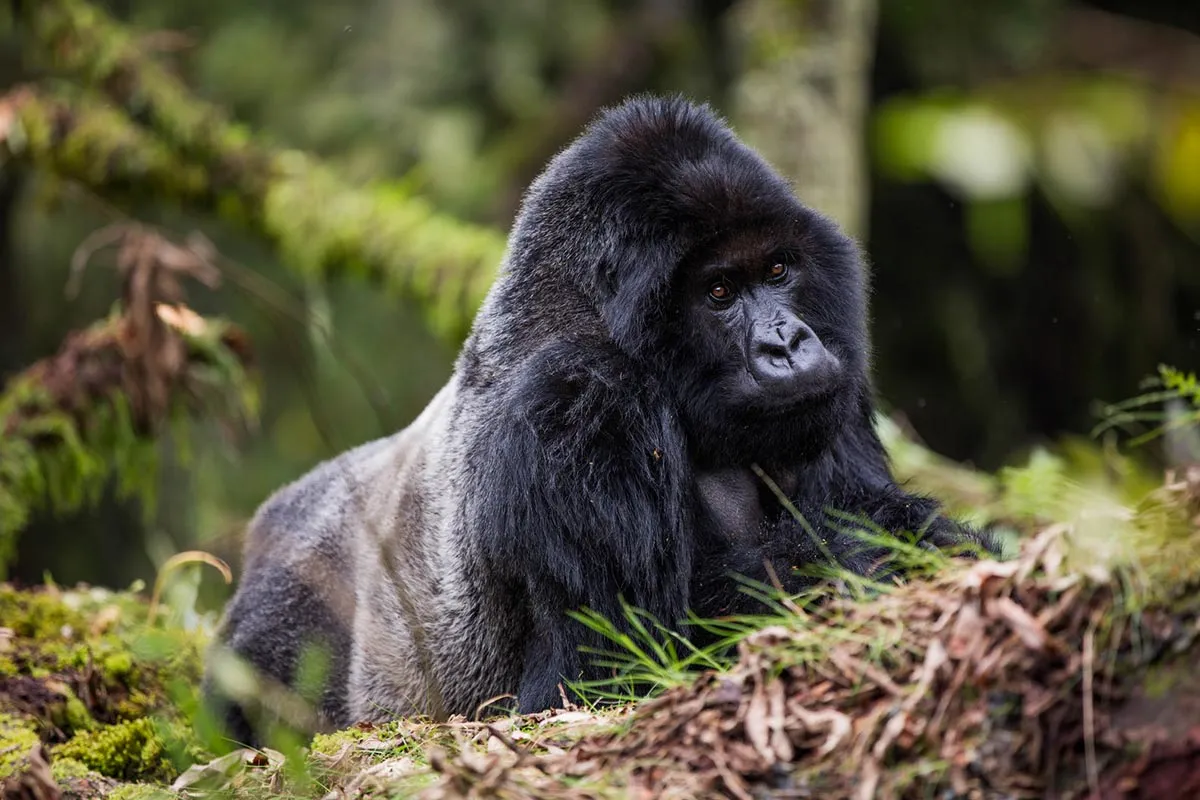
Can Gorilla Habituation Be Combined With Chimpanzee Trekking in Uganda? Yes, visitors can combine the Gorilla Habituation Experience in Bwindi Impenetrable National Park with chimpanzee trekking in Kibale National Park during one Uganda safari. Uganda is one of Africa’s most remarkable primate destinations, offering the opportunity to observe endangered mountain gorillas and wild chimpanzees in their natural rainforest habitats. The Gorilla Habituation Experience takes place in the Rushaga sector of Bwindi Impenetrable National Park in southwestern Uganda, where visitors may spend up to four hours observing a designated mountain gorilla family undergoing habituation.
Chimpanzee trekking is particularly popular in Kibale National Park in western Uganda, where visitors can spend up to one hour observing a habituated chimpanzee community after locating it. Combining these two encounters creates an extraordinary wildlife adventure that introduces travellers to the behaviour, social relationships, and conservation of two of humanity’s closest living relatives.
For Ugandan citizens, East African Community citizens, foreign residents, and international tourists planning a primate safari in Uganda, understanding Can Gorilla Habituation Be Combined With Chimpanzee Trekking in Uganda? is essential when organizing travel dates, permits, accommodation, transportation, and the overall safari budget. Uganda offers a practical safari route connecting Kibale National Park, Queen Elizabeth National Park, and Bwindi Impenetrable National Park, allowing visitors to combine chimpanzee trekking, savannah wildlife viewing, and gorilla habituation within one journey. This route is particularly attractive to wildlife photographers, nature enthusiasts, conservation-minded travellers, couples, and families with eligible participants who want to experience Uganda’s remarkable biodiversity without arranging two separate international trips.
Although gorilla habituation and chimpanzee trekking can be combined, the activities take place in different national parks and require separate permits, different briefing locations, and appropriate travel arrangements. Gorilla habituation is generally more physically demanding because it may involve a lengthy forest excursion and an extended observation period, while standard chimpanzee tracking provides a shorter viewing allowance after the chimpanzees are located. Planning a well-paced itinerary ensures sufficient time for both encounters, comfortable road transfers, and any additional wildlife experiences included along the way.
Can You Combine Gorilla Habituation and Chimpanzee Trekking on One Uganda Safari?
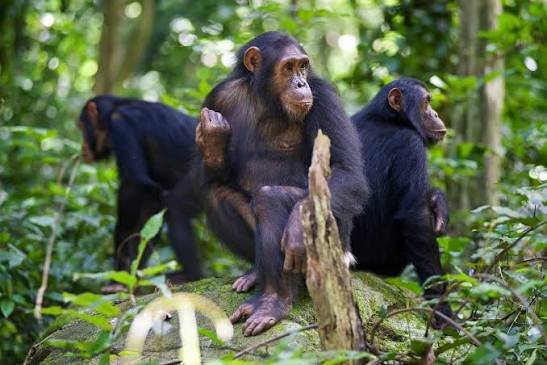
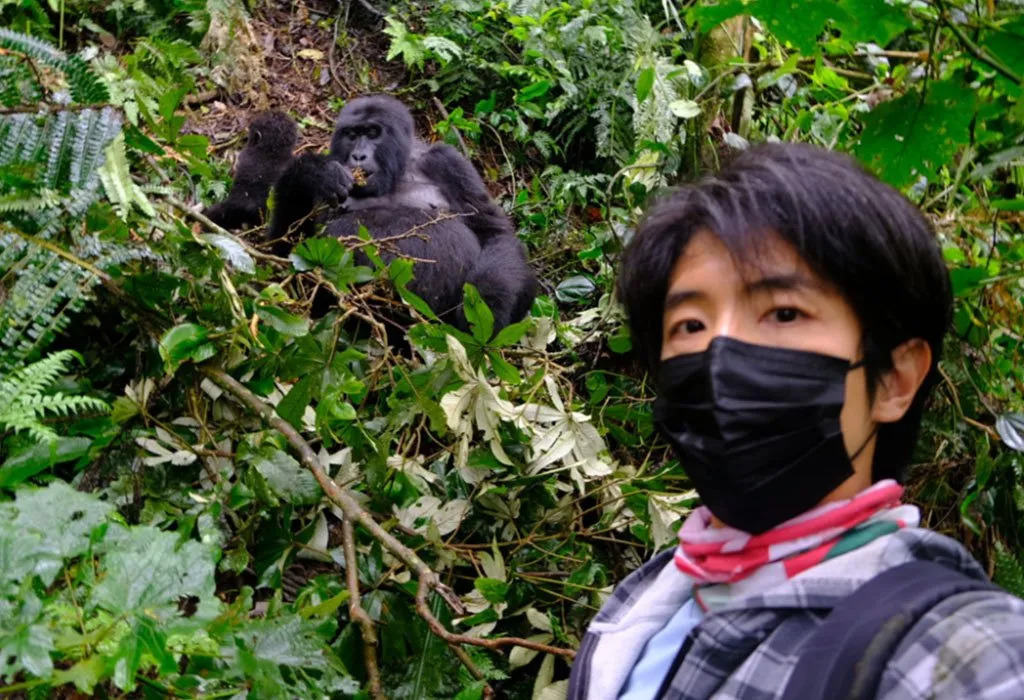
Yes. A single Uganda safari can include the Gorilla Habituation Experience in Bwindi and a separate chimpanzee trekking activity in Kibale National Park.
Both experiences are regulated by the Uganda Wildlife Authority, which manages the relevant permits, visitor procedures, and conservation requirements.
Travellers normally allocate one day to chimpanzee tracking and another day to gorilla habituation, with sufficient travel time between the two national parks.
This arrangement allows visitors to appreciate the distinct environments inhabited by chimpanzees and mountain gorillas without rushing between destinations.
The most practical road itinerary often follows the western Uganda tourism circuit, connecting Kibale National Park, Queen Elizabeth National Park, and southern Bwindi.
The route can be travelled in either direction, depending on permit availability, flight arrangements, accommodation preferences, and the number of days available.
For visitors asking Can Gorilla Habituation Be Combined With Chimpanzee Trekking in Uganda?, the answer is yes, and the combination is particularly rewarding when incorporated into a carefully organized six- to eight-day safari.
Why Combine Gorilla Habituation With Chimpanzee Trekking?
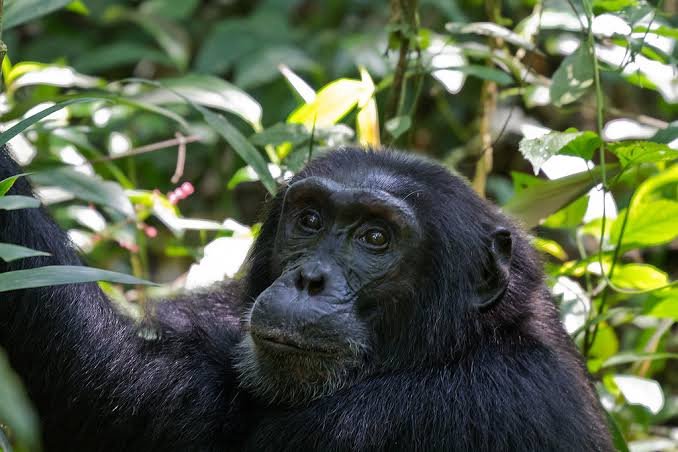
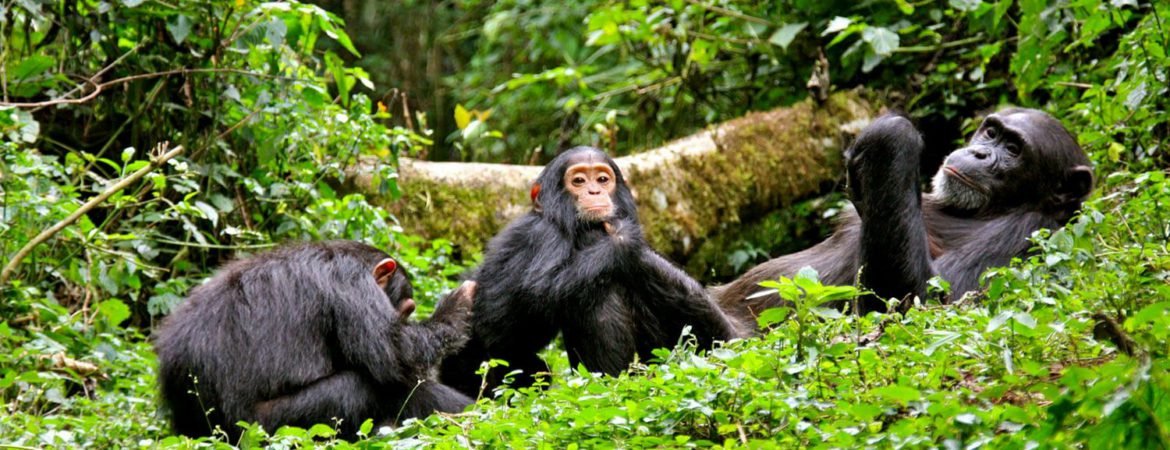
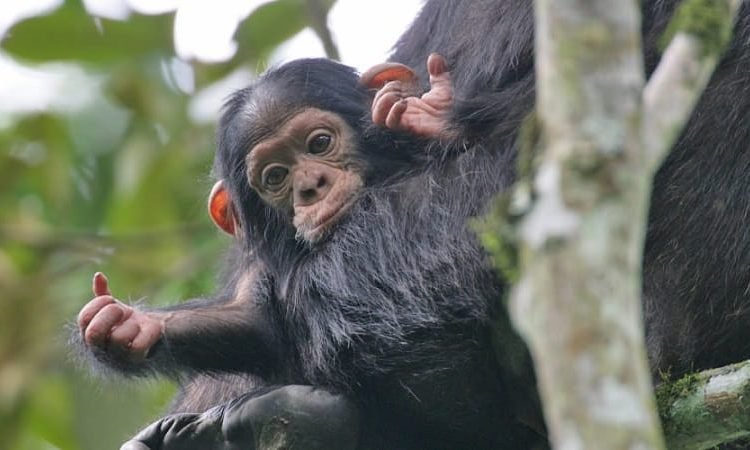
Combining the two experiences allows visitors to observe two very different great ape species during the same Uganda holiday.
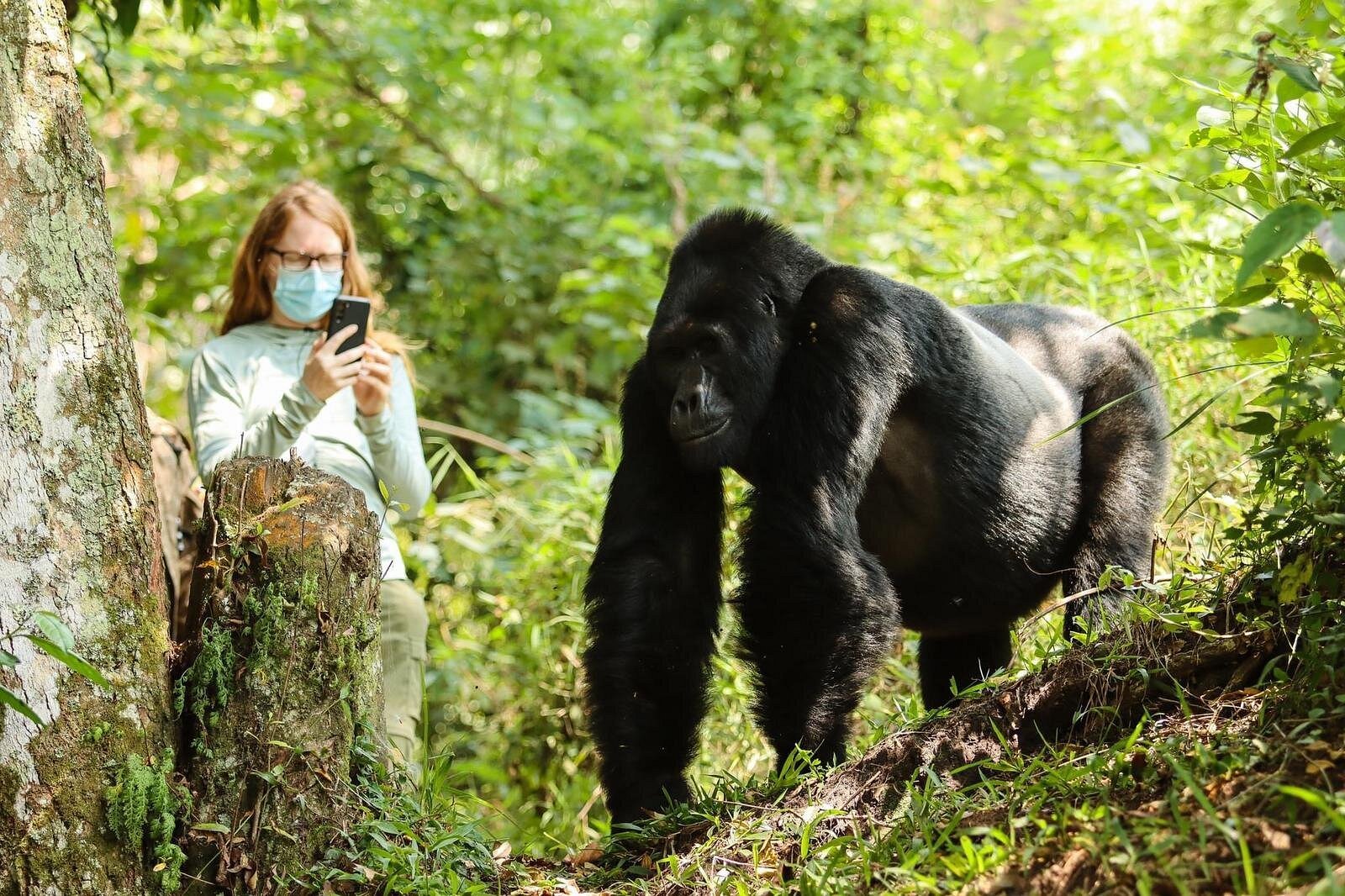
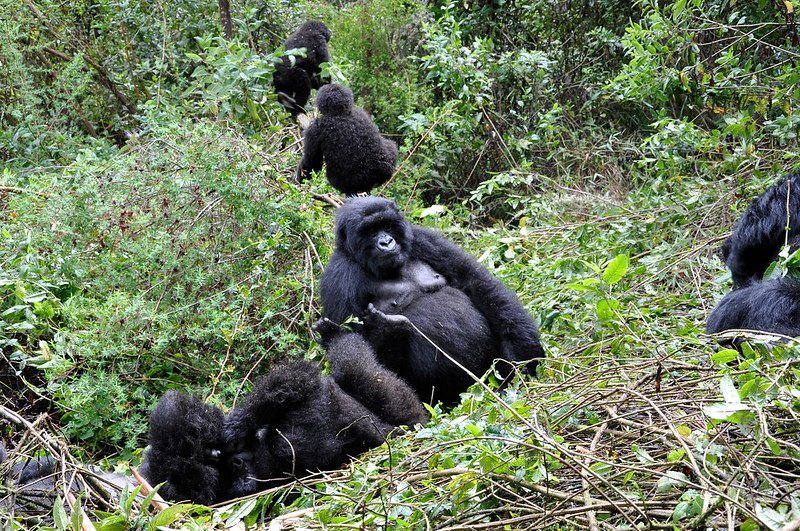
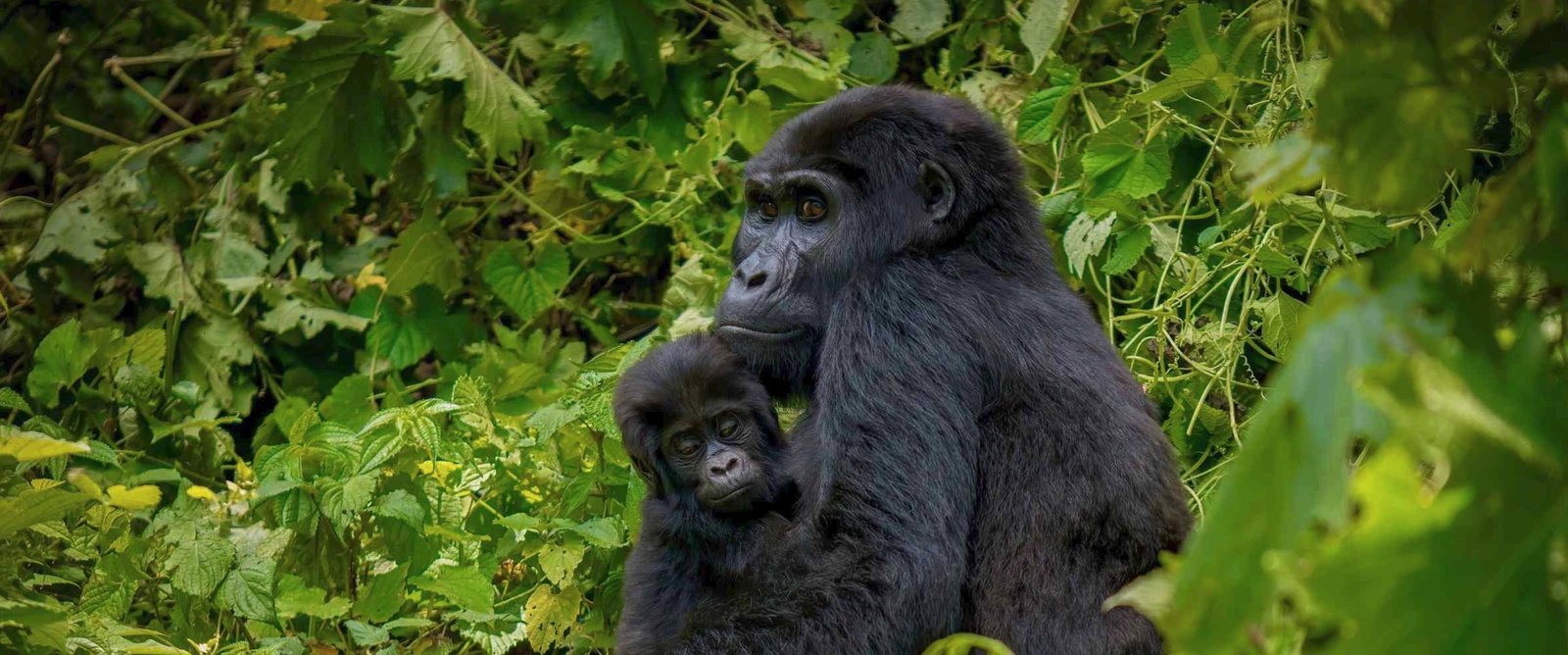
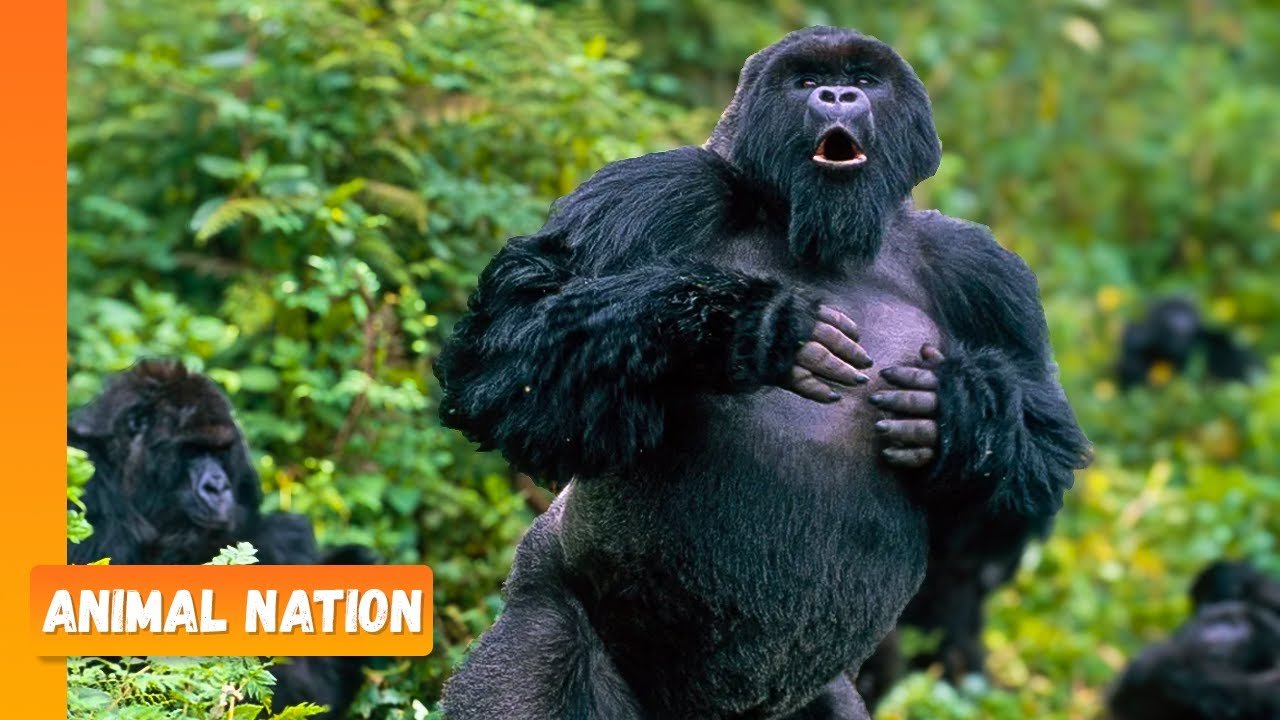
Mountain gorillas are primarily terrestrial primates that live in family groups within the mountainous forests of southwestern Uganda. Their daily activities often involve feeding on vegetation, resting, grooming, and maintaining close social relationships.
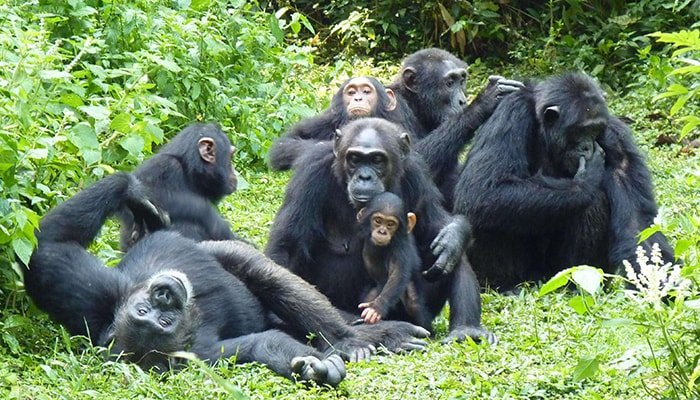
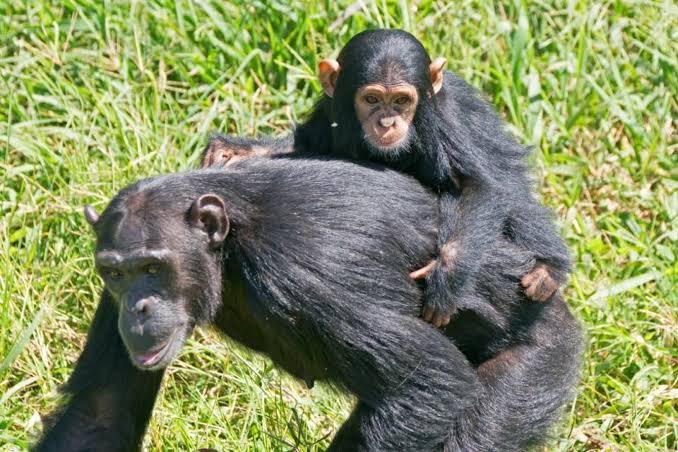
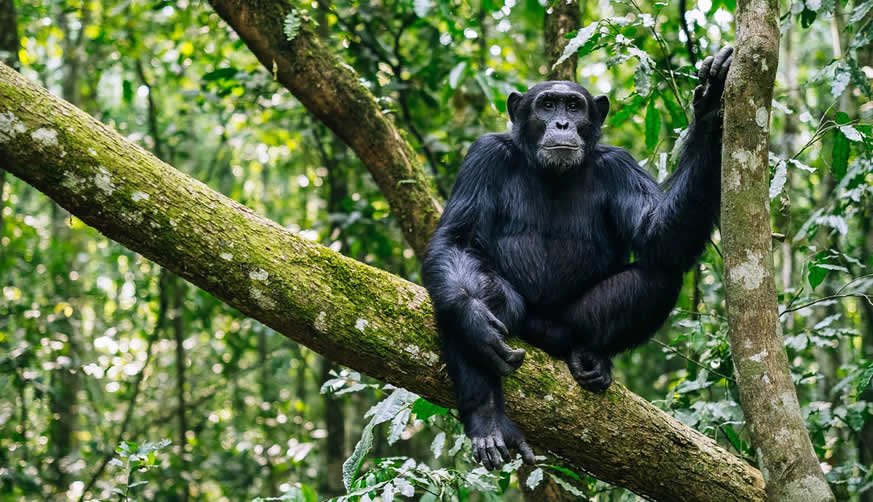
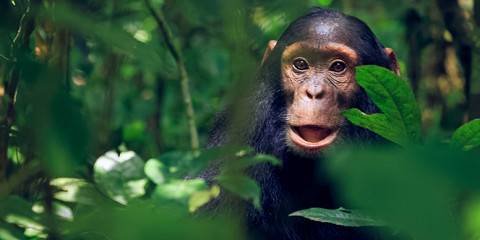
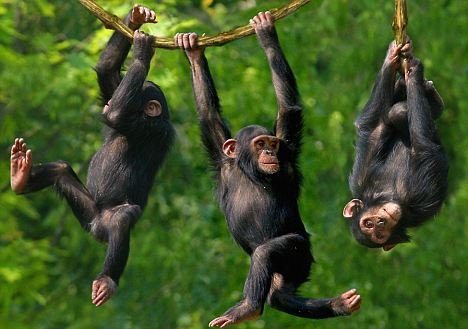
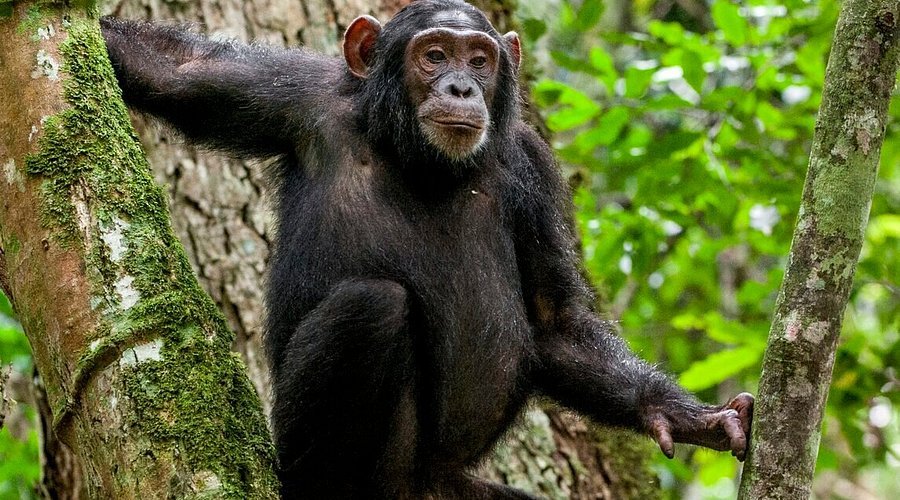
Chimpanzees live in communities with a more fluid social structure and are highly capable climbers. They frequently move through trees, communicate through loud vocalizations, and engage in complex interactions with other community members.
These differences create contrasting wildlife experiences.
Gorilla habituation generally rewards patient observation, especially when the designated family is resting or feeding within the forest.
Chimpanzee trekking can be energetic and unpredictable because chimpanzees may move quickly, climb into the canopy, or travel through dense vegetation.
The combination provides a richer understanding of primate behaviour than either activity alone.
For wildlife enthusiasts researching Can Gorilla Habituation Be Combined With Chimpanzee Trekking in Uganda?, the opportunity to observe these contrasting species is one of the strongest reasons to book a combined primate safari.
Where Does Gorilla Habituation Take Place in Uganda?
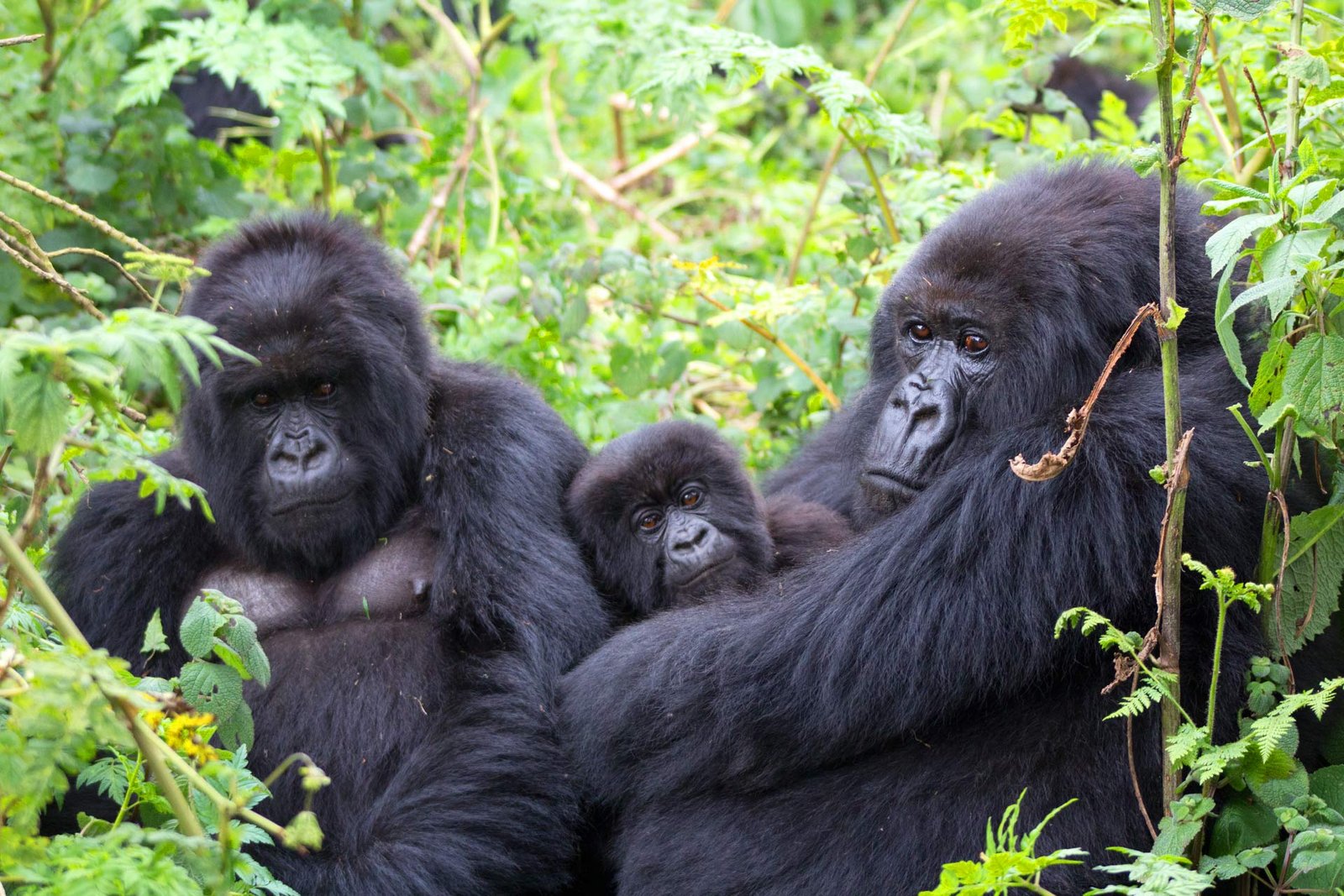
The visitor Gorilla Habituation Experience is offered in the Rushaga sector of Bwindi Impenetrable National Park in southwestern Uganda.
Bwindi is a mountainous tropical rainforest famous for its biodiversity and important population of endangered mountain gorillas.
The national park has several gorilla trekking sectors, including Buhoma, Ruhija, Rushaga, and Nkuringo.
However, visitors planning gorilla habituation must specifically arrange the appropriate habituation permit for the authorized activity in Rushaga.
A permit for ordinary gorilla trekking in another sector does not automatically provide access to the four-hour Gorilla Habituation Experience.
Rushaga is situated in the southern region of Bwindi and is accessible by road from Kisoro, Kigali, and other parts of western Uganda.
Travellers combining chimpanzee trekking and gorilla habituation should select accommodation close to the correct Rushaga briefing location.
Where Does Chimpanzee Trekking Take Place in Uganda?
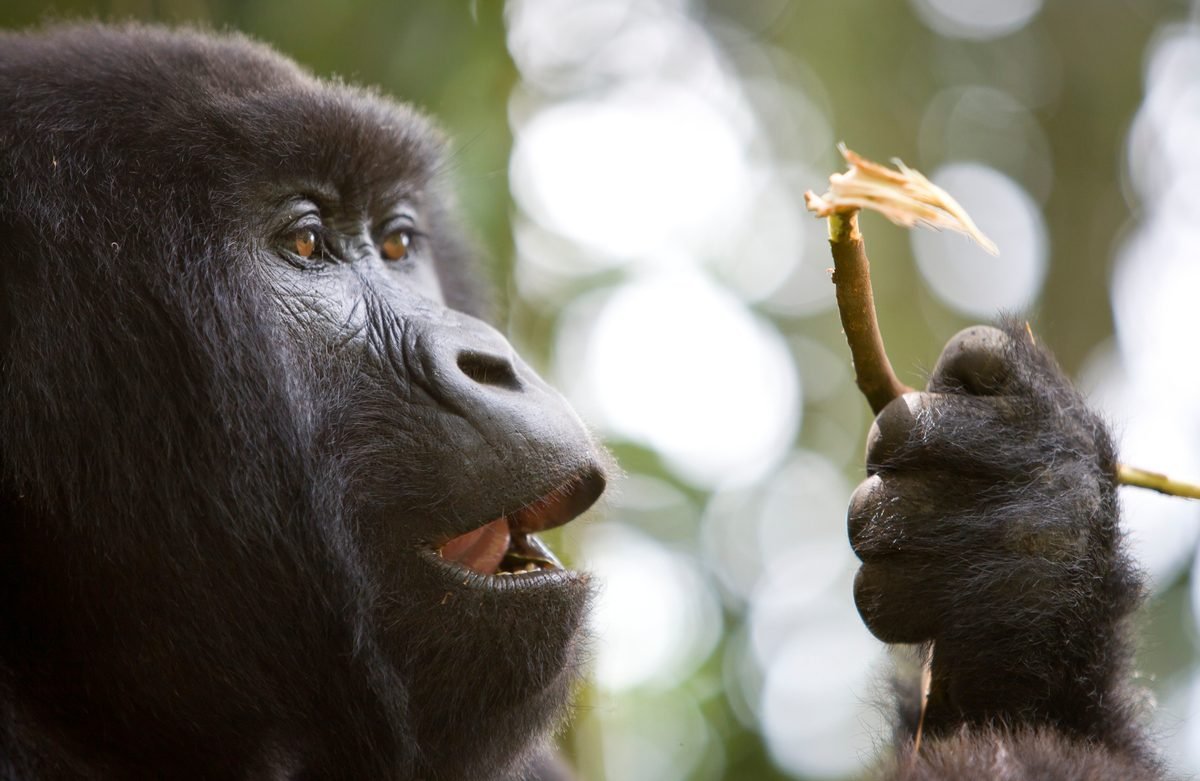
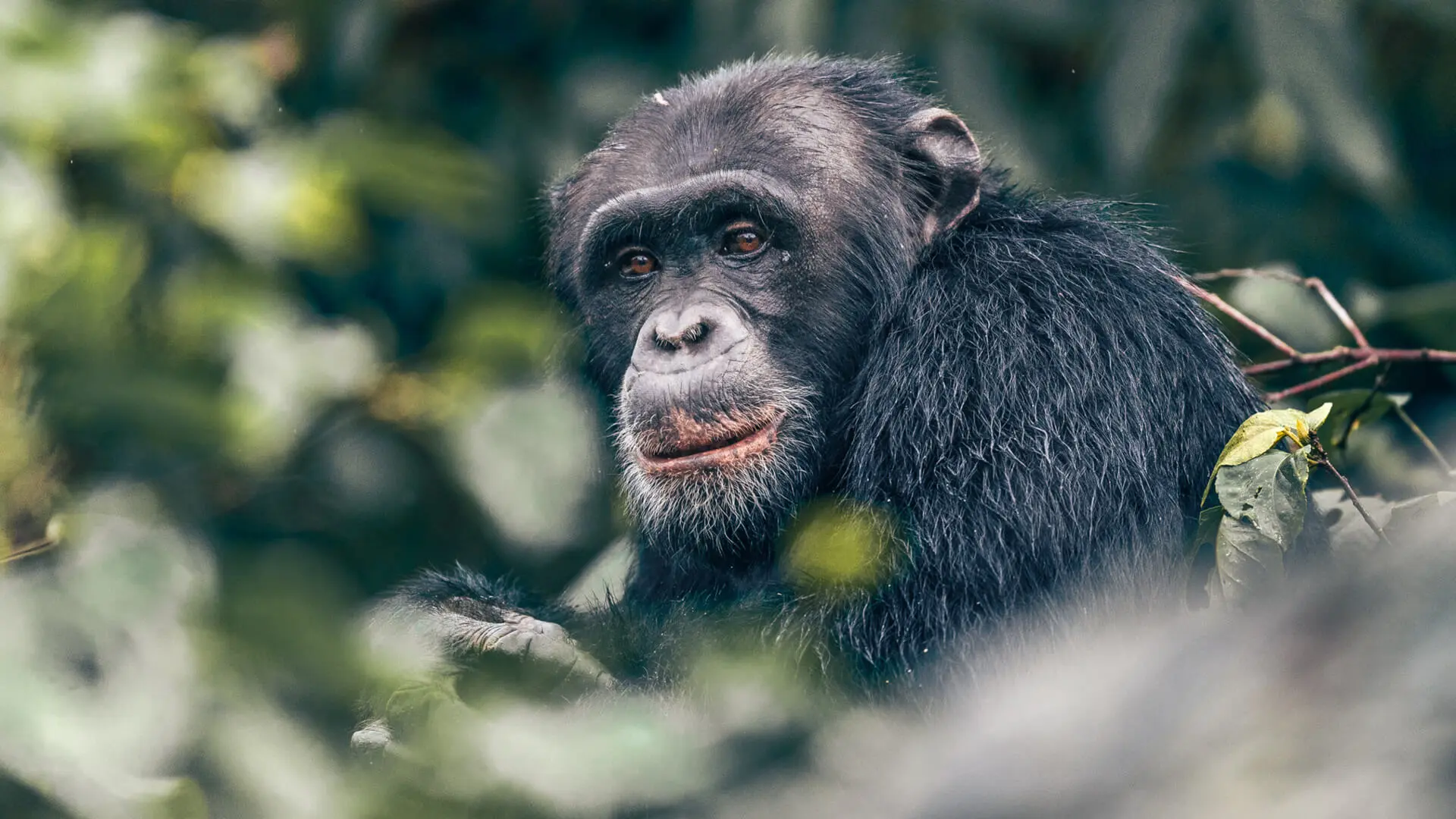
Chimpanzee trekking is particularly popular in Kibale National Park, located in western Uganda near Fort Portal.
Kibale contains extensive tropical forest and supports one of Uganda’s most important chimpanzee populations.
The park is renowned for its primate diversity, with several monkey species and other forest wildlife inhabiting the surrounding ecosystems.
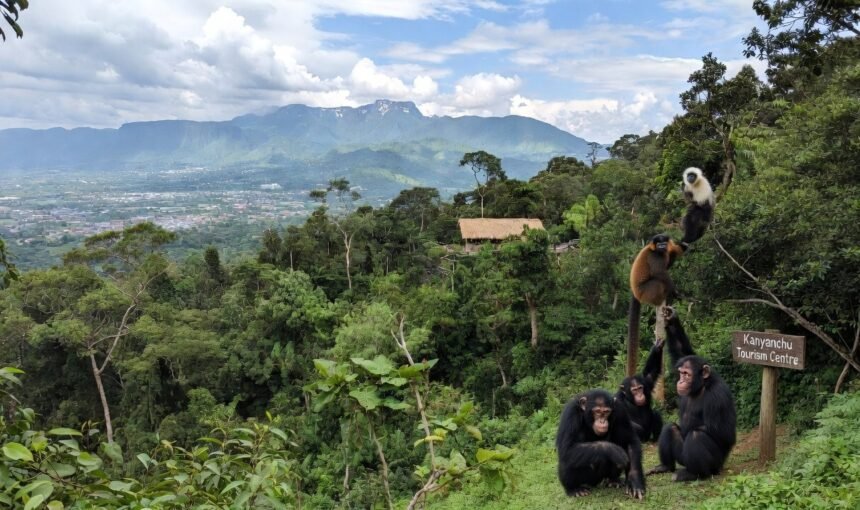
Chimpanzee tracking in Kibale is organized through designated entry points, including Kanyanchu, according to Uganda Wildlife Authority’s applicable procedures.
Visitors join an official briefing before entering the forest with authorized guides to search for a habituated chimpanzee community.
Once the chimpanzees have been located, visitors are permitted a maximum of one hour of observation under the applicable regulations.
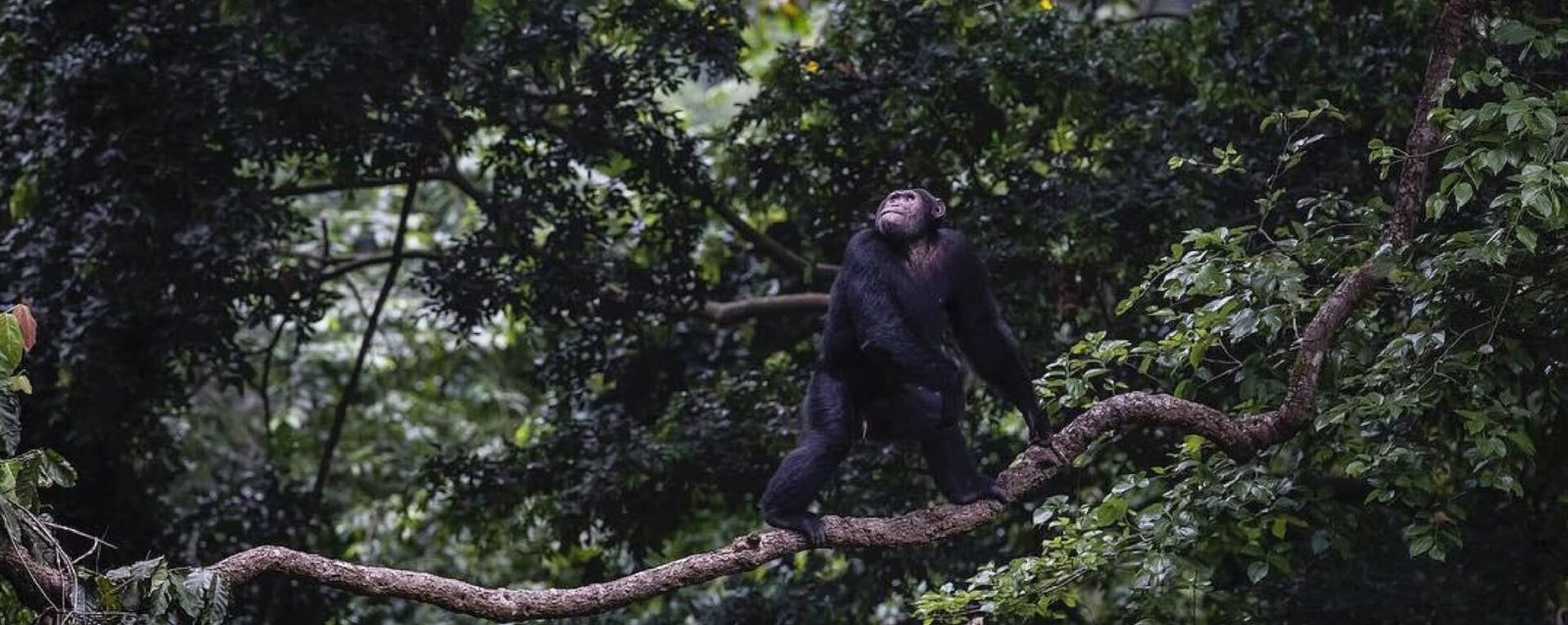
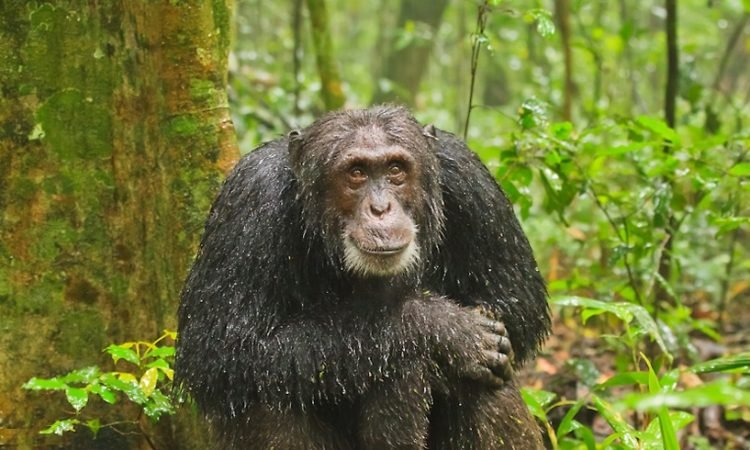
Chimpanzees may remain on the forest floor or move through the canopy, and the nature of the encounter depends on their behaviour.
Kibale is especially convenient for visitors who want to include Queen Elizabeth National Park between their chimpanzee and gorilla experiences.
What Is the Difference Between Gorilla Habituation and Chimpanzee Trekking?
Although both experiences involve observing great apes in their natural environments, they differ considerably in duration, animal behaviour, location, and the overall nature of the encounter.
Gorilla Habituation Experience in Bwindi
The Gorilla Habituation Experience involves visiting a designated mountain gorilla family that is still undergoing the process of becoming accustomed to carefully managed human presence.
Visitors accompany authorized personnel involved in the habituation process.
Once the gorillas have been located, participants may spend up to four hours observing their natural behaviour.
The experience can provide opportunities to observe feeding, grooming, resting, family interactions, and movement through the forest.
However, gorillas undergoing habituation may be cautious around visitors and may move away or remain hidden behind vegetation.
The forest excursion may also involve prolonged hiking through steep and muddy terrain.
Chimpanzee Trekking in Kibale National Park
Chimpanzee trekking involves searching for a habituated chimpanzee community under the supervision of Uganda Wildlife Authority guides.
Once the chimpanzees have been located, visitors may spend a maximum of one hour observing them.
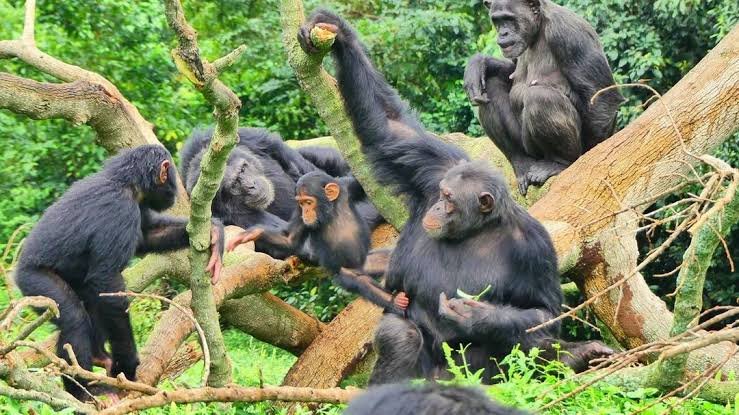
Chimpanzee encounters may involve active movement, loud vocalizations, social interactions, climbing, or feeding.
However, sightings and particular behaviours cannot be guaranteed.
Chimpanzees can move quickly through forest vegetation, making some encounters physically active and photographically challenging.
Why the Two Experiences Complement Each Other
Gorilla habituation provides an extended encounter with a designated family undergoing habituation, while chimpanzee trekking provides an opportunity to observe a different great ape species with distinct social and behavioural characteristics.
Together, these activities reveal some of the extraordinary diversity of Uganda’s rainforest ecosystems.
The experiences are complementary rather than interchangeable.
Can Gorilla Habituation and Chimpanzee Trekking Be Done on the Same Day?
No practical standard safari itinerary should attempt to complete gorilla habituation in Bwindi and chimpanzee trekking in Kibale on the same day.
The activities take place in separate national parks that require substantial travel between them.
Gorilla habituation begins early and may occupy much of the day because visitors must first locate the designated family before beginning the permitted four-hour observation period.
Chimpanzee trekking also follows designated reporting times and requires visitors to attend an official briefing before entering the forest.
Trying to combine the two encounters on one day would create substantial scheduling and transportation difficulties.
Travellers should instead allocate separate activity days and suitable transfer time between the parks.
The purpose of a combined primate safari is to enjoy both experiences properly, not to compress them into an unrealistic schedule.
What Is the Best Route for Gorilla Habituation and Chimpanzee Trekking?
One of the most practical routes begins in Entebbe, travels to Kibale National Park, continues through Queen Elizabeth National Park, and finishes the primate experiences in Bwindi.
This route follows a natural progression through western Uganda’s major wildlife destinations.
Visitors can start with chimpanzee tracking near Fort Portal, continue south through the Queen Elizabeth region, and finally reach Rushaga for gorilla habituation.
The reverse direction is also possible.
Some travellers may prefer to begin with gorilla habituation, particularly when arriving through Kigali in Rwanda, before continuing north to Queen Elizabeth and Kibale.
The best direction depends on the confirmed permit dates and the traveller’s flight arrangements.
How Far Is Kibale National Park From Bwindi?
Kibale National Park and Bwindi Impenetrable National Park are situated in different parts of western and southwestern Uganda.
The road journey between Kibale and the Rushaga sector of Bwindi generally requires a substantial portion of a day and can take longer depending on road conditions, traffic, stops, and the selected route.
Travellers should not plan the transfer as a short drive simply because both destinations are in western Uganda.
The most attractive route often passes through or near Queen Elizabeth National Park, offering opportunities to include wildlife viewing during the journey.
However, game drives and sightseeing stops increase the time required.
An overnight stay in the Queen Elizabeth region can make the journey more comfortable and allow visitors to enjoy additional activities.
Can You Include Queen Elizabeth National Park Between Kibale and Bwindi?
Yes. Queen Elizabeth National Park is one of the most popular additions to a combined gorilla habituation and chimpanzee trekking safari.
Located between the Kibale and Bwindi tourism regions, the park provides an opportunity to experience savannah wildlife after the rainforest environment of Kibale.
Visitors may encounter elephants, buffaloes, antelopes, hippos, and various bird species.
Predator sightings, including lions and leopards, are possible but cannot be guaranteed.
A boat cruise along the Kazinga Channel is particularly popular because it offers opportunities to observe hippos, waterbirds, crocodiles, and wildlife visiting the shoreline.
The Ishasha region in the southern part of Queen Elizabeth National Park can also be included when travelling toward Bwindi.
However, visitors should allow sufficient time for game drives, park activities, and onward transfers.
Can You Combine Gorilla Habituation With Chimpanzee Trekking in Kyambura Gorge?
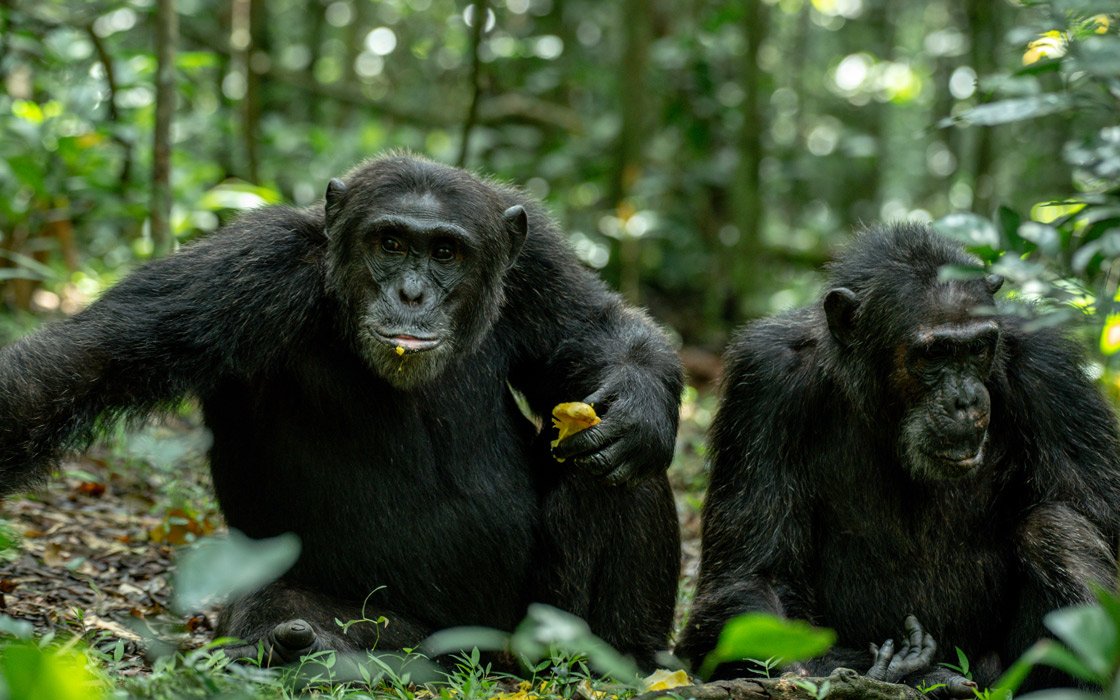
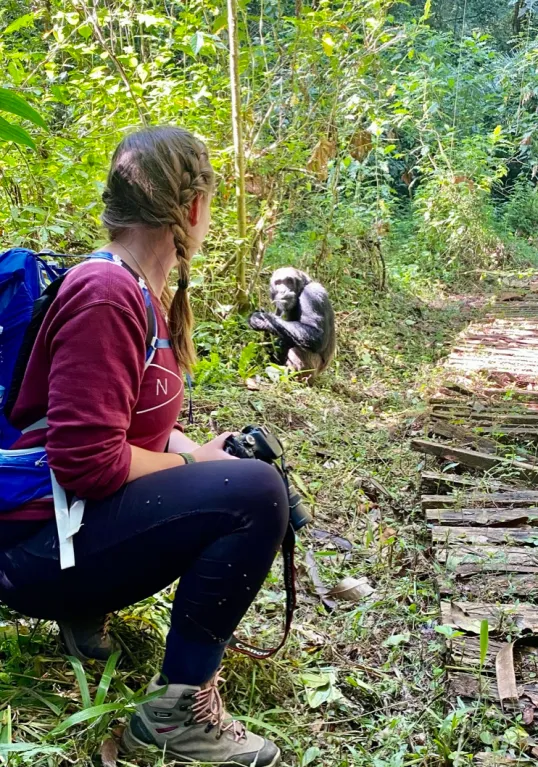
Yes. Visitors may combine the Gorilla Habituation Experience in Rushaga with chimpanzee tracking in Kyambura Gorge, within Queen Elizabeth National Park.
Kyambura Gorge is a forested landscape surrounded by the broader savannah environment of Queen Elizabeth.
It offers a different chimpanzee tracking setting from the larger rainforest ecosystem of Kibale National Park.
For travellers with limited time, Kyambura may be geographically convenient because Queen Elizabeth lies along a practical route toward southern Bwindi.
However, visitors should understand that tracking conditions, chimpanzee visibility, and wildlife movements vary.
Kibale is generally the more established choice for a dedicated chimpanzee-focused safari, while Kyambura can be an attractive alternative for visitors who want to combine chimpanzees, savannah wildlife, and gorillas.
Both activities require the correct separate permits.
Is Kibale Better Than Kyambura for Chimpanzee Trekking?
Kibale National Park is generally the preferred destination for travellers whose main objective is chimpanzee tracking.
The park contains extensive tropical rainforest and supports a substantial chimpanzee population.
The established Kanyanchu tracking experience is particularly popular among visitors interested in primates.
Kyambura Gorge offers a different environment, with chimpanzees inhabiting a forested gorge within Queen Elizabeth National Park.
The encounter may be attractive for travellers who want to include chimpanzee tracking while already visiting the Queen Elizabeth region.
However, no destination can guarantee a chimpanzee sighting, and conditions vary according to animal movements and operational circumstances.
For a safari specifically focused on observing both mountain gorillas and chimpanzees, Kibale is often the stronger first choice.
How Much Does Gorilla Habituation and Chimpanzee Trekking Cost in Uganda?
The cost of combining gorilla habituation and chimpanzee trekking depends on the official permit prices, nationality or residence category, travel dates, accommodation, transportation, and additional safari services.
Each activity requires a separate permit.
Combined Permit Costs for 2026
Under the standard foreign non-resident rates applicable in 2026, the Gorilla Habituation Experience permit costs USD 1,500 per person.
The standard foreign non-resident chimpanzee tracking permit for Kibale National Park costs USD 250 per person.
The combined standard permit cost is therefore USD 1,750 per foreign non-resident, before accommodation, transportation, meals, and other safari expenses.
However, qualifying low-season chimpanzee tracking rates have been introduced for April, May, and November. For eligible foreign non-residents, the published discounted chimpanzee tracking rate is USD 200.
Where those conditions apply, the two permit fees may total USD 1,700, provided the habituation rate remains USD 1,500 and both activities are booked under the relevant rules.
A low-season chimpanzee tracking discount should not be assumed to apply to the Gorilla Habituation Experience.
Combined Permit Costs for January 2027 to June 2028
Uganda Wildlife Authority’s newer published conservation tariff for January 2027 through June 2028 provides the following standard rates.
Foreign non-residents: Gorilla habituation costs USD 1,800, while chimpanzee tracking in Kibale costs USD 250, producing a combined standard permit cost of USD 2,050 per person.
Qualifying foreign residents: Gorilla habituation costs USD 1,500, while Kibale chimpanzee tracking costs USD 200, producing a combined standard permit cost of USD 1,700 per person.
Eligible Rest of Africa visitors: Gorilla habituation costs USD 1,000 and Kibale chimpanzee tracking costs USD 100, producing a combined standard permit cost of USD 1,100 per person.
Eligible East African Community citizens: Gorilla habituation costs UGX 750,000, while chimpanzee tracking in Kibale costs UGX 180,000, producing a combined standard permit cost of UGX 930,000 per person.
The applicable category must be supported by the relevant identification or residence documents.
These amounts represent official activity permit fees and should not be confused with the total cost of a complete Uganda safari.
Uganda Wildlife Authority has also published qualifying low-season chimpanzee tracking rates for April, May, and November. The applicable conditions should be confirmed before booking.
Official tariffs may change, and visitors should request a date-specific quotation before making payment.
What Is the Minimum Age for Gorilla Habituation and Chimpanzee Trekking?
Uganda Wildlife Authority’s published guidelines specify a minimum age of 15 years for gorilla tracking and viewing, including the Gorilla Habituation Experience.
The published minimum age for chimpanzee tracking and viewing is 12 years.
This means visitors who want to participate in both gorilla habituation and chimpanzee trekking must be at least 15 years old.
Families travelling with younger children may still arrange a wider Uganda safari, but children below the applicable minimum age cannot participate in the restricted primate activity.
Appropriate alternative activities and supervision should be organized for children who cannot join an excursion.
Age and identification requirements should be confirmed during the permit-booking process.
Is Gorilla Habituation Harder Than Chimpanzee Trekking?
Gorilla habituation is often more physically demanding because of the mountainous terrain in Bwindi and the potential length of the excursion.
Rushaga is characterized by forested hillsides, steep slopes, muddy paths, and dense vegetation.
The designated gorilla family may be located far from the starting point, requiring substantial hiking before the observation period begins.
Chimpanzee tracking in Kibale also involves forest walking, but the terrain and typical experience differ.
Chimpanzees can move quickly through the forest, and tracking may require visitors to keep up with changing animal movements.
Neither activity has a guaranteed walking distance or difficulty level.
Travellers should prepare for both experiences and avoid assuming that chimpanzee tracking is always easy or that every gorilla habituation hike will be extremely difficult.
Where Should You Stay for Chimpanzee Trekking in Kibale?
Visitors planning chimpanzee tracking should choose accommodation in or near the Kibale tourism region, depending on their assigned reporting location.
The surrounding area offers accommodation ranging from budget guesthouses to comfortable midrange properties and luxury safari lodges.
Possible options include Primate Lodge Kibale, Kibale Forest Camp, Chimpundu Lodge, Turaco Treetops, and other suitable accommodation in the region.
The best property depends on the visitor’s budget, availability, preferred comfort, and distance to the correct chimpanzee tracking briefing point.
Travellers should confirm whether the lodge provides meals, early breakfast arrangements, and convenient access to the assigned tracking location.
Selecting a suitable lodge helps avoid unnecessary early morning transfers.
Where Should You Stay for Gorilla Habituation in Rushaga?
Visitors planning the Gorilla Habituation Experience should ideally stay close to the Rushaga sector of Bwindi Impenetrable National Park.
Accommodation near Rushaga reduces travel time before the early morning activity and provides a convenient place to relax afterward.
The wider Rushaga region offers several options, including Four Gorillas Lodge, Gorilla Safari Lodge, Gorilla Leisure Lodge, Ichumbi Gorilla Lodge, and Rushaga Gorilla Havens Lodge.
Travellers should choose accommodation according to comfort, accessibility, available facilities, and the actual distance to the correct briefing point.
Visitors should also confirm whether the accommodation can arrange packed lunches and early breakfast for the forest excursion.
Can You Start a Combined Gorilla and Chimpanzee Safari From Entebbe?
Yes. Entebbe is one of the most practical starting points for a combined Uganda primate safari.
Visitors arriving through Entebbe International Airport can travel by road toward Fort Portal and Kibale National Park.
After chimpanzee tracking, the itinerary can continue south through Queen Elizabeth National Park before reaching Bwindi.
The safari can then finish with gorilla habituation in Rushaga and a return journey to Entebbe.
Alternatively, visitors may arrange suitable domestic flights to reduce some of the road travel.
The best route depends on flight schedules, confirmed permits, preferred accommodation, and the number of available days.
Frequently Asked Questions About Combining Gorilla Habituation and Chimpanzee Trekking in Uganda
Can Gorilla Habituation Be Combined With Chimpanzee Trekking in Uganda?
Yes. Gorilla habituation in Bwindi Impenetrable National Park can be combined with chimpanzee trekking in Kibale National Park during one Uganda safari. Visitors need separate permits and should allow sufficient travel time between the two destinations. A six- to eight-day itinerary is a practical option for many travellers.
Can You Do Gorilla Habituation and Chimpanzee Trekking on the Same Day?
The two activities should not be scheduled for the same day. Gorilla habituation takes place in Rushaga, Bwindi, while the main chimpanzee trekking experience takes place in Kibale. Both excursions require dedicated time, and the road journey between the national parks is substantial.
Where Can You Do Gorilla Habituation in Uganda?
The visitor Gorilla Habituation Experience is offered in the Rushaga sector of Bwindi Impenetrable National Park in southwestern Uganda. Visitors must obtain the correct habituation permit and attend the designated official briefing.
Where Is the Best Place for Chimpanzee Trekking in Uganda?
Kibale National Park is generally the preferred destination for a dedicated chimpanzee trekking safari. The park contains extensive tropical rainforest and an established chimpanzee tracking programme. Kyambura Gorge in Queen Elizabeth National Park is another option.
How Many Days Are Needed for Gorilla Habituation and Chimpanzee Trekking?
A six- to eight-day itinerary is recommended for many visitors. Six days can work for a relatively focused trip, while seven or eight days provides additional flexibility for Queen Elizabeth National Park, accommodation, and more relaxed transfers.
Book Your Gorilla Habituation and Chimpanzee Trekking Safari in Uganda
Combining the Gorilla Habituation Experience in Bwindi Impenetrable National Park with chimpanzee trekking in Kibale National Park offers an extraordinary opportunity to discover Uganda’s remarkable primates during one carefully organized safari. From observing mountain gorillas in the mountainous rainforest of Rushaga to listening to chimpanzee vocalizations beneath the tropical canopy of Kibale, this itinerary introduces travellers to two of Africa’s most fascinating wildlife encounters.
If you are still wondering Can Gorilla Habituation Be Combined With Chimpanzee Trekking in Uganda?, our Uganda Gorilla Permits Booking team can help you understand the permit requirements, available travel dates, recommended itineraries, accommodation options, transportation arrangements, and the costs involved in combining both experiences.
Our booking services can assist with Uganda Gorilla Habituation Experience permits, chimpanzee tracking permit enquiries for Kibale National Park, and suitable safari arrangements connecting western and southwestern Uganda.
We can help coordinate private transportation from Entebbe or Kampala, selected domestic flight arrangements, accommodation near Kibale and Rushaga, and wildlife safari extensions through Queen Elizabeth National Park.
For travellers seeking a more comprehensive primate experience, we can also discuss adding ordinary gorilla trekking in Bwindi or replacing standard chimpanzee tracking with the longer Chimpanzee Habituation Experience in Kibale, subject to permit availability and official requirements.
Our booking team can then check the relevant gorilla habituation and chimpanzee tracking permit channels, discuss available options, and prepare a quotation for the requested safari arrangements.
Submitting an enquiry does not itself reserve or guarantee a permit. Official availability must be verified, and the applicable booking conditions must be accepted before the reservation is completed.
Book your Gorilla Habituation and Chimpanzee Trekking Safari in Uganda today and experience two exceptional great ape encounters within one remarkable wildlife adventure.
Our team is ready to help you plan a personalized journey through Kibale National Park, Queen Elizabeth National Park, and the Rushaga sector of Bwindi Impenetrable National Park, bringing together Uganda’s extraordinary chimpanzees, mountain gorillas, and diverse natural landscapes.