
Can You Do Gorilla Habituation and Gorilla Trekking on the Same Safari?
Can You Do Gorilla Habituation and Gorilla Trekking on the Same Safari? The Ultimate Uganda Double Gorilla Experience Guide
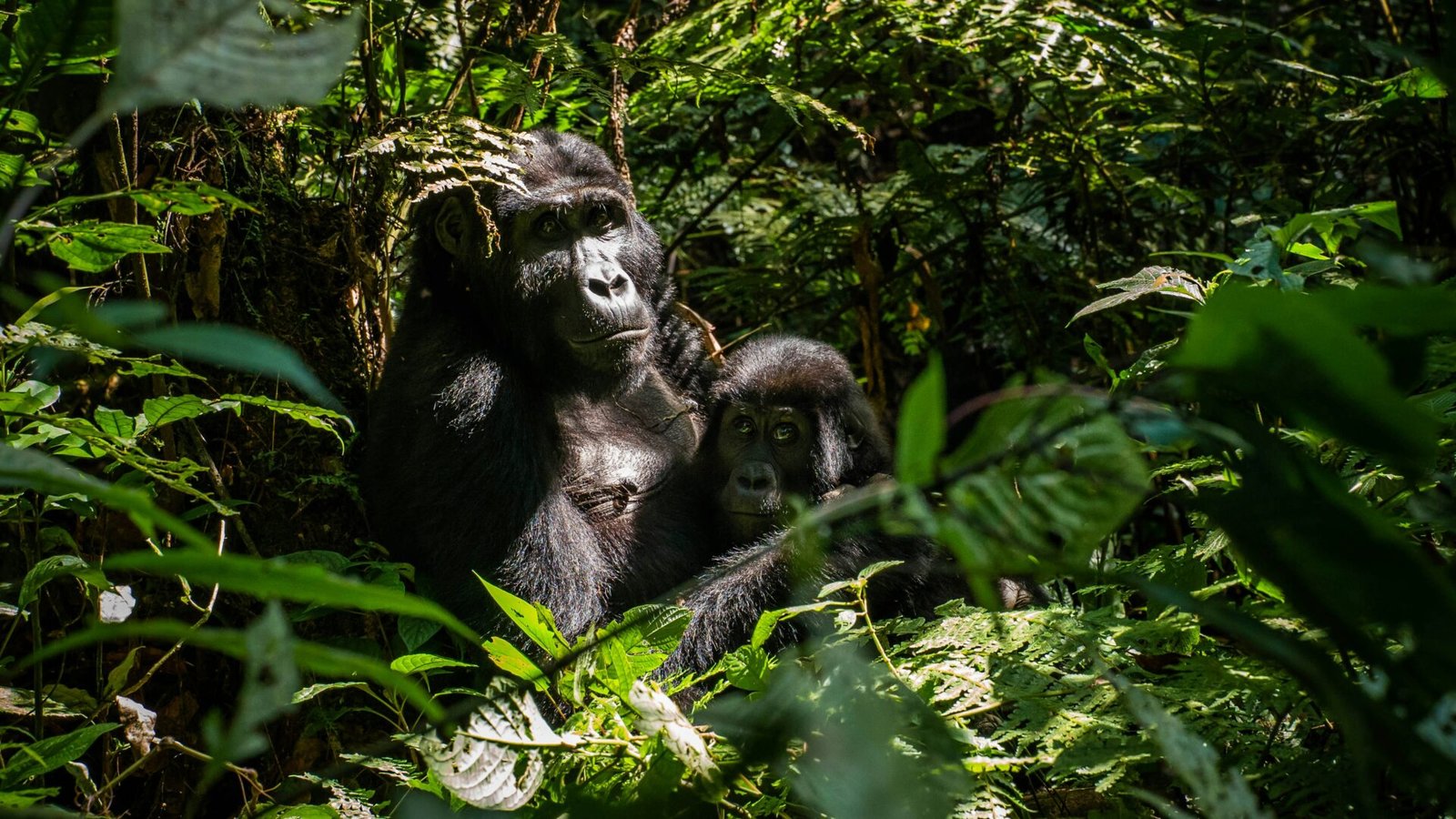
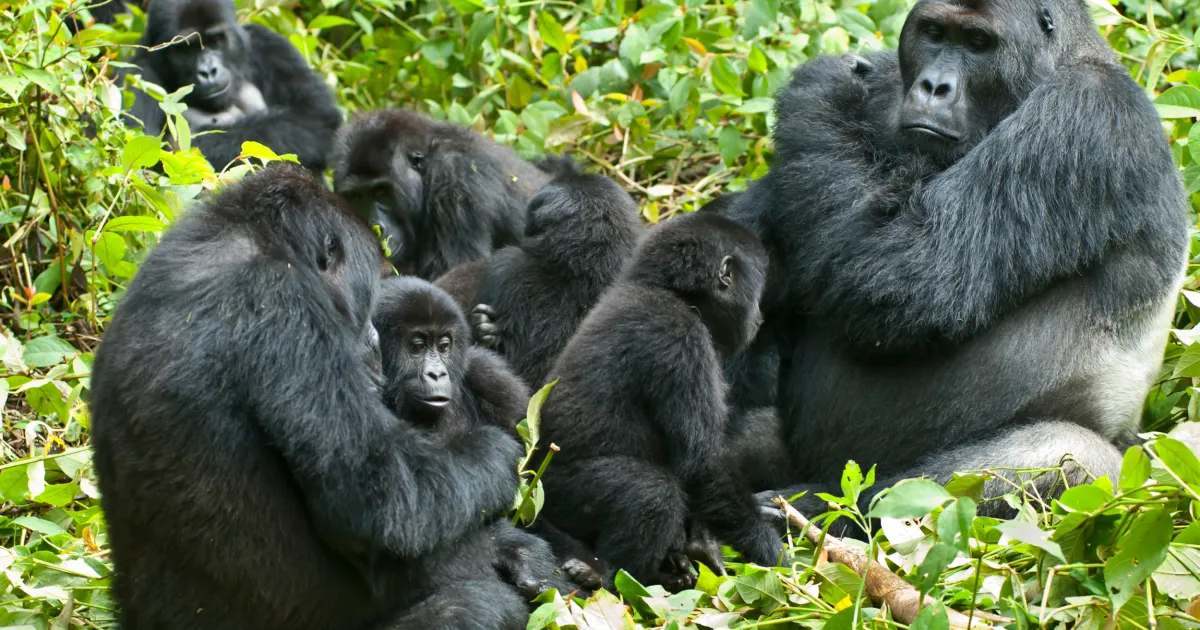
Can You Do Gorilla Habituation and Gorilla Trekking on the Same Safari? Yes, visitors can combine the Gorilla Habituation Experience and ordinary mountain gorilla trekking on the same safari in Uganda, provided they obtain separate permits and arrange the activities on different days. Uganda is one of the world’s most exceptional mountain gorilla destinations, offering both experiences in Bwindi Impenetrable National Park in southwestern Uganda.
Gorilla habituation allows visitors to spend up to four hours observing a designated mountain gorilla family undergoing habituation, while ordinary gorilla trekking allows a maximum of one hour with an already habituated gorilla family. Combining these two activities gives travellers an opportunity to experience different aspects of mountain gorilla tourism, observe natural gorilla behaviour, and appreciate the conservation efforts involved in protecting these endangered primates.
For Ugandan citizens, East African Community citizens, foreign residents, and international travellers visiting Uganda, understanding Can You Do Gorilla Habituation and Gorilla Trekking on the Same Safari? is essential when planning permits, travel dates, accommodation, transportation, and the overall safari budget. Uganda’s Bwindi Impenetrable National Park is divided into four main gorilla trekking sectors: Buhoma, Ruhija, Rushaga, and Nkuringo. The visitor Gorilla Habituation Experience is offered in Rushaga, while ordinary gorilla trekking is available in several sectors of Bwindi and in Mgahinga Gorilla National Park. For travellers wishing to enjoy both experiences without unnecessary transfers, arranging ordinary gorilla trekking in Rushaga or another conveniently located southern Bwindi sector can be particularly practical.
A combined gorilla trekking and habituation safari is especially attractive to wildlife enthusiasts, photographers, conservation-minded travellers, couples, and visitors who want more than a single encounter with mountain gorillas. However, both activities involve hiking through mountainous rainforest, and completing them on consecutive days can be physically demanding. Proper planning allows visitors to secure the correct permits, choose appropriate accommodation, allow enough time for recovery, and enjoy the two experiences without unnecessarily rushing their Uganda safari.
Can You Combine Gorilla Habituation and Gorilla Trekking in Uganda?
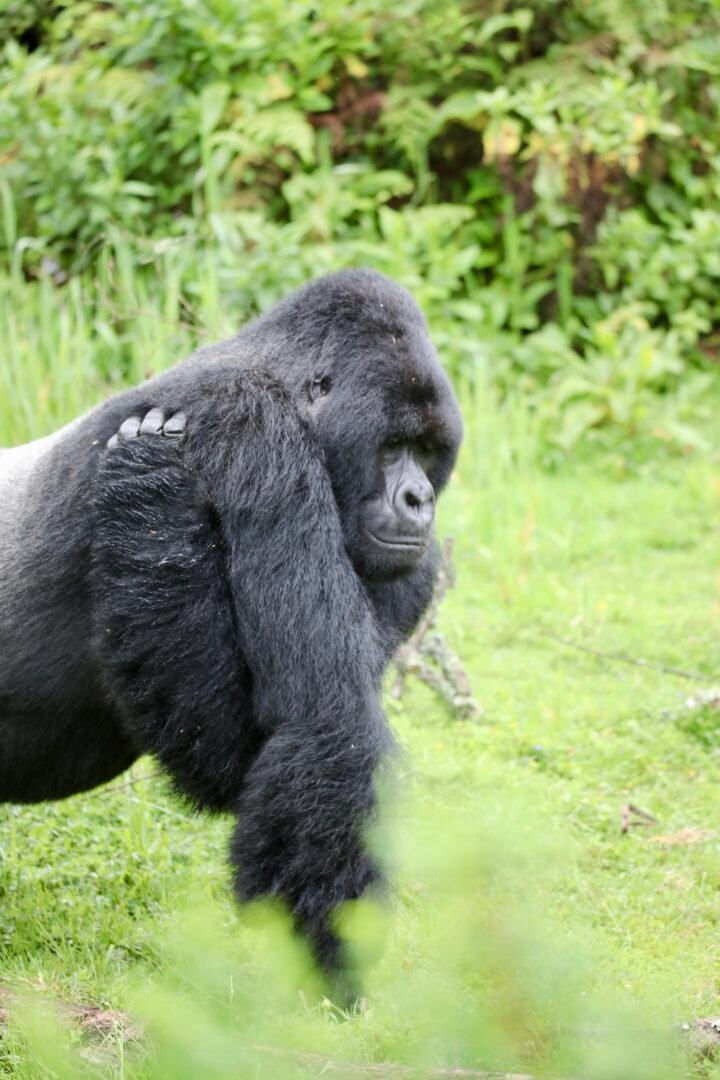
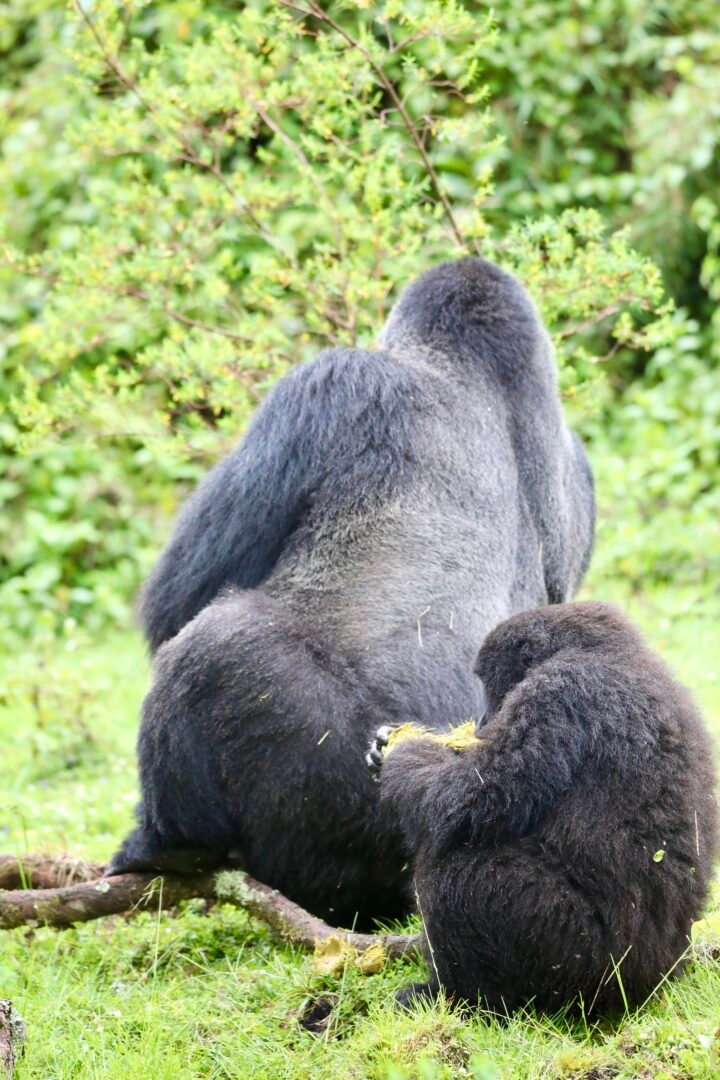
Yes. A combined gorilla safari in Uganda can include both ordinary gorilla trekking and the Gorilla Habituation Experience within the same itinerary.
The two activities are separate tourism products regulated by Uganda Wildlife Authority, and each requires its own valid permit. A visitor who purchases a habituation permit cannot use that permit to participate in ordinary gorilla trekking on another day, and a normal trekking permit does not provide access to the four-hour habituation activity.
The most practical arrangement is to allocate one day to ordinary gorilla trekking and another day to gorilla habituation. This allows visitors to participate in both official activities without creating a conflict between their reporting times or risking an incomplete forest excursion.
Depending on the itinerary, travellers may complete the two experiences on consecutive days or include a rest day between them.
For visitors asking Can You Do Gorilla Habituation and Gorilla Trekking on the Same Safari?, the answer is yes, but the itinerary should be designed around two separate permit reservations and two dedicated activity days.
Can You Do Gorilla Habituation and Gorilla Trekking on the Same Day?
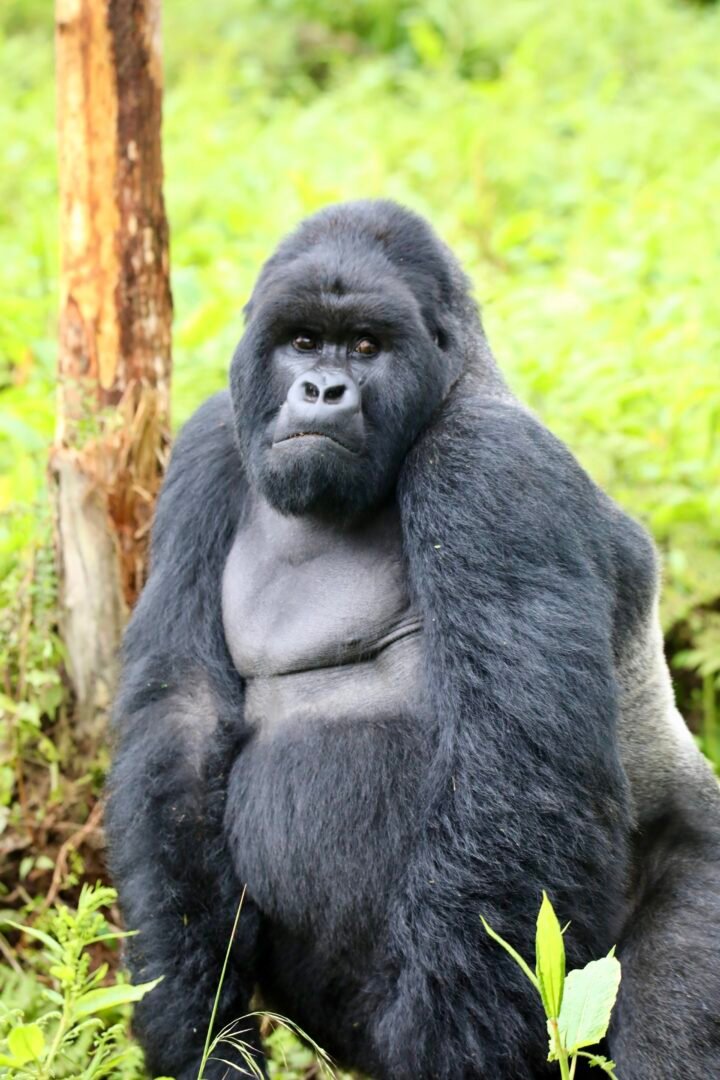
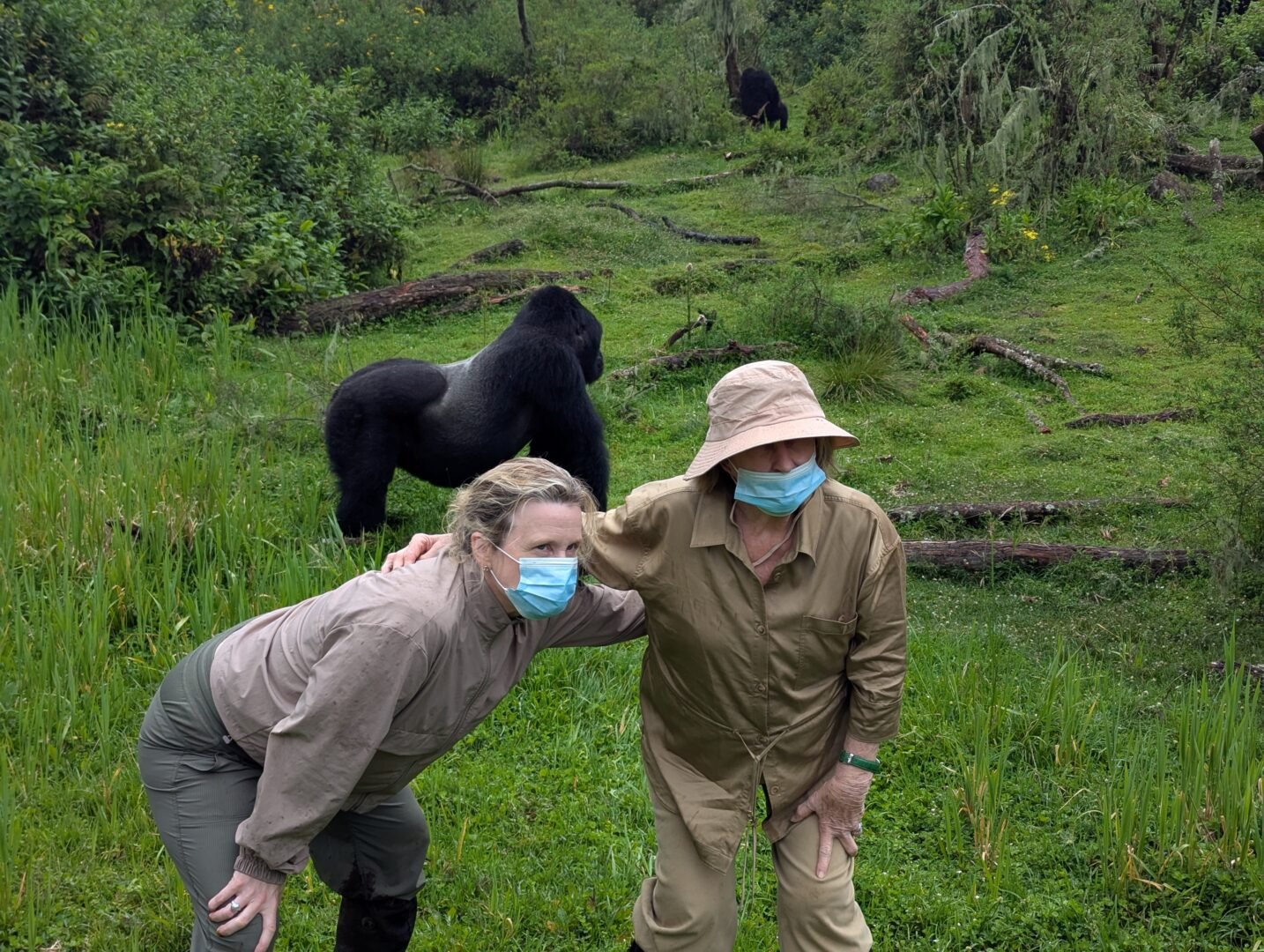
Planning both activities for the same day is not recommended and should not be treated as a standard available arrangement.
Uganda Wildlife Authority’s published guidelines schedule ordinary gorilla trekking from approximately 8:00 a.m., while the Gorilla Habituation Experience begins earlier, at approximately 6:30 a.m.
Both activities involve hiking into the forest, locating the designated gorilla family, completing the authorized observation period, and returning to the appropriate briefing location.
The total duration of either excursion depends on the location of the gorillas, walking conditions, and the route followed by the official guiding team.
Gorilla habituation can occupy much of the day because the four-hour observation period begins only after the family has been located.
Consequently, trying to schedule ordinary gorilla trekking and habituation for the same date would create significant practical and operational problems.
Visitors should instead reserve separate dates, allowing sufficient time to enjoy each activity and recover before the next excursion.
What Is the Difference Between Gorilla Habituation and Gorilla Trekking?
Although both experiences involve observing endangered mountain gorillas in their natural habitat, they differ in viewing duration, the habituation status of the gorilla families, and the nature of the encounter.
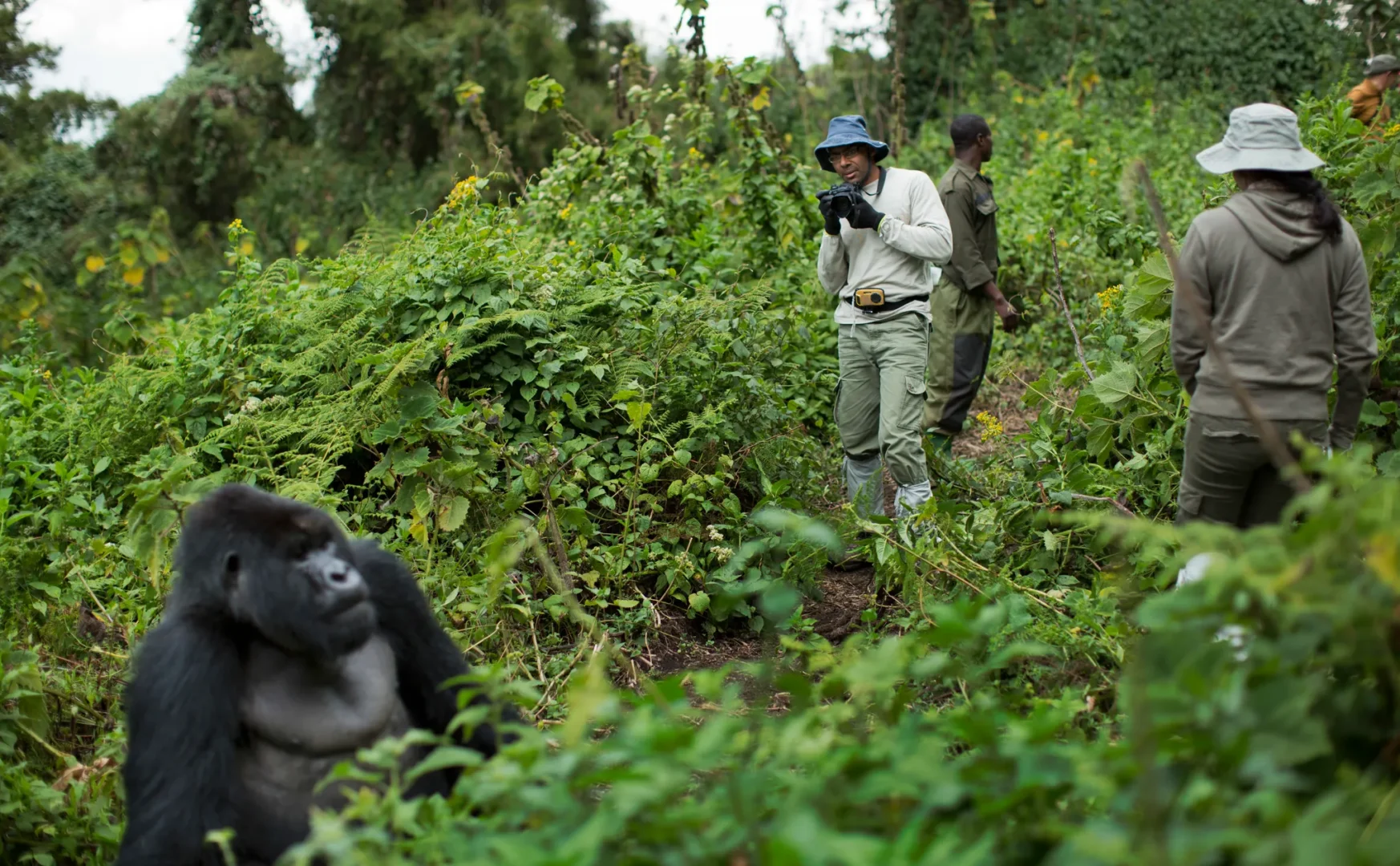
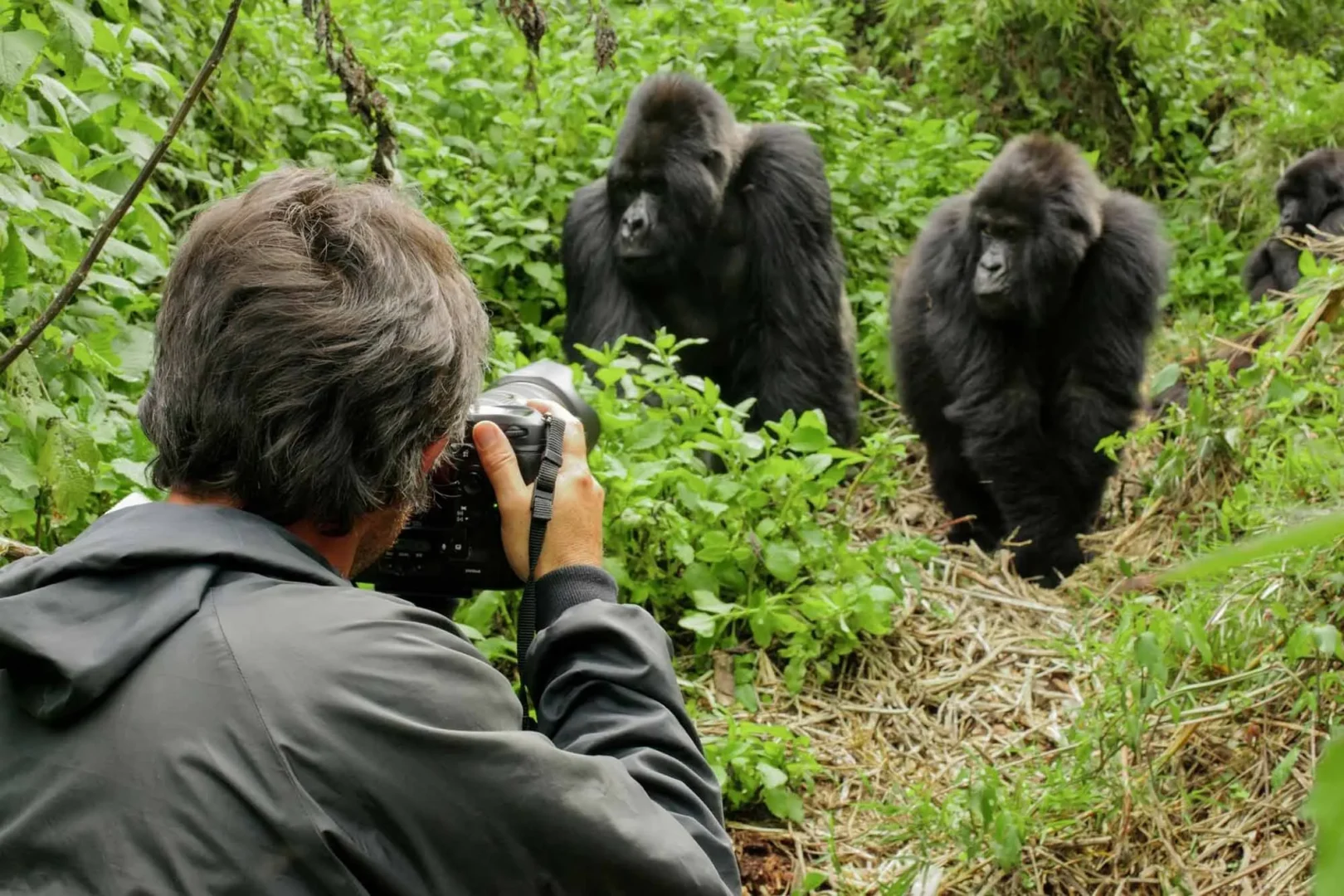
Ordinary Gorilla Trekking in Uganda
Ordinary gorilla trekking involves visiting an already habituated gorilla family under the supervision of authorized Uganda Wildlife Authority personnel.
Visitors begin with an official briefing before entering the forest with their assigned guides and trackers.
After locating the designated family, participants may spend a maximum of one hour observing its natural behaviour.
This period may provide opportunities to observe feeding, grooming, resting, movement, and interactions between family members.
The complete activity takes longer than one hour because the journey into and out of the forest is additional.
Ordinary gorilla trekking is available in Bwindi Impenetrable National Park and Mgahinga Gorilla National Park.
Gorilla Habituation Experience in Uganda
The Gorilla Habituation Experience involves accompanying authorized personnel to observe a mountain gorilla family that is still undergoing the process of becoming accustomed to controlled human presence.
The activity takes place in the Rushaga sector of Bwindi Impenetrable National Park.
Once the designated family has been located, visitors may spend up to four hours observing the gorillas under official supervision.
The extended period allows more time to appreciate natural behaviour and learn about the careful conservation process involved in gorilla habituation.
However, the gorillas may be more cautious around human visitors than fully habituated families, and their movements remain unpredictable.
Why Both Experiences Complement Each Other
Combining the two activities allows travellers to appreciate different aspects of mountain gorilla tourism.
Ordinary gorilla trekking provides an encounter with a family already accustomed to carefully managed visitor presence.
Gorilla habituation provides an opportunity to observe a family still undergoing that process.
The experiences are not identical, even though they take place in similar rainforest environments.
Visitors may notice differences in animal behaviour, the pace of the encounter, forest conditions, and the amount of time available for observation.
These differences make a combined safari particularly rewarding for travellers who want a more comprehensive introduction to Uganda’s mountain gorillas.
Where Can You Do Both Gorilla Habituation and Gorilla Trekking in Bwindi?
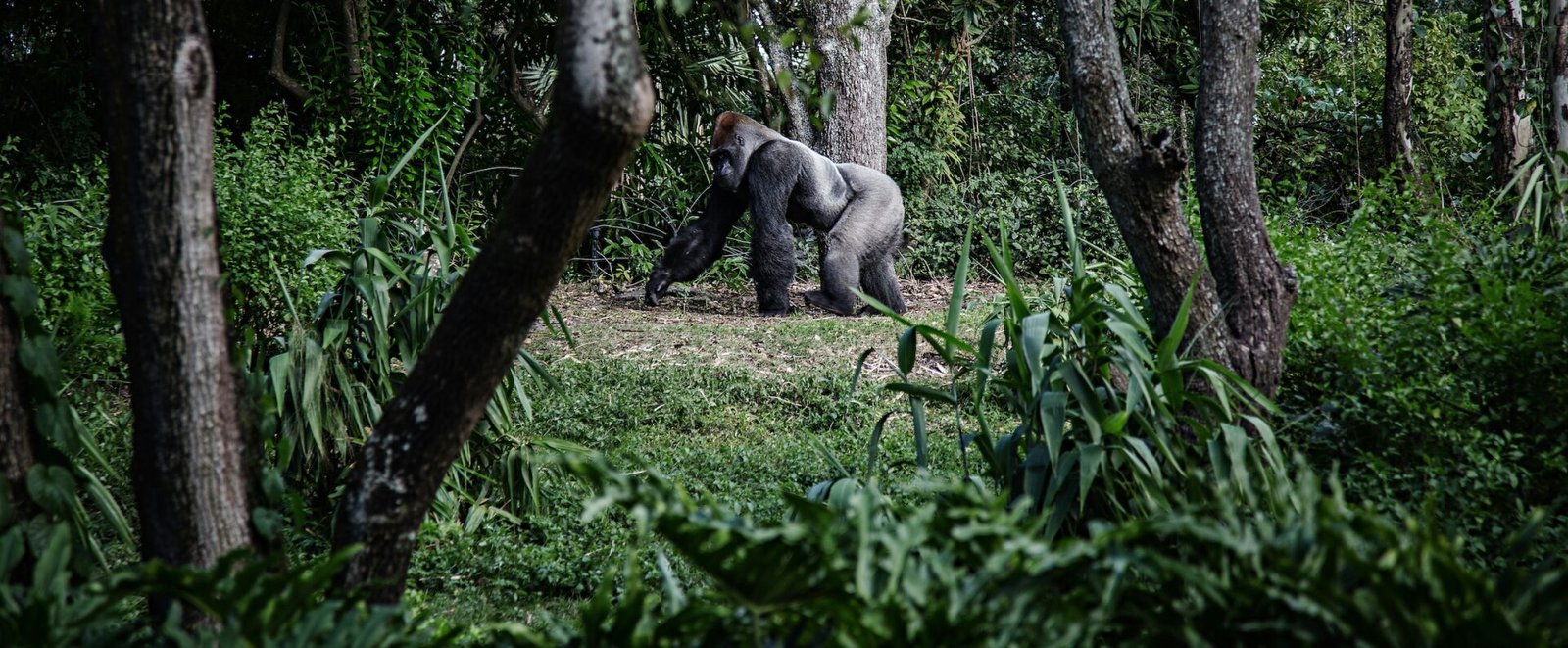
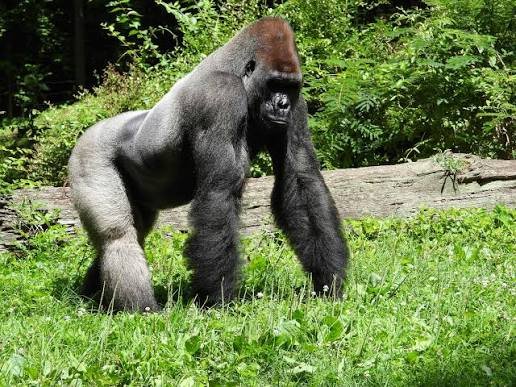
The most convenient location for a combined safari is usually the southern part of Bwindi Impenetrable National Park.
Rushaga is particularly useful because visitors can undertake the Gorilla Habituation Experience there and, subject to permit availability, ordinary gorilla trekking in the same sector.
This arrangement can reduce the need for changing accommodation between the two activities.
Nkuringo is another southern Bwindi gorilla trekking sector that may be considered when travellers want to combine different areas of the forest.
However, the distance between briefing locations, road conditions, and the location of accommodation must be considered carefully.
Buhoma and Ruhija also offer ordinary gorilla trekking, but combining them with habituation in Rushaga may require additional road transfers or a more extended itinerary.
The best sector combination depends on available permits, preferred accommodation, travel dates, and the traveller’s overall route through Uganda.
Can You Do Both Experiences in the Rushaga Sector?
Yes. Rushaga is the most straightforward location for visitors who want to combine gorilla habituation with ordinary gorilla trekking while minimizing unnecessary travel.
The sector provides access to the visitor Gorilla Habituation Experience as well as regular gorilla trekking activities.
A traveller can stay at suitable accommodation near Rushaga and undertake each activity on a separate day, provided the correct permits have been secured.
This is especially convenient because gorilla-related activities begin early in the morning.
Remaining in the same area allows visitors to become familiar with their accommodation and prepare equipment without repeatedly packing luggage or transferring between distant lodges.
However, visitors should not assume that both permits will automatically be available on their preferred dates.
Gorilla habituation places are limited, so the booking sequence should prioritize confirming availability for both activities before finalizing accommodation.
Can You Combine Gorilla Habituation in Rushaga With Gorilla Trekking in Nkuringo?
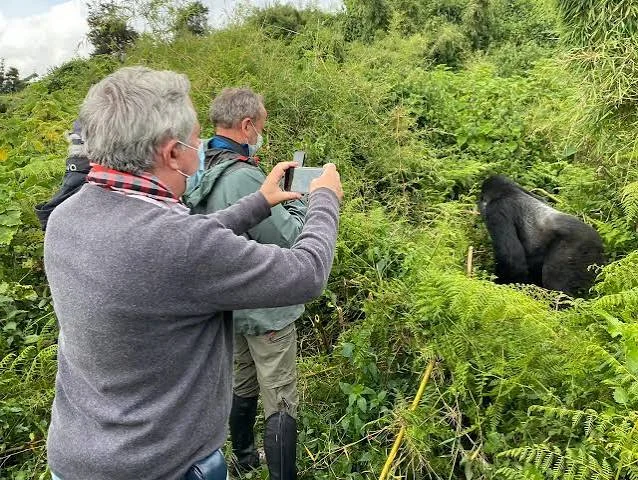
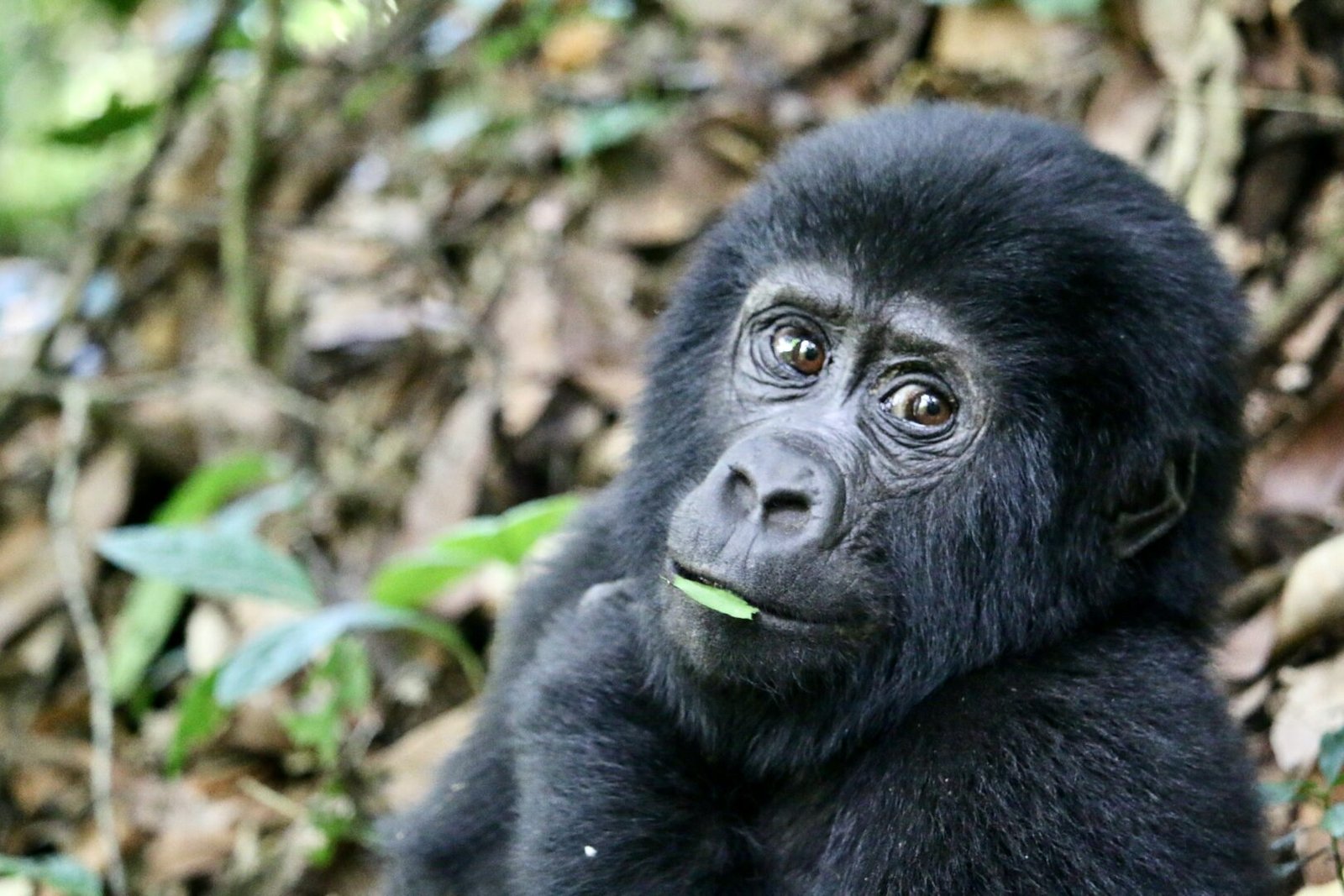
Yes. A combined safari may include gorilla habituation in Rushaga and ordinary gorilla trekking in Nkuringo when valid permits are available for the respective locations and dates.
Both sectors are located in southern Bwindi, but their briefing locations are different.
Travellers should account for the actual road transfer time between accommodation and each activity’s reporting point.
It may be possible to stay at one suitably located lodge for both experiences, depending on the road conditions and the property’s accessibility.
Alternatively, visitors may choose accommodation closer to the trekking sector associated with each permit.
The advantage of combining Rushaga and Nkuringo is the opportunity to experience different parts of Bwindi’s mountainous forest landscape.
However, changing sectors does not guarantee easier hiking, different gorilla behaviour, or better photographic opportunities.
Can You Combine Gorilla Habituation in Rushaga With Trekking in Buhoma?
Yes, but this arrangement generally requires more careful itinerary planning.
Buhoma is located in northern Bwindi, while Rushaga is in the southern part of the park.
Travelling between the two areas may involve a substantial road journey, depending on the selected route and road conditions.
Visitors should not assume that the sectors are a short drive apart simply because they are located within the same national park.
A combined Buhoma and Rushaga safari is best suited to travellers who have sufficient time to move between accommodation areas and want to experience different parts of Bwindi.
For shorter trips, combining both activities within Rushaga or southern Bwindi is usually more convenient.
Can You Combine Gorilla Habituation in Bwindi With Trekking in Mgahinga?
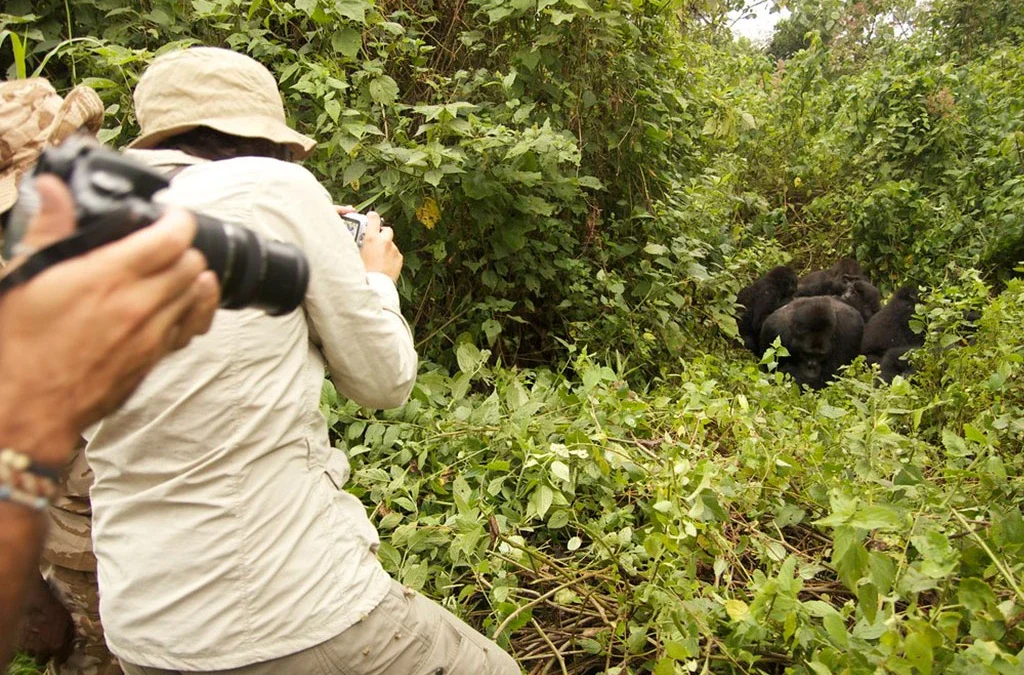
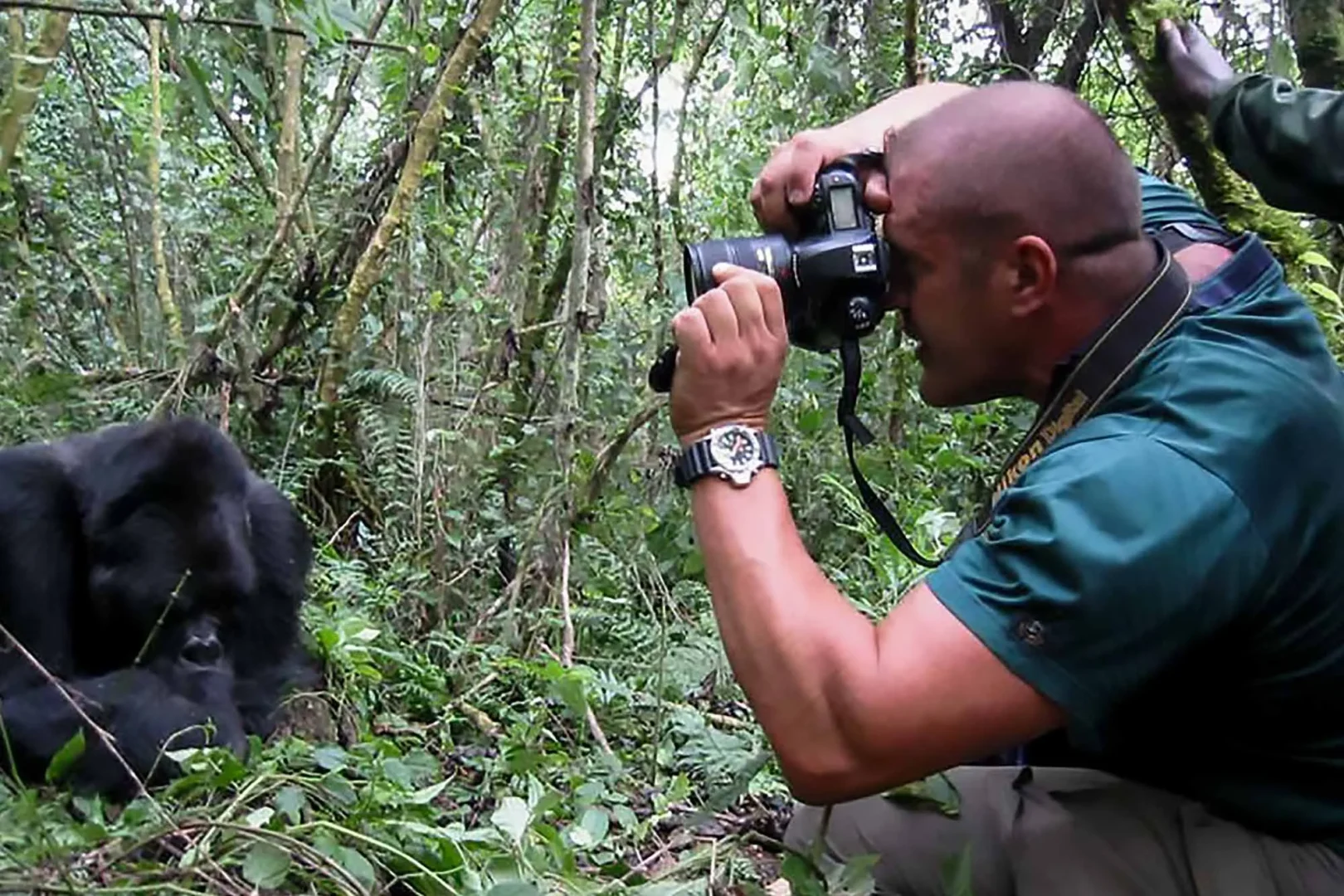
Yes. Ordinary gorilla trekking in Mgahinga Gorilla National Park can be combined with a separate Gorilla Habituation Experience in Rushaga, Bwindi.
Mgahinga is located in southwestern Uganda near the Virunga Mountains and offers a different mountain environment from Bwindi’s dense rainforest.
Travellers may appreciate combining the volcanic scenery of Mgahinga with the forest landscapes of Bwindi.
However, the two activities take place in separate national parks and require the appropriate permits, reporting locations, and transportation arrangements.
The Gorilla Habituation Experience should not be confused with ordinary gorilla trekking in Mgahinga. The four-hour visitor habituation product is associated with Rushaga in Bwindi.
This combination may be attractive for visitors planning a longer southwestern Uganda safari rather than a very short itinerary.
Which Activity Should You Do First: Gorilla Trekking or Gorilla Habituation?
For many travellers, doing ordinary gorilla trekking first and habituation afterward is a practical arrangement.
The one-hour gorilla encounter can provide an introduction to Bwindi’s terrain, ranger instructions, and the experience of observing mountain gorillas.
After becoming familiar with the forest environment, visitors may feel better prepared for the potentially longer habituation excursion.
However, this order is not compulsory.
Some travellers may prefer to do gorilla habituation first because of permit availability, accommodation arrangements, or personal interests.
The most important consideration is securing valid permits for both activities and allowing adequate time between them.
Visitors who are particularly concerned about fatigue may benefit from a rest day rather than completing two strenuous hikes on consecutive mornings.
Should You Take a Rest Day Between Gorilla Trekking and Habituation?
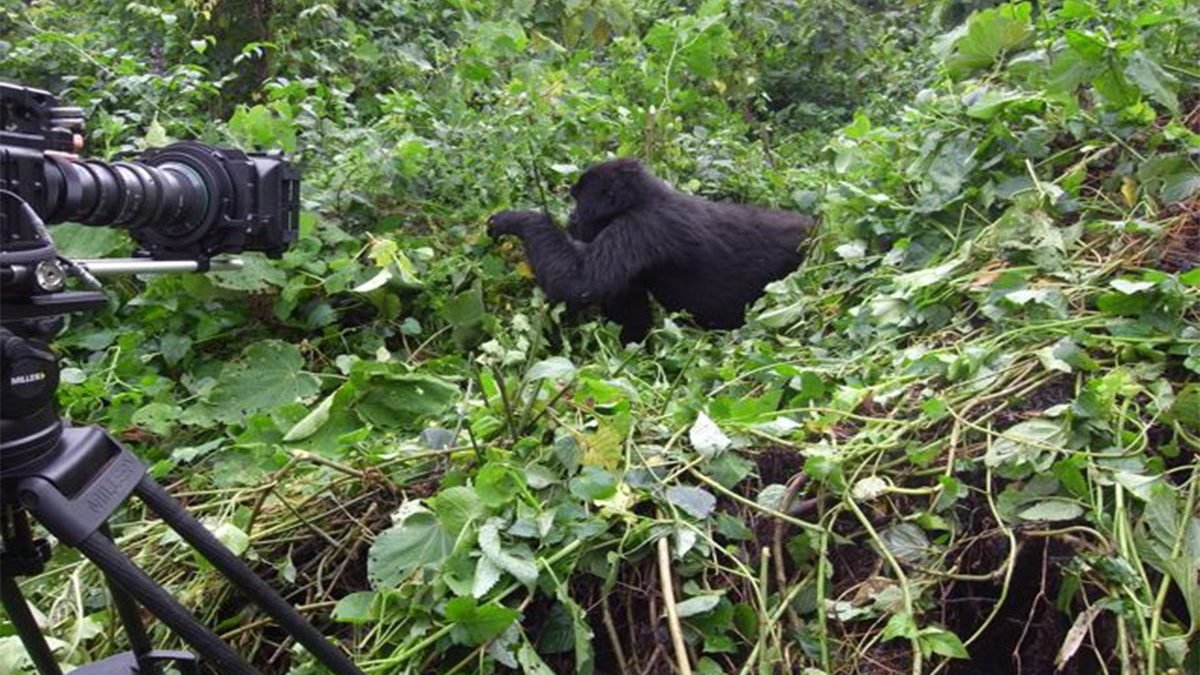
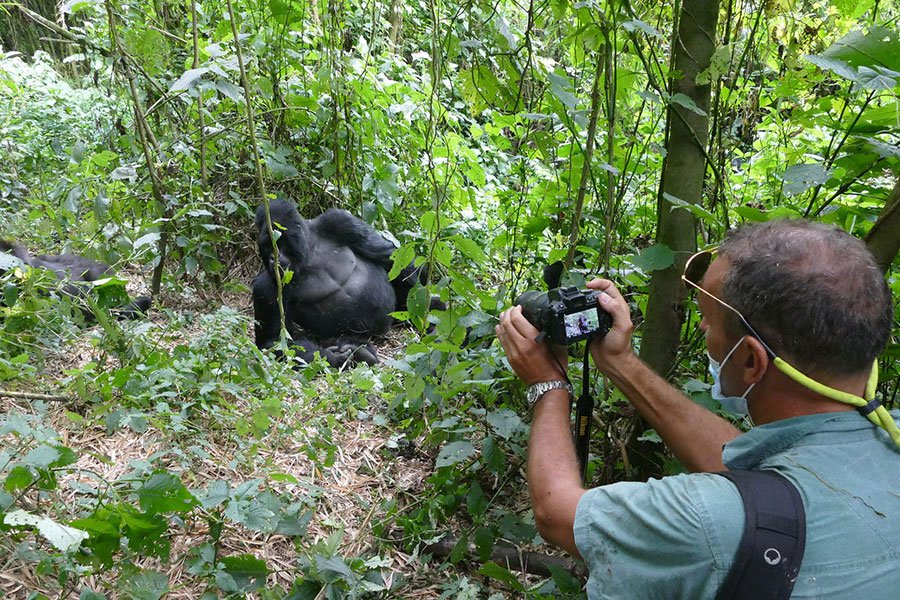
A rest day is not universally required, but it can be very useful.
Both activities may involve extended walking through steep, muddy, and uneven rainforest terrain.
The actual difficulty varies according to where the gorillas are located and the conditions encountered on each activity day.
A traveller who completes a particularly challenging trek may appreciate time to recover before beginning the Gorilla Habituation Experience.
An additional day can also allow visitors to enjoy suitable cultural activities, scenic viewpoints, or time relaxing at their lodge.
However, rest days do not need to be filled with demanding hikes or lengthy road transfers.
For travellers asking Can You Do Gorilla Habituation and Gorilla Trekking on the Same Safari?, the best itinerary is one that balances available time, physical fitness, permit dates, and comfort.
How Many Days Do You Need for Gorilla Habituation and Gorilla Trekking?
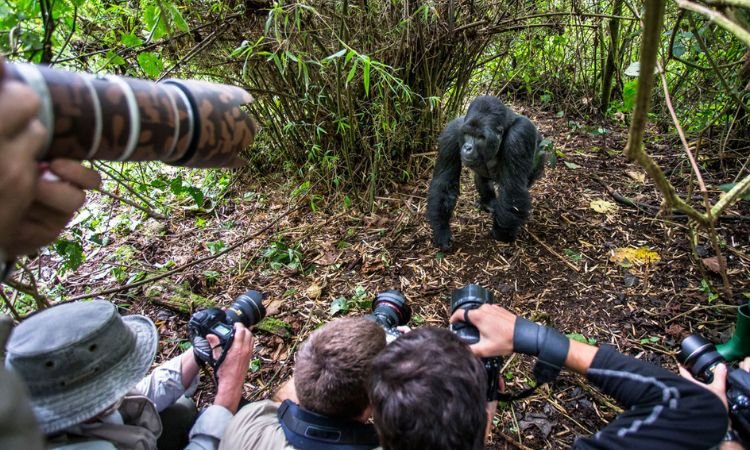
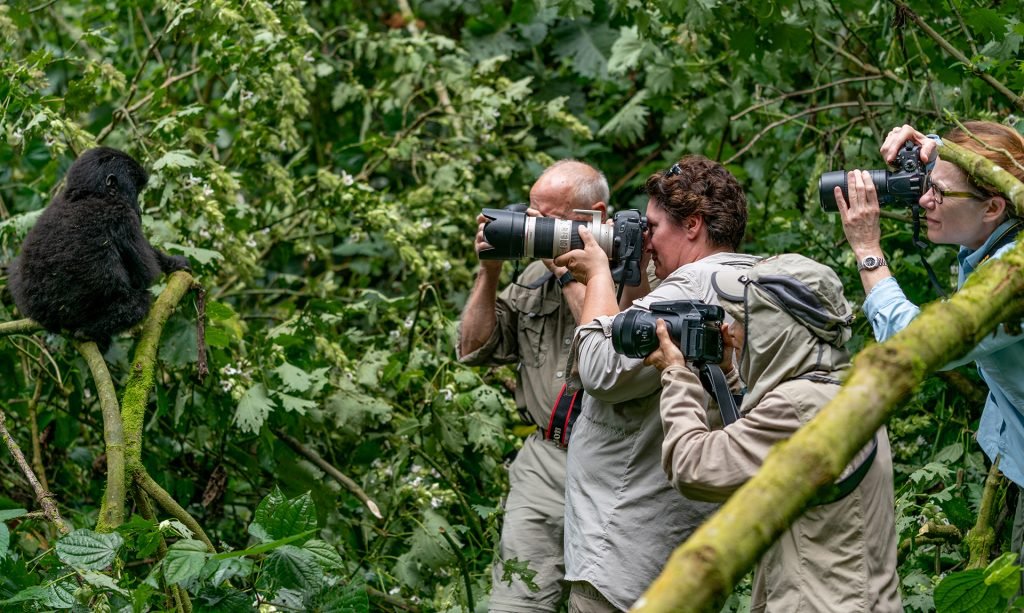
A combined safari generally works best over four or five days, although longer itineraries provide more flexibility.
A four-day trip can be practical when starting and ending in Kigali, with one day allocated to ordinary gorilla trekking and another to the Gorilla Habituation Experience.
A five-day itinerary may be preferable for visitors travelling from Entebbe or those wanting a more relaxed schedule.
Visitors using domestic flights to Kisoro may reduce the amount of road travel and spend more time near Bwindi.
Travellers who want additional rest days, cultural experiences, or visits to other destinations may prefer six days or longer.
The important consideration is allowing two dedicated activity days while accounting for travel time and unpredictable forest excursions.
How Much Does It Cost to Combine Gorilla Habituation and Gorilla Trekking?
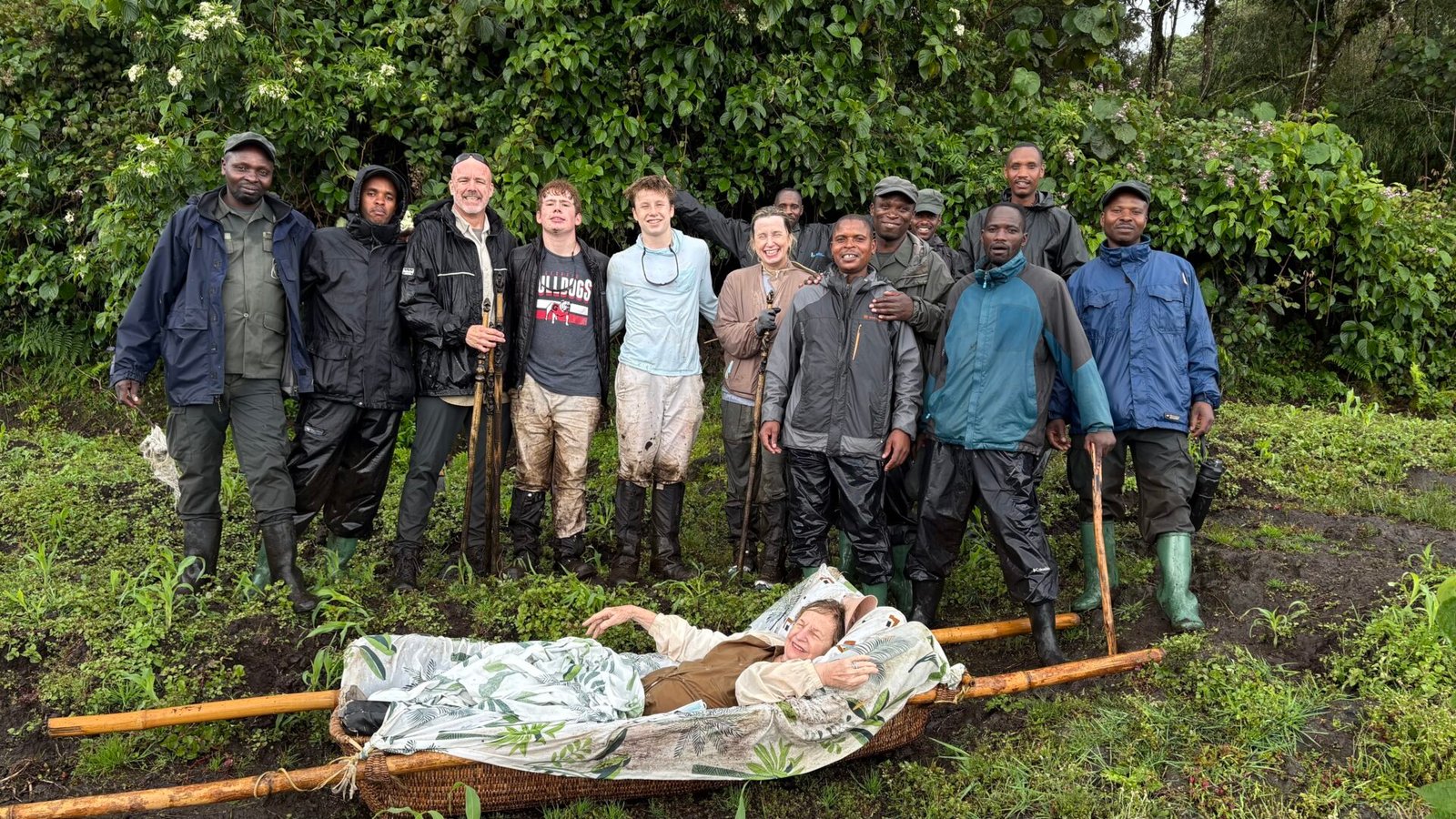
The total cost depends on the applicable Uganda Wildlife Authority permit tariffs, travel dates, nationality or residence category, accommodation standard, transportation arrangements, and duration of the safari.
Because the activities require separate permits, the official permit costs must be calculated individually and then combined.
Combined Gorilla Permit Costs for 2026
For a foreign non-resident travelling under the standard 2026 rates, the ordinary gorilla trekking permit costs USD 800 per person, while the Gorilla Habituation Experience permit costs USD 1,500 per person.
This means the combined standard permit cost is USD 2,300 per person, excluding accommodation, transportation, meals, porter assistance, and other safari services.
Uganda Wildlife Authority also introduced discounted ordinary gorilla trekking rates for qualifying low-season dates in April, May, and November. These discounts apply to the normal trekking product under the announced conditions, not automatically to gorilla habituation.
Visitors should therefore request the exact applicable tariff for each date rather than assuming that both permits receive the same seasonal discount.
Combined Gorilla Permit Costs for 2027 and 2028
Uganda Wildlife Authority’s published conservation tariff for January 2027 through June 2028 lists the standard foreign non-resident gorilla trekking permit at USD 800 and the Gorilla Habituation Experience permit at USD 1,800.
The combined standard permit cost for a foreign non-resident is therefore USD 2,600 per person, before the cost of other safari arrangements.
The official tariff also provides separate categories for qualifying foreign residents, Rest of Africa visitors, and East African Community citizens.
The correct rate depends on the traveller’s eligibility and accepted documentation.
Low-season rates may apply to qualifying ordinary gorilla trekking dates, but visitors should confirm the conditions and should not assume they extend to habituation.
All tariffs remain subject to official updates, so a final quotation should be confirmed before payment.
Is Gorilla Habituation and Gorilla Trekking on the Same Safari Physically Demanding?
Yes. Combining both activities can be physically demanding because visitors undertake two separate rainforest excursions.
Bwindi Impenetrable National Park is characterized by steep hillsides, dense vegetation, slippery trails, and uneven walking surfaces.
The distance travelled during either excursion depends on the natural movements of the designated gorilla family.
Some visitors may find one trek relatively manageable and the other much more challenging.
The four-hour habituation viewing allowance can also increase the total time spent outdoors.
Travellers should prepare with suitable walking endurance, leg strength, comfortable hiking boots, and realistic expectations.
People with significant health concerns or mobility limitations should seek professional advice before committing to two strenuous activity days.
Can Seniors Combine Gorilla Trekking and Habituation?
Yes. Physically active senior travellers may be capable of participating in both experiences during the same safari.
Uganda Wildlife Authority’s published rules establish a minimum age of 15 for gorilla viewing but do not impose a general upper age limit.
However, senior visitors should assess their individual fitness, balance, mobility, and ability to manage prolonged walking on uneven terrain.
A rest day may be particularly useful for older travellers who want additional recovery time between excursions.
Local porter assistance may also help reduce the weight carried during the hikes.
Visitors requiring specialized mobility support should confirm what assistance is available for each specific activity before booking.
The best arrangement is an individualized itinerary rather than assuming that every senior traveller will find two forest excursions equally manageable.
What Should You Pack for Gorilla Habituation and Gorilla Trekking?
Visitors combining both activities should prepare suitable equipment for two days of potentially challenging rainforest hiking.
Waterproof hiking boots with reliable grip are strongly recommended because Bwindi contains steep, muddy, and uneven trails.
Long hiking trousers, breathable long-sleeved shirts, gardening gloves, and a lightweight waterproof jacket are also useful.
Carrying sufficient drinking water and packed food is particularly important because the complete excursions can last several hours.
Visitors should bring appropriate personal medication, rain protection, insect repellent, and a small comfortable backpack.
A spare pair of hiking socks is especially useful when completing the activities on consecutive days.
Travellers should also allow time for clothing and footwear to dry between excursions.
For visitors carrying heavy camera equipment, hiring a porter may reduce the physical burden during the hikes.
Should You Hire a Porter for Both Gorilla Activities?
Hiring a porter can be valuable for ordinary gorilla trekking and the Gorilla Habituation Experience.
Local porters may carry backpacks, drinking water, packed lunches, rain protection, and other agreed belongings.
This reduces the amount of weight visitors need to carry while navigating steep forest trails.
Porters may also provide practical assistance on challenging sections, subject to the arrangements and instructions of the authorized personnel.
However, hiring a porter does not guarantee an easy route or remove the need for appropriate physical fitness.
Porter assistance for two activity days should be arranged and priced accordingly.
Hiring local porters also provides employment opportunities for communities surrounding Bwindi Impenetrable National Park.
Where Should You Stay for a Combined Gorilla Safari?
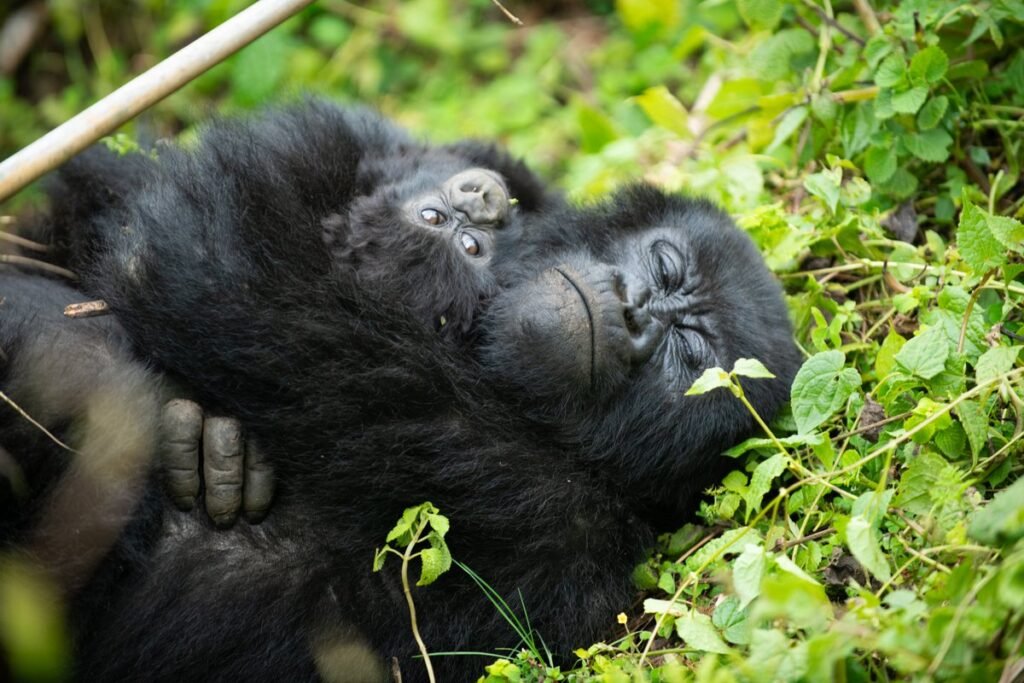
Visitors who plan to combine habituation with ordinary gorilla trekking in Rushaga should ideally stay at accommodation near the designated briefing locations.
Remaining in the same area can reduce unnecessary transfers and allow time for relaxation between activities.
The Rushaga region offers accommodation ranging from affordable safari lodges to comfortable midrange properties and luxury establishments.
Possible properties include Four Gorillas Lodge, Gorilla Safari Lodge, Gorilla Leisure Lodge, Rushaga Gorilla Havens Lodge, Ichumbi Gorilla Lodge, and other suitable accommodation in the surrounding area.
The best lodge depends on budget, availability, road access, and the actual briefing location for each activity.
Visitors planning ordinary gorilla trekking in Nkuringo, Buhoma, or Ruhija should confirm transfer times carefully before choosing accommodation.
A lodge advertised as being in Bwindi is not necessarily convenient for every gorilla trekking sector.
Can You Combine Both Gorilla Experiences From Kigali?
Yes. Kigali, Rwanda, can be a practical starting point for a combined gorilla habituation and trekking safari in Uganda.
Travellers can arrive at Kigali International Airport and travel by road through an appropriate Rwanda–Uganda border crossing to the Rushaga region.
This arrangement is particularly attractive for visitors planning a short safari focused on southern Bwindi.
A typical itinerary may include one day travelling to the lodge, two days participating in gorilla activities, and another day returning to Kigali.
The actual road journey depends on border procedures, traffic, weather, and road conditions.
International travellers should also verify the applicable immigration and visa requirements before travelling.
For shorter combined gorilla safaris, Kigali can provide a convenient alternative to driving all the way from Entebbe.
Is It Worth Doing Gorilla Habituation and Gorilla Trekking Together?
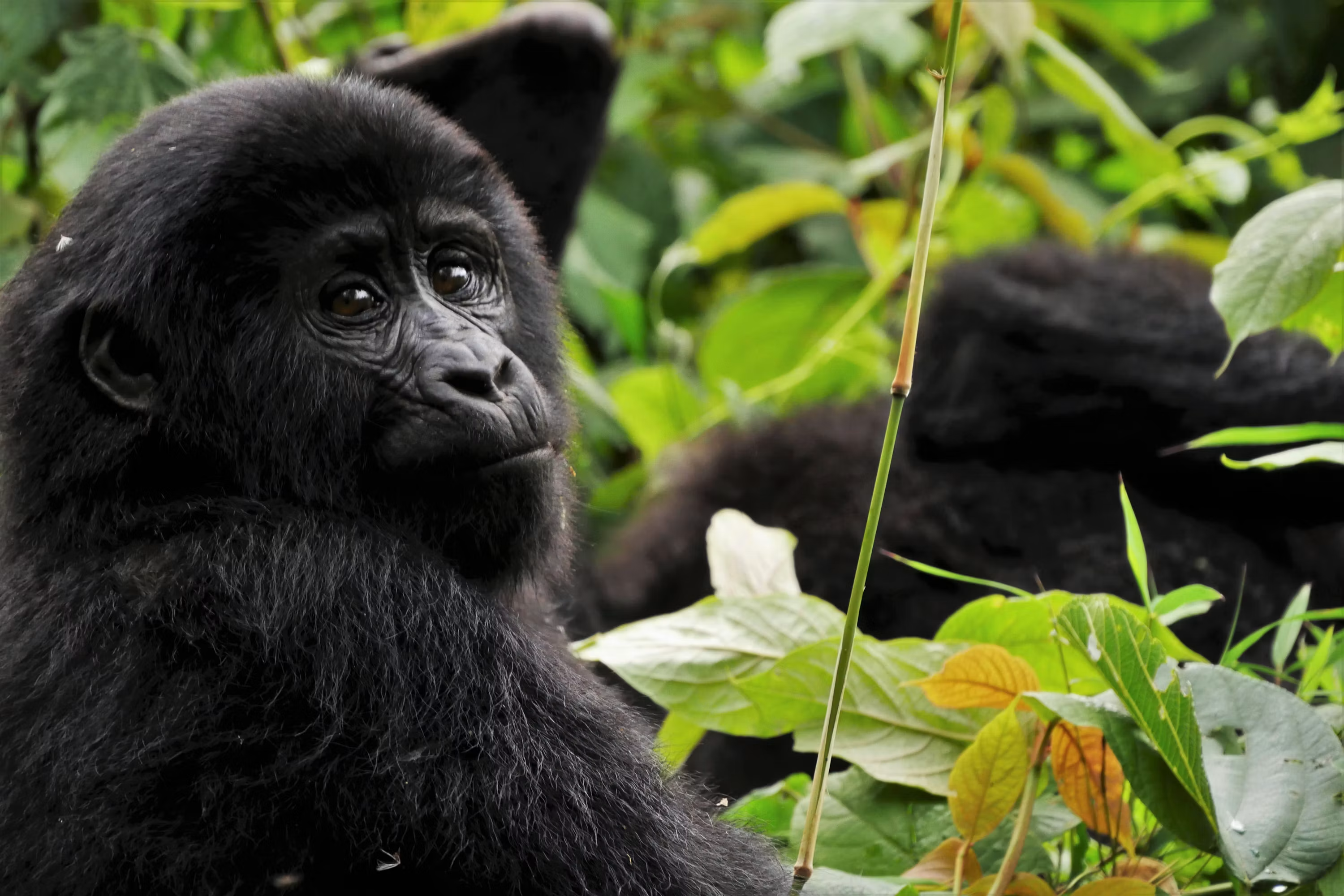
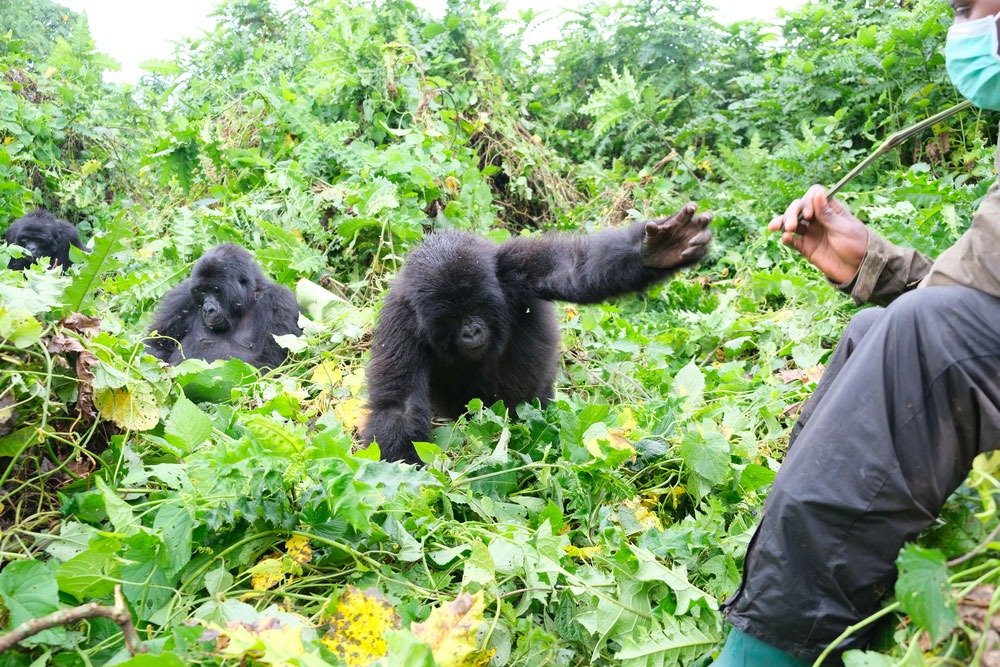
For travellers with sufficient time, budget, and fitness, combining both activities can be extremely rewarding.
Ordinary gorilla trekking offers a memorable one-hour encounter with an already habituated family.
The Gorilla Habituation Experience provides an extended opportunity to observe a designated family still undergoing habituation.
Together, the activities allow visitors to appreciate different aspects of mountain gorilla tourism and the importance of protecting these endangered primates.
Wildlife photographers may particularly value the additional observation opportunities.
However, travellers should recognize that the experiences take place in a natural environment and cannot guarantee particular animal behaviour, easy hiking conditions, or specific photographic opportunities.
The combined safari is most suitable for visitors who genuinely value extended wildlife observation and are prepared for the physical and financial commitments involved.
Frequently Asked Questions About Combining Gorilla Habituation and Gorilla Trekking
Can You Do Gorilla Habituation and Gorilla Trekking on the Same Safari?
Yes. Visitors can combine the Gorilla Habituation Experience and ordinary gorilla trekking on the same safari in Uganda. Both activities require separate permits and are best arranged on different days. The most convenient option is often to combine the experiences in the Rushaga sector of Bwindi Impenetrable National Park, subject to permit availability.
Can You Do Gorilla Habituation and Gorilla Trekking on the Same Day?
The two activities should not be planned for the same day. Gorilla habituation begins early and can occupy much of the day, while ordinary gorilla trekking also involves unpredictable hiking times. Separate activity days provide a more practical and comfortable arrangement.
Do You Need Two Gorilla Permits?
Yes. You need one ordinary gorilla trekking permit and one Gorilla Habituation Experience permit. Each authorizes a different activity under Uganda Wildlife Authority’s regulations.
Can You Use a Gorilla Habituation Permit for Ordinary Gorilla Trekking?
No. A habituation permit does not replace an ordinary gorilla trekking permit. Visitors must purchase the correct permit for each activity and date.
Can You Use One Gorilla Permit on Two Different Days?
An ordinary single-activity gorilla permit does not provide two separate gorilla encounters on different days. Visitors planning both experiences must arrange separate valid permits.
Can Both Activities Take Place in Rushaga?
Yes. Rushaga offers the visitor Gorilla Habituation Experience and ordinary gorilla trekking. Combining both activities in this sector may reduce unnecessary transfers, provided the appropriate permits are available.
Book Your Combined Gorilla Habituation and Gorilla Trekking Safari in Uganda
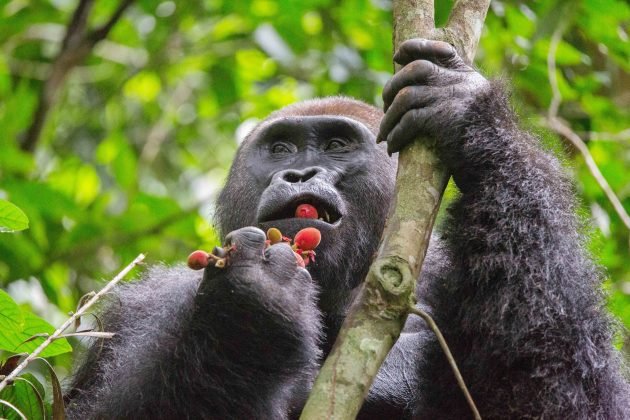
Combining gorilla habituation and ordinary gorilla trekking in Uganda offers an extraordinary opportunity to enjoy two different mountain gorilla encounters within one carefully organized safari. Whether you want to experience the one-hour encounter with a fully habituated family before participating in the four-hour Gorilla Habituation Experience or prefer the reverse order, the Rushaga sector of Bwindi Impenetrable National Park provides a practical starting point for arranging both activities.
If you are still wondering Can You Do Gorilla Habituation and Gorilla Trekking on the Same Safari?, our Uganda Gorilla Permits Booking team can help you understand the different permit categories, available travel dates, trekking sectors, accommodation requirements, and costs involved in combining both experiences.
We can assist with Uganda Gorilla Trekking Permit reservations, Gorilla Habituation Experience permits, suitable accommodation near Rushaga, private transportation from Entebbe or Kampala, domestic flights to Kisoro, road transfers from Kigali, and customized combined gorilla safari itineraries.
Our team can also help you compare the practical advantages of ordinary gorilla trekking in Rushaga, Nkuringo, or another suitable sector, depending on the availability of permits and the location of your accommodation.
For visitors who want a more relaxed itinerary, we can discuss additional rest days, suitable porter arrangements, luxury lodge options, and extensions to Lake Bunyonyi, Queen Elizabeth National Park, or other Uganda wildlife destinations.
Whether you are planning a short four-day safari from Kigali, a five-day fly-in safari from Entebbe, a honeymoon, a wildlife photography expedition, or an extended Uganda primate holiday, arranging both permits together helps ensure that the travel dates and logistics work properly.
Book your combined Gorilla Habituation and Gorilla Trekking safari in Uganda today. Share your preferred travel dates, number of participants, starting location, accommodation preferences, and whether you would like to complete the activities on consecutive days or include a rest day.
Our booking team can check the appropriate official permit availability, recommend a practical itinerary, and prepare a quotation covering both experiences.
Plan your journey with Uganda Gorilla Permits Booking and discover two exceptional ways to experience endangered mountain gorillas in Bwindi Impenetrable National Park.