
Gorilla Mating, Reproduction, Breeding and Courtship
Fascinating Guide to Gorilla Mating, Reproduction, Breeding and Courtship: The Secret Life of Mountain Gorillas
The world of mountain gorillas is filled with complex social relationships, strong family bonds, and remarkable behaviors that reveal their intelligence and emotional depth. Understanding this provides travelers, wildlife enthusiasts, and conservation supporters with a deeper appreciation of these incredible primates and the importance of protecting their natural habitats.
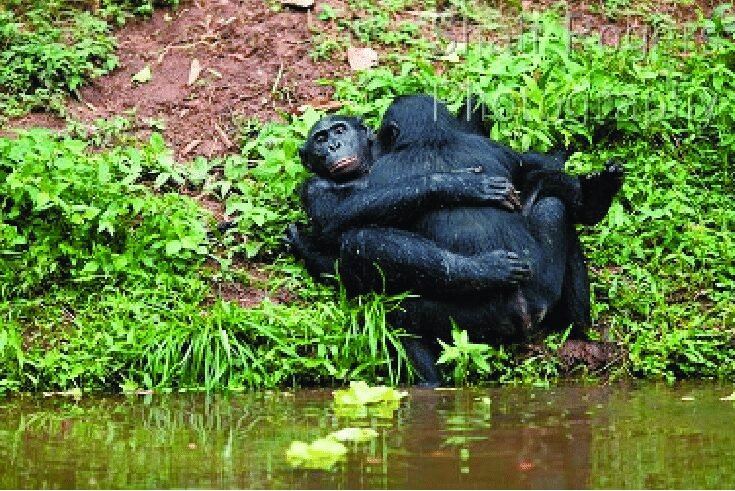
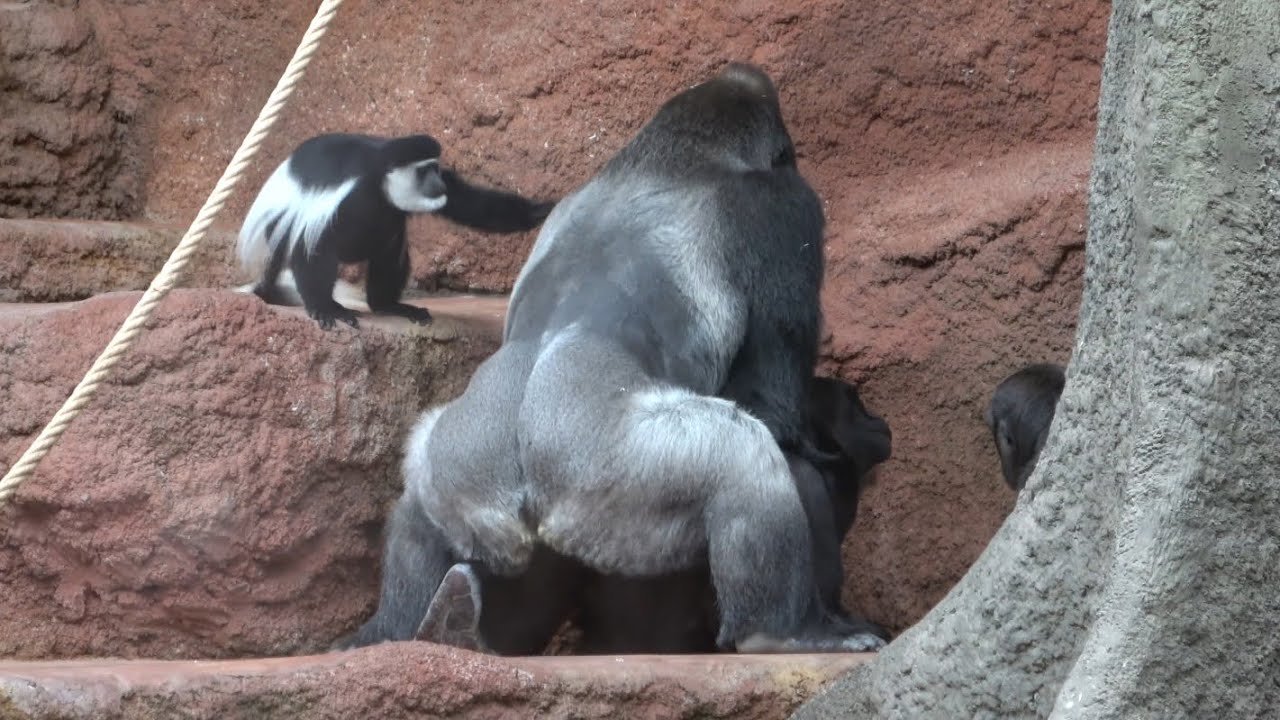
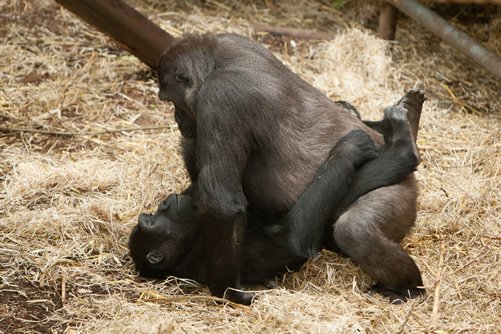
Mountain gorillas live in highly organized family groups led by dominant silverbacks that play a central role in protecting, guiding, and maintaining the stability of their groups. Their reproductive behaviors are influenced by social hierarchy, age, health, and relationships within the group. Unlike many wildlife species where breeding is purely seasonal, gorillas can reproduce throughout the year, with their social interactions determining successful mating opportunities.
At Nextgen Safaris, we believe that learning about gorilla behavior enhances the trekking experience. When visitors understand the fascinating world of these, they gain greater respect for the challenges these endangered animals face and the conservation efforts required to protect them. Gorilla trekking is not only about seeing these magnificent creatures but also understanding their lives, families, and survival.
Understanding Gorilla Social Structure and Reproductive Behavior
The foundation of Gorilla Mating, Reproduction, Breeding and Courtship begins with understanding the unique social structure of gorilla communities. Mountain gorillas usually live in groups known as troops or families, consisting of a dominant silverback, several adult females, younger males called blackbacks, juveniles, and infants. Each member has an important role in maintaining the stability of the group.
The silverback is the central figure in gorilla reproduction. As the mature dominant male, he has the primary responsibility of mating with females within his family group. His strength, confidence, experience, and ability to protect the group influence his success as a breeding male. Female gorillas often choose to remain with strong and protective silverbacks because they provide security and stability for themselves and their offspring.
Social relationships are extremely important in gorilla communities. Grooming, communication, play, and daily interactions strengthen bonds between individuals. These relationships influence the reproductive success of the group and demonstrate that gorilla reproduction is not only a biological process but also a social one.
Gorilla Courtship Behavior and Mating Rituals
The courtship process is one of the most interesting aspects of Gorilla Mating, Reproduction, Breeding and Courtship. Unlike some animals that have dramatic mating displays, gorillas have relatively subtle courtship behaviors. Their relationships develop through daily interactions, trust-building, and social bonding within the family group.
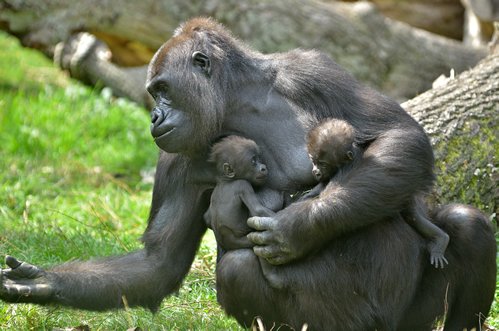
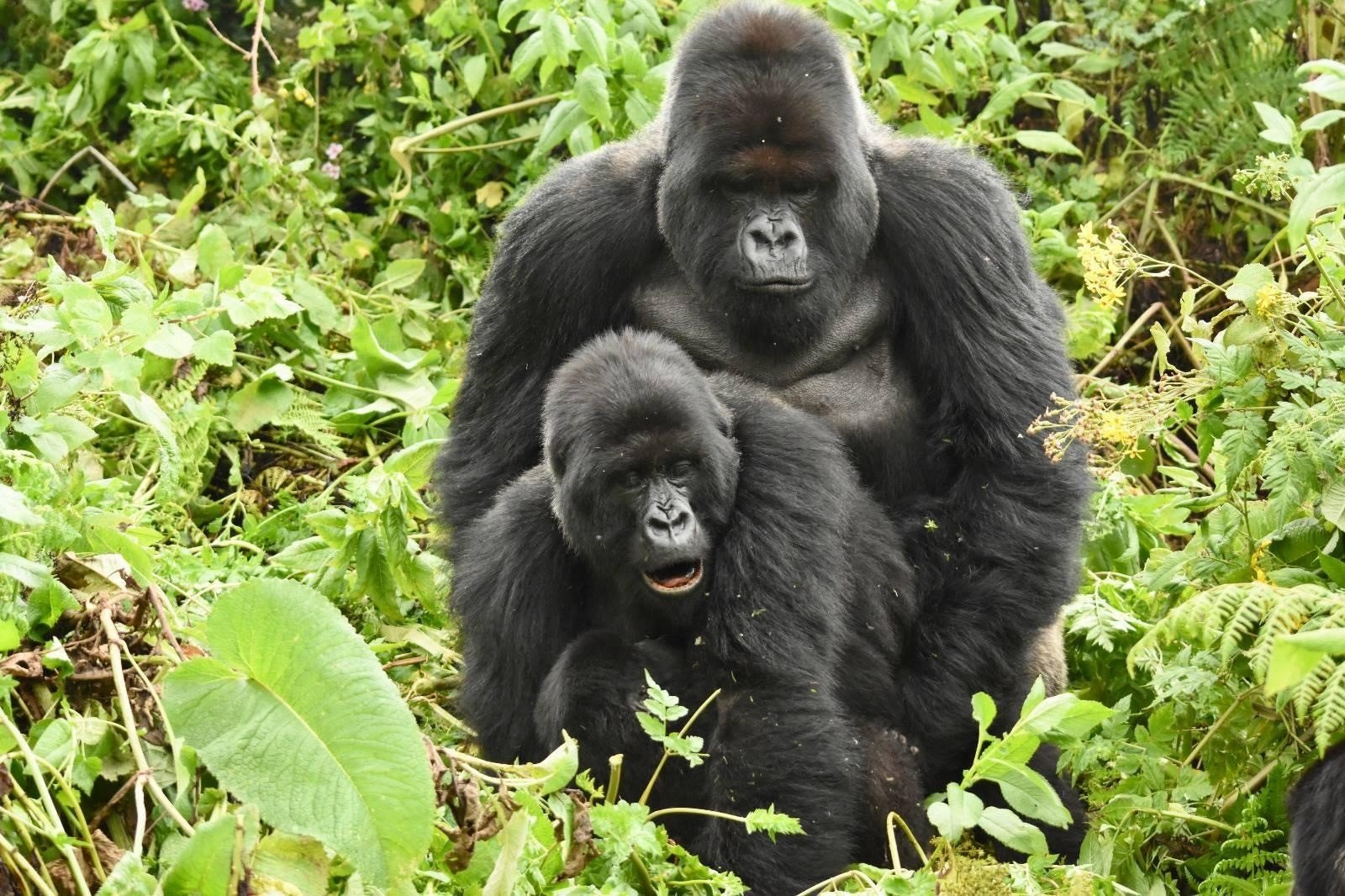
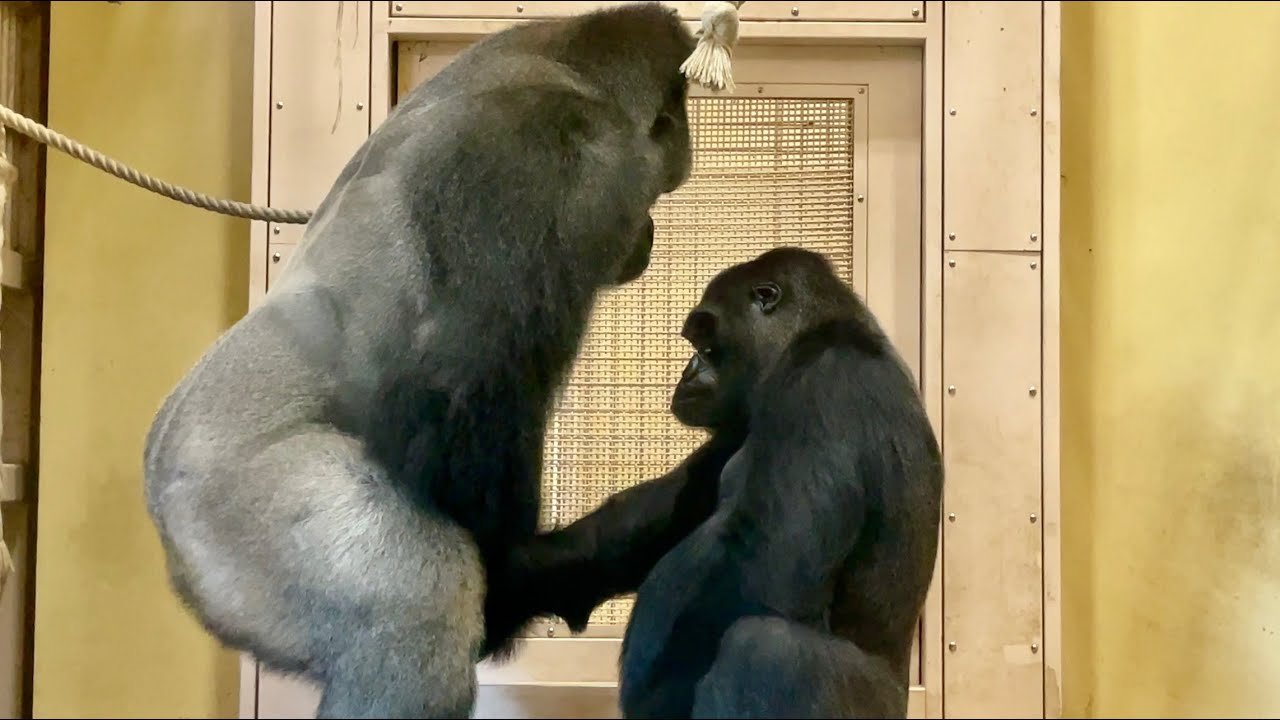
Female gorillas attract the attention of males when they reach reproductive maturity. A female may initiate courtship by approaching a silverback, making eye contact, touching him, or displaying specific body movements that communicate her interest. The male responds through calm interactions, physical proximity, and protective behavior.
Silverbacks may also demonstrate their strength and dominance through displays such as chest beating, vocalizations, standing upright, or moving confidently around the group. These behaviors communicate their fitness and leadership ability. However, gorilla courtship is generally peaceful and based on social connection rather than aggressive competition.
The relationship between males and females can continue for many years, with females often forming strong bonds with the silverback who protects and supports the family. This long-term social connection plays an important role in successful reproduction and infant survival.
Gorilla Breeding Patterns and Mating Frequency
One important aspect of Gorilla Mating, Reproduction, Breeding and Courtship is understanding how often gorillas reproduce. Mountain gorillas do not have a strict breeding season, meaning mating can occur throughout the year when females are ready.
Female gorillas typically give birth approximately every four to six years. This slow reproductive rate is one reason mountain gorillas remain highly vulnerable as a species. After giving birth, mothers dedicate significant time and energy to raising and protecting their infants before they are ready to reproduce again.
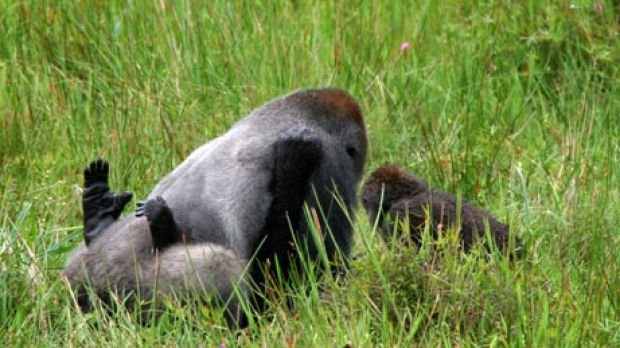
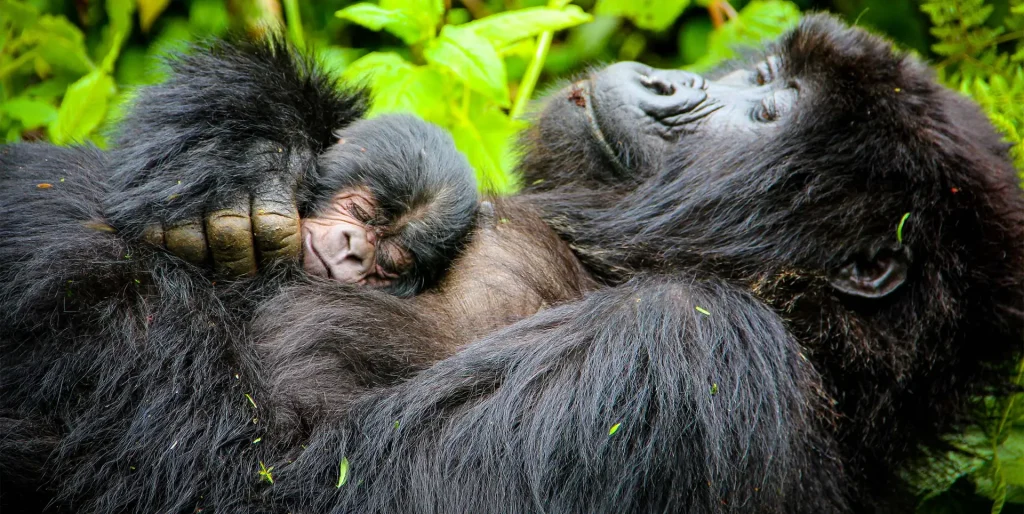
The dominant silverback usually fathers most infants within his group because he has exclusive breeding access to adult females. This reproductive structure helps maintain genetic stability and ensures that strong individuals contribute to future generations.
When a new silverback takes over a family group, reproduction patterns can change. A newly dominant male may attempt to establish himself as the breeding leader and may influence future births within the group. These complex social dynamics demonstrate the importance of understanding gorilla family relationships.
Female Gorilla Reproduction and Pregnancy
Female gorillas play a vital role in the continuation of their species. Understanding female biology is an important part of Gorilla Mating, Reproduction, Breeding and Courtship because mothers carry the responsibility of pregnancy, birth, and infant care.
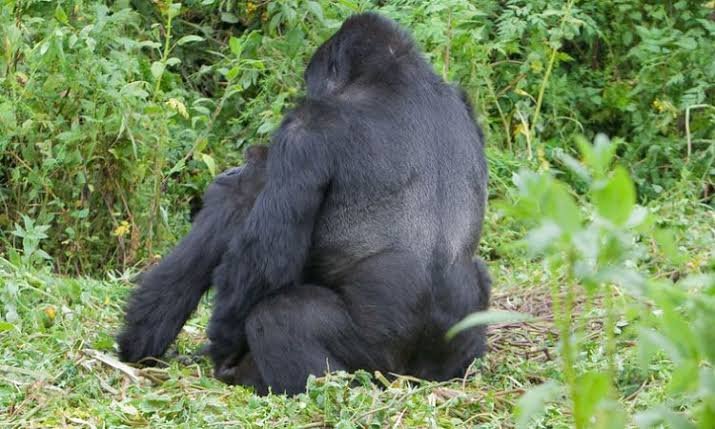
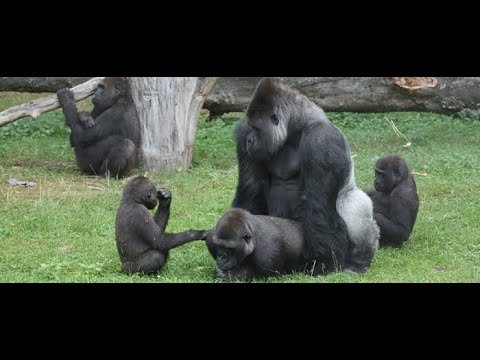
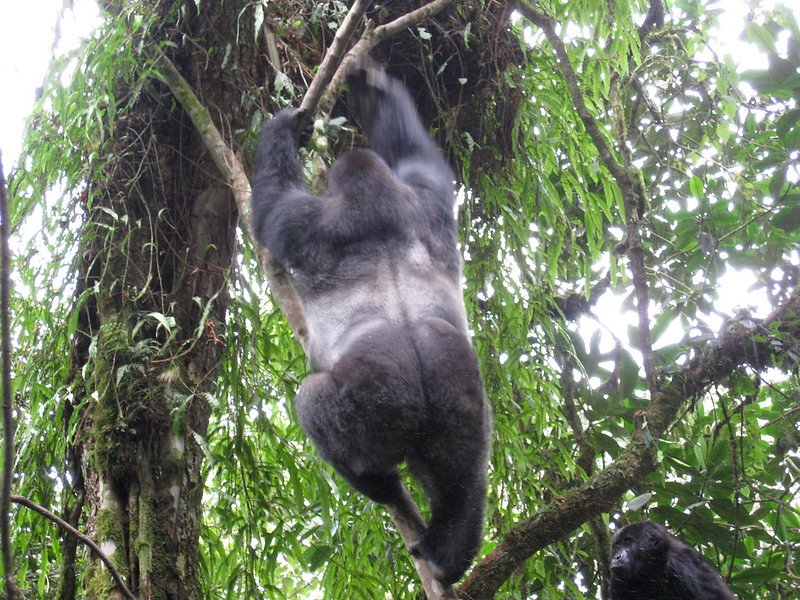
Female mountain gorillas reach sexual maturity at approximately eight years old, although they usually begin reproducing later. Their reproductive cycle is similar to humans, and females can become pregnant after successful mating.
Gorilla pregnancy lasts about eight and a half months, which is very similar to human pregnancy. Usually, a female gives birth to a single infant, although rare cases of twins can occur. Newborn gorillas are extremely dependent on their mothers and require constant care during their early months.
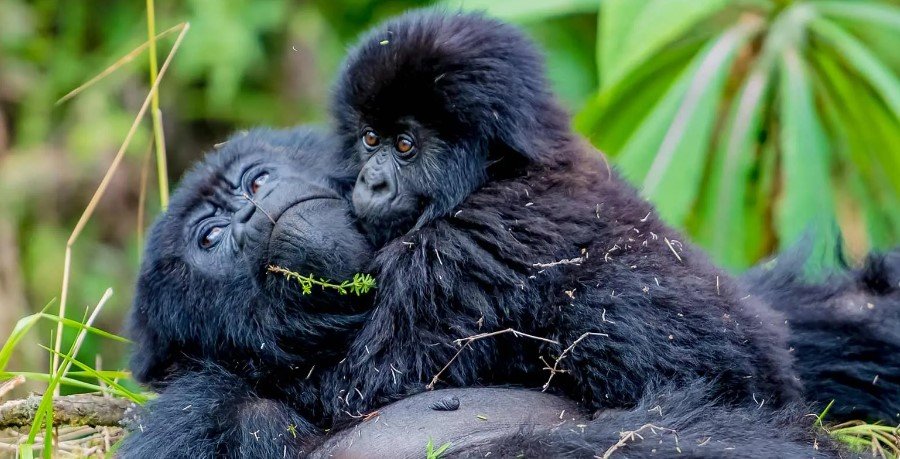
After birth, the mother carries her infant close to her body, providing warmth, protection, and nourishment. The strong bond between mother and infant is one of the most touching examples of family relationships in the animal world.
Birth and Early Life of Gorilla Infants
The birth of a gorilla infant represents a significant moment in the life of a family group. The study of Gorilla Mating, Reproduction, Breeding and Courtship shows how important infant survival is for maintaining healthy gorilla populations.
Newborn gorillas are small and vulnerable, depending entirely on their mothers for survival. During the first few months, infants cling tightly to their mothers and gradually begin exploring their surroundings. As they grow older, they become more independent and start interacting with other young gorillas in the group.
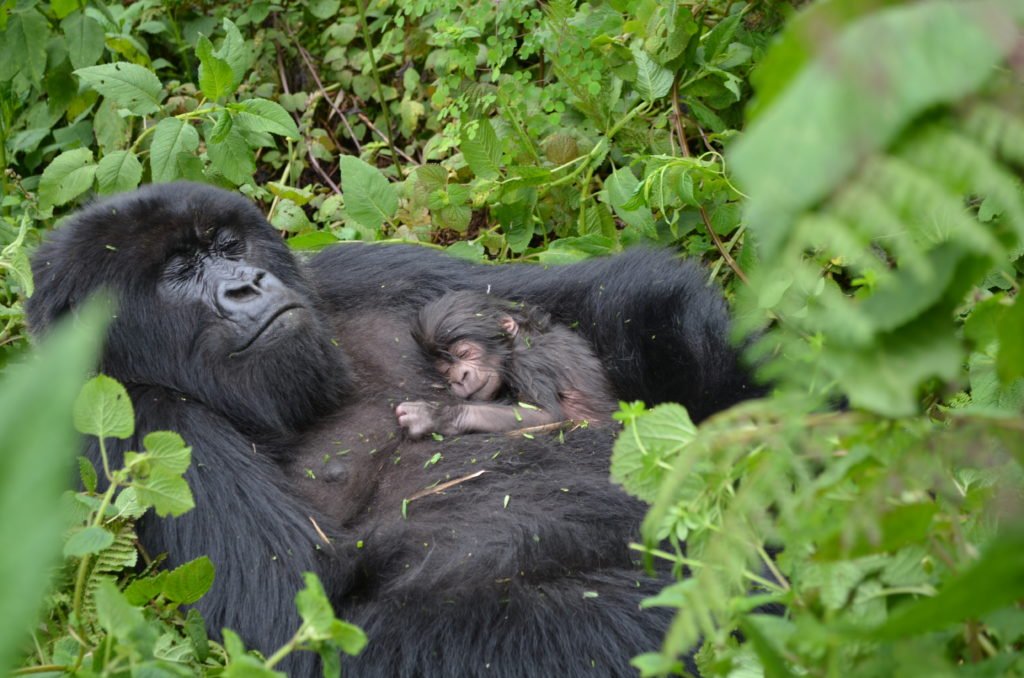
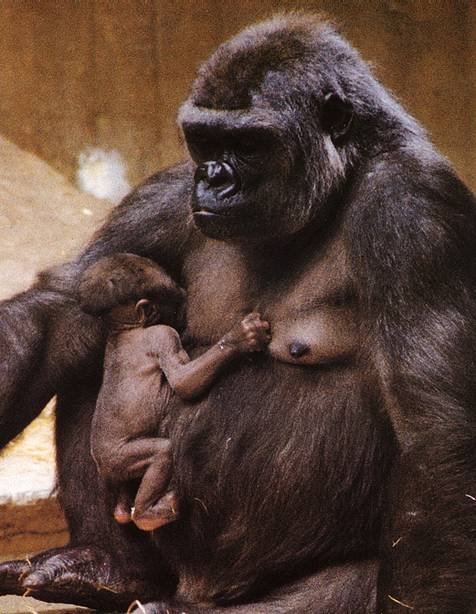
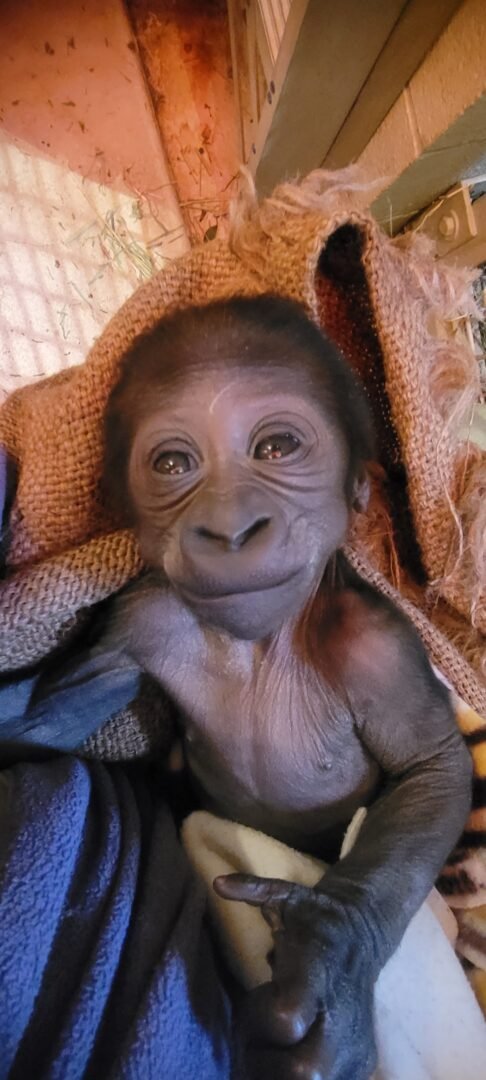
The silverback plays an important protective role during infant development. He watches over the family, protects young gorillas from threats, and maintains order within the group. Other females may also help care for infants, creating a cooperative family environment.
Young gorillas spend years learning social behaviors, communication skills, and survival techniques from older members of the group. These early experiences prepare them for adulthood and future family roles.
The Role of Silverbacks in Gorilla Breeding
Silverbacks are central to Gorilla Mating, Reproduction, Breeding and Courtship because they control the social structure of gorilla families. A mature silverback is responsible for protecting females, maintaining group unity, and ensuring the safety of young gorillas.
A dominant silverback earns his position through strength, confidence, and leadership. His ability to defend the group from rival males and environmental threats influences his reproductive success.
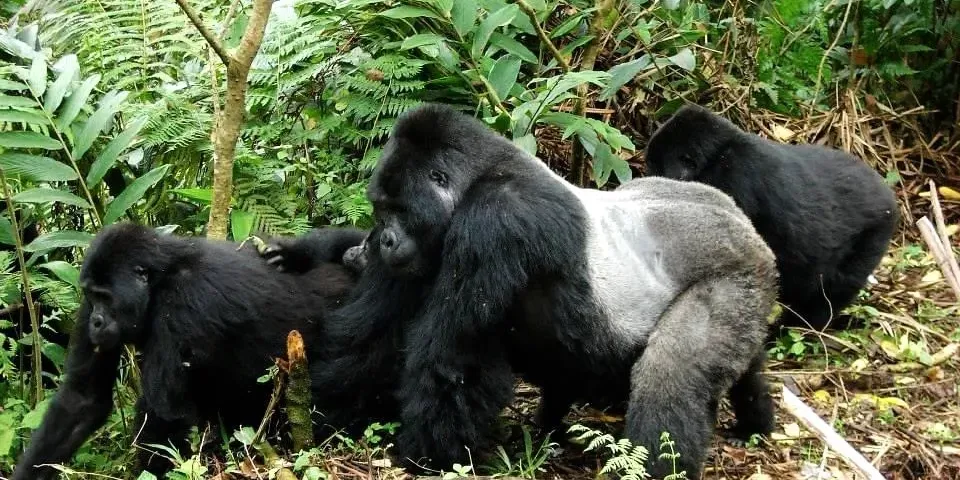
Silverbacks also develop strong emotional relationships with group members. They communicate through vocalizations, body language, and physical interactions. Their protective behavior creates a stable environment where females can successfully raise offspring.
When younger males mature, they may leave their birth group and live alone or form new groups. Eventually, some become silverbacks and compete for opportunities to establish their own families.
Gorilla Conservation and the Importance of Reproduction
Understanding Gorilla Mating, Reproduction, Breeding and Courtship is essential for conservation programs protecting endangered mountain gorillas. Because gorillas reproduce slowly, every birth is extremely important for the survival of the species.
Conservation organizations monitor gorilla families, study reproductive patterns, and protect habitats to ensure successful breeding. Tourism activities such as gorilla trekking contribute significantly to these efforts by generating funding for conservation programs and supporting communities around gorilla habitats.
Uganda’s Bwindi Impenetrable National Park and Mgahinga Gorilla National Park, along with Rwanda’s Volcanoes National Park, play important roles in protecting mountain gorillas. Researchers and conservationists carefully monitor family groups to understand population growth, health, and reproductive success.
Responsible tourism allows visitors to witness these incredible animals while contributing to their long-term survival.
How Gorilla Trekking Helps Visitors Understand Gorilla Families
Gorilla trekking provides a rare opportunity to observe aspects of Gorilla Mating, Reproduction, Breeding and Courtship in their natural environment. While visitors may not always witness mating behaviors directly, they can observe family relationships, infant development, and social interactions.
During trekking experiences in Uganda and Rwanda, professional guides explain gorilla behaviors, family histories, and conservation efforts. Visitors learn how silverbacks protect their groups, how mothers care for infants, and how young gorillas develop social skills.
These encounters create a deeper connection between travelers and wildlife. Understanding gorilla family life transforms a simple wildlife visit into an educational and meaningful conservation experience.
Best Places to Learn About Gorilla Behavior in Uganda and Rwanda
Uganda and Rwanda provide some of the best opportunities to learn about gorilla behavior and conservation. Bwindi Impenetrable National Park in Uganda is home to numerous habituated gorilla families where visitors can observe natural social behaviors.
Rwanda’s Volcanoes National Park also provides exceptional gorilla encounters, with well-established gorilla families living within the Virunga volcanic ecosystem. Visitors can learn about gorilla communication, family structures, and conservation history from experienced guides.
Nextgen Safaris specializes in creating immersive gorilla experiences that allow travelers to understand not only where gorillas live but also how they survive, reproduce, and maintain their remarkable family systems.
Frequently Asked Questions About Gorilla Mating, Reproduction, Breeding and Courtship
What is Gorilla Mating, Reproduction, Breeding and Courtship?
Gorilla Mating, Reproduction, Breeding and Courtship refers to the natural behaviors and processes involved in how gorillas form relationships, mate, reproduce, raise offspring, and maintain their family groups. These behaviors are influenced by social bonds, dominance, and the structure of gorilla communities.
How do mountain gorillas choose their mates?
Mountain gorillas choose mates based on social relationships, protection, and group dynamics. Female gorillas often develop strong bonds with dominant silverbacks, while males use displays of strength, confidence, and leadership to establish their position within the group.
Do gorillas have a specific breeding season?
No. Gorillas do not have a strict breeding season and can mate throughout the year. Successful reproduction depends on social relationships, female reproductive cycles, and the stability of the gorilla family group.
How long is a gorilla pregnancy?
A gorilla pregnancy lasts approximately eight and a half months, which is very similar to humans. After giving birth, the mother provides constant care and protection to ensure the infant’s survival.
How often do female gorillas give birth?
Female mountain gorillas usually give birth once every four to six years. This slow reproductive rate makes every birth extremely important for the survival and growth of endangered mountain gorilla populations.
How many babies do gorillas usually have?
Most gorillas give birth to a single infant. Twins are rare, and mothers dedicate significant time and energy to caring for their young during their early years.
What role does a silverback play in gorilla reproduction?
A silverback plays a central role in Gorilla Mating, Reproduction, Breeding and Courtship by protecting the group, maintaining social order, and being the primary breeding male within the family. His leadership creates a safe environment for females and infants.
How do gorillas show courtship behavior?
Gorilla courtship involves social interactions such as approaching, grooming, touching, communication through sounds, and spending time together. Unlike some animals, gorilla courtship is generally calm and based on trust and social bonding.
At what age do gorillas become sexually mature?
Female gorillas usually reach sexual maturity at around eight years old, while males mature later and may become dominant silverbacks after gaining strength, experience, and social status.
How long do baby gorillas stay with their mothers?
Baby gorillas remain closely connected to their mothers for several years. During this period, they learn important survival skills, social behaviors, and communication patterns from their family members.
Do gorilla families help raise young gorillas?
Yes. While mothers provide the main care, other members of the gorilla group also interact with young gorillas. Silverbacks protect infants, while juveniles and females contribute to the social development of young gorillas.
Can visitors see gorilla mating during trekking?
Although visitors may observe gorilla family interactions, mating behavior is rarely seen during trekking. Gorilla trekking focuses on observing natural behaviors such as feeding, playing, grooming, and family interactions.
Why is understanding gorilla reproduction important for conservation?
Understanding Gorilla Mating, Reproduction, Breeding and Courtship helps conservationists monitor population growth, protect breeding groups, and develop strategies to increase the survival of endangered mountain gorillas.
Where can travelers learn about gorilla behavior in Uganda and Rwanda?
Travelers can learn about gorilla behavior through guided trekking experiences in Uganda’s Bwindi Impenetrable National Park and Mgahinga Gorilla National Park, as well as Rwanda’s Volcanoes National Park. Professional guides provide insights into gorilla families, social structures, and conservation.
How does gorilla tourism support reproduction and conservation?
Responsible gorilla tourism generates funds that support habitat protection, veterinary programs, research, and community conservation initiatives. By visiting gorillas with companies like Nextgen Safaris, travelers contribute to protecting these incredible animals and their future generations.
Book Your Gorilla Safari Experience with Nextgen Safaris
Learning about Gorilla Mating, Reproduction, Breeding and Courtship adds a deeper appreciation to every gorilla trekking adventure. Mountain gorillas are not simply animals to observe; they are intelligent, emotional, and highly social creatures with strong family bonds, unique personalities, and fascinating behaviors. Understanding their relationships and survival challenges allows travelers to experience gorilla trekking with greater respect and a stronger connection to conservation.
At Nextgen Safaris, we create unforgettable Uganda and Rwanda gorilla safari experiences that bring travelers closer to the remarkable world of mountain gorillas. Our expert team handles every detail, including gorilla permit arrangements, comfortable accommodation, transportation, professional guides, and personalized itineraries designed around your interests and travel style. Every safari is carefully planned to provide a safe, educational, and meaningful wildlife experience.
Join Nextgen Safaris and discover the hidden stories behind mountain gorilla families, from the leadership of powerful silverbacks to the nurturing bond between mothers and infants. Experience the beauty of Uganda and Rwanda’s rainforests while supporting responsible tourism and conservation efforts that protect these endangered species for future generations. Your unforgettable gorilla adventure begins with Nextgen Safaris.