
How Close Can You Get to Gorillas During Gorilla Habituation?
How Close Can You Get to Gorillas During Gorilla Habituation? 7 Vital Rules in Uganda
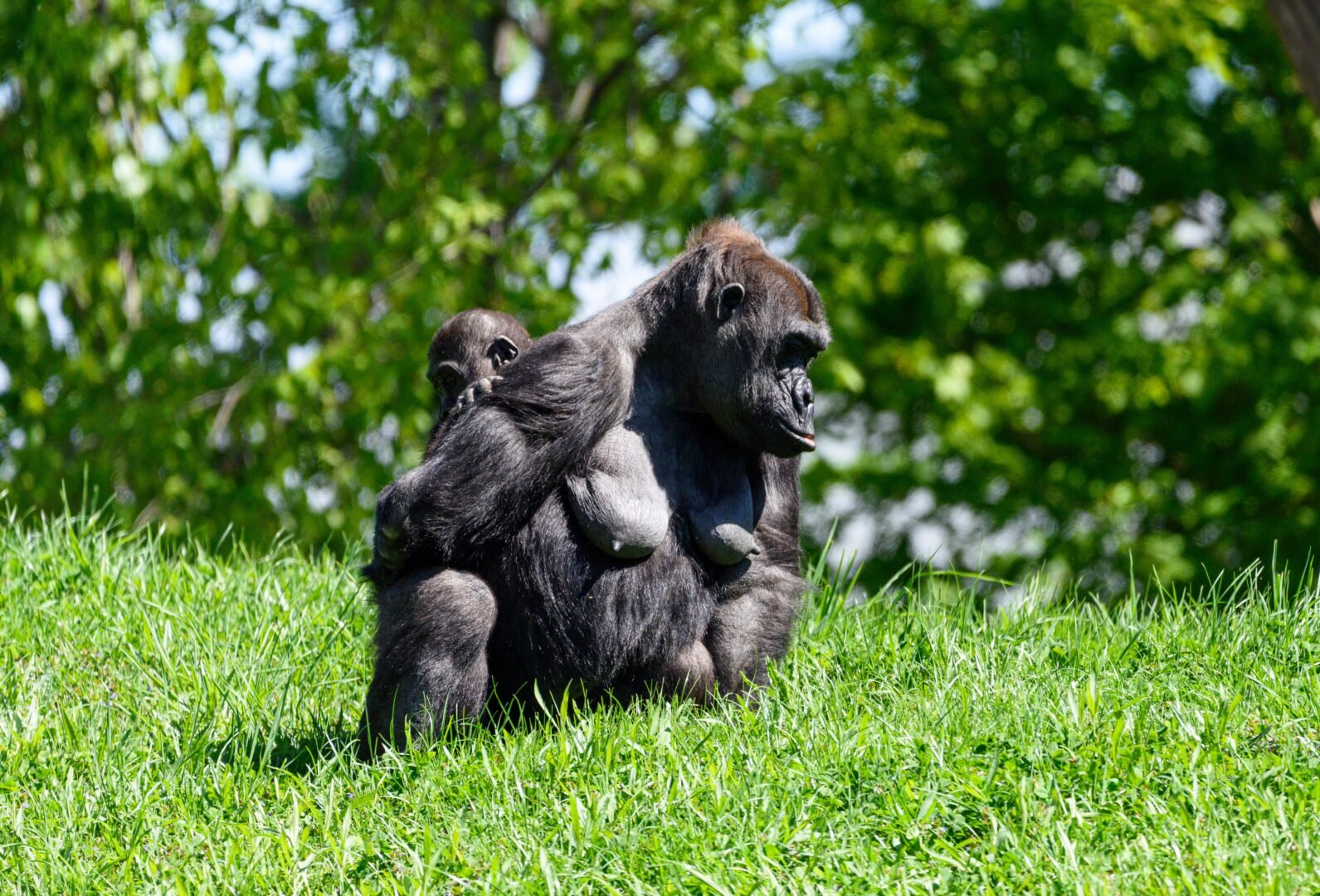
How Close Can You Get to Gorillas During Gorilla Habituation? Visitors participating in the gorilla habituation experience in Uganda must maintain a minimum distance of 10 metres, approximately 33 feet, from mountain gorillas under the Uganda Wildlife Authority’s published conservation regulations. Uganda is one of Africa’s most extraordinary destinations for observing endangered mountain gorillas in their natural rainforest environment, attracting wildlife photographers, conservation enthusiasts, adventure travelers, and international tourists seeking unforgettable wildlife encounters.
Although Uganda’s gorilla habituation experience allows visitors to spend up to four hours observing mountain gorillas, the extended viewing period does not mean that tourists are allowed to approach the animals more closely. Strict distance regulations remain essential to protect mountain gorillas from human diseases, minimize disturbance, and ensure that the gradual habituation process continues responsibly.
For international visitors planning a gorilla habituation safari in Uganda, understanding How Close Can You Get to Gorillas During Gorilla Habituation? is particularly important before purchasing permits or traveling to Bwindi Impenetrable National Park. Uganda offers this exclusive experience in the Rushaga sector of Bwindi, located in the southwestern part of the country, where authorized visitors accompany professional trackers, researchers, and Uganda Wildlife Authority rangers to observe mountain gorillas gradually becoming accustomed to controlled human presence.
Because these gorillas remain wild animals and may respond differently to people than fully habituated families, visitors must follow strict conservation and safety instructions throughout the encounter. Understanding the minimum viewing distance, what to do when gorillas approach, and how to photograph the animals responsibly helps travelers prepare for a safe and rewarding wildlife experience in Uganda.
How Close Can You Get to Gorillas During Gorilla Habituation in Uganda?
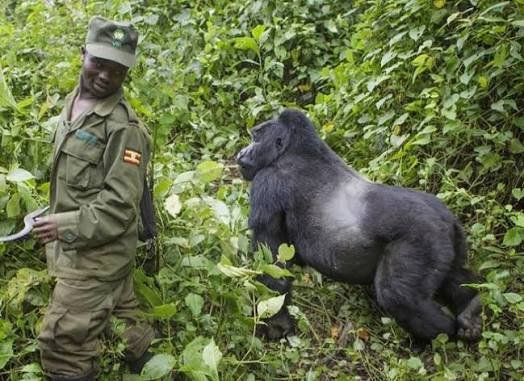
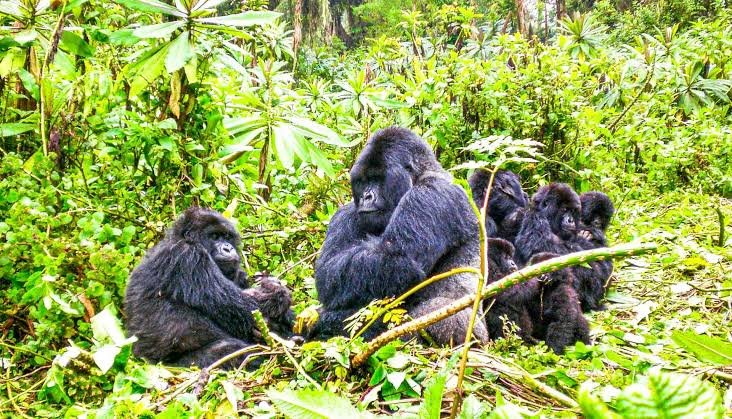
How Close Can You Get to Gorillas During Gorilla Habituation? The official minimum viewing distance is 10 metres, equivalent to approximately 32.8 feet, according to the Uganda Wildlife Authority’s published gorilla tracking regulations. This distance applies to visitors observing mountain gorillas in their natural habitat and is designed to reduce the possibility of disease transmission, protect the animals from unnecessary disturbance, and maintain appropriate boundaries between tourists and wildlife.
Gorilla habituation provides a longer observation period than standard gorilla trekking, but it does not authorize visitors to move closer to the animals. During the experience, professional conservation personnel determine where visitors should stand, how the group should approach the designated gorilla family, and whether participants need to change position in response to the gorillas’ behavior.
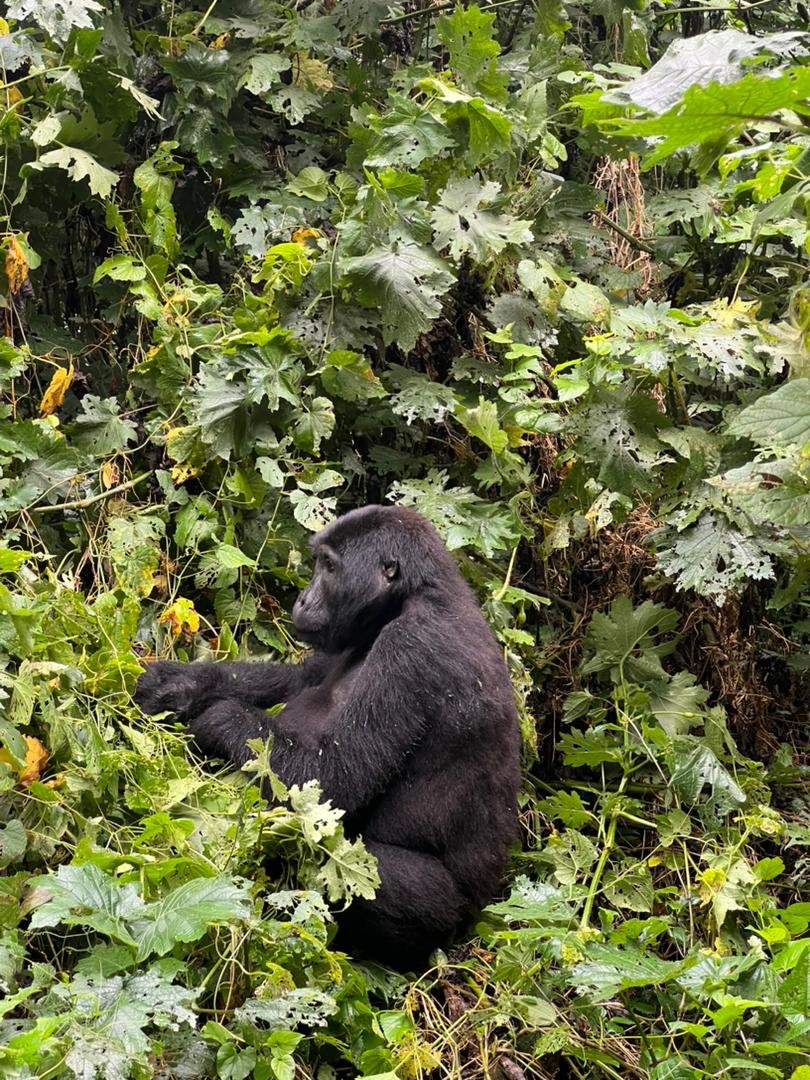
Visitors should understand that mountain gorillas do not remain stationary throughout the encounter. A family may move between feeding areas, rest beneath forest vegetation, or travel through sections of dense rainforest. The conservation team must continually assess the situation and ensure that participants maintain the appropriate distance whenever possible.
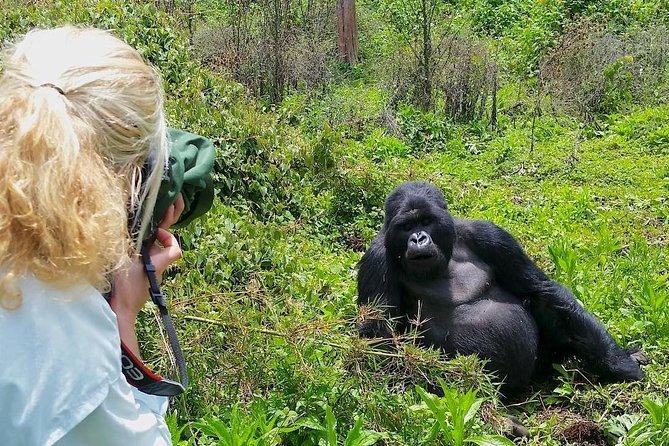
Although a distance of 10 metres may initially sound substantial, mountain gorillas are large animals, and visitors can often appreciate their movements, facial expressions, and interactions from the authorized observation area. Visibility depends on vegetation, weather conditions, terrain, and the position of the gorilla family.
Travelers asking How Close Can You Get to Gorillas During Gorilla Habituation? should remember that the purpose of the experience is to observe wild animals responsibly rather than approach them for physical interaction or close-up photographs.
Why Must Visitors Stay 10 Metres Away From Mountain Gorillas?
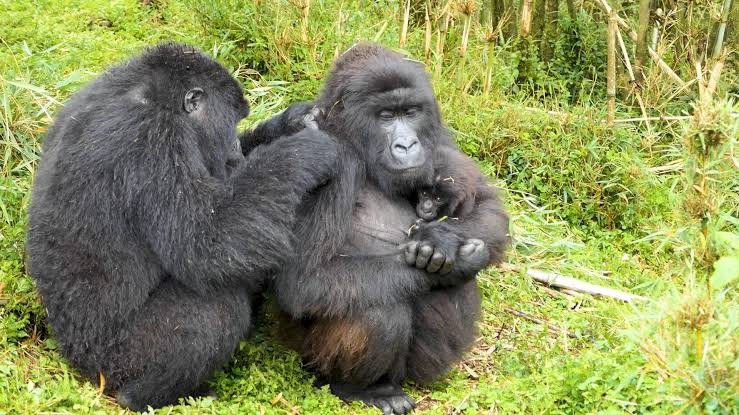
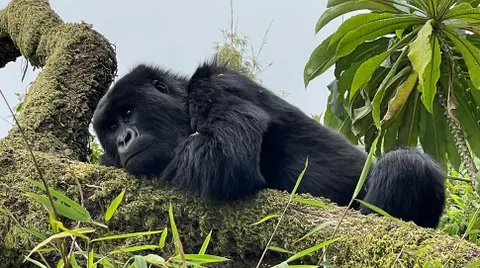
The minimum viewing distance is one of the most important conservation requirements during mountain gorilla tourism in Uganda.
Mountain gorillas share many biological similarities with humans, including susceptibility to certain infectious diseases. Even a relatively minor human respiratory infection can create serious health concerns for gorillas.
The Uganda Wildlife Authority therefore establishes rules intended to reduce unnecessary exposure while permitting carefully managed wildlife observation.
Mountain gorillas are vulnerable to infections that can be transmitted by humans, particularly respiratory illnesses.
Visitors may carry infectious organisms even when their symptoms appear mild or are not immediately noticeable. Maintaining an appropriate distance helps reduce some of the risks associated with close human contact.
The 10-metre requirement is therefore an important precaution for protecting the health of gorilla families.
Tourists should not participate when they have a cold or another infectious illness that could endanger the animals, and they must follow any additional health precautions communicated by park personnel.
How Close Can You Get to Gorillas During Gorilla Habituation without increasing unnecessary health risks? The established 10-metre minimum provides a protective boundary, although distance alone does not eliminate all potential disease transmission.
Mountain gorillas are wild animals with established social structures, communication patterns, feeding routines, and natural movement behaviors.
Excessive human proximity may interfere with these activities or make some individuals uncomfortable.
This is particularly important during habituation because the gorilla family is still gradually becoming accustomed to controlled human presence.
Visitors must avoid actions that could cause unnecessary stress, including approaching too closely, making loud noises, attempting to attract attention, or surrounding the animals.
Respecting the required distance allows conservation personnel to manage encounters while reducing avoidable disturbance.
Is the Gorilla Habituation Distance Different From Normal Gorilla Trekking?
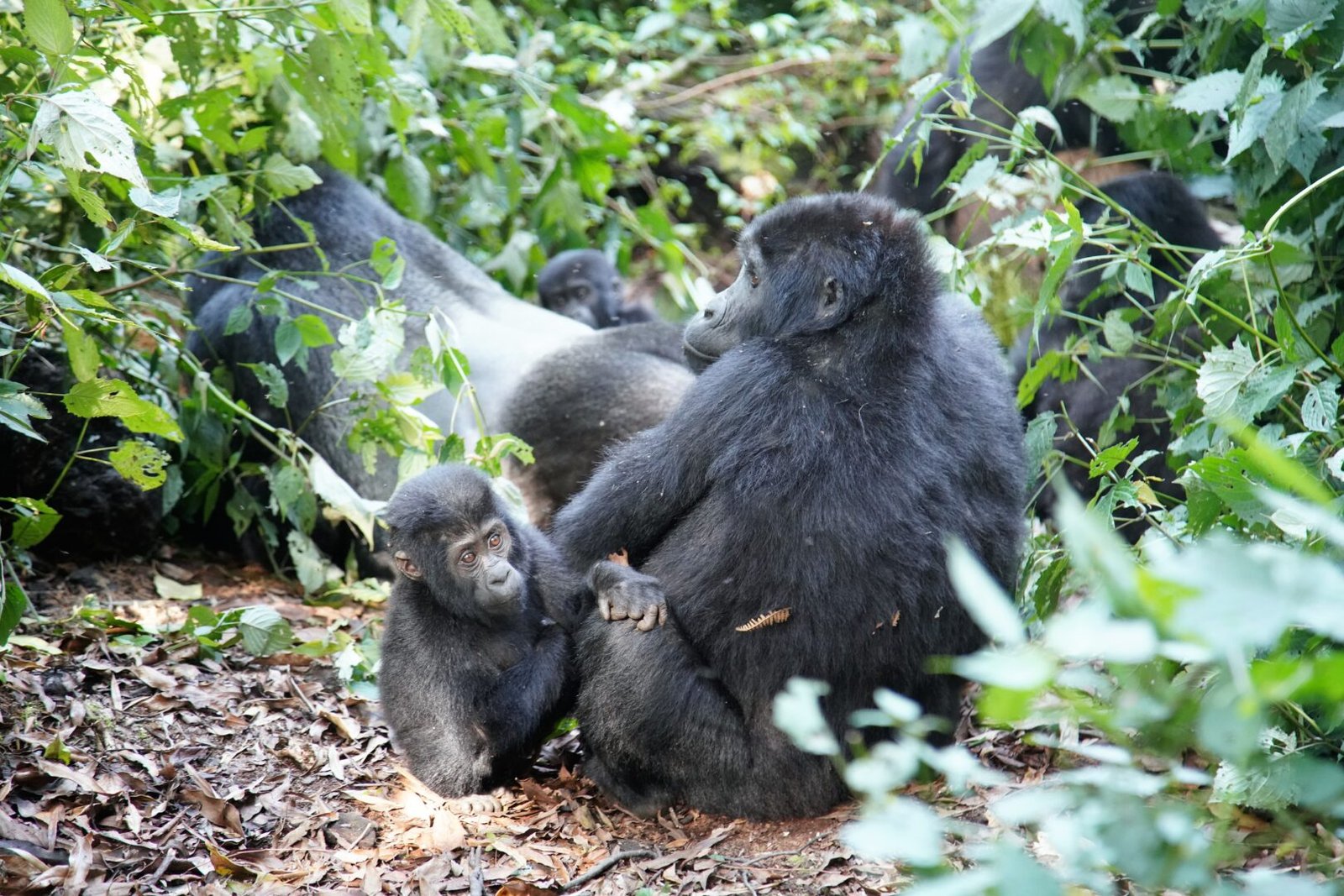
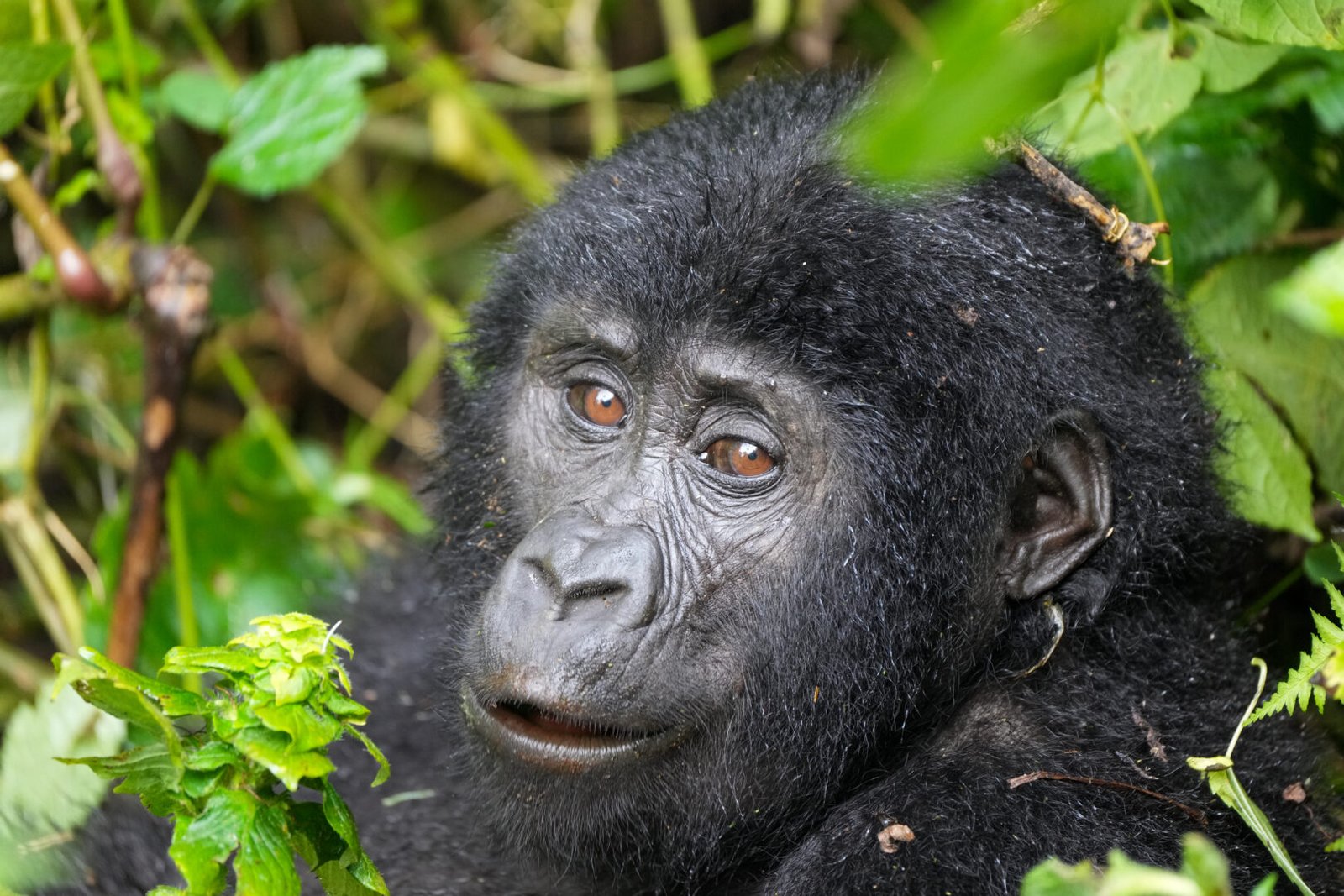
One of the most common misunderstandings about gorilla habituation is that paying for a longer and more expensive experience allows tourists to approach mountain gorillas more closely.
Standard gorilla trekking and gorilla habituation are different activities with separate viewing durations, permit prices, and visitor allocations, but the published 10-metre gorilla viewing rule remains relevant to both.
Ordinary gorilla trekking involves visiting a mountain gorilla family that has already become accustomed to carefully regulated human presence.
Visitors normally spend a maximum of one hour observing the designated family after locating the animals.
The encounter takes place under professional ranger supervision, and participants must follow the required viewing distance and other conservation rules.
Gorilla habituation involves observing a family that is still undergoing the gradual process of becoming accustomed to human presence.
Visitors may spend up to four hours observing the designated family, subject to conservation and safety conditions.
The longer observation period does not change the minimum viewing distance.
How Close Can You Get to Gorillas During Gorilla Habituation compared with standard trekking? Both experiences require visitors to respect Uganda Wildlife Authority’s published 10-metre distance rule, with rangers providing the appropriate instructions for the encounter.
The main advantage of habituation is the extended observation period and opportunity to learn about conservation work, not closer physical access.
Visitors can explore Uganda gorilla trekking permits to understand the alternative one-hour experience.
Why Are Some Websites Still Mentioning Seven Metres?
Travelers researching gorilla trekking may encounter websites that refer to a minimum distance of seven metres rather than 10 metres.
This difference can create confusion, particularly when visitors compare older travel articles with more recently published conservation guidelines.
Historically, seven metres was commonly used in mountain gorilla tourism guidance. Uganda Wildlife Authority subsequently increased the published minimum viewing distance to 10 metres as part of stronger health and conservation precautions.
The Authority’s revised conservation tariff for 2027–2028 continues to specify the 10-metre requirement.
How Close Can You Get to Gorillas During Gorilla Habituation according to the currently published Ugandan regulations? Visitors should plan to remain at least 10 metres away and follow any additional instructions given by authorized park personnel.
Older information should not be used to justify approaching gorillas more closely than the current regulations allow.
Travelers planning a future safari should also confirm the applicable rules before departure because wildlife management requirements can change.
What Happens if a Mountain Gorilla Comes Closer Than 10 Metres?
Although visitors are required to maintain the minimum distance, mountain gorillas move freely through their rainforest habitat and may occasionally approach people.
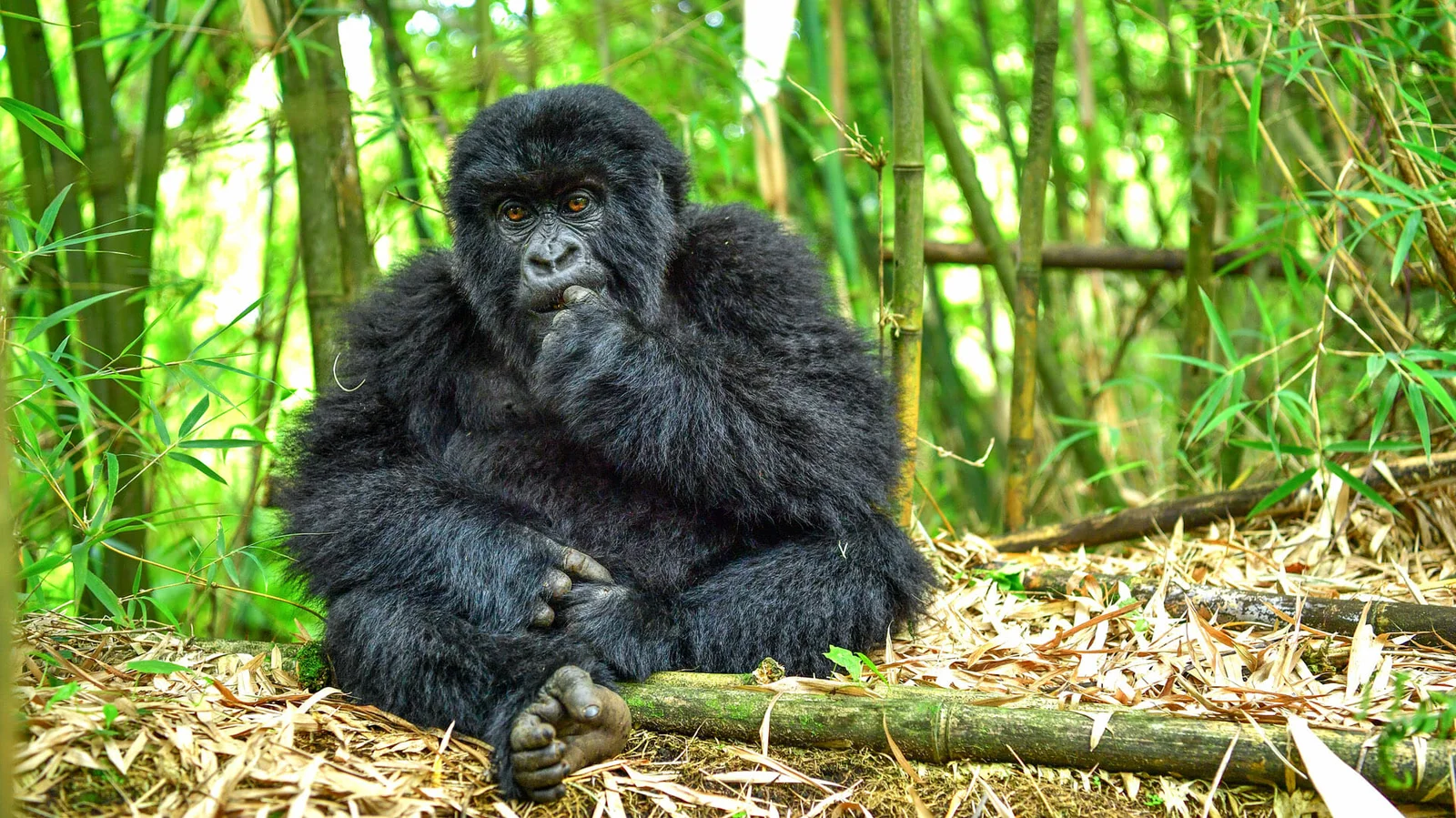
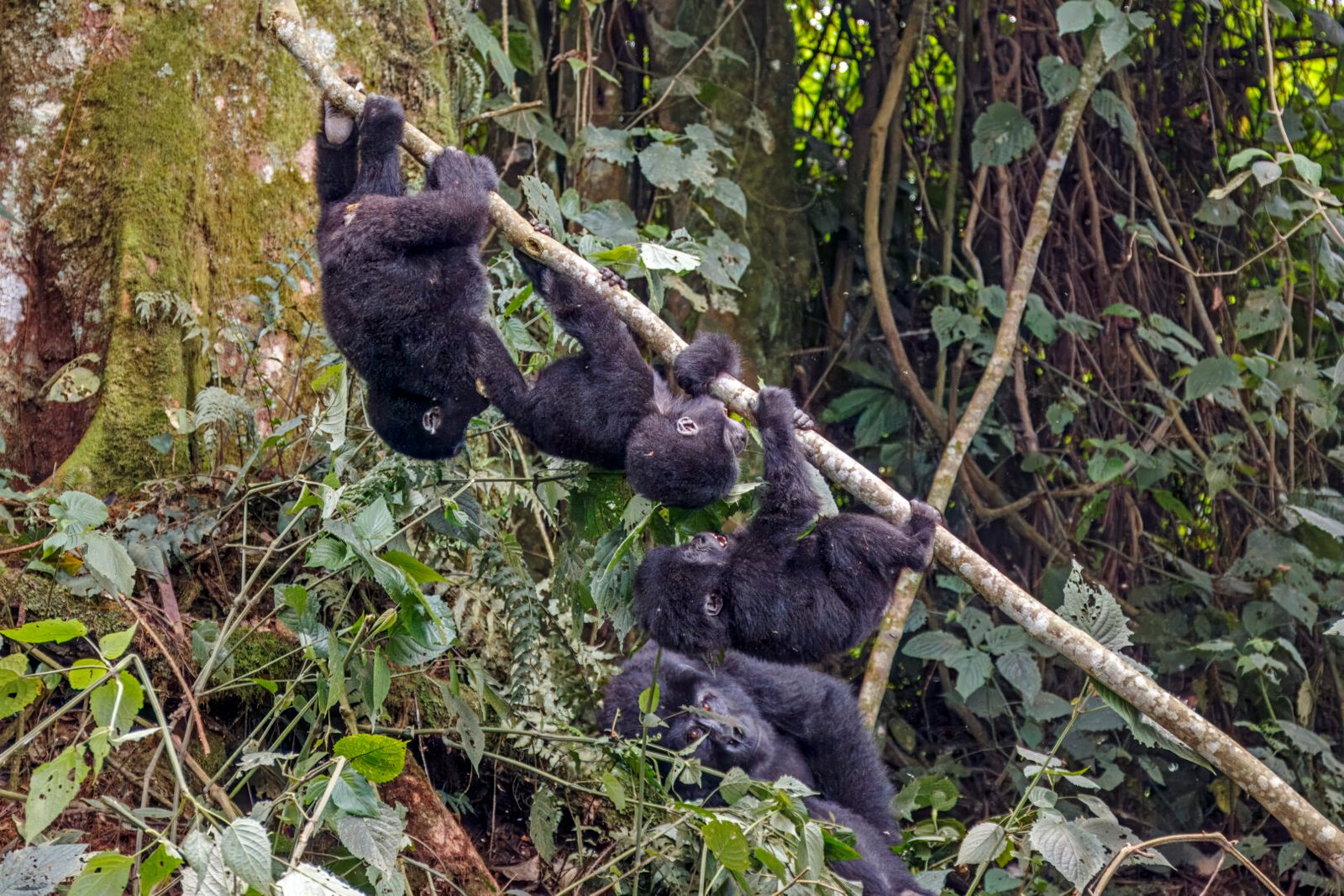
A curious juvenile might move toward the observation group, or an adult gorilla may travel in a direction that unexpectedly reduces the distance.
These situations are different from tourists deliberately approaching gorillas.
Remain Calm and Avoid Sudden Movements
If a gorilla approaches, visitors should remain calm and avoid sudden movements.
Running, shouting, reaching toward the animal, or attempting to photograph it from an extremely close position can create unnecessary risks.
The most important response is to follow the instructions of the conservation team.
Rangers may direct participants to remain still, move backward carefully when safe, or change their position according to the animal’s behavior.
Never Attempt to Touch the Gorilla
A gorilla approaching voluntarily does not mean that physical contact is permitted.
Visitors must not reach toward the animal, stroke its fur, offer food, or attempt any physical interaction.
Even apparently calm behavior should not be interpreted as an invitation to touch a wild gorilla.
Follow the Rangers’ Instructions Immediately
Professional wildlife personnel are trained to interpret gorilla behavior and manage visitor encounters.
They determine the most appropriate response when an animal moves closer than expected.
How Close Can You Get to Gorillas During Gorilla Habituation if a gorilla approaches you? Visitors should not deliberately remain close for photographs or attempt to reduce the distance further. They must follow the rangers’ instructions to restore appropriate separation whenever it is safe to do so.
The gorilla’s welfare and visitor safety must always take priority over the desire for an exceptional close-up encounter.
How Close Can You Get to a Silverback During Gorilla Habituation?
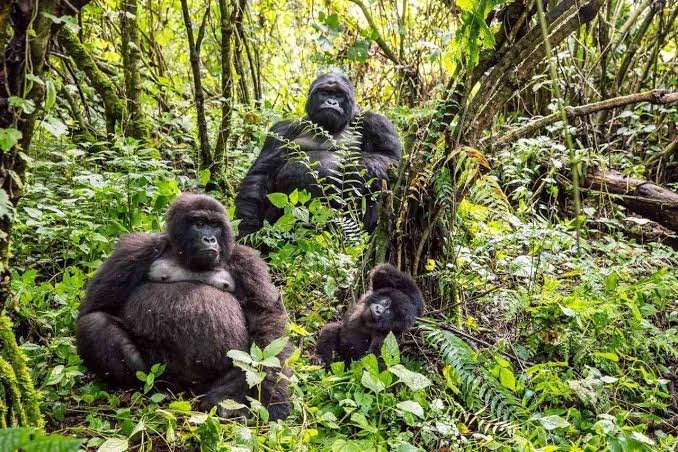
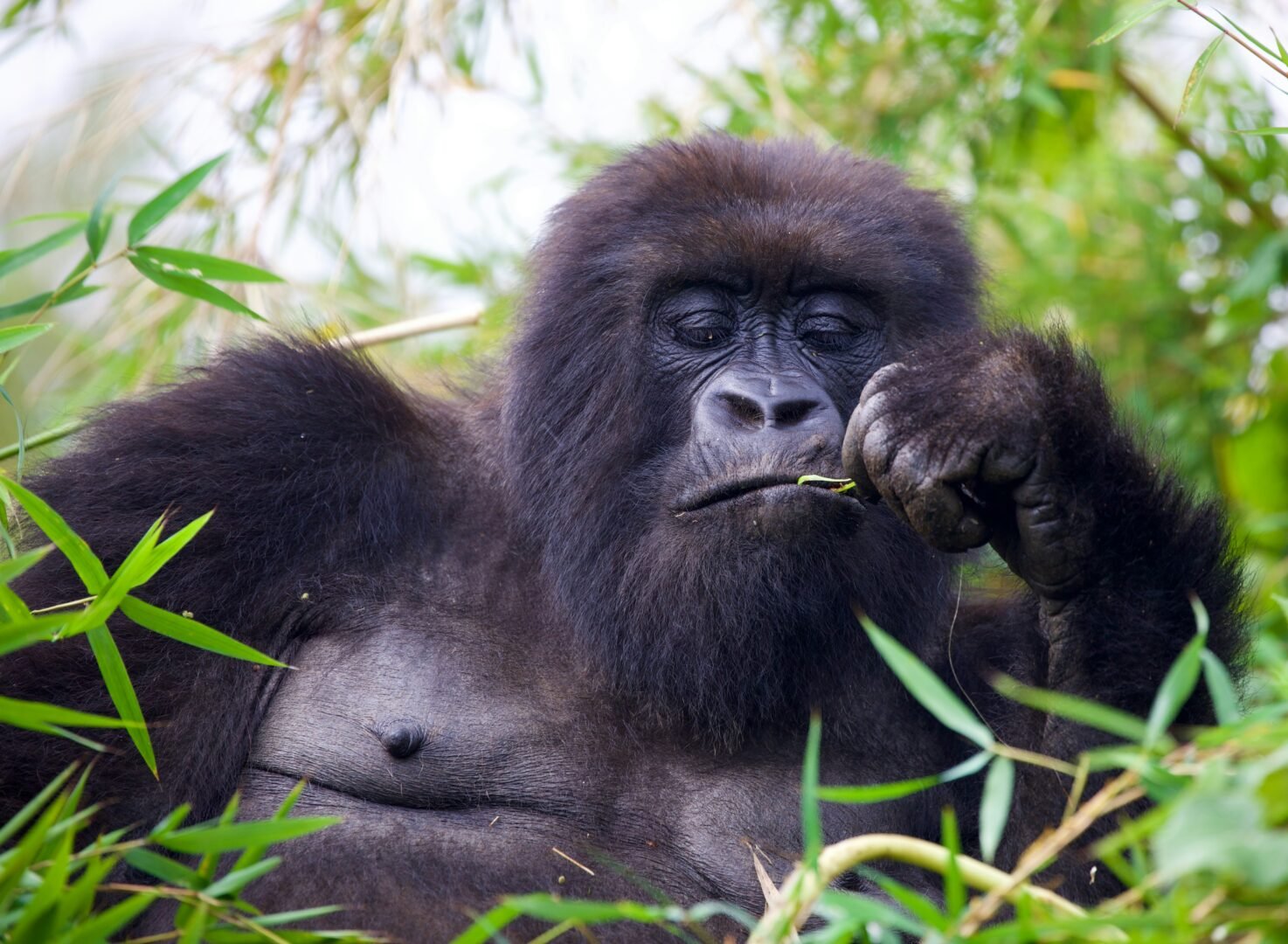
Silverbacks are mature male gorillas that often play important roles in the leadership, stability, and protection of mountain gorilla families.
Their impressive size, strength, and distinctive appearance make them particularly fascinating subjects for wildlife visitors and photographers.
However, the presence of a silverback requires the same careful respect for the viewing-distance regulations.
A silverback may spend substantial time feeding, resting, monitoring other family members, or responding to movement within the group.
Some silverbacks remain relatively calm during controlled human observation, while others may display behavior indicating caution or discomfort.
Visitors should avoid interpreting a silverback’s apparent calmness as permission to approach more closely.
Tourists must never imitate aggressive gorilla behaviors, make sudden gestures toward the animal, or attempt to attract its attention through loud sounds.
Directly approaching a silverback for a photograph is prohibited.
The conservation team determines the appropriate observation position and may instruct visitors to adjust their posture or move away if necessary.
Mountain gorillas may occasionally display behaviors that conservation personnel interpret as warnings or defensive responses.
Visitors must remain calm, avoid running or shouting, and follow the rangers’ instructions immediately.
How Close Can You Get to Gorillas During Gorilla Habituation when a silverback is present? The published minimum distance remains 10 metres, but the responsible wildlife personnel may require visitors to remain farther away depending on the animal’s behavior.
Visitors should never attempt to test how close a silverback will allow them to approach.
Do Gorillas Undergoing Habituation Behave Differently Around Humans?
Mountain gorillas undergoing habituation may respond differently to human presence compared with fully habituated families.
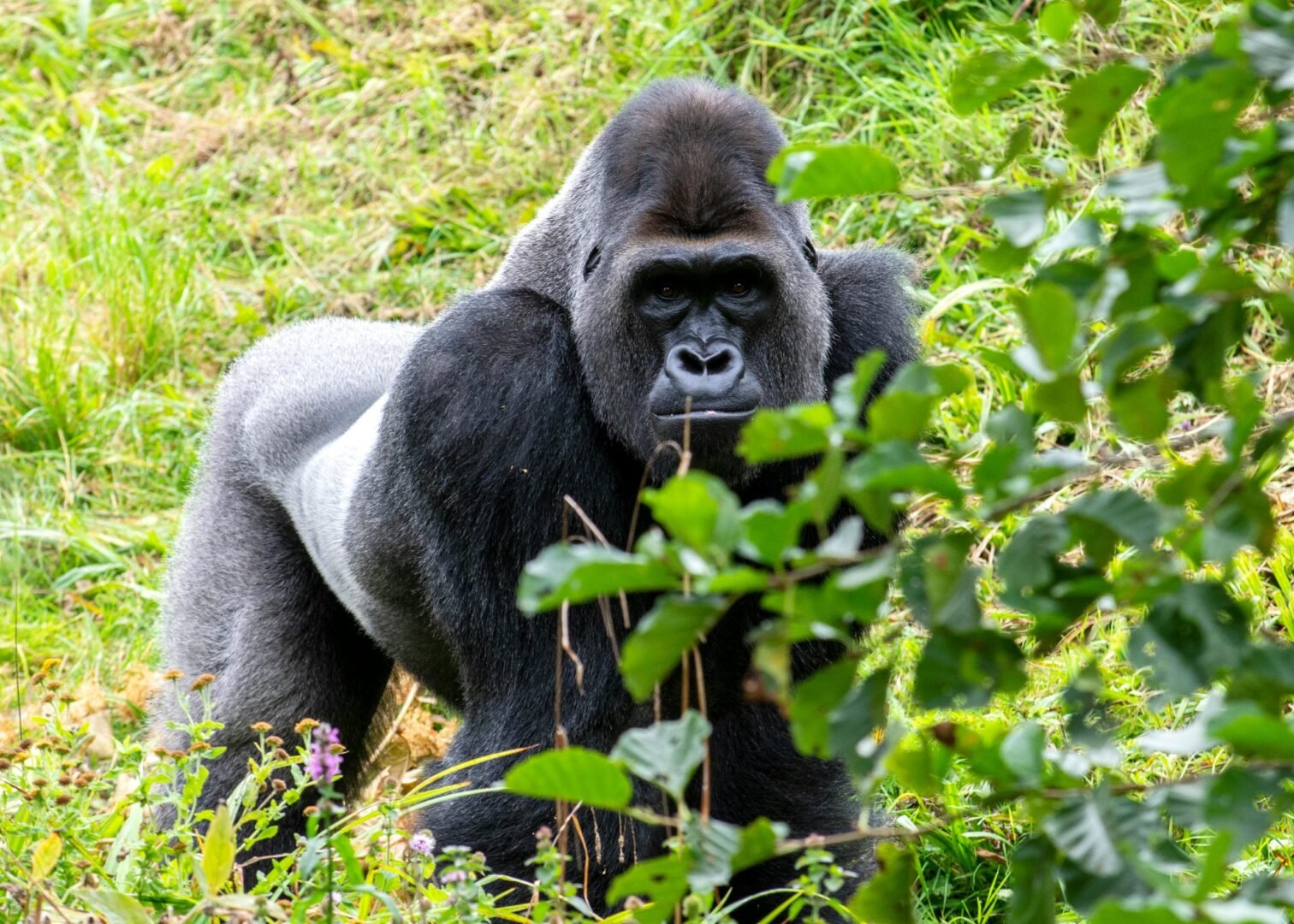
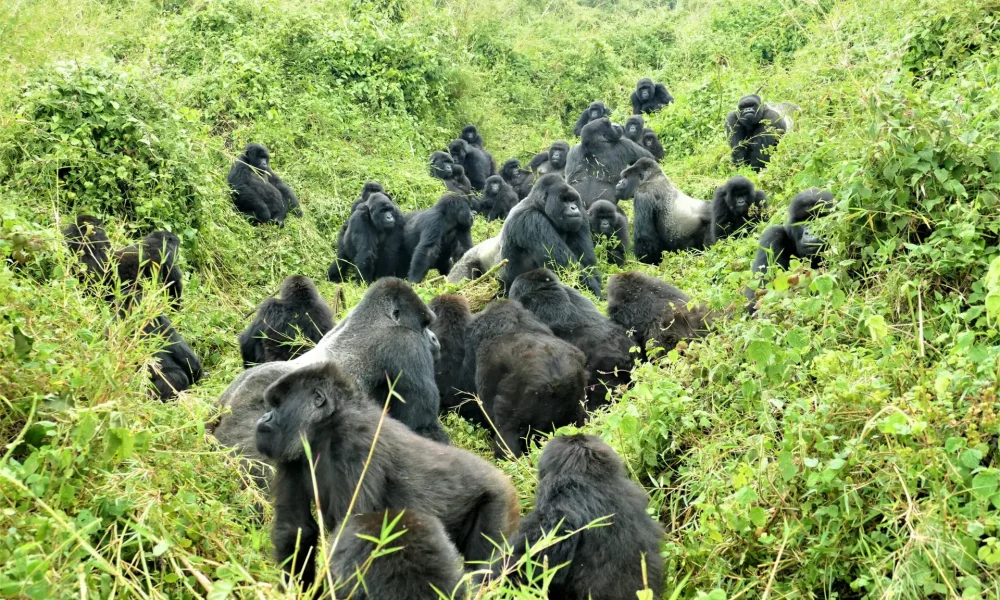
Habituation is a gradual conservation process in which authorized researchers and trackers introduce controlled human presence while monitoring the gorillas’ responses.
The process can take several years and requires substantial patience.
Gorillas May Initially Avoid Human Presence
Some gorillas that are not yet fully habituated may retreat when people approach.
Others may remain nearby but display cautious behavior or move through dense vegetation.
The conservation team must carefully assess these responses rather than forcing an encounter.
Habituation Does Not Mean Domestication
The purpose of habituation is not to tame gorillas or train them to interact with tourists.
Mountain gorillas continue living freely in their natural habitat, choosing where to feed, rest, and move.
Even families that become accustomed to controlled human visits remain wild animals.
Rangers May Require Additional Distance
Depending on the behavior of the designated family, authorized personnel may decide that visitors should remain farther than the published minimum.
This can occur when gorillas appear uncomfortable, move into a restricted position, or require more space.
How Close Can You Get to Gorillas During Gorilla Habituation when a family is still cautious around people? The minimum distance is 10 metres, but the actual observation position may be farther away when conservation personnel determine that additional space is necessary.
This flexibility is part of responsible wildlife management.
Where Does Gorilla Habituation Take Place in Uganda?
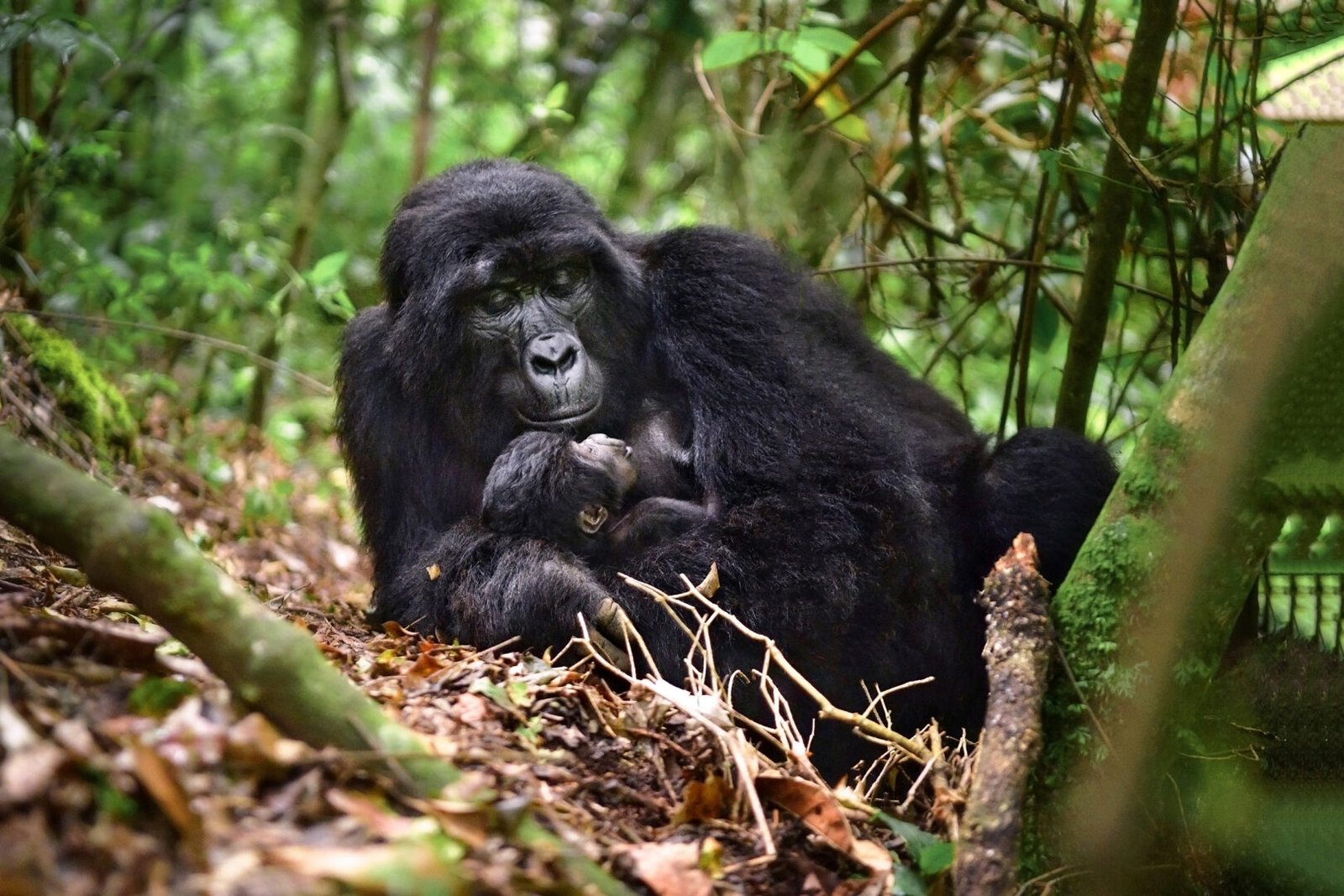
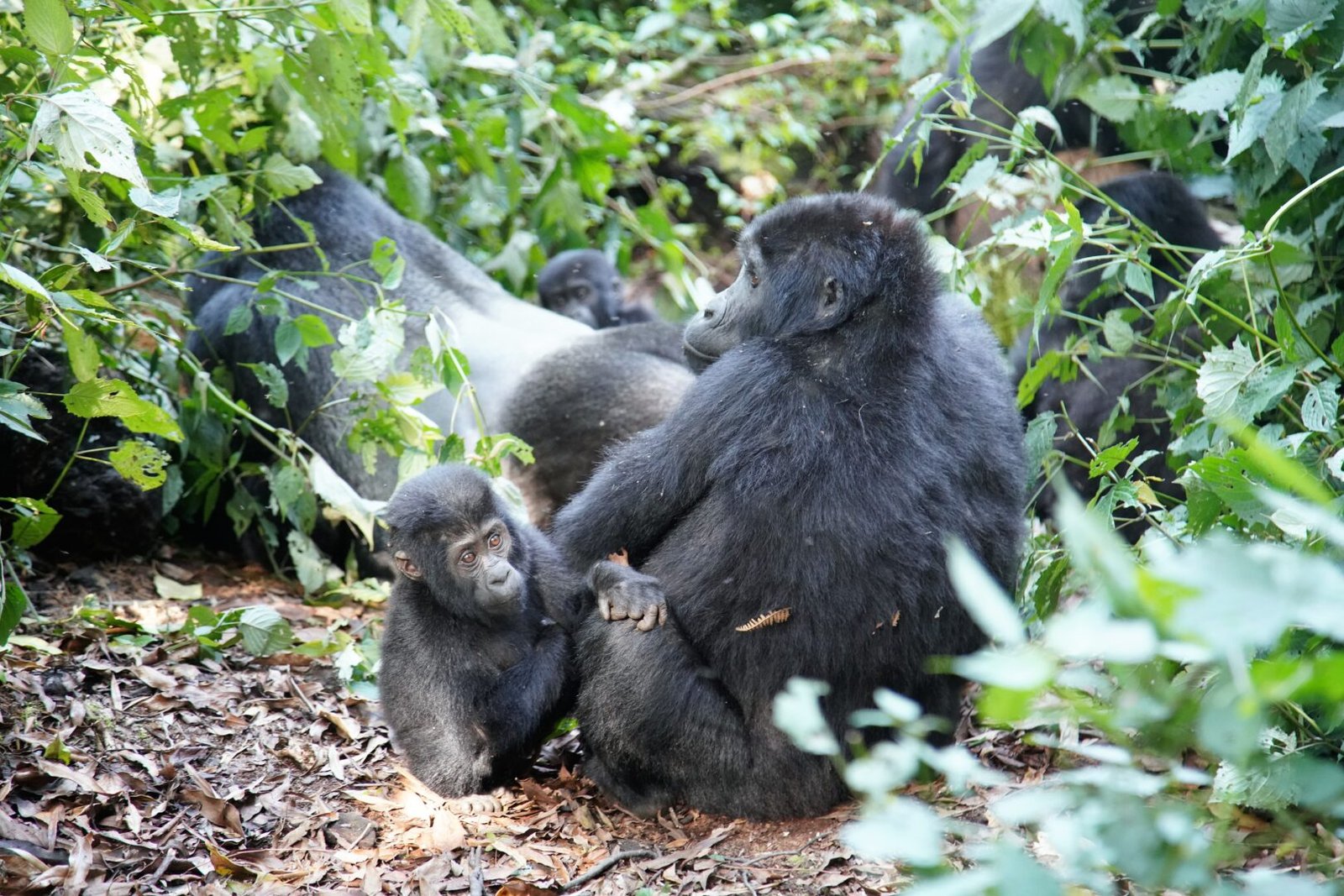
The established visitor-accessible gorilla habituation experience in Uganda takes place in the Rushaga sector of Bwindi Impenetrable National Park.
Rushaga is situated in southwestern Uganda and is known for its mountainous rainforest environment, rich biodiversity, and important mountain gorilla conservation activities.
The area supports authorized gorilla habituation experiences alongside ordinary gorilla trekking.
Rushaga provides access to designated gorilla families undergoing habituation under the supervision of professional conservation personnel.
Visitors accompany authorized researchers, trackers, and rangers into the rainforest to observe these families according to the applicable regulations.
The location offers opportunities to appreciate the forest ecosystem while learning about mountain gorilla behavior.
Travelers may reach the area by road from Entebbe or Kampala through southwestern Uganda.
Domestic flights to Kisoro may also be incorporated into suitable itineraries, followed by road transfers.
Another possible route is through Kigali, Rwanda, subject to the relevant immigration and border requirements.
Visitors should stay within practical reach of their confirmed meeting point because the activity begins early.
The Uganda Wildlife Authority’s published minimum gorilla viewing distance is not based on the visitor’s preferred Bwindi sector.
How Close Can You Get to Gorillas During Gorilla Habituation in Rushaga? The established minimum remains 10 metres, and visitors must comply with any additional directions given by park personnel.
The experience should be planned around responsible conservation observation rather than expectations of extremely close physical access.
Does Gorilla Habituation Permit Pricing Affect How Close You Can Get?
Gorilla habituation is more expensive than ordinary gorilla trekking, but the higher permit fee does not authorize visitors to approach the animals more closely.
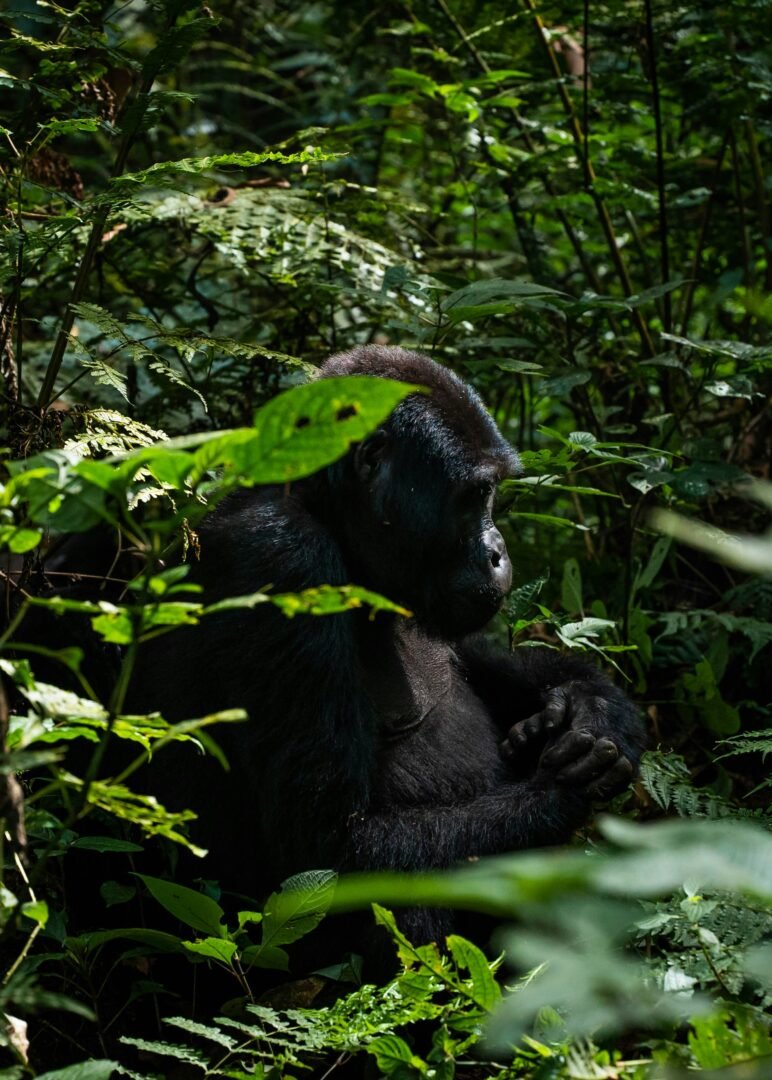
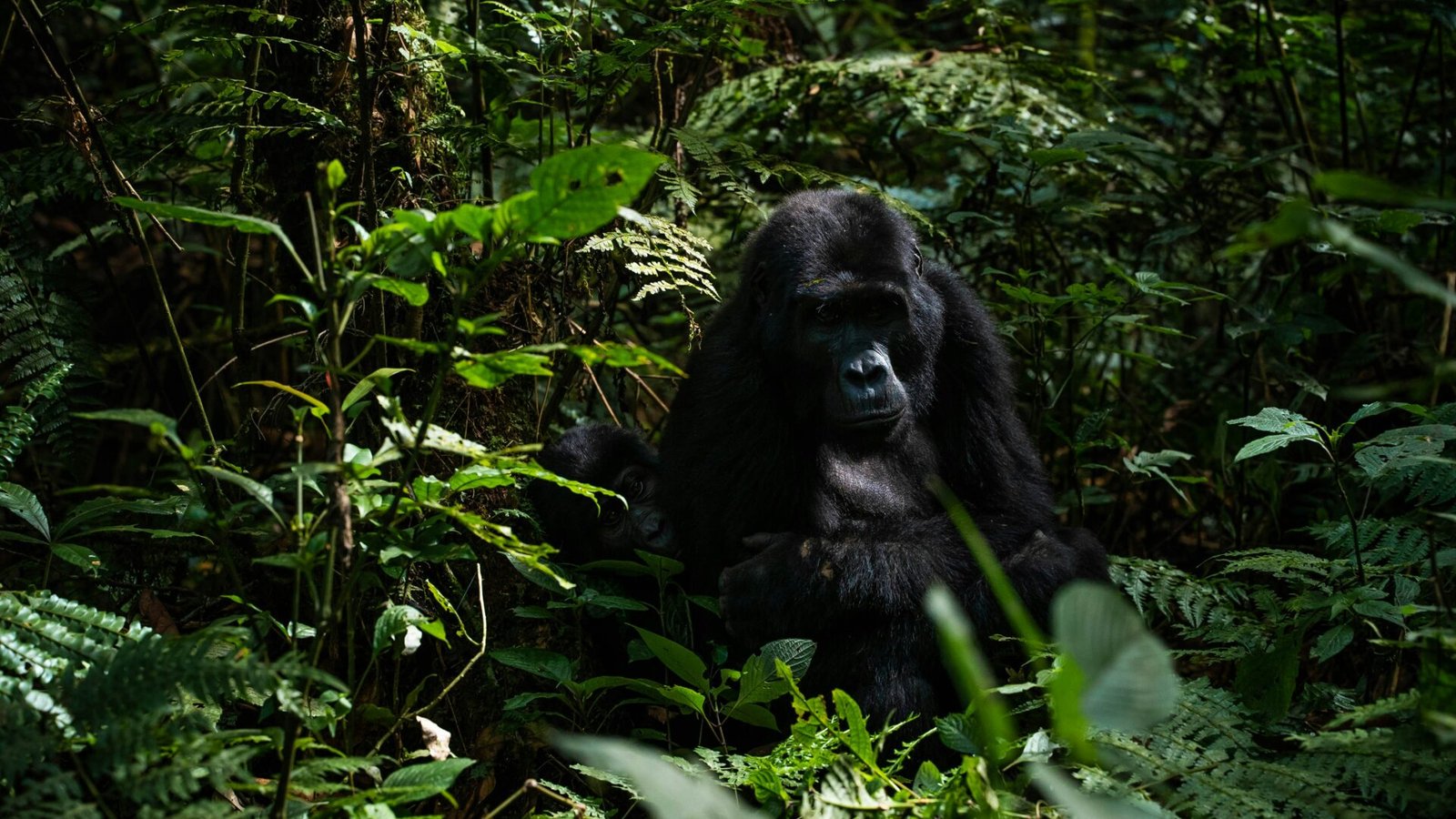
The Uganda Wildlife Authority determines official permit rates according to the activity, travel period, and visitor category.
Gorilla Habituation Permit Prices From January 2027
Under the published January 2027 to June 2028 conservation tariff, gorilla habituation permits cost:
- Foreign non-residents: US$1,800 per person.
- Foreign residents: US$1,500 per person.
- Rest of Africa category: US$1,000 per person.
- East African Community citizens: UGX 750,000 per person.
These prices should be confirmed against the tariff applicable to the travel date.
What Does the Permit Provide?
A valid gorilla habituation permit authorizes participation in the designated conservation experience, with a maximum four-hour observation period after the gorilla family is located.
The official tariff includes the relevant guiding services, activity-day park entrance, and community development contribution.
Accommodation, private transportation, porter services, international flights, and other safari arrangements are normally separate expenses.
Does Paying More Allow Closer Photographs?
No. The higher permit price does not create an exemption from conservation regulations.
How Close Can You Get to Gorillas During Gorilla Habituation after purchasing a premium permit? Visitors must still maintain the 10-metre minimum distance and follow ranger instructions.
The additional value lies primarily in extended observation time and participation in a specialized conservation activity.
For booking information, visitors can explore Uganda gorilla habituation permits.
Can You Get Closer to Gorillas During Habituation Than in Rwanda?
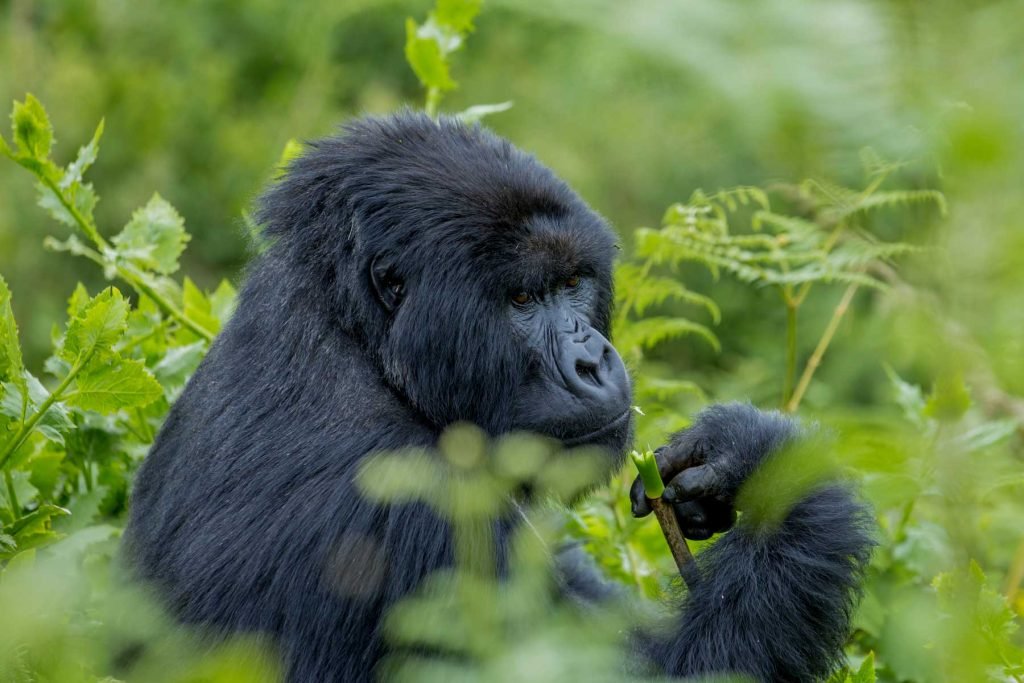
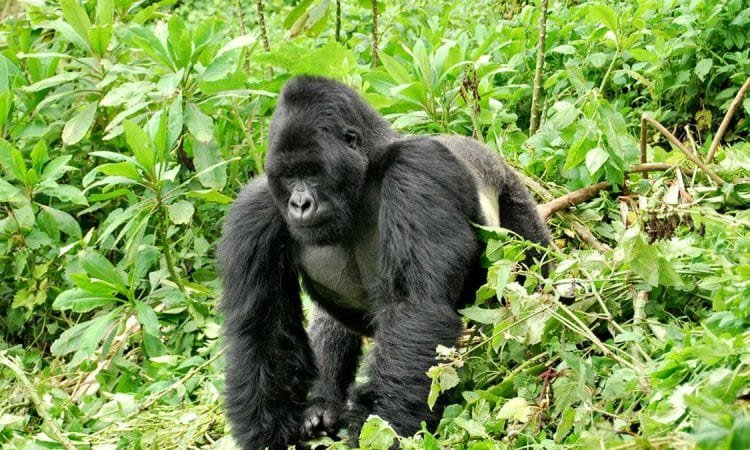
Travelers often compare mountain gorilla experiences in Uganda and Rwanda when organizing East African wildlife safaris.
Both countries offer opportunities to observe mountain gorillas in their natural habitats, but their tourism products and official regulations are managed independently.
Uganda’s established visitor-accessible four-hour gorilla habituation experience takes place in Rushaga, Bwindi Impenetrable National Park.
Rwanda’s conventional gorilla trekking experience takes place in Volcanoes National Park and normally provides a maximum of one hour with a designated habituated gorilla family.
The two countries should not be compared simply by assuming that one permits closer physical access.
Travelers must follow the current rules established by the relevant wildlife authority in the country they are visiting.
How Close Can You Get to Gorillas During Gorilla Habituation in Uganda compared with gorilla trekking elsewhere? Uganda’s published requirement is a minimum distance of 10 metres, and visitors should not assume that a four-hour experience allows closer access than another country’s standard trekking activity.
The primary attraction of Uganda’s habituation experience is its extended observation period and conservation-focused nature.
Frequently Asked Questions About How Close You Can Get to Gorillas During Habituation
How Close Can You Get to Gorillas During Gorilla Habituation?
Visitors must maintain a minimum distance of 10 metres, approximately 33 feet, from mountain gorillas under Uganda Wildlife Authority’s published conservation regulations. The distance requirement applies during the extended habituation observation period.
How Close Can You Get to Gorillas During Gorilla Habituation in Uganda?
In Uganda, the established minimum viewing distance is 10 metres. Visitors must also follow the instructions of authorized wildlife personnel, who may require greater distance when necessary.
How Close Can You Get to Gorillas During Gorilla Habituation for Photography?
Wildlife photographers must maintain the same minimum distance as other visitors. Zoom or telephoto lenses may help capture detailed images without approaching gorillas more closely than permitted.
How Close Can You Get to Gorillas During Gorilla Habituation if a Gorilla Approaches You?
Visitors should remain calm and follow the rangers’ instructions. Depending on the situation, they may be directed to remain still or move away carefully when safe. Tourists must not touch or encourage the approaching gorilla.
How Close Can You Get to Gorillas During Gorilla Habituation Compared With Trekking?
Both activities follow Uganda Wildlife Authority’s published 10-metre minimum viewing distance. Gorilla habituation provides a longer maximum observation period but does not permit closer physical access.
Why Must Visitors Stay 10 Metres Away From Gorillas?
The distance requirement helps reduce the risk of human-to-gorilla disease transmission, minimizes disturbance, and supports responsible conservation management.
Can Mountain Gorillas Come Closer Than 10 Metres on Their Own?
Yes. Mountain gorillas move freely and may occasionally approach visitors. Such encounters must be managed by the conservation team, and tourists should never encourage physical contact.
Book Your Gorilla Habituation Experience in Uganda
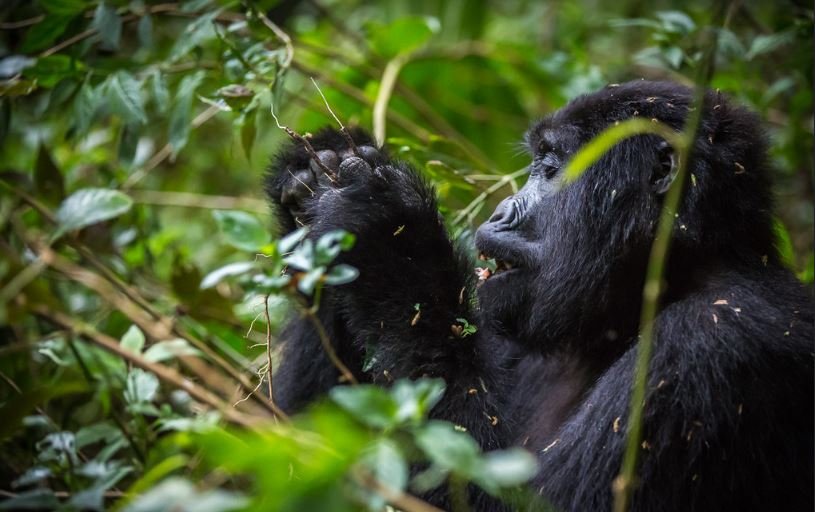
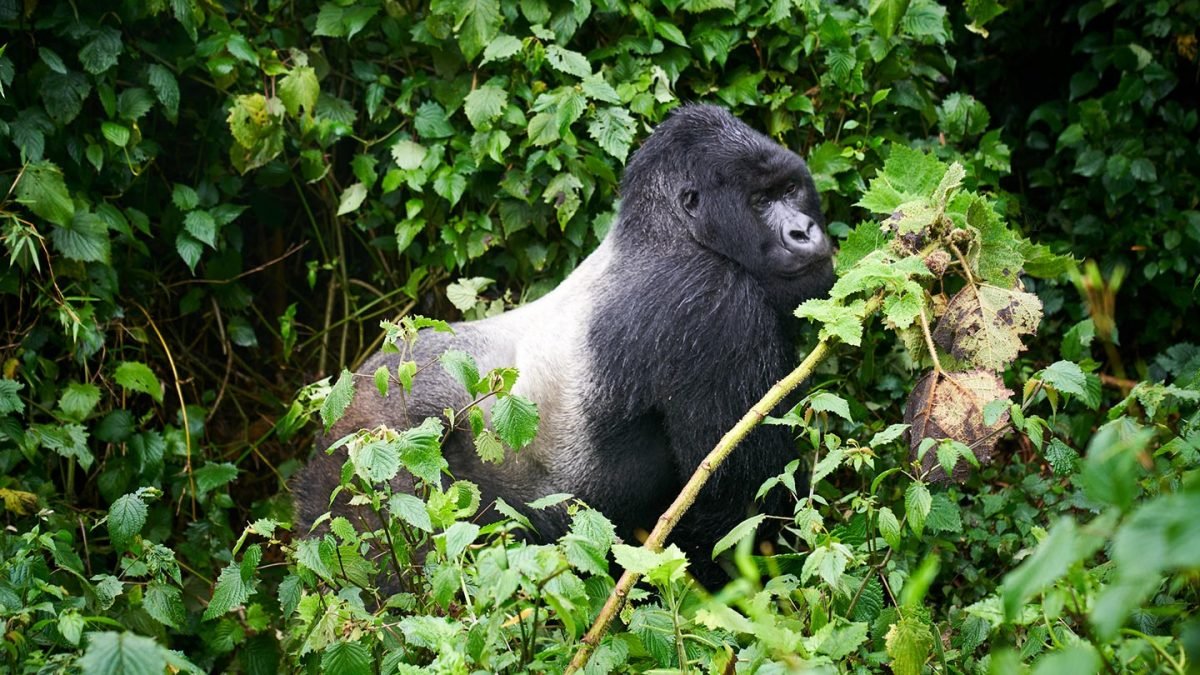
Gorilla habituation is one of Uganda’s most remarkable conservation-focused wildlife experiences, providing visitors with an opportunity to spend up to four hours observing mountain gorillas undergoing habituation in the rainforest of Bwindi Impenetrable National Park.
Whether you are planning a wildlife photography expedition, luxury gorilla safari, conservation-focused holiday, honeymoon, or extended Uganda adventure, understanding the viewing-distance requirements is an important part of preparing for the experience.
How Close Can You Get to Gorillas During Gorilla Habituation? The published minimum distance is 10 metres, and visitors must follow all additional instructions issued by Uganda Wildlife Authority personnel throughout the encounter.
This regulation protects the health of mountain gorillas, reduces unnecessary disturbance, and helps ensure that the habituation process remains carefully managed.
At Uganda Gorilla Permit, travelers can request assistance with understanding official permit requirements, checking available dates, organizing bookings, and planning their gorilla habituation arrangements in the Rushaga sector of Bwindi Impenetrable National Park.
Our booking team can explain the differences between ordinary gorilla trekking and habituation, provide information about relevant permit categories, and assist with planning accommodation and transportation around the confirmed activity date.
To begin your reservation inquiry, provide your preferred habituation date, possible alternative dates, number of participants, and nationality or residency information relevant to the applicable permit category.
Because gorilla habituation permits are limited, requesting availability before booking non-refundable flights and accommodation is strongly recommended.