
Rwenzori Mountain Hiking & Trekking (2026–2030 Complete Guide)
Rwenzori Mountains National Park Overview
Rwenzori Mountains National Park is one of Africa’s most spectacular high-altitude wilderness areas, protecting the legendary “Mountains of the Moon” along Uganda’s western border with the Democratic Republic of Congo. Covering over 996 km² of rugged peaks, glacier-carved valleys, moss-draped forests, and sky-scraping Afro-alpine landscapes, this UNESCO World Heritage Site is the home of Uganda’s most challenging and most rewarding trekking experiences. The park is globally renowned for its dramatic scenery, unique biodiversity, and the rare equatorial glaciers that have made Rwenzori mountain hiking a bucket-list adventure for trekkers from around the world.

Located in the districts of Kasese, Bundibugyo, and Ntoroko, the park stretches along the towering Rwenzori massif, whose peaks rise to over 5,000 meters. The most famous is Margherita Peak (5109m) on Mount Stanley, Africa’s third highest summit and the ultimate prize for serious Rwenzori trekking enthusiasts. But even without summit ambitions, the national park offers extraordinary trekking routes through five distinct vegetation zones, from lush montane rainforest to giant heather forests and the surreal Afro-alpine moorlands.
The park’s UNESCO status reflects its exceptional ecological value, with over 70 mammal species, 217 bird species, and some of the most unusual plant life on the continent. Highlights include sightings of Rwenzori turacos, blue monkeys, chameleons, duikers, and the colossal lobelias and groundsel plants that have made the Rwenzori world-famous among hikers, scientists, and photographers.
For trekkers seeking unforgettable challenges, pristine nature, and a rare combination of glaciers, peaks, and untouched African wilderness, Rwenzori Mountains National Park is an unrivaled destination. Whether you’re planning a multi-day trek, researching Rwenzori mountain hiking cost, or exploring detailed Rwenzori maps, this protected area forms the heart of every Rwenzori trekking adventure.
16 Best Rwenzori Hiking & Gorilla Trekking Itineraries (2026–2030 Collection)
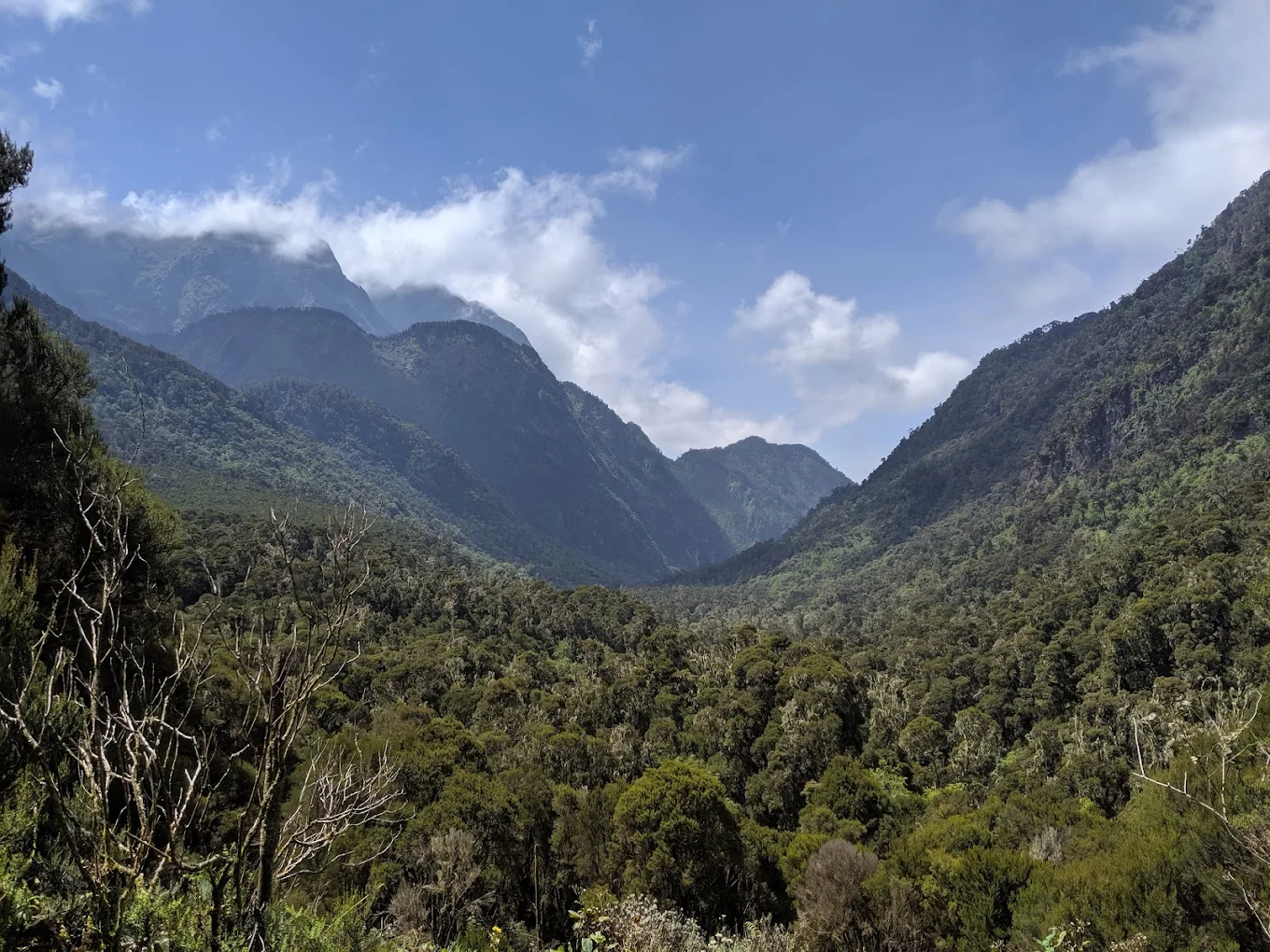
8 Days Rwenzori Central Circuit Trek
The classic trek through forests, bogs and alpine zones, reaching deep into the Rwenzori Mountains National Park.
Request an Itinerary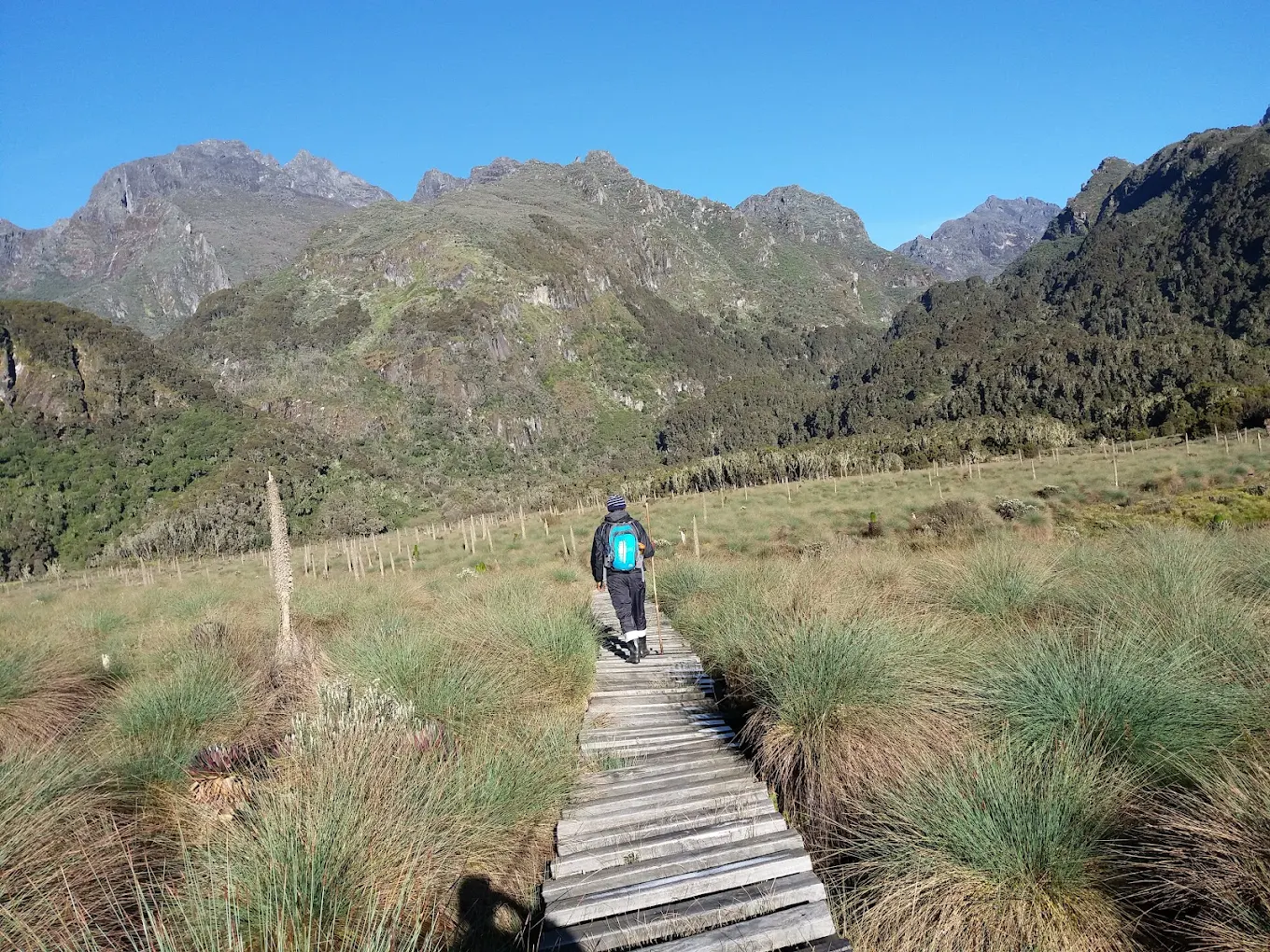
2 Days Short Rwenzori Hiking Adventure
A perfect soft trekking experience to Nyabitaba with forest views and beautiful mountain scenery.
Request an Itinerary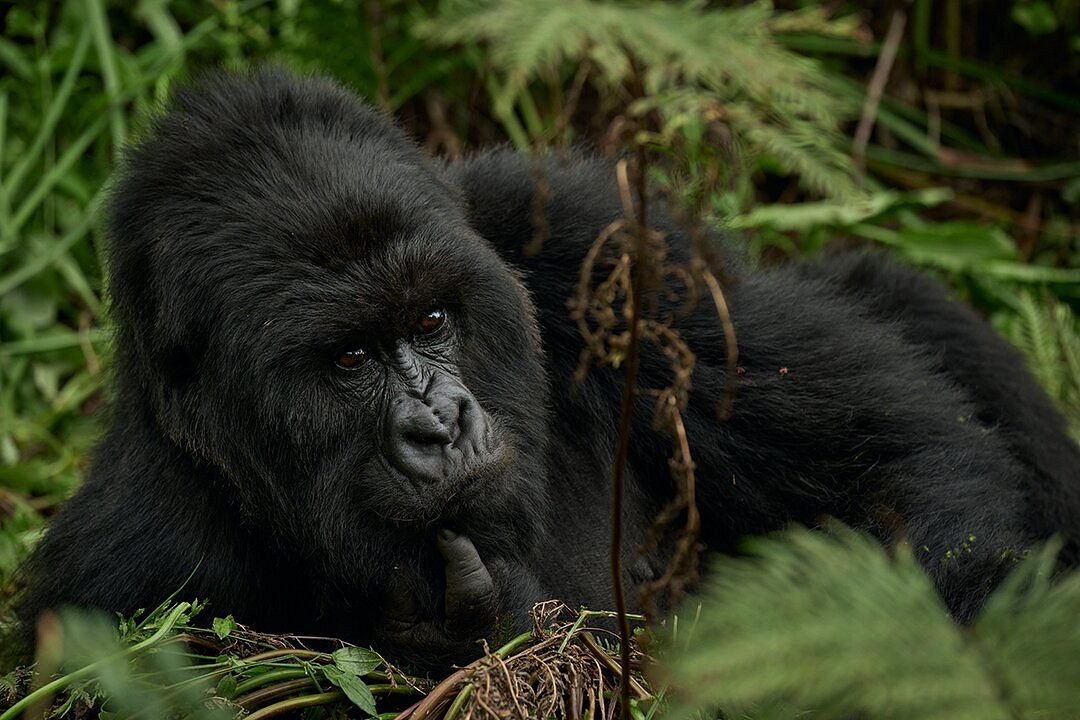
6 Days Rwenzori Trek & Gorilla Trekking
Combine dramatic Rwenzori hiking with an unforgettable gorilla trekking experience in Bwindi.
Request an Itinerary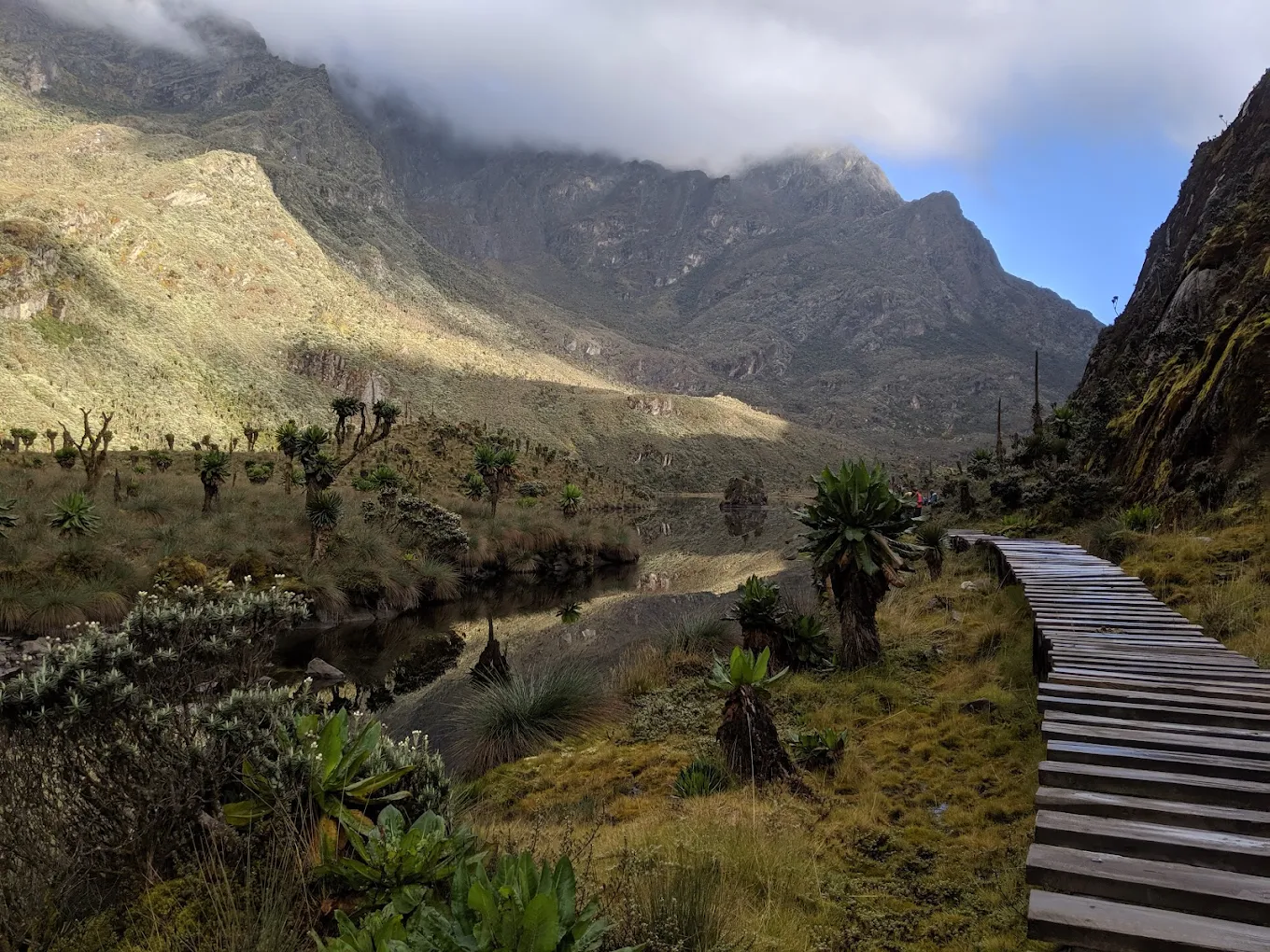
3 Days Rwenzori Bamboo Zone Hike
Explore the vibrant forest and bamboo zones with guided trails suited for short-hike explorers.
Request an Itinerary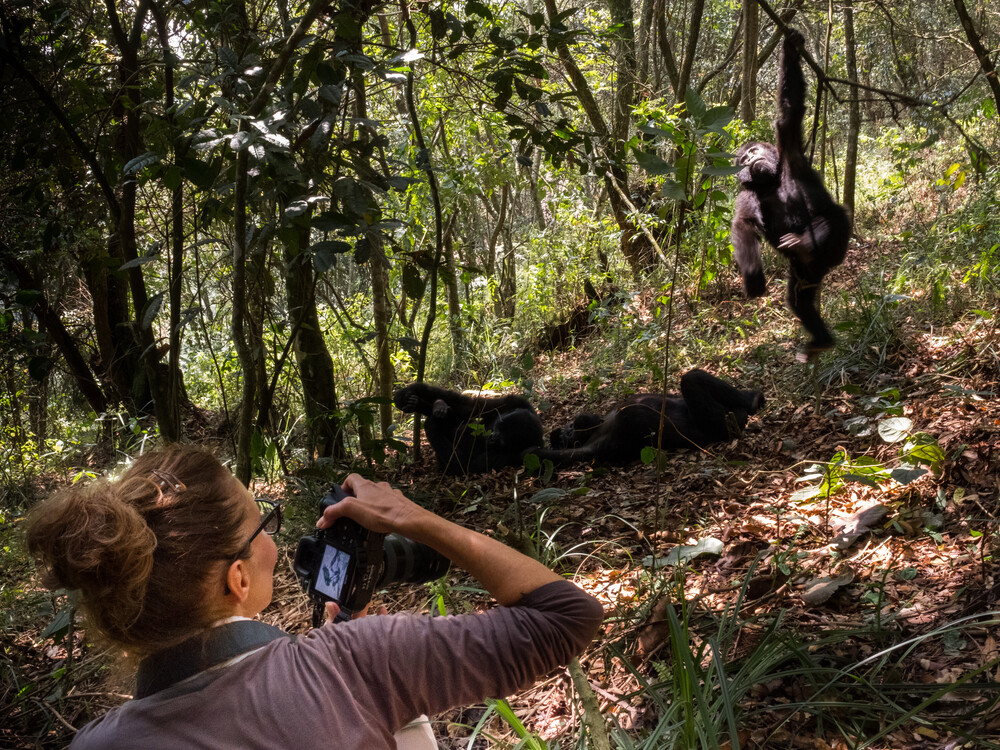
Luxury Rwenzori & Gorilla Trekking Safari
A high-end experience combining world-class lodges and iconic mountain and gorilla encounters.
Request an Itinerary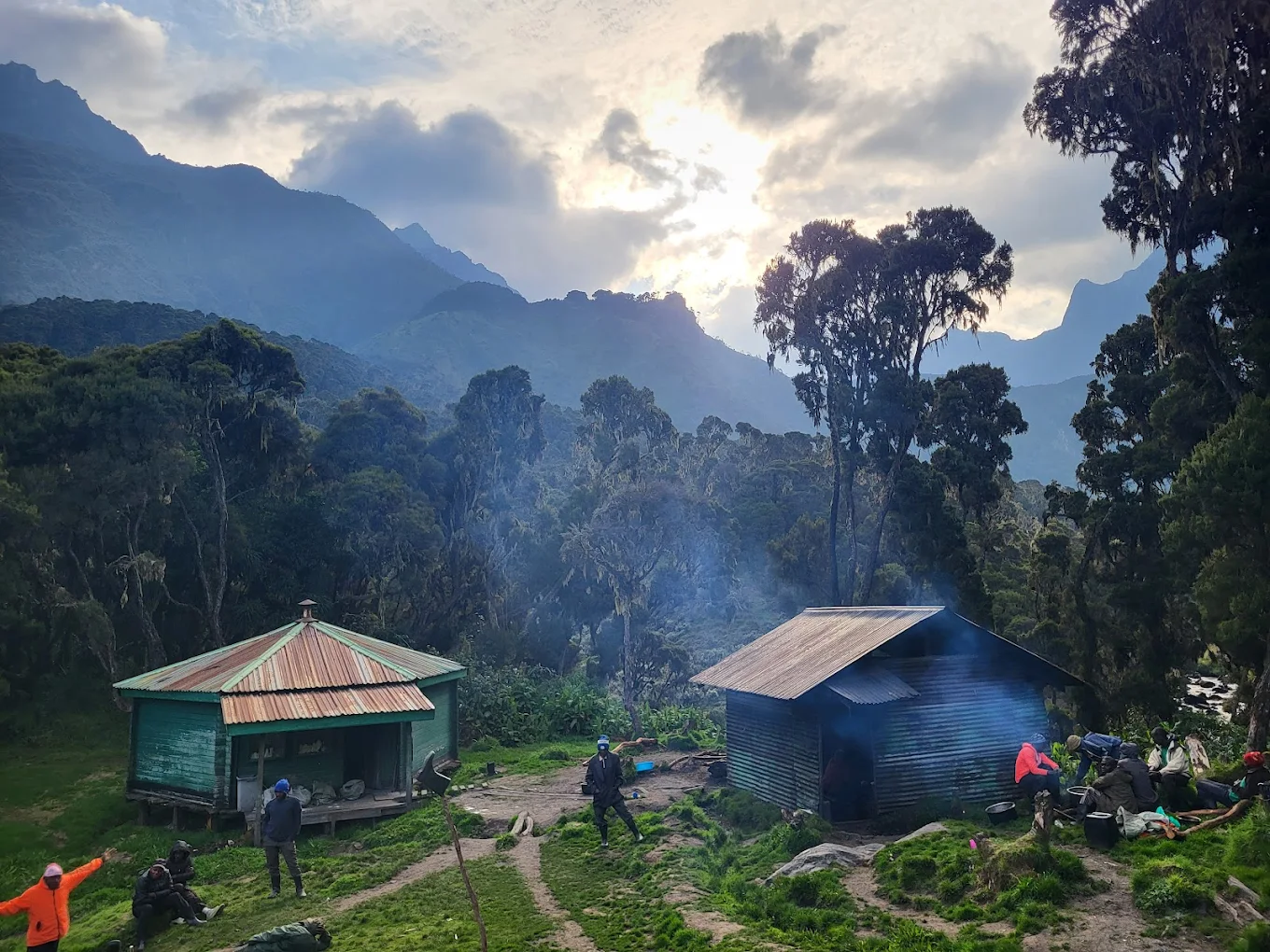
Budget Rwenzori 5 Days Trek
A cost-effective but rewarding adventure along the Rwenzori central circuit trail with ranger support.
Request an Itinerary
8 Days Margherita Peak Summit Climb
Reach Margherita Peak at 5,109m on one of Africa’s most challenging alpine mountaineering routes.
Request an Itinerary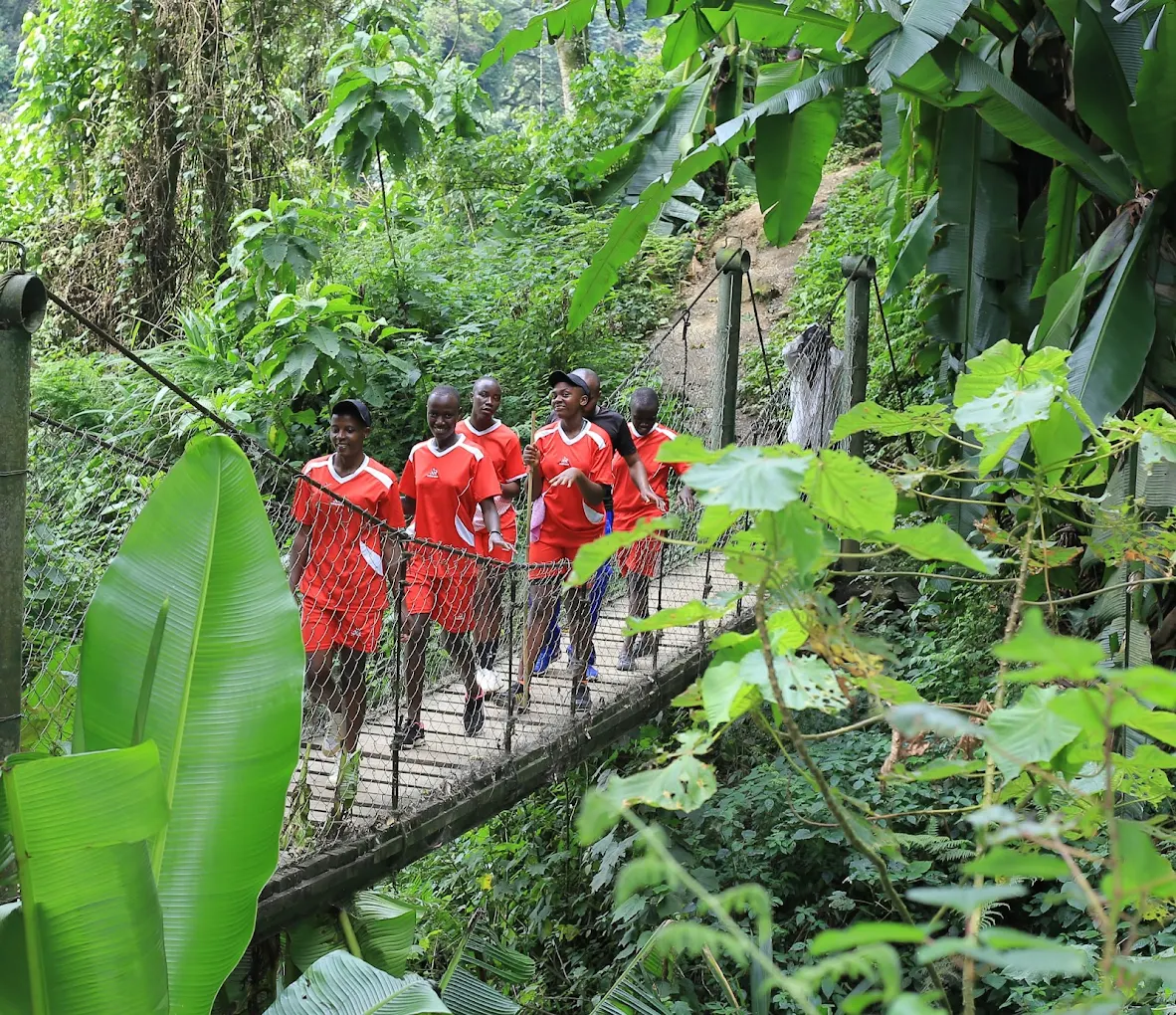
4 Days Rwenzori Forest & Moorland Trek
Traverse deep forest zones and enter the mystical Afro-alpine moorlands of the Rwenzori range.
Request an Itinerary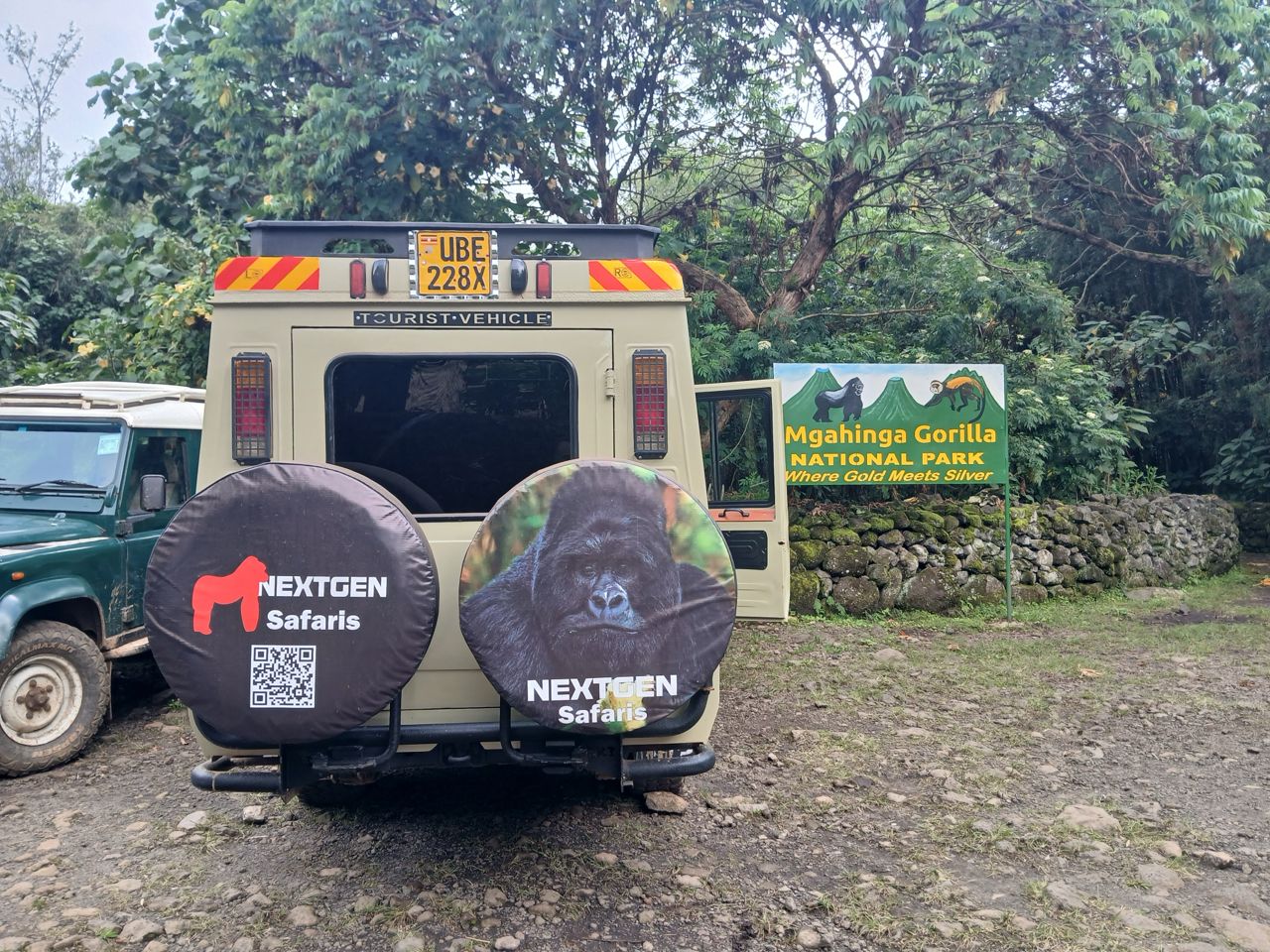
Rwenzori Hike & Gorilla Habituation
A rare combination featuring gorilla habituation and immersive Rwenzori trekking experiences.
Request an Itinerary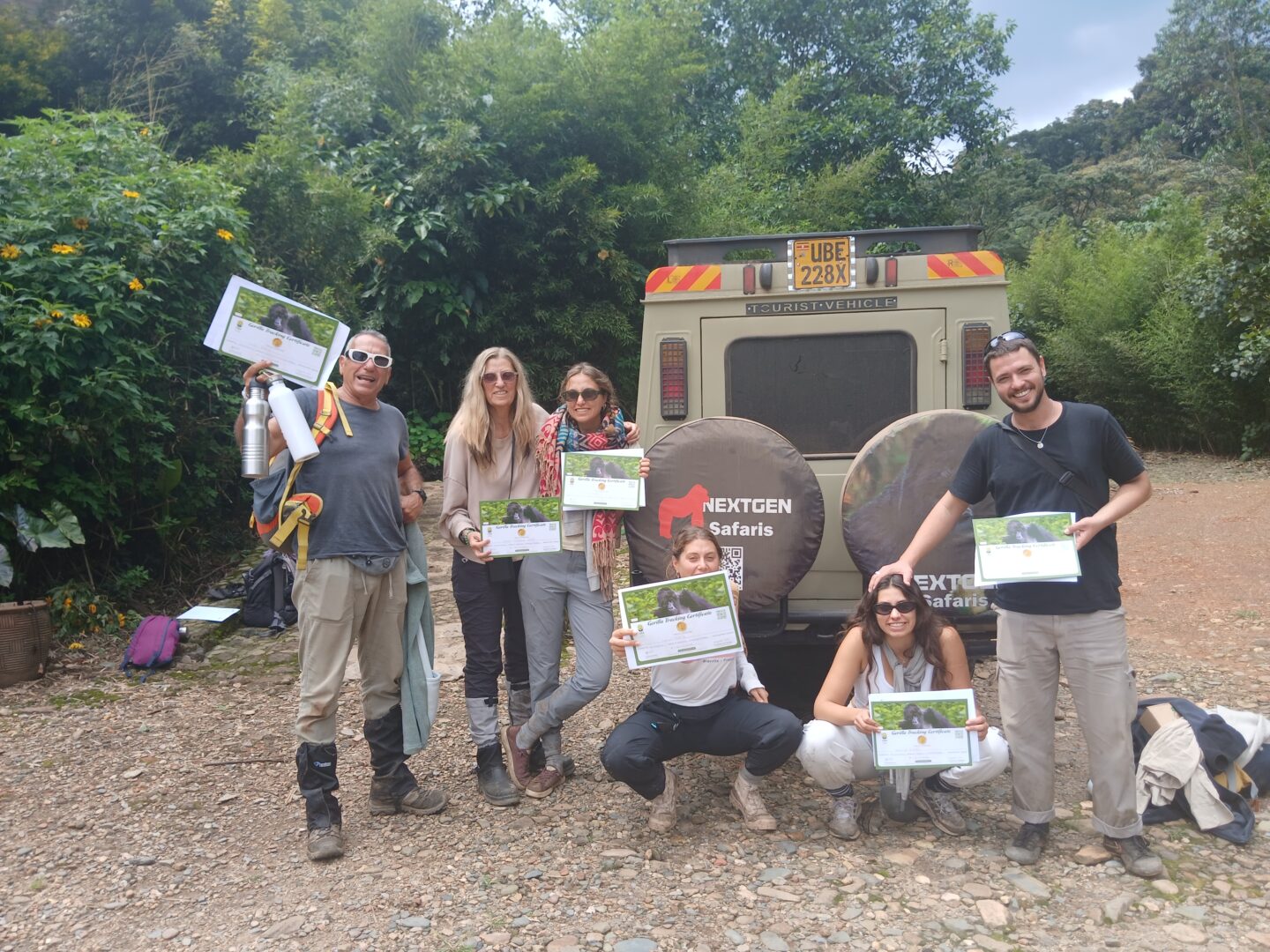
10 Days Gorillas, Chimps & Rwenzori Trek
A multi-primate and mountain adventure blending wildlife encounters with epic trekking trails.
Request an Itinerary
Rwenzori Hike & Lake Mburo Wildlife Safari
Combine soft wildlife viewing with a rewarding Rwenzori short trekking adventure.
Request an Itinerary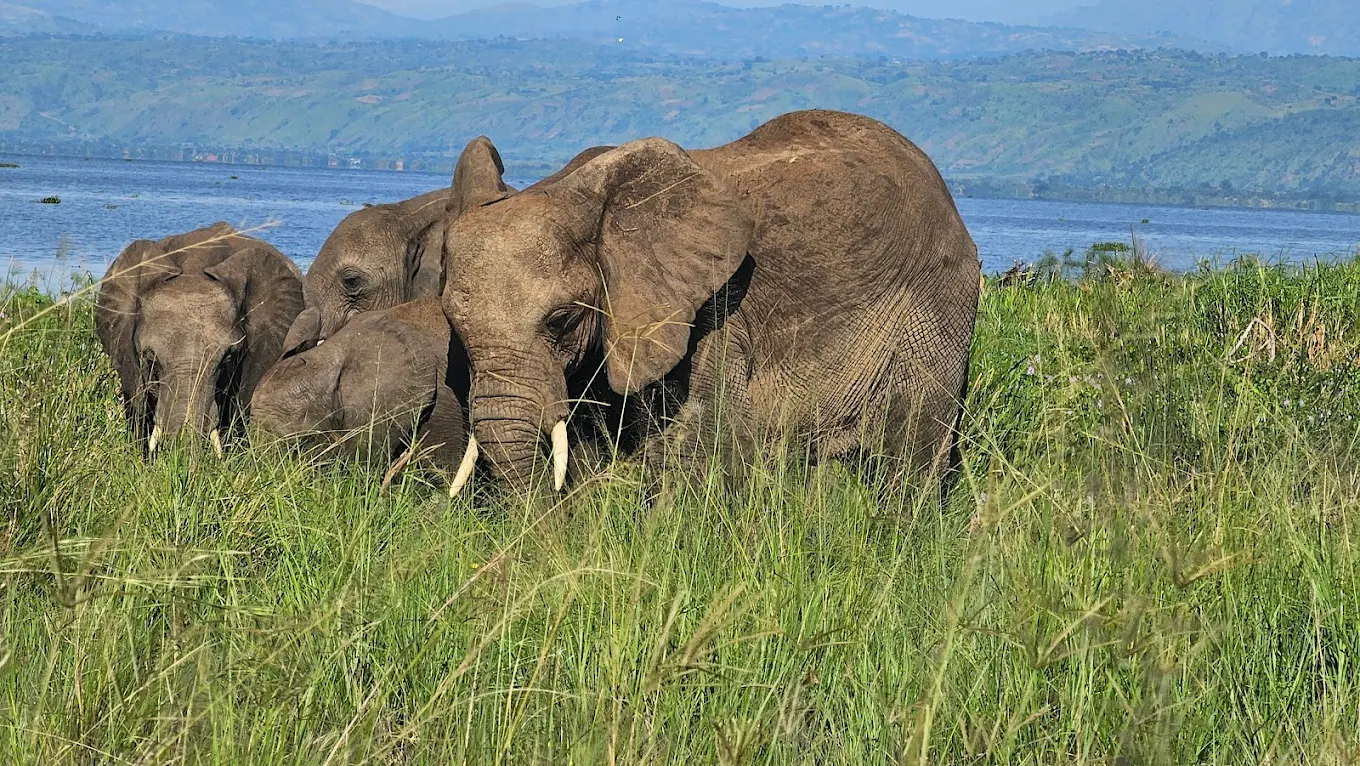
Rwanda Safari & Rwenzori Trek Combo
A trans-border adventure merging Rwandan wildlife experiences with Uganda’s iconic mountains.
Request an Itinerary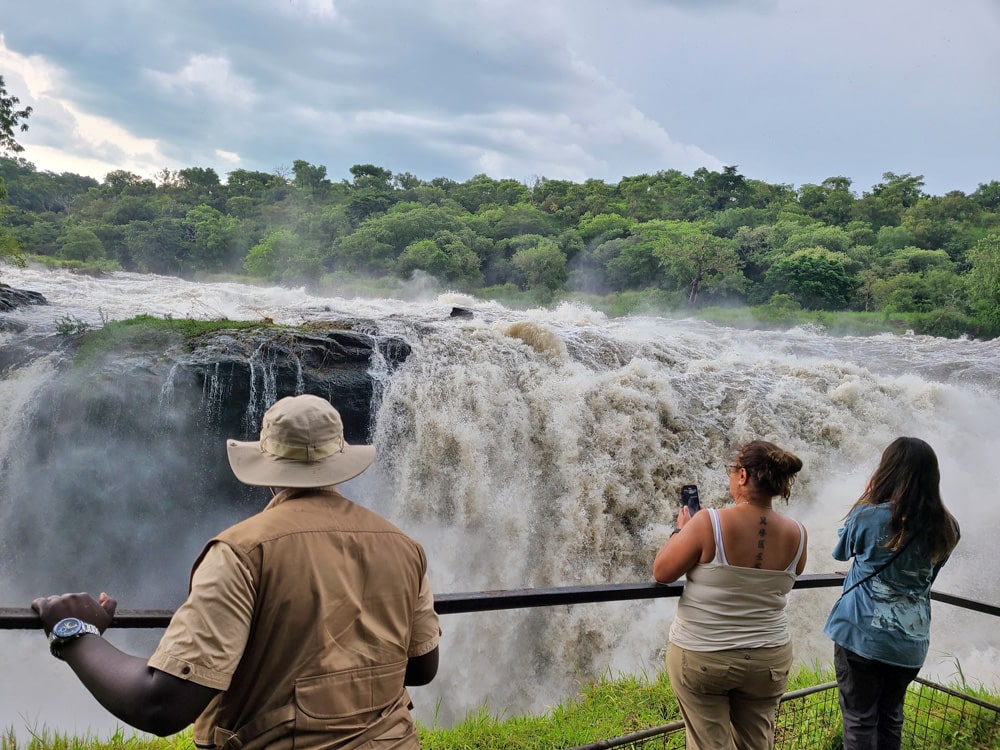
Rwenzori Hike & Murchison Falls Safari
Blend Uganda’s top waterfall and wildlife safari with scenic Rwenzori Mountain trekking.
Request an Itinerary
Rwenzori Trek & Queen Elizabeth Safari
A perfect Uganda combination featuring tree-climbing lions, boat safaris and mountain trails.
Request an Itinerary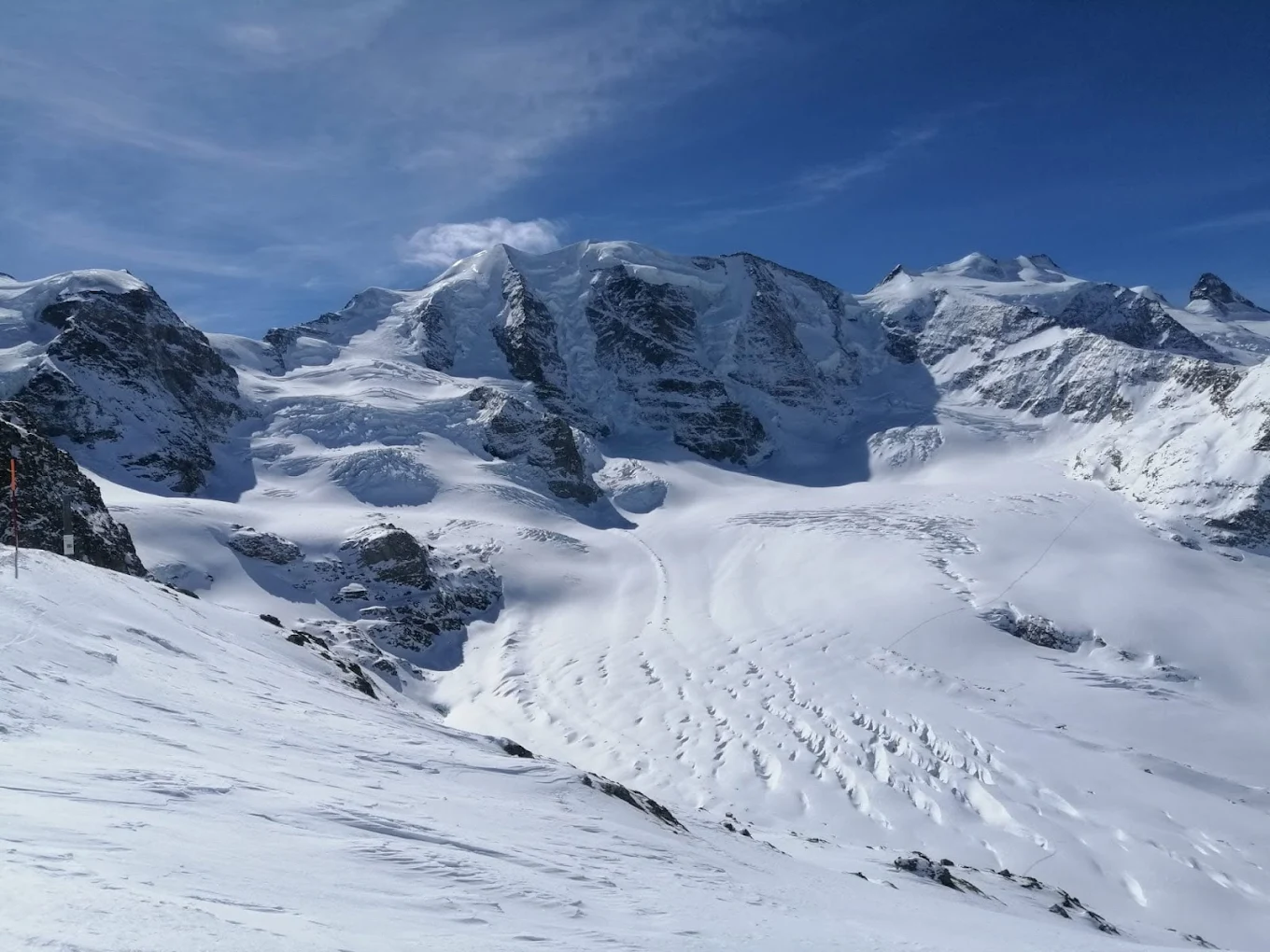
7 Days Rwenzori Snowline Expedition
Trek to the famous snowline and witness one of Africa’s last remaining equatorial glaciers.
Request an Itinerary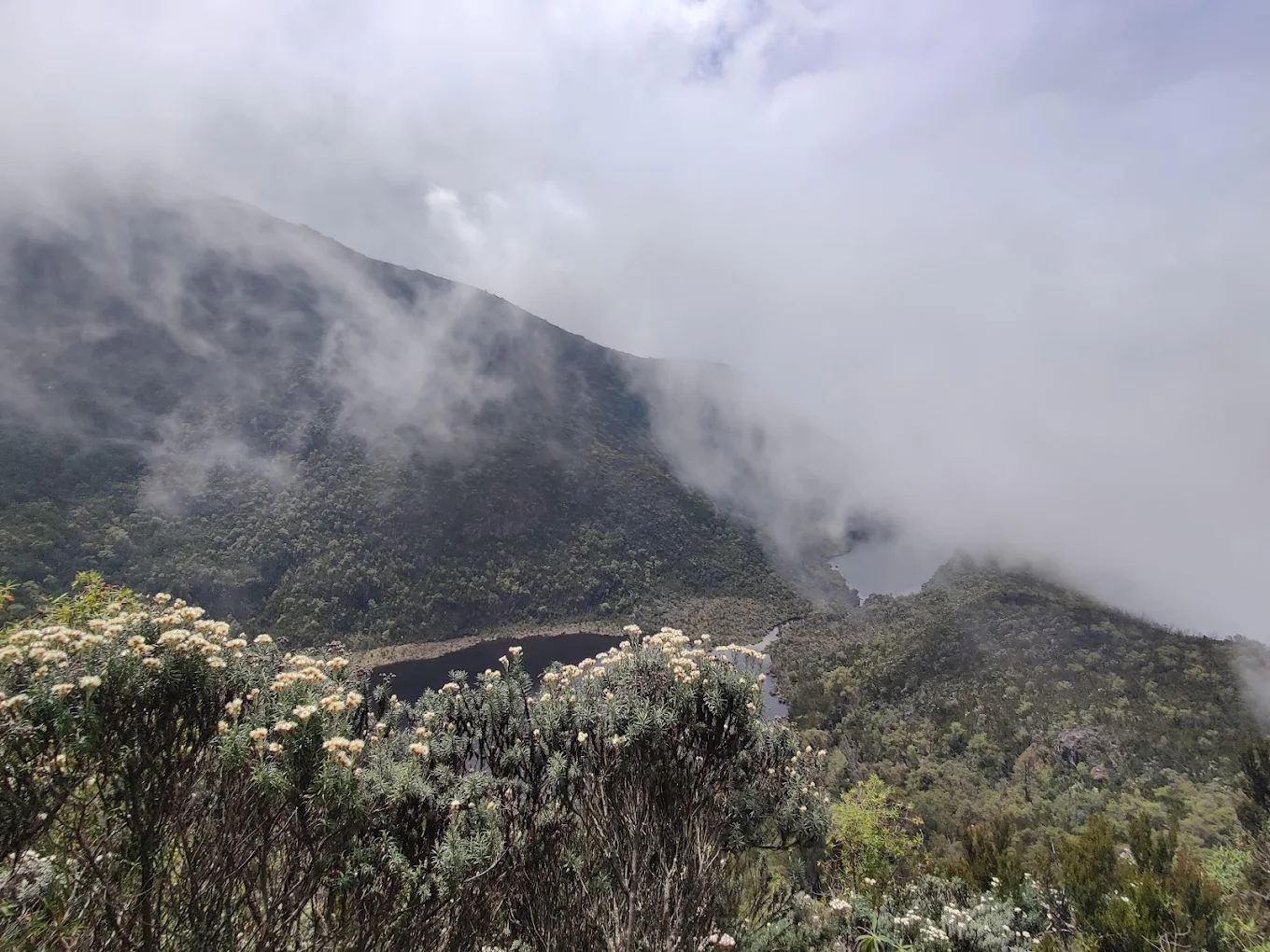
3 Days Rwenzori Misty Mountains Hike
A scenic trek through misty valleys and lush forests ideal for photographers and nature lovers.
Request an ItineraryRwenzori Mountain Hiking & Trekking
Rwenzori mountain hiking is one of Africa’s most extraordinary trekking experiences, taking you deep into the heart of the Rwenzori Mountains National Park, a UNESCO World Heritage Site known for its dramatic peaks, mystical valleys, and ancient glaciers. This complete Rwenzori mountain hiking guide offers everything you need to plan the best Rwenzori trekking adventure between 2026 and 2030, from the most rewarding routes to the realistic Rwenzori mountain hiking cost, maps, difficulty ratings, weather patterns, and short or multi-day itineraries. The Rwenzori Mountains are unlike any other hiking destination in East Africa; their five distinct vegetation zones, technical summit trails, and breathtaking alpine scenery make them a world-class trekking destination for both experienced climbers and adventurous first-timers.

Whether you are looking for the best Rwenzori hiking routes, want to understand the Rwenzori trekking difficulty, need updated Rwenzori maps or hope to combine your Rwenzori trek with gorilla trekking, this guide covers everything. From 1-day and 2-day short hikes to the iconic Central Circuit leading to Margherita Peak, we provide expert insights to ensure your Rwenzori hiking experience is safe, well-planned, and deeply unforgettable.
Rwenzori Mountains Highest Peaks (Complete 2026–2030)
The Rwenzori Mountains are home to some of the most dramatic and challenging peaks in Africa, making the range a legendary destination for serious alpine climbers and multi-day trekkers. Unlike Kilimanjaro, which is a free-standing volcano, the Rwenzori is a glacier-carved massif made of steep ridges, rocky passes, and boggy high-altitude valleys. This rugged topography creates a unique environment where climbing the Rwenzori Mountains’ highest peaks requires endurance, technical skills and a strong understanding of the Rwenzori mountain hiking difficulty.
At the heart of the range stands the iconic Margherita Peak on Mount Stanley, rising to 5,109 meters, making it the third-highest summit in Africa and the ultimate highlight of any Rwenzori trekking or mountaineering expedition. Reaching Margherita Peak involves crossing glaciers, navigating steep ice sections, and using ropes, crampons, and ice axes, a clear indication that this is a true alpine climb rather than a typical African hiking trail. Most climbers attempt Margherita via the Central Circuit or Kilembe Route, and both require solid fitness, proper acclimatization and experienced guides.
The second-highest summit in the range is Mount Speke (4,890 meters), known for its jagged ridges, narrow passes, and mist-covered cirques. Although Mount Speke is less frequently climbed than Margherita, it remains a coveted challenge among seasoned hikers who want to explore the upper Rwenzori without the technical glacier crossing of Stanley.
Close behind is Mount Baker (4,843 meters), often admired during the trek to Bujuku Hut or while climbing toward Scott-Elliot Pass. Its pyramid-shaped summit and sharp ridges provide some of the most breathtaking alpine scenery in the entire Rwenzori Mountains National Park. While not as technically demanding as Margherita Peak, climbing Mount Baker still requires strong physical conditioning and a good sense of balance across rocky terrain.
These three giants Margherita Peak, Mount Speke and Mount Baker form the core of the Rwenzori’s high-altitude experience and are central to why the Rwenzori is considered one of the most challenging and rewarding mountain hiking destinations in Africa. Whether trekkers aim for the summits or simply hike toward the snowline and glacial valleys, understanding the Rwenzori mountain hiking difficulty level is essential for proper planning, route selection and safety.
For adventure travelers seeking dramatic alpine landscapes, technical mountaineering opportunities, and untouched equatorial glaciers, the highest peaks of the Rwenzori offer a rare and unforgettable challenge, one unmatched anywhere else on the continent.
Rwenzori Mountain Hiking Map (Central Circuit & Kilembe Route Overview)
The Rwenzori Mountain hiking map is an essential tool for understanding the two major trekking routes inside the Rwenzori Mountains National Park: the historic Central Circuit and the southern Kilembe Route. Both routes navigate through the park’s dramatic valleys, glacier basins, and diverse vegetation zones, but they differ in difficulty, scenery, and ascent style. The Central Circuit forms a loop around the high peaks, passing key camps such as Nyabitaba, John Matte, Bujuku, Elena and Kitandara, while the Kilembe Route offers longer alpine traverses and clearer views of Mount Stanley and Margherita Peak.
For hikers planning Rwenzori trekking expeditions, a detailed map is invaluable for visualizing distances, altitude changes, campsite positions, glacier areas, and the relationship between different trail segments. Whether you are preparing for a short Rwenzori hike, a full Central Circuit expedition, or a summit climb to Margherita Peak, this map ensures you understand the terrain, route layout, and trekking stages before you begin your journey.
Rwenzori Mountain Hiking Difficulty Level (Complete Difficulty Guide)
The Rwenzori mountain hiking difficulty level is widely considered one of the most challenging in Africa and also one of the most rewarding. Unlike volcanic mountains such as Kilimanjaro or Mount Kenya, the Rwenzori Mountains are a rugged, glaciated massif with deep valleys, steep ridges, mud bogs, and unpredictable weather conditions. This combination makes the Rwenzori mountain hiking difficulty higher than most African trekking destinations, especially for hikers aiming for higher camps or the summit of Margherita Peak.

A typical Rwenzori trekking day involves 6–9 hours of hiking, often navigating steep ascents, slippery moss-covered rocks, wooden ladders, and stretches of deep bog. The trails pass through five distinct vegetation zones, montane forest, bamboo, heather zone, moorland, and alpine ranges, which each have their own terrain challenges. In the lower zones, trekkers often deal with roots, mud, and narrow forest paths, while higher sections may involve boulder scrambling, ridge traversing or snow patch crossings.
For climbers targeting Margherita Peak (5109m), the difficulty level increases significantly. This final ascent requires crossing the Stanley Glacier using mountaineering equipment such as crampons, harnesses, and ropes. Steep ice faces and crevasses make this section technical and physically demanding. This is why Margherita Peak is considered a true alpine climb rather than a simple high-altitude hike.
When comparing Rwenzori trekking difficulty to Kilimanjaro, most hikers agree that the Rwenzori is more challenging. Kilimanjaro is a well-established trail with steady paths, while the Rwenzori includes mud bogs, rock scrambles, river crossings, and technical glacier sections. However, the diverse scenery, dramatic landscapes, and sense of isolation make the Rwenzori one of the most rewarding trekking destinations in Africa.
In summary, the Rwenzori mountain hiking difficulty level is rated as medium-hard to very hard depending on the route and peak objectives. With proper preparation, guided support, and realistic fitness expectations, trekkers can safely experience one of Africa’s last untouched alpine wonders.
Rwenzori Mountain Hiking Cost (2026–2030 Updated Prices)
Understanding the Rwenzori mountain hiking cost is essential when planning your trekking adventure. The fees are standardized and managed by Rwenzori Mountaineering Services (RMS), covering guides, porters, safety, food, accommodation in the mountain huts, park entry and logistics. Below are the official costs arranged exactly as required for 2026–2030.
Rwenzori Hiking Prices (All Routes, All Durations)
(Prices include park entrance, porters, meals, guides, huts and government taxes.)
7–8 Day Central Circuit Trek with Margherita Peak Ascent
- Foreign Non-Residents: $1350
- Foreign Residents: $1280
- East African Residents: $1050
- Ugandans: $600
6–7 Day Central Circuit (Without Summit Attempt)
- Foreign Non-Residents: $1200
- Foreign Residents: $1190
- East African Residents: $1070
- Ugandans: $500
5–6 Day Trek to Bujuku Camp (3977m)
- Foreign Non-Residents: $1100
- Foreign Residents: $1000
- East African Residents: $940
- Ugandans: $410
3–4 Day Trek to John Matte Camp (3505m)
- Foreign Non-Residents: $780
- Foreign Residents: $700
- East African Residents: $620
- Ugandans: $300
2 Day Trek to Nyabitaba Camp (2651m)
- Foreign Non-Residents: $350
- Foreign Residents: $380
- East African Residents: $270
- Ugandans: $70
1 Day Rwenzori Hike
- Foreign Visitors: $170
- Foreign Residents: $130
- East African Residents: $100
- Ugandans: $37
What Is Included in the Rwenzori Mountain Hiking Cost?
These fees are inclusive of:
- All Rwenzori Mountains National Park entrance fees
- Licensed mountain guides
- Professional porters
- Full board meals during the trek
- Cook and food preparation team
- Accommodation in mountain huts
- Required safety equipment
- Government taxes and rescue support
Short Rwenzori Hiking (1–4 Days) — Best Short Hikes in the Rwenzori Mountains
Short Rwenzori hikes are increasingly popular among travelers who want a taste of the Rwenzori Mountains without committing to a multi-day expedition. These shorter routes are ideal for families, photographers, weekend travelers and adventurers who want to combine Rwenzori mountain hiking with gorilla trekking or wildlife safaris.
- 1 day Rwenzori hike
- 2 day Rwenzori hike
- Short Rwenzori hikes
- Best short Rwenzori hikes
1 Day Rwenzori Hike — Waterfalls & Forest Experience
The 1 day Rwenzori hike is perfect for soft adventure seekers. The trek begins at the Nyakalengija trailhead and leads through serene farmlands into the montane forest. Expect sightings of blue monkeys, birds, chameleons, and lush vegetation. The trail reaches scenic river viewpoints and waterfalls, offering a rich introduction to the Rwenzori Mountains without high-altitude challenges.
Ideal for:
- Families
- Photographers
- Weekend escapes
- Travelers combining Rwenzori + Queen Elizabeth NP
2 Day Rwenzori Hike — Nyabitaba Camp (2651m)
This is the best introduction for trekkers curious about Rwenzori’s famous forest and bamboo zones. Day 1 includes a steady ascent through forest paths up to Nyabitaba Hut, a comfortable overnight camp with beautiful views across Mubuku Valley. Day 2 involves descent with fresh views of the river crossings and wildlife.
This hike is highly ranked as one of the best short Rwenzori hikes because it gives a strong experience of real Rwenzori trekking without extreme altitude.
3-4 Day Rwenzori Hike — John Matte Camp (3505m)
For trekkers wanting a deeper Rwenzori experience, the 3–4 day trek to John Matte Camp is the most rewarding short hike. It crosses the iconic Kurt Shafer Bridge, climbs through bamboo forests, enters the heather zone, and reveals incredible views of Mount Stanley and Mount Speke.
You also get to experience sections of the famous Rwenzori bogs, making it the best “mini-version” of the Central Circuit, extremely popular for:
- Travelers combining Rwenzori hiking + gorilla trekking
- Adventure travelers with 1 week in Uganda
- Photographers
- Hikers wanting a physical challenge without committing to 7–9 days
Central Circuit Route – Full Itinerary (Days 1–8)
The Central Circuit is the classic Rwenzori mountain hiking route, offering the most comprehensive trekking experience inside the Rwenzori Mountains National Park. This 8 days itinerary captures all essential stages, vegetation zones, altitude changes, and terrain challenges, making it one of the most searched and trusted Rwenzori trekking references. Below is the complete, detailed and accurate Central Circuit Itinerary, exactly as trekkers experience it on the mountain.
Day 1: Nyakalengija (1615m) → Nyabitaba Hut (2651m)
The adventure begins at the Rwenzori Mountains National Park main gate, where hikers meet their guides, porters and ranger team. The trail starts gently through community farmlands before entering the dense montane forest. Trekking hours range between 4–6 hours depending on fitness. Along the way, trekkers follow the Mubuku River, cross the Mohoma tributary, and begin the steep ascent to Nyabitaba Hut.
This guide introduces trekkers to the famous Rwenzori mountain hiking difficulty, with muddy forest paths, slippery roots, and possible wildlife sightings such as blue monkeys, black-and-white colobus, and the Rwenzori turaco. Travelers often spot three-horned chameleons and signs of forest elephants. Overnight at Nyabitaba Hut.
Day 2: Nyabitaba (2651m) → John Matte Hut (3505m)
Hikers descend through thick forest to the Kurt Shafer Bridge, located at the confluence of the Mubuku and Bujuku Rivers. The trail continues into the bamboo zone and transitions into long stretches of moss-covered rocks—one of the areas that defines the Rwenzori trekking difficulty level.
Views of Mount Stanley and Mount Speke appear near Nyamuleju Rock Shelter. The trail then passes into the heather zone filled with giant heather and groundsel plants. The trek lasts 6–7 hours, finishing at John Matte Hut for dinner and overnight.
Day 3: John Matte (3505m) → Bujuku Hut (3977m)
The day begins with a descent toward the Bujuku River followed by an entry into the Lower Bigo Bog, home to giant lobelias and iconic high-moorland vegetation. This section is famous for deep mud and boardwalks, conditions often cited in Rwenzori trekking reviews.
After crossing the bog, the trail leads toward the serene Lake Bujuku with stunning views of Mount Baker (south) and Mount Stanley (west). Hikers reach Bujuku Hut in about 4–5 hours.
Day 4: Bujuku (3977m) → Elena Hut (4541m)
Leaving Bujuku, the trail climbs steeply through more bog before ascending the Groundsel Gully, one of the most dramatic parts of the Central Circuit route. A metal ladder assists hikers over a steep rock face.
At the junction, one trail continues toward Kitandara Lakes, while climbers aiming for Margherita Peak turn right toward Elena Hut, perched high on Mount Stanley. This is the base camp for the summit attempt. Dinner and overnight at Elena Hut.
Day 5: Elena Hut (4541m) → Margherita Peak (5109m) → Kitandara Hut (4027m)
This is the most challenging and iconic day of the entire Rwenzori mountain hiking experience. Trekkers start before dawn to reach the Stanley Glacier, cross ice fields using crampons and ropes, and climb steep sections toward the summit of Margherita Peak (5109m) — Africa’s third-highest point.
The round trip takes 5–7 hours depending on weather. After the summit, hikers descend through alpine vegetation to Kitandara Hut, located beside the scenic Kitandara Lakes.
Day 6: Kitandara (4027m) → Guy Yeoman Hut (3505m)
The trail begins with a steep ascent up the headwall, offering breathtaking views of the snowcapped Rwenzori peaks, and even glimpses into Congo on clear days. The descent continues past the historic rock shelter at Bujongolo, the 1906 base camp of the Duke of Abruzzi’s expedition.
The day’s trek lasts 5–6 hours, ending at Guy Yeoman Hut, surrounded by giant groundsels and river plains.
Day 7: Guy Yeoman → Nyabitaba → Nyakalengija
Trekkers descend along steep cliff sections at Kichuchu and cross the Mubuku River twice. These final stages reveal why the Rwenzori trekking difficulty is rated high: mud, slippery rocks, and long descents. Trekkers can overnight at Nyabitaba or continue all the way to the park gate depending on timing.
Total time: 6–7 hours.
Day 8: Nyabitaba → Main Gate
A final descent through forest trails brings trekkers back to the starting point. This marks the completion of the legendary Rwenzori Central Circuit, widely recognized as one of the best multi-day hiking itineraries in Africa.
Rwenzori Mountain Services (Guides, Porters, Safety & Logistics)
The success and safety of any Rwenzori mountain hiking tour depend heavily on the professional support systems provided by Rwenzori Mountain Services (RMS). These services ensure trekkers have experienced staff, reliable logistics, and essential equipment throughout the journey.
Professional Mountain Guides
Rwenzori guides are highly trained in:
- Glacier navigation
- Rope and ice safety
- Altitude management
- Route finding through bogs, rock zones, and forests
Their intimate knowledge of Rwenzori mountain hiking difficulty ensures trekkers navigate difficult sections safely, including the glacier ascent to Margherita Peak.
Experienced Porters
Porters carry heavy loads, allowing trekkers to hike comfortably. They transport:
- Food and cooking equipment
- Sleeping bags
- Personal luggage
- Safety gear
Their contribution is essential for both short Rwenzori hikes and long expeditions.
Mountain Cooks and Meal Preparation
Every Rwenzori trekking tour includes a professional cook who prepares warm, nutritious meals at each hut. This ensures high energy levels during long trekking days.
Accommodation Huts
Along the Central Circuit and Kilembe Route, trekkers sleep in secure, established mountain huts including:
- Nyabitaba
- John Matte
- Bujuku
- Elena
- Kitandara
- Guy Yeoman
These huts provide shelter, mattresses, water access, and resting areas. They also offer critical safety during harsh mountain weather.
Safety Protocols
Rwenzori Mountain Services implements strict safety guidelines:
- Mandatory park ranger escort
- Glacier gear checks
- Weather monitoring
- Emergency evacuation procedures
- Communication between huts
This structured safety system is one of the key reasons Rwenzori trekking tours have high success rates.
Technical Equipment
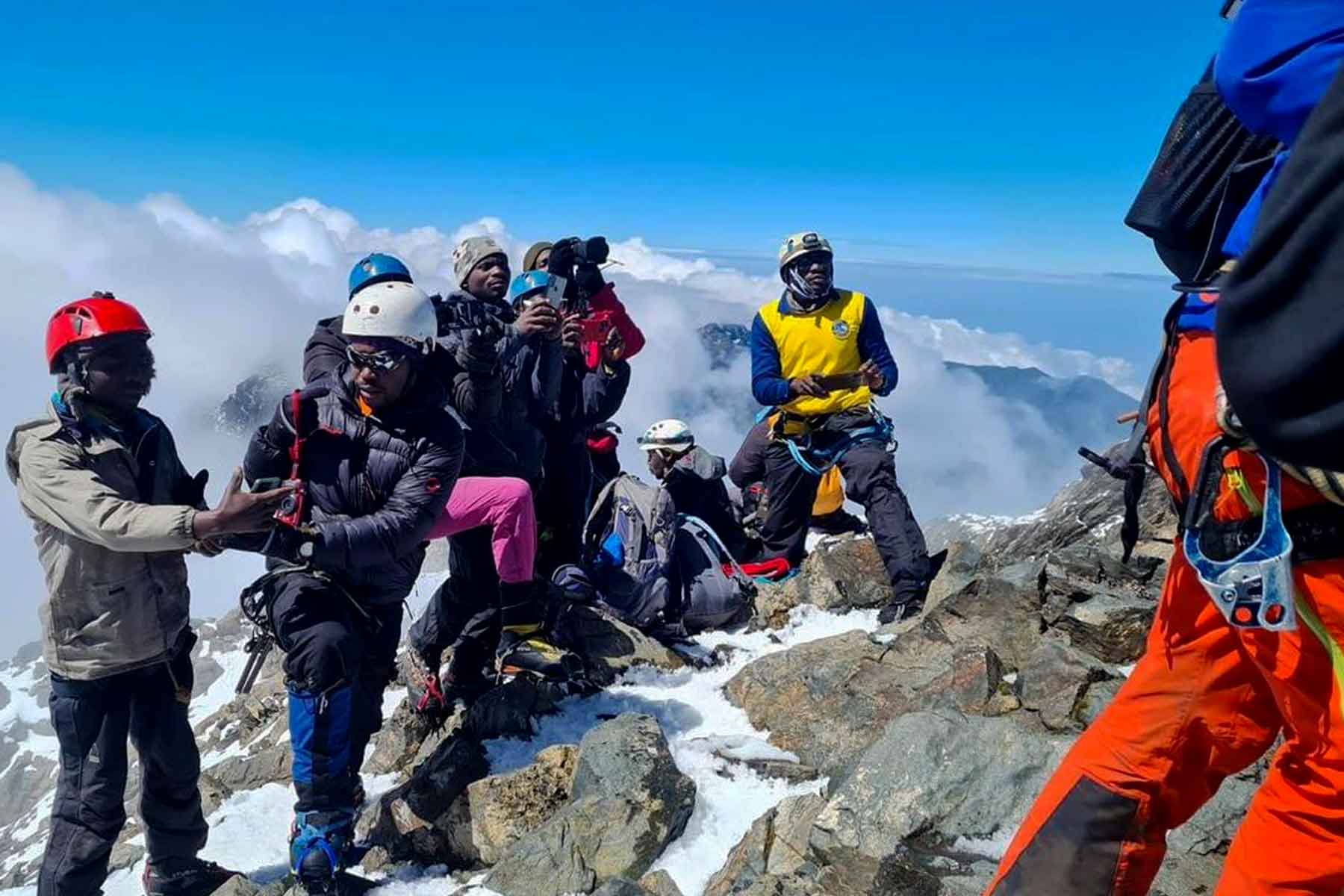
RMS provides specialized mountaineering equipment for the summit attempt:
- Crampons
- Ropes
- Harnesses
- Ice axes
- Helmets
These are crucial for navigating the icy sections of the Stanley Glacier.
Park Rangers
Every trek is accompanied by a trained Uganda Wildlife Authority ranger. Rangers guide trekkers through wildlife zones and ensure compliance with park regulations.
Rwenzori Trekkers Hostel (Complete Overview)
The Rwenzori Trekkers Hostel is the most popular and convenient base for hikers preparing to explore the Rwenzori Mountains National Park. Located near the Nyakalengija trailhead in Kasese District, the hostel is perfectly positioned for trekkers beginning the Central Circuit Route or short Rwenzori hikes. Because of its close proximity to the park gate, many hikers spend a night here before and after their trek, making it an essential stopover for both acclimatization and rest.
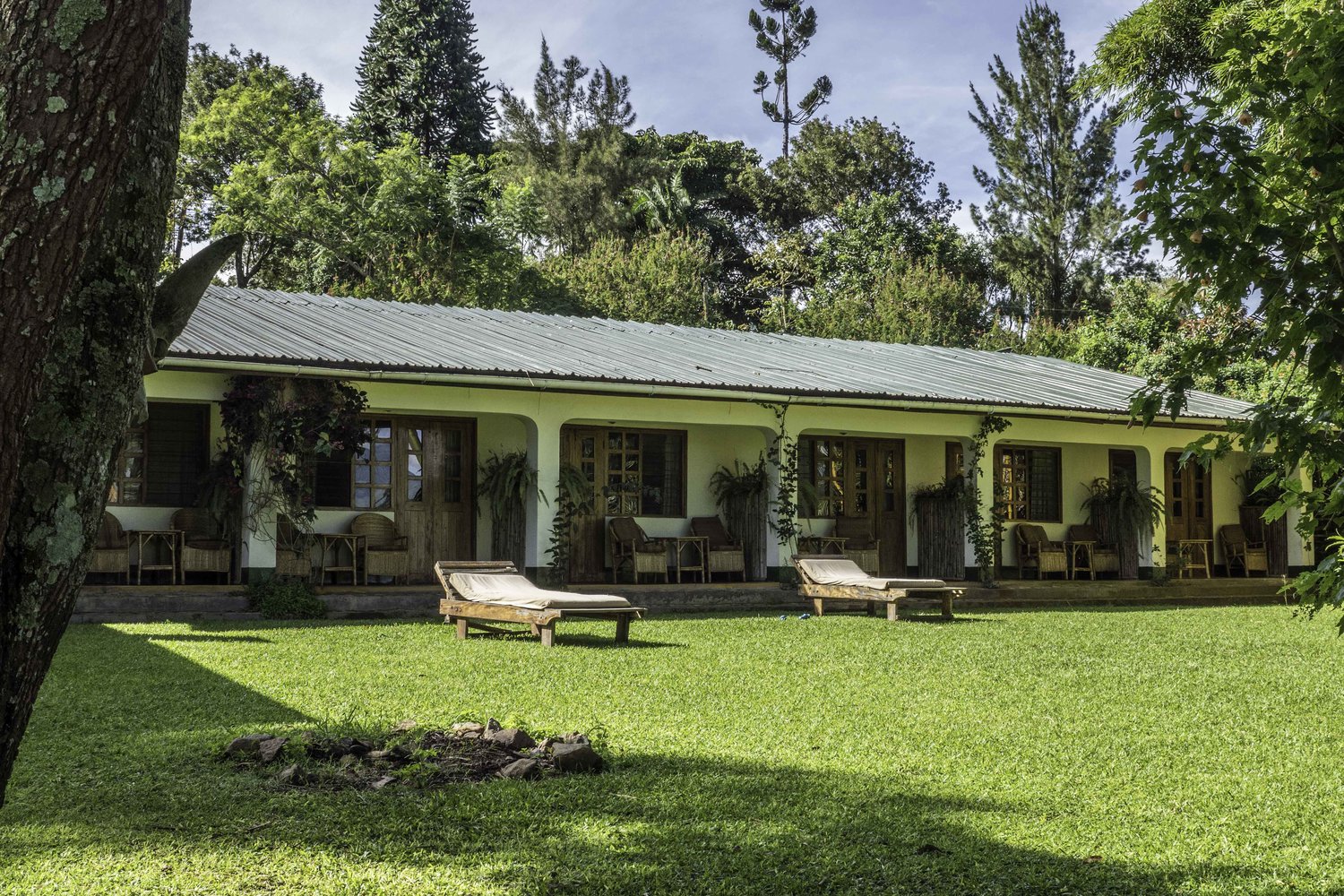
The hostel offers clean and comfortable accommodation with private rooms, dormitories, hot showers, reliable electricity, Wi-Fi, and a restaurant serving hearty meals before and after the trek. Trekkers also use the lodge for pre-hike briefings, equipment checks, and meeting their guides, porters, and cook teams. This makes the Rwenzori Trekkers Hostel especially popular among first-time hikers who want a smooth, well-organized start to their expedition.
Another major advantage is the gear rental service offered on-site, allowing hikers to hire boots, gaiters, jackets, sleeping bags, and technical equipment. This convenience makes the hostel a preferred choice for climbers who don’t want to carry all their mountain gear from abroad. For anyone planning serious Rwenzori mountain hiking tours, the Rwenzori Trekkers Hostel remains the best staging point for preparation, relaxation, and post-hike recovery.
Rwenzori Mountain Hiking + Gorilla Trekking Combination Safaris
Combining Rwenzori mountain hiking with gorilla trekking in Uganda is one of the most powerful and rewarding adventure combinations in East Africa. These two experiences complement each other perfectly: the Rwenzori Mountains offer high-altitude adventure and dramatic alpine landscapes, while Bwindi Impenetrable National Park provides intimate encounters with the endangered mountain gorillas. Because both destinations lie in western Uganda, it is easy and efficient to connect them in a single safari.
Most travelers choose the classic 8 days Rwenzori Central Circuit followed by a 3 Day Gorilla Trekking Safari in Bwindi. This itinerary allows trekkers to recover from the mountain climb and transition directly into the lush forests of southwestern Uganda. The contrast between alpine glaciers and dense rainforest makes this combination one of Africa’s greatest multi-experience safaris.
For travelers seeking a deeper wildlife encounter, the Gorilla Habituation Experience is the ultimate add-on. Instead of spending one hour with the gorillas, habituation allows four hours with a gorilla family, ideal for photographers, filmmakers, and wildlife lovers. This exclusive upgrade pairs beautifully with a Rwenzori summit or multi-day trek because both experiences prioritize adventure, nature, and rare encounters.
Typical combination routes include:
- Rwenzori → Queen Elizabeth National Park → Bwindi Impenetrable National Park
- Rwenzori → Bwindi Impenetrable National Park directly via Kilembe–Kasese–Kisoro
- Rwenzori → Gorilla Habituation in Rushaga
These trips are increasingly popular for 2026–2030 travelers seeking unique itineraries that blend mountain trekking with elite wildlife experiences. Google favors pages offering multi-intent content, making this section critical for your page’s ranking strength.
Best Time to Hike Rwenzori Mountains
The best time to hike the Rwenzori Mountains is during the dry seasons, when trails are more stable, bogs are less waterlogged, and visibility of the peaks and glaciers is at its highest. The two primary dry seasons are:
December to February (Peak Season)
This is the most reliable period for summit attempts because the Stanley Glacier is more stable and the weather is generally clearer. The alpine sections offer incredible visibility, and trekkers have better chances of seeing Margherita Peak without cloud cover.
June to August (High Season)
This season is slightly cooler and also dry, making it ideal for long-distance treks along the Central Circuit and Kilembe Route. The bog areas are firmer, and the heather zone is exceptionally scenic during this period.
Rainy Seasons: March–May & September–November
These months see heavier rainfall, making the already challenging Rwenzori mountain hiking difficulty even harder. The mud becomes deeper, rivers swell, and certain slopes become slippery. However, experienced trekkers who seek solitude and dramatic mountain weather still enjoy the Rwenzori during these periods.
Vegetation changes significantly with the seasons. The alpine flowers bloom after rainfall, the moorlands appear lush and green, and the bamboo zones shimmer with fresh foliage. Glacier visibility fluctuates, but the upper peaks remain breathtaking throughout the year.
For most visitors, the dry season months remain the safest and most rewarding time to hike the Rwenzori Mountains.
Packing List for Rwenzori Hikes (Complete & Updated)
Preparing the right gear is essential for managing the Rwenzori mountain hiking difficulty level and ensuring comfort and safety throughout the trek. The Rwenzori Mountains are known for rapidly changing weather, ranging from tropical rain to alpine snow within a single day. This packing list covers everything required for both regular treks and technical ascents to Margherita Peak.
Clothing Layers (Essential for All Trekkers)
- Base layers (moisture-wicking tops and bottoms)
- Insulating layers (fleece or down jacket)
- Outer waterproof shell (jacket + trousers)
- Thermal socks (several pairs)
- Quick-dry trekking pants
- Warm hat, gloves, and balaclava
- Sun hat & sunglasses
Layering is crucial because hikers move through forest humidity, alpine cold, and windy ridges.
Footwear and Gaiters
- Waterproof hiking boots
- Upgraded alpine boots for summit attempts
- High-quality gaiters
- Camp slippers or light shoes
Gaiters dramatically improve comfort in boggy areas, one of the signature challenges of Rwenzori mountain hiking.
Technical Gear for Margherita Peak (Mandatory)
- Crampons
- Ice axe
- Harness
- Helmet
- Carabiners
- Rope (provided by Rwenzori Mountain Services)
- Headlamp with strong batteries
Trekkers attempting the glacier need reliable ice gear due to the steep, technical nature of the ascent.
Camping & Sleeping Essentials
- Sleeping bag (0°C to -10°C recommended)
- Sleeping liner
- Waterproof duffel bag (for porters)
Additional Essentials
- Trekking poles
- Reusable water bottle
- Rain cover for backpack
- Personal first-aid kit
- Energy snacks
- Insect repellent
- Sunscreen
- Camera
Having the right gear significantly improves your comfort, safety, and overall success during the trek.
Frequently Asked Questions About Rwenzori Mountain Hiking (2026–2030 Guide)
How difficult is hiking the Rwenzori Mountains?
The Rwenzori mountain hiking difficulty level is considered moderate to very challenging depending on the route and the final altitude reached. Trekkers encounter steep forest paths, slippery bogs, rock scrambles, bamboo slopes, and demanding alpine terrain. Summit attempts to Margherita Peak (5109m) involve glacier crossings using crampons and ropes, making the ascent technical and physically demanding. Even non-summit treks require 6–9 hours of daily walking and high endurance.
What is the cost of hiking the Rwenzori Mountains?
The Rwenzori mountain hiking cost varies based on trek duration. Prices include park fees, guides, porters, cooks, meals, and mountain hut accommodation.
- 7–8 days with Margherita Peak: $600–$1350 depending on nationality
- 6–7 days (Central Circuit only): $500–$1200
- 5–6 days: $410–$1100
- 3–4 days: $300–$780
- 2 days: $70–$380
- 1 day: $37–$170
These official Rwenzori Mountaineering Services fees are consistent across all operators.
What is the best time to hike the Rwenzori Mountains?
The best time to hike Rwenzori is during the dry seasons:
- December–February (ideal for Margherita Peak)
- June–August (excellent for long treks)
These months offer clearer skies, more stable trails, and better glacier conditions. The rainy seasons (March–May and September–November) make the trails muddier and more difficult but offer dramatic scenery and lush vegetation.
How long does it take to hike the Rwenzori Mountains?
Hiking durations vary widely:
- 1 day: Forest and river hikes
- 2 days: Nyabitaba Camp
- 3–4 days: John Matte Camp
- 5–6 days: Bujuku Camp
- 6–7 days: Central Circuit
- 7–8 days: Margherita Peak attempt
Most trekkers choose the 7–8 day Central Circuit route.
Do I need technical mountaineering skills for Margherita Peak?
Yes. Climbing Margherita Peak (5109m) requires using crampons, ice axes, ropes, and harnesses. Trekkers cross glaciers, steep ice sections, and crevasses. While beginners can climb with guides, good fitness, mental endurance, and familiarity with alpine gear are highly recommended.
What animals can I see while trekking the Rwenzori Mountains?
The Rwenzori Mountains are home to a wide range of wildlife including:
- Black-and-white colobus monkeys
- Blue monkeys
- Rwenzori turaco
- Chameleons
- Duikers
- Forest elephants (rare and shy)
- Numerous bird species
Wildlife sightings depend on altitude and forest conditions.
Are permits required to hike the Rwenzori Mountains?
Yes. All hikers must pay:
- Park entrance fees
- Trekking fees (based on duration)
Permits are included in the Rwenzori mountain hiking cost when booking through a registered operator like Nextgen Safaris. No separate permit is needed for Margherita Peak, but extra technical gear is required.
What equipment do I need for Rwenzori trekking?
Essential gear includes:
- Waterproof boots
- Layered clothing (base, mid, and shell)
- Gloves and gaiters
- Trekking poles
- Sleeping bag (0° to –10°C)
- Backpack rain cover
For Margherita Peak, mandatory technical gear includes crampons, ice axe, harness, helmets, and ropes (provided by mountain services).
What is the difference between the Central Circuit and the Kilembe Route?
- Central Circuit: Classic 8-day loop offering a balanced mix of vegetation zones, bogs, and peak access.
- Kilembe Route: Longer, more scenic, and considered less muddy in some sections; offers better acclimatization for summit climbs.
Both routes are challenging and equally rewarding.
Can I combine Rwenzori hiking with gorilla trekking?
Yes, this is one of the most popular combination safaris. After the trek, hikers connect easily to Bwindi Impenetrable National Park for either a 3-day gorilla trek or the 4-hour Gorilla Habituation Experience. This combination is ideal for travelers who want both alpine adventure and once-in-a-lifetime wildlife encounters.
What level of fitness is required for Rwenzori trekking?
A good level of fitness is necessary. Trekkers should be comfortable walking 6–9 hours per day, carrying a daypack, and navigating steep and muddy terrain. Summit attempts require even stronger endurance and mental resilience.
Are guides and porters mandatory?
Yes. All hikers must be accompanied by certified guides from Rwenzori Mountain Services. Porters are strongly recommended since they carry heavy loads, food, and equipment, allowing trekkers to hike safely and avoid exhaustion.
What accommodation is available on the mountain?
Trekkers sleep in designated mountain huts such as Nyabitaba, John Matte, Bujuku, Elena, Kitandara, and Guy Yeoman. Huts offer mattresses, shelter, cooking areas, and water access. Camping is not permitted.
How cold does it get on the Rwenzori Mountains?
Temperatures can drop below freezing above 4,000m, especially at night and near glaciers. The summit zones of Mount Stanley often experience snow, ice, and cold winds. Proper thermal layers are essential.
Is Rwenzori trekking safe?
Yes. The Rwenzori Mountains are protected by Uganda Wildlife Authority and supported by trained guides, park rangers, and porters. Safety protocols include weather monitoring, glacier checks, emergency response systems, and mandatory guide participation.
Why Hike the Rwenzori Mountains with Nextgen Safaris
Choosing the right operator is essential when planning a Rwenzori mountain hiking tour, and Nextgen Safaris stands out as one of the most trusted and experienced companies for 2026–2030 expeditions. With a strong reputation for safety, professionalism and tailored adventure experiences, we ensure that every trekker enjoys a seamless, well-organized, and unforgettable journey into Africa’s most dramatic mountains.
Certified & Highly Experienced Rwenzori Guides
Our mountain guides are trained in glacier safety, rope work, altitude management, and alpine navigation. Their experience on the Central Circuit and Kilembe Route ensures safe passage through difficult bogs, steep slopes, and glacier areas.
Strong Local Mountain Teams
Nextgen Safaris employs expert cooks, reliable porters, and support staff who provide meals, carry equipment, and assist throughout the trek. Their support enhances comfort and greatly increases summit success rates.
Safety-First Approach
We follow strict protocols including weather monitoring, glacier assessments, emergency response procedures, and daily health check-ins. Safety is always our highest priority.
Flexible Add-On Experiences
We make it easy to extend your Rwenzori adventure with:
- Gorilla trekking in Bwindi Impenetrable National Park
- Gorilla Habituation (4-hour experience)
- Chimpanzee trekking in Kibale
- Wildlife safaris in Queen Elizabeth NP
- Cultural tours around Kasese, Fort Portal, or Lake Bunyonyi
Fast Communication & Personalized Planning
Our team responds quickly, offers expert advice, and designs itineraries tailored to fitness level, travel dates, and personal interests.
Trusted, Transparent, & Professional
No hidden fees, no surprises. We follow official Rwenzori Mountain Services pricing and provide full support from booking to summit.
Speak to a Mountain Specialist