
Uganda Eco Tourism
Ultimate Uganda Eco Tourism Guide: Discover Sustainable Safaris, Conservation Experiences and Responsible Travel in the Pearl of Africa
The Uganda Eco Tourism experience introduces travellers to a more responsible and meaningful way of exploring the Pearl of Africa while protecting its incredible natural landscapes, wildlife, and cultural heritage. Uganda is one of Africa’s most diverse destinations, offering ancient rainforests, mountain ecosystems, wetlands, rivers, lakes, savannah plains, and rich cultural communities. Through eco-tourism, visitors can enjoy these remarkable environments while supporting conservation efforts and contributing positively to local communities.
Unlike conventional travel that focuses only on sightseeing, Uganda Eco Tourism focuses on creating experiences that balance adventure, conservation, and community development. It encourages travellers to explore Uganda’s natural treasures while minimising environmental impact, supporting local livelihoods, and protecting endangered species. From trekking mountain gorillas in Bwindi Impenetrable National Park to visiting community projects, exploring wetlands, and staying in environmentally responsible lodges, eco-tourism provides a deeper connection with Uganda.
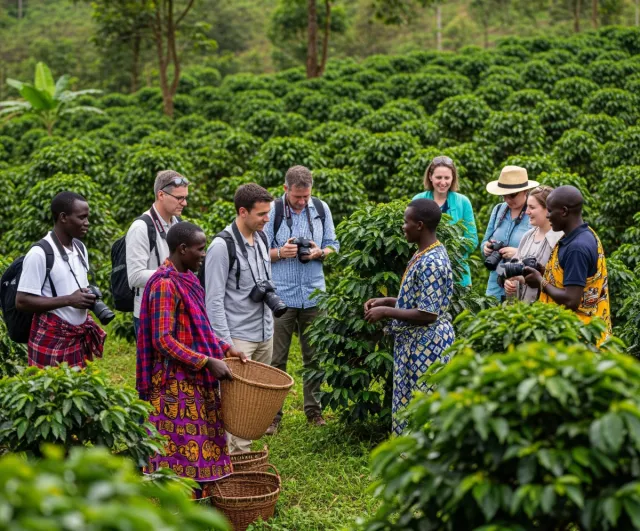
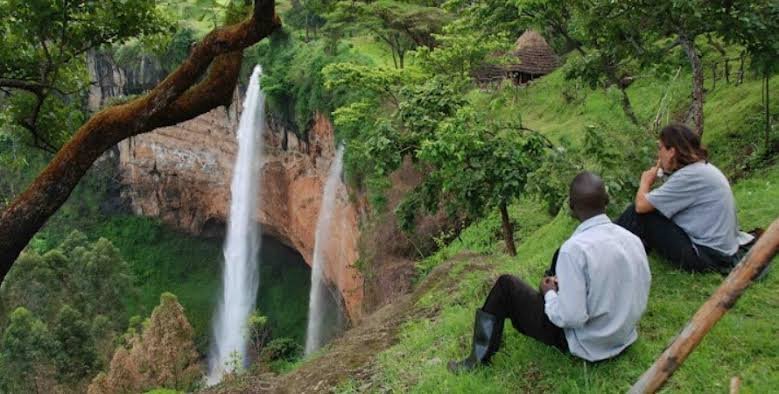
A complete Uganda Eco Tourism journey allows travellers to understand the relationship between people, wildlife, and nature. Visitors can discover how conservation programmes protect Uganda’s biodiversity while creating opportunities for communities living near protected areas. These experiences provide unforgettable memories while helping preserve the country’s natural resources for future generations.
At Nextgen Safaris, we believe responsible travel is the future of tourism. Our Uganda safari experiences are designed to combine wildlife adventures, cultural encounters, and conservation-focused activities while supporting local communities and protecting Uganda’s unique ecosystems.
What Is Eco Tourism in Uganda?
Eco-tourism in Uganda is a form of responsible travel that focuses on experiencing nature while conserving the environment and benefiting local communities. It involves visiting natural areas in a way that reduces negative impacts, supports conservation projects, and encourages sustainable development.
The Uganda Eco Tourism concept is built around protecting Uganda’s extraordinary biodiversity while allowing travellers to enjoy authentic experiences. The country’s forests, national parks, wetlands, and wildlife reserves provide important habitats for many species, including mountain gorillas, chimpanzees, elephants, lions, birds, and countless plant species.
Eco-tourism encourages travellers to appreciate nature beyond simply observing wildlife. It creates opportunities to learn about conservation challenges, participate in community experiences, support local businesses, and understand the importance of protecting ecosystems.
For Uganda, eco-tourism plays an important role in ensuring that tourism contributes positively to wildlife protection and the wellbeing of communities living around protected areas.
Why Choose Uganda for Eco Tourism Experiences?
Uganda is one of the most rewarding eco-tourism destinations in Africa because of its exceptional biodiversity and variety of natural environments. The country contains tropical rainforests, alpine mountains, freshwater ecosystems, wetlands, and savannah landscapes, creating habitats for an incredible range of species.
The Uganda Eco Tourism experience allows travellers to explore some of Africa’s most important conservation areas while enjoying responsible and authentic adventures. Uganda is home to endangered mountain gorillas, one of the world’s most famous conservation success stories, as well as chimpanzees and numerous other primates.
Beyond wildlife, Uganda’s eco-tourism strength comes from its communities. Many local people living near protected areas participate in conservation initiatives, cultural tourism projects, and sustainable businesses that benefit from tourism.
Travellers choosing Uganda eco-tourism experiences contribute directly to conservation and community development while enjoying some of Africa’s most beautiful landscapes.
Gorilla Conservation and Eco Tourism in Uganda
Mountain gorilla trekking is one of the most important examples of eco-tourism in Uganda. Bwindi Impenetrable National Park and Mgahinga Gorilla National Park protect endangered mountain gorillas while allowing carefully managed tourism experiences.
The Uganda Eco Tourism experience through gorilla trekking demonstrates how responsible tourism can support wildlife conservation. A portion of tourism revenue contributes to conservation programmes, park management, and community initiatives around gorilla habitats.
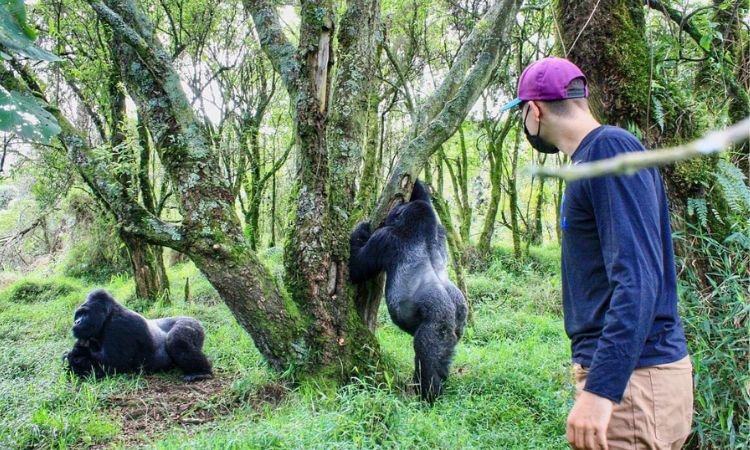
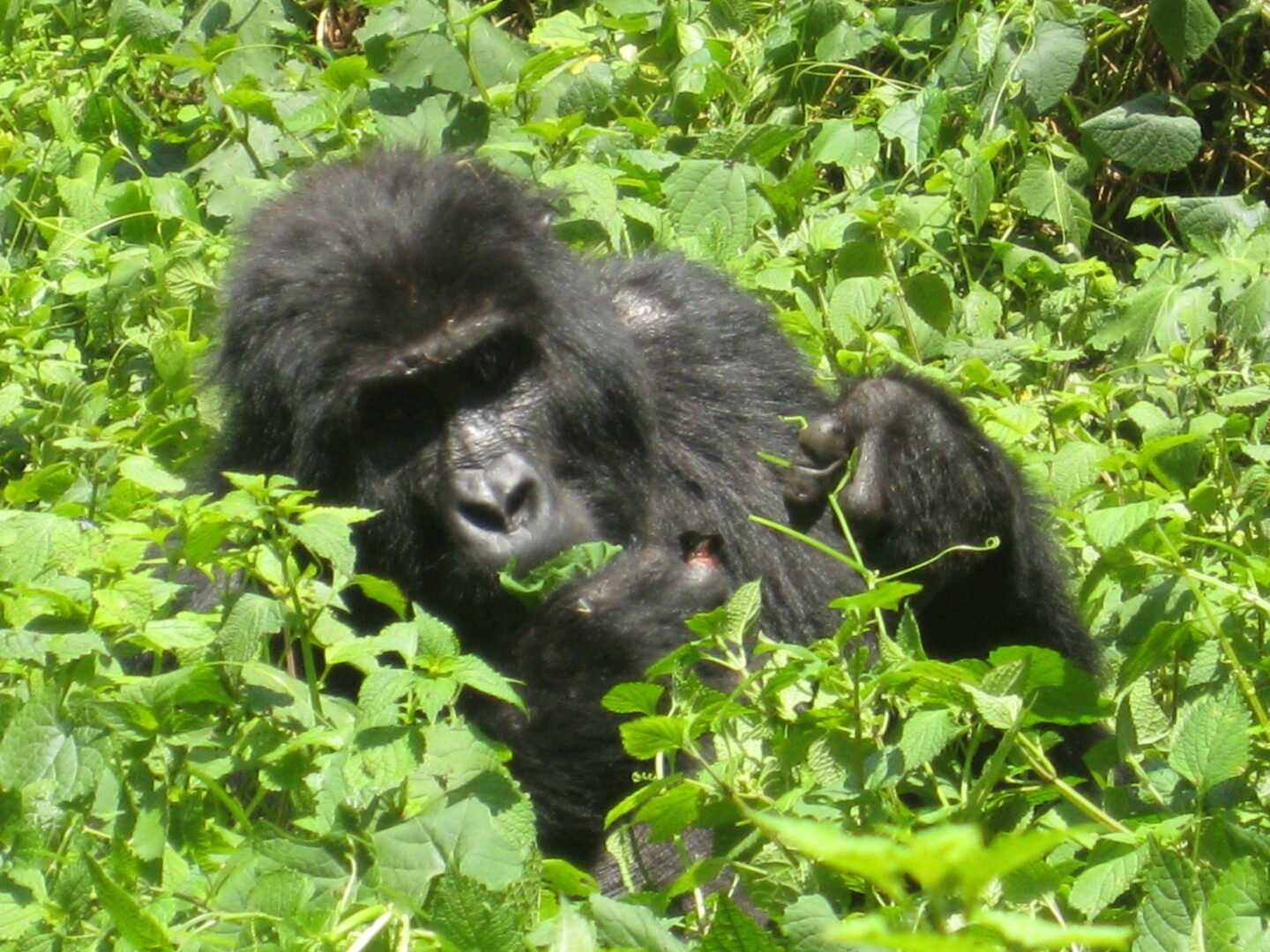
Gorilla trekking follows strict guidelines designed to protect both visitors and gorillas. Limited visitor numbers, health regulations, and controlled trekking practices help reduce disturbance to gorilla families.
Visitors also contribute to local communities through employment opportunities created by guides, porters, accommodation providers, and tourism businesses. This connection between tourism and conservation has helped strengthen efforts to protect Uganda’s gorilla populations.
Bwindi Impenetrable National Park – A Model Eco Tourism Destination
Bwindi Impenetrable National Park is one of Uganda’s most important eco-tourism destinations. Located in southwestern Uganda, the ancient rainforest is famous for its mountain gorillas, exceptional biodiversity, and important conservation value.
The Uganda Eco Tourism experience in Bwindi goes beyond gorilla trekking. Visitors can participate in nature walks, birdwatching, cultural experiences, and community visits that highlight the connection between conservation and local livelihoods.
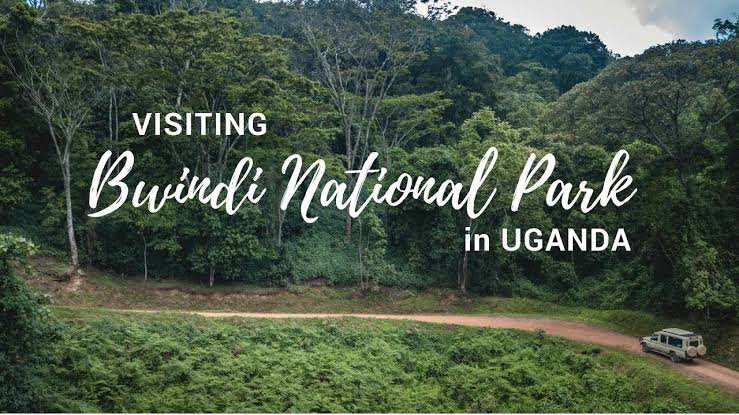
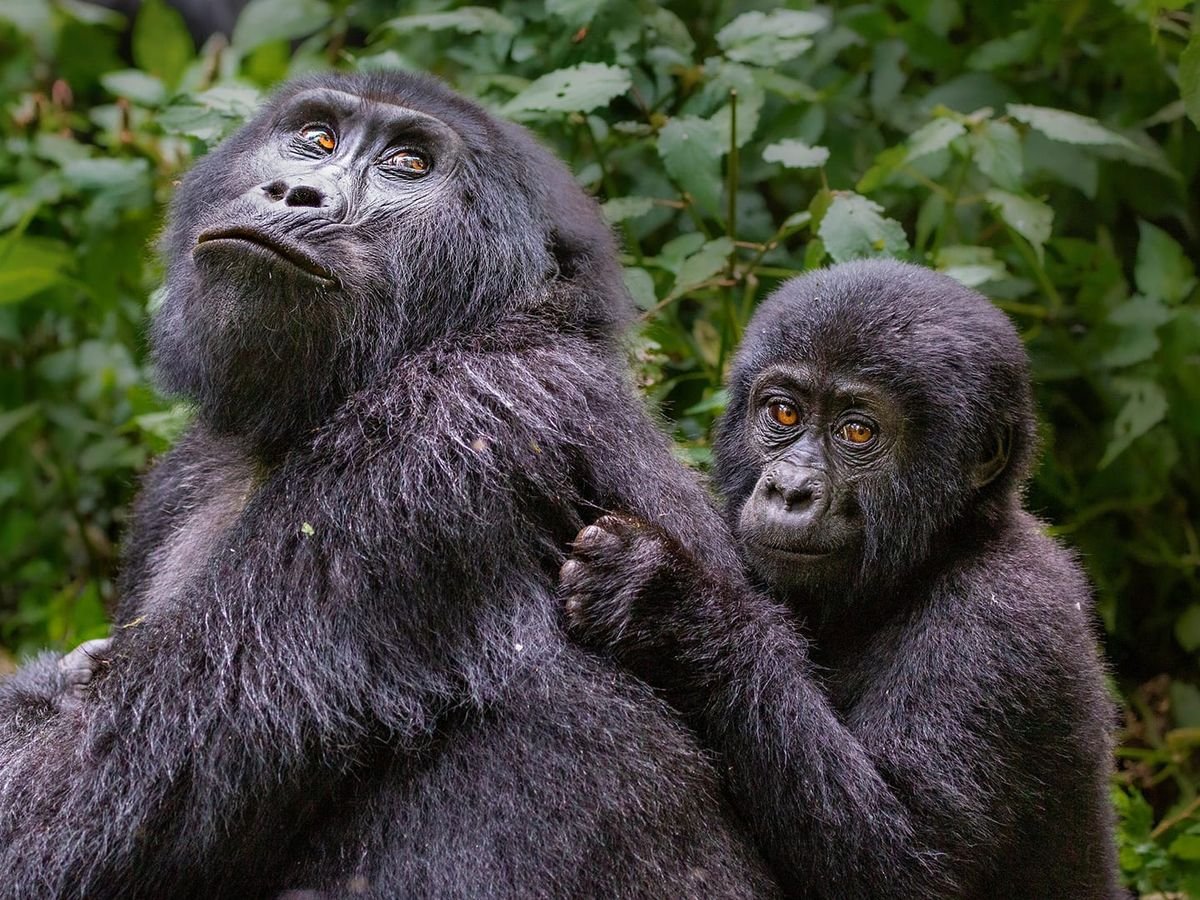
Bwindi’s forest ecosystem supports hundreds of plant species, birds, mammals, and insects. Protecting this forest is essential not only for wildlife but also for surrounding communities that depend on the environment.
Eco-friendly lodges around Bwindi often focus on sustainable practices such as responsible waste management, renewable energy, local employment, and supporting community projects.
Kibale National Park and Responsible Primate Tourism
Kibale National Park is one of Africa’s most important primate conservation areas and a leading destination for responsible wildlife tourism. The park is famous for chimpanzee tracking and contains one of the highest concentrations of primates in Africa.
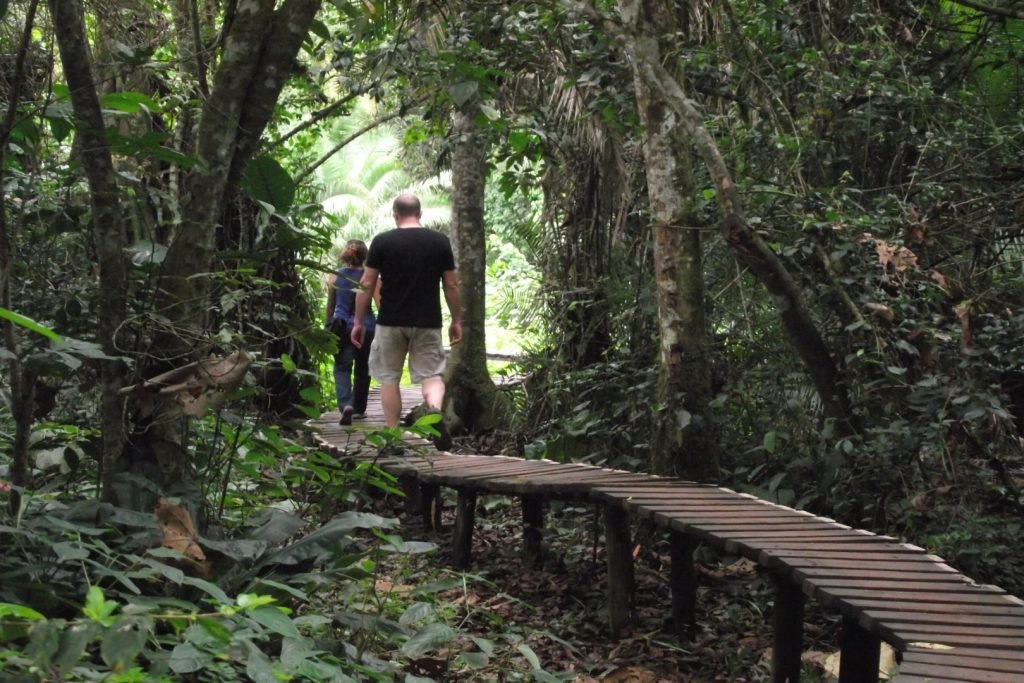
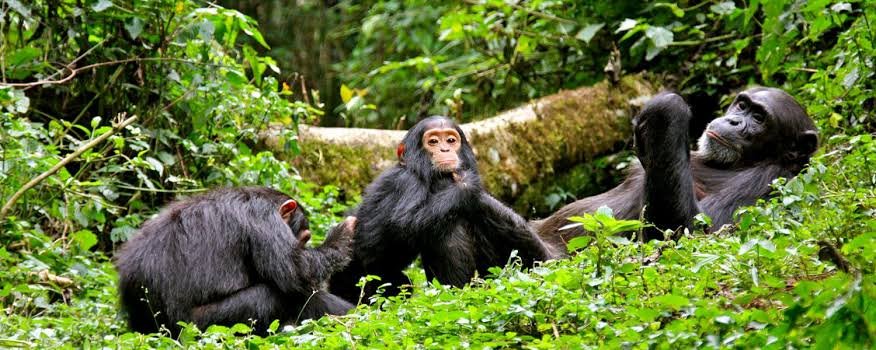
The Uganda Eco Tourism experience in Kibale allows travellers to explore tropical forests while supporting conservation efforts that protect chimpanzees and their habitat.
Chimpanzee tracking is carefully managed to minimise disturbance while providing visitors with unforgettable encounters. Tourism revenue helps support forest protection, research, and conservation programmes. Visitors can also enjoy nature walks, birdwatching, and community experiences around Kibale, creating a complete eco-tourism journey.
Queen Elizabeth National Park and Sustainable Wildlife Tourism
Queen Elizabeth National Park is one of Uganda’s most diverse wildlife destinations, combining savannah plains, forests, wetlands, and lakes. The park supports elephants, lions, buffaloes, hippos, leopards, and many bird species.
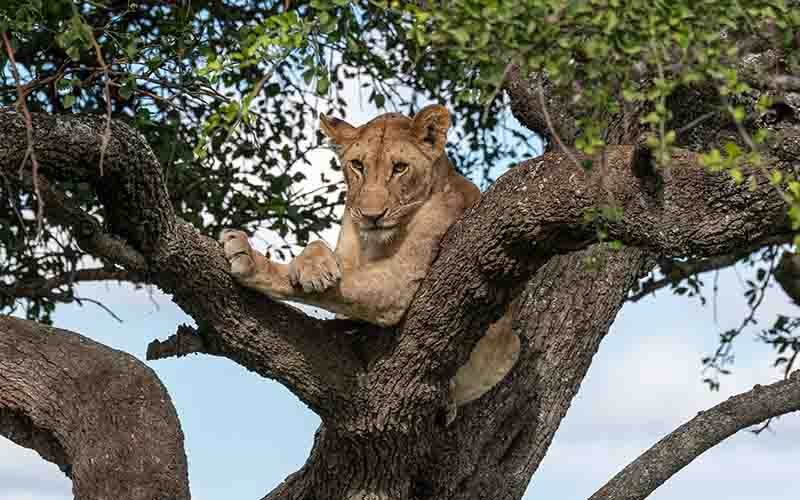
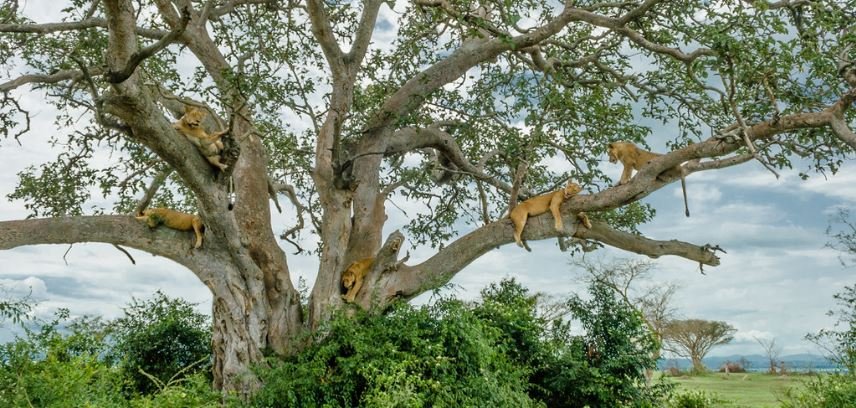
The Uganda Eco Tourism experience in Queen Elizabeth National Park focuses on responsible wildlife viewing and conservation awareness. Game drives and boat safaris allow visitors to experience wildlife while following guidelines that protect animals and ecosystems. The park’s communities also benefit from tourism through employment, cultural experiences, and conservation partnerships.
Visitors can enjoy activities such as the Kazinga Channel boat cruise, wildlife viewing, birdwatching, and nature experiences while supporting sustainable tourism.
Murchison Falls National Park and Conservation Adventures
Murchison Falls National Park is Uganda’s largest national park and offers incredible eco-tourism opportunities through wildlife viewing, river experiences, and conservation-focused activities. The park is famous for the powerful Murchison Falls, where the Nile River forces through a narrow gorge before continuing downstream.
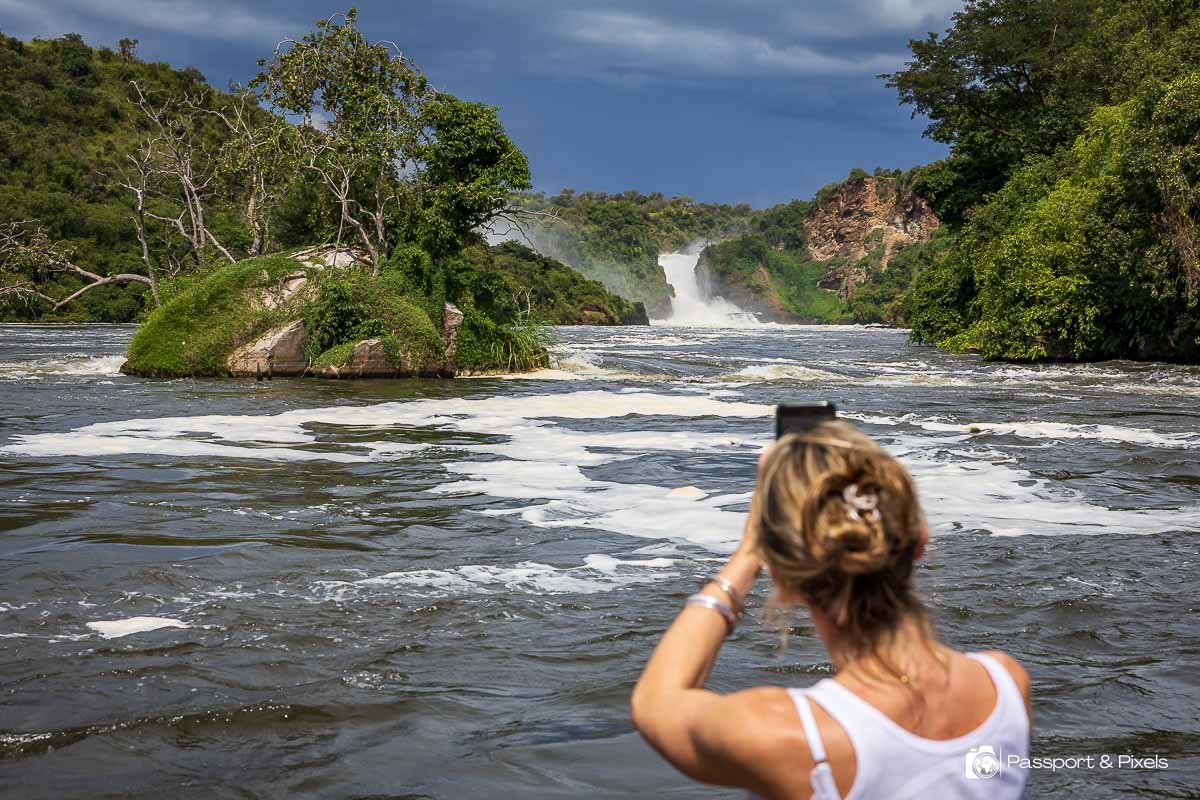
The Uganda Eco Tourism experience in Murchison Falls allows travellers to enjoy game drives, boat cruises, birdwatching, and nature exploration while supporting efforts to protect the park’s wildlife. Responsible tourism helps maintain habitats for elephants, giraffes, lions, buffaloes, hippos, crocodiles, and numerous bird species.
Community-Based Eco Tourism in Uganda
Community involvement is one of the most important parts of eco-tourism in Uganda. Many communities living near national parks participate in tourism activities that create income opportunities while encouraging conservation.
The Uganda Eco Tourism approach recognises that protecting nature requires cooperation between conservation organisations, governments, tourism operators, and local communities.
Community-based tourism experiences may include village visits, cultural performances, traditional cooking demonstrations, craft workshops, and interactions with local families. These experiences allow travellers to understand Ugandan culture while supporting local businesses and community development projects.
Batwa Cultural Experiences and Indigenous Conservation
The Batwa people of southwestern Uganda have a deep historical connection with the forests around Bwindi and Mgahinga. Their traditional knowledge provides valuable insights into forest ecosystems and indigenous ways of living.
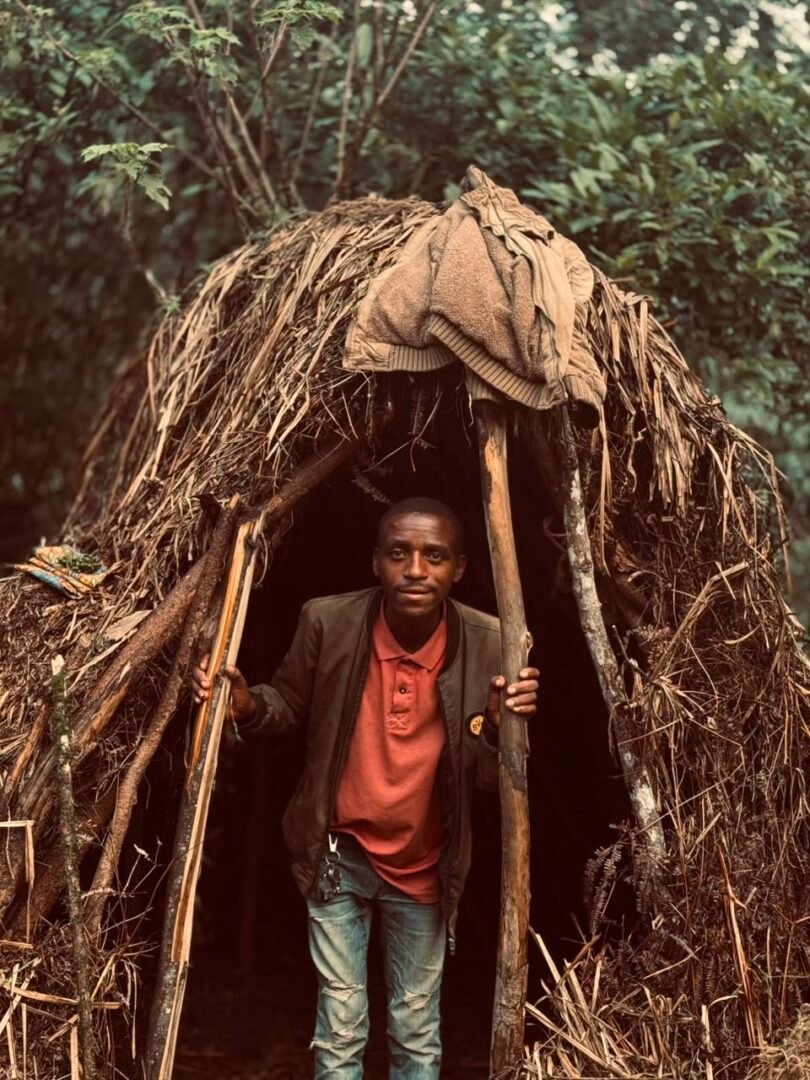
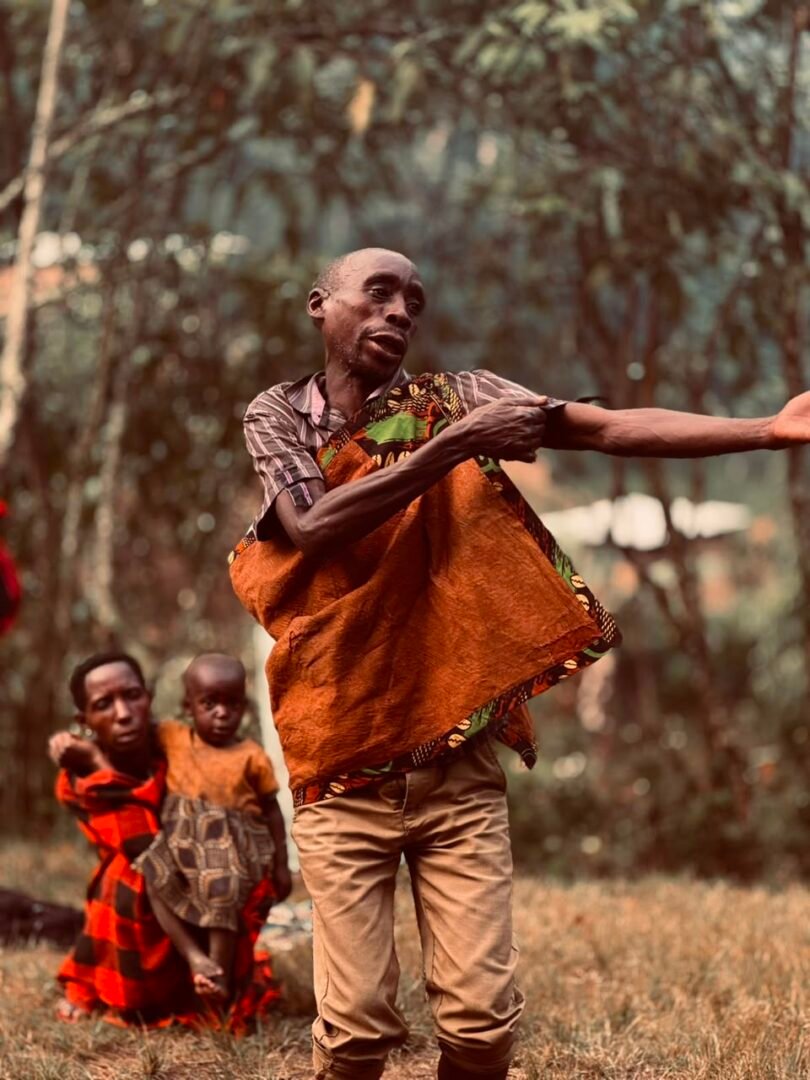
The Uganda Eco Tourism experience through Batwa cultural visits allows travellers to learn about traditional forest knowledge, storytelling, music, and cultural heritage.
Responsible Batwa tourism supports community development while preserving important cultural traditions. It also helps visitors understand the importance of protecting forests and respecting indigenous communities.
Sustainable Accommodation in Uganda
Eco-friendly accommodation plays an important role in Uganda’s responsible tourism sector. Many lodges and camps are adopting sustainable practices to reduce environmental impact and support surrounding communities.
The Uganda Eco Tourism experience often includes staying at properties that use renewable energy, manage waste responsibly, conserve water, source local products, and employ community members.
Eco-lodges allow travellers to enjoy comfort while maintaining a connection with nature. Many are located in beautiful environments near forests, rivers, lakes, and national parks. Choosing sustainable accommodation helps ensure tourism contributes positively to conservation and local development.
Birdwatching and Wetland Conservation in Uganda
Uganda is one of Africa’s most rewarding birdwatching destinations, making it an ideal choice for travellers interested in nature, conservation, and responsible tourism. The country’s diverse ecosystems, including tropical forests, wetlands, lakes, rivers, and savannah landscapes, provide habitats for more than 1,000 bird species. From colourful forest birds hidden within ancient rainforests to waterbirds found along lakeshores and wetlands, Uganda offers exceptional opportunities for both beginner birdwatchers and experienced birding enthusiasts. The Uganda Eco Tourism experience through birdwatching allows visitors to explore these natural environments while developing a deeper appreciation for the importance of protecting biodiversity.
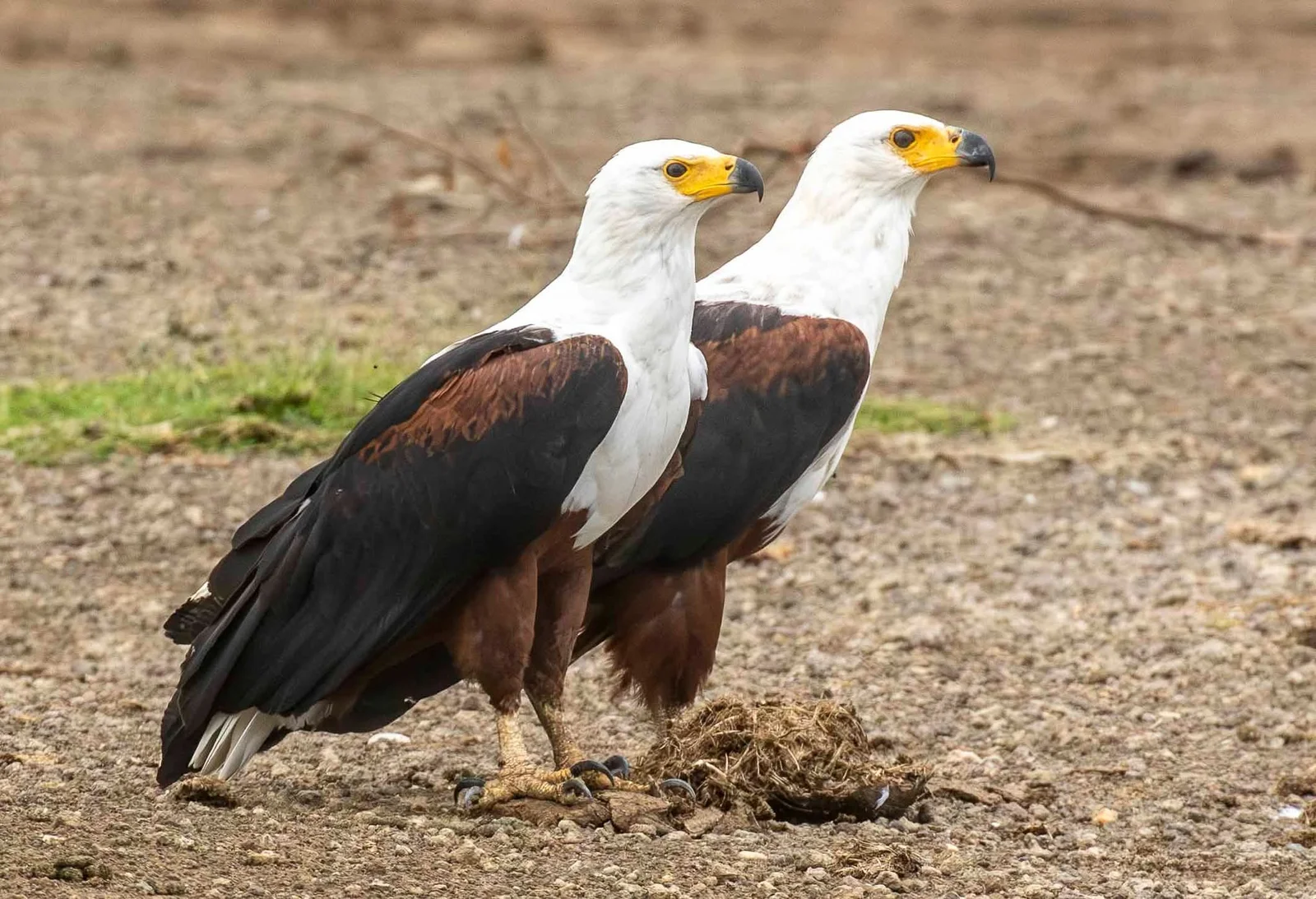

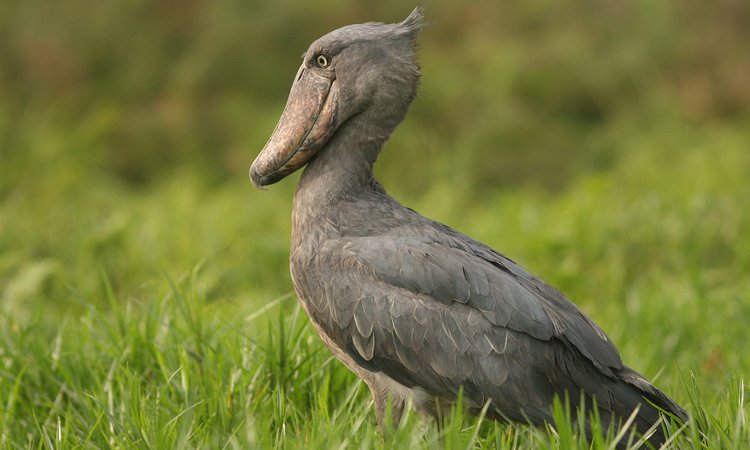
Wetlands play a vital role in Uganda’s ecosystem by providing breeding grounds, feeding areas, and shelter for many bird species and other wildlife. Destinations such as Mabamba Bay Wetland near Lake Victoria are among the most important birding locations in the country, offering visitors the chance to search for the rare and iconic shoebill stork. Guided canoe excursions through the peaceful papyrus channels provide a low-impact way to explore the wetland while observing birds in their natural habitat. Other important birding destinations include Bwindi Impenetrable National Park, Kibale National Park, Queen Elizabeth National Park, and Murchison Falls National Park, each offering unique bird species and conservation experiences.
The Uganda Eco Tourism approach to birdwatching supports the protection of wetlands and natural habitats by creating sustainable tourism opportunities that benefit conservation efforts and local communities. By visiting birding destinations, travellers contribute to the continued preservation of important ecosystems while supporting local guides, conservation initiatives, and community-based tourism projects. Birdwatching is a peaceful and environmentally friendly activity that encourages visitors to connect with nature while promoting awareness about the importance of protecting Uganda’s wildlife and natural resources for future generations.
Responsible Travel Tips for Uganda Eco Tourism
Responsible travel is an important part of protecting Uganda’s natural landscapes, wildlife, and cultural heritage. Travellers who choose Uganda Eco Tourism experiences play an active role in ensuring that forests, national parks, wetlands, and local communities continue to benefit from tourism for generations to come. Simple decisions made before and during a journey can create a positive impact, from choosing environmentally conscious operators and accommodations to respecting nature and supporting local communities.
One of the most important principles of responsible travel in Uganda is respecting wildlife and conservation guidelines. Visitors should always follow instructions from park rangers and safari guides, maintain the recommended distance from animals, avoid disturbing wildlife, and never remove plants, rocks, or natural materials from protected areas. During experiences such as gorilla trekking, chimpanzee tracking, and wildlife safaris, responsible behaviour helps protect fragile ecosystems while ensuring that future travellers can enjoy the same incredible encounters.
The Uganda Eco Tourism experience also encourages travellers to support local communities and reduce their environmental footprint. Visitors can contribute by purchasing locally made crafts, using community-based services, staying in eco-friendly lodges, reducing single-use plastics, disposing of waste responsibly, and respecting local cultures and traditions. Choosing responsible tourism providers ensures that tourism revenue supports conservation projects, creates employment opportunities, and improves the livelihoods of communities living near Uganda’s protected areas.
By travelling responsibly, visitors become partners in protecting Uganda’s forests, wildlife, and cultural identity. Eco-tourism is not only about visiting beautiful places but also about leaving a positive impact on the destinations explored. Every traveller has a role in conserving the Pearl of Africa by making thoughtful choices that support sustainable tourism and preserve Uganda’s natural treasures for future generations.
Best Activities for Uganda Eco Tourism
Uganda offers a wide range of eco-friendly activities that allow travellers to explore the country’s natural beauty while supporting conservation efforts and local communities. Mountain gorilla trekking remains one of the most remarkable eco-tourism experiences, providing visitors with the rare opportunity to encounter endangered mountain gorillas in their protected rainforest habitats. Chimpanzee tracking in Kibale National Park offers another incredible primate experience, allowing travellers to explore ancient forests while learning about conservation efforts aimed at protecting these intelligent species. These activities contribute directly to wildlife protection through tourism revenue that supports national parks, research, and community initiatives.
Nature-based activities such as birdwatching, forest walks, wildlife safaris, boat cruises, and nature photography provide sustainable ways to discover Uganda’s diverse ecosystems. With over 1,000 bird species, vast forests, wetlands, lakes, and savannah landscapes, Uganda offers exceptional opportunities for travellers who appreciate nature and photography. Boat cruises along destinations such as the Kazinga Channel and the Nile River allow visitors to observe wildlife in a low-impact way, while guided forest walks provide deeper insight into plant species, ecosystems, and the importance of protecting natural habitats.
The Uganda Eco Tourism experience also includes meaningful cultural activities such as community visits, traditional experiences, and interactions with local people. Travellers can learn about Ugandan traditions, support local artisans, participate in cultural demonstrations, and understand how communities contribute to conservation. Hiking adventures in places such as the Rwenzori Mountains, Mount Elgon, and scenic countryside areas add another dimension to eco-tourism by encouraging responsible exploration of Uganda’s landscapes. Through these activities, visitors enjoy unforgettable experiences while supporting sustainable tourism, environmental protection, and community development.
Best Time for Uganda Eco Tourism
Uganda can be visited throughout the year for eco-tourism experiences. However, the dry seasons from June to September and December to February are often preferred because trekking, hiking, and wildlife activities are generally easier. The rainy seasons also provide unique benefits, including greener landscapes, fewer visitors, and excellent photography opportunities.
The Uganda Eco Tourism experience can be customised depending on the activities travellers want to enjoy and the destinations they wish to explore.
Why Choose Nextgen Safaris for Uganda Eco Tourism?
At Nextgen Safaris, we believe tourism should create positive impacts for wildlife, communities, and travellers. Our Uganda eco-tourism experiences are carefully designed to combine adventure with responsible travel practices.
We work with experienced local guides, conservation-focused partners, and community initiatives to provide meaningful journeys across Uganda.
Whether you want gorilla trekking, wildlife safaris, cultural experiences, birdwatching, or nature adventures, we create personalised itineraries that showcase Uganda responsibly.
Frequently Asked Questions About Uganda Eco Tourism
1. What is Uganda Eco Tourism?
Uganda Eco Tourism is a responsible way of exploring Uganda’s natural and cultural attractions while supporting conservation, protecting the environment, and benefiting local communities. It focuses on sustainable travel experiences such as gorilla trekking, wildlife safaris, birdwatching, nature walks, and community visits.
2. Why is Uganda good for eco-tourism?
Uganda is an excellent destination for Uganda Eco Tourism because of its diverse ecosystems, including tropical forests, wetlands, mountains, lakes, and national parks. Travellers can enjoy unique experiences while supporting wildlife conservation and sustainable community development.
3. What activities can I do during Uganda Eco Tourism?
Popular Uganda Eco Tourism activities include mountain gorilla trekking, chimpanzee tracking, birdwatching, wildlife safaris, forest walks, hiking, boat cruises, cultural experiences, and community visits. These activities allow visitors to explore nature responsibly while supporting conservation.
4. How does Uganda Eco Tourism support conservation?
Uganda Eco Tourism supports conservation by generating revenue for national parks, wildlife protection programmes, habitat preservation, and community projects. Tourism helps fund efforts to protect endangered species such as mountain gorillas and chimpanzees.
5. Where are the best Uganda Eco Tourism destinations?
Some of the best Uganda Eco Tourism destinations include Bwindi Impenetrable National Park, Mgahinga Gorilla National Park, Kibale National Park, Queen Elizabeth National Park, Murchison Falls National Park, Lake Bunyonyi, Mabamba Wetland, and the Rwenzori Mountains.
6. Can I enjoy gorilla trekking as part of Uganda Eco Tourism?
Yes, gorilla trekking is one of the most important Uganda Eco Tourism experiences. Visitors can trek through protected forests to see mountain gorillas while contributing to conservation efforts and supporting communities around gorilla habitats.
7. What are eco-friendly activities in Uganda?
Eco-friendly Uganda Eco Tourism activities include birdwatching, nature walks, wildlife viewing, community tourism, cultural experiences, hiking, responsible photography, and staying in sustainable lodges that support environmental protection.
8. How can travellers practise responsible Uganda Eco Tourism?
Travellers can support Uganda Eco Tourism by respecting wildlife rules, reducing plastic waste, avoiding littering, supporting local businesses, respecting cultures, choosing responsible safari operators, and protecting natural environments during their journey.
9. What is the best time for Uganda Eco Tourism?
Uganda Eco Tourism can be enjoyed throughout the year, but the dry seasons from June to September and December to February are popular for activities such as gorilla trekking, wildlife safaris, and hiking. The rainy seasons also offer greener landscapes and excellent photography opportunities.
10. Why choose Nextgen Safaris for Uganda Eco Tourism?
Nextgen Safaris provides authentic Uganda Eco Tourism experiences designed around conservation, wildlife, and community connections. Our local guides and safari specialists create responsible journeys that allow travellers to explore Uganda’s natural beauty while supporting sustainable tourism.
Book Your Uganda Eco Tourism Adventure Today
The Uganda Eco Tourism experience offers travellers a unique opportunity to explore the natural beauty, wildlife, and cultural heritage of the Pearl of Africa while contributing to conservation and sustainable development. Uganda’s incredible ecosystems, from ancient tropical forests and mountain landscapes to wetlands, lakes, and savannah plains, provide unforgettable experiences for travellers who want to discover nature responsibly. Every journey becomes more meaningful when visitors understand that their travel choices can help protect wildlife, support local communities, and preserve Uganda’s natural treasures for future generations.
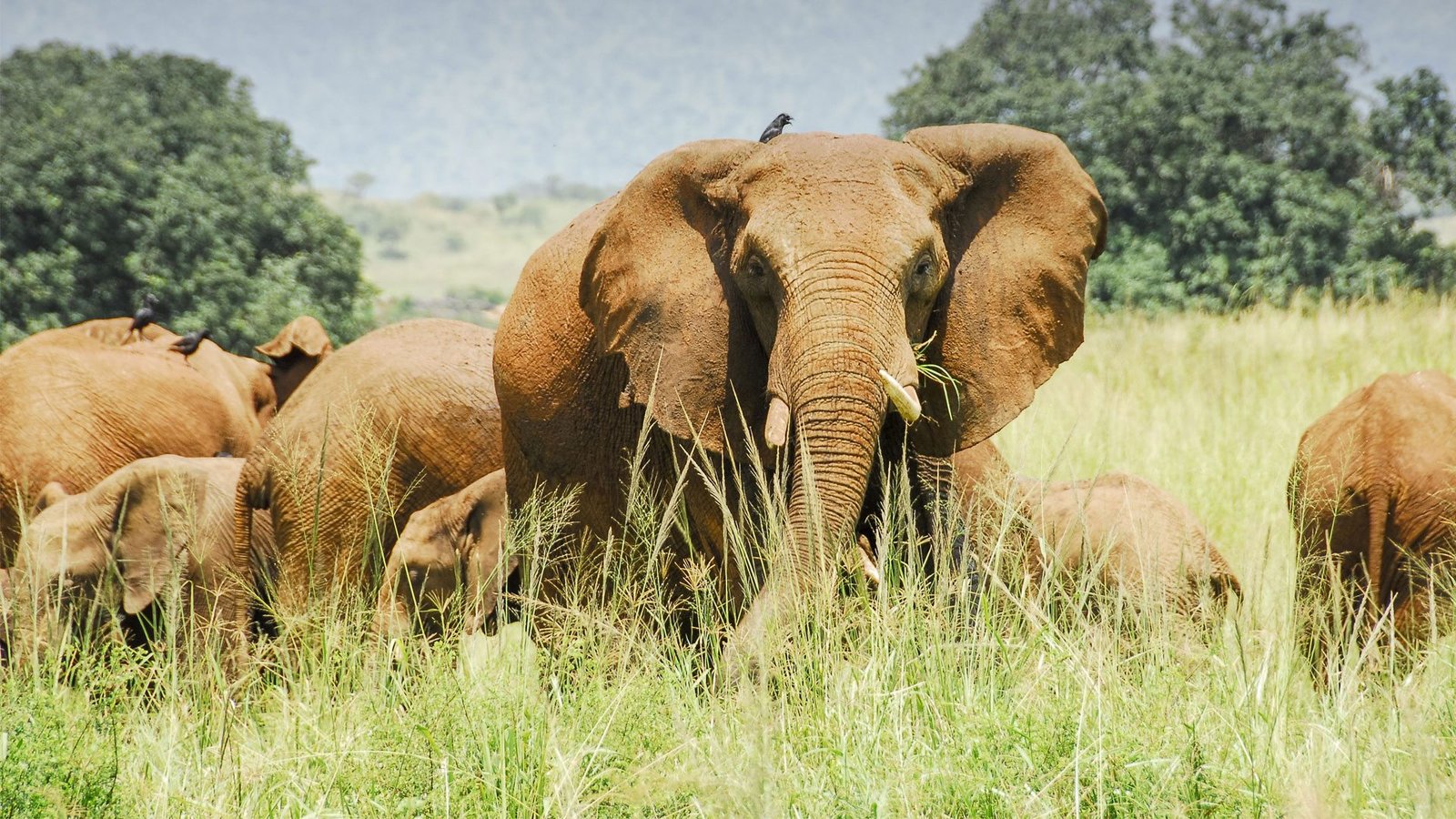
At Nextgen Safaris, we create carefully designed eco-tourism journeys that connect travellers with Uganda’s incredible nature, wildlife, and communities. Our experienced local team combines conservation-focused travel with unforgettable safari experiences, ensuring every adventure is planned responsibly and sustainably. Whether you are interested in gorilla trekking, wildlife safaris, birdwatching, cultural encounters, or nature experiences, we help you discover Uganda while supporting the protection of its remarkable natural and cultural heritage.
Start planning your Uganda Eco Tourism adventure today with Nextgen Safaris and experience the beauty of the Pearl of Africa through responsible, meaningful, and unforgettable travel.