
Uganda Guided Safari
Uganda Guided Safari – Unforgettable Gorilla, Wildlife & Private Safari Adventure
Uganda Guided Safari experiences offer one of the most rewarding ways to explore Uganda’s mountain gorillas, chimpanzees, savannah wildlife, tropical forests, lakes, rivers and remote wilderness areas while traveling with someone who understands the destination in depth. Rather than concentrating on navigation, road conditions, park procedures and daily logistics, travelers can focus on wildlife and landscapes while a professional safari driver-guide manages the journey. Uganda Wildlife Authority manages ten national parks encompassing savannah, rainforest, mountains and wetlands, creating enormous variety within a single safari destination.
A well-designed Uganda Guided Safari goes far beyond having someone drive the vehicle. An experienced guide helps interpret animal behavior, identify birds, understand landscapes, choose productive game-viewing areas and organize each day around wildlife activity rather than simply following a fixed road schedule. During longer journeys, the guide also becomes the connection between different regions of Uganda, explaining cultural landscapes, farming areas, towns and conservation areas encountered between the national parks.
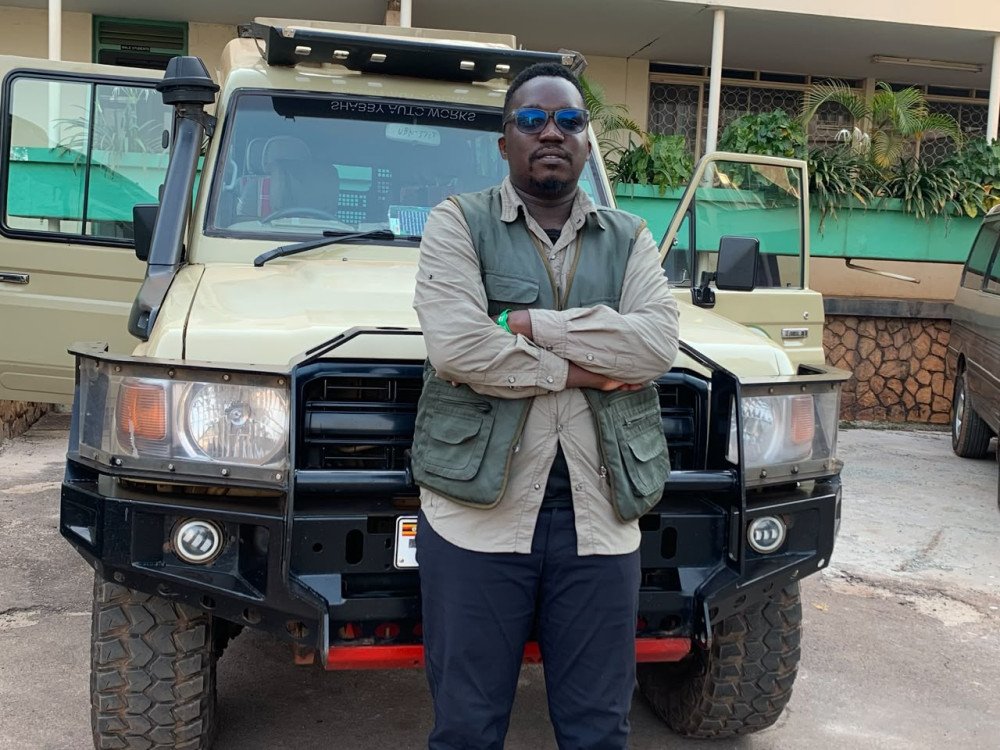
Guided travel is particularly valuable in Uganda because the country offers many very different safari environments. Queen Elizabeth National Park provides classic game viewing, the Kazinga Channel and the tree-climbing lions associated with Ishasha; Murchison Falls combines game drives with the Nile; Kibale specializes in chimpanzee tracking; and Bwindi and Mgahinga provide mountain gorilla trekking. A professional guide helps connect these experiences into one logical journey rather than treating every national park as an isolated attraction.
With Nextgen Safaris, a Uganda Guided Safari can be arranged privately around your available time, preferred accommodation, wildlife interests, fitness, family requirements and budget. The journey can combine private 4×4 transportation, gorilla and chimpanzee activities, game drives, boat safaris, birdwatching, photography and selected cultural experiences while giving travelers the flexibility of a personalized safari rather than a rigid large-group tour.
What Is a Uganda Guided Safari?
A Uganda Guided Safari is a professionally supported journey where a knowledgeable safari guide accompanies travelers through some or all of their trip. On a private road safari, the guide commonly also drives the safari vehicle, manages daily transfers and helps guests explore national parks. Within certain protected-area activities, Uganda Wildlife Authority rangers or specialist trackers provide additional official guiding, particularly for controlled experiences such as gorilla and chimpanzee tracking. UWA describes gorilla tracking as a ranger-managed experience in Bwindi and Mgahinga, while Kibale’s chimpanzee tracking walks depart with guides from Kanyanchu Visitor Centre.
The word “guided” can therefore refer to several layers of expertise. Your main driver-guide may accompany you throughout the country, while UWA rangers lead activities requiring specialist park supervision. A birding-focused journey may additionally use specialist bird guides, and some walking or conservation activities may involve local site guides.This structure gives travelers both continuity and specialist knowledge. Your safari guide understands the entire route, while park professionals provide additional expertise in particular habitats and wildlife encounters.
For international visitors unfamiliar with Uganda, this support can remove a significant amount of uncertainty from the journey. Instead of spending time working out which road leads to a particular lodge or which game-viewing track is productive, guests can concentrate on the experience itself.
Why Choose a Uganda Guided Safari?
The greatest advantage of an Uganda Guided Safari is that local knowledge becomes part of the holiday. Wildlife is unpredictable, and successful game viewing often depends on understanding habitat, weather, animal behavior and recent movements rather than simply driving around until something appears.
A knowledgeable guide learns to notice details that inexperienced visitors may overlook. Distant alarm calls can indicate predator activity, fresh tracks can suggest animals have recently crossed a road, and concentrations of antelope can influence where a predator might be found. The guide can also explain behavior after wildlife is located, turning a sighting into a deeper understanding of what the animals are doing.
Guided travel also removes much of the logistical workload. Uganda’s safari circuit includes long-distance transfers, national-park gates, lodge access roads and activities with specific reporting times. Having one professional responsible for these elements allows the traveler to enjoy the journey rather than constantly thinking about navigation and timing.
This becomes particularly valuable when several destinations are combined. A guided safari can move smoothly from chimpanzee country around Kibale to Queen Elizabeth National Park and onward to the gorilla forests of Bwindi without the visitor having to manage every transfer independently.
Best Destinations for a Uganda Guided Safari
The best Uganda Guided Safari destinations depend on what travelers most want to experience. Queen Elizabeth National Park is excellent for game viewing, the Kazinga Channel, birdlife and Ishasha’s tree-climbing lions. Murchison Falls National Park combines wildlife with river scenery and boat cruises. Kibale is Uganda’s major chimpanzee destination, while Bwindi and Mgahinga provide mountain gorilla trekking. Lake Mburo offers an accessible savannah experience, and Kidepo Valley provides a more remote wilderness atmosphere.
The strongest route is not necessarily the one containing the greatest number of parks. Spending enough time in three or four carefully selected destinations can create a richer guided safari than constantly changing lodges simply to increase the number of places visited.
Uganda Guided Safari in Queen Elizabeth National Park
Queen Elizabeth National Park is one of the most rewarding destinations for an Uganda Guided Safari because its wildlife is spread across different landscapes and game-viewing areas. Uganda Wildlife Authority highlights the park’s wildlife viewing, tree-climbing lions in Ishasha, Kazinga Channel experiences and more than 600 recorded bird species.
A guide adds considerable value during game drives because finding wildlife involves more than simply driving the main tracks. In areas such as Kasenyi, experienced guides understand where Uganda kobs concentrate, where predators are frequently encountered and which tracks may be productive at different times of day. UWA identifies the Kasenyi Plains as a principal central game-viewing region.
The guide can also structure the day sensibly. An early wildlife drive can be followed by time at the lodge and then a Kazinga Channel boat experience rather than spending the entire day driving continuously. For first-time African safari travelers, this balance between interpretation, wildlife searching and daily pacing makes Queen Elizabeth especially suitable for guided travel.
Guided Safari in the Ishasha Sector
Ishasha adds another dimension to a Uganda Guided Safari because the region is particularly associated with tree-climbing lions. Uganda Wildlife Authority identifies these lions as one of Queen Elizabeth National Park’s defining attractions.
Wild lions do not follow sightseeing schedules, so local knowledge becomes extremely useful. A guide familiar with Ishasha can search appropriate areas while still interpreting elephants, buffaloes, antelopes and birdlife encountered during the drive.
A strong guided safari also manages expectations correctly. Tree-climbing lion sightings are possible rather than guaranteed, and an experienced guide should never turn wildlife viewing into a race or disturb animals simply to satisfy a checklist.
Ishasha fits particularly well between northern Queen Elizabeth and Bwindi, allowing the wildlife safari to continue naturally toward Uganda’s gorilla forests.
Uganda Guided Safari in Murchison Falls National Park
Murchison Falls National Park is another outstanding destination for guided wildlife travel. Uganda Wildlife Authority promotes both game drives and boat cruises as major park experiences, giving travelers the opportunity to explore the savannah before experiencing wildlife along the Nile.
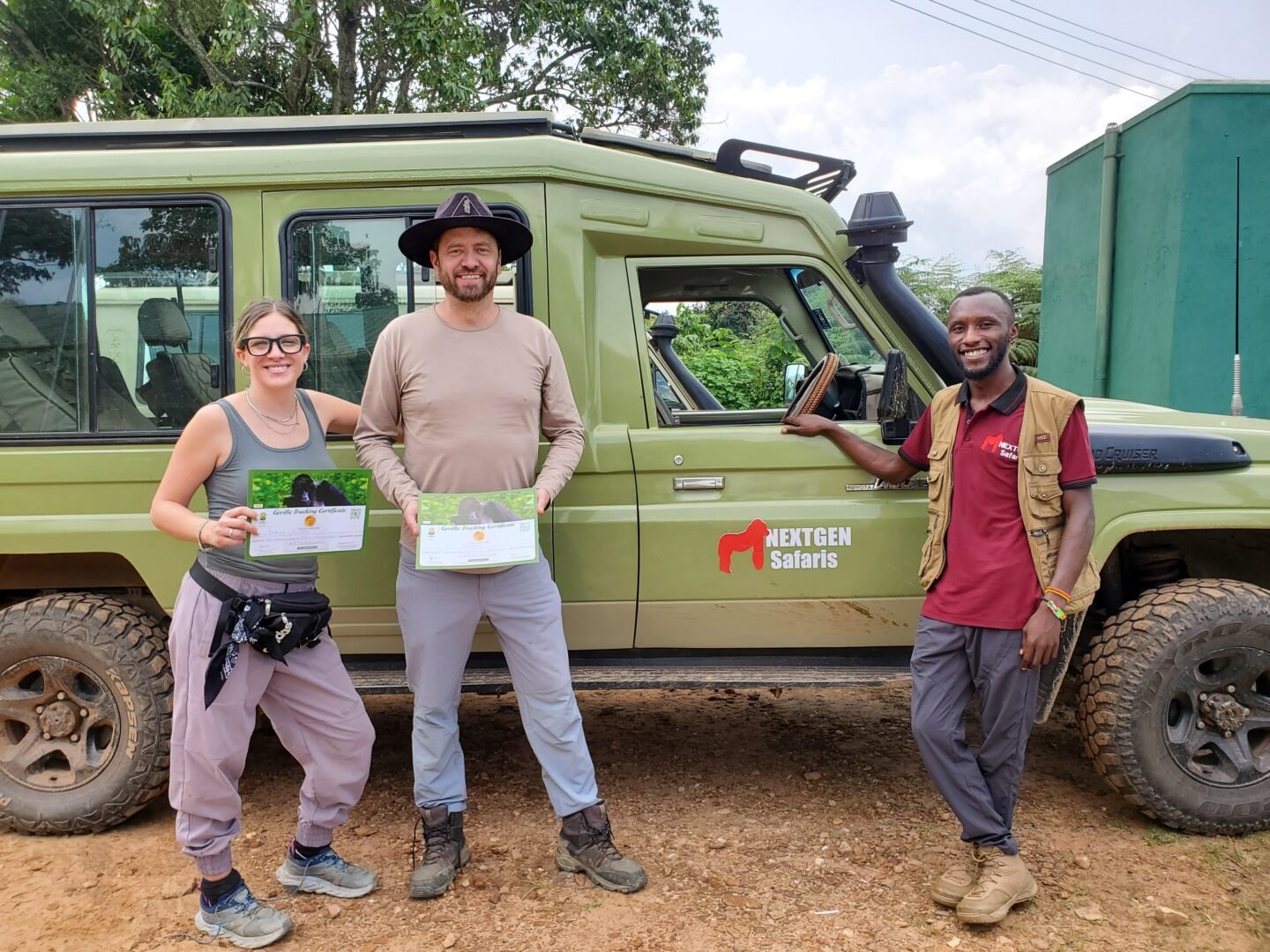
A guide can help locate elephants, giraffes, buffaloes, antelopes and predators across the park’s game-viewing areas while explaining how the Nile shapes the wider ecosystem. The contrast between land and water gives guided safaris here excellent variety.
On the river, guests may encounter hippos, crocodiles and numerous water-associated birds, while the falls introduce a dramatic landscape element that differs from conventional savannah viewing.
For travelers who want a broad introduction to Uganda’s wildlife, Murchison can provide an excellent beginning to a longer journey toward the country’s western primate destinations.
Uganda Guided Safari in Kibale National Park
Kibale National Park transforms an Uganda Guided Safari from a conventional wildlife holiday into a primate experience. Uganda Wildlife Authority currently states that guided chimpanzee tracking walks operate daily from Kanyanchu Visitor Centre and typically take around two to five hours depending on chimpanzee movements, terrain and weather.
Your main safari guide manages the transfer and lodge arrangements, while specialist trackers and park guides lead the chimpanzee experience inside the forest. This combination is especially valuable because forest wildlife requires very different expertise from driving through savannah.
A guided stay around Kibale can also introduce travelers to other primates, forest birds and the wider landscapes around western Uganda rather than treating chimpanzees as the only reason to stop.
Kibale then connects naturally with Queen Elizabeth National Park, making the two areas particularly convenient within a professionally planned guided route.
Uganda Guided Safari to Bwindi Impenetrable National Park
Bwindi is one of the most important destinations on a Uganda Guided Safari because it provides Uganda’s iconic mountain gorilla trekking experience. Uganda Wildlife Authority confirms that gorilla trekking takes place in Bwindi and Mgahinga, with treks potentially lasting around two to seven hours before the regulated observation period with a habituated gorilla family.
Planning is especially important because Bwindi is not one single trekking entrance. Accommodation and road transfers should be coordinated with the correct gorilla trekking area so travelers do not face unnecessary driving early on trekking morning.
Your safari driver-guide helps manage the road journey and lodge logistics, while UWA trackers and rangers take responsibility for the forest encounter itself. This division of expertise makes the experience both organized and professionally managed.
A good Uganda Guided Safari should also avoid rushing Bwindi. Arriving comfortably before trekking day and spending another night afterward gives travelers time to recover and enjoy the forest rather than immediately beginning another long transfer.
Uganda Guided Safari in Mgahinga Gorilla National Park
Mgahinga provides an alternative gorilla region and introduces travelers to the dramatic Virunga mountain landscape. Uganda Wildlife Authority identifies the park as one of Uganda’s two mountain gorilla trekking destinations, while its mountainous location also supports other nature-based experiences.
A guided safari in this region can be particularly appealing for travelers who want to combine mountain gorillas with the wider Kisoro and Virunga environment. The road journey itself becomes visually rewarding as the landscape rises into southwestern Uganda’s highlands.
Professional route management is useful because reaching Mgahinga involves mountainous roads and UWA recommends a 4WD vehicle for access from Kampala through Kisoro.
For travelers combining Uganda and Rwanda, Mgahinga can also fit naturally within a cross-border safari, subject to current immigration and border requirements.
Uganda Guided Safari in Lake Mburo National Park
Lake Mburo is an excellent destination for travelers beginning or ending a guided western Uganda circuit. Uganda Wildlife Authority describes it as a conveniently located savannah park near the highway connecting Kampala with western Uganda.
The park provides wildlife viewing alongside additional activities and is particularly useful for travelers wanting variety at a manageable scale. A knowledgeable guide can use Lake Mburo as an introduction to safari interpretation, explaining animal behavior, birdlife and the relationship between woodland, grassland and wetland habitats.
Because it is positioned along the broader southwestern route, Lake Mburo can also break the journey between Entebbe and destinations such as Bwindi instead of forcing travelers to complete one exceptionally long drive. This makes it particularly attractive on private guided safaris where comfort and pacing matter as much as the wildlife checklist.
Uganda Guided Safari in Kidepo Valley National Park
For travelers wanting remote wilderness, Kidepo Valley National Park can become one of the most memorable destinations on an Uganda Guided Safari. UWA highlights lions, buffaloes, elephants, extensive birdlife and Uganda’s wild ostrich population among the park’s attractions.
The distance and relative isolation that make Kidepo special also increase the value of professional guiding. Route planning, fuel management, accommodation logistics and wildlife exploration all become more important when traveling far from Uganda’s mainstream western circuit.
Once inside the park, the guide can devote attention to both wildlife and landscape. Kidepo’s broad valleys and mountain backgrounds encourage a different style of safari from the more compact wildlife areas farther south. Travelers with limited time can also investigate fly-in arrangements rather than completing every section overland, depending on current aviation schedules.
The Role of a Professional Safari Driver-Guide
A professional driver-guide is one of the most important components of an Uganda Guided Safari. The role combines driving, wildlife interpretation, route management, timing and guest support rather than simply transporting travelers between hotels.
During game drives, the guide watches both the road and the surrounding environment. Tracks, bird calls, antelope behavior and communication with other guides may help identify where wildlife activity is occurring. When animals are found, the guide can explain behavior and position the vehicle responsibly where park rules permit.
Between parks, the guide provides context to the landscapes travelers pass through. Uganda’s agricultural regions, towns and highlands become part of the safari rather than unexplained scenery outside the vehicle window.
The guide also helps manage the rhythm of the journey. If guests are tired, interested in photography or want more time at a sighting, a private guided safari can usually be adjusted far more easily than a large fixed departure.
Why a Private Uganda Guided Safari Is Better for Flexibility
A private Uganda Guided Safari means the vehicle and guide are dedicated to your traveling party. You are not sharing daily decisions with unrelated visitors whose interests may be completely different. This is especially important for wildlife viewing. One guest may want to spend twenty minutes photographing elephants, while another shared-safari group might prefer to leave after two minutes to search for lions. Private guiding allows the pace to reflect your priorities.
It also improves transfer days. Restroom stops, photography stops and lunch timing can be adapted around the group instead of following a rigid coach-style schedule. For couples, families, senior travelers and photographers, this flexibility can significantly improve the experience even when the destinations themselves remain exactly the same.
Uganda Guided Safari for First-Time Visitors
First-time travelers to Uganda often gain particularly strong value from professional guiding because there is a great deal to learn simultaneously. Wildlife identification, road navigation, local customs, park logistics and activity schedules can otherwise become overwhelming. A guide creates continuity. Travelers can ask questions as they arise instead of researching every subject independently or relying on fragmented information from different locations.
This is particularly useful when the itinerary includes both primates and classic wildlife. Gorilla trekking, chimpanzee tracking, game drives and boat safaris each operate differently, and a professional safari planner and guide help connect them into one coherent holiday. For a first African safari, the result is usually a more relaxed experience without removing the sense of discovery and adventure.
Uganda Guided Safari for Families
Families can benefit enormously from a private Uganda Guided Safari because children rarely follow exactly the same rhythm as adults. They may need more restroom stops, earlier meals or shorter game drives, and private transportation makes these adjustments easier.
A skilled guide can also make wildlife more engaging for younger travelers by explaining animal behavior in an accessible way rather than delivering a long technical lecture. Tracks, bird calls, elephants using their trunks or hippos interacting in the water can become memorable learning experiences.
Families with teenagers may additionally incorporate primate experiences where applicable under current park rules, while younger children can concentrate on game drives, boat safaris and other age-appropriate activities. The safari should always be designed around the actual ages of the children rather than selling one standard “family itinerary” to everyone.
Uganda Guided Safari for Seniors
A private Uganda Guided Safari can also be one of the most comfortable ways for senior travelers to explore Uganda. The guide handles long-distance driving, navigation and park tracks, allowing guests to relax between destinations instead of concentrating on demanding unfamiliar roads.
The journey can be paced with additional nights in major destinations and fewer consecutive long transfer days. Game drives and boat safaris can provide excellent wildlife viewing with relatively low physical demands, while more strenuous primate activities can be evaluated according to fitness and mobility.
Gorilla trekking can involve several hours of forest walking, so age alone should not determine suitability; travelers should realistically consider fitness and any relevant health concerns. UWA describes the trek as potentially lasting two to seven hours depending on conditions and gorilla location. For travelers wanting even less road time, selected fly-in arrangements can also be combined with private guiding on the ground.
Uganda Guided Safari for Photographers
Photography is another area where private guiding provides considerable value. Wildlife photographers often need patience, appropriate vehicle positioning and enough time for animal behavior to develop.
A photographer may prefer to remain with one lion, elephant or bird for an extended period instead of immediately moving on to another sighting. With a private Uganda Guided Safari, the guide can understand that obtaining the right composition or behavior is sometimes more important than increasing the species count.
Guides can also position the vehicle with attention to light and background where road rules and animal welfare permit. Early departures and late-afternoon wildlife drives can be prioritized when the photographic conditions are more attractive. Photographers interested in gorillas, chimpanzees or birds can combine general driver-guiding with specialist ranger or birding expertise as needed.
Uganda Guided Safari for Birdwatchers
Uganda’s habitat diversity makes specialist guiding particularly valuable for birdwatchers. UWA manages protected areas ranging from rainforest to wetlands, savannah and mountains, producing dramatically different birding environments. A general wildlife guide may be excellent for an ordinary birding interest, while serious birders pursuing difficult forest species will often benefit from a specialist bird guide with strong call recognition and detailed habitat knowledge.
Guided birding can be combined with conventional wildlife rather than requiring a completely separate safari. Queen Elizabeth, for example, currently has more than 600 recorded bird species according to UWA while also offering major mammal viewing. Nextgen Safaris can therefore tailor the guiding level according to whether birds are an enjoyable secondary interest or the principal reason for traveling.
Guided Safari Versus Uganda Self-Drive Safari
Choosing between an Uganda Guided Safari and self-drive travel depends largely on what you want from the journey. Self-driving provides independence and can be extremely enjoyable for travelers who genuinely love road trips and are comfortable navigating unfamiliar conditions.
A guided safari removes the responsibility for driving, navigation, park orientation and much of the daily logistical planning. It also gives travelers access to local wildlife knowledge throughout the trip.
For first-time visitors, wildlife photographers, families and travelers with limited time, professional guiding usually provides considerable practical value. Experienced African road-trippers may prefer self-drive, especially when driving itself is part of the adventure. A hybrid is also possible: travelers can remain independent in some sections while adding ranger or specialist guides for particular activities.
Guided Safari Versus Group Safari in Uganda
A guided safari does not necessarily mean joining a large group. Private Uganda Guided Safari experiences can involve only one couple, family or small group traveling in its own vehicle. Group tours can reduce costs because transportation and guiding expenses are shared among more passengers, but they usually require more fixed schedules. Departure times, game-drive duration and lodge choices may need to work for everyone.
Private guided travel costs more per person in many circumstances but provides greater flexibility. The guide works solely with your group, and the safari can be shaped around your preferred activities and travel pace. For honeymooners, photographers, families and guests wanting premium accommodation, private guiding generally integrates particularly well with a customized itinerary.
Safari Vehicles on a Uganda Guided Safari
The safari vehicle plays an important role because guests may spend many hours traveling between national parks and searching for wildlife. A suitable 4×4 provides the ground clearance and capability needed for park roads and less predictable surfaces. UWA specifically recommends 4WD access for parts of southwestern Uganda such as Mgahinga, demonstrating why safari vehicles should be selected for difficult sections of the journey rather than only paved highways.
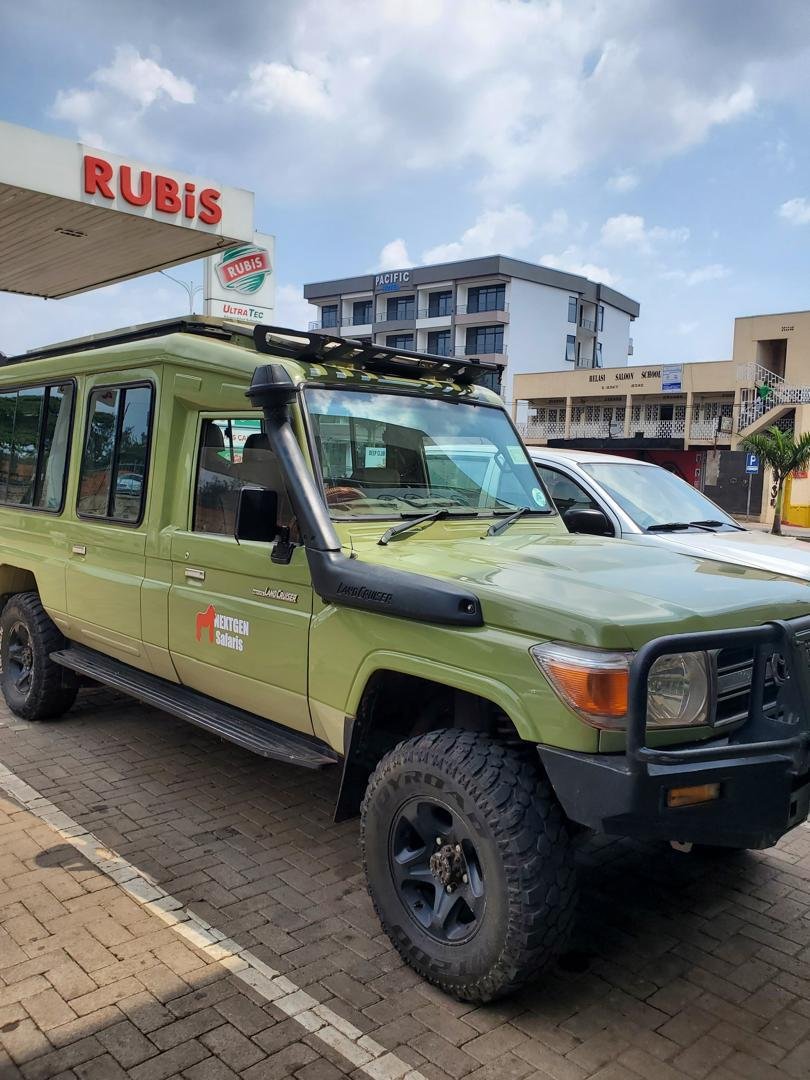
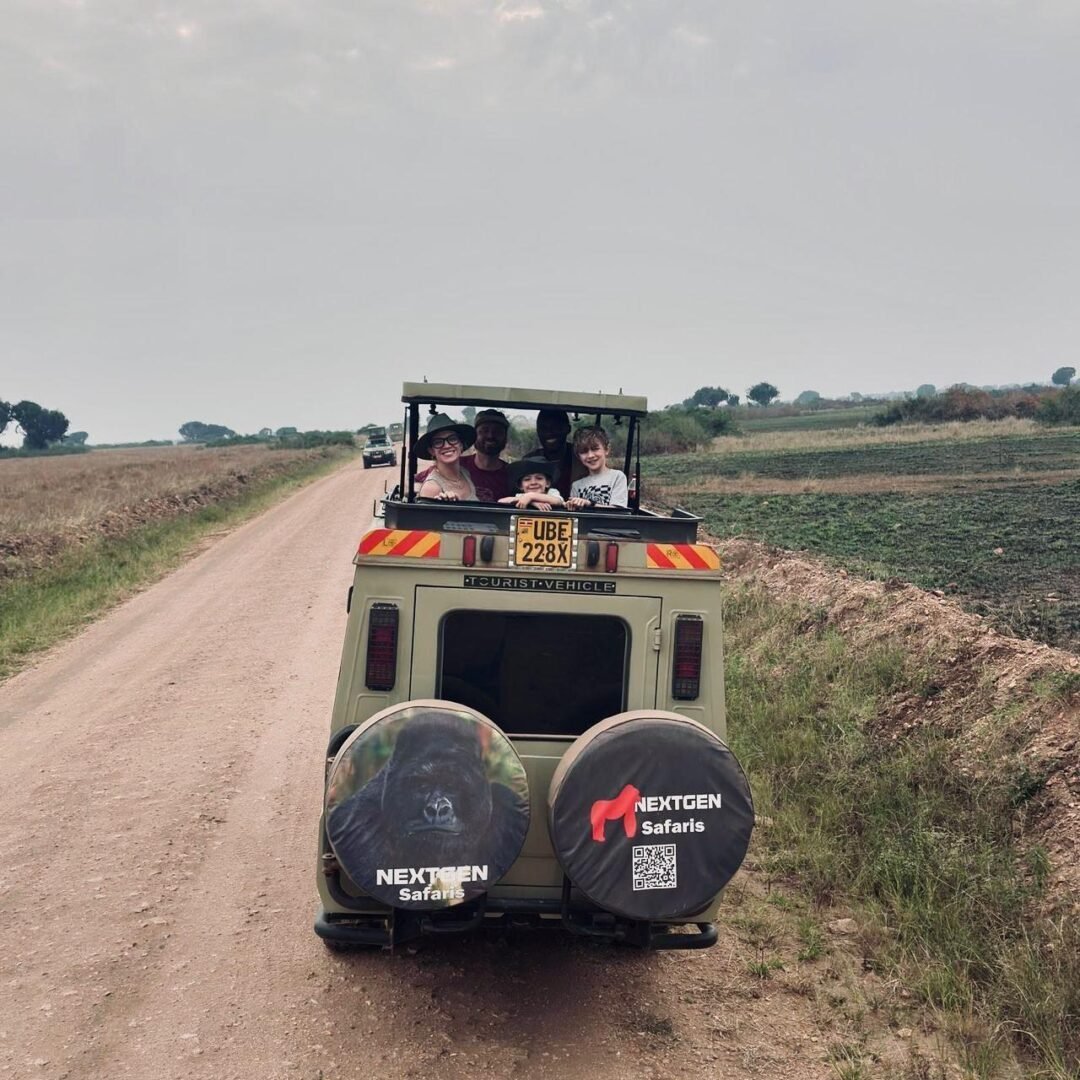
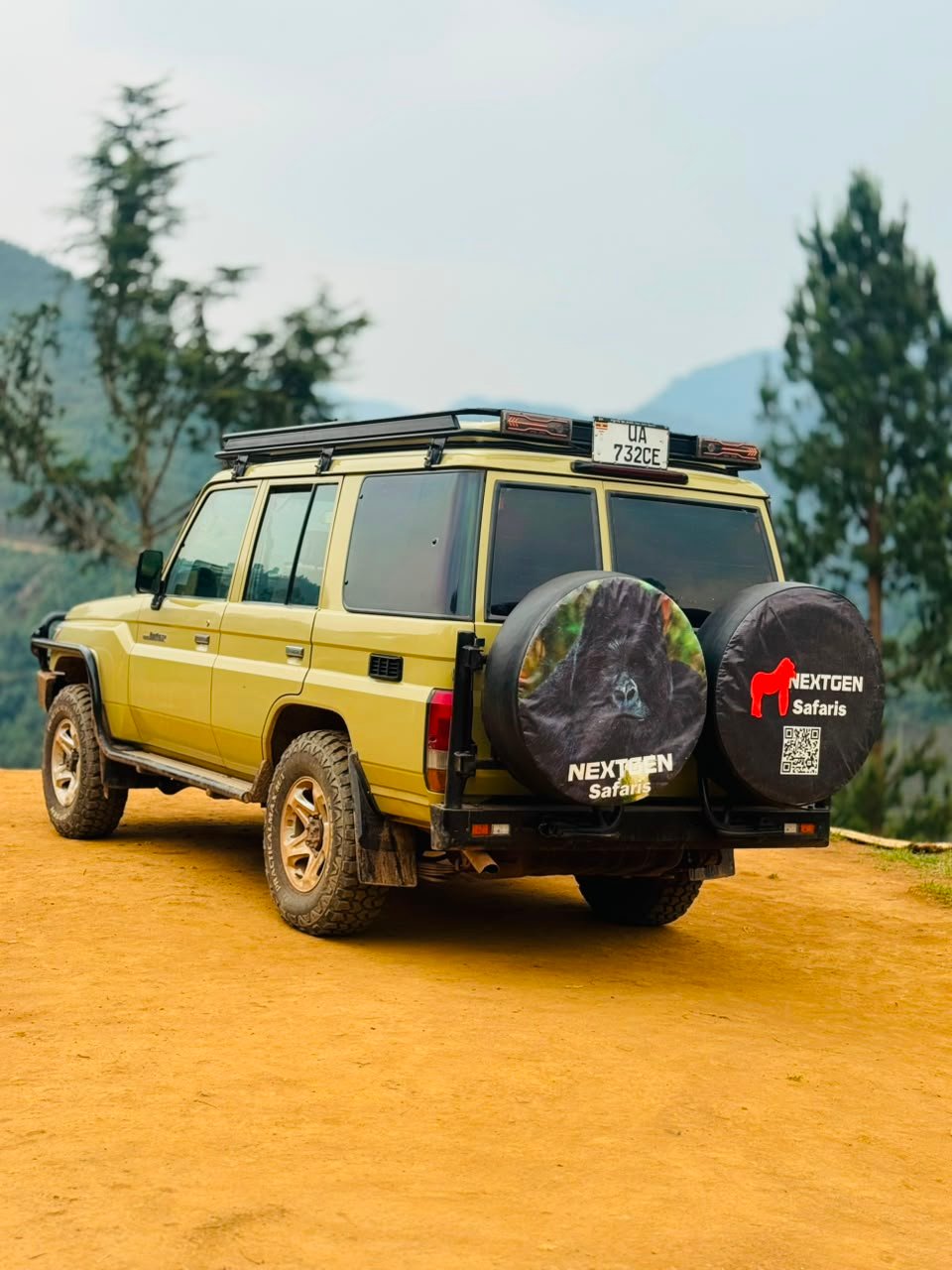
A private guided vehicle also gives travelers dedicated storage for luggage, binoculars and camera equipment. During game drives, good visibility becomes particularly important for wildlife observation and photography. Nextgen Safaris can structure guided journeys around appropriate 4×4 safari transportation rather than relying on ordinary city vehicles unsuited to extended park travel.
Safety on an Uganda Guided Safari
One of the strengths of guided travel is having someone familiar with wildlife environments and road conditions managing the journey. This does not eliminate all risk—wildlife remains unpredictable—but professional guiding provides an additional layer of experience and local awareness.
Within controlled primate activities, travelers must follow ranger instructions. Gorilla tracking and chimpanzee tracking are structured experiences led by appropriate park personnel rather than independent forest exploration.
During game drives, guests should also respect the guide’s instructions regarding vehicle positioning, remaining inside the vehicle and maintaining appropriate distance from wildlife.A responsible guide prioritizes animal welfare and guest safety over obtaining an unnecessarily close photograph.
Best Time for a Uganda Guided Safari
A guided safari can be organized during different parts of the year because Uganda’s major wildlife and primate destinations remain active year-round. The most suitable period depends on activities, preferred landscapes and tolerance for wetter conditions rather than one universally perfect month.
Forest trekking can be muddier during wet periods, while greener vegetation can produce beautiful landscapes and photography. Savannah wildlife experiences also vary naturally with rainfall, vegetation and water distribution.
Guided travel can be especially helpful when conditions become less predictable because the guide can adjust driving pace, route choices and daily timing according to what is actually happening on the ground. Travel dates should therefore be chosen around the complete safari rather than one simplified “best season” rule.
How Many Days Are Best for a Uganda Guided Safari?
A Uganda Guided Safari can work from a short three- or four-day trip to a detailed two-week journey, but the right duration depends on the experiences travelers want to include.
A shorter journey can concentrate on one major wildlife region or gorilla trekking. Around seven days allows several complementary destinations to be combined, while ten to fourteen days provides enough time for gorillas, chimpanzees and multiple savannah parks without changing accommodation every night.
Travelers wanting Kidepo in addition to the western safari circuit should allow more time or consider flying selected sectors because of the park’s remote northeastern location. UWA characterizes Kidepo as a remote wilderness destination, making route planning particularly important. The strongest guided safari uses additional days to improve pacing rather than simply adding more parks.
How Much Does a Uganda Guided Safari Cost?
The cost of an Uganda Guided Safari depends on the number of travelers, length of journey, accommodation category, vehicle arrangement, activities and whether domestic flights are included. Private guiding becomes more economical per traveler when several people share one vehicle because the transportation and guide costs are distributed across the group. Solo travelers naturally carry a larger proportion of these expenses.
Gorilla trekking, chimpanzee activities, national-park access, boat safaris and premium accommodation can also significantly influence the total cost. Because permit and conservation tariffs can change, current rates should be confirmed for the actual travel dates rather than relying on older online articles. The most useful quotation is therefore a complete safari price showing what transportation, guiding, accommodation and major activities are included.
What to Pack for a Uganda Guided Safari
Packing should reflect the diversity of activities included. Lightweight safari clothing works well for many wildlife days, while a warm layer can be useful during cool mornings and in higher-altitude areas.
Gorilla and chimpanzee travelers should bring comfortable walking shoes, long trousers and practical rain protection because forest conditions can change quickly. Photographers should carry spare batteries and enough storage, while birdwatchers will benefit greatly from good binoculars.
A guided journey reduces the amount of logistical equipment travelers need to manage, but personal medication, travel documents and specialist equipment should still be prepared carefully.bThe exact packing advice can be adapted once the itinerary is known because someone undertaking gorilla trekking and mountain activities has different requirements from a traveler concentrating mainly on savannah game drives.
Responsible Uganda Guided Safaris
Professional guiding should contribute to responsible wildlife tourism. Guides should respect designated roads, ranger instructions and viewing distances rather than treating every animal encounter as an opportunity to approach as closely as possible.
Uganda Wildlife Authority’s protected-area system exists to conserve wildlife and habitats while providing controlled visitor access. Its ten national parks protect ecosystems ranging from mountain gorilla forests to savannah and mountain landscapes.
Travelers can support responsible tourism by following park rules, avoiding litter, respecting local communities and refusing wildlife encounters that depend on inappropriate disturbance. A good Uganda Guided Safari should therefore provide exceptional wildlife encounters while leaving the environment and animals able to behave naturally.
Frequently Asked Questions About Uganda Guided Safari
1. What is a Uganda Guided Safari?
A Uganda Guided Safari is a professionally planned journey where travelers explore Uganda with an experienced safari driver-guide and, where required, specialist park rangers or trackers. The guide manages driving, navigation, park logistics and wildlife interpretation while guests focus on enjoying the safari. Depending on the itinerary, a Uganda Guided Safari can include gorilla trekking, chimpanzee tracking, game drives, boat safaris, birding, photography and cultural experiences.
2. Why should I choose a Uganda Guided Safari?
A Uganda Guided Safari is ideal for travelers who want local knowledge, easier logistics and a more relaxed journey. A professional guide understands wildlife behavior, productive game-viewing areas, road conditions and the practical connections between national parks. This can improve both wildlife sightings and overall comfort, especially on longer trips combining Bwindi, Kibale, Queen Elizabeth, Murchison Falls and other destinations.
3. Is a Uganda Guided Safari better than a self-drive safari?
A Uganda Guided Safari is generally better for travelers who prefer convenience, wildlife expertise and less responsibility for driving and navigation. Self-drive offers greater independence, but travelers must manage routes, fuel, park tracks and road conditions themselves. On a guided safari, the driver-guide handles these responsibilities while also helping identify animals and interpret behavior. The best choice depends on whether independent driving is part of the adventure you want.
4. Can a Uganda Guided Safari include gorilla trekking?
Yes, a Uganda Guided Safari can easily include mountain gorilla trekking in Bwindi Impenetrable National Park or Mgahinga Gorilla National Park. Your safari driver-guide manages the road transfers and accommodation logistics, while authorized park rangers and trackers lead the actual gorilla trek. Nextgen Safaris can coordinate the gorilla permit, trekking sector, lodge and transport so the entire experience fits smoothly into the wider safari.
5. Can I include chimpanzee tracking on a Uganda Guided Safari?
Yes, chimpanzee tracking can be an excellent addition to a Uganda Guided Safari, particularly in Kibale National Park. The safari guide handles transportation and lodge arrangements, while specialist park guides lead the forest tracking experience. Kibale combines naturally with Queen Elizabeth National Park, making it easy to include chimpanzees, savannah wildlife and gorilla trekking within one professionally guided western Uganda journey.
6. Is a Uganda Guided Safari suitable for families?
Yes, a private Uganda Guided Safari can be particularly suitable for families because the daily schedule can be adjusted around the children’s ages and interests. Families can take extra rest stops, shorten game drives when necessary and choose age-appropriate activities. A private guide can also make wildlife more engaging by explaining animal behavior in an accessible way. Nextgen Safaris can structure the safari around family-friendly lodges, private transportation and suitable activities.
7. Is a Uganda Guided Safari suitable for senior travelers?
Yes, an Uganda Guided Safari is often one of the most comfortable ways for seniors to explore Uganda. The driver-guide manages long-distance driving and unfamiliar roads, allowing travelers to relax between destinations. The itinerary can also include additional rest nights, shorter daily transfers, boat safaris and selected fly-in options where helpful. More physically demanding activities such as gorilla trekking can be evaluated according to personal fitness and mobility rather than age alone.
8. How many days are best for a Uganda Guided Safari?
Around 7 to 14 days works particularly well for many travelers planning a Uganda Guided Safari. Seven days can focus on two or three major destinations, while ten days can comfortably combine Kibale, Queen Elizabeth, Bwindi and Lake Mburo. A longer 12- to 14-day safari can include Murchison Falls or additional destinations without making the journey feel rushed. The best duration depends on your wildlife priorities, budget and preferred pace.
9. How much does a Uganda Guided Safari cost?
The price of a Uganda Guided Safari depends on safari duration, number of travelers, accommodation category, private vehicle arrangements, permits and activities. Gorilla trekking, chimpanzee tracking, domestic flights, luxury lodges and specialist guiding can all influence the final price. Private guiding often becomes better value per person when several travelers share one vehicle. Nextgen Safaris can prepare a complete quotation based on your travel dates and preferred safari style.
10. How can I book a Uganda Guided Safari with Nextgen Safaris?
You can book a Uganda Guided Safari with Nextgen Safaris as a private itinerary designed around your travel dates, preferred accommodation, wildlife interests and available time. The safari can include mountain gorillas in Bwindi or Mgahinga, chimpanzees in Kibale, wildlife in Queen Elizabeth and Murchison Falls, Lake Mburo, birding, photography and selected fly-in connections. Nextgen Safaris can coordinate the professional driver-guide, private 4×4, accommodation, permits and activities to create a smooth and personalized Uganda safari.
Book Your Uganda Guided Safari with Nextgen Safaris?
Choosing Nextgen Safaris for an Uganda Guided Safari means the journey can be built around your priorities rather than forcing you into one fixed safari format. Your route can focus primarily on mountain gorillas, classic wildlife, chimpanzees, birdwatching, photography or a carefully balanced combination of these experiences.
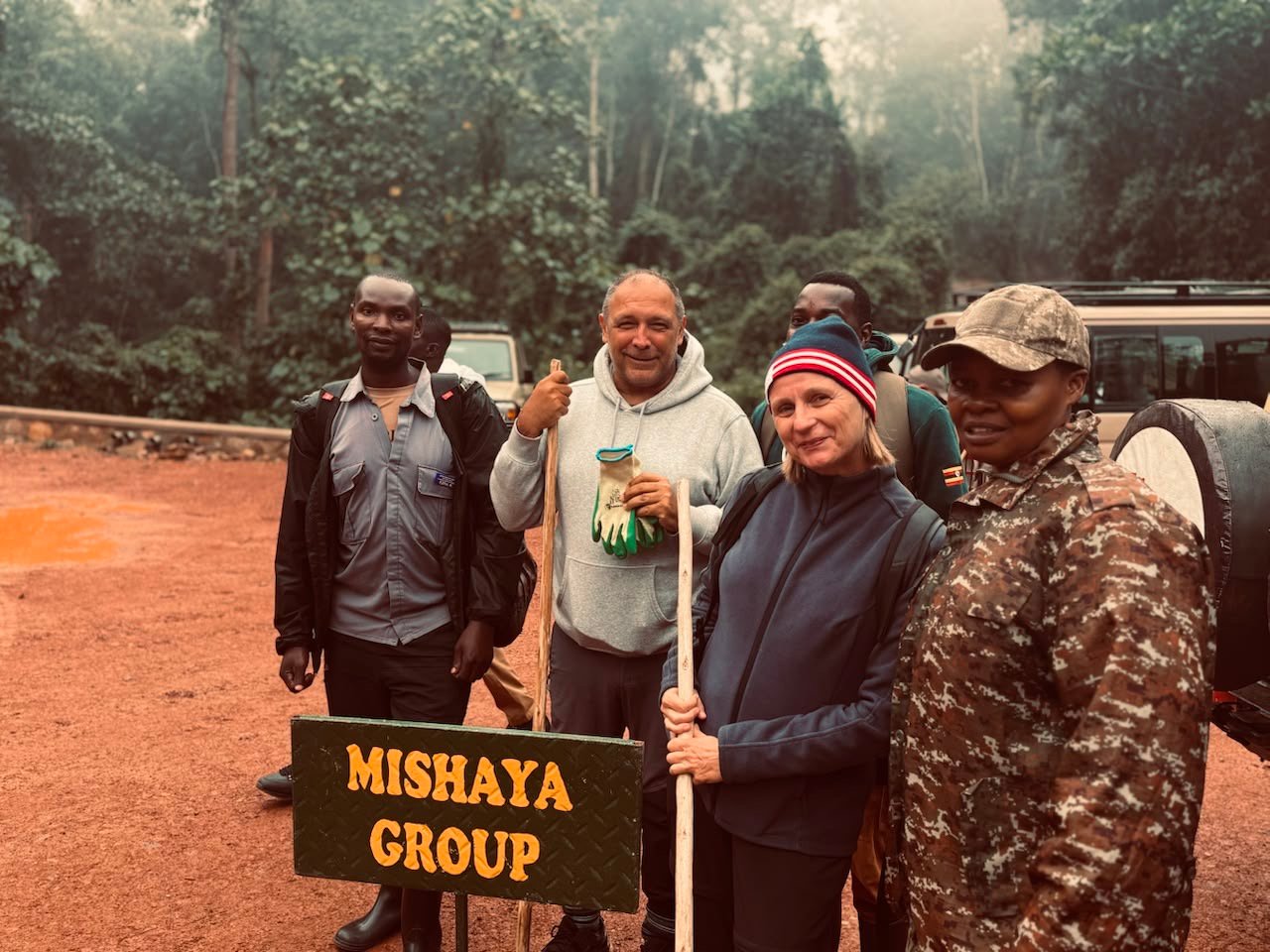
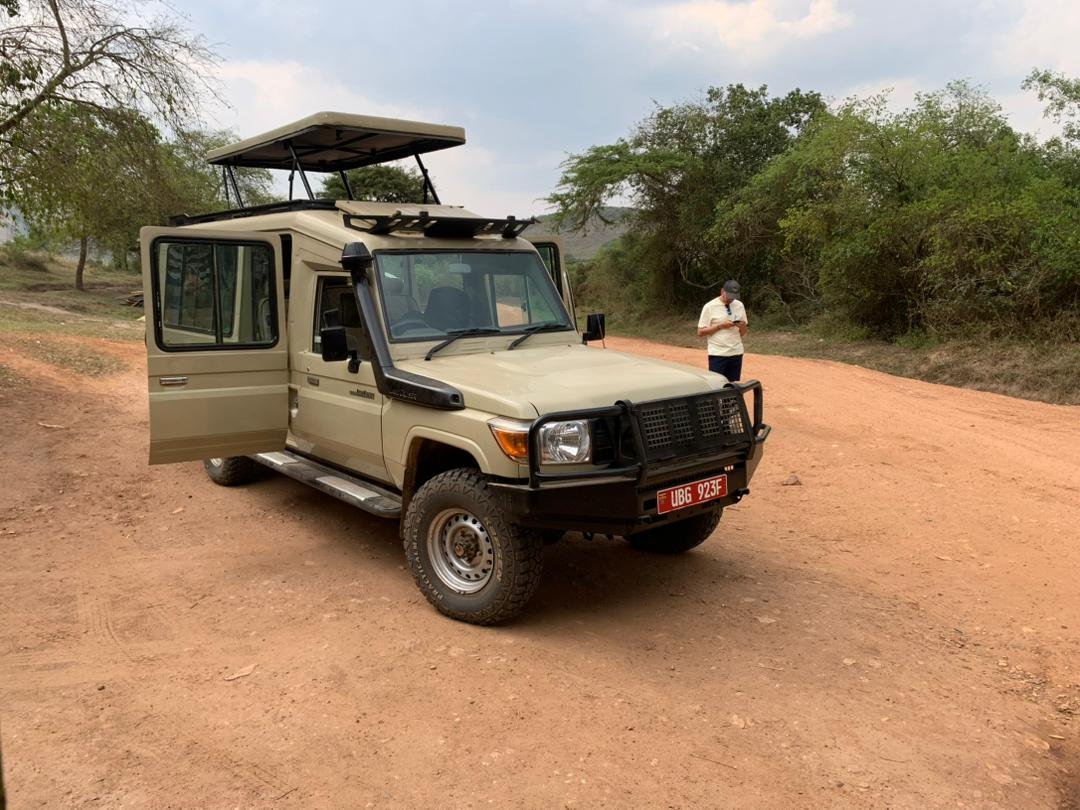
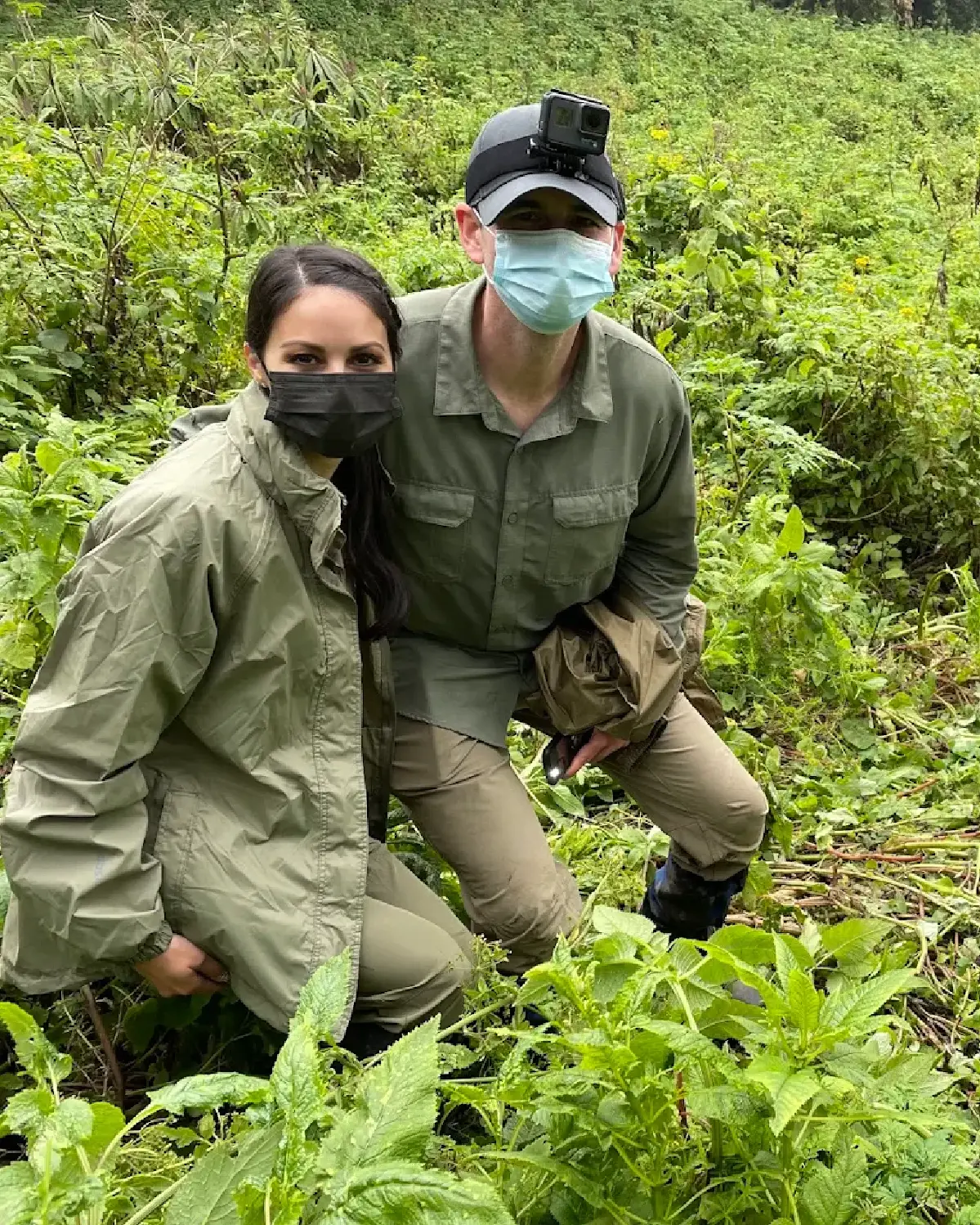
Nextgen Safaris can organize private 4×4 transportation with a professional driver-guide, carefully selected lodges, national-park activities and the logistical connections between Uganda’s major destinations. Gorilla trekking can be incorporated in Bwindi or Mgahinga, chimpanzees can be added around Kibale, and savannah wildlife experiences can include Queen Elizabeth, Murchison Falls, Lake Mburo or remote Kidepo Valley.
The experience can also be adapted to the people traveling. Families can have more flexible daily schedules, seniors can use slower pacing and selected flights, honeymooners can prioritize privacy and luxury lodges, and photographers can spend longer at productive wildlife sightings.