
Uganda Primate Safari
Ultimate Uganda Primate Safari: An Exclusive Journey into Uganda’s Chimpanzee, Gorilla and Wildlife Kingdom
A Uganda Primate Safari is one of Africa’s most extraordinary wildlife journeys, offering travelers the rare opportunity to explore ancient rainforests, encounter endangered great apes, and discover some of the world’s most fascinating primate species in their natural habitats. Unlike traditional wildlife safaris that mainly focus on open savannah landscapes, a primate safari takes visitors deep into Uganda’s tropical forests where every trail reveals a hidden world of intelligence, social connection, and biodiversity.]
Uganda is one of the world’s leading destinations for primate experiences because of its remarkable concentration of primate species, protected rainforest ecosystems, and successful conservation programs. From the powerful presence of mountain gorillas in Bwindi Impenetrable National Park to the playful chimpanzees of Kibale Forest National Park and the rare golden monkeys of Mgahinga Gorilla National Park, Uganda provides unmatched opportunities to experience Africa’s closest relatives in the wild.
A professionally planned Uganda Primate Safari is more than a wildlife tour; it is a journey of discovery, conservation, and connection with nature. Travelers walk through ancient forests, learn about primate behavior, meet expert trackers, interact with local communities, and support conservation initiatives that protect these endangered species for future generations.
At Nextgen Safaris, we specialize in creating exceptional primate safari experiences throughout Uganda. Our expertly designed itineraries combine wildlife encounters, comfortable accommodation, professional guides, and authentic cultural experiences to create unforgettable journeys through the Pearl of Africa.
Why Uganda is One of Africa’s Best Primate Safari Destinations
Uganda has earned its reputation as one of Africa’s premier primate destinations because it protects some of the continent’s most important rainforest habitats. The country’s unique landscapes, ranging from lowland tropical forests to high-altitude mountain ecosystems, provide ideal environments for a wide variety of primates.
The country is home to more than 15 primate species, including mountain gorillas, chimpanzees, golden monkeys, colobus monkeys, red-tailed monkeys, blue monkeys, olive baboons, and many other fascinating species. This incredible diversity allows travelers to experience different primate behaviors and ecosystems during a single safari.
What makes Uganda truly special is the opportunity to combine multiple primate encounters with classic African wildlife experiences. A single itinerary can include chimpanzee trekking in Kibale Forest, gorilla trekking in Bwindi, golden monkey tracking in Mgahinga, game drives in Queen Elizabeth National Park, and boat cruises along the Kazinga Channel.
Mountain Gorilla Trekking: The Ultimate Highlight of Uganda’s Primate Safari
Discovering Mountain Gorillas in Bwindi Impenetrable National Park
Mountain gorilla trekking is often considered the crown jewel of any Uganda Primate Safari. Bwindi Impenetrable National Park, located in southwestern Uganda, protects one of the last remaining populations of mountain gorillas in the world and provides one of the most powerful wildlife encounters on Earth.
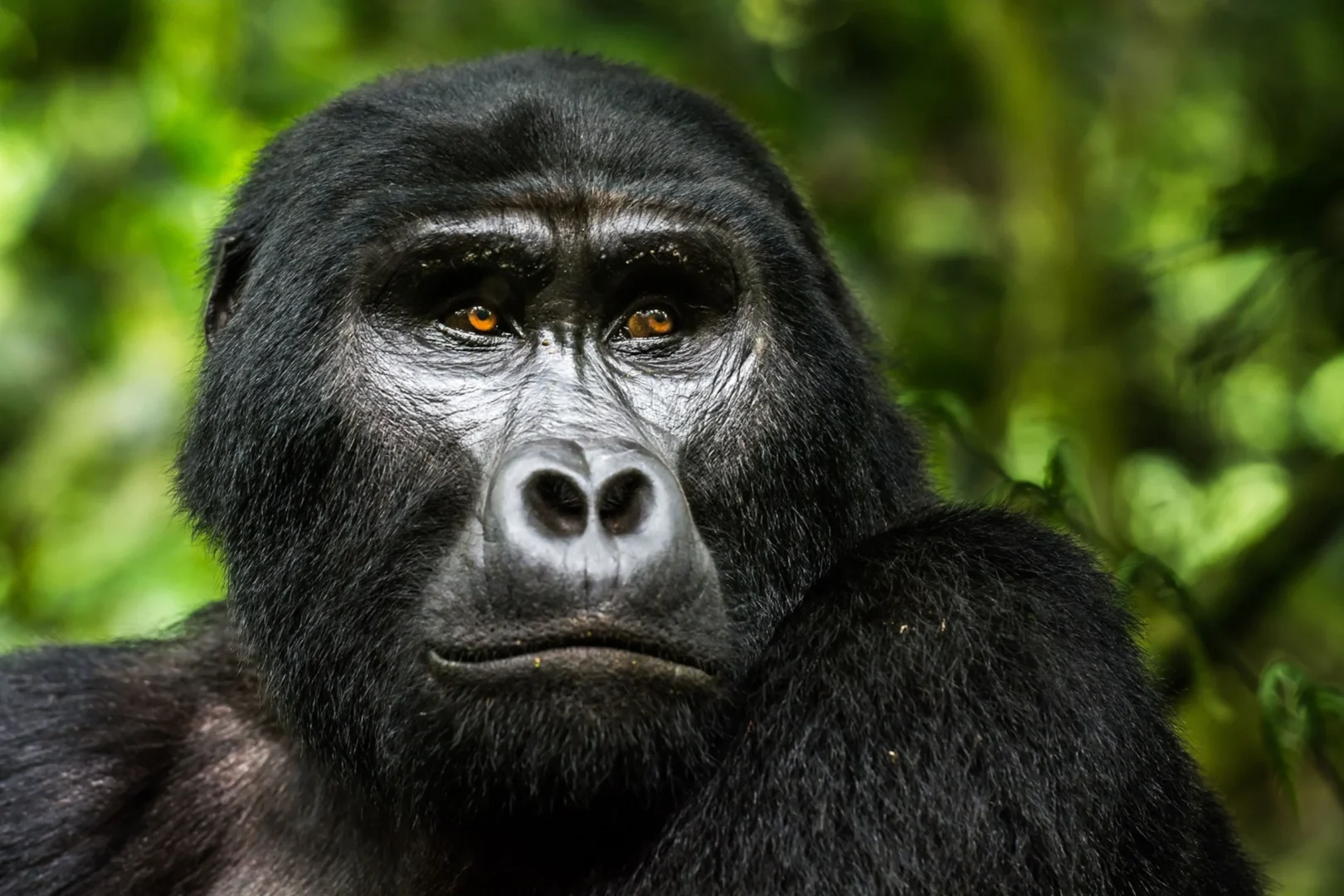
The adventure begins early in the morning with a briefing from park officials and experienced guides who explain gorilla behavior, safety guidelines, and conservation practices. After the briefing, travelers enter the ancient rainforest accompanied by professional trackers who search for habituated gorilla families living within the dense vegetation.
The trek itself is a remarkable journey through Bwindi’s unique ecosystem. Visitors walk beneath towering trees, through thick rainforest vegetation, and across natural forest trails before reaching a gorilla family. Once found, travelers spend unforgettable moments observing these gentle giants as they feed, rest, play, and interact with each other.
Why Gorilla Trekking in Uganda Is a Life-Changing Experience
A mountain gorilla encounter creates a deep emotional connection unlike many other wildlife experiences. Sitting quietly near a gorilla family and observing their human-like behaviors provides a rare understanding of these incredible animals.
Travelers often describe gorilla trekking as one of their most memorable life experiences because it combines adventure, discovery, and conservation. Every visit contributes directly to protecting gorillas through permit revenue, research programs, and community conservation initiatives.
Beyond the gorillas themselves, Bwindi offers breathtaking scenery, birdlife, forest biodiversity, and opportunities to interact with communities living around the park. This makes gorilla trekking an essential part of a complete Uganda primate adventure.
Chimpanzee Trekking in Kibale Forest National Park
Exploring the Primate Capital of the World
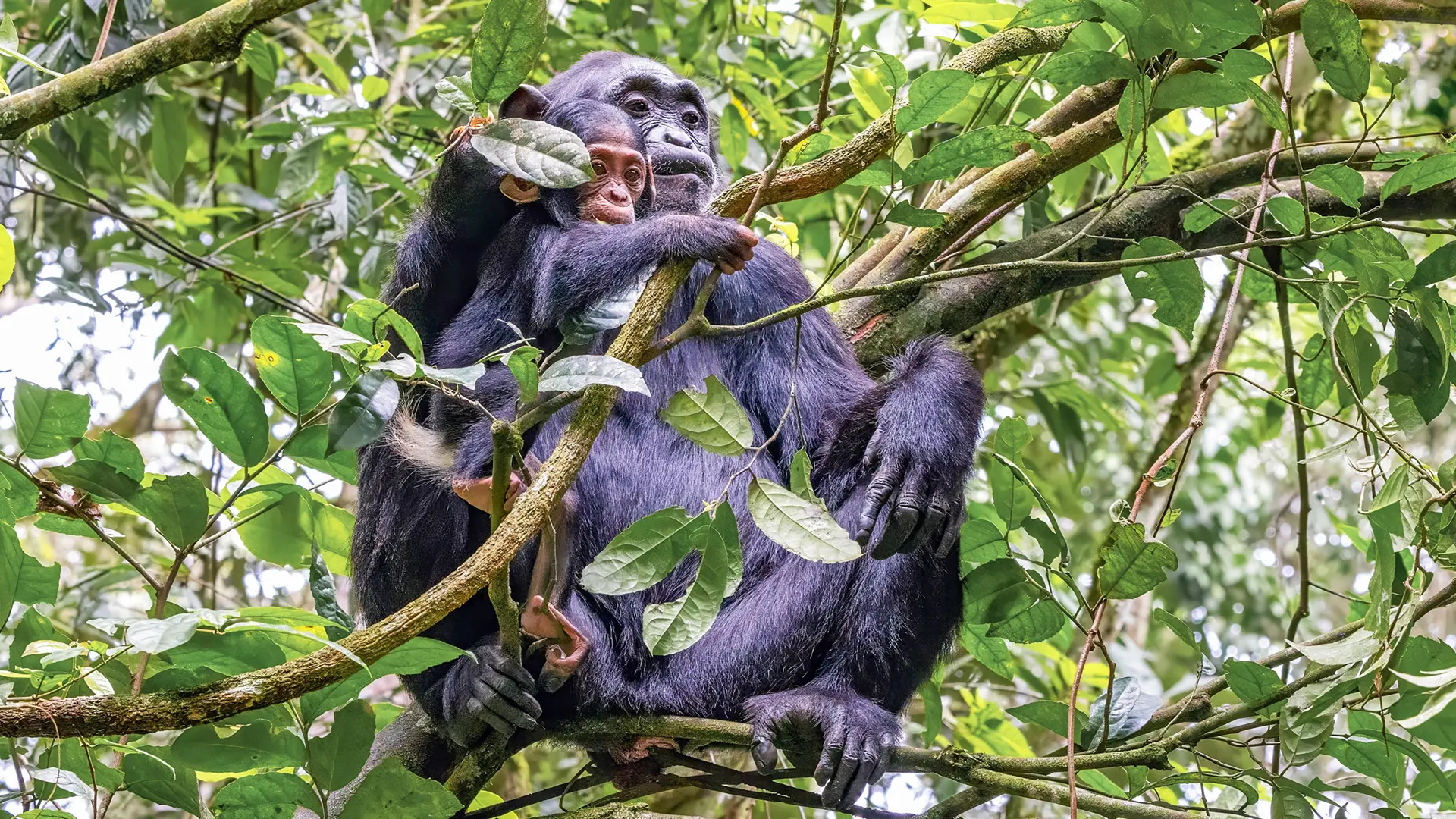
Kibale Forest National Park is the most famous chimpanzee destination in Uganda and one of the best places in Africa to observe chimpanzees in the wild. Known as the “Primate Capital of the World,” Kibale protects one of the highest concentrations of primates on the African continent.
Chimpanzee trekking in Kibale allows travelers to enter the rainforest with experienced guides and trackers who understand chimpanzee movements, communication, and behavior. The search through the forest is an adventure itself, with opportunities to encounter birds, monkeys, butterflies, and other wildlife along the way.
When chimpanzees are located, visitors can observe them in their natural environment as they feed, climb trees, communicate, groom each other, and interact within their social groups. These moments provide incredible insight into the intelligence and complexity of chimpanzee communities.
Chimpanzee Habituation Experience in Uganda
For travelers looking for a deeper forest experience, the chimpanzee habituation experience provides more time with chimpanzee communities compared to standard trekking.
This experience allows visitors to spend several hours following chimpanzees throughout their daily activities. Travelers may observe chimpanzees leaving their nests, searching for food, interacting with family members, and moving through the forest.
The extended time makes chimpanzee habituation especially popular among photographers, researchers, and wildlife enthusiasts who want a more detailed understanding of chimpanzee behavior. It creates a more immersive experience within Uganda’s rainforest environment.
Golden Monkey Tracking in Mgahinga Gorilla National Park
Encountering Uganda’s Rare Golden Monkeys
Golden monkey tracking provides another unique experience during a Uganda primate safari. Found within the bamboo forests of Mgahinga Gorilla National Park, golden monkeys are among Uganda’s most beautiful and rare primates.
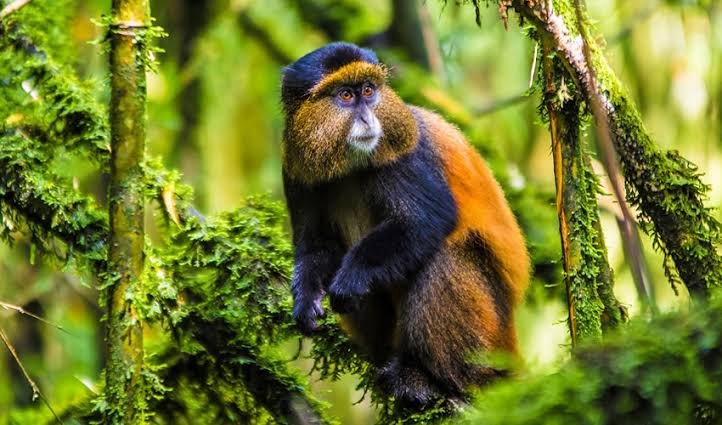
Unlike gorillas and chimpanzees, golden monkeys are highly energetic and fast-moving. Tracking them involves exploring the slopes of the Virunga Mountains while watching these colorful primates jump through bamboo vegetation.
The experience offers a completely different perspective of Uganda’s primate diversity while allowing travelers to explore one of the country’s most scenic mountain landscapes.
Other Primates You Can Discover During a Uganda Primate Safari
Exploring Uganda’s Lesser-Known but Fascinating Primates
While mountain gorillas, chimpanzees, and golden monkeys are the main highlights of many Uganda Primate Safari experiences, Uganda’s forests, wetlands, and savannah ecosystems protect an incredible variety of other primate species. These animals add even more diversity to the safari experience and allow travelers to discover the hidden wildlife treasures found beyond the famous great apes.
During forest walks, wetland excursions, chimpanzee trekking experiences, and traditional wildlife safaris, visitors have opportunities to encounter different monkey species living within Uganda’s protected areas. Each species has unique behaviors, appearances, social structures, and roles within the ecosystem, making every encounter a fascinating learning experience.
Exploring these lesser-known primates provides a deeper understanding of Uganda’s biodiversity and shows why the country is considered one of Africa’s most important destinations for primate conservation.
Black-and-White Colobus Monkeys: The Forest Acrobats of Uganda
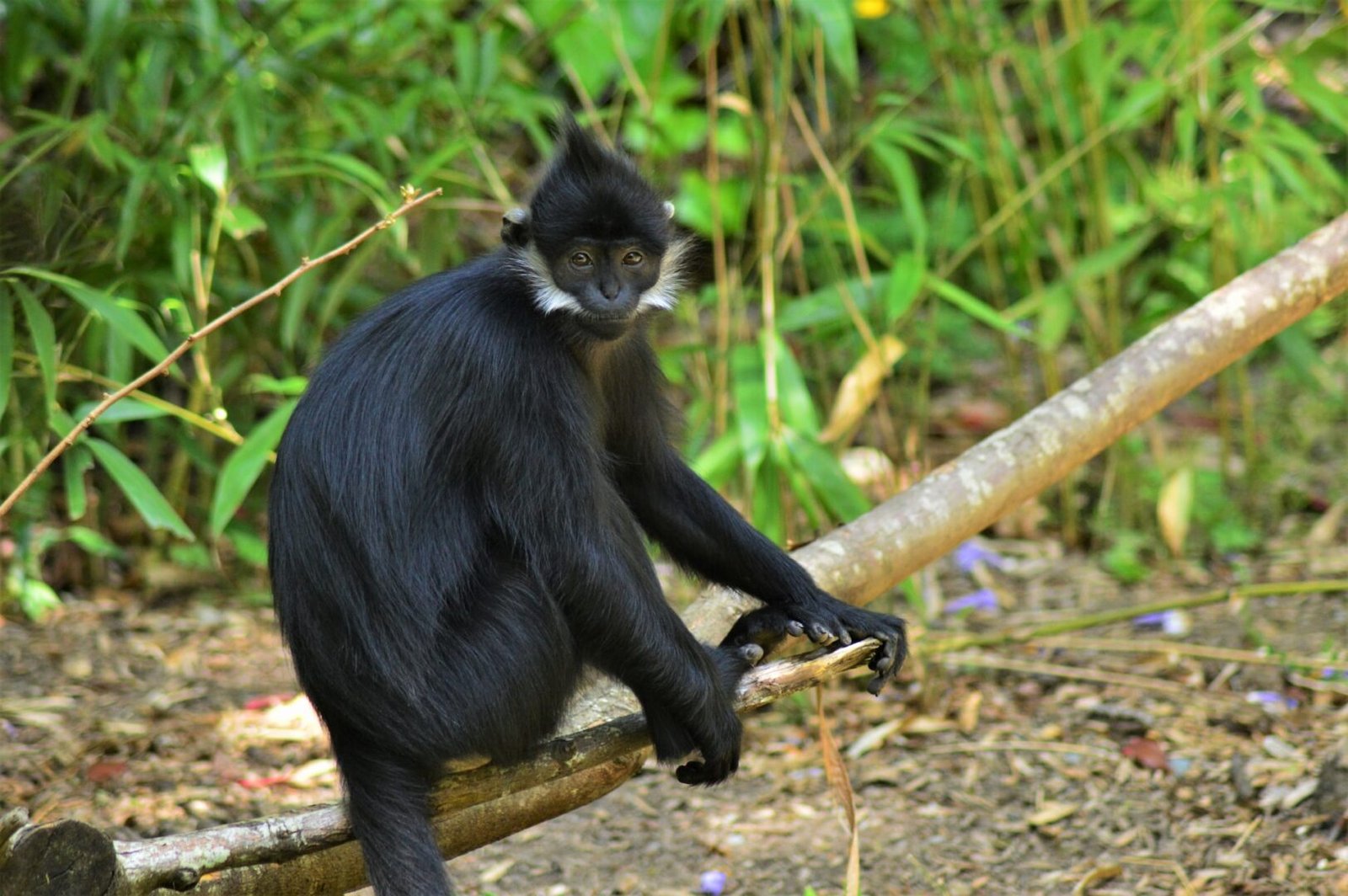
Black-and-white colobus monkeys are among the most beautiful primates found during a Uganda Primate Safari. Recognized by their striking black fur, flowing white tails, and expressive faces, these monkeys are often seen moving gracefully through the forest canopy.
Unlike many other monkeys, colobus monkeys do not have thumbs, which helps them move quickly between branches using their long limbs and powerful jumping ability. They mainly feed on leaves, fruits, and flowers, playing an important role in forest ecosystems through seed dispersal.
Travelers exploring destinations such as Kibale Forest National Park, Bwindi Impenetrable National Park, and other forest areas may encounter these elegant primates while walking through rainforest trails.
Red-Tailed Monkeys: Colorful and Active Forest Residents
Red-tailed monkeys are among the most commonly encountered primates in Uganda’s forests. They are easily identified by the reddish-orange coloration around their tails, cheeks, and noses, making them a favorite subject for wildlife photographers.
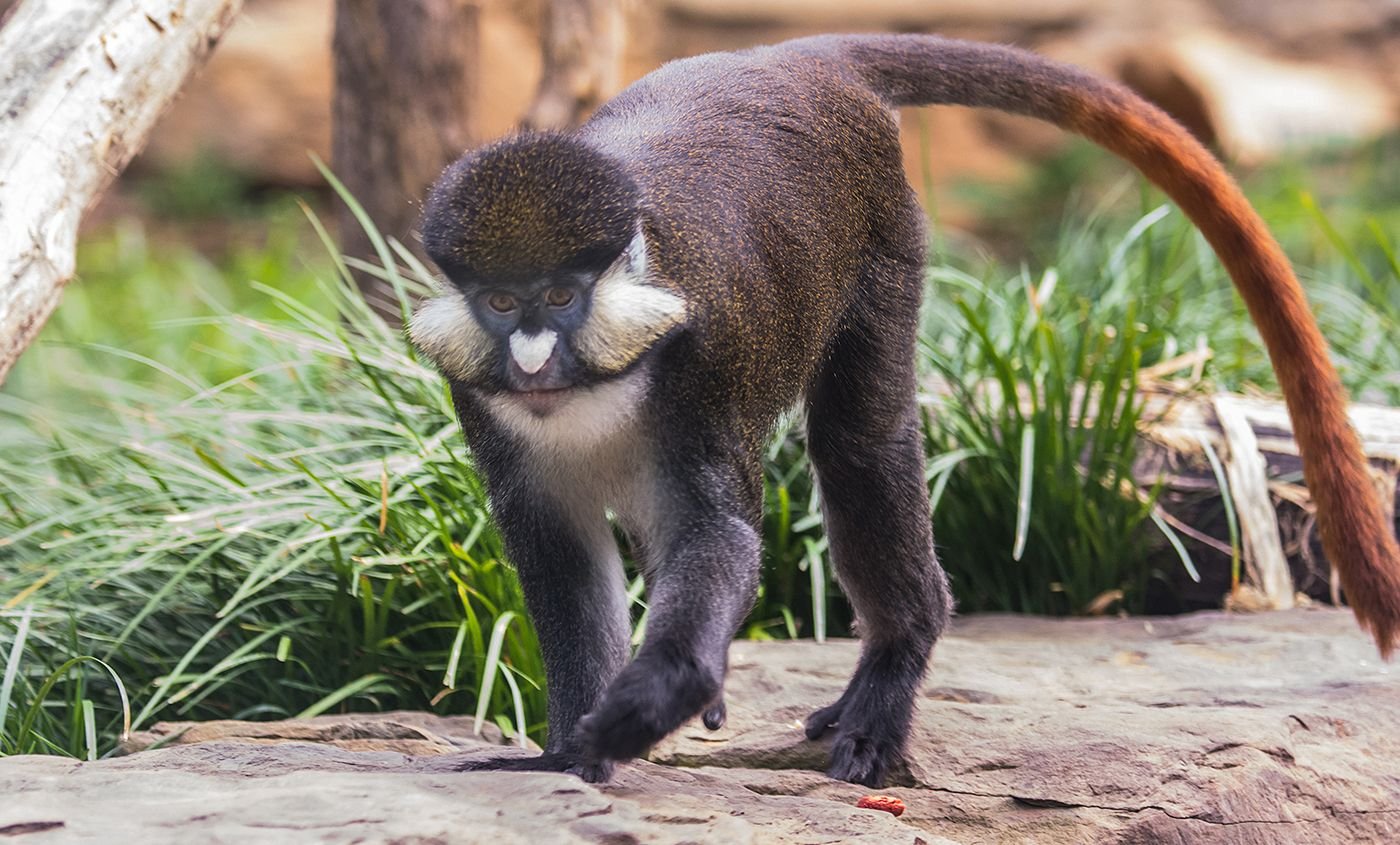
These energetic monkeys live in social groups and spend much of their time moving through the forest canopy in search of fruits, seeds, flowers, and insects. Their playful behavior and active movements make them exciting to observe during nature walks and wetland experiences.
The Bigodi Wetland Walk near Kibale Forest is one of the best places to discover red-tailed monkeys while learning about Uganda’s community-based conservation efforts.
Blue Monkeys: Quiet Forest Dwellers
Blue monkeys are another fascinating species found within Uganda’s rainforest ecosystems. Despite their name, they are not bright blue; instead, they have a subtle bluish-gray appearance with distinctive facial features.
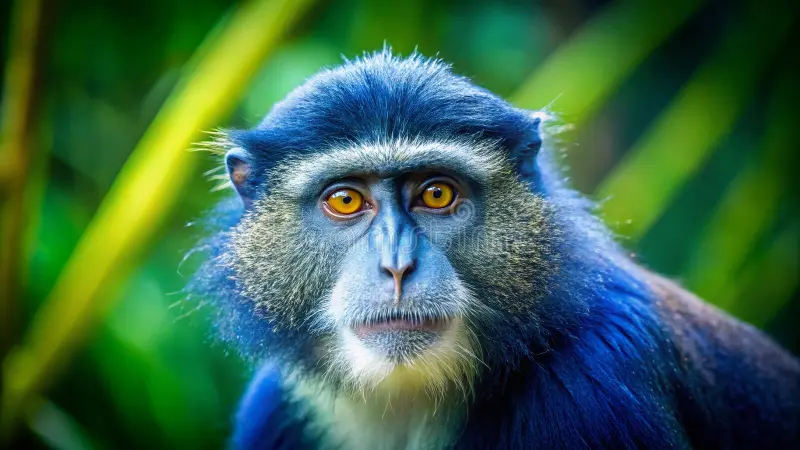
These monkeys are often found in forest environments where they move quietly through the trees searching for food. They feed mainly on fruits, leaves, flowers, and insects, contributing to the natural balance of the ecosystems where they live.
Although they are less famous than chimpanzees or gorillas, encountering a blue monkey during a forest walk adds another memorable moment to a Uganda Primate Safari.
Grey-Cheeked Mangabeys: Social and Intelligent Primates
Grey-cheeked mangabeys are highly social primates found in Uganda’s tropical forests. They are known for their expressive faces, strong social relationships, and complex communication methods.
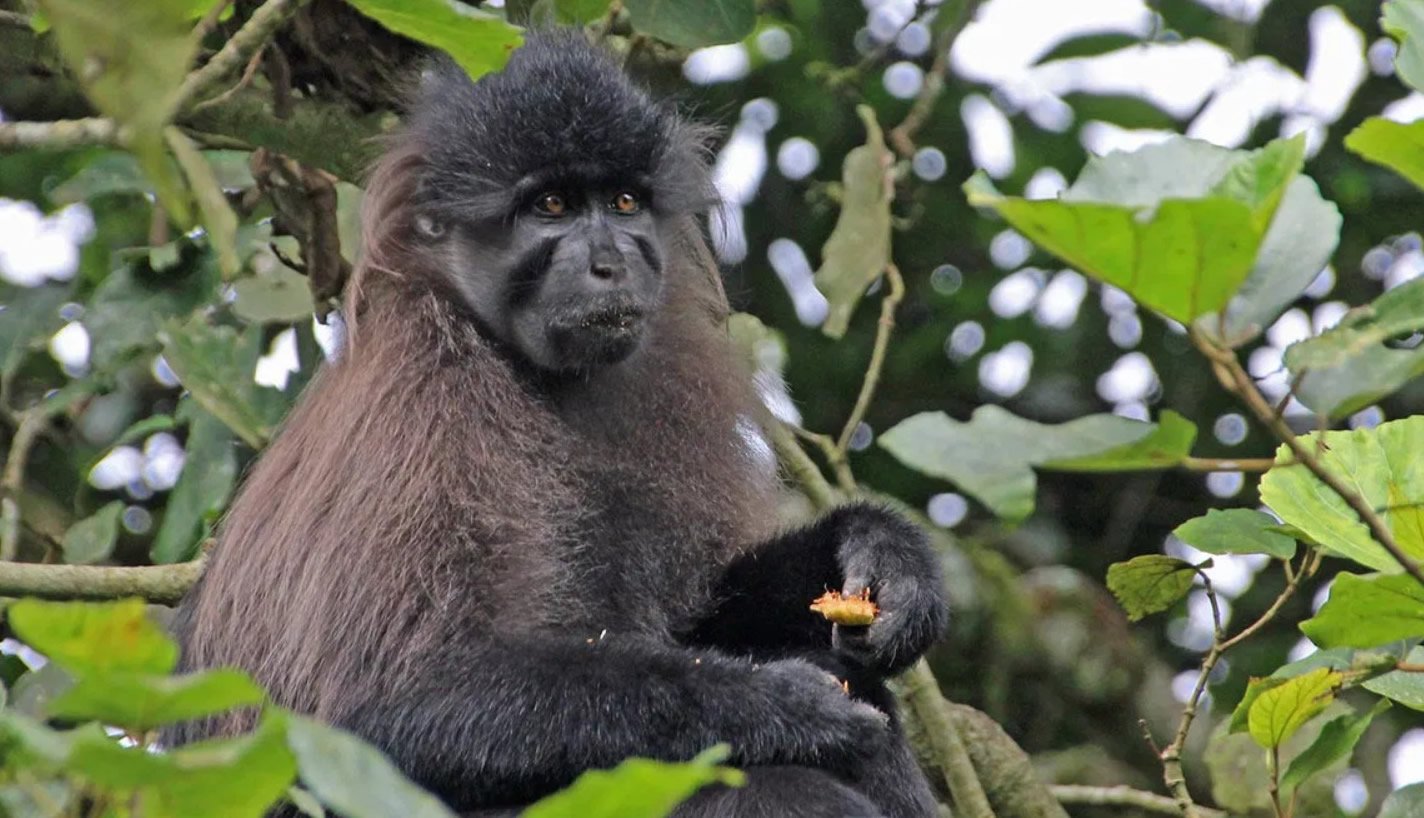
These monkeys usually travel in groups and spend much of their time searching for fruits, seeds, and other forest foods. Their loud calls and movements through the forest often reveal their presence before visitors can see them.
Kibale Forest National Park is one of the important places where travelers can encounter grey-cheeked mangabeys while exploring Uganda’s rich primate habitats.
Vervet Monkeys: Adaptable Primates Across Uganda
Vervet monkeys are among Uganda’s most adaptable primates and can be found in various environments, including forests, wetlands, and savannah areas. Their ability to survive in different habitats has allowed them to become one of the most widespread monkey species in the country.
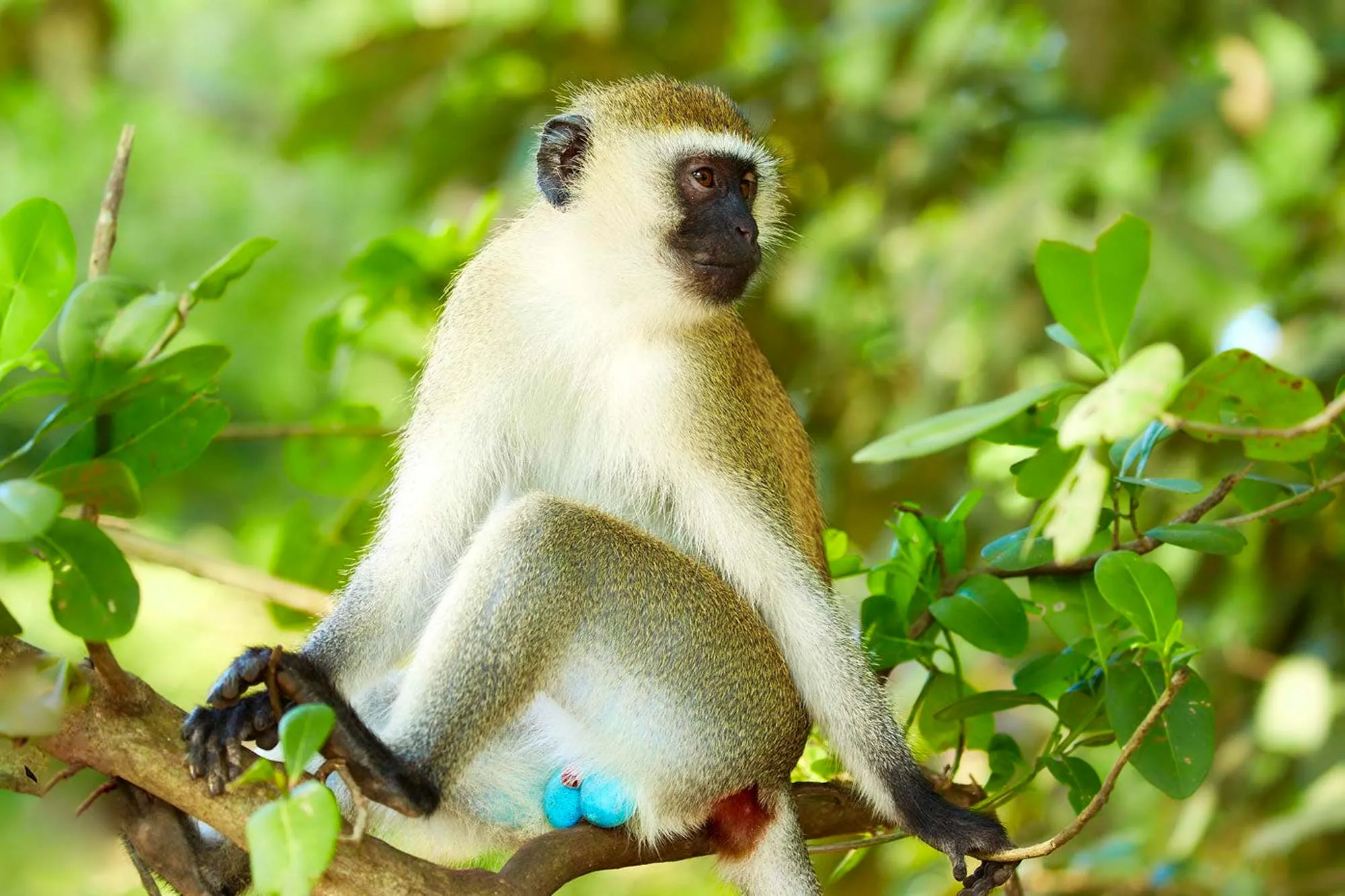
They are easily recognized by their gray fur, black faces, and active social behavior. Vervet monkeys often live in groups and communicate through different sounds and body movements.
Travelers may encounter vervet monkeys during wildlife safaris, lodge stays, and nature walks throughout Uganda, adding variety to the overall safari experience.
Olive Baboons: Intelligent Savannah and Forest Primates
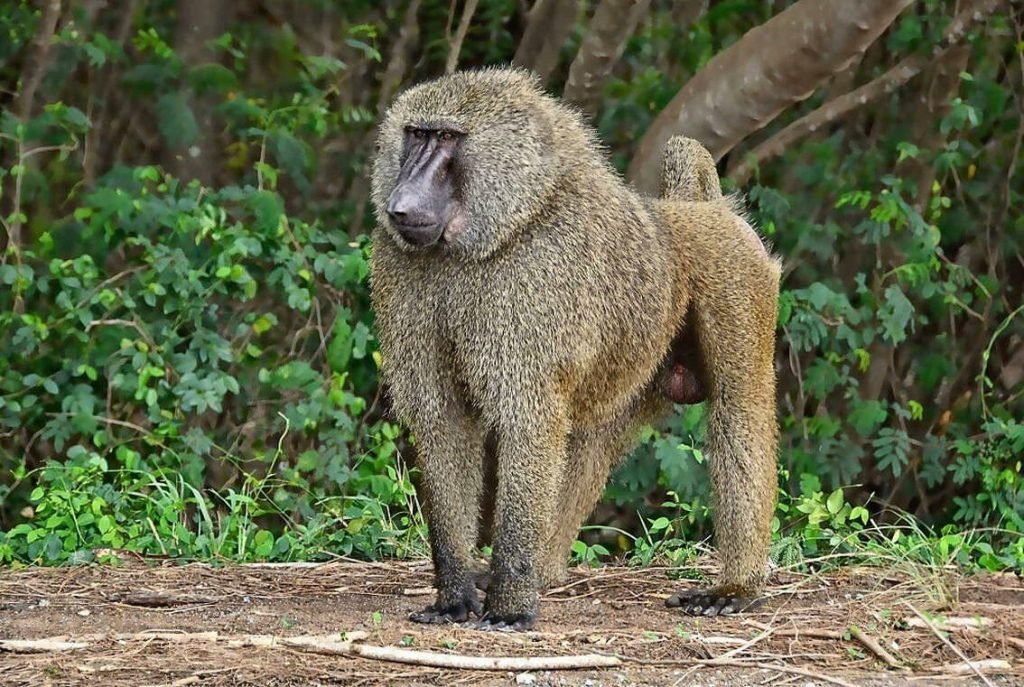
Olive baboons are among Uganda’s largest primates and are commonly seen in savannah parks, forests, and areas near water sources. They are highly intelligent animals known for their complex social structures and strong family bonds.
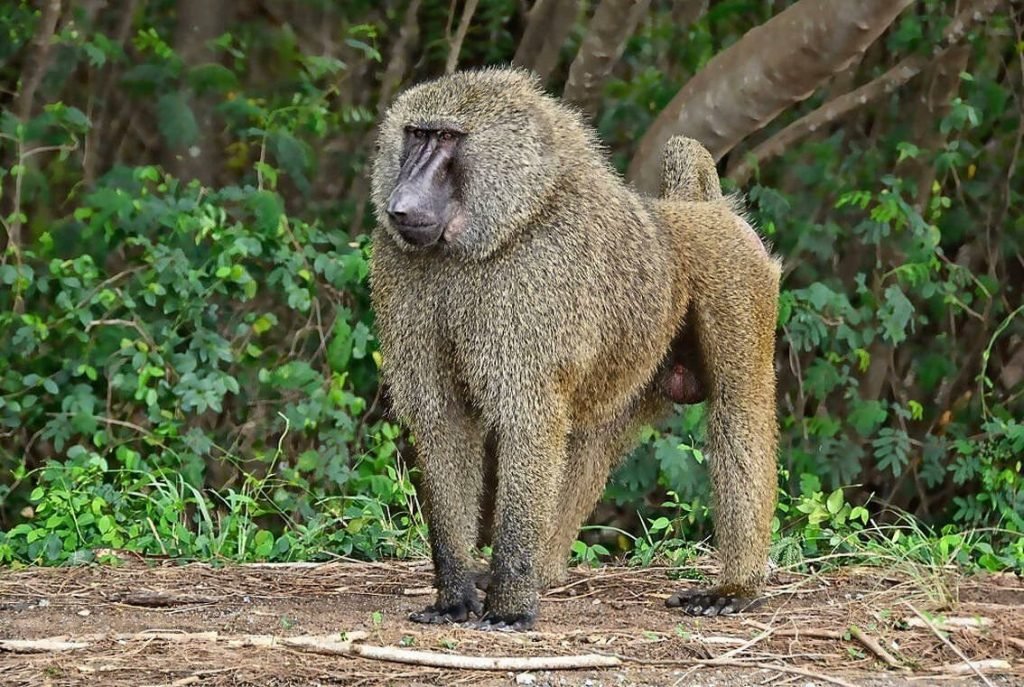
These adaptable primates live in groups called troops and spend their days searching for food, caring for young ones, and interacting with other members of their community.
Visitors exploring Queen Elizabeth National Park, Murchison Falls National Park, and other wildlife destinations may encounter olive baboons during game drives and safari activities.
Bushbabies: Uganda’s Nocturnal Forest Primates
Bushbabies, also known as galagos, provide a completely different primate experience because they are active mainly at night. These small, fascinating primates are known for their large eyes, powerful jumping ability, and unique calls.
They spend the day resting in tree hollows before becoming active after sunset. Their excellent night vision and agility allow them to move through the forest while searching for insects, fruits, and other food sources.
Travelers interested in specialized wildlife experiences may have opportunities to discover bushbabies through guided night walks in selected safari destinations.
Best Destinations for a Uganda Primate Safari
Kibale Forest National Park
Kibale is the leading destination for chimpanzee experiences and a must-visit location for primate enthusiasts. The park offers exceptional chimpanzee sightings, diverse monkey species, bird watching, and beautiful rainforest landscapes.
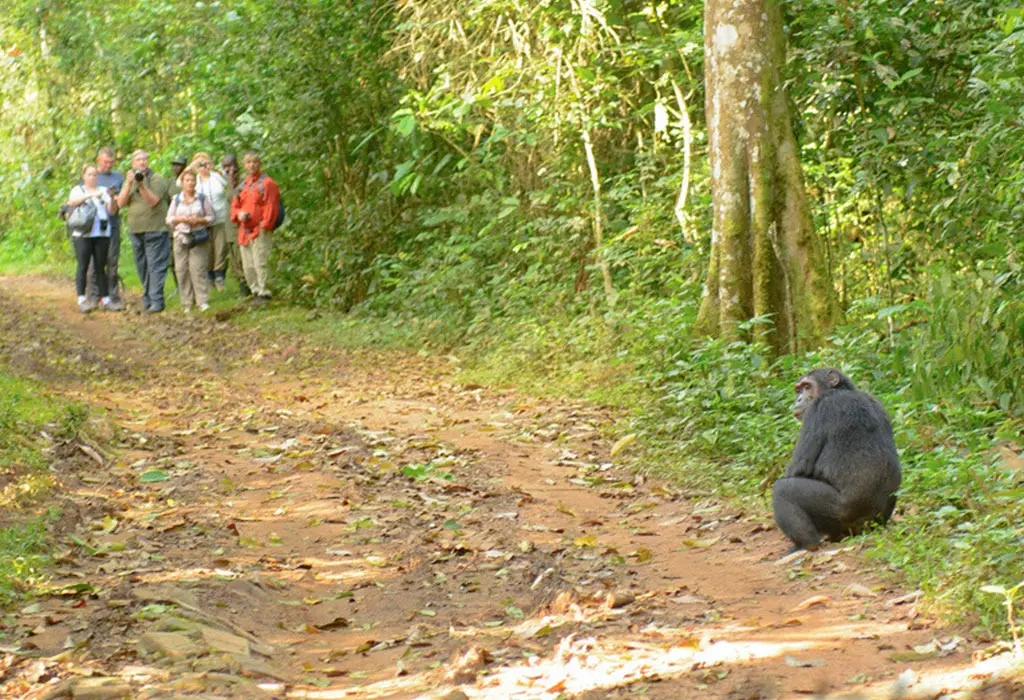
Travelers can also enjoy the Bigodi Wetland Walk, a community-based experience that combines wildlife viewing with cultural discovery.
Bwindi Impenetrable National Park
Bwindi is the ultimate destination for mountain gorilla trekking. Its ancient rainforest, diverse wildlife, and conservation importance make it one of Africa’s most remarkable protected areas.
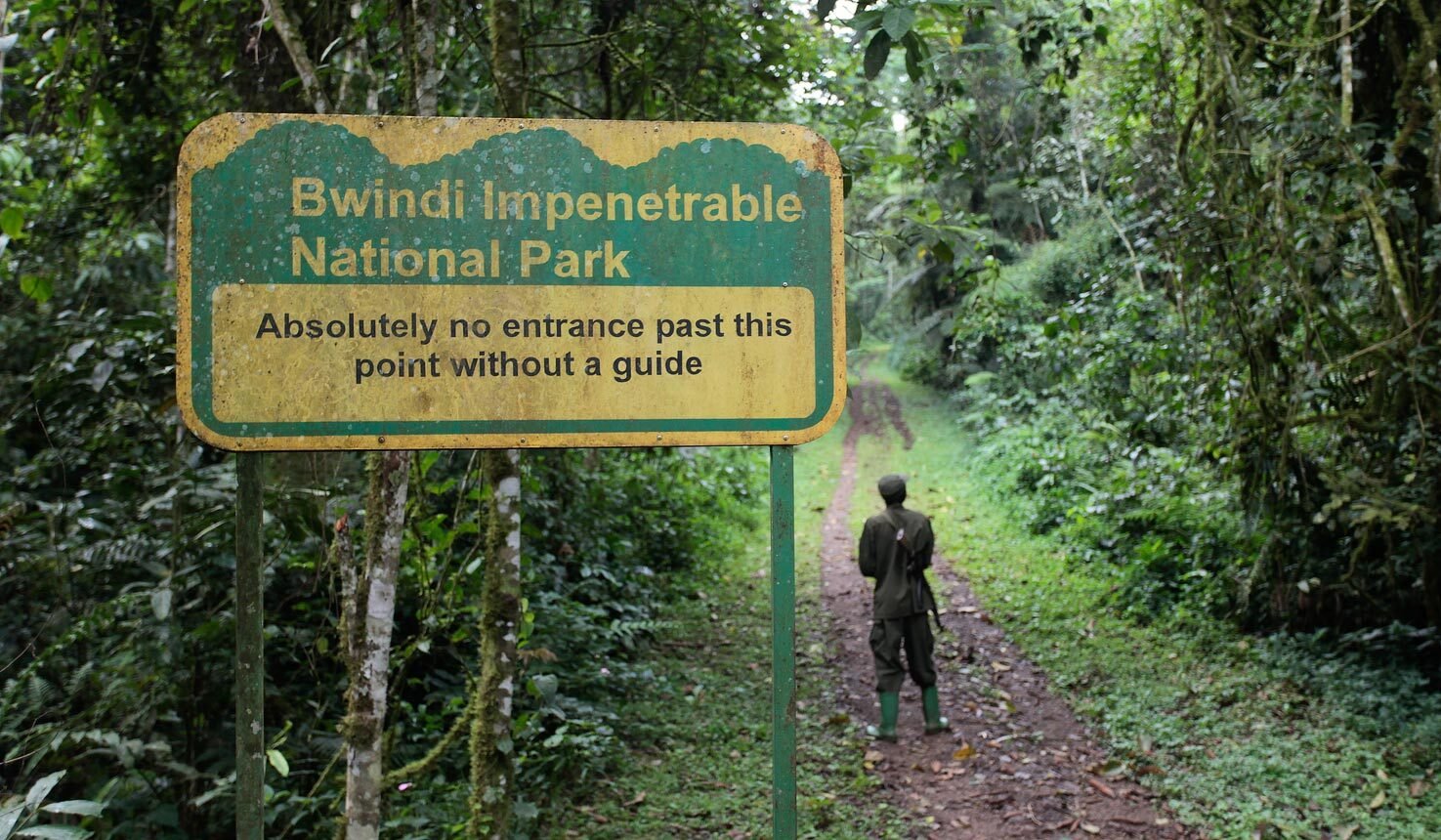
The park offers multiple trekking sectors, allowing visitors to choose experiences based on itinerary, accommodation preferences, and travel plans.
Mgahinga Gorilla National Park
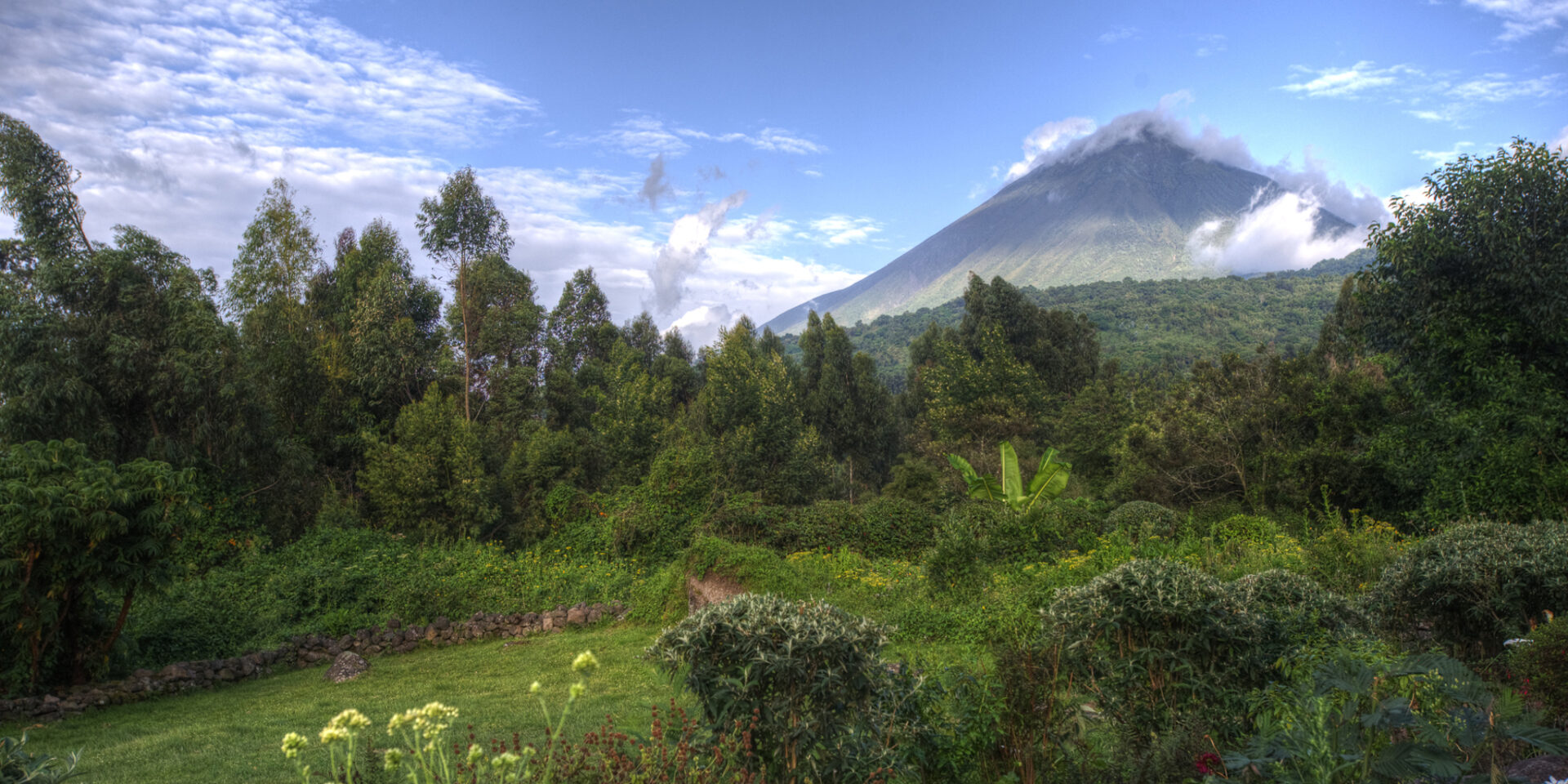
Mgahinga offers golden monkey tracking, gorilla trekking opportunities, and spectacular volcanic scenery. The park is ideal for travelers seeking a quieter and less crowded primate experience.
Combining Uganda Primate Safari with Wildlife Adventures
One of the greatest advantages of Uganda is the ability to combine primate experiences with traditional wildlife safaris.
Many travelers combine Kibale chimpanzee trekking with Queen Elizabeth National Park, where they can enjoy game drives searching for elephants, lions, buffaloes, leopards, and antelopes.
The famous Kazinga Channel boat cruise provides another unforgettable experience, allowing visitors to observe hippos, crocodiles, elephants, and hundreds of bird species from the water.
For a complete Uganda adventure, travelers can also include Murchison Falls National Park, Lake Mburo National Park, or Kidepo Valley National Park.
Best Time for a Uganda Primate Safari
A Uganda Primate Safari can be enjoyed throughout the year, but the dry seasons from June to September and December to February are generally considered ideal for comfortable trekking conditions.
During these months, forest trails are usually easier to navigate, making activities such as chimpanzee trekking and gorilla trekking more comfortable.
The rainy seasons also provide rewarding experiences because forests become greener, photography conditions improve, and visitor numbers are often lower. Every season offers unique advantages depending on traveler preferences.
Luxury Uganda Primate Safari Experiences
Travelers seeking exclusivity can enjoy luxury primate safaris featuring premium lodges, private vehicles, personalized guides, and carefully designed itineraries.
Luxury experiences may include stays at high-end forest lodges near Bwindi and Kibale, private transfers, flexible schedules, and additional experiences such as photography walks and cultural interactions.
At Nextgen Safaris, we design luxury primate journeys that combine exceptional comfort with authentic wildlife encounters.
Family and Photography Uganda Primate Safaris
Uganda’s primate destinations also offer incredible experiences for families and photographers.
Families can enjoy educational wildlife experiences where children learn about conservation, ecosystems, and animal behavior. Our team designs family-friendly itineraries with comfortable pacing and suitable activities.
Photographers benefit from Uganda’s incredible biodiversity, offering opportunities to capture gorillas, chimpanzees, monkeys, birds, rainforest landscapes, and cultural moments.
Conservation and Responsible Tourism
Conservation is the foundation of every Uganda Primate Safari. Tourism revenue supports habitat protection, wildlife research, anti-poaching efforts, and community development programs.
Visitors play an important role by choosing responsible safari operators, following wildlife guidelines, and respecting natural habitats.
By visiting Uganda’s primate destinations, travelers contribute directly to protecting some of the world’s most endangered and valuable species.
Why Choose Nextgen Safaris for Your Uganda Primate Safari?
At Nextgen Safaris, we create professionally planned primate adventures that showcase the best of Uganda’s wildlife and landscapes.
Our experienced team provides expert itinerary planning, reliable transportation, professional guides, quality accommodation, and personalized service from the beginning of your journey until the end.
Whether you want a chimpanzee-focused safari, gorilla trekking adventure, luxury primate holiday, family wildlife experience, or a complete Uganda safari, we create unforgettable journeys designed around your dreams.
Frequently Asked Questions About Uganda Primate Safari
1. What is a Uganda Primate Safari?
A Uganda Primate Safari is a wildlife adventure focused on exploring Uganda’s incredible primate species in their natural habitats. The experience usually includes encounters with mountain gorillas, chimpanzees, golden monkeys, and other monkey species found within Uganda’s forests and protected areas.
Unlike traditional game drives, a primate safari involves walking through ancient rainforests, following expert trackers, learning about primate behavior, and experiencing wildlife conservation firsthand.
2. Why is Uganda one of the best destinations for a primate safari?
Uganda is considered one of Africa’s top primate destinations because it protects some of the continent’s most important rainforest ecosystems. The country is home to diverse primate species, including almost half of the world’s remaining mountain gorillas and large populations of chimpanzees.
Uganda also offers the unique advantage of combining different primate experiences in one journey, allowing travelers to trek chimpanzees in Kibale Forest, track gorillas in Bwindi, and discover golden monkeys in Mgahinga.
3. Which primates can I see during a Uganda Primate Safari?
A Uganda Primate Safari offers opportunities to see many fascinating primate species, including mountain gorillas, chimpanzees, golden monkeys, black-and-white colobus monkeys, red-tailed monkeys, blue monkeys, grey-cheeked mangabeys, olive baboons, and bushbabies.
The exact species you encounter depends on the destinations included in your itinerary, but Uganda provides some of Africa’s richest primate viewing opportunities.
4. Where is the best place for chimpanzee trekking in Uganda?
Kibale Forest National Park is the best-known destination for chimpanzee trekking in Uganda and is often referred to as the “Primate Capital of the World.”
The park protects a large chimpanzee population and offers excellent chances of encountering habituated chimpanzee communities. Visitors can also enjoy other activities such as the Bigodi Wetland Walk, bird watching, and nature walks.
5. Where is the best place for gorilla trekking in Uganda?
Bwindi Impenetrable National Park is the leading destination for mountain gorilla trekking in Uganda. The ancient rainforest protects a significant percentage of the world’s remaining mountain gorilla population.
Bwindi offers several trekking sectors, each providing opportunities to encounter habituated gorilla families while exploring one of Africa’s most remarkable forest ecosystems.
6. How many days are needed for a Uganda Primate Safari?
The ideal length of a Uganda Primate Safari depends on the experiences you want to include. A short safari of 3–4 days can focus on chimpanzee trekking in Kibale Forest.
For a complete primate adventure including chimpanzees, gorillas, and golden monkeys, most travelers choose 7–10 days. Longer itineraries can also include classic wildlife destinations such as Queen Elizabeth National Park and Murchison Falls National Park.
7. Is a Uganda Primate Safari suitable for first-time safari travelers?
Yes, Uganda is an excellent destination for first-time safari travelers. The country offers well-organized trekking experiences, professional guides, comfortable lodges, and diverse wildlife encounters.
A primate safari is especially rewarding for travelers interested in unique wildlife experiences because it provides close encounters with some of Africa’s most intelligent and fascinating animals.
8. How difficult is a Uganda Primate Safari?
The difficulty level depends on the activities included in your itinerary. Chimpanzee trekking is generally considered moderate and involves walking through rainforest trails.
Gorilla trekking can be more physically demanding because it takes place in mountainous forest environments. However, with proper preparation, suitable clothing, and guidance from experienced trackers, most visitors can enjoy these experiences.
9. What is the best time to go on a Uganda Primate Safari?
Uganda’s primate experiences are available throughout the year. The dry seasons from June to September and December to February are popular because forest trails are usually easier to navigate.
The rainy seasons also offer excellent experiences, with greener forests, fewer visitors, and great opportunities for photography. The best time depends on your travel preferences and itinerary.
10. Can I combine gorilla trekking and chimpanzee trekking in one safari?
Yes, combining gorilla trekking and chimpanzee trekking is one of the most popular Uganda safari experiences.
A typical itinerary includes Kibale Forest National Park for chimpanzees and Bwindi Impenetrable National Park for mountain gorillas. Many travelers also include Queen Elizabeth National Park for game drives and the Kazinga Channel boat cruise.
11. What should I pack for a Uganda Primate Safari?
Travelers should pack comfortable hiking shoes, lightweight clothing, long trousers, a rain jacket, insect repellent, a camera, binoculars, sunscreen, and a reusable water bottle.
For gorilla and chimpanzee trekking, waterproof clothing and good hiking footwear are especially important because rainforest conditions can change quickly.
12. Are Uganda Primate Safaris safe?
Yes, Uganda Primate Safaris are safe when organized with experienced safari operators and professional guides.
During trekking activities, visitors receive safety briefings and follow conservation guidelines designed to protect both travelers and wildlife. Nextgen Safaris provides experienced guides who prioritize comfort, safety, and responsible tourism.
13. Can families enjoy a Uganda Primate Safari?
Yes, families can enjoy Uganda’s primate experiences, especially when itineraries are carefully planned according to children’s ages and interests.
Chimpanzee experiences, nature walks, cultural visits, and wildlife safaris provide excellent educational opportunities for children while creating unforgettable family memories.
14. Is a Uganda Primate Safari good for photographers?
Yes, Uganda is one of Africa’s best destinations for wildlife photography. Travelers can capture incredible images of gorillas, chimpanzees, monkeys, birds, rainforest landscapes, and cultural experiences.
Photographers can also choose specialized itineraries focusing on chimpanzee habituation, gorilla photography, and extended wildlife encounters.
15. How does a Uganda Primate Safari support conservation?
A Uganda Primate Safari directly contributes to conservation through permit fees, park revenues, research programs, and community projects.
Tourism helps protect endangered species by providing funding for habitat protection, wildlife monitoring, and conservation initiatives while creating economic benefits for communities living near protected areas.
16. What is the difference between chimpanzee trekking and gorilla trekking?
Chimpanzee trekking focuses on observing chimpanzee communities in rainforest environments, especially in Kibale Forest. It usually involves walking through lower-altitude forests and observing active primates.
Gorilla trekking involves searching for mountain gorilla families in mountainous rainforest habitats such as Bwindi. It is generally more physically demanding but provides one of the world’s most powerful wildlife encounters.
17. Can I include golden monkey tracking in my Uganda Primate Safari?
Yes, golden monkey tracking can be added to a Uganda Primate Safari, especially when visiting Mgahinga Gorilla National Park.
This experience allows travelers to explore bamboo forests while observing the rare and colorful golden monkeys of the Virunga Mountains.
18. Why choose Nextgen Safaris for a Uganda Primate Safari?
Nextgen Safaris specializes in creating customized primate adventures throughout Uganda. We provide expert itinerary planning, professional guides, comfortable transportation, carefully selected accommodation, and personalized safari experiences.
Our goal is to help travelers experience Uganda’s incredible primates while ensuring responsible tourism, conservation support, and unforgettable memories.
19. How much does a Uganda Primate Safari cost?
The cost of a Uganda Primate Safari depends on factors such as the length of the trip, accommodation level, activities included, transportation style, and whether gorilla trekking permits are included.
Budget, mid-range, and luxury options are available, allowing travelers to choose an experience that matches their preferences and expectations.
20. How can I book a Uganda Primate Safari with Nextgen Safaris?
You can book your Uganda Primate Safari by contacting Nextgen Safaris with your preferred travel dates, interests, budget, and the experiences you would like to include.
Our safari experts will create a personalized itinerary covering permits, accommodation, transportation, activities, and all essential details for an unforgettable primate adventure in Uganda.
Book Your Uganda Primate Safari Today
A Uganda Primate Safari offers one of Africa’s most extraordinary wildlife experiences, combining close encounters with fascinating primates, ancient rainforest exploration, conservation discovery, and breathtaking natural landscapes. From walking through Uganda’s protected forests to observing some of the world’s most intelligent and endangered species in their natural habitats, every moment creates a deeper connection with nature.
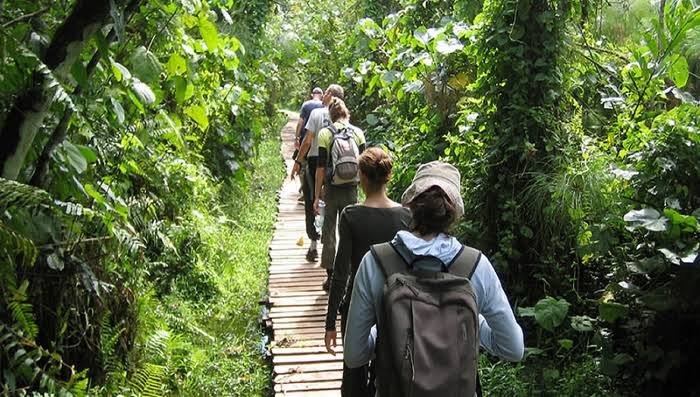
From the chimpanzees of Kibale Forest National Park, where travelers can witness these remarkable primates displaying complex social behaviors, to the mountain gorillas of Bwindi Impenetrable National Park, where unforgettable encounters take place in ancient rainforest environments, and the rare golden monkeys of Mgahinga Gorilla National Park, Uganda offers a truly exceptional primate adventure unlike anywhere else in Africa.
At Nextgen Safaris, we create personalized Uganda Primate Safari experiences designed around your interests, travel style, and expectations. Our expert team handles every detail, including permits, accommodation, transportation, professional guides, and carefully selected activities to ensure a seamless and unforgettable journey through Uganda’s incredible wildlife destinations.
Contact Nextgen Safaris today and let our experts design your unforgettable Uganda Primate Safari filled with extraordinary wildlife encounters, expert guidance, comfortable travel, responsible tourism experiences, and lifelong memories in the Pearl of Africa.