
Uganda People and Tribes
Ultimate Uganda People and Tribes Guide: Discover the Diverse Communities, Traditions and Heritage of the Pearl of Africa
The Uganda People and Tribes guide is an essential resource for travellers who want to understand the diverse communities, cultural identities, traditions, and historical backgrounds that make Uganda one of Africa’s most fascinating destinations. Uganda is often celebrated for its mountain gorillas, chimpanzees, wildlife safaris, and stunning landscapes, but the true beauty of the country is also found in its people, whose traditions, languages, customs, and ways of life create a rich cultural experience for visitors.
Uganda is home to more than 50 ethnic communities, each contributing unique traditions, languages, dances, foods, clothing styles, stories, and cultural practices. These communities are spread across different regions, from the central kingdom lands of Buganda to the cattle-keeping communities of western Uganda, the agricultural societies of the east, and the indigenous communities living near the forests and mountains of the southwest.
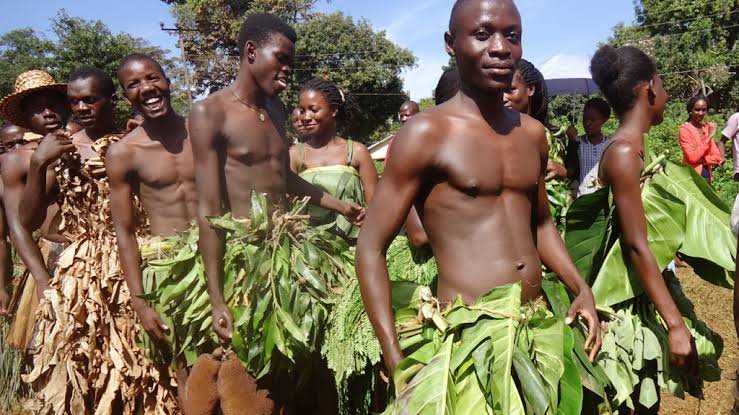
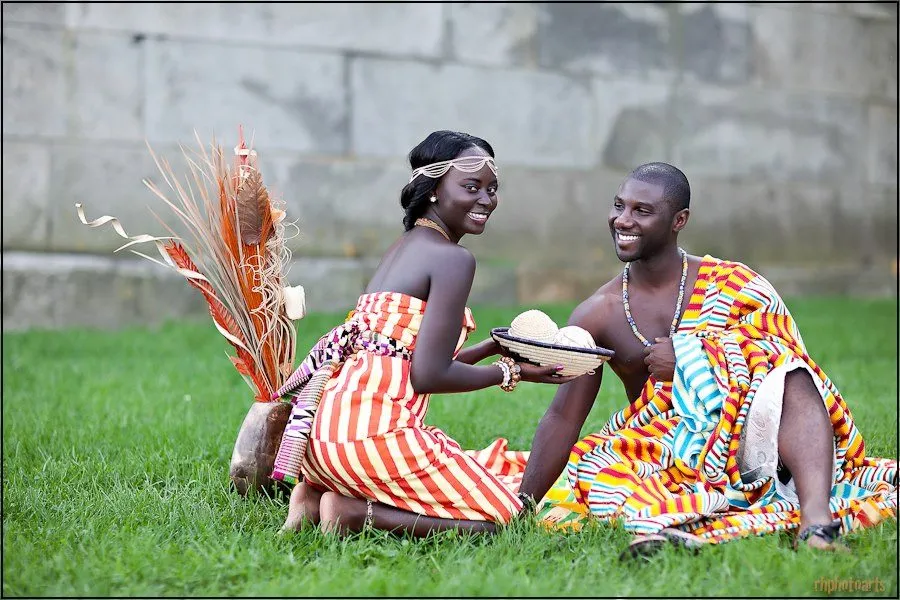
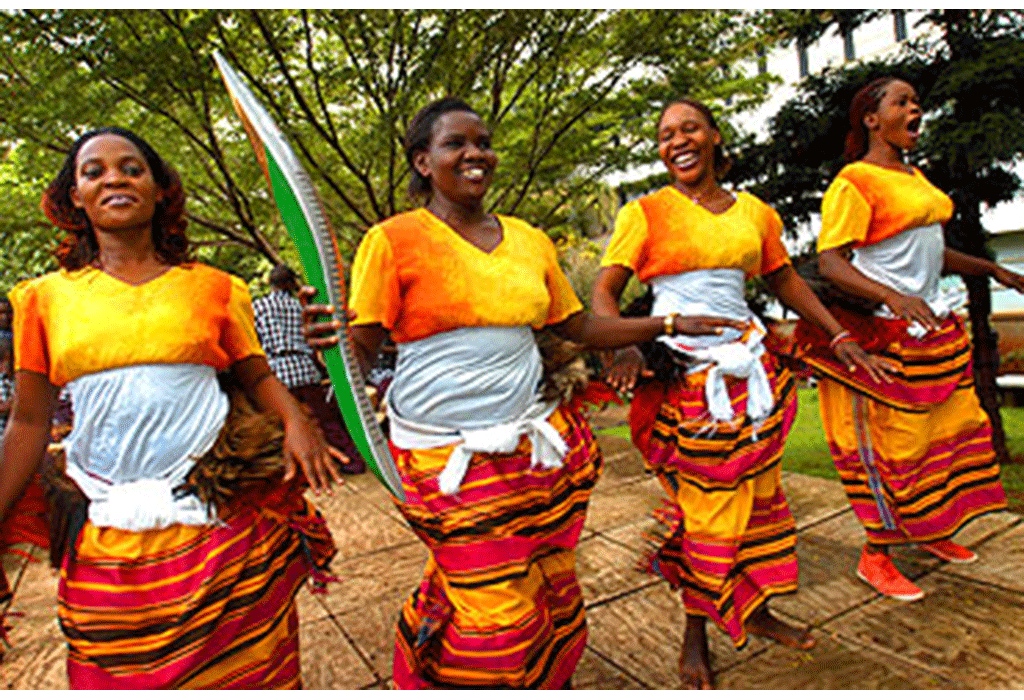
A detailed Uganda People and Tribes guide helps travellers understand that Uganda is not defined by one single culture but by a beautiful combination of many identities living together. Each community has preserved important aspects of its heritage while adapting to modern life. Visitors travelling through Uganda have the opportunity to experience this diversity through cultural tours, community visits, traditional performances, local cuisine, historical sites, and interactions with welcoming local people.
At Nextgen Safaris, we believe that exploring Uganda means discovering both its natural wonders and the people who call this land home. Our safari experiences combine wildlife adventures with authentic cultural encounters, allowing travellers to understand the traditions, stories, and lifestyles that make Uganda the Pearl of Africa.
The Cultural Diversity of Uganda’s People
Uganda’s population is made up of numerous ethnic groups with different historical origins, languages, traditions, and social structures. This cultural diversity is one of the country’s greatest strengths and creates unique experiences for travellers exploring different regions.
The Uganda People and Tribes guide highlights that many communities have maintained strong connections to their ancestral traditions. Cultural identity is expressed through family structures, traditional leadership, music, dance, ceremonies, agriculture, storytelling, and community values.
The largest ethnic communities include the Baganda, Banyankole, Basoga, Bakiga, Acholi, Langi, Iteso, Batooro, Banyoro, Alur, Lugbara, and Batwa, among many others. Each group has its own cultural characteristics, historical experiences, and traditional practices.
While modern Uganda has brought communities closer together through education, urbanisation, and national identity, many people continue to celebrate their cultural heritage through festivals, ceremonies, traditional foods, and community activities.
For travellers, this diversity means that every region of Uganda offers something different. A journey across Uganda is not only a wildlife adventure but also an opportunity to discover different communities and understand their unique ways of life.
The Baganda People of Central Uganda
The Baganda are the largest ethnic group in Uganda and are mainly found in the central region, especially around Kampala and the Buganda Kingdom. They have played a significant role in Uganda’s history, culture, and social development.
The Uganda People and Tribes guide recognises the Baganda as a community with a strong cultural identity built around traditional leadership, clans, language, music, and ceremonies. The Buganda Kingdom remains an important cultural institution, led by the Kabaka (King), who represents the heritage and traditions of the Baganda people.
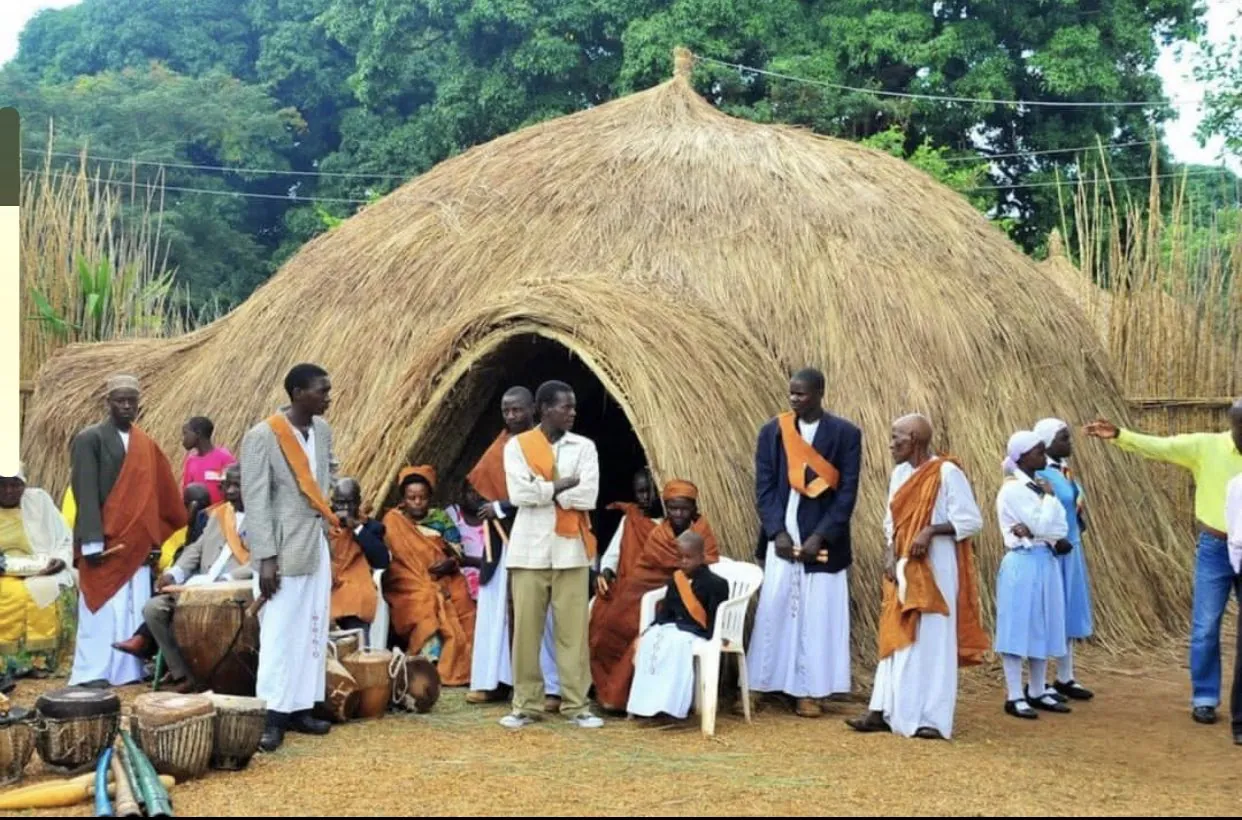
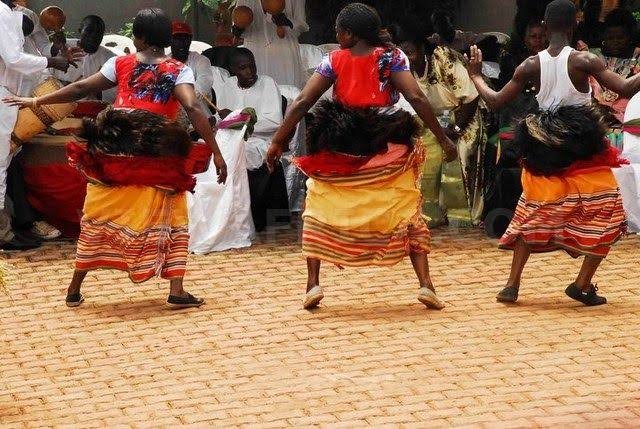
The Baganda speak Luganda, one of the most widely spoken local languages in Uganda. Their culture places great importance on respect, family relationships, hospitality, and community connections.
Visitors interested in Baganda culture can explore cultural attractions around Kampala and central Uganda, including traditional sites, royal landmarks, craft markets, and cultural performances. Experiencing Baganda traditions provides insight into one of Uganda’s most influential cultural communities.
The Banyankole People of Western Uganda
The Banyankole are one of the major ethnic communities in western Uganda, particularly in areas such as Mbarara, Bushenyi, and surrounding regions. They are historically known for cattle keeping, especially the famous long-horned Ankole cattle.
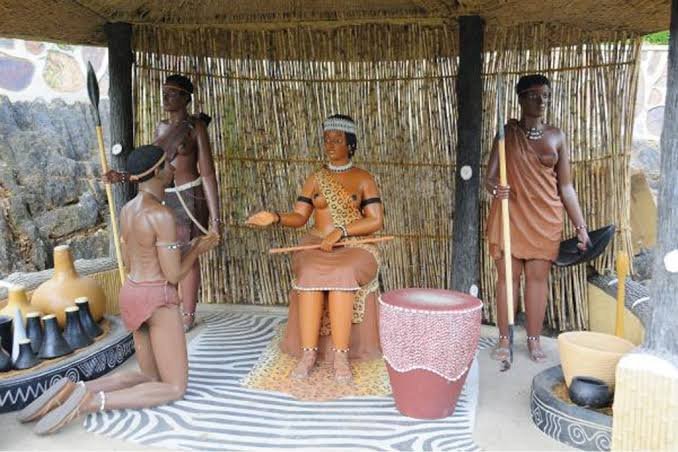
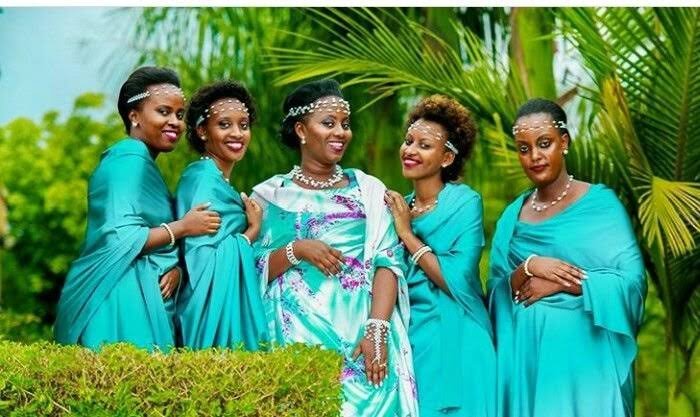
The Uganda People and Tribes guide explains that cattle have traditionally played an important role in Banyankole culture. Cattle were not only sources of food and wealth but also symbols of social status, family connections, and cultural identity.
The Banyankole traditionally include different social groups, including the Bahima pastoralists and Bairu agricultural communities. Today, many Banyankole communities combine traditional practices with modern lifestyles.
Travellers visiting western Uganda can experience Banyankole culture through cattle experiences, local food traditions, community visits, and cultural interactions. The region also provides access to famous safari destinations such as Queen Elizabeth National Park and Lake Mburo National Park.
The Bakiga People of Southwestern Uganda
The Bakiga are mainly found in southwestern Uganda, especially around Kabale, Kisoro, and the mountainous areas near Bwindi Impenetrable National Park and Mgahinga Gorilla National Park.
The Bakiga are known for their strong work ethic, agricultural traditions, and deep connection to the highland landscapes where they live. Their communities have historically practised farming on steep hillsides, growing crops such as bananas, sorghum, beans, and vegetables.
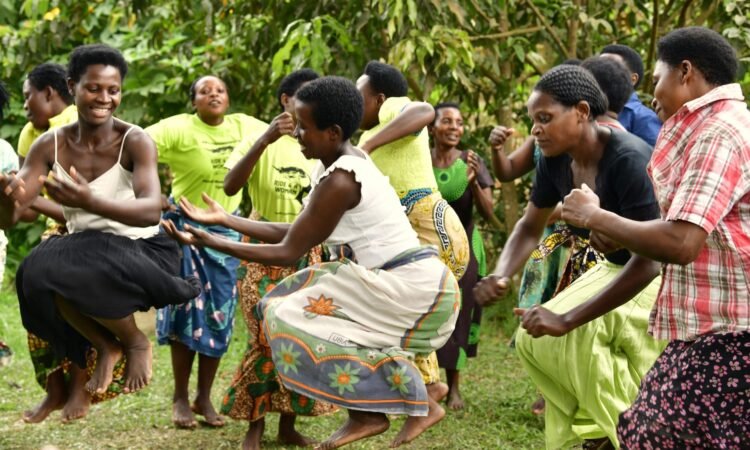
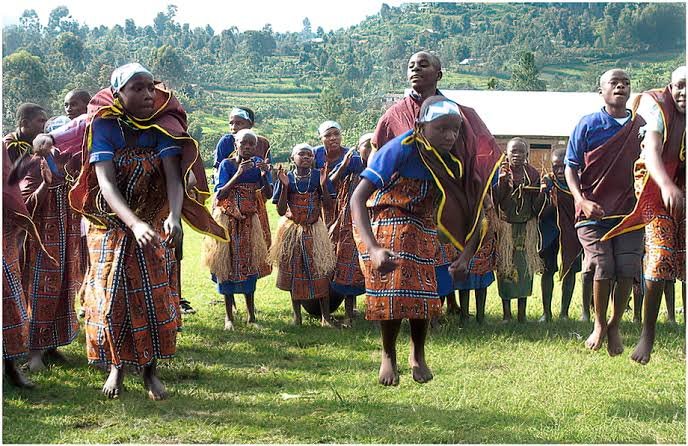
The Uganda People and Tribes guide highlights that Bakiga culture values family, community cooperation, respect for elders, and traditional celebrations. Their music and dance traditions are important expressions of identity.
Travellers visiting the gorilla trekking regions of Uganda often encounter Bakiga communities and can learn about their traditions through cultural experiences, village visits, and interactions with local guides.
The Basoga People of Eastern Uganda
The Basoga people are primarily found in eastern Uganda, especially in the Busoga region near the River Nile and Lake Victoria. They have a rich cultural heritage connected to agriculture, fishing, music, and traditional leadership.
The Busoga Kingdom plays an important cultural role among the Basoga people. Traditional leadership and cultural ceremonies continue to preserve important aspects of their identity.
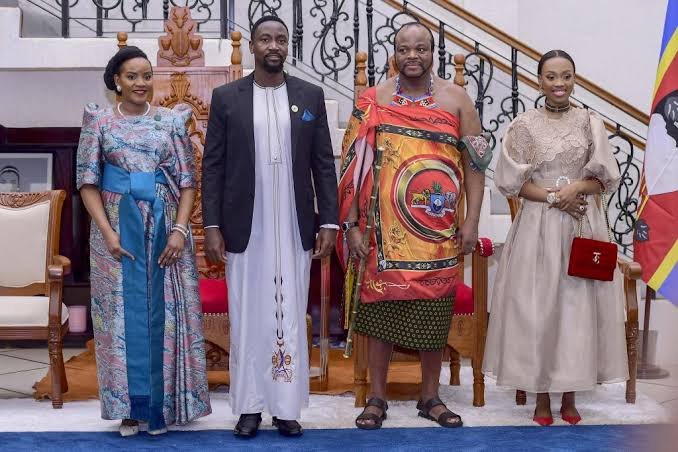
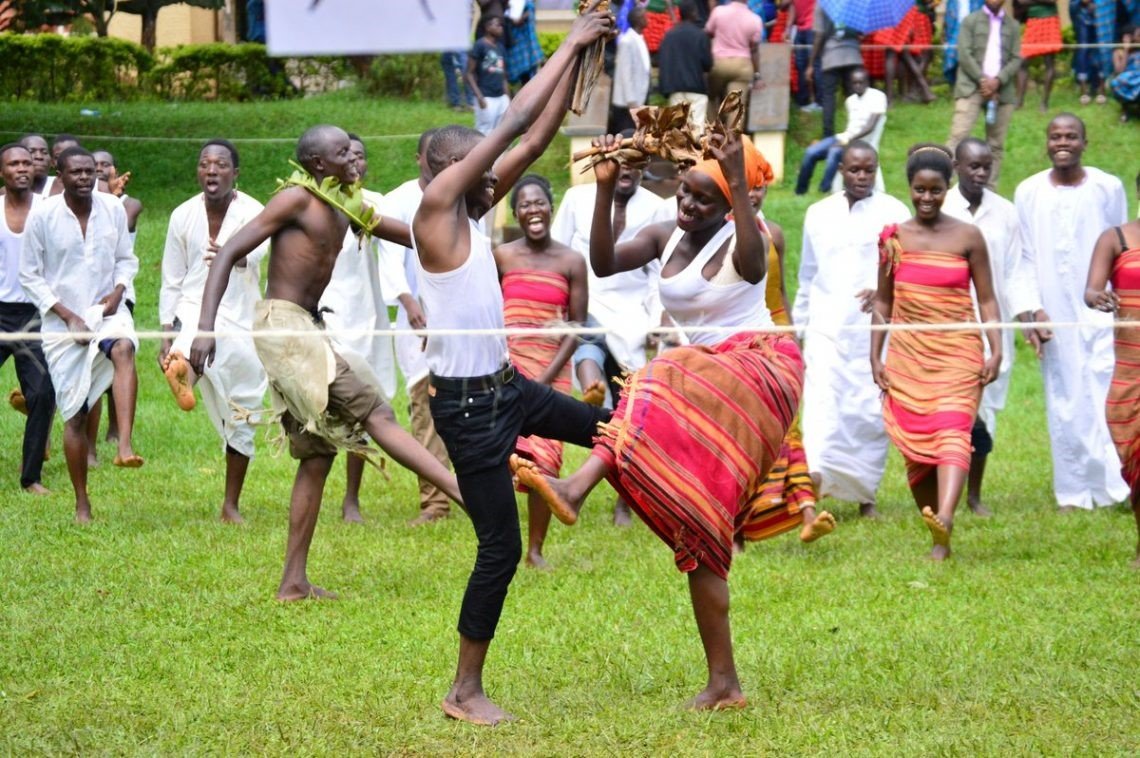
The Uganda People and Tribes guide explains that the Basoga are known for their hospitality, traditional dances, storytelling, and artistic expressions. Their cuisine also reflects the agricultural resources of eastern Uganda.
Visitors exploring areas such as Jinja can experience aspects of Basoga culture alongside adventure activities, including visits to local communities, cultural sites, and markets.
The Acholi People of Northern Uganda
The Acholi people are one of the largest ethnic groups in northern Uganda, mainly found in the Acholi sub-region, including areas such as Gulu, Kitgum, and Pader.
The Acholi have a rich cultural heritage built around storytelling, traditional music, dance, community values, and strong family relationships. Their traditional dances, especially the energetic Larakaraka dance, are among Uganda’s most recognised cultural performances.
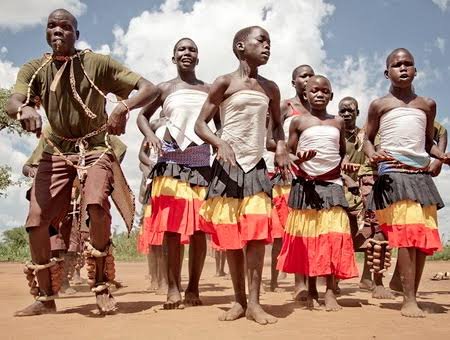
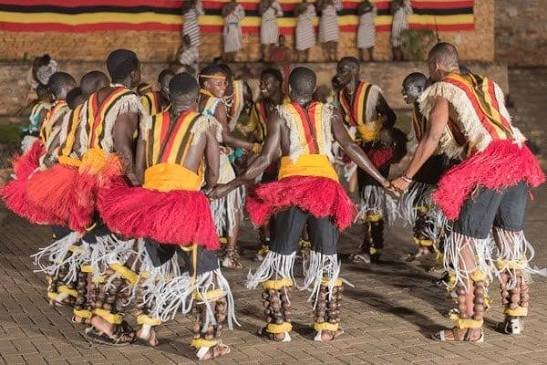
The Uganda People and Tribes guide explains that storytelling and oral traditions play an important role in preserving Acholi history and passing knowledge between generations.
Visitors travelling to northern Uganda can experience Acholi culture through community visits, traditional performances, cultural centres, and interactions with local people.
The Iteso People of Eastern Uganda
The Iteso people are mainly found in eastern Uganda, particularly in the Teso region. Traditionally, they have been involved in agriculture and livestock keeping. The Iteso have unique cultural traditions expressed through language, music, dance, ceremonies, and community values. Family and social relationships remain important aspects of their identity.
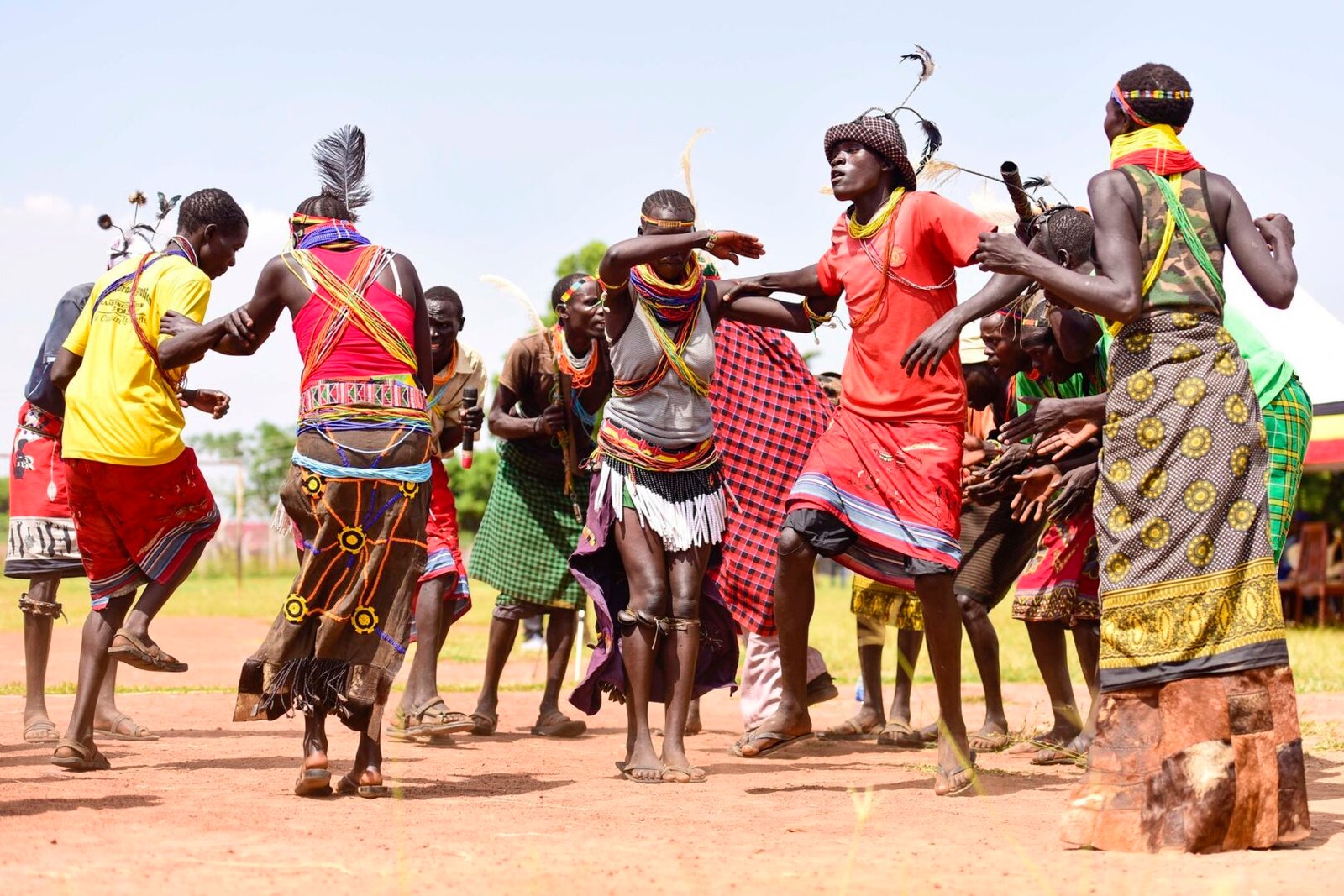
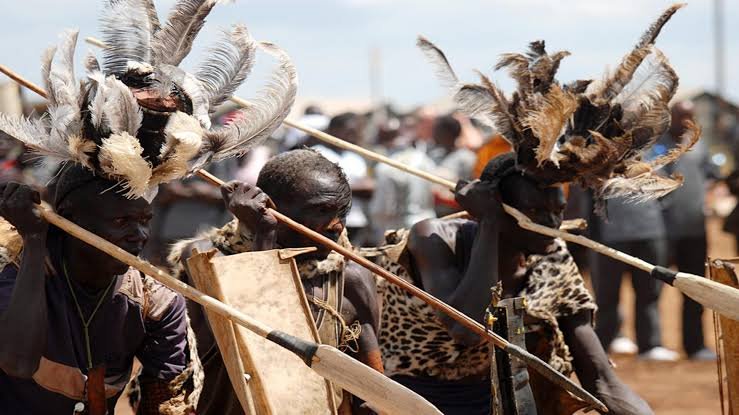
The Uganda People and Tribes guide highlights that cultural practices among the Iteso reflect their connection to the land and their history as an agricultural community. Travellers exploring eastern Uganda can discover Iteso traditions through cultural experiences and local interactions.
The Batooro and Banyoro People of Western Uganda
The Batooro and Banyoro communities are found in western Uganda and have historically been connected to the Tooro and Bunyoro kingdoms. These communities have rich traditions involving royal heritage, traditional ceremonies, storytelling, music, and cultural practices. The kingdoms continue to preserve historical identity and cultural pride.
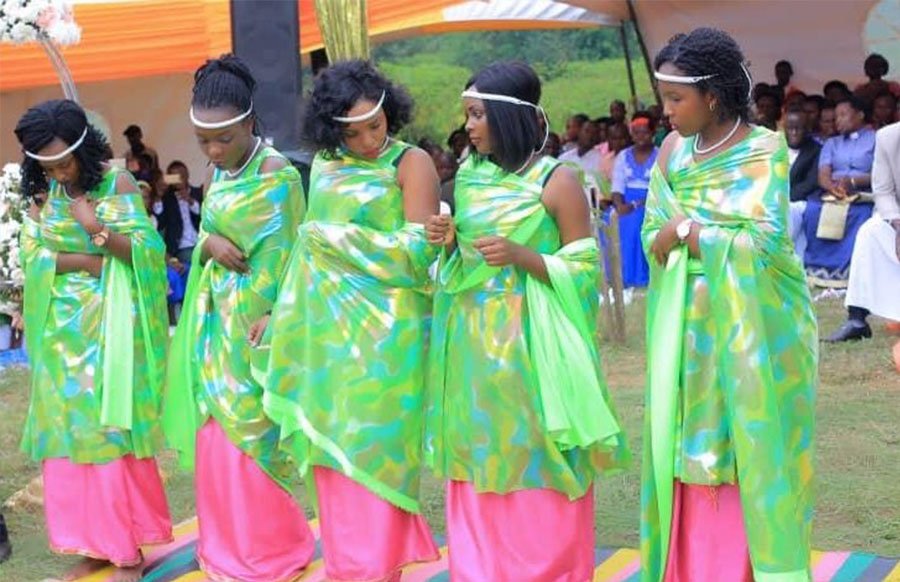
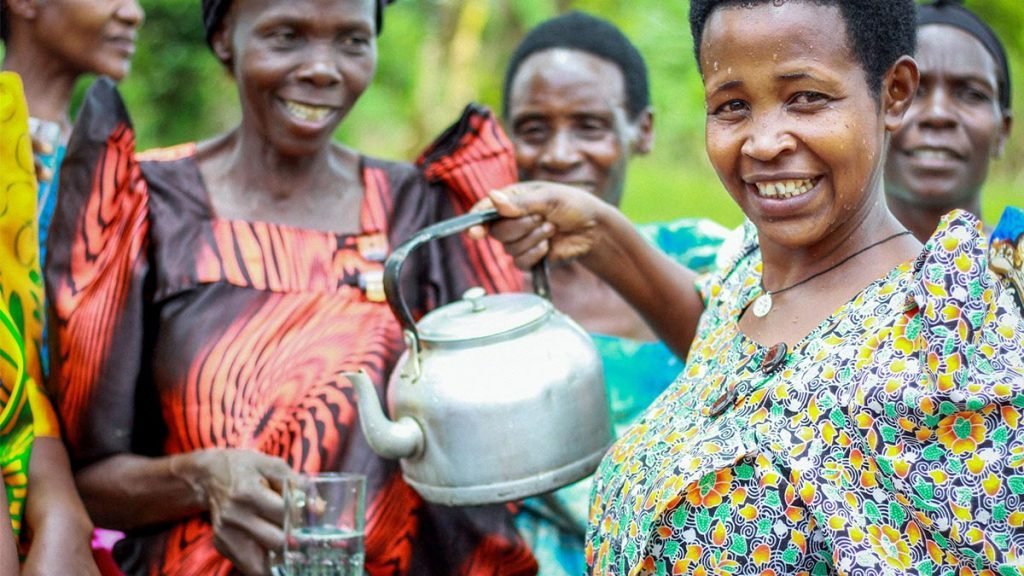
The Uganda People and Tribes guide explains that visitors exploring western Uganda can learn about these communities through cultural sites, traditional experiences, and interactions with local people. Western Uganda is also famous for tourism destinations such as Kibale National Park, Queen Elizabeth National Park, and the Rwenzori Mountains, making cultural experiences easy to combine with safari adventures.
The Batwa Indigenous People of Uganda
The Batwa people are among Uganda’s most recognised indigenous communities. Historically, the Batwa lived as forest communities in areas around Bwindi Impenetrable Forest and Mgahinga Gorilla National Park. The Batwa developed deep knowledge of forest ecosystems, traditional hunting methods, medicinal plants, and survival skills connected to their forest environment.
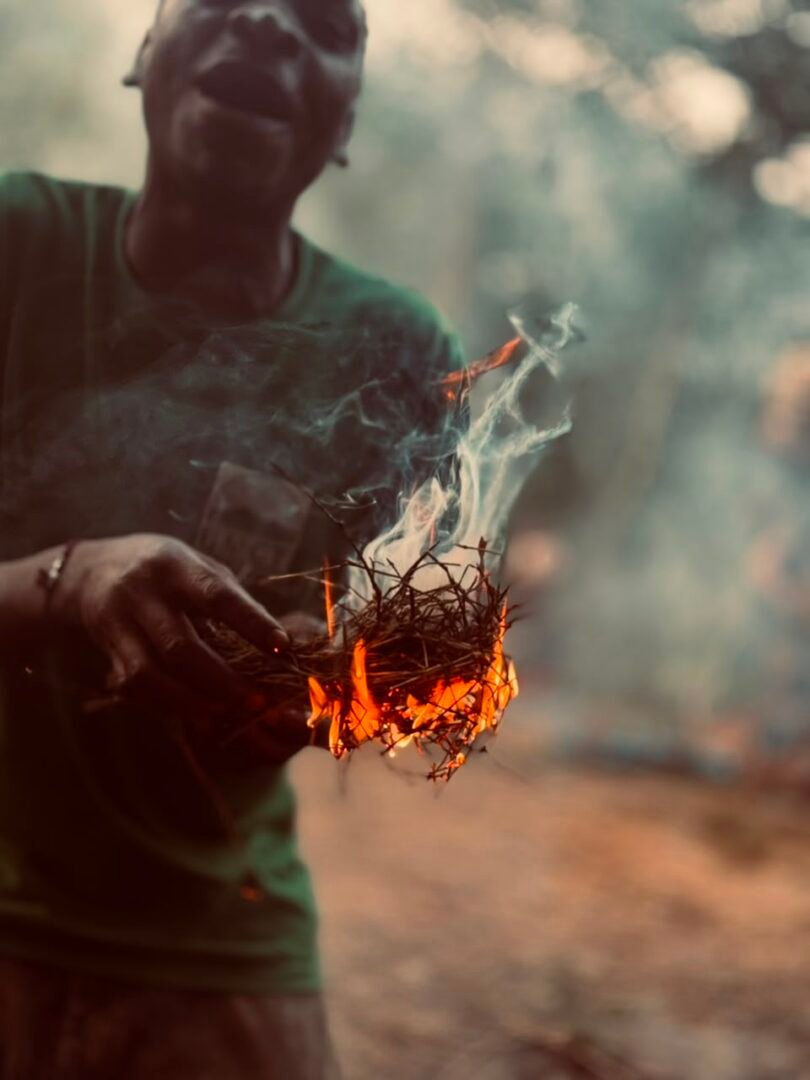
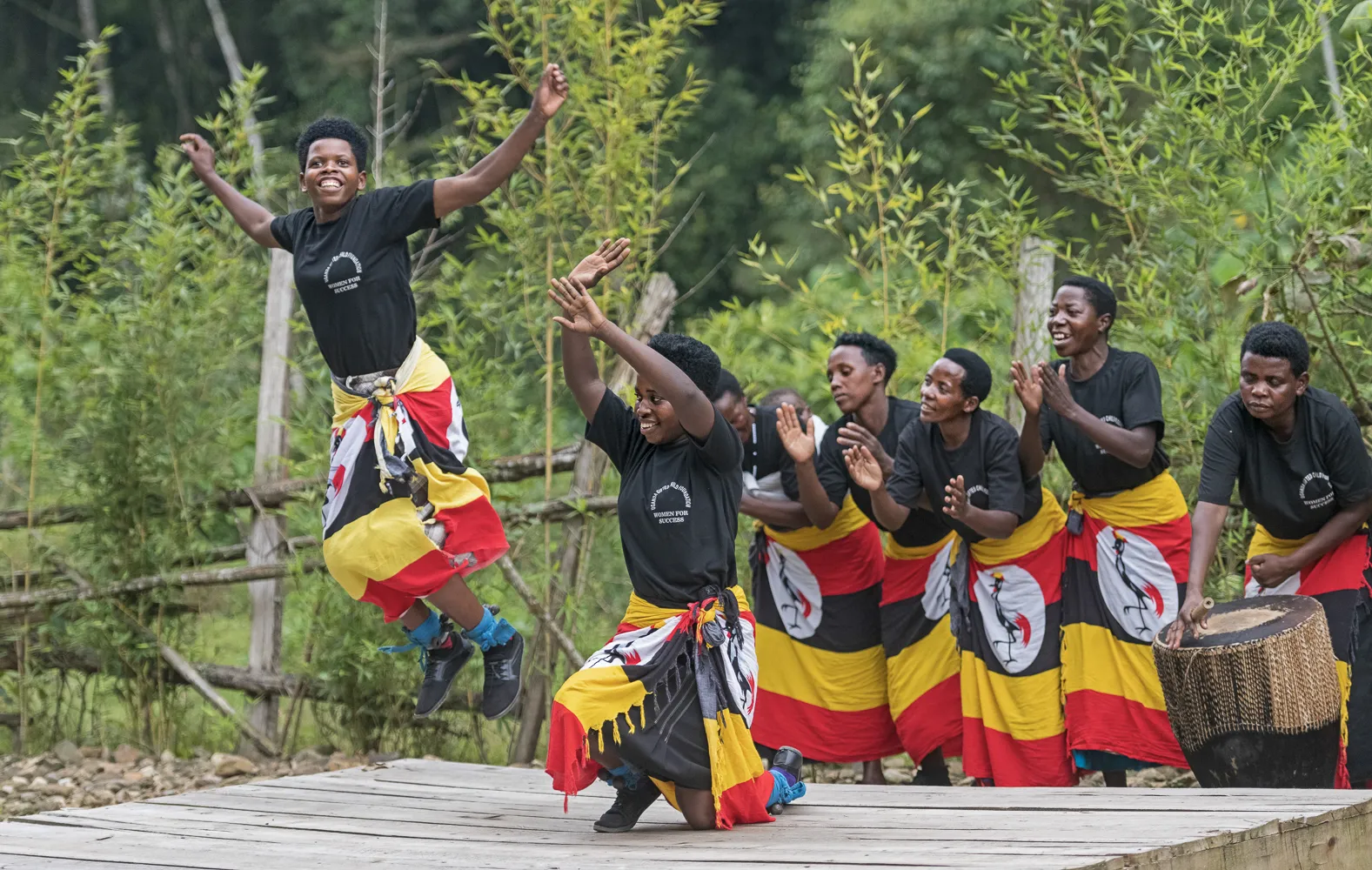
The Uganda People and Tribes guide highlights that Batwa cultural experiences provide visitors with an opportunity to learn about indigenous heritage, traditional songs, storytelling, and historical connections with the forest. Responsible tourism initiatives support Batwa communities by creating opportunities for cultural preservation and economic empowerment.
Traditional Values Among Uganda’s Communities
Despite cultural differences between tribes, many Ugandan communities share common values such as respect for elders, hospitality, family unity, and community cooperation.
The Uganda People and Tribes guide explains that traditional societies often place strong importance on extended families and collective responsibility. Elders are respected as sources of wisdom, history, and guidance.
These values continue to influence everyday life in Uganda, even as communities experience modern changes. Travellers often notice this warmth and friendliness during interactions with Ugandan people throughout their journey.
Languages Spoken Among Uganda’s Tribes
Uganda’s cultural diversity is reflected in its many languages. Different tribes have preserved their indigenous languages as important parts of their identity. Luganda, Runyankole, Lusoga, Acholi, Ateso, Rukiga, Lugbara, and many other languages are spoken across different regions. English is the official language and is widely used in tourism, education, and business.
The Uganda People and Tribes guide recommends learning simple greetings in local languages because it shows respect and helps create positive connections with communities.
Cultural Experiences for Travellers Visiting Uganda
Uganda offers many opportunities for travellers to experience local cultures. These experiences may include village visits, traditional cooking lessons, craft demonstrations, music and dance performances, community walks, and historical tours.
Cultural experiences allow visitors to understand Uganda beyond wildlife and landscapes. They create meaningful connections between travellers and communities.
At Nextgen Safaris, we include authentic cultural encounters in selected safari itineraries, ensuring visitors experience Uganda’s people alongside its incredible wildlife.
Responsible Tourism and Respecting Uganda’s Communities
When visiting cultural communities, travellers should approach experiences with respect and curiosity. Uganda’s people and tribes are living communities with their own traditions, values, and daily realities.
The Uganda People and Tribes guide encourages visitors to ask permission before taking photographs, respect local customs, support local businesses, and engage genuinely with communities. Responsible tourism helps preserve cultural heritage while ensuring local communities benefit from tourism.
Why Choose Nextgen Safaris for Cultural Experiences in Uganda?
Exploring Uganda’s people and tribes requires local knowledge, respectful connections, and carefully planned experiences. At Nextgen Safaris, we work with local guides and communities to provide authentic cultural encounters.Our safaris combine Uganda’s famous wildlife experiences with opportunities to discover traditions, communities, food, music, and heritage.
Whether you are planning gorilla trekking, wildlife safaris, family holidays, or cultural adventures, we create personalised journeys that reveal the true beauty of Uganda.
Frequently Asked Questions About Uganda People and Tribes
1. How many tribes and ethnic groups are found in Uganda?
Uganda is home to more than 50 ethnic groups, each with its own traditions, languages, cultural practices, and historical background. These communities are spread across different regions of the country, creating one of the most culturally diverse societies in East Africa.
The Uganda People and Tribes guide explains that this diversity is one of Uganda’s greatest attractions because every community contributes unique customs, foods, music, dances, and stories that enrich the country’s identity.
2. What are the largest tribes in Uganda?
The largest ethnic groups in Uganda include the Baganda, Banyankole, Basoga, Bakiga, Acholi, Iteso, Langi, Batooro, Banyoro, Alur, and Lugbara, among others.
The Uganda People and Tribes guide highlights that each of these communities has played an important role in shaping Uganda’s history and culture. Their traditions, languages, kingdoms, and social structures continue to influence modern Ugandan society.
3. Who are the Baganda people of Uganda?
The Baganda are the largest ethnic group in Uganda and mainly live in the central region, especially around Kampala and the Buganda Kingdom. They have a rich cultural heritage connected to traditional leadership, clans, language, music, and ceremonies.
The Uganda People and Tribes guide explains that the Buganda Kingdom remains an important cultural institution, with the Kabaka (King) representing the traditions and heritage of the Baganda people.
Visitors can explore Baganda culture through historical sites, cultural performances, traditional foods, and community experiences around central Uganda.
4. Which tribe is known for cattle keeping in Uganda?
The Banyankole people of western Uganda are traditionally known for cattle keeping, especially the famous long-horned Ankole cattle. Cattle have historically represented wealth, social status, and cultural identity among many Banyankole communities.
The Uganda People and Tribes guide explains that cattle remain an important symbol within Banyankole culture, although many people today combine traditional practices with modern lifestyles.
Travellers visiting western Uganda can experience cattle traditions alongside wildlife adventures in destinations such as Lake Mburo National Park and Queen Elizabeth National Park.
5. Who are the Batwa people of Uganda?
The Batwa are one of Uganda’s indigenous communities with a deep historical connection to the forests of southwestern Uganda. Traditionally, the Batwa lived as forest communities around areas such as Bwindi Impenetrable Forest and Mgahinga Gorilla National Park.
The Uganda People and Tribes guide highlights that Batwa cultural experiences allow visitors to learn about traditional forest knowledge, storytelling, music, hunting techniques, and their historical relationship with the environment. Responsible tourism helps support Batwa communities while preserving their cultural heritage.
6. What languages do Uganda’s tribes speak?
Uganda has more than 40 local languages spoken among different communities. Each tribe often has its own indigenous language that represents its history and cultural identity.
Some widely spoken languages include Luganda, Runyankole, Lusoga, Acholi, Ateso, Rukiga, Lugbara, and Runyoro. English is the official language and is commonly used in tourism, education, and business. The Uganda People and Tribes guide recommends learning simple greetings in local languages because it is appreciated by communities and creates more meaningful interactions.
7. Are Uganda’s tribes still preserving their traditional cultures?
Yes, many Ugandan communities continue to preserve their traditions through ceremonies, music, dance, storytelling, food preparation, traditional crafts, and community events.
The Uganda People and Tribes guide explains that although Uganda has experienced modern development, many communities maintain strong connections to their cultural identity. Visitors can experience these traditions through cultural tours, village visits, festivals, and community-based tourism experiences.
8. What cultural experiences can tourists enjoy with Uganda tribes?
Travellers can enjoy many cultural experiences, including visiting local communities, participating in traditional cooking demonstrations, watching music and dance performances, exploring craft markets, learning traditional skills, and interacting with local people.
The Uganda People and Tribes guide shows that these experiences provide deeper understanding of Uganda beyond wildlife and landscapes. At Nextgen Safaris, cultural experiences can be combined with gorilla trekking, wildlife safaris, chimpanzee tracking, and other adventures.
9. What role do traditional kingdoms play in Uganda?
Traditional kingdoms play an important cultural role in preserving history, identity, and heritage among several Ugandan communities. They are cultural institutions rather than political governments.
Important kingdoms include Buganda, Bunyoro-Kitara, Tooro, Busoga, and Rwenzururu. The Uganda People and Tribes guide explains that these kingdoms preserve traditions through ceremonies, cultural events, historical sites, and traditional leadership structures.
10. Are Ugandan tribes friendly to visitors?
Yes, Ugandan communities are widely known for their hospitality and friendliness toward visitors. Respect, welcoming guests, and sharing experiences are important values in many Ugandan cultures.
The Uganda People and Tribes guide explains that visitors often remember interactions with local people as some of the most meaningful moments of their journey.
Travellers are encouraged to approach communities respectfully and with genuine interest in learning about their way of life.
11. What traditional foods are associated with Uganda’s tribes?
Uganda’s communities have diverse food traditions based on locally available agricultural products. Popular foods include matoke, luwombo, beans, groundnut sauce, cassava, millet, sweet potatoes, fish, and various meat dishes.
The Uganda People and Tribes guide explains that food is closely connected to cultural identity, hospitality, and community celebrations. Travellers can experience traditional cuisine through local restaurants, cultural visits, and safari lodges.
12. What traditional dances are found among Uganda’s tribes?
Uganda has many traditional dances representing different communities. These dances are performed during celebrations, ceremonies, festivals, and cultural events.
Examples include the energetic Larakaraka dance of the Acholi people and various traditional dances among the Baganda, Banyankole, Basoga, and other communities. The Uganda People and Tribes guide explains that traditional dances preserve history, storytelling, and cultural identity through music and movement.
13. Can tourists visit villages in Uganda?
Yes, tourists can visit villages through organised cultural experiences. These visits provide opportunities to meet local people, learn about traditional lifestyles, taste local foods, and understand community practices.
The Uganda People and Tribes guide recommends choosing responsible tourism experiences that respect communities and ensure local people benefit from tourism.
14. How can travellers respectfully interact with Uganda communities?
Travellers can respectfully interact with Ugandan communities by asking permission before taking photographs, respecting local customs, dressing appropriately, listening to local stories, and supporting community businesses.
The Uganda People and Tribes guide encourages visitors to see communities as living cultures rather than just tourist attractions.
Respectful interactions create genuine connections and meaningful travel memories.
15. Why should I include cultural experiences in my Uganda safari?
Including cultural experiences in a Uganda safari allows travellers to discover the country beyond its wildlife and landscapes. Uganda’s people, traditions, food, music, and heritage add depth and meaning to every journey.
The Uganda People and Tribes guide shows that meeting local communities creates unforgettable experiences and a better understanding of the Pearl of Africa. At Nextgen Safaris, we combine wildlife adventures with authentic cultural encounters to help travellers experience the complete beauty of Uganda.
Book Your Uganda Cultural Safari Adventure Today
The Uganda People and Tribes experience offers travellers the opportunity to discover the heart of Uganda through its communities, traditions, and heritage. Beyond the national parks and wildlife, Uganda’s greatest treasure is its people and their incredible cultural diversity.
From the Baganda of central Uganda to the Batwa of the forests, the Acholi of the north, and the Banyankole of the west, every community adds a unique story to the country’s identity.
At Nextgen Safaris, we create unforgettable journeys that combine wildlife, culture, and authentic human connections. Contact us today and discover the people and traditions that make Uganda the Pearl of Africa.