
Uganda Safari FAQs
Essential Uganda Safari FAQs: Expert Answers for Planning the Perfect Uganda Safari with Nextgen Safaris
Uganda Safari FAQs are very important for travellers who want to understand how to plan a successful safari in the Pearl of Africa. Uganda is one of the most rewarding safari destinations in East Africa because it combines mountain gorilla trekking, chimpanzee tracking, wildlife game drives, boat safaris, waterfalls, lakes, forests, cultural experiences, and beautiful landscapes in one country. Many travellers have questions before booking because Uganda offers different parks, different routes, different permit requirements, and different accommodation options.
This Uganda Safari FAQs guide by Nextgen Safaris is designed to answer the most common questions travellers ask before visiting Uganda. Whether you are planning a short gorilla trekking safari, a family holiday, a honeymoon safari, a luxury wildlife experience, or a longer adventure across several national parks, this page will help you understand what to expect. The goal is to make your planning easier, clearer, and more confident before you confirm your safari.
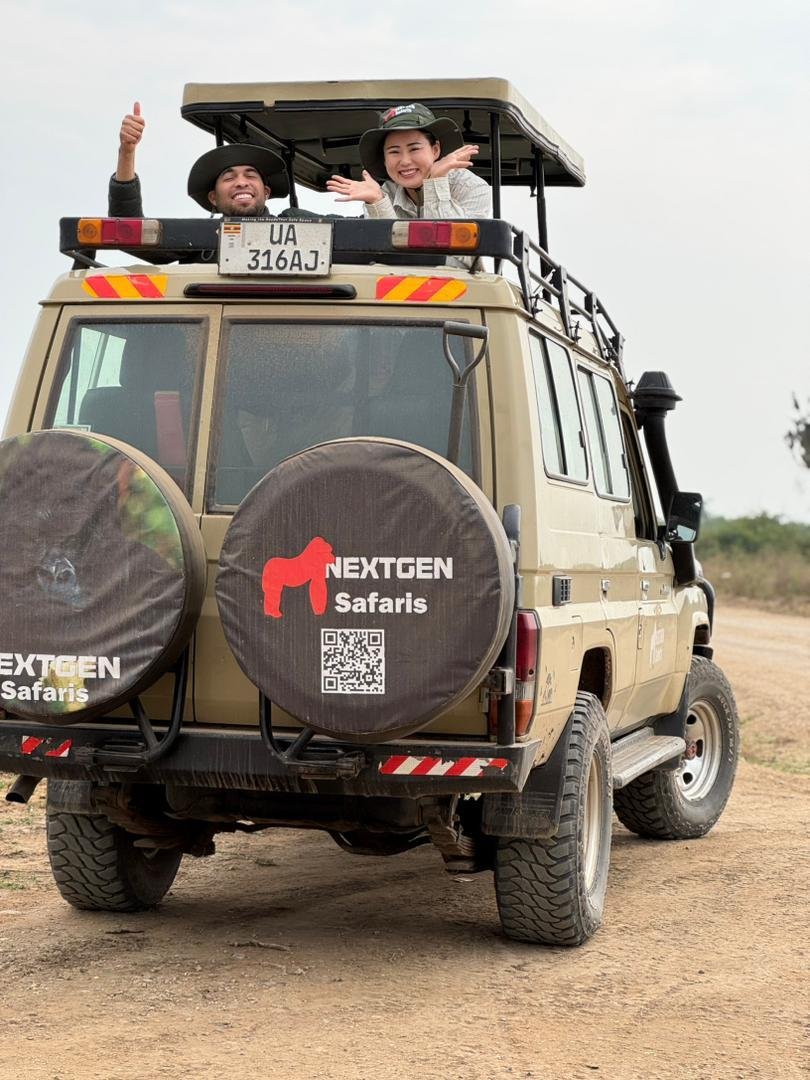
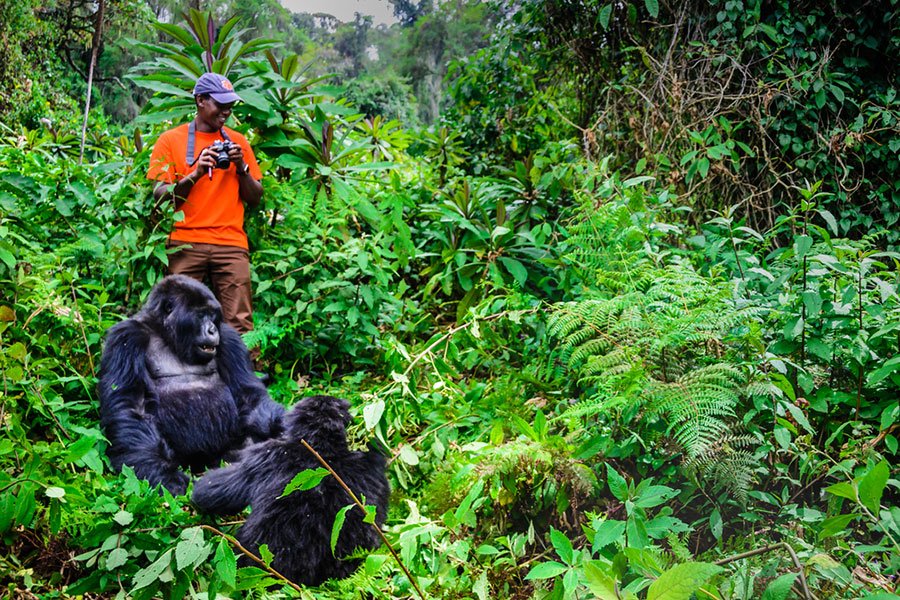
Uganda is a destination where every journey can be different. Some travellers visit mainly for mountain gorillas in Bwindi Impenetrable National Park, while others want chimpanzees in Kibale National Park, lions and elephants in Queen Elizabeth National Park, the Nile and waterfalls in Murchison Falls National Park, or relaxation at Lake Bunyonyi. Uganda Safari FAQs, Because there are many choices, having clear answers helps you choose the right itinerary for your time, budget, travel style, and interests.
At Nextgen Safaris, we understand that good safari planning starts with honest information. Our local team helps travellers choose the right route, secure important permits, select suitable lodges, understand driving times, prepare for trekking, and enjoy Uganda with confidence. These frequently asked questions are written to guide you through the main things you need to know before booking your Uganda safari.
Why Are Uganda Safari FAQs Important Before Booking?
Reading Uganda Safari FAQs before booking helps travellers avoid confusion and make better decisions. Uganda is a very diverse destination, but this also means that planning can feel overwhelming for first-time visitors. You may wonder how many days you need, whether gorilla trekking is difficult, which parks to visit, when to travel, how permits work, what to pack, and what kind of accommodation to choose. Uganda Safari FAQs, These questions are normal, and answering them early helps you plan a smoother safari.
Many safari experiences in Uganda require advance planning. Gorilla trekking and chimpanzee tracking need permits, and these permits are limited for conservation reasons. Uganda Safari FAQs, Accommodation near popular parks can also become limited during busy seasons. If travellers wait too long or choose an itinerary without understanding distances and availability, the safari may become rushed or more expensive than expected.
A good FAQ guide also helps you understand the difference between a cheap safari, a mid-range safari, and a luxury safari. The cost of a Uganda safari depends on permits, accommodation, transport, number of travellers, park fees, activities, meals, and route design. When you understand these details, it becomes easier to compare safari packages fairly and choose the option that gives the best value.
This guide also gives travellers peace of mind. When your questions are answered clearly, you can travel with more confidence. You know what to expect at the airport, during transfers, at the lodges, inside the national parks, and during trekking activities. That is why Nextgen Safaris created this complete Uganda Safari FAQs page to support better safari planning.
What Makes Uganda a Special Safari Destination?
Uganda is special because it offers a rare combination of primates, savannah wildlife, water-based safaris, birdlife, landscapes, and culture. Few African destinations allow travellers to track mountain gorillas in ancient rainforest, follow chimpanzees through tropical forest, search for lions and elephants on open plains, cruise along wildlife-rich rivers, and relax beside beautiful lakes in one journey. This variety makes Uganda ideal for travellers who want more than a standard safari.
The country is especially famous for mountain gorilla trekking in Bwindi Impenetrable National Park and Mgahinga Gorilla National Park. Meeting mountain gorillas in their natural habitat is one of the most emotional wildlife experiences in the world. Visitors walk through forest with experienced guides and trackers until they find a habituated gorilla family, then spend a special hour observing their behaviour, family life, and peaceful presence.
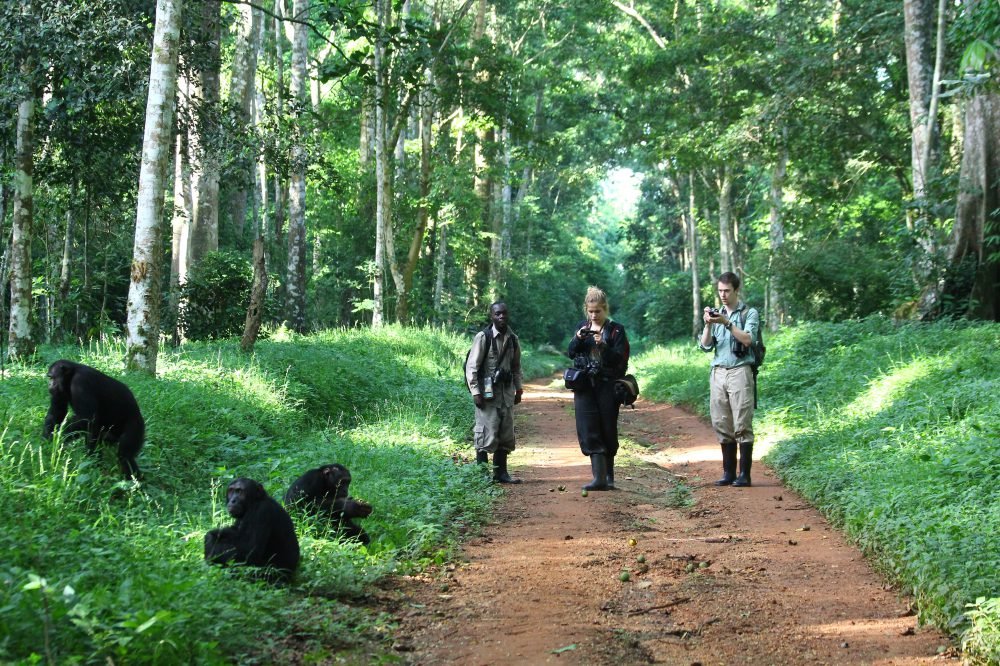
Uganda is also one of Africa’s best places for chimpanzee tracking. Kibale National Park is a leading primate destination and gives travellers the opportunity to see chimpanzees in a natural rainforest environment. Uganda Safari FAQs, This experience is lively and exciting because chimpanzees are active, vocal, intelligent, and very expressive.
Beyond primates, Uganda offers excellent wildlife viewing in parks such as Queen Elizabeth National Park, Murchison Falls National Park, Lake Mburo National Park, and Kidepo Valley National Park. Game drives and boat safaris can reveal elephants, buffaloes, giraffes, lions, hippos, crocodiles, zebras, antelopes, and many bird species. This blend of forest and savannah makes Uganda a deeply rewarding safari destination.
When Is the Best Time to Visit Uganda for Safari?
One of the most common Uganda Safari FAQs is about the best time to travel. Uganda can be visited throughout the year, and safaris are possible in every season. However, many travellers prefer the drier months because roads and forest trails are usually easier to manage. These months are often popular for gorilla trekking, chimpanzee tracking, game drives, and photography.
The dry seasons are generally more comfortable for trekking because forest paths may be less muddy. Wildlife viewing can also be easier in savannah parks because animals often gather around water sources and vegetation may be thinner. Uganda Safari FAQs, This makes destinations such as Queen Elizabeth National Park, Murchison Falls National Park, and Lake Mburo National Park rewarding for game drives and boat safaris.
The wetter seasons also have advantages. Uganda becomes very green and beautiful, birdlife can be excellent, and some destinations feel quieter. Photographers may enjoy the fresh landscapes, dramatic skies, and rich colours. Rain does not usually stop safari activities completely, although it can affect road conditions and trekking comfort in forest areas.
The best time depends on your priorities. If you want easier trekking and classic safari conditions, the drier months may suit you better. If you enjoy green landscapes and fewer crowds, the wetter months can still be rewarding. Nextgen Safaris helps travellers choose suitable dates based on the activities they want, lodge availability, permit availability, and their comfort expectations.
How Many Days Do You Need for a Uganda Safari?
The number of days you need for a Uganda safari depends on what you want to experience. A short safari of three to four days can work well if your main goal is gorilla trekking in Bwindi or Mgahinga. Uganda Safari FAQs, This option is popular with travellers who have limited time but still want a powerful wildlife encounter. Short gorilla safaris can start from Entebbe or Kigali depending on the route and final itinerary.
A five to seven-day safari allows travellers to combine gorilla trekking with another major experience such as chimpanzee tracking, Queen Elizabeth National Park, Lake Bunyonyi, or Lake Mburo. This duration is good for travellers who want more variety without committing to a long journey. It gives a stronger introduction to Uganda while still remaining manageable.
A ten-day Uganda safari offers a more complete experience. Travellers can include gorillas, chimpanzees, game drives, boat cruises, and scenic relaxation. Popular combinations may include Kibale National Park, Queen Elizabeth National Park, Bwindi Impenetrable National Park, Lake Bunyonyi, and Lake Mburo National Park. This duration balances adventure and comfort very well.
A twelve to fourteen-day safari is best for travellers who want to explore Uganda deeply. With more time, you can include Murchison Falls, Kibale, Queen Elizabeth, Ishasha, Bwindi, Lake Bunyonyi, Lake Mburo, and Entebbe. Longer safaris are ideal for first-time visitors, families, photographers, honeymooners, and travellers who want a rich and relaxed experience.
Where Can You Go Gorilla Trekking in Uganda?
Gorilla trekking is one of the main topics in most Uganda Safari FAQs because it is one of the biggest reasons travellers visit the country. In Uganda, gorilla trekking takes place in Bwindi Impenetrable National Park and Mgahinga Gorilla National Park. Both parks are located in southwestern Uganda and protect endangered mountain gorillas in beautiful forest environments.
Bwindi Impenetrable National Park is Uganda’s most famous gorilla trekking destination. Uganda Safari FAQs, It has different trekking sectors, including Buhoma, Ruhija, Rushaga, and Nkuringo. Each sector has its own gorilla families, accommodation options, access routes, and scenery. This means your permit location matters because it affects where you should stay and how your itinerary should be designed.
Mgahinga Gorilla National Park is smaller but very scenic, located in the Virunga volcanic region near the borders with Rwanda and the Democratic Republic of Congo. It offers gorilla trekking in a beautiful mountain setting and can also combine well with golden monkey trekking. Mgahinga is a good choice for travellers who want a quieter and dramatic volcanic landscape.
Nextgen Safaris helps travellers choose the best trekking area based on permit availability, route, accommodation style, arrival point, fitness level, and travel dates. Since gorilla permits are limited, it is always better to plan early, especially for peak travel periods.
Is Gorilla Trekking Difficult in Uganda?
Gorilla trekking in Uganda can be moderate or challenging depending on the location of the gorilla family on the day of your trek. Some gorilla groups may be found after a shorter walk, while others may require several hours of hiking through steep, muddy, or thick forest terrain. Uganda Safari FAQs, Because gorillas move freely in their natural habitat, the trekking distance changes from day to day.
You do not need to be a professional hiker to enjoy gorilla trekking, but basic fitness is helpful. Travellers should be prepared for uneven ground, forest vegetation, slopes, and possible rain. Good hiking boots, long trousers, long-sleeved shirts, a rain jacket, gloves, and a small backpack are recommended for comfort and protection.
Porters are available and highly recommended. A porter can carry your bag, assist you during difficult parts of the trail, and make the experience easier. Hiring a porter also supports local communities around the national park, making it both practical and meaningful.
For senior travellers or guests with mobility concerns, Nextgen Safaris can advise on suitable planning, slower pacing, porter support, and trekking expectations. The experience may be physically demanding, but the reward of seeing mountain gorillas in the wild is unforgettable.
Where Can You Track Chimpanzees in Uganda?
Chimpanzee tracking is another major highlight of a Uganda safari. Kibale National Park is the most popular destination for chimpanzee tracking and is often called the primate capital because of its rich primate diversity. The forest is home to chimpanzees, monkeys, birds, butterflies, and beautiful tropical vegetation, making it one of Uganda’s most rewarding rainforest destinations.
During chimpanzee tracking, visitors enter the forest with trained guides who help locate chimpanzee communities. The experience is exciting because chimpanzees are active, vocal, and social. You may hear them calling loudly through the forest before seeing them feeding, climbing, grooming, or moving between trees.
Chimpanzee tracking can also be done in other areas depending on the itinerary, but Kibale remains the most popular choice for many travellers. Uganda Safari FAQs, It combines well with Queen Elizabeth National Park because the two destinations are relatively close compared to other safari routes. This makes it easy to include both forest primates and savannah wildlife in one safari.
A Uganda safari that includes both gorilla trekking and chimpanzee tracking gives travellers two very different primate experiences. Gorillas are calm, powerful, and emotional to observe, while chimpanzees are energetic, vocal, and fast-moving. Together, they make Uganda one of the best primate safari destinations in Africa.
What Wildlife Can You See on a Uganda Safari?
Uganda offers a wide range of wildlife experiences beyond gorillas and chimpanzees.Uganda Safari FAQs, In savannah national parks, travellers may see elephants, buffaloes, lions, leopards, giraffes, zebras, hippos, crocodiles, warthogs, antelopes, and many bird species. Wildlife sightings depend on the destination, season, time of day, and natural animal movement.
Queen Elizabeth National Park is known for elephants, buffaloes, lions, hippos, crocodiles, antelopes, and the Kazinga Channel boat cruise. Uganda Safari FAQs, The Ishasha sector is famous for tree-climbing lions, although sightings are never guaranteed because wildlife moves naturally. The park’s landscapes include savannah, wetlands, crater lakes, and forests, creating excellent biodiversity.
Murchison Falls National Park offers classic wildlife viewing with giraffes, elephants, buffaloes, lions, antelopes, hippos, crocodiles, and dramatic Nile River scenery. Uganda Safari FAQs, The boat cruise to the base of Murchison Falls is one of Uganda’s most memorable safari experiences because it combines wildlife viewing with powerful landscapes.
Lake Mburo National Park offers a quieter safari experience with zebras, giraffes, buffaloes, impalas, elands, hippos, and many birds. Kidepo Valley National Park, located in northeastern Uganda, is more remote but offers wild landscapes and excellent safari experiences for travellers with more time. These destinations show how diverse Uganda can be.
Is Uganda Good for Family Safaris?
Yes, Uganda can be an excellent destination for family safaris when the trip is carefully planned. Families can enjoy wildlife viewing, boat cruises, cultural experiences, nature walks, scenic drives, and lodge relaxation. Uganda offers many educational experiences where children can learn about animals, conservation, landscapes, communities, and African travel in a meaningful way.
Family safari planning should consider children’s ages, driving distances, lodge comfort, meal flexibility, and activity suitability. Some activities, such as gorilla trekking and chimpanzee tracking, have age requirements. Uganda Safari FAQs, If younger children cannot participate in certain activities, alternative experiences can be arranged while eligible family members go trekking.
Private transport is usually best for families because it allows more flexibility with stops, timing, and pacing. Uganda Safari FAQs, A private guide can adjust the day according to the family’s comfort level, which makes the journey easier and more enjoyable. Lodges with family rooms or suitable room arrangements are also important.
Nextgen Safaris helps families choose practical routes and comfortable accommodation. The goal is to create a safari that is exciting for children, relaxing for parents, and suitable for everyone travelling together. With good planning, Uganda can be a very rewarding family safari destination.
Is Uganda Good for Honeymoon and Luxury Safaris?
Uganda is a beautiful destination for honeymoon and luxury safaris because it combines rare wildlife encounters with intimate landscapes and peaceful lodges. Couples can enjoy gorilla trekking, chimpanzee tracking, private game drives, boat cruises, scenic sunsets, lake relaxation, and romantic lodge stays. Uganda Safari FAQs, The destination feels authentic, emotional, and less crowded than some larger safari circuits.
A honeymoon safari in Uganda can be designed with a slower pace and special touches. Couples may stay in beautiful lodges near Bwindi, enjoy scenic views at Lake Bunyonyi, take romantic boat cruises, experience private dining, or combine wildlife with relaxation. Gorilla trekking together is especially powerful because it creates a shared memory that is unlike any ordinary holiday experience.
Luxury travellers can enjoy Uganda with premium accommodation, private 4×4 safari vehicles, professional guides, domestic flights, upgraded rooms, and personalised services. Luxury planning focuses on comfort, privacy, timing, and smooth logistics. This is very helpful for long routes and trekking activities.
Nextgen Safaris customises honeymoon and luxury safaris based on each couple’s preferences. Uganda Safari FAQs, Whether you want a short luxury gorilla escape or a longer romantic wildlife journey, Uganda offers a unique and meaningful experience.
How Much Does a Uganda Safari Cost?
Safari cost is one of the most common Uganda Safari FAQs, and the answer depends on several factors. Uganda Safari FAQs, The final price can be affected by the number of travellers, number of days, accommodation level, permits, park fees, vehicle type, guide services, meals, activities, and route distance. A private safari for two people usually costs more per person than a safari for a larger group because transport and guide costs are shared among fewer travellers.
Gorilla trekking and chimpanzee tracking permits are major cost items in many Uganda safaris. Accommodation also makes a big difference. Budget lodges reduce the total cost, mid-range lodges balance comfort and value, and luxury lodges increase the price but provide better service, locations, rooms, meals, and comfort.
The route also affects the cost. A safari covering many destinations over long distances will require more fuel, guide time, vehicle use, park entries, and accommodation nights.Uganda Safari FAQs, Domestic flights can reduce driving time and improve comfort, but they also increase the safari price. This is why it is important to choose an itinerary that fits both your budget and travel goals.
Nextgen Safaris provides personalised quotations based on your actual travel dates, group size, accommodation preference, and chosen activities. Instead of giving one general price for all travellers, we prepare a safari proposal that reflects your needs and the real services included.
What Should You Pack for a Uganda Safari?
Packing properly helps make your Uganda safari more comfortable. For general safari travel, bring light clothing, comfortable shoes, a hat, sunglasses, sunscreen, insect repellent, personal medication, travel documents, chargers, camera equipment, and a reusable water bottle. Neutral colours are recommended for safari activities because they blend better with the natural environment.
For gorilla trekking and chimpanzee tracking, you should pack strong hiking boots, long trousers, long-sleeved shirts, a waterproof jacket, garden gloves, and a small backpack. Forest trails can be muddy, wet, or slippery, so proper clothing makes a big difference. Gloves help protect your hands when holding branches or walking through thick vegetation.
Uganda has different climates depending on the region. Forest and highland areas such as Bwindi and Kibale can feel cool, especially in the morning and evening, while savannah parks can be warmer during the day. Packing layers helps you adjust easily to changing conditions.
You should also avoid carrying too much luggage, especially if your safari includes domestic flights or long drives. Soft bags are easier to fit into safari vehicles. Before your trip, Nextgen Safaris can share a detailed packing guide based on your itinerary and travel season.
Is Uganda Safe for Safari Travellers?
Uganda is a welcoming safari destination, and many travellers enjoy safe and memorable trips each year. Like any travel destination, safety depends on good planning, responsible behaviour, and travelling with reliable local support. When you book with a professional safari company, your route, accommodation, park activities, and transfers are planned carefully to reduce unnecessary risks.
National parks and safari lodges are used to hosting international visitors. Professional guides understand road conditions, park procedures, wildlife safety rules, and local travel expectations. During activities such as gorilla trekking, chimpanzee tracking, boat cruises, and game drives, visitors are guided by trained professionals who explain what to do and how to stay safe.
Travellers should follow normal travel precautions. Keep valuables secure, follow guide instructions, avoid walking alone at night in unfamiliar places, respect wildlife rules, and listen to park officials during briefings. Travel insurance is also recommended because it provides protection in case of medical issues, trip changes, delays, or emergencies.
Nextgen Safaris supports travellers from arrival to departure. Our team provides guidance before the trip, assists during the safari, and ensures that each part of the journey is organised with care and professionalism.
What Is Included in a Uganda Safari Package?
A Uganda safari package can include airport transfers, private safari vehicle, professional English-speaking driver-guide, accommodation, meals as stated in the itinerary, bottled drinking water during travel, park activities, game drives, boat cruises, and selected permits depending on the confirmed package. Each itinerary is different, so inclusions should always be checked before booking.
For gorilla and chimpanzee safaris, permits can be included in the package when confirmed during booking. These permits are important and often need to be secured early. If permits are not included, this should be clearly stated in the quotation so travellers understand what they need to pay separately.
Accommodation and meals are usually included according to the chosen lodge category and meal plan. Some safaris may include all meals, while others may only include selected meals depending on the itinerary and accommodation style. Transport and guide services are also major inclusions in private safari packages.
Nextgen Safaris provides clear safari quotations showing what is included and excluded. This helps travellers compare packages properly and understand the value of their safari before confirming.
What Is Not Included in a Uganda Safari Package?
Most Uganda safari packages do not include international flights, visa fees, travel insurance, personal shopping, tips, alcoholic drinks, laundry, optional activities, and expenses not listed in the confirmed itinerary. Some special experiences, lodge upgrades, domestic flights, private activities, or extra permits may also be charged separately depending on the safari design.
It is important to review exclusions carefully before booking. A safari may look cheaper at first, but if important items such as permits, park fees, or key activities are excluded, the final cost may become higher than expected. This is why travellers should compare packages based on the complete list of inclusions and exclusions.
Travel insurance is usually not included but is strongly recommended. It can help protect travellers in case of cancellation, medical emergencies, lost luggage, delayed flights, or other unexpected situations. Tips are also generally not included, but many travellers choose to tip guides, lodge staff, and porters as appreciation for good service.
Nextgen Safaris explains exclusions clearly before confirmation. Our goal is to make sure travellers understand their safari package and travel with confidence.
How Do You Book a Uganda Safari with Nextgen Safaris?
Booking a Uganda safari with Nextgen Safaris begins by sharing your preferred travel dates, number of travellers, arrival point, departure point, safari duration, accommodation style, budget range, and main interests. These details help our team design a safari that fits your expectations instead of giving you a generic itinerary that may not suit your needs.
After receiving your request, we prepare a personalised safari proposal with a day-by-day itinerary, accommodation options, activity details, transport information, inclusions, exclusions, and quotation. You can review the proposal and request changes if you want a different lodge level, slower pace, extra activities, or a shorter or longer route.
Once you are happy with the safari plan, we guide you through confirmation. Important services such as gorilla permits, chimpanzee permits, accommodation, vehicles, guides, and activities are secured according to the agreed package and payment terms. Early booking is recommended for the best availability.
Before arrival, Nextgen Safaris shares preparation advice, packing guidance, travel information, and any important notes related to your safari. From your first inquiry to your final airport transfer, our team supports you with clear communication and reliable local planning.
Why Book Your Uganda Safari with Nextgen Safaris?
Booking your Uganda safari with Nextgen Safaris gives you the benefit of local knowledge, personalised planning, professional guides, and reliable support throughout your journey. Uganda is our home, and we understand the routes, parks, lodges, permits, seasons, and travel conditions needed to create a smooth safari experience.
We design safaris around your interests instead of forcing every traveller into the same programme. Whether you want gorilla trekking, chimpanzee tracking, wildlife game drives, family-friendly travel, honeymoon romance, luxury comfort, photography opportunities, or a complete Uganda circuit, we help build the right itinerary for you.
Our team also focuses on honest guidance. We help travellers understand realistic driving times, suitable lodge locations, permit availability, activity requirements, and the best route for their available days. This makes the safari more enjoyable and avoids unnecessary stress.
Nextgen Safaris is committed to creating unforgettable journeys that combine wildlife, comfort, culture, and responsible tourism. When you book with us, you receive local care, clear communication, and a safari experience designed to showcase the best of Uganda.
Book Your Uganda Safari Today
This Uganda Safari FAQs guide is created to help you feel confident before planning your journey. Uganda offers some of Africa’s most unforgettable experiences, from gorilla trekking and chimpanzee tracking to wildlife safaris, boat cruises, waterfalls, lakes, forests, and cultural encounters. With the right planning, your safari can be smooth, comfortable, and deeply rewarding.
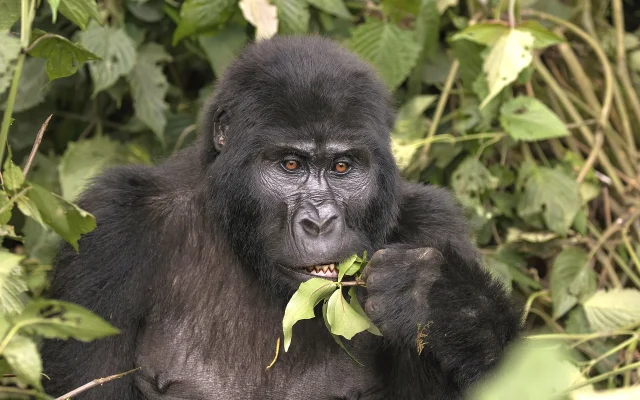
Nextgen Safaris helps you choose the right itinerary, secure permits, select suitable accommodation, arrange private transport, and prepare for every stage of the journey. Whether you are travelling for a short gorilla safari, a family holiday, a honeymoon, a luxury adventure, or a longer Uganda expedition, our team can customise the experience to match your needs.
Contact Nextgen Safaris today and begin planning your Uganda safari with a trusted local team. Let us turn your questions into clear answers and your travel dream into an unforgettable safari through the Pearl of Africa.