
Ultimate East Africa Safari Guide
Unforgettable Ultimate East Africa Safari Guide – Gorillas, Big Five, Great Migration & Zanzibar
The Ultimate East Africa Safari Guide begins with one important truth: East Africa is not a single safari experience. It is a collection of remarkably different landscapes and wildlife encounters that can be combined into one journey. Uganda and Rwanda bring travellers face to face with mountain gorillas and chimpanzees inside ancient forests. Kenya introduces the legendary Maasai Mara, big cats, elephants and the northern landscapes of Samburu. Tanzania opens into the seemingly endless Serengeti, Ngorongoro Crater and elephant country around Tarangire, while Zanzibar provides the perfect Indian Ocean conclusion after days of game drives and primate trekking. A carefully designed itinerary can therefore move from rainforest to savannah and finally to tropical beach without leaving East Africa.
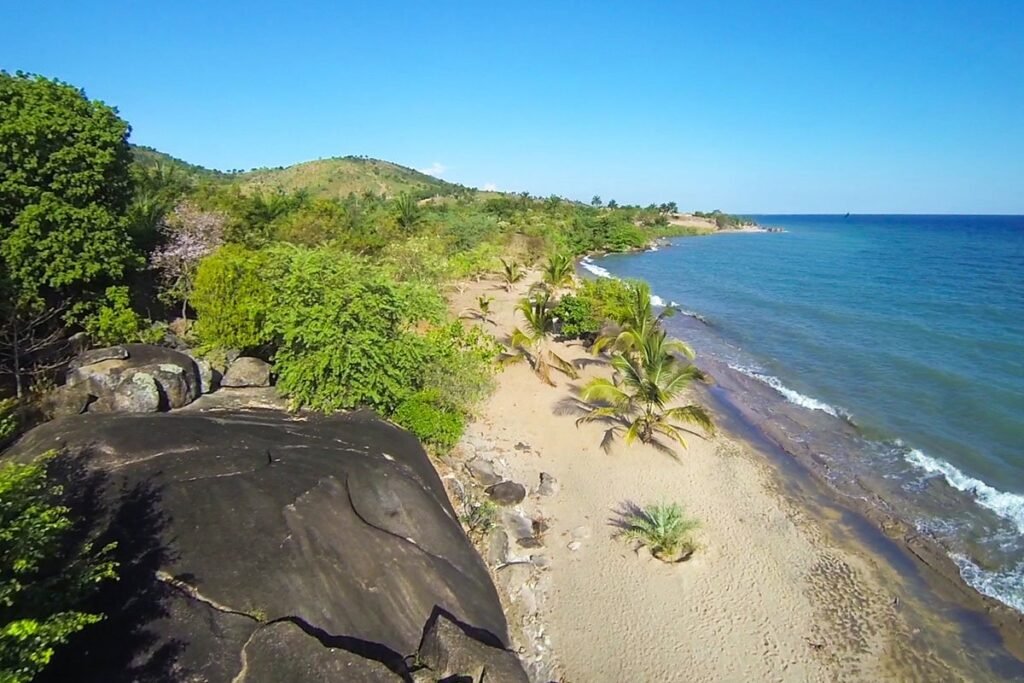
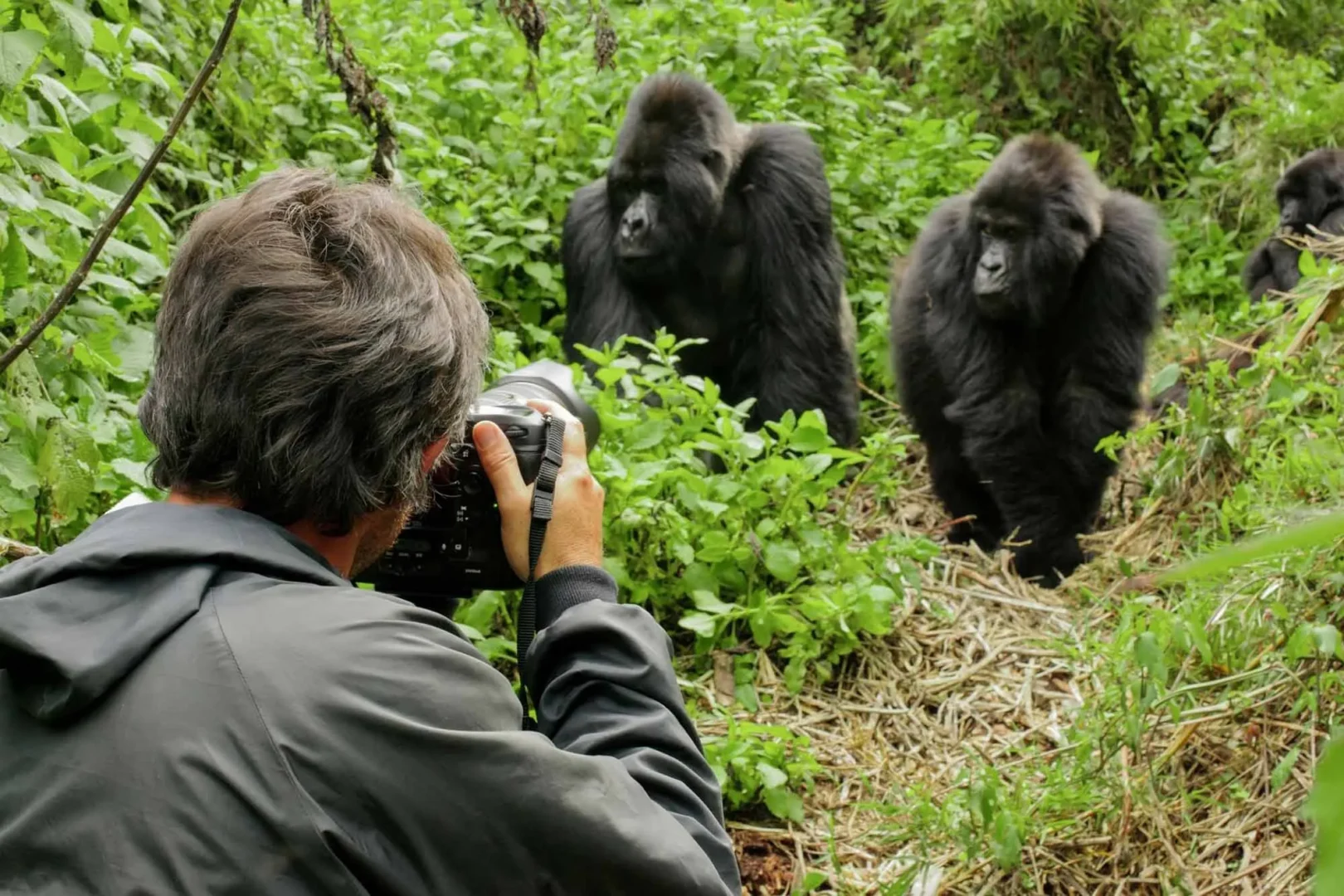
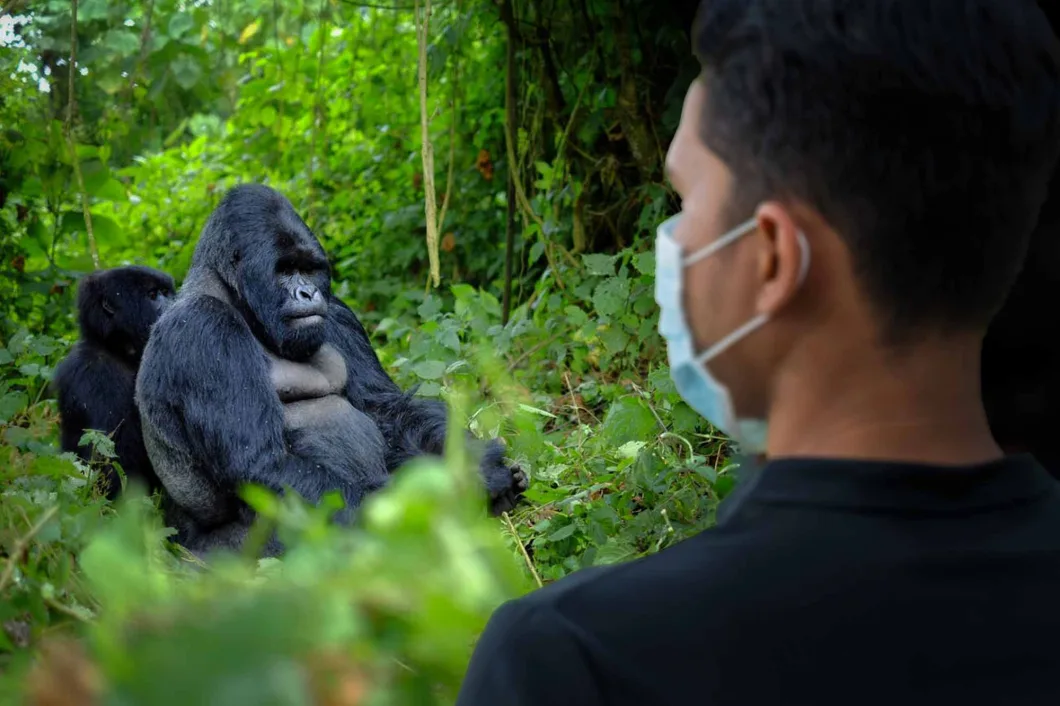
For many travellers, this variety is what makes the region one of the most rewarding safari destinations in the world. You can spend an hour observing a mountain gorilla family in Bwindi or Volcanoes National Park, photograph lions crossing the Serengeti, watch wildebeest gather along the Mara River, descend into Ngorongoro Crater and eventually trade dusty safari boots for bare feet on Zanzibar’s white sand. The Great Migration itself is a year-round movement through the Serengeti–Mara ecosystem, with the famous Mara River phase generally associated with July through October. Kenya’s official tourism platform describes the migration as a continuous cycle between the Serengeti and Maasai Mara rather than a one-time event.
This Ultimate East Africa Safari Guide is designed to help travellers understand how these destinations work together, which countries best match different interests, how many days to allow, when to travel and where the major costs arise. NextGen Safaris can design anything from a short primate extension to a multi-country journey combining Uganda, Rwanda, Kenya, Tanzania and Zanzibar. Travellers wanting the complete experience can explore the 21 Days East Africa Luxury Safari, while those primarily interested in primates and classic wildlife can build a shorter private combination around their available time.
Understanding East Africa – Which Safari Country Should You Choose?
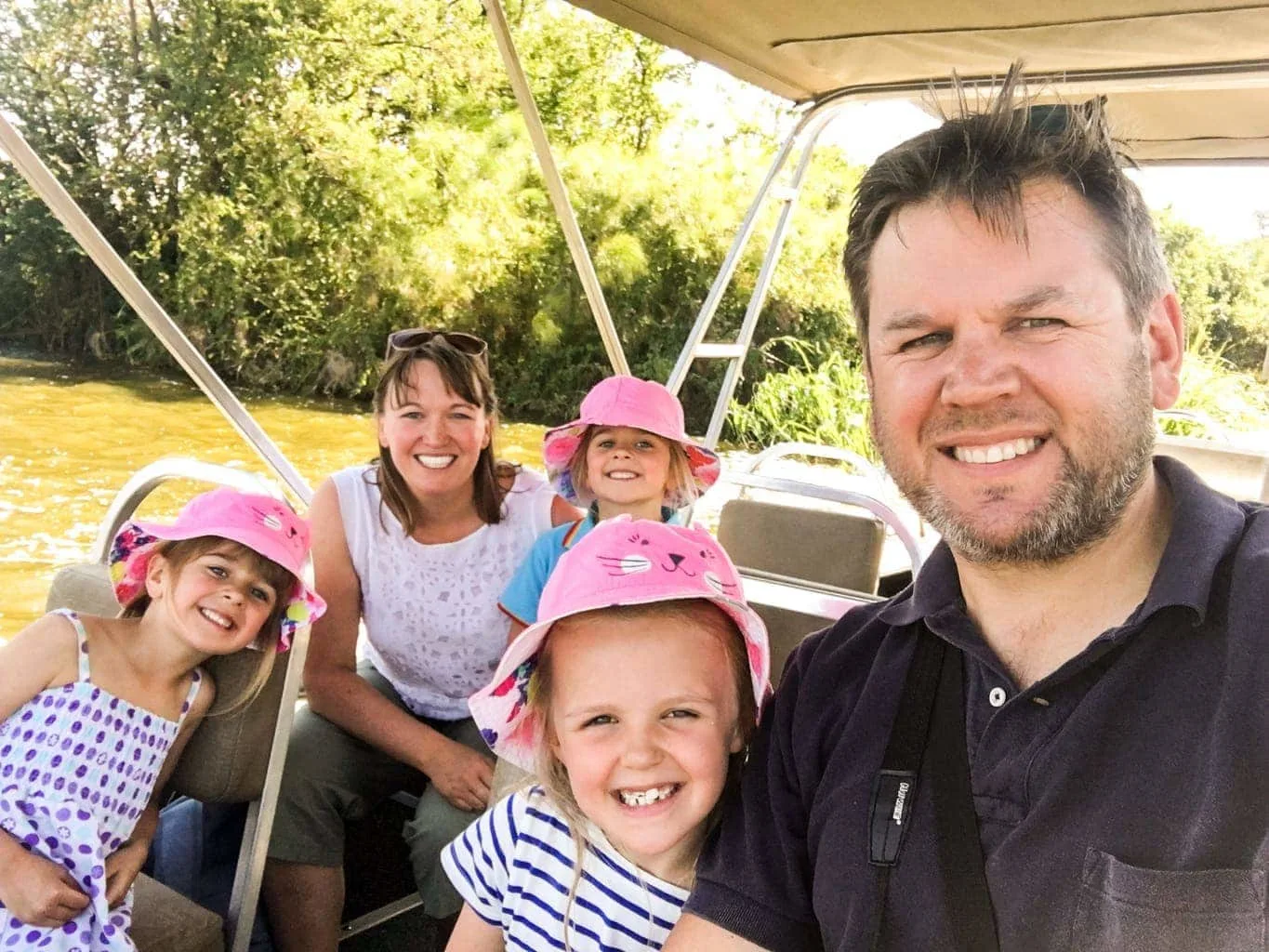
Uganda is one of the strongest choices for travellers who want primates to form the heart of the safari. Bwindi Impenetrable National Park provides mountain gorilla trekking, while Kibale is renowned for chimpanzee tracking and Queen Elizabeth National Park adds game drives, the Kazinga Channel and the Ishasha sector. Murchison Falls introduces the Nile, waterfalls, boat safaris and traditional big-game viewing. Uganda Wildlife Authority currently lists Bwindi, Mgahinga, Kibale, Queen Elizabeth, Murchison Falls, Lake Mburo, Kidepo and other national parks within its protected-area network. A first-time traveller who wants gorillas, chimpanzees and savannah wildlife without constantly flying between countries can easily spend ten to fourteen days entirely within Uganda.
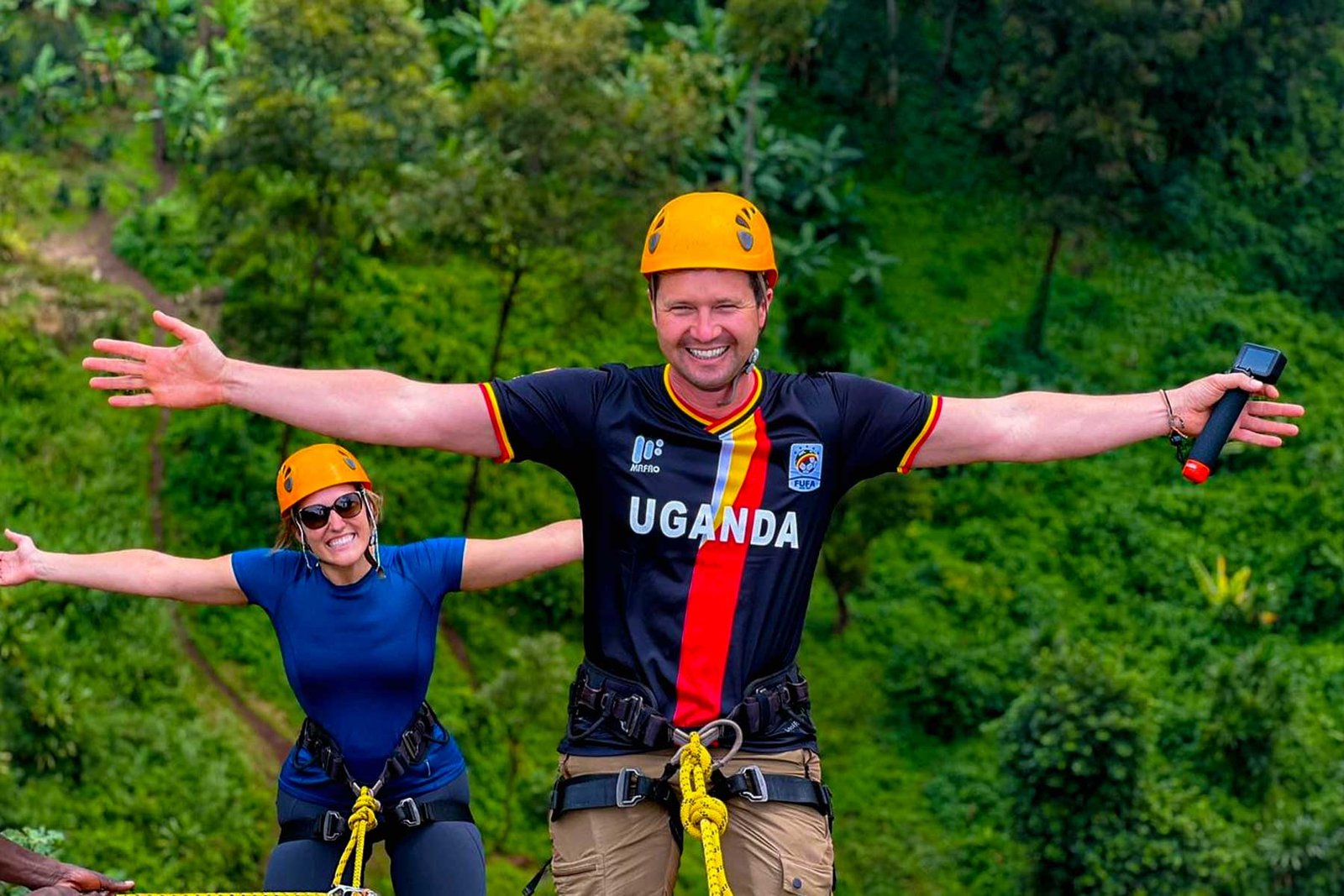
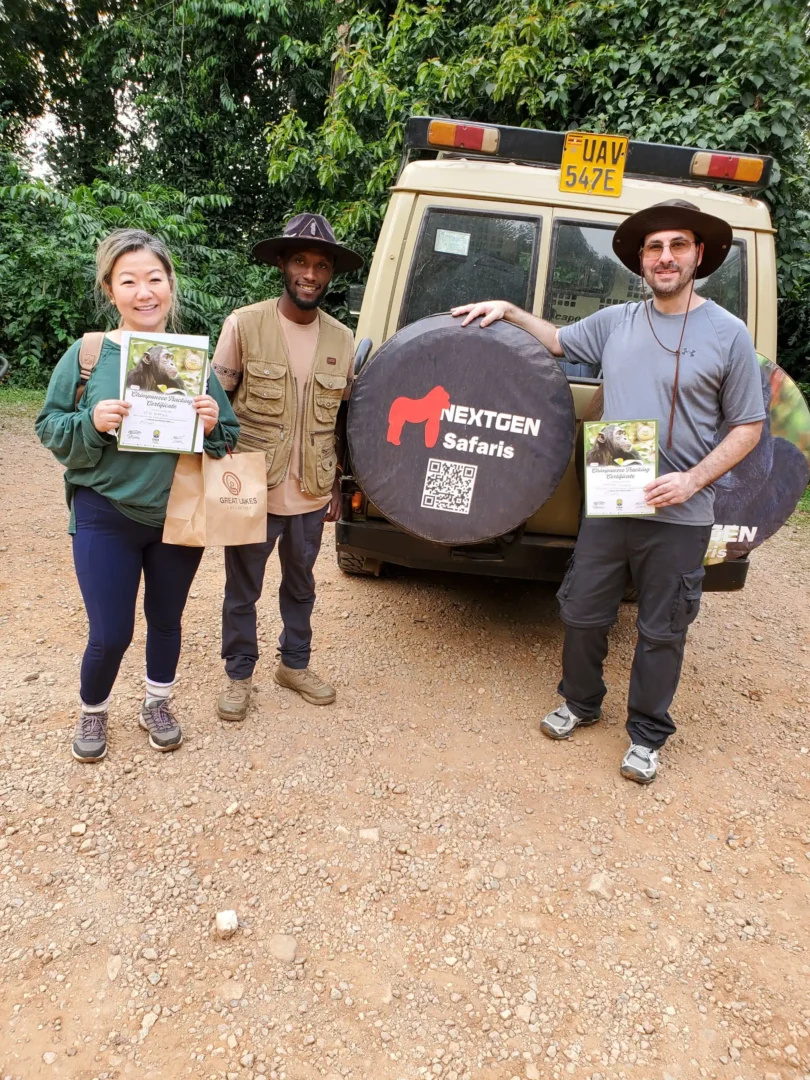
Rwanda offers a more compact primate and wildlife circuit. Travellers can arrive in Kigali and travel to Volcanoes National Park for mountain gorillas, continue toward Nyungwe for chimpanzees and then add Akagera for a completely different savannah environment. Rwanda’s standard international gorilla permit is currently USD 1,500 per person, with a minimum trekking age of 15. Travellers who want an elevated primate-focused experience can explore the 8 Days Luxury Rwanda Primate Safari or combine gorillas with a Big Five safari in Akagera.
Kenya and Tanzania bring the classic open-plains safari that many travellers imagine when they first dream of Africa. Kenya’s Maasai Mara is part of the same vast ecosystem as Tanzania’s Serengeti and is especially famous for predators and the seasonal arrival of huge migratory herds. Tanzania’s northern circuit adds the enormous Serengeti, Ngorongoro and Tarangire, creating one of Africa’s most complete wildlife routes. Tanzania’s tourism authority describes the northern circuit around Tarangire, Ngorongoro and Serengeti as its signature safari experience, with elephant herds, crater wildlife and vast plains among the principal attractions. The right country therefore depends less on which destination is universally “best” and more on which animals, landscapes and travel style matter most to you.
Uganda – Mountain Gorillas, Chimpanzees and Diverse Wildlife in One Journey
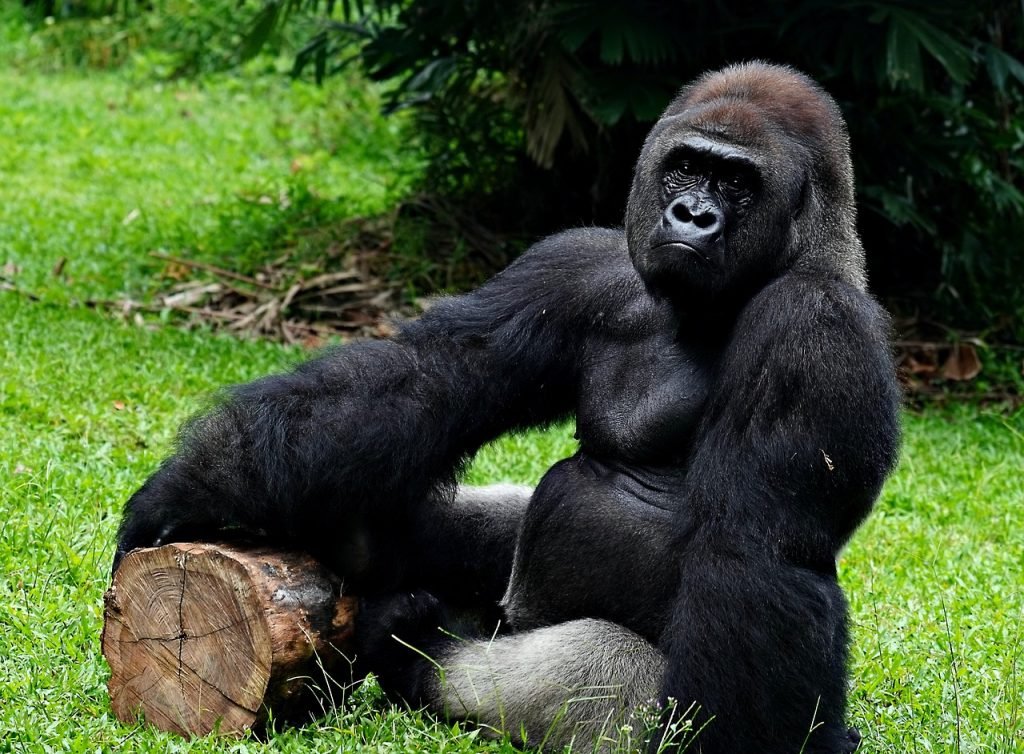
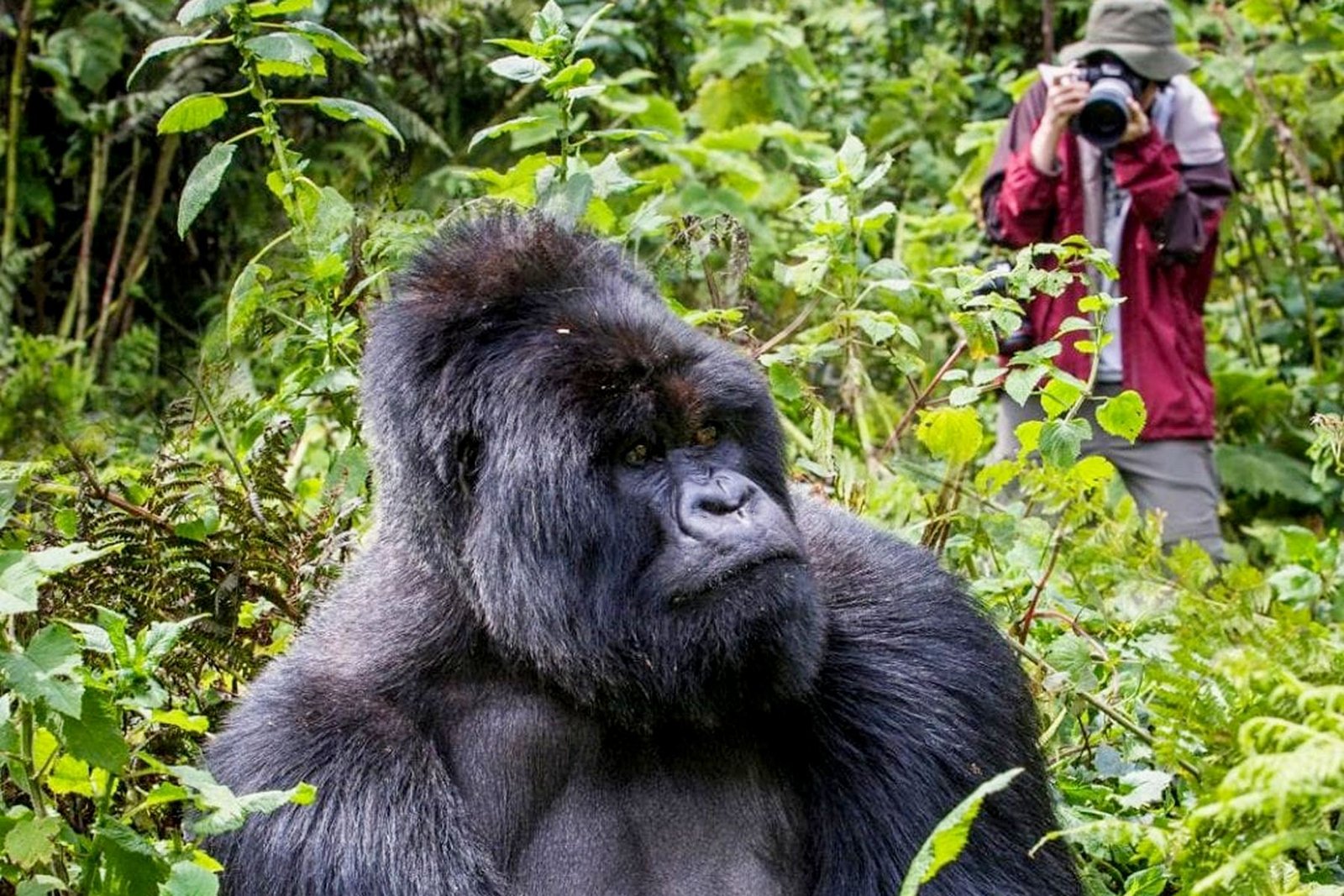
Uganda deserves a major place in any Ultimate East Africa Safari Guide because few destinations combine primate trekking and conventional safari wildlife as naturally. The southwest contains Bwindi gorilla trekking, where travellers enter dense forest with trackers and guides to search for habituated mountain gorilla families. Mgahinga Gorilla National Park provides another mountain-gorilla destination within the Virunga landscape and also adds golden monkeys and volcano scenery. Uganda Wildlife Authority continues to describe Bwindi as one of the country’s principal mountain-gorilla habitats and reported in September 2026 that the most recent completed benchmark census recorded 459 mountain gorillas in Bwindi, while newer genetic analysis was still awaited.
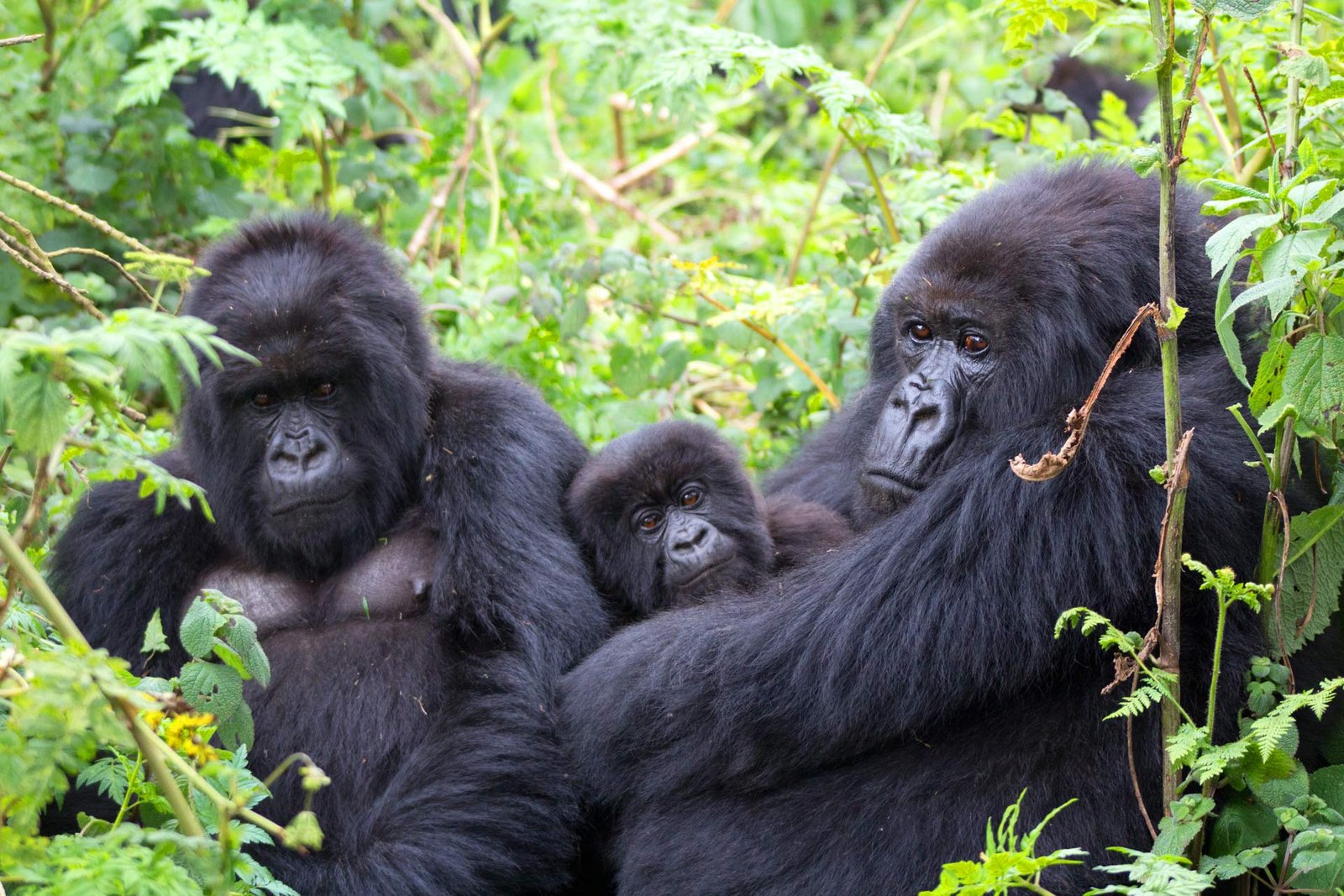
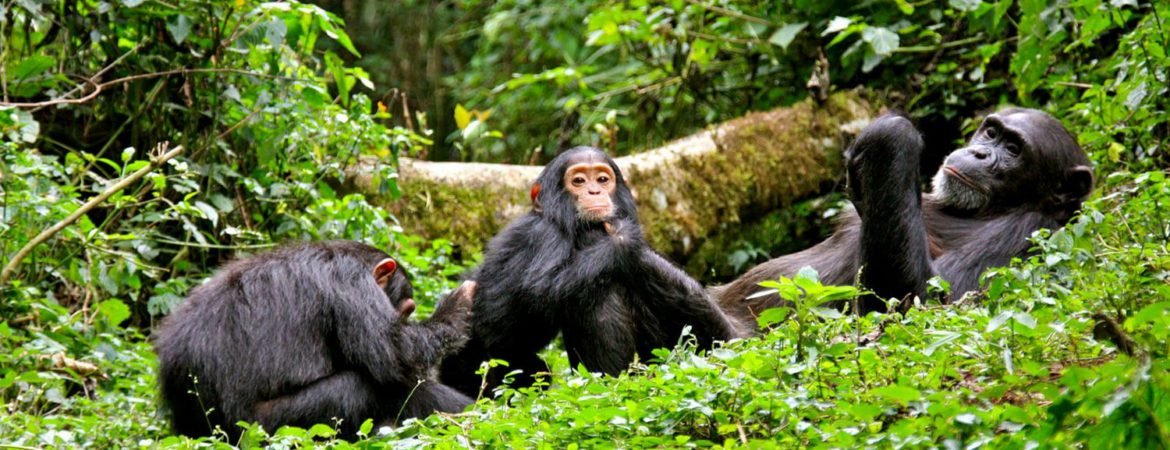
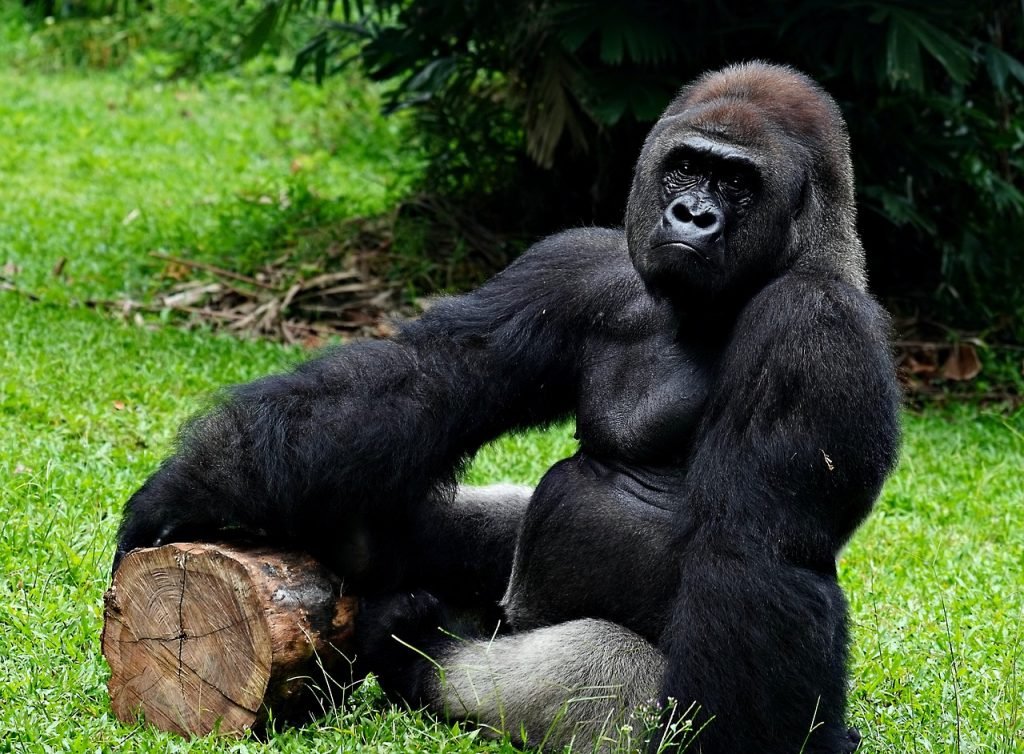
The special strength of Uganda is what can happen after the gorilla trek. Travellers can leave Bwindi and continue to Queen Elizabeth National Park for game viewing and a boat cruise along the Kazinga Channel, move north toward Kibale for chimpanzees or build a longer route to Murchison Falls National Park. This allows one safari to combine rainforest, savannah, lakes, waterways and primates rather than requiring a separate trip for each ecosystem. A focused route such as the 10 Days Gorilla Trekking Safari can be adapted around wildlife priorities, while travellers with limited time can consider a 3-Day Bwindi Gorilla Trekking Safari.
Uganda also offers the distinctive gorilla habituation experience in Bwindi. Travellers who want a deeper primate encounter can explore gorilla trekking and gorilla habituation or a dedicated 4 Days Gorilla Trekking and Habituation Safari. UWA’s February 2026 tariff update confirms that standard foreign non-resident gorilla tracking remains USD 800 under the revised structure taking full effect from January 2027, while gorilla habituation rises to USD 1,800 from 1 January 2027. It also introduced low-season 2026 gorilla permits of USD 600 for foreign non-residents in April, May and November. These pricing differences can make Uganda particularly attractive when travellers want multiple primate experiences.
Rwanda – A Compact Gorilla, Primate and Big Five Safari
Rwanda works especially well for travellers who want dramatic experiences without covering enormous distances. Kigali provides the main international gateway, while the road north reaches Volcanoes National Park and its famous mountain-gorilla habitat. Rwanda Development Board currently charges USD 1,500 for the standard foreign visitor gorilla permit and requires trekkers to be at least 15 years old. This higher permit cost is one of the major budgeting differences between a Rwanda and Uganda gorilla safari, although Rwanda’s compact geography can reduce transfer time for shorter premium itineraries.
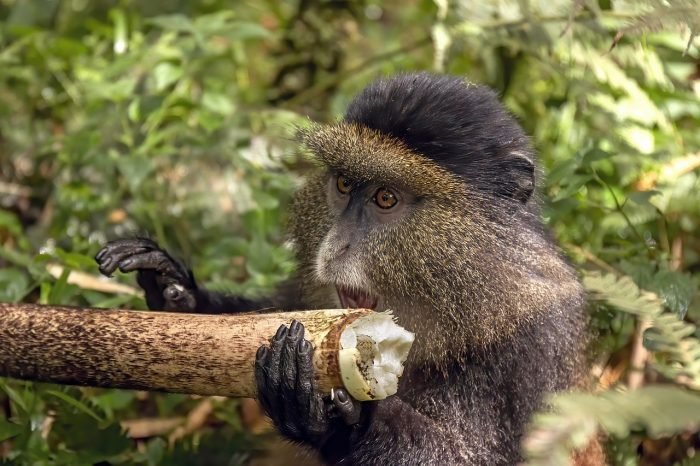
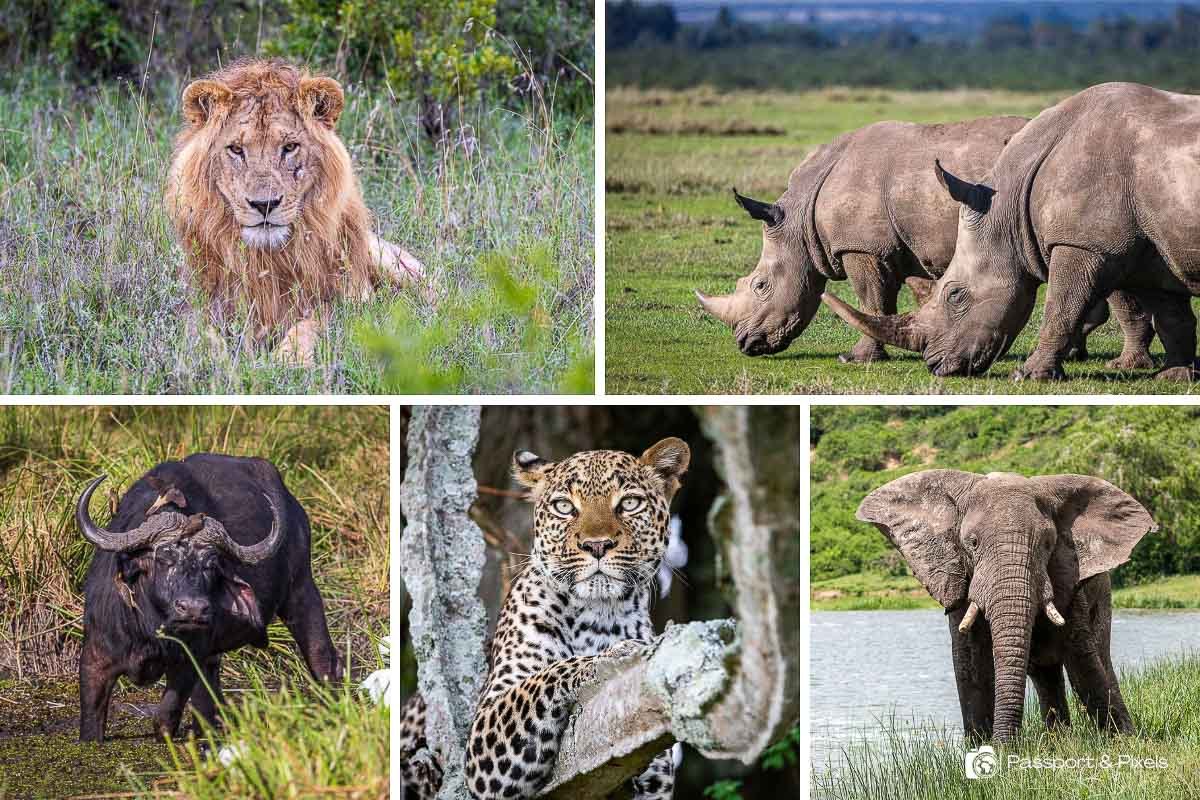
The journey can continue south toward Nyungwe Forest National Park, where travellers can add Nyungwe chimpanzee trekking, rainforest scenery and additional primate experiences. To the east, Akagera National Park safaris introduce lions, rhinoceroses, elephants, buffaloes, giraffes and extensive wetland habitats. This combination makes Rwanda much more than a gorilla-only destination. A traveller can move from mountain forest to rainforest and savannah within the same national itinerary.
Rwanda is particularly attractive for honeymooners, luxury travellers and visitors with limited time because private road journeys can be structured efficiently around Kigali. Travellers who want high-end lodges and personalised transfers can explore luxury gorilla trekking safaris, while those combining Rwanda with Kenya can consider a Luxury Gorilla and Maasai Mara Safari. The value of Rwanda is therefore not that it replaces Uganda, Kenya or Tanzania, but that it can add an exceptionally concentrated primate experience to a larger East African route.
Kenya – Maasai Mara, Big Cats and the Northern Safari Landscapes
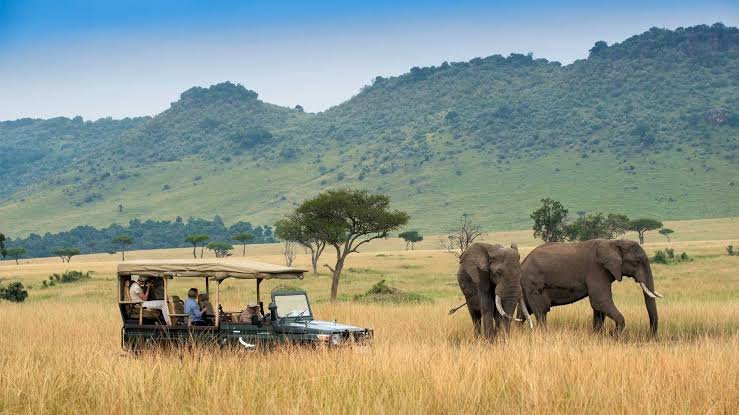
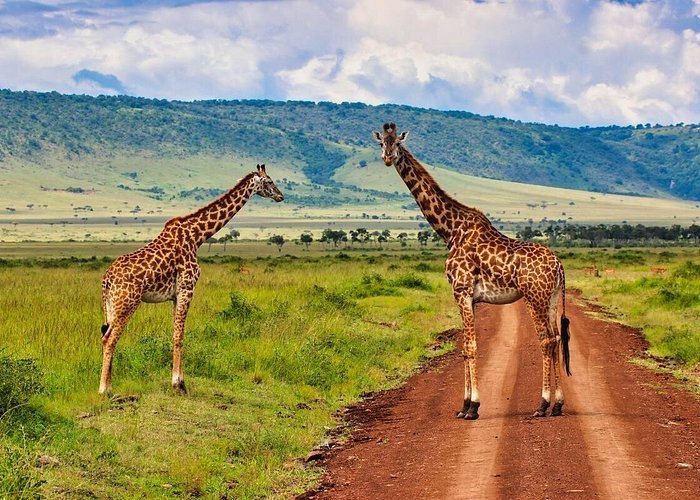
Kenya is one of East Africa’s classic safari destinations, and the Maasai Mara remains its most internationally recognisable wildlife area. The reserve is contiguous with Tanzania’s Serengeti ecosystem and supports exceptional concentrations of lions, elephants, buffaloes, giraffes, hippos, crocodiles and other wildlife. Kenya’s official tourism information describes the Mara as a landscape of open plains, woodland and riverine forest with a remarkable volume and variety of wildlife. For first-time safari travellers, few experiences compare with leaving camp at dawn and watching the plains come alive in early light.
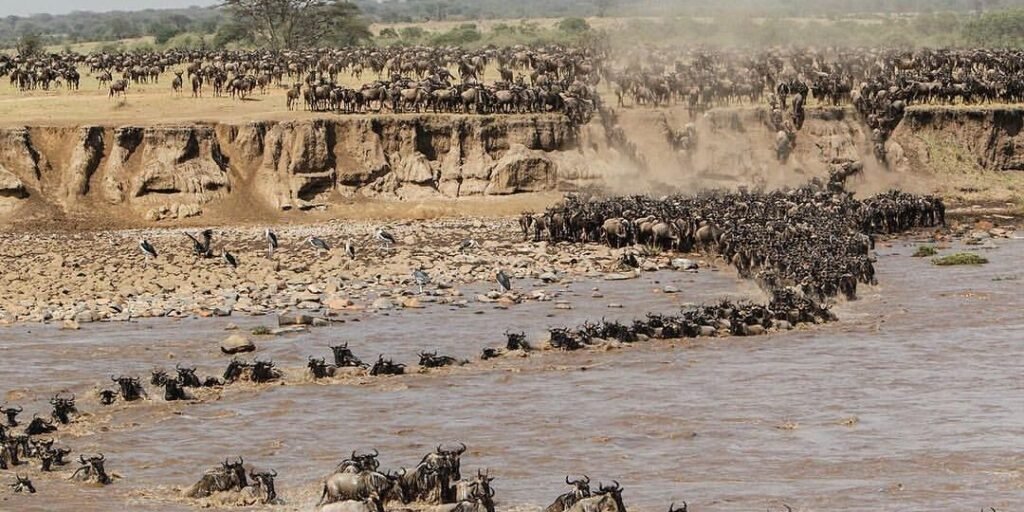
The Maasai Mara becomes particularly famous between July and October, when large numbers of wildebeest and zebra may move through the ecosystem and attempt Mara River crossings. Magical Kenya describes the migration as a year-round cycle but identifies July through October as the iconic Kenyan phase when the herds are associated with the Mara River and Maasai Mara. Exact crossing dates cannot be guaranteed because rainfall and herd movement vary from year to year. A skilled safari planner therefore selects camps according to expected seasonal location rather than simply advertising a fixed “crossing date.”
Kenya also offers much more than the Mara. Amboseli is celebrated for elephants and views toward Kilimanjaro, while Samburu introduces northern species and drier landscapes that feel completely different from the grasslands farther south. Lake Naivasha and the Rift Valley can be incorporated between Nairobi and the Mara, and hot-air balloon flights add a different perspective on the plains. Travellers wanting to combine primates and Kenya can link Rwanda or Uganda with the Luxury Gorilla and Maasai Mara Safari, reducing the need to choose between forest trekking and conventional game viewing.
Tanzania – Serengeti, Ngorongoro, Tarangire and the Great Migration
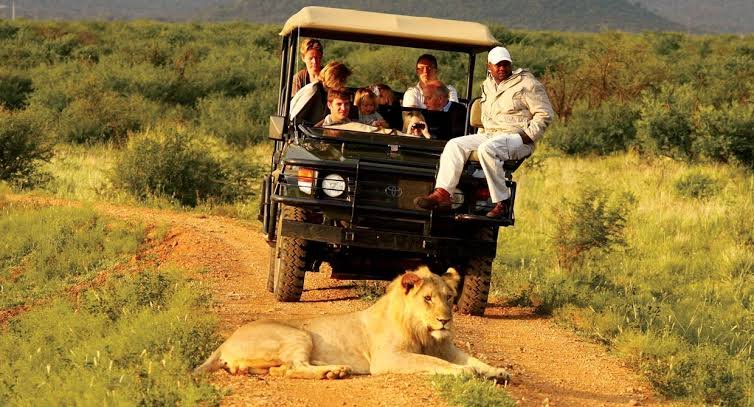
Tanzania’s northern circuit is one of the foundations of the Ultimate East Africa Safari Guide. Serengeti National Park contains vast savannah, rocky kopjes, river systems and an extraordinary concentration of wildlife. Tanzania National Parks describes the Serengeti as a World Heritage Site and Biosphere Reserve whose major attractions include the Great Migration, Big Five, carnivores, herbivores and spectacular landscapes. Lions, cheetahs, leopards, elephants, giraffes, hyenas and immense herbivore herds make the park rewarding even when the migratory wildebeest are elsewhere.
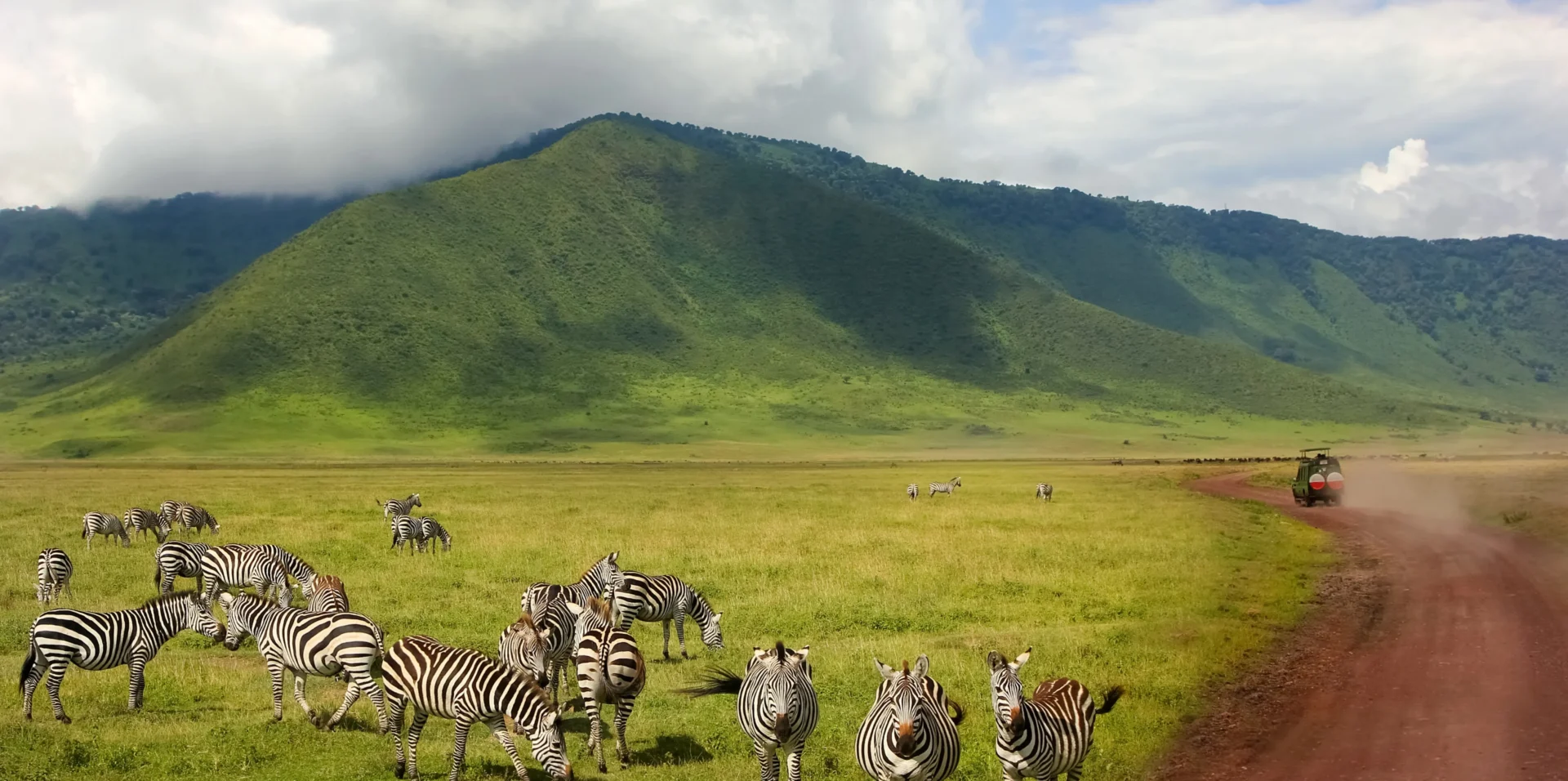
Ngorongoro provides an entirely different environment. Descending from the crater rim into the caldera creates one of Tanzania’s most memorable safari mornings, with wildlife concentrated across grassland, wetlands and woodland below the volcanic walls. Tarangire, meanwhile, is famous for elephants and baobab-dominated landscapes, making it an excellent beginning or conclusion to a northern Tanzania safari. Tanzania’s official tourism authority groups Tarangire, Ngorongoro and Serengeti together as the country’s signature northern circuit. Travellers who want a focused Serengeti experience can explore the Serengeti National Park Tanzania Safari collection.
The Great Migration is best understood as a continuous movement rather than a single spectacle that happens during one month. Tanzania National Parks describes more than 1.5 million wildebeest moving with large numbers of zebra and gazelles in an annual search for water and fresh grazing. Travellers whose main priority is migration photography can consider the 8 Days Great Migration Safari or explore Great Migration Safaris in Serengeti. The itinerary should be positioned according to the expected seasonal movement rather than treating the entire Serengeti as equally productive for migration viewing throughout the year.
Zanzibar – The Perfect Beach Extension After an East Africa Safari
Zanzibar is one of the most natural ways to finish an East African safari because it changes the pace completely. After early game drives, dusty roads and trekking days, travellers can fly to the Indian Ocean and spend several nights along white-sand beaches. The Zanzibar Commission for Tourism describes the islands as offering warm tropical waters, coral reefs, marine diversity, white beaches and opportunities for snorkelling, diving and cultural exploration. Instead of simply being somewhere to rest, Zanzibar can add an entirely different cultural and marine experience to the journey.
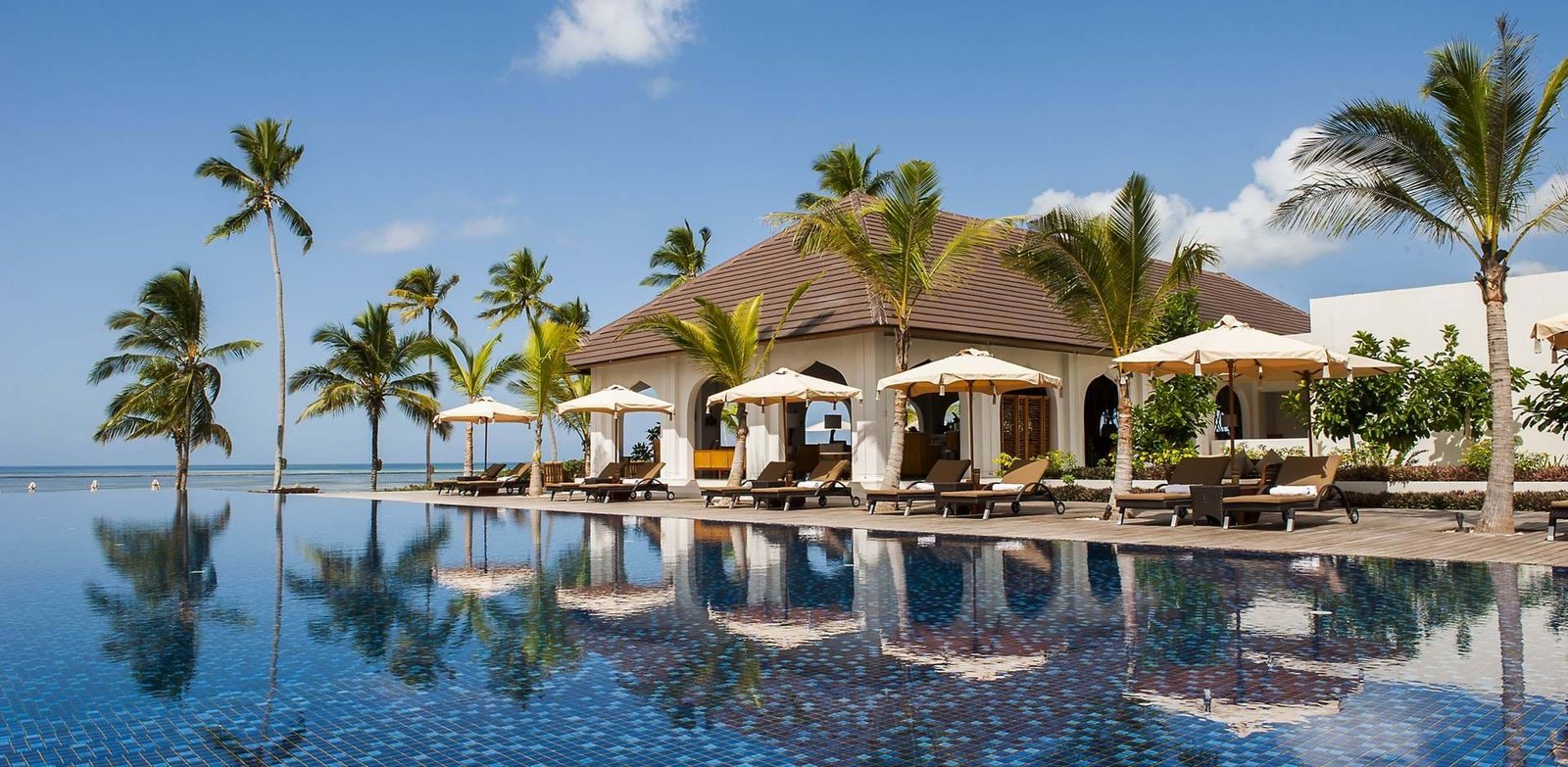
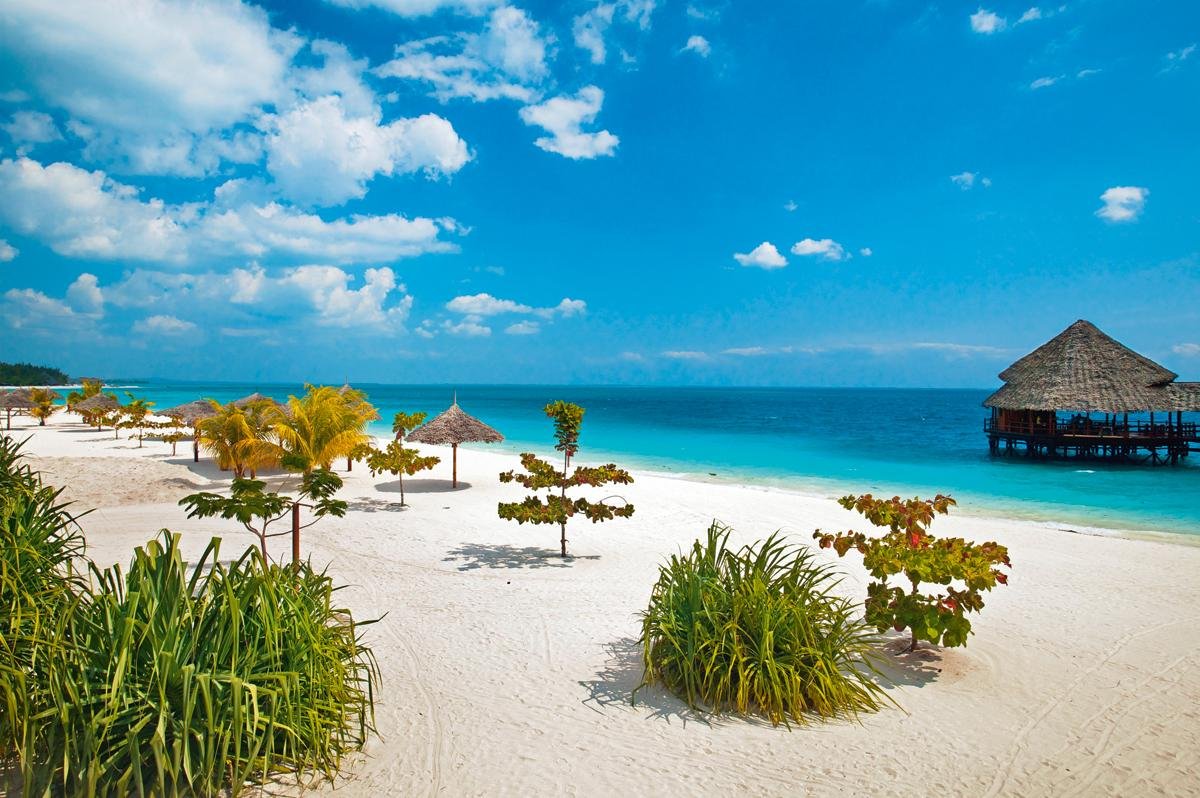
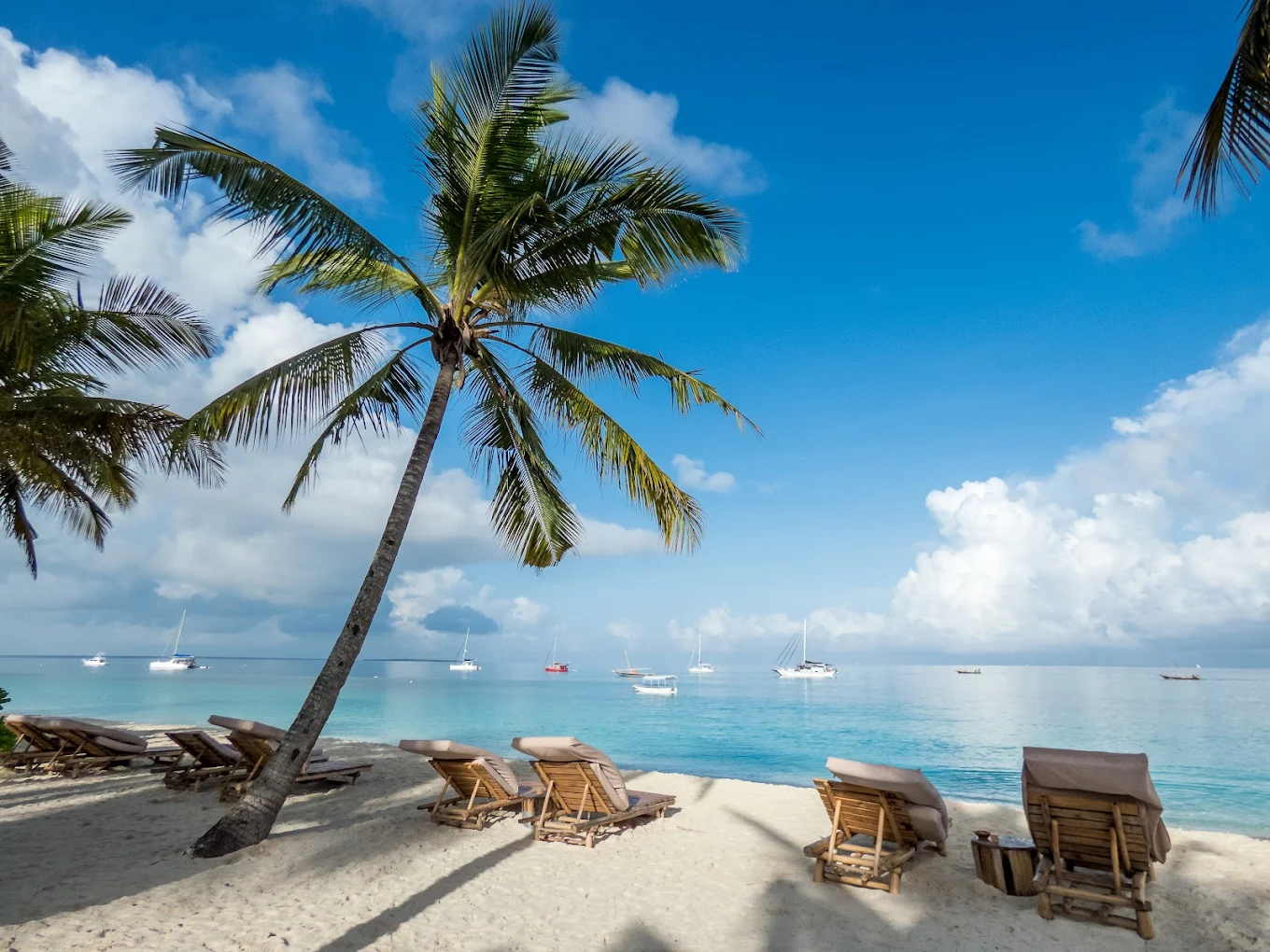
The island is particularly strong for honeymooners and families, but it also makes sense for anyone whose safari lasts more than ten days. Nungwi and Kendwa provide famous northern beaches, while Jambiani and other southeastern areas offer a different atmosphere. Stone Town introduces Swahili history and architecture, spice-farm visits reveal the agricultural traditions behind Zanzibar’s “Spice Island” identity, and marine excursions can add snorkelling or diving. Travellers can browse the Zanzibar safari and beach collection when deciding how many beach nights to add.
Several routes already combine Tanzania wildlife and Zanzibar efficiently. The 10 Days Tanzania Safari and Zanzibar connects Tarangire, Ngorongoro and Serengeti with beach relaxation, while the 14 Days Great Migration and Zanzibar Safari is designed around migration-focused wildlife viewing followed by an Indian Ocean finale. Couples who want a shorter beach-heavy route can also consider the 8 Days Zanzibar Beach and Tanzania Safari.
When Is the Best Time for an East Africa Safari?
There is no single month that is universally best for every East African safari because gorillas, savannah wildlife, migration movements and beach conditions follow different patterns. Mountain gorilla trekking operates throughout the year in Uganda and Rwanda. Relatively drier periods can make forest trails more manageable, while wetter months create intensely green vegetation and can provide excellent photographic conditions. Travellers focused on permits should pay attention to availability and current tariff periods rather than selecting a month based solely on weather.
For the Serengeti–Mara migration, the crucial point is that the herds move throughout the year. Kenya’s official tourism platform identifies January to March with the broader calving phase in the Serengeti ecosystem and July through October with the dramatic Mara phase and potential river crossings. These are approximate natural cycles, not fixed appointments. Rainfall can shift movements, and no responsible operator should guarantee that a river crossing will occur at a specific hour or date.
Zanzibar’s tourism authority identifies June through October and into the later dry period as especially attractive for beach conditions, with lower humidity and less rainfall. A multi-country journey therefore works best when the itinerary is designed around the experience with the strongest seasonal dependency. If migration is the priority, place the Tanzania or Kenya component first and build gorillas around it. If gorillas are the central goal and travel dates are fixed, secure permits first and then position the savannah portion around the available time.
How to Combine Gorillas, the Great Migration and Zanzibar
One of the most powerful East African combinations begins with mountain gorillas in Uganda or Rwanda, continues to the Serengeti or Maasai Mara and ends in Zanzibar. This progression works because each stage feels completely different. The first section is intimate and active, involving walking through mountain forest. The second expands into open landscapes and game drives, while the final stage removes structured wildlife activity almost entirely and allows time for the beach.
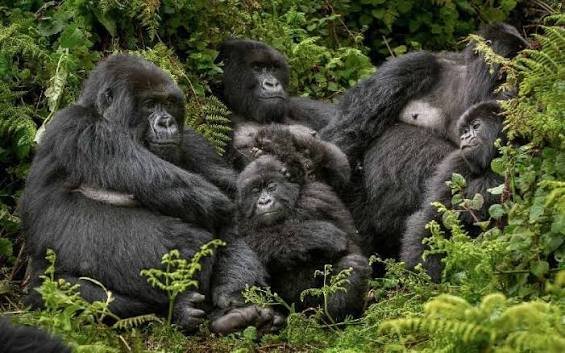


Uganda provides particularly good value for travellers who want to begin with gorillas and then fly onward into Kenya or Tanzania. A journey can start in Entebbe, continue to Bwindi, add Queen Elizabeth or Kibale and then connect through Nairobi or northern Tanzania. NextGen Safaris’ 18 Days Bwindi Gorilla Trekking, Serengeti and Zanzibar Safari demonstrates this classic forest–savannah–beach progression. Travellers wanting an even broader journey can use the 21 Days East Africa Luxury Safari as a framework.
Rwanda can create an equally effective starting point when shorter travel distances before the gorilla trek are important. Arrive in Kigali, travel to Volcanoes National Park, complete the gorilla experience and then fly onward toward Kenya or Tanzania. The Luxury Gorilla and Maasai Mara Safari is particularly suited to travellers who want gorillas and Kenya without adding unnecessary overland transfers. The best route depends on international flight schedules, permit availability and how many safari days you have rather than on one country being inherently superior.
How Many Days Do You Need for an East Africa Safari?
A seven-day East Africa safari should normally concentrate on one country or a very focused two-country combination. Trying to cover Uganda, Rwanda, Kenya and Tanzania in a week produces more airports and transfers than wildlife time. Seven days can work beautifully for Uganda gorillas and wildlife, Rwanda primates and Akagera, Kenya’s Mara plus another reserve, or a compact Tanzania northern-circuit safari. The key is accepting that a short safari becomes better when it does less.
Around ten to fourteen days creates significantly more flexibility. Travellers can combine gorillas in Uganda or Rwanda with the Maasai Mara or Serengeti, or build a complete Tanzania safari followed by Zanzibar. The 14 Days Great Migration and Zanzibar Safari is an excellent example of using two weeks without trying to include every East African country. A two-week gorilla-and-savannah itinerary can similarly dedicate several nights to the forest before flying into Kenya or Tanzania.
Eighteen to twenty-one days is where a true regional safari becomes comfortable. The 21 Days East Africa Luxury Safari can connect Uganda, Kenya, Tanzania and Zanzibar while still giving major destinations multiple nights. This amount of time also allows recovery days, internal flights where they genuinely save time and a beach conclusion without sacrificing the wildlife portion. Longer journeys should still avoid adding destinations simply because days are available; three excellent nights in the Serengeti are usually more valuable than three separate one-night stops.
Luxury, Mid-Range, Family, Honeymoon and Photography Safaris
A luxury East Africa safari is defined less by expensive rooms than by privacy, location and efficient logistics. Private 4×4 vehicles, strategically located camps, fly-in transfers, premium gorilla lodges and exclusive safari experiences can reduce travel fatigue while increasing time with wildlife. Travellers interested in high-end primate experiences can begin with luxury gorilla trekking safaris and then connect them with the Serengeti, Maasai Mara or Zanzibar. Private guiding becomes particularly valuable when photography, honeymoon privacy or specialised wildlife interests are important.

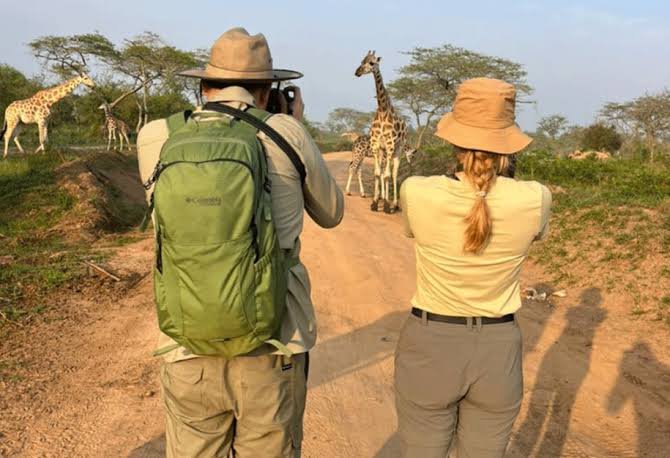
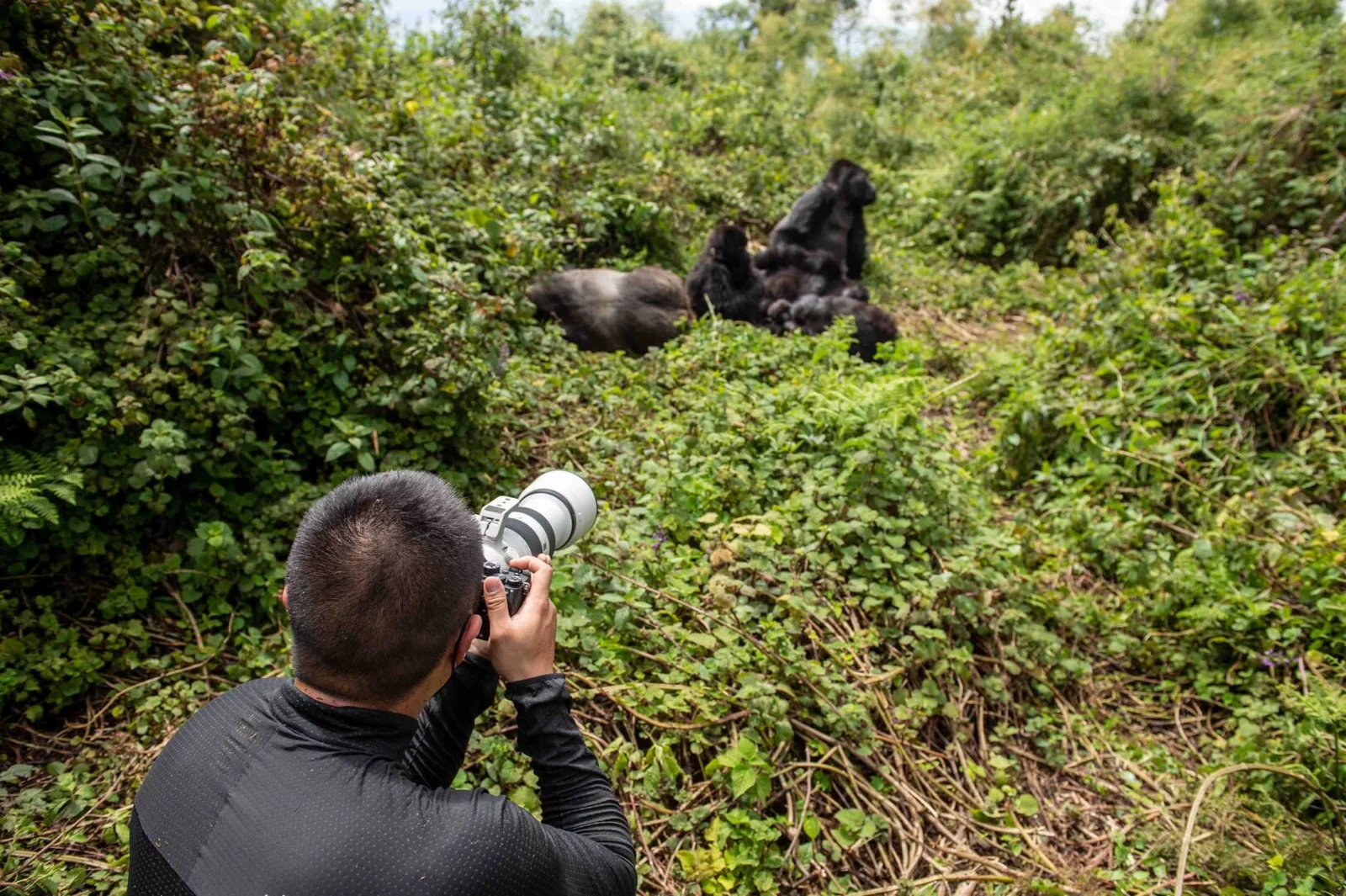
Mid-range safaris can still provide exceptional wildlife experiences because animals do not distinguish between the guests staying in a luxury suite and those staying in a comfortable safari lodge. The major savings usually come from accommodation category, road transfers instead of charter flights and carefully chosen routing. A good mid-range safari should still include an experienced guide, reliable 4×4 vehicle and sufficient nights in productive wildlife areas. Cutting one or two destinations is often a better way to control costs than shortening every stop.
Families, honeymooners and photographers should each approach the Ultimate East Africa Safari Guide differently. Families need age-appropriate activities and sensible transfer times; Rwanda currently requires gorilla trekkers to be at least 15. Honeymooners benefit from slower itineraries and private accommodation, while photographers usually need more time in fewer locations and guaranteed space for equipment. The same East African countries can therefore produce entirely different safaris depending on who is travelling.
Safari Transport – Road Transfers, 4×4 Vehicles and Regional Flights
Road travel is essential to the East African safari experience because landscapes between parks reveal much of the region’s character. Uganda and Rwanda work particularly well for private 4×4 road safaris, while Kenya and Tanzania combine road travel with strategic domestic flights. A good safari vehicle should provide clear viewing positions, comfortable seating and enough room for luggage and camera equipment. For wildlife areas such as the Serengeti, Maasai Mara, Queen Elizabeth and Akagera, 4×4 capability becomes particularly important.
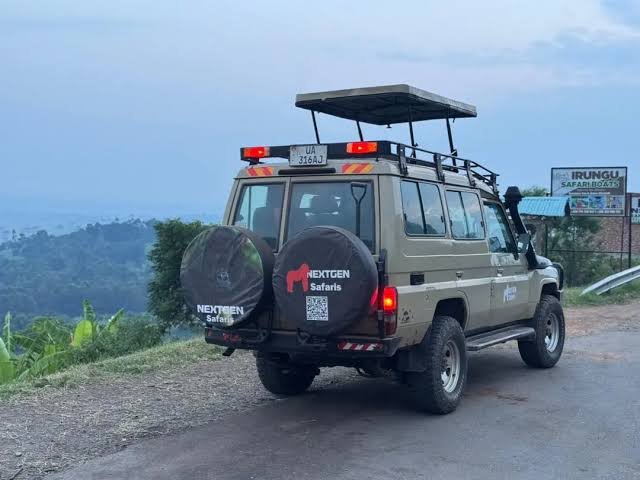
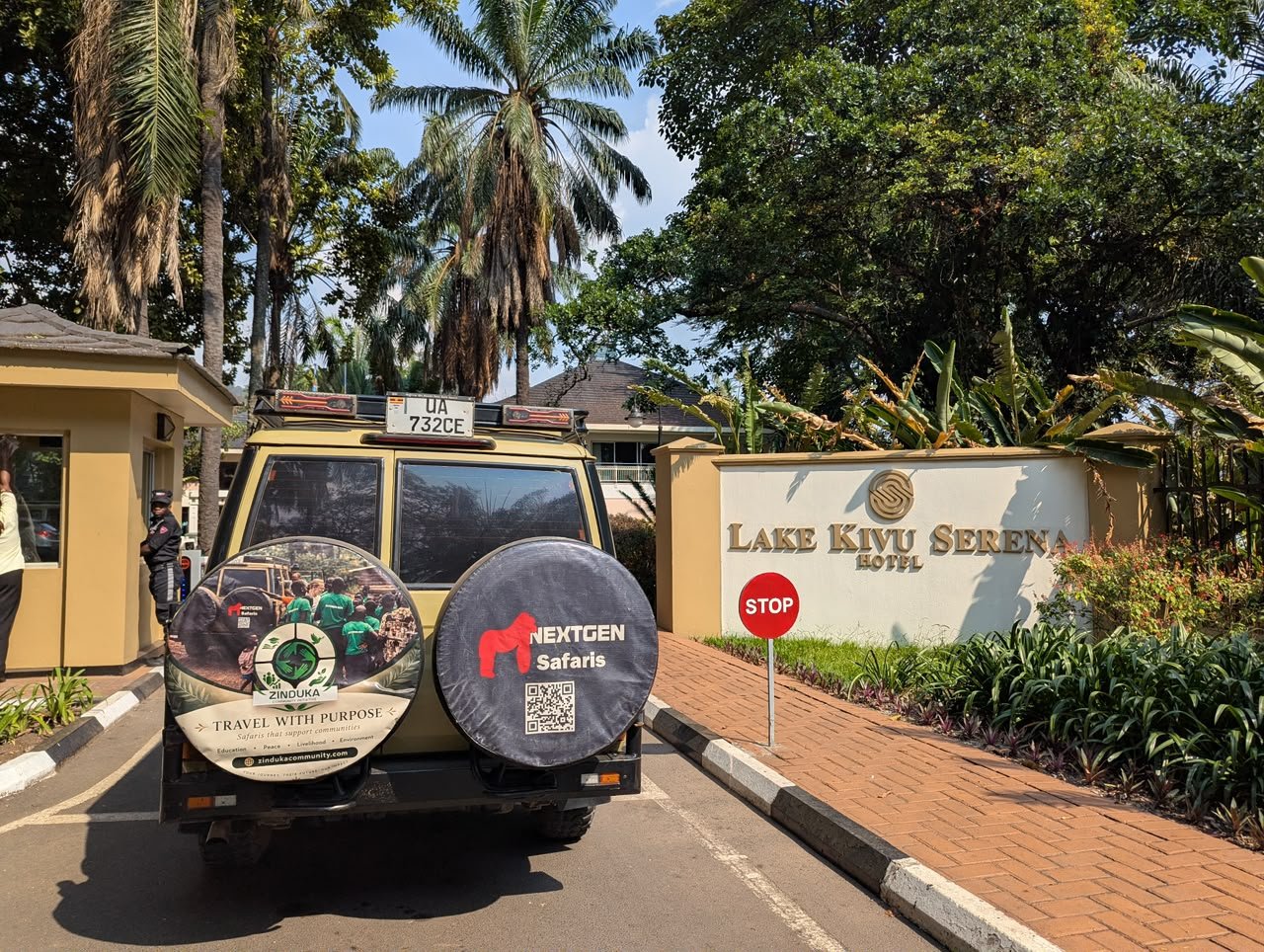
Regional flights become valuable when they replace genuinely long road transfers. Flying from Nairobi toward the Mara, from northern Tanzania into the Serengeti or between East African capitals can protect valuable safari time. Travellers combining gorillas with Kenya or Tanzania often benefit from an international or regional flight rather than attempting extremely long overland connections merely to say the entire safari was completed by road.
The best transport plan uses both methods intelligently. A scenic road transfer through Uganda’s southwest can be part of the experience, while a flight between countries saves an entire day that can then be used for wildlife viewing. NextGen Safaris structures these combinations according to available time, budget and luggage requirements rather than automatically using the same transport arrangement for every guest.
Gorilla Permits and Other Costs You Should Plan Early
Gorilla permits should be among the first components confirmed when a safari includes Uganda or Rwanda. Rwanda’s standard foreign visitor permit is currently USD 1,500 and the minimum age is 15. Uganda Wildlife Authority’s February 2026 announcement introduced special low-season foreign non-resident permits of USD 600 for April, May and November 2026, while the normal tracking rate under the revised structure effective from January 2027 remains USD 800. Permit rules and promotional rates can change, so availability and the exact rate applicable to the travel date should always be confirmed before flights are finalised.
Uganda’s revised tariff also matters for travellers planning primate-focused journeys in 2027. From 1 January 2027, foreign non-resident gorilla habituation rises to USD 1,800 and Kibale chimpanzee tracking to USD 300, while chimpanzee habituation rises to USD 400. These costs should be separated clearly from accommodation and transport when comparing safari quotations because permits alone can represent a substantial part of the total.
Savannah safari pricing behaves differently. Accommodation, park fees, vehicle costs, flights and season all affect the quotation, and migration-season camps in prime locations can command considerably higher rates than comparable properties at quieter times. Zanzibar adds another accommodation spectrum ranging from boutique guesthouses to exclusive beach resorts. Rather than asking only for “the cheapest East Africa safari,” travellers receive better value by deciding which experiences deserve investment and where comfort can be moderated.
What to Pack for an East Africa Safari
Packing should reflect the fact that East Africa contains several climates within one itinerary. Lightweight neutral clothing works well for savannah game drives, but mountain-gorilla regions can be cool, wet and muddy. Long trousers, sturdy walking shoes, gloves, a waterproof layer and a small daypack become important in Bwindi or Volcanoes National Park. A warm layer is useful for early game drives in Kenya and Tanzania, particularly before sunrise when open safari vehicles can feel surprisingly cool.
Photographers should bring enough memory, batteries and charging options for several days away from major cities. A medium telephoto lens is particularly useful for gorillas, while longer lenses become more valuable in the Serengeti, Maasai Mara and Akagera. Dust protection matters on savannah drives, while waterproof camera protection becomes important in Uganda and Rwanda’s forest environments. Binoculars remain worthwhile even for non-birders because many of the best wildlife moments happen beyond comfortable camera range.
Zanzibar requires another change of wardrobe. Lightweight beach clothing, reef-safe sun protection, sandals and swimwear make sense at resorts, while more modest clothing is appropriate when exploring Stone Town, villages and cultural areas. The Zanzibar Commission for Tourism promotes the island not only for beaches but also for heritage, spice farms and nature experiences. Packing with these contrasts in mind is much easier than trying to use one style of clothing throughout the entire journey.
Why Book a Multi-Country East Africa Safari With One Operator?
Multi-country safaris become complicated when each section is booked independently. Gorilla permits may be confirmed in one country before another operator discovers that the regional flight no longer connects properly. A lodge change can affect border transfers, baggage limits or arrival times. Using one safari planner for Uganda, Rwanda, Kenya, Tanzania and Zanzibar allows the route to be treated as one journey rather than several unrelated bookings.
NextGen Safaris already designs personalised journeys across these destinations and describes its core service as combining gorilla trekking in Uganda and Rwanda with wildlife adventures in Kenya and Tanzania. This becomes particularly useful when a client wants something that does not fit a standard tour—for example, two gorilla treks, private photography game drives in the Mara, a migration-focused Serengeti camp and four nights on Zanzibar. Each component can be positioned around the same international arrival and departure plan.
A single planning team also makes it easier to build realistic pacing. Instead of each destination specialist trying to maximise nights in their own country, the complete route can prioritise the experiences that matter most to the traveller. This is the difference between collecting destinations and creating a safari that actually flows.
Frequently Asked Questions About the Ultimate East Africa Safari Guide
1. What Is the Ultimate East Africa Safari Guide?
The Ultimate East Africa Safari Guide brings together the most important information for planning a safari across Uganda, Rwanda, Kenya, Tanzania and Zanzibar. It helps travellers compare mountain gorilla trekking, chimpanzees, Big Five wildlife, the Great Migration, safari routes, beach extensions, trip lengths, accommodation levels and the best combinations for different travel styles.
2. Which Countries Should Be Included in an Ultimate East Africa Safari Guide?
A complete Ultimate East Africa Safari Guide should usually focus on Uganda, Rwanda, Kenya and Tanzania, with Zanzibar added for travellers wanting an Indian Ocean beach extension. Uganda and Rwanda are especially strong for primates, while Kenya and Tanzania offer classic savannah wildlife and migration experiences. Zanzibar provides an excellent final stage after the safari.
3. Is Uganda Worth Including in an Ultimate East Africa Safari Guide?
Yes. Uganda is one of the strongest destinations in the Ultimate East Africa Safari Guide because travellers can combine gorilla trekking in Bwindi, chimpanzees, Queen Elizabeth National Park, Murchison Falls and other wildlife areas within one country. Uganda is particularly rewarding for travellers who want both primates and traditional safari wildlife.
4. Is Rwanda Worth Including in an Ultimate East Africa Safari Guide?
Yes. Rwanda is ideal for travellers who want a more compact safari combining mountain gorillas, chimpanzees and savannah wildlife. A private route can include Volcanoes National Park, Nyungwe and Akagera, making Rwanda especially attractive for luxury travellers, honeymooners and visitors with limited time.
5. Should Kenya or Tanzania Be Chosen for a First East Africa Safari?
Both can provide outstanding safari experiences, so the Ultimate East Africa Safari Guide does not need to choose one as universally better. Kenya is famous for the Maasai Mara, Amboseli and Samburu, while Tanzania offers the Serengeti, Ngorongoro Crater and Tarangire. Travellers with enough time can combine the two countries within one longer safari.
6. What Is the Best Safari for Seeing the Great Migration?
The Great Migration moves continuously through the Serengeti–Maasai Mara ecosystem, so the best location depends on travel dates. Travellers can explore Great Migration Safaris in Serengeti or consider an 8 Days Great Migration Safari when migration viewing is the main objective.
7. Can I Combine Gorilla Trekking With the Great Migration?
Yes. This is one of the most rewarding combinations in the Ultimate East Africa Safari Guide. Travellers can begin with Bwindi gorilla trekking or Rwanda’s Volcanoes National Park before flying to Kenya’s Maasai Mara or Tanzania’s Serengeti for migration and Big Five wildlife.
8. Can I Combine Gorilla Trekking, Serengeti and Zanzibar?
Yes. This creates an excellent forest, savannah and beach journey. The 18 Days Bwindi Gorilla Trekking, Serengeti and Zanzibar Safari combines mountain gorillas, Tanzania wildlife and Indian Ocean relaxation in one extended East African itinerary.
9. How Many Days Do I Need for an East Africa Safari?
A focused East Africa safari can work in seven to ten days when one or two countries are prioritised. Around fourteen days allows travellers to combine gorillas with Kenya or Tanzania comfortably. Eighteen to twenty-one days is better for a broader regional safari involving several countries and a Zanzibar extension.
10. What Is the Best East Africa Safari for Two Weeks?
A two-week journey can combine gorilla trekking with the Maasai Mara or Serengeti, or focus on Tanzania’s northern safari circuit followed by Zanzibar. Travellers interested in migration and beach relaxation can consider the 14 Days Great Migration and Zanzibar Safari.
11. Is Zanzibar Worth Adding to an East Africa Safari?
Yes. Zanzibar is one of the best ways to finish the journey because it provides a complete change from trekking and game drives. Travellers can enjoy tropical beaches, Stone Town, spice experiences, snorkelling and Indian Ocean relaxation. Explore the Zanzibar safari and beach collection for possible extensions.
12. Is an East Africa Safari Suitable for Honeymooners?
Absolutely. The Ultimate East Africa Safari Guide can be adapted into a private honeymoon combining mountain gorillas, luxury safari lodges, private game drives and Zanzibar beaches. Couples usually benefit from slower routing, fewer one-night stops and carefully selected properties that offer privacy and memorable settings.
13. Is an East Africa Safari Suitable for Families?
Yes, although children’s ages should influence the route. Gorilla trekking has minimum-age requirements, while game drives in Kenya, Tanzania and Uganda can work well for a wider range of ages. Family safaris should include realistic transfer times, suitable room configurations and enough downtime between major activities.
14. What Is the Best East Africa Safari for Wildlife Photography?
Photographers usually benefit from spending more nights in fewer destinations. A strong route can combine mountain gorillas, chimpanzees, the Maasai Mara or Serengeti and possibly Zanzibar landscapes. Private 4×4 vehicles and multiple wildlife-viewing days give photographers more control over light, positioning and time at sightings.
15. Should I Choose Uganda or Rwanda for Gorilla Trekking?
Both are excellent, but they suit different itineraries. Uganda works particularly well for travellers wanting gorillas, chimpanzees and additional wildlife in one country, while Rwanda offers a more compact route from Kigali to Volcanoes National Park. Travellers can compare gorilla trekking in Bwindi with Volcanoes National Park according to budget, available days and preferred travel style.
16. Can I Do Gorilla Trekking in Both Uganda and Rwanda?
Yes. Travellers who want to compare the two experiences can build a cross-border primate itinerary around Bwindi and Volcanoes National Park. This works especially well for serious primate enthusiasts, photographers and travellers who want more than one mountain-gorilla encounter.
17. Is a Luxury East Africa Safari Worth It?
Luxury travel can be valuable when privacy, location and efficient transfers matter more than simply having an expensive room. Premium camps, private guides, fly-in transfers and high-end gorilla lodges can reduce travel fatigue and increase time with wildlife. Travellers can explore luxury gorilla trekking safaris as part of a wider premium East Africa journey.
18. Can East Africa Be Visited on a Mid-Range Budget?
Yes. A well-planned mid-range safari can still provide exceptional wildlife experiences. Travellers can use comfortable lodges, private road transfers and carefully selected routes while reserving the largest expenses for permits and the most important destinations. Reducing the number of countries is often more effective than rushing through several destinations to save money.
19. What Should I Pack for an East Africa Safari?
The Ultimate East Africa Safari Guide recommends lightweight safari clothing, sturdy walking shoes, a waterproof jacket, sun protection, binoculars and a warm layer for early mornings. Gorilla trekking requires long trousers, gloves and reliable footwear, while Zanzibar needs lightweight beach clothing and more modest dress for cultural areas.
20. How Can I Book an East Africa Safari With NextGen Safaris?
Start by sharing your preferred travel dates, number of travellers, available days, accommodation level, approximate budget and the experiences that matter most. NextGen Safaris can combine Bwindi gorillas, Rwanda, Kenya, the Serengeti and Zanzibar into one personalised itinerary. Travellers can also begin directly through the NextGen Safaris booking page.
Book Your East Africa Safari With NextGen Safaris
The Ultimate East Africa Safari Guide should ultimately lead to a journey built around your own interests rather than a fixed idea of what every traveller must see. If mountain gorillas are the priority, begin with Bwindi gorilla trekking or Volcanoes National Park and then decide whether the second chapter should be Kenya’s Maasai Mara or Tanzania’s Serengeti. If the Great Migration is the central dream, build the dates around the expected herd location and add gorillas before or afterward. If relaxation matters equally, finish with the beaches of Zanzibar.
Travellers with two weeks can combine primates and savannah wildlife without rushing, while those with three weeks can create a deeper regional circuit. Consider the 18 Days Bwindi, Serengeti and Zanzibar Safari for a forest-to-beach journey, the 14 Days Great Migration and Zanzibar Safari for Tanzania wildlife and Indian Ocean relaxation, or the 21 Days East Africa Luxury Safari when you want Uganda, Kenya, Tanzania and Zanzibar in one extended adventure. Every route can be adjusted for mid-range, luxury, family, honeymoon, solo or photography travel.
The best East African safari is not the one that crosses the greatest number of borders. It is the one that gives each major experience enough time to become memorable: silence before a silverback lifts his head in Bwindi, lion calls across the Mara before sunrise, thousands of wildebeest moving across the Serengeti, elephants beneath Tanzania’s enormous skies and the Indian Ocean stretching beyond a Zanzibar beach at the end of the journey. When you are ready to turn those experiences into one route, use the NextGen Safaris booking page to share your travel dates, number of guests, preferred accommodation level and budget. NextGen Safaris can then build your East Africa journey from the ground up—one safari, one planning team and an itinerary designed around the experiences you have travelled to Africa to see.