
Best Photography Safari in Uganda 2027-2030
Best Photography Safari in Uganda 2027-2030: Ultimate Wildlife, Gorilla & Landscape Photography Guide
Uganda is one of Africa’s most spectacular destinations for wildlife and nature photography, offering an extraordinary combination of endangered mountain gorillas, chimpanzees, tree-climbing lions, elephants, powerful waterfalls, rare birds and breathtaking landscapes. The Best Photography Safari in Uganda 2027-2030 provides photographers with an opportunity to explore the Pearl of Africa while capturing exceptional images across its diverse natural environments. From photographing mountain gorillas during a Bwindi gorilla trekking experience to capturing elephants and lions on a Queen Elizabeth National Park safari, photographing wildlife along the Kazinga Channel, exploring the spectacular landscapes of Murchison Falls National Park, or discovering the incredible diversity described in our Uganda Photography Guide, every destination offers unique subjects and memorable encounters.
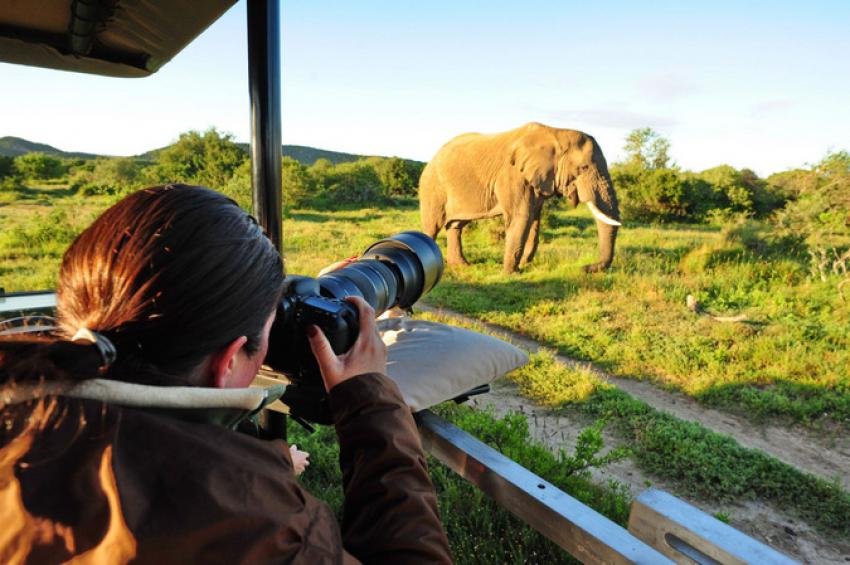
Unlike conventional safaris that focus primarily on visiting several attractions within a limited schedule, a photography safari emphasizes natural lighting, wildlife behavior, flexible game drives, carefully selected viewing locations and sufficient time to create meaningful images. Whether you are a professional wildlife photographer carrying specialized equipment, an enthusiastic amateur developing your portfolio or a traveler who simply wants extraordinary photographs of Africa, Uganda provides a remarkable environment for photography. A thoughtfully planned Uganda safari itinerary can include gorilla trekking adventures, chimpanzee tracking experiences, Murchison Falls wildlife safaris, specialized birdwatching tours and outstanding landscape photography opportunities.
At NextGen Safaris, we organize customized wildlife photography journeys that allow you to experience Uganda’s natural beauty with knowledgeable local guides, appropriate safari vehicles and carefully planned travel arrangements. Our Uganda photography safaris can also be combined with Rwanda, allowing photographers to explore the famous mountain gorillas of Volcanoes National Park, experience the magnificent wildlife of Akagera and discover additional primate photography opportunities. For visitors interested in both countries, our Uganda and Rwanda gorilla safari experiences provide an excellent foundation for a more extensive East African photographic adventure.
Why Uganda Is One of Africa’s Best Wildlife Photography Destinations
Uganda’s greatest advantage for photographers is the remarkable diversity of wildlife habitats concentrated within one country. While many African destinations are known primarily for savannah wildlife, Uganda combines tropical rainforests, mountain ecosystems, wetlands, crater lakes, expansive grasslands and mighty rivers. This variety makes it possible to photograph mountain gorillas in the morning, document beautiful rainforest scenery, explore savannah wildlife habitats on another day and capture the dramatic movement of the River Nile during a longer journey. Visitors planning an ultimate Uganda wildlife safari can experience the contrasting scenery of Murchison Falls National Park, the Queen Elizabeth wildlife ecosystem, remote Kidepo Valley wilderness and the rainforest environments included in a Uganda gorilla safari.
Uganda is particularly rewarding for photographers interested in animal behavior, environmental portraits and authentic wildlife storytelling. A photograph of a silverback resting beneath towering rainforest trees communicates an entirely different atmosphere from an elephant walking across open savannah or a shoebill standing silently among papyrus reeds. Wildlife encounters are naturally unpredictable, making patience and careful planning essential. At NextGen Safaris, we help travelers select destinations according to the animals and landscapes they most want to photograph, while allowing time for responsible wildlife viewing, morning and evening photography sessions and opportunities to document the journey beyond the national parks.
Best Places for Photography Safaris in Uganda
Bwindi Impenetrable National Park – Ultimate Mountain Gorilla Photography
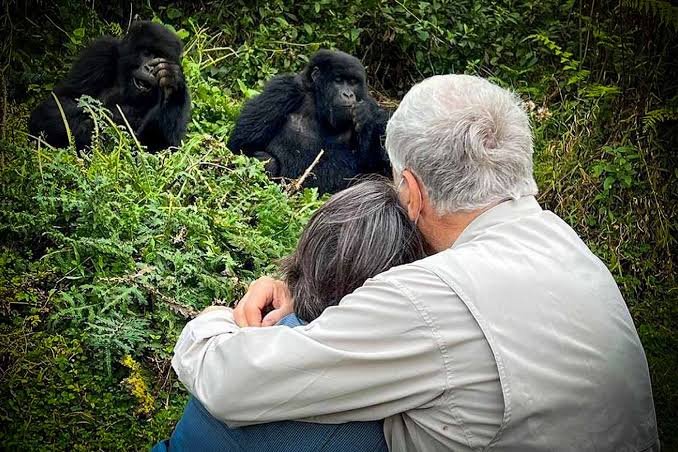
Bwindi Impenetrable National Park is Uganda’s most famous destination for mountain gorilla photography and one of the most remarkable wildlife photography locations in the world. Located in southwestern Uganda, this ancient rainforest protects several habituated gorilla families living among dense vegetation, steep hills and dramatic forest landscapes. Photographers undertaking a Uganda gorilla trekking experience have opportunities to capture powerful silverbacks, mothers carrying infants, playful juveniles and intimate interactions between family members. The surrounding forest also provides beautiful natural backgrounds, creating images that communicate the extraordinary environment in which these endangered primates live.
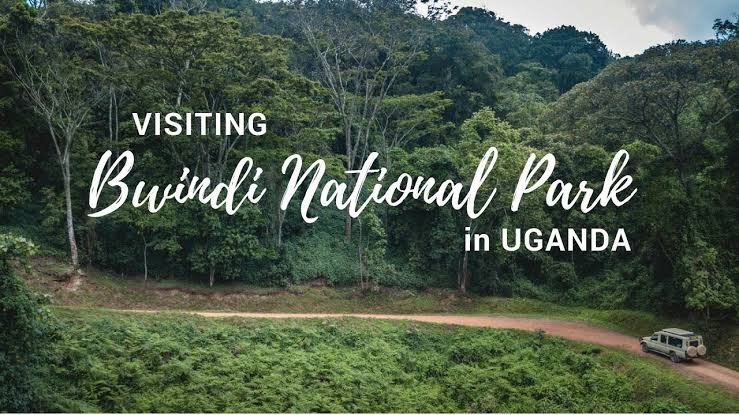
Gorilla photography in Bwindi requires careful preparation because lighting conditions change constantly beneath the rainforest canopy. Some gorillas may rest under dense vegetation where light is limited, while others move into more open areas where soft daylight illuminates their faces and bodies. Photographers must respond quickly to changing animal positions without approaching too closely or disturbing the gorillas. The Bwindi gorilla trekking safari experience typically allows up to one hour with an assigned habituated gorilla family once it has been located. During this time, photographers must follow ranger instructions, maintain the required viewing distance and never use flash photography.
For serious photographers planning the Best Photography Safari in Uganda 2027-2030, including two gorilla trekking days can provide additional opportunities to photograph different behaviors and forest conditions, subject to permit availability. Visitors who want a more specialized experience may also consider gorilla habituation in Uganda, which allows a longer authorized observation period. A professional Uganda photography safari itinerary can be designed around either experience while considering physical fitness, trekking sectors, photographic equipment and convenient lodge locations.
Mgahinga Gorilla National Park – Mountain Gorillas, Golden Monkeys and Volcano Photography
Mgahinga Gorilla National Park offers a distinctive photography experience in the Virunga Mountains of southwestern Uganda. Unlike the dense forest scenery commonly associated with Bwindi, Mgahinga is characterized by magnificent volcanic landscapes, bamboo forests, montane vegetation and dramatic mountain backgrounds. The park provides opportunities for mountain gorilla photography, golden monkey tracking, landscape compositions and bird photography. Photographers interested in capturing primates within a volcanic setting can combine Mgahinga with Uganda mountain gorilla trekking, a broader Uganda photography itinerary or a Uganda and Rwanda gorilla safari.
Golden monkeys are particularly interesting photographic subjects because of their distinctive golden-orange fur and energetic movements through bamboo vegetation. Photographing them requires quick reactions, reliable autofocus and careful attention to the surrounding vegetation. Wider compositions that include bamboo stems and forest textures can communicate their natural habitat, while appropriately framed portraits highlight their remarkable facial expressions. The volcanic scenery also provides compelling opportunities for landscape photography during periods of clear visibility.
Kibale National Park – Uganda’s Best Chimpanzee Photography Destination
Kibale National Park is one of Uganda’s leading destinations for chimpanzee photography, providing opportunities to observe these intelligent primates in their natural tropical forest environment. The forest supports a remarkable variety of primate species, including chimpanzees, red colobus monkeys, black-and-white colobus monkeys and other forest mammals. Photographers visiting Kibale can capture chimpanzees feeding, grooming, resting, communicating and moving through the forest canopy. A gorilla and chimpanzee trekking safari provides an excellent opportunity to experience both of Uganda’s iconic great apes, while a broader Uganda wildlife itinerary can include additional birdwatching and forest photography.
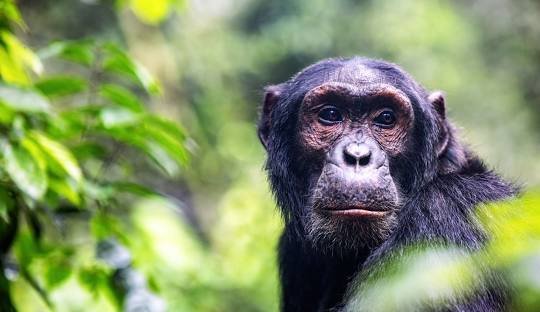
Chimpanzee photography presents different challenges from gorilla photography because chimpanzees may move rapidly through trees and vegetation. Their dark fur, frequent movement and the limited light beneath the canopy require careful camera settings and quick responses. Photographers should be prepared to capture both close portraits and environmental compositions showing chimpanzees interacting within the forest. Specialized chimpanzee habituation activities may offer extended observation opportunities, subject to the applicable permits and regulations. The surrounding Bigodi Wetland area also offers valuable birding and community-based photography opportunities, making the Kibale region particularly attractive to photographers interested in biodiversity and conservation storytelling.
Queen Elizabeth National Park – Lions, Elephants and Big Game Photography
Queen Elizabeth National Park is one of Uganda’s finest destinations for traditional African wildlife photography. Situated in western Uganda along the Albertine Rift, the park features open savannah, crater lakes, wetlands, volcanic scenery and extensive wildlife habitats. A Queen Elizabeth National Park safari provides opportunities to photograph elephants, buffaloes, Uganda kobs, waterbucks, hippos and predators such as lions and leopards when sightings permit. The park’s varied landscapes allow photographers to create both detailed wildlife portraits and dramatic wide-angle photographs that show animals within their natural environment.
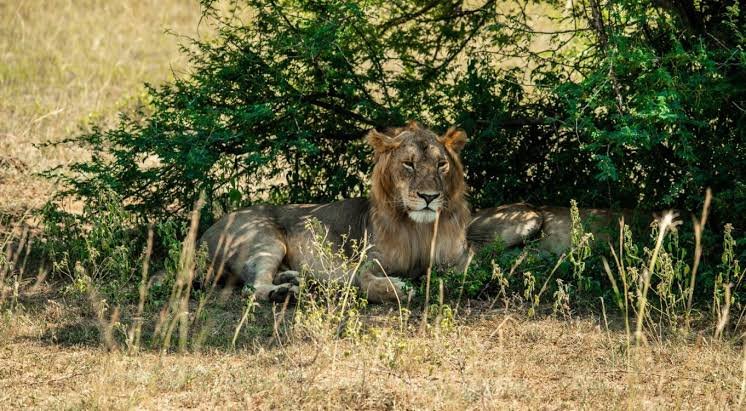
The Ishasha sector is particularly famous for its tree-climbing lions, which may sometimes be observed resting in large fig trees. These sightings are highly sought after by wildlife photographers because they offer unusual compositions and opportunities to photograph lions against branches, open sky and surrounding savannah. However, wildlife movements are unpredictable, and sightings cannot be guaranteed. Spending sufficient time in the park increases the opportunity to explore different habitats rather than rushing between locations. Photographers planning an Uganda safari itinerary can combine Queen Elizabeth with Bwindi gorilla trekking, Kibale chimpanzee tracking and other wildlife destinations.
Kazinga Channel – Exceptional Boat Safari and Bird Photography
The Kazinga Channel is one of the most productive photography locations within Queen Elizabeth National Park. Connecting Lake Edward and Lake George, the channel attracts substantial wildlife activity and provides excellent opportunities to photograph hippos, elephants, buffaloes, crocodiles and numerous waterbirds. A guided Kazinga Channel boat safari allows photographers to observe animals along the water’s edge while exploring beautiful wetland scenery. The boat-based perspective can produce particularly effective compositions of elephants approaching the shore, hippos emerging from the water and birds resting along the banks.
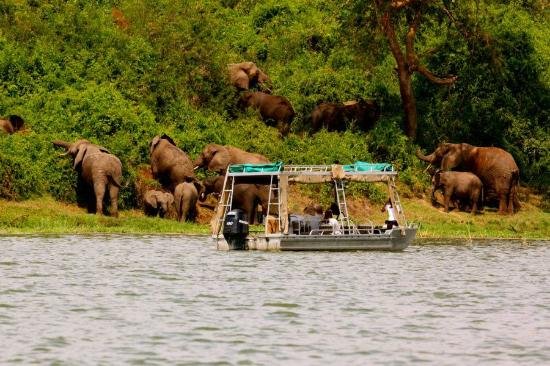
The channel is also an excellent destination for photographers interested in African fish eagles, kingfishers, herons, pelicans and other water-associated species. Morning and afternoon excursions offer changing light conditions, reflections and background possibilities. A telephoto zoom is useful for capturing distant subjects, while a wider lens allows photographers to include waterways, shorelines and wildlife in larger environmental compositions. Travelers can incorporate the channel into a Queen Elizabeth National Park photography safari or a longer Uganda wildlife photography itinerary.
Murchison Falls National Park – Elephants, Giraffes, Lions and Nile River Photography
Murchison Falls National Park is one of Uganda’s most spectacular photography destinations, combining abundant savannah wildlife with the dramatic scenery of the River Nile. The park supports elephants, giraffes, buffaloes, lions, antelopes, crocodiles, hippos and numerous bird species. During a Murchison Falls National Park safari, photographers can explore open grasslands, palm-dotted landscapes and riverine environments, creating a diverse collection of wildlife and landscape images. Early morning game drives are particularly rewarding for photographing wildlife against warm sunlight, while afternoon excursions provide additional opportunities when conditions permit.
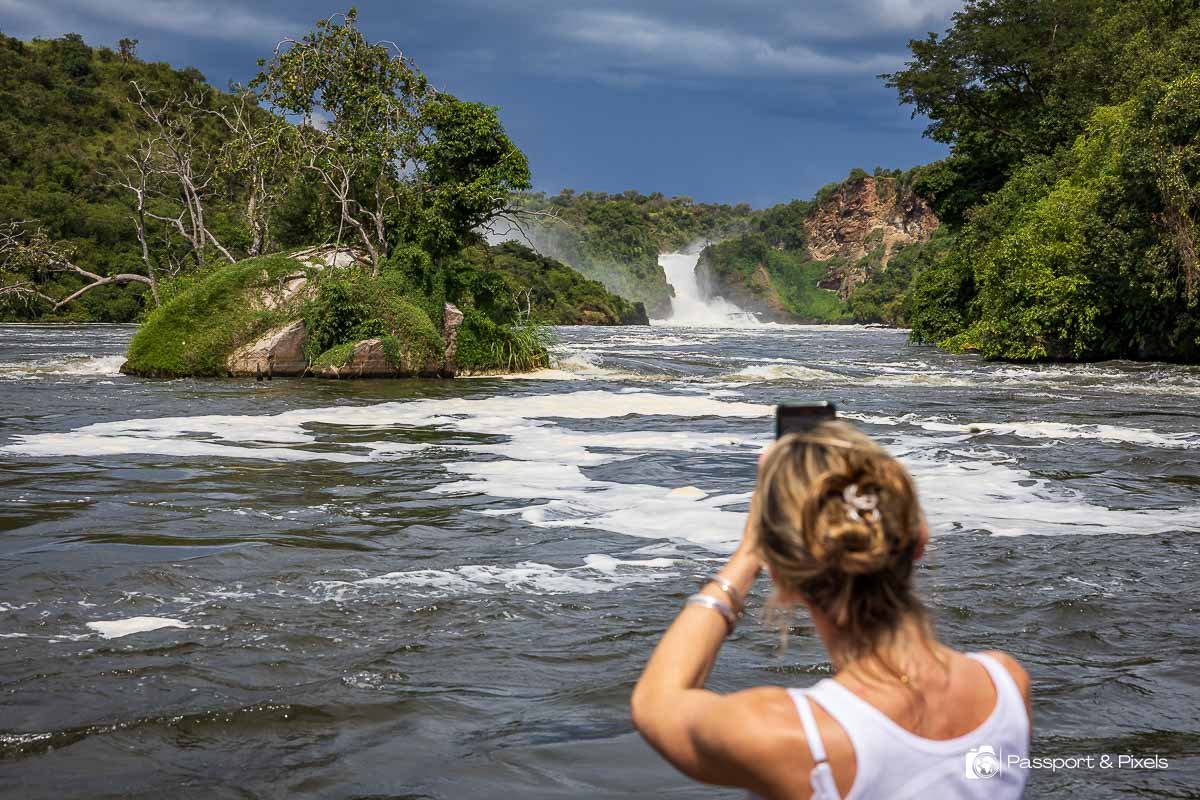
The waterfall itself is an extraordinary photographic subject. Here, the River Nile forces its way through a narrow rocky gorge before descending with tremendous power, creating dramatic spray, moving water and impressive natural scenery. Photographers can experiment with faster shutter speeds to freeze water movement or carefully selected slower exposures to create a softer effect, provided camera supports are allowed at the chosen viewpoint. A four-day Murchison Falls wildlife safari can combine the waterfall, game drives, boat excursions and additional wildlife photography. Visitors traveling north from Entebbe may also include Ziwa Rhino Sanctuary for ranger-guided rhinoceros tracking and photography.
Kidepo Valley National Park – Uganda’s Most Dramatic Wilderness Photography
Kidepo Valley National Park, located in northeastern Uganda, provides one of the country’s most dramatic and remote safari photography environments. Its expansive plains, rugged mountains, rocky outcrops and broad horizons create magnificent settings for wildlife and landscape photography. During a Kidepo Valley safari, photographers may encounter buffaloes, elephants, giraffes, zebras, lions, antelopes and various bird species. The combination of open landscapes and distant mountain scenery offers powerful opportunities for environmental wildlife photography, particularly during periods of warm morning and evening light.
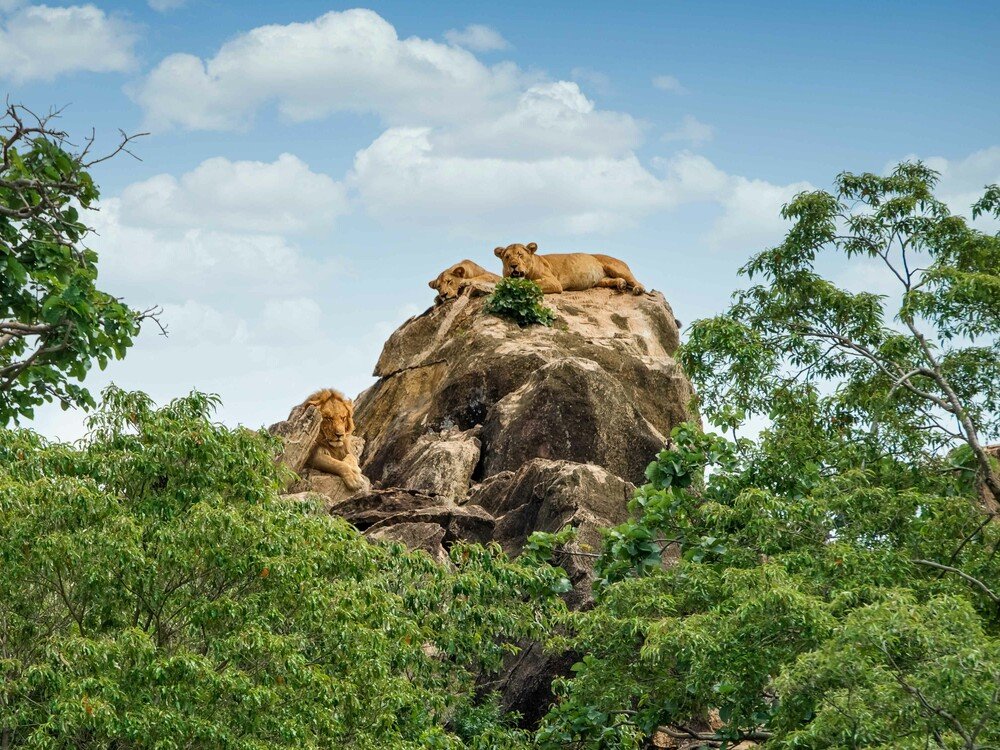
Kidepo is especially attractive to photographers who want to create images that emphasize wilderness, isolation and the relationship between animals and landscapes. A giraffe standing against distant mountains, a herd of buffalo moving across dry grassland or a lion resting on a rocky formation can create memorable photographic compositions. Because the park is relatively remote, careful transport planning and sufficient time are essential. Visitors exploring the Uganda photography guide or planning an extended Uganda wildlife safari can include Kidepo when their available travel days allow a longer northern itinerary.
Mabamba Swamp – Uganda’s Famous Shoebill Photography Destination
Mabamba Swamp, located near Entebbe along Lake Victoria, is one of Uganda’s most recognizable bird photography destinations and an excellent place to search for the remarkable shoebill. This distinctive bird, with its enormous shoe-shaped bill and prehistoric appearance, is particularly attractive to professional bird photographers and wildlife enthusiasts. Guided excursions through Mabamba Swamp generally involve traveling by small boat or canoe along papyrus-lined waterways while local guides search for shoebills and other wetland species. The environment also supports kingfishers, herons, jacanas, egrets and other birds, providing varied photographic opportunities throughout the excursion.

An early morning visit can be especially rewarding because calmer conditions and soft light often create attractive reflections and clearer photographic compositions. Photographers should use appropriate telephoto lenses and remain attentive to boat movement when selecting shutter speeds. The experience can be included at the beginning or end of a Uganda photography safari, incorporated into a three-day Uganda birding safari or combined with a Murchison Falls wildlife safari. Shoebill sightings depend on natural behavior and local conditions, and responsible boat operators maintain appropriate distances to avoid disturbing birds.
Best Time for Photography Safaris in Uganda from 2027 to 2030
Uganda is a rewarding photography destination throughout the year, although weather conditions influence forest trekking, wildlife visibility, road accessibility and landscape appearance. December through February and June through August are generally considered favorable periods for safari travel and gorilla trekking in much of southern Uganda. The wetter months commonly include March through May and September through November, although rainfall patterns vary considerably between regions. Northern Uganda, including Kidepo and parts of the Murchison Falls region, does not always follow the same seasonal pattern as the southwestern highlands.
| Travel Period | Typical Conditions | Photography Opportunities |
|---|---|---|
| January–February | Relatively dry in many regions | Gorilla photography, savannah wildlife, landscapes |
| March–May | Wetter across much of southern Uganda | Rainforest scenery, mist, birds and green landscapes |
| June–August | Generally drier in the southwest; regional variation in the north | Gorilla trekking, chimpanzees and wildlife photography |
| September–November | Often wetter in southwestern Uganda | Forest photography, birdlife and dramatic scenery |
| December | Often relatively drier in southern Uganda | Gorilla trekking, wildlife and landscape photography |
Photographers interested in Bwindi mountain gorilla trekking may prefer relatively dry trekking conditions, while visitors photographing Murchison Falls wildlife, Queen Elizabeth National Park or Kidepo’s savannah landscapes should consider local rainfall patterns and vegetation. The rainy season can be equally rewarding for photographers seeking rich green backgrounds, dramatic skies and atmospheric forest images. There is no universally perfect month for every destination or photographic subject.
14 Days Uganda Wildlife Photography Safari – Detailed Itinerary
Discover Uganda’s extraordinary wildlife and natural landscapes on this 14-day photography safari, carefully designed to combine mountain gorillas, chimpanzees, elephants, lions, rhinos, birdlife and spectacular scenery. Your journey takes you from the wetlands surrounding Lake Victoria to Murchison Falls National Park, Kibale Forest, Queen Elizabeth National Park, Bwindi Impenetrable National Park and Lake Mburo National Park. Each destination introduces different photographic opportunities, allowing you to capture intimate wildlife portraits, dramatic landscapes, fascinating animal behaviour and the remarkable diversity of Uganda’s natural environments.
Arrival in Entebbe – Lake Victoria Photography
Your Uganda wildlife photography safari begins upon arrival at Entebbe International Airport, where you will be welcomed by your professional safari driver-guide. After transferring to your accommodation, you will have time to settle in, review your photography equipment and receive an introduction to the exciting wildlife encounters awaiting you throughout Uganda.
Depending on your arrival time, enjoy an introductory photography session around Entebbe and the shores of Lake Victoria. Photograph peaceful lakeside scenery, tropical vegetation, colourful birdlife and local fishing activities from appropriate viewpoints. The softer afternoon light can create beautiful reflections across the lake and provide an excellent introduction to Uganda’s natural landscapes.
Mabamba Swamp – Shoebill and Wetland Bird Photography
Begin your morning with an exciting bird photography excursion to Mabamba Swamp, one of Uganda’s best-known locations for searching for the remarkable shoebill. Accompanied by experienced local guides, explore the papyrus channels by canoe as you look for this extraordinary wetland bird and other species that inhabit the marsh.
Photograph the distinctive appearance of the shoebill when sightings permit, including its enormous bill, unusual profile and patient hunting behaviour. The wetland environment also offers opportunities to photograph herons, kingfishers, egrets and other waterbirds. Return to Entebbe later in the day, with additional time for nature photography around suitable gardens, forest trails or lakeside environments.
Ziwa Rhino Sanctuary – Rhino Tracking and Murchison Falls
After breakfast, depart Entebbe and travel north towards Ziwa Rhino Sanctuary for a guided rhino tracking experience. Accompanied by sanctuary rangers, you will have an opportunity to observe southern white rhinos in their natural surroundings and photograph these impressive animals from distances permitted by the guides.
Focus on rhino portraits, natural grazing behaviour and wider environmental compositions that include the sanctuary’s grasslands and vegetation. After the experience, continue towards Murchison Falls National Park, enjoying changing landscapes and countryside views along the journey. Arrive at your accommodation for an overnight stay and prepare for the wildlife photography adventures ahead.
Murchison Falls – Morning and Afternoon Wildlife Photography
Set out early for your first extended game drive in Murchison Falls National Park, one of Uganda’s premier destinations for savannah wildlife photography. The park’s open grasslands, scattered woodlands and beautiful rolling scenery create excellent conditions for photographing animals within their natural habitats.
Search for giraffes, elephants, buffaloes, Uganda kobs, hartebeests and other wildlife, with possibilities of encountering lions and other predators. Your guide will help position the safari vehicle at suitable viewpoints while respecting wildlife and park regulations. Continue with another game drive later in the day, when softer light can enhance wildlife portraits and landscape photography.
Nile River Boat Safari – Waterbirds and Murchison Falls Photography
Today introduces a different perspective of Murchison Falls National Park through a boat safari along the Victoria Nile. As you travel along the river, watch for hippos resting in the water, crocodiles along the banks, elephants approaching the shoreline and a variety of waterbirds. Boat-based photography provides opportunities to capture animals from interesting low-angle perspectives.
Continue towards the dramatic waterfalls, where the Nile forces its way through a narrow rocky gorge before plunging downstream. Photograph the powerful movement of the water, rocky cliffs and surrounding landscapes from authorized viewpoints. Depending on the activity schedule, additional photography opportunities may be arranged within the national park.
Murchison Falls to Kibale – Scenic Countryside Photography
After breakfast, begin your scenic journey towards Kibale National Park in western Uganda. This travel day introduces the country’s varied countryside, with agricultural landscapes, rural settlements, rolling hills and changing vegetation providing interesting opportunities for environmental and landscape photography.
As you approach the Fort Portal region, the scenery becomes increasingly green, with tea plantations, forested hills and beautiful highland landscapes. Where practical and permitted, stop at suitable viewpoints for photography before continuing towards your accommodation near Kibale National Park. Spend the evening preparing your equipment for the following day’s chimpanzee trekking experience.
Kibale National Park – Chimpanzee and Forest Photography
Begin an exciting morning in Kibale National Park, one of Africa’s outstanding destinations for chimpanzee encounters. After a ranger briefing, enter the tropical rainforest in search of habituated chimpanzees. The forest environment offers opportunities to photograph primates among towering trees, dense vegetation and natural shafts of filtered sunlight.
When chimpanzees are encountered, focus on their expressive faces, social interactions and natural behaviour. Their fast movements and the forest’s variable lighting create exciting photographic challenges. Depending on your activity schedule, continue with a guided nature or birdwatching experience around Bigodi Wetland Sanctuary, where additional birdlife, vegetation and smaller wildlife subjects may be photographed.
Kibale to Queen Elizabeth National Park – Savannah Photography
Following breakfast, depart Kibale and travel south towards Queen Elizabeth National Park. The journey introduces beautiful western Uganda scenery, including cultivated hillsides, crater landscapes and distant views of the Rwenzori Mountains when visibility permits.
Upon arrival in Queen Elizabeth National Park, begin exploring the savannah ecosystem that supports elephants, buffaloes, Uganda kobs, warthogs and many bird species. Depending on arrival time, enjoy an afternoon game drive with opportunities to photograph wildlife against the park’s rolling grasslands and dramatic natural scenery.
Queen Elizabeth – Game Drives and Kazinga Channel Photography
Begin your morning with a wildlife photography game drive through Queen Elizabeth National Park, exploring suitable habitats in search of elephants, buffaloes, antelopes and predators. Early morning conditions can provide attractive lighting for animal portraits and wide landscape photographs.
Later, enjoy a boat safari along the famous Kazinga Channel, which connects Lake George and Lake Edward. The channel is known for its concentrations of hippos, Nile crocodiles, waterbirds and animals visiting the shoreline. Photograph birds in flight, wildlife drinking at the water’s edge and fascinating interactions between animals within this remarkable wetland environment.
Ishasha – Tree-Climbing Lions and Transfer to Bwindi
Travel south through the Ishasha sector of Queen Elizabeth National Park, an area famous for its population of tree-climbing lions. Explore the open savannah and fig-tree habitats while searching for lions resting in trees or moving through the surrounding grasslands. Sightings are never guaranteed, but the sector offers rewarding opportunities for wildlife photography.
In addition to lions, watch for Uganda kobs, buffaloes, elephants and other wildlife. Continue towards Bwindi Impenetrable National Park, where the landscape gradually changes from open savannah to densely forested mountains. The contrast between these habitats provides beautiful photography opportunities as you approach the home of Uganda’s mountain gorillas.
Bwindi – Mountain Gorilla Trekking and Portrait Photography
Today offers one of the most unforgettable experiences of your Uganda photography safari. After breakfast, transfer to the designated Bwindi trekking briefing point, where experienced Uganda Wildlife Authority rangers will explain the trekking procedures and conservation guidelines before guiding you into the rainforest.
When your assigned gorilla family is located, you will normally spend one permitted hour observing and photographing these magnificent primates. Focus on the expressive faces of silverbacks, playful juveniles, family interactions and the dramatic setting of the tropical rainforest. Use natural light and respect all required viewing distances and ranger instructions, as flash photography is not permitted.
Bwindi – Additional Gorilla or Specialized Forest Photography
Enjoy another day dedicated to the exceptional natural environment of Bwindi Impenetrable National Park. Photographers seeking additional mountain gorilla images may choose a second standard gorilla trek, subject to the availability of an additional permit. This can provide fresh opportunities to capture different individuals, compositions and animal behaviour.
Alternatively, an authorized gorilla habituation experience may be arranged where available, provided the itinerary, sector and permits are planned accordingly. Travellers who prefer a less demanding activity may instead enjoy guided forest birding or nature photography in permitted areas. Bwindi’s rich vegetation, forest birds and atmospheric mountain scenery offer exceptional subjects beyond gorilla photography.
Bwindi to Lake Mburo – Savannah Wildlife and Landscape Photography
Following breakfast, depart Bwindi and travel towards Lake Mburo National Park, enjoying scenic views of southwestern Uganda’s hillsides, agricultural landscapes and rural settlements. The journey introduces another transition in Uganda’s remarkable natural diversity, from dense rainforest to open woodland and savannah habitats.
Upon arrival at Lake Mburo National Park, enjoy an afternoon wildlife photography experience where time allows. The park is well known for zebras, impalas, buffaloes, giraffes and a variety of bird species. Its attractive acacia woodland, rocky hills and grassland landscapes create beautiful backgrounds for wildlife photography, particularly in the softer late-afternoon light.
Lake Mburo – Morning Wildlife Photography and Return to Entebbe
Begin the final morning of your photography safari with an early wildlife activity in Lake Mburo National Park, depending on your departure schedule. The park’s open habitats are excellent for photographing grazing zebras, antelopes, birds and scenic savannah landscapes illuminated by the soft morning light.
After your final photography experience, depart Lake Mburo and travel back towards Entebbe, with appropriate stops along the journey. Arrive in time for your onward flight, subject to the agreed departure arrangements. Your Uganda photography safari concludes with an extraordinary collection of images featuring mountain gorillas, chimpanzees, rhinos, savannah wildlife, birds and some of East Africa’s most beautiful landscapes.
Plan Your Uganda Wildlife Photography Safari with Nextgen Safaris
Experience Uganda’s exceptional wildlife destinations on a professionally arranged safari designed around your photographic interests. Whether your passion is mountain gorilla portraits, chimpanzee photography, birdwatching, savannah wildlife or dramatic African landscapes, Nextgen Safaris can customize your journey to match your travel dates, interests and preferred pace.
Request Your Uganda Photography SafariImportant: This is a suggested photography safari itinerary. The final arrangement of activities depends on travel dates, trekking permit availability, national park regulations, weather conditions, road accessibility and departure flight schedules. Optional second gorilla treks and gorilla habituation experiences require separate permits and advance coordination. Wildlife sightings cannot be guaranteed.
Combine Uganda and Rwanda for the Ultimate East African Photography Safari
One of the most rewarding ways to expand a Uganda photography safari is to include Rwanda, creating an exceptional combination of primate encounters, classic wildlife photography, scenic landscapes and cultural travel experiences. Uganda offers extraordinary diversity through its rainforests, savannah national parks, waterfalls and wetlands, while Rwanda introduces the beautiful volcanic scenery of Volcanoes National Park, the wildlife-rich savannah of Akagera, the forests of Nyungwe and the scenic shores of Lake Kivu. A combined Uganda and Rwanda gorilla safari can provide photographers with opportunities to compare different mountain gorilla habitats, explore additional primate species and create a wider photographic collection.
Photographers particularly interested in gorillas may choose to trek in both countries, experiencing the lush environments of Uganda’s Bwindi Impenetrable National Park and the volcanic landscapes of Rwanda’s Virunga Mountains. Travelers seeking broader wildlife variety can also combine an Uganda wildlife safari with a Rwanda photography safari or a specialized Rwanda primate photography adventure. NextGen Safaris can organize private cross-border transfers, suitable guiding arrangements and accommodation according to the route, allowing travelers to concentrate on their photography while enjoying a carefully coordinated safari experience.
Private Photography Safaris and Luxury Fly-In Travel in Uganda
Private photography safaris provide valuable flexibility because travelers can communicate their preferred wildlife subjects, photographic interests and shooting priorities directly to their safari guide. A private four-wheel-drive vehicle can offer space for camera equipment, flexible departure arrangements and additional time at suitable sightings when park rules permit. Photographers who want to capture sunrise scenes, animal behavior or particular bird species often benefit from spending more time in fewer destinations rather than following a rushed travel schedule. NextGen Safaris can arrange private Uganda safari itineraries, luxury gorilla trekking experiences and specialized wildlife photography journeys according to individual preferences.
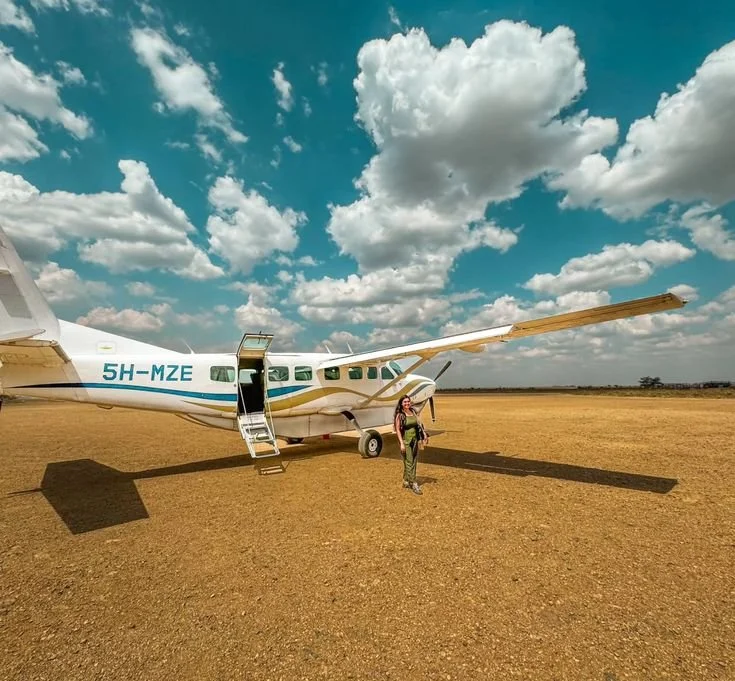
For travelers interested in luxury photography safaris, domestic flights can reduce the need for some long-distance road journeys, particularly when visiting Bwindi or remote wildlife destinations where suitable scheduled or charter services are available. Flights do not eliminate the need for ground transfers, and schedules, luggage limits and access arrangements must be checked before booking. Professional photographers carrying heavy equipment should discuss their camera baggage requirements in advance. A carefully planned luxury safari can combine comfortable accommodation, knowledgeable private guiding, photography-friendly vehicle arrangements and efficient travel connections without sacrificing the wildlife-viewing experiences that make Uganda exceptional.
How to Plan the Best Photography Safari in Uganda from 2027 to 2030
Planning a photography safari begins by identifying your principal photographic interests. If mountain gorillas are your main priority, a journey focused on Bwindi and Mgahinga may be most appropriate. If you want lions, elephants, giraffes and other savannah mammals, destinations such as Queen Elizabeth, Murchison Falls and Kidepo deserve greater attention. Bird photographers may prefer Mabamba Swamp, Kibale, Bwindi and other bird-rich ecosystems, while landscape photographers can incorporate the Rwenzori Mountains, Lake Bunyonyi and Uganda’s beautiful countryside. Reviewing our Uganda Photography Guide, Uganda wildlife safari experiences and birding and wildlife itineraries can help you identify the destinations best suited to your goals.
Travelers planning safaris for 2027, 2028, 2029 or 2030 should arrange gorilla and chimpanzee permits sufficiently early, particularly when traveling during popular periods. Park regulations, permit availability, flight schedules and accommodation options may change, so arrangements should be confirmed for the intended travel dates. Our NextGen Safaris team can help develop an itinerary that balances photography opportunities, travel distances, comfort and available time, whether you prefer a short gorilla photography adventure, a complete Uganda wildlife photography expedition or an extended journey combining Uganda with Rwanda.
Frequently Asked Questions About Photography Safaris in Uganda 2027–2030
1. What is the best photography safari in Uganda for 2027–2030?
A safari combining Bwindi, Kibale, Queen Elizabeth National Park and Murchison Falls provides excellent photographic diversity, including mountain gorillas, chimpanzees, large mammals, birds and spectacular landscapes.
2. Where is the best place to photograph mountain gorillas in Uganda?
Bwindi Impenetrable National Park is Uganda’s principal gorilla photography destination, while Mgahinga Gorilla National Park also offers mountain gorilla trekking opportunities.
3. What is the best time for wildlife photography in Uganda?
December through February and June through August are generally favorable for many activities, although conditions vary between Uganda’s northern and southern regions.
4. Can I use flash photography during gorilla trekking?
No. Flash photography is prohibited during gorilla trekking to avoid disturbing the animals.
5. Is Uganda suitable for professional wildlife photographers?
Yes. Uganda offers diverse ecosystems, distinctive wildlife subjects, specialist guiding opportunities and rewarding conditions for professional wildlife photography.
6. Where can I photograph tree-climbing lions in Uganda?
The Ishasha sector of Queen Elizabeth National Park is famous for its tree-climbing lions, although sightings depend on natural wildlife movements.
7. Can I photograph chimpanzees in Uganda?
Yes. Kibale National Park is one of Uganda’s leading destinations for guided chimpanzee tracking and photography.
8. Where can I photograph the shoebill in Uganda?
Mabamba Swamp near Entebbe is a well-known destination for guided shoebill photography, with additional opportunities in other suitable wetland habitats.
9. What camera lens is best for an Uganda photography safari?
A 70–200mm lens can be useful for primates, while longer telephoto lenses such as 100–400mm or 150–600mm zooms are often helpful for birds and distant savannah wildlife.
10. How many days are recommended for an Uganda photography safari?
A 10–14-day safari can cover several major wildlife destinations, while longer journeys allow additional photography time and visits to remote regions such as Kidepo.
Book Your Best Photography Safari in Uganda 2027-2030 with NextGen Safaris
Uganda provides an exceptional setting for photographers seeking memorable wildlife encounters, breathtaking landscapes and authentic African safari experiences. From the powerful presence of mountain gorillas in Bwindi to chimpanzees moving through Kibale’s ancient forests, lions resting in Queen Elizabeth National Park, elephants crossing the savannah of Murchison Falls and rare shoebills standing among the papyrus wetlands of Mabamba, every destination offers an opportunity to capture something extraordinary. Whether you are looking for a private Uganda photography safari, a gorilla trekking expedition, a Murchison Falls wildlife adventure, a Queen Elizabeth safari experience, a specialized Uganda birding journey or a combined Uganda and Rwanda gorilla safari, NextGen Safaris can help create an itinerary suited to your interests.
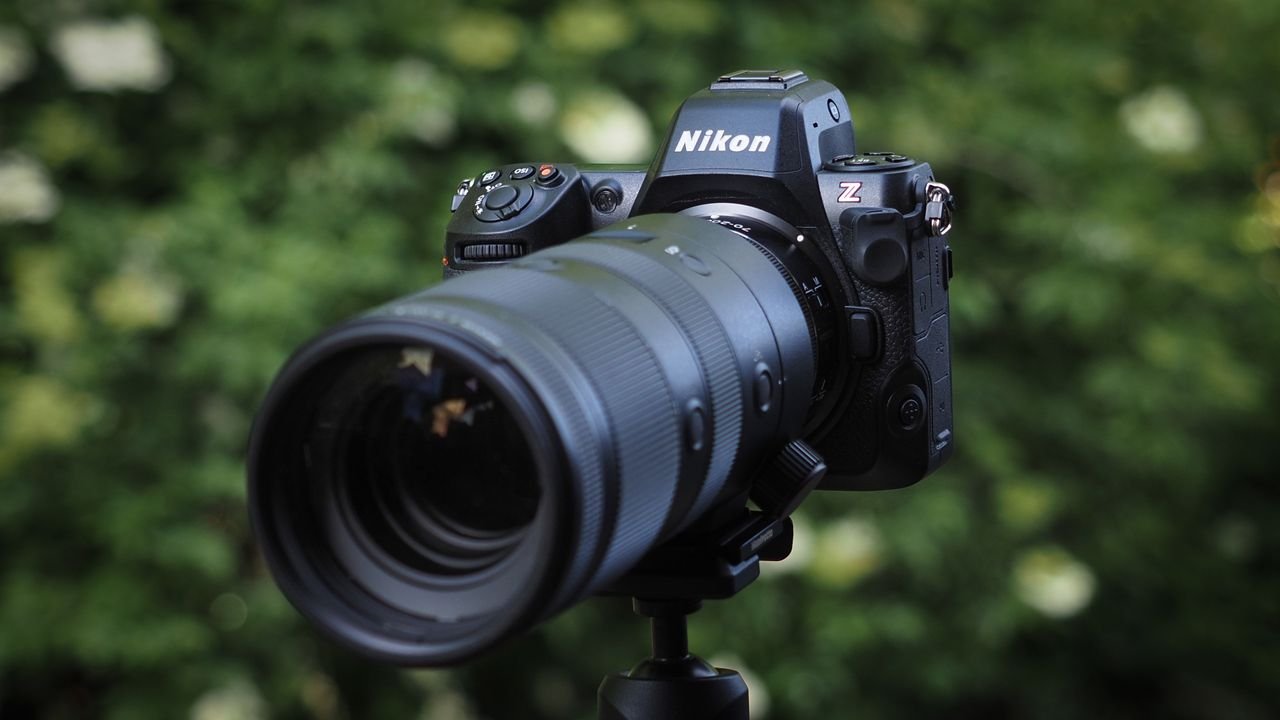
At NextGen Safaris, we understand that successful wildlife photography requires patience, flexibility, appropriate equipment, reliable transport and knowledgeable guides. We organize photography-focused safaris for experienced professionals, enthusiastic beginners, couples, families and private groups, taking into consideration your preferred subjects, available travel time and accommodation requirements. Our team can assist with gorilla and chimpanzee permits, safari vehicles, private guiding, domestic flights where applicable and customized activities across Uganda and Rwanda.