
Chimpanzee Photography Guide
Ultimate Chimpanzee Photography Guide: Capture Incredible Wildlife Moments in Uganda’s Forests
Chimpanzee photography is one of the most rewarding wildlife photography experiences in Africa, offering travelers the rare opportunity to capture intelligent primates interacting, communicating, and moving naturally through their forest environment. Uganda’s tropical forests provide exceptional settings for photographers who want to document chimpanzee behavior while experiencing the beauty of the rainforest ecosystem.
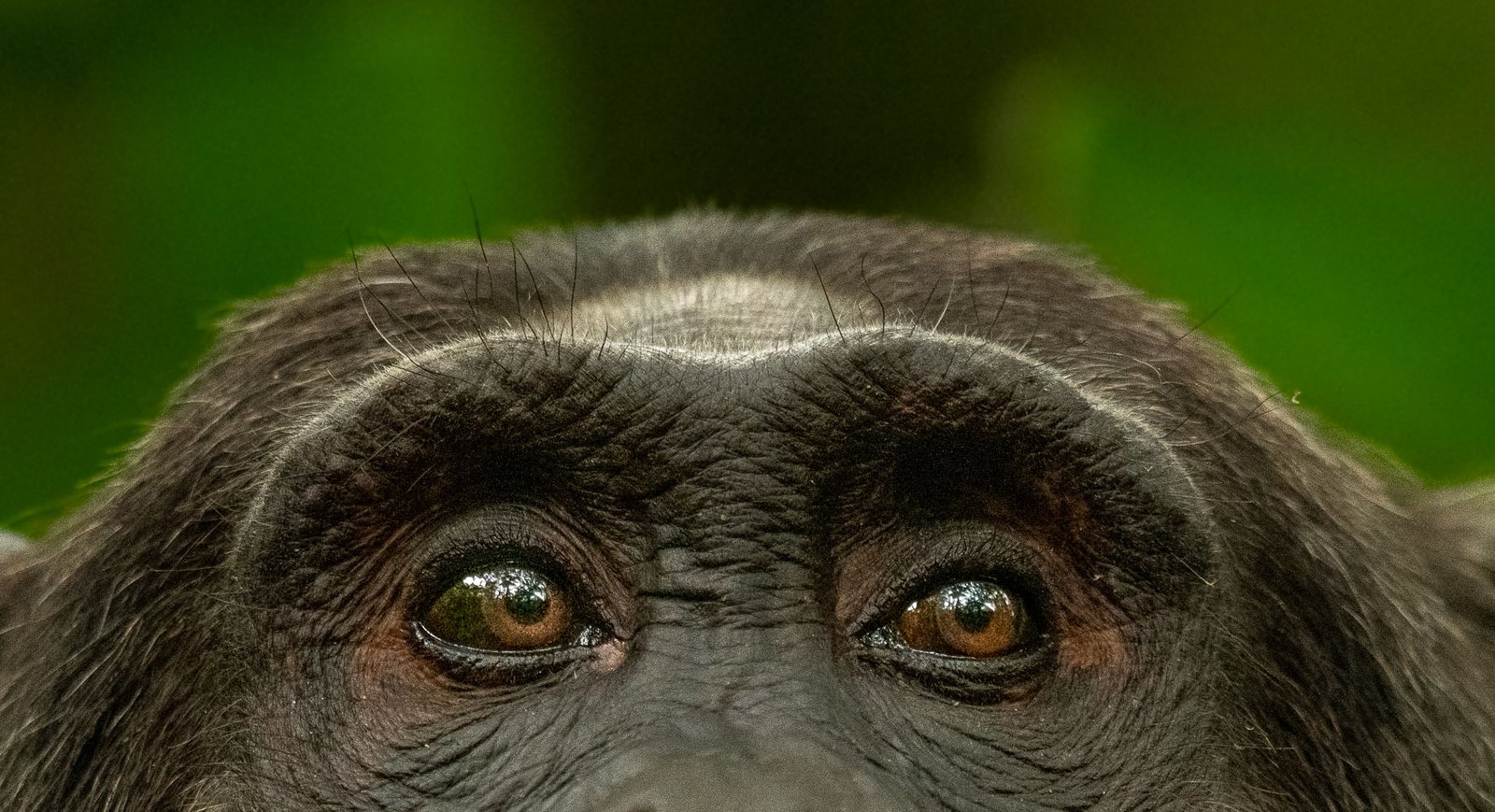
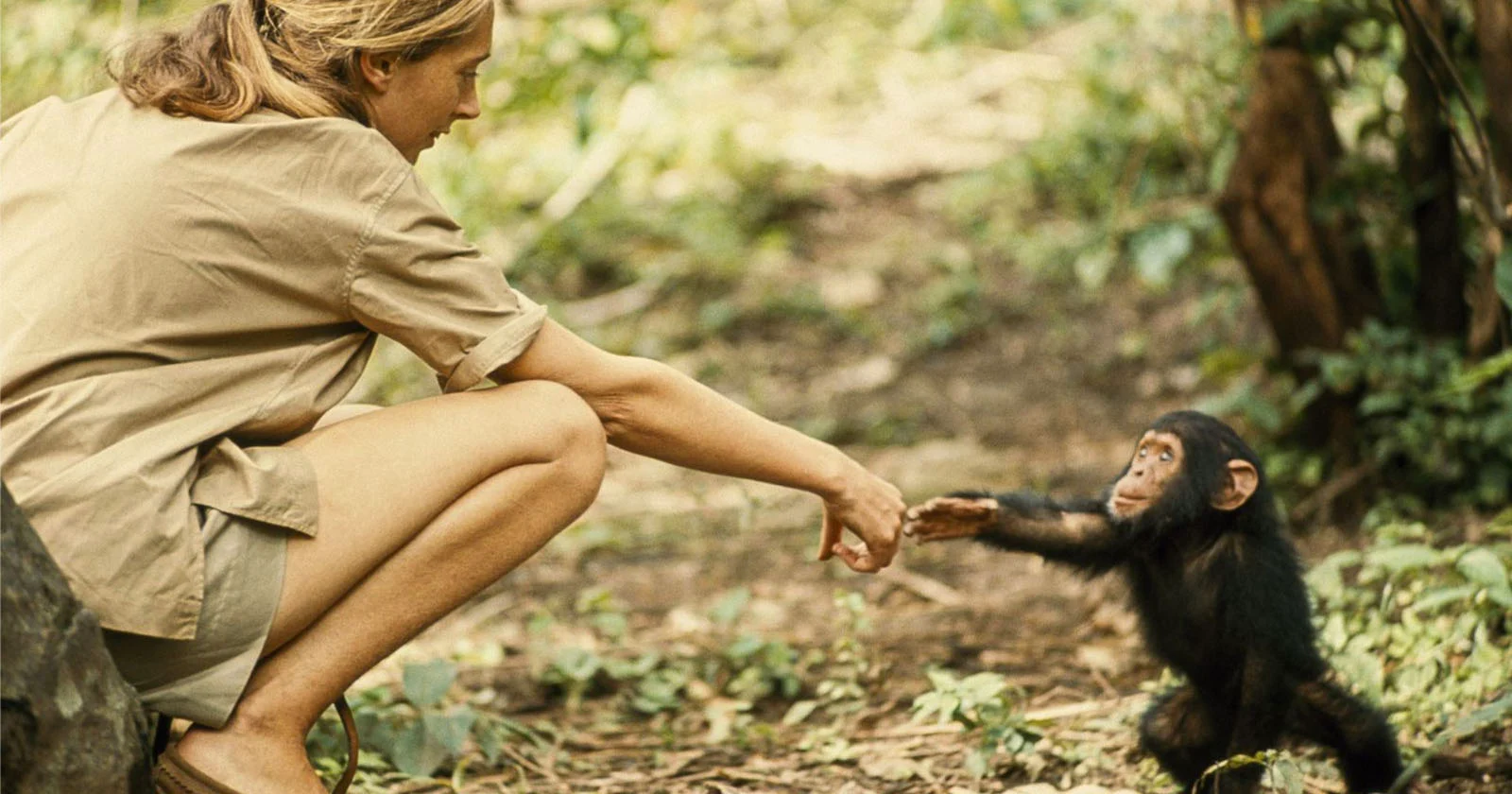

This Chimpanzee Photography Guide is designed to help travelers understand how to prepare for a successful chimpanzee photography experience. From choosing the right destination and camera equipment to understanding chimpanzee behavior and mastering forest photography techniques, proper preparation can significantly improve the quality of your images.
At Nextgen Safaris, we help photographers and wildlife enthusiasts plan unforgettable chimpanzee photography adventures across Uganda. Our expert guides, carefully designed itineraries, and knowledge of chimpanzee destinations ensure travelers have the best possible opportunities to capture incredible moments while respecting conservation guidelines.
Why Uganda Is Perfect for Chimpanzee Photography
Uganda is one of Africa’s best destinations for chimpanzee photography because of its rich primate populations, diverse landscapes, and protected forest ecosystems. The country is home to thousands of chimpanzees living in forests that provide excellent opportunities for wildlife observation and photography.
Kibale Forest National Park is the most famous chimpanzee photography destination in Uganda. Known as the “Primate Capital of the World,” the forest offers excellent chances of encountering chimpanzees and provides photographers with opportunities to capture feeding, social interactions, movement, and emotional moments.
Other destinations such as Budongo Forest, Kyambura Gorge, and Kalinzu Forest also provide unique photography experiences. Each destination offers different landscapes, lighting conditions, and chimpanzee behaviors, allowing photographers to create diverse and memorable wildlife collections.
Understanding Chimpanzee Behavior for Better Photography
Understanding chimpanzee behavior is one of the most important skills for successful wildlife photography. Unlike photographing stationary subjects, chimpanzees are constantly moving, interacting, and expressing emotions, making knowledge of their behavior essential.
Chimpanzees live in complex social groups where individuals communicate through sounds, gestures, facial expressions, and physical interactions. Photographers who understand these behaviors can anticipate important moments such as grooming, feeding, playing, and family interactions.
Professional guides and trackers play an important role in helping photographers understand chimpanzee movements. Their experience allows visitors to position themselves correctly, predict possible behaviors, and capture more meaningful images without disturbing the animals.
Best Destinations for Chimpanzee Photography in Uganda
Kibale Forest National Park
Kibale Forest National Park is the top destination for photographers seeking chimpanzee encounters in Uganda. The forest’s large chimpanzee population provides excellent opportunities to capture a variety of behaviors and interactions.
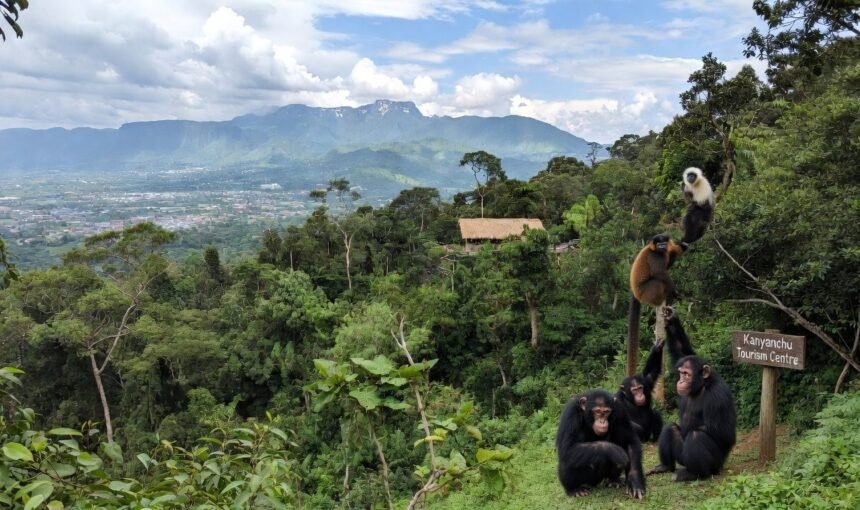
The dense rainforest environment creates beautiful natural backgrounds, with towering trees, green vegetation, and filtered sunlight creating unique photography conditions. Photographers can capture chimpanzees climbing trees, resting on branches, feeding, and interacting with their groups.
Kibale also offers additional photography opportunities beyond chimpanzees, including birds, butterflies, other primates, and forest landscapes. This makes it an ideal destination for photographers interested in documenting complete rainforest ecosystems.
Budongo Forest
Budongo Forest offers a quieter chimpanzee photography experience within the Murchison Falls Conservation Area. The forest provides beautiful natural scenery and opportunities to capture chimpanzees in a less crowded environment.
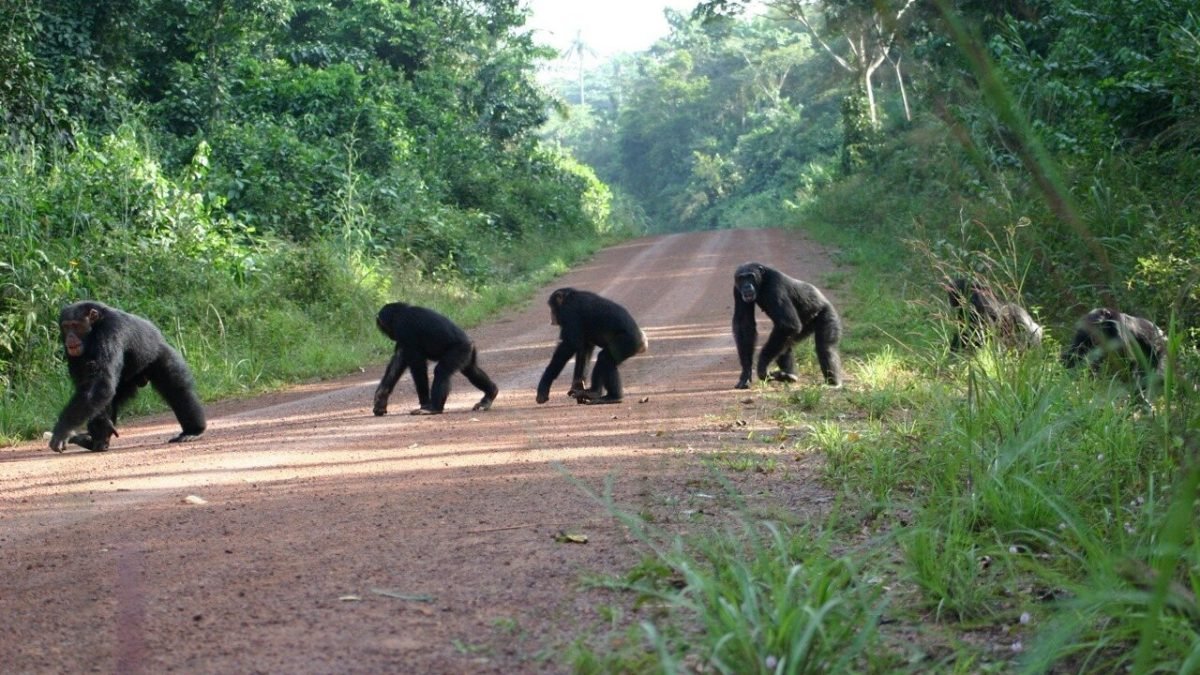
Photographers visiting Budongo can document chimpanzee behavior while enjoying the peaceful atmosphere of one of Uganda’s oldest forests. The lower visitor numbers can create more relaxed photography conditions.
The combination of chimpanzees and Murchison Falls wildlife also provides excellent opportunities for photographers who want to create a broader African wildlife portfolio.
Kyambura Gorge and Kalinzu Forest
Kyambura Gorge provides a unique photography environment because chimpanzees live within a dramatic forest valley surrounded by open savannah landscapes. The contrast between the gorge and surrounding plains creates interesting photographic opportunities.
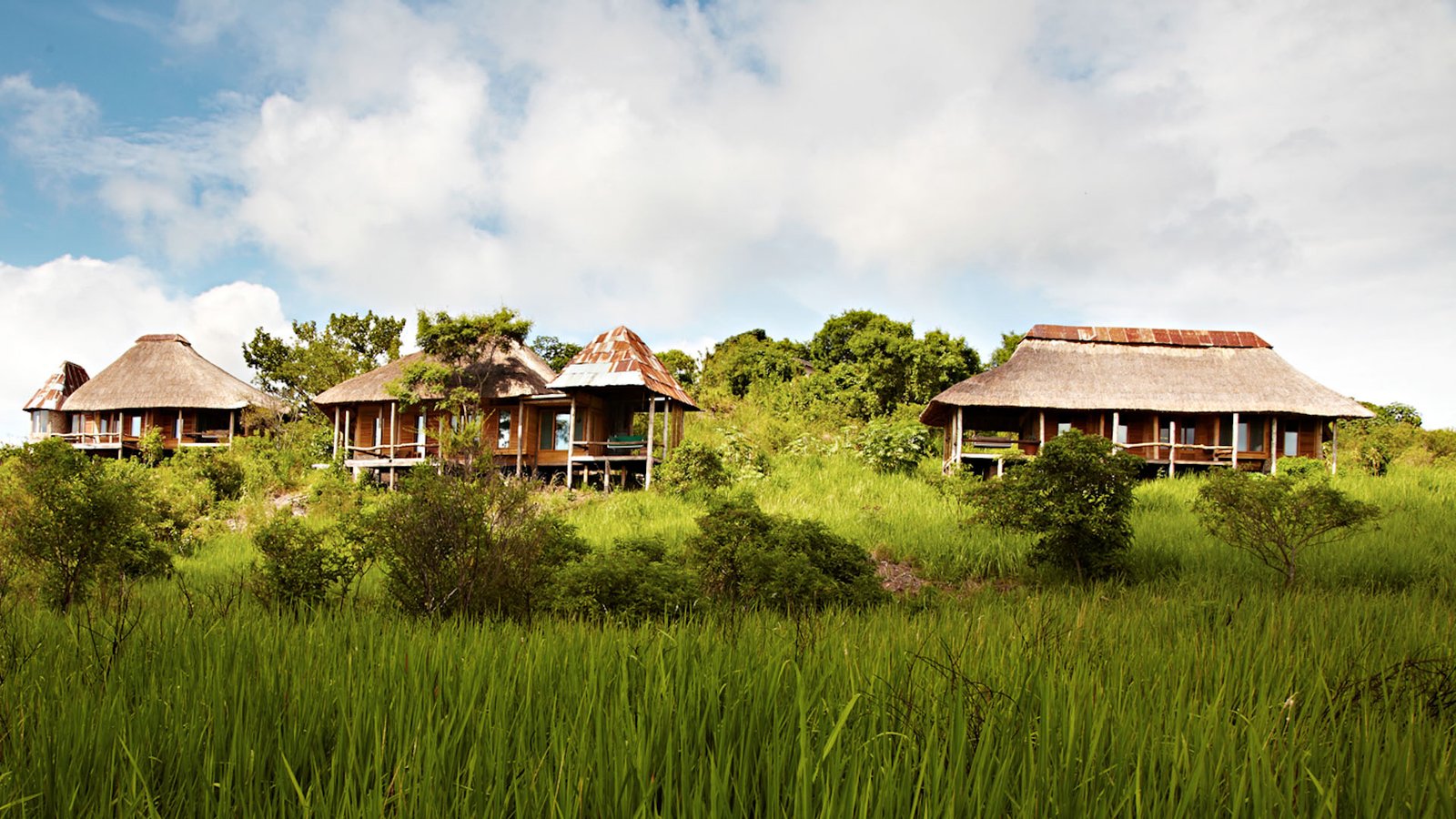
Kalinzu Forest offers another authentic chimpanzee photography experience with beautiful forest scenery and fewer crowds. Photographers can enjoy peaceful encounters while capturing chimpanzees within their natural habitat.
Both destinations can be combined with Queen Elizabeth National Park, allowing photographers to capture chimpanzees alongside elephants, lions, hippos, and other wildlife species
Choosing the Right Camera Equipment for Chimpanzee Photography
Selecting a Camera That Performs Well in Rainforest Conditions
Choosing the right camera equipment is one of the most important steps when preparing for a successful Chimpanzee Photography Guide experience. Unlike controlled photography environments, rainforest conditions can be challenging because of changing light, dense vegetation, movement, and unpredictable chimpanzee behavior.
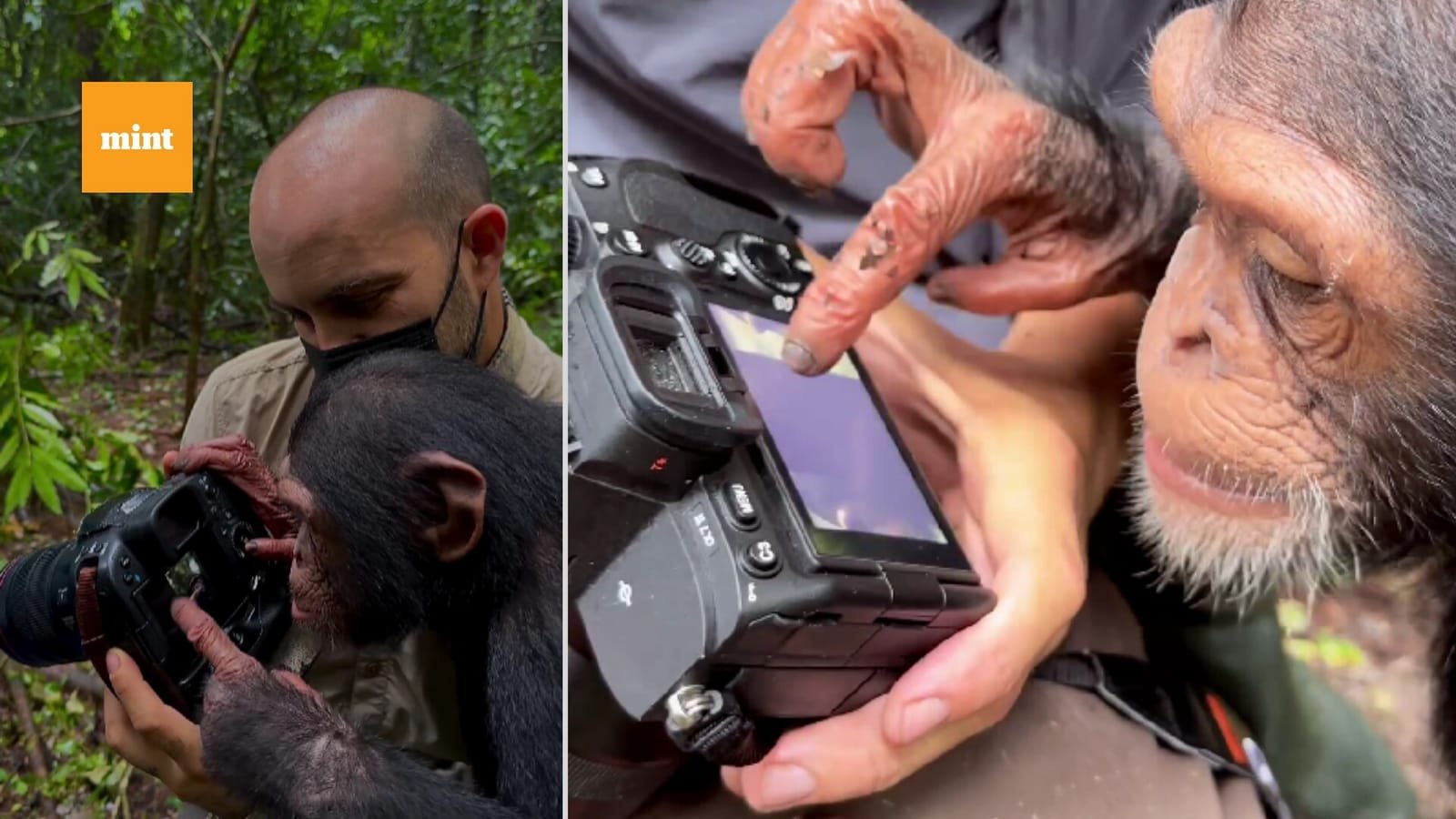
Chimpanzees are often found under thick forest canopies where natural light can be limited. A camera with excellent low-light performance allows photographers to capture sharp images without losing important details when conditions become darker. Cameras with good ISO performance are especially valuable during early morning trekking sessions when chimpanzees are often most active.
Mirrorless and DSLR cameras are both excellent choices for chimpanzee photography. Models with fast autofocus systems, high-speed continuous shooting, and strong image stabilization help photographers capture moving subjects while maintaining image quality in difficult forest environments.
Mirrorless and DSLR Cameras for Wildlife Photography
Modern mirrorless cameras have become increasingly popular among wildlife photographers because they are lightweight, fast, and offer advanced autofocus technology. Their smaller size can be an advantage during long forest walks where photographers need to carry equipment comfortably.
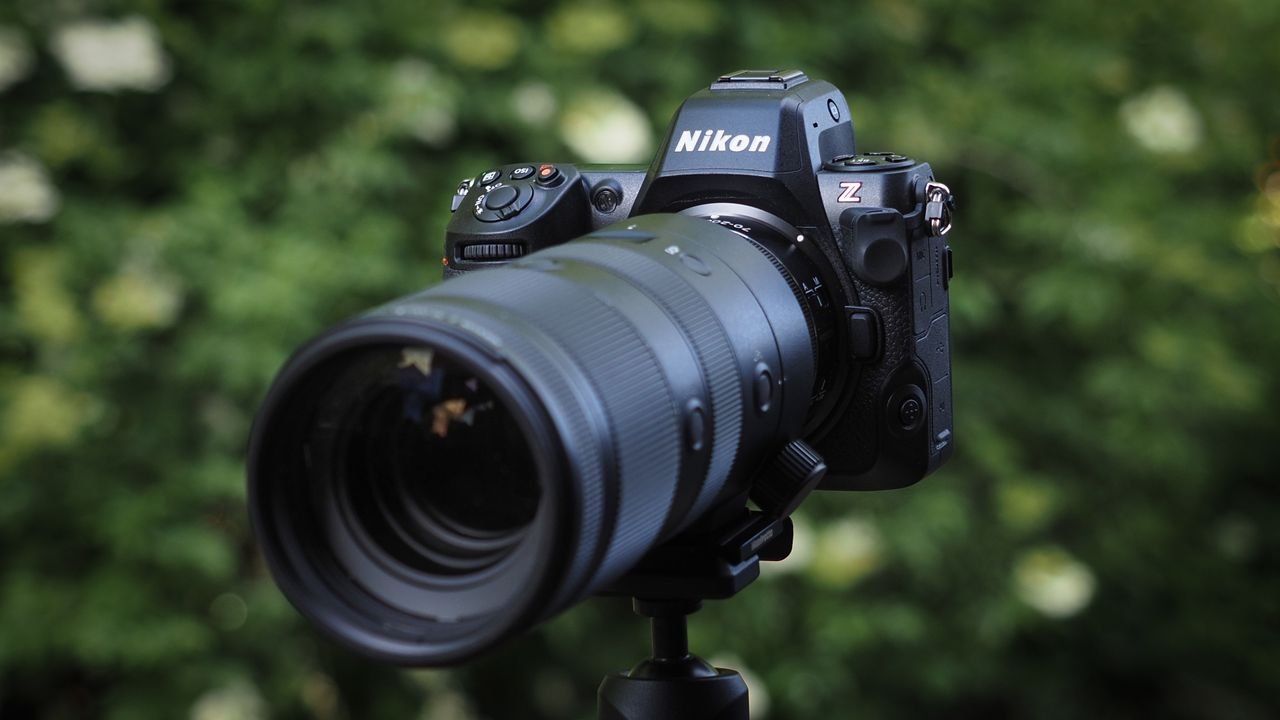
DSLR cameras remain highly reliable options because of their strong performance, extensive lens options, and durability. Many professional wildlife photographers continue using DSLR systems because they provide excellent image quality and dependable performance in outdoor environments.
Regardless of whether a photographer chooses a mirrorless or DSLR camera, important features to consider include fast autofocus tracking, good battery performance, weather protection, and the ability to capture high-quality images in changing lighting conditions.
Choosing the Best Lens for Chimpanzee Photography
Lens selection is one of the most important decisions when preparing for chimpanzee photography. Since chimpanzees are wild animals, photographers must maintain a respectful distance while still capturing detailed and powerful images.
A telephoto lens is highly recommended because it allows photographers to capture close-up details without approaching too closely. These lenses are particularly useful for photographing chimpanzee faces, expressions, social interactions, and behaviors happening high in the trees.
A versatile zoom lens is often one of the best choices for chimpanzee trekking because distances can change quickly in the forest. Chimpanzees may appear close on the ground one moment and move high into the canopy the next, requiring photographers to adjust their framing quickly.
Recommended Lens Range for Chimpanzee Photography
A medium telephoto lens is useful for general chimpanzee photography, especially when animals are relatively close. These lenses provide a good balance between image quality, portability, and ease of use during forest walks.
Longer telephoto lenses are ideal for capturing detailed images of chimpanzees high in trees or further away within dense vegetation. They allow photographers to create professional wildlife portraits while maintaining safe distances.
Wide-angle lenses can also be valuable because chimpanzee photography is not only about close-up portraits. They allow photographers to capture environmental images showing chimpanzees within the rainforest landscape, highlighting the relationship between animals and their habitat.
Essential Photography Accessories for the Forest
In addition to the camera and lens, several accessories can improve the chimpanzee photography experience. Extra batteries are essential because long forest sessions and frequent photography can quickly reduce battery life.
Multiple memory cards are also recommended because wildlife encounters can produce hundreds of images, especially when using burst shooting modes. Running out of storage during an important encounter can mean missing valuable moments.
Photographers should also carry waterproof protection for their equipment because rainforest weather can change quickly. A small camera bag or backpack that protects equipment while remaining comfortable during trekking is highly recommended.
Balancing Equipment Weight and Mobility
While professional photography equipment can improve image quality, photographers should consider the weight they carry during chimpanzee trekking. Forest walks can involve uneven terrain, humidity, and long periods of movement, making lightweight setups more comfortable.
Carrying too much equipment can reduce mobility and make it harder to react quickly when chimpanzees move. Many experienced wildlife photographers prefer a practical setup that includes one versatile camera body, a reliable telephoto lens, spare batteries, and essential accessories.
At Nextgen Safaris, we help photographers plan comfortable and productive chimpanzee photography experiences by considering trekking conditions, destination requirements, and photography goals. Our expert guides support travelers in finding the right balance between equipment preparation and enjoying the incredible wildlife encounter.
Recommended Camera Settings for Chimpanzee Photography
Adjusting Camera Settings for Changing Forest Conditions
Chimpanzee photography requires photographers to adapt quickly because rainforest environments present constantly changing conditions. Uganda’s forests often have a mixture of shaded areas, filtered sunlight, dense vegetation, and moving subjects, making it important to use camera settings that provide sharp and well-exposed images.
Unlike landscape photography, chimpanzees rarely remain still for long periods. They move through trees, interact with other members of their group, and frequently change positions. Using the correct camera settings allows photographers to capture these spontaneous moments without missing important behaviors.
A flexible approach is essential when photographing chimpanzees. Photographers should be prepared to adjust shutter speed, ISO, aperture, and focus settings depending on the available light and the activity of the chimpanzees.
Using Fast Shutter Speeds to Capture Movement
A fast shutter speed is one of the most important settings for successful chimpanzee photography. Chimpanzees are highly active animals that often climb trees, move quickly through vegetation, jump between branches, and interact with each other.
Using a faster shutter speed helps freeze movement and prevents blurry images, especially during exciting moments such as climbing, playing, running, or displaying social behaviors. For active chimpanzees, photographers often need faster shutter speeds than they would use for stationary wildlife.
The ideal shutter speed depends on the available light and the behavior being photographed. Slower speeds may work for calm moments such as resting or grooming, while faster speeds are recommended for capturing movement and action.
Choosing the Right Aperture for Wildlife Photography
Aperture settings play an important role in controlling light and creating beautiful chimpanzee images. A wider aperture allows more light into the camera, which is especially useful in the darker areas of the rainforest.
Using a wider aperture can also create a softer background, helping the chimpanzee stand out from surrounding vegetation. This technique is useful for creating professional-looking wildlife portraits that focus attention on the animal.
However, photographers should balance aperture settings with the need to keep the chimpanzee in focus. When photographing multiple chimpanzees interacting together, a slightly smaller aperture may help ensure more of the scene remains sharp.
Managing ISO in Low-Light Forest Environments
Rainforests often have limited natural light because sunlight must pass through layers of trees before reaching the forest floor. As a result, photographers may need to increase their ISO settings to maintain fast shutter speeds.
Modern cameras perform well at higher ISO levels, allowing photographers to capture sharp images even in challenging lighting conditions. Increasing ISO can be especially helpful during early morning trekking sessions when chimpanzees are often most active.
Photographers should aim to find a balance between image brightness and noise. Testing camera settings before entering the forest helps ensure quick adjustments can be made when important photography opportunities appear.
Using Continuous Autofocus for Moving Chimpanzees
Continuous autofocus is highly recommended for chimpanzee photography because it allows the camera to continuously track moving subjects. Since chimpanzees rarely stay in one position, this setting increases the chances of capturing sharp images.
Autofocus tracking is especially useful when chimpanzees are climbing trees, walking through vegetation, or interacting with other members of their group. It allows photographers to maintain focus while following movement.
Choosing the correct focus points also improves results. Many wildlife photographers prefer using flexible focus areas that allow them to track chimpanzees while avoiding distractions from branches and leaves in the forest environment.
Using Burst Shooting to Capture the Perfect Moment
Burst shooting mode is another valuable feature for chimpanzee photography. It allows photographers to capture multiple images in quick succession, increasing the chance of recording the ideal moment.
Chimpanzee behaviors often happen very quickly, such as a jump between branches, a playful interaction, grooming behavior, or a unique facial expression. A single photograph may miss the most interesting part of the action, while a burst sequence can capture the complete movement.
After the photography session, photographers can select the strongest images from the sequence. This technique is widely used by wildlife photographers because it improves the chances of capturing rare and memorable moments.
Lighting Challenges in the Rainforest
One of the biggest challenges in chimpanzee photography is working with rainforest lighting conditions. Forest environments often have areas of deep shade combined with bright patches of sunlight, creating difficult exposure situations.
Photographers should learn how to adjust their settings quickly when chimpanzees move between light and shadow. Understanding exposure compensation and manual camera controls can greatly improve image quality.
Cloudy conditions can actually be beneficial because they create soft, even lighting that reduces harsh shadows. Many professional wildlife photographers appreciate overcast days because they provide natural conditions for capturing detailed images.
Best Time for Chimpanzee Photography
The best time for chimpanzee photography depends on the destination, weather conditions, and personal preferences. Uganda’s chimpanzee experiences are available throughout the year, allowing photographers flexibility when planning their trips.
The dry seasons from June to September and December to February are popular because forest trails are generally easier to navigate. These periods are comfortable for photographers carrying equipment through the forest.
The rainy seasons also provide excellent photography opportunities because forests become greener, wildlife activity increases, and fewer visitors create more peaceful conditions. The fresh vegetation and dramatic atmosphere can produce stunning images.
Photography During Chimpanzee Habituation Experiences
Extended Time for Exceptional Wildlife Photography
The chimpanzee habituation experience is one of the best choices for photographers who want deeper access and more time to capture unique wildlife moments. Unlike standard chimpanzee trekking, which provides a shorter viewing period after locating a habituated chimpanzee community, habituation allows visitors to spend several hours observing chimpanzees as they continue their daily activities.
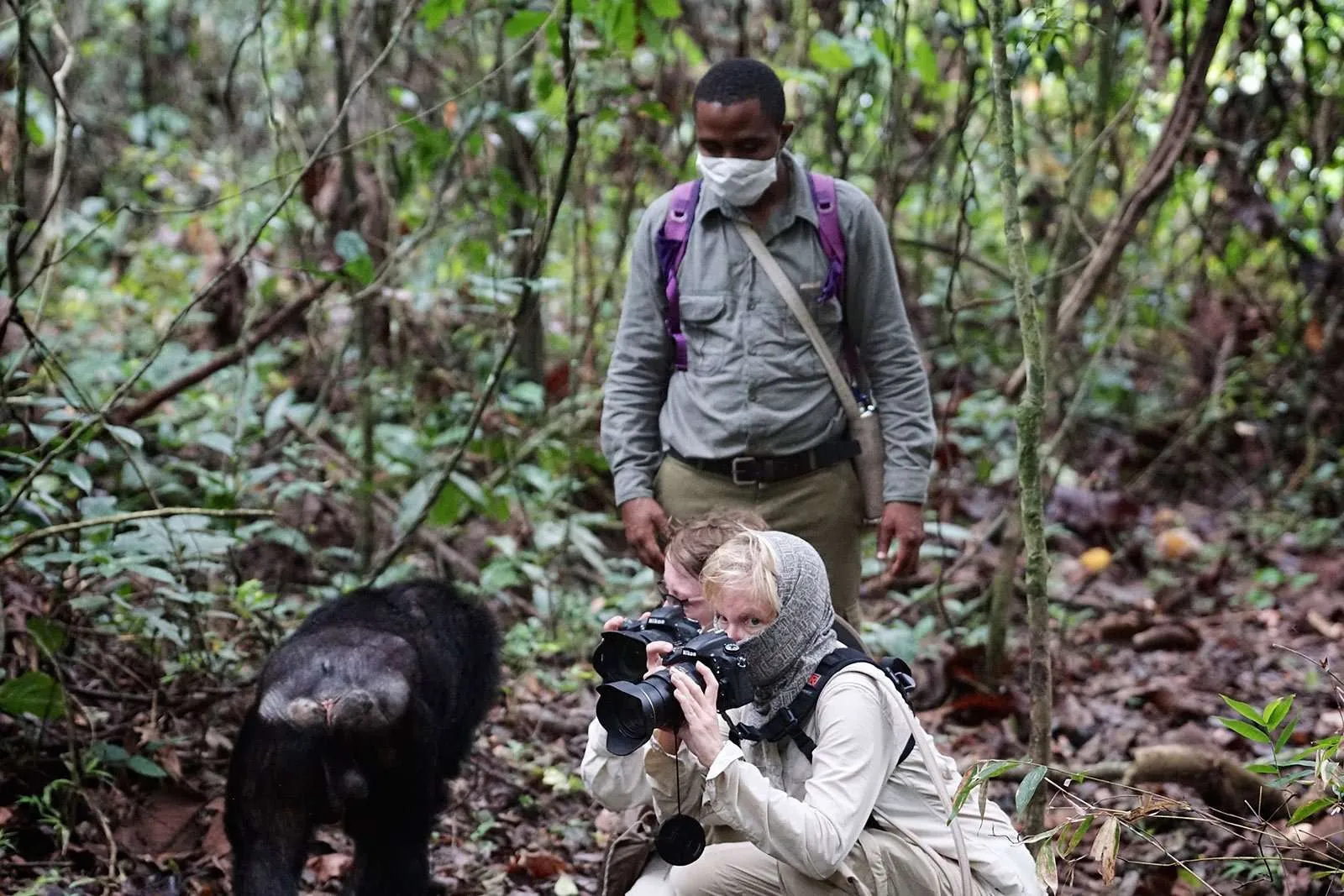
This extended time in the forest gives photographers more opportunities to prepare their shots, understand chimpanzee movements, and capture natural behaviors without feeling rushed. Instead of focusing only on quick photographs, photographers can observe the changing dynamics of the chimpanzee community and wait for meaningful moments to unfold.
For wildlife photographers, patience is one of the most important skills, and the chimpanzee habituation experience provides the perfect environment to practice it. The longer encounter allows photographers to move beyond simple portraits and create powerful images that tell a deeper story about chimpanzee life.
Capturing Natural Chimpanzee Behaviors and Interactions
One of the greatest advantages of chimpanzee habituation photography is the opportunity to capture a wider range of natural behaviors. Spending more time with chimpanzee communities allows photographers to document activities such as feeding, grooming, playing, climbing, resting, and communication between individuals.
Chimpanzees have complex social relationships, and longer observation periods provide opportunities to capture emotional and expressive moments. Photographers may witness mothers caring for young chimpanzees, individuals interacting within the group, or unique communication behaviors that reveal their intelligence and social bonds.
These moments create more meaningful photographs because they show chimpanzees as living beings with personalities, relationships, and emotions. Instead of capturing a single encounter, photographers can create a visual story that represents the daily life of a chimpanzee community.
Creating Powerful Wildlife Stories Through Photography
Chimpanzee habituation is ideal for photographers interested in wildlife storytelling. The additional time spent in the forest allows them to document a complete sequence of events, from the chimpanzees beginning their day to moving through the forest, searching for food, and interacting with other members of the group.
Storytelling photography goes beyond individual images by showing the connection between chimpanzees and their environment. Photographers can capture not only the animals themselves but also the rainforest ecosystem, their feeding habits, movement through trees, and relationships within the community.
At Nextgen Safaris, we help photographers maximize these opportunities by organizing well-planned chimpanzee habituation experiences with knowledgeable guides and suitable schedules. Our team understands the importance of timing, patience, and expert guidance when creating unforgettable chimpanzee photography journeys.
Ethical Wildlife Photography Guidelines
Responsible photography is essential when photographing chimpanzees. The goal of wildlife photography should always be to capture authentic moments without causing stress or changing natural animal behavior.
Photographers should follow guide instructions, maintain respectful distances, avoid loud noises, and never attempt to attract chimpanzees for photographs.
Ethical photography supports conservation by ensuring wildlife remains protected. Responsible photographers contribute to positive tourism practices and help promote awareness about chimpanzee conservation.
Preparing for a Chimpanzee Photography Safari
Proper preparation helps photographers enjoy a successful chimpanzee photography experience. In addition to camera equipment, travelers should pack suitable clothing and accessories for rainforest conditions.
Important items include waterproof camera protection, extra batteries, memory cards, comfortable hiking shoes, rain jackets, insect repellent, and a small backpack for carrying equipment.
Photographers should also prepare physically because chimpanzee trekking involves walking through forest environments. Good fitness levels help ensure photographers remain comfortable while carrying equipment and waiting for the perfect moments.
Combining Chimpanzee Photography with Other Uganda Wildlife Experiences
Creating a Complete Uganda Wildlife Photography Adventure
Uganda offers far more than incredible chimpanzee encounters, making it an ideal destination for photographers who want to build a diverse African wildlife portfolio. Combining chimpanzee photography with other safari experiences allows travelers to capture different ecosystems, landscapes, and wildlife species within one unforgettable journey.
A complete Uganda photography safari can include rainforest photography, savannah wildlife, scenic landscapes, bird photography, and cultural experiences. Moving between different environments gives photographers the opportunity to capture the incredible diversity of Uganda, from dense tropical forests to open plains and rivers.
At Nextgen Safaris, we design customized photography-focused itineraries that combine chimpanzee experiences with Uganda’s best wildlife destinations. Our team considers photography goals, seasonal conditions, travel time, and preferred subjects to create a journey that maximizes every opportunity.
Chimpanzee Photography and Queen Elizabeth National Park
Queen Elizabeth National Park is one of the best destinations to combine with chimpanzee photography because it offers a completely different environment from the rainforest. After capturing chimpanzees in forest habitats, photographers can explore open savannah landscapes filled with some of Africa’s most iconic wildlife.
The park provides excellent opportunities to photograph elephants, lions, buffaloes, antelopes, hippos, and numerous bird species. The contrast between large mammals on the plains and chimpanzees in the forest allows photographers to create a diverse collection of wildlife images.
Queen Elizabeth National Park is especially rewarding because of its variety of habitats. Photographers can capture dramatic wildlife scenes during game drives, including animals against beautiful landscapes, sunrise moments, and interactions between different species.
Wildlife Photography on the Kazinga Channel Boat Cruise
The Kazinga Channel boat cruise is one of Uganda’s most rewarding photography experiences and a perfect addition to a chimpanzee photography safari. The slow-moving boat provides a stable platform for capturing wildlife along the water’s edge.
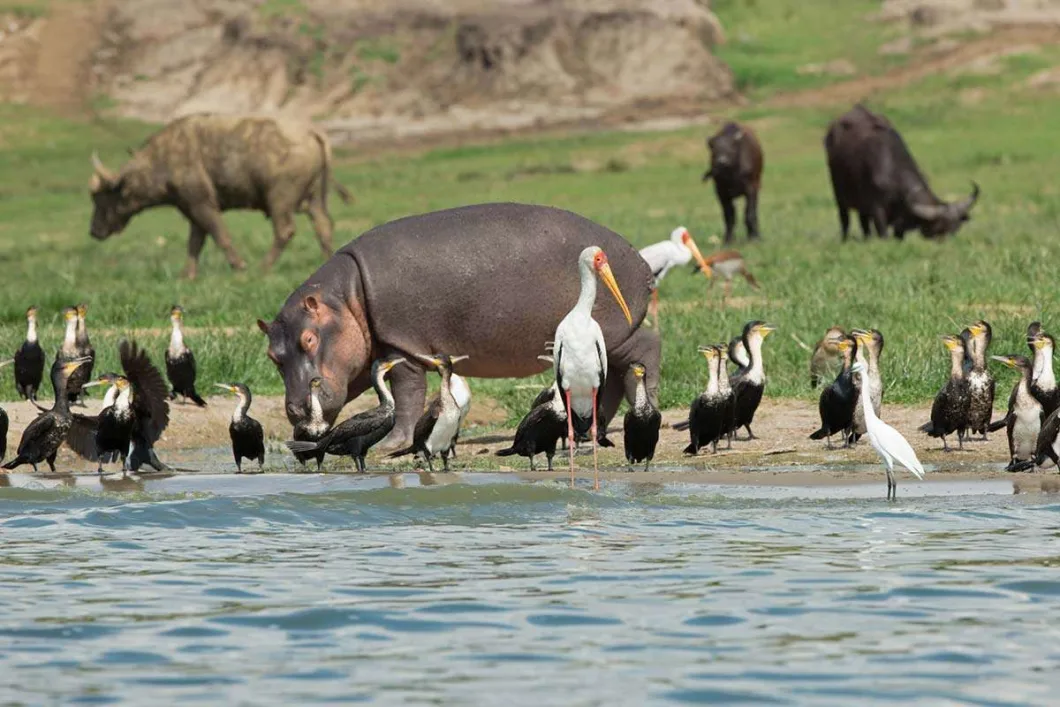
Photographers have opportunities to capture large groups of hippos resting in the water, elephants drinking along the shoreline, buffaloes gathering near the channel, and a wide variety of colorful bird species.
The boat cruise also provides unique photography angles that are difficult to achieve during traditional game drives. The close approach to wildlife and peaceful movement along the water create excellent conditions for capturing detailed and memorable images.
Chimpanzee Photography and Murchison Falls National Park
Murchison Falls National Park offers another exceptional combination with chimpanzee photography, especially for travelers visiting Budongo Forest. The destination provides dramatic landscapes, powerful natural features, and diverse wildlife photography opportunities.
Photographers can capture the famous Murchison Falls, where the Nile River forces its way through a narrow gorge before continuing through the park. This creates opportunities for landscape photography and powerful nature images.
The park is also home to elephants, giraffes, lions, buffaloes, crocodiles, hippos, and many bird species. Combining these wildlife encounters with chimpanzee photography creates a complete safari story showing Uganda’s incredible biodiversity.
Capturing Uganda’s Birdlife Alongside Chimpanzees
Uganda is one of Africa’s top birding destinations, making it an excellent choice for photographers interested in expanding beyond mammals. Many chimpanzee habitats are also home to colorful and unique forest bird species.
During chimpanzee photography excursions, photographers may encounter species such as the great blue turaco, African pitta, hornbills, and various forest birds. These encounters add another dimension to the photography experience.
Combining primate photography with bird photography allows travelers to document the full richness of Uganda’s ecosystems and create a more complete representation of the country’s natural beauty.
Planning a Multi-Destination Photography Safari
A successful wildlife photography safari requires careful planning because different destinations offer different photography opportunities. Travel routes, weather conditions, wildlife activity, and available time all influence the quality of the experience.
Combining chimpanzee photography with destinations such as Queen Elizabeth National Park, Murchison Falls National Park, or Bwindi Impenetrable National Park requires efficient itinerary planning to maximize photography time.
At Nextgen Safaris, we help photographers create balanced itineraries that allow enough time for each experience. We arrange suitable accommodation, comfortable transportation, professional guides, and photography-friendly schedules to ensure every destination provides the best possible opportunities.
Why Choose Nextgen Safaris for Chimpanzee Photography Tours?
Nextgen Safaris specializes in creating customized chimpanzee photography experiences designed around photographers’ needs. We understand the importance of timing, locations, guides, and comfortable arrangements when planning photography-focused safaris.
Our experienced guides understand chimpanzee behavior and help photographers maximize opportunities while following responsible wildlife practices. We organize suitable accommodation, transportation, permits, and carefully planned schedules.
Whether you are a professional wildlife photographer or an enthusiast looking to capture unforgettable memories, Nextgen Safaris provides expert support for an exceptional chimpanzee photography adventure in Uganda.
Frequently Asked Questions About Chimpanzee Photography Guide
1. What is the best destination for chimpanzee photography in Uganda?
Kibale Forest National Park is considered the best destination for chimpanzee photography in Uganda because it has a large chimpanzee population and excellent opportunities to observe natural behaviors.
Other destinations such as Budongo Forest, Kyambura Gorge, and Kalinzu Forest also provide unique photography experiences with different landscapes, lighting conditions, and wildlife opportunities.
2. Is chimpanzee photography allowed during trekking?
Yes, photography is allowed during chimpanzee trekking experiences in Uganda. However, photographers must follow conservation guidelines, maintain a respectful distance, and avoid disturbing chimpanzees.
Professional guides help photographers position themselves correctly and ensure photography is conducted responsibly while protecting the animals.
3. What camera equipment is best for chimpanzee photography?
A camera with good low-light performance and fast autofocus is recommended because chimpanzees are often found in dense rainforest environments with changing lighting conditions.
A telephoto lens is highly useful for capturing detailed images while maintaining a safe distance. A versatile zoom lens is also recommended because chimpanzees can move between different distances quickly.
4. What are the best camera settings for chimpanzee photography?
Recommended settings depend on lighting conditions and chimpanzee behavior, but photographers generally benefit from using fast shutter speeds, continuous autofocus, and burst shooting modes.
Higher shutter speeds help capture movement, while autofocus tracking improves sharpness when photographing chimpanzees climbing, moving, or interacting with their groups.
5. Is the chimpanzee habituation experience better for photographers?
Yes, the chimpanzee habituation experience is often preferred by serious wildlife photographers because it provides more time with chimpanzee communities.
The extended hours allow photographers to capture a wider range of behaviors, including feeding, grooming, playing, traveling, and social interactions that may not occur during shorter trekking experiences.
6. What is the best time of year for chimpanzee photography in Uganda?
Chimpanzee photography is possible throughout the year, but the dry seasons from June to September and December to February are often preferred because forest trails are easier to navigate.
The rainy seasons can also provide excellent photography opportunities because forests become greener, lighting can be softer, and fewer visitors create more peaceful photography conditions.
7. Can beginners enjoy chimpanzee photography safaris?
Yes, chimpanzee photography safaris are suitable for both professional photographers and beginners. Guides provide support and help travelers understand chimpanzee behavior and photography opportunities.
Beginners can learn valuable wildlife photography skills while enjoying the unique experience of observing chimpanzees in their natural environment.
8. How do I protect my camera equipment during chimpanzee photography?
Rainforest conditions can change quickly, so photographers should carry waterproof protection for cameras, lenses, and accessories.
Extra batteries, memory cards, a comfortable camera bag, and protective covers are recommended because long forest sessions and humid conditions can affect photography equipment
9. Can I combine chimpanzee photography with other wildlife photography experiences?
Yes, Uganda offers excellent opportunities to combine chimpanzee photography with other wildlife experiences.
Photographers can add Queen Elizabeth National Park for elephants, lions, hippos, buffaloes, and birds, or visit Murchison Falls National Park for dramatic landscapes, waterfalls, and savannah wildlife photography.
10. How close can photographers get to chimpanzees?
Photographers must follow park regulations and maintain the recommended distance from chimpanzees to protect both visitors and animals.
Using appropriate telephoto lenses allows photographers to capture detailed images without approaching too closely or disturbing natural chimpanzee behavior.
11. What should I wear for a chimpanzee photography safari?
Photographers should wear comfortable hiking clothing suitable for rainforest conditions, including long trousers, long-sleeved shirts, hiking boots, and rain protection.
Neutral-colored clothing such as green, brown, or beige is recommended because it blends well with the forest environment and avoids distracting wildlife.
12. Can I use a tripod during chimpanzee photography?
Tripods are usually not practical during chimpanzee trekking because photographers often move through forests and need to respond quickly to chimpanzee movements.
A monopod or image stabilization feature on the camera or lens is often a more practical option, especially during long photography sessions.
13. How long does a chimpanzee photography experience last?
The duration depends on the type of experience chosen. Standard chimpanzee trekking usually provides a shorter observation period after locating chimpanzees.
The chimpanzee habituation experience provides several hours with chimpanzee communities, making it a better option for photographers seeking detailed behavioral images.
14. Why is a professional guide important for chimpanzee photography?
A professional guide helps photographers understand chimpanzee behavior, locate chimpanzee communities, and identify the best photography opportunities.
Their knowledge of the forest and animal movements allows photographers to capture meaningful images while ensuring responsible wildlife viewing practices.
15. Why book a chimpanzee photography safari with Nextgen Safaris?
Nextgen Safaris specializes in creating customized chimpanzee photography experiences designed around photographers’ needs and interests.
We arrange chimpanzee permits, suitable destinations, comfortable transportation, accommodation, and experienced guides who help photographers capture unforgettable images of Uganda’s incredible chimpanzees.
Book Your Chimpanzee Photography Safari Today
A Chimpanzee Photography Guide helps travelers prepare for one of Africa’s most rewarding wildlife photography experiences. From understanding chimpanzee behavior and selecting the right camera equipment to choosing the best destinations and photography opportunities, proper preparation allows photographers to capture powerful and memorable images in the wild.
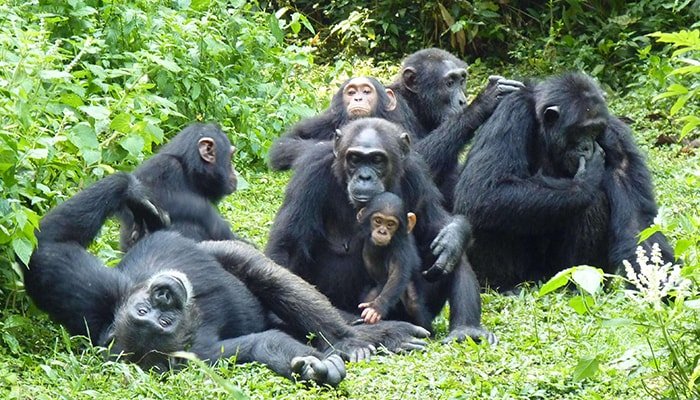
Uganda’s tropical forests provide the perfect setting for photographers seeking authentic wildlife encounters, breathtaking natural landscapes, and unique moments with chimpanzees in their natural habitat. Whether you are a professional wildlife photographer or an enthusiast capturing your first primate adventure, Uganda offers incredible opportunities to create a remarkable photography collection.
Contact Nextgen Safaris today and let our experienced team design your customized chimpanzee photography safari. With expert guides, carefully planned itineraries, comfortable arrangements, and unforgettable wildlife encounters, we help you capture the beauty of Uganda’s remarkable chimpanzees through your lens.