
Chimpanzee Trek Difficulty
Ultimate Chimpanzee Trek Difficulty Guide: Everything You Need to Know Before Your Uganda Primate Adventure
The Chimpanzee Trek Difficulty is one of the most important factors travelers consider when planning a chimpanzee safari in Uganda. While chimpanzee trekking is an incredible wildlife experience, many visitors want to understand the physical requirements, walking conditions, forest terrain, and preparation needed before entering the rainforest. Knowing what to expect helps travelers feel confident, prepared, and ready to enjoy their encounter with these fascinating primates.
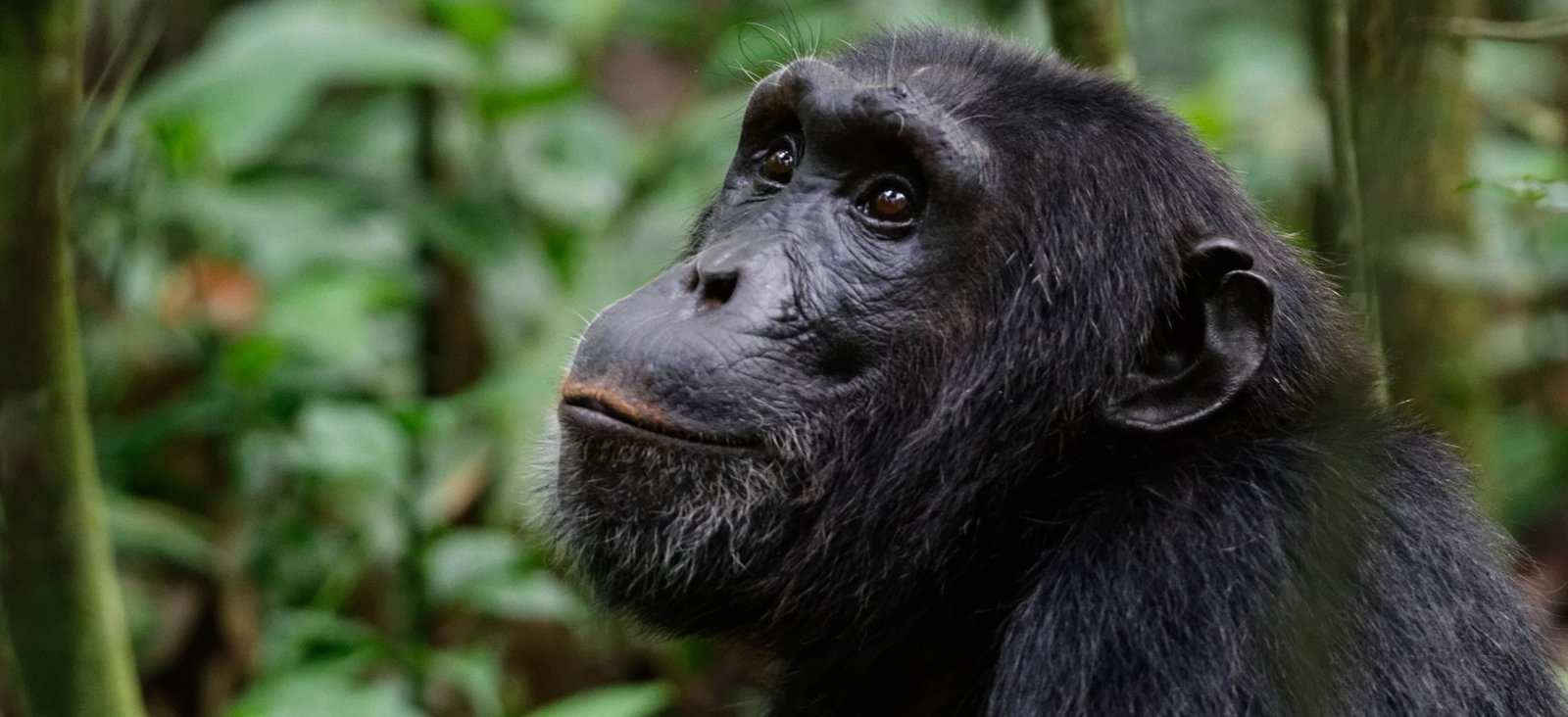
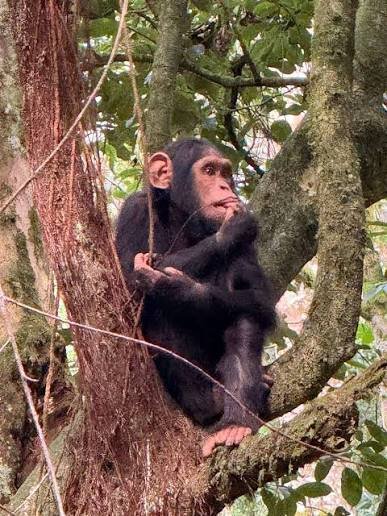
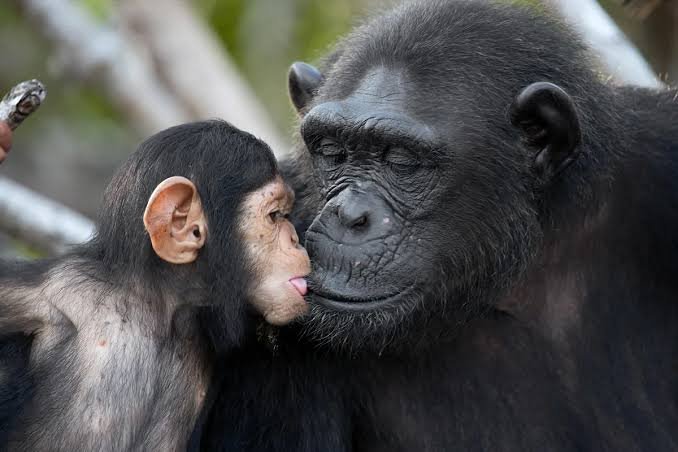
Chimpanzee trekking is different from traditional game drives because it takes place on foot inside natural forest environments. Instead of viewing wildlife from a vehicle, visitors walk through rainforest trails searching for chimpanzee communities with the help of experienced guides and trackers. Chimpanzee Trek Difficulty The level of difficulty can vary depending on the location of chimpanzees, weather conditions, and individual fitness levels.
At Nextgen Safaris, we help travelers prepare for chimpanzee trekking by providing detailed information, professional guidance, and well-planned itineraries. Whether you are a first-time safari traveler, a senior visitor, a family, or an experienced hiker, understanding the Chimpanzee Trek Difficulty allows you to choose the right experience and enjoy Uganda’s incredible primate world comfortably.
Understanding Chimpanzee Trek Difficulty in Uganda
Chimpanzee trekking difficulty is generally considered moderate, but the experience can vary from one day to another. Unlike mountain gorilla trekking, which often involves steeper terrain and longer hikes, chimpanzee trekking usually takes place in lower-altitude rainforest environments with more manageable trails.
The main challenge comes from walking through natural forest terrain rather than extreme physical demands. Chimpanzee Trek Difficulty, Trails may include uneven ground, tree roots, muddy sections, gentle slopes, and areas covered by thick vegetation. Visitors should expect an authentic rainforest adventure rather than a perfectly maintained walking path.
The amount of walking required depends on where chimpanzee communities are located on the day of trekking. Chimpanzee Trek Difficulty, Sometimes chimpanzees are found close to the starting point, while on other days visitors may walk deeper into the forest before locating them. This unpredictability is part of what makes the experience exciting and adventurous.
Factors That Influence Chimpanzee Trek Difficulty
Location of the Chimpanzee Community
One of the biggest factors affecting Chimpanzee Trek Difficulty is the location of the chimpanzee community being visited. Chimpanzees move freely through their natural habitat, meaning guides cannot always predict exactly where they will be found.
In Kibale Forest National Park, trackers use their knowledge of chimpanzee behavior, previous locations, vocalizations, and movement patterns to locate communities. Chimpanzee Trek Difficulty,Some days may involve a shorter walk, while others require more time exploring deeper areas of the forest.
This natural element makes every trek unique. Although guides work hard to make the experience enjoyable, visitors should be prepared for a flexible walking experience where patience and adventure are important.
Forest Terrain and Trail Conditions
Rainforest environments naturally create different walking conditions compared to open landscapes. Chimpanzee trekking trails may pass through areas with soft soil, tree roots, leaves, and occasional muddy sections, especially during rainy seasons.
The terrain is usually not technically difficult, but comfortable hiking shoes are essential because they provide stability and support. Chimpanzee Trek Difficulty, Walking slowly and carefully allows visitors to enjoy the forest while reducing the risk of slipping.
The changing landscape is also part of the beauty of chimpanzee trekking. Walking beneath towering trees, hearing forest sounds, and discovering hidden wildlife makes the journey itself an important part of the experience.
Weather Conditions
Weather plays an important role in determining chimpanzee trekking conditions. Uganda’s tropical forests can experience rainfall throughout the year, and wet weather may make trails more challenging.
During rainy periods, paths can become muddy and slippery, requiring visitors to walk carefully. However, the rainforest becomes especially beautiful during these seasons, with greener vegetation and excellent opportunities for photography.
The dry seasons generally provide easier walking conditions, but chimpanzee trekking remains possible throughout the year. Proper preparation with suitable clothing and equipment helps visitors enjoy the experience regardless of weather conditions.
Is Chimpanzee Trekking Difficult for First-Time Visitors?
Many first-time visitors are surprised by how accessible chimpanzee trekking can be. While the experience requires walking and some physical effort, most travelers with average fitness levels can successfully complete the activity.
Chimpanzee trekking is not designed as a race or extreme hiking challenge. Guides maintain a comfortable pace and allow visitors time to rest, observe the environment, and enjoy the journey through the forest.
For many travelers, the excitement of searching for chimpanzees provides motivation throughout the trek. Chimpanzee Trek Difficulty, The reward of seeing these intelligent primates in their natural habitat makes the walking experience incredibly worthwhile.
Chimpanzee Trek Difficulty Compared to Gorilla Trekking
Understanding the Physical Differences Between Chimpanzee and Gorilla Trekking
Chimpanzee trekking and gorilla trekking are among Africa’s most unforgettable primate experiences, offering travelers rare opportunities to encounter two of the world’s most fascinating great apes in their natural habitats. However, when comparing Chimpanzee Trek Difficulty with gorilla trekking, there are important differences in terrain, altitude, walking conditions, and physical requirements.
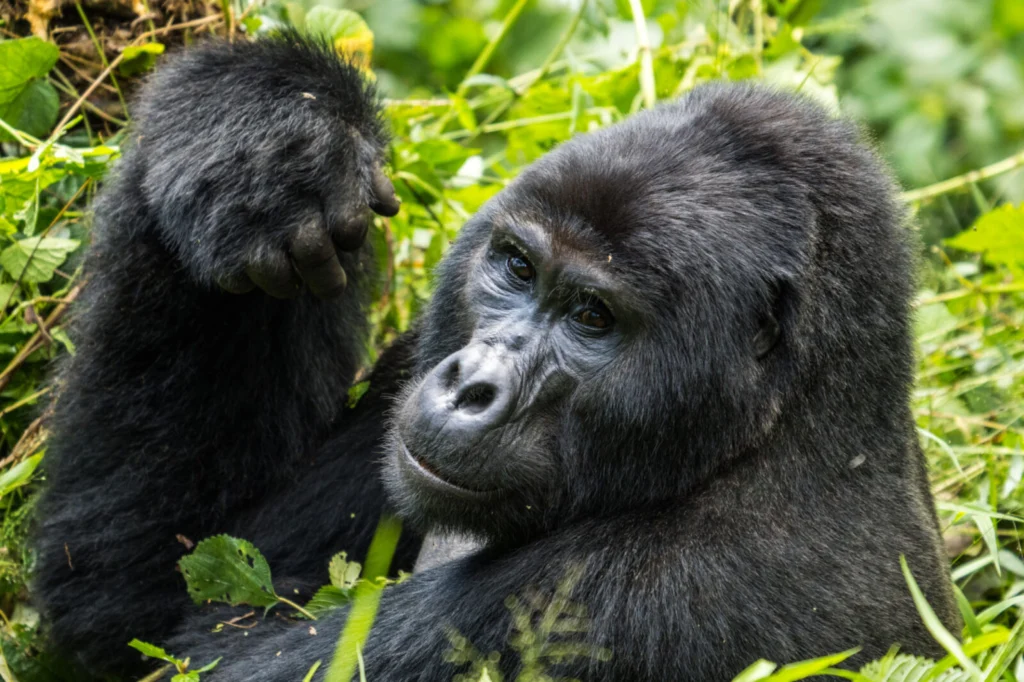
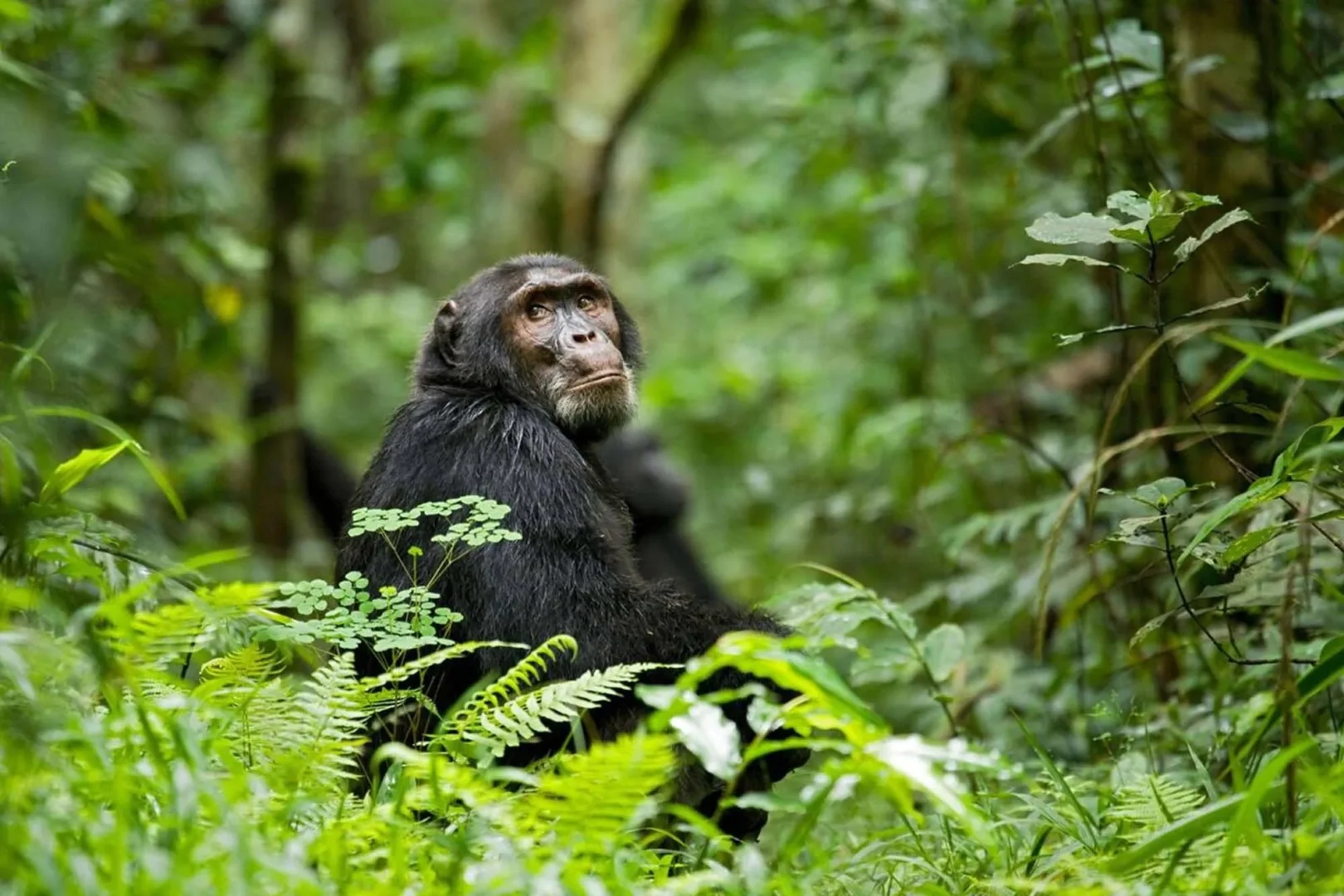
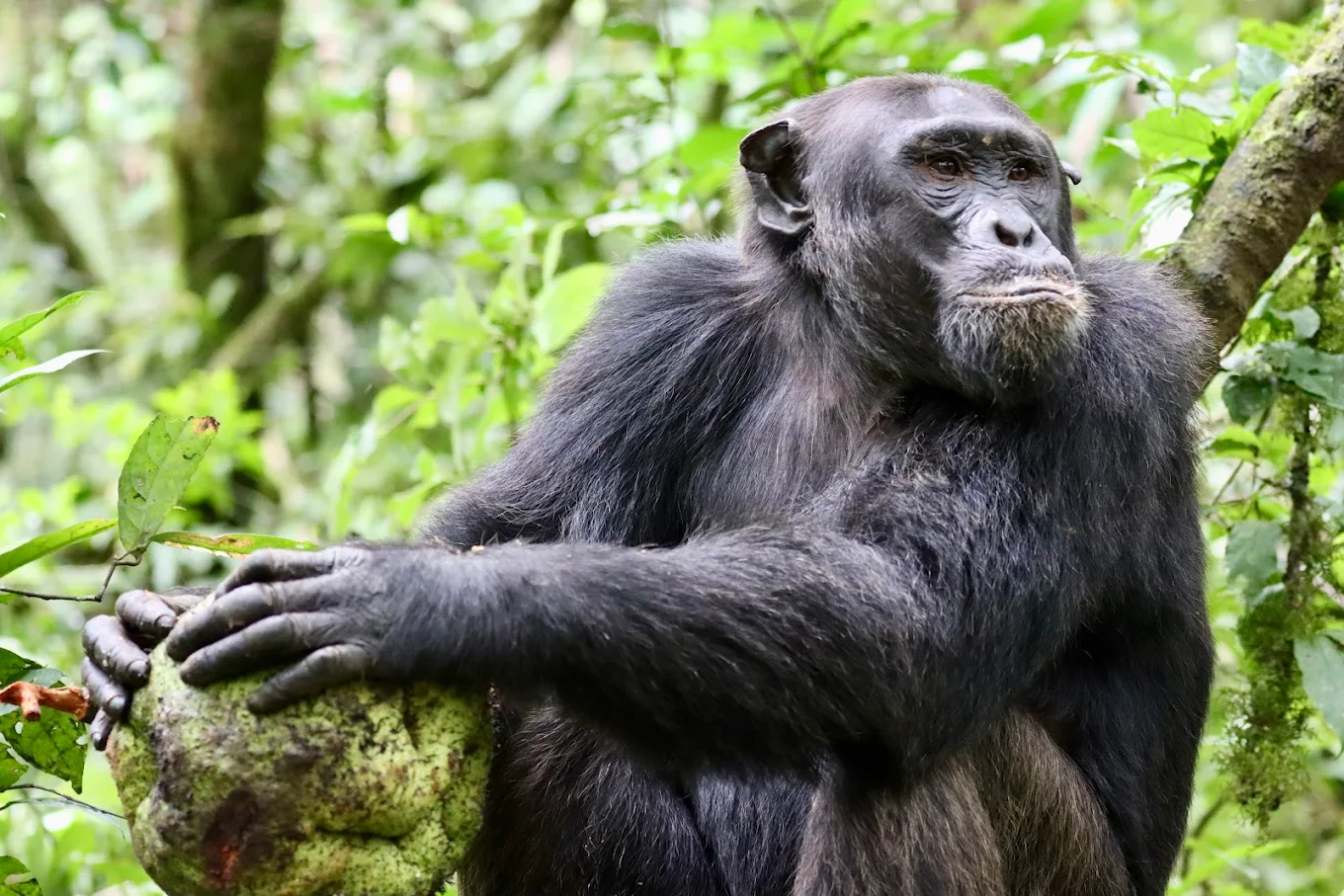
Generally, chimpanzee trekking is considered less physically demanding than mountain gorilla trekking because it usually takes place in lower-altitude rainforest environments with less extreme landscapes. Chimpanzee trekking in destinations such as Kibale Forest National Park involves walking through tropical forests, following natural trails, and searching for chimpanzee communities with the guidance of experienced trackers.
Gorilla trekking, on the other hand, often takes place in mountainous rainforest environments, particularly in Uganda’s Bwindi Impenetrable National Park and Rwanda’s Volcanoes National Park. Chimpanzee Trek Difficulty, These areas can involve steep slopes, higher elevations, thick vegetation, and longer hikes depending on the location of gorilla families on the day of trekking.
Terrain and Landscape Differences During the Two Experiences
One of the biggest factors influencing difficulty is the type of landscape where each activity takes place. Chimpanzee trekking usually occurs in relatively lower and flatter rainforest environments, although visitors should still expect uneven ground, tree roots, muddy sections, and natural forest trails.
Kibale Forest, for example, provides a rainforest experience where visitors walk beneath tall trees while searching for chimpanzee communities. Chimpanzee Trek Difficulty, The trails can become slippery during rainy seasons, but the overall elevation and terrain are generally more manageable for many travelers.
Gorilla trekking environments are often more challenging because mountain gorillas live in high-altitude forests located on hills and mountains. Trekkers may need to climb steep slopes, navigate dense vegetation, and walk for several hours through rugged terrain before reaching a gorilla family.
Walking Distance and Time Required
The walking duration for both chimpanzee and gorilla trekking varies depending on where the animals are located. Chimpanzee Trek Difficulty, Since both chimpanzees and gorillas move freely through their natural habitats, guides cannot always predict the exact distance required before reaching them.
Chimpanzee trekking may involve anything from a short walk to several hours of forest exploration. Once chimpanzees are located, visitors usually spend time observing their behaviors before returning through the forest.
Gorilla trekking can sometimes require longer and more physically demanding hikes because gorilla families often move through mountainous areas in search of food. Some treks may be completed within a few hours, while others can take most of the day depending on terrain, weather, and gorilla location.
Altitude Differences Between Chimpanzee and Gorilla Trekking
Altitude is another important factor when comparing chimpanzee trekking and gorilla trekking difficulty. Chimpanzee destinations such as Kibale Forest are located at lower elevations, making breathing conditions more comfortable for many travelers.
Gorilla trekking destinations are found in higher-altitude regions, especially around the Virunga Mountains and Bwindi highlands. The increased elevation can make walking more challenging for some visitors because the air is thinner and physical exertion may feel greater.
Travelers who are concerned about altitude, stamina, or mobility should discuss their needs when planning a safari. Chimpanzee Trek Difficulty, Professional safari operators can recommend suitable destinations and trekking options based on individual comfort levels.
Which Experience Is Better for First-Time Wildlife Travelers?
For many first-time wildlife travelers, chimpanzee trekking can be a more accessible introduction to primate adventures. The experience provides an exciting forest journey without the same level of physical challenge often associated with mountain gorilla trekking.
Chimpanzee trekking allows visitors to discover rainforest ecosystems, observe intelligent primates, and enjoy a rewarding wildlife encounter while managing a more moderate level of physical activity.
However, gorilla trekking remains one of Africa’s most extraordinary wildlife experiences. Although it may require greater physical effort, the opportunity to sit near a family of mountain gorillas in the wild creates memories that many travelers consider worth the challenge.
Preparation Required for Both Experiences
Although chimpanzee trekking is generally easier than gorilla trekking, both activities require preparation because they involve walking in natural environments. Travelers should avoid assuming that chimpanzee trekking requires no effort.
Preparing through regular walking, light hiking, and general fitness activities can improve comfort during both experiences. Strong footwear, suitable clothing, hydration, and proper equipment also make a significant difference.
The most important preparation is choosing an experience that matches your physical ability and travel expectations. Chimpanzee Trek Difficulty, At Nextgen Safaris, we help travelers understand the differences between chimpanzee and gorilla trekking so they can choose the adventure that best suits their interests and comfort level.
Combining Chimpanzee Trekking and Gorilla Trekking in One Safari
Many travelers choose to combine chimpanzee trekking and gorilla trekking because they offer two different but complementary primate experiences. Uganda is one of the best destinations for this combination because travelers can experience chimpanzees in Kibale Forest and mountain gorillas in Bwindi Impenetrable National Park.
A combined primate safari allows visitors to explore different rainforest ecosystems while discovering the unique behaviors of two closely related great apes. The journey provides both adventure and education while supporting important conservation programs.
At Nextgen Safaris, we design combined chimpanzee and gorilla safaris with carefully planned routes, comfortable accommodation, reliable transportation, and professional guides to ensure travelers enjoy both experiences at a comfortable pace.
Final Thoughts on Chimpanzee Trek Difficulty vs Gorilla Trekking
When comparing Chimpanzee Trek Difficulty with gorilla trekking, chimpanzee trekking is generally considered more accessible because it involves lower-altitude forests and less demanding terrain. Chimpanzee Trek Difficulty, However, it still provides an authentic wilderness adventure that requires walking, patience, and preparation.
Gorilla trekking requires greater physical effort due to mountainous landscapes, higher elevations, and challenging forest conditions, but it offers one of the most powerful wildlife encounters on the planet.
Both experiences are unforgettable in their own way. With proper preparation and expert planning, travelers of different fitness levels can enjoy the incredible opportunity to encounter Africa’s remarkable great apes in their natural habitats.
How Long Does Chimpanzee Trekking Take?
The duration of chimpanzee trekking varies depending on the location of chimpanzee communities and forest conditions. Some treks may take only a short time before chimpanzees are found, while others may require several hours of walking.
Once chimpanzees are located, visitors usually spend time observing their behavior before returning through the forest. Chimpanzee Trek Difficulty, The total experience often includes briefing time, walking, wildlife viewing, and returning to the starting point.
The unpredictable nature of the trek is part of the adventure. Unlike viewing animals in controlled environments, chimpanzee trekking offers a genuine wilderness experience where every encounter feels unique.
Physical Preparation for Chimpanzee Trekking
Preparing physically before a chimpanzee trek is an important step that helps travelers enjoy the experience with greater confidence and comfort.Chimpanzee Trek Difficulty, Although chimpanzee trekking does not require professional hiking experience or advanced fitness levels, it does involve walking through natural rainforest environments where trails may include uneven ground, gentle slopes, tree roots, and areas with thick vegetation. Building a basic level of fitness before the safari allows visitors to focus more on the excitement of discovering chimpanzees rather than feeling limited by physical demands.
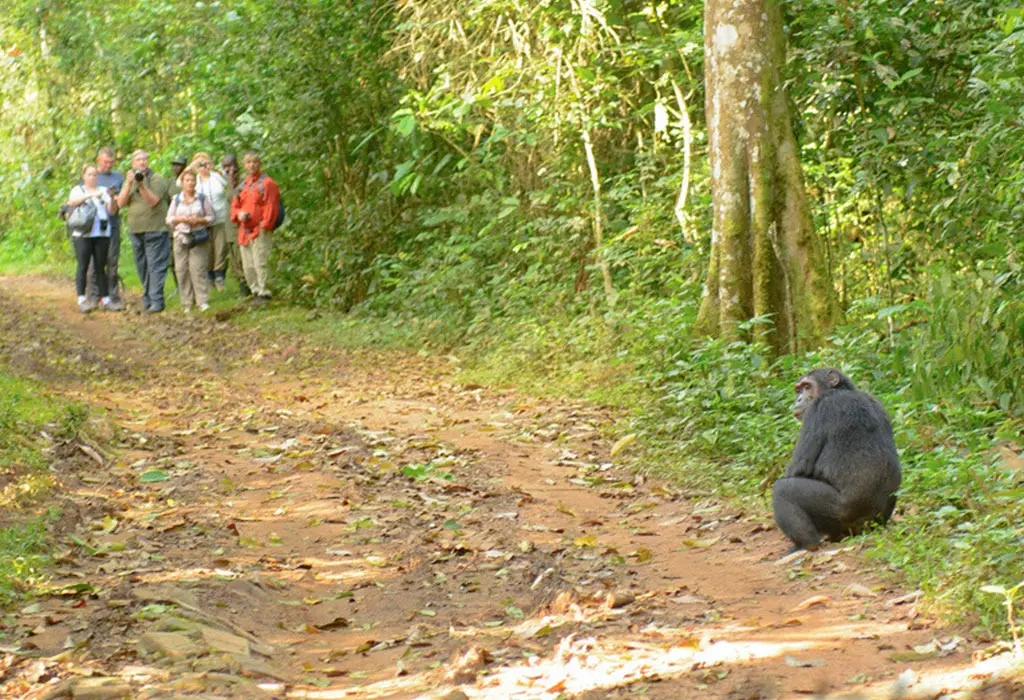
One of the best ways to prepare for chimpanzee trekking is through regular walking, light hiking, and general exercise before traveling. Increasing your walking distance gradually helps improve endurance and prepares your body for several hours of forest exploration. Activities that strengthen the legs, improve balance, and maintain flexibility can also make it easier to navigate natural trails, especially when conditions become muddy or slippery. Even simple activities such as daily walks, climbing stairs, or weekend nature walks can significantly improve comfort during the trek.
At Nextgen Safaris, we encourage travelers to prepare according to their own abilities and personal fitness levels rather than comparing themselves with other visitors. Every chimpanzee trekking experience is different, and the pace of the trek is determined by the group, weather conditions, and location of the chimpanzee community. Our experienced guides support travelers throughout the journey, ensuring everyone has time to rest, enjoy the forest surroundings, and appreciate the incredible experience of encountering chimpanzees in their natural habitat. Chimpanzee Trek Difficulty, The goal is not to complete the trek quickly but to enjoy every moment of the adventure.
What to Wear for an Easier Chimpanzee Trek
Choosing the right clothing can significantly improve comfort during chimpanzee trekking. Lightweight, breathable clothing helps travelers remain comfortable in warm rainforest conditions.
Long trousers and long-sleeved shirts are recommended because they protect against vegetation, insects, and minor scratches from forest plants. Comfortable hiking shoes with good grip are essential for navigating natural trails.
A rain jacket is also important because rainforest weather can change quickly. Chimpanzee Trek Difficulty, Being properly dressed allows visitors to focus on enjoying the chimpanzee encounter rather than worrying about changing conditions.
Equipment That Helps During Chimpanzee Trekking
The right equipment can make chimpanzee trekking more comfortable and enjoyable. A small backpack allows visitors to carry essentials such as water, snacks, cameras, and personal items.
Walking sticks can be useful for travelers who appreciate additional support on uneven trails. Some visitors find them helpful when navigating muddy sections or gentle slopes.
Binoculars and cameras are also valuable because they allow travelers to observe chimpanzees and other wildlife while capturing memorable moments without disturbing animals.
Chimpanzee Trek Difficulty for Senior Travelers
Senior travelers can successfully enjoy chimpanzee trekking with proper planning and preparation. The experience can be adjusted based on fitness level, comfort, and personal preferences.
Travelers should communicate their abilities when planning their safari so that appropriate arrangements can be made. Guides can recommend suitable options and ensure the experience is comfortable.
At Nextgen Safaris, we help senior travelers choose suitable chimpanzee experiences, accommodation, and transportation arrangements to create a relaxed and enjoyable safari.
Chimpanzee Trek Difficulty for Families and Children
Families can enjoy chimpanzee trekking, but planning is important when traveling with children. Age requirements and activity suitability should be considered when designing a family itinerary.
Younger travelers who enjoy nature and walking may find chimpanzee trekking educational and exciting. The experience provides opportunities to learn about wildlife, conservation, and rainforest ecosystems.
Nextgen Safaris designs family-friendly chimpanzee safaris with appropriate pacing, comfortable accommodation, and activities that match the interests and abilities of family members.
Best Destinations with Easier Chimpanzee Trekking Experiences
Kibale Forest National Park: The Best Overall Chimpanzee Experience
Uganda offers several excellent chimpanzee trekking destinations, each providing a unique experience depending on the landscape, chimpanzee population, and visitor preferences. Among all destinations, Kibale Forest National Park is considered the leading choice because of its large chimpanzee population, well-established trekking system, and experienced guides who make the experience enjoyable for travelers of different fitness levels.
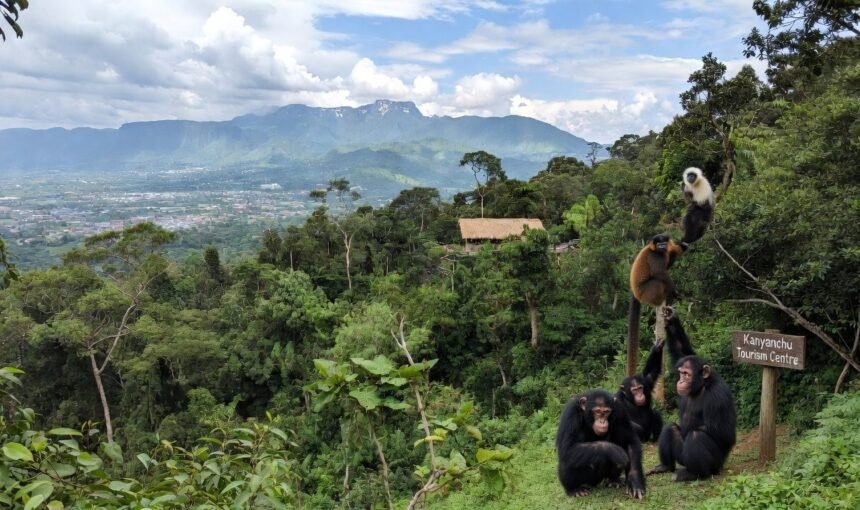
Kibale’s rainforest environment provides some of the most reliable chimpanzee sightings in Africa, with several habituated chimpanzee communities available for trekking. Although visitors should still expect walking through natural forest trails, the terrain is generally more manageable compared to some mountain-based primate experiences. The forest trails pass through beautiful landscapes with fewer steep climbs, making Kibale a preferred option for first-time trekkers, families, and travelers who want an authentic but accessible chimpanzee adventure.
Beyond chimpanzee trekking, Kibale offers additional activities that allow visitors to explore the ecosystem at a relaxed pace. Experiences such as the Bigodi Wetland Walk, bird watching, and nature walks provide excellent alternatives or additions for travelers who prefer less physically demanding activities while still enjoying Uganda’s incredible biodiversity.
Budongo Forest: A Peaceful Chimpanzee Experience Near Murchison Falls
Budongo Forest, located within the greater Murchison Falls Conservation Area, offers another rewarding chimpanzee trekking experience with generally comfortable walking conditions. The forest is known for its beautiful mahogany trees, peaceful atmosphere, and well-trained guides who help visitors discover chimpanzee communities living within the forest.
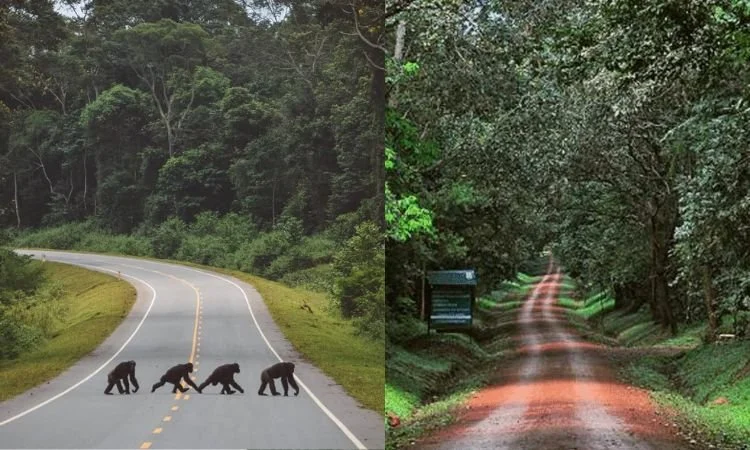
Compared to some other chimpanzee destinations, Budongo often provides a quieter trekking experience with fewer visitors. The trails are usually more relaxed, allowing travelers to enjoy the forest environment, listen to bird calls, and appreciate the natural surroundings while searching for chimpanzees.
Budongo is an excellent choice for travelers combining chimpanzee trekking with a classic wildlife safari in Murchison Falls National Park. Visitors can enjoy chimpanzees in the forest before exploring savannah landscapes, game drives, and boat cruises to the famous Murchison Falls, creating a diverse and balanced Uganda safari experience.
Kyambura Gorge: A Scenic Chimpanzee Adventure in Queen Elizabeth National Park
Kyambura Gorge provides a unique chimpanzee trekking experience within Queen Elizabeth National Park. Known as the “Valley of Apes,” this dramatic gorge offers beautiful scenery, lush vegetation, and an exciting opportunity to search for chimpanzees beneath the surrounding savannah landscape.
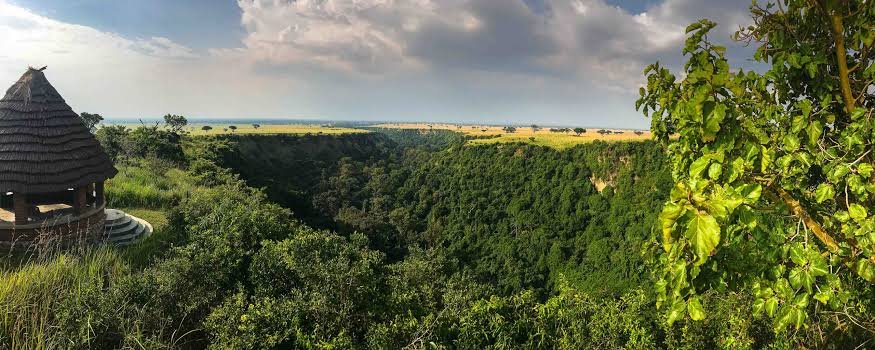
The trekking experience in Kyambura involves walking into a deep natural gorge, which can make certain sections slightly more challenging due to slopes and uneven terrain. However, the distance is usually shorter compared to longer forest treks, making it a good option for travelers looking for a shorter chimpanzee experience combined with other safari activities.
One of the biggest advantages of Kyambura Gorge is its location within a famous wildlife park. Travelers can combine chimpanzee trekking with game drives, the Kazinga Channel boat cruise, and wildlife viewing experiences featuring elephants, lions, buffaloes, hippos, and many bird species.
Kalinzu Forest Reserve: Affordable and Scenic Chimpanzee Tracking
Kalinzu Forest Reserve is another important chimpanzee trekking destination in western Uganda, offering a more affordable and less crowded alternative to some of the country’s more famous locations. The forest is located near Queen Elizabeth National Park, making it convenient for travelers exploring the region.
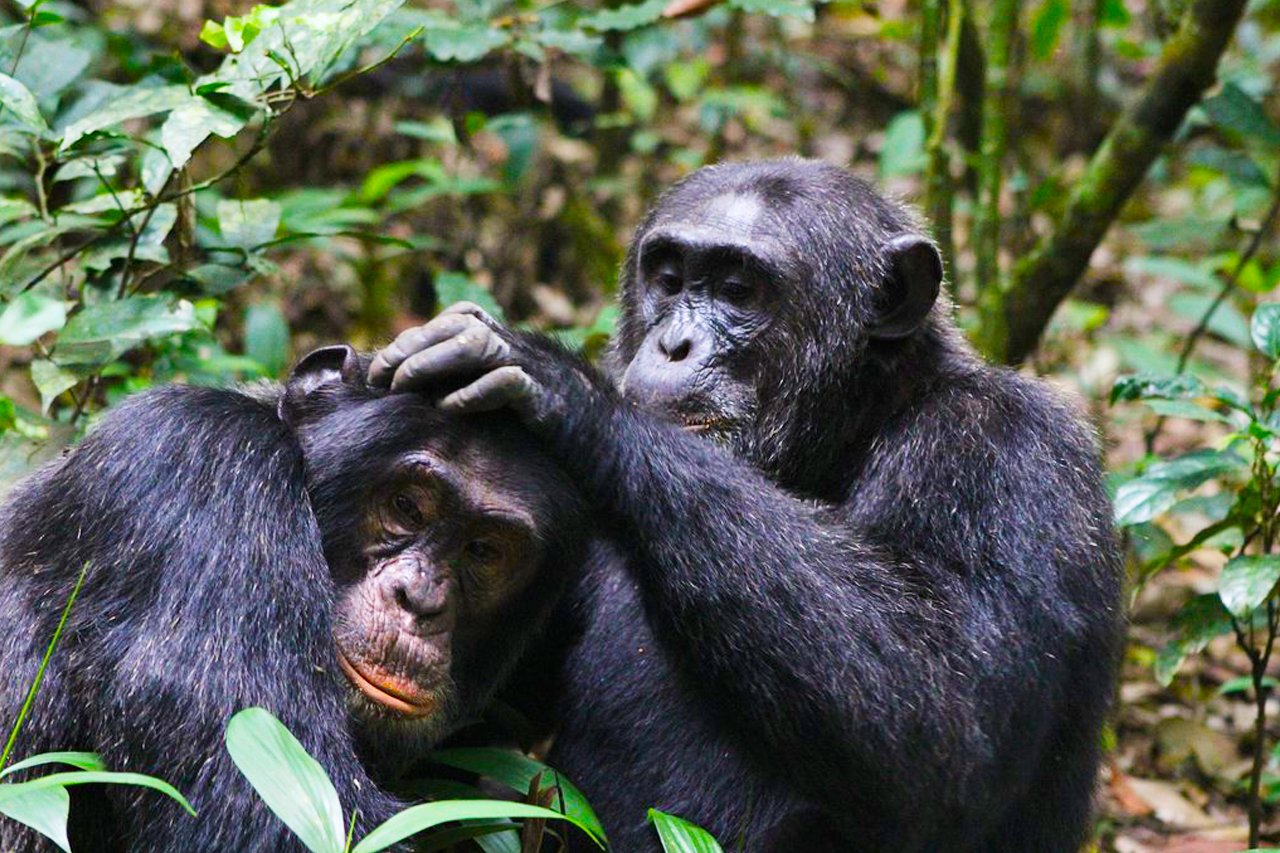
The trekking experience in Kalinzu takes place through beautiful rainforest trails where visitors can search for chimpanzee communities with the help of local guides. The forest environment is rich in biodiversity, with opportunities to see monkeys, birds, butterflies, and various plant species.
Kalinzu can be a suitable option for travelers who want a quieter chimpanzee experience while keeping safari costs manageable. Although conditions can vary depending on weather and chimpanzee movements, many visitors appreciate the peaceful atmosphere and natural beauty of this forest destination.
Choosing the Right Chimpanzee Trekking Destination
Selecting the best chimpanzee trekking destination depends on several factors, including fitness level, travel interests, available time, budget, and other activities planned during the safari. While some travelers prioritize the highest chance of chimpanzee sightings, others may prefer quieter forests, shorter walks, or destinations that combine easily with other attractions.
For travelers seeking the easiest overall chimpanzee trekking experience with excellent chances of seeing chimpanzees, Kibale Forest is often the recommended choice. Its strong conservation programs, experienced trackers, and established tourism infrastructure make it suitable for many types of travelers.
At Nextgen Safaris, we help visitors choose the right chimpanzee destination based on their individual needs. Whether you prefer the famous chimpanzee forests of Kibale, the peaceful trails of Budongo, the scenic adventure of Kyambura Gorge, or the affordable experience of Kalinzu, our team designs itineraries that balance comfort, adventure, and unforgettable wildlife encounters.
How Nextgen Safaris Helps You Manage Chimpanzee Trek Difficulty
At Nextgen Safaris, we understand that every traveler has different expectations and physical abilities. Our role is to make chimpanzee trekking enjoyable, comfortable, and accessible through careful planning.
We provide expert advice on destinations, accommodation, transportation, preparation, and activity choices. Our experienced guides support travelers throughout the journey and ensure safety while creating memorable wildlife encounters.
By understanding your preferences and comfort level, we design chimpanzee safaris that allow you to experience Uganda’s incredible primates without unnecessary stress.
Frequently Asked Questions About Chimpanzee Trek Difficulty
1. How difficult is chimpanzee trekking in Uganda?
Chimpanzee trekking in Uganda is generally considered a moderate activity and can be completed by most travelers with average fitness levels. The difficulty depends on factors such as the location of chimpanzee communities, weather conditions, and the terrain of the forest.
Unlike mountain gorilla trekking, chimpanzee trekking usually takes place in lower-altitude forests with less demanding terrain, although visitors should still expect walking on natural trails with uneven surfaces.
2. Is chimpanzee trekking harder than gorilla trekking?
Generally, chimpanzee trekking is considered less physically demanding than gorilla trekking. Gorilla trekking often involves steeper slopes, higher elevations, and longer hikes through dense mountain forests.
Chimpanzee trekking usually involves walking through rainforest environments with gentler terrain, making it more accessible for many travelers. However, both experiences require some level of preparation and physical effort.
3. How many hours do you walk during chimpanzee trekking?
The walking time during chimpanzee trekking varies depending on where chimpanzee communities are located on the day of the trek.
Some visitors may find chimpanzees within a short walk, while others may spend several hours exploring forest trails before locating them. The total experience often lasts several hours, including the time spent observing chimpanzees.
4. Do I need to be physically fit for chimpanzee trekking?
You do not need to be an experienced hiker to participate in chimpanzee trekking. Most travelers with a reasonable level of fitness can complete the activity successfully.
Regular walking, light hiking, or general exercise before your safari can help improve endurance and make the experience more comfortable.
5. Is chimpanzee trekking difficult for older travelers?
Chimpanzee trekking can be possible for older travelers depending on their fitness level, mobility, and preparation.
At Nextgen Safaris, we help senior travelers choose suitable chimpanzee trekking options, plan comfortable itineraries, and arrange services that make the experience more enjoyable and manageable.
6. What type of terrain should I expect during chimpanzee trekking?
Visitors should expect natural rainforest terrain, including forest paths, tree roots, uneven ground, vegetation, and possible muddy sections depending on weather conditions.
The trails are not technical hiking routes, but comfortable hiking shoes with good grip are highly recommended for safety and comfort.
7. Does rain make chimpanzee trekking more difficult?
Rain can make chimpanzee trekking slightly more challenging because forest trails may become muddy and slippery.
However, chimpanzee trekking continues throughout the year, and many travelers enjoy rainy-season experiences because the forest becomes greener and more beautiful.
8. What should I wear to make chimpanzee trekking easier?
Wearing the right clothing can make a big difference during chimpanzee trekking. Recommended items include comfortable hiking shoes, long trousers, lightweight clothing, a rain jacket, and insect protection.
Proper clothing helps protect travelers from vegetation, insects, and changing rainforest weather conditions.
9. Can children participate in chimpanzee trekking?
Children may participate in chimpanzee trekking depending on age requirements, fitness levels, and park regulations.
Families should consider the child’s ability to walk through forest environments and remain comfortable during the experience. Nextgen Safaris can help design family-friendly chimpanzee safari options.
10. Are there easier chimpanzee trekking destinations in Uganda?
Yes, different chimpanzee trekking destinations offer different experiences. Kibale Forest is the most popular destination because of its high chimpanzee population and excellent trekking organization.
Budongo Forest, Kyambura Gorge, and Kalinzu Forest also provide rewarding chimpanzee experiences with different landscapes and walking conditions.
11. Can I use a walking stick during chimpanzee trekking?
Yes, many travelers find walking sticks helpful during chimpanzee trekking, especially when navigating uneven ground or muddy sections.
Some lodges and guides may provide walking sticks, but travelers can also bring their own if they prefer additional support.
12. Is chimpanzee trekking suitable for people who do not hike regularly?
Yes, many people who do not regularly hike successfully complete chimpanzee trekking.
The key is proper preparation, moving at a comfortable pace, listening to guides, and choosing a trekking experience that matches your physical ability.
13. What happens if I cannot complete the chimpanzee trek?
If a traveler struggles during the trek, professional guides provide assistance and help find the best solution based on the situation.
This is why it is important to communicate your fitness level and any concerns when planning your safari so arrangements can be made in advance.
14. Does chimpanzee habituation have a higher difficulty level?
The chimpanzee habituation experience can be more demanding because it usually involves spending more time in the forest and following chimpanzees for longer periods.
However, it provides a deeper wildlife experience and is ideal for travelers who want more time observing chimpanzee behavior.
15. How can Nextgen Safaris help with chimpanzee trek difficulty?
Nextgen Safaris helps travelers manage Chimpanzee Trek Difficulty through careful planning, expert advice, experienced guides, comfortable transportation, and suitable itinerary design.
We help match travelers with the right chimpanzee destination, accommodation, and safari activities to ensure a safe, enjoyable, and unforgettable primate adventure in Uganda.
Book Your Chimpanzee Trekking Adventure Today
Understanding Chimpanzee Trek Difficulty helps travelers prepare with confidence and enjoy one of Africa’s most rewarding wildlife adventures. While chimpanzee trekking involves walking through natural rainforest environments, navigating forest trails, and spending time outdoors, the experience is achievable for most visitors when properly prepared and guided by experienced professionals.
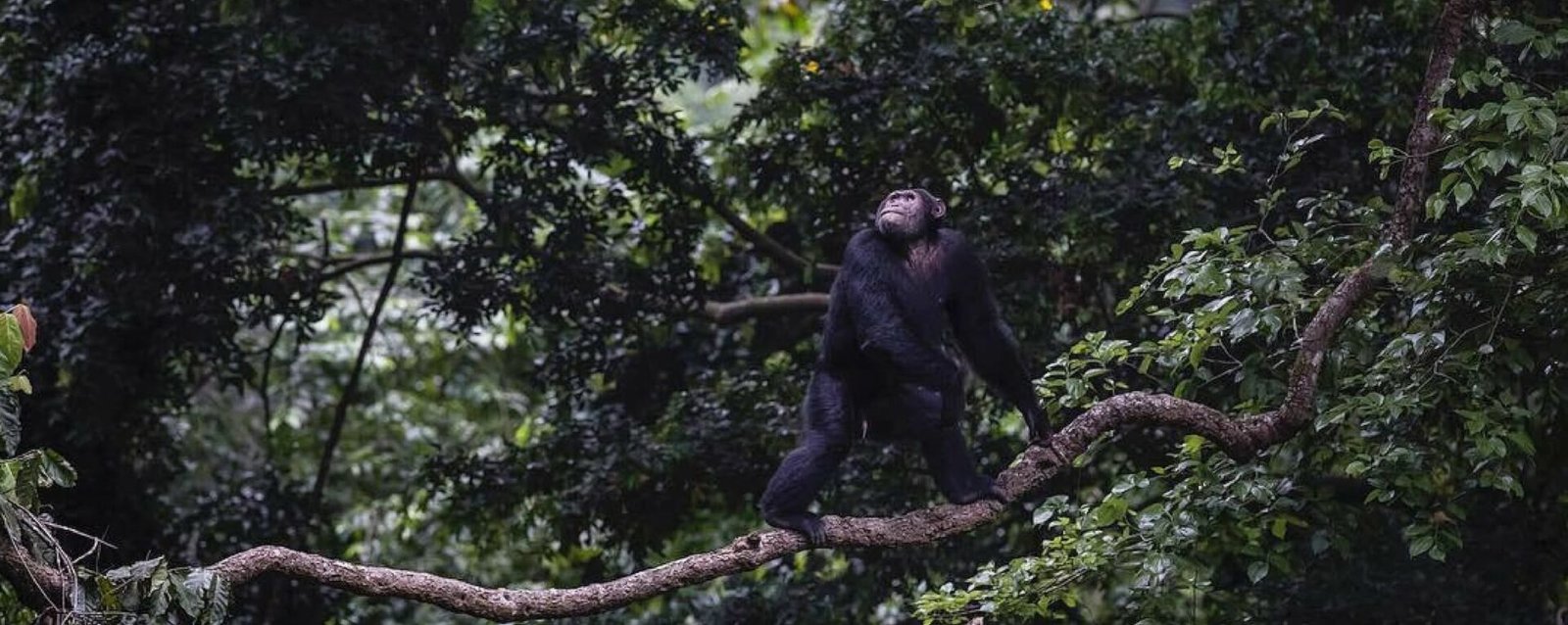
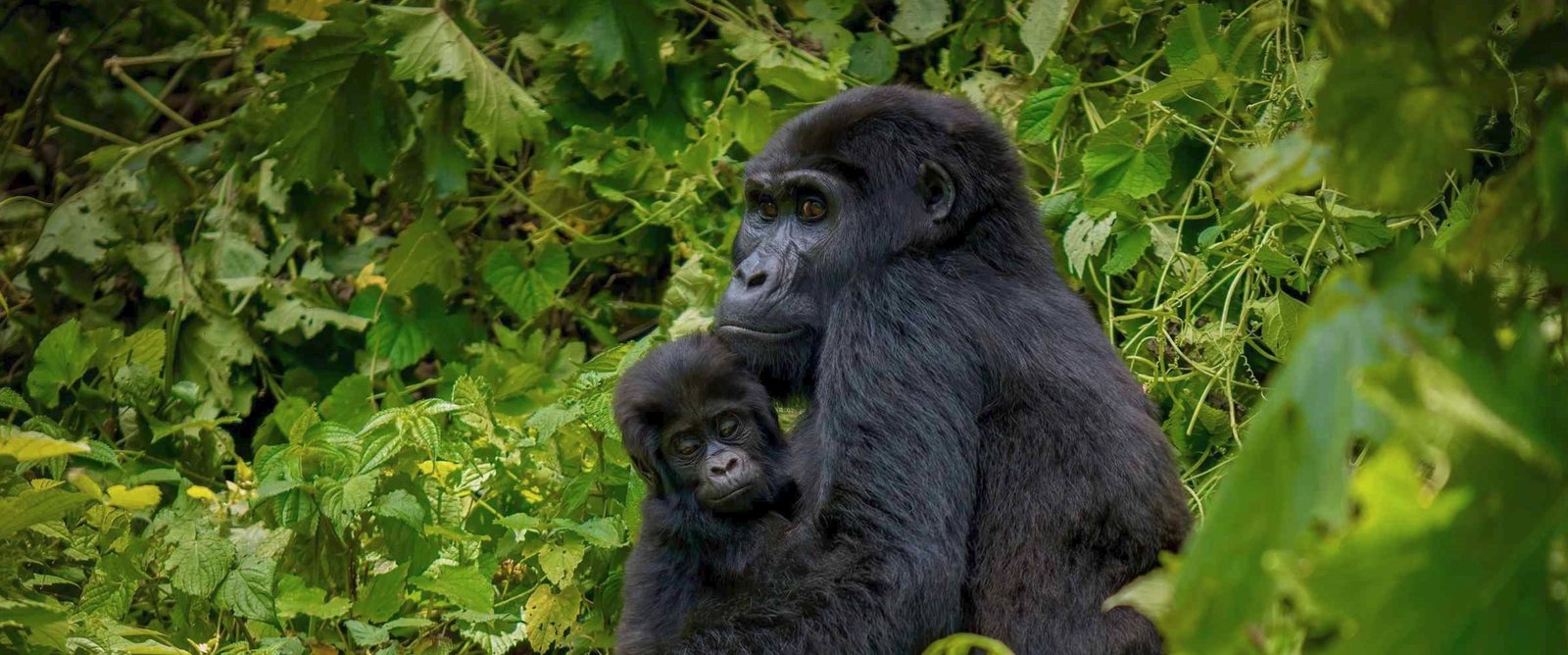
Every step through Uganda’s forests becomes part of the adventure, from following chimpanzee calls deep within the rainforest to discovering these intelligent primates living freely in their natural habitat. The excitement of searching for chimpanzees, learning about their behavior, and finally observing them interacting within their communities creates unforgettable memories that last a lifetime.
Contact Nextgen Safaris today and let our expert team design your perfect chimpanzee trekking adventure with professional guidance, comfortable transportation, carefully selected accommodation, and an incredible encounter with Uganda’s remarkable chimpanzees. Whether you are a first-time visitor, family traveler, senior adventurer, or wildlife enthusiast, we will help you experience this extraordinary primate journey with confidence and comfort.