
Kibale Weather Guide
Ultimate Kibale Weather Guide: Discover the Best Time to Visit Kibale National Park
Kibale Weather Guide provides essential information for travellers planning to explore Kibale National Park, Uganda’s celebrated primate destination and one of Africa’s most rewarding places for chimpanzee trekking. The weather in Kibale influences forest trail conditions, chimpanzee movements, photography, birdwatching, road access, accommodation demand and the type of clothing visitors should carry. Understanding the park’s climate before travelling makes it easier to select suitable safari dates, prepare for the rainforest environment and enjoy each activity without being surprised by sudden rain, cool mornings or muddy walking trails.
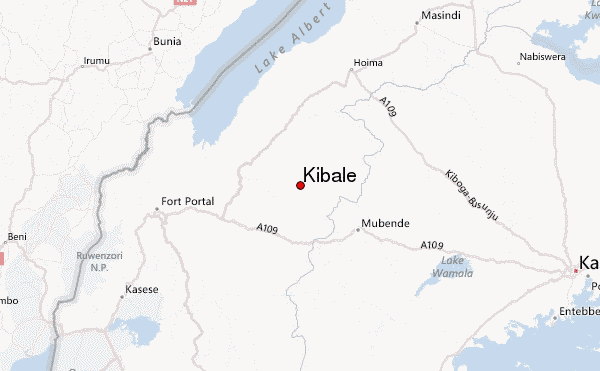
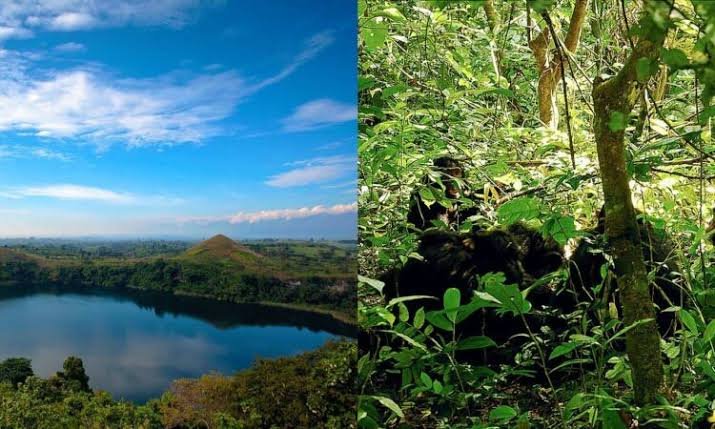
Kibale National Park is situated in western Uganda near Fort Portal and the foothills of the Rwenzori Mountains. Its landscape includes tropical rainforest, woodland, grassland, swamps and areas influenced by the nearby crater lakes. The park’s varying elevation creates local differences in temperature and rainfall, with the higher northern forest generally cooler and wetter than the lower southern sections. Uganda Wildlife Authority describes Kibale’s climate as generally pleasant, with temperatures typically ranging from approximately 14°C to 27°C. The northern forested area may receive annual rainfall of up to about 1,700 millimetres, with much of it falling during March to May and September to November.
Rain is an important part of Kibale’s character and should not automatically be viewed as a reason to postpone a safari. Kibale Weather Guide,The forest depends on moisture to support its towering trees, fruiting plants, ferns, vines, birds, butterflies and remarkable primate population. Kibale protects one of Uganda’s largest populations of wild chimpanzees and supports hundreds of bird species as well as numerous other mammals. Its combination of moisture, moderate temperatures and dense vegetation creates the rich ecosystem that makes the park so attractive to wildlife enthusiasts.
This detailed Kibale Weather Guide explains the climate month by month, compares the dry and rainy seasons, identifies suitable periods for chimpanzee trekking and birdwatching, and provides practical advice about photography, clothing and safari planning. Although some months are generally drier than others, Kibale remains a tropical forest where rain may fall at almost any time. Travellers should therefore prepare for changing weather regardless of the season in which they visit.
What Is the Climate Like in Kibale National Park?
Kibale National Park experiences a moist, moderate tropical climate rather than the extreme heat associated with some lower and drier regions of East Africa.Kibale Weather Guide, Temperatures remain relatively consistent throughout the year because the park lies close to the equator. Daytime temperatures commonly settle around the mid-twenties Celsius, while early mornings and nights can feel considerably cooler. Long-term climate data indicates that daytime conditions are often close to 26°C, with nighttime temperatures dropping to approximately 16°C.
The forest canopy also influences how visitors experience the temperature. Even when the open countryside around Fort Portal feels warm, shaded trails inside Kibale may remain cool and damp. Kibale Weather Guide, Travellers beginning an early chimpanzee trek may need a light sweater or long-sleeved shirt during the briefing, but the body warms quickly after walking through the forest. Humidity can be noticeable, especially following rainfall, although the park’s elevation prevents conditions from becoming unbearably hot for most visitors.
Rainfall is distributed throughout the year, but Kibale generally experiences two wetter periods and two relatively drier periods. The principal rainy seasons usually occur from March to May and from September to November. January and February are commonly drier, while June and July also tend to receive less rain. Long-term climate estimates identify April, September, October and November among the wettest months, while January, February, June and July are usually comparatively dry. Even during these drier periods, showers remain possible because Kibale is a functioning tropical rainforest rather than a completely seasonal woodland.
Weather can also vary within different parts of the park. Kibale Weather Guide, The northern and central areas occupy higher ground on the Fort Portal plateau and contain extensive forest, while the landscape drops towards lower and warmer areas in the south. Rain may be falling in one section while another remains dry, and conditions around the crater lakes may differ slightly from those near Kanyanchu. This variation explains why forecasts for Fort Portal do not always represent the exact conditions encountered on a forest trail.
Kibale Weather Guide by Month
Kibale Weather in January
January is generally one of the more favourable months for visitors who prefer relatively dry chimpanzee trekking conditions. Rain can still occur, but showers are normally less frequent than during the major rainy seasons. Forest paths are often firmer, road transfers are more predictable and travellers have a better chance of completing outdoor activities without prolonged interruptions. Average daytime temperatures may reach approximately 27°C, while nights can cool to around 17°C.
The relatively dry weather makes January popular for Uganda safaris combining Kibale with Queen Elizabeth National Park, Bwindi Impenetrable National Park and Lake Mburo National Park.Kibale Weather Guide, However, visitors should not leave waterproof clothing behind. A sunny morning can develop into a cloudy afternoon, and short showers may occur without much warning. Early booking is advisable because January often attracts travellers escaping winter conditions in Europe and North America.
Kibale Weather in February
February is another relatively dry and warm month in the Kibale Weather Guide. Trails are commonly manageable, and the lower chance of heavy rainfall makes it attractive for first-time trekkers, families with older children and travellers combining several national parks. Daytime conditions can feel warm in open areas, but temperatures inside the forest remain comfortable because of the shade created by the canopy.
Chimpanzees may travel farther in search of food during some dry periods, meaning the trek can occasionally require more walking. Kibale Weather Guide, This should not discourage visitors because experienced trackers monitor chimpanzee movements and search for signs such as calls, nests and feeding remains. February is also suitable for crater lake walks, community visits and transfers between Kibale and Queen Elizabeth National Park.
Kibale Weather in March
March generally marks the beginning of Kibale’s first major rainy season. Rainfall becomes more regular, humidity increases and forest trails gradually become wetter. The landscape responds quickly, with fresh vegetation appearing throughout the forest and surrounding farmland. Morning activities may still begin under clear conditions before clouds gather later in the day, although weather patterns remain unpredictable.
Chimpanzee trekking continues throughout March, and the increased availability of forest food can sometimes keep chimpanzees within more accessible feeding areas. Uganda Wildlife Authority notes that rainy-season chimpanzee tracking can be rewarding because chimpanzees may not need to move as deeply into the forest in search of food, although visitors must accept muddier conditions.
Kibale Weather in April
April is usually one of Kibale’s wettest months. Travellers should expect regular rainfall, slippery trails, damp vegetation and high humidity. The rain does not necessarily continue all day, but heavy showers may temporarily affect forest walks and road conditions. Waterproof hiking footwear, gaiters, rain jackets and protective covers for cameras become particularly valuable during this period.
Despite the rain, April offers a beautiful and less crowded rainforest experience. The forest becomes intensely green, streams carry more water and mist may create dramatic scenes among the trees. Kibale Weather Guide, Photographers who are properly equipped can capture atmospheric images that are difficult to reproduce during drier months. Accommodation availability may also be better than during peak periods, making April appealing to flexible travellers who value privacy and lush scenery.
Kibale Weather in May
May remains part of the long rainy season, although conditions may begin changing towards the end of the month. Trails can still be muddy, and rain showers remain common, particularly during afternoons and evenings. Kibale Weather Guide, Visitors should allow extra time for road transfers and avoid creating tightly timed itineraries that leave little room for weather-related delays.
The forest remains exceptionally productive during May, supporting active birdlife and abundant vegetation. Chimpanzee trekking is available, and the experience can feel more adventurous because of the rich rainforest atmosphere. Travellers who are comfortable walking in wet conditions may enjoy smaller visitor numbers and a quieter experience at lodges, crater lakes and community attractions around Bigodi.
Kibale Weather in June
June introduces one of Kibale’s main dry periods and is widely considered an excellent month for visiting the park. Kibale Weather Guide, Rainfall normally decreases, trails become firmer and daytime temperatures remain pleasant. Average afternoon temperatures are commonly around 26°C, while early mornings can be close to 16°C.
The combination of manageable trails and comfortable temperatures makes June suitable for chimpanzee tracking, nature walks, birdwatching and longer Uganda itineraries. Kibale Weather Guide, Demand for permits and accommodation begins increasing because June also offers favourable conditions in Bwindi, Queen Elizabeth and other major destinations. Travellers considering a June safari should secure their chimpanzee permits and preferred lodges well in advance.
Kibale Weather in July
July is commonly one of the driest and busiest months in Kibale National Park. Forest trails are generally easier to navigate, although shaded sections may remain damp. The weather is comfortable for walking, with warm afternoons and refreshingly cool mornings. Rain remains possible, but prolonged wet conditions are less common than during April, October or November.
July is particularly suitable for travellers who are concerned about slippery trails or who plan to combine chimpanzee trekking with gorilla trekking. The main disadvantage is increased demand. Popular lodges, experienced guides and chimpanzee permits may become limited if bookings are left until the last minute. Safari prices may also be less flexible during this peak travel period.
Kibale Weather in August
August is often a transitional month. Some climate descriptions place it at the beginning of the second wetter period, while actual conditions may still resemble the end of the June and July dry season. Rainfall may gradually become more frequent as the month progresses, but trails are not always as wet as they become in September, October and November.
This mixture can make August a rewarding travel month. Kibale Weather Guide, Visitors may enjoy manageable trekking conditions while seeing the forest become increasingly green. As one of the main international holiday months, August can be busy, so permits and accommodation should be reserved early. Waterproof equipment remains essential because afternoon showers can appear even after a clear morning.
Kibale Weather in September
September normally brings a noticeable increase in rainfall and marks the beginning of the second principal rainy season. Forest trails become softer, vegetation grows rapidly and humidity rises. Travellers should expect a combination of sunshine, clouds and showers rather than assuming that every day will be completely wet.
Chimpanzee tracking remains highly rewarding in September. Increased food availability may influence chimpanzee distribution and can sometimes reduce the distance required to find them. However, sightings are never guaranteed at a particular distance, and visitors must be prepared to follow ranger instructions through muddy or uneven terrain. September is also attractive for birdwatching because the forest becomes active and visually vibrant.
Kibale Weather in October
October is generally among the wettest months covered by this Kibale Weather Guide. Rain can be frequent and occasionally heavy, making waterproof clothing and dependable hiking footwear extremely important. Trails may become slippery, and travellers should move carefully over exposed roots, wet leaves and muddy slopes.
The reward is a deeply atmospheric rainforest experience. Moisture intensifies the forest’s colours, and mist can produce excellent opportunities for landscape and wildlife photography. October is suitable for travellers who value greenery, fewer crowds and a strong sense of adventure. A carefully planned safari should use a reliable four-wheel-drive vehicle and include realistic transfer times between destinations.
Kibale Weather in November
November continues the second rainy season, with substantial rainfall, humid conditions and wet forest trails. Kibale Weather Guide, It is normally quieter than the peak travel months, giving visitors a more peaceful experience at the park and surrounding lodges. Rain may affect the timing of photography and nature walks, but it rarely closes the park for an entire day.
The month can be rewarding for chimpanzee enthusiasts because food may be available in areas that reduce the need for chimpanzees to range far into the forest. Birding can also be productive, although binoculars and cameras must be protected from moisture. Travellers should carry quick-drying clothing and prepare for footwear to become muddy.
Kibale Weather in December
December is a transitional month in which rainfall generally begins decreasing, although wet trails may remain from the preceding months. Conditions often improve as the month continues, making late December popular for Christmas and New Year safaris. Temperatures remain moderate, and the forest retains the deep green appearance created by the September-to-November rains.
December demand can be high, especially during the festive season. Travellers should reserve permits, vehicles and accommodation several months ahead. Although December is sometimes described as part of a drier period, visitors should still expect occasional showers and arrive with complete rain protection.
Dry Season Versus Rainy Season in Kibale National Park
The dry seasons are generally preferred by travellers who want easier walking conditions. Kibale Weather Guide, From January to February and particularly during June and July, trails are commonly firmer, vegetation along paths may be less intrusive and road journeys are usually more predictable. These conditions are helpful for travellers with limited trekking experience, photographers carrying heavy equipment and visitors combining Kibale with several other national parks.
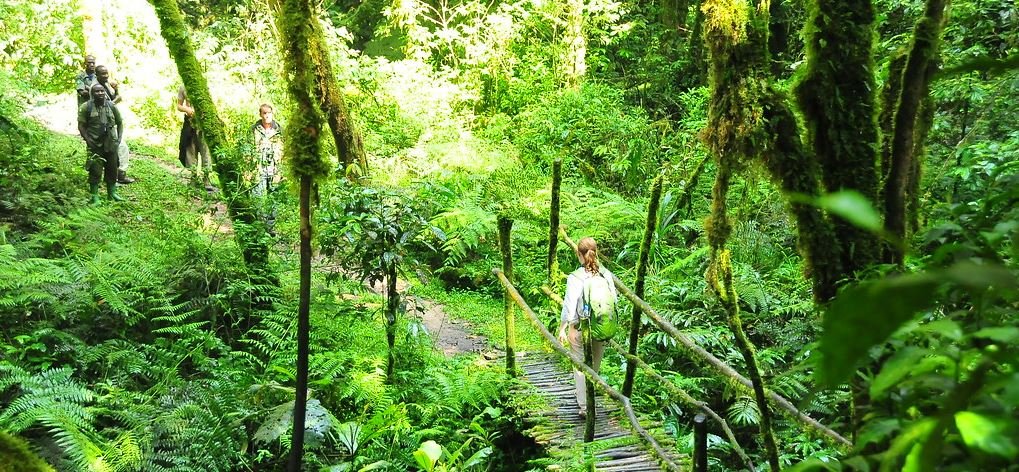
However, dry weather does not automatically guarantee a shorter chimpanzee trek. When forest foods become less available in certain areas, chimpanzees may travel farther in search of suitable feeding locations. Uganda Wildlife Authority explains that chimpanzees can move deeper into the forest during dry conditions, while rainy-season food availability may sometimes make them easier to locate despite the mud.
The rainy seasons create more challenging walking conditions but offer advantages of their own. The forest is exceptionally green, visitor numbers may be lower and photography can be dramatic. Kibale Weather Guide,Rain often falls in showers rather than creating uninterrupted bad weather throughout every day. Uganda Wildlife Authority confirms that Kibale can be visited throughout the year, although travellers should prepare for afternoon rain during wetter months.
The best choice therefore depends on personal priorities. Travellers seeking comfort and firmer trails may prefer June, July, January or February. Visitors who want a quieter, greener experience and do not mind mud may find March, May, September or November highly rewarding. April and October can also produce memorable experiences but require greater preparation for heavy rainfall.
Best Time for Chimpanzee Trekking in Kibale
The best time for chimpanzee trekking cannot be determined by weather alone. Kibale Weather Guide, Dry months provide better walking conditions, while rainy months may improve forest food availability and influence where chimpanzees spend their time. The most comfortable periods are often January, February, June and July, when rainfall is generally lower and trails are less slippery. These months are excellent for visitors who prioritise easy movement and wish to combine chimpanzee trekking with other safari activities.
Rainier months can be equally rewarding for visitors prepared for wet conditions. Chimpanzees do not disappear when it rains, and tracking activities continue throughout the year. The sound of chimpanzee calls travelling through a damp forest can be especially powerful, while fresh feeding signs may help trackers understand the group’s movements. UWA’s official information specifically notes that chimpanzee tracking and habituation take place year-round.
Morning sessions are often preferred because temperatures are cooler and visitors have the rest of the day available for Bigodi Wetland Sanctuary, crater lakes or cultural activities. Kibale Weather Guide, Afternoon sessions can still be productive but may coincide with rainfall, especially during wet months. Nextgen Safaris can plan the sequence of activities according to the season, lodge location and the traveller’s wider Uganda safari itinerary.
How Kibale Weather Affects Chimpanzee Behaviour
Chimpanzees live in flexible communities and move through the forest according to food availability, social relationships, territorial activity and daily conditions. Kibale Weather Guide, Weather indirectly influences their behaviour by affecting fruiting patterns, young leaves and other forest resources. Research conducted in Kibale has shown that rainfall and other climatic factors are associated with seasonal changes in young leaf production, demonstrating the close relationship between weather and the forest food system.
During periods of abundant food, chimpanzees may feed within a more concentrated area. During drier periods or when preferred fruits are scattered, they may travel over greater distances. This means a muddy rainy-season trek can sometimes lead to relatively quick contact, while a comfortable dry-season morning may require a longer walk. Wildlife remains unpredictable, and no responsible operator should promise an exact trekking distance.
Rain can also change the atmosphere of an encounter. Chimpanzees may rest under thick vegetation during a heavy shower before becoming active again. After rainfall, calls, dripping leaves and forest sounds create an immersive experience. Visitors should remain patient, follow the ranger’s guidance and avoid allowing expectations about weather to distract from the natural behaviour unfolding around them.
Kibale Weather for Birdwatching and Nature Walks
Kibale is an important birding destination, with Uganda Wildlife Authority recording approximately 370 bird species in the park. The combination of tropical forest, forest edge, grassland and nearby wetlands creates opportunities to observe a wide range of species. Kibale Weather Guide, Bigodi Wetland Sanctuary complements the forest experience by adding swamp and community-managed habitats to a Kibale itinerary.
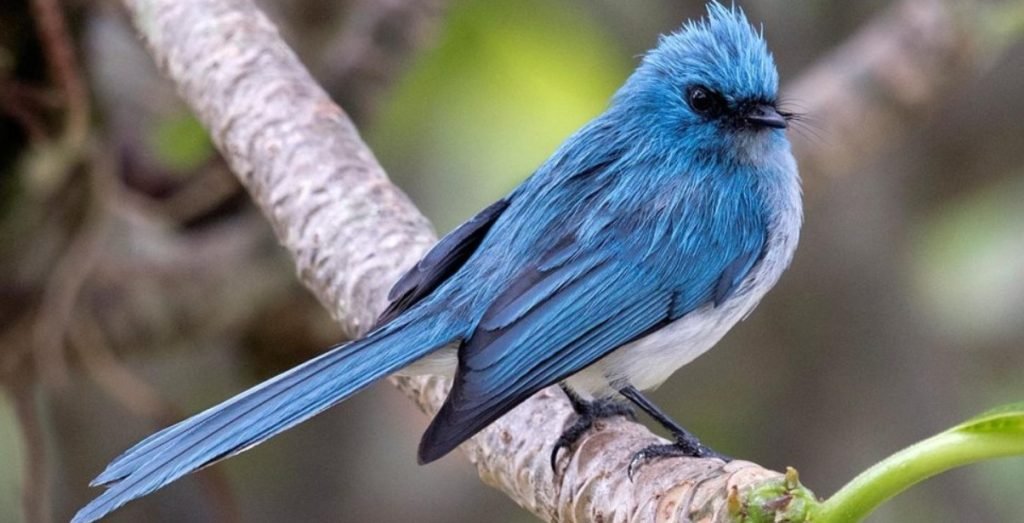
Rainy and transitional months can be productive for birdwatching because vegetation is fresh and insect activity increases. Birds may become particularly vocal after a shower, although heavy rain can temporarily reduce visibility. Kibale Weather Guide, Kibale Weather Guide, Dry months provide more comfortable walking conditions and may make it easier to remain on trails for extended periods with binoculars and photography equipment.
Serious birders should spend more than one day in the Kibale area. Kibale Weather Guide,Kibale Weather Guide, Weather can change quickly, and a longer stay allows activities to be adjusted around rainfall. Early mornings are normally productive because the forest is cooler, wildlife is active and light levels gradually improve beneath the canopy.
Kibale Weather Guide for Photography
Kibale presents distinctive photographic challenges because the forest can be dark even on a clear day. The canopy limits available light, while chimpanzees may move quickly between shaded and brighter areas. Kibale Weather Guide, Dry-season conditions make equipment management easier, but strong shafts of sunlight can create difficult contrasts between bright highlights and dark shadows.
Cloudy and rainy conditions often produce softer light that can be excellent for photographing primates. Kibale Weather Guide, Colours appear rich, leaves become glossy and mist creates depth between layers of trees. The challenge is protecting equipment from water and condensation. A waterproof camera cover, dry bag, lens cloth and additional protection inside the daypack are essential throughout the year.
Photographers should avoid relying entirely on weather forecasts because local conditions may change within minutes. Equipment should be ready before entering the forest, and settings should be adjusted for low light. Travellers carrying heavy lenses may also hire a porter, who can assist with the bag while providing valuable support on slippery sections.
What to Wear and Pack for Kibale Weather
Appropriate clothing makes an enormous difference during a Kibale safari. Kibale Weather Guide, Long trousers and a lightweight long-sleeved shirt protect the skin from vegetation, insects and direct sunlight. Neutral colours are generally more suitable than bright clothing, while quick-drying fabrics are more practical than heavy cotton garments that retain moisture.
A lightweight waterproof jacket should be carried during every month, including the dry season.Kibale Weather Guide, Hiking shoes or boots should provide reliable grip and enough support for uneven forest ground. Gaiters can help keep mud, water and insects away from the lower legs, particularly during March, April, May, September, October and November.
Visitors should also carry a small daypack, drinking water, insect repellent, sunscreen, a hat and protective bags for electronics. A light sweater can be useful for early mornings and evenings. Packing for both warm walking conditions and sudden rain is more sensible than preparing for only one type of weather.
Combining Kibale With Other Uganda Safari Destinations
Kibale is easily combined with Queen Elizabeth National Park, where travellers can enjoy game drives and a boat safari on the Kazinga Channel. The route between the two destinations passes through scenic crater-lake country and allows visitors to experience the contrast between tropical forest and open savannah. Kibale Weather Guide, During rainy months, a dependable safari vehicle becomes particularly important.
Bwindi Impenetrable National Park can be added for gorilla trekking, creating a complete primate safari featuring both chimpanzees and mountain gorillas. June to August and December to February are popular for this combination because trekking conditions are often more manageable in both forests. Nevertheless, rainy-season journeys remain possible and can offer greener landscapes and fewer visitors.
Kibale may also be combined with Murchison Falls National Park, Lake Mburo National Park, Semuliki National Park or the Rwenzori Mountains. Kibale Weather Guide, The ideal sequence depends on trip length, flight arrangements and the activities that matter most to the traveller. Nextgen Safaris designs routes that consider seasonal road conditions, realistic driving times and the location of each lodge.
Kibale Weather for Luxury, Mid-range and Budget Safaris
Luxury travellers can visit Kibale throughout the year because high-quality lodges provide comfortable rooms, warm showers, attentive service and relaxing spaces after a wet forest trek. During the rainy season, choosing a lodge close to the tracking centre reduces early-morning driving and makes the overall experience more comfortable.
Mid-range travellers can also find excellent lodges around Kanyanchu, Bigodi, Fort Portal and the crater-lake region. During peak dry-season months, early reservations are important because well-positioned properties fill quickly. Rainy-season travel may provide greater availability, although prices and special offers vary between lodges.
Budget travellers should pay particular attention to transport and accommodation location. A very cheap property far from the tracking point may require an extremely early departure and create difficulties on wet roads. A well-planned budget safari should reduce unnecessary driving while protecting the essential quality of guiding, transport and permit arrangements.
Is Kibale National Park Worth Visiting During the Rainy Season?
Kibale is certainly worth visiting during the rainy season for travellers who understand the conditions. Rain creates mud and occasionally slows activities, but it also sustains the biodiversity visitors have travelled to see. Kibale Weather Guide, The forest becomes intensely green, birdlife can be active and chimpanzees may find food within more accessible areas.
Rainfall should be treated as part of the rainforest experience rather than a sign that the safari has failed. Most visitors still complete their planned activities, especially when the itinerary includes enough time and suitable equipment. A skilled safari planner also avoids placing long transfers immediately after demanding forest activities where possible.
The rainy season is particularly attractive to photographers, returning visitors, nature lovers and travellers seeking quieter lodges. Those who strongly dislike mud or have mobility concerns may be more comfortable during January, February, June or July.
Frequently Asked Questions About the Kibale Weather Guide
What is the best month to visit Kibale National Park?
The best month to visit Kibale National Park depends on the experience a traveller wants. June and July are often preferred because they usually bring relatively dry conditions, firmer forest trails and comfortable temperatures for chimpanzee trekking. January and February are also excellent months for visitors who want reduced rainfall and easier walking conditions. These periods are especially suitable for travellers combining Kibale with gorilla trekking in Bwindi Impenetrable National Park or wildlife viewing in Queen Elizabeth National Park.
However, the Kibale Weather Guide also shows that wetter months can be highly rewarding. March, April, May, September, October and November bring greener scenery, active birdlife and a more atmospheric rainforest experience. Travellers who do not mind mud and occasional rain may enjoy fewer visitors and better lodge availability during these months. There is therefore no single perfect month for everyone, because the ideal travel period depends on fitness, photography interests, budget and tolerance for wet conditions.
Does it rain throughout the year in Kibale National Park?
Rain can occur throughout the year in Kibale National Park because the park protects a tropical rainforest ecosystem. Even during the months commonly described as dry, short showers may fall in the afternoon, evening or overnight. Travellers should therefore carry a lightweight waterproof jacket and protect cameras, phones and other electronic equipment during every season.
The two main rainy periods usually occur from March to May and from September to November. January, February, June and July are generally drier, although rainfall patterns can vary from one year to another. Visitors should understand that a dry season in Kibale means reduced rainfall rather than a complete absence of rain. The forest remains green because it receives moisture throughout the year.
Can I go chimpanzee trekking in Kibale during the rainy season?
Chimpanzee trekking continues during the rainy season, and many travellers have successful encounters in wet months. Rain does not cause chimpanzees to leave the forest or make the activity unavailable. In some cases, increased food availability during wetter periods may keep chimpanzees within productive feeding areas, although their exact location can never be guaranteed.
The main challenge is the condition of the trails. Mud, wet leaves, exposed roots and slippery slopes can make walking more demanding. Visitors should wear hiking shoes with strong grip, carry rain protection and consider hiring a porter for assistance. Those who arrive properly equipped often find that rainy-season trekking delivers a beautiful and authentic rainforest experience.
Which are the driest months in Kibale National Park?
January, February, June and July are generally regarded as the driest months in Kibale National Park. Kibale Weather Guide, During these periods, forest trails are often firmer, road access is more predictable and visitors may experience fewer interruptions from heavy rainfall. These months are popular among first-time chimpanzee trekkers and travellers who want to combine several Ugandan national parks in one itinerary.
Nevertheless, rainfall remains possible during the driest months. Kibale Weather Guide, Kibale’s weather can change quickly, especially within the forest and around the crater-lake region. A clear morning may be followed by an afternoon shower, so travellers should never leave waterproof clothing behind simply because they are visiting during the dry season.
Which are the wettest months in Kibale National Park?
April, October and November are commonly among the wettest months in Kibale National Park, while March, May and September also receive regular rainfall. Kibale Weather Guide, During these months, visitors should expect damp vegetation, muddy trails and higher humidity. Heavy showers may occur, although rain does not necessarily continue throughout the entire day.
The wettest months reveal Kibale at its most vibrant. Fresh vegetation, flowing streams, misty forest scenes and dramatic skies create memorable conditions for nature lovers and photographers. Travellers who prepare properly can still enjoy chimpanzee trekking, birdwatching, Bigodi Wetland walks and crater-lake excursions during these periods.
What temperatures should I expect in Kibale National Park?
Kibale National Park generally experiences mild and comfortable temperatures throughout the year. Kibale Weather Guide, Daytime conditions commonly range from the low to upper twenties Celsius, while early mornings and nights may become considerably cooler. Inside the forest, shade and moisture can make the temperature feel lower than in the surrounding open countryside.
Visitors should dress in layers so that clothing can be adjusted as conditions change. A light sweater may be useful during early departures, but it often becomes unnecessary once the trek begins. Long trousers, a long-sleeved shirt and a breathable rain jacket provide the best combination of protection and comfort.
Is Kibale National Park cold?
Kibale is not usually considered cold, but mornings, evenings and rainy periods can feel cool. The park’s elevation and forest cover moderate the tropical heat, creating conditions that are often more comfortable than Uganda’s lower savannah regions. Travellers arriving for an early chimpanzee briefing may notice the cool air before sunrise.
The forest can also feel chilly after heavy rain or when clothing becomes wet. Kibale Weather Guide, Carrying a light fleece or sweater is sensible, particularly for travellers who are sensitive to cooler temperatures. Heavy winter clothing is generally unnecessary unless Kibale is being combined with higher-altitude activities in the Rwenzori Mountains.
Does rain affect the chances of seeing chimpanzees?
Rain can influence chimpanzee movement and feeding behaviour, but it does not automatically reduce the chances of seeing them. Chimpanzees may remain sheltered during a heavy downpour and become more active once the rain weakens. Kibale Weather Guide, Their location is influenced by food availability, social activity and daily ranging patterns rather than rainfall alone.
Experienced trackers and rangers follow calls, nests, footprints, feeding remains and other signs to locate chimpanzee communities. During some wet periods, abundant forest food may keep chimpanzees within a smaller area. Kibale Weather Guide, During drier periods, they may travel farther in search of fruit, meaning a dry-season trek is not always shorter than a rainy-season trek.
Is morning or afternoon chimpanzee trekking better?
Morning chimpanzee trekking is popular because temperatures are cooler and the forest is often active at the beginning of the day. Visitors also have time after the trek to enjoy Bigodi Wetland Sanctuary, crater lakes, community visits or a relaxed afternoon at the lodge. Morning sessions may also be completed before afternoon rain develops during wetter months.
Afternoon trekking can still provide excellent chimpanzee encounters and may suit travellers arriving from another destination. However, the likelihood of showers can sometimes be higher later in the day, especially during the rainy seasons. The best option depends on permit availability, seasonal conditions and the structure of the wider safari itinerary.
What should I wear for chimpanzee trekking in Kibale?
Travellers should wear long trousers, a lightweight long-sleeved shirt and sturdy hiking shoes or boots with reliable grip. Long clothing protects the skin from insects, thorny vegetation and contact with wet plants. Quick-drying materials are more practical than heavy fabrics because they remain comfortable in humid conditions and dry faster after rain.
A waterproof jacket should be carried regardless of the month. Gaiters are useful during wet seasons because they help prevent mud, water and small insects from entering footwear. Neutral colours are preferable, while bright white clothing may quickly become stained by mud and forest vegetation.
Do I need waterproof boots for Kibale National Park?
Waterproof hiking boots are highly recommended, particularly during March, April, May, September, October and November. The trails may contain mud, shallow water, wet leaves and exposed roots, so footwear with strong grip and ankle support improves safety and comfort. Shoes should be worn before the safari rather than used for the first time on trekking day.
During drier months, waterproof footwear remains useful because shaded parts of the forest can stay damp. Travellers should avoid smooth-soled trainers, sandals or open shoes for chimpanzee trekking. Comfortable, well-fitting footwear often makes a greater difference to the trekking experience than expensive clothing.
Is the rainy season suitable for birdwatching in Kibale?
The rainy and transitional seasons can be excellent for birdwatching because vegetation is fresh, insects are abundant and many forest species become active. Birds often call strongly after rainfall, while the combination of forest, wetlands and agricultural edges creates varied birding opportunities around Kibale and Bigodi.
Heavy rain may temporarily reduce visibility, so serious birders should plan more than one day in the area. Waterproof binocular covers, dry bags and moisture protection for cameras are essential. Early mornings often provide the best combination of activity, cooler temperatures and softer light.
What is the best season for photography in Kibale?
Both dry and rainy seasons offer valuable photography conditions. Dry months make it easier to move with camera equipment and reduce the risk of water damage. Trails are firmer, and visitors can concentrate more comfortably on wildlife without constantly managing rain covers and wet bags.
Rainy months create richer colours, softer light, mist and dramatic forest atmosphere. Wet leaves reflect light beautifully, and cloudy skies reduce the harsh contrast that can occur beneath the forest canopy. Photographers who protect their equipment properly may find the rainy season more visually rewarding than the dry season.
Can children visit Kibale National Park during the rainy season?
Children can visit Kibale during the rainy season, although parents should consider the child’s age, fitness and interest in walking through muddy conditions. Chimpanzee trekking has a minimum age requirement, so younger children may need alternative activities such as nature walks, community experiences or suitable visits around the crater lakes.
Families travelling during wet months should choose comfortable accommodation close to the activity area and carry complete rain protection. An itinerary with flexible timing and limited long drives will make the experience more enjoyable. Nextgen Safaris can design family-friendly arrangements based on the season and age of each child.
Are roads to Kibale National Park accessible during the rainy season?
The main routes to Kibale National Park are generally accessible throughout the year, although heavy rainfall can make smaller roads slippery or slower to navigate. Access to remote lodges and crater-lake properties may become more challenging than travel on the principal routes around Fort Portal and Kanyanchu.
A dependable safari vehicle and an experienced driver-guide are especially important during the rainy season. Travellers should allow realistic transfer times and avoid tightly scheduled connections. Nextgen Safaris plans routes according to road conditions, lodge location and seasonal weather so that unnecessary delays are reduced.
Can weather cause chimpanzee trekking to be cancelled?
Chimpanzee trekking is rarely cancelled because of ordinary rainfall. Activities generally continue in light or moderate rain, as wet conditions are a natural part of the rainforest environment. Rangers may adjust the timing or route depending on local conditions and chimpanzee movements.
Severe storms, unsafe trail conditions or other exceptional circumstances could cause a delay or change, but such situations are not the normal experience. Visitors should follow ranger instructions and arrive with suitable rain protection. A flexible attitude is one of the best ways to enjoy a tropical forest safari.
How muddy do Kibale’s trails become?
Trail conditions depend on recent rainfall, the exact trekking route and the number of people who have used the path. During the wettest months, some sections can become deeply muddy and slippery, while other areas may remain relatively firm. Rangers choose routes based on chimpanzee locations rather than trail comfort, so visitors should be prepared for changing terrain.
Hiring a porter can make difficult sections easier because the porter can carry a daypack and provide support on slopes. A walking stick may also help with balance. Proper footwear, gaiters and slow, careful movement greatly reduce the difficulty of muddy trails.
Can I combine Kibale with Bwindi during the rainy season?
Kibale and Bwindi can be combined during the rainy season, creating an immersive primate safari featuring chimpanzees and mountain gorillas. Both parks remain open throughout the year, although travellers should expect wet trails and slower road journeys. The landscapes are exceptionally green during this period, and visitor numbers may be lower than in peak months.
The itinerary should include enough time between destinations and avoid unnecessary rushing. A reliable four-wheel-drive vehicle, well-located lodges and suitable trekking equipment are essential. Nextgen Safaris can select the most practical route based on the gorilla trekking sector, chimpanzee permit schedule and seasonal road conditions.
How far in advance should I book a Kibale safari?
Travellers visiting during June, July, August, December, January or February should book several months in advance because chimpanzee permits and popular lodges may sell out. Peak travel dates, festive holidays and safaris combining Kibale with gorilla trekking require especially early planning.
Rainy-season trips may offer better availability, but advance reservations are still advisable. Chimpanzee permits are limited for each session, and preferred accommodation may host groups or special-interest travellers. Early planning also gives Nextgen Safaris enough time to create the most efficient route and secure suitable services.
Is there a bad time to visit Kibale National Park?
There is no completely bad time to visit Kibale National Park. The park offers chimpanzee trekking, birdwatching, nature walks and other experiences throughout the year. The most suitable season depends on whether a traveller values firmer trails, greener scenery, fewer visitors, easier photography or lower demand.
Those who dislike rain and mud should prioritise January, February, June or July. Travellers who appreciate lush landscapes and do not mind wet conditions may prefer March to May or September to November. The Kibale Weather Guide helps visitors choose a period that matches their expectations rather than presenting one season as suitable for everyone.
Why should I book my Kibale safari with Nextgen Safaris?
Nextgen Safaris provides local knowledge and practical planning that takes Kibale’s changing weather into account. Our team helps travellers select suitable dates, secure chimpanzee permits, choose well-located accommodation and combine Kibale with other Ugandan destinations. Each itinerary is designed around the traveller’s budget, interests, fitness and preferred level of comfort.
We also provide experienced driver-guides, reliable safari vehicles and clear pre-departure advice about clothing, footwear and rainforest conditions. Whether you travel during the dry season or the green rainy season, Nextgen Safaris will create a carefully organised journey that allows you to experience Kibale National Park with confidence.
Book Your Kibale Safari With Nextgen Safaris
This Kibale Weather Guide demonstrates that there is no single unsuitable time to explore Kibale National Park. Every season offers a different version of the forest. Dry months provide firmer trails and easier travel, while rainy months reveal Kibale at its greenest and most atmospheric. The right time to visit depends on your fitness, photography interests, preferred level of comfort and the other destinations you want to include in Uganda.
Nextgen Safaris designs personalised Kibale journeys for solo travellers, couples, families, private groups and professional photographers. Our team considers seasonal weather, chimpanzee permit availability, lodge location, road conditions and the pace of the entire itinerary before recommending travel dates. Your safari can combine chimpanzee tracking with Bigodi Wetland Sanctuary, crater-lake exploration, Queen Elizabeth National Park, Bwindi gorilla trekking or a wider journey across Uganda.
Travelling with an experienced local operator removes much of the uncertainty associated with rainforest weather. Nextgen Safaris provides dependable safari vehicles, knowledgeable driver-guides, carefully selected accommodation and practical pre-departure advice. Whether you choose the drier months or the lush green season, we will create a journey that allows you to experience Kibale’s chimpanzees, forest scenery and remarkable biodiversity in comfort.
Contact Nextgen Safaris today to begin planning your personalised Kibale chimpanzee safari. Let our Uganda safari experts recommend the right travel dates, secure your chimpanzee permits and design an unforgettable itinerary based on the season, your budget and your preferred style of travel.