
Primates of Kibale
Ultimate Primates of Kibale Guide: Discover Uganda’s Incredible World of Forest Primates
The Primates of Kibale represent one of the richest and most fascinating collections of primate species found anywhere in Africa. Located in western Uganda, Kibale Forest National Park is famously known as the “Primate Capital of the World” because of its extraordinary diversity of primates, including chimpanzees, monkeys, and other forest-dwelling species. The park’s ancient tropical rainforest provides a perfect environment where these remarkable animals can feed, reproduce, socialize, and continue their natural behaviors.
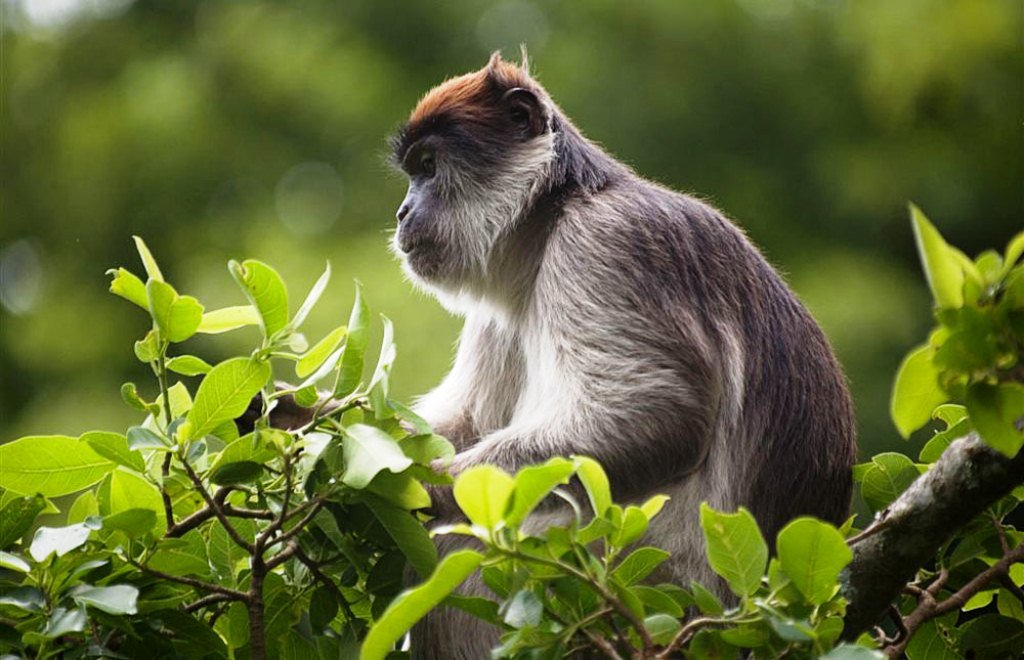
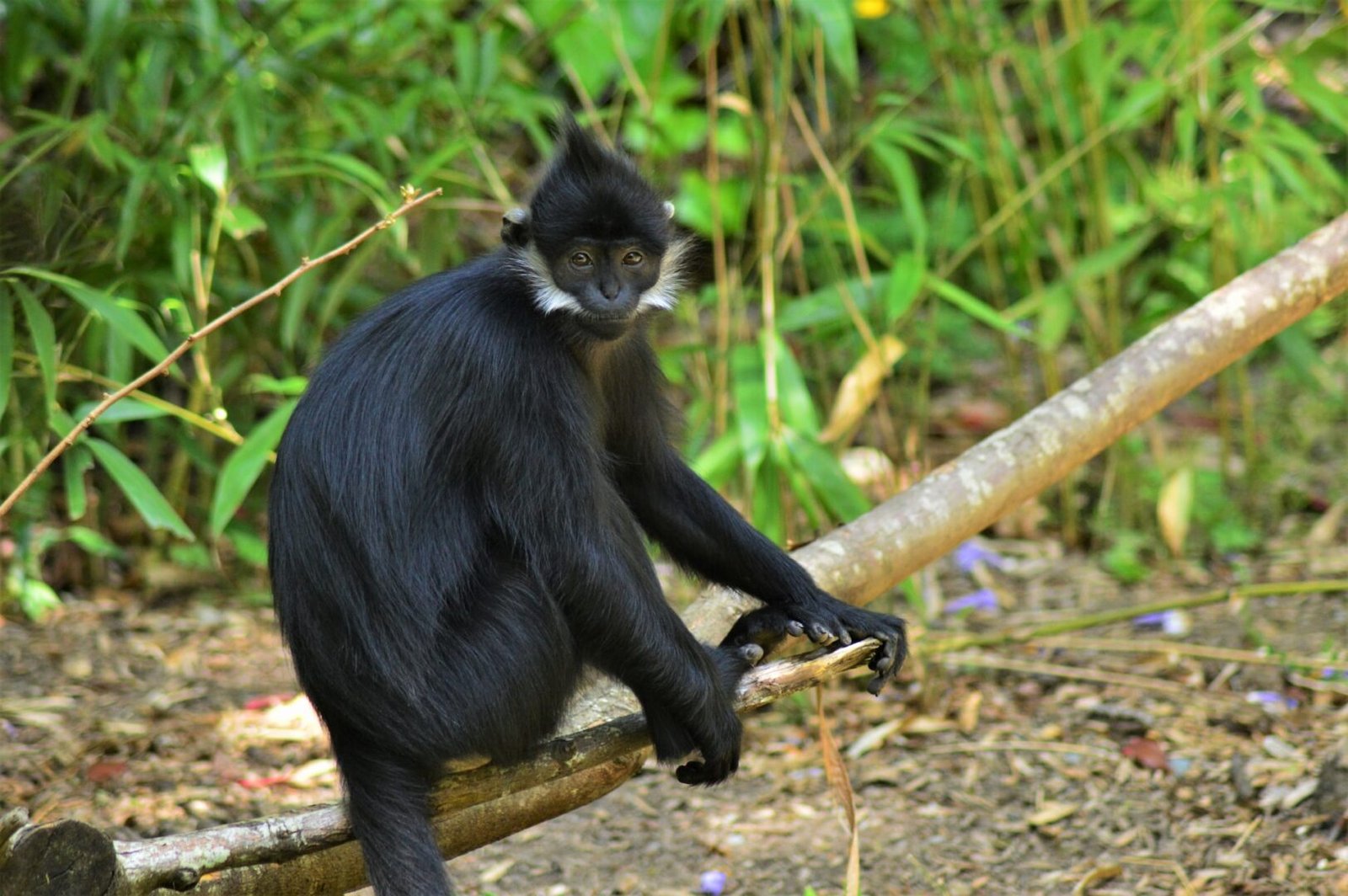
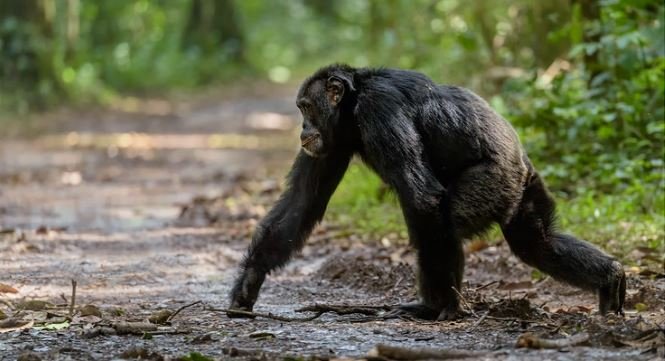
While many travelers visit Kibale because of its world-famous chimpanzee trekking experiences, the forest offers much more than encounters with chimpanzees. The ecosystem supports 13 primate species, each with unique characteristics, behaviors, and roles within the forest environment. Exploring Kibale allows visitors to discover the complexity of rainforest life and understand how different primates contribute to the balance of this incredible ecosystem.
At Nextgen Safaris, we create unforgettable Kibale experiences that allow travelers to discover the diversity and beauty of Uganda’s primates. Whether you are interested in chimpanzee trekking, photography, bird watching, or a complete primate safari, our expert guides help you experience the best of Kibale while supporting responsible wildlife tourism and conservation.
Why Kibale Forest Is Known as the Primate Capital of the World
Kibale Forest National Park has earned its reputation as the “Primate Capital of the World” because of the remarkable number and variety of primates found within its boundaries. The park protects approximately 795 square kilometers of rainforest, woodland, and wetland habitats that provide ideal conditions for primate survival.
The combination of ancient forests, abundant food sources, and protected habitats allows different primate species to coexist in the same ecosystem. Unlike many forests where only a few primate species survive, Kibale supports an exceptional concentration of primates, making it one of the most important primate conservation areas in Africa.
The diversity of the Primates of Kibale makes every forest visit unique. Travelers may encounter chimpanzees moving through the canopy, monkeys jumping between trees, or smaller primates quietly searching for food. Every species contributes to the incredible natural story of Kibale Forest.
Chimpanzees: The Most Famous Primates of Kibale
Chimpanzees are the most famous members of the Primates of Kibale and the main reason many visitors travel to this remarkable forest. Kibale is home to one of Africa’s largest populations of chimpanzees, making it one of the best destinations in the world for observing these intelligent great apes.
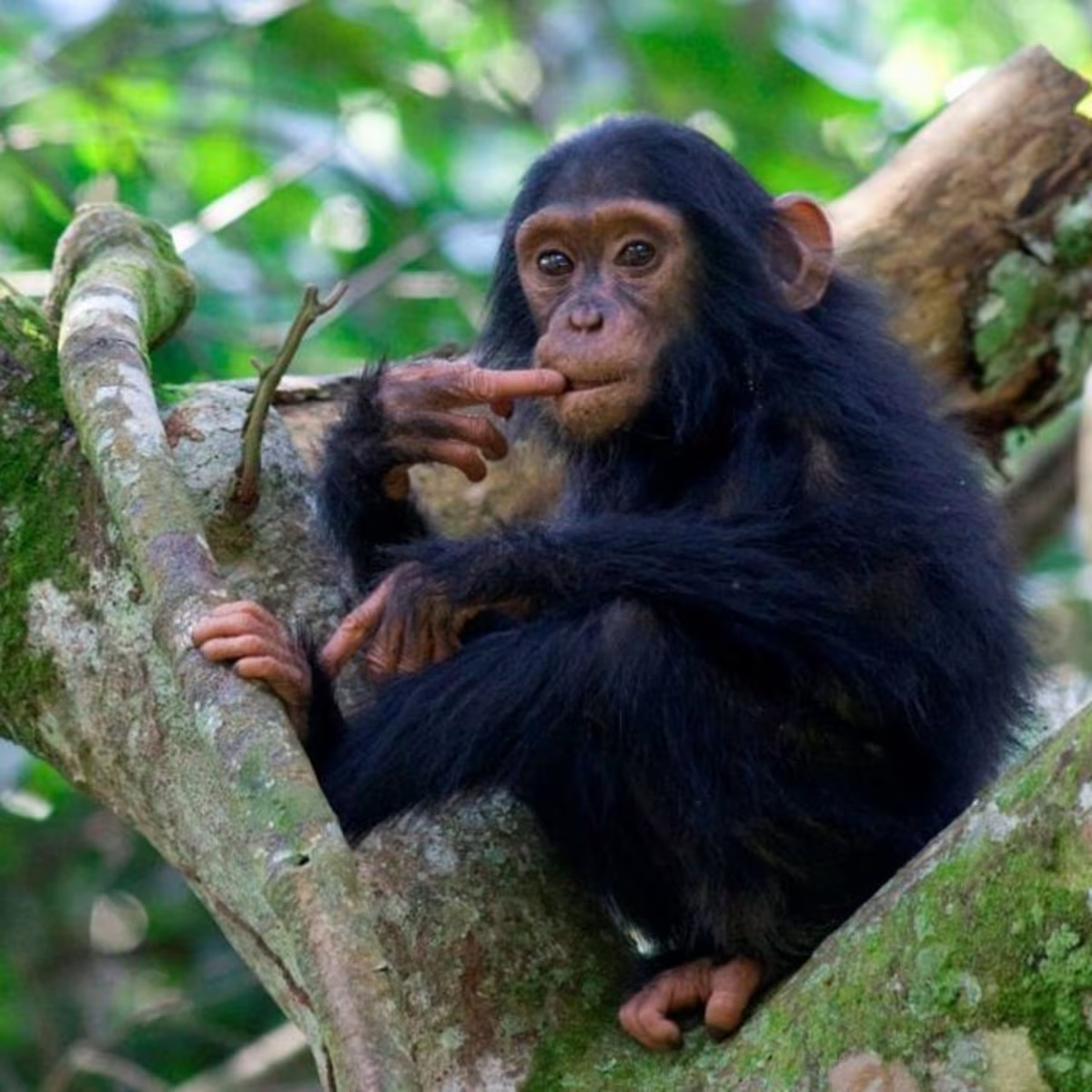
Chimpanzees share approximately 98% of their DNA with humans, and their behaviors often reveal surprising similarities. They form strong family relationships, communicate through complex sounds and gestures, use tools, solve problems, and demonstrate emotions such as happiness, fear, and affection.
Chimpanzee trekking in Kibale provides visitors with an opportunity to observe these incredible animals in their natural environment. Guided by experienced trackers, travelers can witness chimpanzees feeding, grooming, climbing trees, and interacting within their social communities.
Chimpanzee Habituation Experience in Kibale
The chimpanzee habituation experience provides a deeper opportunity to understand the lives of Kibale’s chimpanzees. Unlike standard trekking, where visitors spend a shorter period with already habituated communities, habituation allows travelers to spend more time observing chimpanzees as they become accustomed to human presence.
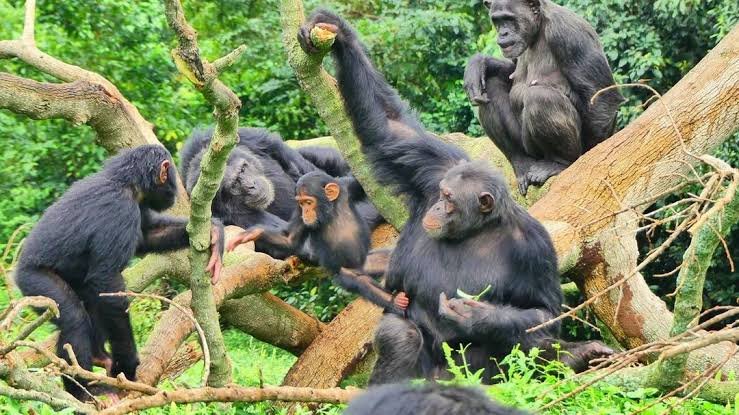
This extended experience is especially popular among wildlife photographers, researchers, and travelers seeking a more immersive adventure. Spending several hours with chimpanzee communities provides opportunities to observe a wider range of behaviors, including feeding patterns, social interactions, movement, and communication.
The habituation experience highlights the importance of conservation research because scientists use these encounters to better understand chimpanzee behavior and develop effective protection strategies.
Red-Tailed Monkeys of Kibale Forest
Red-tailed monkeys are among the most commonly seen members of the Primates of Kibale. They are easily recognized by their reddish-orange tails, white cheek markings, and energetic movements through the forest canopy.
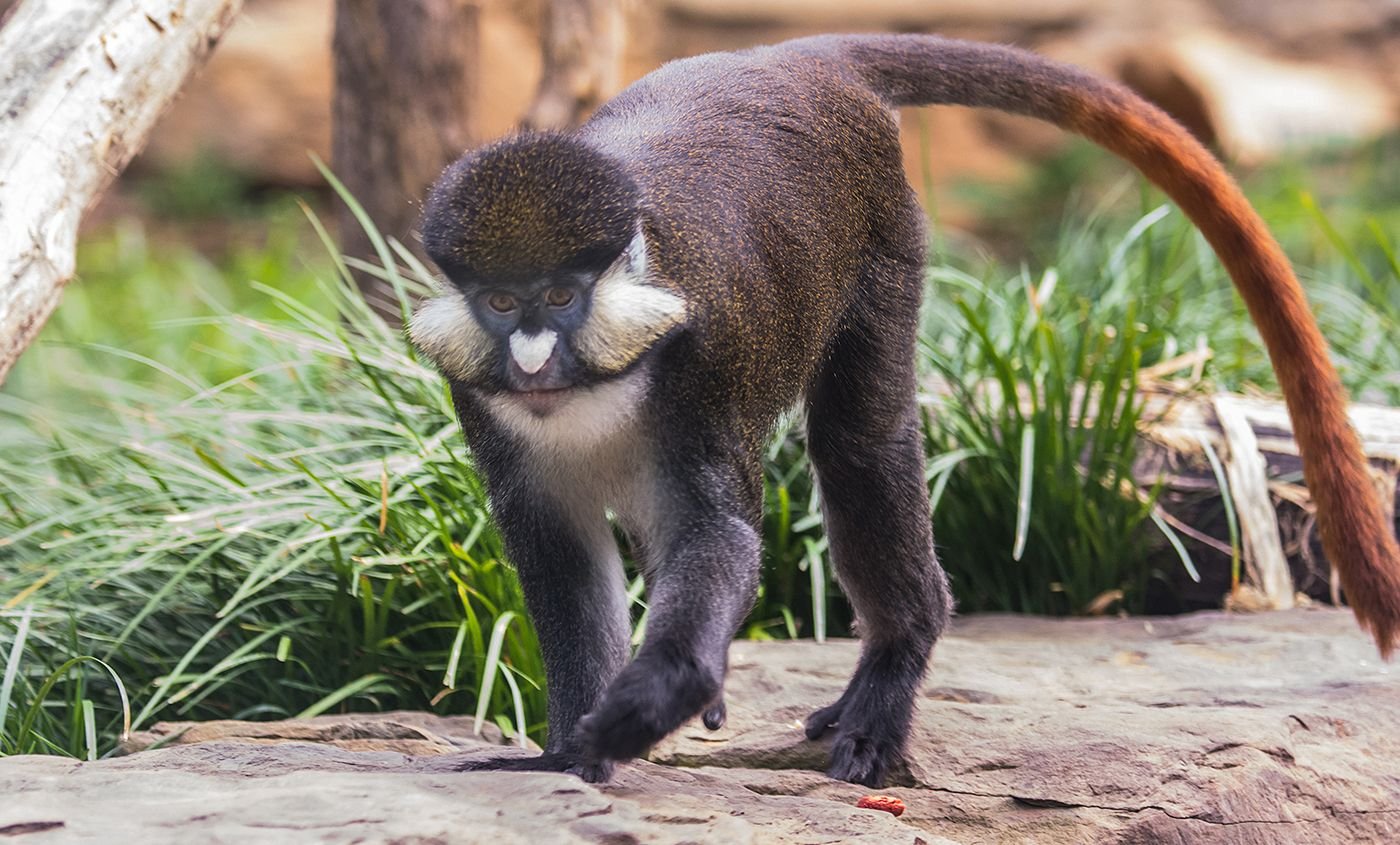
These monkeys are highly social animals that live in groups and spend much of their time searching for fruits, leaves, flowers, and insects. Their ability to move quickly through trees allows them to access food sources while avoiding many predators.
During forest walks and chimpanzee trekking experiences, visitors may spot red-tailed monkeys moving above the trails or communicating through their distinctive calls. Their playful behavior and colorful appearance make them excellent subjects for wildlife photography.
Black-and-White Colobus Monkeys
Black-and-white colobus monkeys are another fascinating species among the Primates of Kibale. Their striking black bodies, white facial features, and long flowing tails make them one of the most beautiful monkeys found in Uganda’s forests.
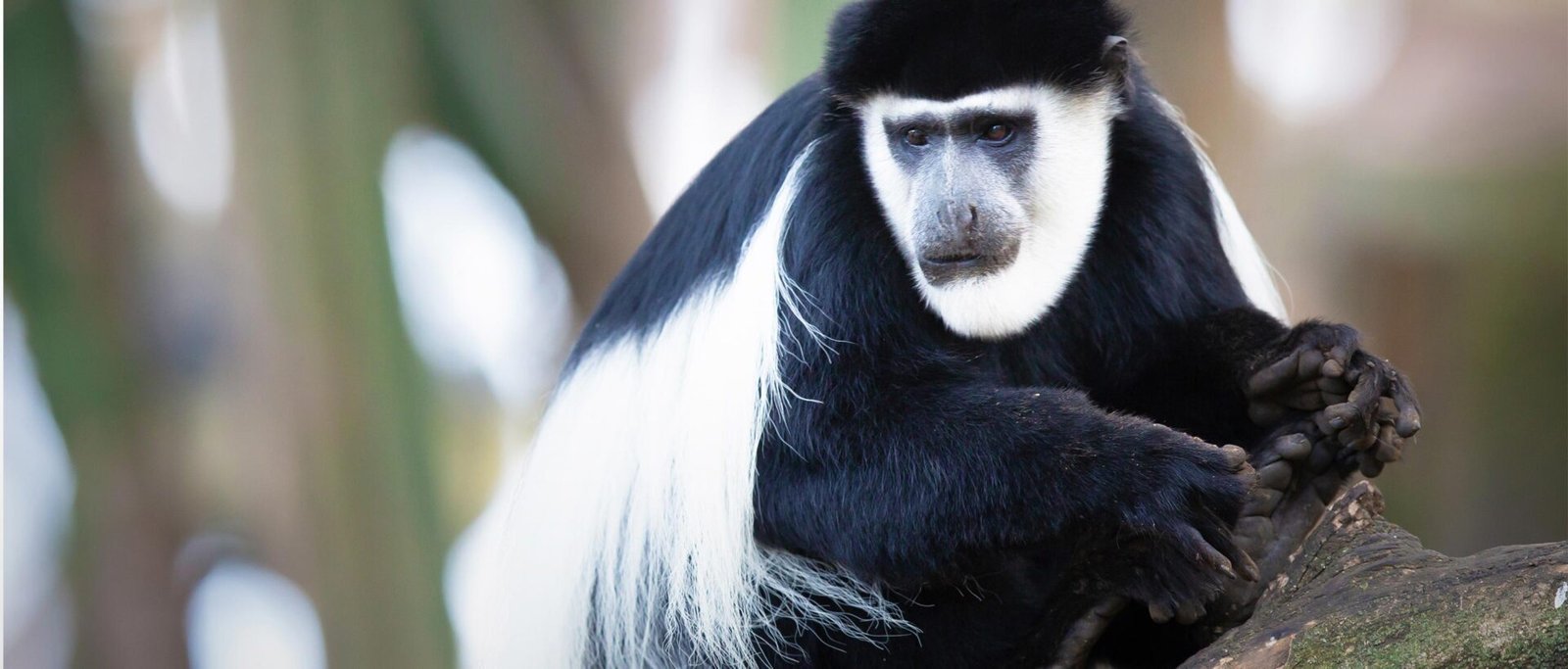
Unlike many other monkeys, colobus monkeys do not have thumbs. Their specialized hands allow them to move efficiently through the forest canopy, where they spend much of their lives feeding on leaves and other vegetation.
These monkeys play an important ecological role by helping maintain forest health through their feeding habits. Seeing them gracefully moving through the trees provides visitors with another unforgettable moment during a Kibale wildlife experience.
Blue Monkeys in Kibale Forest
Blue monkeys are another important species within Kibale’s diverse primate community. Despite their name, they are not bright blue but have a greyish coat with subtle blue coloring around their face.
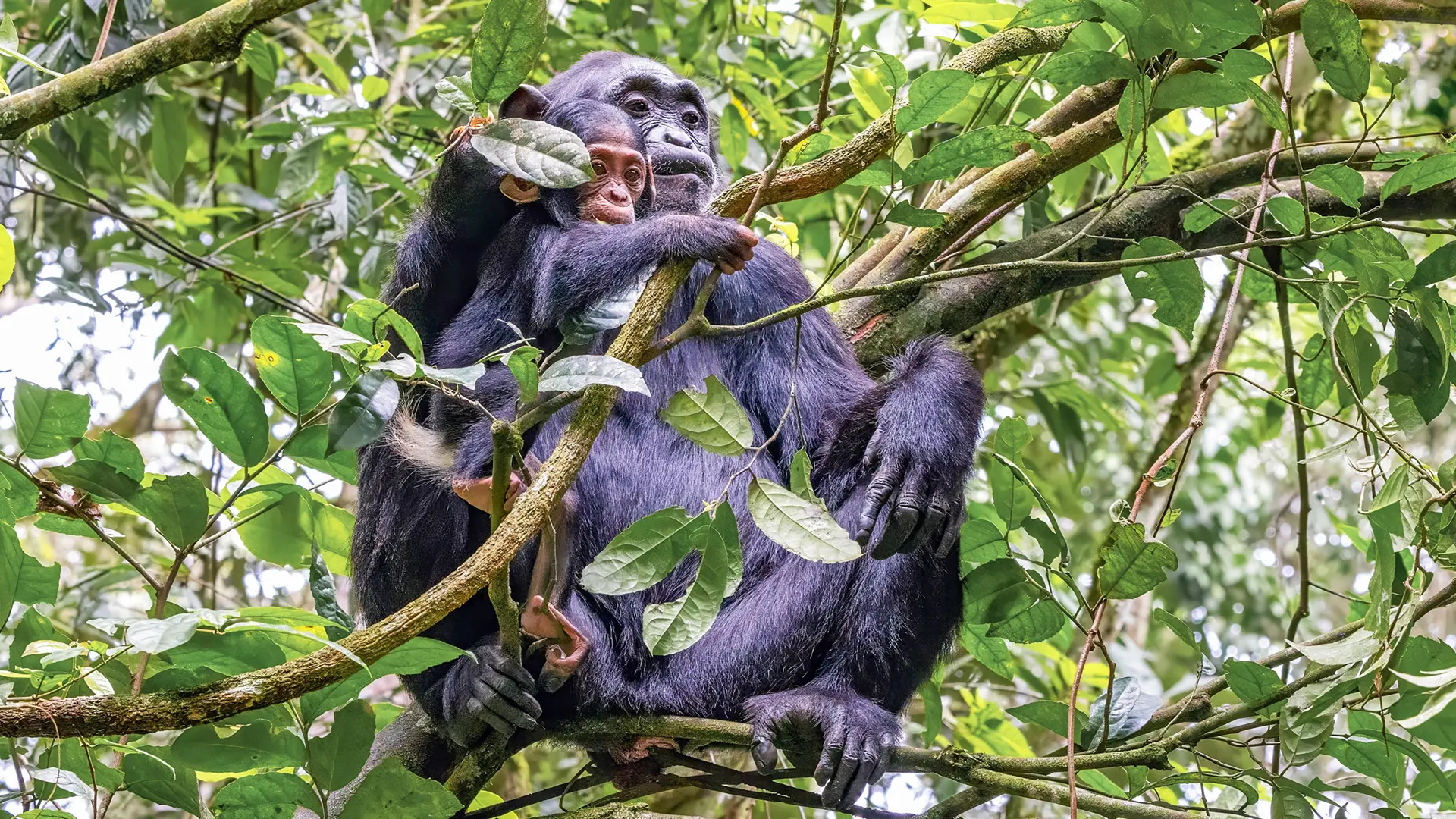
These monkeys are generally found in forest areas where they feed on fruits, leaves, flowers, and insects. They often move quietly through the trees, making careful observation important for visitors hoping to spot them.
Blue monkeys demonstrate the incredible adaptability of Kibale’s primates. Their ability to survive within complex rainforest environments shows the importance of protecting diverse habitats where different species can coexist.
Grey-Cheeked Mangabeys of Kibale
Grey-cheeked mangabeys are energetic forest primates known for their unique appearance and active social behavior. They are often seen moving in groups through the middle and upper layers of the forest.
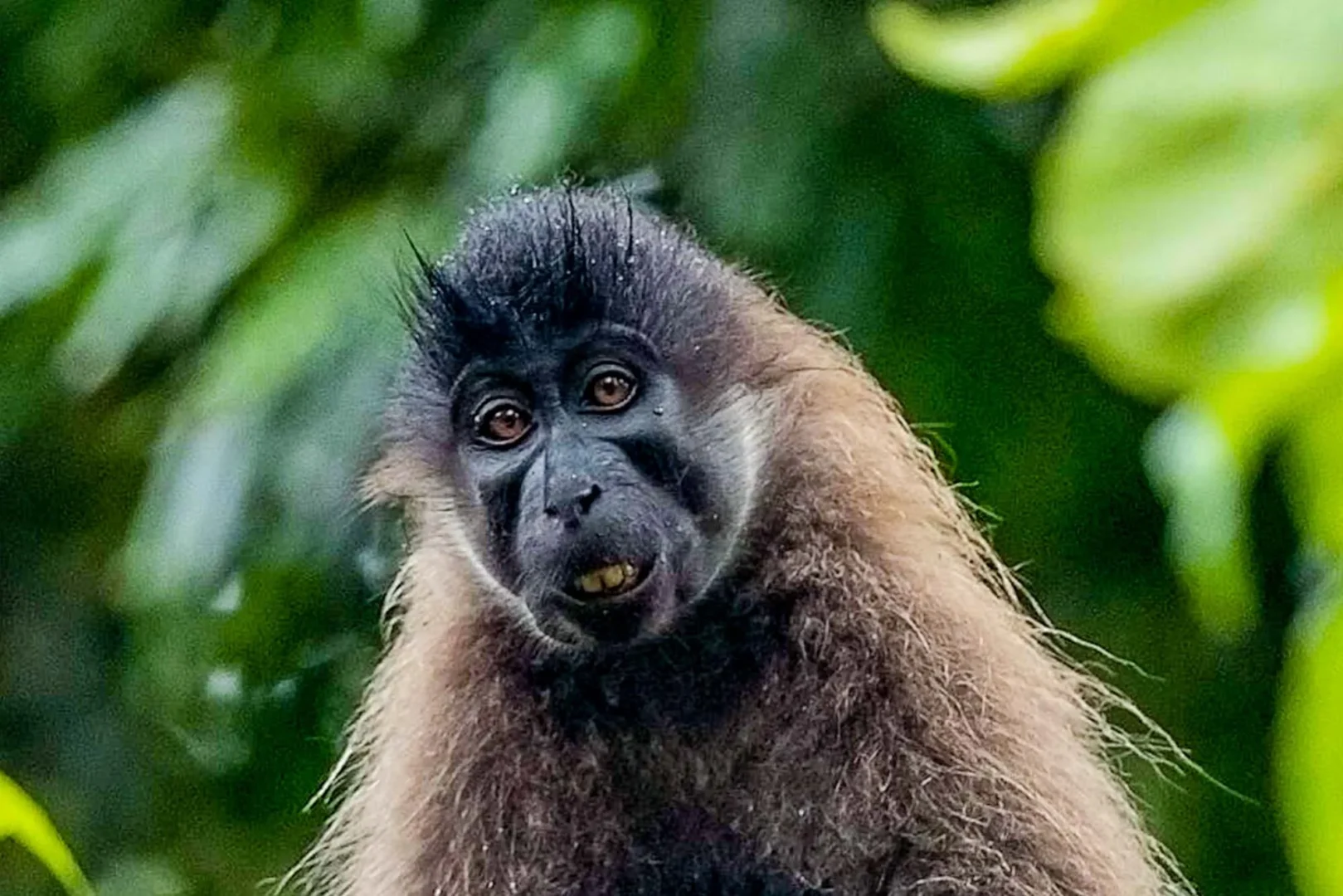
These primates have distinctive grey facial markings and powerful movements that allow them to travel quickly through the trees. Their diet includes fruits, seeds, leaves, and insects, allowing them to adapt to changing food availability.
Observing grey-cheeked mangabeys provides visitors with another example of the incredible diversity found among the Primates of Kibale and highlights why the forest is considered one of Africa’s most important primate habitats.
Olive Baboons Around Kibale
Olive baboons are among the larger primates found near Kibale Forest. Unlike many forest monkeys, baboons are often seen in more open areas, including forest edges and surrounding landscapes.
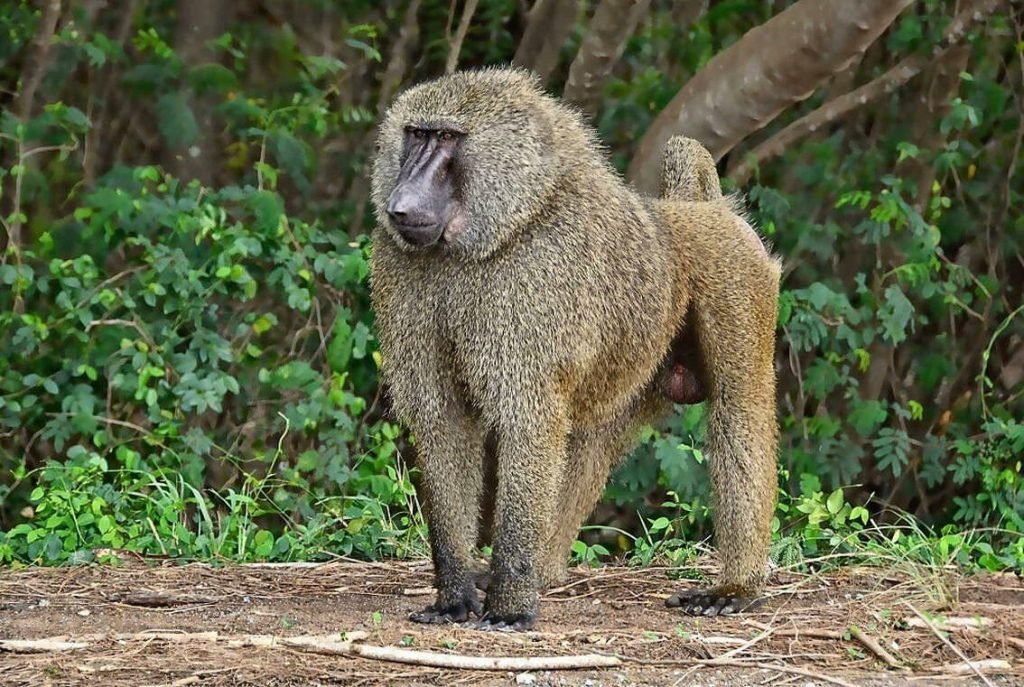
They live in large social groups with complex relationships and communication systems. Their intelligence and adaptability allow them to survive in different environments while maintaining strong social structures.
Although they are not the main attraction of Kibale, encountering olive baboons adds another dimension to the wildlife experience and demonstrates the incredible variety of primates found in the region.
Bushbabies and Nocturnal Primates of Kibale
Kibale Forest is also home to nocturnal primates such as bushbabies, which become active after sunset. These small, agile animals are adapted to life in the darkness and use their large eyes and powerful jumping abilities to move through the forest at night.
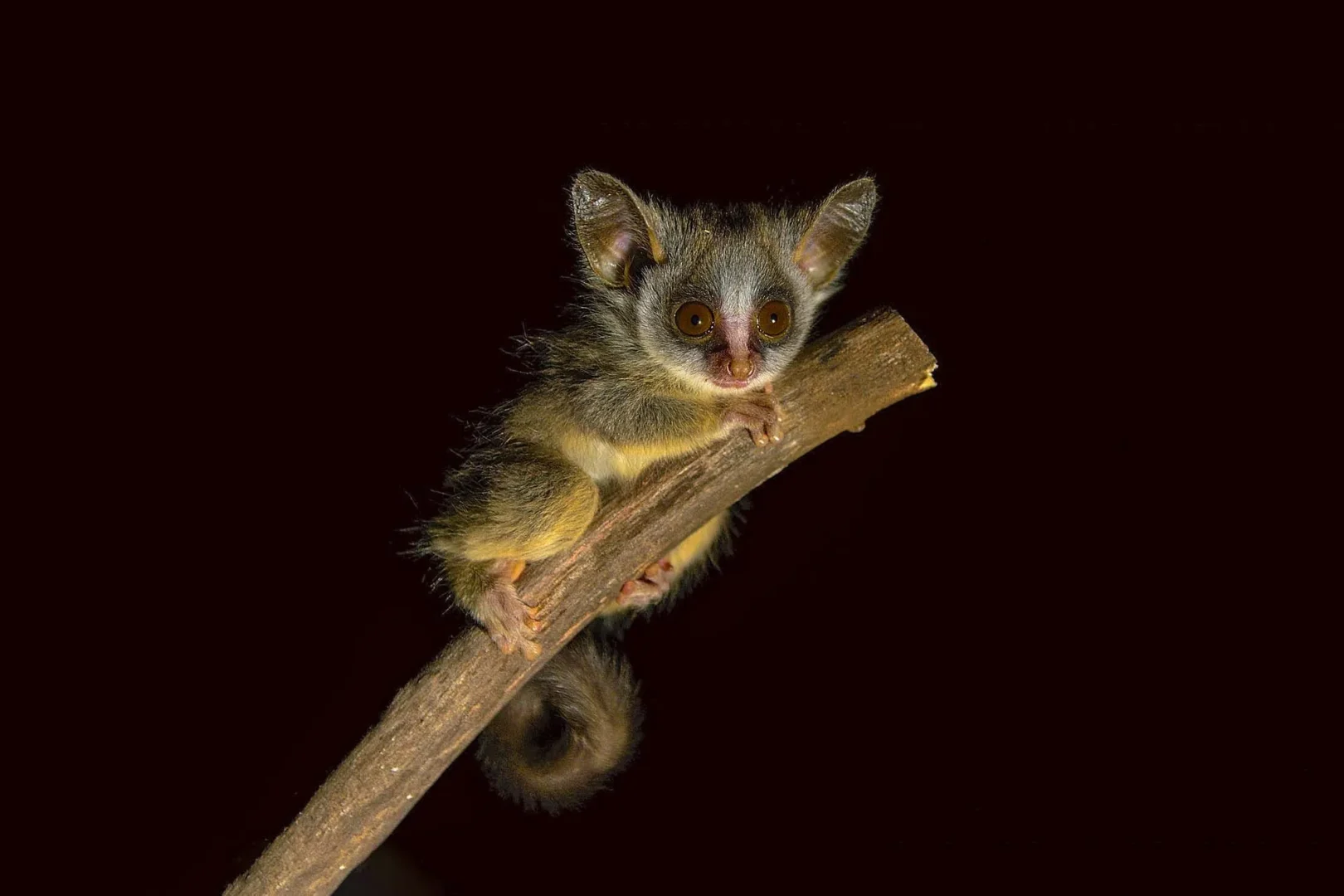
Night experiences in Kibale provide opportunities to discover a completely different side of the forest ecosystem. While daytime visitors focus on chimpanzees and monkeys, nighttime exploration reveals species that remain hidden during daylight hours.
Bushbabies demonstrate the incredible range of adaptations found among primates and highlight the importance of protecting forests throughout the entire day and night cycle.
The Role of Primates in Kibale’s Ecosystem
The primates of Kibale play essential roles in maintaining the health of the forest ecosystem. Through feeding activities, movement, and interactions with plants, primates contribute to seed dispersal and forest regeneration.
Chimpanzees and monkeys consume fruits and later spread seeds throughout the forest, helping new plants grow in different areas. This natural process supports biodiversity and ensures the continued health of the rainforest.
Protecting primates therefore means protecting the entire ecosystem. Conservation efforts focused on primates also benefit countless other species that depend on the same forest environment.
Best Ways to Experience the Primates of Kibale
Chimpanzee Trekking: The Ultimate Primate Encounter
Chimpanzee trekking is the most popular and unforgettable way to experience the Primates of Kibale because it provides visitors with the rare opportunity to observe chimpanzees in their natural rainforest environment. Kibale Forest National Park is one of the best places in Africa for chimpanzee encounters, thanks to its large chimpanzee population, experienced trackers, and well-established conservation programs.
The experience begins with a briefing where visitors learn about chimpanzee behavior, forest guidelines, and responsible wildlife viewing practices. Accompanied by professional guides and trackers, travelers enter the forest and follow natural trails while searching for chimpanzee communities. The sounds of the rainforest, including chimpanzee calls echoing through the trees, create an exciting atmosphere as visitors move deeper into the forest.
Once chimpanzees are located, visitors can spend time observing their daily activities, including feeding, grooming, climbing trees, playing, and communicating with one another. These encounters provide a deeper understanding of chimpanzee intelligence, social relationships, and the importance of protecting these incredible primates and their forest habitat.
Chimpanzee Habituation Experience: A Deeper Understanding of Forest Life
For travelers looking for a more immersive experience, the chimpanzee habituation experience offers an extended opportunity to spend time with chimpanzee communities in Kibale. Unlike standard trekking, habituation allows visitors to follow chimpanzees for several hours as they continue their daily routines.
This experience is especially valuable for photographers, researchers, and wildlife enthusiasts who want to observe a wider range of behaviors. Spending more time with chimpanzees allows visitors to witness activities such as morning nest departures, feeding, social interactions, resting periods, and movement through the forest.
The chimpanzee habituation experience also provides insight into conservation research. Visitors learn how scientists study chimpanzee behavior and how gradual habituation helps create safe conditions for both researchers and tourism while ensuring chimpanzees maintain their natural behaviors.
Bigodi Wetland Walk: Discovering More of Kibale’s Wildlife Diversity
The Bigodi Wetland Walk is one of the best complementary activities for travelers who want to experience more than chimpanzees. Located near Kibale Forest, this community-managed wetland provides opportunities to discover different primate species, birdlife, plants, and local culture.
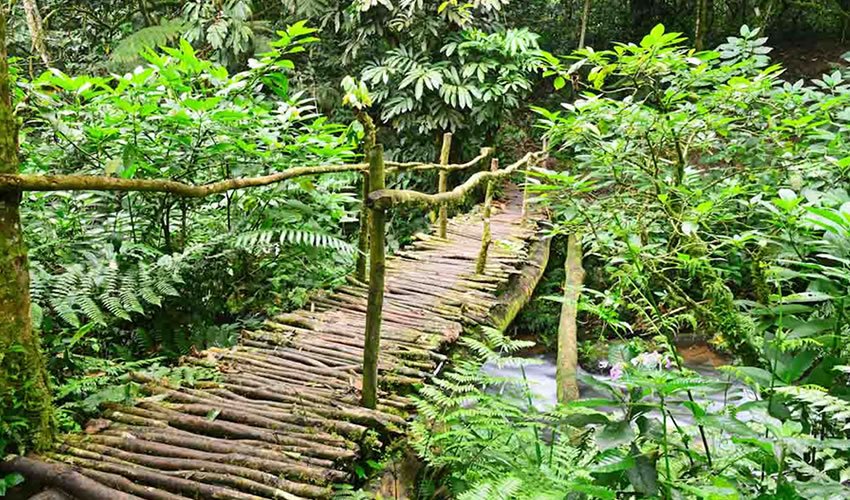
During the guided walk, visitors may encounter primates such as red-tailed monkeys, black-and-white colobus monkeys, and other forest species moving through the vegetation. The experience offers a different perspective of Kibale’s ecosystem by focusing on the relationship between wetlands, wildlife, and communities.
Beyond wildlife viewing, the Bigodi Wetland Walk supports community conservation initiatives. Visitors learn how local people protect natural habitats while benefiting from responsible tourism, creating a meaningful experience that connects conservation with community development.
Nature Walks and Forest Exploration in Kibale
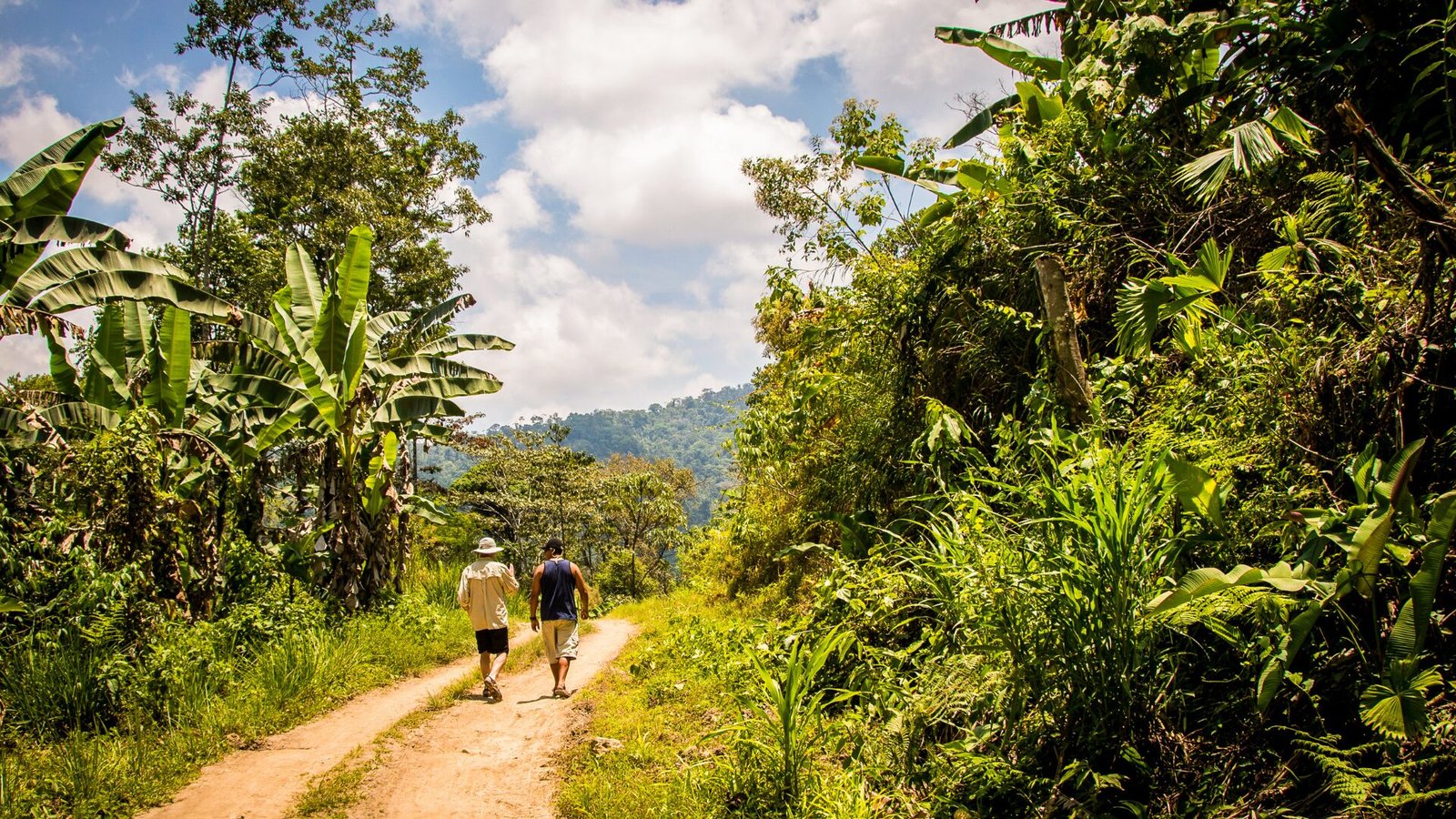
Nature walks provide a slower and more relaxed way to discover the incredible biodiversity of Kibale Forest. Unlike chimpanzee trekking, which focuses on locating specific primate groups, general forest walks allow visitors to explore the wider ecosystem and appreciate the many species that make Kibale unique.
Guided walks introduce travelers to different plants, insects, birds, and smaller wildlife species that are often overlooked during primate-focused activities. Experienced guides explain the ecological importance of the forest and how different species depend on one another for survival.
For nature lovers and photographers, forest walks provide excellent opportunities to capture the beauty of Kibale’s landscapes, including towering trees, forest trails, colorful birds, and occasional primate sightings.
Bird Watching Alongside the Primates of Kibale
Bird watching is another excellent way to experience the diversity of Kibale’s ecosystem. The forest supports hundreds of bird species, including many rare forest birds that can be seen while exploring primate habitats.
Species such as the great blue turaco, African pitta, hornbills, and various forest specialists attract bird enthusiasts from around the world. The combination of primates and birdlife makes Kibale one of Uganda’s most rewarding destinations for wildlife photographers and nature enthusiasts.
Combining bird watching with primate experiences allows travelers to appreciate the full richness of the rainforest. Instead of focusing on one species, visitors discover the interconnected ecosystem that supports chimpanzees, monkeys, birds, and countless other forms of life.
Conservation of the Primates of Kibale
Conservation plays a vital role in protecting the Primates of Kibale and ensuring these species continue to survive for future generations. Kibale Forest is protected through national park management, scientific research, and responsible tourism programs.
Chimpanzee research and monitoring programs provide valuable information about primate behavior, health, and population trends. This knowledge helps conservationists make better decisions about protecting the forest and its wildlife.
Tourism also contributes to conservation by generating funding for habitat protection and creating economic opportunities for communities living near the forest.
Best Time to Visit Kibale for Primate Experiences
Kibale can be visited throughout the year, but certain seasons provide different advantages. The dry seasons from June to September and December to February are popular because trails are easier to navigate.
The rainy seasons offer their own benefits, including greener landscapes, fewer visitors, and excellent photography conditions. Primates remain active throughout the year, making every season rewarding.
At Nextgen Safaris, we help travelers choose the best travel period based on their interests, whether they focus on chimpanzee trekking, photography, bird watching, or a complete primate adventure.
Why Choose Nextgen Safaris for a Kibale Primate Safari?
At Nextgen Safaris, we specialize in creating authentic wildlife experiences that showcase Uganda’s incredible biodiversity. Our Kibale primate safaris are designed to provide travelers with meaningful encounters while supporting conservation.
We organize chimpanzee trekking, habituation experiences, Bigodi Wetland Walks, transportation, accommodation, and customized itineraries based on traveler preferences.
With experienced local guides and expert planning, Nextgen Safaris ensures visitors discover the true beauty and diversity of the Primates of Kibale in a comfortable, responsible, and unforgettable way.
Frequently Asked Questions About Primates of Kibale
1. Why is Kibale Forest famous for its primates?
Kibale Forest is famous for its incredible primate diversity and is often called the “Primate Capital of the World.” The forest protects 13 primate species, making it one of the richest primate habitats in Africa.
The combination of ancient rainforest, abundant food sources, and strong conservation efforts allows chimpanzees and other primates to thrive within this unique ecosystem.
2. What are the main Primates of Kibale?
The main Primates of Kibale include chimpanzees, red-tailed monkeys, black-and-white colobus monkeys, blue monkeys, grey-cheeked mangabeys, olive baboons, and bushbabies.
Each species has unique behaviors, feeding habits, and adaptations that contribute to the incredible biodiversity of Kibale Forest.
3. Can I see chimpanzees in Kibale Forest?
Yes, Kibale Forest is one of the best places in Africa to see chimpanzees in their natural habitat. The park has a large population of chimpanzees and offers both chimpanzee trekking and habituation experiences.
Visitors can observe chimpanzees feeding, communicating, climbing trees, grooming, and interacting within their social groups.
4. What is the best way to experience the Primates of Kibale?
The best way to experience the Primates of Kibale is through chimpanzee trekking, nature walks, and guided forest experiences.
Combining chimpanzee trekking with activities such as the Bigodi Wetland Walk and bird watching provides a more complete understanding of Kibale’s wildlife and ecosystem.
5. How many primate species are found in Kibale Forest?
Kibale Forest is home to 13 primate species, making it one of the most important primate conservation areas in Africa.
The diversity includes great apes, monkeys, and nocturnal primates that occupy different parts of the forest ecosystem.
6. Are chimpanzees the only attraction in Kibale Forest?
No, although chimpanzees are the most famous attraction, Kibale offers much more wildlife diversity.
Visitors can see different monkey species, forest birds, butterflies, mammals, and unique plant species while exploring the rainforest.
7. What other monkeys can I see in Kibale Forest?
Visitors may encounter several monkey species, including red-tailed monkeys, black-and-white colobus monkeys, blue monkeys, grey-cheeked mangabeys, and olive baboons.
Each species offers a unique wildlife experience and contributes to the incredible biodiversity of Kibale Forest.
8. What makes chimpanzees special compared to other primates?
Chimpanzees are special because they are among humans’ closest living relatives and share approximately 98% of their DNA with humans.
They demonstrate advanced intelligence, use tools, communicate through complex systems, form strong social bonds, and display emotions similar to humans.
9. Can I photograph the Primates of Kibale?
Yes, photography is allowed during primate experiences in Kibale, including chimpanzee trekking and nature walks.
Visitors should follow responsible photography guidelines by maintaining safe distances, avoiding disturbance, and following instructions from professional guides.
10. What is the difference between chimpanzee trekking and chimpanzee habituation?
Chimpanzee trekking involves visiting chimpanzee communities that are already accustomed to human presence and spending a limited time observing them.
Chimpanzee habituation provides a longer experience where visitors spend more time with chimpanzee groups while researchers continue studying their behavior and adaptation to human presence.
11. Are the Primates of Kibale endangered?
Some primates in Kibale face conservation challenges, especially chimpanzees, which are classified as endangered due to habitat loss, disease, and human pressures.
Protected areas such as Kibale Forest play a crucial role in protecting these species and maintaining healthy populations.
12. What is the best time to see primates in Kibale?
The Primates of Kibale can be seen throughout the year because they live in the forest permanently.
The dry seasons from June to September and December to February are popular because trekking conditions are easier, while rainy seasons offer greener scenery and excellent photography opportunities.
13. Can families visit Kibale to see primates?
Yes, Kibale is a great destination for families interested in wildlife and nature experiences.
Families can enjoy chimpanzee trekking, nature walks, bird watching, and cultural activities depending on children’s ages and interests.
14. How does tourism help protect the Primates of Kibale?
Tourism supports conservation by generating funds for national park management, research programs, forest protection, and community projects.
Responsible tourism creates economic benefits that encourage local communities to protect chimpanzees and their natural habitats.
15. Why choose Nextgen Safaris for a Primates of Kibale safari?
Nextgen Safaris provides expertly planned Kibale primate experiences with professional guides, reliable transportation, comfortable accommodation, and customized itineraries.
We help travelers discover chimpanzees and other primates of Kibale while ensuring responsible tourism practices that support conservation and create unforgettable memories.
Book Your Primates of Kibale Adventure Today
The Primates of Kibale represent one of Africa’s greatest wildlife treasures, offering travelers a rare opportunity to discover chimpanzees, monkeys, and other fascinating forest species in their natural environment.
From intelligent chimpanzees and colorful monkeys to hidden nocturnal species, Kibale Forest provides an unforgettable journey into Uganda’s incredible rainforest world.
Contact Nextgen Safaris today and let our experts create your unforgettable Kibale primate safari filled with exceptional wildlife encounters, professional guidance, and meaningful experiences in Uganda’s famous primate capital.