
Rwanda Safari in March
Rwanda Safari in March – Incredible Gorilla Trekking & Green Season Wildlife Guide
A Rwanda Safari in March introduces travelers to mountain gorillas, chimpanzees, Big Five wildlife, tropical rainforest and Rwanda’s spectacular green highlands during the beginning of the country’s main rainy season. Rwanda Development Board climate information identifies March to May as the long rainy season, meaning visitors should expect a greater possibility of showers, wetter roads and muddier forest trails than during the major dry-season months. These conditions do not prevent safari travel, but they make appropriate clothing, sensible routing and realistic expectations especially important.
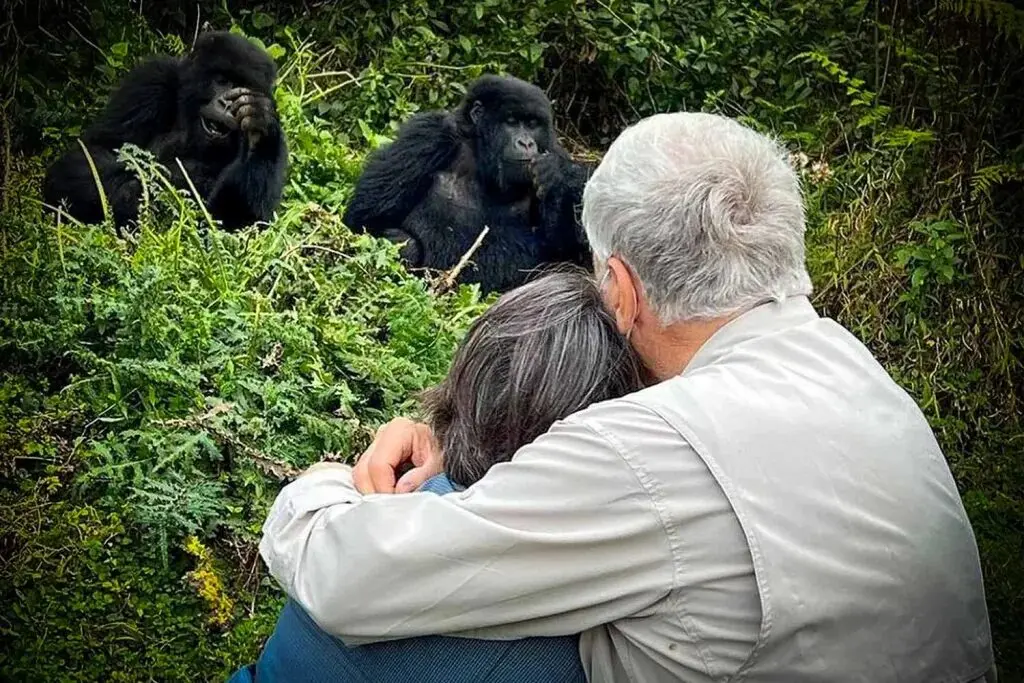
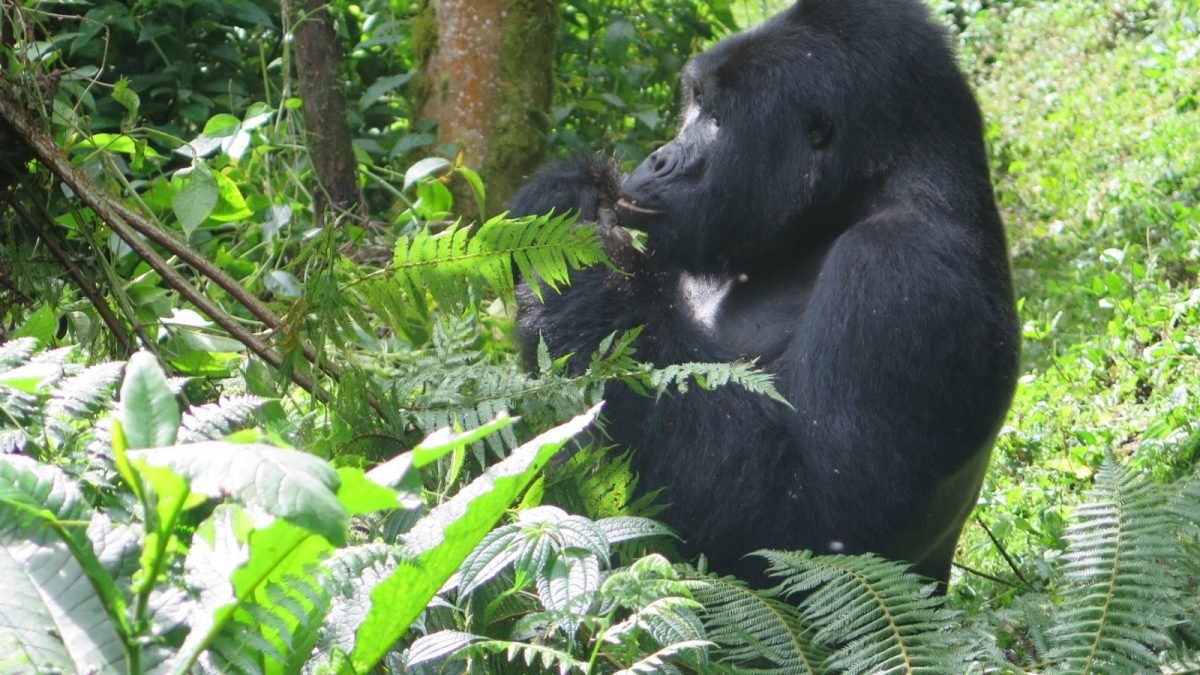
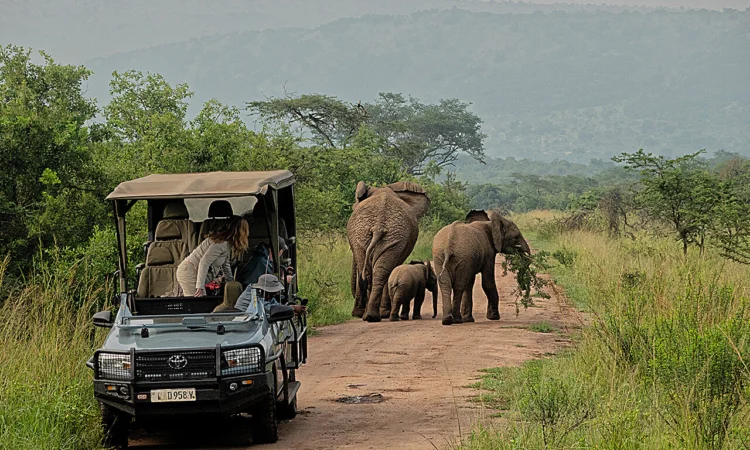
March can be particularly rewarding for travelers whose priority is experiencing Rwanda’s extraordinary biodiversity rather than seeking consistently dry weather. A well-designed Rwanda Safari in March can combine mountain gorilla trekking in Volcanoes National Park, Big Five game drives in Akagera National Park, chimpanzee tracking and the canopy experience in Nyungwe, scenic relaxation around Lake Kivu and time exploring Kigali. Rwanda’s official tourism itineraries actively combine Akagera, Nyungwe, Lake Kivu and Volcanoes National Park, demonstrating how naturally these contrasting regions can be connected within one country.
For many travelers, mountain gorillas remain the central attraction. Rwanda’s current standard international gorilla permit costs US$1,500 per person per day, while the minimum trekking age is 15 years. Gorilla permits are date-specific, so confirming the trekking date should be one of the first stages of planning a March safari, particularly when travelers have fixed international flights or specific lodge preferences.
Is March a Good Time for a Rwanda Safari?
Yes, a Rwanda Safari in March can be an excellent choice, particularly for travelers who are comfortable with rainfall and want to experience Rwanda when its forests, hills and countryside are strongly influenced by the green season. March marks the beginning of the country’s long rainy season, which normally continues through May. Rainfall can make trekking routes more demanding and road journeys slower in some areas, but Rwanda’s major tourism destinations continue to offer their established wildlife and primate experiences.
One of March’s strengths is that the season suits travelers who want a safari built around experiences rather than a guarantee of blue skies. Mountain gorilla trekking remains possible in Volcanoes National Park, chimpanzees can be tracked in Nyungwe, and Akagera continues to provide Rwanda’s traditional savannah safari experience. The weather simply changes how visitors prepare for those activities. Waterproof clothing, solid hiking footwear and enough time between destinations become more important than they might be during the driest months.
March also highlights how diverse Rwanda’s geography really is. Akagera’s warm, relatively low-lying plains create a very different atmosphere from the cooler volcanic highlands around Volcanoes National Park. Nyungwe adds an ancient rainforest ecosystem, while Lake Kivu introduces mountainous lakeside scenery. A single March safari can therefore move through several contrasting environments without leaving Rwanda.
Rwanda Weather in March
Weather should be considered carefully when planning a Rwanda Safari in March because the month lies within Rwanda’s long rainy season. Rwanda Development Board climate information identifies the main rainy period as extending from March through May, alternating with the June-to-August dry season. Travelers should consequently expect more frequent rainfall than during January, July or August.
Rain does not necessarily continue throughout every day. Conditions can change between sunshine, cloud and showers, while altitude creates additional regional variation. Eastern Rwanda is warmer and lower, whereas the central plateau and highlands are considerably cooler. Rwanda Development Board climate data notes that warmer annual averages occur in eastern low-lying areas while temperatures decrease at higher elevations.
This variation means visitors should pack flexible layers rather than dressing for one national climate. Light clothing can work well during warmer daytime periods in Kigali and Akagera, while Volcanoes and Nyungwe benefit from slightly heavier clothing and waterproof protection. Visit Rwanda specifically recommends a lightweight waterproof jacket in the moist mountains and sturdier clothing when tracking gorillas.
Gorilla Trekking in Rwanda in March
Mountain gorilla trekking is the signature experience of many Rwanda Safari in March itineraries. The trek takes place in Volcanoes National Park in northern Rwanda, where visitors enter mountain forest and bamboo habitat accompanied by professional guides and trackers. The exact walking distance varies because mountain gorillas move naturally through their habitat, making each trekking day different.
March’s wetter conditions make preparation particularly important. Trails may become muddy and slippery, vegetation can be wet and steep sections can demand considerably more effort than an ordinary nature walk. Visit Rwanda recommends solid walking shoes and sturdy clothing for gorilla tracking and suggests considering gloves and gaiters because of dense vegetation and stinging plants.
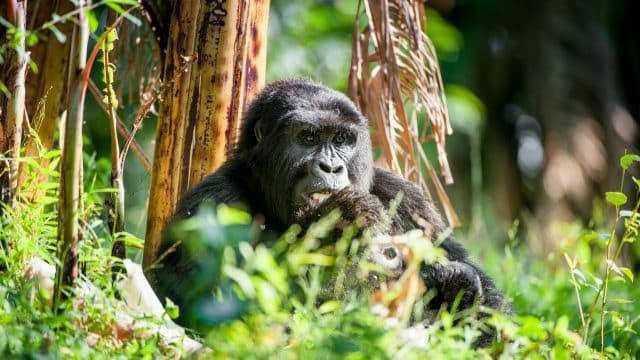
The rainfall should not overshadow the experience itself. Entering the Virunga forest and eventually reaching a habituated gorilla family remains one of Africa’s most remarkable wildlife encounters. Trekkers may observe a dominant silverback, females feeding nearby and young gorillas playing through vegetation while guides interpret family behavior and conservation rules. The unpredictable forest environment is part of what makes gorilla trekking fundamentally different from observing wildlife from a safari vehicle.
For travelers who are physically prepared and comfortable with rain, a Rwanda Safari in March can therefore offer an especially atmospheric gorilla experience. Forest mist, saturated vegetation and volcanic scenery can create a dramatic setting, although travelers should protect cameras and other electronics from moisture.
Rwanda Gorilla Permit in March
The current standard international gorilla trekking permit in Rwanda costs US$1,500 per person per day, and the minimum age for gorilla tracking is 15 years. These requirements apply regardless of whether the trek takes place during the dry season or during a wetter month such as March.
A Rwanda Safari in March should ideally be designed around a confirmed permit date. Because a permit is issued for a particular trekking day, arranging the rest of the journey before confirming gorilla availability can create unnecessary changes to accommodation and transfers. Nextgen Safaris can structure the route around the confirmed Volcanoes National Park date and then position Akagera, Nyungwe, Lake Kivu and Kigali logically around it.
Travelers considering two gorilla treks should remember that each trekking day requires a separate permit. A second trek can provide a completely different experience because another gorilla family, route and set of behaviors may be encountered, but the additional permit represents a major increase in the total trip cost.
What Is Gorilla Trekking Like in March?
A March gorilla trek should be approached as a genuine rainforest and mountain adventure. The day can involve walking through mud, bamboo, uneven ground and thick vegetation before the gorillas are located. Rain protection is therefore not simply an optional extra. Waterproof outerwear, strong walking shoes, long trousers and protective gloves can significantly improve comfort.
Trekkers should also prepare mentally for changing conditions. A clear morning can become cloudy, and forest vegetation can remain wet even when rain has stopped. Carrying only necessary items in a compact daypack helps reduce fatigue, while using a porter can make the trek more comfortable and support local livelihoods.
March’s green forest environment can be particularly rewarding for photography, but heavy equipment may become difficult to manage on slippery slopes. A practical camera setup protected against rain is generally more useful than carrying several large lenses through the forest.
Golden Monkey Tracking in March
Golden monkey tracking is an excellent addition to a Rwanda Safari in March, particularly for travelers spending several nights around Volcanoes National Park. Golden monkeys are another of Rwanda’s important trackable primates and provide a completely different experience from mountain gorillas.
These energetic primates can move quickly through bamboo vegetation, making the experience active and visually exciting. Whereas gorilla encounters often involve extended periods observing a relatively calm family group, golden monkeys frequently require visitors to follow rapid movement through the forest.
March travelers should expect wet vegetation and potentially muddy trails, so the same practical clothing used for the gorilla trek will normally be useful. Including a separate golden monkey morning also gives travelers more reason to spend two or three nights around Volcanoes National Park rather than treating northern Rwanda as a one-night stop.
Akagera National Park Safari in March
Akagera National Park gives a Rwanda Safari in March its classic African savannah component. The park’s relatively warm, low-lying landscapes include savannah, woodland, wetlands and around a dozen lakes. Visitors can encounter buffaloes, elephants, antelopes, zebras, giraffes, baboons, monkeys and an impressive variety of birds.
Akagera is also home to Rwanda’s Big Five. Lions and eastern black rhinos were reintroduced as part of major conservation programs, once again allowing travelers to search for lion, leopard, elephant, buffalo and rhino within the same protected area.
March rainfall can give Akagera a greener appearance than travelers might associate with classic dry-season safari photography. This should be considered an advantage for visitors who appreciate landscape photography and vibrant vegetation. Wildlife sightings remain unpredictable regardless of the month, and seeing every member of the Big Five should never be guaranteed.
The stronger approach is to appreciate Akagera as an entire ecosystem. Giraffes moving through open country, elephants feeding near woodland, zebra herds on the plains and rich wetland birdlife can be every bit as memorable as predator sightings.
Game Drives in Akagera in March
Game drives remain one of the principal activities in Akagera during March. The park’s largely open character makes it particularly suitable for wildlife viewing, while its mixture of habitats means a longer safari drive can reveal very different environments within the same day.
A morning departure allows travelers to explore while temperatures are comfortable and wildlife is active. The guide can search different areas for elephants, buffaloes, giraffes, zebras, antelopes and predators while also interpreting vegetation, tracks and animal behavior.
For travelers with sufficient time, two nights in Akagera generally create a stronger Rwanda Safari in March than a rushed visit from Kigali. A multiple-night stay provides room for a substantial game drive while giving the itinerary some flexibility if rainfall temporarily slows the day.
Big Five Safari in Rwanda in March
Rwanda’s ability to combine the Big Five with mountain gorilla trekking is one of the strongest reasons to create a multi-park safari. Akagera provides lion, leopard, elephant, buffalo and rhino, while Volcanoes National Park provides Rwanda’s celebrated mountain gorilla experience.
This combination makes a Rwanda Safari in March especially attractive for travelers who do not want to choose between savannah wildlife and primates. A journey can begin with traditional game drives across open eastern landscapes and gradually move toward the misty volcanic mountains of northern Rwanda.
Wildlife remains free-ranging, so travelers should avoid treating Akagera as a checklist. The experience becomes richer when giraffes, zebras, antelopes, wetland landscapes and birdlife receive the same attention as the Big Five.
Chimpanzee Tracking in Nyungwe in March
Nyungwe National Park adds another exceptional primate dimension to a Rwanda Safari in March. Visit Rwanda identifies Nyungwe as one of the country’s key chimpanzee habitats, with chimpanzees living in extended social communities and moving daily through the forest while searching for food.
Chimpanzee tracking can be physically energetic because the animals are mobile and may travel quickly through the forest. March’s rainy-season conditions can further increase the challenge, with wet vegetation, mud and slippery sections of trail. Strong footwear and rain protection should therefore be treated as essential.
The experience differs from gorilla trekking in both movement and atmosphere. Chimpanzees may be heard calling through the forest before they are seen, and trackers often follow their movement through trees and vegetation. Travelers interested strongly in primates may consider Nyungwe and Volcanoes the two central pillars of their March journey.
Nyungwe Canopy Walkway in March
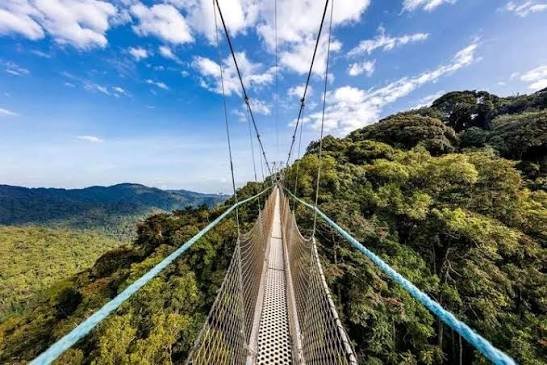
The Nyungwe Canopy Walkway is an excellent companion experience to chimpanzee tracking. The approach from the Uwinka Reception Centre passes through a biodiverse forest containing butterflies, orchids and colorful birds, while Nyungwe itself supports 13 primate species.
Walking above part of the forest provides a completely different perspective from tracking chimpanzees at ground level. Rather than focusing primarily on finding one species, visitors can appreciate the scale and structure of the rainforest while enjoying views across the canopy.
March visitors should expect wet conditions to be possible, and scheduling the canopy walk with some flexibility can be sensible. A two-night stay in Nyungwe generally creates a more comfortable safari than trying to combine a long road transfer, chimpanzee trekking and the canopy walkway within one tightly packed day.
Rwanda’s official short itineraries specifically combine chimpanzee trekking, the canopy walk and Lake Kivu, demonstrating how naturally these experiences can be linked.
Lake Kivu in March
Lake Kivu creates a slower scenic stage within a longer Rwanda Safari in March. Situated in western Rwanda and surrounded by magnificent mountains, the lake provides a striking contrast to Akagera’s savannah and the dense forests of Nyungwe and Volcanoes. Visit Rwanda describes Lake Kivu as part of the Great Rift Valley, with deep emerald waters and dramatic mountain surroundings.
Lake Kivu works particularly well in an itinerary connecting Nyungwe and Volcanoes National Park. Instead of treating western Rwanda entirely as a transfer corridor, travelers can spend one or two nights around the lake and continue north at a more comfortable pace.
March weather may require flexibility for outdoor activities, but a lakeside stay remains valuable even when conditions are cloudy. It gives travelers time to recover after chimpanzee trekking before continuing to another active primate experience in Volcanoes National Park.
Rwanda Coffee Experiences in March
March also provides an interesting opportunity for travelers who want to add a cultural and agricultural dimension to their safari. Visit Rwanda notes that coffee cherries are generally ready for harvest between February and May, while coffee experiences are particularly associated with areas around Gisenyi near Lake Kivu.
This means a Rwanda Safari in March can potentially combine wildlife and primates with a coffee-focused experience near the lake. Visitors may learn about cultivation and processing through local cooperatives or washing-station experiences where these are included in the final itinerary.
Adding coffee to a March safari is particularly useful for travelers who want more than national parks. It provides a connection with Rwanda’s rural landscapes and creates variety between physically demanding trekking days.
Kigali During a Rwanda Safari in March
Kigali is the usual arrival and departure point for a Rwanda Safari in March and can serve as much more than an airport stop. Spending the first night in Kigali gives travelers time to recover after an international flight before starting an early safari transfer the following morning.
The capital also connects Rwanda’s major tourism regions efficiently. Travelers can head east toward Akagera, north toward Volcanoes or begin a longer circuit eventually linking Nyungwe and Lake Kivu. Rwanda’s published national park itineraries use the same broad routing to combine the country’s principal destinations.
At the end of the safari, Kigali can provide a relaxed final day depending on the international flight schedule. Sightseeing, cultural experiences, shopping or lunch can be added before transferring to Kigali International Airport.
Rwanda Safari in March for Birdwatching
Birdwatching can add significant depth to a Rwanda Safari in March, particularly when Akagera and Rwanda’s forest parks are combined. Akagera has 490 recorded bird species, supported by its mix of lakes, wetlands, woodland and savannah.
Nyungwe and Volcanoes then introduce completely different highland forest habitats, making a multi-park itinerary particularly attractive for travelers interested in both mammals and birds. Dedicated birdwatchers should allow more time than an ordinary game drive provides, while general safari travelers can still benefit greatly from carrying binoculars.
March’s lush vegetation can make birding visually rewarding, although dense greenery can sometimes make forest species more challenging to locate. An experienced guide becomes particularly useful when identification depends on calls rather than immediate sightings.
What to Pack for a Rwanda Safari in March
Packing correctly is especially important for a Rwanda Safari in March because the month falls within the long rainy season. A lightweight waterproof jacket should be considered essential for forest activities, while sturdy walking shoes or hiking boots are necessary for potentially slippery gorilla and chimpanzee trails.
Long trousers and long-sleeved shirts are useful for protection against vegetation during primate trekking. Visit Rwanda also suggests gloves and gaiters for gorilla tracking, particularly because dense forest vegetation can include stinging plants.
For Akagera, comfortable lightweight safari clothing is practical, although Visit Rwanda advises avoiding blue because it attracts tsetse flies. Sun protection and insect precautions remain worthwhile despite March being a rainy month.
A warm layer is helpful around Volcanoes and Nyungwe, while photographers should carry waterproof covers or dry bags for sensitive equipment. Binoculars are valuable in Akagera and for Rwanda’s excellent birdlife.
Photography During a Rwanda Safari in March
March can be a rewarding month for photography because the rainy season creates richly vegetated landscapes and dramatic cloud formations. This is an inference from Rwanda’s March-to-May rainy-season climate rather than a guarantee of specific daily photographic conditions.
Akagera offers wide savannah compositions and large mammals, while Volcanoes National Park provides intimate primate photography in dense forest. Nyungwe introduces darker rainforest conditions, and Lake Kivu adds broad mountain and water scenery.
Camera protection becomes particularly important in March. Lightweight waterproof covers, lens cloths and dry storage for batteries and memory cards can make a major difference during sudden showers.
Travelers should also remember that wildlife encounters are experiences first. During a gorilla trek, allowing some of the viewing time to simply observe the family without continuously photographing can make the encounter far more memorable.
Rwanda Safari in March for Families
A Rwanda Safari in March can work well for families when the itinerary is designed around the ages and activity levels of the children. Akagera is particularly suitable because traditional game viewing takes place primarily from a safari vehicle, allowing families to search for giraffes, elephants, zebras and other wildlife without demanding trekking.
Families planning mountain gorilla trekking must remember that the minimum age is currently 15 years. Younger children cannot join the standard trek, so alternative arrangements must be organized while adults and eligible teenagers enter Volcanoes National Park.
March’s weather also makes pacing important. A family itinerary with two-night stays is generally more comfortable than moving hotels every day. Akagera and Volcanoes can form a strong one-week safari, while families with more time can add Lake Kivu or Nyungwe according to the children’s interests.
Rwanda Safari in March for Couples and Honeymooners
March can produce an appealing combination of adventure and relaxation for couples. Mountain gorilla trekking can provide the emotional centerpiece of the trip, while Akagera adds private wildlife viewing and Lake Kivu creates a slower scenic stage between more active experiences.
A honeymoon Rwanda Safari in March should usually prioritize pacing rather than the number of destinations. Spending two or three nights at selected lodges allows couples to appreciate their accommodation and surroundings instead of spending every afternoon transferring to another property.
Travelers comfortable with rainfall may also enjoy the atmospheric character of Rwanda’s green season. A carefully designed honeymoon can combine Kigali, Akagera, Volcanoes and Lake Kivu, while longer journeys can incorporate Nyungwe.
Luxury Rwanda Safari in March
Rwanda is particularly suited to luxury safari travel because its major wildlife regions can be combined with private guiding and high-quality accommodation. A luxury Rwanda Safari in March can include carefully selected lodges around Akagera, Nyungwe and Volcanoes while allowing more time in each destination.
The value of luxury travel should not be measured purely by hotel price. During March, additional time and flexibility can be especially valuable. A three-night stay near Volcanoes gives guests space around their gorilla trek, while two nights in Akagera allow wildlife viewing without rushing immediately into another long transfer.
Gorilla permit availability should remain one of the fixed anchors of the itinerary. Once the trekking date is confirmed, accommodation and private transportation can be coordinated around it.
How Many Days Are Best for a Rwanda Safari in March?
A short Rwanda Safari in March can be completed in around three or four days when mountain gorilla trekking is the main objective. Such an itinerary can begin in Kigali, travel to Volcanoes National Park, include the gorilla trek and potentially add golden monkey tracking before returning to Kigali.
Around seven days allows considerably more variety. Akagera and Volcanoes National Park can be combined, creating a safari with both savannah wildlife and mountain gorillas. Alternatively, travelers whose primary interest is primates can combine Nyungwe and Volcanoes.
For a broader national journey, approximately nine to ten days is more suitable. Rwanda’s official “Trio of National Parks plus Lake Kivu” circuit combines Akagera, Nyungwe, Lake Kivu and Volcanoes and features the Big Five, chimpanzees and gorillas.
March’s wetter conditions make a slightly slower itinerary particularly sensible. Adding an extra night in key destinations can create useful flexibility while preventing the safari from feeling dominated by road transfers.
Suggested 7-Day Rwanda Safari in March
A rewarding seven-day Rwanda Safari in March can begin with arrival and an overnight stay in Kigali before traveling east toward Akagera National Park. Spending two nights in Akagera provides enough time for a meaningful game drive while giving travelers a relaxed introduction to Rwanda’s wildlife.
The journey can then cross toward Volcanoes National Park, where two or three nights provide time for mountain gorilla trekking and potentially golden monkey tracking. The final day returns to Kigali for sightseeing or international departure according to the flight schedule.
This route works particularly well for first-time visitors because it avoids trying to cover the entire country within one week. Akagera provides traditional Big Five safari experiences, while Volcanoes delivers Rwanda’s signature mountain gorilla encounter.
Travelers more interested in primates than savannah wildlife can replace Akagera with Nyungwe, combining chimpanzees, the canopy walkway and mountain gorillas. Visit Rwanda itself promotes experiences that combine Nyungwe chimpanzees, the canopy walk, gorillas and golden monkeys.
Suggested 10-Day Rwanda Safari in March
A ten-day Rwanda Safari in March provides enough time to experience Rwanda’s principal wildlife regions at a more comfortable pace. Begin in Kigali before traveling to Akagera National Park for game drives and savannah wildlife.
From Akagera, continue toward Nyungwe National Park for chimpanzee tracking and the canopy walkway. Two nights around Nyungwe allow the forest experiences to be separated rather than compressed into one exhausting day.
Continue toward Lake Kivu, where a scenic overnight stop can break the journey between Nyungwe and Volcanoes National Park. March can also coincide with Rwanda’s February-to-May coffee harvest period, making a coffee-related experience around the Lake Kivu region an interesting optional addition where available.
The final section of the journey can focus on Volcanoes National Park, with mountain gorilla trekking and golden monkey tracking before returning to Kigali. This route follows the same broad national circuit promoted by Rwanda’s official tourism platform.
Rwanda Safari in March Cost
The cost of a Rwanda Safari in March depends on the number of travel days, accommodation category, number of travelers, transportation arrangements and activities included. Mountain gorilla trekking represents one of the largest fixed costs because the current international permit is US$1,500 per person per trek.
A short Kigali and Volcanoes itinerary will naturally cost less than a complete circuit covering Akagera, Nyungwe, Lake Kivu and Volcanoes. Accommodation category can also create a substantial difference between comfortable mid-range travel and high-end luxury journeys.
Travelers comparing quotations should examine inclusions carefully. Gorilla permits, chimpanzee activities, park fees, private transportation, accommodation, meals and guiding can make two similarly titled itineraries very different in overall value.
March should not automatically be assumed to provide discounted safari prices. Accommodation and permit availability vary according to property, travel dates and individual booking conditions, so travelers should request a current customized quotation rather than relying on a broad seasonal assumption.
Should You Book a Rwanda Safari in March Early?
Early booking remains advisable when mountain gorilla trekking is an essential part of a Rwanda Safari in March. Gorilla permits are issued for specific dates, so travelers with fixed international flights have less flexibility if their preferred trekking day is unavailable.
Confirming the gorilla trek first creates a clear foundation for the rest of the itinerary. Akagera, Nyungwe, Lake Kivu and Kigali can then be arranged geographically around the fixed Volcanoes National Park date.
Advance planning is particularly useful for families requiring several rooms, travelers wanting specific luxury lodges or guests planning more than one gorilla trek. It allows Nextgen Safaris to build the journey logically rather than making unnecessary route compromises later.
Is a Rwanda Safari in March Worth It?
Yes. A Rwanda Safari in March is highly worthwhile for travelers who are comfortable with rain and want to experience Rwanda during its long green season. March marks the beginning of the March-to-May rainy period, so visitors should prepare for wet conditions rather than expecting the easier trails associated with the major dry season.
What makes the month worthwhile is the remarkable variety available within one country. Travelers can explore Akagera’s Big Five ecosystem, track chimpanzees through Nyungwe, experience the rainforest canopy, spend time beside Lake Kivu and trek for mountain gorillas in Volcanoes National Park. Rwanda’s official tourism routes combine these same destinations into comprehensive national itineraries.
March is therefore best suited to travelers who value wildlife, rainforest scenery and diverse experiences more than guaranteed dry weather. With proper clothing, realistic transfer times and a well-paced route, the rainy season becomes part of the Rwanda experience rather than something that prevents it.
Frequently Asked Questions About Rwanda Safari in March
1. Is March a good time for a Rwanda Safari in March?
Yes, a Rwanda Safari in March can be a rewarding choice for travelers who are comfortable with wetter conditions and want to experience Rwanda’s lush green landscapes. March falls within the main rainy season, so showers are more frequent and forest trails can become muddy. Even so, a Rwanda Safari in March can still include Volcanoes National Park, Akagera National Park, Nyungwe National Park, Lake Kivu and Kigali.
2. What is the weather like during a Rwanda Safari in March?
Weather during a Rwanda Safari in March is generally wetter than during Rwanda’s main dry-season months. Rainfall can occur in many parts of the country, while temperatures vary according to elevation. Akagera is generally warmer, whereas Volcanoes National Park and Nyungwe can feel cooler and wetter. Travelers planning a Rwanda Safari in March should pack waterproof clothing, sturdy hiking footwear and comfortable layers for changing conditions.
3. Can I go gorilla trekking on a Rwanda Safari in March?
Yes. Gorilla trekking remains one of the main highlights of a Rwanda Safari in March and takes place in Volcanoes National Park. March trails can be wet, muddy and slippery, but gorilla trekking continues throughout the year. Travelers booking a Rwanda Safari in March should bring strong hiking boots, long trousers, long-sleeved clothing and a lightweight waterproof jacket.
4. What wildlife can I see on a Rwanda Safari in March?
A Rwanda Safari in March can include mountain gorillas, chimpanzees, golden monkeys, elephants, buffaloes, giraffes, zebras, lions, rhinos, antelopes and many bird species. Akagera National Park provides Rwanda’s main savannah wildlife experience, while Volcanoes National Park is famous for mountain gorillas and golden monkeys. Nyungwe adds chimpanzees and other forest primates to a Rwanda Safari in March.
5. Can I visit Akagera National Park during a Rwanda Safari in March?
Yes. Akagera National Park is an excellent destination to include on a Rwanda Safari in March. Visitors can enjoy game drives through green savannah, woodland, wetland and lakeside habitats while searching for elephants, giraffes, zebras, buffaloes, lions, rhinos and other wildlife. Combining Akagera with Volcanoes National Park gives a Rwanda Safari in March a strong balance between traditional wildlife viewing and mountain gorilla trekking.
6. Can I visit Nyungwe during a Rwanda Safari in March?
Yes. Nyungwe National Park is particularly rewarding during a Rwanda Safari in March for travelers interested in chimpanzee tracking, rainforest scenery and the canopy walkway. Because March is part of the rainy season, forest trails can be muddy and more physically demanding. Combining Nyungwe and Volcanoes creates a primate-focused Rwanda Safari in March featuring chimpanzees, golden monkeys and mountain gorillas.
7. How many days are best for a Rwanda Safari in March?
The ideal length of a Rwanda Safari in March depends on the destinations you want to visit. Three or four days can work for a short gorilla trekking trip, while seven days can combine Akagera and Volcanoes National Park. Travelers wanting Akagera, Nyungwe, Lake Kivu and Volcanoes should consider around nine to ten days for a more complete Rwanda Safari in March.
8. What should I pack for a Rwanda Safari in March?
For a Rwanda Safari in March, pack sturdy hiking boots, long trousers, long-sleeved shirts, a lightweight waterproof jacket, insect repellent, sunscreen and comfortable safari clothing. A warm layer is useful for early mornings around Volcanoes National Park and Nyungwe. Travelers should also carry waterproof protection for cameras, phones and other electronics during a Rwanda Safari in March.
9. How much does a Rwanda Safari in March cost?
The cost of a Rwanda Safari in March depends on safari length, accommodation category, number of travelers, private transportation and the activities included. Gorilla trekking, chimpanzee tracking, Akagera game drives, park fees and luxury lodges can significantly affect the overall safari price. Nextgen Safaris can customize a Rwanda Safari in March according to your budget, travel style and preferred destinations.
10. How can I book a Rwanda Safari in March?
You can book a Rwanda Safari in March with Nextgen Safaris as a short gorilla trekking safari, a seven-day wildlife and gorilla adventure or a longer complete Rwanda circuit. Your Rwanda Safari in March can include Kigali, Akagera National Park, Nyungwe National Park, Lake Kivu and Volcanoes National Park. Nextgen Safaris can customize the itinerary around your travel dates, accommodation preference, budget and preferred wildlife experiences.
Book Your Rwanda Safari in March with Nextgen Safaris
A Rwanda Safari in March can be customized by Nextgen Safaris according to your travel dates, budget, preferred accommodation and the wildlife experiences you want to prioritize. Your journey can focus on a short mountain gorilla adventure or expand into a complete Rwanda circuit combining Kigali, Akagera National Park, Nyungwe National Park, Lake Kivu and Volcanoes National Park.
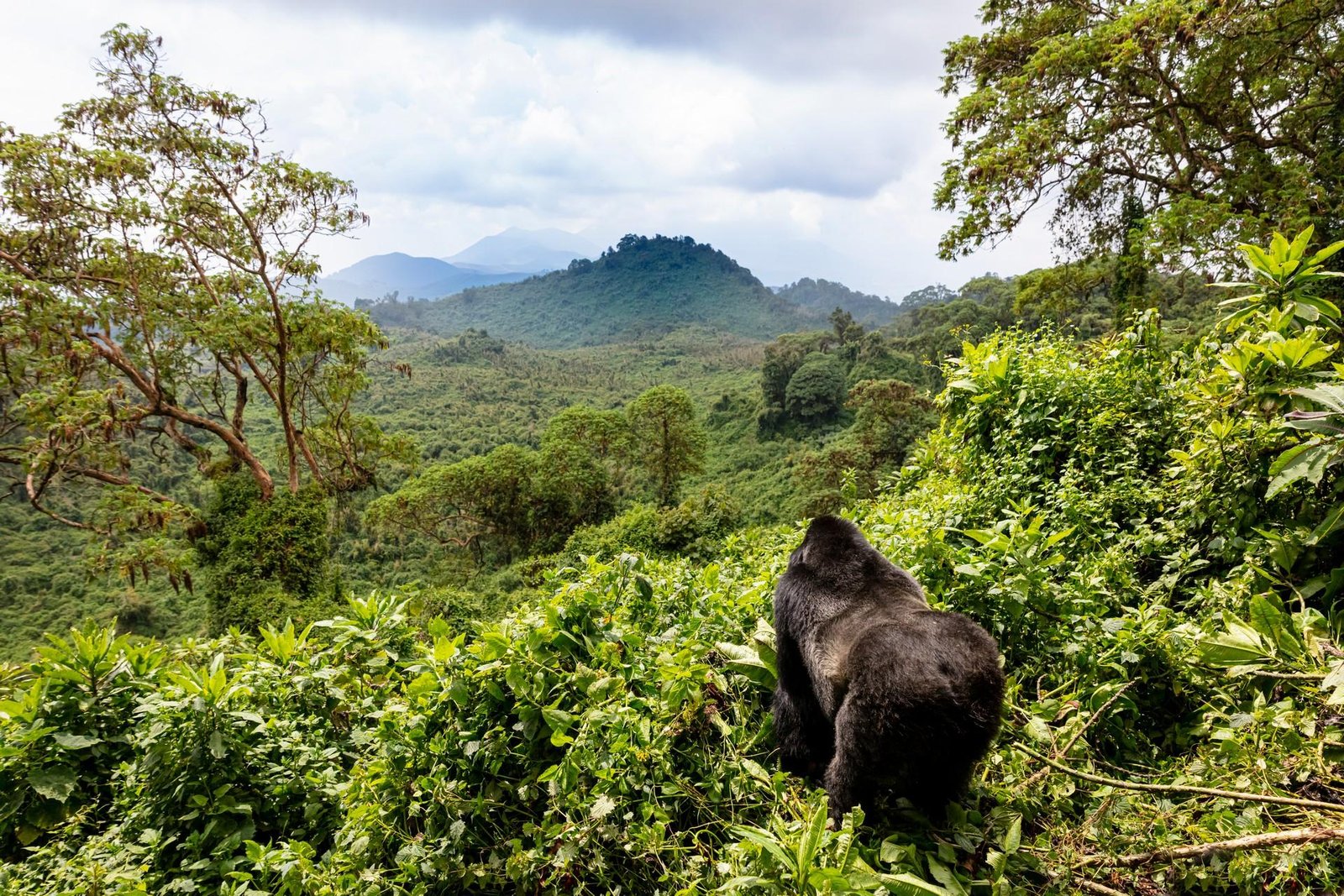
Nextgen Safaris can arrange private safari transportation, professional driver-guides, accommodation, Akagera game drives, Nyungwe chimpanzee tracking, canopy experiences, Lake Kivu stays, golden monkey tracking and mountain gorilla trekking. Rwanda’s current standard international gorilla permit costs US$1,500 per person per trek, so confirming the desired trekking date should be an important early stage of planning.
Whether you want a three-day gorilla safari, a seven-day wildlife and gorilla journey, a complete ten-day Rwanda circuit, a family safari, honeymoon or private luxury trip, the itinerary can be designed around March’s rainy-season conditions while maintaining enough time to enjoy each destination.
Book your Rwanda Safari in March with Nextgen Safaris and experience mountain gorillas, chimpanzees, Big Five wildlife, Lake Kivu and Rwanda’s spectacular green landscapes on an incredible African adventure.