
Rwanda Safari in September
Rwanda Safari in September – Incredible Gorilla Trekking & Wildlife Adventure
A Rwanda Safari in September offers an excellent balance between Rwanda’s long dry season and the beginning of the country’s shorter rainy season. The first half of September generally remains part of the June-to-mid-September dry period, when roads and trekking trails tend to be easier to navigate. As the month progresses, rainfall usually becomes more frequent, bringing greener landscapes and changing conditions across Volcanoes National Park, Akagera National Park and Nyungwe. This seasonal transition makes September particularly interesting for travelers who want excellent wildlife experiences while potentially avoiding some of the busiest weeks of July and August.
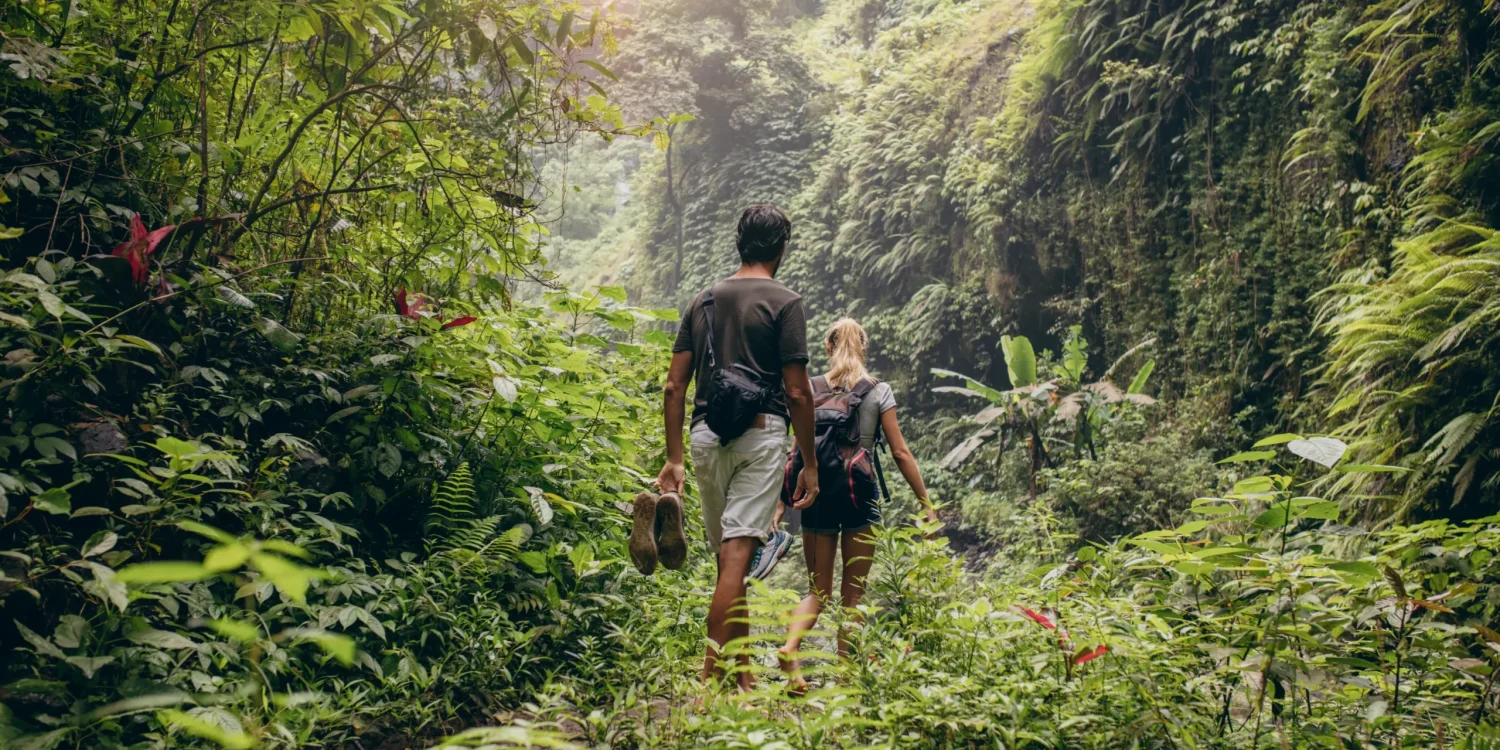
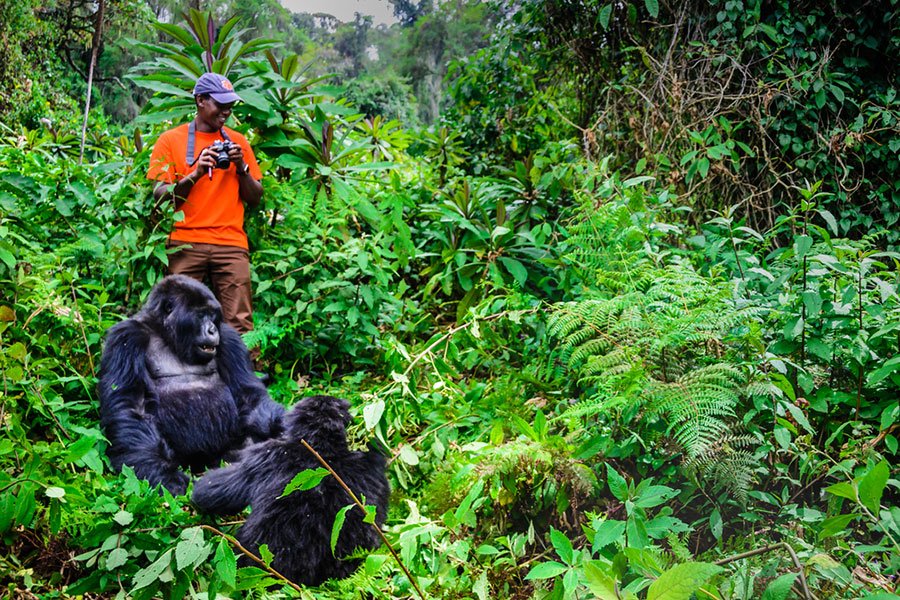
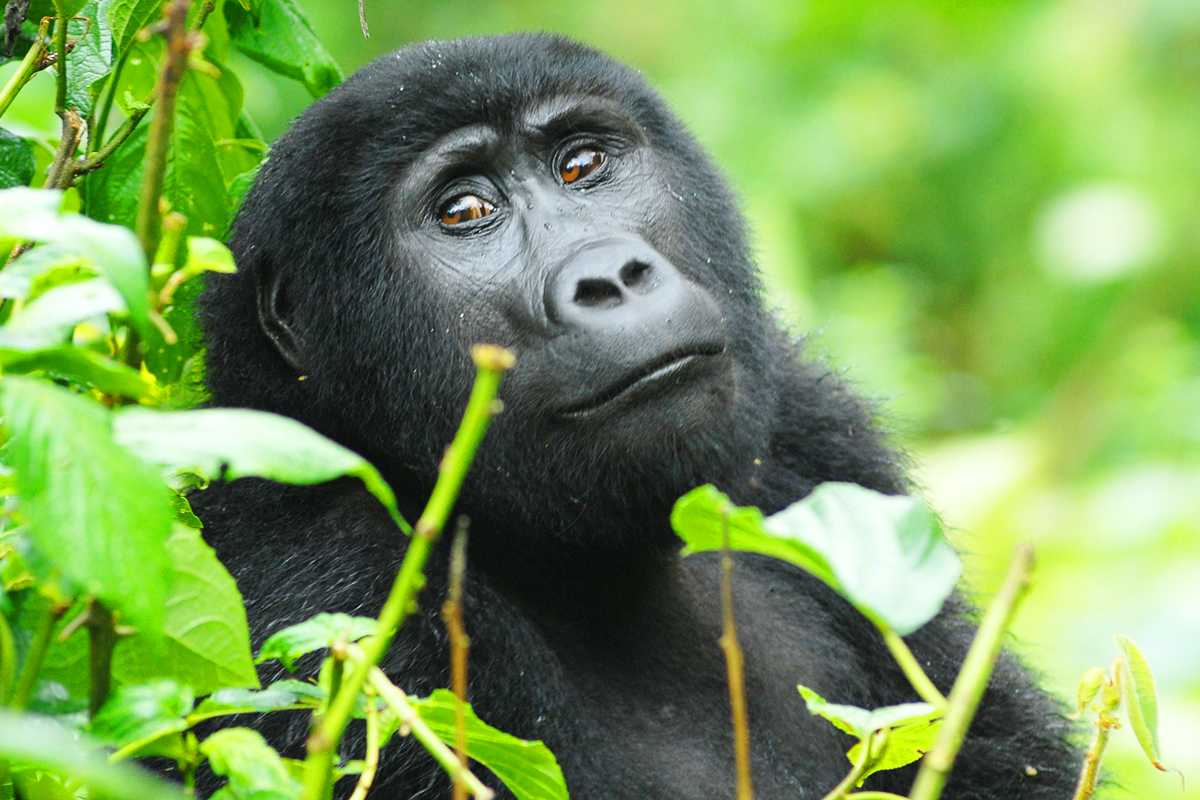
For many visitors, mountain gorilla trekking is the centerpiece of a Rwanda Safari in September. Volcanoes National Park protects Rwanda’s mountain gorillas within the spectacular Virunga landscape, while nearby activities include golden monkey tracking, hiking and cultural experiences. International gorilla permits are currently US$1,500 per person per trek, and the minimum age for gorilla trekking is 15 years. Because permits are issued for specific dates and availability is limited, securing the gorilla trek should be one of the first stages of planning a September safari.
September is equally suitable for travelers who want to experience more than Rwanda’s gorillas. Akagera National Park offers classic Big Five wildlife viewing across savannah, woodland, wetlands and lakes, while Nyungwe provides chimpanzee tracking and the famous canopy walkway. Lake Kivu can then be incorporated between forest destinations for a slower scenic experience. Rwanda’s official tourism itineraries demonstrate how naturally Akagera, Nyungwe, Lake Kivu and Volcanoes National Park can be combined into one comprehensive journey.
Is September a Good Time for a Rwanda Safari?
Yes. September is a very good time for a Rwanda safari, but travelers should understand that weather conditions can differ between the beginning and end of the month. Rwanda’s long dry season generally runs from June until around mid-September, bringing lighter cloud cover, occasional rainfall and easier conditions on many roads and paths. The shorter rainy season normally begins around mid-September and continues into December, so travelers visiting later in the month should expect a greater possibility of showers.
This transition can actually make September attractive. Early September offers many of the advantages associated with July and August, particularly for trekking and overland travel. Later in September, landscapes begin becoming greener, cloud formations become more dramatic and the countryside takes on a fresh appearance that can be excellent for photography. Rainfall does not mean that safari activities stop; rather, visitors should be prepared with appropriate waterproof clothing and a slightly more flexible attitude toward daily conditions.
September therefore works particularly well for travelers who are comfortable with a little unpredictability. A gorilla trek may begin beneath clear skies and later pass through mist or a short shower, while an Akagera game drive can move between dry savannah and rapidly changing skies. These variations are part of traveling through Rwanda’s different elevations and ecosystems.
Rwanda Weather in September
Weather is one of the most important considerations when planning a Rwanda Safari in September. During approximately the first half of the month, Rwanda normally remains within the long dry season. Roads and trails tend to be comparatively easy to navigate, although occasional showers remain possible even during this traditionally drier period. Around mid-September, the country usually begins transitioning into its shorter rainy season.
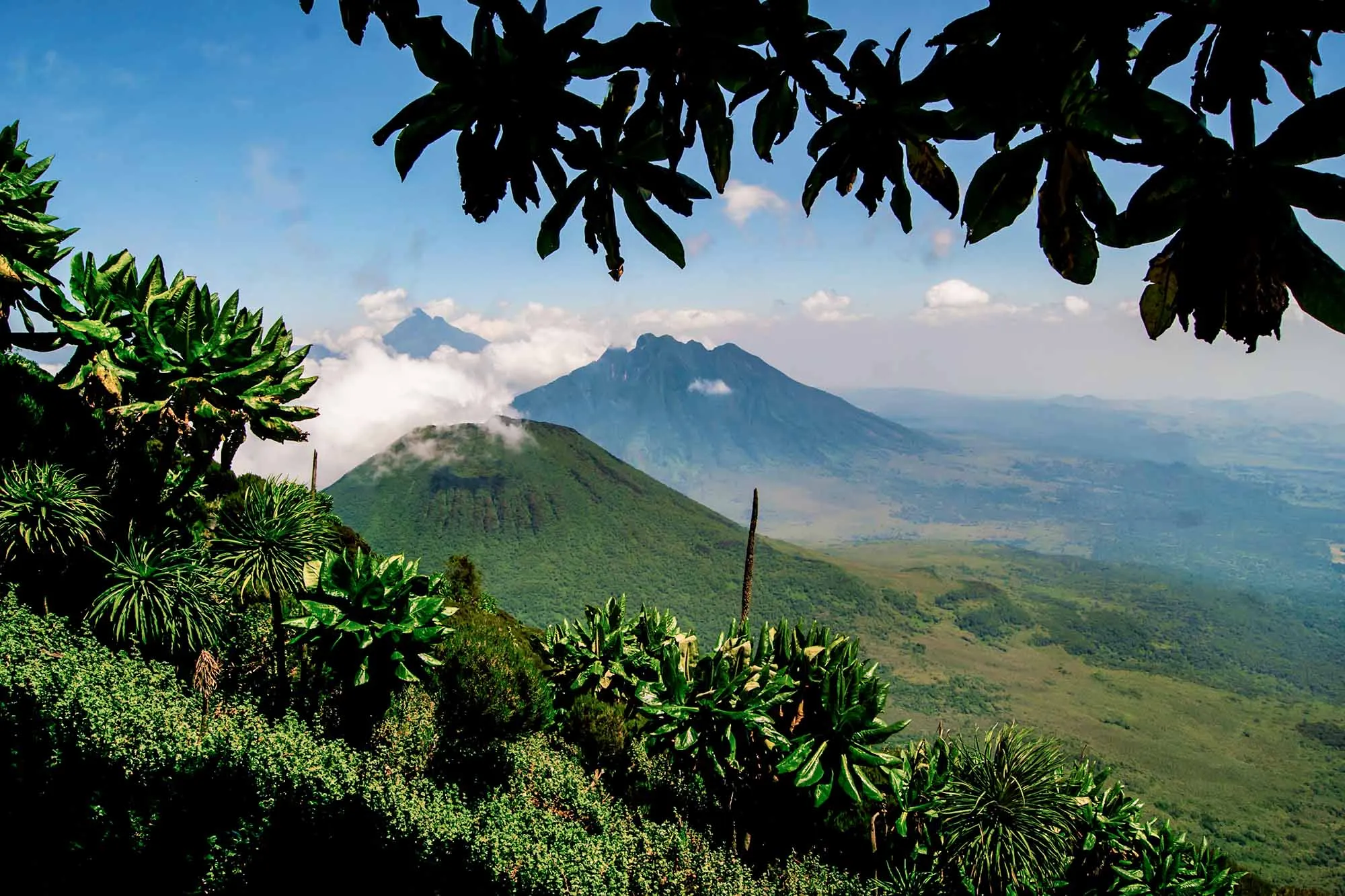
Conditions also vary significantly according to location. Akagera lies in relatively warm, low-lying eastern Rwanda, while Volcanoes National Park occupies much cooler highland terrain in the northwest. Nyungwe is a montane rainforest where moisture can occur regardless of the wider seasonal pattern. Travelers should therefore avoid packing for September as though every destination will have the same temperature or rainfall conditions.
Lightweight clothing works well during warmer daytime periods, while a sweater or fleece is useful during cool mornings and evenings. Rwanda’s official visitor guidance recommends sun protection for daytime conditions while also noting cooler evenings. For forest trekking, sturdy footwear and lightweight waterproof protection are especially important.
Gorilla Trekking in Rwanda in September
Mountain gorilla trekking is the signature experience for many travelers booking a Rwanda Safari in September. The activity takes place in Volcanoes National Park, where visitors enter the Virunga forests with professional guides and trackers in search of a habituated mountain gorilla family. The park’s dramatic terrain includes rainforest, bamboo and volcanic slopes, creating an experience that is as much about the landscape as the gorillas themselves.
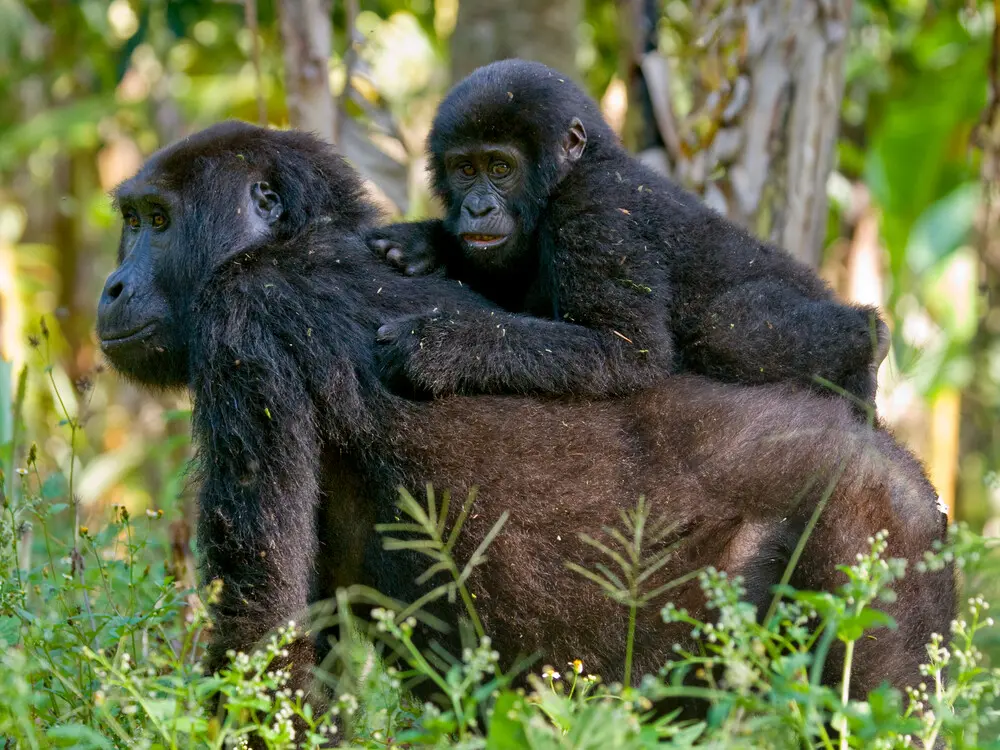
September can provide favorable trekking conditions, particularly during the first half of the month. However, the forest environment means trails may still contain mud, steep sections and dense vegetation. Visit Rwanda specifically advises that primate-tracking terrain can be slippery, steep and muddy and recommends appropriate footwear and reasonable fitness. Visitors should therefore prepare for a genuine hike rather than assuming dry-season timing guarantees an easy walk.
Once the gorilla family is located, the encounter becomes one of the most extraordinary wildlife experiences available in Africa. Visitors observe the gorillas under strict conservation rules while guides help interpret their behavior and maintain appropriate viewing practices. Trek length varies because the gorillas move naturally through their habitat, making every trekking day different.
Rwanda Gorilla Permits in September
The current standard international permit for gorilla tracking in Rwanda costs US$1,500 per person per day, and participants must be at least 15 years old. The permit provides access to a specific trekking date and is one of the largest fixed expenses in a Rwanda gorilla safari.
September travelers should secure permits before finalizing the rest of the journey whenever possible. Early September remains within Rwanda’s popular dry-season travel period, so relying on last-minute availability can reduce itinerary flexibility. Rwanda’s tourism services, including primate tracking permits, can be booked through official channels or arranged through a tour operator.
Nextgen Safaris can structure the remainder of the itinerary around the confirmed gorilla trekking date. Akagera, Nyungwe, Lake Kivu and Kigali can then be positioned logically around Volcanoes National Park rather than building a complete trip first and later discovering that the desired gorilla date is unavailable.
Golden Monkey Tracking in September
Golden monkey tracking is an excellent second activity for travelers spending two or three nights around Volcanoes National Park. These endangered primates inhabit the Virunga ecosystem and provide a much more energetic experience than gorilla trekking. Visit Rwanda lists golden monkeys among the special primate experiences found in Volcanoes National Park.
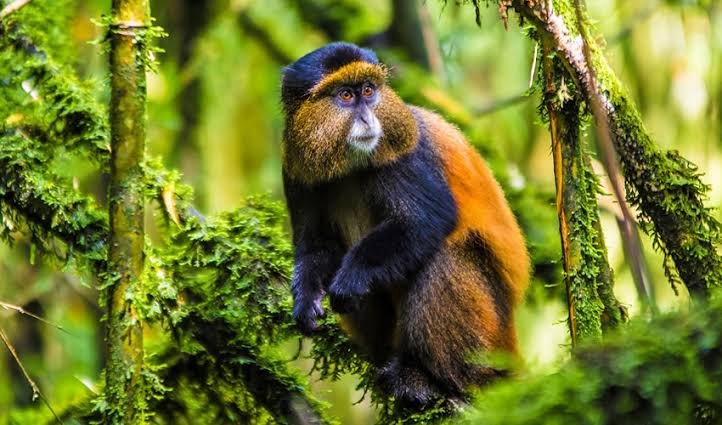
The monkeys frequently move through bamboo vegetation, creating an active morning of walking, searching and photography. Their speed and movement make the experience noticeably different from sitting quietly with a gorilla family. September’s conditions are suitable for the activity, although waterproof protection and sturdy footwear remain important because the mountain environment can become wet unexpectedly.
Travelers with limited time do not necessarily need to include both activities. However, those interested in primates, photography or a deeper exploration of Volcanoes National Park will generally find that adding golden monkeys makes a multi-night stay much more rewarding.
Akagera National Park Safari in September
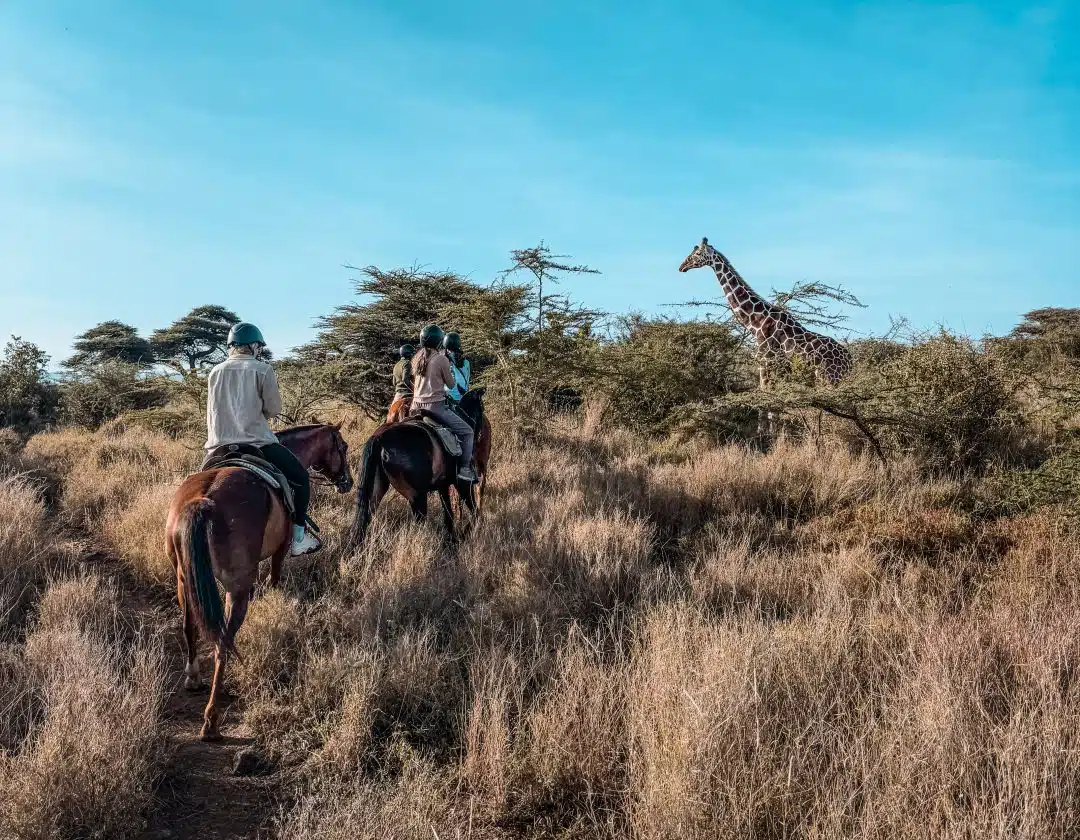
Akagera National Park brings a completely different dimension to a Rwanda Safari in September. Its relatively warm, low-lying landscapes include open savannah, woodland, wetlands and numerous lakes. Wildlife includes elephants, buffaloes, giraffes, zebras, antelopes, baboons, monkeys and predators, making Akagera Rwanda’s primary destination for a traditional vehicle-based safari.
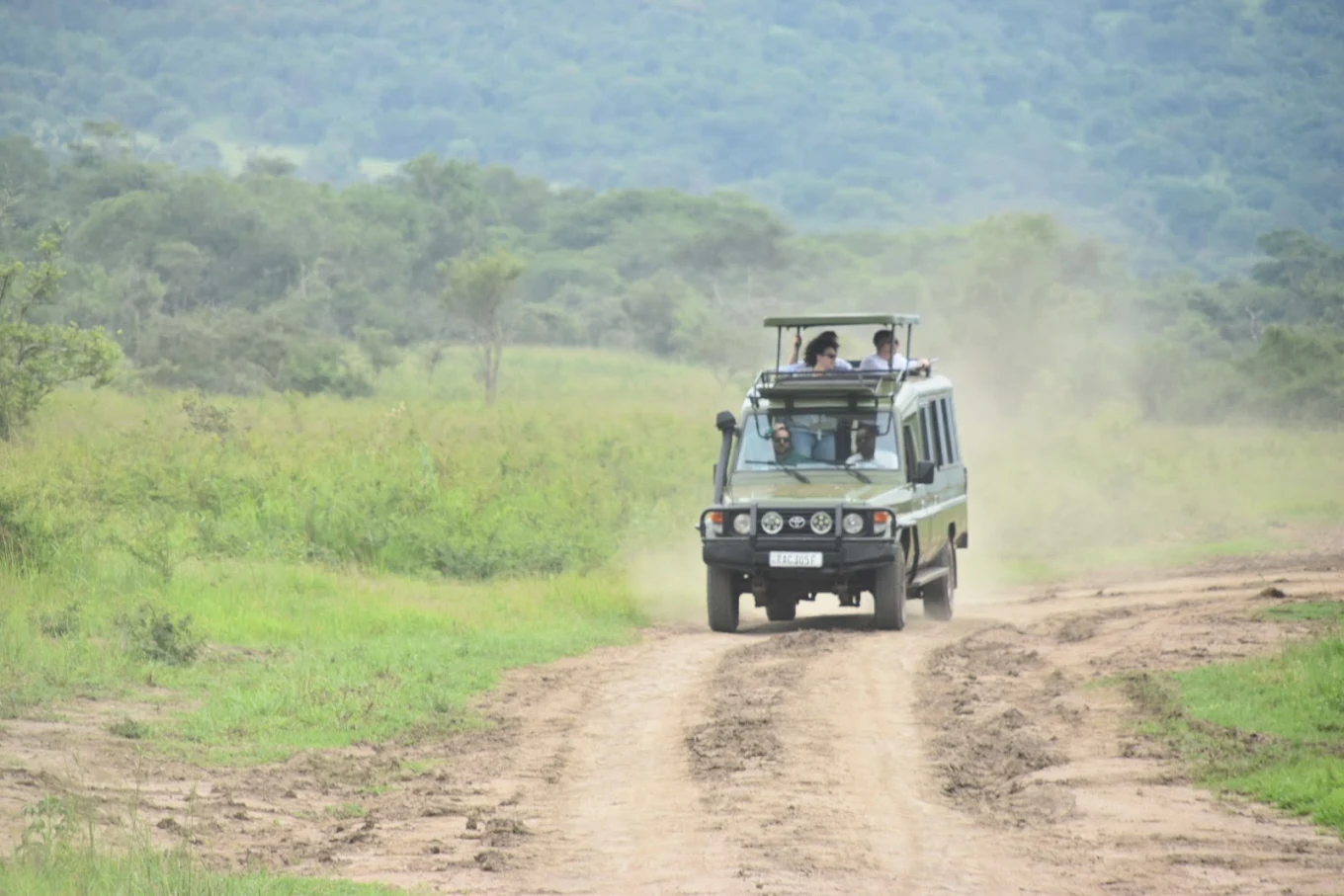
Akagera is also home to the Big Five following the successful return of lions and black rhinos to the park. This means visitors can search for lion, leopard, elephant, buffalo and rhino while still appreciating numerous other mammals and hundreds of bird species. Big Five sightings are never guaranteed, however, because wildlife moves naturally through a large ecosystem.
Early September can provide classic dry-season safari conditions, while later September may bring increasing showers and greener vegetation. Both periods have advantages. Drier landscapes can make some wildlife easier to locate, while fresh vegetation and dramatic skies later in the month can create beautiful photographic conditions.
Game Drives in Akagera in September
A full-day game drive is one of the best ways to experience Akagera because the park contains several different habitats. Instead of simply driving for a few hours near the entrance, visitors can move through savannah, wetland and woodland areas while searching for different wildlife species. The open nature of much of Akagera makes it particularly suitable for traditional game viewing.
Morning departures provide cooler temperatures and opportunities to search for predators and active herbivores. As the day progresses, visitors may encounter giraffes moving across the plains, buffaloes gathering near water and elephants feeding around woodland. Zebra and several antelope species add the classic savannah character many travelers expect from an African safari.
Travelers with enough time should consider two nights in Akagera rather than treating it purely as a rushed day trip from Kigali. This provides greater flexibility for a long game drive and potentially a boat-based or additional wildlife experience without spending most of the visit on transfers.
Big Five Safari in Rwanda in September
A Rwanda Safari in September can combine mountain gorillas with the Big Five within one relatively compact country. This is one of Rwanda’s strongest advantages for first-time visitors. Akagera provides the classic savannah environment, while Volcanoes National Park delivers a completely different mountain-forest wildlife experience.
The Big Five should be treated as a wildlife aspiration rather than a checklist. Leopards in particular can be difficult to locate, while rhino and lion movements vary from day to day. A good safari appreciates the entire ecosystem, including giraffes, zebras, antelopes, wetland wildlife and birdlife rather than defining success solely by seeing five particular mammals.
The contrast between Akagera and Volcanoes is especially impressive. One morning may involve searching open plains for elephants and lions, while another begins with walking into cool montane forest in search of mountain gorillas.
Chimpanzee Tracking in Nyungwe in September
Nyungwe is another important component of a longer Rwanda Safari in September, particularly for travelers who want a primate-focused journey. The ancient rainforest contains chimpanzees and numerous other primate species, together with extraordinary birdlife, butterflies and botanical diversity. Visit Rwanda promotes dedicated primate tracking for travelers who want to actively search for Nyungwe’s chimpanzees.
Chimpanzee tracking can be more energetic than gorilla trekking because chimpanzees often move quickly through the forest. Visitors may need to follow their calls and movements across steep terrain before obtaining good viewing opportunities. Suitable footwear and a reasonable level of fitness are therefore important.
As September progresses and rainfall becomes more frequent, Nyungwe’s rainforest character becomes increasingly apparent. Travelers should prepare for potentially wet trails regardless of the weather forecast. A waterproof jacket, hiking boots and quick-drying clothing are far more useful than expecting perfectly dry conditions.
Nyungwe Canopy Walkway in September
The Nyungwe Canopy Walkway provides a striking complement to chimpanzee tracking. Rather than focusing on the forest floor and primate movement, the walkway gives visitors an elevated perspective across the rainforest canopy. The approach follows a forest trail from the Uwinka Reception Centre, passing through a biodiverse environment of birds, orchids, butterflies and primates.
Combining chimpanzee tracking and the canopy walkway creates a more complete Nyungwe experience. However, the activities should not always be forced into the same tightly scheduled day. Two nights around Nyungwe allow travelers to enjoy the forest without turning an already active chimpanzee morning into an exhausting sequence of activities.
Rwanda’s official experience itineraries regularly combine chimpanzees and the canopy walkway, reinforcing how naturally these activities complement one another.
Lake Kivu in September
Lake Kivu provides the ideal slower chapter within a multi-destination Rwanda journey. The lake lies in western Rwanda and is surrounded by mountains and attractive highland scenery. It can be incorporated between Nyungwe and Volcanoes National Park, helping break a longer overland journey into a more comfortable itinerary.
September can be particularly attractive because weather conditions remain relatively dry earlier in the month while landscapes begin changing as the wetter period approaches. Travelers can enjoy the scenery, selected boat experiences or simply spend an afternoon resting after demanding forest activities.
A lakeside stay is especially useful for honeymooners and luxury travelers, but it should not be viewed purely as a premium addition. Even on comfortable mid-range itineraries, one night around Lake Kivu can improve the pace of the journey considerably.
Kigali During a Rwanda Safari in September
Kigali normally acts as the arrival and departure point for a Rwanda safari, but it deserves enough time to be experienced rather than treated entirely as an airport connection. The city can be incorporated before traveling toward Akagera, during a cross-country route or at the end of the journey before an international flight.
A Kigali stay also provides useful flexibility around flight schedules. Travelers arriving late can sleep in the city before beginning a major road journey the following morning, while guests with evening departures can use their final day for selected sightseeing and lunch rather than waiting at the airport.
Rwanda’s official itineraries frequently use Kigali as the central connection between Akagera, Volcanoes and the country’s other major tourism regions.
Early September vs Late September in Rwanda
One of the most valuable planning details for a Rwanda Safari in September is understanding the difference between the beginning and end of the month. Rwanda’s official climate guidance places the dry season from June to approximately mid-September, after which the shorter rainy season begins.
Travelers visiting during the first two weeks of September can generally expect conditions more closely resembling August. Trails may be comparatively firm, rainfall is typically lighter and the broader dry-season safari pattern continues. This makes early September particularly attractive for travelers prioritizing gorilla trekking and extensive road travel.
Later September becomes more transitional. Rainfall becomes increasingly possible, forests and countryside begin becoming greener and trails may become wetter. This does not make late September a poor time to visit; it simply creates a different experience and makes appropriate clothing more important.
For photographers, the transitional landscape can be especially appealing because green vegetation and dramatic clouds may create richer backgrounds than the driest weeks of the year.
Is September Peak Season in Rwanda?
Early September still overlaps Rwanda’s principal dry-season travel period, so demand for gorilla permits and popular accommodation can remain strong. Travelers with very specific lodges, room categories or gorilla dates should therefore avoid assuming that September automatically means easy last-minute availability.
As the month moves toward the short rainy season, some travelers may find greater flexibility than during July and August, but this should never be treated as guaranteed. Gorilla permit availability depends on individual trekking dates rather than broad assumptions about tourism seasons.
The safest strategy is to secure the main limited elements first: gorilla permits, preferred Volcanoes accommodation and any special high-demand lodge stays. The remainder of the journey can then be built around those confirmed arrangements.
What to Pack for a Rwanda Safari in September
Packing for September requires greater flexibility than preparing only for the middle of the dry season. Travelers should carry sturdy hiking shoes or boots, long trousers, long-sleeved shirts and lightweight waterproof protection for gorilla and chimpanzee trekking. Visit Rwanda specifically recommends solid walking shoes and notes that gaiters and waterproof clothing can be useful around Volcanoes National Park.
Lightweight clothing works well for Akagera and Kigali during warmer daytime periods, while a sweater or fleece is useful in the highlands and during cooler evenings. A hat, sunglasses and sun protection remain worthwhile because substantial sunshine can occur even as September begins transitioning toward the rains.
Binoculars can greatly improve wildlife and bird viewing in Akagera, while photographers should carry sufficient batteries and storage. A small waterproof daypack cover or dry bag is also useful for protecting cameras and electronics during forest activities.
Rwanda Safari in September for Families
A Rwanda Safari in September can work very well for families, particularly when the itinerary combines Kigali, Akagera and Lake Kivu. Akagera provides straightforward vehicle-based wildlife viewing, allowing children to experience elephants, giraffes, zebras and other animals without demanding hiking.
Families considering mountain gorilla trekking must remember that the minimum age is currently 15 years. Younger children therefore require alternative arrangements on the day adults and eligible teenagers undertake the trek.
The best family itineraries also avoid constant movement. Spending two nights in important destinations reduces repeated packing and gives children time to enjoy the lodge between activities. A seven- or eight-day route with Akagera and Volcanoes can often work better for families than trying to include every national park.
Rwanda Safari in September for Couples and Honeymooners
September is an attractive month for couples because the journey can balance adventure with relaxation. Mountain gorilla trekking provides the emotional centerpiece, while Akagera adds private game drives and Lake Kivu creates an opportunity to slow down between more active experiences.
A honeymoon should not be designed as a race between destinations. Spending two or three nights around Volcanoes allows couples to enjoy the lodge before and after trekking, while a lakeside stay provides time for relaxation and scenery.
Later September can also create particularly atmospheric landscapes as cloud patterns become more dramatic and vegetation begins responding to returning rainfall. Travelers comfortable with occasional showers may find this transition period especially beautiful.
Luxury Rwanda Safari in September
Rwanda is particularly well suited to luxury safari travel because its major experiences can be combined with high-quality accommodation and private transportation. A luxury Rwanda Safari in September may include private 4×4 transfers, premium lodges in Akagera and Volcanoes, Nyungwe forest accommodation and scenic nights beside Lake Kivu.
The best luxury journey should focus on pace rather than simply adding expensive accommodation. Spending several nights at carefully selected properties allows travelers to enjoy the lodge itself instead of checking in late and leaving immediately after breakfast.
Early planning remains important when specific properties are essential. Gorilla permits should also be coordinated with lodge availability because changing a trekking date after confirming accommodation may not always be straightforward.
How Many Days Are Best for a Rwanda Safari in September?
Three or four days are suitable for travelers primarily interested in gorilla trekking. A short trip can include Kigali, Volcanoes National Park, the gorilla trek and perhaps golden monkey tracking or another local experience before returning to Kigali.
Around seven days provides a much stronger introduction to Rwanda. Travelers can combine Akagera National Park with Volcanoes National Park, creating a journey featuring traditional savannah wildlife and mountain gorillas. Official Rwanda tourism itineraries demonstrate that Big Five safari experiences, gorillas, chimpanzees and other activities can be combined efficiently because of the country’s relatively compact tourism circuit.
Nine to eleven days are ideal for visitors wanting the complete circuit. This provides enough time for Akagera, Nyungwe, Lake Kivu and Volcanoes without requiring every day to become a long transfer.
Suggested 7-Day Rwanda Safari in September
A rewarding seven-day itinerary can begin with arrival in Kigali followed by travel east toward Akagera National Park. Two nights in Akagera allow enough time for a proper game drive and additional relaxation or wildlife activities without immediately returning to Kigali.
The safari can then cross Rwanda toward Volcanoes National Park. Two or three nights around the Virunga region provide time for mountain gorilla trekking, golden monkey tracking and a relaxed afternoon before returning to Kigali.
This itinerary is particularly suitable for first-time visitors because it concentrates on Rwanda’s strongest wildlife contrasts. Akagera provides Big Five-style savannah viewing, while Volcanoes delivers the country’s signature mountain gorilla experience.
Suggested 10-Day Rwanda Safari in September
Travelers with approximately ten days can create a much more comprehensive Rwanda Safari in September. The journey can start with Kigali and Akagera before continuing across the country toward Nyungwe for chimpanzee tracking and the canopy walkway.
From Nyungwe, the route can continue toward Lake Kivu for a relaxing scenic stop before traveling north toward Volcanoes National Park. Mountain gorilla trekking becomes the major finale, with golden monkey tracking or another Volcanoes activity added for travelers spending an additional night.
This routing closely matches Rwanda’s official multi-destination tourism concept, which combines Akagera, Nyungwe, Lake Kivu and Volcanoes National Park in one journey.
Rwanda Safari in September Cost
The cost of a Rwanda Safari in September depends on the length of the itinerary, accommodation category, number of travelers, vehicle arrangements and activities included. Gorilla trekking is one of the major fixed costs, with the standard international permit currently priced at US$1,500 per person per trek.
A short Kigali and Volcanoes safari naturally costs substantially less than a ten-day route incorporating Akagera, Nyungwe, Lake Kivu and several specialist activities. Accommodation also creates major differences between comfortable mid-range itineraries and high-end luxury journeys.
Travelers should compare what quotations include rather than focusing only on the total figure. Gorilla and chimpanzee permits, park fees, meals, private transportation, guiding and accommodation standards can create significant differences between apparently similar packages.
Why Book a Rwanda Safari in September Early?
A Rwanda Safari in September benefits from early planning primarily because gorilla permits are date-specific and limited. This is particularly important during early September, which remains within the main dry-season period.
Confirming the gorilla permit first allows the rest of the journey to be organized efficiently. Akagera, Nyungwe and Lake Kivu can then be positioned around the confirmed trekking date while minimizing unnecessary backtracking.
Advance booking is also useful for travelers who have fixed accommodation preferences, require family rooms or want specific luxury properties. Flexibility generally becomes more limited when several non-negotiable requirements are combined close to departure.
Is a Rwanda Safari in September Worth It?
Yes. A Rwanda Safari in September is highly worthwhile, particularly for travelers attracted by the transition between Rwanda’s dry and greener seasons. Early September retains many of the advantages of July and August, while later September begins introducing greener scenery and a different photographic atmosphere.
More importantly, Rwanda offers enough variety to make September much more than a gorilla holiday. Akagera provides Big Five wildlife, Nyungwe offers chimpanzees and rainforest adventures, Lake Kivu creates a scenic break and Volcanoes National Park delivers one of Africa’s most celebrated primate encounters.
A carefully planned itinerary can therefore move from savannah to rainforest, lake shores and volcanic mountains within one journey. That concentration of contrasting experiences is one of the strongest reasons to choose Rwanda.
Frequently Asked Questions About Rwanda Safari in September
1. Is September a good time for a Rwanda Safari in September?
Yes, a Rwanda Safari in September is an excellent choice for travelers interested in gorilla trekking, wildlife viewing, chimpanzee tracking and scenic travel across Rwanda. Early September generally still feels like the dry season, while later September begins transitioning toward wetter conditions. This makes a Rwanda Safari in September attractive for travelers who want favorable outdoor conditions together with increasingly green landscapes.
2. What is the weather like during a Rwanda Safari in September?
Weather during a Rwanda Safari in September can vary depending on the travel dates and region. Early September is usually drier, while rainfall may become more frequent toward the second half of the month. Akagera is generally warmer, whereas Volcanoes National Park and Nyungwe can be cooler and wetter because of their higher elevations. Travelers planning a Rwanda Safari in September should therefore pack for both sunshine and occasional rain.
3. Can I go gorilla trekking on a Rwanda Safari in September?
Yes. Gorilla trekking is one of the main highlights of a Rwanda Safari in September and takes place in Volcanoes National Park. September can offer favorable trekking conditions, particularly earlier in the month, although forest trails may still be muddy or slippery. Because gorilla permits are limited, travelers planning a Rwanda Safari in September should reserve their trekking date as early as possible.
4. What wildlife can I see during a Rwanda Safari in September?
A Rwanda Safari in September can include mountain gorillas, chimpanzees, golden monkeys, elephants, buffaloes, lions, rhinos, giraffes, zebras, antelopes and numerous bird species. Akagera National Park provides the main savannah wildlife experience, while Volcanoes National Park is best known for gorillas and golden monkeys. Nyungwe adds chimpanzees and other forest primates to a Rwanda Safari in September.
5. Can I visit Akagera National Park on a Rwanda Safari in September?
Yes. Akagera National Park is an excellent destination to include on a Rwanda Safari in September. Visitors can enjoy game drives through savannah, woodland and wetland habitats while searching for elephants, buffaloes, lions, rhinos, giraffes, zebras and other wildlife. Combining Akagera with Volcanoes National Park makes a Rwanda Safari in September especially rewarding because travelers experience both classic wildlife viewing and mountain gorilla trekking.
6. Can I visit Nyungwe during a Rwanda Safari in September?
Yes. Nyungwe National Park is a strong addition to a Rwanda Safari in September, especially for travelers interested in chimpanzee tracking, forest hiking and the canopy walkway. Conditions may become wetter later in September, so sturdy hiking footwear and waterproof clothing are recommended. Adding Nyungwe creates a more complete Rwanda Safari in September by combining chimpanzees with gorillas and savannah wildlife.
7. How many days are recommended for a Rwanda Safari in September?
The ideal length of a Rwanda Safari in September depends on the destinations you want to visit. Three or four days can work for a short gorilla trekking safari, while seven days can combine Akagera National Park and Volcanoes National Park. Travelers wanting Akagera, Nyungwe, Lake Kivu and Volcanoes should consider around nine to ten days for a more complete Rwanda Safari in September.
8. What should I pack for a Rwanda Safari in September?
For a Rwanda Safari in September, pack sturdy hiking boots, long trousers, long-sleeved shirts, a lightweight waterproof jacket, insect repellent, sunscreen and comfortable safari clothing. A warm layer is useful for early mornings around Volcanoes National Park and Nyungwe. Binoculars, a camera and a waterproof daypack cover can also be valuable during a Rwanda Safari in September.
9. How much does a Rwanda Safari in September cost?
The cost of a Rwanda Safari in September depends on safari duration, accommodation category, number of travelers, private transportation and included activities. Gorilla trekking usually represents one of the largest fixed costs, while adding chimpanzee tracking, Akagera game drives and luxury accommodation increases the overall price. Nextgen Safaris can customize a Rwanda Safari in September according to budget, travel style and preferred destinations.
10. How can I book a Rwanda Safari in September?
You can book a Rwanda Safari in September with Nextgen Safaris as a short gorilla trekking trip, a seven-day wildlife and gorilla safari or a longer complete Rwanda circuit. Your itinerary can include Kigali, Akagera National Park, Nyungwe National Park, Lake Kivu and Volcanoes National Park. Nextgen Safaris can customize your Rwanda Safari in September around your dates, accommodation preference, budget and preferred wildlife experiences.
Book Your Rwanda Safari in September with Nextgen Safaris
A Rwanda Safari in September can be customized around your travel dates, budget, preferred accommodation and the wildlife experiences you most want to include. Nextgen Safaris can arrange private journeys connecting Kigali, Akagera National Park, Nyungwe National Park, Lake Kivu and Volcanoes National Park.
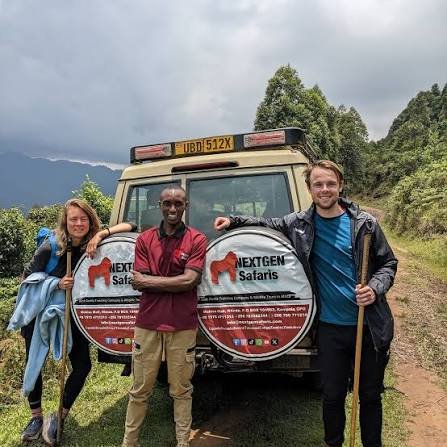
Your safari can include private 4×4 transportation, professional guiding, Akagera game drives, chimpanzee tracking, the Nyungwe Canopy Walkway, golden monkey tracking and mountain gorilla trekking. The standard international Rwanda gorilla permit currently costs US$1,500 per person per trek, so confirming trekking availability should be an early part of September safari planning.
Whether you prefer a short gorilla safari, a seven-day wildlife and gorilla journey, a complete ten-day Rwanda circuit, a family holiday, honeymoon or luxury adventure, the itinerary can be designed around a realistic pace rather than simply adding as many activities as possible.
Contact Nextgen Safaris to book your Rwanda Safari in September and experience mountain gorillas, chimpanzees, Big Five wildlife, Lake Kivu and the spectacular landscapes of the Land of a Thousand Hills.