
Serengeti Safari and Uganda Gorilla Trekking : 7 Best Planning Tips
Serengeti Safari and Uganda Gorilla Trekking combines two extraordinary wildlife experiences in one East African holiday. Explore Tanzania’s open plains in search of lions, elephants and large grazing herds, then travel to Uganda’s mountain forests for an unforgettable encounter with mountain gorillas.
The contrast makes this journey particularly rewarding. Your Serengeti days revolve around game drives and expansive landscapes, while Uganda introduces a slower, more intimate experience on foot beneath the forest canopy.
Nextgen Safaris helps you coordinate both destinations through carefully planned accommodation, transfers and activities. Whether you prefer comfortable tented camps or luxury lodges, this guide explains how to build a balanced itinerary.
1. Choose the Right Balance Between Tanzania and Uganda
A successful Serengeti Safari and Uganda Gorilla Trekking itinerary gives each destination enough time. Trying to fit both into a very short holiday can leave you spending too much of your trip travelling.
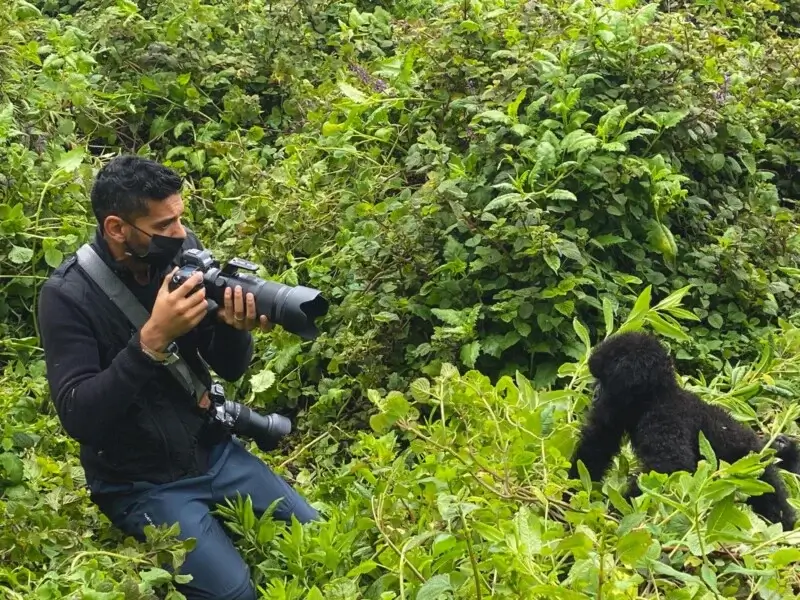
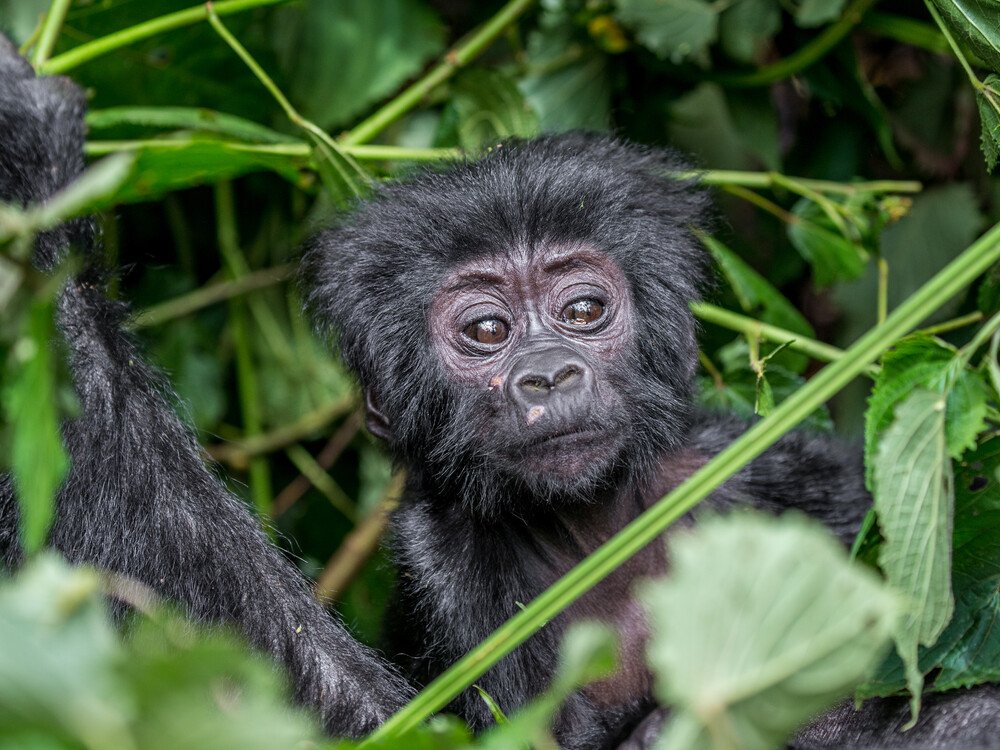
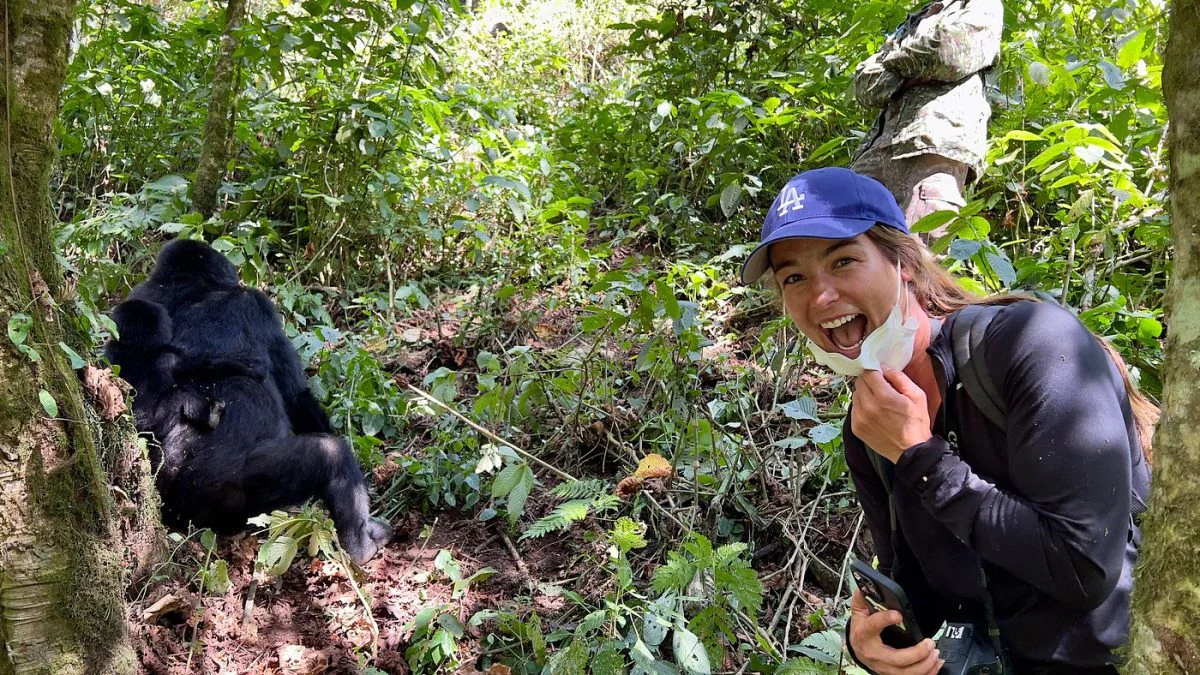
Around ten to twelve days provides a useful starting point, depending on flight connections and additional activities. Allow several nights in the Serengeti and enough time in Uganda for transfers, trekking and recovery.
Travellers primarily interested in big cats may prefer more game-drive days. Those fascinated by primates can add another gorilla trek or extend their Uganda stay.
Begin with your wildlife priorities, then organise the route around them. This creates a more satisfying holiday than selecting accommodation before deciding what you want to experience.
2. Match Your Serengeti Location to Your Interests
The Serengeti is extensive, and accommodation location influences how you spend each day. For Serengeti Safari and Uganda Gorilla Trekking, choose your camp according to your travel dates, wildlife interests and preferred pace.
If migration viewing is important, discuss which area is appropriate for your dates. Herd movements follow changing conditions, so no itinerary should promise a particular river crossing or wildlife event.
Allow time for ordinary wildlife behaviour as well: lions resting, elephants feeding or giraffes moving between scattered trees. These encounters can be just as memorable as a dramatic sighting.
Staying several nights in one suitable area also reduces packing and transfers. Your guide can spend more time exploring rather than moving between distant camps.
3. Choose Your Uganda Gorilla Trekking Destination
The Uganda portion normally centres on Bwindi Impenetrable National Park or Mgahinga Gorilla National Park. Many travellers choose gorilla trekking in Bwindi because its different sectors offer a range of route and accommodation possibilities.
Bwindi’s trekking sectors are Buhoma, Ruhija, Rushaga and Nkuringo. Your confirmed permit and lodge should correspond to the same area to avoid difficult morning transfers.
When planning Serengeti Safari and Uganda Gorilla Trekking, secure the trekking arrangements before committing to dependent accommodation and flights.
Explain your fitness, mobility requirements and preferred comfort level early. Requests for a less demanding trek can be communicated, but walking distance cannot be guaranteed because gorillas move freely through their habitat.
4. Coordinate Flights and Transfers Carefully
Connecting Tanzania and Uganda requires careful scheduling. Your route may involve regional flights, domestic services and road transfers, depending on availability and the destinations selected.
A Serengeti Safari and Uganda Gorilla Trekking holiday should include realistic connection margins. Avoid assuming that a bush flight, international connection and lodge transfer can always fit comfortably into one day.
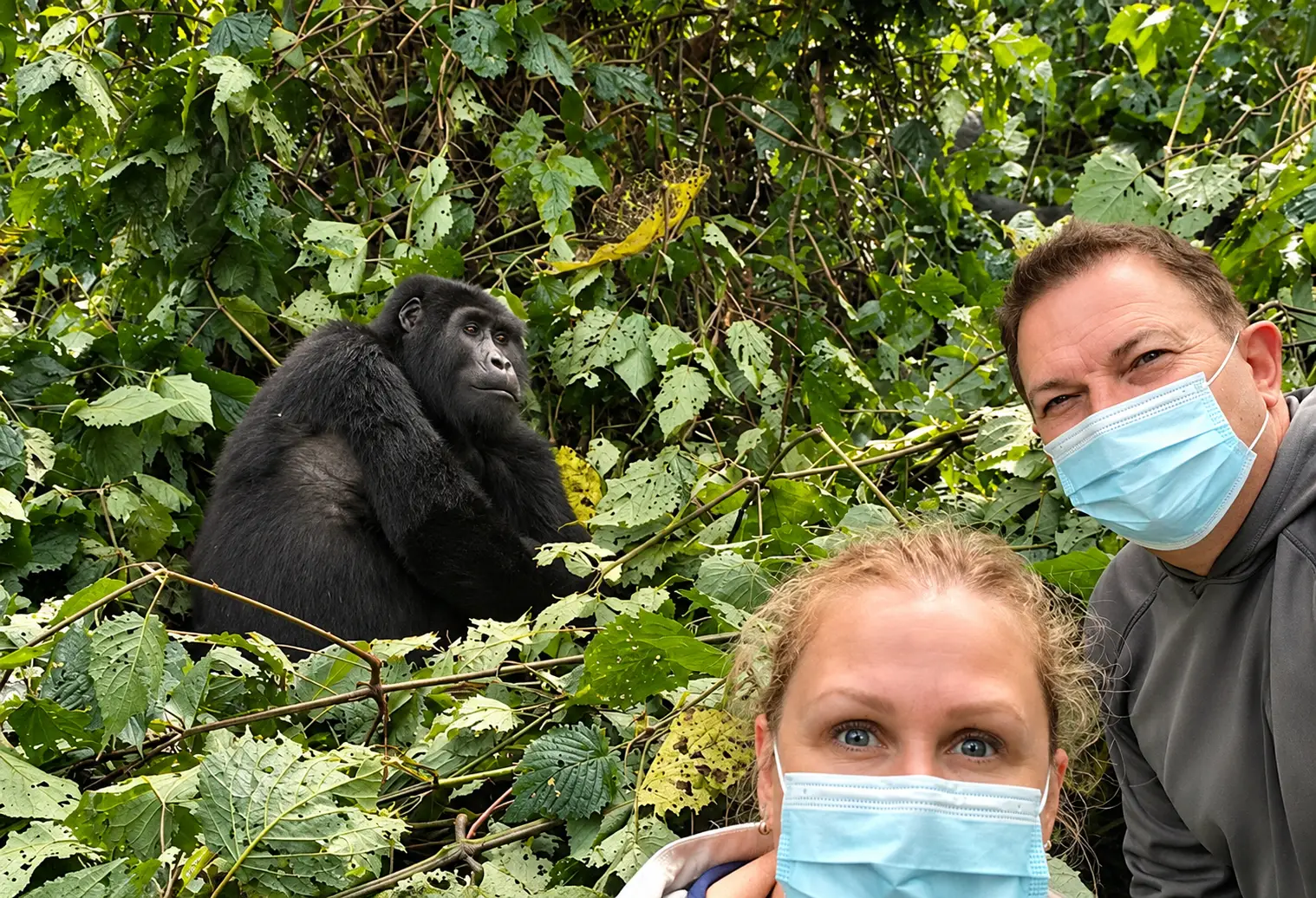
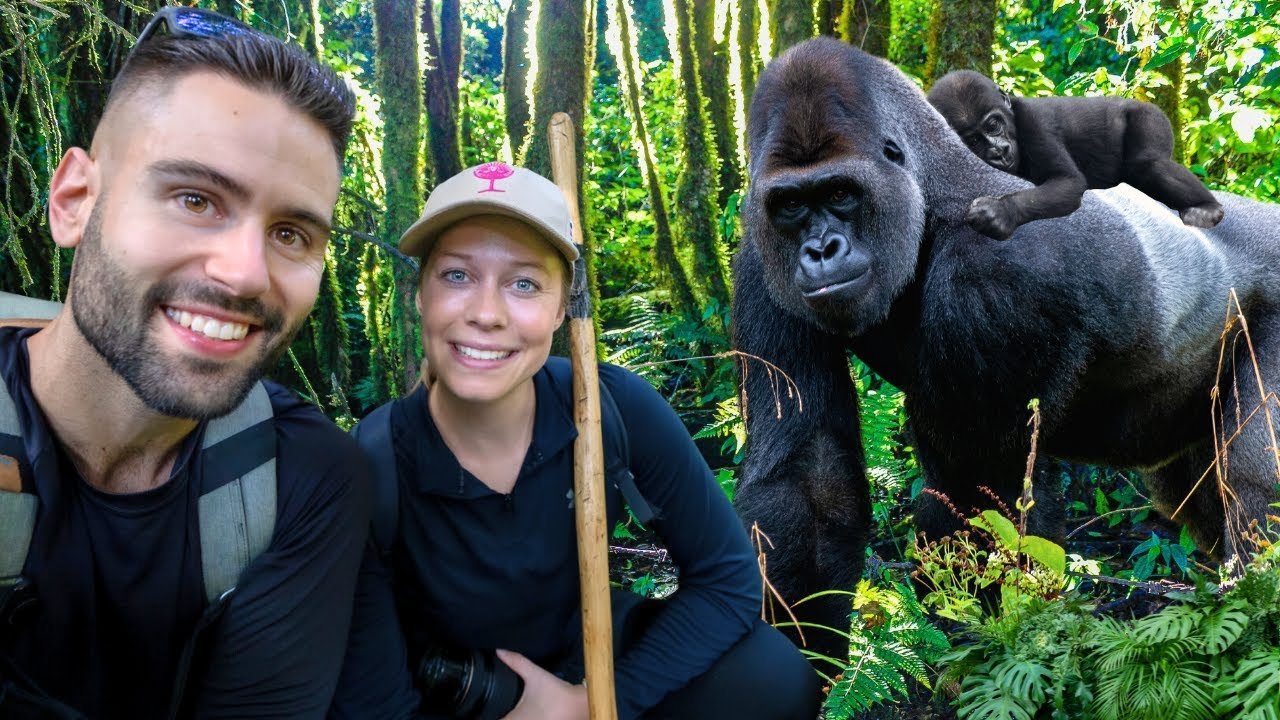
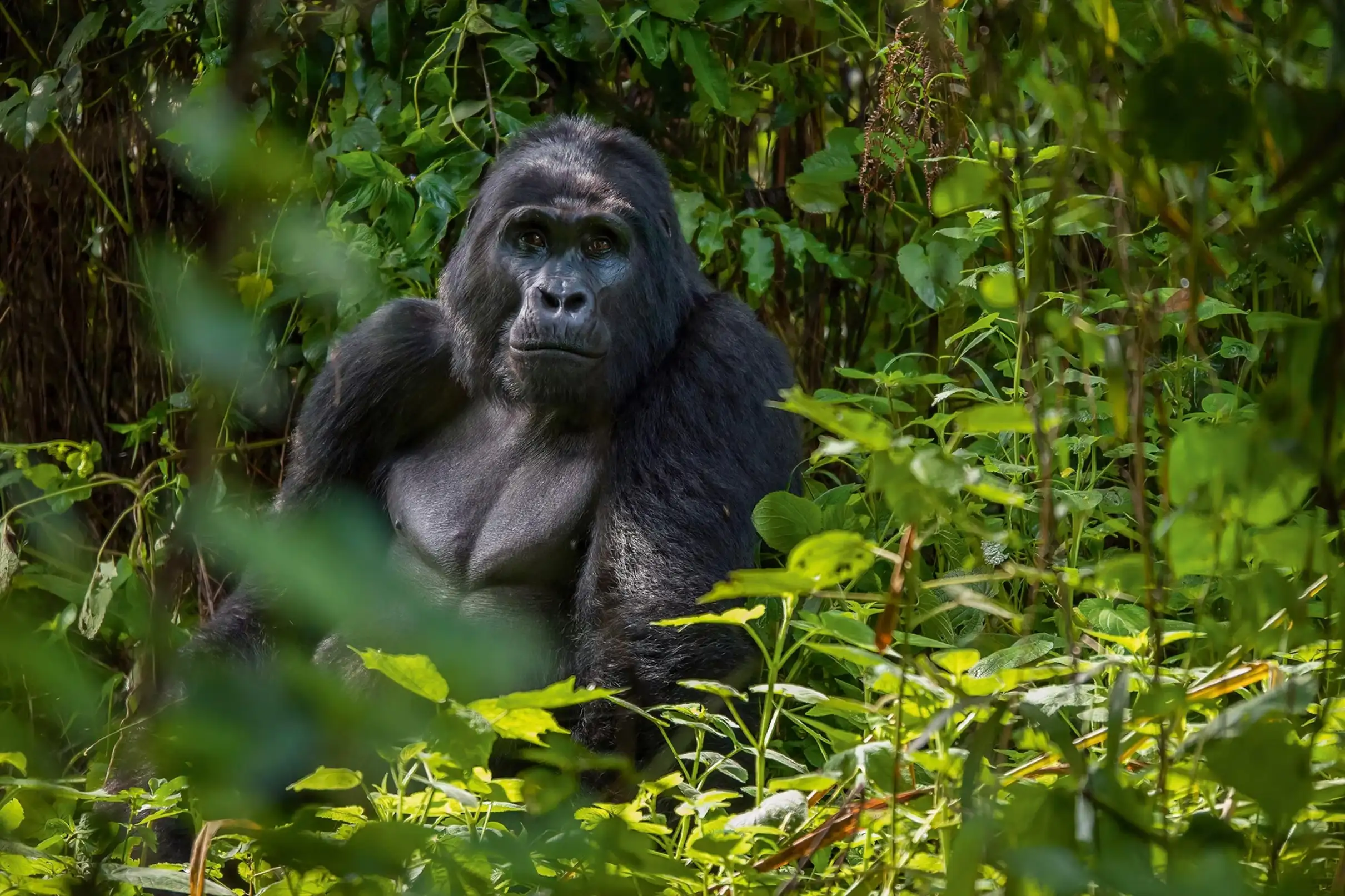
In Uganda, flying to Bwindi for gorilla trekking can reduce road travel, although you still need transport between the airstrip and lodge.
Confirm baggage restrictions before packing, particularly when combining smaller aircraft with international flights.
An overnight stop can make the journey more comfortable and protect your trekking arrangements from the consequences of a delayed connection.
5. Consider This Ten-Day Safari Outline
This sample Serengeti Safari and Uganda Gorilla Trekking itinerary allows time for both destinations. Final routing depends on confirmed flights, permits and lodge availability.
Day One: Arrive in Tanzania
Arrive at your agreed airport and transfer to your accommodation around Arusha. Rest after your flight and meet your safari representative for an itinerary briefing.
Day Two: Travel to the Serengeti
Continue to your selected Serengeti camp by the agreed road or flight arrangement. Enjoy wildlife viewing if arrival time allows.
Days Three and Four: Serengeti Game Drives
Spend two full days exploring with your guide. Balance wildlife viewing with meals and rest, allowing time to observe animal behaviour.
Day Five: Return Towards Your Regional Departure Point
Travel from the Serengeti to the airport area required for your onward connection. Overnight where necessary.
Day Six: Travel to Uganda
Take your confirmed regional flight and transfer to accommodation. Keep this day flexible around the actual schedule.
Day Seven: Transfer to Bwindi
Travel to your lodge by road or domestic flight with an onward transfer. Prepare your trekking equipment and rest.
Day Eight: Gorilla Trekking
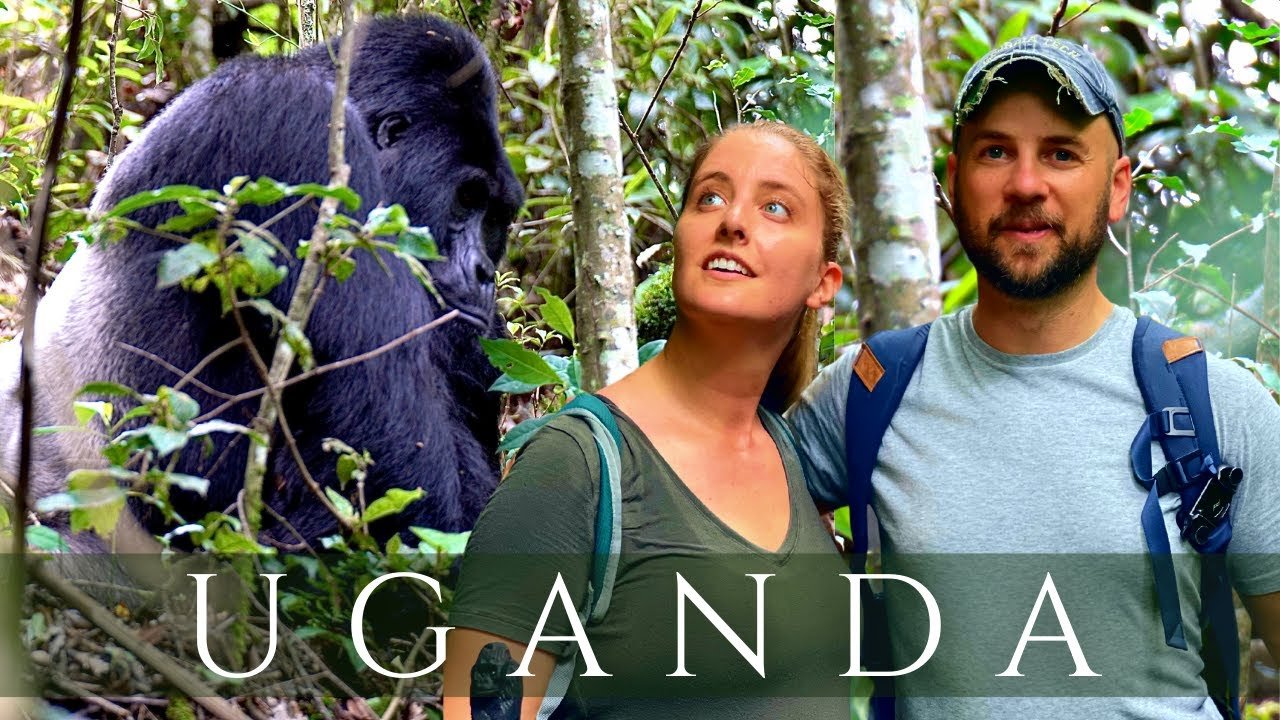
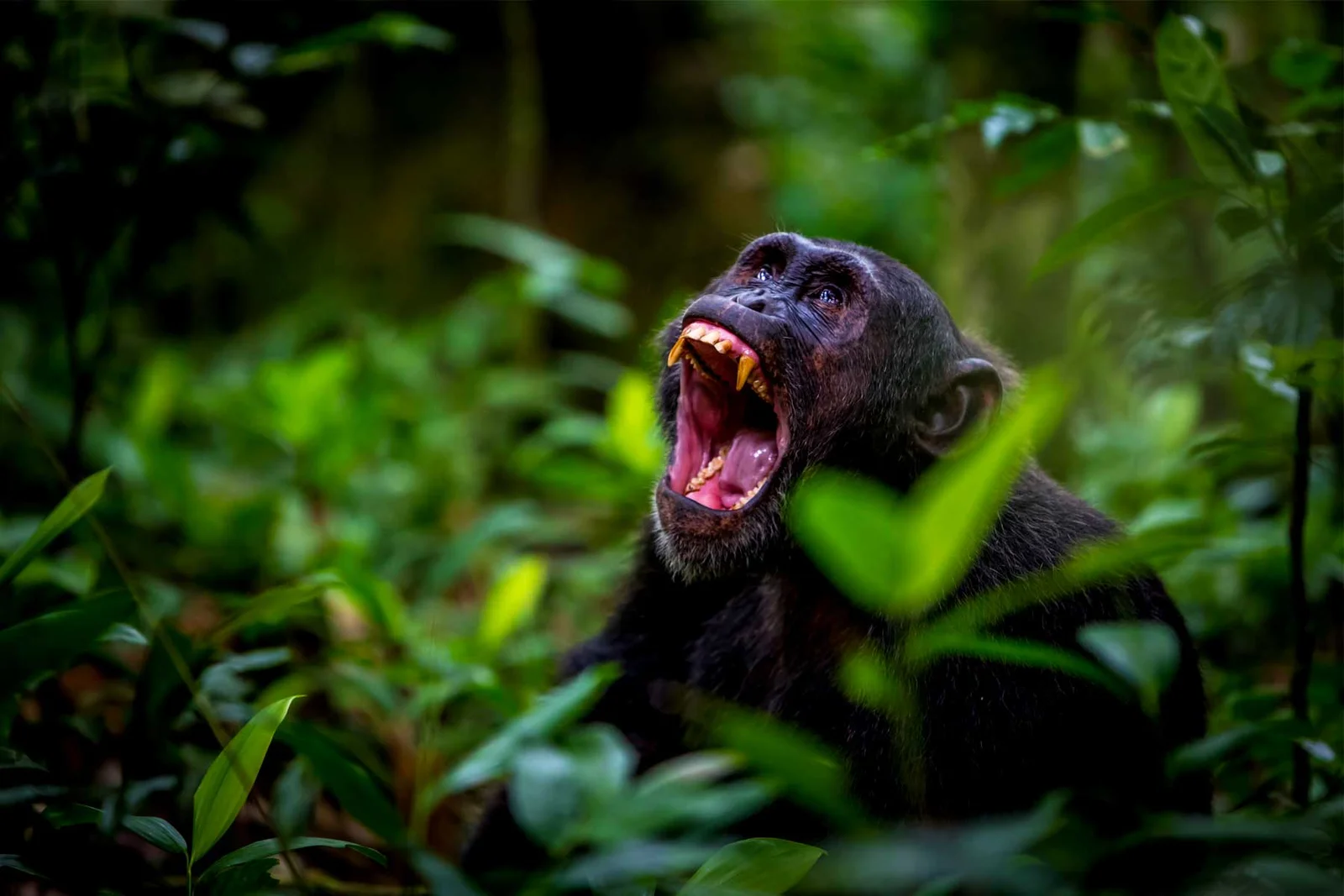
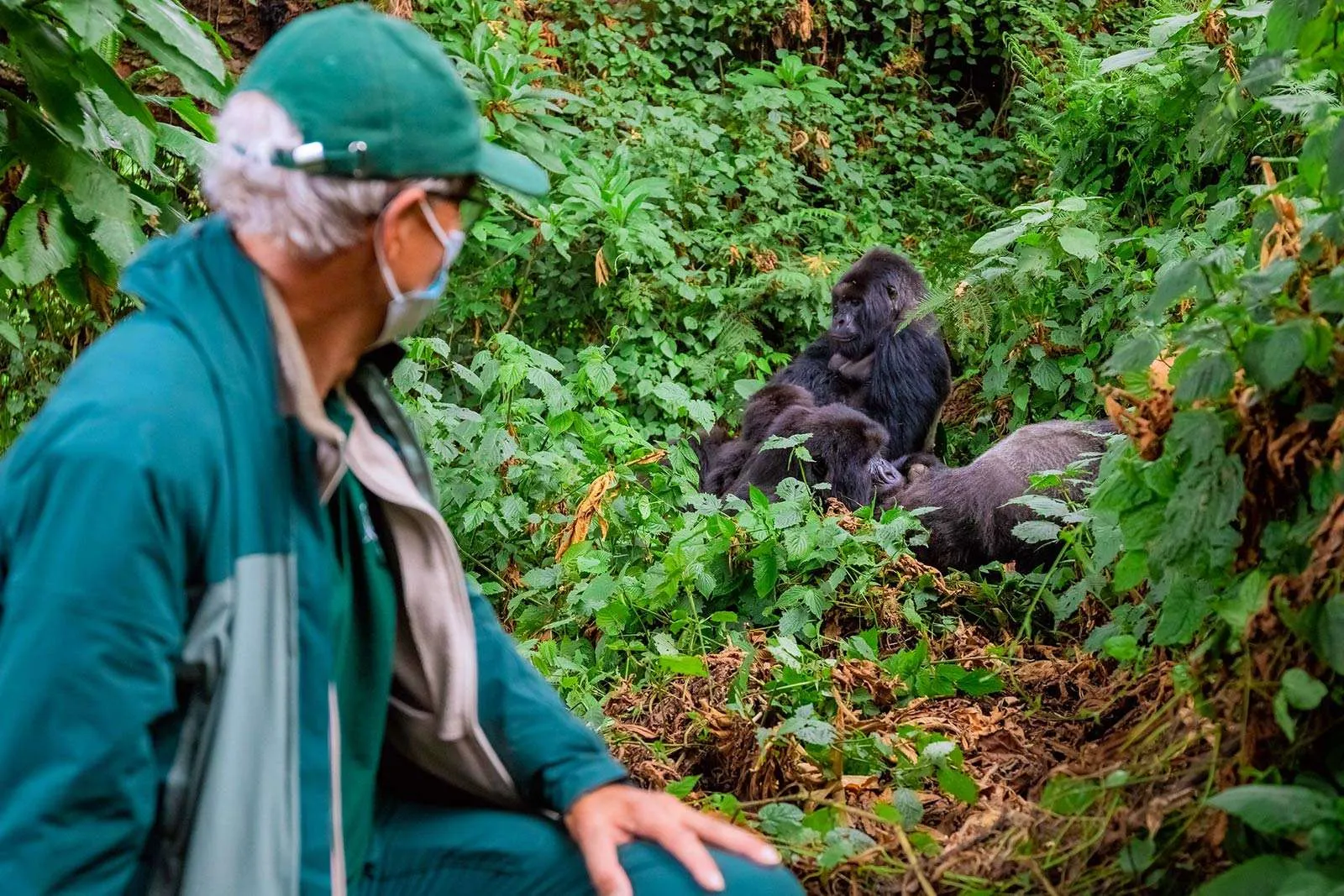
Attend the briefing and walk with your ranger-led group. After trekking, return to the lodge for a relaxed afternoon.
Day Nine: Begin Your Return Journey
Travel towards Entebbe or your agreed departure point. Overnight before your international flight where appropriate.
Day Ten: Departure
Transfer to the airport for your onward journey.
6. Compare Accommodation and Complete Safari Costs
The cost of Serengeti Safari and Uganda Gorilla Trekking depends on travel dates, group size, flights and accommodation. Gorilla permits, park charges and transport should be clearly identified in your proposal.
In Tanzania, prioritise a camp that supports your wildlife plans. In Uganda, select accommodation convenient for the confirmed trekking sector.
Travellers considering luxury gorilla trekking tours in Uganda can request additional comfort, privacy and personalised arrangements.
Compare quotations using the same inclusions. Check meals, airport transfers, baggage allowances and optional activities rather than relying only on the total price.
A private vehicle shared by several travellers can reduce the transport cost per person. Solo travellers should request clear information about room supplements and exclusive vehicle charges.
7. Prepare for Both Savannah and Forest Conditions
Packing for Serengeti Safari and Uganda Gorilla Trekking means preparing for two different environments. Bring comfortable game-drive clothing alongside sturdy walking boots, long trousers and waterproof layers for Uganda.
A manageable daypack, spare socks and protective covers for electronics are useful for trekking. Avoid carrying equipment that becomes uncomfortable on uneven ground.
Discuss porter support if you would appreciate help with your bag. Tell your organiser about relevant mobility concerns before arrival.
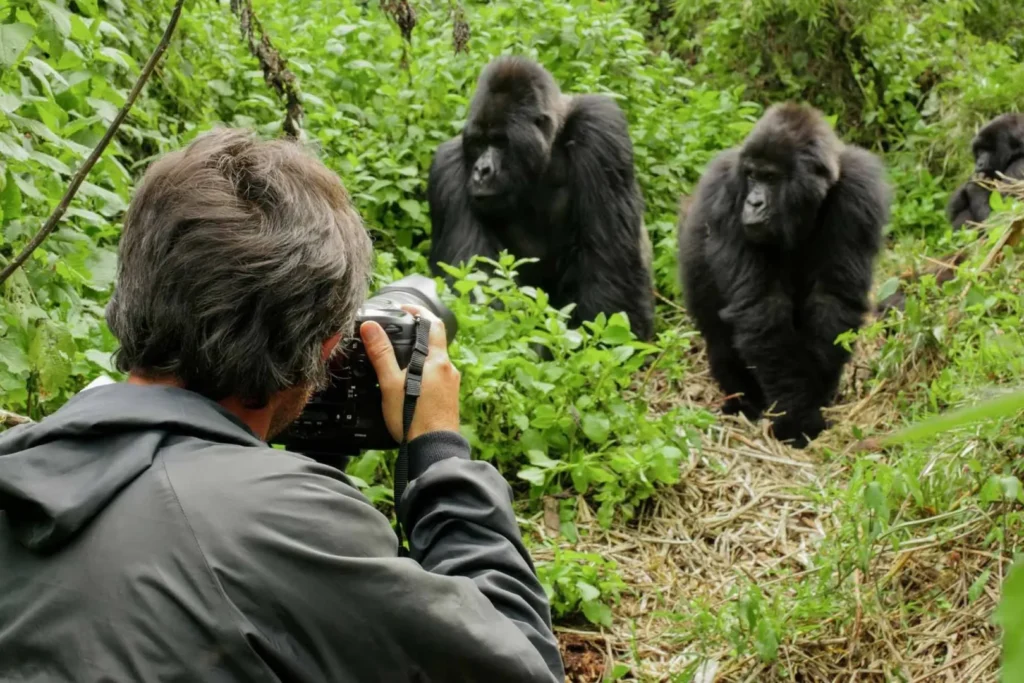
Follow ranger instructions around gorillas, keep noise low and never attempt to touch or attract wildlife. Inform your guide if you feel unwell before trekking.
For a longer holiday, consider adding a Queen Elizabeth National Park safari or time beside Lake Bunyonyi.
Frequently Asked Questions
Can I start the holiday in Uganda?
Yes. Serengeti Safari and Uganda Gorilla Trekking can operate in either direction. The better sequence depends on flight connections, permit availability and your preferred international arrival and departure airports.
How many gorilla treks should I include?
One trek suits many travellers. A second provides another opportunity to observe different behaviour, but requires an additional permit and sufficient itinerary time.
Is this safari suitable for honeymooners?
Yes. Private transport, comfortable camps and carefully paced lodge stays can create a memorable honeymoon. Include downtime rather than scheduling activities every available hour.
Can children join the entire itinerary?
Uganda’s standard minimum gorilla trekking age is 15. Accommodation and other activities may have separate age conditions, so confirm arrangements for every child before booking.
Are specific wildlife sightings guaranteed?
No. Wild animals move naturally, and conditions change. Plan around good viewing opportunities while allowing your guides to adapt each day.
Plan Your Combined Safari with Nextgen Safaris
Serengeti Safari and Uganda Gorilla Trekking brings together open-plains wildlife and a remarkable forest encounter. Careful planning makes the transition between destinations comfortable and gives each experience the time it deserves.
Request your personalised safari itinerary with Nextgen Safaris. Share your dates, group size, accommodation preferences and wildlife priorities so we can shape a journey around you.