
Uganda Safari Planner
Uganda Safari Planner – Incredible Guide to Planning an Unforgettable Uganda Safari
A Uganda Safari Planner should help you do much more than choose a few national parks and reserve accommodation. A successful Uganda safari requires thoughtful decisions about travel dates, gorilla and chimpanzee permits, driving distances, accommodation locations, safari vehicles, domestic flights, activity levels, budget and the amount of time available in each destination. Uganda currently has ten national parks managed by the Uganda Wildlife Authority, ranging from the mountain-gorilla forests of Bwindi and Mgahinga to the savannah landscapes of Queen Elizabeth, Murchison Falls, Lake Mburo and remote Kidepo Valley.
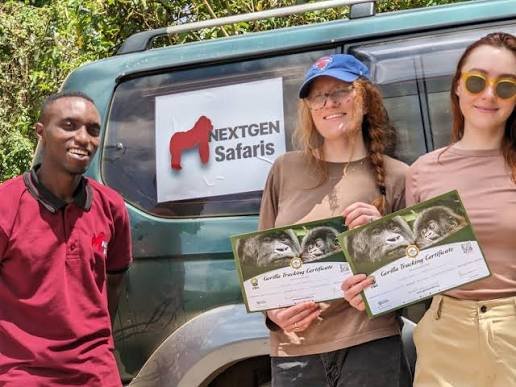
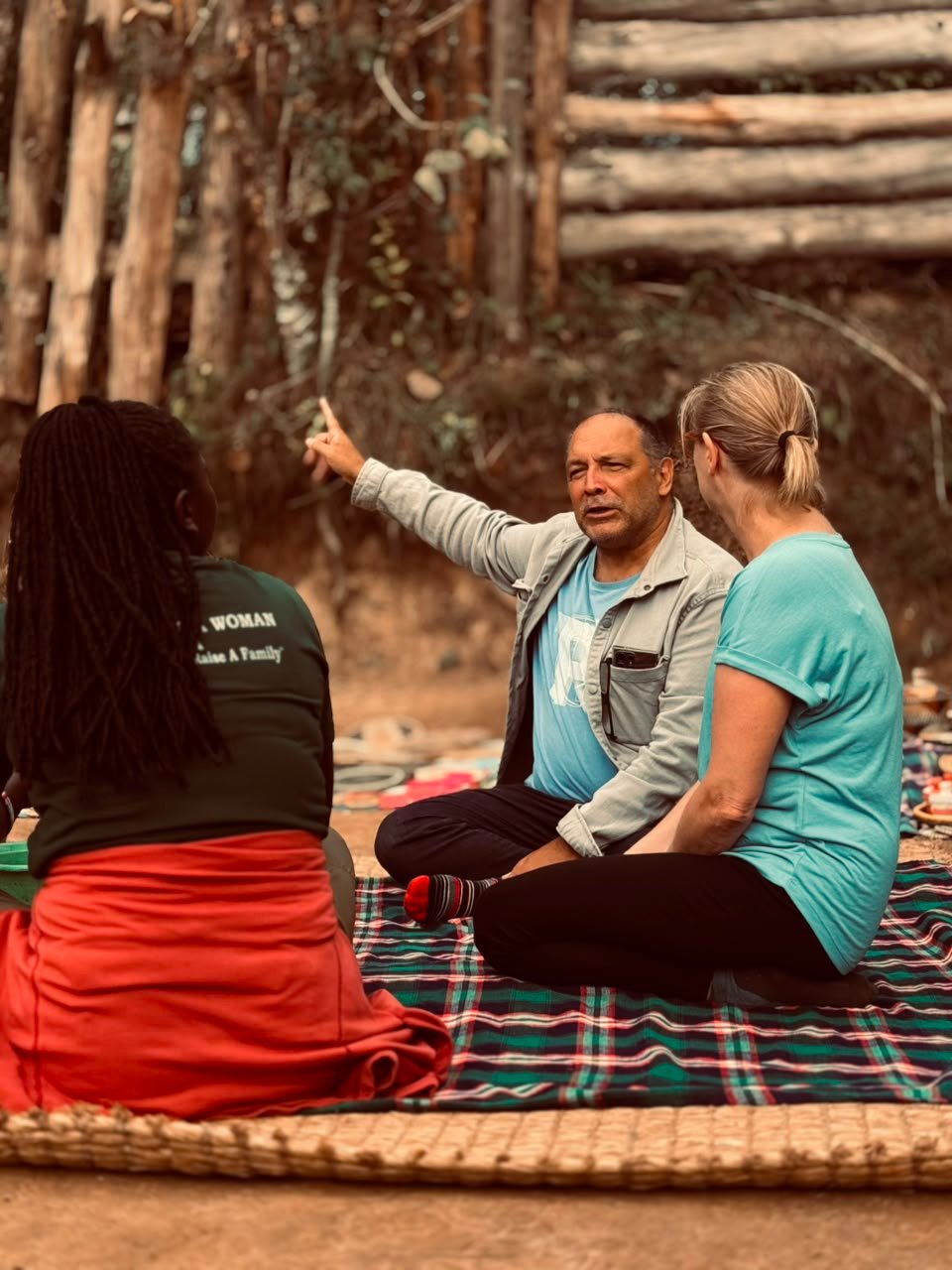
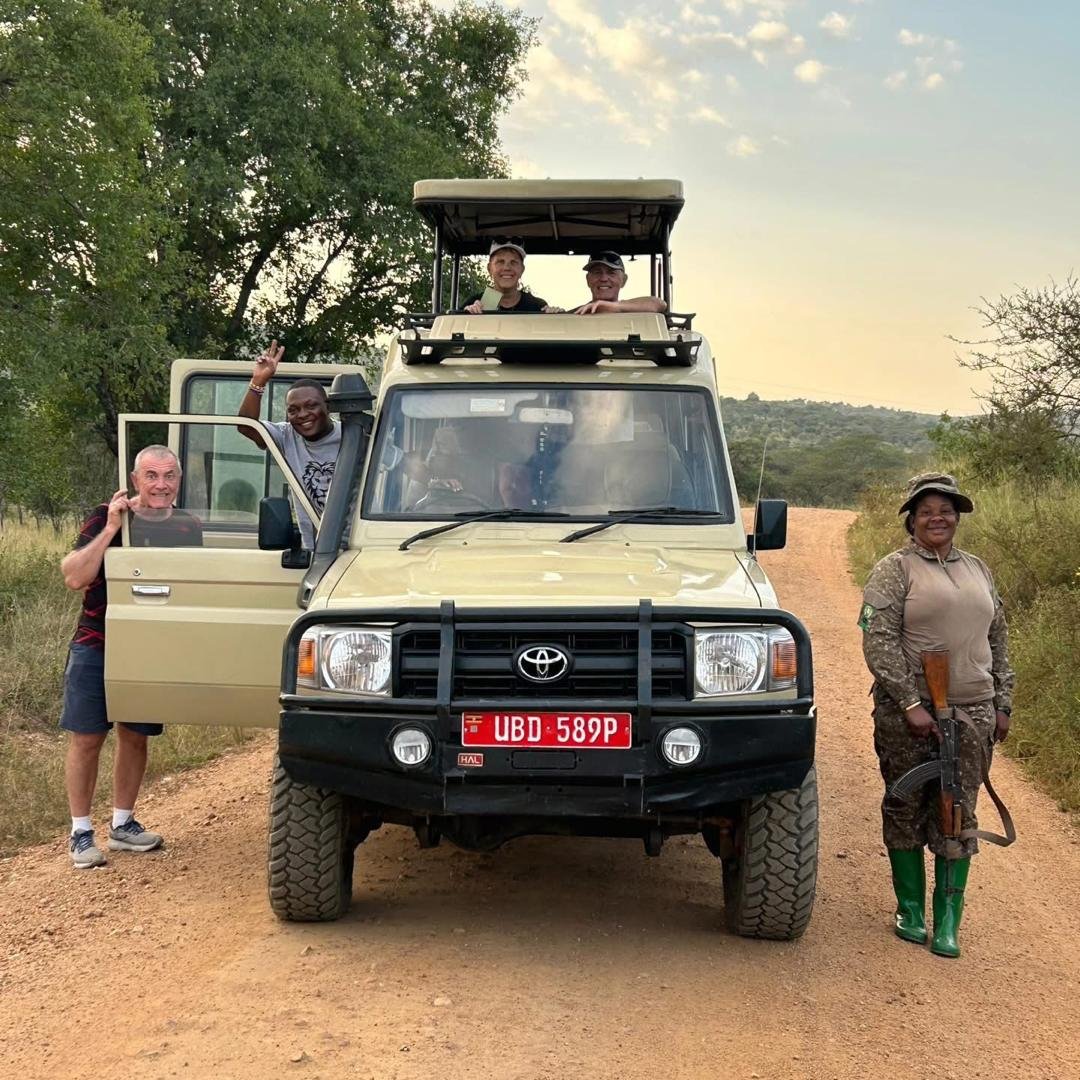
The best way to use an Uganda Safari Planner is to begin with the experiences that matter most instead of immediately deciding how many parks you want to visit. A traveler coming primarily for mountain gorillas requires a very different safari from someone interested in birdwatching, photography, family travel or a traditional game-viewing experience. When several interests are combined, the route should connect them naturally rather than creating unnecessary backtracking and exhausting driving days.
Uganda is especially rewarding because primate trekking and traditional African wildlife can be combined within one country. Travelers can trek mountain gorillas in Bwindi or Mgahinga, search for chimpanzees in Kibale, enjoy game drives in Queen Elizabeth and Murchison Falls, experience wildlife from the water and explore smaller or more remote protected areas. UWA identifies gorilla trekking in Bwindi and Mgahinga as one of Uganda’s flagship wildlife experiences and currently manages a protected-area network covering ten national parks.
With Nextgen Safaris, your Uganda Safari Planner can be transformed into a personalized journey based on your dates, budget, preferred accommodation, fitness, interests and travel style. The objective should not be to include everything Uganda offers. It should be to create the strongest possible safari from the time and budget you actually have.
What Is a Uganda Safari Planner?
A Uganda Safari Planner is a complete framework for organizing the major components of a safari before reservations are finalized. It considers which national parks are suitable, how destinations connect geographically, how many nights should be spent in each region, which activities require advance permits and whether traveling by road, air or a combination produces the best overall experience.
Planning also involves understanding the relationship between activities and accommodation. A gorilla trekking permit is not something that should be considered separately from the lodge, because Bwindi has different trekking sectors. Similarly, choosing a beautiful hotel without considering the next day’s game drive or transfer can produce unnecessary road time.
A good planner therefore looks at the safari as one connected journey. Uganda Safari Planner, Accommodation, permits, driving days, rest periods and major wildlife activities should support each other.
This is particularly important for Uganda because the country offers forests, savannahs, mountains, wetlands and remote wilderness within the same safari circuit. UWA currently manages Bwindi, Mgahinga, Kibale, Queen Elizabeth, Murchison Falls, Lake Mburo, Kidepo Valley, Semuliki, Mount Elgon and Rwenzori Mountains national parks.
Begin Your Uganda Safari Planner With Your Main Interests
Before selecting destinations, decide what you most want to experience. This is one of the most important stages of an Uganda Safari Planner because attempting to include every famous attraction can quickly create a rushed journey.
If mountain gorillas are the priority, organize the safari around Bwindi or Mgahinga first. Uganda Safari Planner, If primates generally are important, add Kibale for chimpanzee tracking. Travelers wanting strong classic wildlife should consider Queen Elizabeth or Murchison Falls, while visitors interested in remote wilderness may place Kidepo much higher on their list.
Photographers may prefer longer stays and fewer destinations so that morning and afternoon light can be used effectively. Families may need shorter driving days and more flexible schedules. Senior travelers may prioritize comfortable accommodation and strategically selected domestic flights.
The objective is to build the safari outward from your highest priorities. That usually produces a much more satisfying journey than choosing destinations simply because they appear on another traveler’s itinerary.
Best Destinations to Include in Your Uganda Safari Planner
Uganda’s national parks offer very different experiences, so each destination should have a clear reason for being included. UWA currently manages ten national parks encompassing primate forests, savannah wildlife areas, mountains and other protected ecosystems.
Bwindi Impenetrable National Park
Bwindi should be one of the first destinations considered when the purpose of the safari is mountain gorilla trekking. UWA identifies Bwindi as Uganda’s principal gorilla trekking destination and divides the park into four main trekking sectors: Buhoma, Ruhija, Rushaga and Nkuringo.
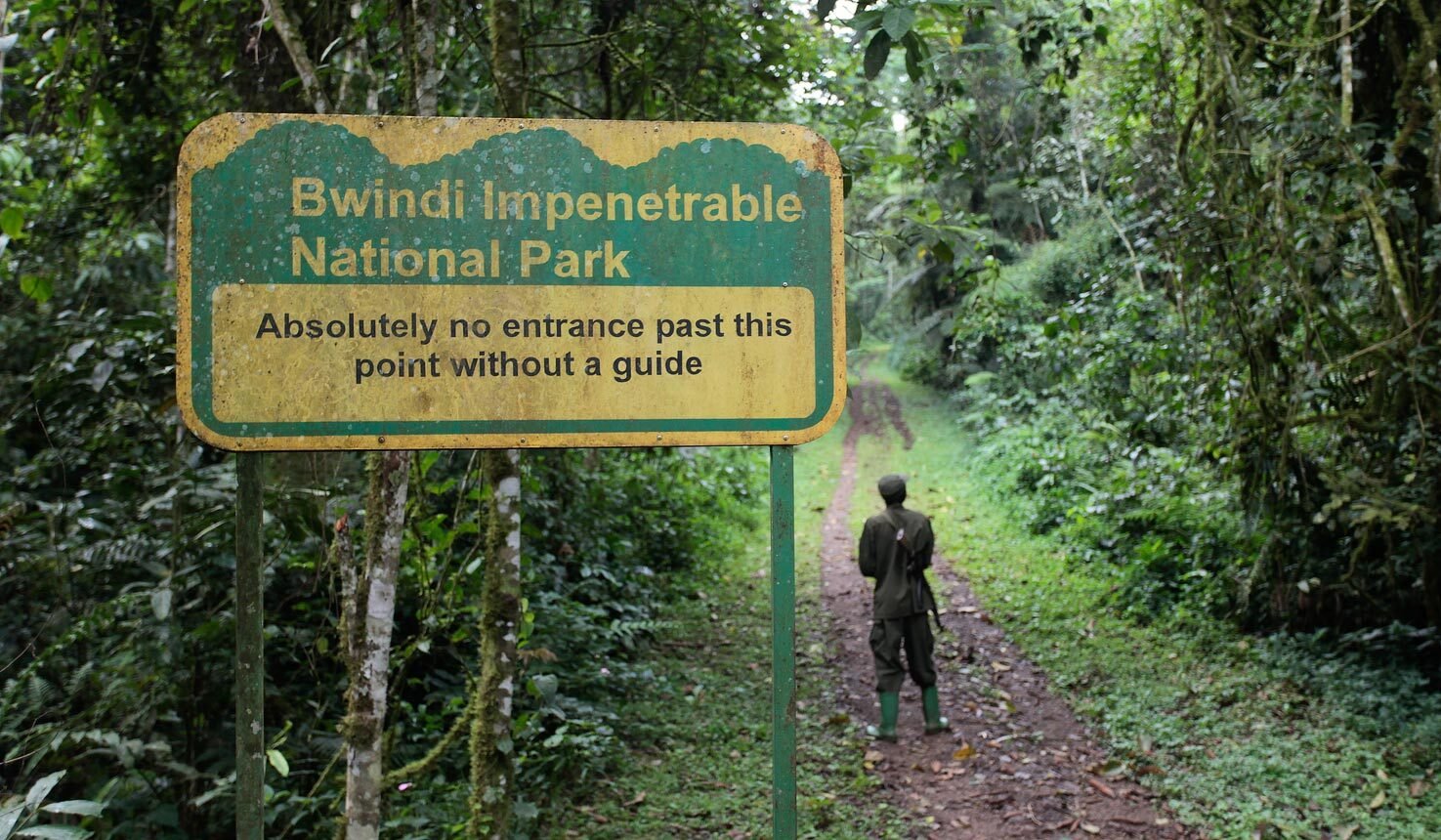
This sector system makes planning particularly important. Uganda Safari Planner, Your accommodation should ideally correspond with the area in which your gorilla permit is assigned. Booking a lodge simply because it looks attractive online without checking the trekking sector can result in inconvenient driving before the morning briefing.
Bwindi also deserves time beyond arrival and trekking. Uganda Safari Planner, Mountain roads and long transfers mean travelers generally benefit from arriving with enough time to relax before the trek rather than reaching the forest late at night. A strong Uganda Safari Planner therefore coordinates the permit, lodge and transfer arrangements together from the beginning.
Mgahinga Gorilla National Park
Mgahinga Gorilla National Park is another important option for travelers interested in mountain gorillas. The park lies within Uganda’s Virunga landscape and also protects golden monkeys, creating an opportunity to combine two distinctive primate experiences within the same region.
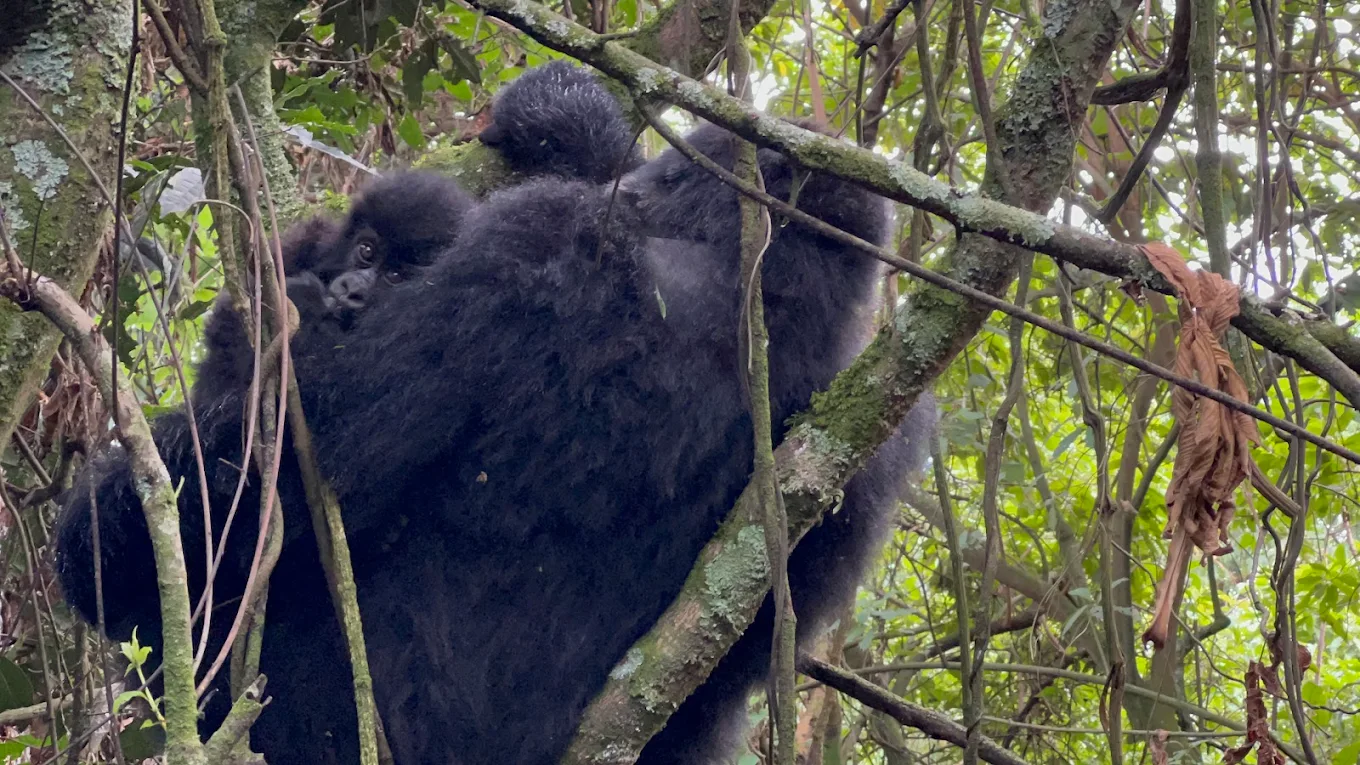
Mgahinga can work particularly well for travelers staying around Kisoro, visitors interested in the Virunga scenery or those combining different activities in southwestern Uganda.
Because of the mountainous setting, travelers should think carefully about road access, activity levels and accommodation location. The park should not simply be viewed as a substitute for Bwindi. It offers a different landscape and can become an important part of a safari designed around primates, hiking and southwestern Uganda.
Kibale National Park
Kibale is an important addition to an Uganda Safari Planner when chimpanzees are a priority. UWA identifies Kibale as Uganda’s most popular location for chimpanzee tracking, making it the natural primate complement to a gorilla-focused journey.
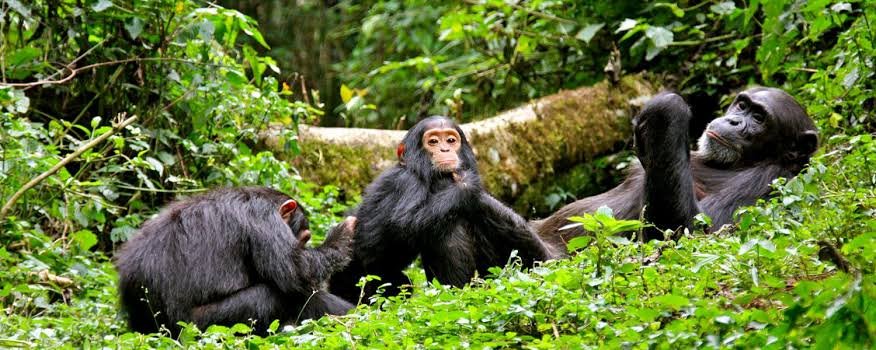
Kibale also fits conveniently into the western safari circuit. Uganda Safari Planner, Travelers can connect the forest region with Queen Elizabeth National Park rather than repeatedly returning toward Entebbe between activities.
This geographical relationship is one reason gorilla, chimpanzee and wildlife safaris work particularly well in Uganda. Several major experiences can be arranged in a logical progression. Allowing enough time around Kibale also prevents chimpanzee tracking from becoming just another activity squeezed between two long driving days.
Queen Elizabeth National Park
Queen Elizabeth National Park is particularly useful within a Uganda safari because it introduces classic savannah wildlife between the country’s major primate regions. UWA highlights the park for wildlife viewing, tree-climbing lions in Ishasha and exceptionally rich bird diversity.
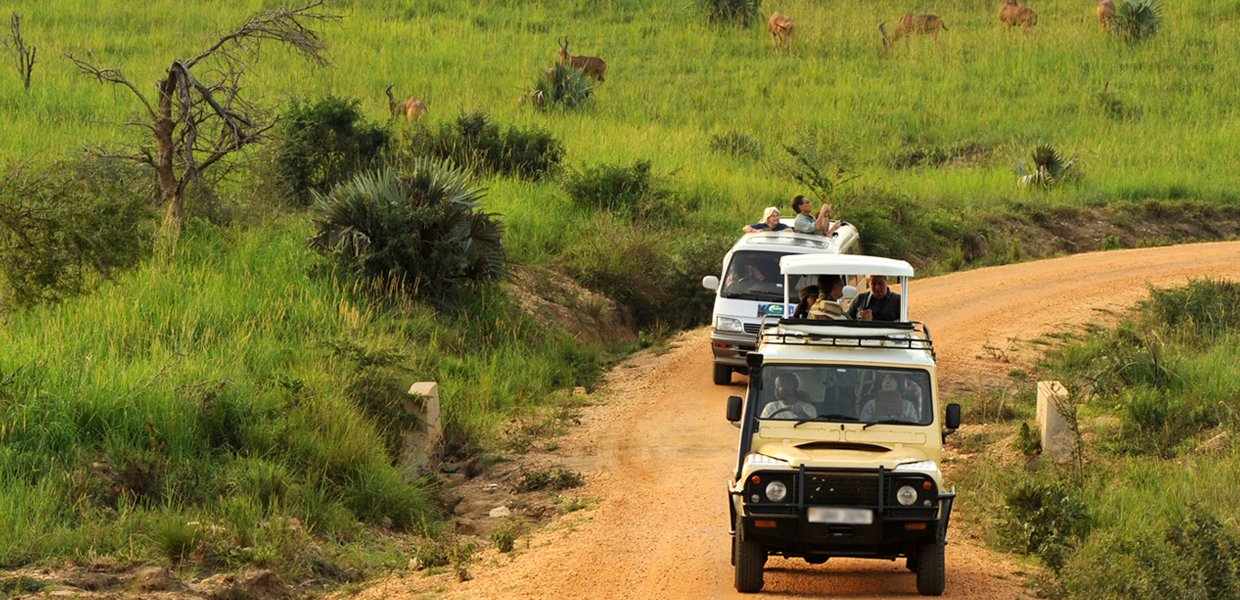
The park can be connected with Kibale before continuing south toward Bwindi. Uganda Safari Planner, The Ishasha Sector is particularly useful geographically when traveling toward the gorilla regions because it creates a natural wildlife stop rather than requiring a separate detour.
Queen Elizabeth also provides important variety. After walking through tropical forests looking for chimpanzees, travelers can spend time viewing wildlife from a safari vehicle and experiencing open landscapes. For many first-time visitors, this balance between primates and savannah wildlife is one of the strongest reasons to include Queen Elizabeth.
Murchison Falls National Park
Murchison Falls should be considered by travelers who have enough time for a broader Uganda journey. UWA includes the park among Uganda’s major protected areas and highlights Murchison’s combination of the Nile, dramatic falls and classic African wildlife.
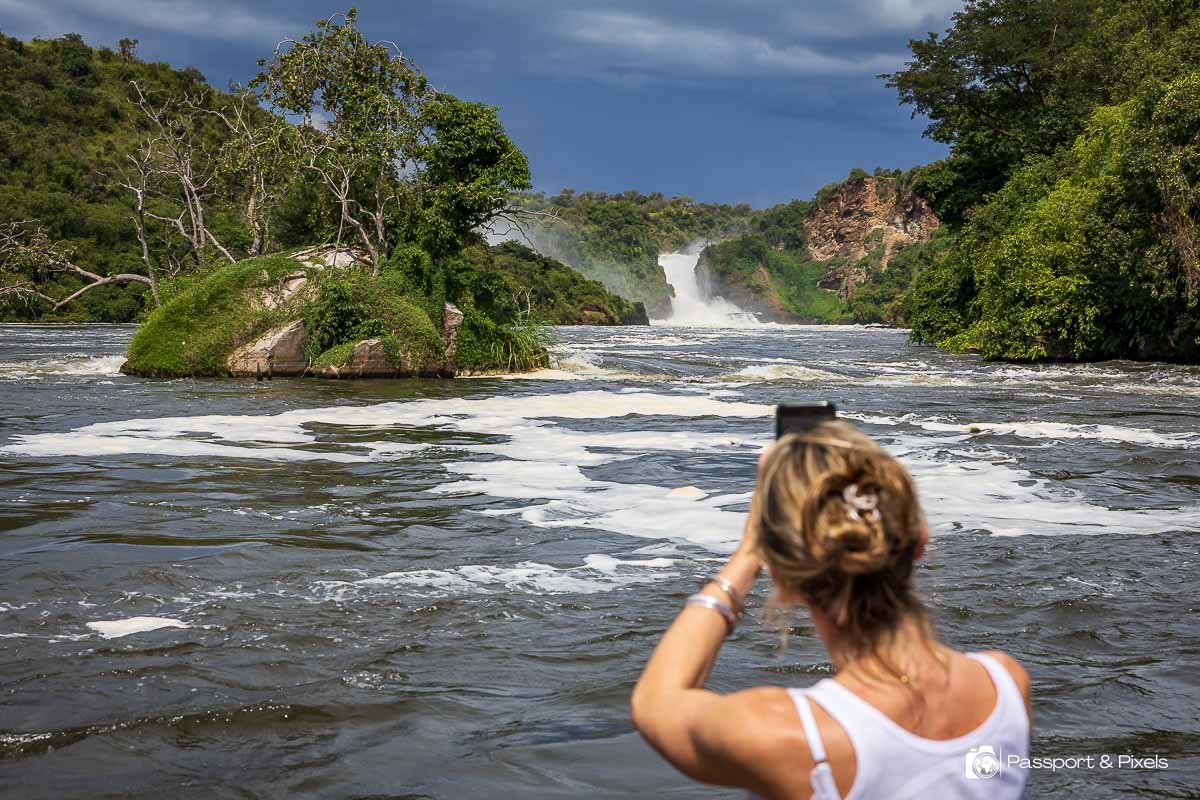
Its geographical position means it requires more careful planning when combined with the southwestern gorilla circuit. Adding Murchison to a short safari can create excessive road time, while incorporating it into a longer journey can provide a valuable contrast with Kibale, Queen Elizabeth and Bwindi.
The park is particularly attractive because wildlife viewing can be experienced both from the vehicle and along the Nile. A good Uganda Safari Planner therefore considers Murchison based on available days rather than adding it automatically to every Uganda itinerary.
Lake Mburo National Park
Lake Mburo can be extremely useful in a well-designed safari because of its position on the southwestern travel corridor. It can provide a wildlife experience while also helping break a longer transfer between the Kampala/Entebbe region and southwestern Uganda.
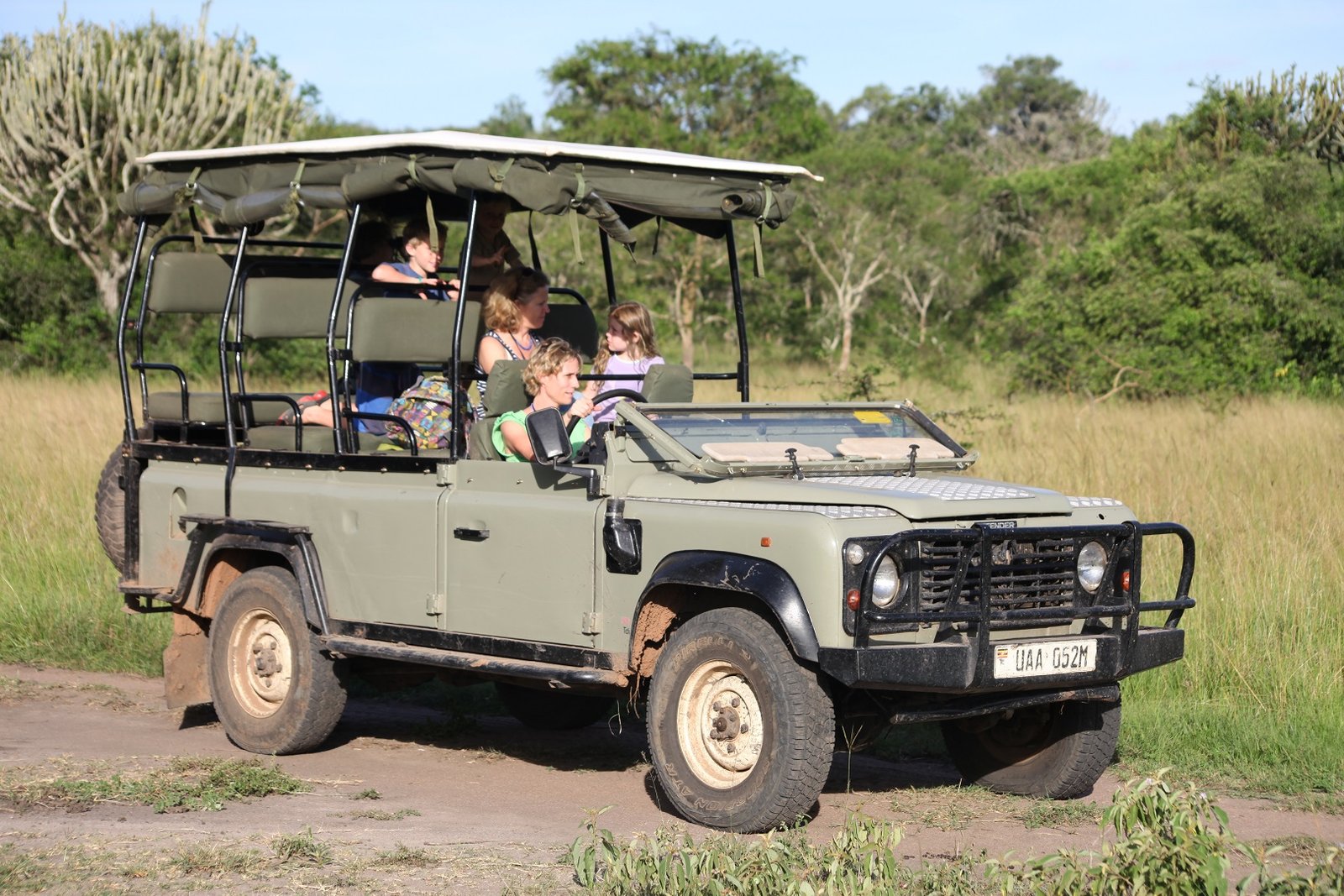
The park offers a different atmosphere from Uganda’s larger savannah destinations, making it particularly suitable for travelers who want variety without adding a major geographical detour.Uganda Safari Planner, UWA includes Lake Mburo among Uganda’s ten national parks.
Lake Mburo can work particularly well toward the beginning or end of a longer western Uganda circuit. Instead of treating it merely as an overnight stop, a thoughtful safari plan should allow enough time for at least one meaningful wildlife activity when the park is included.
Kidepo Valley National Park
Kidepo Valley National Park is ideal for travelers prioritizing remoteness, dramatic landscapes and wilderness. However, its northeastern location means it should be treated differently from destinations within the western Uganda circuit.
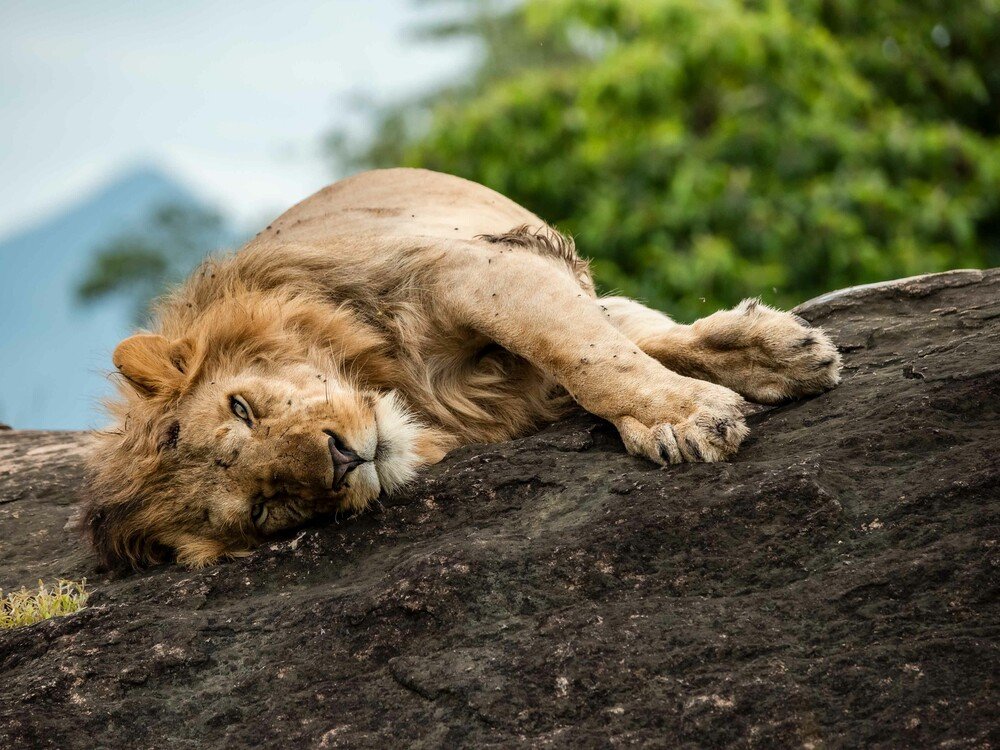
Adding Kidepo to a short Bwindi-focused safari creates substantial additional travel. Uganda Safari Planner, It works better on longer journeys or where air transportation and a suitable budget make the combination practical.
This is an important planning principle: an exceptional destination does not automatically belong in every safari. A strong Uganda Safari Planner should evaluate whether the experience gained from adding Kidepo justifies the extra time and transport required.
How Many Days Do You Need for a Uganda Safari?
There is no universal ideal length because safari duration depends on what travelers want to experience. A short journey can concentrate on mountain gorillas or one wildlife region, while a longer safari allows primates and several savannah destinations to be combined without constant travel. For many visitors, seven to ten days allows a rewarding combination of several major experiences. Travelers who want gorillas, chimpanzees, multiple wildlife parks and slower pacing will benefit from additional time.
The most important planning principle is not the total number of destinations but the ratio between activity time and transfer time. Adding another park is rarely worthwhile if it means reaching every lodge late and departing again immediately the following morning. Extra days should be used first to improve the pace of the journey. Only after the major destinations have enough time should additional parks be considered.
Plan Your Uganda Safari Route Geographically
Geography can make the difference between an enjoyable safari and an exhausting one. The strongest Uganda Safari Planner connects destinations in a natural sequence rather than continuously backtracking.
Kibale, Queen Elizabeth and Bwindi form a particularly logical western and southwestern progression. Lake Mburo can then fit naturally on the broader route toward or from Entebbe. Murchison requires additional travel farther north, while Kidepo requires an even more deliberate extension toward northeastern Uganda.
This does not mean every traveler should follow the same circuit. Someone primarily visiting Uganda for gorillas might need only Bwindi and one complementary destination. A photographer with two weeks may prefer fewer parks with three nights in important locations. Route efficiency also affects the budget because unnecessary driving increases vehicle days, fuel use and fatigue.
Secure Gorilla Permits Before Finalizing the Safari
One of the most important functions of an Uganda Safari Planner is coordinating gorilla permit availability with the rest of the safari. UWA confirms that gorilla trekking takes place in Bwindi and Mgahinga and notes that treks may last approximately two to seven hours depending on conditions and gorilla location, followed by the regulated viewing period.
Permit availability can determine the trekking date and sector, particularly when travel dates are fixed. For this reason, it is often better to check the gorilla component before making non-flexible accommodation reservations elsewhere.
UWA’s tariff framework can also change according to travel period. Its current rates page links to the 2026–2027 tariff changes, including special low-season arrangements and revised rates for future periods. Travelers should therefore use pricing applicable to their exact dates rather than relying on an older article found through search. Nextgen Safaris can coordinate permit availability with the rest of the safari plan before the complete route is locked in.
Match Your Bwindi Lodge With the Gorilla Trekking Sector
This deserves separate attention because it is one of the most common planning errors. Bwindi has four principal trekking sectors—Buhoma, Ruhija, Rushaga and Nkuringo. The accommodation should therefore be chosen only after the trekking location is understood. A lower room rate has little value if it creates an unnecessarily difficult transfer before the trek.
Location should be evaluated alongside comfort, price and lodge style. Luxury travelers may have several premium options, while mid-range and budget-conscious guests can also find suitable properties close to the relevant trekking areas. The objective is not simply to choose “the best lodge in Bwindi.” It is to choose the best lodge for the confirmed permit and the rest of your route.
Plan Chimpanzee Tracking Early Too
Chimpanzee trekking also requires advance planning when it is an important part of the journey. Kibale is a major primate destination and fits naturally between other western Uganda attractions. Activity timing can influence arrival and departure days, so the chimpanzee experience should be coordinated before every hotel and transfer is fixed.
Travelers combining both gorillas and chimpanzees should also consider physical pacing. Two forest trekking experiences placed too closely around major driving days can make the safari unnecessarily demanding. Adding a more relaxed wildlife or lodge day between demanding activities can improve the overall experience significantly.
Choose the Best Time for Your Uganda Safari
Uganda can support safari travel across different parts of the year, but the ideal period depends on your priorities. Travelers interested in easier trekking conditions may place more value on generally drier periods, while visitors comfortable with rain may enjoy greener landscapes and potentially quieter travel periods.
Seasonality should be considered together with permit pricing, lodge availability and photography preferences rather than reduced to one statement that there is only one “best month.”
UWA currently has specific low-season primate pricing provisions for selected 2026 months, demonstrating that travel dates can affect the overall safari budget as well as conditions. A good Uganda Safari Planner should therefore compare the advantages of your possible travel months before flights and permits are finalized.
Uganda Road Safari or Fly-In Safari?
Road travel remains one of the most rewarding ways to experience Uganda because travelers see the agricultural landscapes, towns, highlands and countryside between national parks. It is also generally easier to connect nearby western destinations without repeatedly flying through Entebbe.
Flying becomes particularly attractive when the itinerary is short or when removing a long transfer creates substantially more time for the actual safari. AeroLink currently serves Bwindi gateways through Kihihi and Kisoro, with its published schedule showing services from Entebbe and connections among southwestern airstrips.
A combination can provide the strongest solution. Travelers might fly into southwestern Uganda and then use a private 4×4 to connect nearby destinations by road. The correct choice depends on time, budget, comfort and what you want the journey itself to feel like.
Guided Safari or Self-Drive?
Your Uganda Safari Planner should also determine whether you want professional guiding throughout the journey or prefer greater driving independence. A private guided safari reduces responsibility for navigation, park orientation and long-distance driving while adding wildlife interpretation. It can be particularly useful for first-time visitors, photographers, families and travelers who want to concentrate entirely on the experience.
Self-drive can work well for experienced independent travelers who genuinely enjoy road trips and are comfortable managing logistics themselves. However, individual regulated activities such as gorilla trekking remain ranger-led experiences regardless of how travelers reach the park. UWA manages the gorilla trekking process within Bwindi and Mgahinga. Nextgen Safaris can also create private guided journeys that retain considerable flexibility without requiring travelers to manage the driving.
Choose the Right Accommodation Level
Accommodation has a major influence on both safari comfort and price. Uganda offers everything from simpler guesthouses and budget camps to comfortable mid-range lodges and premium luxury properties.
The right accommodation category should be selected according to the experience travelers want rather than choosing one level automatically for every night. Some travelers prefer comfortable mid-range properties throughout, while others choose premium accommodation only in destinations where they will spend meaningful time enjoying the lodge.
Location remains just as important as luxury level. A beautiful property poorly positioned for the confirmed activities can be less useful than a simpler lodge five minutes from where the next day’s experience begins. A good Uganda Safari Planner therefore evaluates location, room type, meals, accessibility, comfort and price together.
Set a Realistic Uganda Safari Budget
Safari budgets are influenced by more than lodge prices. Transportation, vehicle days, fuel, guiding, permits, park activities, accommodation, domestic flights and the number of travelers sharing the vehicle all affect the total. Gorilla and chimpanzee activities are particularly important to budget early because UWA controls the permit framework and periodically revises tariffs. Its current rates page includes the 2026–2027 changes, so exact prices should always be matched to the actual travel period.
Small groups can often improve per-person value because the private vehicle and guide costs are shared. Couples naturally divide these expenses between two people, while solo travelers carry a larger proportion of the fixed transportation costs. The best approach is to set a realistic budget range before the safari is designed. This allows Nextgen Safaris to direct money toward the experiences that matter most rather than designing an unrealistic itinerary and cutting important activities afterward.
Uganda Safari Planner for Families
Families require a different planning approach from couples or groups of adults. The safari should account for the children’s ages, tolerance for long drives, sleeping arrangements and activity eligibility.
Game drives and boat activities can provide excellent family wildlife experiences, while primate trekking should be planned only after current participation rules have been checked with the relevant authority. UWA publishes formal guidelines governing gorilla and chimpanzee tracking, so age eligibility should be confirmed before constructing a family holiday around those activities.
A private safari vehicle is particularly useful because the family can control stops, meal timing and game-drive length. Accommodation should also be chosen based on family rooms or cottages rather than simply pricing several independent rooms.
Uganda Safari Planner for Senior Travelers
Senior travelers often benefit from slower pacing, carefully positioned lodges and fewer consecutive long driving days. The objective should be to remove unnecessary physical strain without removing the wildlife experiences that motivated the journey. Gorilla trekking can be physically demanding because the duration varies according to where the gorillas are located, and UWA advises moderate fitness for the experience.
Senior travelers can therefore discuss fitness and mobility during the planning stage so that the wider safari does not become exhausting before the gorilla day. Domestic flights can also be incorporated where they meaningfully reduce road time, while boat safaris and private game drives provide excellent lower-impact wildlife experiences.
Uganda Safari Planner for Couples and Honeymooners
Couples can use a Uganda Safari Planner to balance wildlife adventure with privacy and relaxation. Not every day needs to begin before sunrise or end with a late arrival at another lodge.
A particularly effective approach is to select a few destinations where accommodation becomes part of the experience. A premium lodge around Bwindi or another major highlight can be combined with comfortable mid-range accommodation elsewhere to protect the overall budget.
Private transportation also gives couples control over photography stops, meals and daily pace. For honeymooners, adding unstructured lodge time can be more valuable than adding another activity simply because there is an empty space in the schedule.
Uganda Safari Planner for Photographers
Photography safaris should emphasize time rather than the number of destinations. A photographer often benefits from repeating game drives in the same area because wildlife behavior, light and conditions change throughout the day.
Private guiding becomes particularly valuable because there is less pressure to leave a productive sighting when other passengers want to move immediately.
Photographers should also think about baggage if domestic flights are included. Safari aircraft have more restrictive luggage arrangements than international flights, so specialist camera equipment needs to be considered during transport planning. AeroLink currently publishes route and baggage information for its Uganda safari-flight network.
Planning around photography means protecting the time needed to wait for moments rather than treating every animal as a checklist sighting.
Uganda Safari Planner for Birdwatchers
Uganda’s protected areas contain forest, wetland, savannah and mountain habitats, making birding highly compatible with a broader wildlife safari. UWA currently describes Uganda as supporting more than 1,060 recorded bird species nationally. Serious birdwatchers should communicate this during the planning stage because guide expertise becomes especially important. A general wildlife safari with occasional bird identification is very different from a trip targeting difficult forest species.
Birding travelers may also need slower transfers because roadside habitats and lodge grounds can become productive birding locations rather than simply being spaces between major parks. The route should therefore be designed around habitats as well as famous national-park names.
Plan Your Uganda Entry Requirements Early
Travel documents should be addressed before departure rather than during the final week. Uganda Immigration currently requires visa-prone travelers to use its online visa process and travel with the relevant approval documentation. Its tourist-visa requirements include a passport bio-data page with at least six months’ validity, a tour plan or itinerary, photograph and accommodation information.
Requirements vary according to nationality, and Uganda also publishes a list of visa-exempt nationalities. Travelers combining Uganda, Rwanda and Kenya can additionally investigate whether the East African Tourist Visa is appropriate for their route; Uganda’s immigration authority currently lists this regional option and its associated requirements. Because immigration requirements can change, verify them again shortly before departure rather than relying exclusively on an old itinerary or blog.
Include Health Preparation and Travel Insurance
Health planning should be part of the Uganda Safari Planner, particularly when travelers will spend time in remote national parks. Consult a qualified travel-health professional far enough in advance to discuss vaccinations, malaria prevention, personal medication and any health considerations relevant to the itinerary. Travelers should also verify current entry-health documentation through official authorities before departure.
Travel insurance should reflect the actual activities involved, especially when gorilla trekking, chimpanzee tracking, domestic safari flights or remote travel are included. Carry essential medication in sufficient quantity and avoid placing all necessary prescriptions in checked luggage.
Plan Arrival and Departure Days Carefully
International arrival and departure timing can influence the entire safari. An overnight stay near Entebbe after a late flight may provide a far more comfortable start than immediately beginning a major road transfer. Similarly, the final day should include sufficient buffer before the international departure, especially when the safari ends far from Entebbe or involves a domestic flight.
Weather, road conditions and aviation operations can introduce delays, so extremely tight connections should be approached cautiously. A good Uganda Safari Planner protects important international flights rather than maximizing the itinerary until the final possible hour.
Plan Meals and Dietary Requirements in Advance
Safari lodges frequently operate meal plans because restaurants may not be conveniently accessible once travelers are inside or near national parks.
Dietary needs should therefore be communicated before arrival. Vegetarian preferences, allergies, intolerances and medically important restrictions are easier for remote lodges to manage when they receive advance information.
Travelers should also understand which meals are included in the safari quotation. This is a relatively simple planning step, but it can make a substantial difference to comfort during a longer journey.
Plan Money and Tipping Before Departure
Your Uganda Safari Planner should clarify what has already been prepaid and which personal expenses remain. This makes it easier to decide how much accessible cash to carry. Travelers may want cash for tips, small purchases and incidental expenses, while larger safari components are normally handled through the agreed booking arrangements.
Tipping guidance should be discussed before arrival so travelers understand the different roles of the driver-guide, trekking porters, ranger guides and lodge staff. Transparent planning helps prevent tips and optional activities from feeling like unexpected expenses at the end of the journey.
Common Uganda Safari Planning Mistakes
One of the biggest mistakes is trying to see too much. An itinerary filled with famous park names can look impressive on paper while becoming exhausting in reality. Another mistake is booking accommodation around Bwindi before confirming the gorilla trekking sector. Because UWA recognizes Buhoma, Ruhija, Rushaga and Nkuringo as the main trekking sectors, permit location should influence lodge selection.
Travelers also sometimes underestimate road time, leave permits until too late, select accommodation only according to price or place demanding activities immediately after major transfer days. Another common error is using old online prices for permits, visas or flights. UWA currently publishes 2026–2027 tariff changes, Uganda Immigration maintains current visa information and domestic airlines publish their own current schedules.
Use Nextgen Safaris as Your Uganda Safari Planner?
Using Nextgen Safaris as your Uganda Safari Planner means bringing permits, accommodation, transportation, activities and route design together instead of booking every component separately and hoping they connect efficiently.
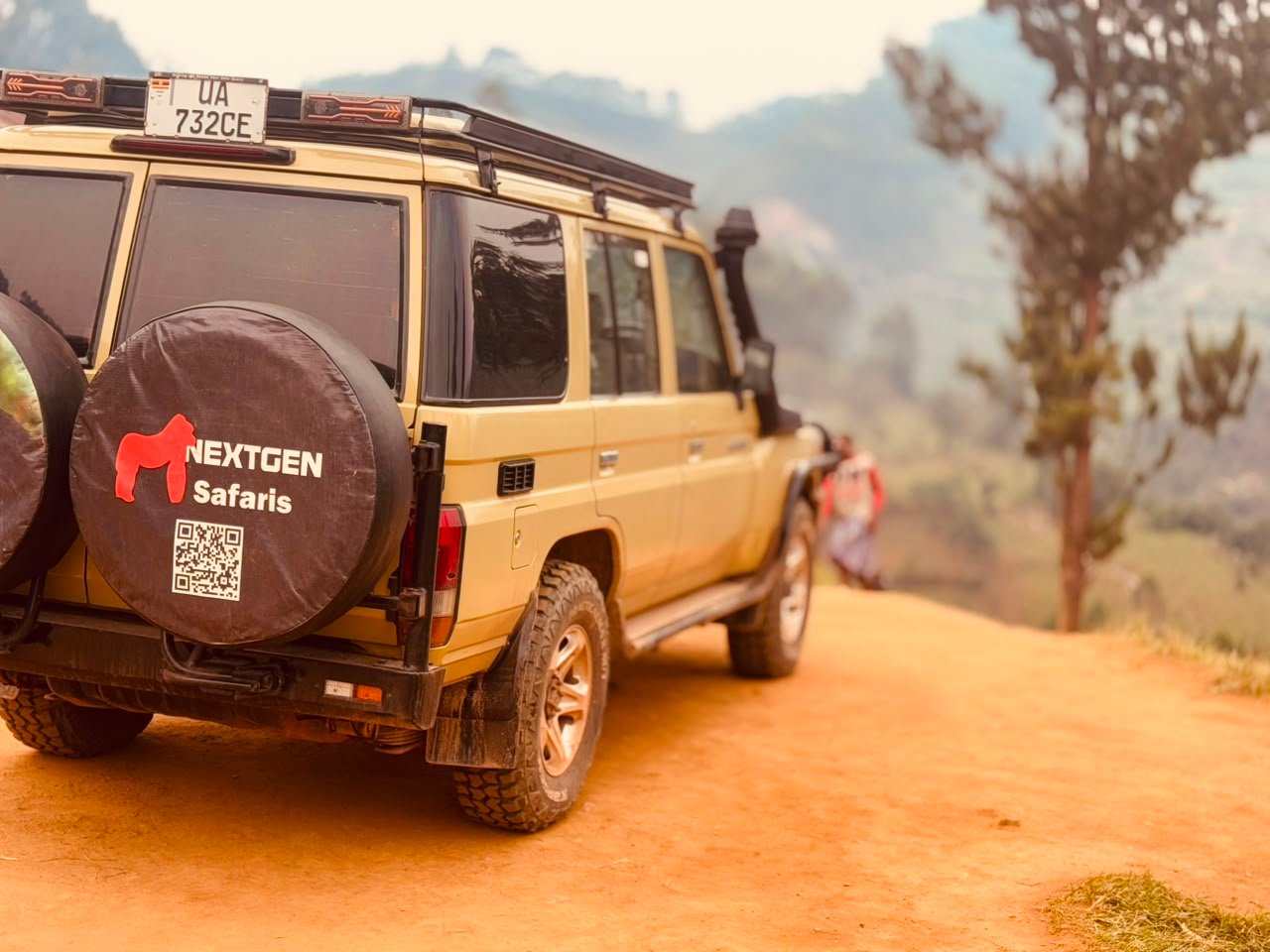
The journey can then be built around private 4×4 transportation with a professional driver-guide, carefully selected accommodation, gorilla or chimpanzee arrangements, game drives, boat experiences and domestic flights where they provide genuine value. Uganda’s official protected-area network gives travelers an unusually broad choice of forests, savannahs, mountains and wildlife experiences from which to create that journey.
A thoughtful Uganda Safari Planner should ultimately answer five questions clearly: What do you most want to experience? How many days do you have? How much road travel are you comfortable with? What level of accommodation suits you? And what budget should the complete journey respect?
Plan your Uganda safari with Nextgen Safaris and create a personalized journey connecting mountain gorillas, chimpanzees, savannah wildlife, boat safaris and Uganda’s spectacular landscapes through a route designed around your time, comfort and travel priorities.