
Rwanda Safari in May
Rwanda Safari in May – Spectacular Gorilla Trekking & Green Season Wildlife Guide
A Rwanda Safari in May offers a remarkable opportunity to experience mountain gorillas, chimpanzees, Big Five wildlife, rainforest landscapes and the spectacular green countryside of the Land of a Thousand Hills. May falls within the latter part of Rwanda’s main rainy season, which generally extends from mid-February through May, while the principal dry season begins in June. Travelers should therefore prepare for rainfall, lush vegetation and potentially muddy trekking trails rather than expecting consistently dry conditions. These seasonal characteristics do not prevent wildlife experiences; instead, they create a distinctly green and atmospheric setting across Volcanoes National Park, Nyungwe National Park, Akagera National Park and the Lake Kivu region.
A Rwanda Safari in May can be particularly rewarding for travelers who want to see more of the country than mountain gorillas alone. Akagera National Park introduces open savannah, lakes, wetlands and classic wildlife viewing, Nyungwe provides chimpanzee tracking and rainforest exploration, Lake Kivu adds a scenic break, and Volcanoes National Park delivers Rwanda’s celebrated mountain gorilla encounter. Rwanda’s official tourism itineraries combine Akagera, Nyungwe, Lake Kivu and Volcanoes National Park in the same journey, demonstrating how naturally these destinations form a complete Rwanda safari circuit.
For most travelers planning a gorilla-focused journey, the trekking permit should be one of the first arrangements confirmed. Rwanda’s current standard international gorilla trekking permit costs US$1,500 per person per day, and the minimum trekking age is 15 years. Once a permit date is secured, Nextgen Safaris can design the rest of the May itinerary around that fixed trekking day, creating a logical route and avoiding unnecessary backtracking between Rwanda’s national parks.
Is May a Good Time for a Rwanda Safari?
Yes, a Rwanda Safari in May can be an excellent choice for travelers who are comfortable with wet-season conditions and appreciate lush vegetation, rainforest scenery and diverse wildlife experiences. May remains within Rwanda’s long rainy season, so rain should be expected, especially in the mountainous western and northern parts of the country. Roads connecting major towns are generally well surfaced, although smaller roads can have more variable conditions during the rainy season.
The advantage of visiting in May is not that the month guarantees perfect weather; rather, it offers access to the same extraordinary national parks within a dramatically green seasonal setting. Mountain gorillas remain in Volcanoes National Park, chimpanzees can be tracked in Nyungwe and Akagera continues to offer traditional wildlife viewing. Visitors who pack properly and build enough flexibility into their itinerary can enjoy a highly rewarding safari despite the greater possibility of showers.
May is particularly suitable for travelers who value photography, forests, landscapes and primate encounters. Rainfall creates rich vegetation throughout Rwanda’s famous hills, while clouds and mist can produce striking scenery around the Virunga Mountains. Travelers should simply view rain as part of the natural experience rather than expecting every safari day to resemble the dry-season images often used in tourism advertising.
Rwanda Weather in May
Weather is one of the most important elements to understand when organizing a Rwanda Safari in May. Visit Rwanda identifies the country’s long rainy season as running from approximately mid-February through May, followed by the main dry season from June to mid-September. May therefore remains a wetter travel month, although actual conditions vary from one day and region to another.
Rwanda’s considerable variation in elevation means travelers should not expect identical weather everywhere. Akagera National Park lies among relatively warm and low-lying eastern plains, whereas Volcanoes National Park and Nyungwe are cooler highland environments. A traveler may experience relatively warm daytime temperatures during an Akagera game drive before encountering considerably cooler and wetter conditions on an early morning primate trek.
Packing flexible layers is therefore more practical than dressing exclusively for either warm or cold weather. Rwanda’s tourism guidance recommends lightweight clothing for generally warm daytime conditions, slightly heavier clothing around Volcanoes and Nyungwe and a lightweight waterproof jacket in the moist mountain regions. This advice becomes particularly relevant during May.
Gorilla Trekking in Rwanda in May
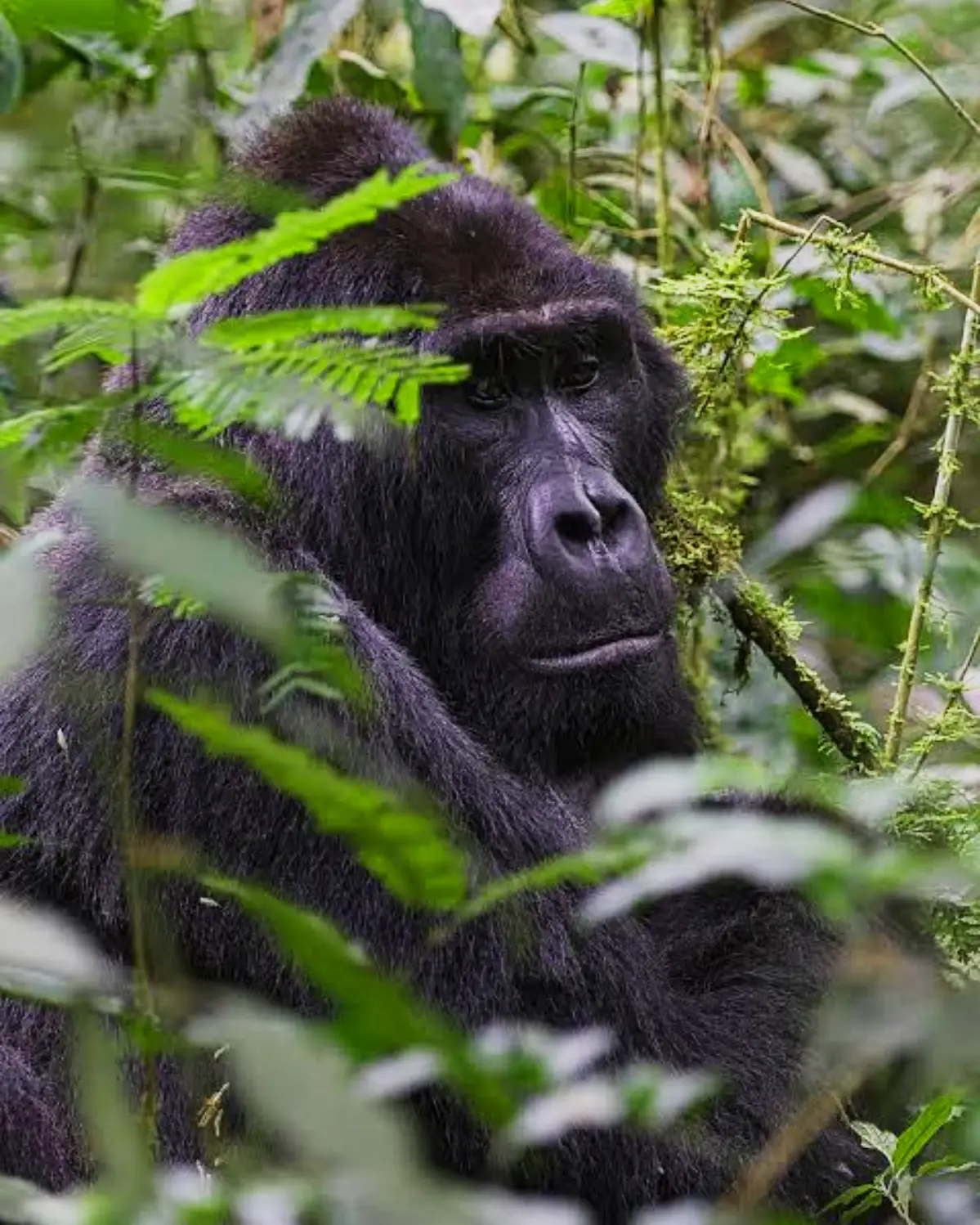
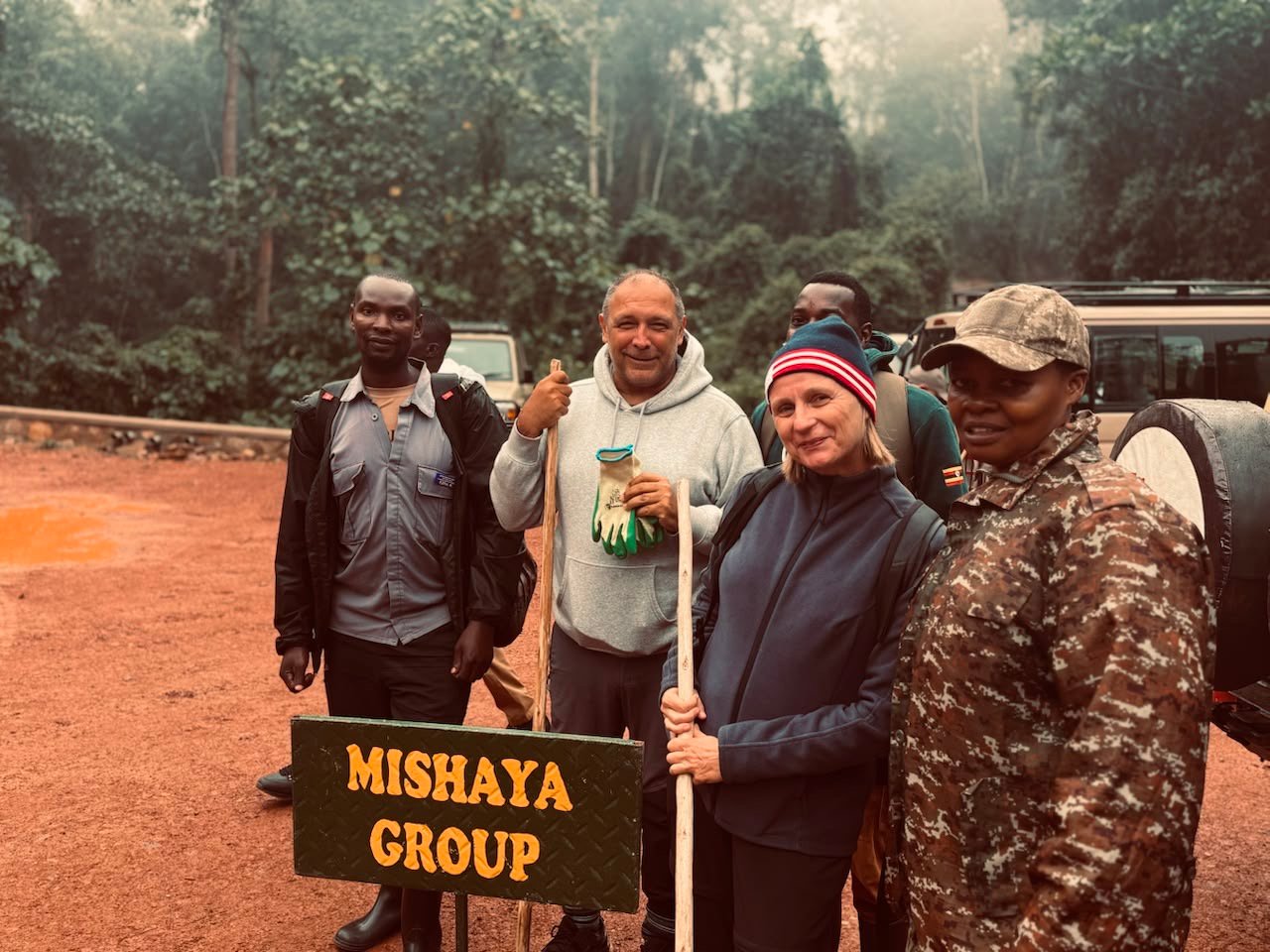
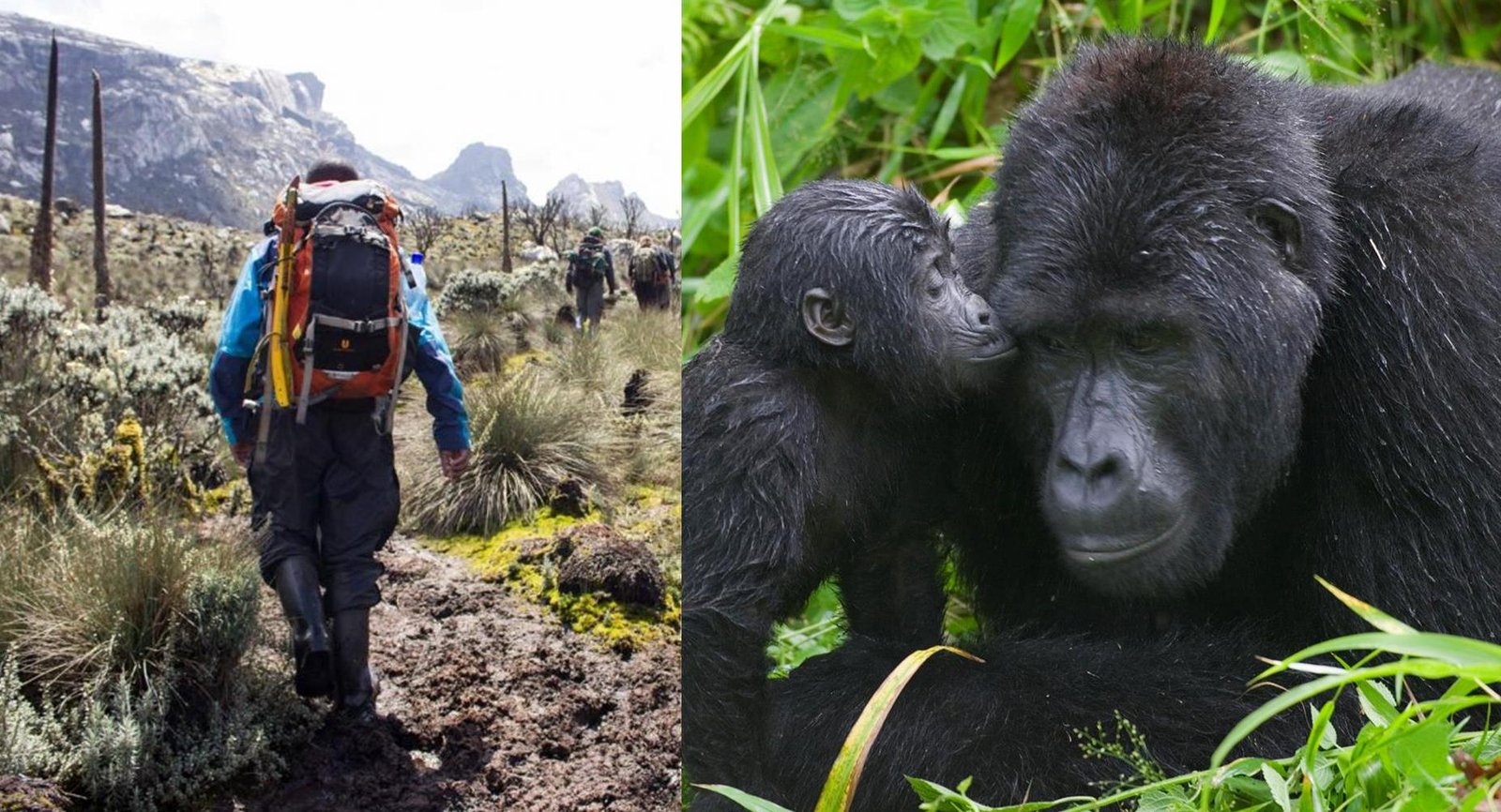
Mountain gorilla trekking is usually the centerpiece of a Rwanda Safari in May. The activity takes place in Volcanoes National Park in northern Rwanda, where travelers enter the Virunga mountain environment with professional trackers and guides in search of an assigned habituated gorilla family. Trekking conditions are never identical because mountain gorillas move freely through their habitat, meaning one group may be reached relatively quickly while another requires a longer and more demanding hike.
May’s rainy-season conditions can increase the physical challenge. Trails may be muddy, roots and rocks can become slippery and vegetation may remain wet even during periods without active rainfall. Rwanda’s official clothing guidance recommends sturdy walking shoes, protective clothing, gloves and even gaiters for gorilla trekking because of thick vegetation and stinging plants.
For properly prepared travelers, however, the wetter forest environment can make the experience incredibly atmospheric. Mist can move across the Virunga peaks, bamboo vegetation appears intensely green and forest sounds become part of the experience long before the gorilla family is found. A Rwanda Safari in May should therefore present trekking realistically as an active mountain adventure rather than a simple nature walk.
The reward comes when trackers finally locate the gorillas. Visitors can watch family interactions, observe juveniles playing, see adults feeding and experience the imposing presence of a silverback in the animals’ natural habitat. The physical journey into the forest is one reason the encounter feels so different from wildlife viewing from a safari vehicle.
Rwanda Gorilla Permit in May
The standard international mountain gorilla permit currently costs US$1,500 per person per day, and visitors must be at least 15 years old to participate in gorilla tracking. These requirements apply throughout the year, including May.
Travelers should not assume that visiting during the rainy season means permits can always be booked at the last minute. Gorilla permits are linked to specific trekking dates, so travelers with fixed international flights, specific accommodation preferences or multiple gorilla treks should secure their preferred dates before completing the rest of the itinerary.
Tourism services, including gorilla and other primate permits, can currently be booked through Rwanda’s official tourism booking system. Nextgen Safaris can also integrate these arrangements into a complete private safari, coordinating permits with lodges, transfers and the rest of the national park itinerary.
For travelers considering two gorilla trekking experiences, each trek requires its own permit. Two treks can provide completely different gorilla-family encounters and trekking routes, but the additional permit also makes a substantial difference to the overall safari budget.
What Is Gorilla Trekking Like in May?
Gorilla trekking during May should be approached as a genuine rainforest adventure. Visitors may encounter mud, wet vegetation, steep sections and rapidly changing conditions during the hike. Carrying dependable footwear, waterproof outerwear and only essential items in a compact daypack can make the experience considerably easier.
Long trousers and long-sleeved shirts provide useful protection from vegetation, while strong walking boots give better support on slippery ground. Rwanda’s official visitor guidance also recommends gloves and gaiters for gorilla trekking and notes that a waterproof jacket is particularly useful in the moist mountain regions.
Photographers should protect cameras from moisture and avoid carrying more equipment than they can comfortably manage over uneven terrain. A smaller camera setup is often more useful than several heavy lenses when walking through rainforest conditions.
Using a porter can also make the trek more comfortable, particularly when carrying a daypack or photography equipment. The trek should ultimately be enjoyed as a complete experience: the forest, guides, tracking process, mountain landscape and gorillas themselves all contribute to the day.
Golden Monkey Tracking in May
Golden monkey tracking provides an excellent second primate experience during a Rwanda Safari in May. Golden monkeys can be tracked within Volcanoes National Park, where groups inhabit the bamboo and montane environment of the Virunga slopes. Visit Rwanda identifies them as one of Rwanda’s established primate-tracking experiences.
The activity feels very different from gorilla trekking because golden monkeys are energetic and frequently move rapidly through bamboo vegetation. This makes the experience lively and particularly enjoyable for wildlife photographers who want to observe another distinctive primate species.
May conditions mean visitors should prepare for wet foliage and potentially muddy paths. The same hiking boots, long trousers and rain protection used during gorilla trekking can therefore be useful for golden monkey tracking.
Spending three nights around Volcanoes National Park allows travelers to dedicate separate mornings to gorillas and golden monkeys rather than completing the gorilla trek and immediately returning to Kigali.
Akagera National Park Safari in May
Akagera National Park brings a traditional African wildlife safari into a Rwanda Safari in May. The relatively warm eastern park contains savannah, woodland, wetlands and approximately a dozen lakes, giving it a completely different appearance from Rwanda’s mountainous forests. Visitors can encounter buffaloes, elephants, giraffes, zebras, antelopes, baboons, monkeys and extensive birdlife.
Akagera is also Rwanda’s principal Big Five safari destination. Lions and eastern black rhinos have been reintroduced, restoring the possibility of seeing lion, leopard, elephant, buffalo and rhino within one protected landscape. Wildlife remains wild, however, and no responsible operator should promise that every Big Five animal will be seen during one game drive.
May’s rainy-season influence can make Akagera exceptionally green compared with the drier months. Savannah grasses, woodland and rolling landscapes may create attractive photographic backgrounds, particularly for giraffes, elephants and other large mammals.
For travelers with sufficient time, two nights in Akagera generally produce a more rewarding experience than attempting a hurried excursion from Kigali. It gives guests enough time for meaningful wildlife viewing and allows greater flexibility around changing weather conditions.
Game Drives in Akagera in May
Game drives remain one of the principal activities in Akagera throughout the year. The park’s largely open landscapes are well suited to wildlife viewing, while the mixture of plains, woodland, lakes and wetland habitats means visitors can experience considerably different scenery as the drive progresses.
A morning departure gives travelers time to explore while conditions are comfortable, searching for elephants, buffaloes, giraffes, zebras, antelopes and predators. A longer drive allows the guide to cover more habitat and interpret tracks, behavior and changes in vegetation rather than simply driving between famous sighting locations.
May road conditions can differ from the dry season, especially on smaller unsurfaced routes. Visit Rwanda specifically notes that such roads can have varying conditions during rainy periods, making a suitable vehicle and experienced driver particularly valuable.
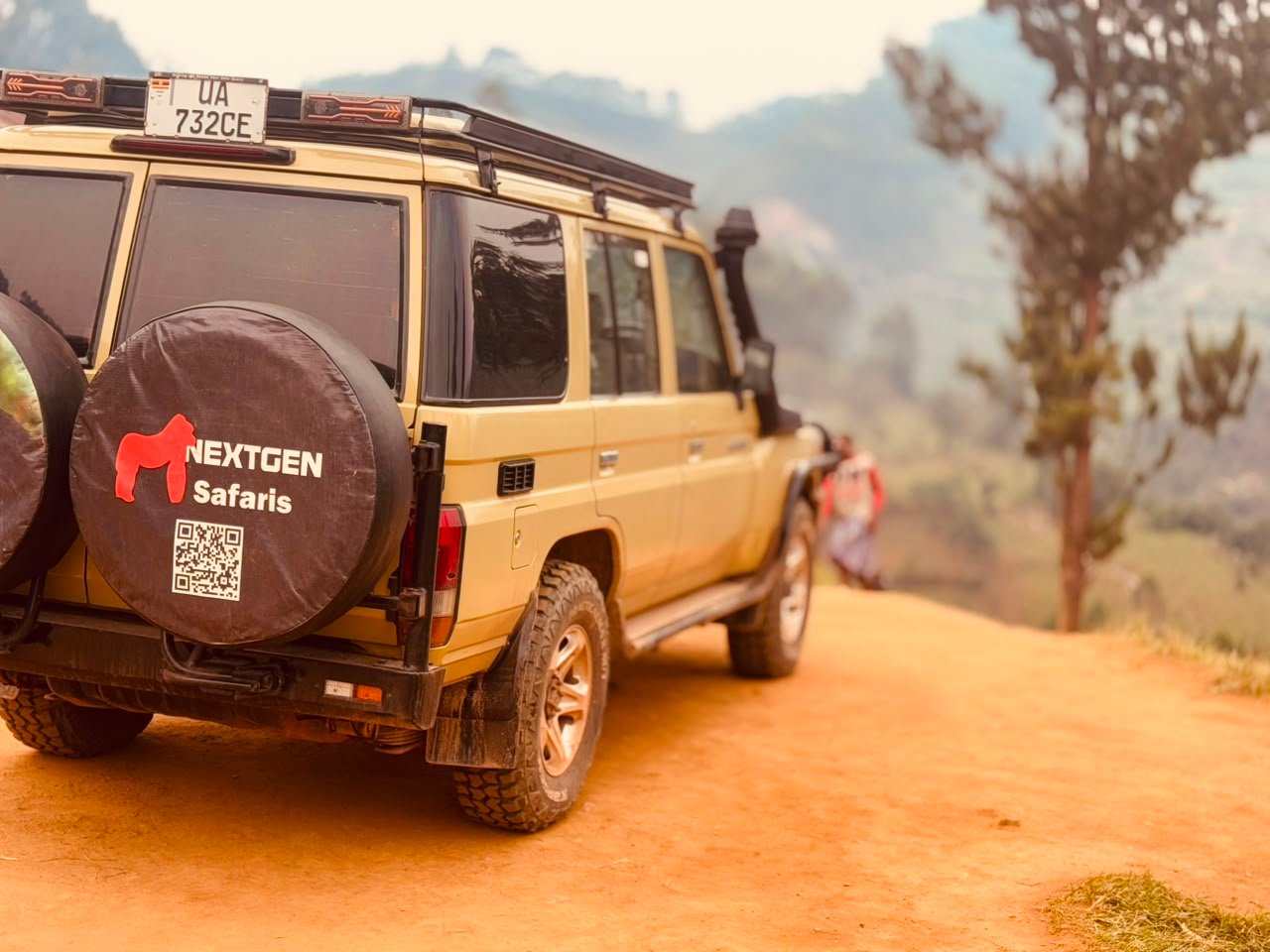
For Nextgen Safaris guests, a private 4×4 safari vehicle also allows the game drive to be adapted around wildlife sightings, photography interests and the pace of the travelers rather than following a rigid large-group schedule.
Big Five Safari in Rwanda in May
One of Rwanda’s greatest tourism strengths is that a traveler can combine mountain gorillas with the Big Five without crossing an international border. Akagera is once again home to lion, leopard, elephant, buffalo and rhino, providing a traditional African safari environment alongside Rwanda’s internationally celebrated primate experiences.
This creates remarkable contrast within a Rwanda Safari in May. One day may involve driving through savannah looking for elephants and lions, while another begins before sunrise in the Virunga highlands in preparation for a mountain gorilla trek.
Travelers should nonetheless view the Big Five as part of a much broader ecosystem. Giraffes, zebras, baboons, monkeys, antelopes and hundreds of bird species contribute greatly to Akagera’s wildlife experience. Visit Rwanda lists approximately 490 bird species within the park.
The combination of Akagera and Volcanoes is particularly suitable for first-time visitors who have approximately six or seven days and want both traditional safari wildlife and Rwanda’s signature gorilla experience.
Chimpanzee Tracking in Nyungwe in May
Nyungwe National Park provides another powerful reason to extend a Rwanda Safari in May. Rwanda’s ancient rainforest supports chimpanzees and numerous other primates, while its broader biodiversity includes birds, orchids and butterflies.
Chimpanzee tracking can be considerably more energetic than travelers initially expect. Chimpanzees are highly mobile, and trackers may follow calls and movement through the forest for an hour or several hours depending on where the animals are located. Once found, visitors can spend a maximum of one hour observing them.
May’s wetter conditions mean suitable footwear becomes especially important. Forest trails can be slippery, and visitors should prepare for wet vegetation rather than assuming the trek will follow a smooth tourist path.
For primate enthusiasts, combining Nyungwe chimpanzees, Volcanoes mountain gorillas and golden monkeys creates one of the most diverse primate-focused journeys available within one country.
Nyungwe Canopy Walkway in May
The Nyungwe Canopy Walkway is a natural addition to a chimpanzee-focused stay. The experience is available throughout the year, although Visit Rwanda notes a greater chance of rain in the afternoons and specifically recommends suitable footwear and a lightweight raincoat.
The canopy experience provides a different perspective from chimpanzee trekking. Instead of concentrating on following primates through the forest, visitors can appreciate the height, structure and vastness of Nyungwe’s rainforest while moving above sections of the canopy.
A two-night Nyungwe stay is generally stronger than trying to combine a long road transfer, chimpanzee tracking and the canopy walkway within one extremely busy day. This is particularly important in May when weather can influence walking conditions.
Rwanda’s official tourism experiences also combine chimpanzee trekking, the canopy walk, tea-country scenery and Lake Kivu, showing how naturally these attractions fit together within the western Rwanda circuit.
Lake Kivu in May
Lake Kivu introduces a slower and more scenic stage into a longer Rwanda Safari in May. Situated in western Rwanda and surrounded by magnificent mountains, Lake Kivu covers approximately 2,700 square kilometres and forms part of Africa’s Great Rift Valley.
The lake works particularly well for travelers moving between Nyungwe and Volcanoes National Park. Rather than treating the journey through western Rwanda purely as a transfer, visitors can stay beside the lake and continue north after a relaxed night or two.
Weather should remain part of the planning during May, particularly for outdoor activities. However, even a cloudy lakeside afternoon can provide a welcome break between strenuous primate trekking days.
Kayaking is among the established Lake Kivu activities, with Visit Rwanda reporting water temperatures between approximately 23°C and 27°C throughout the year.
Coffee Experiences During a Rwanda Safari in May
May is particularly interesting for travelers wanting to incorporate Rwanda’s coffee culture into their safari. Visit Rwanda notes that coffee cherries are typically ready for harvest between February and May, meaning May falls within the usual harvest period.
A coffee experience can fit naturally into a Rwanda Safari in May, especially around western Rwanda and Lake Kivu. Travelers can learn more about coffee cultivation, harvesting, washing and processing while gaining insight into an important part of Rwanda’s agricultural economy.
This adds cultural depth to an itinerary otherwise focused heavily on wildlife. After chimpanzee tracking or before continuing toward Volcanoes National Park, a coffee visit provides a slower activity while still keeping travelers connected to Rwanda’s landscapes and local communities.
For visitors seeking a comprehensive Rwanda experience, combining wildlife with agricultural and cultural activities can make the journey feel substantially richer than simply traveling from one national park to another.
Tea Experiences Around Nyungwe
Tea experiences can also add variety around Nyungwe National Park. Visit Rwanda identifies Gisovu and Gisakura among Rwanda’s major tea-tour areas and notes that visitors can learn about cultivation and processing at selected tea factories.
Tea plantations are particularly well suited to a May itinerary because Rwanda’s green highlands become an important visual element of the journey. A plantation visit can follow a chimpanzee trek or canopy experience, creating a gentler afternoon while introducing travelers to another side of the country.
Combining wildlife, agriculture and local landscapes makes a Rwanda Safari in May more complete. Visitors gain an understanding of Rwanda that extends beyond animals to include the people, farms and industries shaped by the country’s fertile highland environment.
Kigali During a Rwanda Safari in May
Kigali is the principal gateway for most Rwanda safaris and should ideally be included as part of the itinerary rather than treated solely as an airport connection. Kigali International Airport provides the main arrival point for international travelers, with several major international airlines serving Rwanda.
Spending the first night in Kigali can be especially valuable after a long international journey. Instead of immediately beginning another several-hour road transfer, travelers can rest before departing toward Akagera, Volcanoes or the western circuit the following morning.
Kigali can also be positioned at the end of a Rwanda Safari in May. Depending on international flight timing, visitors may have time for selected sightseeing, cultural experiences or shopping before transferring to the airport.
This structure creates a smoother journey and provides useful flexibility around May road and weather conditions.
Birdwatching During a Rwanda Safari in May
Birdwatching is another excellent reason to consider a multi-park Rwanda Safari in May. Akagera alone supports approximately 490 recorded bird species across its savannah, lakes, woodland and wetland habitats.
Nyungwe and Volcanoes introduce completely different highland and rainforest birding environments, making Rwanda attractive for travelers who want birdlife alongside primates and larger mammals.
May’s abundant vegetation creates lush surroundings, although thick foliage can sometimes require greater patience when locating forest species. Experienced guides become particularly valuable when identifying birds through calls and habitat knowledge rather than obvious sightings.
Even visitors who do not consider themselves dedicated birdwatchers should carry binoculars because birds often become unexpected highlights of game drives, forest walks and Lake Kivu experiences.
What to Pack for a Rwanda Safari in May
Packing correctly is extremely important for a Rwanda Safari in May. Because May lies within the main rainy season, a lightweight waterproof jacket should be treated as essential rather than optional. Gorilla and chimpanzee trekkers should also pack sturdy walking shoes or hiking boots, long trousers and long-sleeved clothing.
Visit Rwanda specifically recommends heavier clothing around Volcanoes and Nyungwe, solid walking shoes for gorilla tracking and consideration of gardening or leather gloves and gaiters because of forest vegetation.
Comfortable lightweight clothing is practical for Akagera game drives and Kigali. A warm layer is useful during cooler mornings around the highlands, while sunscreen, sunglasses and a hat remain necessary because rainy-season travel can still include significant sunshine.
Insect repellent, binoculars and a compact daypack are also useful. Photographers should carry waterproof camera protection, spare lens cloths and dry storage for batteries, memory cards and phones.
Photography During a Rwanda Safari in May
A Rwanda Safari in May can provide outstanding photographic diversity. Akagera offers open wildlife scenes featuring elephants, giraffes, zebras and savannah landscapes, while Volcanoes creates intimate mountain gorilla photography within dense vegetation. Nyungwe adds rainforest conditions and primates, while Lake Kivu contributes mountain and waterside scenery.
The rainy season can produce deeply green landscapes and dramatic cloud conditions. This is an inference from Rwanda’s established long rainy season rather than a guarantee of specific weather on any individual safari day.
Photographers should select equipment according to the activity. Telephoto lenses are useful during game drives, but heavy equipment can become difficult during muddy gorilla or chimpanzee treks.
Rain protection should always remain readily accessible. A small waterproof cover and dry bag can protect expensive equipment without making the trekking backpack unnecessarily heavy.
Rwanda Safari in May for Families
A Rwanda Safari in May can work well for families when the itinerary is designed around the ages, fitness levels and interests of the children. Akagera is particularly family-friendly because most traditional wildlife viewing occurs from a safari vehicle, allowing children to watch elephants, giraffes, zebras and other wildlife without completing demanding hikes.
Families planning mountain gorilla trekking must remember that Rwanda’s current minimum age for participation is 15 years. Younger children therefore need an alternative activity while eligible family members undertake the gorilla trek.
May’s weather makes pacing especially important for families. Two-night stays are generally preferable to changing hotels every day, particularly when road conditions and rainfall can create a little more unpredictability.
A seven-day family safari can combine Kigali, Akagera and Volcanoes, while longer journeys can add Lake Kivu and Nyungwe depending on the children’s ages and interest in active forest experiences.
Rwanda Safari in May for Couples and Honeymooners
May can create a particularly atmospheric safari for couples and honeymooners. Mountain gorilla trekking provides an extraordinary shared experience, Akagera introduces private wildlife viewing and Lake Kivu offers time to relax between more active days.
A honeymoon Rwanda Safari in May should normally prioritize quality of experience rather than maximizing the number of destinations. Spending several nights around Volcanoes National Park allows couples to enjoy both the trek and their lodge, while Lake Kivu can create a slower stage before or after the mountain experience.
Travelers comfortable with occasional rainfall may appreciate May’s intensely green scenery and dramatic highland atmosphere. Luxury accommodation can enhance the journey, but privacy, excellent guiding and sensible pacing remain equally important.
Couples with a week can focus on Akagera and Volcanoes, while nine to ten days allow Nyungwe and Lake Kivu to be incorporated without making the itinerary feel rushed.
Luxury Rwanda Safari in May
Rwanda works exceptionally well for luxury safari travel because its major wildlife destinations can be connected through private guiding, premium accommodation and carefully planned road transfers. A luxury Rwanda Safari in May can include Akagera, Nyungwe, Lake Kivu and Volcanoes National Park while allowing enough time to enjoy each destination.
Luxury should not simply mean selecting the most expensive accommodation available. The greatest benefit often comes from pacing and flexibility. Three nights around Volcanoes, for example, give travelers time to rest after gorilla trekking rather than immediately beginning another long transfer.
May’s rainy-season conditions make this slower travel style particularly sensible. A flexible itinerary can accommodate changing weather without making guests feel that every hour must follow a rigid schedule.
Gorilla permit availability should remain one of the fixed foundations of the trip. Once the desired trekking day is confirmed, Nextgen Safaris can coordinate premium lodges and the wider route around that date.
How Many Days Are Best for a Rwanda Safari in May?
A short Rwanda Safari in May of three or four days works well for travelers whose main priority is mountain gorilla trekking. The journey can begin in Kigali, continue to Volcanoes National Park, include the gorilla trek and potentially add golden monkey tracking before returning to Kigali.
Around seven days allows significantly greater variety. Travelers can combine Akagera with Volcanoes, experiencing Big Five wildlife and mountain gorillas without creating an overly complicated route. Visit Rwanda also promotes seven-day combinations featuring Akagera, gorillas, chimpanzees and the Nyungwe canopy experience.
For travelers wanting Rwanda’s main national parks plus Lake Kivu, approximately nine to ten days provides a much stronger pace. Rwanda’s official national-park-trio itinerary combines Akagera, Nyungwe, Lake Kivu and Volcanoes and specifically highlights the Big Five, gorillas and chimpanzees.
May’s rainy conditions provide another reason to avoid rushing. Leaving enough time in each destination makes the safari more comfortable and creates flexibility around outdoor activities.
Suggested 7-Day Rwanda Safari in May
A rewarding seven-day Rwanda Safari in May can begin with arrival and an overnight stay in Kigali before traveling east toward Akagera National Park. Two nights in Akagera provide time for a meaningful wildlife safari and a more relaxed introduction to Rwanda’s savannah ecosystem.
The journey can then continue toward Volcanoes National Park, where two or three nights allow visitors to undertake mountain gorilla trekking and potentially add golden monkey tracking. The final day can return to Kigali for sightseeing, lunch or international departure depending on flight timing.
This route is particularly suitable for first-time visitors because it concentrates on two of Rwanda’s strongest wildlife experiences rather than forcing the entire country into a single week. Akagera delivers classic savannah game viewing, while Volcanoes provides the mountain gorilla encounter.
Travelers primarily interested in primates can replace Akagera with Nyungwe, creating a journey combining chimpanzees, the canopy walkway, golden monkeys and mountain gorillas. Rwanda’s official experiences promote this type of multi-primate itinerary.
Suggested 10-Day Rwanda Safari in May
A ten-day Rwanda Safari in May allows travelers to experience Rwanda much more comprehensively. Begin in Kigali before traveling east to Akagera National Park for game drives and Big Five wildlife. Two nights in Akagera provide enough time to explore without turning the park into a rushed day excursion.
Continue across Rwanda toward Nyungwe National Park, where chimpanzee tracking and the canopy walkway provide completely different wildlife experiences. A tea plantation experience can also be incorporated around the Nyungwe region where suitable.
From Nyungwe, travel toward Lake Kivu for a slower scenic stay. May also falls within Rwanda’s usual February-to-May coffee harvest period, making a coffee-related experience particularly relevant where available.
Continue north toward Volcanoes National Park for mountain gorilla trekking and golden monkey tracking before returning to Kigali. This route closely follows the national-park and Lake Kivu circuit promoted through Rwanda’s official tourism platform.
Rwanda Safari in May Cost
The overall cost of a Rwanda Safari in May depends on safari length, accommodation category, number of travelers, transportation arrangements and activities. Mountain gorilla trekking is one of the largest fixed expenses because the current standard international permit costs US$1,500 per person per trek.
A short Kigali and Volcanoes safari naturally costs less than a complete circuit involving Akagera, Nyungwe, Lake Kivu and several specialist activities. Accommodation also creates substantial differences between mid-range, luxury and ultra-luxury journeys.
Travelers should compare quotations based on actual inclusions. Gorilla permits, chimpanzee tracking, park activities, accommodation, meals, private transportation and professional guiding can create major differences between two itineraries that initially appear similar.
May should not automatically be assumed to mean universally discounted prices. Lodge rates and offers vary, so travelers should request a current quotation based on their exact travel dates and accommodation preferences.
Should You Book a Rwanda Safari in May Early?
Early planning remains worthwhile when mountain gorillas are an essential part of a Rwanda Safari in May. Gorilla permits are issued for specific dates, meaning travelers with fixed flights and accommodation preferences have less flexibility if their preferred trekking day is unavailable.
The strongest planning method is to secure the gorilla date first and then arrange Akagera, Nyungwe, Lake Kivu and Kigali around it. This produces a more logical route and reduces unnecessary changes later in the booking process.
Early booking is particularly useful for families needing several rooms, honeymooners wanting specific properties, luxury travelers with particular lodge preferences and visitors planning two separate gorilla treks.
Once those fixed elements are secured, the rest of the May safari can be customized according to budget, activity level and available travel time.
Is a Rwanda Safari in May Worth It?
Yes. A Rwanda Safari in May is absolutely worth considering for travelers who value mountain gorillas, chimpanzees, Big Five wildlife and lush green landscapes and who are comfortable traveling during the rainy season. May remains part of Rwanda’s long rainy period, meaning visitors should expect wet conditions rather than compare the month directly with July or August.
What makes May worthwhile is the same extraordinary diversity that makes Rwanda such an attractive safari destination throughout the year. Akagera offers open savannah and Big Five wildlife, Nyungwe provides chimpanzee tracking and rainforest experiences, Lake Kivu introduces lakeside relaxation and Volcanoes National Park provides mountain gorillas and golden monkeys.
May also gives travelers opportunities beyond wildlife, including tea experiences around Nyungwe and coffee-related activities during the usual February-to-May harvest period.
With proper rain gear, suitable hiking footwear, a private vehicle and a realistically paced itinerary, May’s weather becomes part of the adventure rather than a reason to avoid Rwanda.
Frequently Asked Questions About Rwanda Safari in May
1. Is May a good time for a Rwanda Safari in May?
Yes, a Rwanda Safari in May can be a rewarding choice for travelers who enjoy lush landscapes, mountain gorillas, chimpanzees and wildlife experiences. May falls within Rwanda’s main rainy season, so showers and wetter trails are common. Even so, a Rwanda Safari in May can still include Volcanoes National Park, Akagera National Park, Nyungwe National Park, Lake Kivu and Kigali.
2. What is the weather like during a Rwanda Safari in May?
Weather during a Rwanda Safari in May is generally wet because May lies within Rwanda’s long rainy season. Rainfall can occur across much of the country, while conditions vary according to elevation. Akagera is usually warmer, while Volcanoes National Park and Nyungwe are generally cooler and wetter. Travelers planning a Rwanda Safari in May should carry waterproof clothing, sturdy hiking shoes and comfortable layers.
3. Can I go gorilla trekking on a Rwanda Safari in May?
Yes. Gorilla trekking is one of the main highlights of a Rwanda Safari in May and takes place in Volcanoes National Park. Trails can be muddy and slippery during May, but gorilla trekking continues throughout the year. Travelers booking a Rwanda Safari in May should prepare with strong hiking boots, long trousers, long-sleeved clothing and a lightweight waterproof jacket.
4. What wildlife can I see on a Rwanda Safari in May?
A Rwanda Safari in May can include mountain gorillas, chimpanzees, golden monkeys, elephants, buffaloes, giraffes, zebras, lions, rhinos, antelopes and many bird species. Akagera National Park provides Rwanda’s main savannah wildlife experience, while Volcanoes National Park is famous for mountain gorillas and golden monkeys. Nyungwe adds chimpanzees and other forest primates to a Rwanda Safari in May.
5. Can I visit Akagera National Park during a Rwanda Safari in May?
Yes. Akagera National Park is an excellent destination to include on a Rwanda Safari in May. Visitors can enjoy game drives across green savannah, woodland, wetland and lakeside habitats while searching for elephants, giraffes, zebras, buffaloes, lions, rhinos and other wildlife. Combining Akagera with Volcanoes National Park gives a Rwanda Safari in May a strong balance between classic game viewing and mountain gorilla trekking.
6. Can I visit Nyungwe during a Rwanda Safari in May?
Yes. Nyungwe National Park is a rewarding addition to a Rwanda Safari in May, particularly for travelers interested in chimpanzee tracking, rainforest scenery and the canopy walkway. May trails can be wet and physically demanding, so sturdy footwear and rain protection are important. Combining Nyungwe and Volcanoes creates a primate-focused Rwanda Safari in May featuring chimpanzees, golden monkeys and mountain gorillas.
7. How many days are best for a Rwanda Safari in May?
The ideal length of a Rwanda Safari in May depends on the destinations you want to include. Three or four days can work for a short gorilla trekking trip, while seven days can combine Akagera and Volcanoes National Park. Travelers wanting Akagera, Nyungwe, Lake Kivu and Volcanoes should consider around nine to ten days for a more complete Rwanda Safari in May.
8. What should I pack for a Rwanda Safari in May?
For a Rwanda Safari in May, pack sturdy hiking boots, long trousers, long-sleeved shirts, a lightweight waterproof jacket, insect repellent, sunscreen and comfortable safari clothing. A warm layer is useful for early mornings around Volcanoes National Park and Nyungwe. Travelers should also carry waterproof protection for cameras, phones and other electronics during a Rwanda Safari in May.
9. How much does a Rwanda Safari in May cost?
The cost of a Rwanda Safari in May depends on safari length, accommodation category, number of travelers, private transportation and the activities included. Gorilla trekking, chimpanzee tracking, Akagera game drives, park fees and luxury lodges can significantly affect the total safari price. Nextgen Safaris can customize a Rwanda Safari in May according to your budget, travel style and preferred destinations.
10. How can I book a Rwanda Safari in May?
You can book a Rwanda Safari in May with Nextgen Safaris as a short gorilla trekking safari, a seven-day wildlife and gorilla adventure or a longer complete Rwanda circuit. Your Rwanda Safari in May can include Kigali, Akagera National Park, Nyungwe National Park, Lake Kivu and Volcanoes National Park. Nextgen Safaris can customize the itinerary around your travel dates, accommodation preference, budget and preferred wildlife experiences.
Book Your Rwanda Safari in May with Nextgen Safaris
A Rwanda Safari in May can be customized by Nextgen Safaris according to your travel dates, budget, preferred accommodation and the experiences you want to prioritize. Your journey can focus on a short mountain gorilla adventure or develop into a complete Rwanda circuit connecting Kigali, Akagera National Park, Nyungwe National Park, Lake Kivu and Volcanoes National Park.
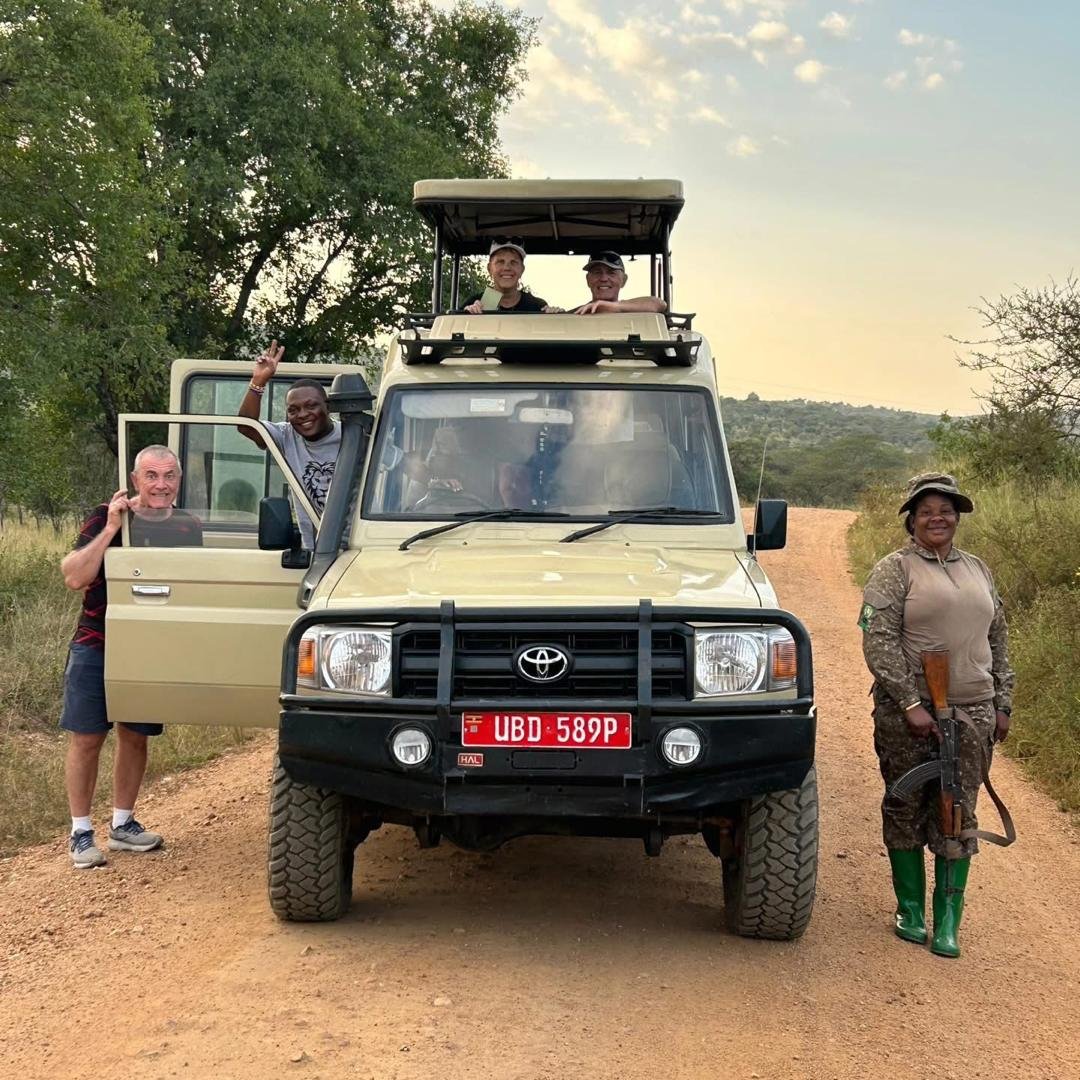

Nextgen Safaris can arrange private safari transportation, professional driver-guides, accommodation, Akagera wildlife experiences, Nyungwe chimpanzee tracking, canopy walks, tea and coffee experiences, Lake Kivu stays, golden monkey tracking and mountain gorilla trekking. Rwanda’s current standard international gorilla trekking permit costs US$1,500 per person per trek, so confirming the preferred trekking date remains an important early stage of planning.
Travelers can choose a three- or four-day gorilla safari, a seven-day wildlife and gorilla journey, a ten-day complete Rwanda circuit, a family holiday, honeymoon or private luxury safari. The route can be adjusted according to fitness level and travel style while allowing additional flexibility for May’s rainy-season conditions.
Book your Rwanda Safari in May with Nextgen Safaris and experience mountain gorillas, chimpanzees, Big Five wildlife, Lake Kivu, Rwanda’s coffee and tea landscapes and the spectacular green scenery of the Land of a Thousand Hills on an unforgettable African journey.