
Rwanda Safaris from USA
Ultimate Rwanda Safaris from USA: An Extraordinary Journey into the Land of a Thousand Hills
Rwanda Safaris from USA offer American travellers an extraordinary combination of mountain gorilla trekking, Big Five wildlife viewing, chimpanzee tracking, rainforest adventures, cultural experiences and relaxing stays along Lake Kivu. Rwanda’s relatively compact geography makes it possible to experience several dramatically different landscapes without spending most of the holiday on long road transfers. A carefully planned journey can begin in Kigali, continue east to the savannahs and wetlands of Akagera National Park, travel south to the ancient rainforest of Nyungwe and finish among the volcanic mountains and gorilla habitats of Volcanoes National Park.
For travellers flying from New York, Washington, Atlanta, Chicago, Dallas, Houston, Los Angeles, San Francisco, Boston or other American cities, planning a Rwanda safari requires more than choosing national parks. International flight connections, passport validity, visa arrangements, health preparation, travel insurance, gorilla permits, accommodation and realistic travel times must all be coordinated before departure. RwandAir currently sells bookable itineraries between several United States cities and Kigali, although schedules, connections and fares change according to the departure airport and travel date.
Nextgen Safaris designs personalised Rwanda Safaris from USA for couples, families, solo travellers, honeymooners, photographers, private groups and travel advisors. Each programme can be arranged as a short gorilla trekking journey, a complete Rwanda national parks circuit or a multi-country safari combining Rwanda with Uganda, Kenya or Tanzania. The most successful itinerary balances wildlife activities with comfortable accommodation, sufficient rest after international flights and enough time to appreciate Rwanda beyond one gorilla encounter.
Why American Travellers Choose Rwanda
Rwanda is one of Africa’s most convenient destinations for travellers who want several major wildlife experiences within a relatively manageable journey. Visit Rwanda describes the country’s popular tourism circuit as an easy route to explore by road, connecting national parks through mountainous scenery, towns, communities and agricultural landscapes. Volcanoes National Park protects mountain gorillas and golden monkeys, Akagera provides a traditional Big Five safari, and Nyungwe offers chimpanzees, other primates and ancient rainforest.
This variety makes Rwanda especially attractive to Americans who may have only seven to twelve days available after accounting for international flights. Instead of using several days to move between distant safari regions, travellers can create a route in which each transfer introduces a different part of the country. Kigali provides culture and history, Akagera adds savannah wildlife, Nyungwe reveals rainforest biodiversity, Lake Kivu offers relaxation, and Volcanoes National Park delivers Rwanda’s most famous primate experience.
Rwanda also works well for travellers who prefer private and highly organised journeys. A customised four-wheel-drive vehicle allows each safari to follow the pace of the guests rather than a fixed group schedule. Families can stop when necessary, photographers can spend longer at promising wildlife locations, and couples can include private meals or scenic lodge stays. Nextgen Safaris prepares the programme before arrival so that permits, transport and accommodation are coordinated from the moment the traveller lands in Kigali.
Flights from the United States to Rwanda
Most Rwanda Safaris from USA begin at Kigali International Airport, identified by the airport code KGL. International itineraries from American cities normally involve at least one connection, with the exact route depending on the airline, departure airport, fare and travel date. RwandAir’s booking platform currently displays itineraries linking cities including New York, Washington, Atlanta, Boston, Chicago, Los Angeles and San Francisco with Kigali through its network and partner arrangements. The availability and price shown for one month may not apply to another, so flights should be checked for the traveller’s exact dates.
American travellers should compare total journey duration rather than selecting a ticket based only on its lowest advertised price. A cheaper itinerary may involve a very long airport connection, an overnight transit or separate tickets that do not protect the traveller if the first flight is delayed. A slightly more expensive through-ticket can provide better baggage handling and greater protection during missed connections.
The first safari night should normally be spent in Kigali, especially after a long journey from the West Coast or central United States. Beginning a gorilla transfer immediately after arrival may create unnecessary exhaustion and increase the consequences of a delayed international flight. A Kigali arrival night allows travellers to rest, adjust to the time difference, organise luggage and begin the safari at a comfortable pace the following morning.
When booking the return journey, American travellers should also allow enough time between the final safari activity and international departure. Gorilla trekking, chimpanzee tracking and cross-country transfers should not be scheduled too close to a long-haul flight. Nextgen Safaris plans the final night and airport transfer according to the confirmed airline schedule rather than relying on a general estimated departure time.
Rwanda Visa Requirements for United States Citizens
United States citizens require a visa to visit Rwanda. The U.S. Embassy in Rwanda states that American citizens can obtain a tourist visa either before departure or upon entry, with a standard tourist visa valid for thirty days and priced at USD 50. Rwanda’s Directorate General of Immigration and Emigration also confirms that citizens of all countries can obtain a visa on arrival and that applicants may alternatively apply online before travelling.
A United States passport should have at least six months of validity beyond the arrival date and at least one blank page for the entry stamp. Travellers should check the passport well before booking because obtaining a replacement or renewal close to departure can complicate international flight and permit arrangements.
Visitors combining Rwanda with Uganda and Kenya may consider the East Africa Tourist Visa. Rwanda Immigration describes this as a multiple-entry tourism visa for travel among the participating countries and lists a fee of USD 100. The visa should normally be obtained from the country through which the traveller first enters the region, and its exact conditions should be confirmed before booking a multi-country route.
Entry rules can change, so visa information should be reconfirmed through Rwanda Immigration and the U.S. Embassy before departure. Nextgen Safaris can explain the practical entry process, but each traveller remains responsible for travelling with a valid passport, the correct visa and any documentation required by the airline.
Health Preparation for Rwanda Safaris from USA
American travellers should discuss their journey with a qualified travel-health professional several weeks before departure. The Centers for Disease Control and Prevention recommends prescription malaria-prevention medicine for travellers visiting Rwanda. The appropriate medication depends on personal health, other prescriptions and the wider itinerary, so travellers should not select medication solely through general online advice.
Routine vaccinations should be reviewed before international travel. Travellers may also receive recommendations based on age, medical history, safari length and whether the journey continues into Uganda, Kenya, Tanzania or another country. The CDC destination page should be checked close to departure because health notices and outbreak information can change more quickly than an ordinary safari itinerary.
Rwanda requires proof of yellow fever vaccination when a traveller arrives from a country with yellow fever risk or an active outbreak. This requirement can also matter when an American traveller reaches Rwanda after visiting or transiting through another African destination. The correct International Certificate of Vaccination, commonly called the yellow card, should be carried when required.
Comprehensive travel insurance is strongly recommended. The policy should cover emergency medical treatment, evacuation, trip cancellation, delayed luggage and the activities included in the safari. Travellers should confirm that gorilla trekking, chimpanzee tracking and any hiking activities are covered. Insurance should normally be purchased soon after the safari is confirmed because some cancellation protections apply only when the policy is obtained within a specific period after the initial payment.
Current Safety Planning for American Travellers
Rwanda has established tourism routes, regulated national park activities and experienced professional guides, but American travellers should review current official guidance rather than relying on an old description of the destination. On June 4, 2026, the U.S. Department of State issued a Level 3 advisory for Rwanda and advised against travel within ten kilometres of the border with the Democratic Republic of the Congo because of unrest. Travel advisories can change, so the latest version should be checked immediately before departure.
A responsible safari itinerary should consider the latest conditions affecting border regions, health requirements and road access. Travellers should not independently alter the route to enter restricted or unstable areas. Nextgen Safaris follows official information and works with local tourism authorities, accommodation providers and guides when evaluating whether planned activities remain appropriate.
Ordinary precautions remain important in Kigali and other towns. Travellers should protect passports and valuables, avoid displaying large amounts of cash, use organised transfers and follow the advice of their driver-guide. The safari schedule should include emergency contacts, accommodation details and a clear meeting arrangement for every transfer.
American citizens may also enrol in the U.S. State Department’s traveller-registration service and keep the contact details of the U.S. Embassy in Kigali. This creates an additional channel for receiving official alerts and assistance during changing conditions. Safety information should be presented honestly and updated regularly rather than using broad claims that no destination can permanently guarantee.
Gorilla Trekking in Volcanoes National Park
Gorilla trekking is the main reason many travellers book Rwanda Safaris from USA. Volcanoes National Park lies in northwestern Rwanda and protects the steep forested slopes of the Virunga Massif. Its habitats include bamboo forest, evergreen vegetation, grassland, heath and swamp beneath a chain of volcanic peaks. The park is home to endangered mountain gorillas, rare golden monkeys and approximately 200 recorded bird species.
Rwanda’s official tourism platform currently lists the gorilla permit at USD 1,500 per person per trek. The minimum trekking age is fifteen, and permits should be reserved early because the number available for each date is limited. The permit is a separate cost from accommodation, private transport, meals and other safari services unless the package specifically states that everything has been combined.
Visitors gather at the Volcanoes National Park headquarters in Kinigi for registration, briefing and allocation to a habituated gorilla family. Visit Rwanda states that twelve gorilla families are fully habituated for tourism and that group allocation considers fitness levels. The trek then follows trained guides and trackers through the forest until the assigned family is located.
The duration of the walk varies because the gorillas move freely. Some groups may be found after a manageable trek, while others require longer walking through steep, muddy or dense terrain. Visitors should wear strong hiking footwear, long trousers, gloves and waterproof clothing. Hiring a porter is highly recommended because the porter carries the daypack and provides support on difficult sections while directly contributing to local employment.
Golden Monkey Tracking and Volcano Hiking
Volcanoes National Park offers valuable experiences beyond gorilla trekking. Golden monkey tracking introduces visitors to an active and visually striking primate associated with the bamboo forests of the Virunga region. These monkeys move quickly through the vegetation, creating a lively encounter that contrasts with the calmer structure of a gorilla family visit.
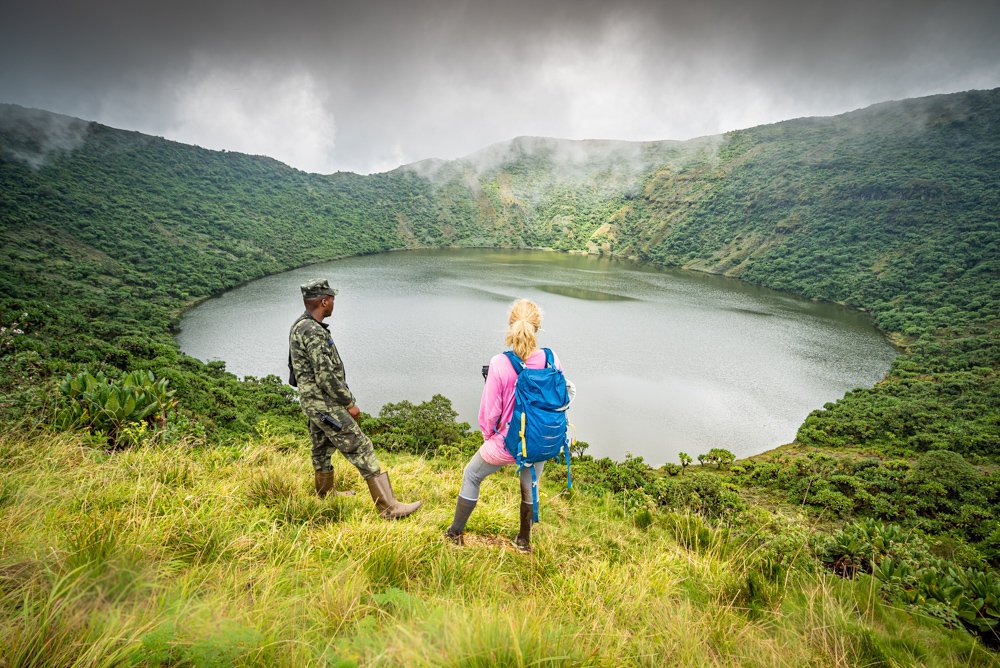
Travellers with suitable fitness may also include hiking on Mount Bisoke or another approved route. Volcano hikes offer views across the Virunga landscape and allow visitors to experience the park’s changing vegetation at different elevations. Hiking conditions can be muddy and demanding, particularly after rain, so the activity should not be added immediately after gorilla trekking without considering the traveller’s fitness and recovery time.
Buhanga Eco-Park, Musanze Caves, canoeing and community experiences can add cultural and scenic depth to a stay in northern Rwanda. Visit Rwanda identifies these as complementary attractions around the Volcanoes region.
A well-paced programme normally spends at least two nights near Volcanoes National Park for one major trekking activity. Three nights are more comfortable when gorilla trekking is combined with golden monkeys, a cultural experience or a volcano hike.
Big Five Safaris in Akagera National Park
Akagera National Park provides Rwanda’s traditional savannah safari experience. Located along the eastern border with Tanzania, the park combines open plains, rolling highlands, lakes, woodland and extensive papyrus wetlands. Visit Rwanda describes Akagera as home to the Big Five following the reintroduction of lions and eastern black rhinos.
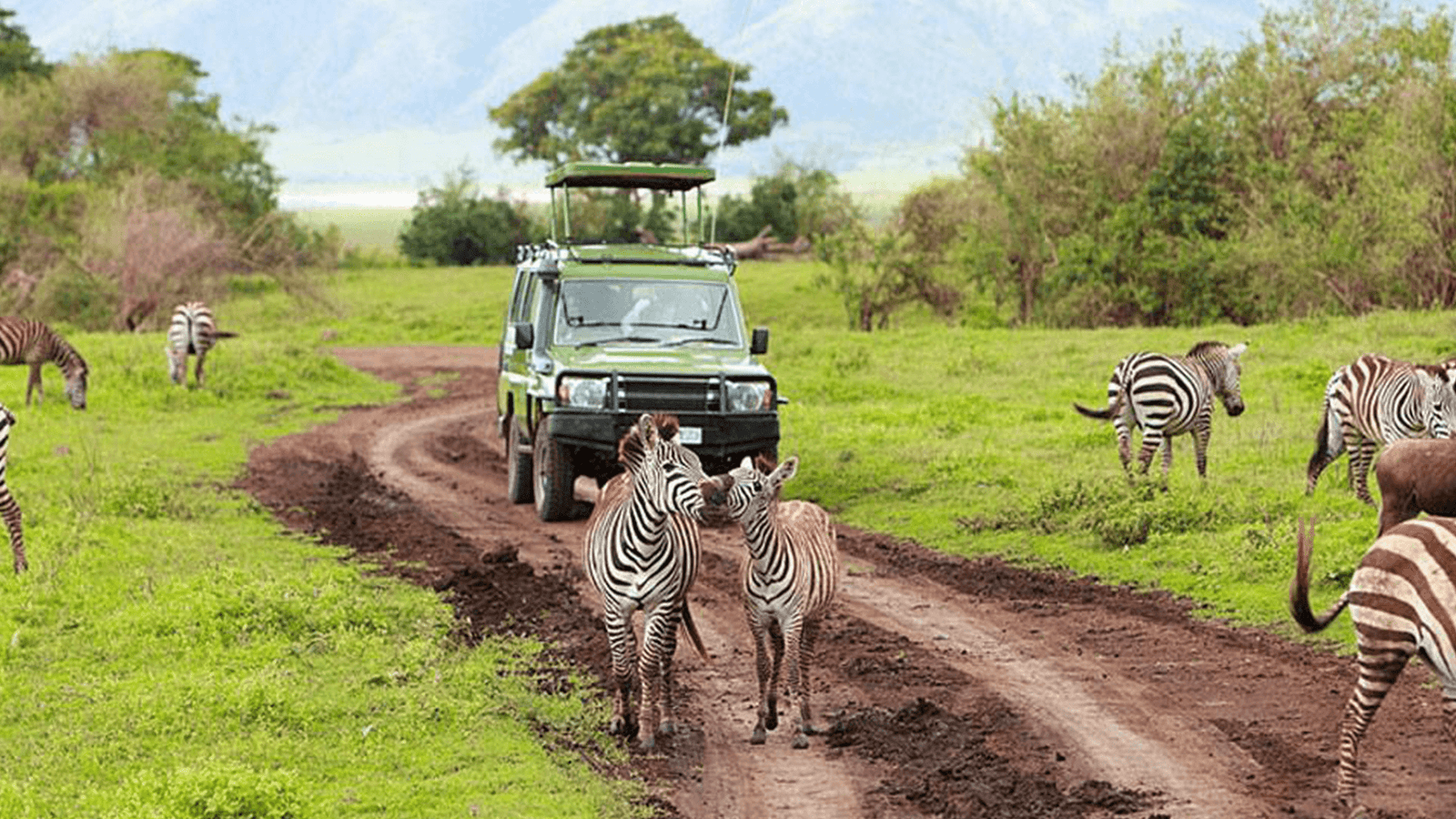
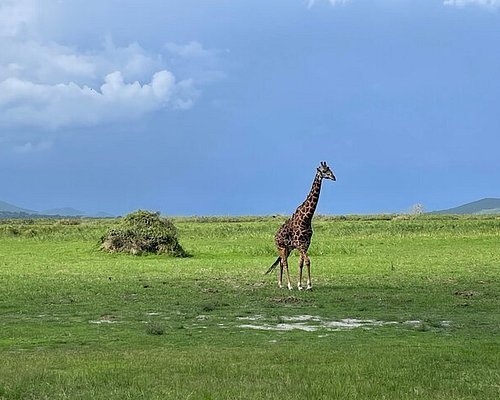
Game drives may reveal elephants, buffaloes, giraffes, zebras, antelopes, hippos, crocodiles and predators. Wildlife sightings remain natural and cannot be guaranteed, but experienced guiding and sufficient time improve the quality of the safari. Travellers who spend two nights can enjoy both morning and afternoon wildlife activity rather than attempting to experience the park during a rushed day trip from Kigali.
A boat safari adds another perspective by exploring Akagera’s lakes and wetland habitats. Hippos, crocodiles, waterbirds and animals approaching the shore can be observed from the water. The park is also valuable for birdwatching because its varied habitats support species associated with savannah, woodland and wetlands.
Akagera is especially suitable for first-time visitors who want to combine gorilla trekking with classic African wildlife without adding another country. Luxury travellers can stay at high-end properties within the park, while mid-range and budget options allow the experience to be included at different price levels.
Chimpanzee Trekking in Nyungwe National Park
Nyungwe National Park protects one of Africa’s oldest and most biologically rich mountain rainforests. The forest supports chimpanzees and twelve other primate species, making it an important destination for travellers seeking a complete primate safari. Visit Rwanda estimates that approximately 500 chimpanzees live throughout the forest, although only selected communities are used for regulated tourism experiences.
Chimpanzee trekking begins early, commonly around 5:30 a.m., and may last from one hour to several hours depending on the location of the chimpanzees. Visitors spend a maximum of one hour with them after the community has been located. Chimpanzees are highly mobile, and travellers may hear their calls through the forest before obtaining a clear view.
Nyungwe also offers colobus monkey tracking, forest hiking, birdwatching and the canopy walkway. The canopy experience is suspended above a forest ravine and provides a different view of the rainforest’s upper levels.
Because Nyungwe lies farther from Kigali than the Volcanoes region, the itinerary should include enough time for the journey and at least two nights near the park. Travellers arriving after a long transfer should not schedule chimpanzee trekking without allowing sufficient rest before the very early departure.
Kigali City Experiences
Kigali is more than an arrival and departure point. The city provides an important introduction to Rwanda’s history, contemporary identity, cuisine and creative culture. Visit Rwanda describes Kigali as a green, dynamic and progressive capital with meaningful cultural experiences.
A guided city experience may include the Kigali Genocide Memorial, local markets, neighbourhood visits, art spaces, coffee experiences and carefully selected restaurants. The memorial should be approached with respect and enough time for reflection rather than treated as a quick photo stop.
Spending the first night in Kigali allows American travellers to recover from the international journey while beginning to understand the country. A final Kigali night is equally useful before departure, particularly when the itinerary returns from Akagera, Nyungwe or Volcanoes National Park.
Accommodation ranges from comfortable guesthouses and international hotels to luxury properties. The correct choice depends on flight time, budget and whether the traveller wants to explore the city or simply rest before continuing.
Lake Kivu Relaxation
Lake Kivu provides a relaxing extension after gorilla trekking or between Volcanoes and Nyungwe national parks. The lake lies within Africa’s Great Rift Valley and is surrounded by mountains, islands and an irregular shoreline. Visit Rwanda describes it as covering approximately 2,700 square kilometres and offering hiking, cycling, kayaking and scenic lakeside stays.
Rubavu is a popular stop after Volcanoes National Park because it is relatively close to the gorilla region. The town offers a waterfront atmosphere, beaches, watersports and access to the Congo Nile Trail. Visit Rwanda identifies the trail as extending approximately 227 kilometres southward along the Lake Kivu region.
Karongi offers a quieter lakeside atmosphere and can be incorporated on the route towards Nyungwe. Travellers may enjoy boat excursions, coffee experiences, kayaking or simply a slower day at the lodge. Lake Kivu is particularly valuable for honeymooners and travellers who want to balance demanding trekking with relaxation.
A lakeside extension should not be overloaded with activities. After several early starts, many guests benefit more from a free afternoon, scenic meal and unhurried boat ride than from another full day of scheduled excursions.
Best Time for Rwanda Safaris from USA
Rwanda can be visited throughout the year, although weather influences trekking conditions, scenery and demand. The generally drier periods from June to September and December to February are popular for gorilla trekking, chimpanzee tracking and wildlife safaris. Trails may be firmer, but rain remains possible in mountain and rainforest environments.
The wetter periods commonly occur from March to May and again around October and November. Forest trails may become muddy, and travellers should carry waterproof clothing, gaiters and dependable hiking boots. The advantage is exceptionally green scenery, atmospheric photography and potentially lower demand at selected accommodations.
American travellers planning around summer holidays often choose June, July or August. Christmas and New Year dates are also popular and should be booked early. Those with flexible schedules may find February, early June or selected wetter-season dates attractive because they can avoid the busiest international travel periods.
The best month depends on the complete itinerary. Dry weather may make trekking more comfortable, while rain supports the landscapes and biodiversity that make Rwanda special. Nextgen Safaris recommends dates according to the traveller’s priorities rather than presenting one month as perfect for everyone.
Five-Day Rwanda Safari from USA
A five-day safari should focus on Kigali and Volcanoes National Park or combine Kigali with Akagera. For a gorilla-focused programme, travellers spend the first night in Kigali, continue to the Volcanoes region, complete gorilla trekking and add golden monkeys or a cultural experience before returning to Kigali.
This duration is suitable for Americans adding Rwanda to a longer African trip, but it is short for a standalone journey after a long international flight. At least one arrival night should be protected from major activities in case of delay or exhaustion.
A five-day Akagera and gorilla programme is possible but requires careful pacing. Travellers who want both destinations should accept that there will be limited time for Kigali and relaxation.
Seven-Day Rwanda Safari from USA
Seven days allow Kigali, Akagera and Volcanoes National Park to be combined comfortably. The itinerary can include a city experience, two nights in Akagera, game drives, a boat safari, two nights near Volcanoes and gorilla trekking.
Another seven-day option replaces Akagera with Nyungwe for a primate-focused journey featuring chimpanzees and mountain gorillas. This route involves longer driving and should be designed with realistic departure times.
Seven safari days should be counted separately from international flight days when possible. An itinerary advertised as seven days may feel much shorter when the first and final days are dominated by flights.
Ten-Day Rwanda Safari from USA
Ten days provide one of the best balances for first-time visitors. A complete route may include Kigali, Akagera, Nyungwe, Lake Kivu and Volcanoes National Park. Travellers experience Big Five wildlife, chimpanzees, rainforest scenery, lakeside relaxation and mountain gorillas within one organised journey.
The route should generally use two-night stays in major destinations. Changing lodges every day creates unnecessary packing and prevents guests from enjoying the properties they have paid to experience.
Luxury travellers can upgrade accommodation and include selected helicopter or charter arrangements where available. Mid-range travellers can complete the same principal activities using comfortable lodges and private road transport.
Twelve- to Fourteen-Day Rwanda Safari from USA
A longer journey allows Rwanda to be explored at a slower and more rewarding pace. Additional experiences may include golden monkeys, the canopy walkway, birdwatching, cultural museums, the Congo Nile Trail, community activities and extra relaxation at Lake Kivu.
Two weeks also make it practical to combine Rwanda with Uganda. Travellers may trek gorillas in Rwanda before crossing into Uganda for Queen Elizabeth National Park, chimpanzees in Kibale or a second gorilla experience in Bwindi. The East Africa Tourist Visa may simplify entry when the trip includes Rwanda, Uganda and Kenya, subject to the official conditions applying at the time of travel.
The longer itinerary should still avoid adding destinations merely to make the programme appear more impressive. Depth, good guiding and enough time for wildlife normally create stronger memories than an exhausting list of stops.
Costs of Rwanda Safaris from USA
The total price of Rwanda Safaris from USA depends on international airfare, safari duration, group size, accommodation category, gorilla permits, activities and transport. The USD 1,500 gorilla permit is a significant fixed cost, while private vehicle and guide expenses become more affordable per person when shared by a couple, family or small group.
International airfare should normally be quoted separately because prices change continuously according to the American departure city, booking date, cabin and connection. RwandAir’s current booking pages demonstrate that fares vary by date and city and may change after being displayed.
A transparent proposal should explain whether park permits, accommodation, meals, bottled drinking water, airport transfers, private guiding and activities are included. Visa fees, international flights, travel insurance, personal purchases, premium drinks and gratuities are often excluded unless the quotation states otherwise.
Travellers should compare the complete itinerary rather than the final number alone. A cheaper safari may omit a gorilla permit, use accommodation far from the activity, include fewer meals or provide a shared vehicle. Nextgen Safaris presents clear inclusions so that American travellers and travel advisors can compare offers accurately.
Luxury, Mid-range and Family Rwanda Safaris
Luxury Rwanda safaris focus on exceptional lodges, private guiding, efficient transport and personalised service. High-end accommodation is available near Volcanoes National Park, Nyungwe, Akagera, Lake Kivu and Kigali. Luxury should improve the overall journey through location, privacy, food, comfort and service rather than simply adding an expensive room.
Mid-range safaris provide comfortable accommodation, private bathrooms, reliable meals and professional guiding at a more moderate cost. The main wildlife experiences remain the same, including gorilla trekking, chimpanzees and Akagera game drives. Savings come primarily from lodge category and transport choices rather than removing the essential activities.
Family journeys should consider age restrictions, connecting rooms, meal flexibility and driving time. Gorilla trekking requires participants to be at least fifteen years old, so younger children need alternative activities and suitable supervision.
A private vehicle is strongly recommended for families because it allows flexible departure times and rest stops. Two- or three-night stays are more comfortable than moving accommodation daily, particularly after the long journey from the United States.
What American Travellers Should Pack
Travellers should pack lightweight neutral clothing, comfortable walking shoes, sun protection, insect repellent, personal medication and a light layer for cool mornings. Rwanda’s altitude means evenings around Volcanoes and Nyungwe may feel cooler than visitors expect from an equatorial country.
Gorilla and chimpanzee trekking require long trousers, a long-sleeved shirt, strong hiking boots, gloves, gaiters and a lightweight waterproof jacket. Visit Rwanda recommends sturdy clothing, solid walking shoes and rain protection for Volcanoes National Park.
Cameras and documents should be protected inside waterproof pouches. Extra batteries, memory cards and a power bank are useful, while binoculars improve wildlife and birdwatching experiences. Travellers should avoid carrying excessive equipment that becomes difficult to manage during forest trekking.
Soft-sided luggage is usually more practical in safari vehicles. Those taking regional or charter flights should check the specific baggage allowance before leaving the United States.
Payments, Currency and Tipping
Major tourism services are normally paid before arrival according to the safari agreement. American travellers should use a secure payment method and retain confirmations for permits and accommodation. Nextgen Safaris provides a written invoice and clear payment schedule for each confirmed journey.
The Rwandan franc is useful for small local purchases, while United States dollars may be accepted for selected tourism expenses. Foreign notes should be in good condition because damaged or heavily marked currency may be rejected. Cards are accepted at many established hotels and businesses, but travellers should not depend on card payments in every rural area.
Tipping is discretionary and should reflect service quality. Driver-guides, trekking porters, rangers, lodge teams and activity guides may all be recognised separately. Guests should receive practical guidance before departure so that tipping feels appreciative rather than confusing or pressured.
Book Rwanda Safaris from USA With Nextgen Safaris
Rwanda Safaris from USA offer far more than one mountain gorilla trek. They create an opportunity to explore Kigali’s history, observe the Big Five in Akagera, follow chimpanzees through Nyungwe, relax beside Lake Kivu and experience the volcanic landscapes of northern Rwanda. The country’s variety allows travellers to build a complete African journey within a relatively compact route.
Nextgen Safaris creates personalised Rwanda journeys for American solo travellers, couples, families, honeymooners, private groups and professional travel advisors. Our team coordinates gorilla permits, chimpanzee activities, park reservations, comfortable accommodation, private transport and experienced driver-guides. We also design multi-country programmes combining Rwanda with Uganda, Kenya or Tanzania.
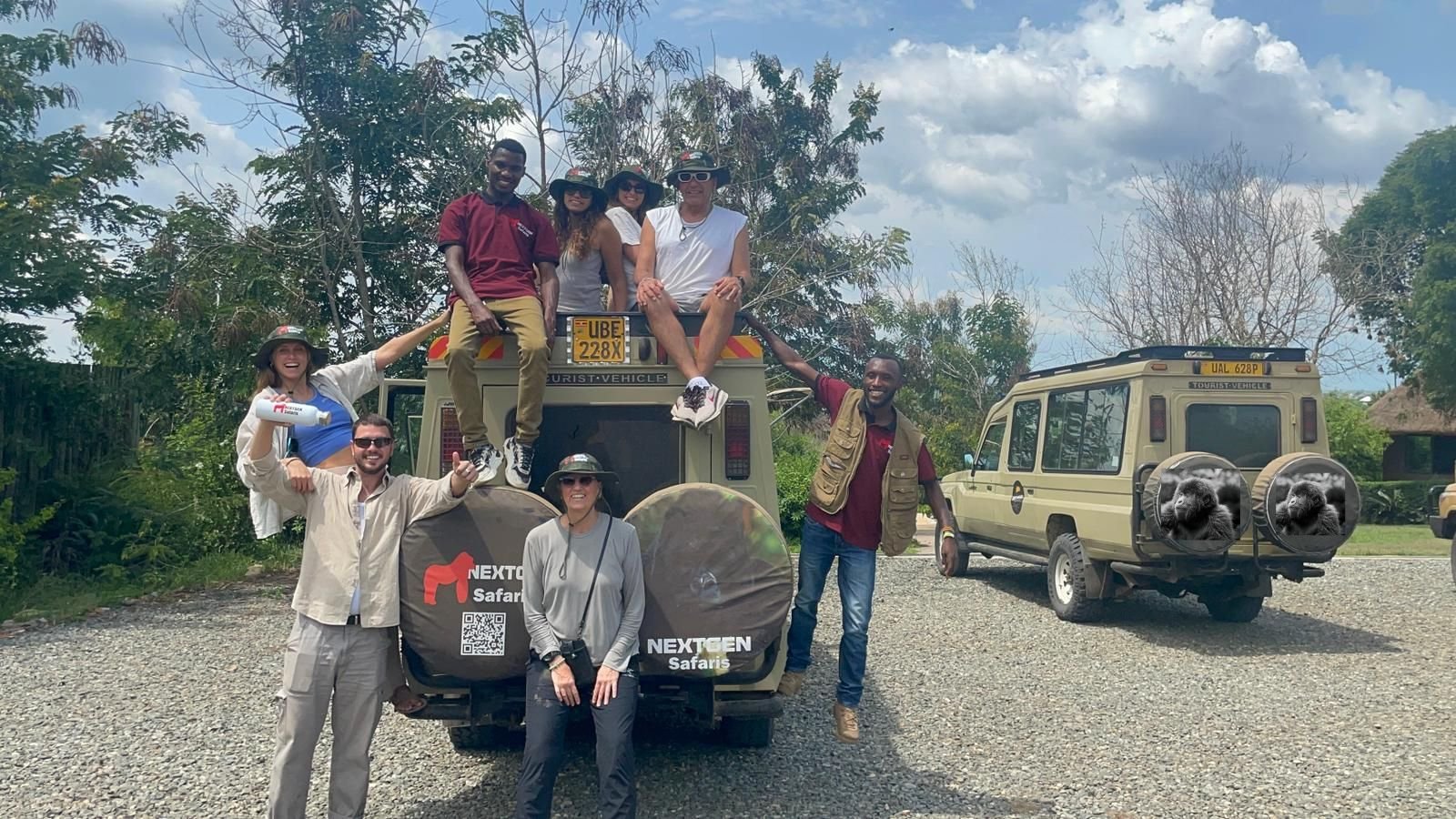
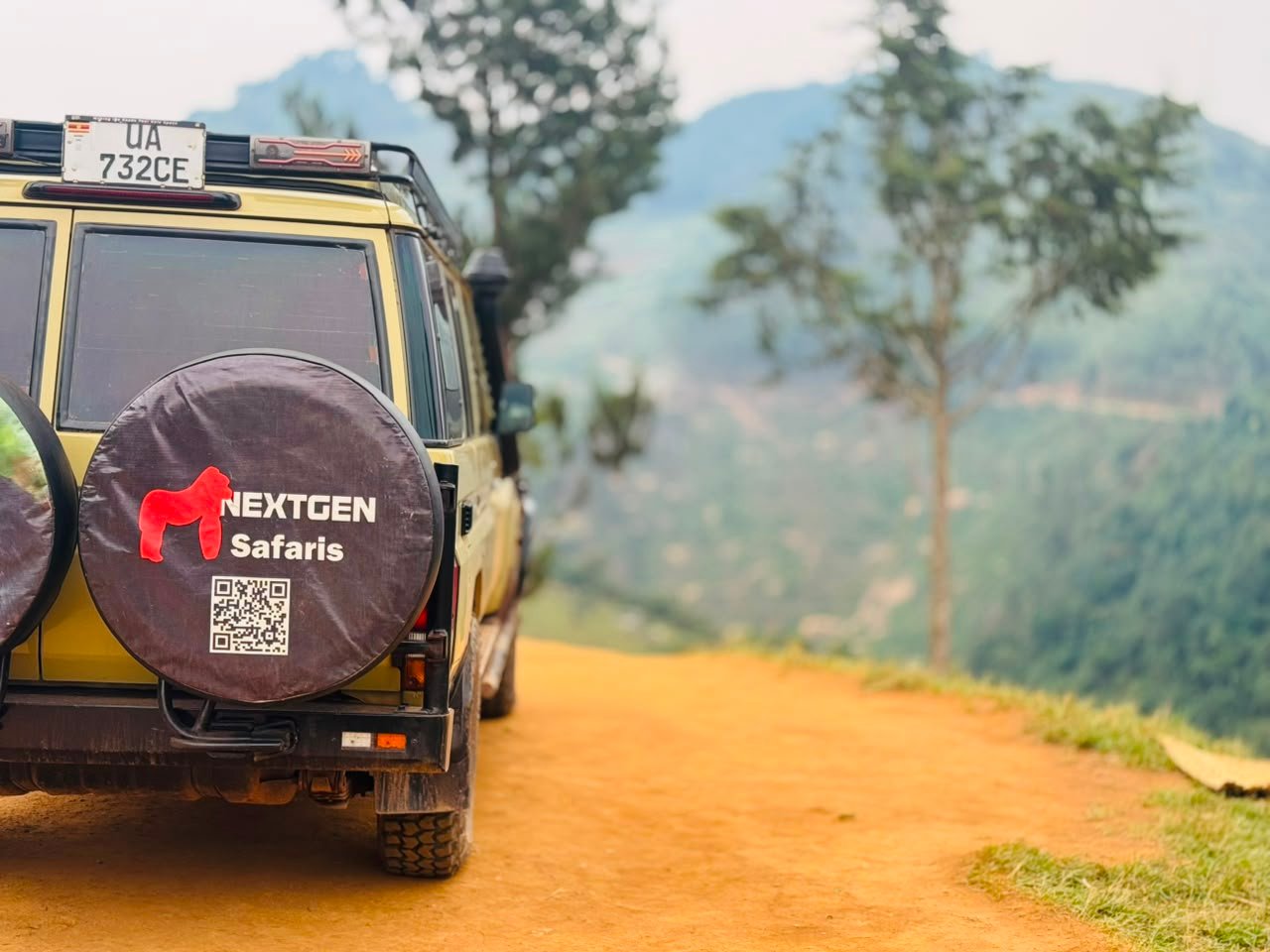
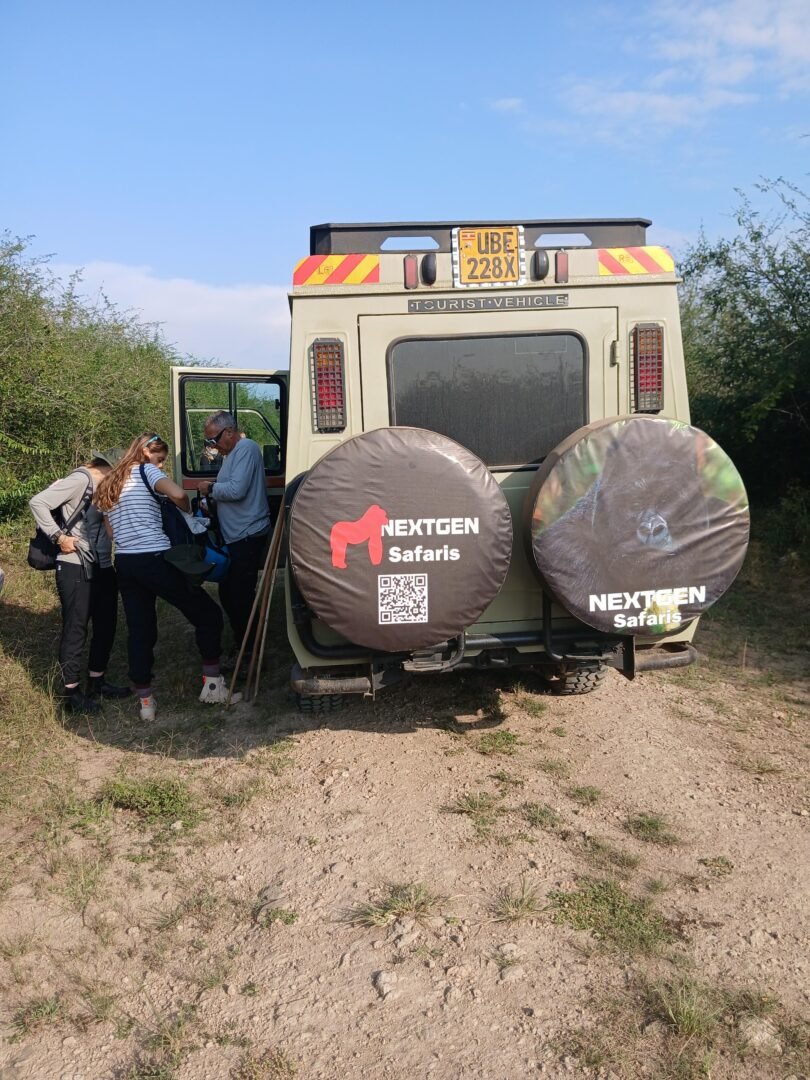
Every itinerary is built around confirmed international flights and realistic travel times. We avoid unnecessary rushing, select lodges according to activity location and provide clear pre-departure guidance covering visas, packing, health preparation and payments. Where official travel requirements or safety guidance change, the journey is reviewed against the latest available information.
Contact Nextgen Safaris today and let our East Africa specialists design an unforgettable Rwanda journey from the United States. Whether you are planning a five-day gorilla adventure, a ten-day national parks circuit or a luxury multi-country safari, we will prepare a detailed programme that reflects your interests, preferred comfort and available travel dates.