Uganda Safari Cost Guide
Ultimate Uganda Safari Cost Guide 2026–2027: Safari Prices, Gorilla Permits & Complete Budget Planning
Uganda Safari Cost Guide is an essential starting point for travelers who want to understand how much a safari in Uganda costs before deciding on destinations, accommodation, activities, transportation, and the number of days to spend in the country. Uganda offers an unusually wide range of safari experiences, from mountain gorilla trekking in Bwindi Impenetrable National Park and Mgahinga Gorilla National Park to chimpanzee trekking in Kibale Forest, Big Five-style wildlife adventures, boat safaris, birding, cultural encounters, hiking, and relaxing stays around some of the country’s spectacular lakes. Because of this diversity, there is no single fixed price for a Uganda safari. Uganda Safari Cost Guide, A short budget wildlife safari can cost considerably less than a private luxury journey combining gorillas, chimpanzees, domestic flights, exclusive lodges, and several national parks.
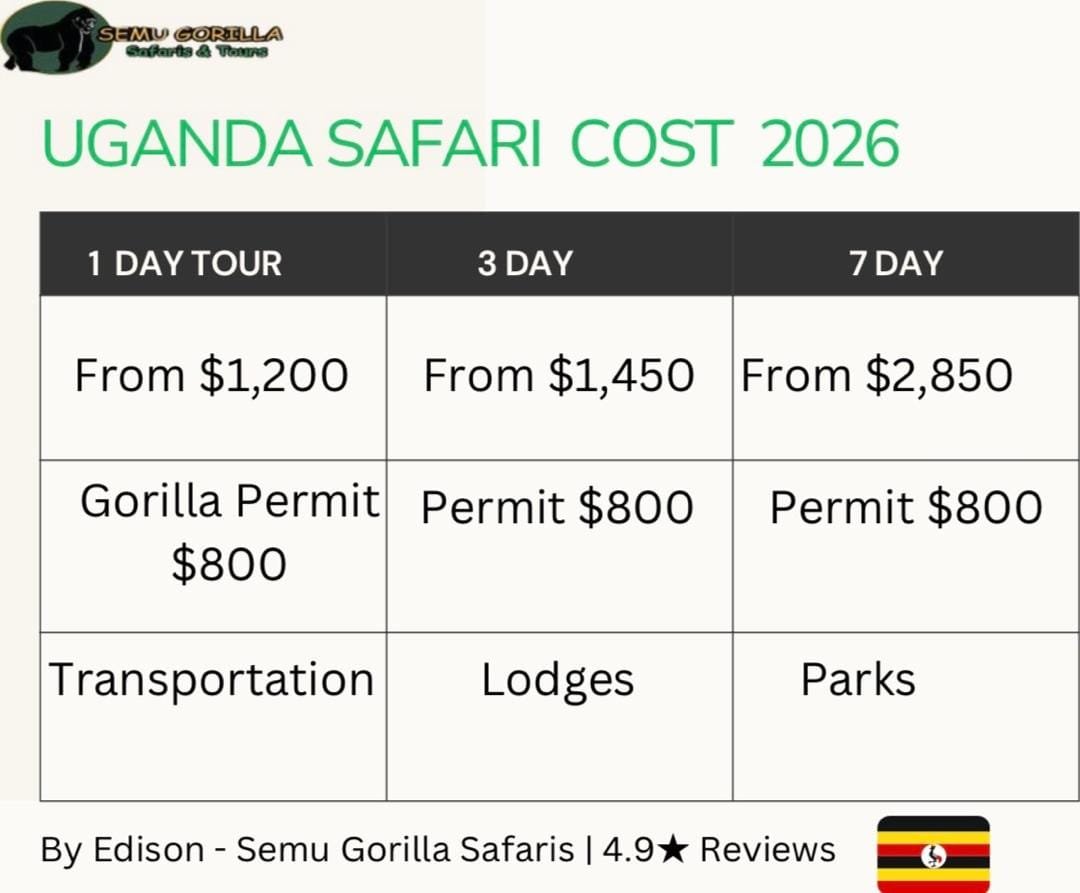
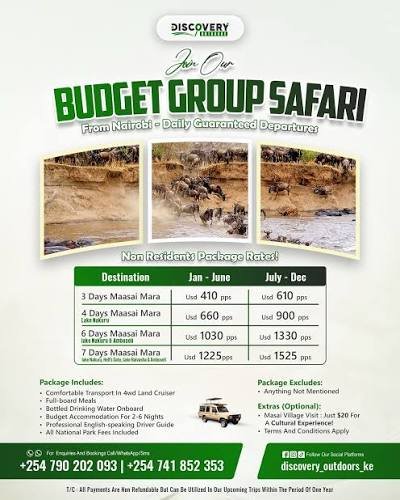
This detailed Uganda Safari Cost Guide explains the major expenses travelers should consider when planning a trip with Nextgen Safaris. It covers gorilla trekking permits, chimpanzee trekking fees, accommodation, safari vehicles, guides, domestic flights, park activities, meals, transfers, and the differences between budget, midrange, and luxury safaris. Travelers should remember that safari prices are influenced by the season, group size, accommodation category, itinerary length, room arrangement, and availability of permits. For this reason, the figures in this guide should be considered realistic planning ranges rather than fixed quotations. A personalized itinerary will always provide the most accurate final Uganda safari cost.
How Much Does a Uganda Safari Cost?
The average cost of a Uganda safari can range from approximately US$200–US$350 per person per day for a budget safari, around US$350–US$650 per person per day for a comfortable midrange safari, and from approximately US$700 to more than US$1,500 per person per day for a luxury safari. These approximate daily figures can change considerably when expensive specialist activities such as mountain gorilla trekking, gorilla habituation, chimpanzee trekking, private charter flights, or premium lodges are added. Gorilla permits in particular can represent one of the largest individual expenses on an itinerary, which is why a three-day Uganda gorilla safari may sometimes cost more per day than a longer wildlife-only safari.
Travelers should also understand that the cost per person normally decreases when two, four, or more people travel together. A private safari vehicle, professional driver-guide, fuel, airport transfers, and certain logistical expenses can be divided among several travelers rather than being paid by a solo traveler alone. Uganda Safari Cost Guide, Couples therefore usually pay less per person than solo travelers, while families and small private groups can achieve even better value. Nextgen Safaris can structure itineraries around the number of travelers so that accommodation standards and important activities are maintained without unnecessary expenses.
| Safari Style | Approximate Planning Cost Per Person Per Day |
|---|---|
| Budget Uganda Safari | US$200–US$350 |
| Midrange Uganda Safari | US$350–US$650 |
| Luxury Uganda Safari | US$700–US$1,500+ |
| Gorilla Safari | Varies significantly due to permit costs |
| Fly-in Luxury Safari | Often US$1,000–US$2,000+ |
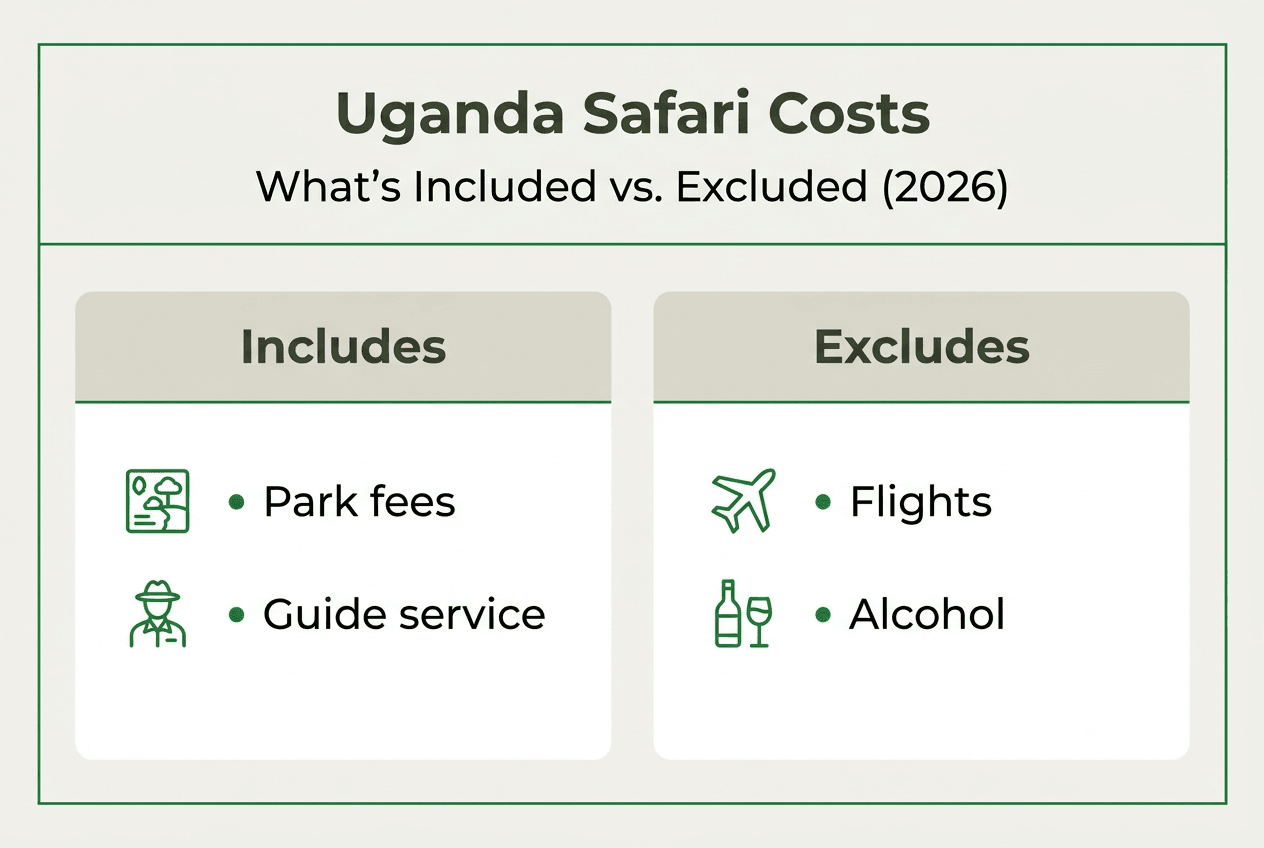
These ranges generally refer to safari arrangements within Uganda and should not automatically be interpreted as including international flights, visas, travel insurance, personal purchases, optional gratuities, or every specialist activity. Gorilla and chimpanzee permits should always be checked separately when comparing quotations because their inclusion can make a major difference to the final safari price.
Uganda Gorilla Trekking Permit Cost
Mountain gorilla trekking is one of Uganda’s most sought-after wildlife experiences and an important component of any detailed Uganda Safari Cost Guide. Gorilla trekking takes place principally in Bwindi Impenetrable National Park and Mgahinga Gorilla National Park, where visitors join trained Uganda Wildlife Authority rangers to track habituated mountain gorilla families. Uganda Wildlife Authority states that gorilla trekking in these parks can take approximately two to seven hours depending on the location of the gorillas, terrain, and movement of the family being tracked.
For most of 2026, the standard Uganda gorilla trekking permit remains an important fixed cost when calculating a gorilla safari. The Uganda Wildlife Authority also introduced special discounted low-season rates during April, May, and November, setting the foreign non-resident gorilla trekking permit at US$600 and the foreign resident permit at US$500 during those months. UWA states that these discounted permits cannot be rescheduled.Uganda Safari Cost Guide, The Authority has also announced that from 1 January 2027, the standard gorilla trekking permit will be US$800 for foreign non-residents, US$700 for foreign residents, US$500 for the Rest of Africa category, and UGX 300,000 for East African citizens.
The permit is only one part of the complete cost of a gorilla safari. Travelers also need transport to Bwindi or Mgahinga, accommodation near their assigned trekking sector, meals, a safari vehicle or domestic flight, and usually the services of a professional driver-guide. Uganda Safari Cost Guide, Bwindi itself has several trekking areas, including Buhoma, Ruhija, Rushaga, and Nkuringo, so accommodation must normally be selected according to the sector attached to the confirmed permit. Poor coordination between a gorilla permit and accommodation can result in unnecessarily long transfers on trekking morning, which is why permit booking should form part of the initial safari planning process.
Uganda Gorilla Habituation Experience Cost
Travelers looking for a longer encounter with mountain gorillas can consider the Gorilla Habituation Experience in Bwindi. Unlike the standard trekking experience, which includes a limited observation period after locating a habituated gorilla group, habituation gives visitors a more extended experience alongside researchers, trackers, and conservation teams working with gorillas undergoing the habituation process. Because places are limited and the activity is more specialized, the permit is considerably more expensive than a normal gorilla trekking permit.
Uganda Wildlife Authority’s 2024–2026 tariff listed the foreign non-resident Gorilla Habituation Experience permit at US$1,500, while UWA’s February 2026 tariff notice announced that the foreign non-resident rate will rise to US$1,800 from 1 January 2027. The announced 2027 rates are US$1,600 for foreign residents, US$1,000 for the Rest of Africa category, and UGX 750,000 for East African citizens.
A safari including gorilla habituation will consequently cost more than a conventional Uganda gorilla trekking safari, but it appeals particularly to wildlife enthusiasts, photographers, primate lovers, and travelers who want a deeper forest experience. A well-designed itinerary may combine gorilla habituation with a standard gorilla trek on another day, allowing guests to experience the two activities differently. Nextgen Safaris can also combine habituation with Lake Bunyonyi, Queen Elizabeth National Park, Kibale Forest, or a fly-in connection from Entebbe for travelers who want to reduce long driving days.
Chimpanzee Trekking Cost in Uganda
Chimpanzee trekking is another important expense to include when planning a primate safari. Kibale National Park remains Uganda’s best-known chimpanzee trekking destination, while Kyambura Gorge in the Queen Elizabeth National Park region provides another attractive possibility. Uganda Safari Cost Guide, A typical itinerary often combines Kibale chimpanzee trekking with gorilla trekking in Bwindi, creating one of the most rewarding primate circuits in East Africa.
Under the previous UWA tariff, chimpanzee trekking in Kibale was priced at US$250 for foreign non-residents, while chimpanzee habituation was US$300. Uganda Wildlife Authority’s 2026 announcement introduced a discounted low-season foreign non-resident chimpanzee trekking rate of US$200 during April, May, and November. Uganda Safari Cost Guide, From 1 January 2027, UWA has announced a foreign non-resident Kibale chimpanzee trekking rate of US$300, while chimpanzee habituation will rise to US$400. Kyambura chimpanzee tracking is scheduled at US$200 for foreign non-residents under the announced 2027 structure.
These permit changes make the timing of a Uganda primate safari particularly important for travelers trying to manage their budgets. Someone visiting in a qualifying low-season month can potentially save money on the core primate activities while still experiencing Uganda’s forests and wildlife. Uganda Safari Cost Guide, However, permit availability, rainfall expectations, road conditions, lodge promotions, and the complete itinerary should all be considered instead of choosing travel dates purely because of a permit discount.
Uganda Safari Accommodation Costs
Accommodation represents another major part of the overall Uganda safari price. Budget travelers can stay in simple guesthouses, permanent safari tents, community lodges, and basic ensuite rooms, while midrange travelers normally use comfortable safari lodges with private bathrooms, restaurants, attractive views, and convenient access to national parks. Uganda Safari Cost Guide, Luxury travelers have access to high-end properties offering spacious suites, sophisticated dining, private decks, exceptional locations, personalized service, wellness facilities, and highly exclusive safari environments.
Budget safari accommodation can broadly range from approximately US$50 to US$150 per person per night, depending on the destination and meal arrangement. Comfortable midrange properties may commonly fall between approximately US$150 and US$350 per person per night, while luxury lodges can cost US$400–US$1,000 or considerably more per person per night. These figures fluctuate according to season, occupancy, room category, lodge location, and whether the property operates on bed-and-breakfast, half-board, full-board, or all-inclusive terms.
Accommodation around Bwindi can have a particularly strong impact on the cost of a gorilla safari. Travelers may choose affordable lodges close to the trekking area or premium forest properties overlooking the canopy and surrounding mountains. The important factor is not simply choosing the cheapest room available; the lodge should match the allocated gorilla trekking sector. Nextgen Safaris normally considers permit allocation, road access, comfort, itinerary flow, meals, and transfer times together when recommending accommodation.
Safari Vehicle, Fuel and Professional Guide Costs
Road transportation is a major component of a Uganda safari because many of the country’s best destinations are separated by significant driving distances. A typical safari vehicle may be a customized 4×4 Toyota Land Cruiser designed for game viewing and long-distance travel. The cost includes much more than simply renting a vehicle. Fuel, driver-guide services, vehicle maintenance, insurance, logistical support, guide accommodation, and operational expenses all contribute to the final transportation price.
A private vehicle is one of the reasons solo safaris cost more per person. If one traveler uses an entire vehicle, that traveler carries most of the transport expense. When two or four people share the same private safari vehicle, the transport component is divided among the passengers, creating a considerably better per-person rate. This is why a quotation should always clearly state the number of travelers on which the price is based.
For many visitors, traveling by road is not merely transportation but part of the safari experience. Driving between destinations reveals rural villages, tea plantations, crater landscapes, farms, lakes, mountains, and changing ecosystems. A knowledgeable driver-guide also provides interpretation and assistance throughout the journey, making the professional guide one of the most valuable components of a well-organized Ugandan safari.
Domestic Flight and Fly-in Safari Costs
Travelers with limited time or those seeking a more luxurious safari can use scheduled domestic flights between Entebbe and airstrips serving major safari regions. Flights can significantly reduce the amount of time spent driving to destinations such as Bwindi, Queen Elizabeth National Park, Murchison Falls, and Kidepo Valley National Park. Uganda Safari Cost Guide, Fly-in arrangements are especially popular for luxury gorilla safaris, honeymoons, older travelers who want to reduce long road journeys, and visitors combining Uganda with another East African country.
Scheduled domestic flights can add several hundred dollars per person to an itinerary depending on the route, availability, baggage conditions, and season. Uganda Safari Cost Guide, Private charter flights are significantly more expensive because travelers effectively pay for exclusive use of an aircraft. The final fly-in Uganda safari cost should also include road transfers between the airstrip and the selected lodge, as most airstrips are not located directly beside the accommodation.
Although flights increase the cash cost of a safari, they can provide value by saving time. A traveler with only four or five days available may prefer to spend more on flying so that a larger portion of the trip is devoted to gorilla trekking and relaxation rather than lengthy transfers. Uganda Safari Cost Guide, Consequently, the cheapest safari is not always the itinerary providing the best value for a particular traveler.
Cost of Wildlife Safaris in Murchison Falls National Park
Murchison Falls National Park is one of Uganda’s classic safari destinations, combining wildlife viewing with the dramatic Nile and Murchison Falls. Travelers can enjoy game drives, boat journeys, birding, and scenic exploration, making the park suitable for first-time visitors, families, couples, photographers, and travelers combining wildlife with gorilla trekking.
The total price of a Murchison Falls safari depends primarily on accommodation, private transportation, park charges, boat activities, and the number of travelers sharing the vehicle. A short two- or three-night midrange safari will normally cost considerably less than a luxury itinerary using premium accommodation and flights. Including Murchison in a longer Uganda itinerary can sometimes provide better value because the transport and guide costs are distributed across more safari days.
A popular extended itinerary can combine Murchison Falls with Kibale National Park, Queen Elizabeth National Park, Bwindi Impenetrable National Park, and Lake Mburo. This route allows travelers to experience savannah wildlife, chimpanzees, mountain gorillas, boat safaris, forests, wetlands, and scenic countryside within one journey.
Queen Elizabeth National Park Safari Cost
Queen Elizabeth National Park is frequently included in longer Uganda safaris because of its location between Kibale Forest and Bwindi. This makes it particularly practical for itineraries combining chimpanzee trekking, wildlife viewing, and mountain gorilla trekking. Safari expenses normally include national park charges, game drives, lodge accommodation, meals, a vehicle, guide services, and optional activities such as boat safaris.
Accommodation options around Queen Elizabeth range from relatively affordable safari camps to luxury properties overlooking channels, plains, and crater landscapes. Uganda Safari Cost Guide, This flexibility makes the park suitable for several budget categories. Travelers wanting greater value can spend two nights in the area, allowing time for wildlife viewing and a boat experience without significantly increasing transport costs.
The Ishasha sector can also be incorporated while driving toward or from Bwindi, reducing unnecessary backtracking. Good itinerary design therefore influences the overall Uganda safari cost almost as much as lodge category. Efficient routing allows travelers to experience more without repeatedly paying for long transfers.
Kidepo Valley National Park Safari Cost
Kidepo Valley National Park is one of Uganda’s most remote safari destinations and can therefore be more expensive to include than parks located along the popular western circuit. Reaching Kidepo by road requires significant driving time and fuel, while flying increases the transportation budget. However, the park’s dramatic landscapes, remote character, wildlife, and relative isolation make it especially attractive to experienced safari travelers.
A road safari to Kidepo becomes more economical when several travelers share a vehicle and when the itinerary includes interesting stops along the route. Luxury visitors may choose scheduled or charter flights to reduce travel time. Uganda Safari Cost Guide, Accommodation choices range from simpler properties to more exclusive safari lodges, meaning Kidepo can still be designed around different budgets.
Travelers researching this Uganda Safari Cost Guide should therefore evaluate destinations according to both experience and logistics. A remote destination may have similar lodge prices to another park but still cost more because reaching it requires additional fuel, guide time, flights, or overnight stops.
Budget Uganda Safari Cost
A budget Uganda safari is designed to keep unnecessary expenses under control while protecting the quality of the wildlife experience. It normally uses affordable lodges, guesthouses, or safari camps and emphasizes road transportation instead of flights. Travelers may share certain costs when possible and select practical accommodation close to the activities rather than premium properties chosen mainly for exclusivity.
Budget does not necessarily mean sacrificing major experiences. A well-planned affordable trip can still include mountain gorilla trekking, chimpanzee trekking, game drives, boat safaris, cultural encounters, and beautiful national parks. The biggest savings usually come from accommodation choices, efficient routing, traveling with another person, selecting appropriate travel dates, and avoiding unnecessary domestic flights.
A budget gorilla safari will still be relatively expensive compared with an ordinary wildlife holiday because the gorilla permit is a fixed conservation fee. Travelers should therefore be cautious when comparing extremely cheap gorilla safari offers. Always confirm whether the quotation includes the actual gorilla permit, accommodation, transportation, meals, and all major activities before judging the price.
Midrange Uganda Safari Cost
Midrange safaris are among the most popular choices because they balance comfort, location, experience, and price. Accommodation generally provides private ensuite rooms, good meals, attractive surroundings, reliable service, and convenient access to the national parks. Uganda Safari Cost Guide, Travelers usually have a private safari vehicle and driver-guide, giving them flexibility without paying the substantial premium associated with ultra-luxury lodges.
A midrange Uganda itinerary can comfortably combine gorillas in Bwindi, chimpanzees in Kibale, wildlife in Queen Elizabeth National Park, Murchison Falls, and Lake Mburo. Uganda Safari Cost Guide, Depending on itinerary length, permit requirements, and accommodation, the average daily price can broadly fall within the US$350–US$650 range before particularly expensive optional experiences are added.
For many first-time visitors, midrange travel offers excellent overall value. Money is spent on the parts of the safari that matter most—good guiding, sensible transport, clean and comfortable accommodation, excellent wildlife activities, and logical routing—without paying purely for exclusivity.
Luxury Uganda Safari Cost
Luxury Uganda safaris can range from approximately US$700 per person per day to well above US$1,500, particularly when using high-end lodges, scheduled flights, private charter aircraft, premium rooms, specialized guiding, and tailor-made services. Gorilla permits are still charged separately within the package calculation, so combining luxury accommodation with gorilla habituation can quickly increase the complete journey price.
The defining feature of luxury travel is not simply an expensive room. A properly designed luxury safari should reduce logistical stress, provide outstanding locations, allow more comfortable transfers, offer excellent dining and service, and create a seamless experience from arrival until departure. Fly-in connections can be particularly valuable when linking Entebbe with Bwindi or remote wildlife destinations.
Luxury travelers can also combine Uganda with Rwanda, Kenya, Tanzania, Zanzibar, or other African destinations. In these cases, regional flights, border logistics, additional visas where applicable, and separate national park fees must be included when developing the final quotation.
Frequently Asked Questions About Uganda Safari Costs
1. How much does a Uganda safari cost?
The cost of a Uganda safari depends on the number of days, accommodation category, number of travelers, transportation method, national parks visited, and activities included. Budget safaris generally cost less because they use simpler lodges and mostly road transportation, while luxury safaris can include premium lodges, domestic flights, private vehicles, and exclusive services. Gorilla trekking and chimpanzee trekking also increase the overall cost because special permits are required. This Uganda Safari Cost Guide helps travelers understand these different expenses before requesting a personalized quotation from Nextgen Safaris.
2. What is the average cost per day for a Uganda safari?
A budget Uganda safari can generally be planned from around US$200 to US$350 per person per day, while a comfortable midrange safari may range from approximately US$350 to US$650 per person per day. Luxury Uganda safaris can begin around US$700 per person per day and increase significantly depending on the lodges, flights, private services, and activities included. These are planning estimates rather than fixed prices because gorilla permits, domestic flights, room categories, and seasonal lodge rates can substantially change the final amount.
3. Why are Uganda gorilla safaris more expensive than regular wildlife safaris?
Uganda gorilla safaris usually cost more because travelers must purchase a separate gorilla trekking permit in addition to accommodation, transportation, meals, guide services, and other safari expenses. The permit contributes directly to gorilla conservation, protected-area management, and the controlled tourism system that limits the number of visitors entering the gorillas’ habitat. A safari combining gorilla trekking with Queen Elizabeth National Park or Lake Mburo will therefore normally cost more than a wildlife-only journey of the same duration.
4. Is Uganda cheaper for gorilla trekking than Rwanda?
Uganda is often considered one of the more affordable options for travelers wanting to see mountain gorillas because its gorilla trekking permits have generally been priced below Rwanda’s permits. Travelers can trek gorillas in Bwindi Impenetrable National Park or Mgahinga Gorilla National Park and combine the experience with relatively affordable accommodation and road transportation. However, total trip cost should be compared rather than permit price alone because transfers, flights, accommodation, additional activities, and the number of safari days all influence the final price.
5. What is included in the price of a Uganda safari?
A typical Uganda safari quotation may include airport transfers, safari transportation in a 4×4 vehicle, fuel, professional driver-guide services, accommodation, specified meals, national park entry charges, game drives, boat cruises, and activities listed in the itinerary. Gorilla and chimpanzee permits may also be included when specified in the quotation. Travelers should always read the inclusions carefully because international flights, visas, travel insurance, gratuities, personal expenses, and optional activities are commonly excluded.
6. Are gorilla permits included in Uganda safari packages?
Gorilla permits can be included in a Uganda safari package when the itinerary specifically includes gorilla trekking. At Nextgen Safaris, the permit cost can be incorporated into the total quotation so travelers can clearly understand the complete cost of their trip. Because permits are limited and tied to specific trekking dates and sectors, travelers should confirm their safari early. It is important to avoid comparing two safari quotations without checking whether both include the gorilla permit because this can create a significant difference in the advertised price.
7. How much does a budget Uganda safari cost?
A budget Uganda safari can often be planned from approximately US$200 to US$350 per person per day, depending on the destination and activities included. Budget safaris normally use affordable lodges, guesthouses, permanent tents, and road transportation rather than domestic flights. Travelers can still enjoy excellent game drives, boat safaris, gorilla trekking, chimpanzee trekking, and cultural experiences. The best way to lower costs is usually to travel with another person, use well-located budget accommodation, and follow an efficient itinerary.
8. How much does a midrange Uganda safari cost?
A midrange Uganda safari commonly ranges from approximately US$350 to US$650 per person per day before particularly expensive activities or flights are added. This category is popular because it offers a strong balance between comfort and price. Travelers normally stay in comfortable ensuite lodges, travel in a private safari vehicle, enjoy full safari guiding, and have access to Uganda’s major wildlife and primate destinations. A midrange safari can easily combine Bwindi, Kibale, Queen Elizabeth National Park, Murchison Falls, and Lake Mburo.
9. How much does a luxury Uganda safari cost?
A luxury Uganda safari can start from around US$700 per person per day and may exceed US$1,500 or even US$2,000 per person per day when premium lodges, domestic flights, private charter aircraft, exclusive suites, private guiding, and specialist experiences are included. Luxury gorilla safaris can be particularly expensive because the cost of the trekking permit is added to high-end accommodation and transport arrangements. Luxury travel is best suited to visitors who prioritize comfort, privacy, efficient transfers, premium locations, and personalized service.
10. Does traveling with more people reduce Uganda safari costs?
Yes. Traveling with two, four, or more people can significantly reduce the safari cost per person because transportation expenses are shared. A private safari vehicle, driver-guide, fuel, and some transfer costs remain similar whether one person or several people are using the vehicle. A solo traveler therefore normally pays more per person than a couple or small group. Families and groups of friends can often obtain excellent value by traveling together while still keeping the safari completely private.
11. Are Uganda safaris expensive for solo travelers?
Solo Uganda safaris are usually more expensive on a per-person basis because one traveler carries the full cost of the safari vehicle, driver-guide, fuel, and single-room accommodation supplements. However, solo travelers can still reduce expenses by selecting affordable lodges, avoiding unnecessary flights, choosing a carefully planned route, and joining selected shared departures when available. Nextgen Safaris can also design private solo journeys according to a specific budget without removing the key wildlife experiences the traveler wants.
12. How much does a Uganda safari for two people cost?
The total cost of a Uganda safari for two people depends heavily on the length of the trip and activities included. A couple taking a short wildlife safari will spend much less than two travelers undertaking a ten-day journey with gorilla trekking, chimpanzee trekking, several national parks, and luxury accommodation. Traveling as a couple usually provides better value than traveling alone because vehicle and guide costs are shared. Nextgen Safaris can calculate the exact price after receiving the preferred travel dates, safari duration, accommodation category, and desired activities.
13. Is it cheaper to visit Uganda during the low season?
Traveling during quieter months can sometimes reduce the total Uganda safari cost because selected lodges may offer lower rates or promotional packages. Uganda Wildlife Authority has also introduced special discounted permit arrangements during selected low-season months in certain periods. The wetter seasons can therefore appeal to travelers looking for better value. Visitors should nevertheless consider rainfall, forest trail conditions, road conditions, and their preferred destinations before choosing travel dates solely because of price.
14. What is the cheapest way to plan a Uganda safari?
The cheapest practical approach is usually to travel by road, share the safari with at least one other traveler, stay in comfortable budget accommodation, avoid unnecessary domestic flights, and use an efficient route between destinations. Travelers can also concentrate on a smaller number of national parks instead of covering the entire country in a short period. If gorilla trekking is the priority, a short trip focused on Bwindi or Mgahinga may provide better value than adding several distant destinations.
15. How much should I budget for a 3-day Uganda safari?
A three-day Uganda safari can vary substantially in price depending on the destination. A short wildlife safari may begin around US$900 to US$1,500 per person depending on group size and accommodation, while a three-day gorilla safari can cost considerably more because a gorilla permit must be added. Luxury lodge accommodation and flights can raise the price further. Travelers should therefore identify the main activity they want before deciding how much to budget for a short Uganda safari.
16. How much should I budget for a 7-day Uganda safari?
A seven-day Uganda safari offers enough time to combine several major experiences such as gorilla trekking, chimpanzee trekking, game drives, and boat safaris. Budget travelers may spend a few thousand dollars per person, while midrange travelers will normally pay more for improved accommodation and private transport. Luxury seven-day itineraries can cost substantially more, particularly when domestic flights and premium lodges are included. The exact price depends on whether expensive permits and specialist activities form part of the journey.
17. How much should I budget for a 10-day Uganda safari?
A ten-day Uganda safari provides enough time to explore a large section of the country without rushing between destinations.Uganda Safari Cost Guide, A typical itinerary might combine Murchison Falls, Kibale Forest, Queen Elizabeth National Park, Bwindi Impenetrable National Park, and Lake Mburo. The overall cost will depend on accommodation category, permits, number of travelers, transportation, and optional activities. Although a ten-day journey costs more overall than a short safari, the average daily cost can sometimes be better because major transport expenses are spread across more days.
18. Are domestic flights included in Uganda safari costs?
Domestic flights are included only when specifically stated in the safari quotation. Most standard budget and midrange safaris travel by road because this is more affordable and allows visitors to experience Uganda’s countryside along the way. Fly-in safaris are generally more expensive but can significantly reduce travel time between Entebbe and destinations such as Bwindi, Queen Elizabeth National Park, Kidepo Valley, and Murchison Falls. Travelers with limited holiday time often find the additional cost worthwhile.
19. Do children pay the same price on a Uganda safari?
Children do not always pay the same safari rate as adults because many lodges provide reduced accommodation prices for children sharing rooms with parents. Some national park charges and activities may also have separate child rates. However, age restrictions apply to certain activities, particularly gorilla and chimpanzee trekking. Families should therefore provide the ages of all children when requesting a Uganda safari quotation so that Nextgen Safaris can calculate the correct rates and recommend suitable activities.
20. Does Uganda safari accommodation include meals?
Most safari lodges in Uganda operate on full-board arrangements when guests are traveling in national parks, meaning breakfast, lunch, and dinner are commonly included. City hotels and airport accommodation may instead operate on bed-and-breakfast terms. Luxury lodges may include additional beverages or services, while some budget properties charge separately for certain items. The meal plan should always be clearly stated in the safari itinerary to avoid unexpected expenses.
21. Are park entrance fees included in Uganda safari packages?
National park entry fees are normally incorporated into professionally organized safari packages when the itinerary includes visits to Uganda’s protected areas. These charges help support conservation, park management, wildlife protection, and tourism infrastructure. However, travelers comparing safari companies should always check whether park charges have been included because a very low advertised price may exclude some important government fees.
22. How much extra money should I carry on a Uganda safari?
Travelers should carry additional money for personal expenses that are not included in the safari package. These can include gratuities, souvenirs, alcoholic beverages, laundry, optional activities, personal snacks, spa treatments, and other individual purchases. The amount required varies considerably from one traveler to another. It is helpful to review the exclusions section of your safari quotation before departure so you know which expenses have already been covered.
23. Is tipping included in Uganda safari prices?
Gratuities are normally not included in the main Uganda safari price and remain at the traveler’s discretion. Visitors may choose to tip safari driver-guides, lodge staff, porters, rangers, trackers, and other service providers when they are satisfied with the service received. There is no need to treat tipping as a compulsory hidden fee. Travelers can ask Nextgen Safaris for general tipping guidance before or during the safari.
24. Is gorilla trekking worth the cost in Uganda?
For many travelers, gorilla trekking becomes the highlight of their entire African journey. The opportunity to walk through the rainforest and observe a habituated mountain gorilla family in its natural environment is very different from a conventional game drive. The permit is a significant expense, but it also contributes to conservation and controlled access to the gorillas. Combining gorilla trekking with Uganda’s wildlife parks can create an exceptionally diverse safari within one country.
25. How can Nextgen Safaris help me plan a Uganda safari within my budget?
Nextgen Safaris can design an itinerary around your preferred spending range rather than simply offering one fixed safari package. Tell us your travel dates, number of travelers, preferred number of days, accommodation category, and priority experiences such as gorilla trekking, chimpanzee trekking, wildlife safaris, boat cruises, or domestic flights. We can then recommend an efficient route and suitable accommodation while explaining the major expenses clearly. This makes it easier to build a Uganda safari that provides excellent value without removing the experiences that matter most to you.
Book Your Uganda Safari Cost with Nextgen Safaris
A useful Uganda Safari Cost Guide can provide realistic estimates, but an accurate quotation requires a personalized itinerary. The cost of two travelers spending seven days in Uganda can be entirely different from another couple traveling for the same number of days because one may choose budget lodges and road transfers while the other selects luxury accommodation, gorilla habituation, chimpanzee trekking, and domestic flights.
Nextgen Safaris designs Uganda journeys around the traveler’s priorities rather than forcing every guest into the same package. We can plan budget, midrange, luxury, honeymoon, family, photographic, primate-focused, wildlife-focused, and fly-in safaris while considering the most practical route between each destination.
Tell us your preferred travel dates, number of travelers, approximate budget, number of safari days, accommodation preference, and the experiences you do not want to miss. From there, we can build a detailed proposal showing exactly where your safari budget is being spent.